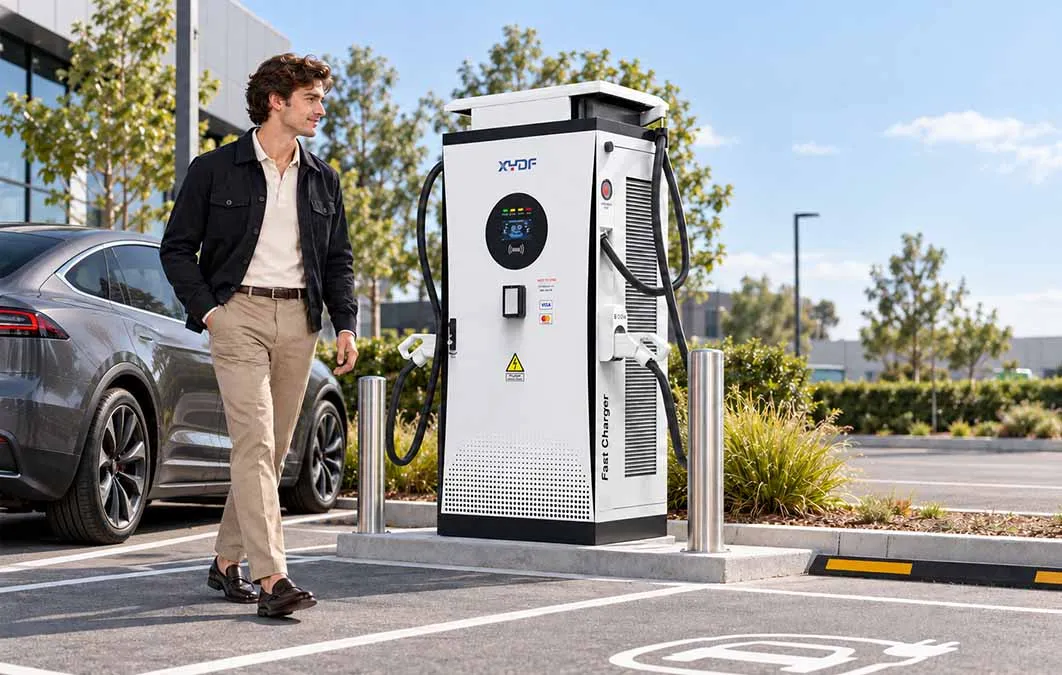
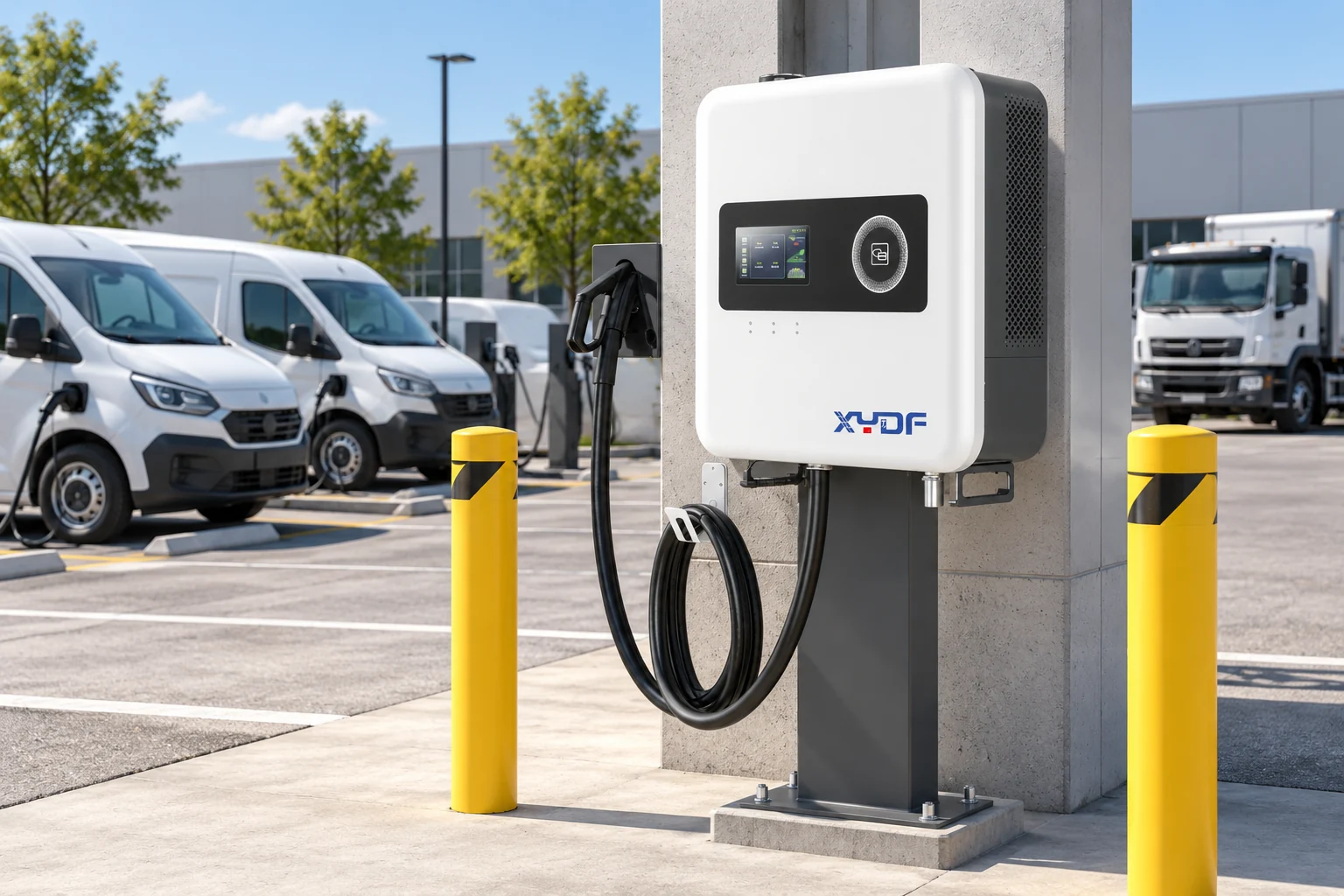
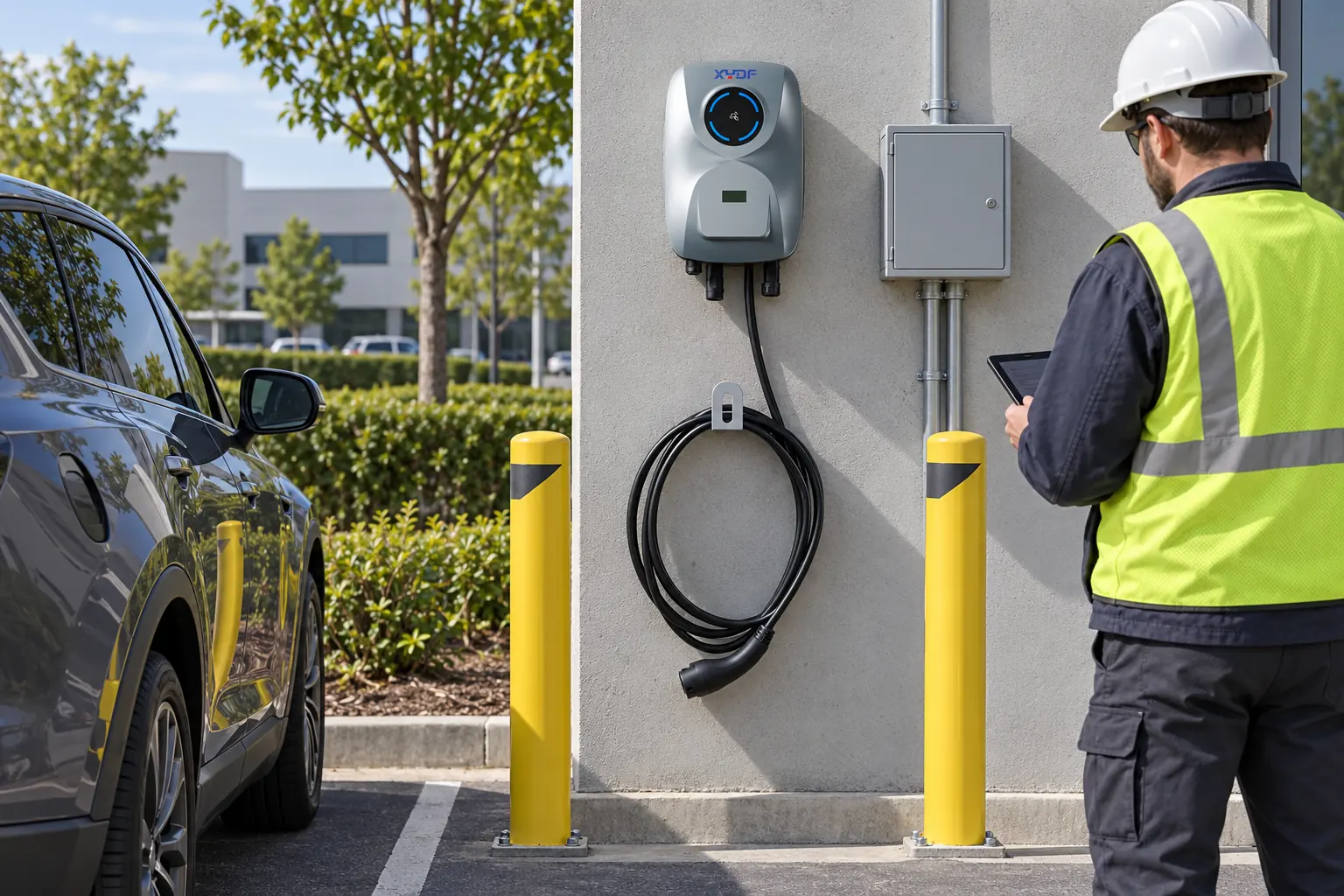
 Синьцзя Дунфан Электрик Технолоджи Ко., Лтд.


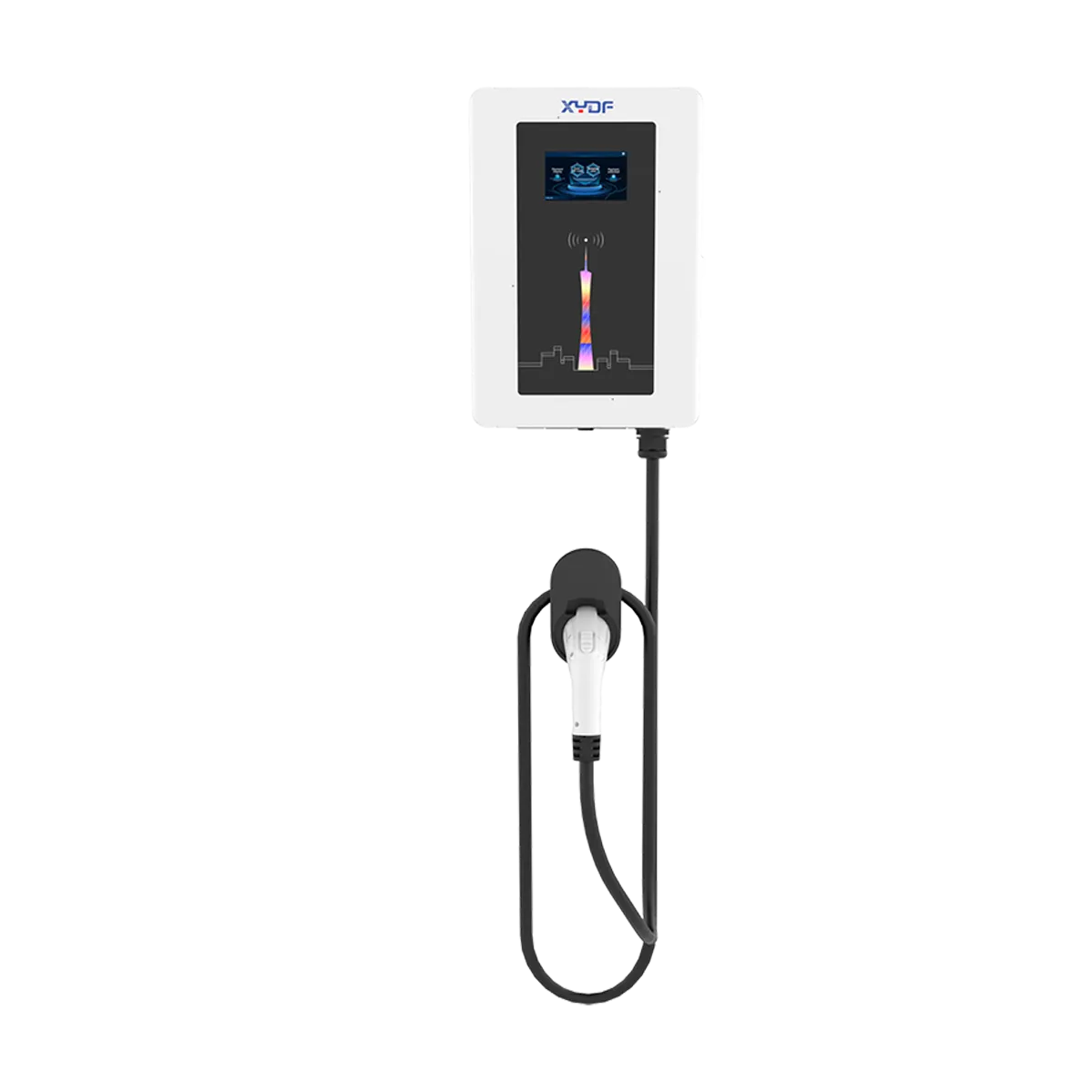
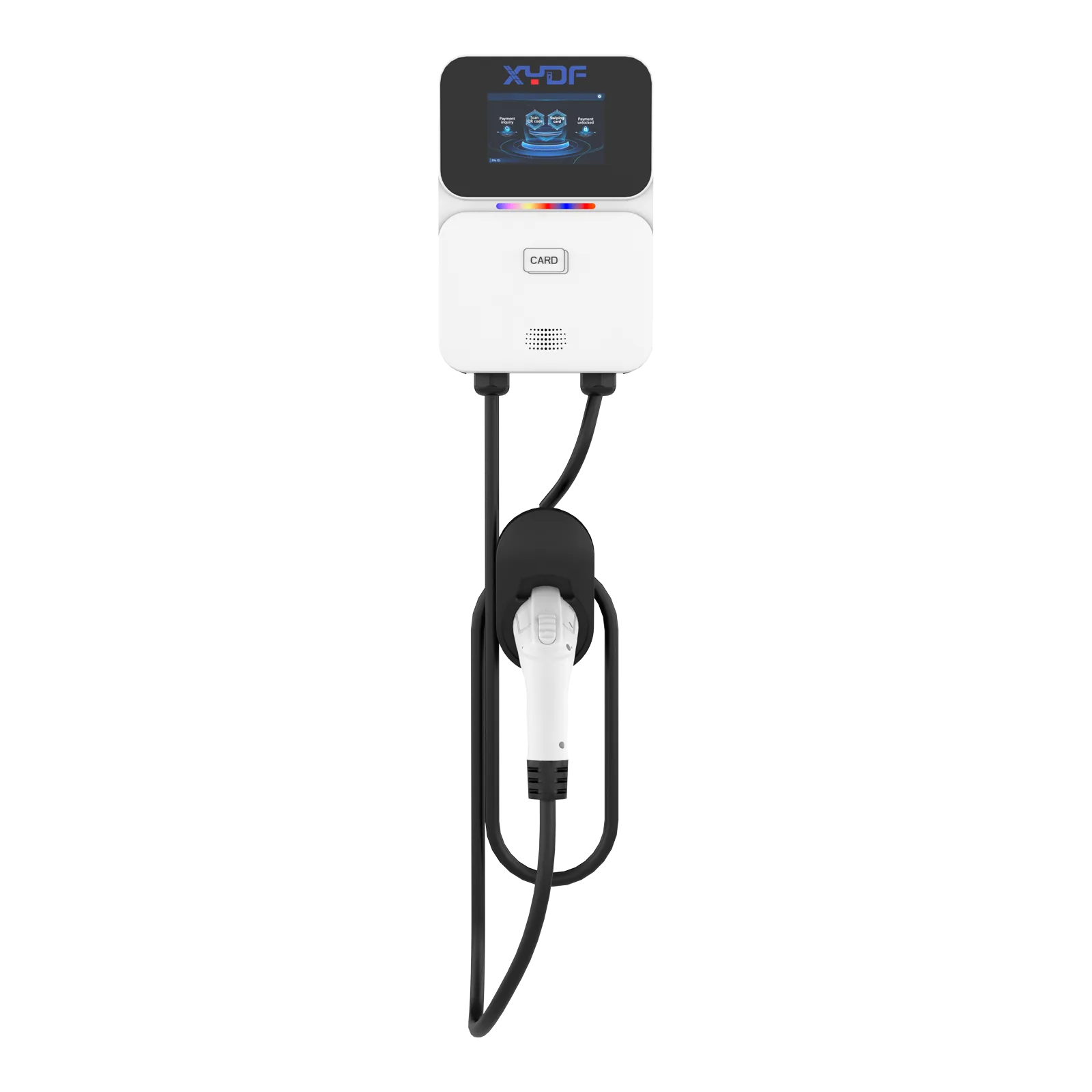
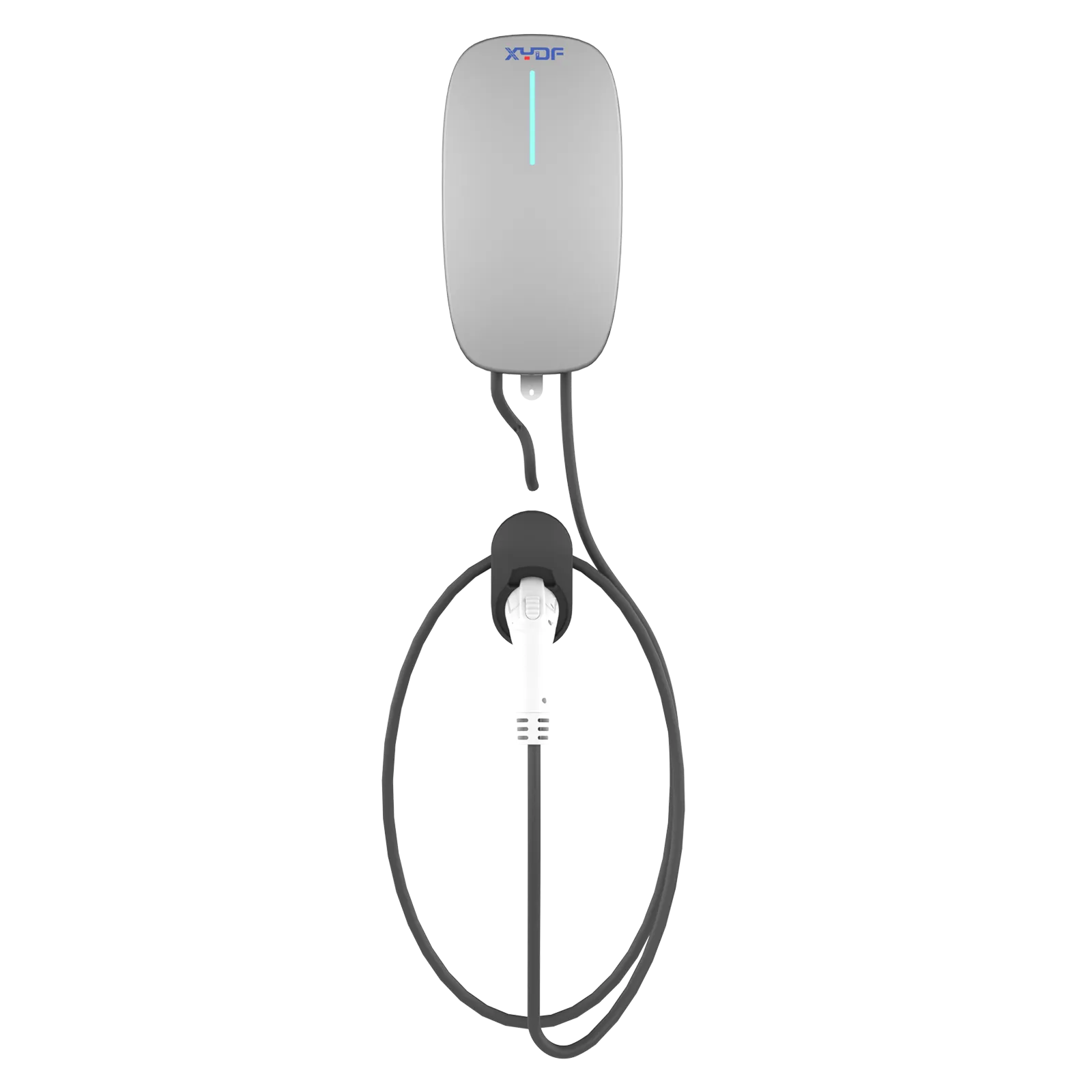
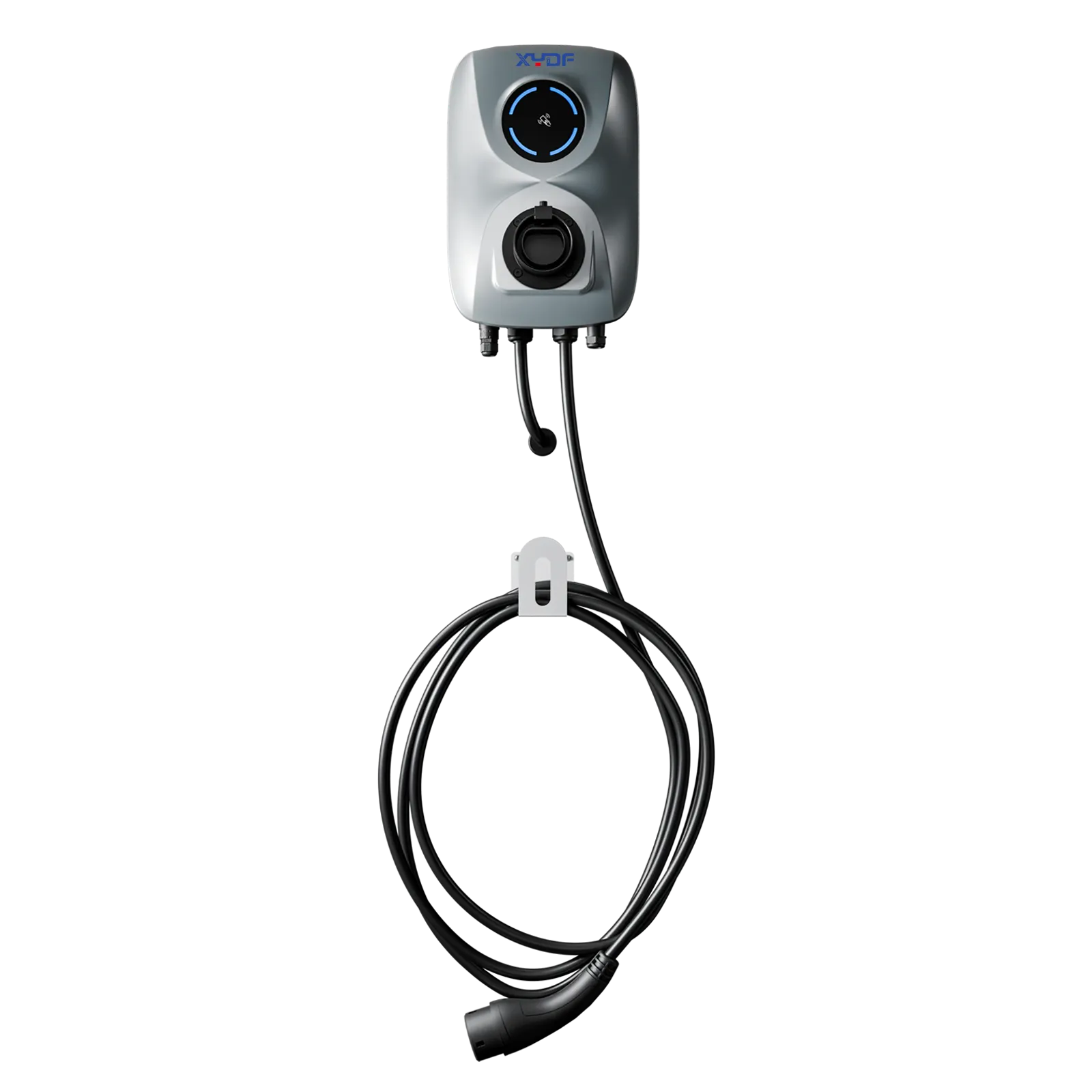
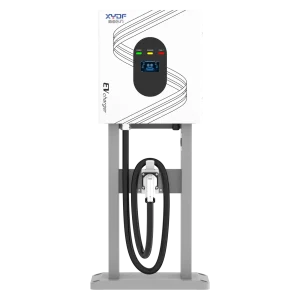

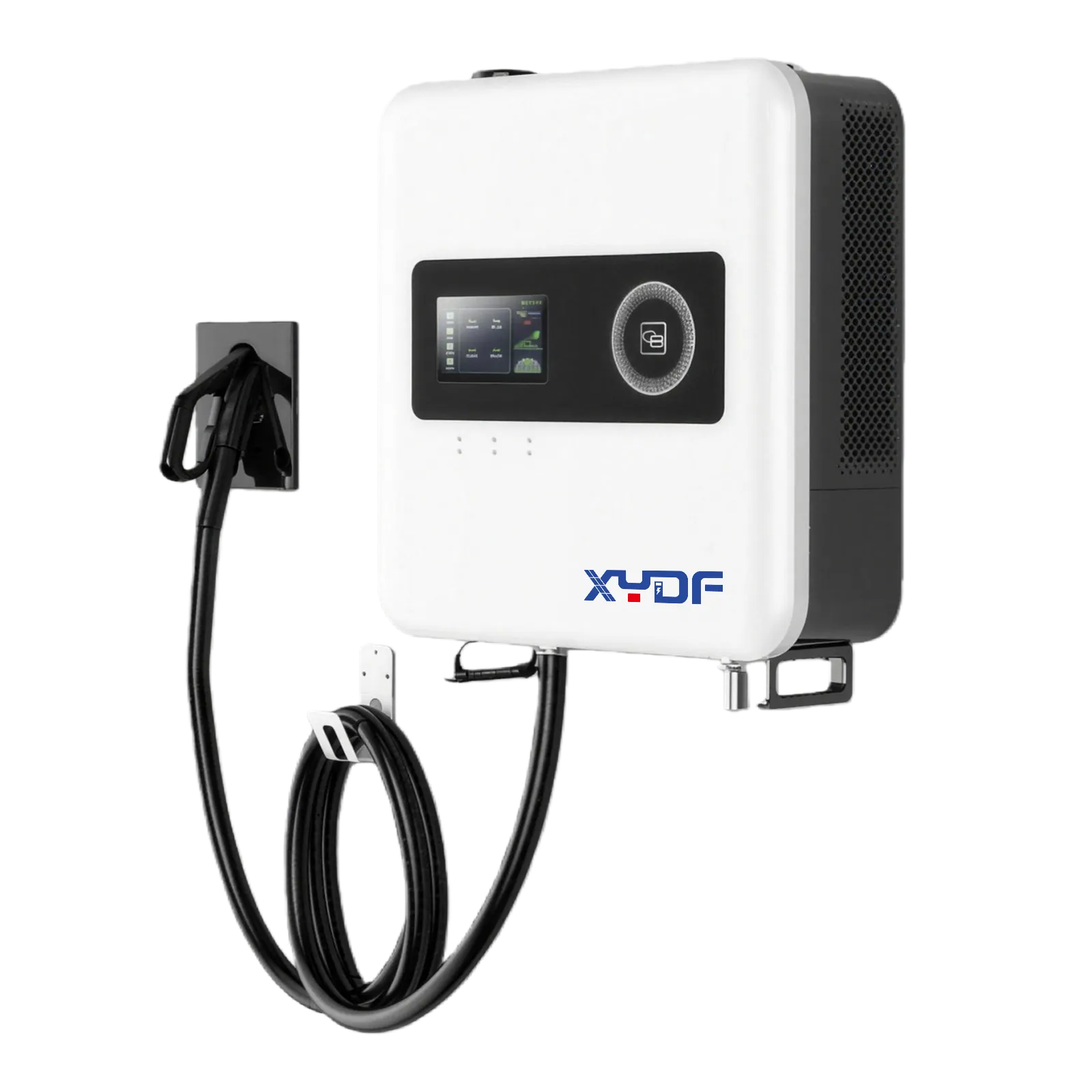
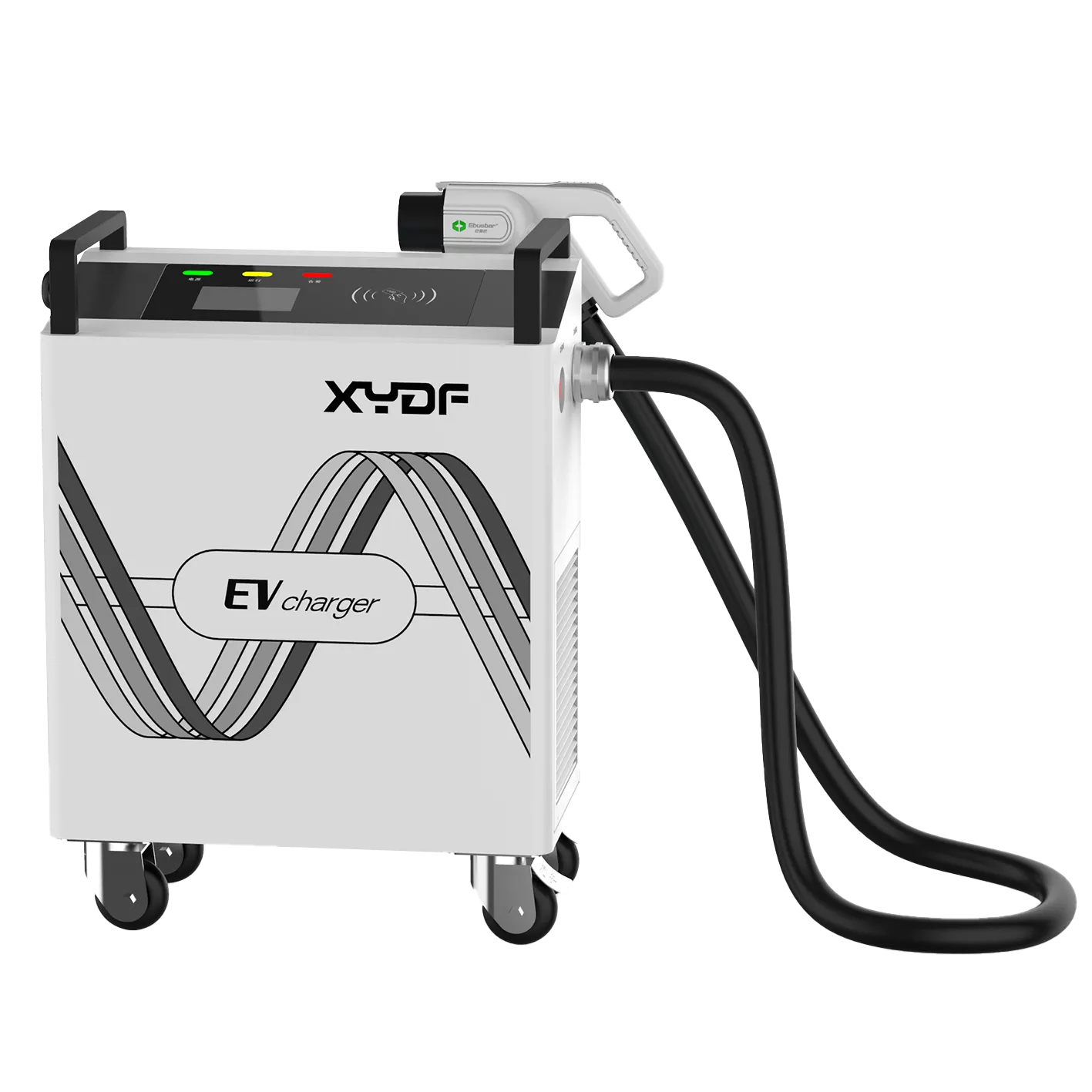
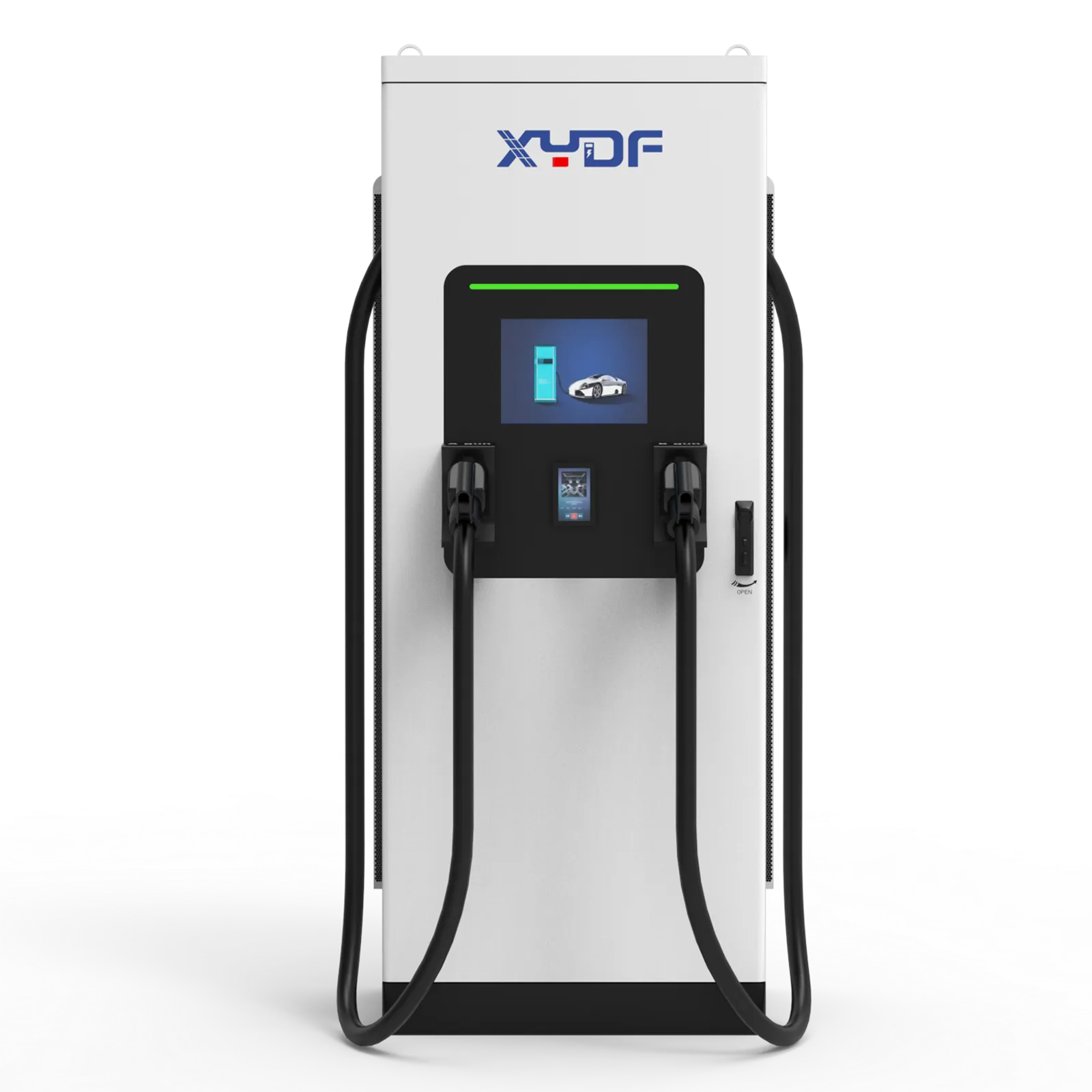
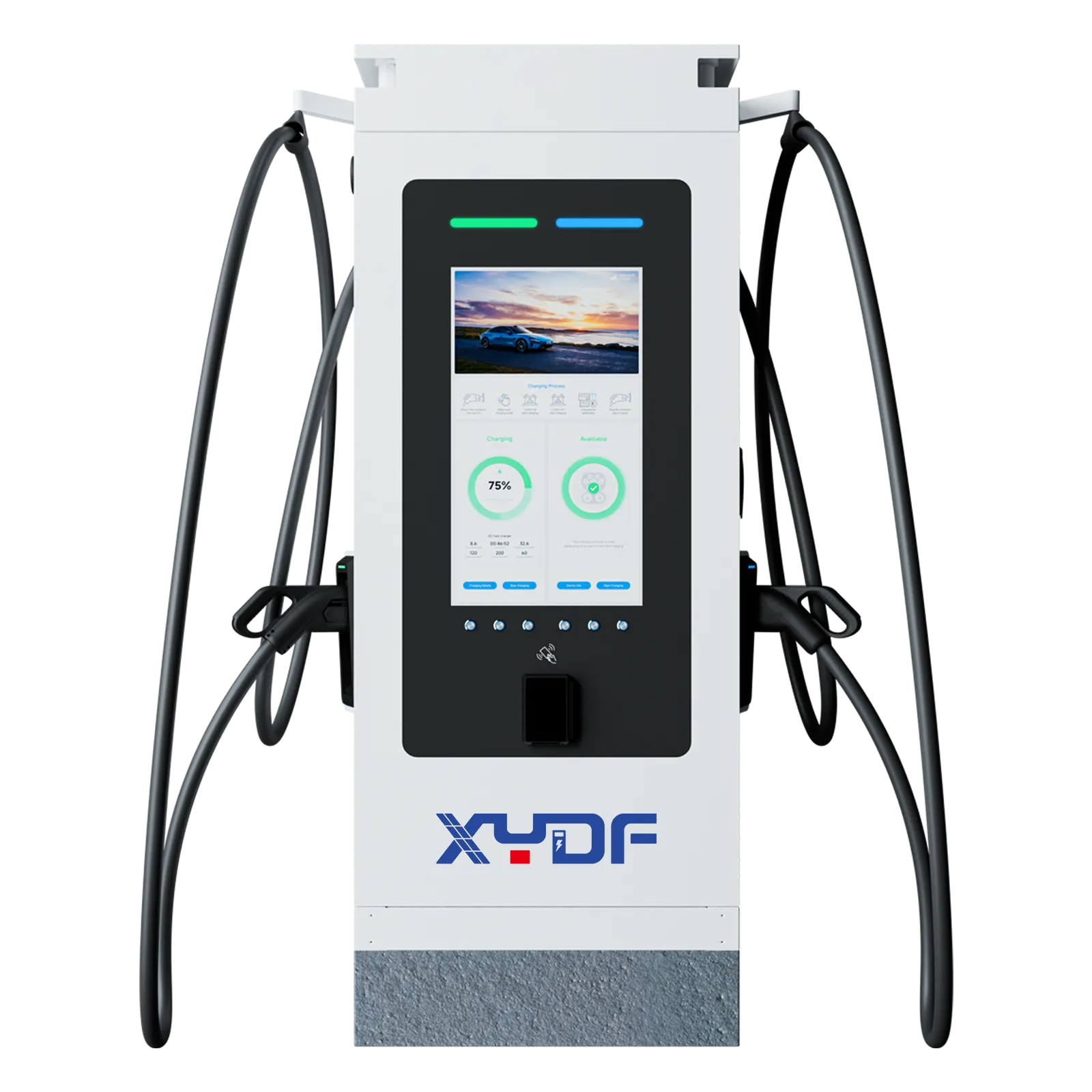
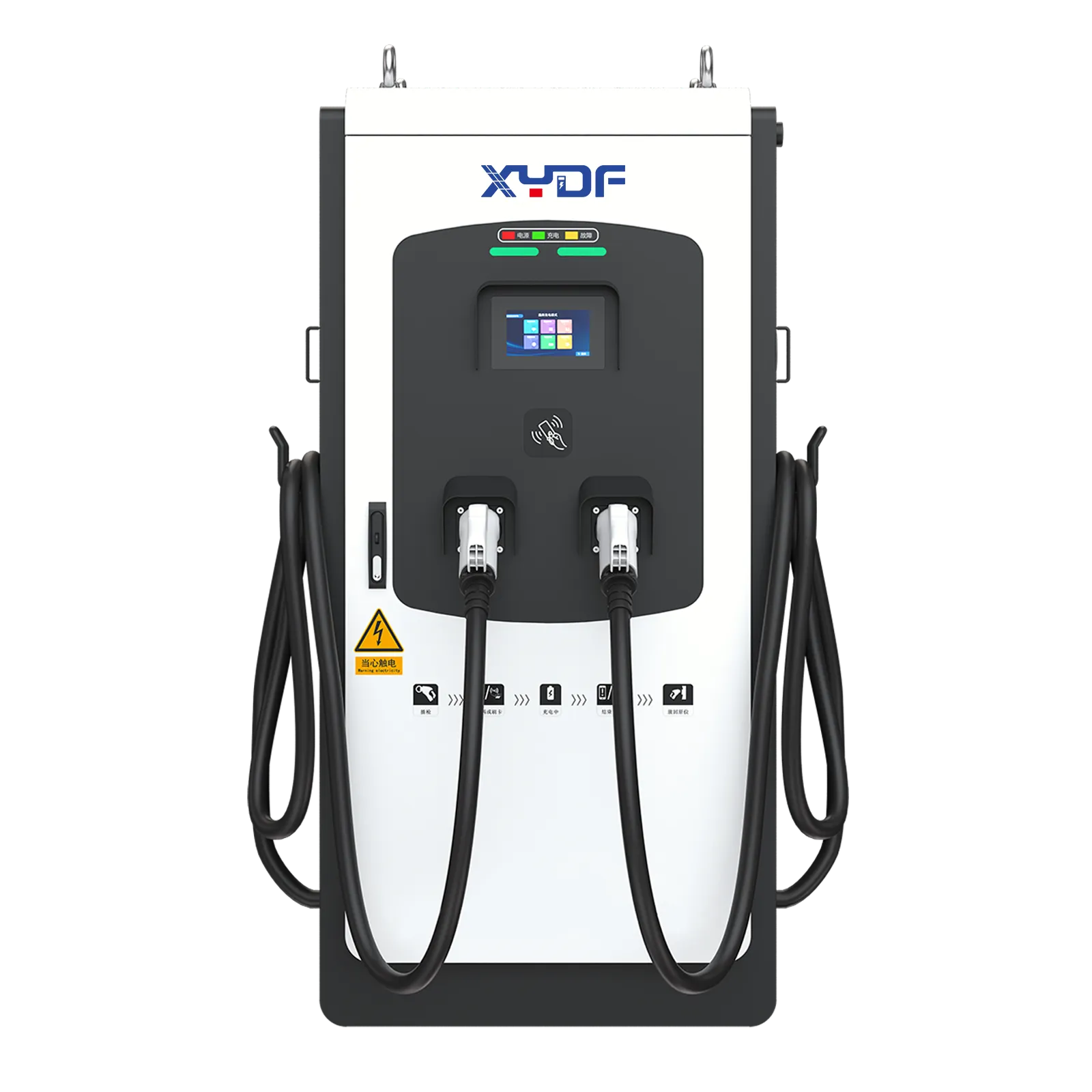
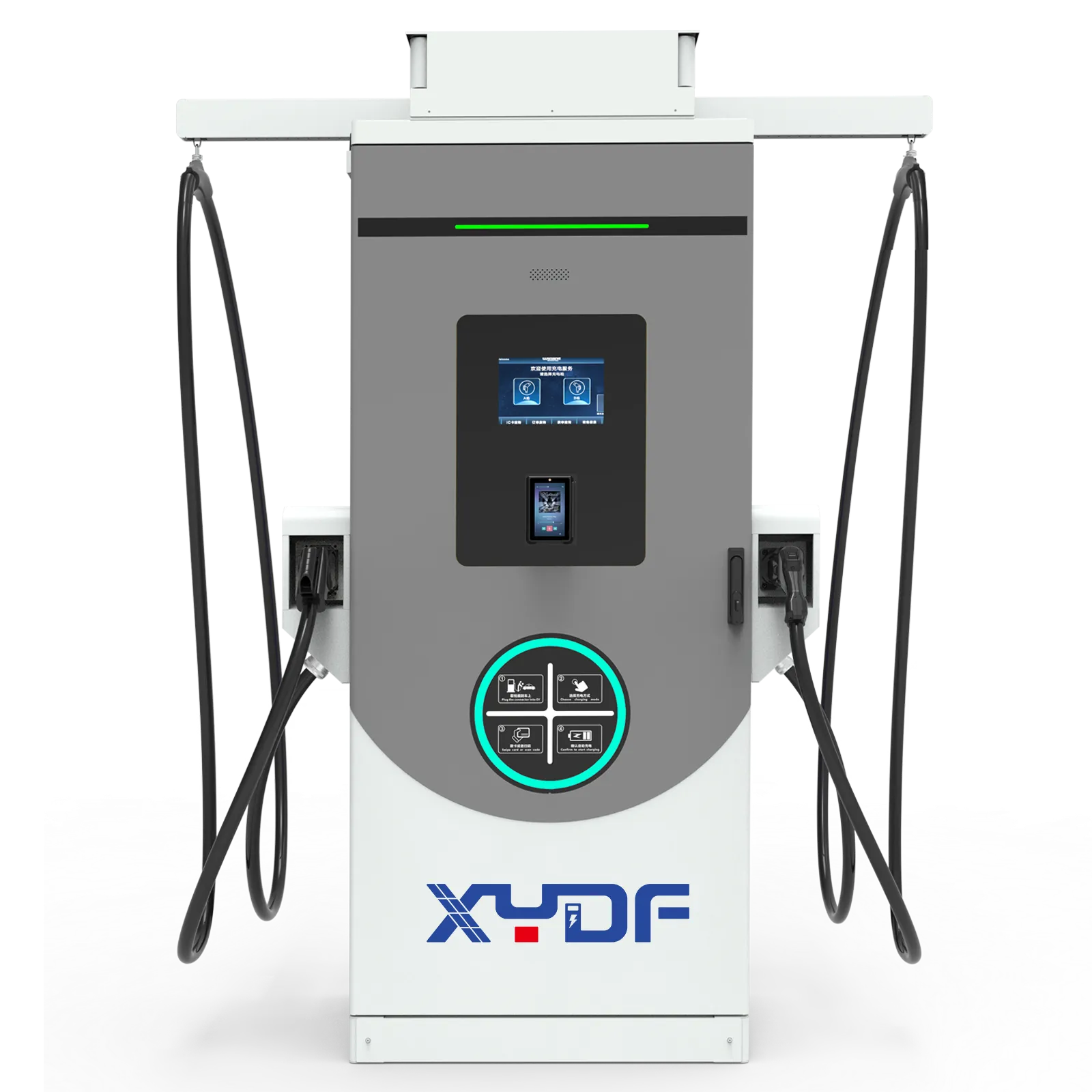
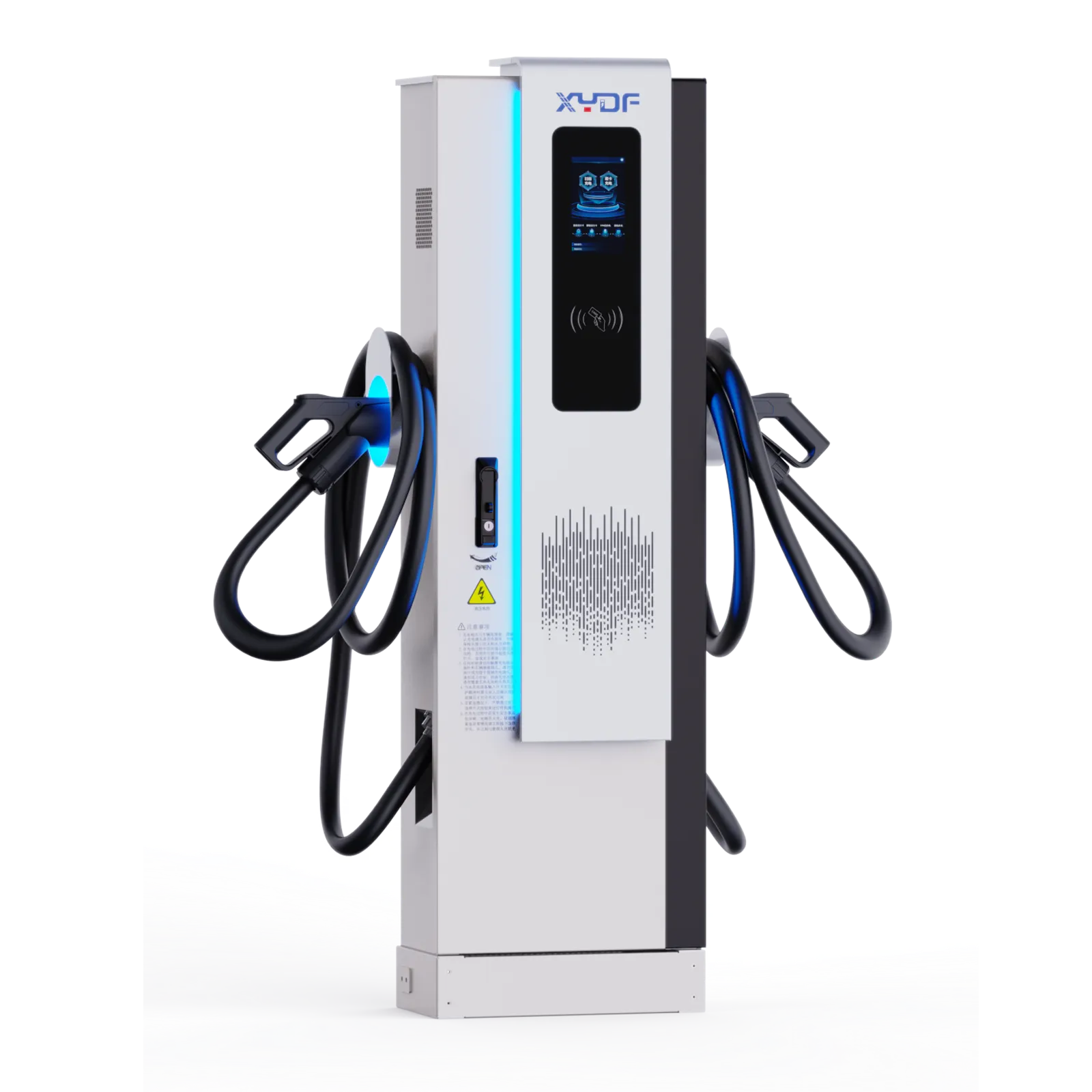
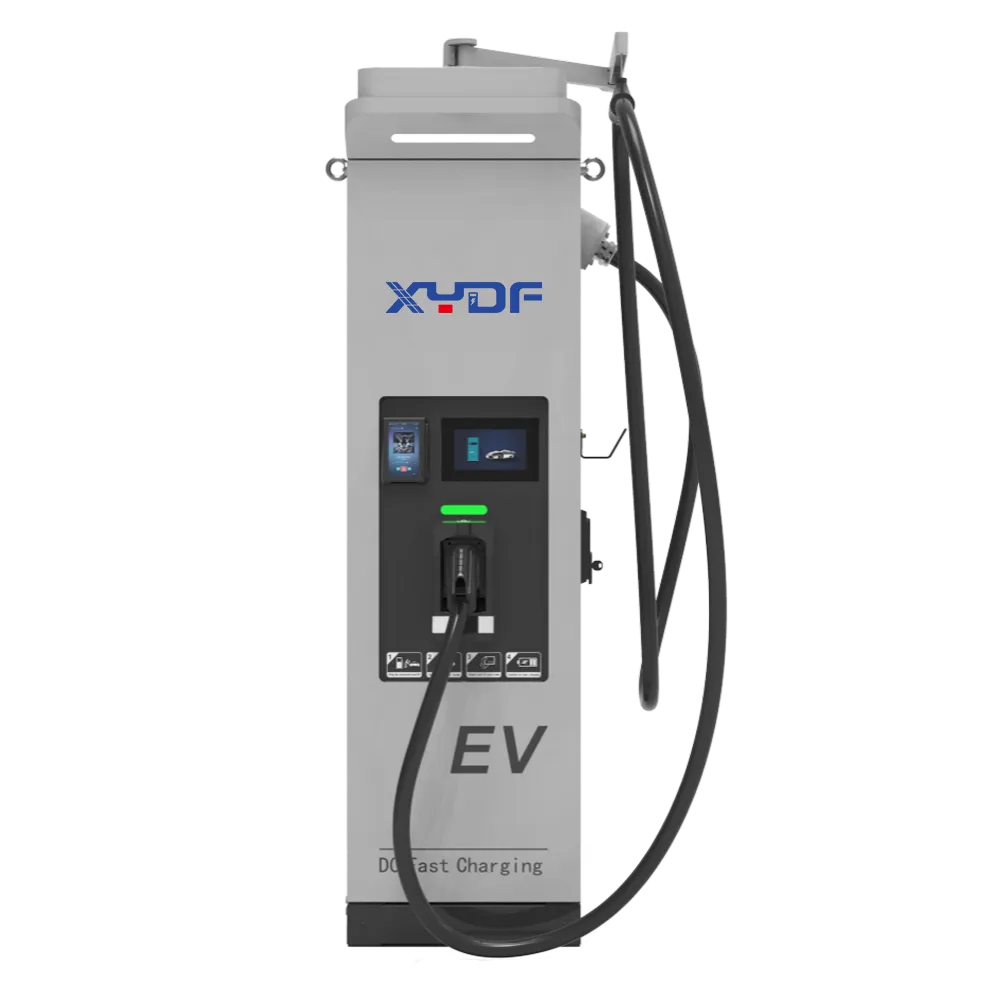
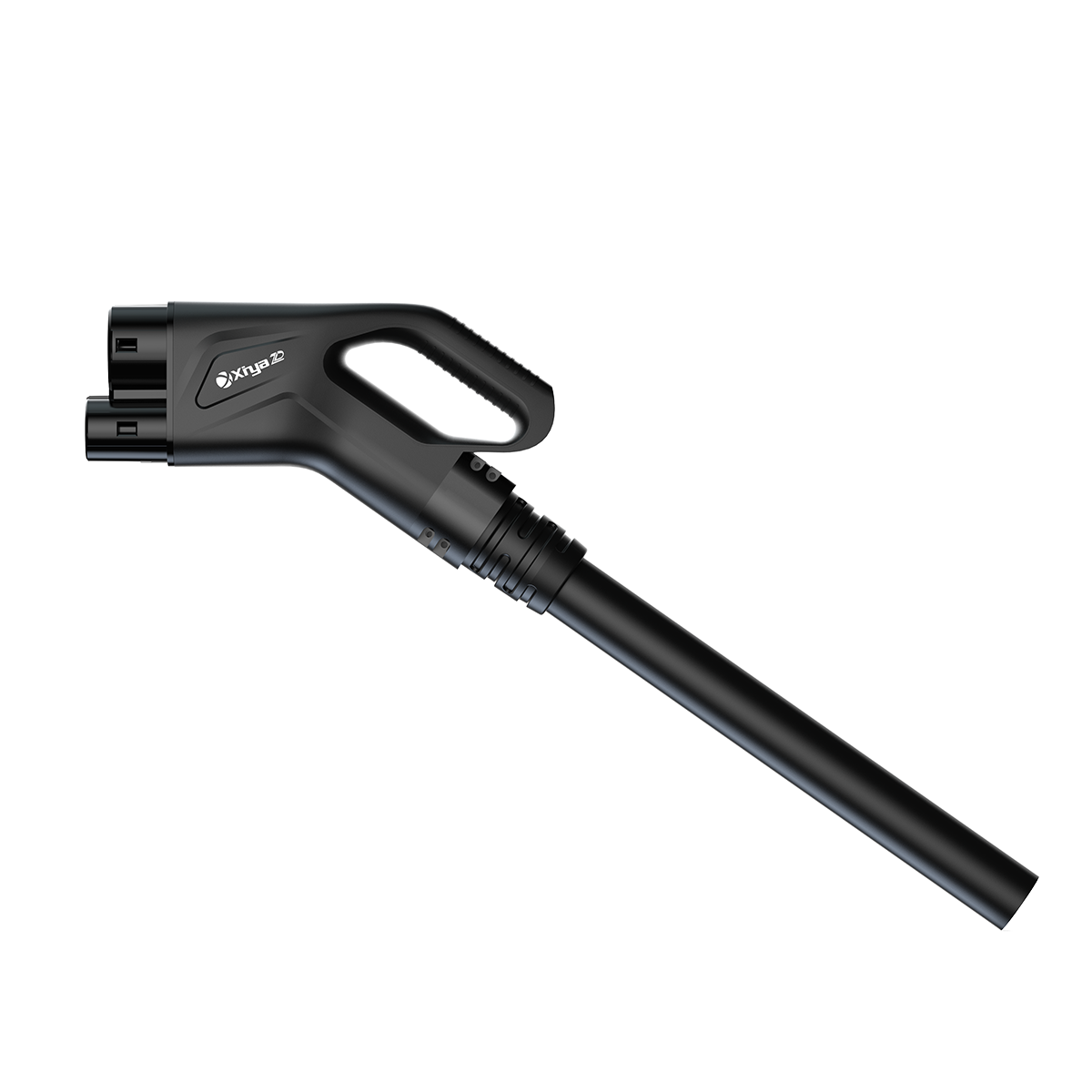
Зарядное устройство может работать на заводе и все же оказаться неэффективным в качестве решения по закупке. Неправильный выбор разъема, кабель, не способный обеспечить доступ ко всем местам парковки, неэффективная система управления, не поддерживающая требуемый поток транзакций, или отсутствие документов, необходимых для доступа на рынок — все это может задерживать завершение проекта. Это не проблемы, которые можно решить за счет снижения цены на единицу продукции, а недостатки спецификации и приемки.
The short answer is that a useful Руководство по закупке зарядных устройств для электромобилей преобразование эксплуатационных потребностей в измеримые требования, сопоставимый запрос на поставку, контролируемые записи о производстве и четко сформулированные критерии приемлемости. Зафиксировать параметры транспортного средства, мощности, соединительных устройств, программного обеспечения, строительных и сервисных требований перед сравнением предложений. Затем оценивать предоставленную конфигурацию в соответствии с указанными стандартами, интерфейсами и протоколами испытаний, а не принимать за основу общие утверждения о соответствии.
What must the charging site deliver?
Начните с услуг, которые должен предоставлять сайт. Запишите категории транспортных средств, состояние заряда при прибытии, время пребывания, ежедневный спрос на энергию, одновременное зарядка, рабочие часы и последствия пропущенного сеанса. Для автопарка ключевым результатом может быть то, что все приоритетные транспортные средства получают достаточную энергию перед отправкой. Для общественного или служебного объекта доступ, оплата, управление очередями, доступность и восстановление после сбоя могут иметь более важное значение.
Создайте базовую энергетическую и энергопотребляющую систему
Не рассчитывайте проект только по табличкам на зарядных станциях. Оцените потребляемую мощность в каждом рабочем режиме, определите количество автомобилей, пересекающих линию, и сравните этот показатель с фактической мощностью зарядной станции. Первый примерный расчет:
требуемая средняя мощность сайта = потребляемая энергия за время работы окна / доступное количество часов зарядки
Это не окончательный проект электрооборудования. Ограничения по приемке транспортных средств, потери при преобразовании, температура аккумулятора, снижение нагрузки, вспомогательные нагрузки и оперативные буферы могут все изменить результат. Электроинженер проекта должен подтвердить эксплуатационные возможности, рабочие характеристики трансформатора и коммутационного оборудования, координацию защиты, заземление, метод управления потреблением и запас для расширения.
Заморозить транспортное средство и матрицу соединительных элементов
List each vehicle model or electrical platform, charging inlet, supported AC or DC mode, voltage range, maximum accepted power, parking orientation and expected cable approach. A charger rated above the vehicle’s acceptance limit will not force the vehicle to take that power. For varied fleets, use a documented vehicle and connector requirements matrix rather than assuming one interface covers every present and planned vehicle.
Определите физические и операционные границы
Включите в стоимость фундамент, армирование, дренаж, столбы, траншеи, подъёмные пути, кабельное прокладка, доступ к сервисному обслуживанию, освещение, указатели и доступное расстояние. Укажите, предоставляет ли поставщик только зарядное оборудование или также коммутационное оборудование, управление энергопотреблением, сетевые услуги, пусконаладку, обучение операторов и техническое обслуживание. Неясная принадлежность к поставщику зарядных устройств, EPC, коммунальному предприятию, стороннему поставщику и оператору объекта — распространенный источник неоплачиваемой работы.
Who owns each step of the procurement process?
Assign the requirements baseline to the buyer, the electrical design and site interface to the EPC, the connection offer to the utility, and the offered configuration and evidence pack to the supplier. The operator should approve payment, access, reporting and fault-recovery workflows before the tender closes. An open question needs an owner, a due date and a release gate; otherwise it can become an unpriced installation change.
Тот DOE procurement checklist treats utility engagement, electrical upgrades, ownership and ongoing fees as part of infrastructure procurement, not as work to discover after ordering chargers. Use that sequence to distinguish equipment delivery from a commissioned charging service.
What should an EV charger RFQ include?
Сильный Запрос на зарядку электромобилей содержит исходные требования, график объемов, матрицу соответствия, документ о взаимодействии с контролем, чертеж и список документов, план испытаний, условия поставки и коммерческие предположения. Каждый участник торгов обязан отметить каждую строку как соответствующую, условную или исключительную и указать подтверждающий документ, редакцию и владельца. Предложение не может считаться полностью обоснованным, если в нем не приводятся доказательства повторения запрошенного текста.
Требования к программному обеспечению должны соответствовать точности аппаратных средств. Обязательно укажите протокол и версию системы управления станциями зарядки, требуемые функции, профиль безопасности, жизненный цикл сертификатов, владение данными, их хранение и формат экспорта, политику удаленного обновления, поведение при отключении от сети и проверенные серверные компоненты. Если требуется оплата, роуминг или автоматическая аутентификация, укажите процесс взаимодействия пользователя и поведение при сбоях, а не использовать общий термин, такой как “совместимый”.”
Используйте один коммерческий критерий сравнения
| Стоимость или обязательство | Ввод запроса на поставку для стандартизации | Доказательства для запроса | Риск, если это не будет сделано |
|---|---|---|---|
| Оборудование | Опубликованная конфигурация, разъемы, длина кабеля, модем, счетчик и опции | Ценник с указанием количества и перечень отклонений | Цитаты охватывают различные продукты |
| Интеграция сайта | Фундамент, распределительные шкафы, траншеи, сети и подъемные сооружения | Матрица ответственности и список исключенных работ | Задержки с исполнением заказов на EPC |
| Программное обеспечение | Версия протокола, лицензии, хостинг, оплата и объем данных | Расписание периодических платежей и план тестирования | Неоплаченные подписки или интеграция |
| Сервис | Часы поддержки, ответные действия, решения проблем, восстановление и резервная стратегия | Определение уровня сервиса и пути эскалации | Обещание по времени работы не может быть выполнено |
| Доставка | Наименование, место назначения, упаковка, таможенные документы и график | План мероприятий и список транспортных документов | Предположения по тарифам, риску и сборам различаются |
| Принятие | FAT, SAT, повторная проверка и закрытие списка проблем | Подписанные шаблоны и платежные терминалы | Платеж становится обязательным до получения подтверждения |
Сравните общую стоимость, а не только цену за единицу товара
Создайте модель оценки с учетом этапов приобретения, электро- и строительных работ, ввода в эксплуатацию, подключения, программного обеспечения, профилактического обслуживания, ожидаемых работ по устранению неисправностей, запасных частей, работы на объекте и времени простоя. Обеспечьте видимость предположений. Если оценка расходов на перебои или показатель отказов не подкрепляются оперативными данными покупателя, укажите её как иллюстрацию и проведите тестирование на выборку данных, а не как прогноз.
Полезная система оценки заявок разделяет категории «удовлетворительно» и «неудовлетворительно» на те, которые основаны на весах критериев. Доступ к рынкам, электромагнитная совместимость и обязательные интерфейсы обычно относятся к категории «удовлетворительно». После достижения этих критериев покупатель может учитывать такие факторы, как техническая совместимость, уверенность в поставке, поддержка на протяжении всего жизненного цикла, качество документации и коммерческие условия. Это предотвращает то, что высокий балл в категории «цена» может компенсировать несоблюдение требований.
How do you qualify a supplier and production sample?
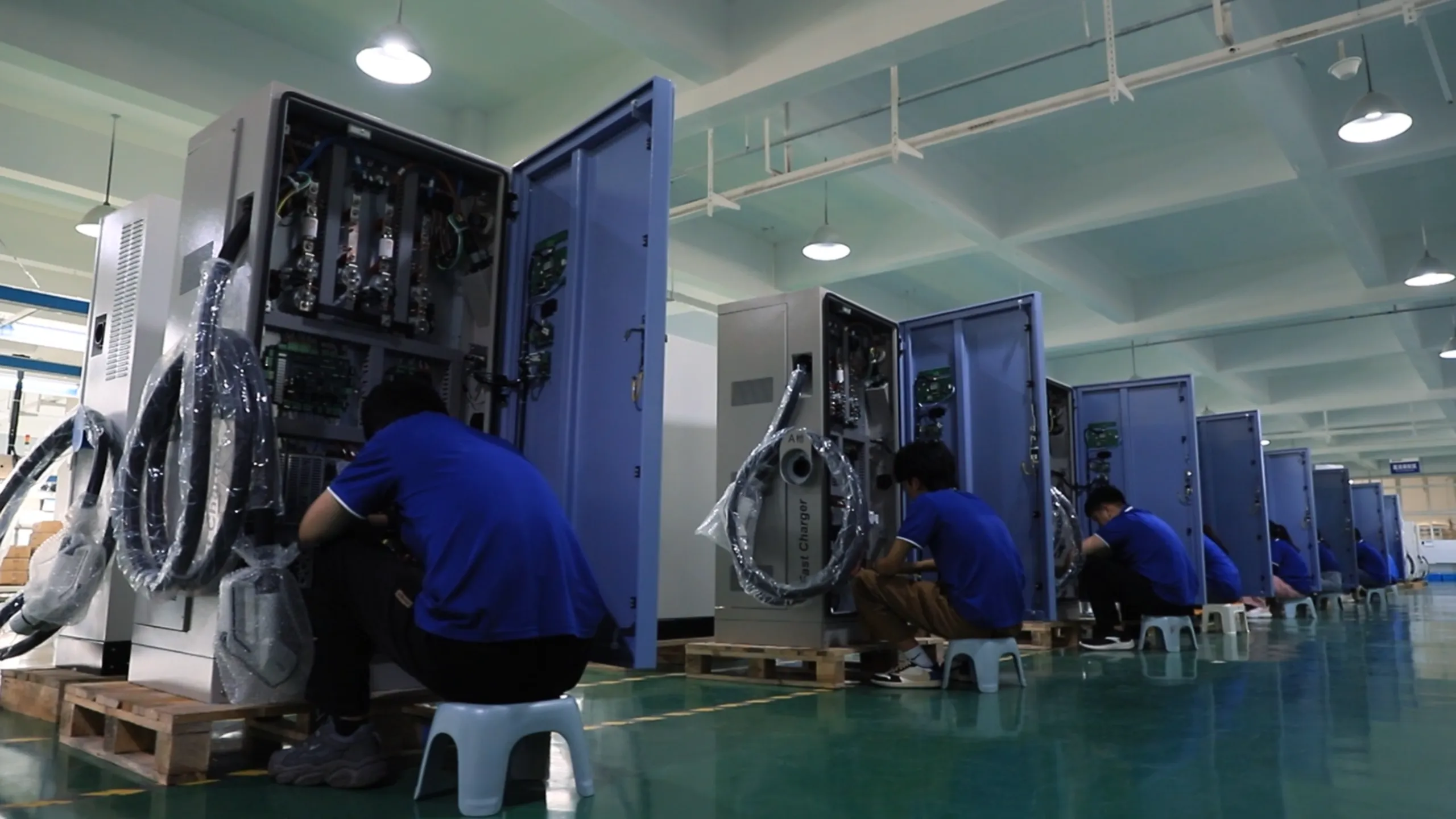
Проверка на заводе должна подтвердить, может ли указанный процесс повторять процесс создания выпущенной конфигурации. Проверьте входящий контроль, контроль со стороны поставщиков, отслеживание серийных и партийных деталей, калибровку, загрузку прошивки, охват тестирования на конечных этапах производства, обработку несоблюдения требований, контроль за изменениями и операции, выполняемые сторонними поставщиками. Запросите анонимные отчеты, демонстрирующие процесс в действии. Структурированный Список контрольных задач для аудита заводов по производству зарядных устройств для электромобилей Это может помочь покупателям провести одинаковую проверку в рамках отбора финалистов среди заводов.
Выберите правильный путь разработки продукта
Стандартный продукт может снизить количество инженерных изменений, в то время как работа по разработке под заказ или разработке индивидуальных решений может включать в себя добавление фирменного наименования, интерфейсов, упаковки, локализации или других контролируемых вариаций. Сами эти этикетки не определяют принадлежность к компании-изготовителю. В договоре следует указать, кто контролирует чертежи, флеш-программы, инструменты, испытательные приспособления, файлы для соответствия требованиям, графику и полевые данные, а также то, что происходит с поддержкой в случае выхода компонента из эксплуатации. Поиск коммерческих зарядных устройств для электромобилей, Эта карта собственности имеет такое же значение, как и указанный объем доступных возможностей настройки.
Одобряйте конфигурацию, а не образец из салона
Образец должен представлять собой предлагаемый производственный комплекс: корпус, кабель, соединитель, этикетки, метр, модем, пакет языковых пакетов, флеш-пакет и задний интерфейс. Записывайте отклонения, фотографии, серийные номера и изменения в документации. Подписанный золотой образец полезен только в том случае, если в системе контроля за изменениями в производственной деятельности будет указано на него и обе стороны согласятся на рассмотрение вопроса о том, как будет осуществляться неминуемая замена.
How should production, delivery and acceptance be controlled?
После утверждения образца выпускайте массовое производство в письменной форме. Зафиксируйте утвержденный список материалов, программного обеспечения и чертежей; разрешайте замены только в рамках процесса внесения изменений инженерами, в котором фиксируются причина, затронутый серийный номер, подтверждающие доказательства и утверждение покупателя. Следите за мерами, имеющими значение для контракта, такими как критические несовпадения, повторные испытания, выпуск партии, отклонения графика и нерешенные исправления. Метрика без определения, отчетного периода и средства устранения не является контролем.
Сделать доставку частью технического плана
Align production and shipping with utility, civil-work and installation milestones. Agree payment and delivery terms against the frozen configuration and signed release records, including MOQ by variant and the exact named delivery place. The packing specification should identify unit dimensions and mass, lifting and center-of-gravity information, moisture protection, shock or tilt indicators when required, serial-number manifest, accessory count and storage limits. The named Incoterm must include the agreed place and edition; it allocates cost and risk but does not replace a detailed list of customs, conformity and transport documents.
Отдельное производство, площадка и операционное принятие
| Врата | Типичные проверки | Задняя запись | Решение о выпуске |
|---|---|---|---|
| Фабричный приемка-тест (FAT) | Опубликованная конфигурация, защитные функции, применимые электрические испытания, блокировка разъема, достоверность показаний счетчика, аварийный выключатель в случае его установки, связь и отчетность о неисправностях | Результаты, инструменты и состояние калибровки, отклонения и сигнатуры, связанные с серией измерений | Одобрять отправку, отложить или потребовать повторного тестирования с участием свидетелей |
| Инспекция объекта/сайта | Повреждения транспортного средства, серийный реестр, принадлежности, чертежи, флеш-память и готовность к установке | Получение отчета и списка работ | Размещение оборудования для установки |
| Тест на приемлемость сайта (SAT) | Землячество, настройки защиты, сетевые правила, управление нагрузкой, сессии целевого транспортного средства, система оплаты или системы доступа, обозначение и протяженность кабеля | Резултаты по конкретным объектам с указанием владельцев и сроков выполнения работ | Принять, условно принять или отклонить |
| Оперативное передача полномочий | Организация маршрутизации тревожных сигналов, удалённая поддержка, экспорт данных, обучение операторов, запасные части, техническое обслуживание и отслеживание ситуации | Пакет с документами и контактные данные поддержки | Запуск сервиса и гарантийного обслуживания осуществляется по договоренности |
Не указывайте “pass” рядом с общим названием теста. В плане должно быть указано, какая методика или процедура применимальна, каковы предварительные условия, конфигурация образца, предельный уровень приемлемости, правило свидетельства, отчета и повторного тестирования. Проверка безопасности продукции в рамках стандартного процесса, окончательные проверки на производственной линии и FAT проекта — это разные уровни доказательств; ни одно из них не может заменить другое без документально обоснованной технической базы.
Warranty is a remedy framework. Compare the start trigger, covered parts, labor and travel, exclusions, software support, response and restoration targets, advance replacement, return-material authorization, freight and data required to validate a claim. The site’s B2B EV charger warranty comparison can be used to turn those points into contract questions.
Should the site use AC or DC charging?
| Измерение | Зарядка по адресу назначения AC | Быстрая зарядка постоянным током | Вопрос о закупках |
|---|---|---|---|
| Типичная работа | Долгое время автономной работы, зарядка на рабочем месте или ночное зарядка | Сокращение времени пребывания на борту или ускорение процесса замены флота | Сколько энергии должно получать каждое транспортное средство во время своего полного рабочего времени? |
| Конверсия мощности | Нагрузка на бортовой зарядную станцию ограничена допустимой мощностью | Отдельный зарядный блок обеспечивает подачу регулируемого постоянного тока в пределах допустимых значений для транспортного средства | Какие напряжения и мощности электрооборудования должны быть обеспечены? |
| Капацитет сайта | Множество портов с низким энергопотреблением позволяет распределять энергию в течение длительного периода времени | Высокий уровень совпадения спроса может потребовать более совершенной схемы распределения электроэнергии и теплоснабжения | Какие доступные возможности и ограничения нагрузки доступны? |
| Установка | Часто меньший размер оборудования и потребление охлаждающей энергии | Может потребовать использования более крупного оборудования, фундаментов и разрешений на проведение работ | Стоимость помещений для гражданской деятельности, подъема, защиты и технического обслуживания установлена ли? |
| Совместимость | Предельные значения для разъема, контрольного пилота и бортового зарядного устройства | Коннектор, окно напряжения, ограничения для связи и аккумулятора | Какие автомобили и версии стандартов входят в матрицу приемлемости? |
| Устойчивость | Более многоточечные порты могут снизить влияние одного отсутствующего узла | Меньшее количество высокоэффективных объектов может оказывать существенное влияние на работу предприятия | Какую резервную стратегию и резервирование ресурсов обеспечивают для достижения цели сервиса? |
| Ценовая тенденция | Мощность оборудования снижена, но может потребоваться большее количество разъемов или портов | Повышение спроса на оборудование и комплексное размещение на объекте, с потенциальной операционной выгодой от более короткого времени нахождения в эксплуатации | Какие издержки жизненного цикла меняются при реальном профиле использования? |
Сопоставление доказательств о закупке с заявлением
| Заявка | Акцент на дизайн | Доказательства для запроса | Сигнал о принятии |
|---|---|---|---|
| Публичный зарядный стенд | Доступное использование, оплата, отображение цен, роуминг по необходимости, защита от кражи и поддержка | Тесты пользовательского потока, доказательства наличия корпуса, резервный вариант работы сети и процесс обслуживания | Успешные сессии по целенаправленным видам транспортных средств, способам доступа и сценариям сбоев |
| Автопарк автобусов, грузовиков или сервисных автомобилей | Подведение итогов работы, протяженность кабеля, использование, управление нагрузкой и резервирование | Матрица данных о транспортных средствах, параметры мощности, тепловые данные и меры реагирования при возникновении риска для диспетчера | Симуляция перевода рейсов без пропущенных отъездов по приоритетным расписаниям |
| Место работы или торговый объект | Продолжительное время работы, политика доступа, отчетность о потреблении энергии и распределение нагрузки | Метод измерения, экспорт данных, управление пользователями и тарифная логика | Сессии согласовывают результаты с контролируемыми тестовыми данными и правилами политики |
| Программа частного бренда для дистрибьюторов | Контроль над выпускаемыми SKU, графическим оформлением, языком, упаковкой, запасными частями и документацией | Золотой образец, утверждение иллюстраций, процесс индексации и изменения документов | Продукционный образец и документы соответствуют опубликованному SKU. |
Which standards and regulations apply to the project?
Стандарты и регламенты выполняют разные функции. IEC 61851-1 касается общих требований к проводящим системам зарядки; серия стандартов IEC 62196 касается разъемов, розетках, автомобильных соединительных устройств и входов, при этом отдельные части охватывают различные аксессуары. ISO 15118 касается интерфейсов связи между транспортным средством и сетями электроснабжения. Содержание одного из этих документов само по себе не является доказательством того, что изделие сертифицировано или что все требования рынка выполнены. Укажите издание, применимые положения, доказательства испытаний и ответственный путь сертификации соответствия.
Для связи с сервером укажите точную версию OCPP и требуемые функции. По данным Open Charge Alliance, OCPP 2.1 был выпущен в 2025 году и отмечает, что OCPP 1.6 и 2.0.1 несовместимы. Поэтому название протокола не обеспечивает полной функциональной совместимости. Требуйте тестовую матрицу для флеш-чипсета зарядного устройства, системы управления зарядкой, конфигурации безопасности, обработки сертификатов, поведения в автономном режиме и пути обновления, которые будут фактически внедрены.
The certification evidence changed in 2025: the Open Charge Alliance’s April 2 announcement made the full OCPP 2.0.1 certification profiles available. Core remains mandatory, but optional profiles such as Smart Charging and ISO 15118 Support have their own scope. An “OCPP 2.0.1 certified” label therefore does not mean every optional function was tested; procurement teams need the certificate’s profile coverage, not just the protocol badge.
For each specified function, match the offered certificate and profile to the exact implementation proposed in the bid. The OCA certification program uses independent conformance testing, so its certified-product records provide a check on the supplier’s claim. Keep CSMS migration, payment journeys and target-vehicle sessions in project acceptance: conformance evidence does not replace those deployment tests.
| Источник требования | Возможность подтверждения | Последствия запроса предложений |
|---|---|---|
| IEC 61851 и IEC 62196 | Функции системы зарядки и требования к разъему/аксессуарам, применимые к продукту и интерфейсу | Назовите соответствующую часть и издание; запросите отслеживаемые отчеты по заявленному объему |
| ISO 15118 и OCPP | Коммуникация между транспортным средством и зарядным устройством против связи между зарядным устройством и системой управления | Список требуемых версий и функций следует указывать отдельно; проводить тестовые проверки полномасштабной функциональной совместимости |
| Public-access and payment rules | Requirements depend on jurisdiction, site access, power and deployment date | Have the responsible local adviser confirm current payment, accessibility and price-information duties before freezing hardware |
| Funding-program conditions | Additional obligations may attach to public funding rather than every charger purchase | Review the actual award conditions with the program administrator and flow applicable requirements into the contract |
| Правила для рынков назначения | Электрическая установка, безопасность, ЭМС, радиосвязь, метрология, доступность, оплата, конфиденциальность и маркировка | Определить обязанности импортера, EPC, оператора сети и поставщика; проверить принятие и отклонения на национальном или местном уровне |
Архивы сертификации должны быть подлежащими контролю за изменениями и привязанными к поставленному оборудованию и фърмварью. Несовместимый сертификационный язык создает риски в части таможенных сборов, страхования, тендеров и претензий со стороны клиентов. Перед отправкой необходимо получить подтверждение от ответственного местного специалиста или эксперта по сертификации о том, какие законы, кодексы, стандарты, декларации, регистрационные записи и независимые оценки распространяются на место назначения, источник финансирования и предполагаемое использование.
What are the six gates of EV charger procurement?
- Определение требований: замораживание результатов эксплуатации, флота, мощности, интерфейсов, условий эксплуатации на объекте, программного обеспечения, сервиса и нормативных требований.
- РФК и короткий список: выдавать одну и ту же матрицу соответствия, чертежи, шаблоны для утверждения и коммерческий график; оценивать доказательства и исключения.
- Оценка соответствия поставщикам: контроль процесса оценки соответствия, отслеживаемость, возможность тестирования, управление фирмременным ПО, а также объем производимой продукции и история исправлений.
- Образец и интеграция: тестирование конфигурации с целью производства, баз данных, меткеров, упаковки и доступа к сервисам; оформление письменных отчетов о отклонениях.
- Производство и доставка: выпуск через согласованные пункты приема, контроль изменений, осмотр партии, согласование серийных номеров и завершение упаковки для отправки.
- Прием и передача: выполнить FAT и SAT, закрыть критически важные пункты, обучить операторов, передать записи и начать поддержку по договоренной процедуре.
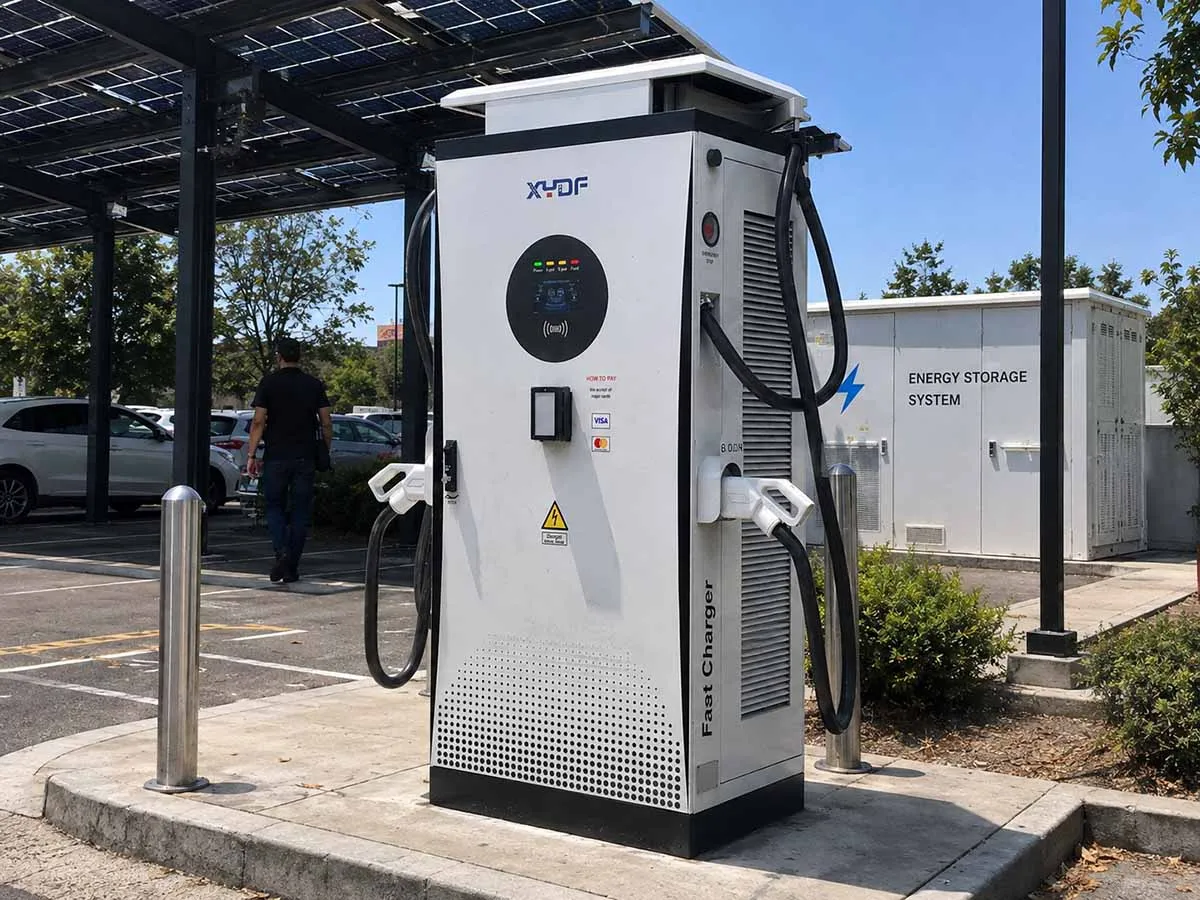
За закупка зарядных устройств для флота, XYDF может участвовать в этом процессе путем реагирования на контролируемый перечень спецификаций и документов, но покупатель, EPC и местные стороны, отвечающие за соблюдение требований, должны сохранять за собой право контроля за разработкой проекта, его применимостью на рынке и окончательным принятием.
Часто задаваемые вопросы
Что должно быть включено в запросе на поставку зарядного устройства для электромобилей?
Содержит требования к эксплуатации, технические характеристики электрооборудования и разъемов, матрицу транспортного средства, интерфейсы с объектами и гражданским сектором, связь, кибербезопасность, документацию, FAT и SAT, гарантию, уровни обслуживания, запасные части, сроки поставки и коммерческие предположения. Требует линейную матрицу соответствия с указанием исключений и подтверждающей документацией, чтобы участники торгов ответили на основе этих данных.
Как я могу сравнить зарядные устройства типа AC и DC для своего автопарка?
Начните с энергии, требуемой для каждого транспортного средства, времени ожидания и перекрывающихся рейсов, а затем моделируйте мощность объекта, управляемую нагрузку, установку, использование, устойчивость и обслуживание. Проверьте результат с помощью матрицы напряжений, соединителей и мощности для каждого транспортного средства; наивысший паспортный рейтинг не обязательно является наименее затратным или наиболее надежным решением.
Достаточно ли сертификации OCPP для подтверждения совместимости?
Нет. Сертификация имеет определенную версию протокола, объем тестирования и реализацию в тестовой среде, в то время как в случае реальной реализации также входят флеш-программа зарядного устройства, система управления, активные функции, параметры безопасности и операции с сертификатами. Для точных версий и конфигураций, которые вы планируете использовать, необходимо использовать протоколы с присутствием наблюдателей.
Когда покупатель должен выбрать оптовую продукцию вместо индивидуального производства?
Выберите программу в зависимости от объема управляемых изменений и потребностей в управлении активами, а не только по названию. В любом из этих вариантов определите ответственность за чертежи, фърмвеар, инструменты, подтверждение соответствия, брендинг, полевые данные, изменения и долгосрочную поддержку перед утверждением коммерческой оферты.
Что доказывает, что отправка готова к приемке на объекте?
Для подготовки отправки обычно требуется утвержденная конфигурация, подписанный отчет FAT, ведомость с номерами серийных номеров, выпущенное программное обеспечение и документы, устранение критических несовпадений, проверка упаковки и согласованная упаковка для соответствия требованиям и логистики. SAT по-прежнему необходим, поскольку заводские данные не могут подтвердить соответствие местной системы к требованиям по защите от электромагнитных помех, защите от помех, политике сетевого взаимодействия, протяженности кабеля, доступности или сессиям зарядки с целевыми транспортными средствами.
Какие данные должны содержаться в модели коммерческого зарядного устройства для электромобилей?
Полезная модель мощности объединяет энергопотребление транспортного средства с учетом режима работы, времени прибытия и отъезда, одновременного зарядки, распределения мощности зарядных устройств, предельных значений мощности электросети, интервалов тарифных периодов и резерва для случаев позднего или неудачного заряда. Модель должна отображать предположения и точку измерения приемлемости, чтобы покупатели могли сравнивать предложения без привязки номинальной мощности к гарантированному показателю мощности.
Ссылки
- IEC 61851-1:2017, Контактная система зарядки для электромобилей — Часть 1: Общие требования
- IEC 62196-1:2025, Стики, розетки, разъемы и вводы для транспортных средств — Часть 1: Общие требования
- Open Charge Alliance, версии протокола Open Charge Point и его сферы применения
- Open Charge Alliance: OCPP certification scope
- U.S. DOE AFDC: Procurement and Installation for Electric Vehicle Charging Infrastructure
Подводя итоги, необходимо определить операционный результат, обеспечить раскрытие участниками тендеров исключений, контролировать опубликованную конфигурацию и проверять каждое место по зафиксированным данным. XYDF может просмотреть определенный пакет требований с участием B2B-покупателей, EPC, дистрибьюторов и операторов парка или объектов; исследовать Спектр продукции зарядных устройств для электромобилей и discuss the project with its vehicle matrix, site constraints, country, site count, target power and expected delivery gate.