 Xinya Dongfang Electricity Technology Co., Ltd.


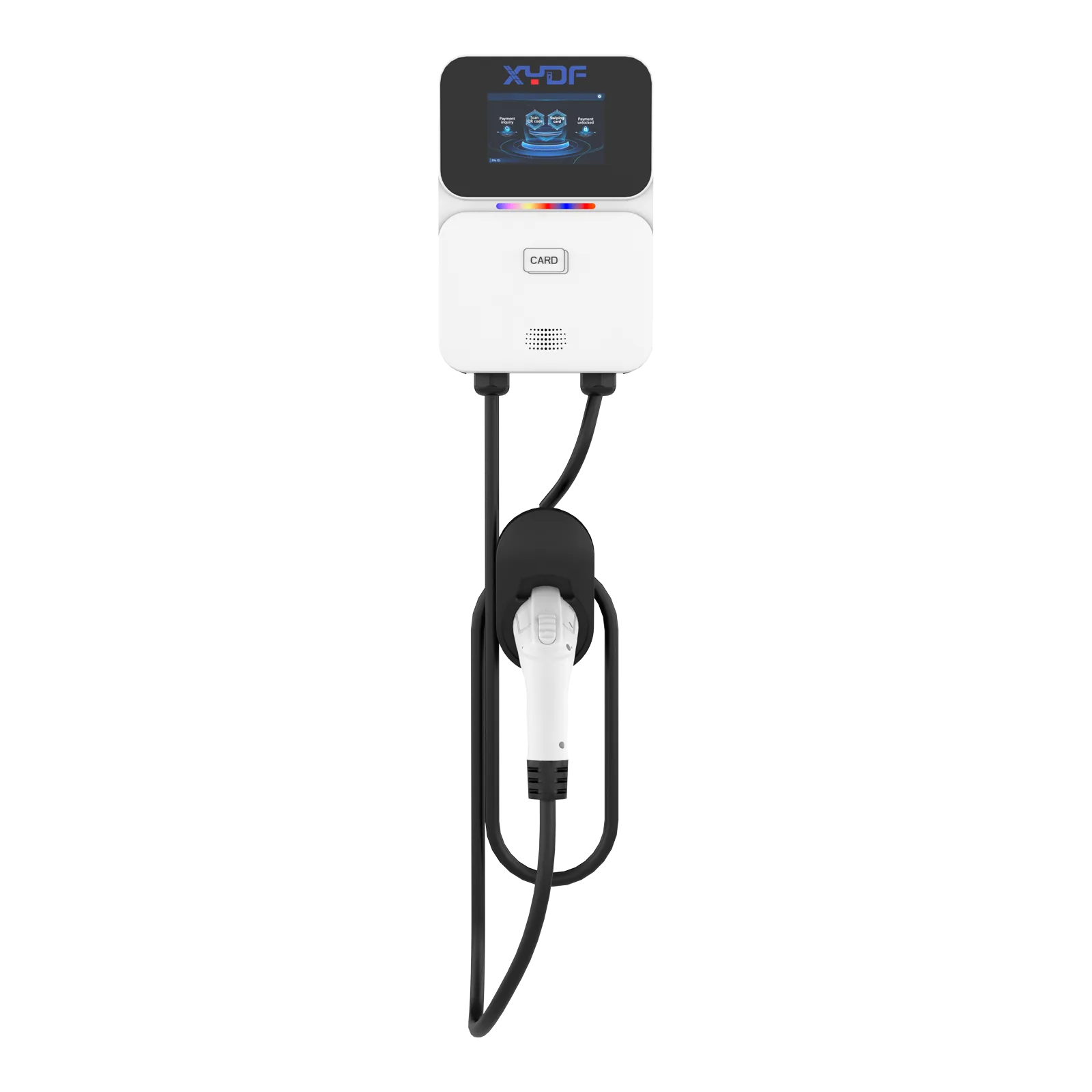
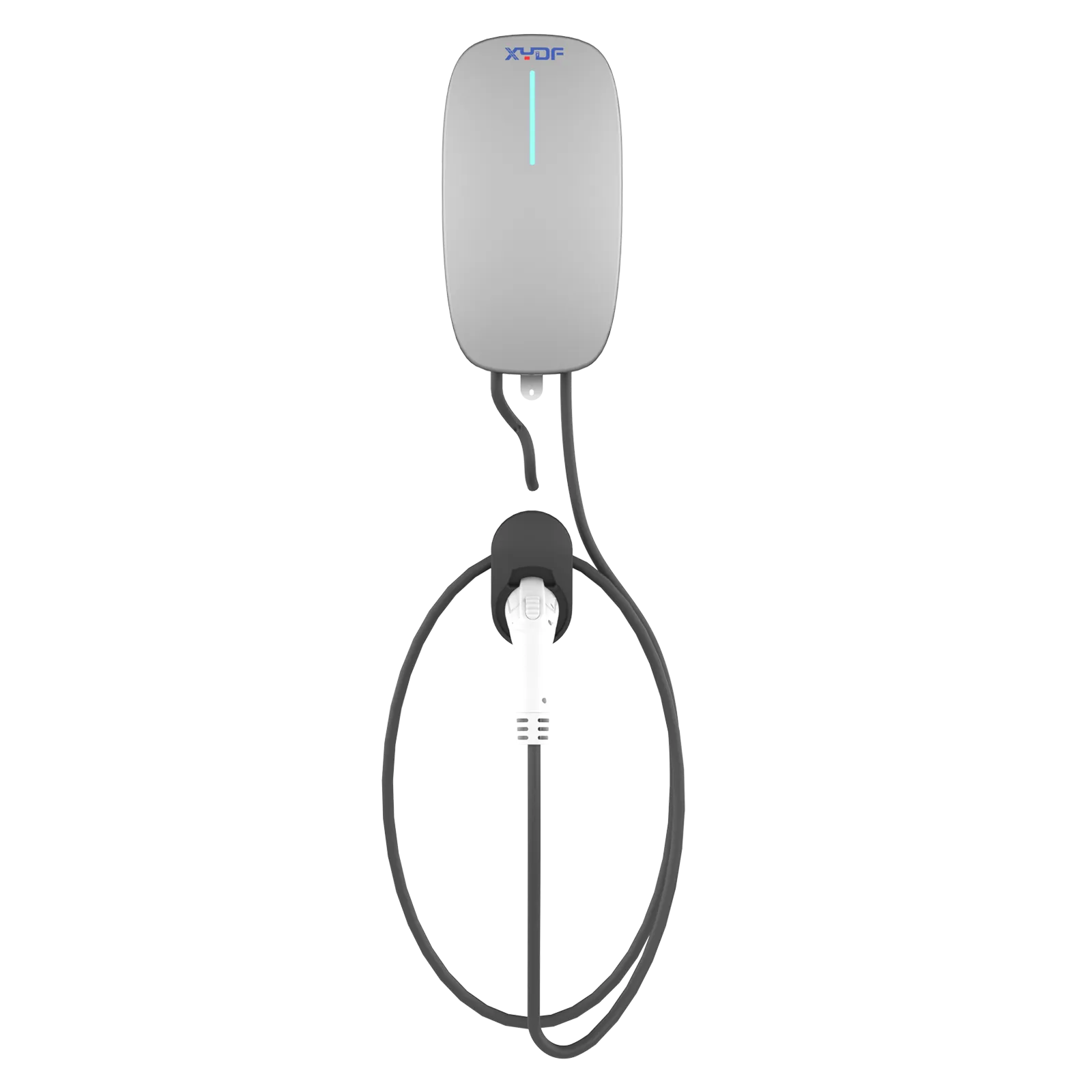
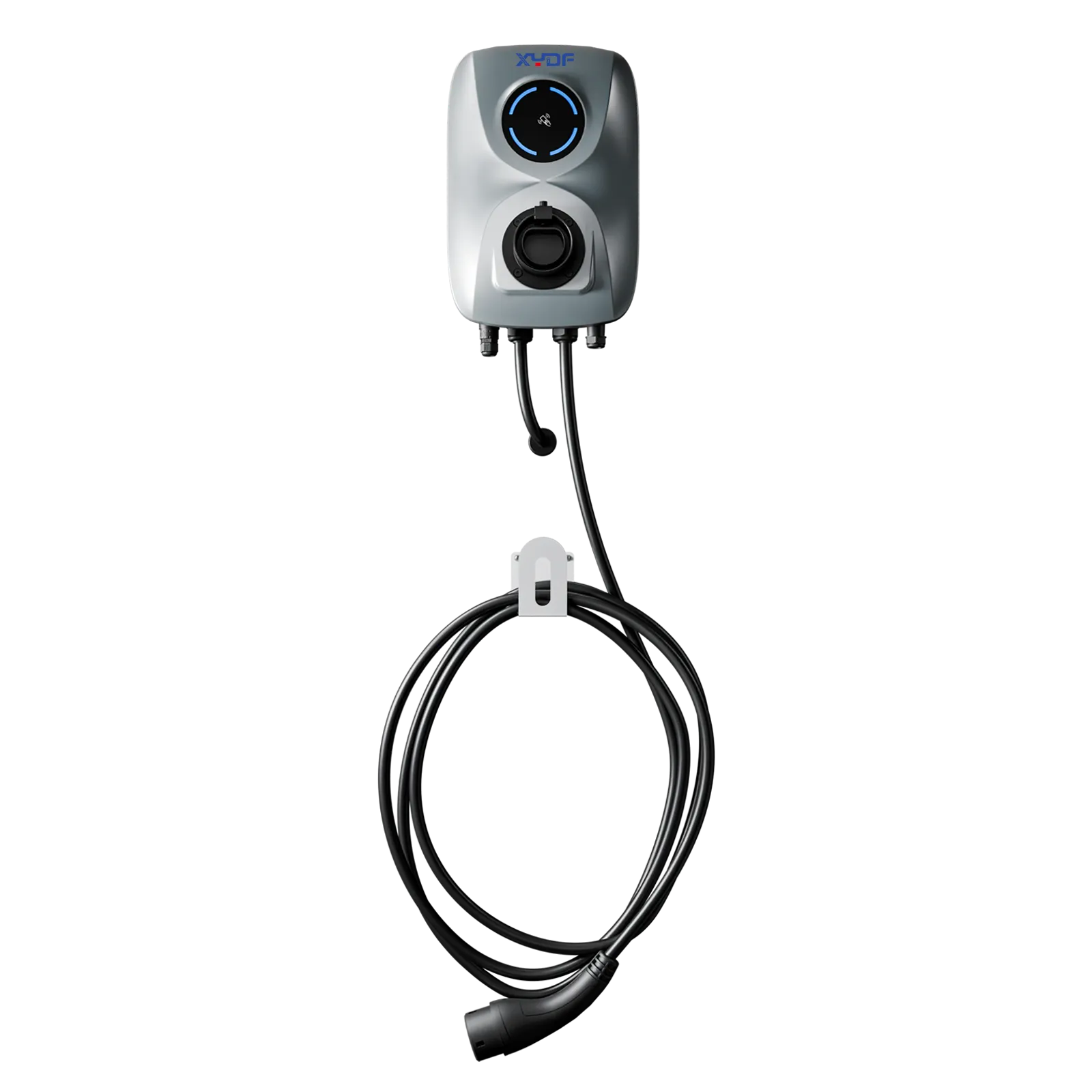
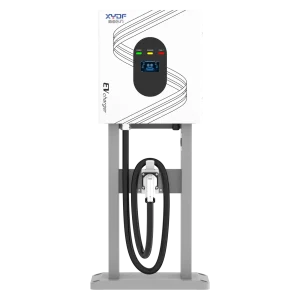

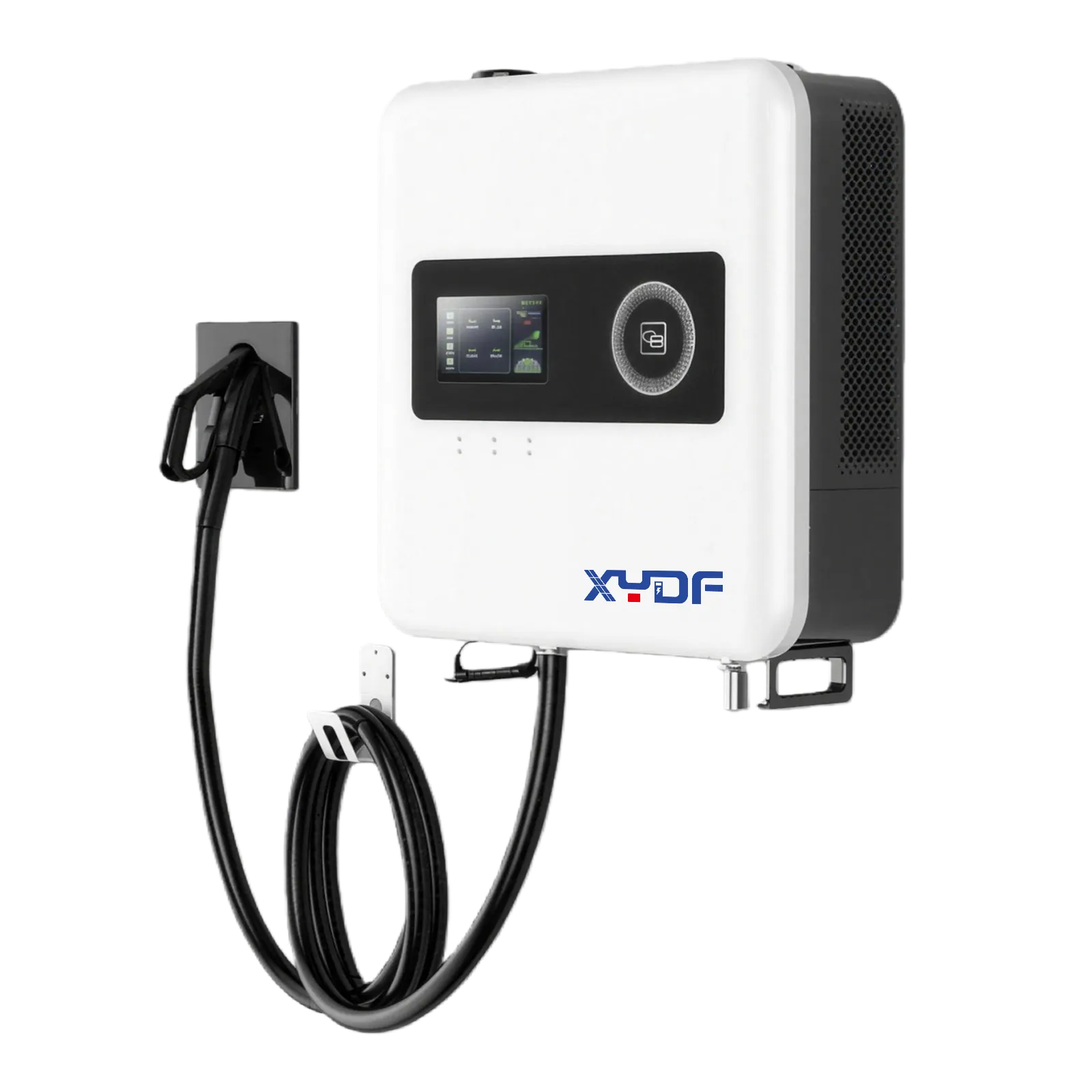
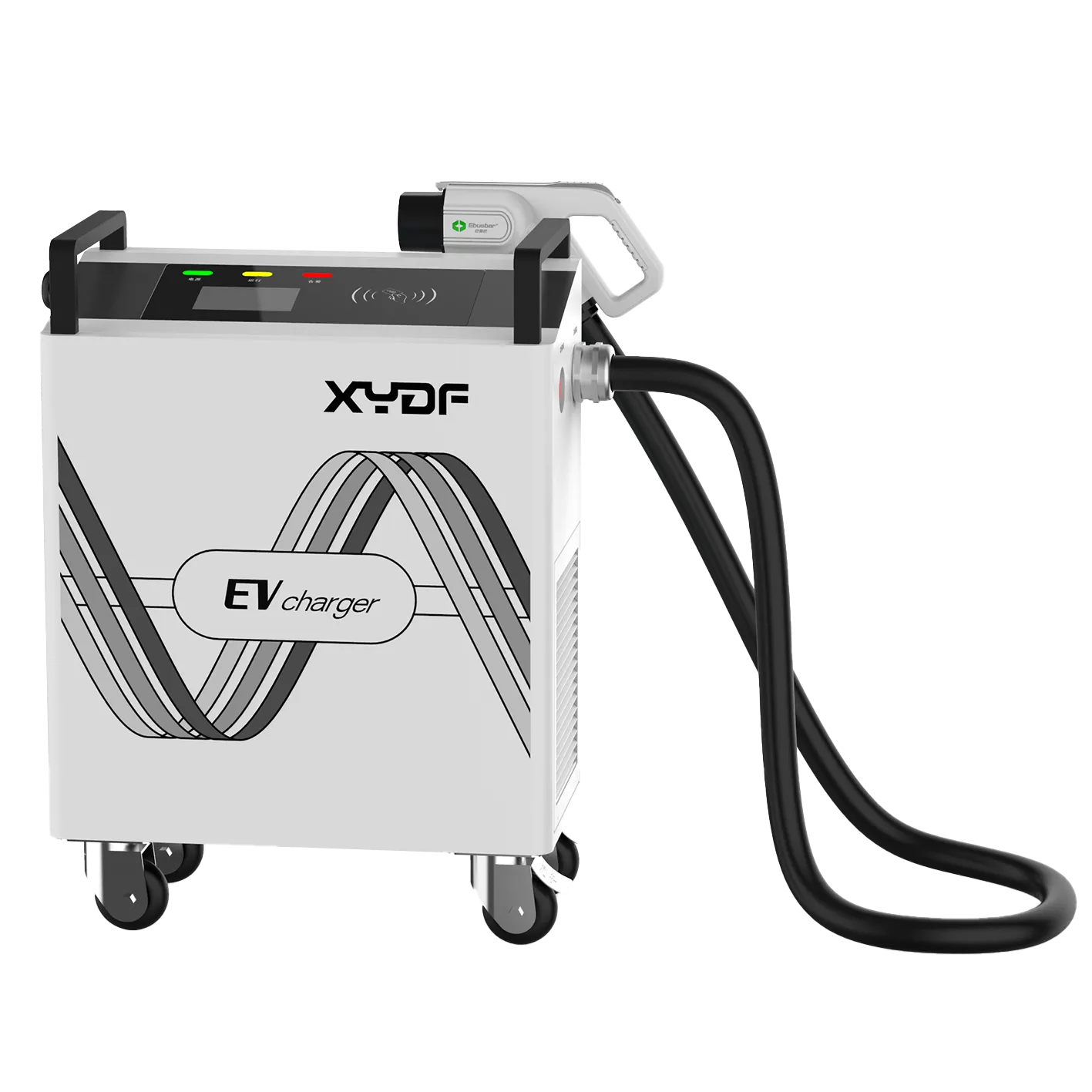
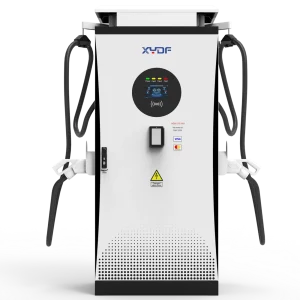
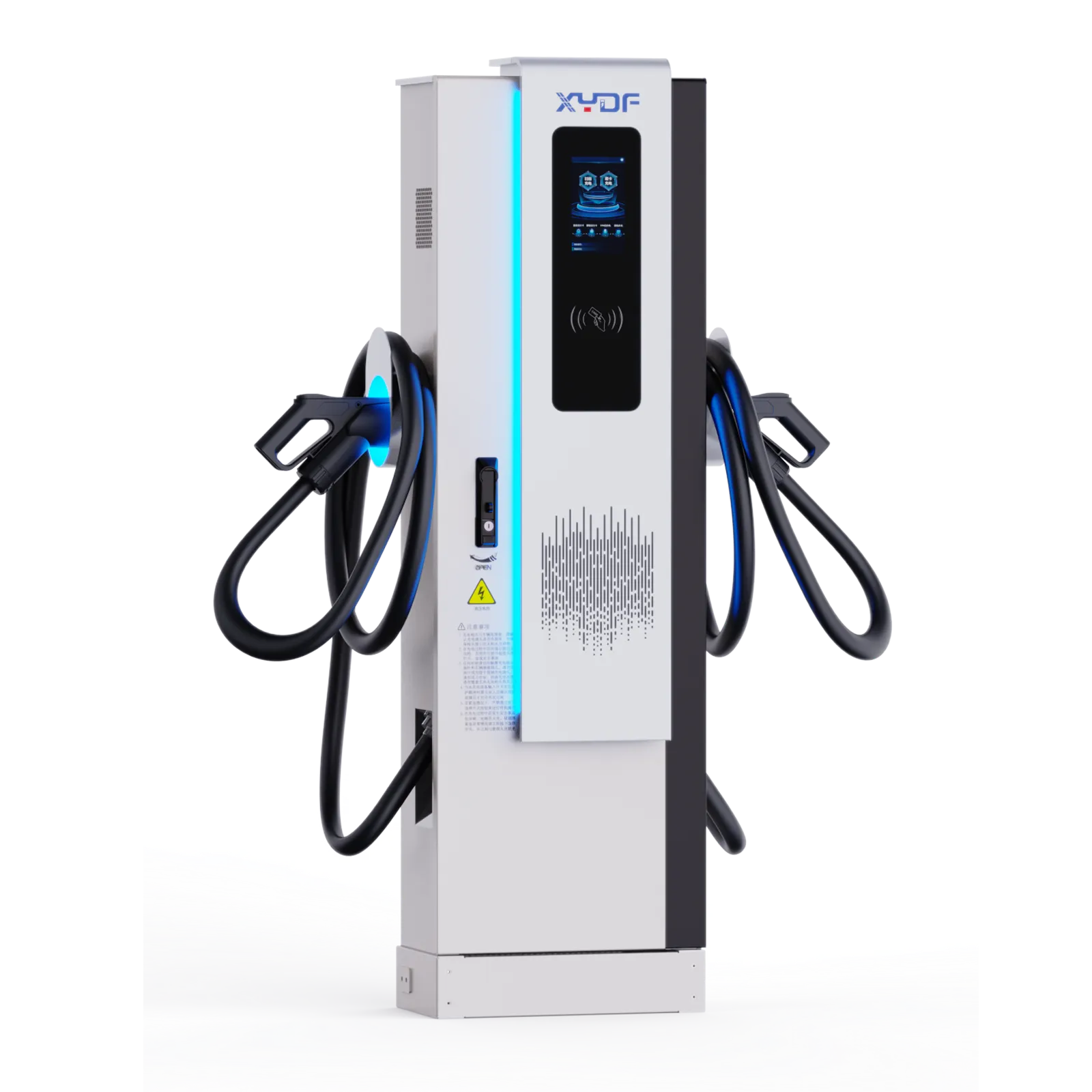
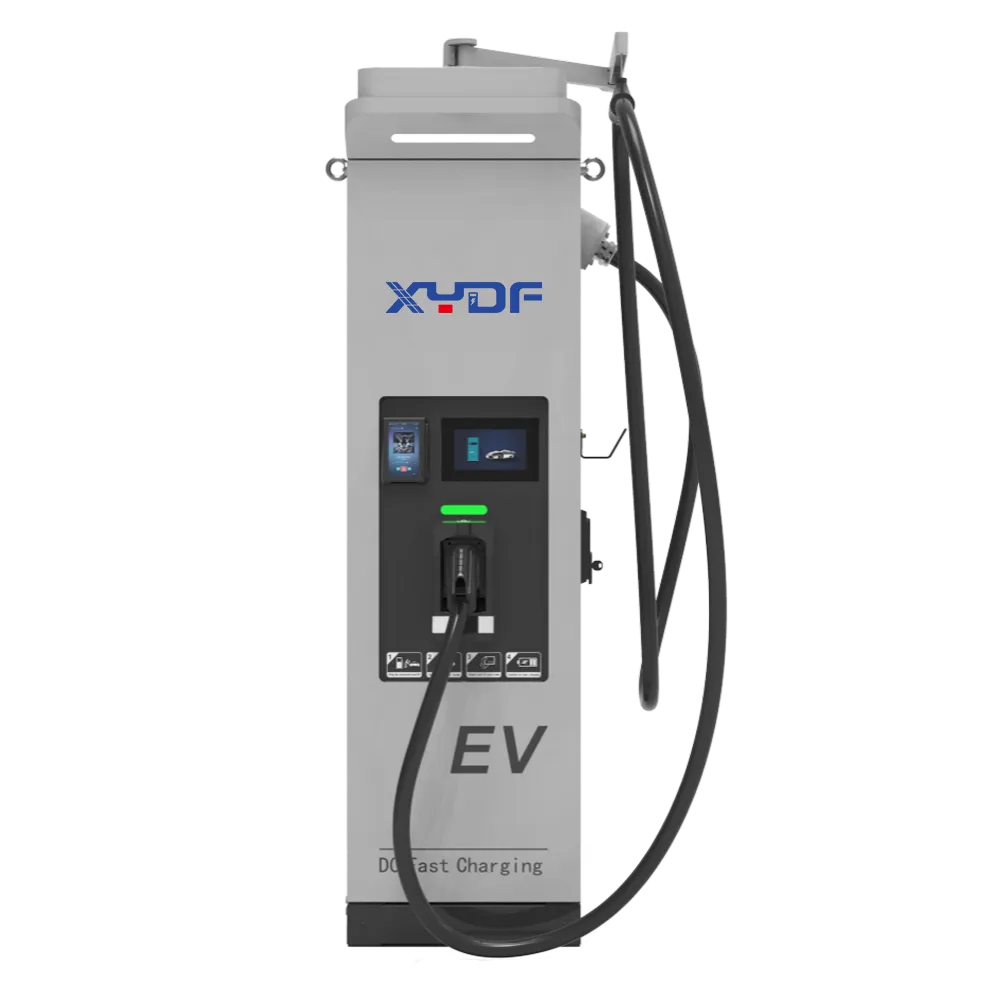
Municipal fleet electrification requires more than replacing diesel parking spaces with plugs. Refuse trucks, sweepers, emergency vehicles and other duty cycles return at different times, require different energy windows and may have priority that cannot be managed by a first-come, first-served queue. The charging plan must connect routes, return times, battery limits, feeder capacity, access control and contingency operations. This guide outlines a practical method for sizing and prioritising fleet EV charging while keeping electrical, accessibility, safety and maintenance requirements visible to procurement teams.
Reliable fleet ev charging is a depot-design and operating discipline: map each vehicle’s duty cycle, reserve capacity for emergency response, and use managed overnight charging before adding high-power equipment. A 150 kW DC dispenser has a theoretical ceiling of 150 kWh in one hour, but actual energy delivered depends on the vehicle, battery temperature, connector, and site power allocation. Start with a 24-hour dispatch-and-energy model, then validate electrical design against the applicable local code and charging-system standard.
Municipal electrification is more complex than an employee-car lot: return times and readiness rules differ by vehicle. The U.S. Department of Energy’s Alternative Fuels Data Center (AFDC) frames charging choice as a match between vehicle use, charging speed, and site conditions—not merely a connector choice.
Build the depot around duty cycles, not charger counts
Create an energy-and-time inventory
For every vehicle, record usable battery capacity, expected energy consumed per route, latest return time, earliest next departure, minimum departure state of charge, and any operational reserve. Do this across at least 24 hours and separate normal, peak-season, and contingency days. The resulting energy demand is more valuable than a nameplate vehicle count because it shows which vehicles compete for the same charging window. Sound depot design makes those conflicts visible before procurement.
For example, a vehicle needing 180 kWh between 18:00 and 06:00 has a 12-hour connection window; a nominal 22 kW AC point can theoretically supply 264 kWh over that time before losses and vehicle limits. Label this as an illustrative planning calculation, then apply the vehicle manufacturer’s permitted AC input and the site’s diversity factor. The AFDC’s electricity charging guidance is a useful public starting point for distinguishing charging levels and planning assumptions.
Assign departure classes before vehicles plug in
Use simple classes: life-safety and command vehicles first; fixed-route service next; sanitation and maintenance vehicles next; then flexible or reserve assets. Each class should have a target state of charge and a latest-completion time. A queue based only on plug-in order is easy to operate but cannot protect an ambulance, command van, or critical response truck when the depot load is constrained.
Match charging architecture to buses, trucks, and municipal equipment
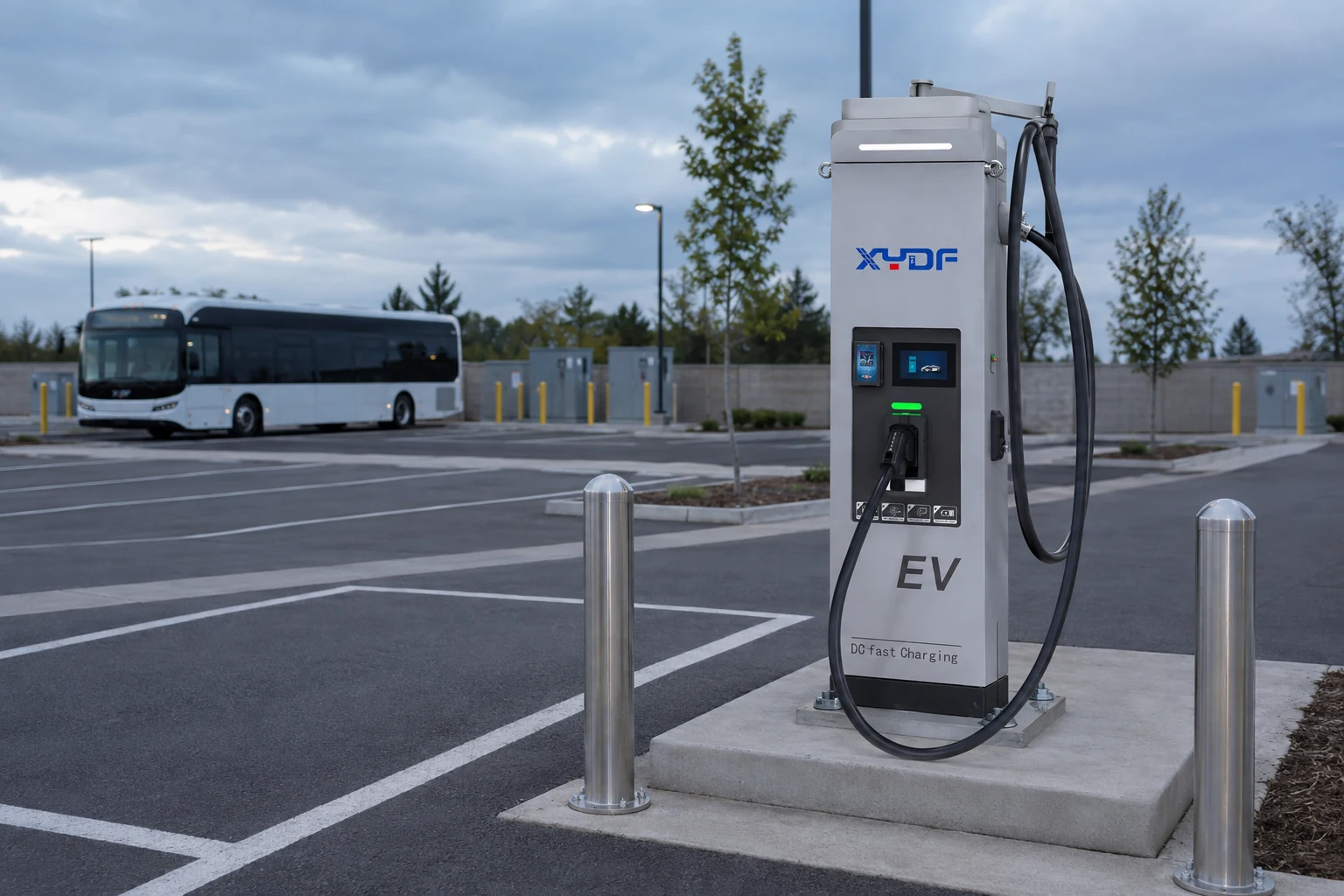
A mixed depot usually benefits from a layered design. AC charging covers long dwell periods and predictable overnight replenishment. DC charging covers compressed windows, recovery after an unplanned route, and vehicles whose onboard AC acceptance is limited. A city may also need an electric bus charging station configuration where route timing and vehicle interface support higher-power DC charging; its use should still be governed by available transformer capacity and the vehicle’s charge curve.
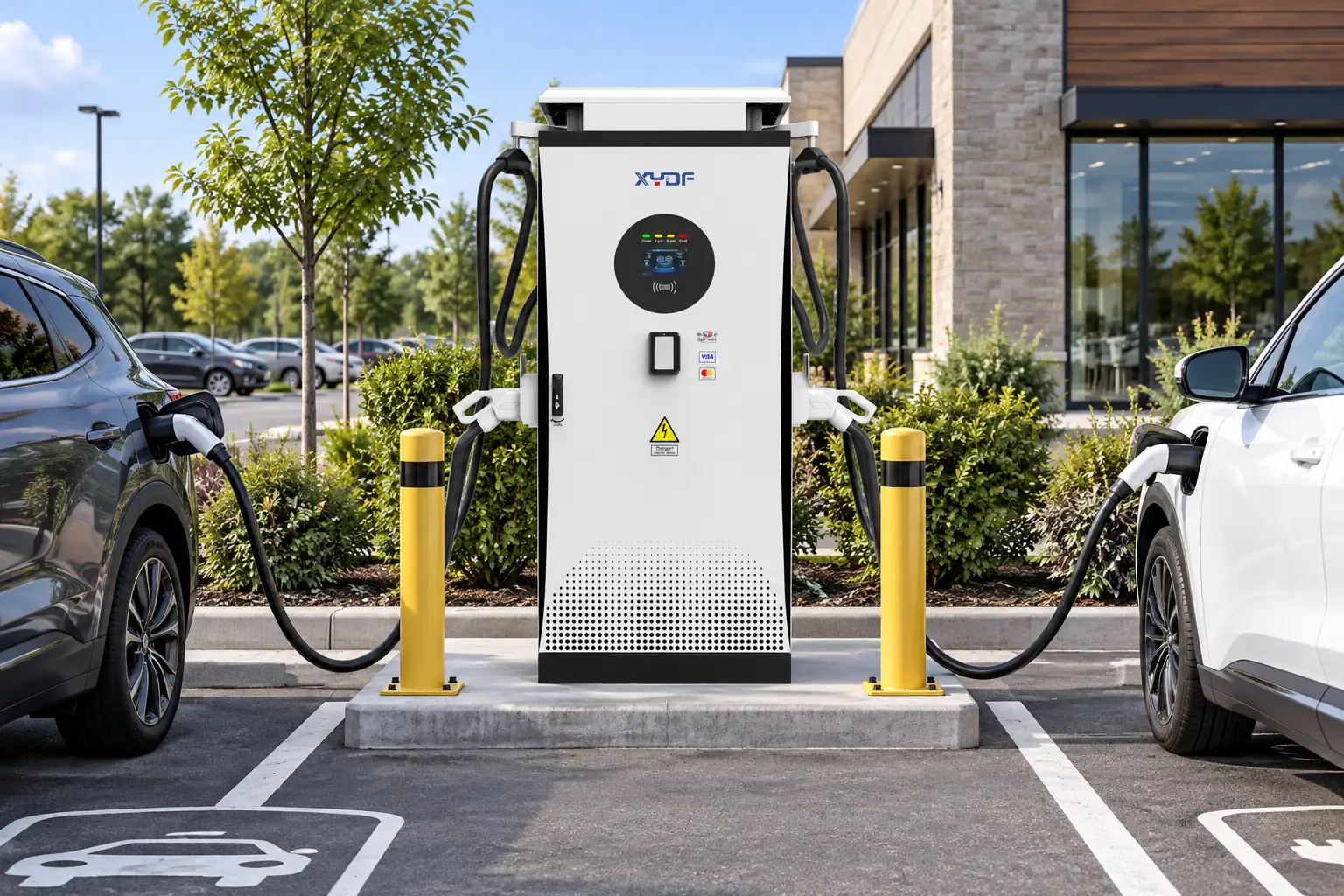
For refuse vehicles, specify cable reach, bay geometry, connector location, turning paths, bollards, drainage, and maintenance clearance alongside power. An electric truck charging station must work safely with a heavy vehicle positioned exactly as it arrives in poor weather and at the end of a shift. For rapid recovery needs, a dc charger for ev should be sized from the usable energy required inside the actual dwell window, rather than from a headline kW rating alone.
| Municipal use | Typical charging approach | Critical design question | Operational risk if missed |
|---|---|---|---|
| Street sweepers | Overnight AC; DC recovery only where route gaps demand it | Can the vehicle accept the planned AC power? | Morning route starts short of range |
| Refuse trucks | Managed overnight AC plus limited DC contingency | Do return waves overload the feeder? | Several large batteries charge simultaneously |
| Transit buses | Depot or opportunity DC matched to timetable | What energy must be restored before the next block? | Missed scheduled service |
| Emergency vehicles | Reserved, monitored bay with priority control | What minimum state of charge is dispatch-ready? | Reduced response readiness |
Managed charging should begin with service criticality, not tariff optimization. Reserve minimum departure energy for emergency and time-sensitive routes, then allocate remaining site capacity to flexible vehicles. NREL’s managed-charging work provides planning context for coordinating vehicles and the grid; a municipal depot must add its own late-return, charger-fault, manual-override, and constrained-grid tests before treating the schedule as an availability control.
Use overnight schedules and power management as the primary control layer
Overnight charging is usually the economical default when a vehicle has sufficient dwell time, the electrical service has limited spare capacity, and next-day dispatch is predictable. It spreads load across the available hours and may reduce demand peaks. DC fast charging becomes appropriate when the energy deficit cannot be restored during the dwell window, when a vehicle’s route has planned rapid-turn needs, or when a resilience plan needs a controlled exception.
Set an energy-management system to allocate a defined site limit rather than letting each connected charger request its maximum. A practical sequence is: hold the emergency reserve, complete imminent departures, charge remaining vehicles by latest departure and energy deficit, then permit discretionary charging. At a 500 kW site cap, for instance, five 150 kW dispensers cannot all continuously deliver their nameplate output; 500 kW is the shared illustrative ceiling before facility loads and utility constraints are considered.
Record exceptions. If a refuse truck repeatedly needs DC recovery after an overnight session, investigate route energy, missed plug-in behavior, battery conditioning, or a restriction in the vehicle’s onboard charger. This feedback loop turns an installation into a dependable municipal energy system.
| Planning choice | Best fit | Energy-management rule | Cost or resilience implication |
|---|---|---|---|
| Overnight AC | Long dwell, predictable dispatch | Stagger start times and meet departure targets | Often minimizes added peak demand |
| Scheduled DC | Bus blocks or short turnaround windows | Reserve capacity by timetable | Higher site-power requirement; protects service |
| Contingency DC | Late returns and recovery events | Enable only after priority loads are protected | Avoids designing every bay for peak power |
| Shared public/fleet site | Separate public and municipal demand | Cap public load or curtail it during fleet windows | Requires clear governance and billing |
Apply standards and local compliance to the intended market
IEC 61851 covers conductive EV charging system requirements and helps frame equipment and control expectations; it is not, by itself, a universal product certificate. ISO 15118 addresses vehicle-to-grid communication interfaces, including functions that can support managed charging when both vehicle and supply equipment implement compatible features. IEC 62196 covers plugs, socket-outlets, vehicle connectors, and vehicle inlets; it does not establish the civil works or utility approval required for a depot.
For a U.S. installation, NFPA 70 (National Electrical Code) Article 625 is relevant to EV power transfer system installation, subject to the adopted edition and local authority having jurisdiction. Other markets apply their own electrical rules, grid-connection conditions, fire-safety requirements, and accessibility obligations. Procurement documents should name the destination market, applicable edition, connector system, and evidence required; claiming compliance outside that defined scope can delay acceptance and create contract exposure.
Procure for operations, documentation, and expansion
- Obtain route energy data and a dispatch calendar before selecting charger quantities or power ratings.
- Ask the utility or electrical engineer for service capacity, transformer loading, protection coordination, and an expansion path.
- Specify bay layout, cable handling, vehicle clearances, lighting, drainage, access control, and fault-response ownership.
- Require charge-session data that can demonstrate priority compliance, energy delivered, and repeated exceptions.
- Test commissioning with representative vehicle types and a simulated priority event, not merely an idle charger.
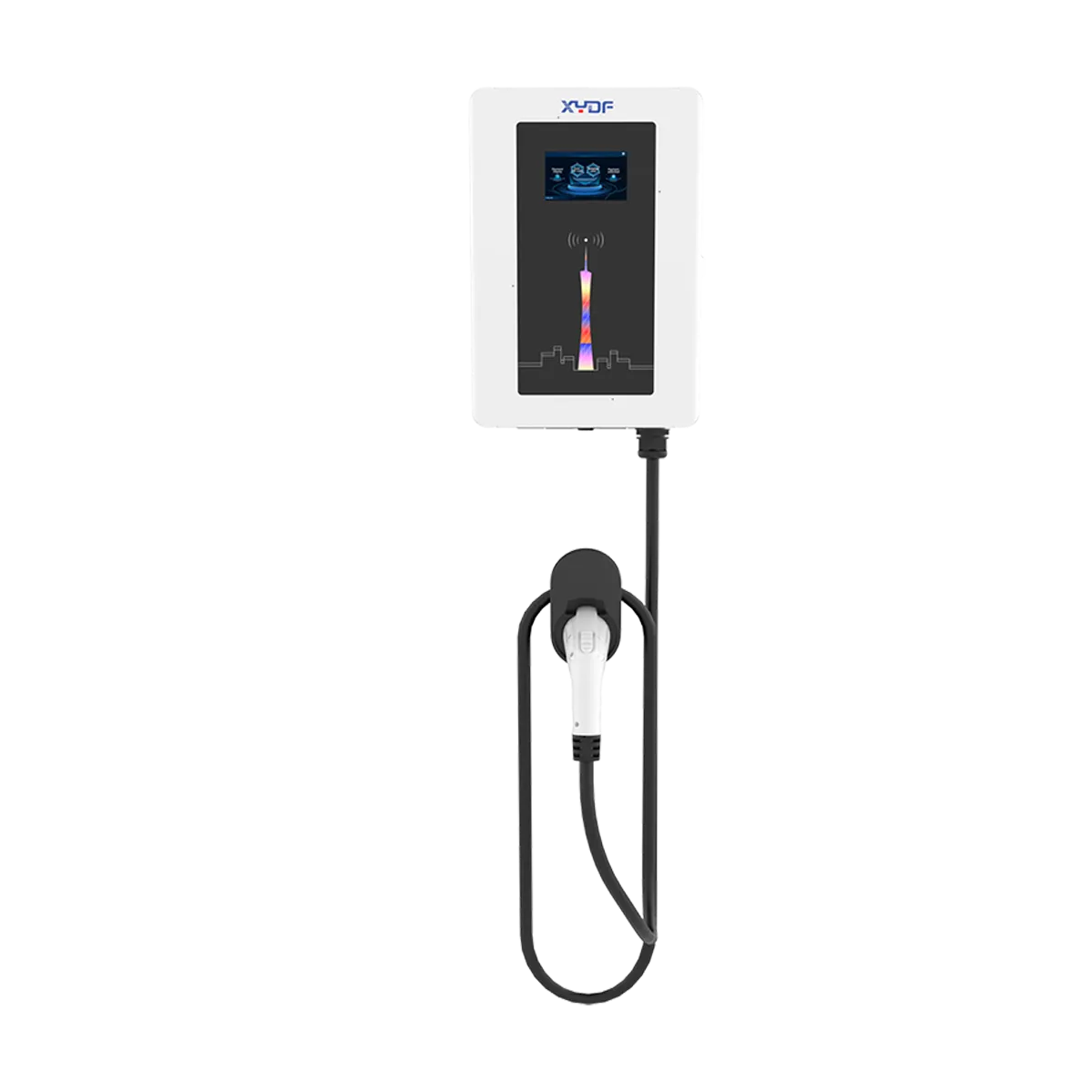
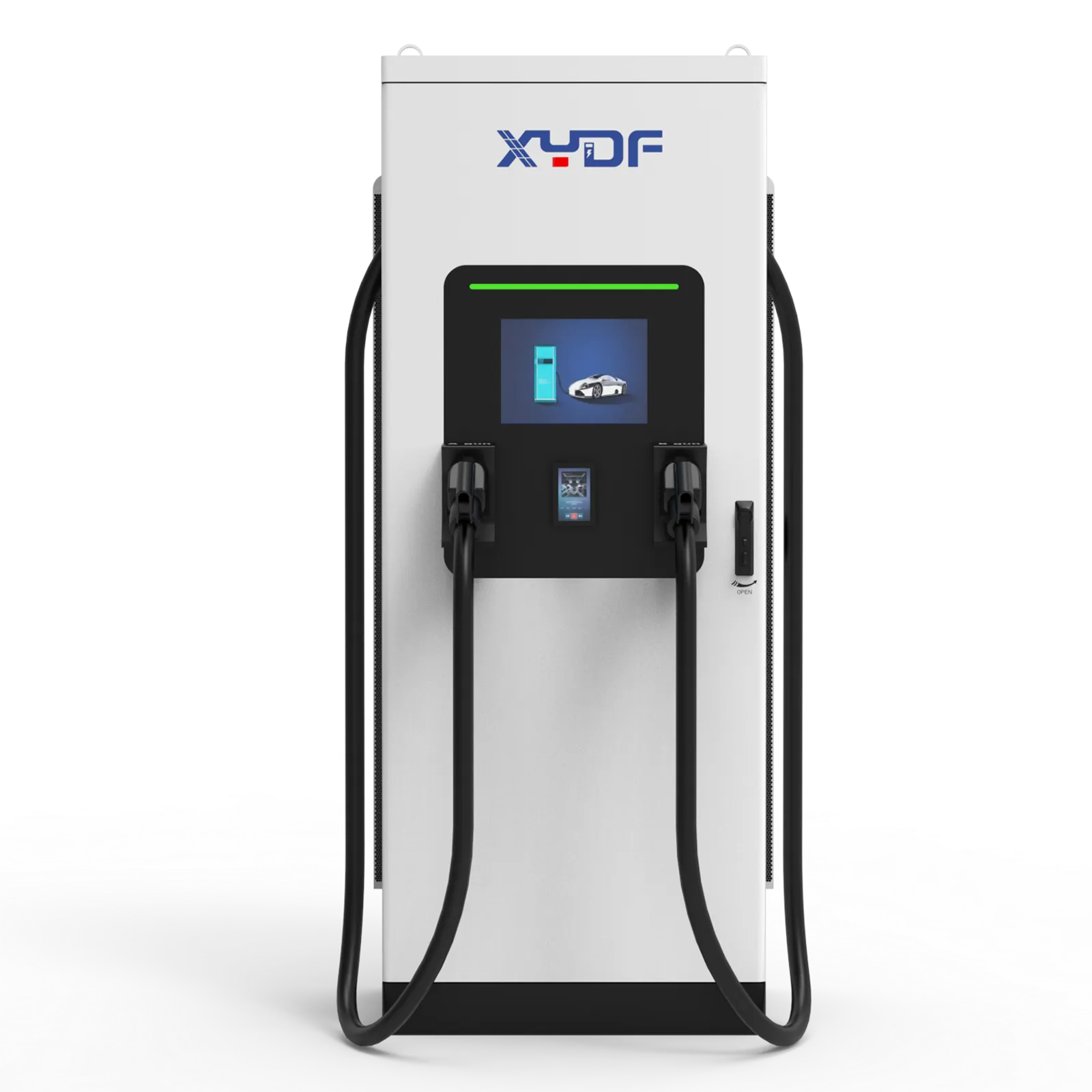
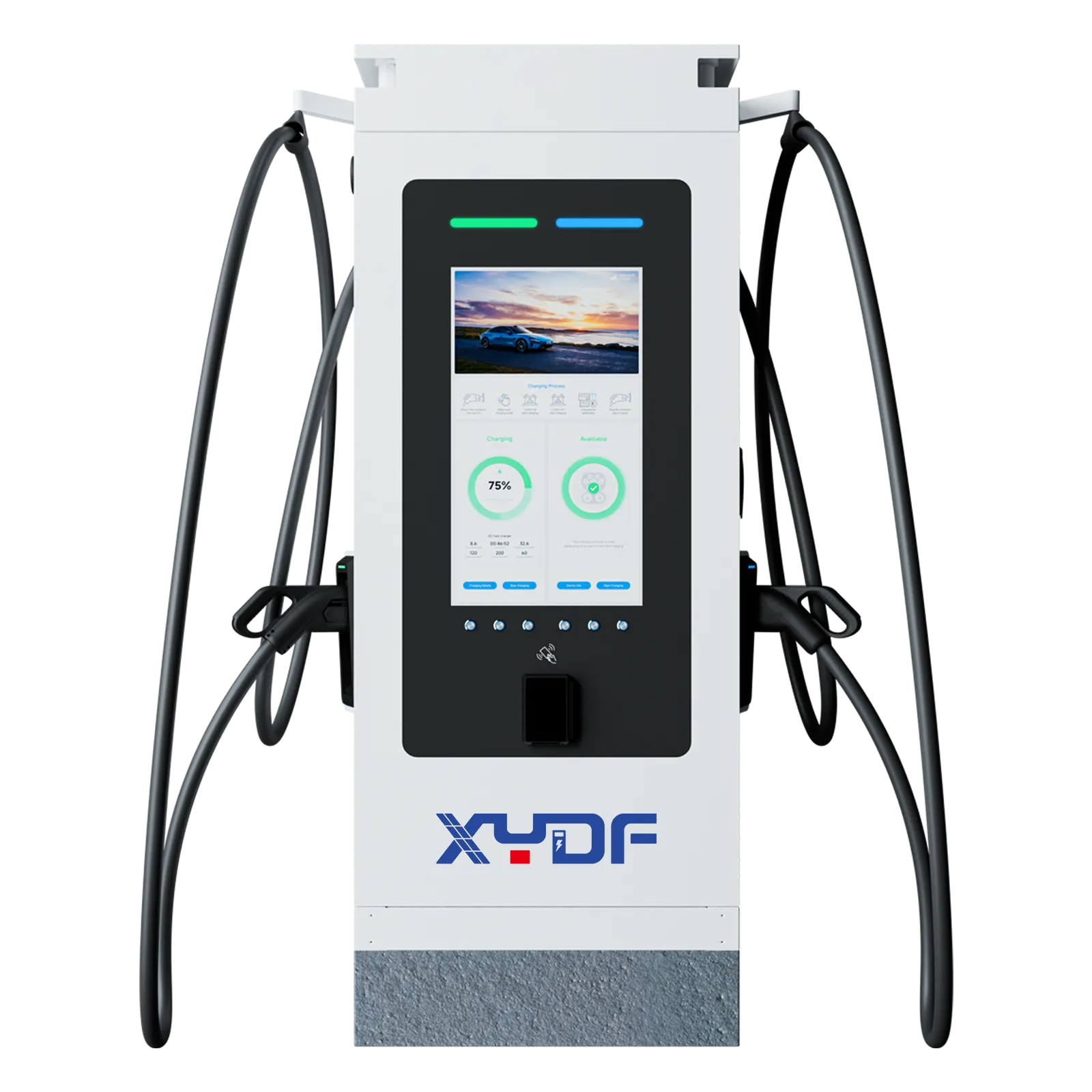
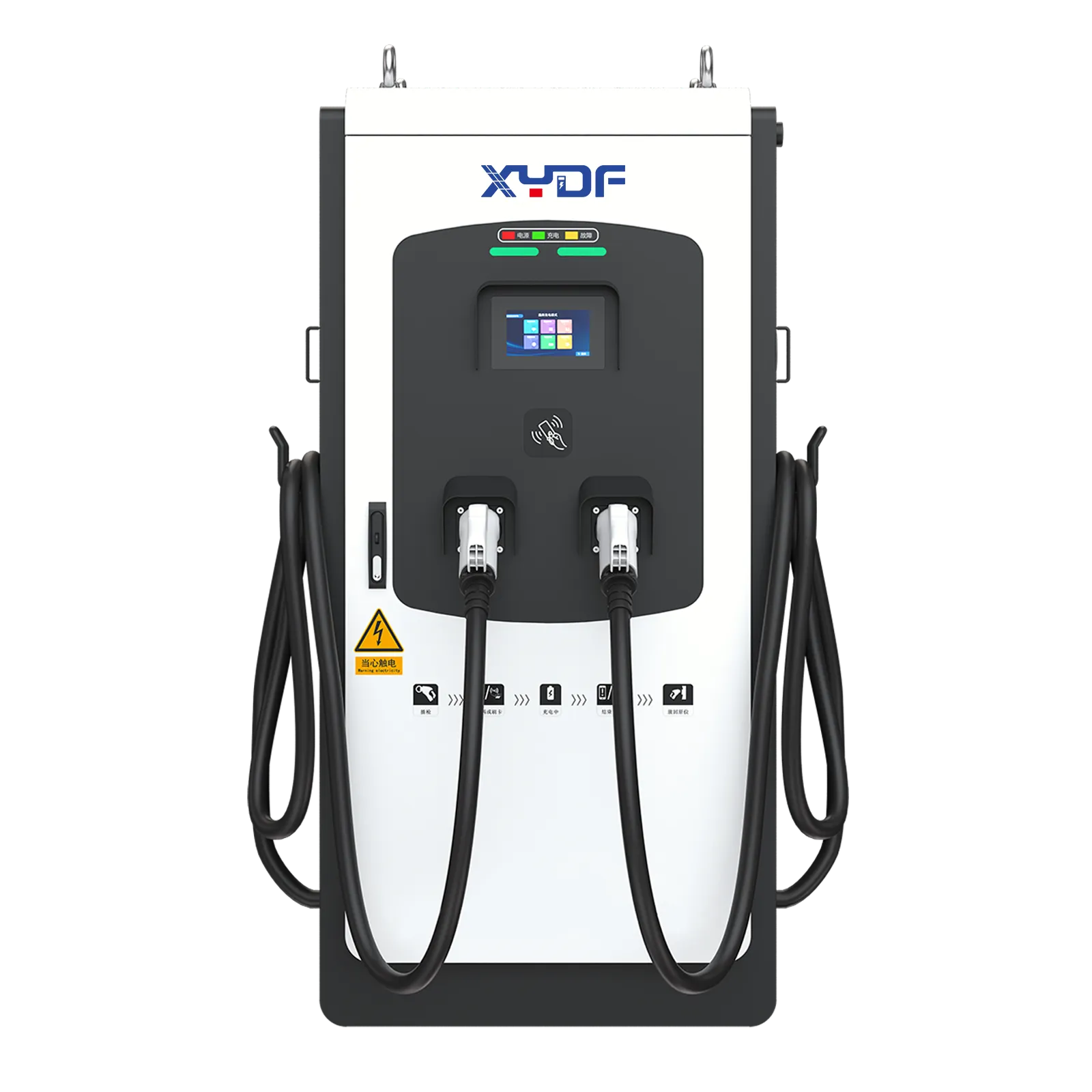
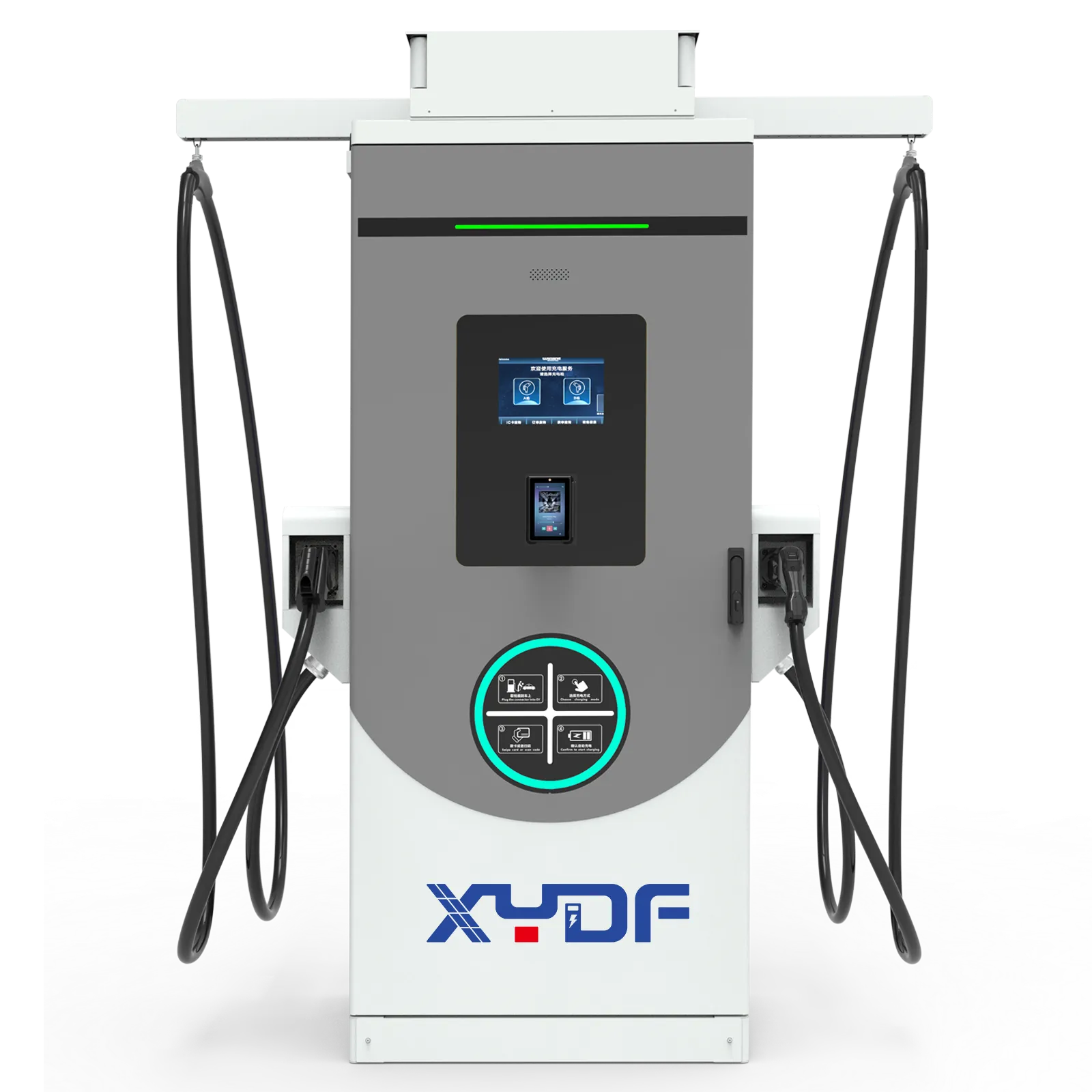
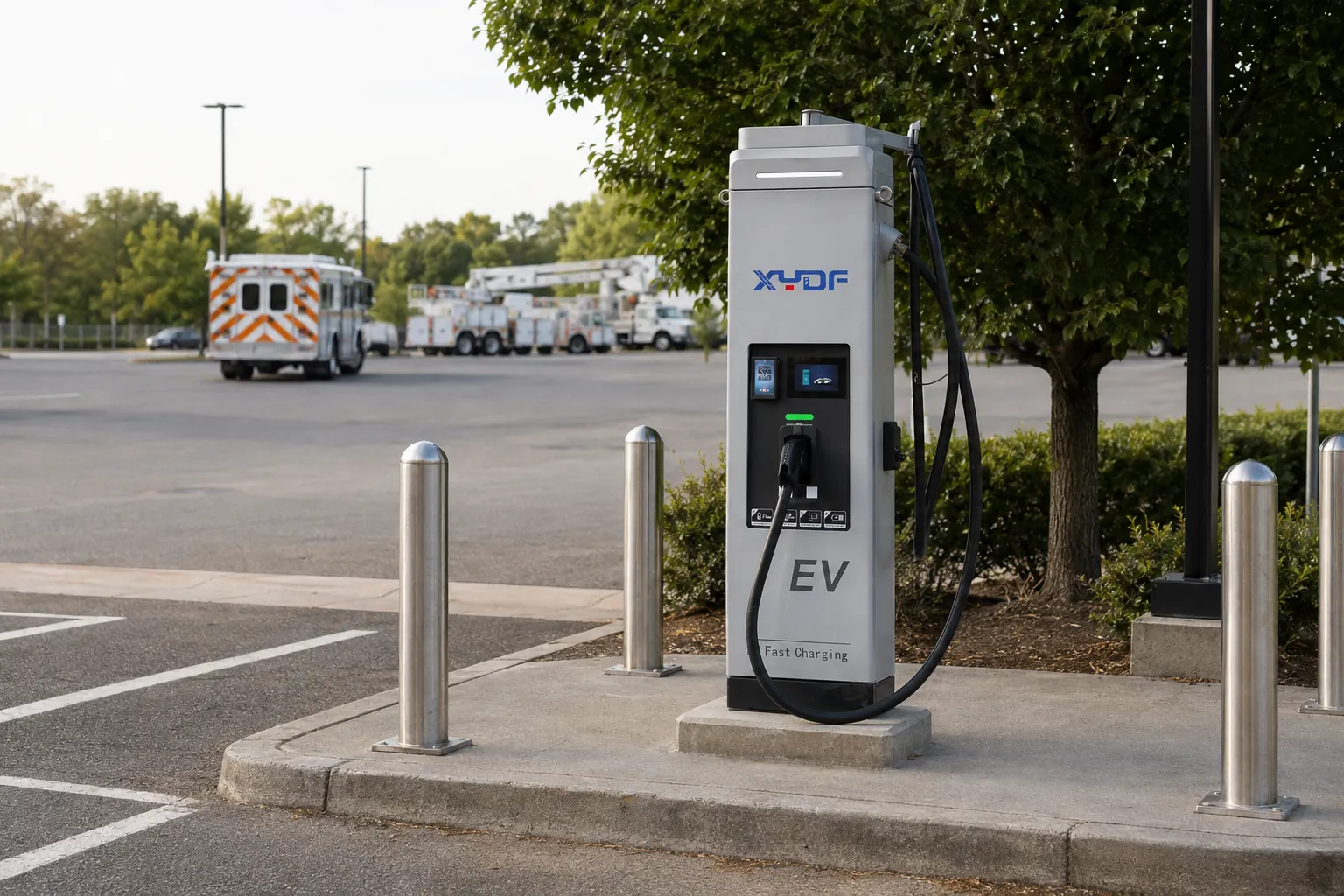
XYDF can be considered at the sourcing stage where a buyer needs configurable AC and DC equipment, technical documentation, and a discussion of depot operating requirements. Procure fleet ev charging hardware only after confirming vehicle interfaces, the planned management platform, and destination-market requirements; for overnight assets, review the available AC charging equipment with the responsible installer and authority.
Frequently asked questions
How do municipal fleets plan EV charging for mixed vehicle types?
Start with a vehicle-by-vehicle duty-cycle model: energy used, return time, next departure, charging acceptance, and minimum reserve. Then assign priority classes and enforce a site power limit through scheduling. A reliable fleet ev charging plan is tested against normal operations, seasonal peaks, and a late-return scenario.
Can one charging depot support buses and refuse trucks?
Yes, if electrical capacity, bay geometry, connector compatibility, and charging windows are designed for both groups. Buses may need timetable-based DC allocations while refuse trucks often suit managed overnight charging. Separate their priority rules so an operationally flexible truck does not take energy reserved for a scheduled bus departure.
What charger power is needed for electric street sweepers?
Calculate the usable energy that must be restored within the actual dwell time, then check the sweeper’s onboard AC and DC acceptance limits. A lower-power overnight connection may be sufficient for a 10- to 12-hour dwell, while a short turnaround can justify DC support. Verify the manufacturer’s charging limits instead of assuming that a higher-rated charger will charge the vehicle faster.
How should emergency vehicles be prioritized for charging?
Give designated emergency assets a protected bay, a minimum dispatch-ready state of charge, a latest completion time, and an override in the energy-management logic. Monitor connection status and alerts so a vehicle that is unplugged, faulted, or charging below expectation is found before a callout. The reserve level should be set by the authority’s operational policy, not by a generic charger default.
When should a city use overnight charging instead of DC fast charging?
Choose overnight charging when dwell time is long enough to restore the required energy and a managed schedule can stay within the site limit. Use DC fast charging when route timing or an exception leaves too little time for AC replenishment. Compare not only equipment price, but also transformer upgrades, demand charges, utilization, and the value of service continuity.
How can municipalities manage public and fleet charging on one site?
Set separate fleet and public capacity envelopes, billing rules, access controls, and curtailment priorities. During protected fleet windows, the controller should preserve municipal departure targets before allowing discretionary public load. Publish the operating policy so employees, public users, and service providers understand why capacity can change.
Can smart charging protect emergency municipal vehicles from being delayed?
It can support that objective when the depot defines priority classes, minimum departure energy, manual override authority and a recovery procedure. Emergency readiness should be tested against late returns, charger faults and a constrained grid day; a software schedule by itself is not an availability guarantee.
Does vehicle-to-grid make sense for every municipal fleet depot?
No. Bidirectional operation depends on vehicle capability, charger compatibility, interconnection rules, tariff design, battery-use policy and an operating agreement. Treat it as a project option to verify, not as a default benefit of installing managed EV chargers.
What data should a municipal depot collect before enabling managed charging?
Collect vehicle return and departure times, route energy, minimum departure energy, charger availability, site load, tariff intervals, and manual overrides for representative operating periods. Review the worst late-return and charger-fault cases before setting priority rules. The data should show which energy is flexible and which service commitments cannot be deferred.
References
- U.S. Department of Energy Alternative Fuels Data Center — Electricity Charging.
- ISO 15118-20:2022 — Road vehicles, vehicle to grid communication interface.
- IEC 61851-1 — Electric vehicle conductive charging system.
- NFPA 70 — National Electrical Code.
- NREL Managed Charging (scope checked 2026-10-06)
Municipal electrification succeeds when every kilowatt and every minute has an operational owner. At the point of specification, buyers can review XYDF’s commercial ev charging station options and contact the team with fleet schedules, vehicle data, and site constraints for a grounded equipment discussion.