 Xinya Dongfang Electricity Technology Co., Ltd.


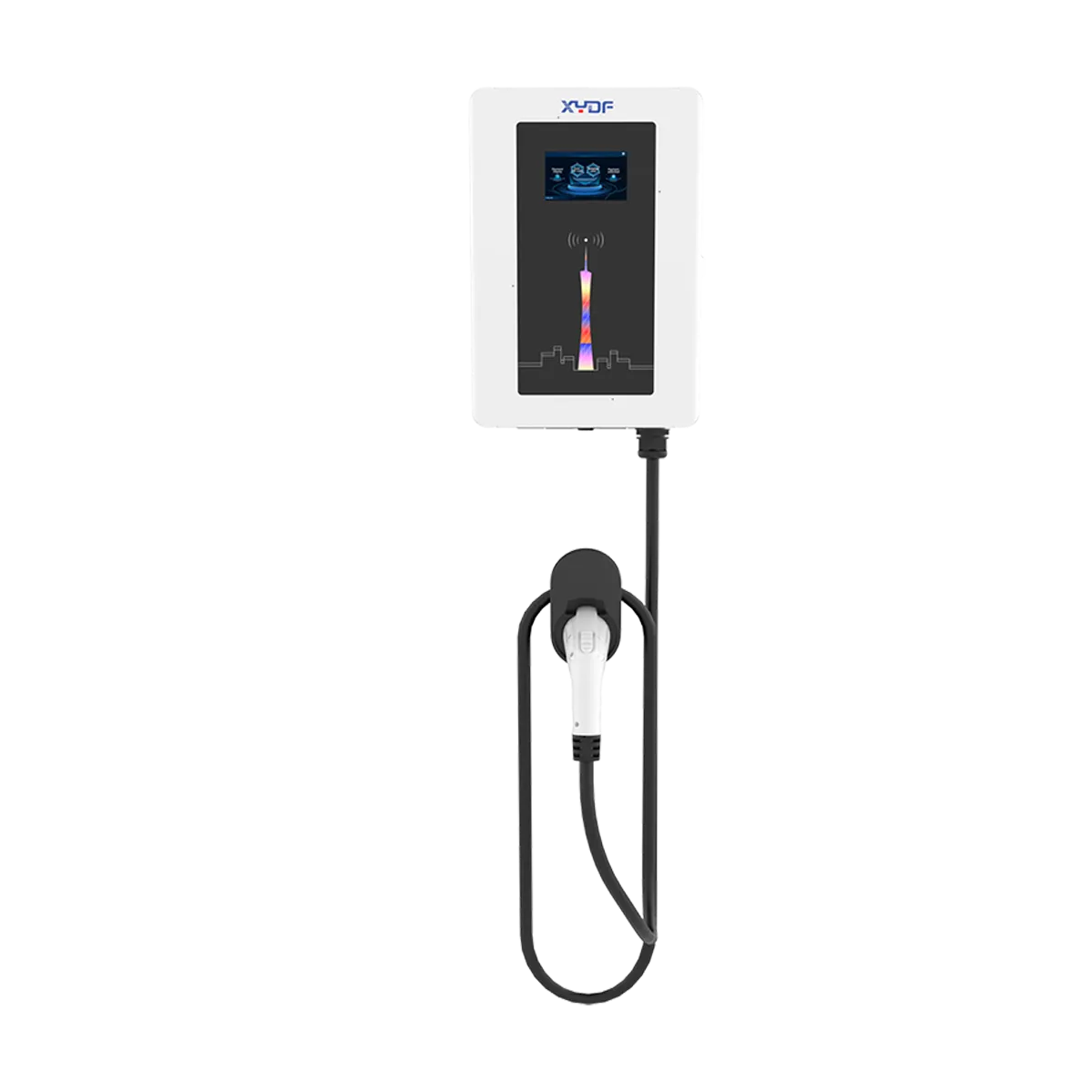
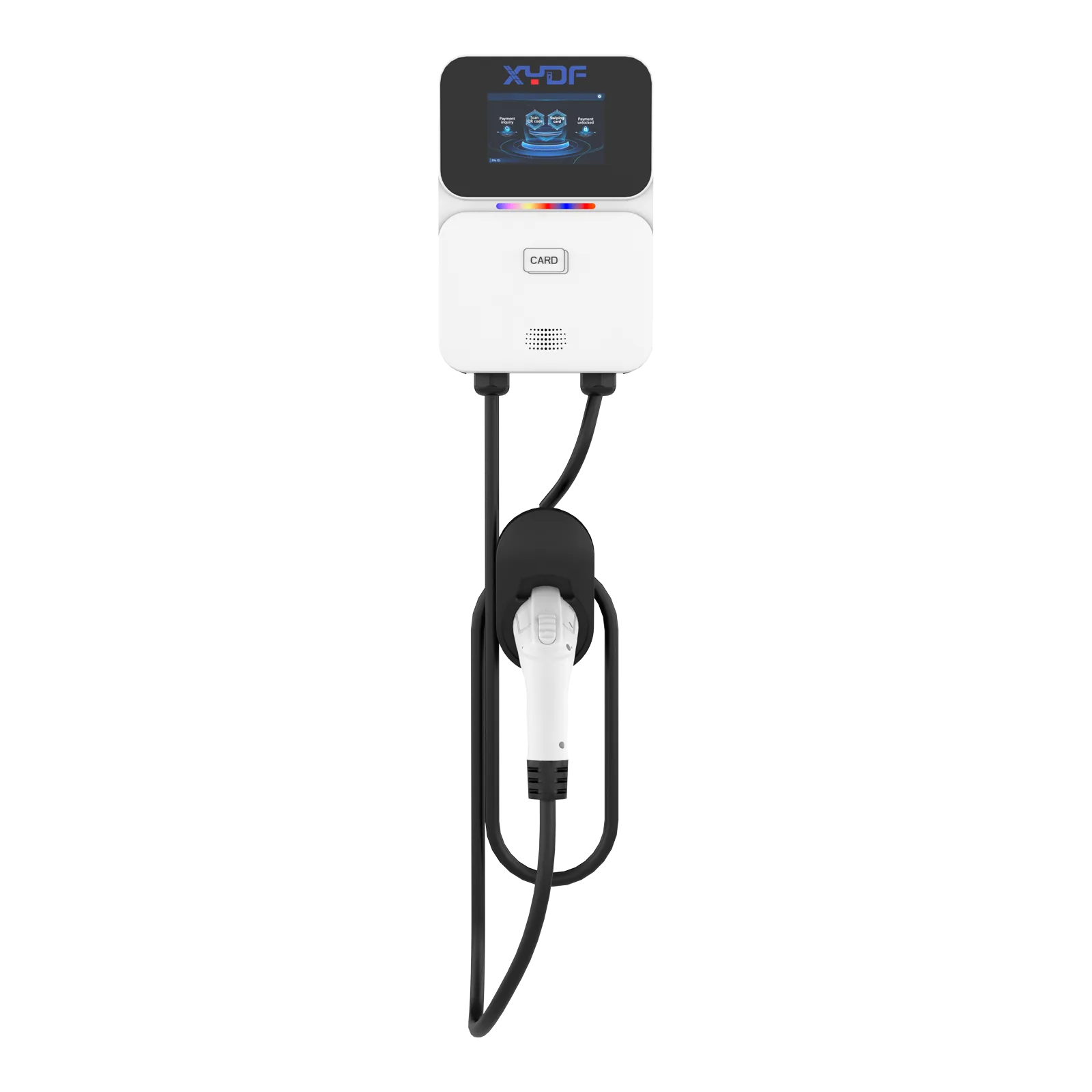
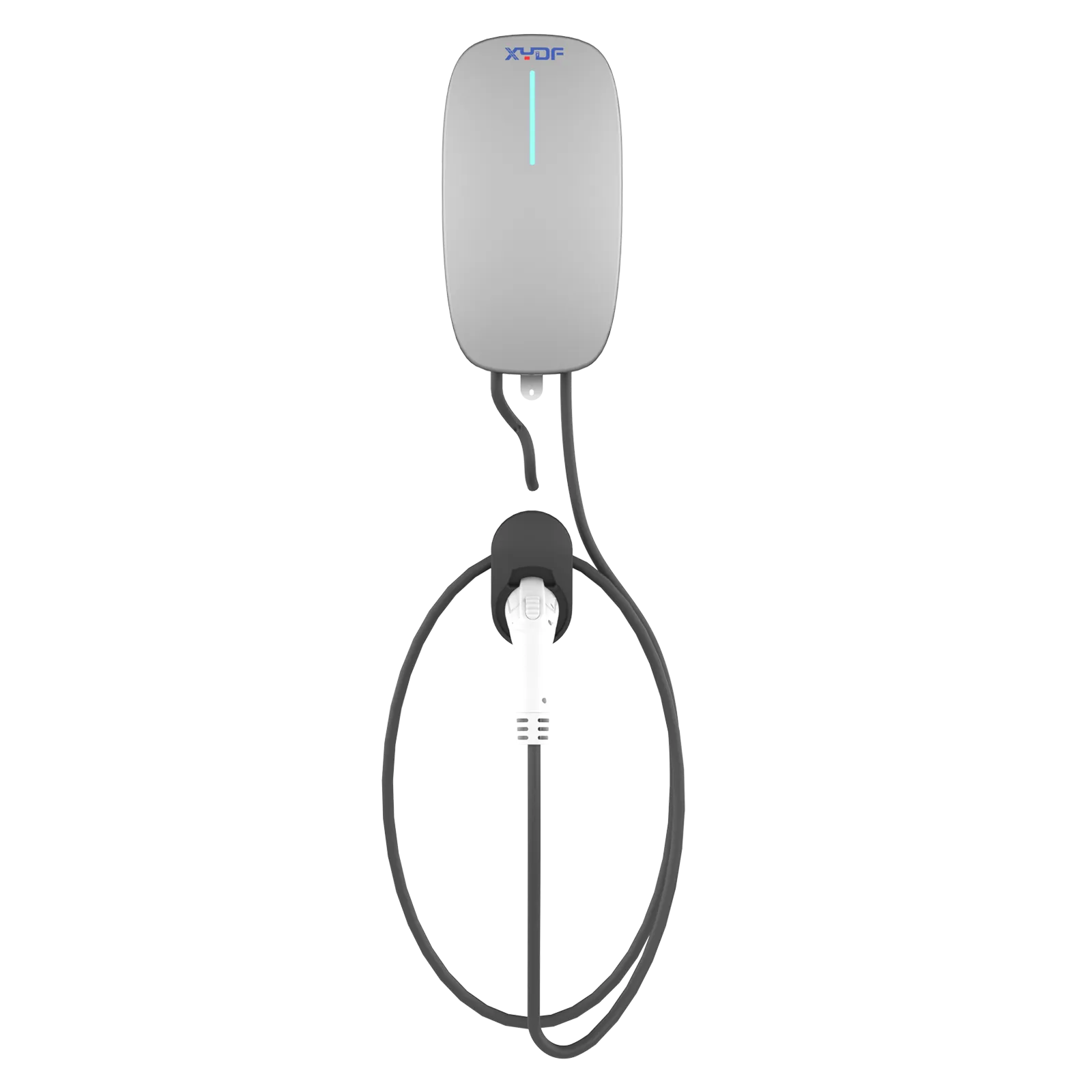
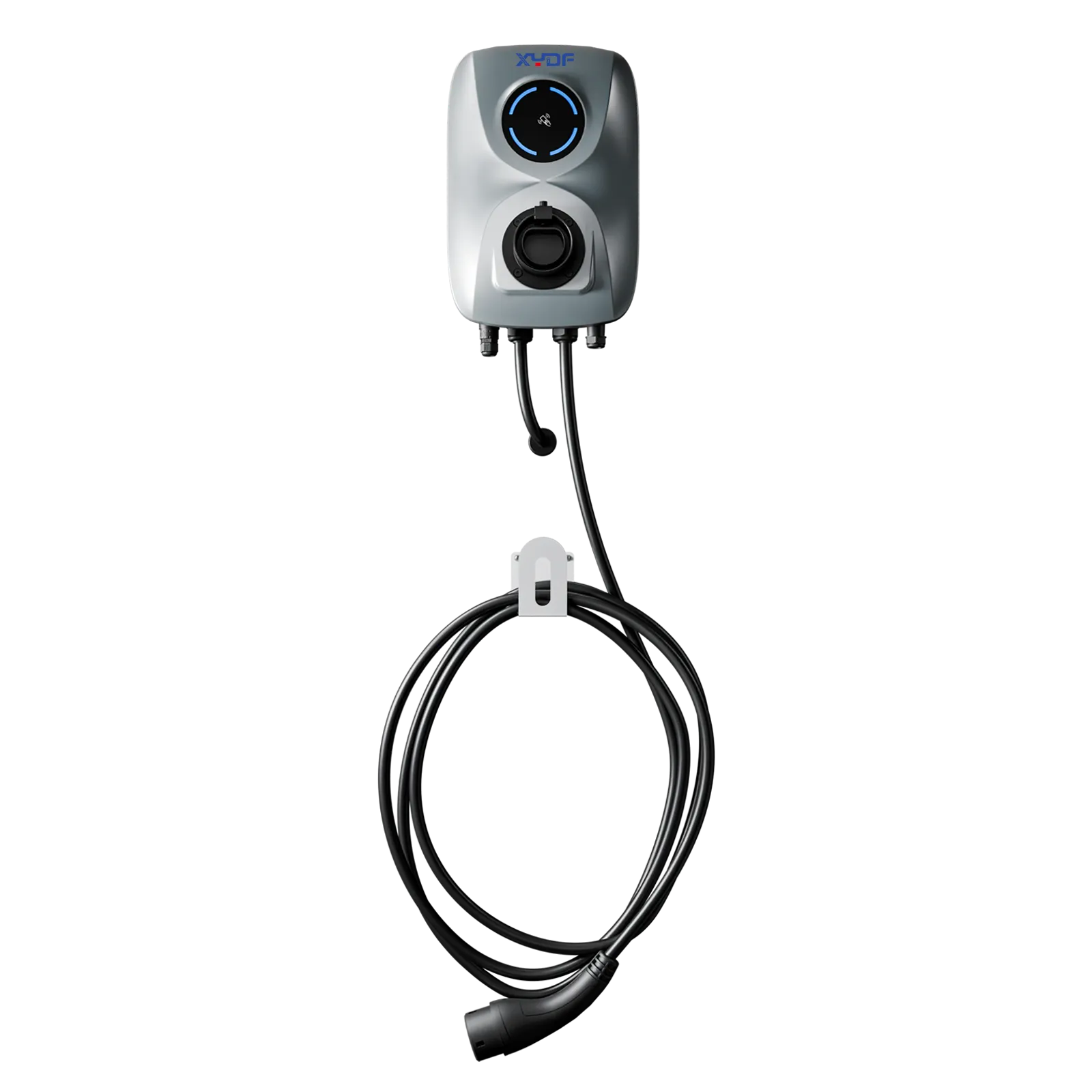
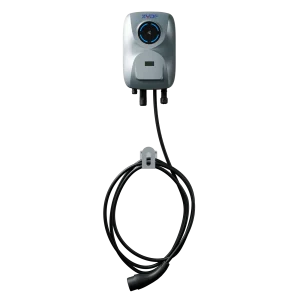
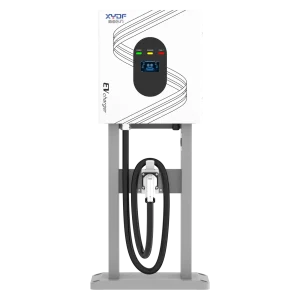

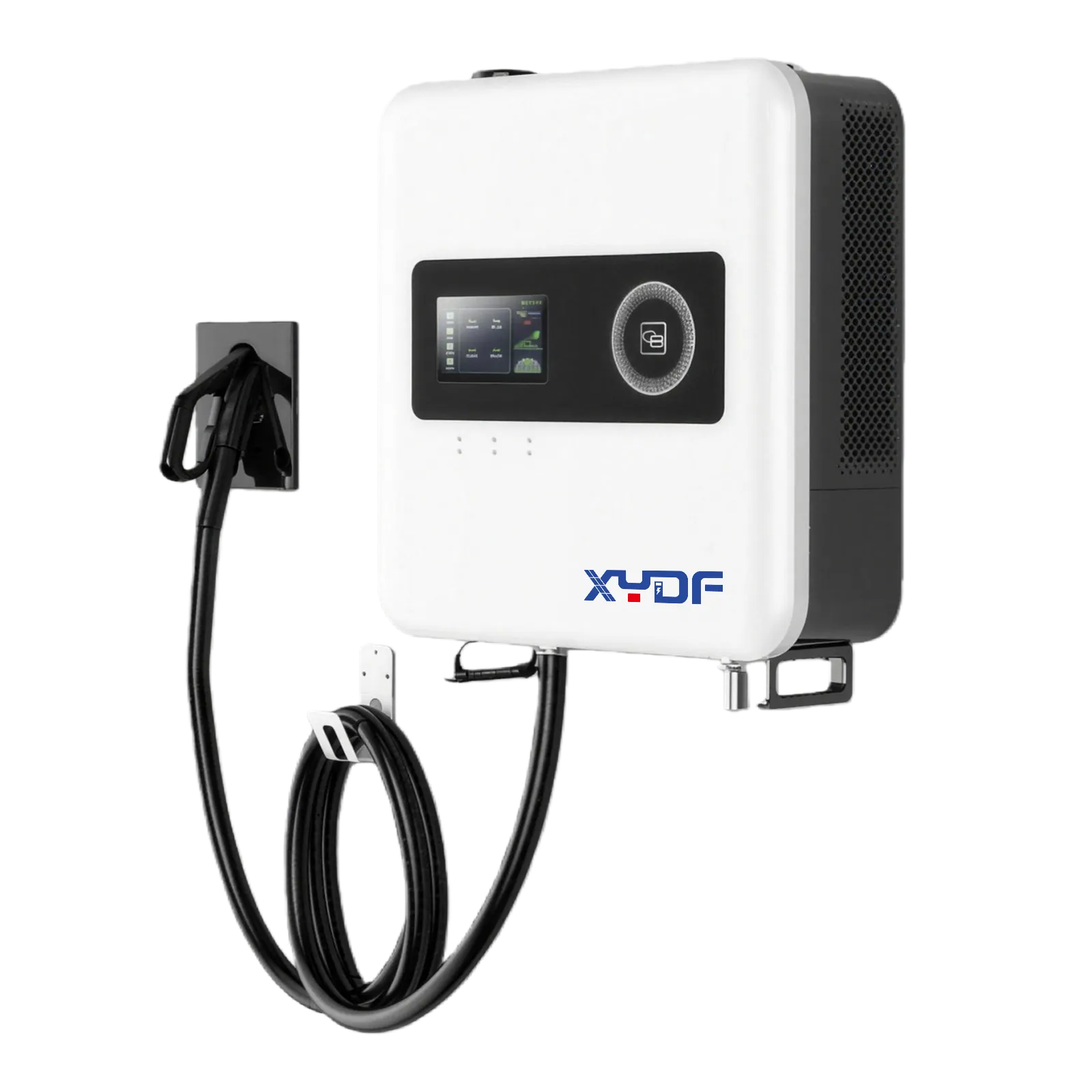
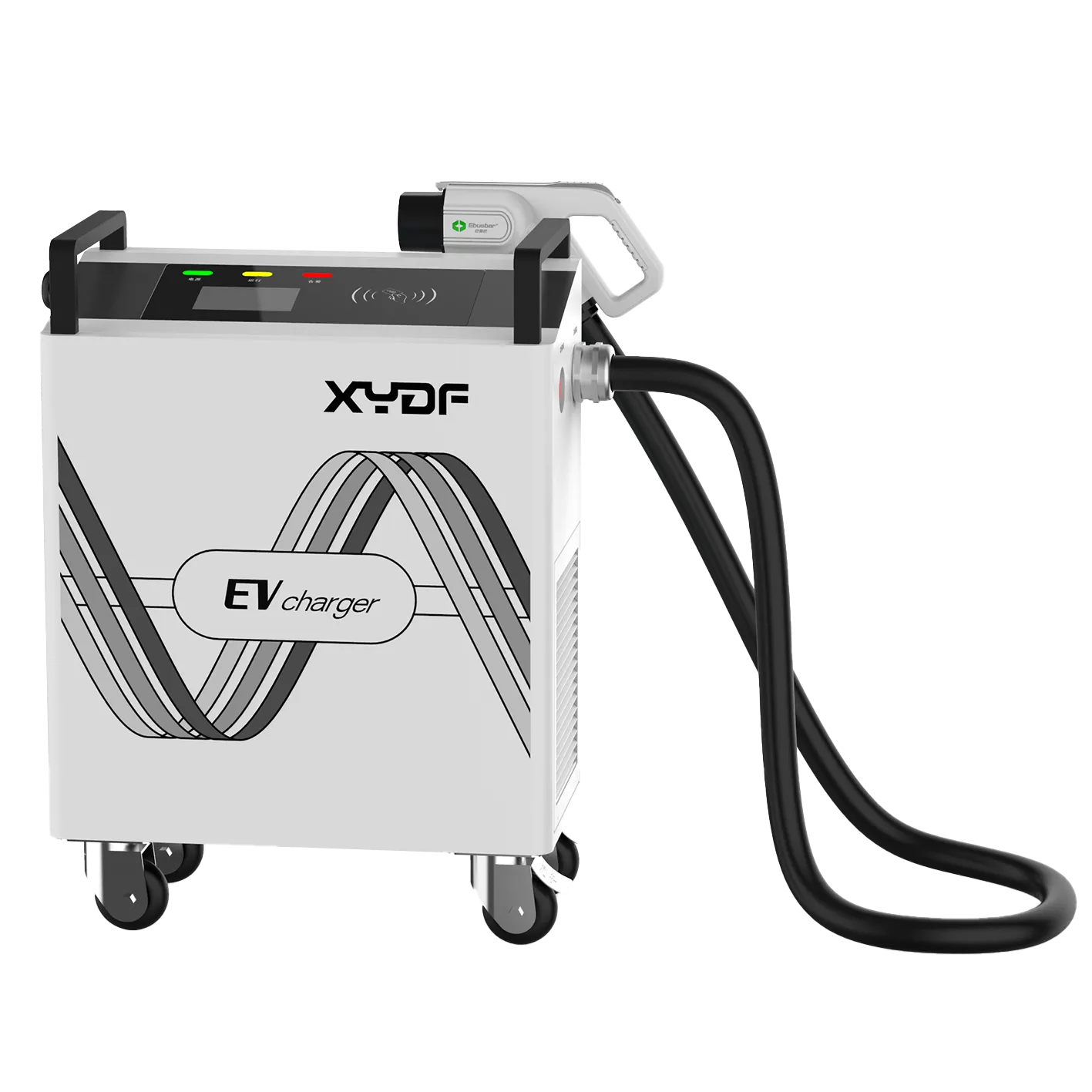
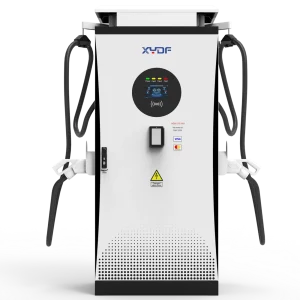
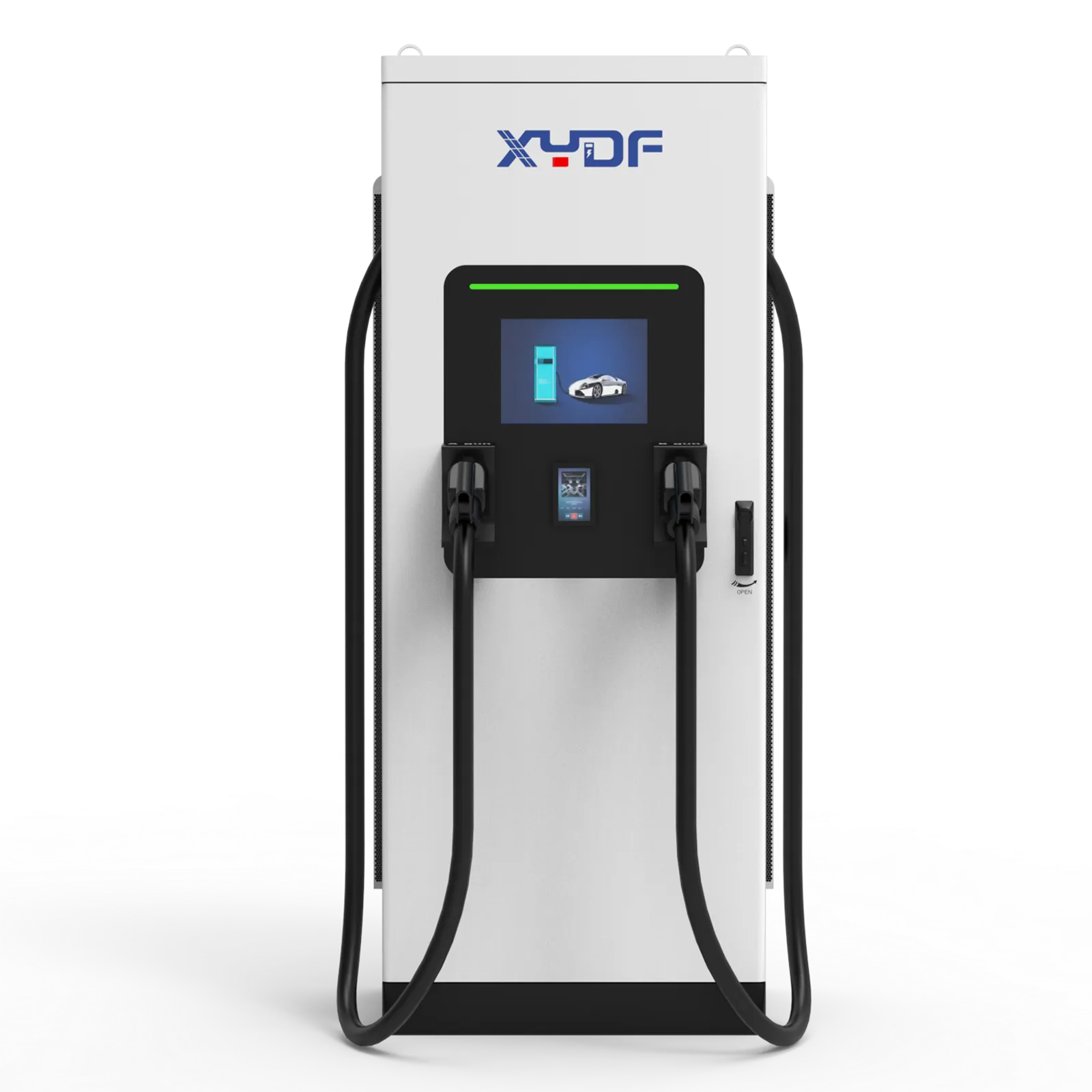
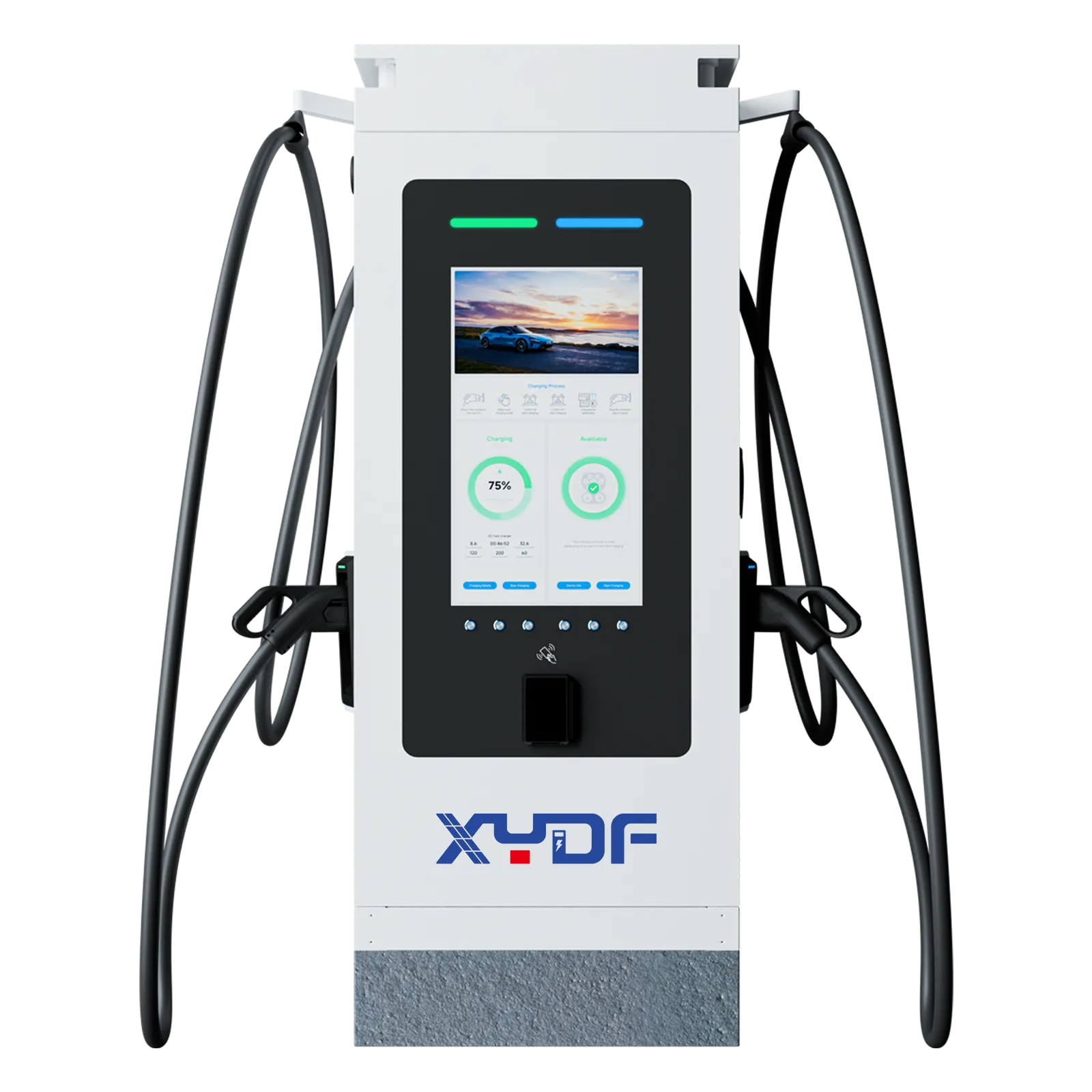
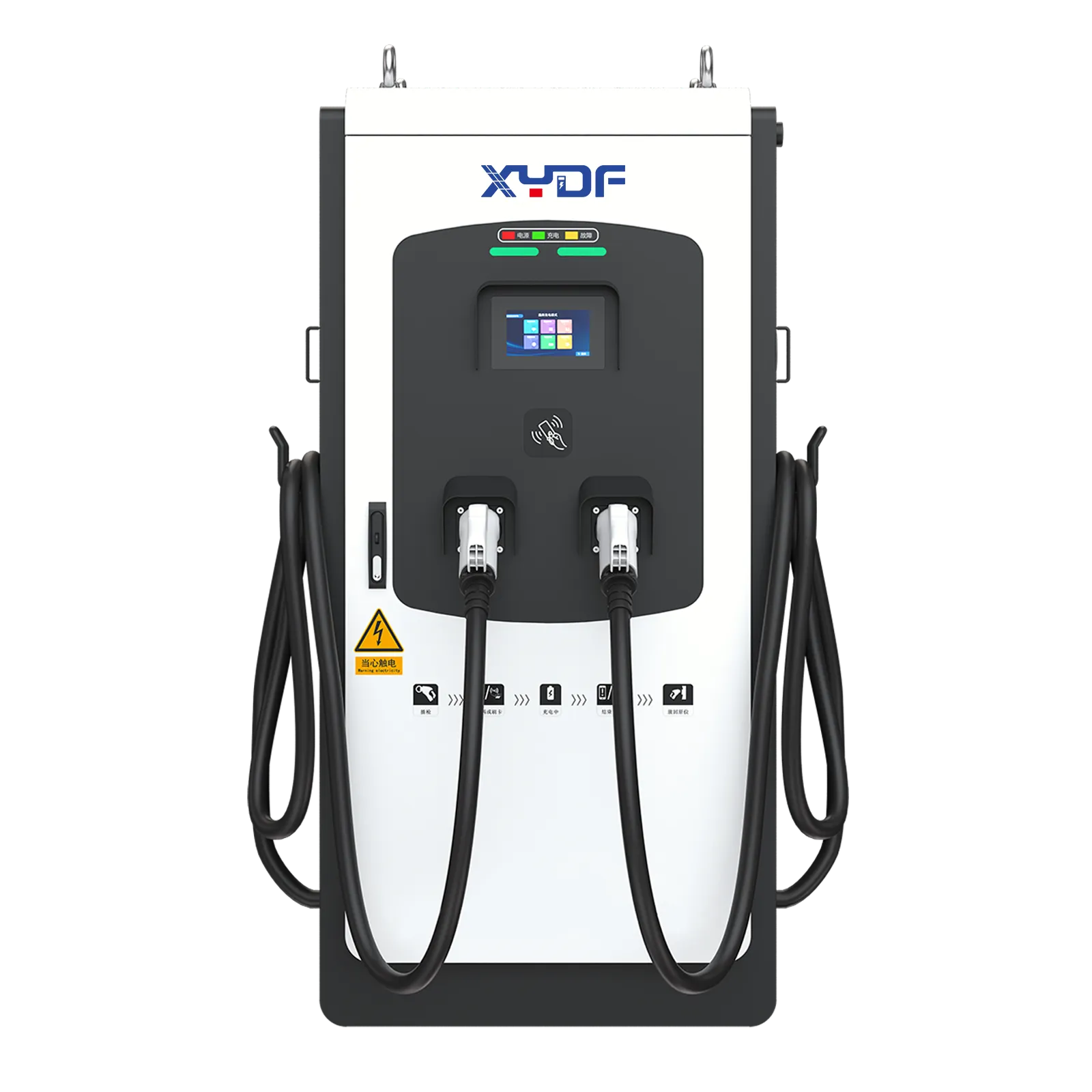
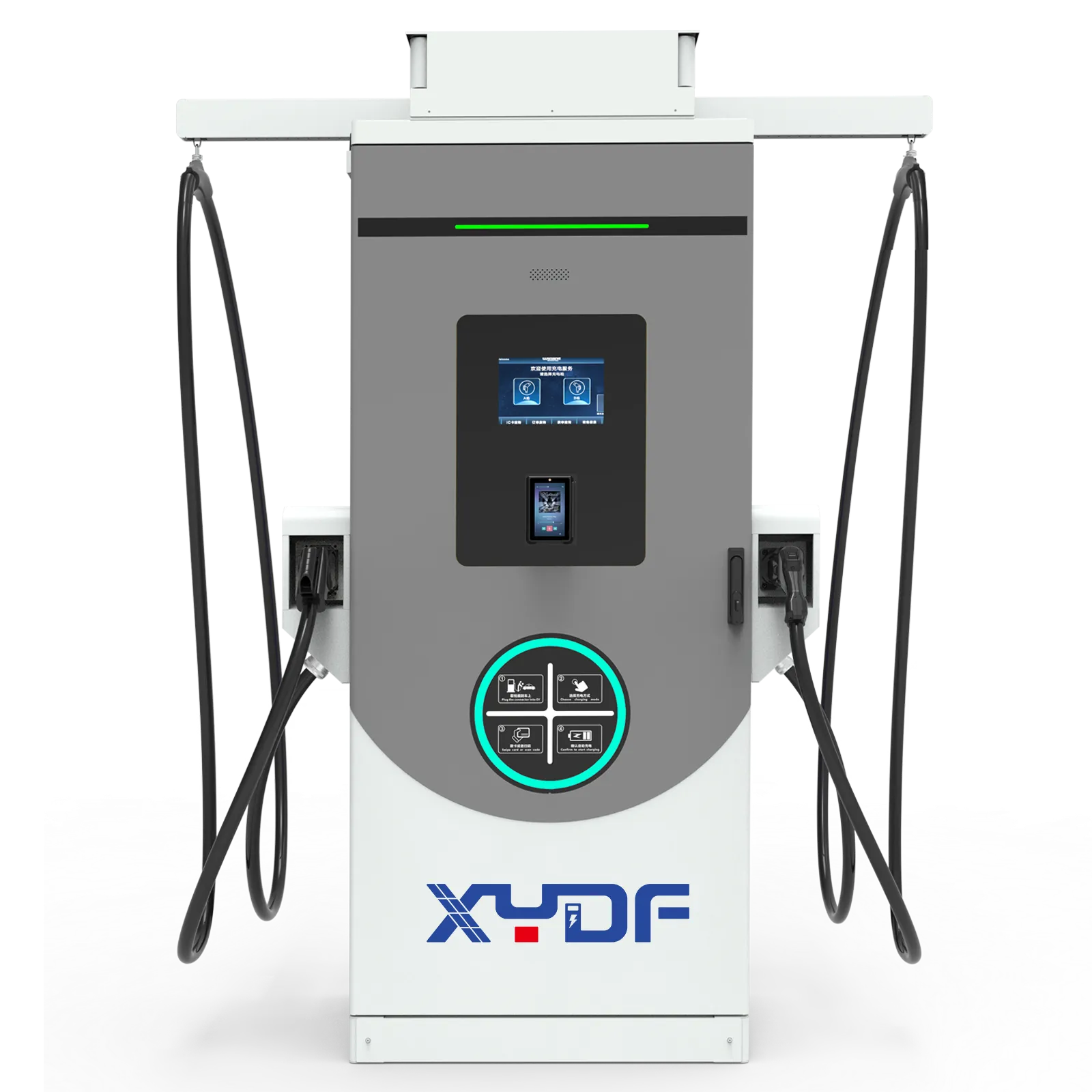
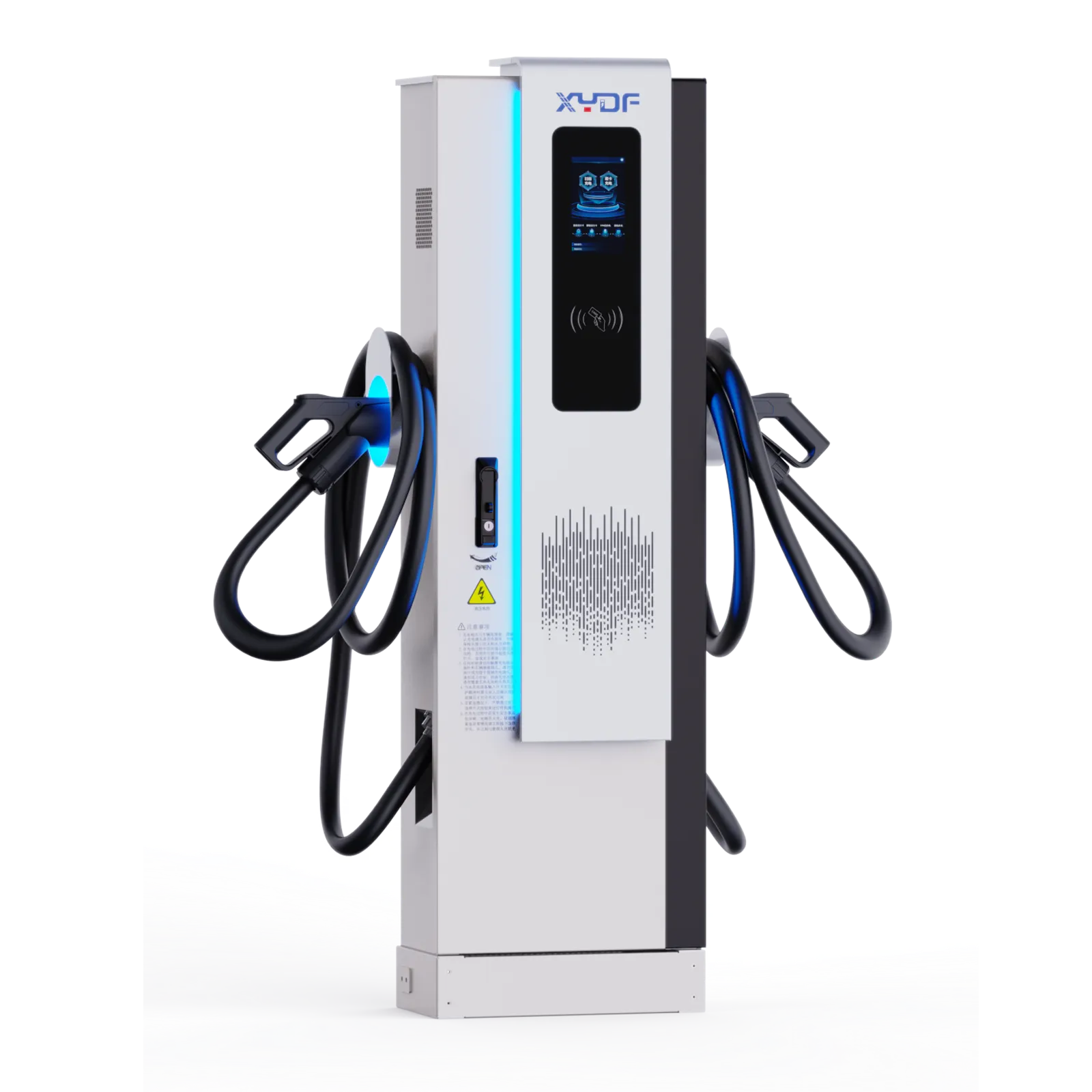
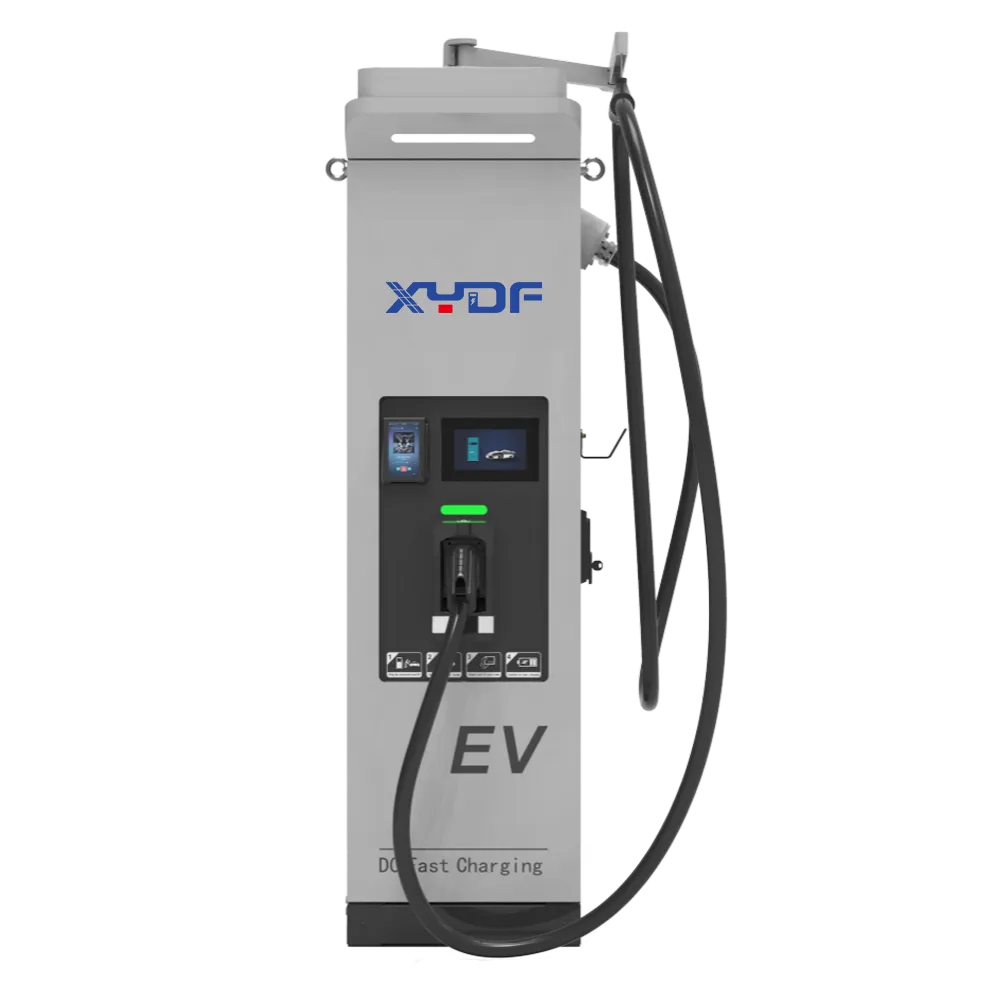
Smart EV charger selection should be based on the decision it can make when site conditions change, not on an app or Wi-Fi label alone.
When a fleet energy manager in Barcelona encountered rising grid-demand charges at a solar-equipped depot, he installed six connected chargers and scheduled most vehicle charging for the middle of the day. Within the first week, passing clouds repeatedly reduced rooftop generation; the chargers continued drawing their full rated current, creating sudden grid-import peaks and several site-capacity alarms. The chargers were not necessarily defective—they could connect to an app, but they were not receiving real-time data from the solar inverter, building meter, or fleet schedule. The project had confused connectivity with intelligent energy management. The real question was not whether the chargers were “smart,” but what decisions they could make when solar production, site demand, tariffs, and vehicle requirements changed.
Smart EV chargers manage when and how quickly vehicles charge by using data from meters, solar inverters, tariffs, vehicles, and energy-management platforms. When properly integrated, they can prioritize solar power, balance limited electrical capacity, reduce peak demand, and ensure vehicles receive the energy required before departure.
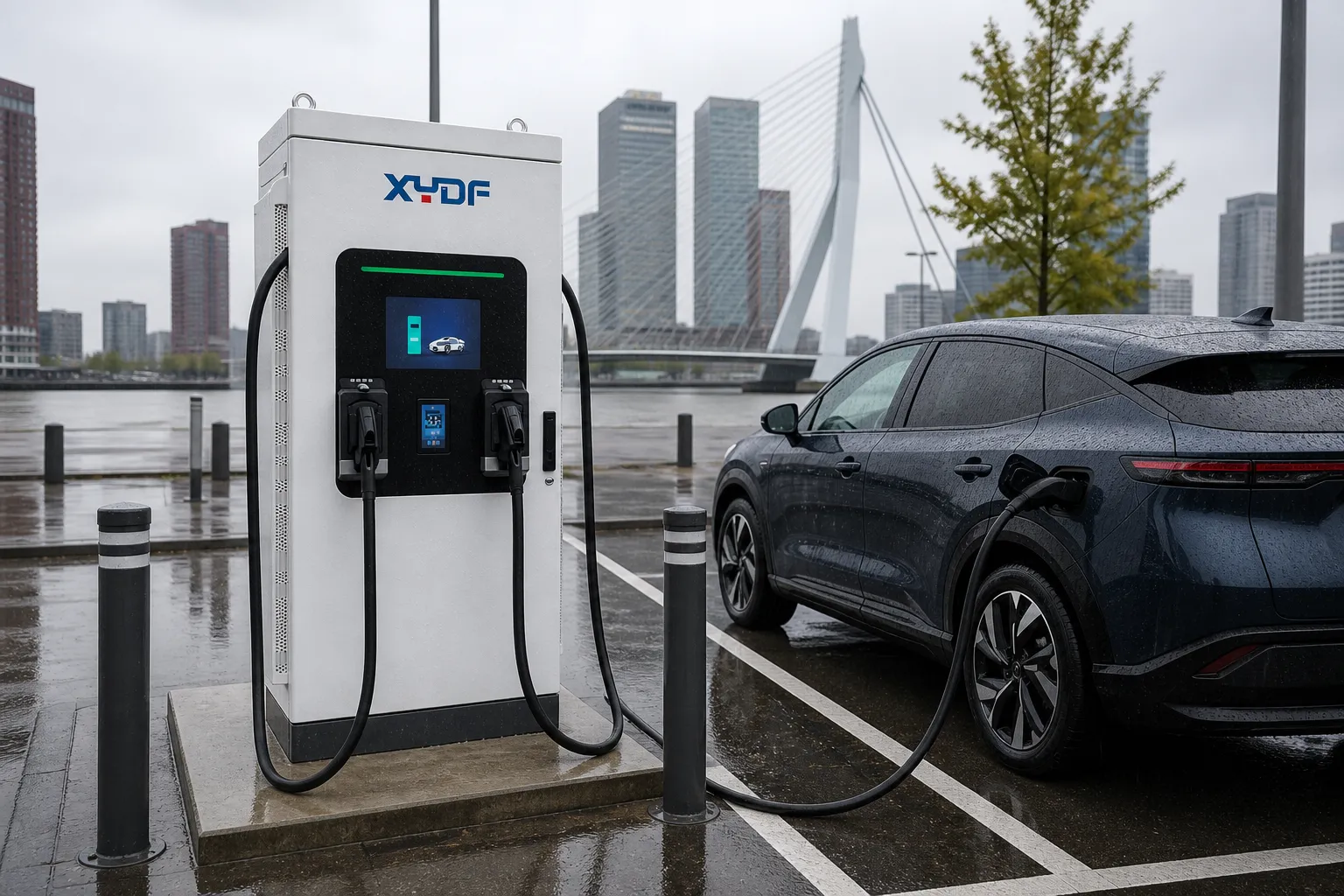
What Makes an EV Charger Smart?
A basic EV charger communicates the maximum available current to a vehicle and provides the required charging-control and safety functions. A smart charger adds communications, measurement, scheduling, remote control, and dynamic power adjustment.
The charging system may exchange information with:
- A building electricity meter
- A solar or hybrid inverter
- A stationary battery system
- A building or site energy-management platform
- A charging-network backend
- Electricity tariff or demand-response services
- The vehicle or fleet-management system
IEC 61851-1 defines general requirements for conductive EV charging systems with rated supply voltages up to 1,000 V AC or 1,500 V DC. Smart functions sit on top of those core electrical and safety requirements; an app, Wi-Fi module, or cloud connection does not replace compliant protection or installation.
The most capable Smart EV Chargers can adjust charging current in response to local energy conditions. However, buyers should distinguish between genuinely dynamic control and a simple timer marketed as an intelligent feature.
How Smart Charging Works
The 2026 IEA outlook projects global electric-car sales at about 23 million, or 28% of total car sales. For buyers, that makes measurement and control more important than a generic “connected” claim: ask what data is sampled, where the control loop runs, and what happens when the data path is unavailable.
A typical solar-aware charging process follows five steps:
- Measure: A meter or current transformer records grid import, grid export, solar production, and building demand.
- Calculate: The charger or energy-management platform determines how much power is available for EV charging.
- Prioritize: The system applies rules for solar use, battery storage, tariffs, grid limits, and vehicle departure times.
- Control: Charging current is increased, reduced, paused, or distributed among several vehicles.
- Verify: The platform monitors whether each vehicle is charging and whether site limits remain satisfied.
For example, a 7.4 kW single-phase charger may draw approximately 32 A at 230 V. If a home’s air conditioner and oven increase demand while solar production falls, the charger can reduce its current rather than allowing the property to exceed its service limit.
At a commercial site, four 22 kW chargers could theoretically request 88 kW simultaneously. If only 60 kW is allocated to EV charging, a load-management controller can divide that capacity according to vehicle priority, arrival time, battery demand, or a fair-sharing rule.
This is why searches for EV smart chargers should focus on control architecture rather than connectivity alone. The charger must receive reliable measurements and apply an appropriate fallback when communications fail.
Smart EV Chargers for Load Balancing
Load balancing prevents EV charging from exceeding a building or site’s available electrical capacity. It can operate at several levels:
- Single-charger load management: One charger reduces output according to total household demand.
- Multi-charger sharing: Available capacity is distributed among several charging points.
- Phase balancing: Single-phase charging loads are distributed across a three-phase system.
- Transformer-level control: Several buildings or charging areas share a defined site limit.
- Fleet-priority charging: Vehicles with earlier departure times or lower battery levels receive more power.
Dynamic load balancing can reduce or postpone the need for expensive transformer, switchboard, or utility-connection upgrades. They do not create additional electrical capacity; they allocate existing capacity more intelligently.
A buyer should require a solar-surplus control test that shows a measured reduction when PV output falls, rather than accepting a protocol name as proof. OCPP 2.0.1 includes functions relevant to charging-station management, monitoring, transactions, and smart charging. However, OCPP support alone does not guarantee effective load balancing. The site still needs accurate metering, suitable controller logic, compatible firmware, stable communications, and a safe offline operating mode.
Managing Solar Power with Smart EV Chargers
Energy-management claims should identify which load is flexible and which service obligation is not. Align vehicle departure energy, solar production, storage state, building demand, tariff intervals, and grid limits in one time-based model; then define fallback behaviour when renewable output, communications, or storage availability changes. Research guidance can explain managed charging, but it cannot substitute for site telemetry and a tested control policy. For the public planning context, see NREL managed electric vehicle charging guidance; the site-specific acceptance record still controls the final decision.
Solar-Compatible EV Chargers generally do not connect directly to photovoltaic panels. The panels produce DC electricity, which the solar inverter converts into AC power for the property. A meter or energy-management system then determines how much surplus power is available for vehicle charging.
Common solar charging modes include:
- Solar-only mode: Charging starts or increases only when sufficient surplus generation is available.
- Solar-priority mode: The system uses available solar power and supplements it with limited grid electricity.
- Fast-charge mode: The vehicle charges at the highest permitted rate using both solar and grid power.
- Tariff-optimized mode: Charging uses solar during the day and low-cost grid electricity during selected hours.
- Solar-plus-storage mode: The controller coordinates the EV, stationary battery, building loads, and grid export.
Solar powered EV chargers are most effective when vehicles are present during solar-production hours. Workplace and fleet sites often have this advantage because vehicles may remain parked during the day. Residential vehicles that are away from home until evening may require battery storage or tariff-based grid charging to use renewable energy efficiently.
IEC 60364-7-712 addresses electrical installations associated with photovoltaic systems, while IEC 60364-7-722 addresses supplies for electric vehicles. Solar and EV circuits must therefore be coordinated at installation level—not only through software settings.
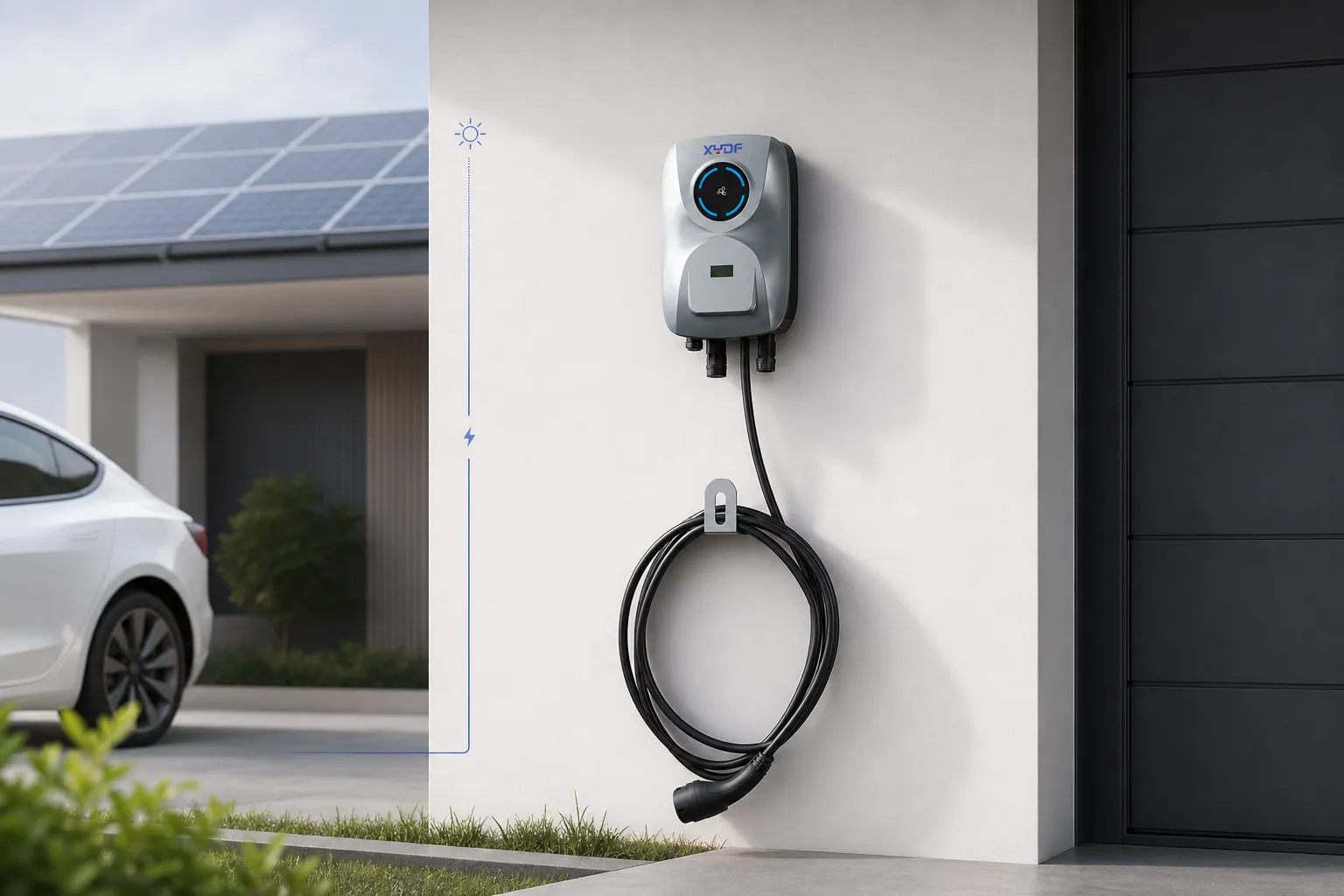
Differences Between Smart EV Chargers and Basic Chargers
| Decision Factor | Basic EV Charger | Smart EV Charger | Solar-Aware Smart Charger |
|---|---|---|---|
| Charging control | Fixed or manually selected current | Scheduled or remotely adjustable current | Dynamic control based on solar and site demand |
| Load balancing | Usually unavailable | Available on compatible models | Coordinates building load and PV production |
| Solar integration | No dedicated integration | May support external automation | Uses inverter, meter, CT, or EMS data |
| Tariff scheduling | Limited or absent | App or backend schedule | Combines tariff and solar forecasts |
| Multiple vehicles | Independent operation | Networked power sharing may be available | Allocates solar and grid capacity by priority |
| Remote monitoring | Local indicators | App or cloud dashboard | Charging, solar, import, and export data |
| Failure response | Simple local shutdown or reset | Remote diagnostics and alerts | Configurable fallback if energy data is lost |
| Typical buyer | Simple residential installation | Connected home or workplace | Solar home, fleet, commercial site, or microgrid |
The principal differences between smart EV chargers and basic chargers are therefore measurement, communication, automation, and energy allocation. Electrical conversion efficiency may be similar at the same power level; most savings come from using lower-cost or self-generated electricity and avoiding unnecessary peak demand.
Application and Energy-Management Matrix
| Application | Recommended Configuration | Primary Smart Function | Procurement Check |
|---|---|---|---|
| Single-family solar home | 7–7.4 kW smart AC charger | Solar-surplus charging and household load control | Inverter, meter, and CT compatibility |
| Two-EV household | Two networked smart home EV chargers | Fair or priority-based power sharing | Simultaneous demand and service capacity |
| Apartment garage | Networked charging with central controller | User allocation, metering, and load balancing | Billing, access control, and communications |
| Solar workplace | 7–22 kW managed AC network | Daytime solar self-consumption | Parking duration and employee charging policy |
| Fleet depot | Managed AC and DC charging | Departure-priority and transformer control | Route schedules, redundancy, and energy forecast |
| Retail or destination site | Networked AC chargers | Tariff schedules and site-demand control | Customer dwell time and payment integration |
| Commercial microgrid | Solar, storage, chargers, and central EMS | Multi-asset energy optimization | Open protocols and fail-safe operation |
Buyers comparing leading EV chargers with smart energy features should request a live demonstration of load response, solar tracking, offline behavior, meter compatibility, and multi-charger allocation. A feature list is less useful than evidence showing how the system behaves when solar output or communications suddenly fail.
Hidden Costs and the ROI Framework
A smart charger may have a higher purchase price than a basic unit, but hardware price represents only part of the lifecycle cost.
TCO = charger and installation + meters and communications + software fees + maintenance + demand charges + grid energy − solar and tariff savings
Potential financial benefits include:
- Higher use of self-generated solar energy
- Lower grid imports during peak-tariff periods
- Reduced transformer and service-upgrade requirements
- Better utilization of existing charging infrastructure
- Remote diagnosis and fewer unnecessary service visits
- Improved fleet readiness through scheduled energy allocation
Hidden costs may include proprietary meters, cloud subscriptions, SIM fees, backend integration, cybersecurity management, firmware support, commissioning, and dependency on a specific inverter brand. The honest answer is that smart charging creates value only when the control strategy reflects the site’s real energy and operating requirements.
Standards, Communication, and Compliance
Include an offline fail-safe acceptance test in commissioning: disconnect the meter or communications path, record the resulting current limit, confirm that the site remains within its agreed boundary, and verify how the event is logged for later review.
Relevant standards and frameworks include:
- IEC 61851-1: General requirements for conductive EV charging systems.
- IEC 60364-7-712: Electrical installations associated with photovoltaic systems.
- IEC 60364-7-722: Electrical installations supplying electric vehicles.
- IEC 62196: EV plugs, connectors, sockets, and vehicle inlets.
- IEC 62955: Residual direct-current detecting devices for Mode 3 charging.
- ISO 15118-20: Advanced vehicle-to-grid communication, including functions relevant to bidirectional charging.
- OCPP 2.0.1: Charging-station management, monitoring, and smart-charging interoperability.
- UL 2594 and UL 2231: AC EV supply equipment and personnel-protection systems for applicable North American projects.
OCPP, ISO 15118, Wi-Fi, or app support does not independently prove electrical safety, solar compatibility, or successful interoperability. Buyers should request model-specific certificates, test reports, protocol versions, supported meter lists, cybersecurity policies, and firmware-support commitments.
CE and CCC markings should be evaluated for the exact product and target market. A manufacturer’s statement that equipment is “IEC compliant” is not a substitute for configuration-specific evidence.
How to Choose a Smart EV Charging System
We recommend five procurement steps:
- Map the energy flows. Measure grid capacity, building demand, solar generation, battery storage, vehicle energy demand, and departure schedules.
- Define control priorities. Decide whether vehicle readiness, solar self-consumption, low tariffs, peak reduction, or battery charging takes priority.
- Check interoperability. Confirm compatibility with the inverter, meter, CT sensors, EMS, backend, vehicle connectors, and communication protocols.
- Test failure modes. Determine what happens if the internet, cloud service, meter, CT sensor, or central controller becomes unavailable.
- Calculate lifecycle cost. Include subscriptions, commissioning, cybersecurity, maintenance, spare parts, grid upgrades, and energy savings.
XYDF manufactures smart AC charging equipment for residential, workplace, fleet, and commercial projects. Buyers evaluating smart home EV chargers should verify the exact model’s load-management functions, supported meters, communication protocols, solar-control method, protection design, and target-market documentation.
Commercial and fleet projects may also combine smart AC equipment with DC fast-charging systems, onsite solar, battery storage, and a central energy-management platform.
Frequently Asked Questions
What is a smart charger?
A smart charger is EV supply equipment that can communicate with a meter, app, backend, inverter, or energy-management system. It can schedule charging, adjust current, share power among vehicles, monitor energy use, and respond to tariffs or solar production. The exact functions vary by model.
How does smart charging work?
Smart charging measures available electrical capacity and applies control rules to the charging session. The system may increase charging when solar or low-cost grid electricity is available, reduce it during building peaks, or prioritize vehicles that must depart sooner.
Is a smart EV charger worth it?
It is often worthwhile when a property has solar panels, variable tariffs, limited electrical capacity, multiple vehicles, or high peak-demand costs. A basic charger may be sufficient for a low-mileage household with ample grid capacity and no need for scheduling or energy reporting.
Do solar powered EV chargers work?
Yes, when the charger is correctly integrated with the solar inverter, electricity meter, and site electrical system. Solar powered EV chargers normally use the building’s AC distribution system rather than connecting directly to photovoltaic panels. Their performance depends on available sunlight, vehicle presence, and control settings.
Which solar car charger is the best?
The best charger is compatible with the property’s inverter, meter, supply capacity, vehicle, and energy-management objectives. Buyers should compare solar-surplus control, load balancing, offline operation, supported protocols, warranty, firmware support, and market certification rather than relying on one universal ranking.
Can you charge an EV car with solar?
Yes. Solar electricity can charge an EV through an appropriate inverter, building distribution system, dedicated charging circuit, and compatible charger. The panel capacity should be based on daily driving energy, local solar yield, shading, seasonal production, and charging losses.
How should an EV site verify a solar, storage, or load-management strategy?
Verify the strategy with time-aligned data for vehicle energy, solar output, storage state, building load, tariff periods, and departure requirements. Test low-solar, constrained-grid, communications-loss, and late-departure cases, then record whether the controller preserves the required vehicle energy before shifting flexible load. A dashboard screenshot is not a performance test.
References
- International Energy Agency — Global EV Outlook 2026
- International Energy Agency — Global EV Outlook 2025
- IEC 61851-1 — Electric Vehicle Conductive Charging System
- IEC 60364-7-722:2018 — Supplies for Electric Vehicles
A smart charger creates value not because it is connected, but because it can turn reliable energy data into safe, useful decisions at the right moment.XYDF builds charging equipment for that energy-management moment—when vehicles, solar generation, building demand, tariffs, and grid limits must operate as one system. Project teams can review XYDF’s EV charging product portfolio and manufacturing capabilities before discussing site capacity, solar integration, load balancing, and market-specific compliance.