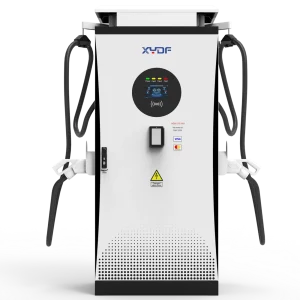
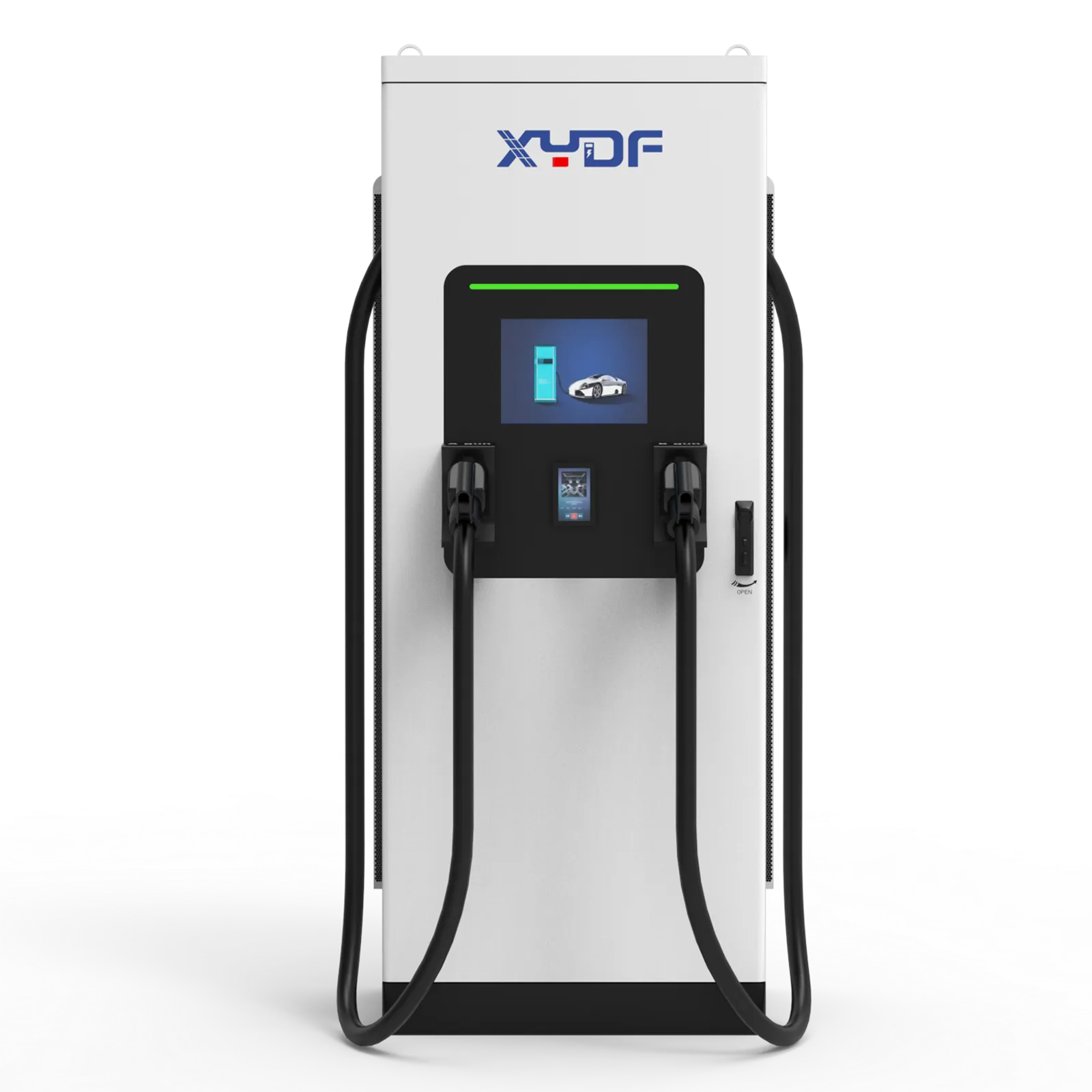
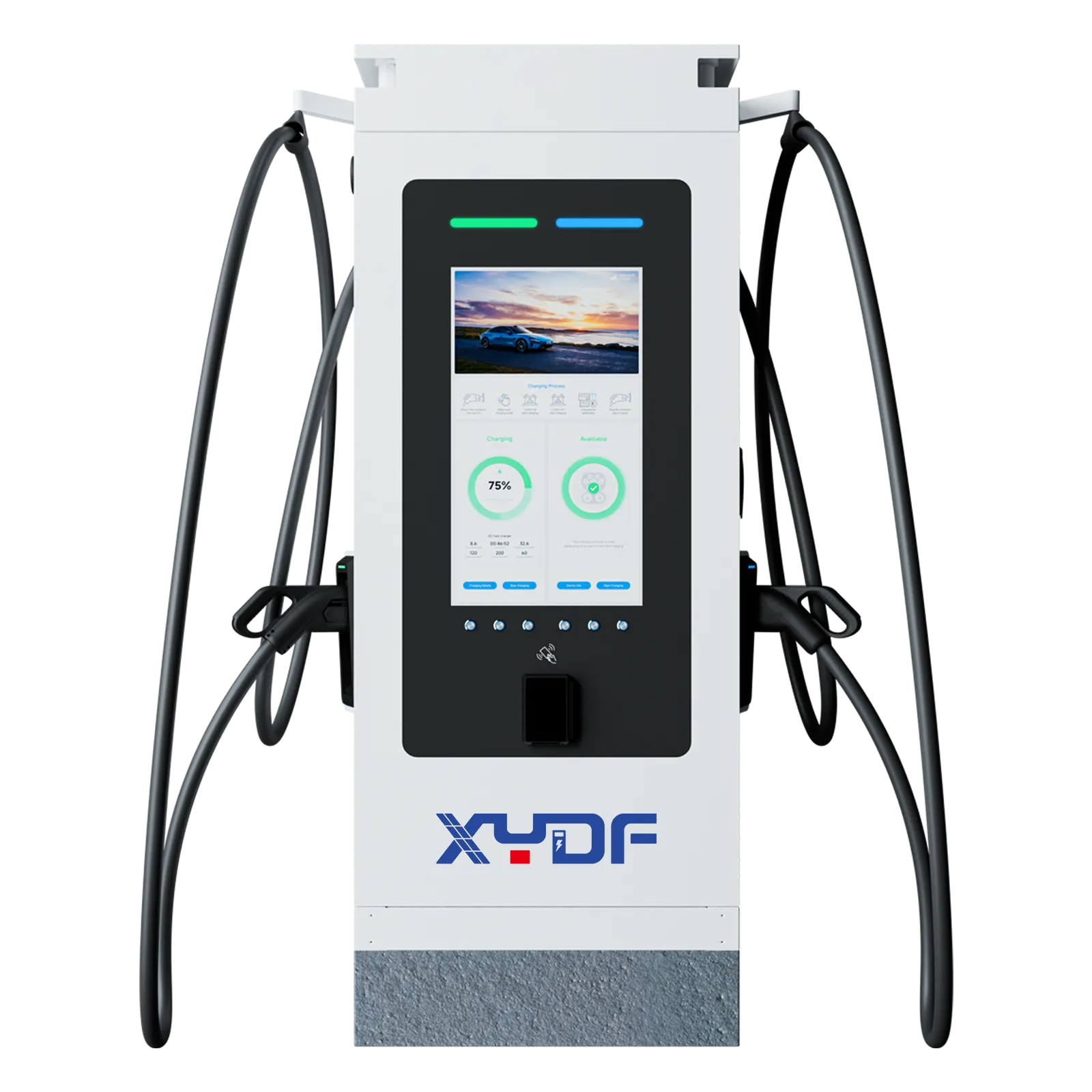
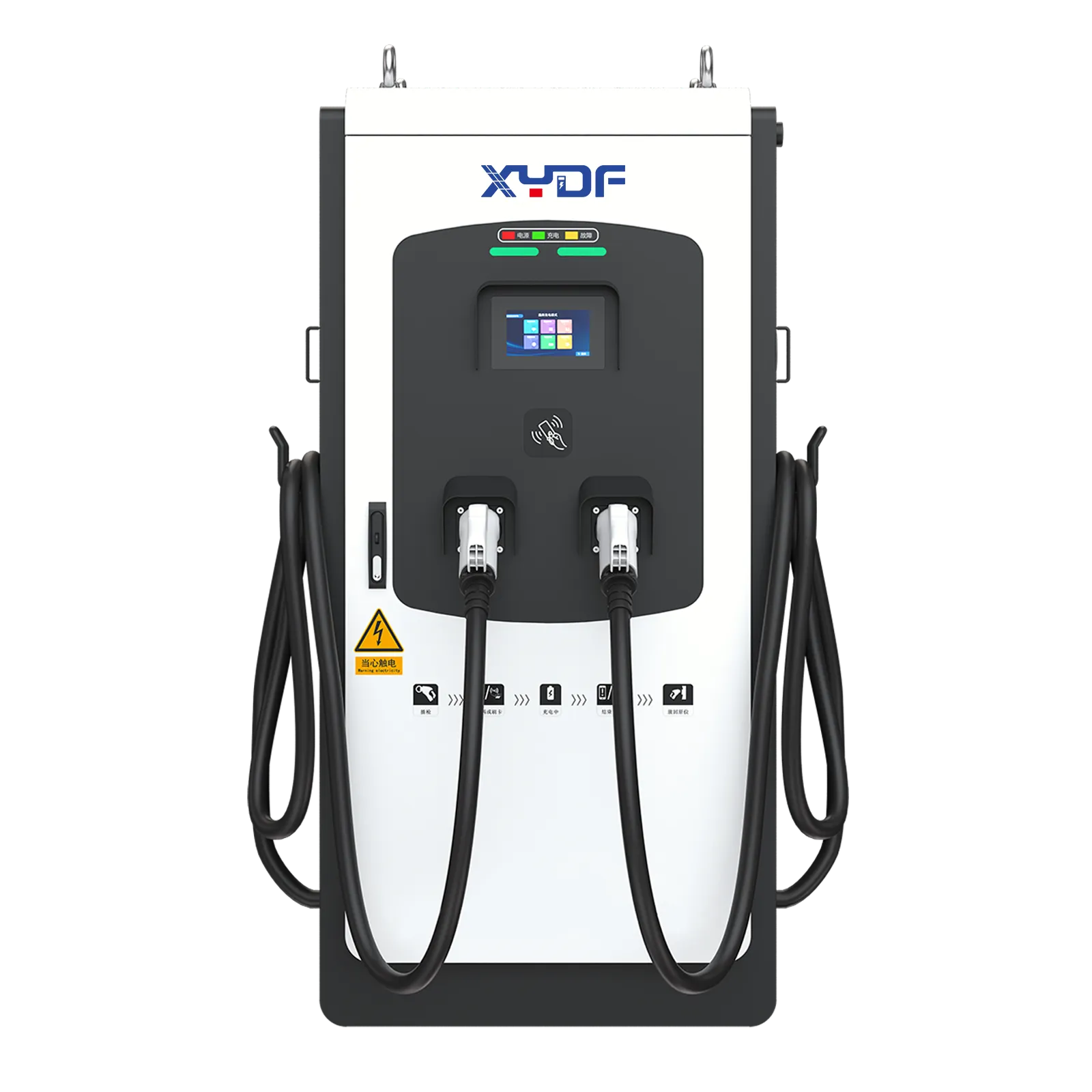
6 Steps to Start Your DC Charger Fast Charging Experience
Jul 07,2026
Blog
Today, DC charger fast charging systems have become an essential component of electric mobility across Europe. However, many EV users and charging site operators still face challenges such as system incompatibility, non-compliant design, and improper installation practices, which may lead to inefficient charging performance and potential safety risks.
This guide provides a clear, practical, step-by-step approach to help you correctly deploy and operate dc charger systems in Europe. Whether for private use or commercial projects, it ensures a safer, more efficient, and compliant charging experience.
1. Ensure Vehicle and Charging Standard Compatibility
Before deploying a DC charger, it is essential to verify compatibility between the vehicle interface and the charging system.
From a regulatory perspective, future EU public charging infrastructure is expected to align with the AFIR framework (EU 2025/656), including support for ISO 15118 communication standards and compliance with the IEC 61851 series for electrical safety and system architecture.
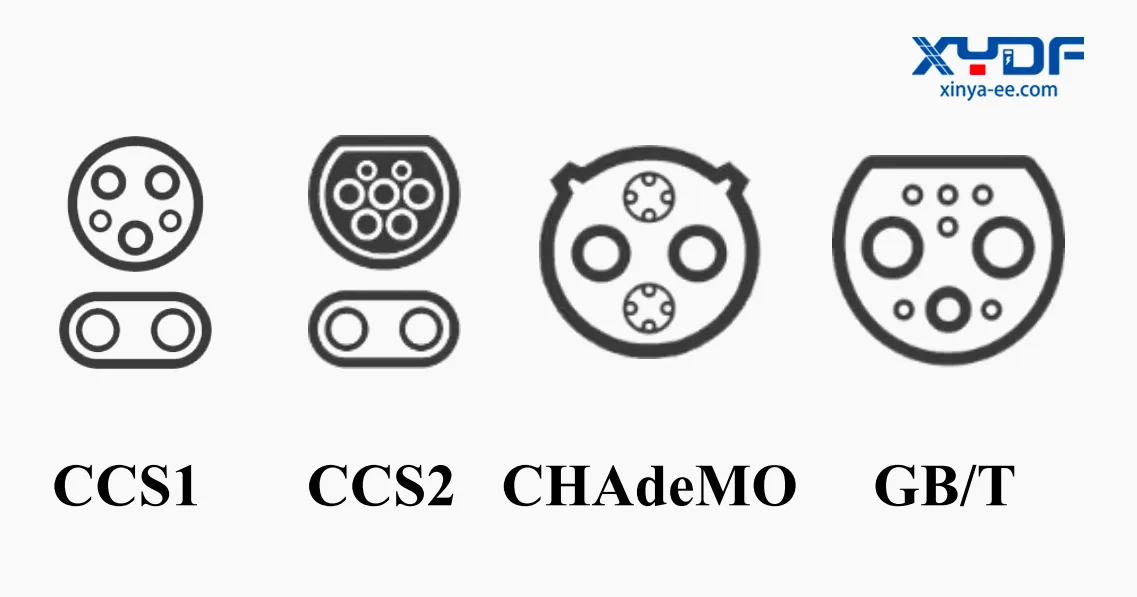
Most modern European electric vehicles use the CCS2 fast charging interface, while only a limited number of older models still rely on CHAdeMO. Interface mismatch or outdated equipment may result in charging failure or reduced power output for safety reasons.
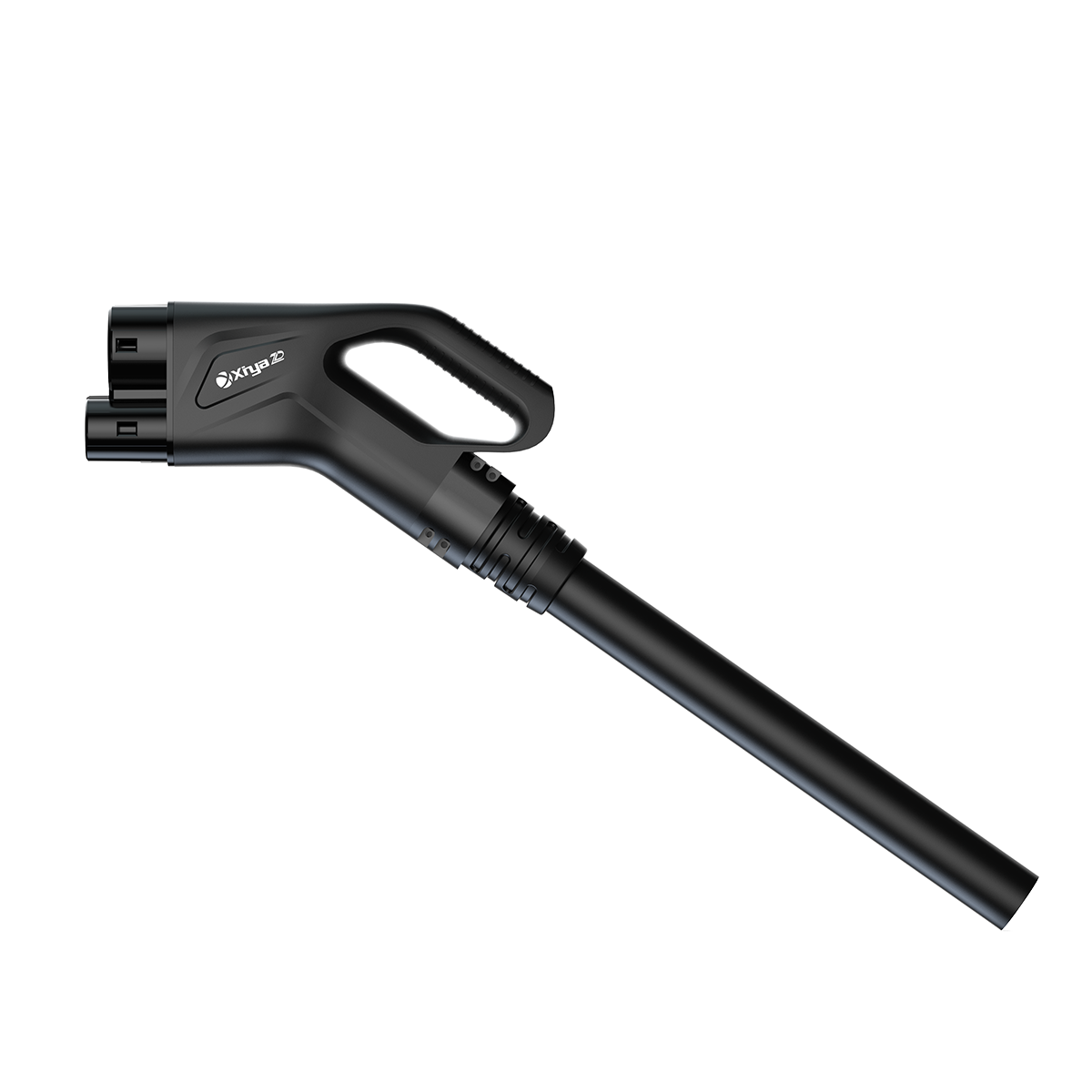
Output Plug
2. DC Charger Power Levels and Application Scenarios
Dc charger systems are categorized into different power levels to balance charging speed, infrastructure cost, and energy efficiency.
Typical European DC charger power segments include:
Power Range
Application Scenarios
10%–80% Charging Time
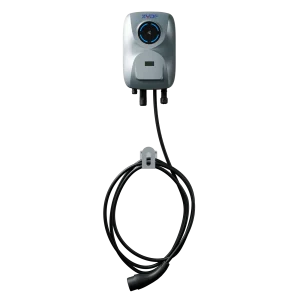
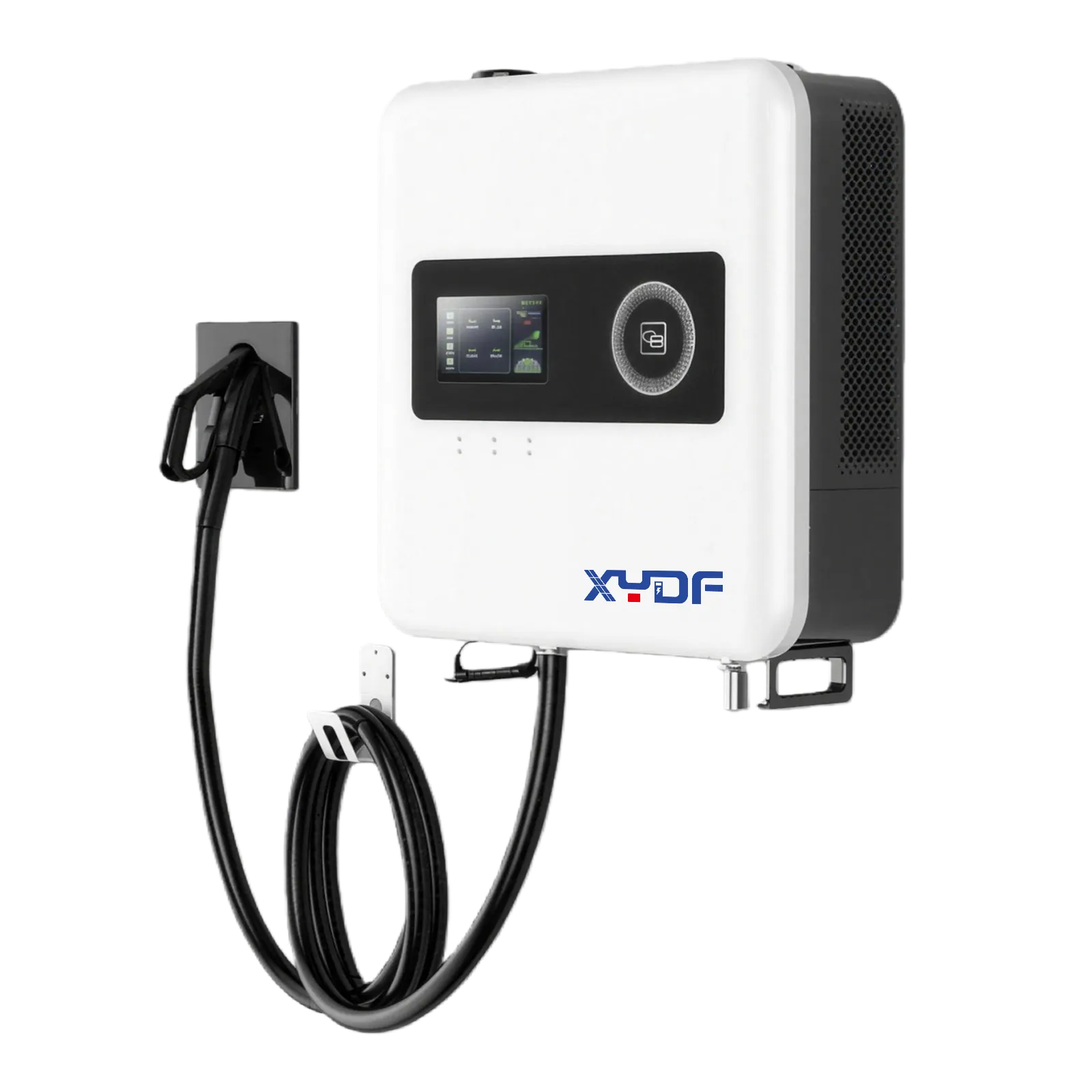
40kW – 80kW
Residential community charging, small business parking lots
40–80 min (Typical 70kWh Battery)
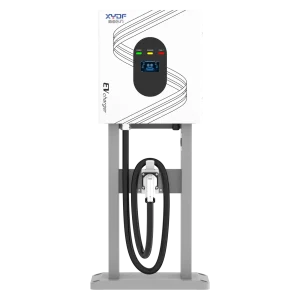
120kW – 180kW
Urban public charging hubs, commercial retail parking, HPC Highway service areas, commercial fleets, logistics hubs
20–30 min (Typical 70kWh Battery)
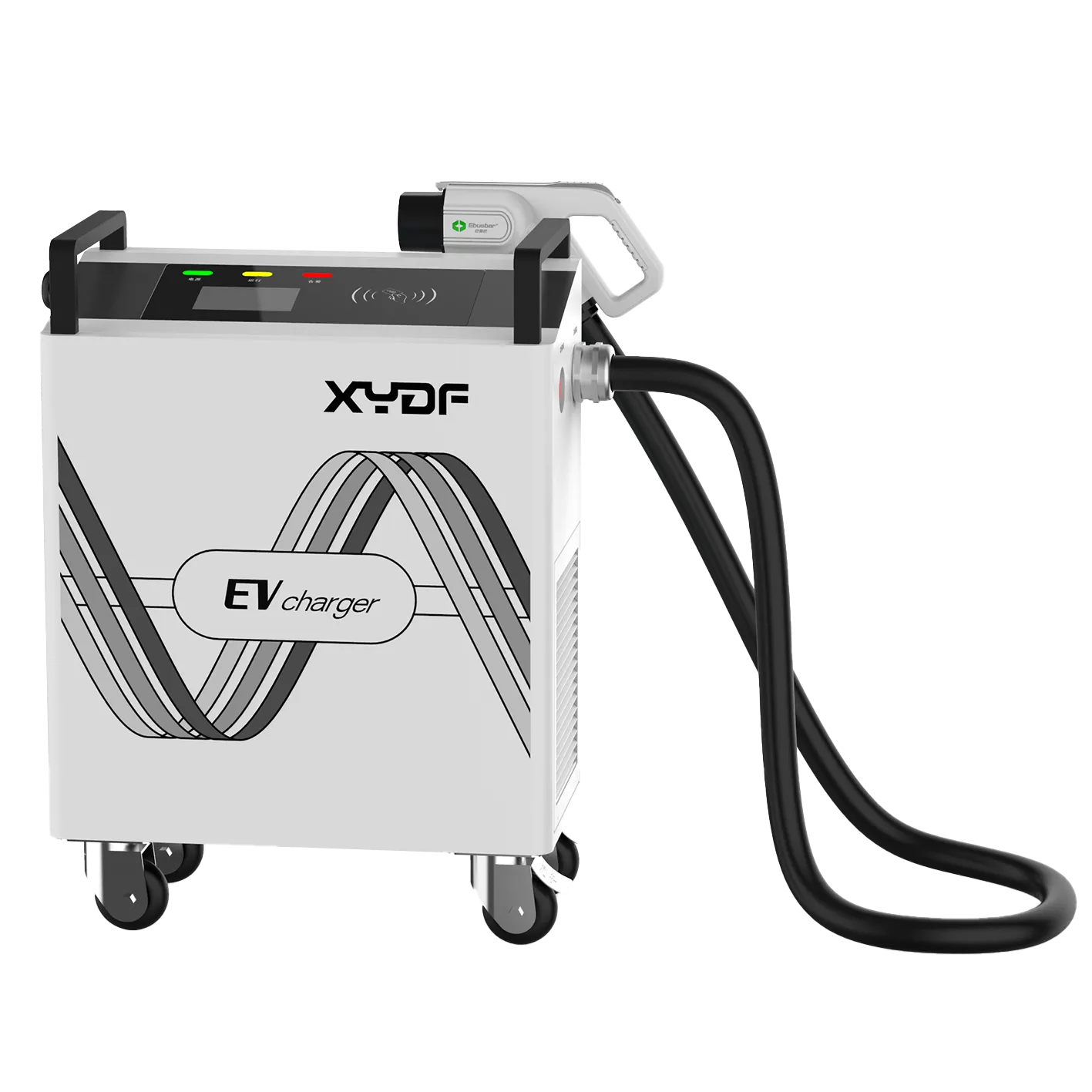
320kW – 400kW
Heavy-duty truck and mining truck charging stations
About 1 hour (Typical 300kWh Electric Heavy-duty Battery)
Matching DC charger power levels to real-world applications helps optimize charging performance, grid load, and operational cost efficiency.
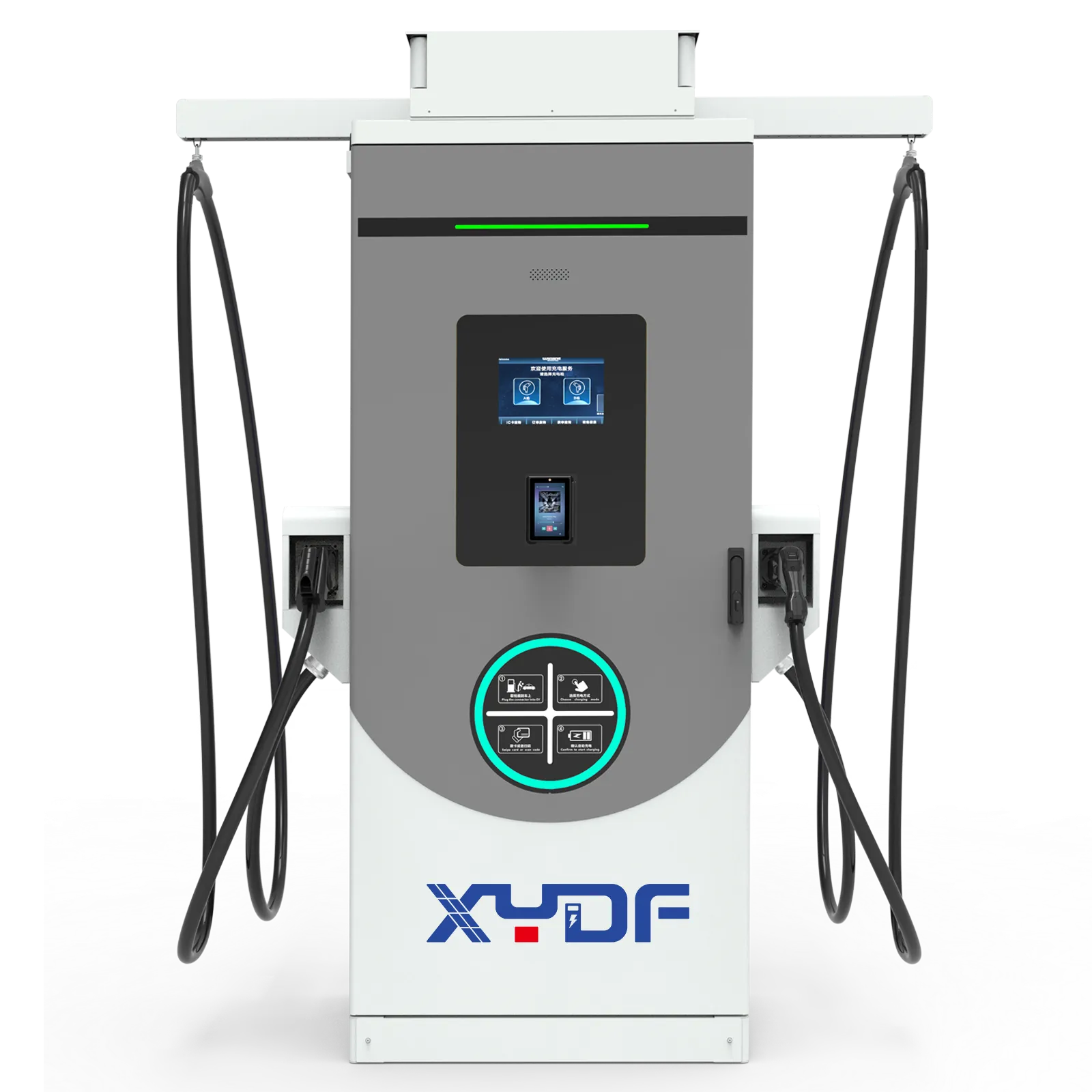
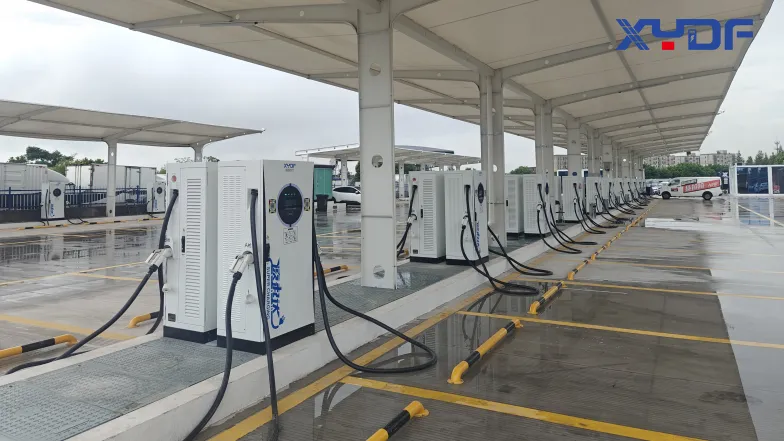
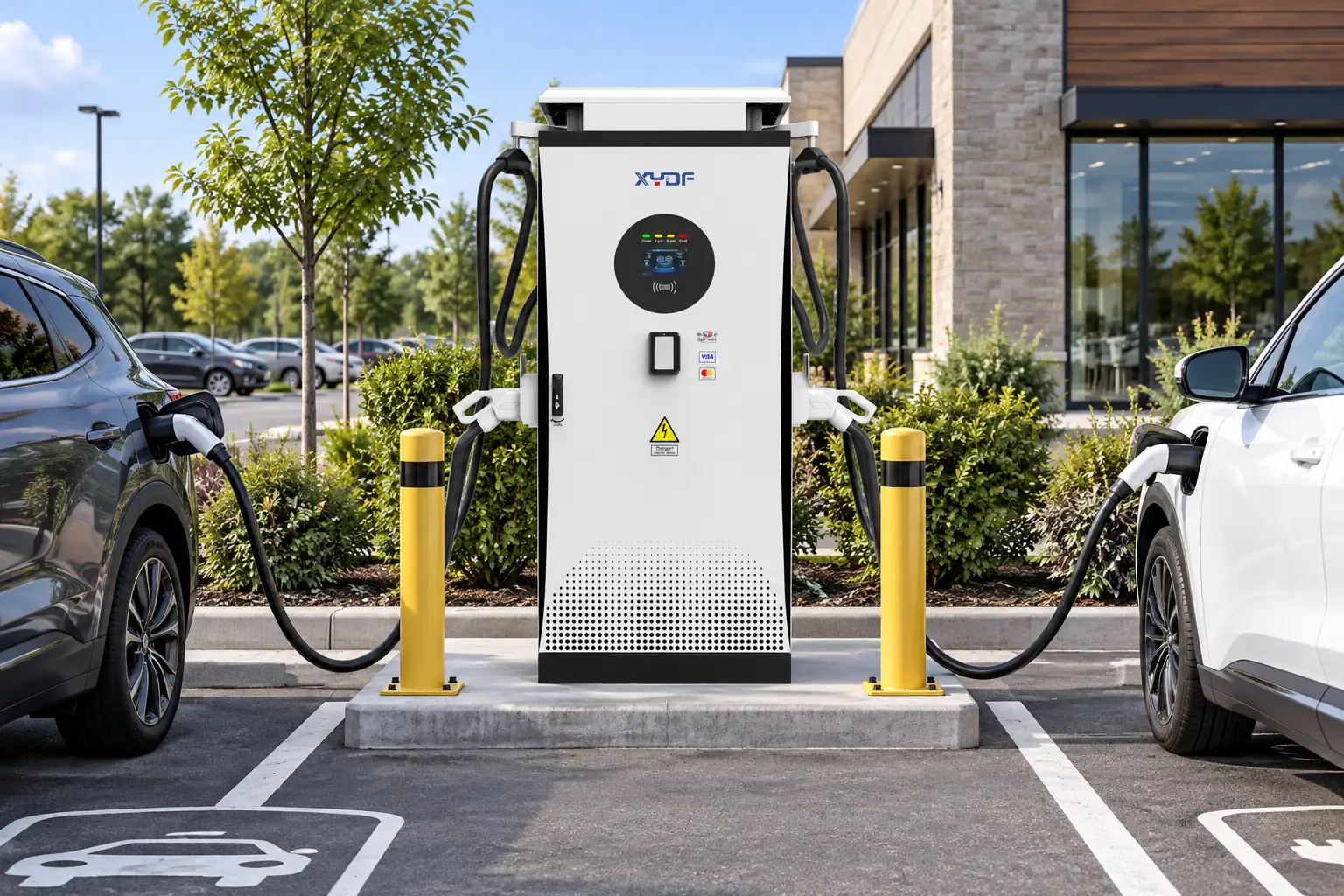
120KW DC Charger In Logistics Hubs
3. Verify Full EU Safety and Cybersecurity Compliance
A comprehensive compliance framework is required for the legal operation of DC charging station infrastructure in Europe.
Key requirements typically include:
EU AFIR regulatory framework (EU 2025/656)
IEC 61851 series for electrical safety
ISO 15118 for communication and Plug & Charge functionality
IEC 62443 cybersecurity framework for connected energy systems
These standards help ensure system safety, interoperability, and secure data communication.
4. Professional Installation and Grid Connection
Unlike AC home chargers, DC charger systems require professional engineering deployment.
The installation process typically includes:
Assessment of 400V three-phase grid capacity
Electrical system design and cable sizing
Local grid operator approval
Final commissioning and safety inspection
Proper installation ensures stable operation and reduces compliance risks.
5. Intelligent Charging Management Features
Modern EU-compliant DC charger systems support intelligent charging functions based on ISO 15118 communication protocols.
Key features include:
Smart charging control
Dynamic power adjustment
Load balancing across multiple chargers
Remote monitoring and diagnostics
These functions improve operational efficiency and reduce maintenance costs.
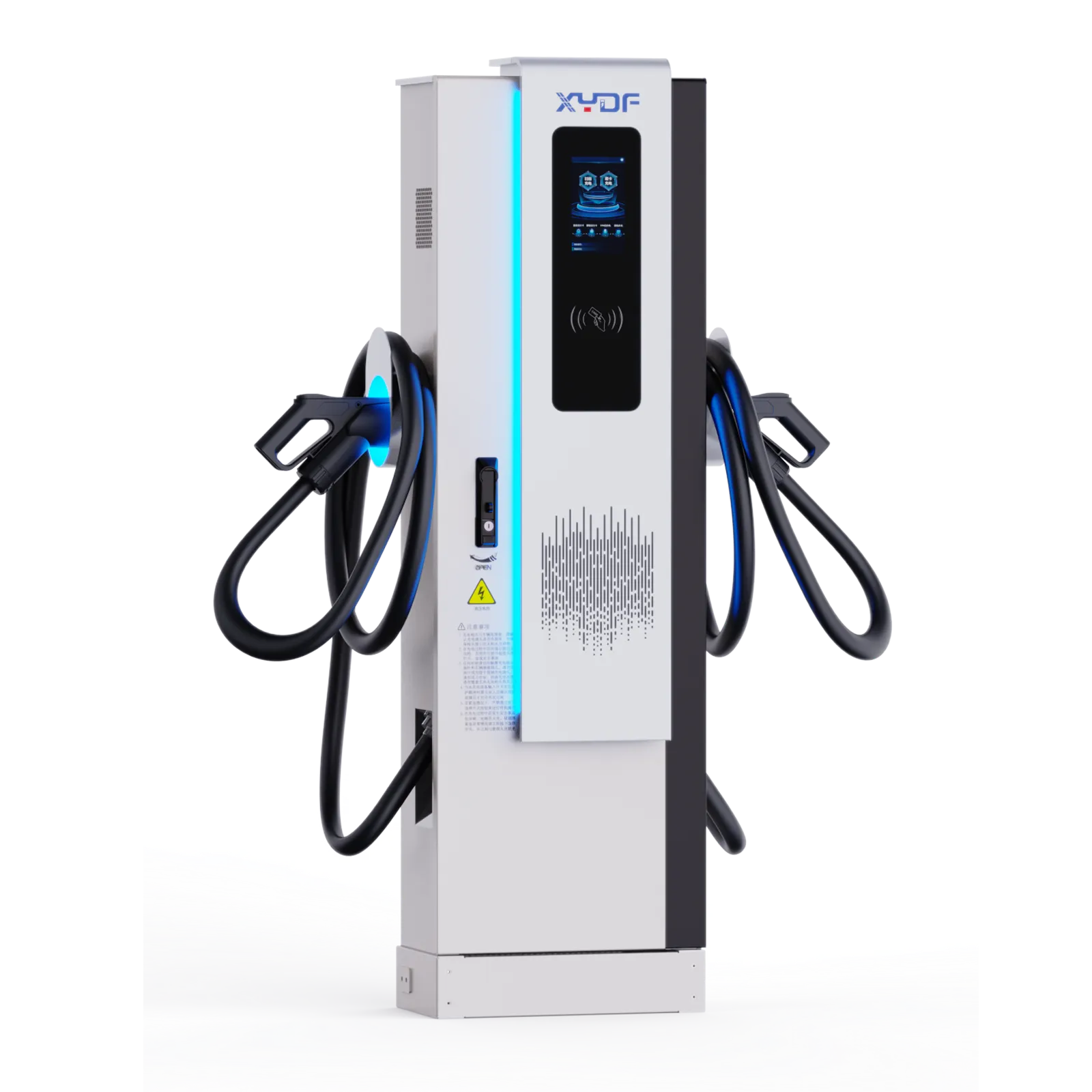
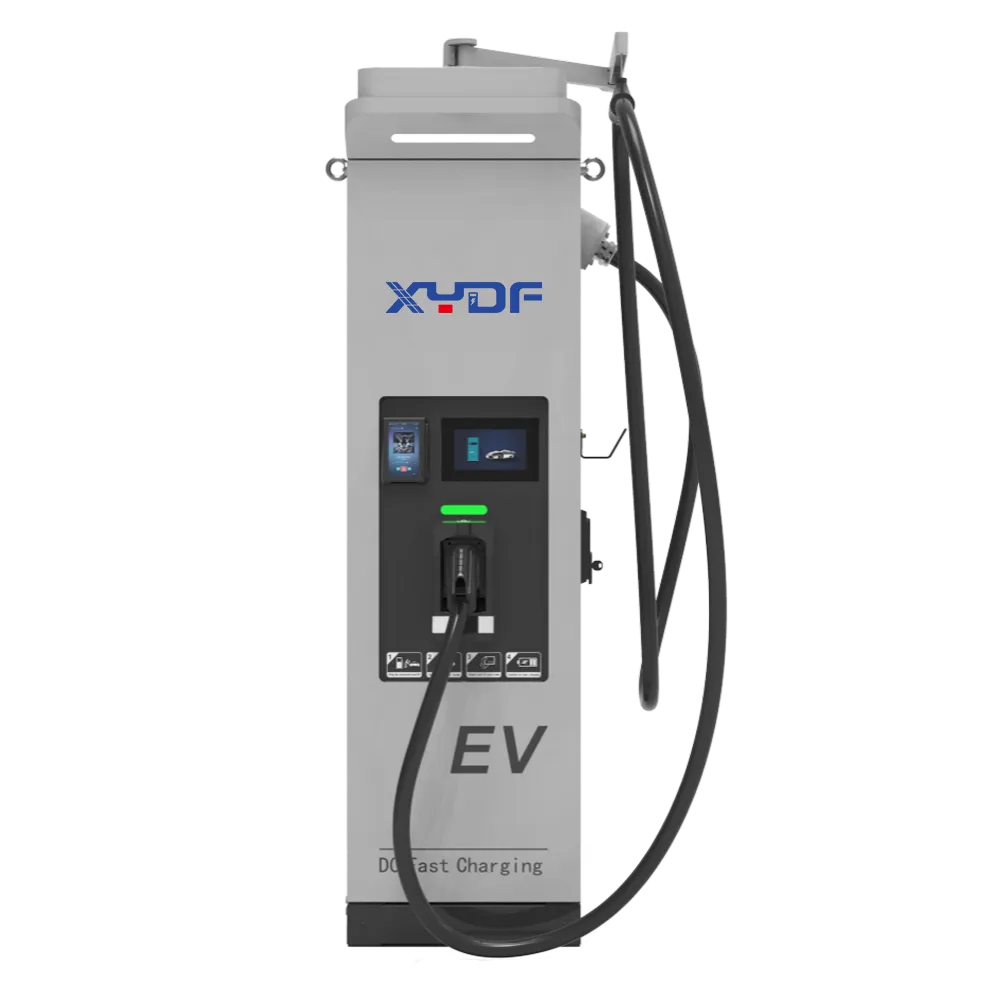
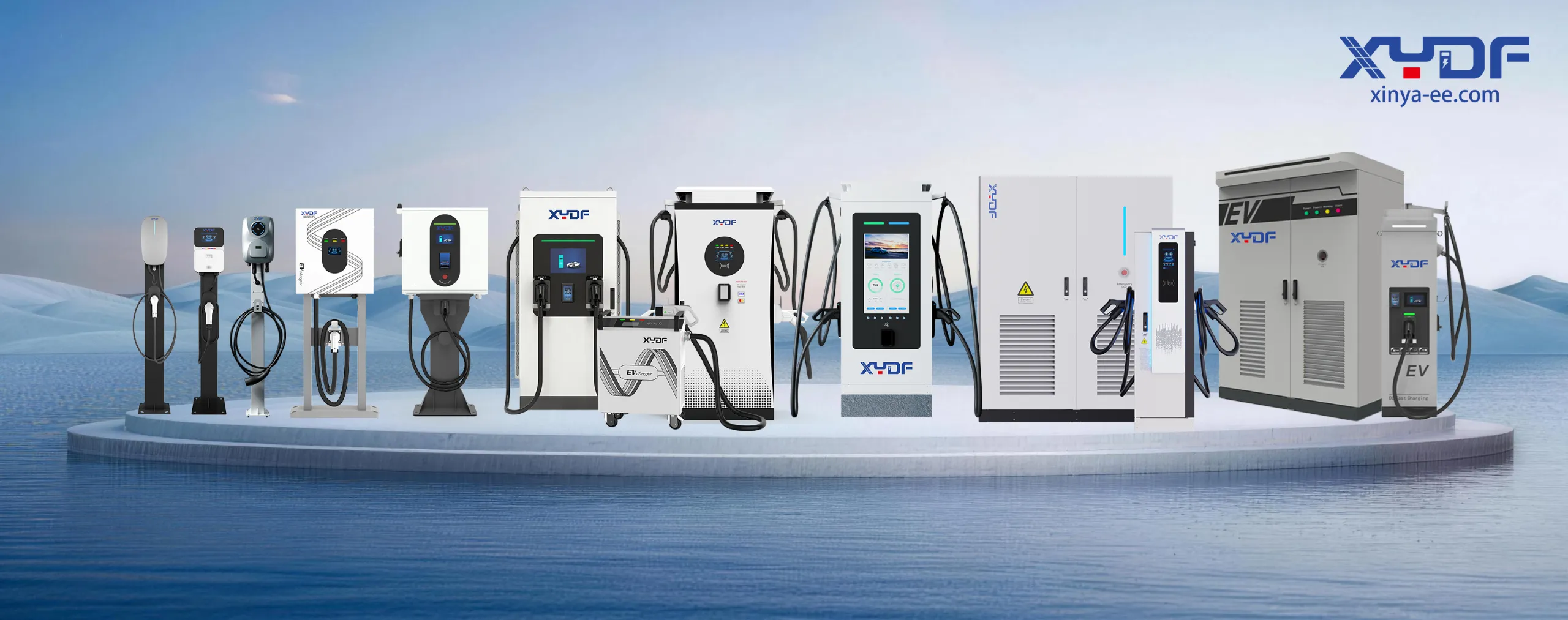
XYDF provides intelligent DC charger solutions with advanced energy management capabilities, supporting smart charging, remote monitoring, and customized charging infrastructure for different application scenarios. With strong OEM/ODM capabilities and professional technical expertise, XYDF helps global partners develop reliable, scalable, and future-ready EV charging solutions.
Although DC charger fast charging delivers high efficiency, improper usage may accelerate battery degradation over time.
It is generally recommended to maintain the battery state-of-charge within the 30%–80% range, while avoiding frequent deep discharge or continuous full charging.
Battery performance depends on lithium-ion chemistry, thermal conditions, and the vehicle’s Battery Management System (BMS), which optimizes charging behavior to extend battery lifespan.
Frequently Asked Questions
Q1: Does DC charging station fast charging damage EV batteries?
Modern EU-compliant dc charger systems use advanced power and thermal management to reduce battery stress. Occasional fast charging has limited impact when managed by the vehicle’s BMS.
However, frequent exposure to extreme temperature or charging conditions may contribute to long-term battery aging. A mixed charging strategy is recommended for optimal battery health.
Q2: Can European households install a DC charger?
Technically possible, but generally not cost-effective.
A DC charger requires:
400V three-phase grid capacity
Professional installation
Grid operator approval
Possible transformer upgrades
Therefore, a DC charging system is mainly used in commercial and fleet applications.
Q3: What certifications are required for DC charging station in the EU?
EU DC charging infrastructure must comply with a multi-layer framework:
AFIR (EU 2025/656)
IEC 61851 series
ISO 15118 communication standards
IEC 62443 cybersecurity requirements
These ensure safety, interoperability, and secure operation of dc charging systems.
Final Thoughts
A well-planned DC fast charging system is not only about equipment selection, but also about compliance, proper installation, and smart operation.
By ensuring EU standards compliance, choosing the right power level, and applying smart charging practices, users and operators can achieve safer, more efficient, and more cost-effective EV charging performance across Europe. More information about EV charging station, please visit xinya-ee.com.
We use cookies to keep this website working and, with your permission, to measure how visitors use our EV charging site. See our Privacy Policy for details.
 Xinya Dongfang Electricity Technology Co., Ltd.