 Xinya Dongfang Electricity Technology Co., Ltd.


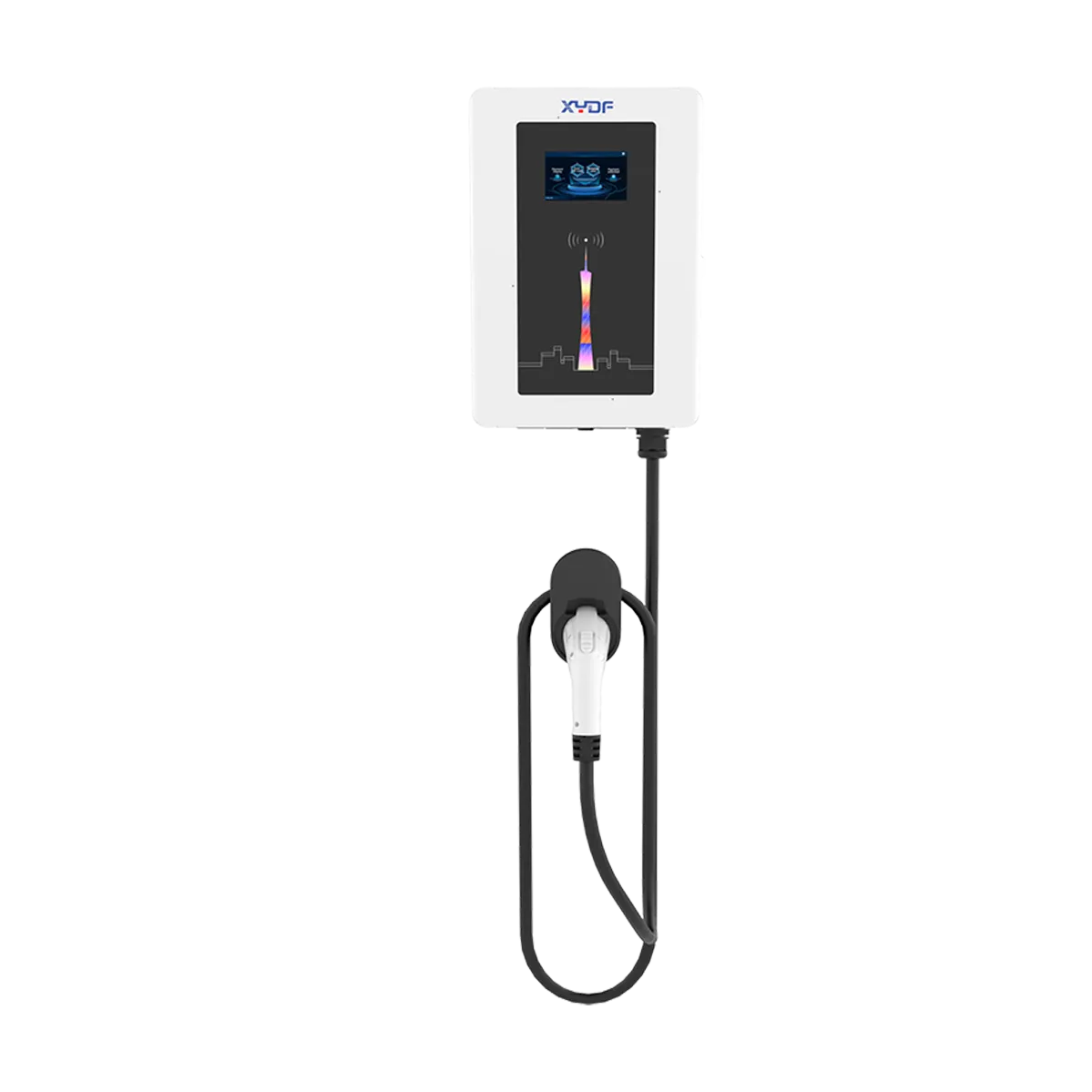
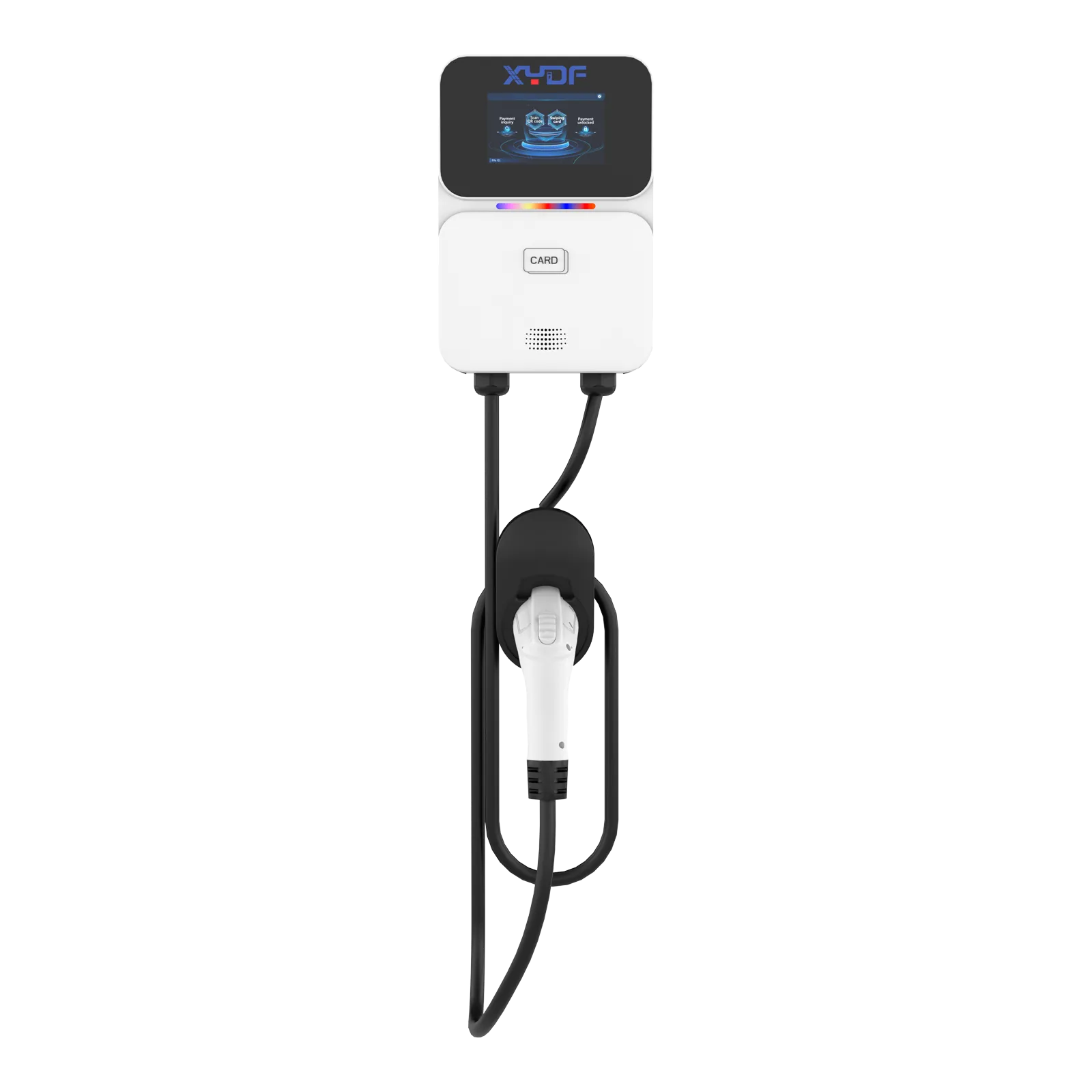
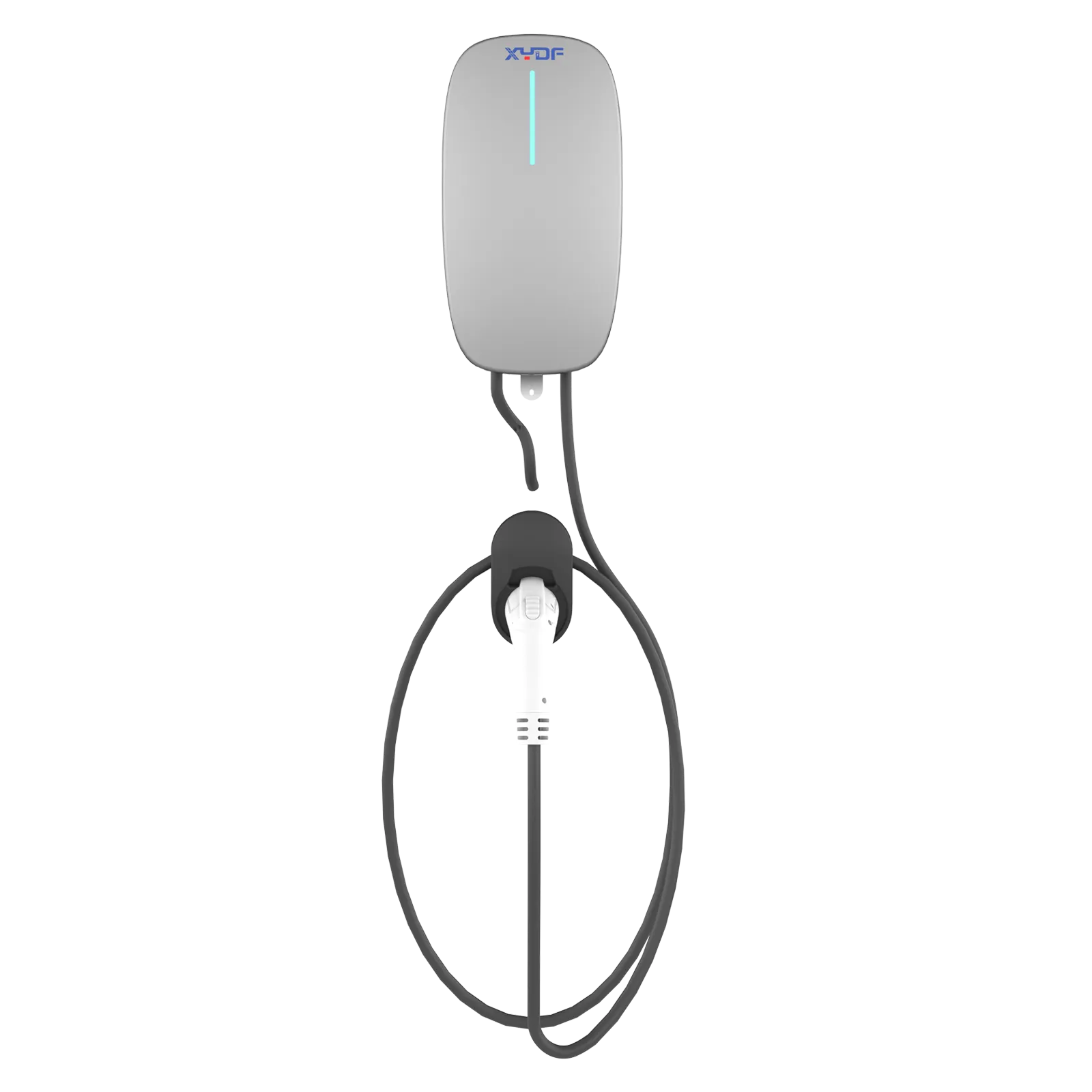
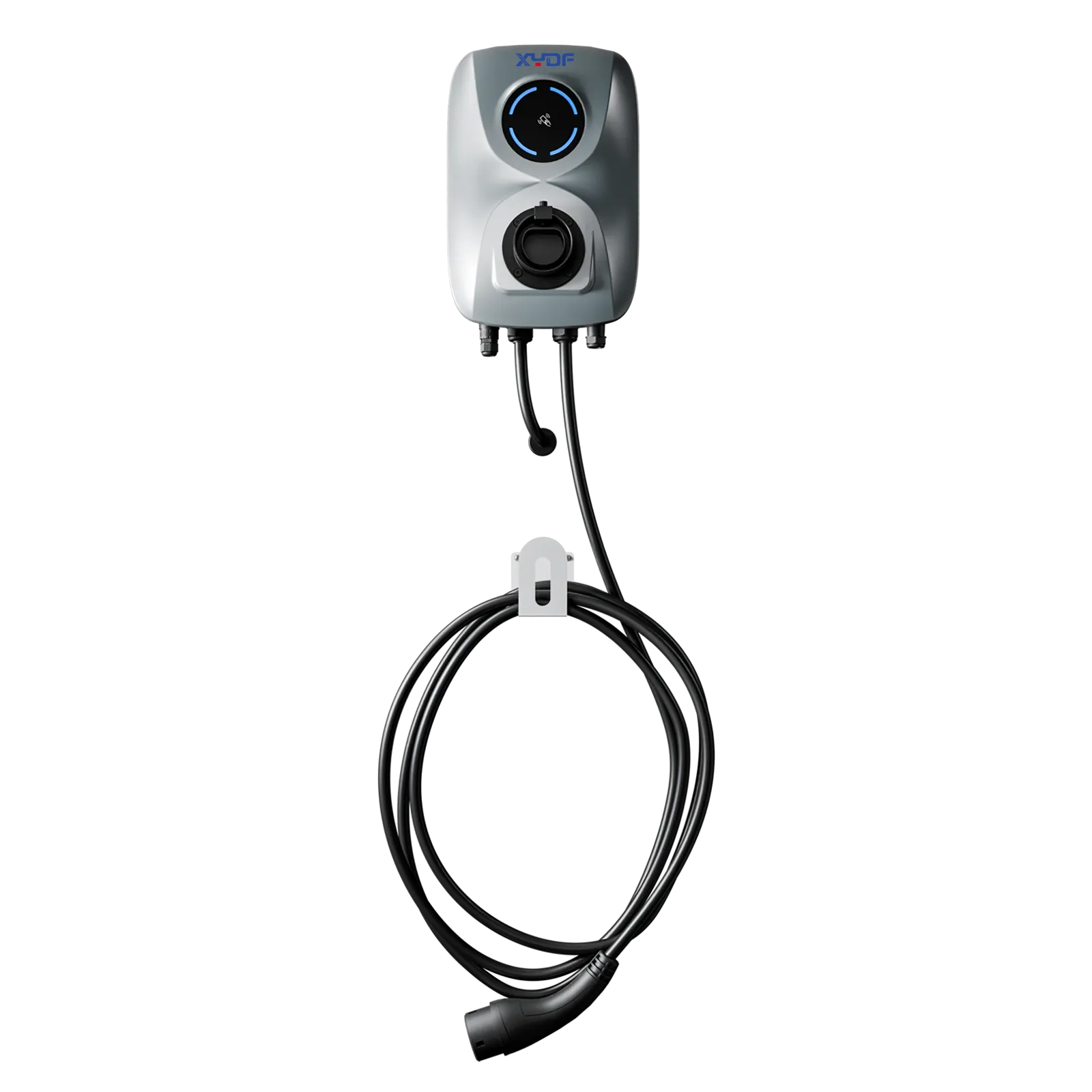
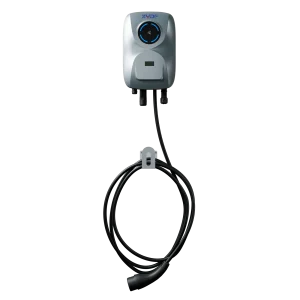
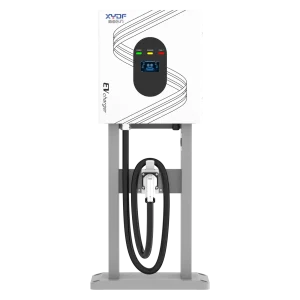

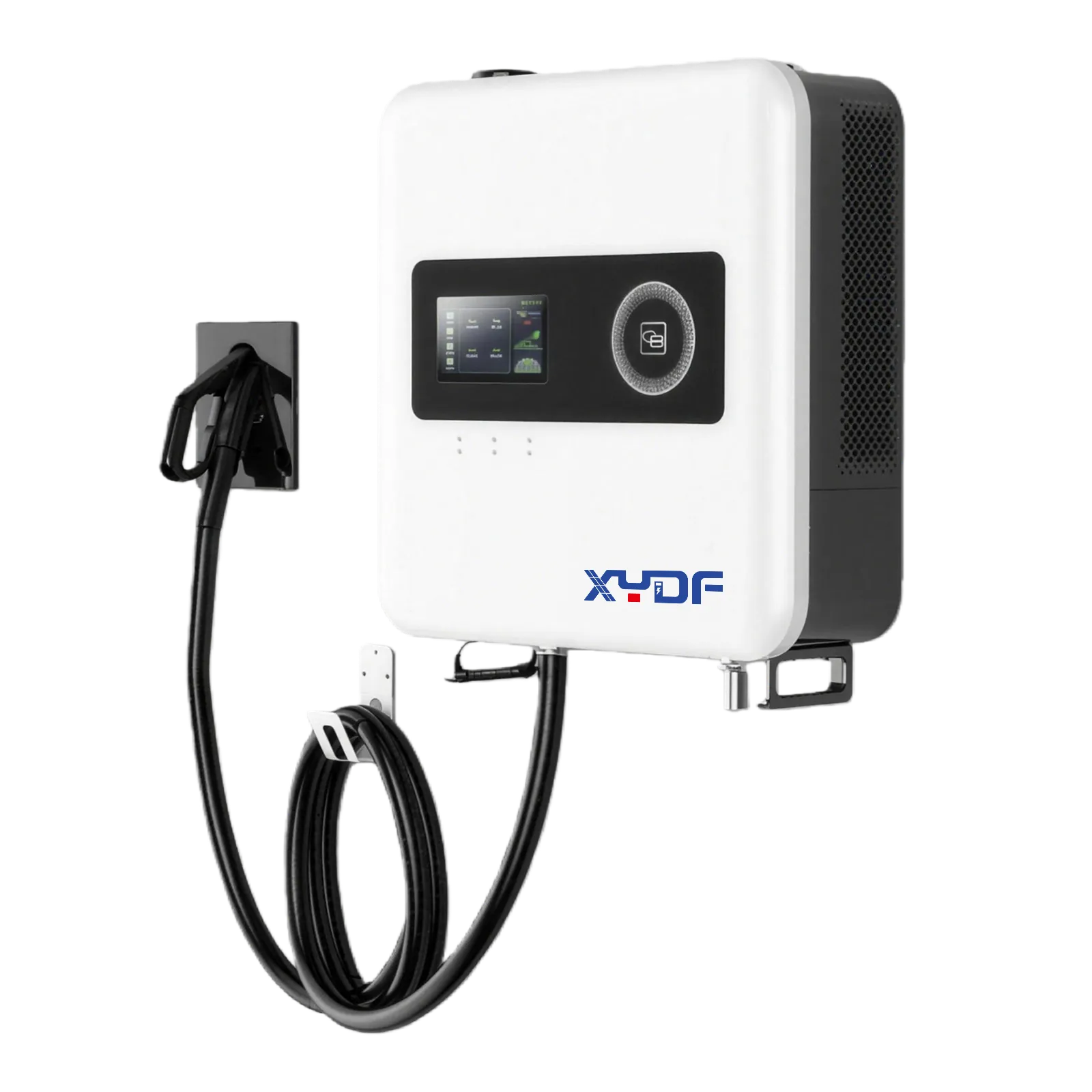
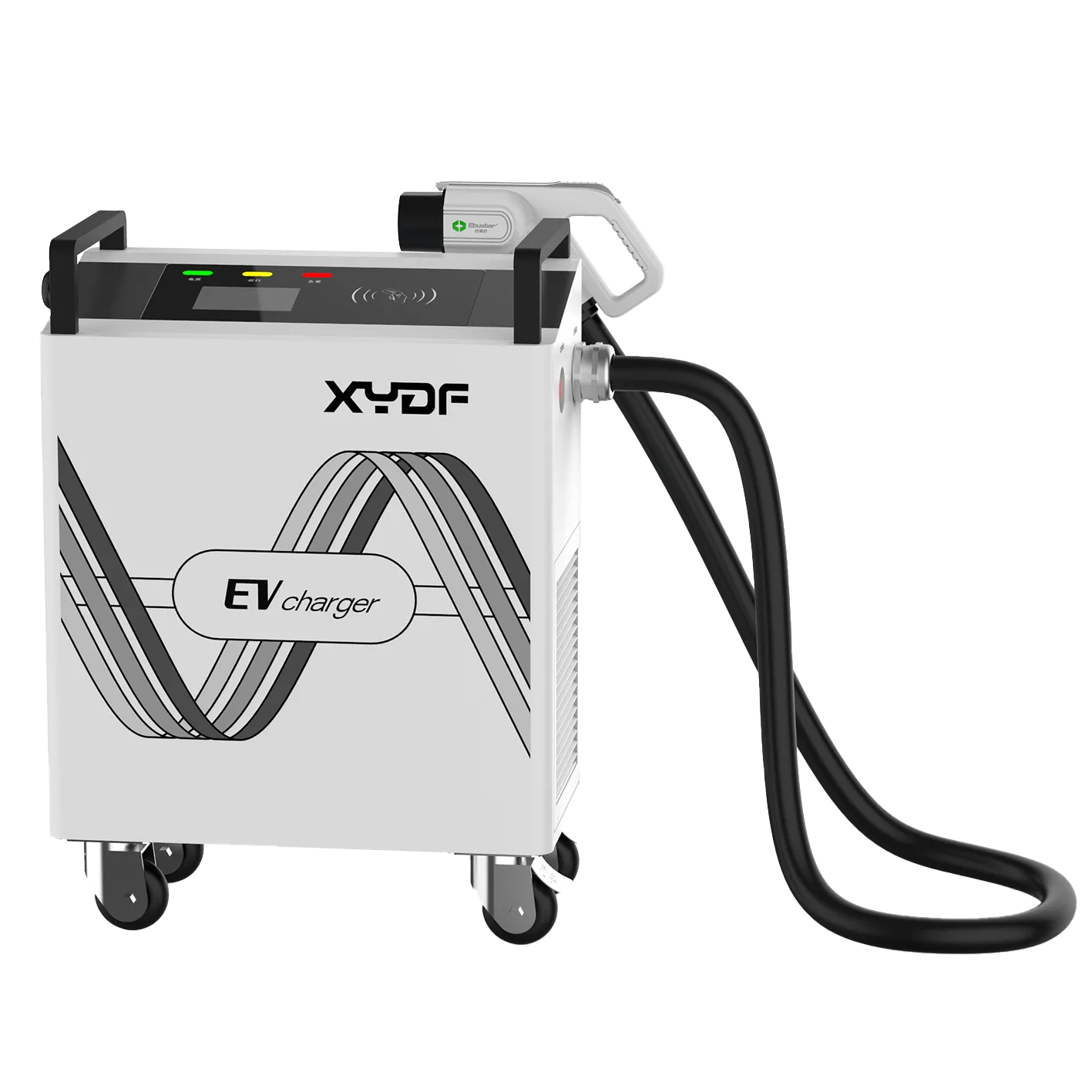
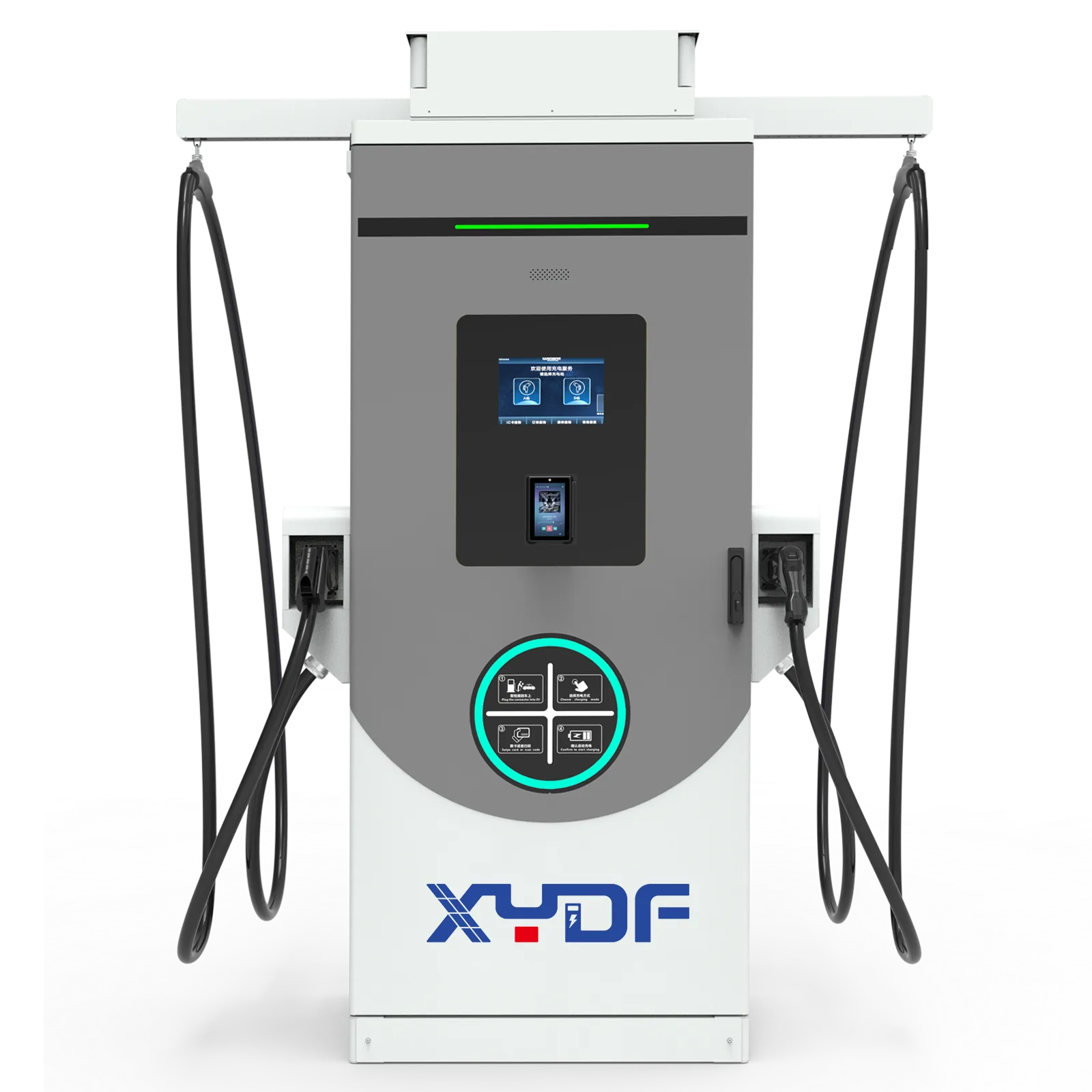
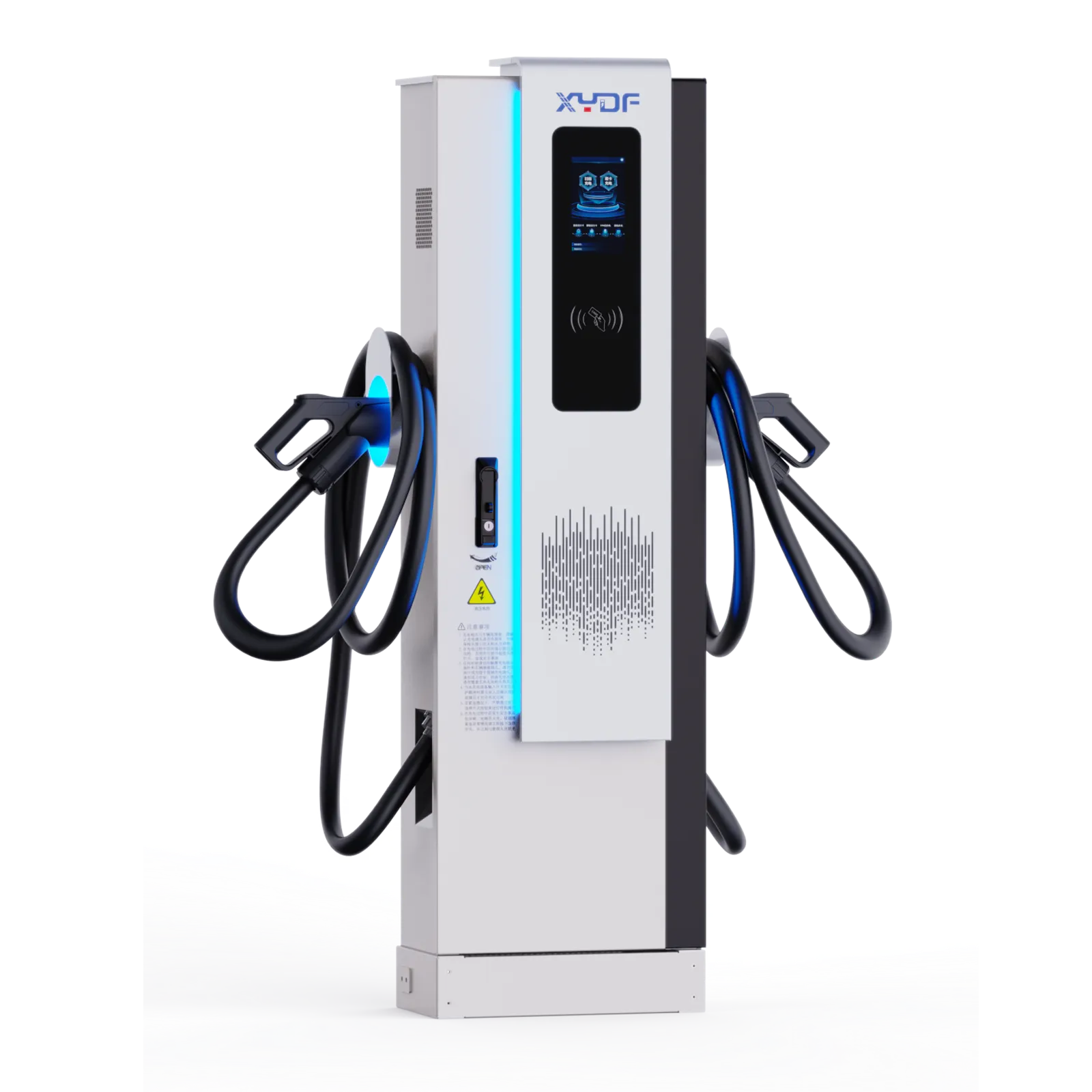
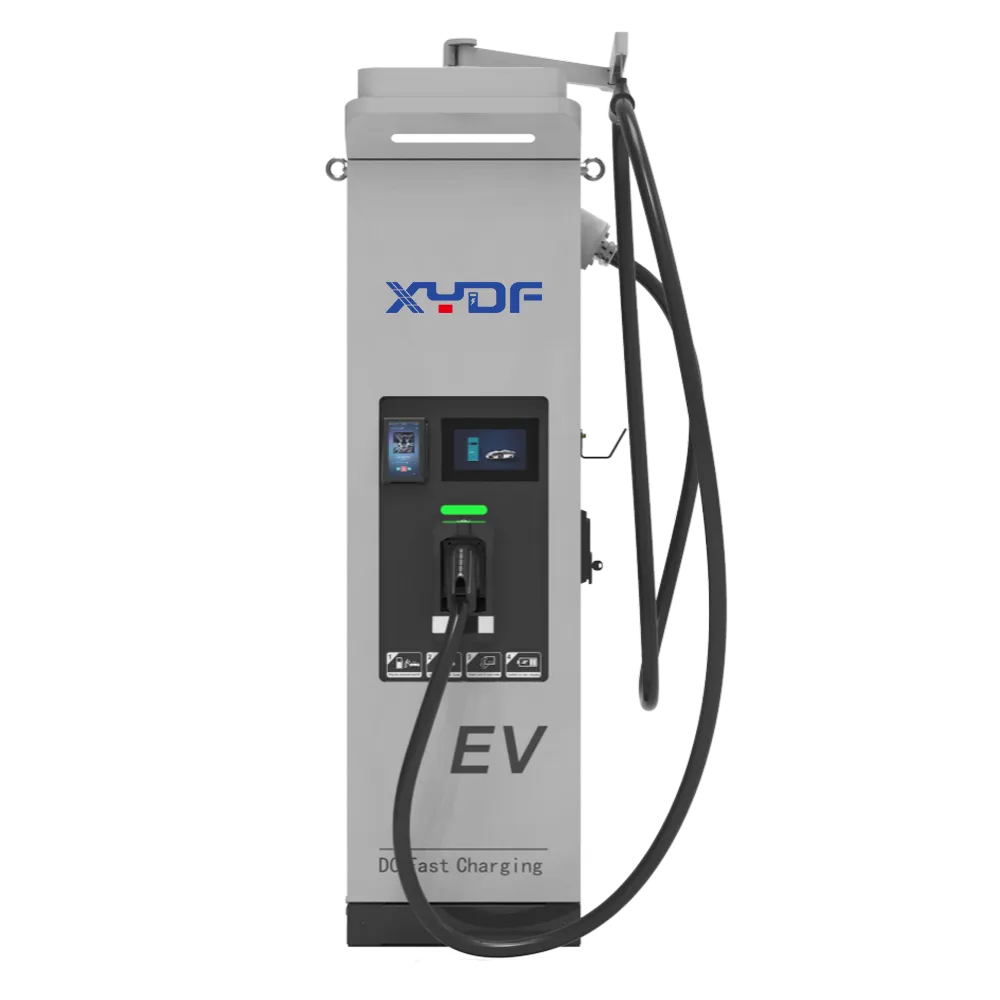
Choosing an EV charging company starts with deciding what is being bought. A public network can help a driver charge along a route, a hardware supplier can equip a site, and a software provider can manage charging without owning the station. A single worldwide ranking mixes these roles and can send a buyer to a company that does not offer the required service in the project market.
The short answer is to compare EV charging companies by role, market coverage, vehicle compatibility, commercial scope and support responsibility. The ten names below are an illustrative comparison list, not a ranking by revenue, reliability, market capitalization or independent testing. Accessible public sources were reviewed on 14 October 2026 for scope. Current offerings from Tesla, EVgo and FLO were not independently verified in that review; prices, availability and model-level performance need direct confirmation. This article is published by XYDF, which is included as a manufacturer, so it is not an independent product review.

Should you compare charging networks or charger manufacturers?
| Company role | Buyer need | What to verify |
|---|---|---|
| Public charging network | Access to charging on a route or at a destination | Live locations, vehicle eligibility, connectors, payment and tariffs |
| Charger manufacturer | Equipment for a new or existing installation | Model, power envelope, installation conditions and market-specific evidence |
| Software and service provider | Management of owned or hosted charging stations | Supported hardware, protocol, data access, fees and service boundaries |
A company may offer more than one role. ChargePoint, for example, explicitly describes itself as a charging-solution enabler rather than a station operator. Network size is therefore not interchangeable with manufacturer capability or the number of company-owned charging sites.
Which ten companies or charging brands are worth comparing?
The list retains the names readers may encounter but separates a legacy brand from current procurement options. Order does not indicate quality, and inclusion does not establish that a particular model is available, certified or supported in every country.
1. Tesla Supercharger
Public charging network. Check the live route map, station generation, vehicle access and connector requirements; do not assume every site admits every EV.
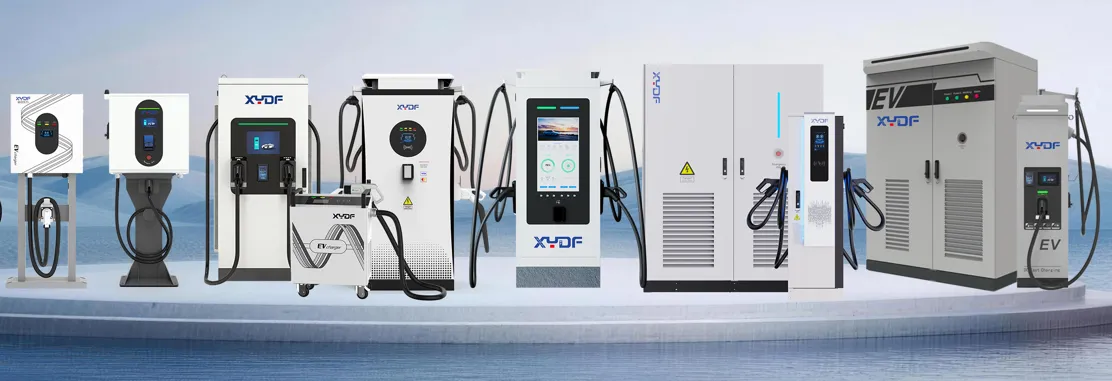
2. XYDF
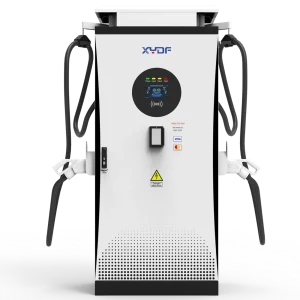
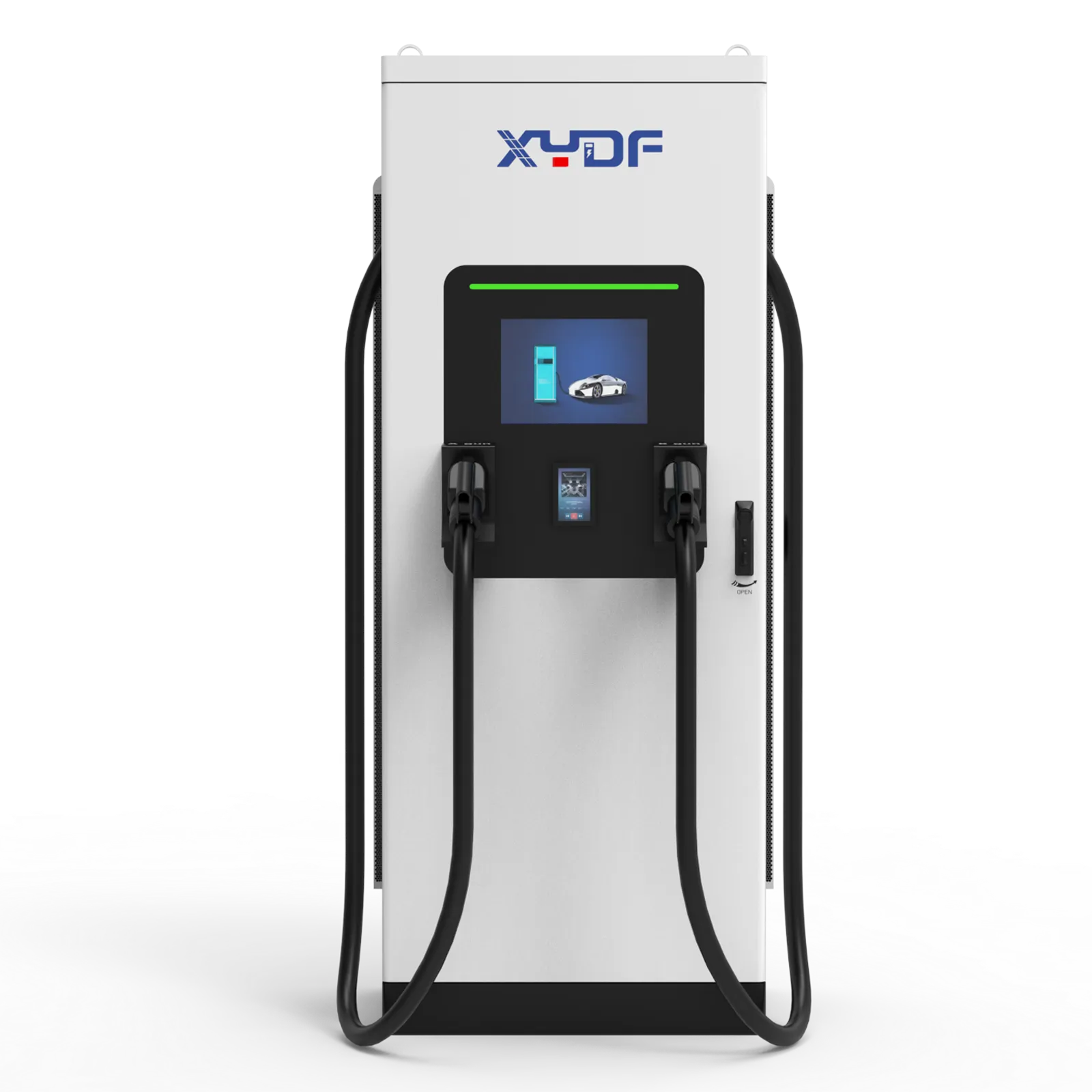
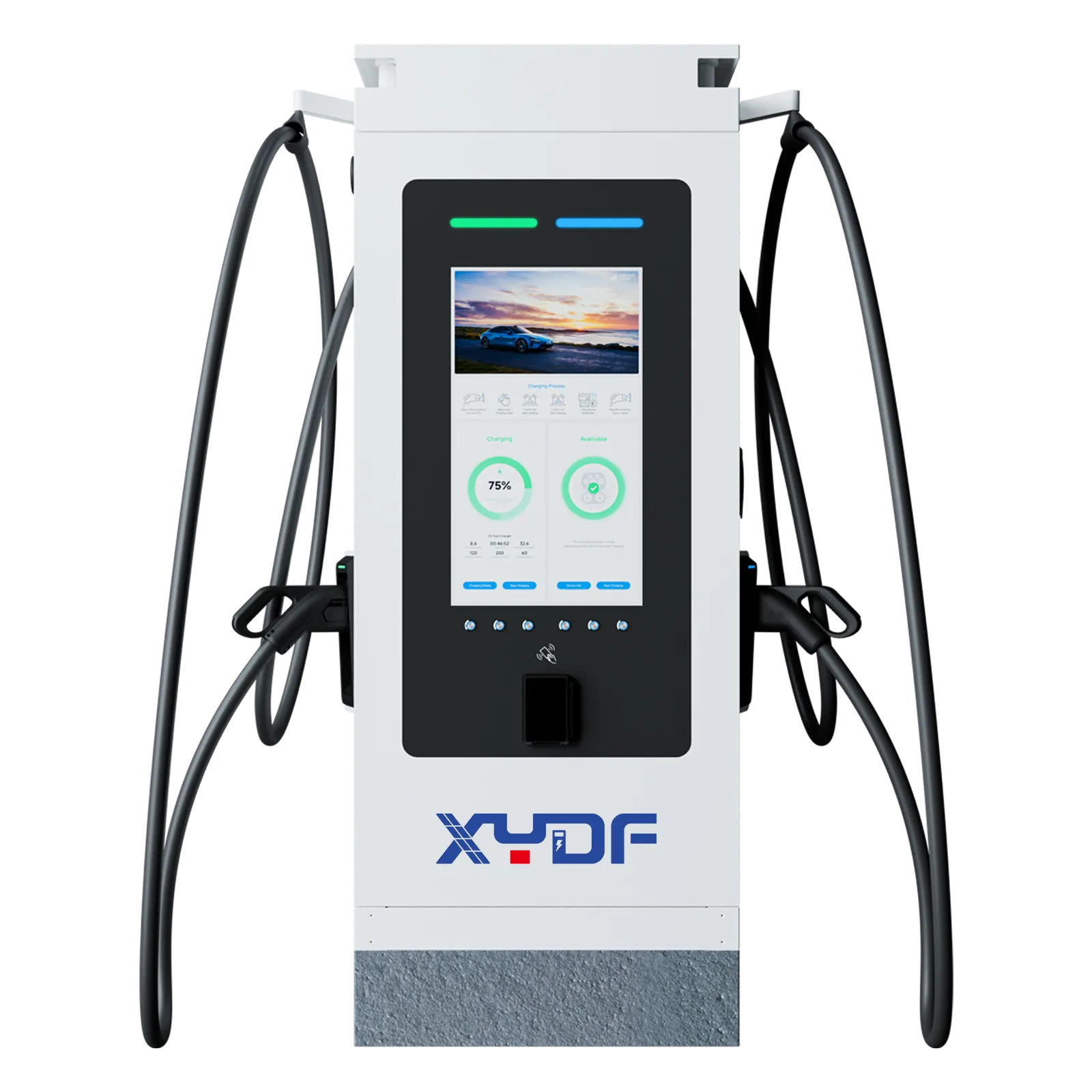
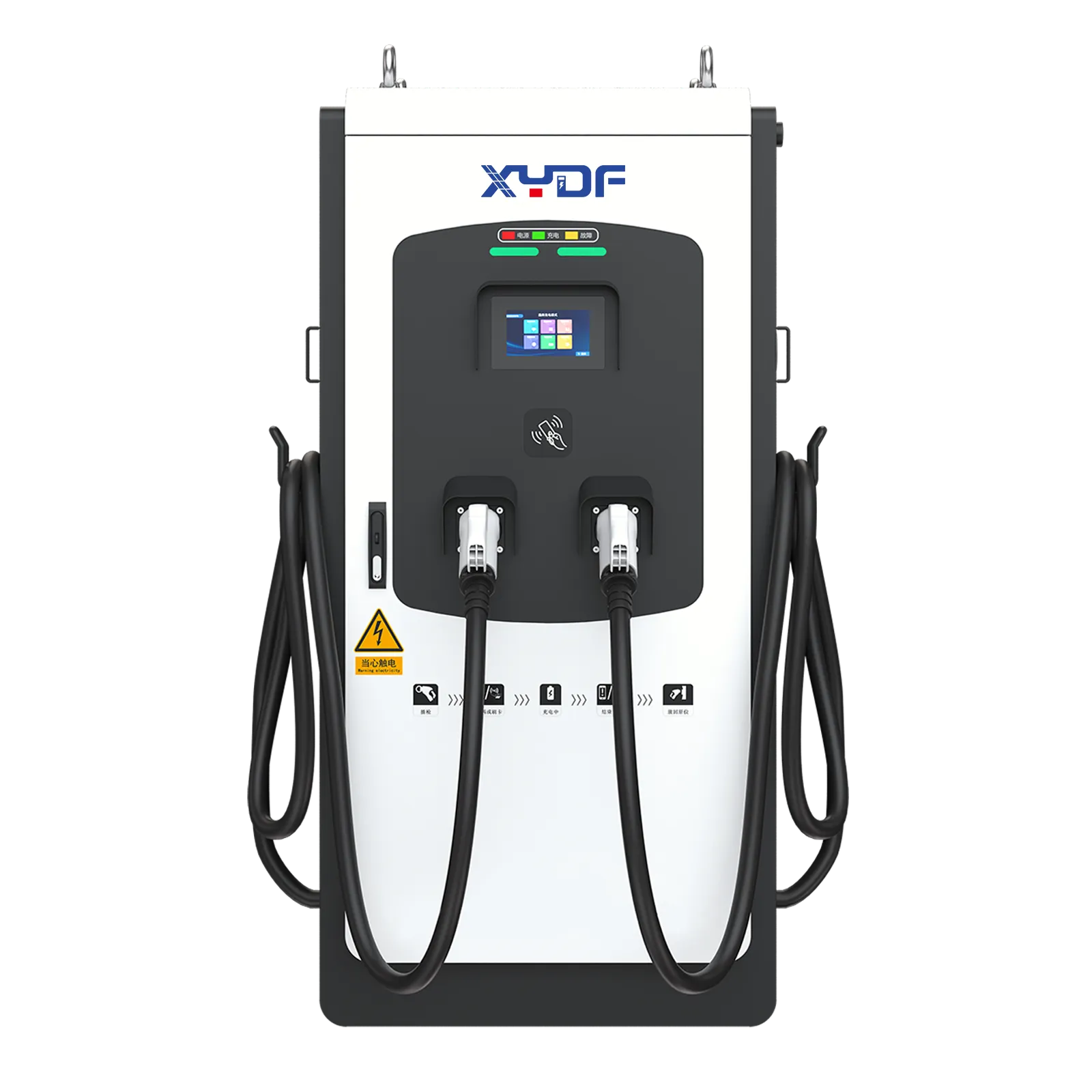
B2B AC and DC EV charger manufacturer. Compare an offered model and OEM/ODM scope with the project requirements. Require configuration-specific documentation; this article does not substantiate a global market-cap or largest-manufacturer claim.
3. ChargePoint
Charging hardware, software and service portfolio. Clarify equipment ownership, management-platform scope and the party responsible for station operation.
4. EVgo
A name associated with public DC charging in the United States. Verify locations, vehicle access, payment and current service directly before relying on it for a route or site agreement.
5. Electrify America
U.S. public charging network. Confirm the sites and connectors relevant to the journey rather than treating national presence as local coverage.
6. Blink Charging
Charging products and services. Check whether a proposed agreement covers equipment sale, hosted charging, software or station operation in the intended market.
7. Shell Recharge
Charging services under the Shell brand. The available service and commercial entity are market-specific; verify current local terms and supported locations.
8. Volta
A legacy charging brand associated with advertising-supported charging. Do not treat a historical Volta listing as proof of an independently available current supplier; verify its present brand, ownership and local service before procurement.
9. IONITY
European high-power charging network. For route charging, check actual station locations, vehicle eligibility and the payment or roaming plan.
10. FLO
A North American charging brand associated with equipment and network services. Check the exact regional offering, model documentation and support agreement.
How should a site owner compare supplier proposals?
Set pass/fail requirements before scoring price: vehicle inlet and accepted power, site capacity, target-market installation and product evidence, software interfaces, payment and accessibility. Then compare delivery, recurring fees, spare-parts availability, field support and warranty exclusions. Use the same procurement requirements for every bid. A list of brands cannot replace a site-specific acceptance test.
For an equipment purchase, compare AC EV chargers and DC fast chargers against dwell time and the electrical design. For an operator or software agreement, ask who controls the data, how migration works and what happens if the network service ends. A low hardware price can be offset by subscriptions or a narrow service boundary.
Frequently asked questions
Which EV charging company is best for route-based charging?
No network is best for every route. Compare the required stops, live availability, vehicle access, charging interface, payment and tariffs. Include a fallback station rather than relying on a worldwide brand ranking.
Does the largest network make the best charger?
Not necessarily. A network, a hardware manufacturer and a software provider have different responsibilities. Compare model-level and service-contract evidence with the project needs.
Does a charging brand guarantee compatibility with every EV?
No. Confirm the vehicle inlet, charger configuration, voltage and current envelope, approved adapters where relevant, and authorization flow. Brand recognition is not a compatibility test.
Can EV chargers be powered by solar energy?
Solar charging requires a compatible site electrical design, controls and any storage or grid arrangement. A network name alone does not prove that a particular station is solar-powered or that a charger supports bidirectional operation.
References
- ChargePoint: company role, hardware, platform and services
- Electrify America: public charging services
- Blink Charging: products and services
- IONITY: European charging-network scope
- U.S. DOE AFDC: procurement and installation considerations
Conclusion
An EV charging company should be selected for the job it will perform, not for a position in a mixed list of brands. Drivers need usable route coverage and a supported payment journey; site owners need equipment and services that meet a written operating brief. Separate those needs, confirm the region and vehicle conditions, and compare the complete commercial and support scope before signing. A historical brand name, an extensive map or a protocol badge is not proof of compatibility, uptime or a favorable project return. XYDF can respond to an equipment specification for a B2B project; discuss the requirements with the target market, vehicle mix, power and installation scope.