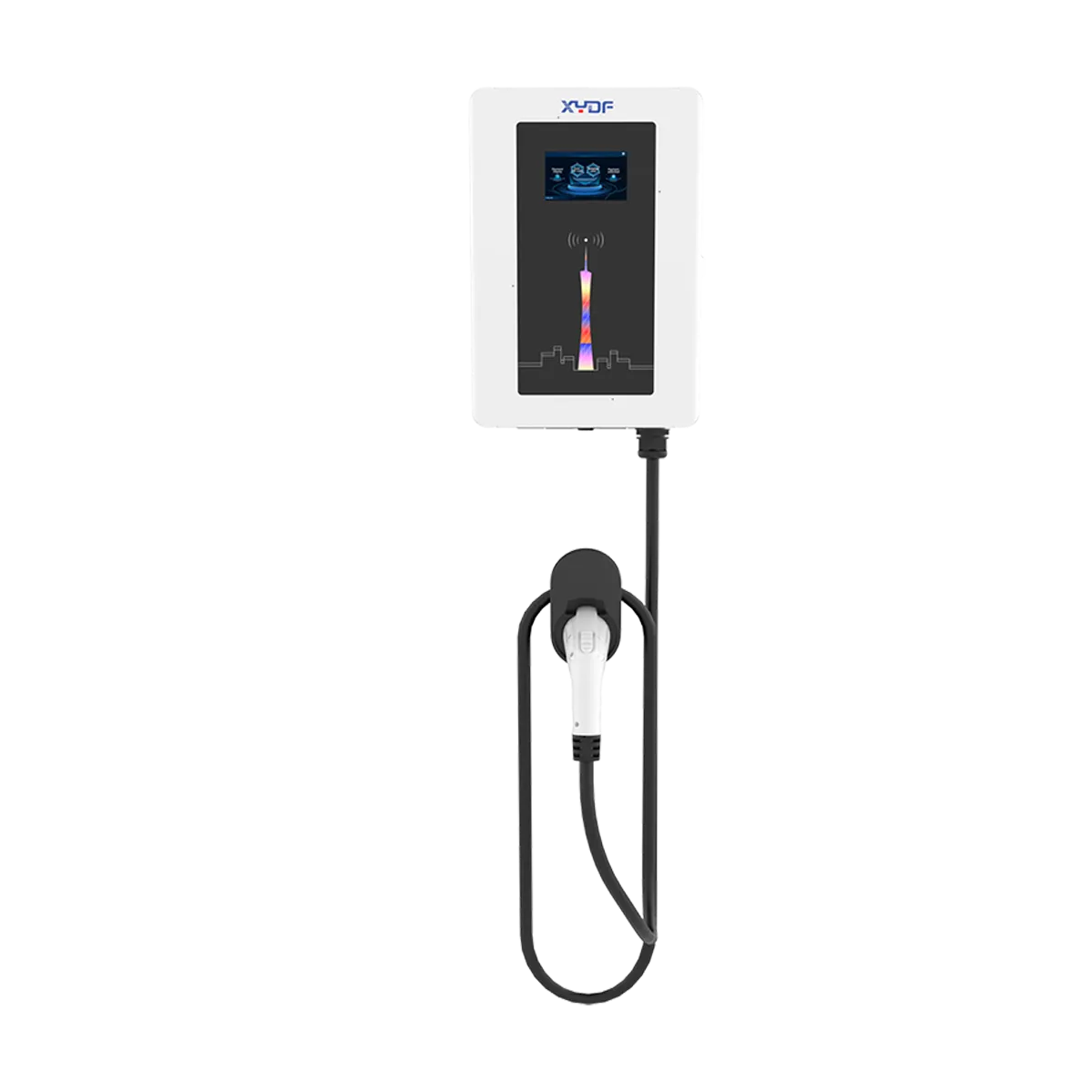
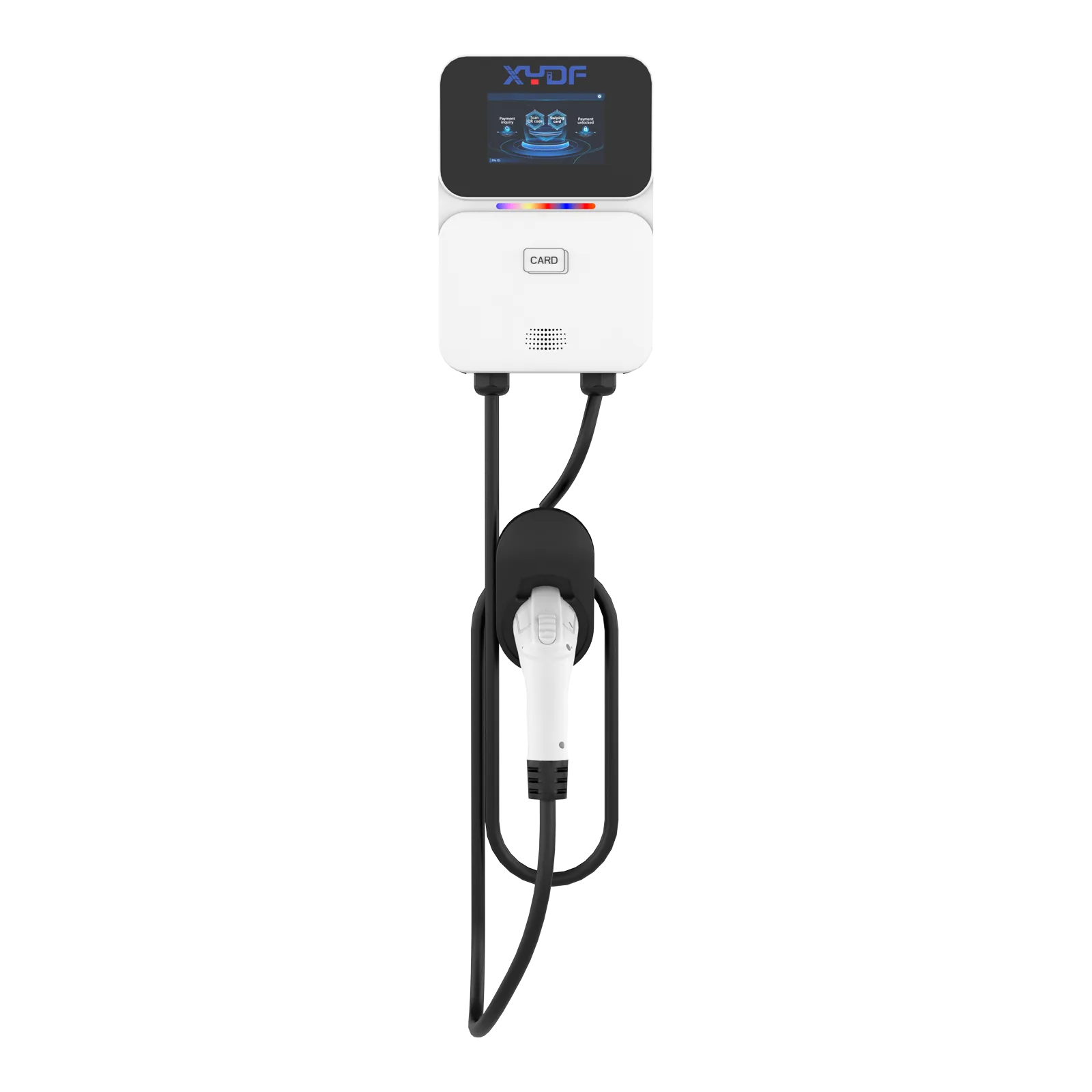
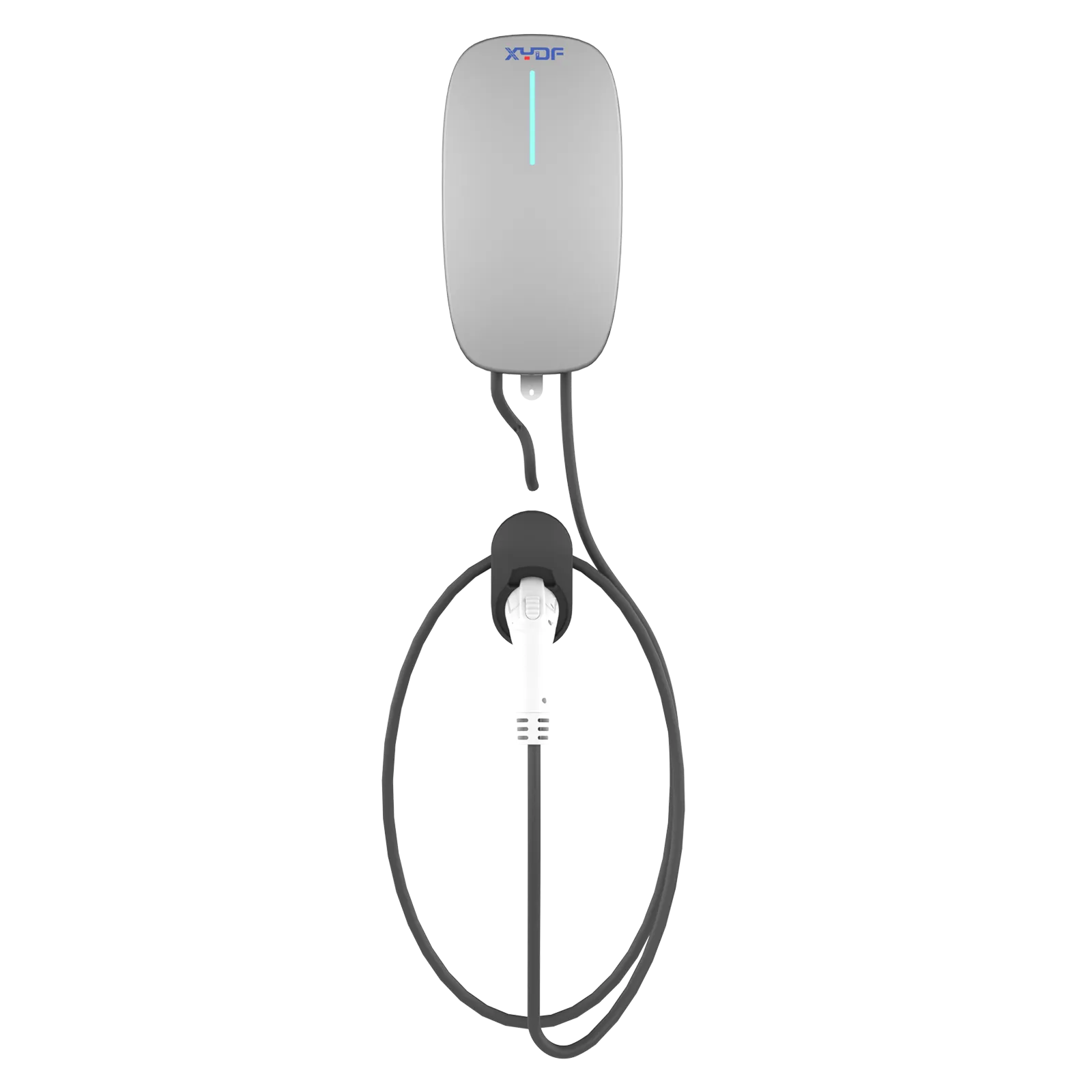
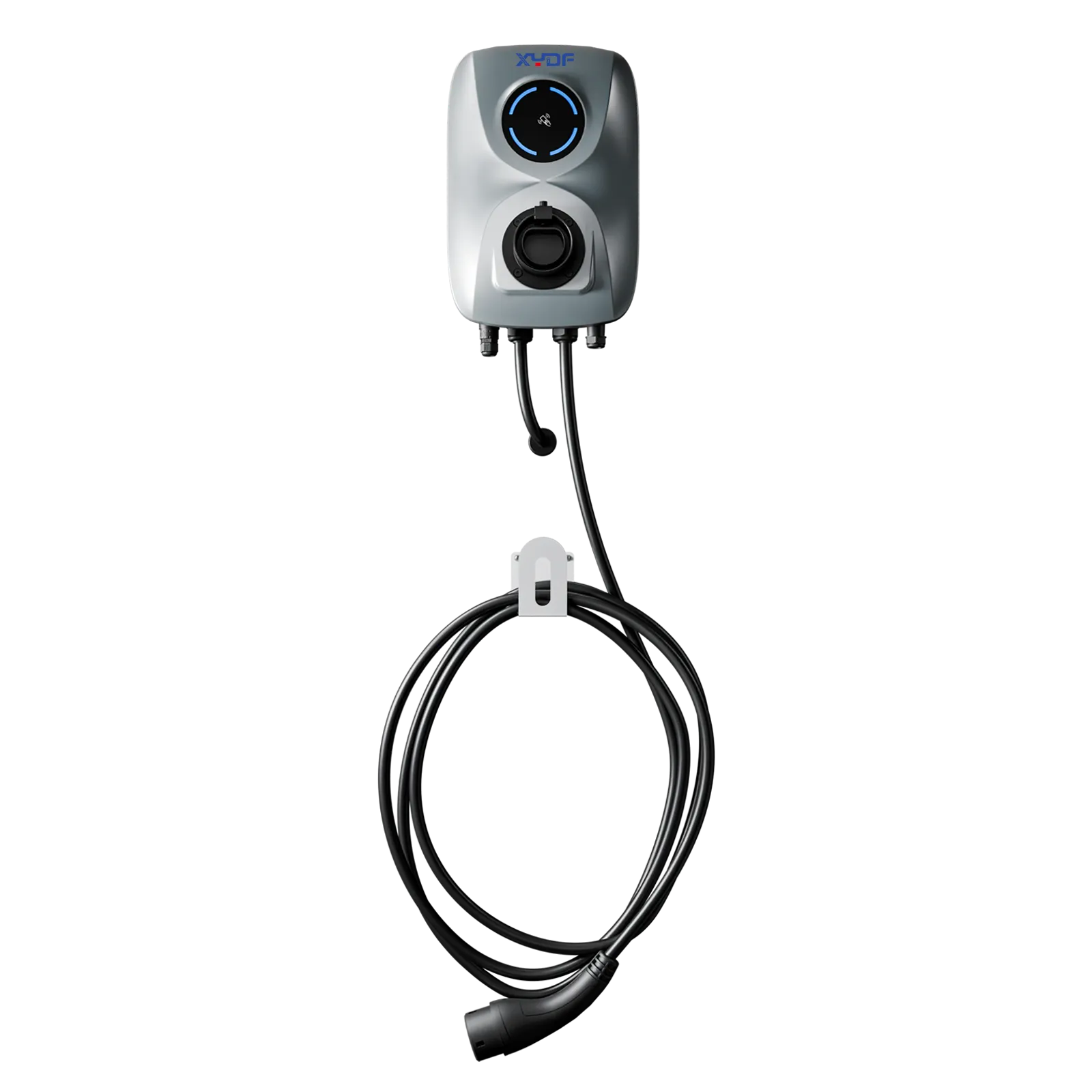
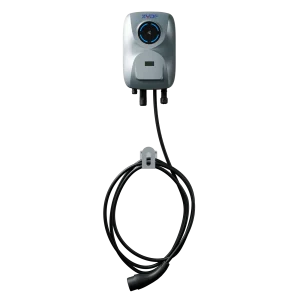
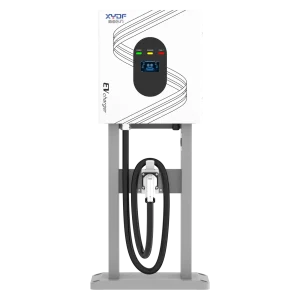
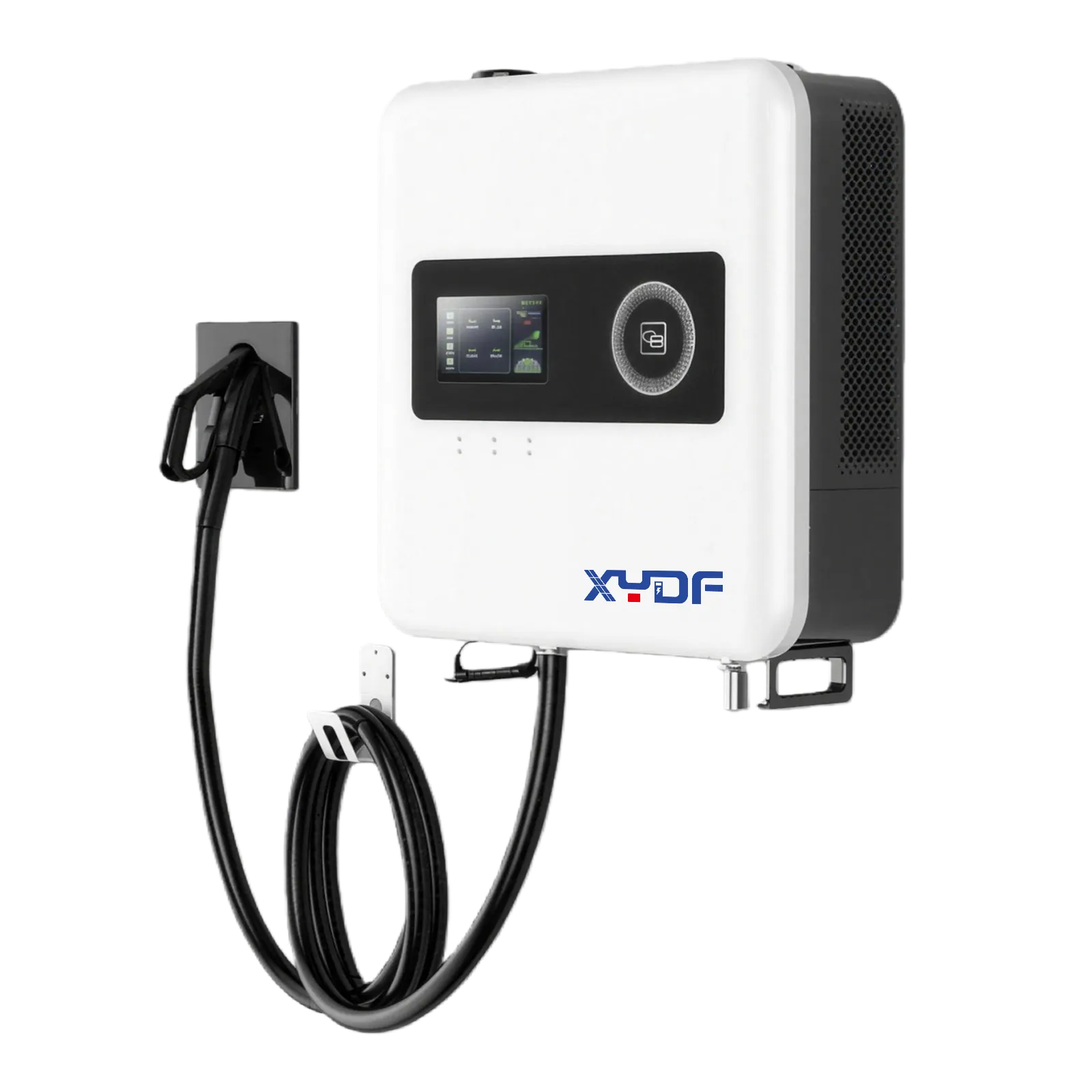
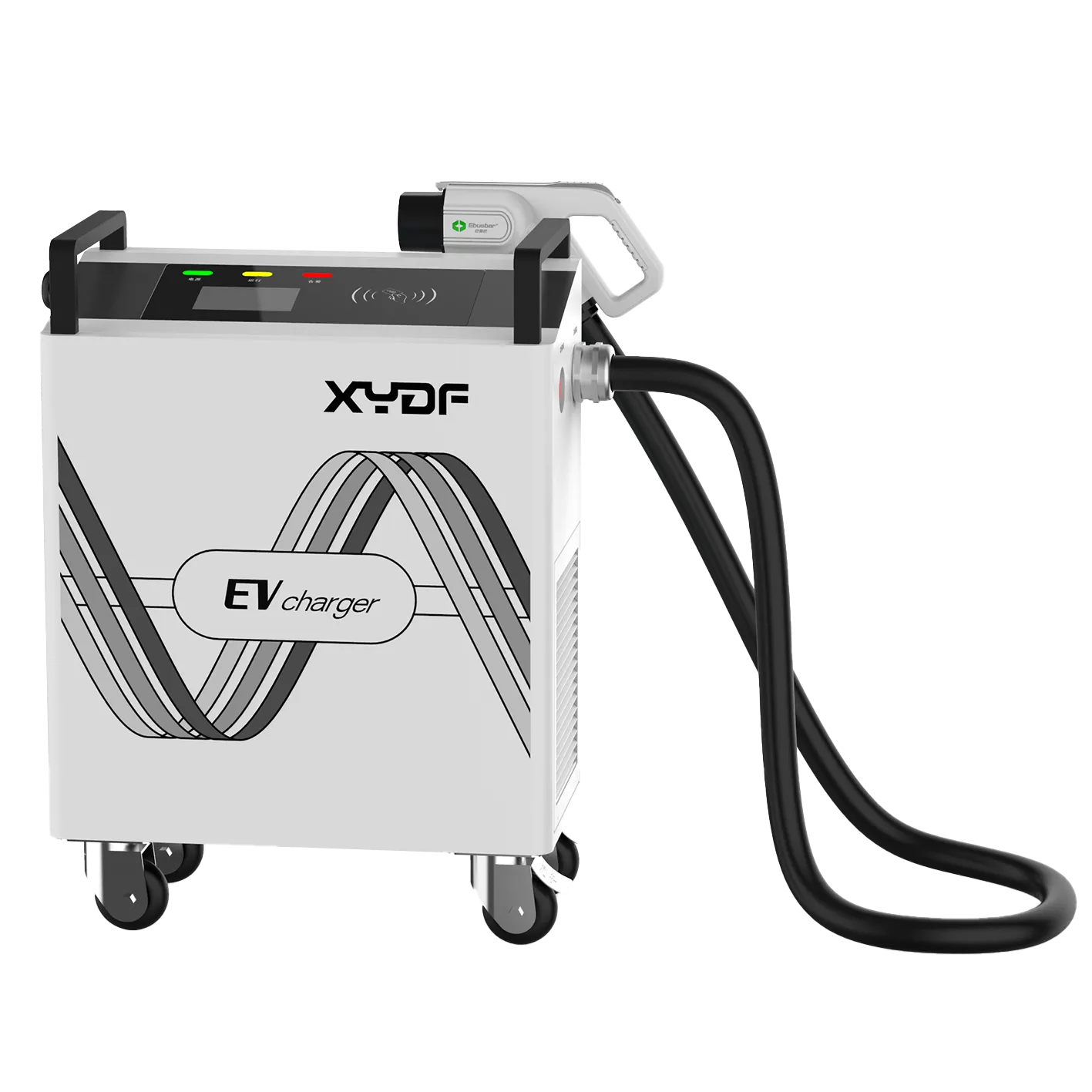
The right charging cable for your electric vehicle is not the lowest price. A properly sized and rated cable will allow you to charge your car under normal conditions at home or elsewhere, as well as will reduce safety issues in your region. Whether you need an original replacement cable for your electric vehicle or another solution to get your battery charged faster at home, a portable charging solution that you can use while traveling between locations can help you save time, money, and avoid frustration.
This guide will help you find out where to buy an EV charging cable, things to consider before buying a cable, how to compare cables of different types, and what questions you may have before buying a cable.
Best Places to Buy EV Charging Cables
When it comes to EV charging cable purchases, there are numerous reliable options available to the consumer. The choices made will depend largely on what the consumer values more: Expert advice, quick shipment of goods, range of products available, warranty assistance, or wholesale buying. The primary buying avenues should be considered in the list below:
1. Specialist EV Charging Cable Suppliers
If you’re looking for a cable that’s well-matched to your EV and your charger, specialist suppliers are likely going to be the best choice. They only sell products related to EV charging, so they typically give you more detailed specifications, provide better compatibility information, and offer more dependable after-sales support than generic retailers.
A specialist supplier can assist with selecting a suitable EV charging cable for use at home, work or in vehicles. The choice includes a Type 1 EV charging cable, Type 2 EV charging cable, portable EV charging cable and heavy-duty EV charging cable and is particularly useful if you are purchasing for a commercial fleet of vehicles, hotel or apartment building, or charging station project.
The use of reputable cable suppliers will help protect against electrical fires as a result of poor quality. Quality control ensures that every reputable cable supplier offers cables with recognized standards of performance. Commonly used electrical cable standards include CE, UKCA, TUV, and IEC (based on the region of sale). Many reputable suppliers can also provide custom lengths, amperage ratings, connectors/plugs, and branding for commercial customers.
2. Official Car Dealerships
Automobile dealerships have the ability to sell you charging cables designed specifically for your new electric vehicle (EV). If you purchased a new EV, your dealer may supply an original cable (or suggest an approved accessory) as part of the vehicle.
Buying from a dealership has one main advantage over buying from an aftermarket accessory retailer: peace of mind. When you buy a cable from a dealer, it will be for the make and model of your vehicle, which can make warranty support easier than if you bought it from a third party. However, the prices at the dealership typically cost far more than they would at a quality aftermarket supplier, and the number of choices available may also be limited compared to those found at specialty accessory retailers.
A dealership is a reliable place to buy an average replacement cable for your vehicle but can be expensive. If you are looking to have more options in either the length, current rating, or type of connector for your charging cables, look to compare prices from dealerships to specialists in EV charging products.
3. Online Marketplaces
You will find many types of electric vehicle charging cables that are sold at significant discounts through large internet retail sites. In addition, you can easily compare customer ratings, delivery times, lengths, and amperage ratings. This makes it easy to purchase a cable for someone who has determined their needs.
Quality can be inconsistent; for instance, produts sold via marketplaces generally lack consistant product specifications (ie, technical descriptions often vary), products claim to be faster than they are capable of charging etc., are usually put up for sale using the same (non-specific) type of image. Therefore, if you use a marketplace when purchasing, check the seller’s reputation/certification/warranty/return policy and check to see if the vehicle and charger connector is compatible with one another.
A cheap charging cable could turn into an expensive investment if it gets too hot, does not charge fast enough, fails too soon, or does not work with your EV. In the case of equipment used to charge vehicles, the price should never be the only deciding factor.
4. EV Charger Installers and Electrical Contractors
When you are having installation of either a home on-wall station, or a commercial charging space, typically the installer will supply the appropriate charging cables for the wall charger they installed for you because they know the outputs of the charger as well as how your electric system is wired and what your individual daily charging requirements are.
A type 2 electric vehicle (EV) charge lead can be sourced by an installer for home usage, which may offer differing lengths and amperages, as well as durable cables that can withstand continuous daily use for commercial sites. You might want to consider going with a single source for your installation, testing and ongoing product support needs.
5. Manufacturer or Brand Websites
If you’re interested in purchasing a product with traceable origin, technical documents and warranty information, buying directly from a manufacturer or reputable brand may be a good choice for you. Most brand websites have detailed specifications, product manuals, and compatibility information.
Homebuyers searching for customized options, like extended EV charging cables, heavy-duty type 2 EV chargers, or toughened cables able to withstand extreme elements can use this option too. If you are ordering in bulk, a direct contact with the manufacturer may provide you with significant discounts.
What to Check Before Buying an EV Charging Cable
You should first find out how much and what kind of items you need to purchase before deciding on the store where you are going to shop. When purchasing an electric vehicle (EV) charging cable, the cable you choose must be compatible with your car, charger, power requirement, and the environment you are charging in. Choosing a cable that fits your car and charger may pose risks and may not operate as expected, since there are other electrical issues related to the cable and its charging capability.
Connector Type: Type 1 or Type 2
You should first check which connector type you need. Some prior- or imported electric vehicles (EVs), like those from North America or Japan, will probably use a Type 1 EV charging cable. Type 2 is now the most popular connector standard for using AC electricity to charge EVs in Europe and many other countries.
A type 2 EV charger cable is needed for charging an electric vehicle equipped with a type 2 socket through a public AC charging station or home wallbox. Many manufacturers, including Tesla, Volkswagen, BMW, Mercedes-Benz, Audi, Hyundai, Kia, Renault and Peugeot, have electric vehicles that can utilize a type 2 EV charging cable.
Charging Current and Phase
Commonly, EV cables will have both an amp rating such as 16A or 32A as well as an understanding for whether it is used with a single phase or three-phase power supply. If your EV and charger are also three-phase compatible, a 32A type three-phase EV cable you will have the ability to deliver much higher AC charging capabilities than when compared to a single-phase type cable, which likely will be your only option when charging your EV at home at a slow rate.
Understanding that the cable does not create any additional power in itself is important to know. The charging speed is going to be limited to the slowest item of all the parts of your setup – the output from the charger, the on-board charger in the vehicle, the rating of your charging cable, and the electrical supply to the charger. Therefore, if you buy a 22kW-rated “cable”, you are still going to be limited to charging the car with the current onboard charger of 7.4kW.
Cable Length
Common cable lengths available are 5, 7, 10m. For most driveways and garages, a 5m long cable will be sufficient. A 7m long cable will give you a little more flexibility if the charging location varies from vehicle to vehicle. A 10m long cable may be handy in parking locations where the charger is not very close to the car, but 10m long cables may weigh quite a bit; therefore, they may be less convenient to carry or store.
When selecting a cable length, consider the real-world usability rather than just the paper measurement. You need to think about the way you park your vehicle, where your charging port is situated and how far you need to stretch reaches over another vehicle in order to connect to the charge point. A cable that is inadequate in length will be very frustrating, whereas one that is excessively long could also be cumbersome to use in an everyday scenario.
Build Quality and Safety Certification
A high-quality EV charging cable should be a sturdy, flexible, and fully insulated product. Look for qualities such as being water resistant, having durable connector housings, a good amount of strain relief, and identifiable markings on the cable. When selecting an outdoor cable, it needs to be able to take rain, dust, temperature change, and several repetitions of flexing or bending.
Certification plays a vital role in addition to steering your decisions based on your area, it is important to see if any of the following standards are appropriate for the equipment you are checking – IEC 62196, CE, UKCA, TUV or other proven certifications. Suppliers who have submitted technical specs will give you the best information rather than just making ambiguous statements.
Warranty and After-Sales Support
A strong warranty indicates that a seller supports its products. When considering a purchase, check the warranty duration, the type of coverage and support available in the event of cable failure. After-sales support is as vital to a business buyer as the price for the product.
When comparing multiple EV Charging Cables don’t just look at the price as a headline. Take into account the cable’s warranty, certification, conductor material quality, durability of connectors, and sellers’ experience level, because these items are commonly used to determine if the cabling continues to be reliable after extended period of regular use.
Online vs Local Purchase: Which Is Better?
Purchasing online offers access to an extensive product selection, greater ease in comparing prices, and access to specialist suppliers located far from your home. For anyone who understands both connector type, rated amperage, and required length, shopping via the Internet usually represents the best way to make your purchase. Additionally, online suppliers frequently provide faster and more reliable sources for less common items, such as Type 1 or Type 2 electric vehicle charging cables longer than 15 feet.
Local purchasing may prove useful if you need cables quickly or prefer the assistance of a live person. When purchasing from local stores, dealers, or installers of electric vehicle accessories, you may be able to view or examine the product prior to making a purchase. However, local retailers may not have a lot of stock available, and their prices for the same type of product as an online retailer may be higher.
To find the best option for most buyers, they need to conduct research first online to verify the specifications of the products they will purchase, and then choose a company that provides honest specifications, good customer service, and follows their technical specifications.
How Much Should You Pay for an EV Charging Cable?
The cost of an EV charging cable is based on several factors, including connector type, cable length, current rating, number of phases supported, quality of materials used to fabricate the cable, certifications acquired by the cable manufacturer, and the brand of the cable. An entry-level home-use charging cable will typically be less expensive than a heavy duty commercial grade charging cable, while a long length charging cable and a 3-phase 32A charging cable are usually more expensive.
Although it is attractive to select the lowest-cost option, an electric vehicle (EV) charging cable or other high-current electrical device can be hazardous if made incorrectly. An EV charging cable that is poorly made may experience overheating and excessive wear/tear and will often fail in an outdoor environment. It is generally better to make an upfront investment in a quality-certified EV cable than to try to save some money and go with a less expensive EV cable on your EV charging station.
Using your EV each day makes having your charging cable as much of a daily routine as charging! It’s definitely worth paying extra for durability, flexibility, and to be able to handle the cable safely – particularly if you frequently charge your vehicle outdoors or depend on public charging stations.
When Should You Buy a Portable EV Charging Cable?
Portable electric vehicle charging cables are valuable for people who often drive, park in multiple locations, or wish to have a backup electric vehicle charging method for emergencies. There are various portable electric vehicle charging solutions; depending on the specific local regulations and the use of appropriate adapters and safety features, some portable EV charging solutions will allow you to connect to different sources of electricity.
Portable solutions sometimes serve as alternatives to installed charging points; however, flexibility is offered through them as well. If you commonly visit relatives, travel to vacation rentals or are frequently out of town with business commitments or limited access public charging locations a portable cable may be an option for you to look into.
Before making a purchase from an electric store, make sure you look at the plug type, max current, safety features, how to monitor temperature, waterproofing/external environment rating, and whether or not it’s approved to be used in your country. “Portable” does not equal “universal”, so make sure you are buying what you intend to use.
Red Flags to Avoid When Buying EV Charging Cables
The various types of cables available for purchase are not all created equal! There are many products listed on different websites that may have a very similar look to one another but are manufactured with different quality types of conductors and insulation materials, connectors’ designs etc. When deciding whether or not to buy from an online retailer, you should approach with caution if they do not provide detailed technical specifications about the product (such as fast charging for all EV’s) and instead just rely on simple/common claims (i.e. fast charging).
- Descriptions that do not clearly state connector type, current rating, phase, and cable length
- No visible safety certification or technical documentation
- Unusually low prices compared with similar certified products
- Poor customer reviews mentioning overheating, loose connectors, or early failure
- No clear warranty, return policy, or seller contact details
Purchasing from a reputable vendor lowers the chances of problems and provides support if needed prior to or following any purchases.
How to Choose a Reliable EV Charging Cable Supplier
You should identify a supplier that simplifies purchasing rather than complicating it. Seek a supplier that provides clear product specifications, assistance with compatibility, responsiveness to communication, and warranty assistance. When an electrical supplier can describe the differences between type 1 & 2, single-phase & three-phase, 16A & 32A, this is usually a positive indication.
When purchasing in bulk for business purposes, your supplier should be able to answer your questions regarding bulk pricing, lead times, packaging of goods, compliance documentation, and potential options for customization. For example, when purchasing cables for a fleet, office, dealership, or new development, you need to ensure that the cables are consistent with one another and delivered on time.
Although having a large product range doesn’t guarantee good service when sourcing electric vehicle (EV) fixtures and fittings from suppliers in your area, having a partner who can support you through the selection process while offering quality products is essential to ensuring your satisfaction throughout the buying process.
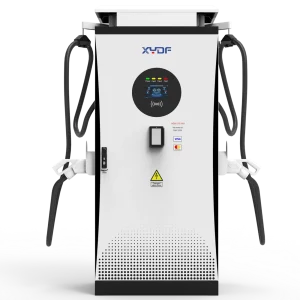
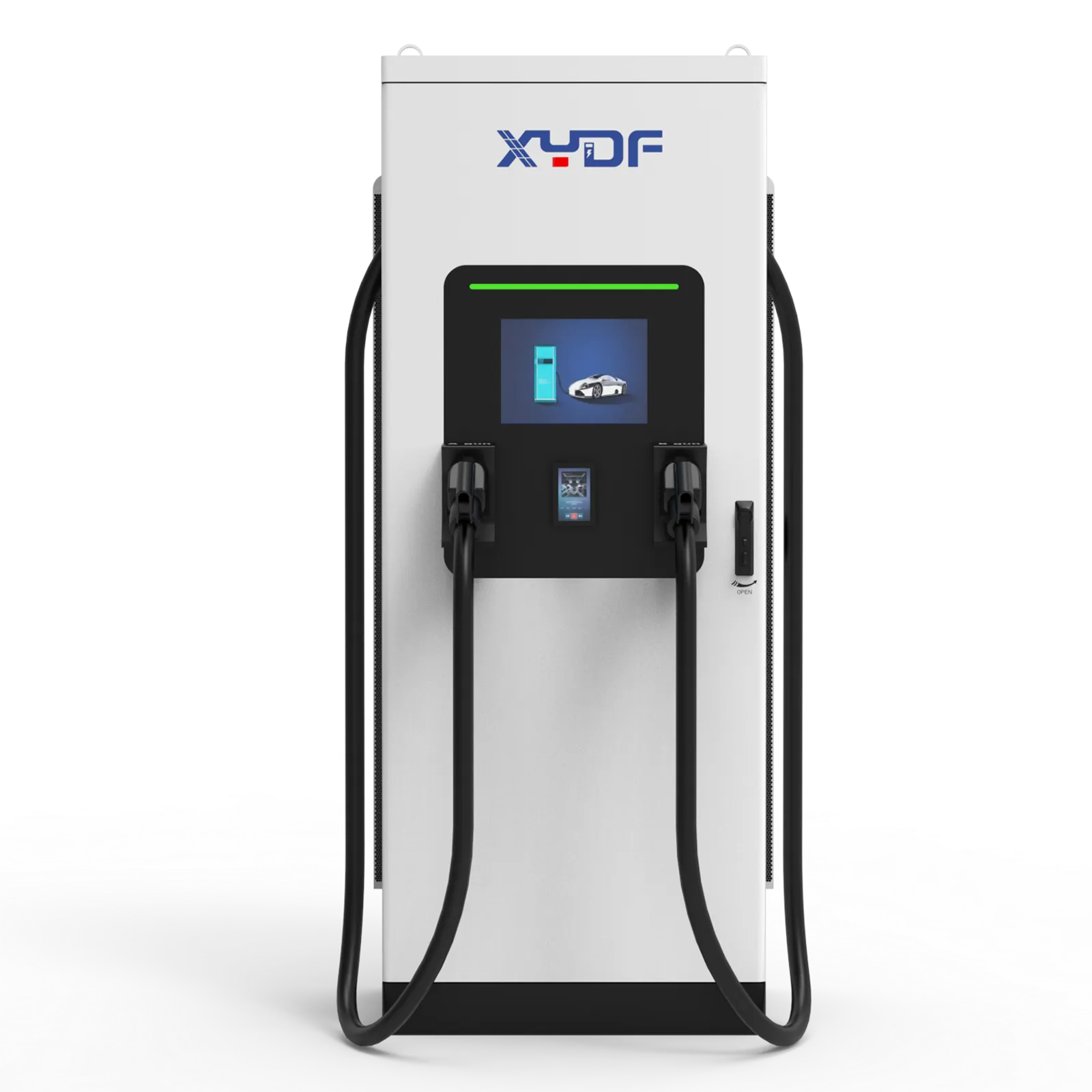
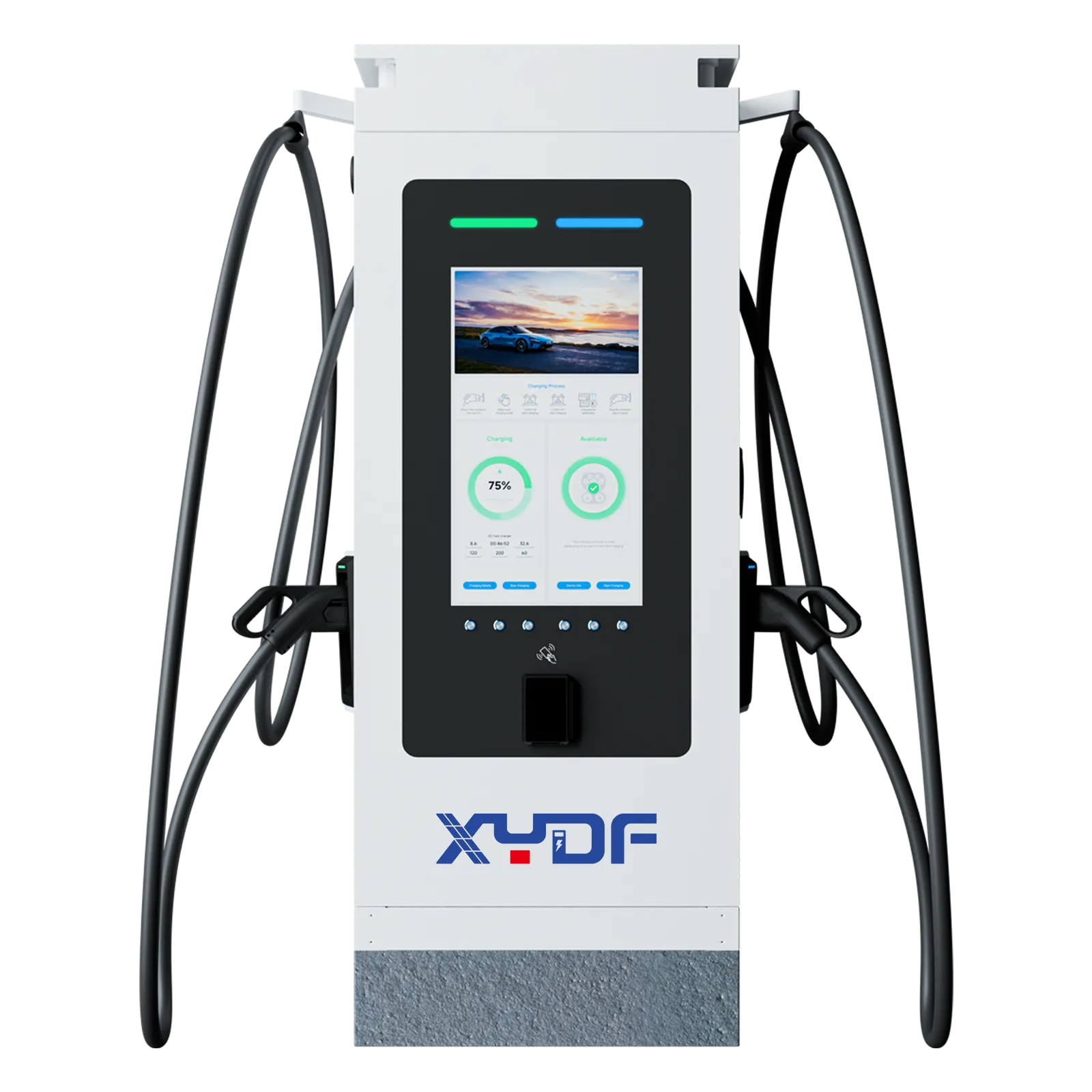
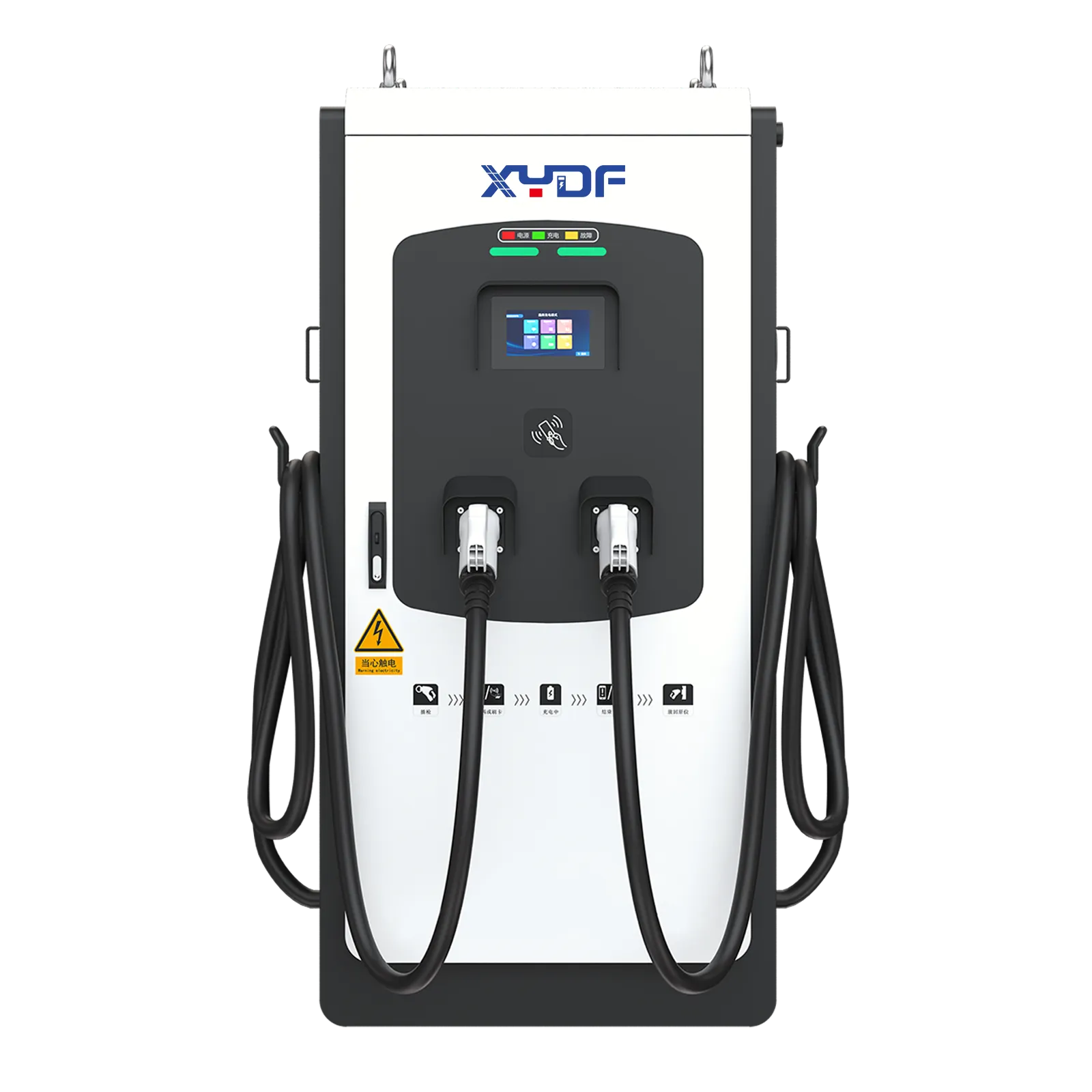
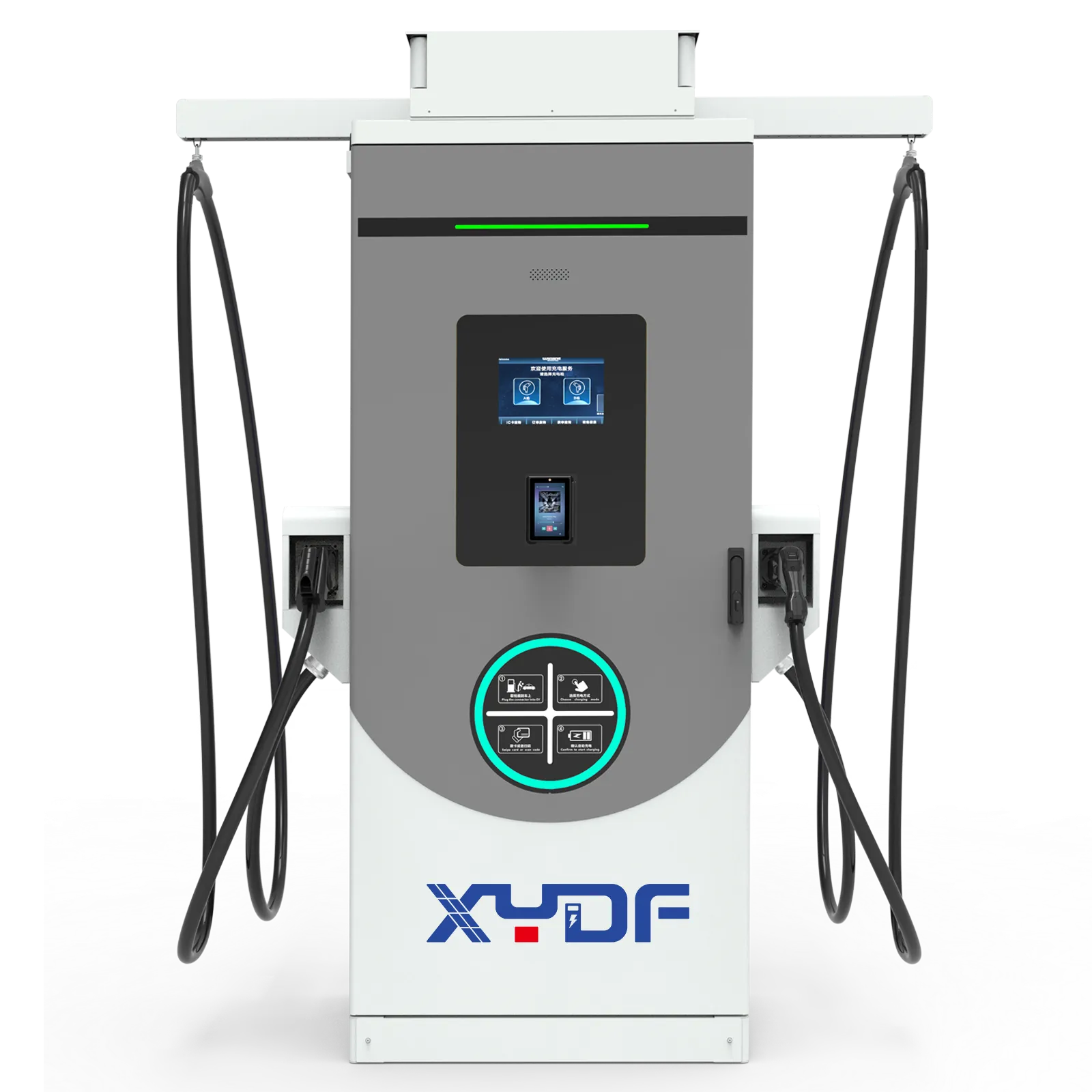
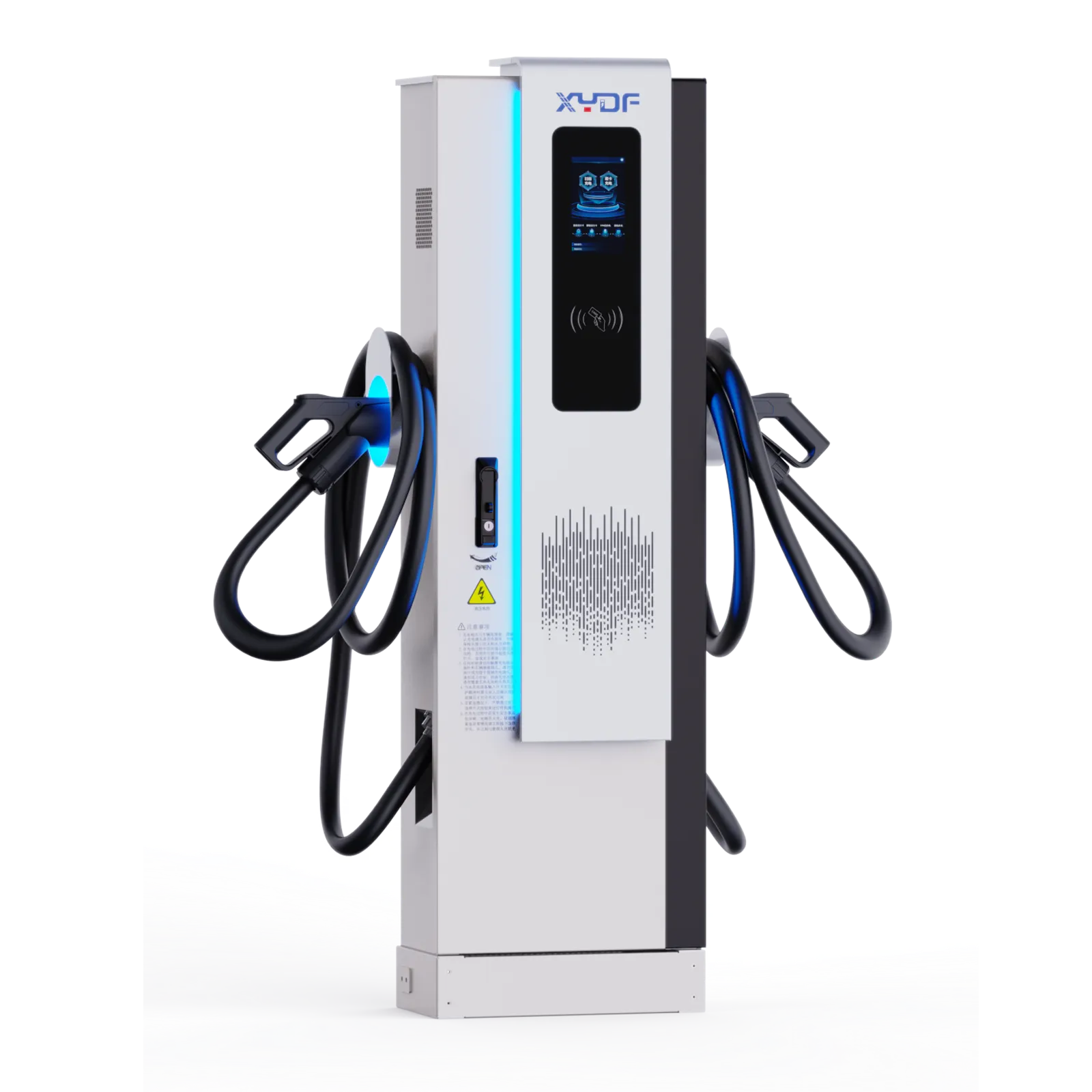
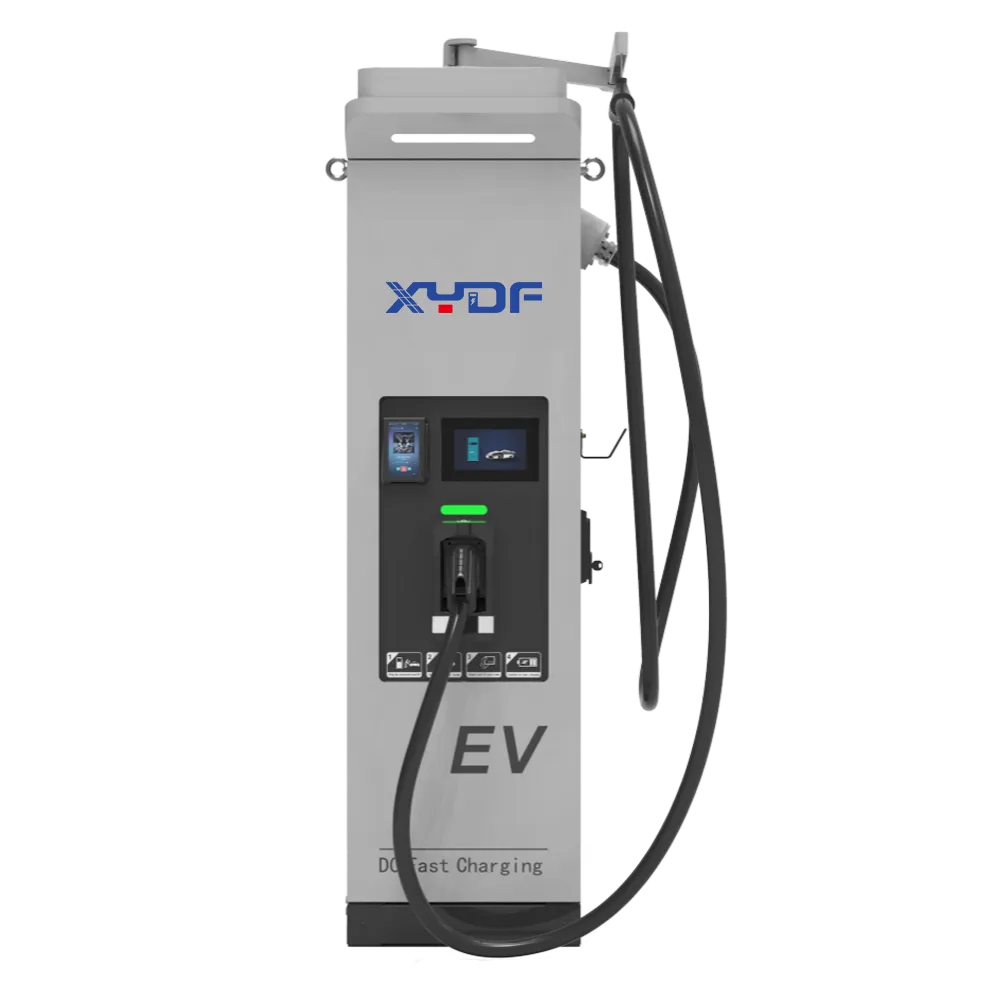
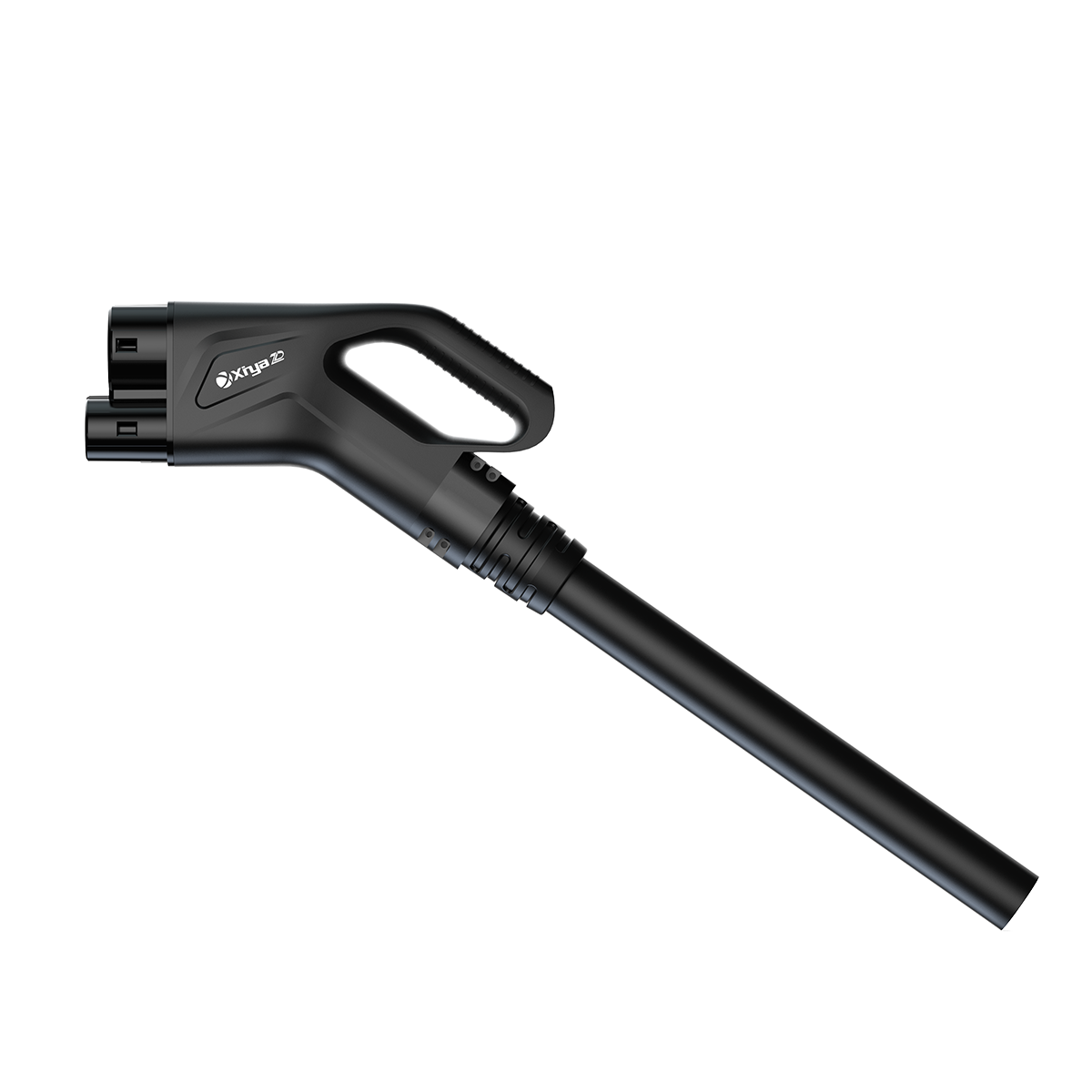
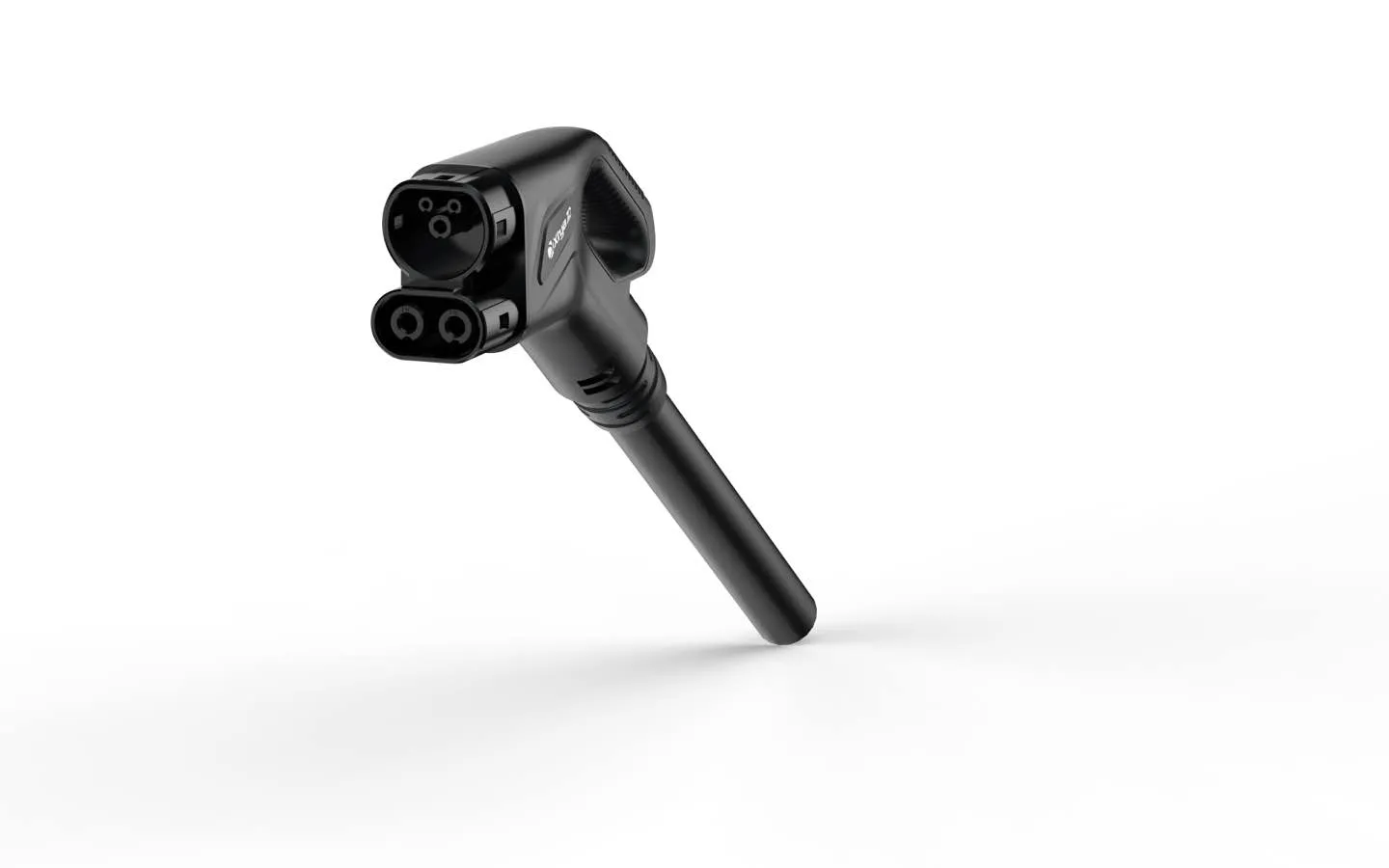
XYDF EV Charging Cable
DC Charging Cable (IEC) CCS2 EV Connector designed for all scenarios, all climates, and all vehicle types. It covers passenger vehicles, commercial vehicles, heavy-duty trucks, mining machinery, and other heavy-duty applications. With core advantages of lightweight design, high compatibility, strong protection, and long service life, it meets the demands of extreme environments and high-power fast charging.
FAQs
Which EV charging cable should I buy?
In order to charge your EV via charging cable, ensure that the charging port on your vehicle is compatible with the charger itself as well as with the correct power required for charging. The vast number of modern EVs manufactured within Europe and comparable regions use a type 2 connector; therefore, unless you have a type 1 male plug (socket), you will need either a type 1 cable or a type 1 to type 2 converter cable.
Also think about your current ratings, phases and cable length; a 32 amp cable will be more versatile than a 16 amp cable (or a 15 amp plug) for your car/charger combination when charging at a higher rate (AC). A 5-metre cable suits many home charging stations, whereas 7-metre cables are generally the better all-round option.
Are all EV car charging cables the same?
EV charging cables aren’t created equal – they come in many connector types, current ratings, phase supports, lengths and qualities. While two cables may look similar, they will perform differently during everyday use.
As an example of a Type 1 EV charging cable that cannot physically work with a Type 2 EV because it does not have the right configuration. The same can be said for a single-phase charging cable, which will not charge at the same speed as a 3-phase cable, if both your EV and charger are capable of 3-phase charging.
Can I use any EV charging cable with my electric car?
Use only a cable designed for your vehicle & charging station. The connector fits properly and the cable is rated for the current and charging configuration you are using. Always consult your vehicle’s manual or contact a qualified source to determine if you are uncertain.
Is a longer EV charging cable better?
An extended cable allows for increased mobility, but there are circumstances in which they may not be a preferred choice. Longer cables can weigh more, be bulkier than short lengths, and also create more complications when trying to store them. A good length for your average parking configuration will vary according to each user, but will primarily be between five and seven metres.
Should I buy a spare EV charging cable?
It can be beneficial to have an extra charging cable at home and/or in your vehicle. If you use public charging sources, take frequent long trips, or have multiple charging sources at once, having a spare charging cable will also provide peace of mind about your primary charging cable being lost or broken. If you’re a business owner with a fleet of vehicles, having spare charging cables can be an economical way to keep your fleet charged.
Before ordering, check for connector type, charging current, number of phases, cable length, certification, and warranty of your order. An electrically powered vehicle (EV) charging cable should ideally meet the following criteria: safe, durable, relatively easy to use, and fully compatible with your EV charging pattern. Choosing the right supplier as well as the right EV charging cable allows you the independent confidence in charging your EV at home, at work, or away from home.
 Xinya Dongfang Electricity Technology Co., Ltd.