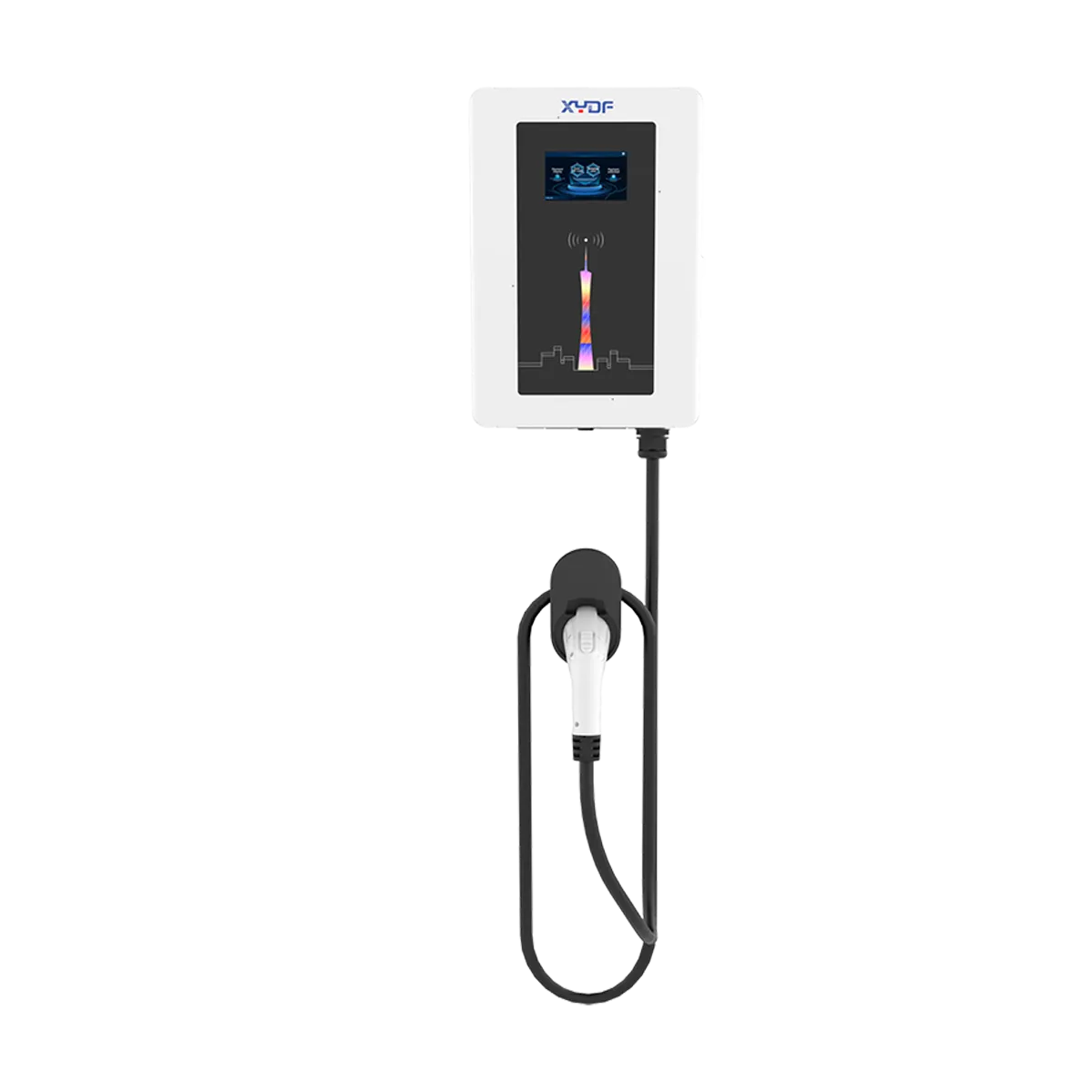
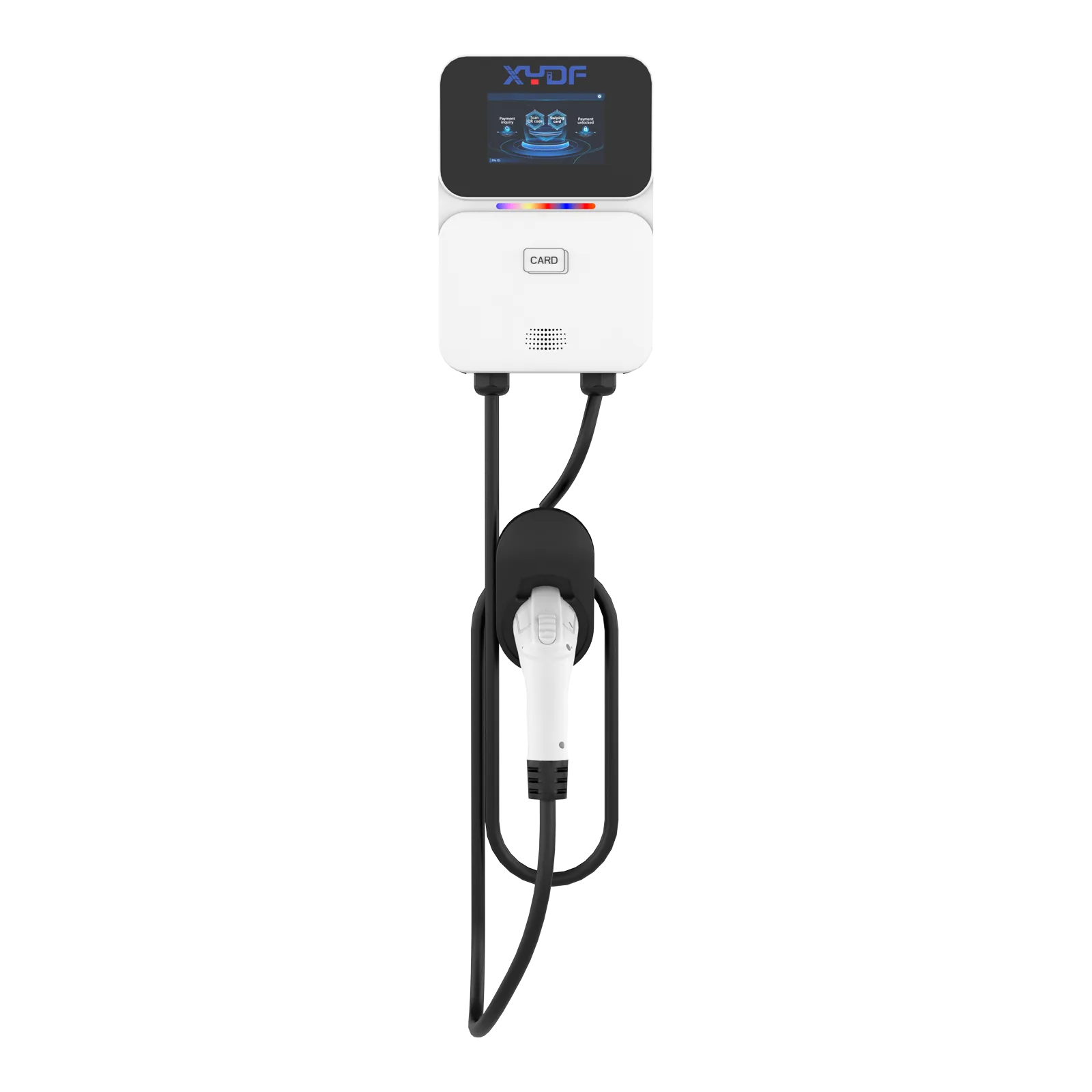
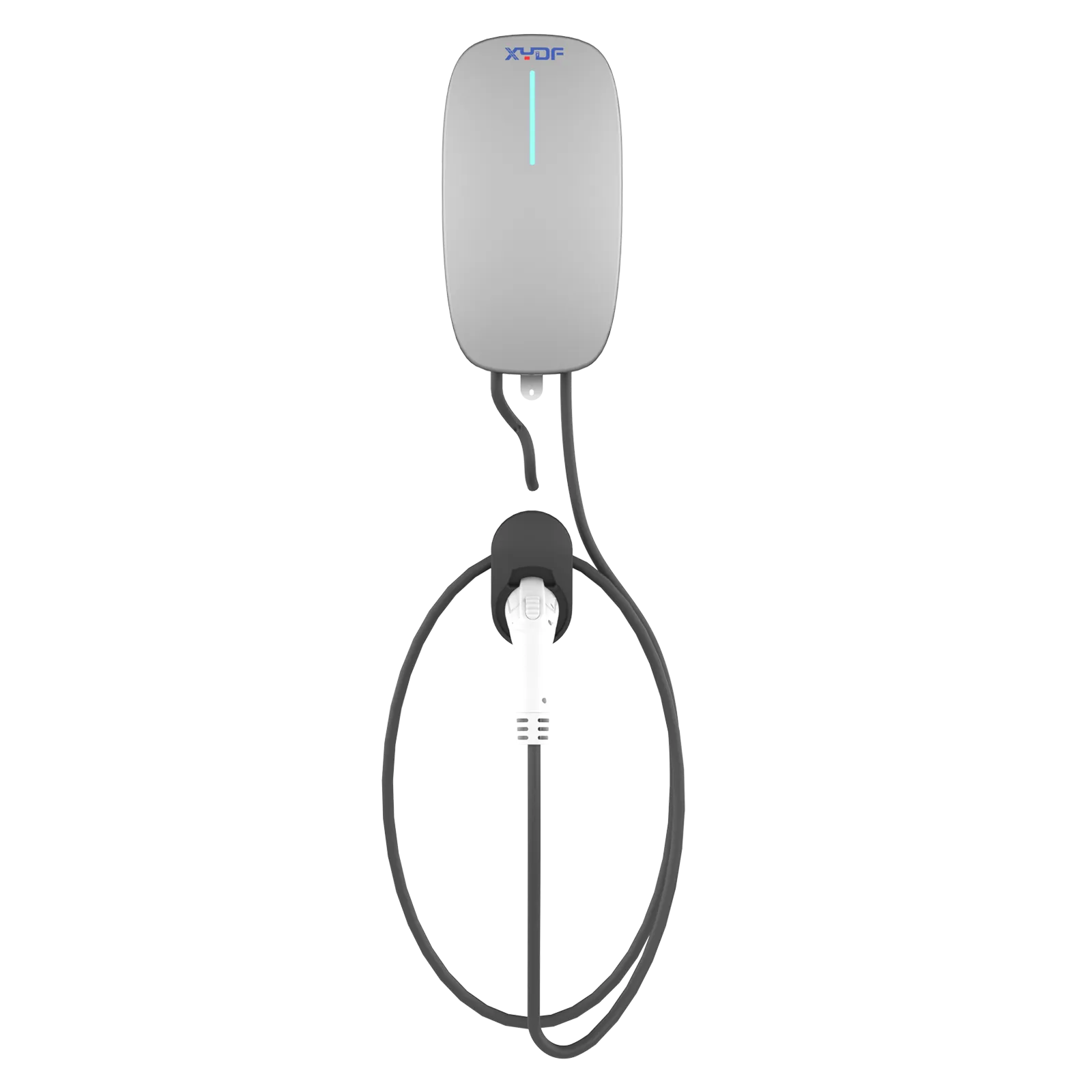
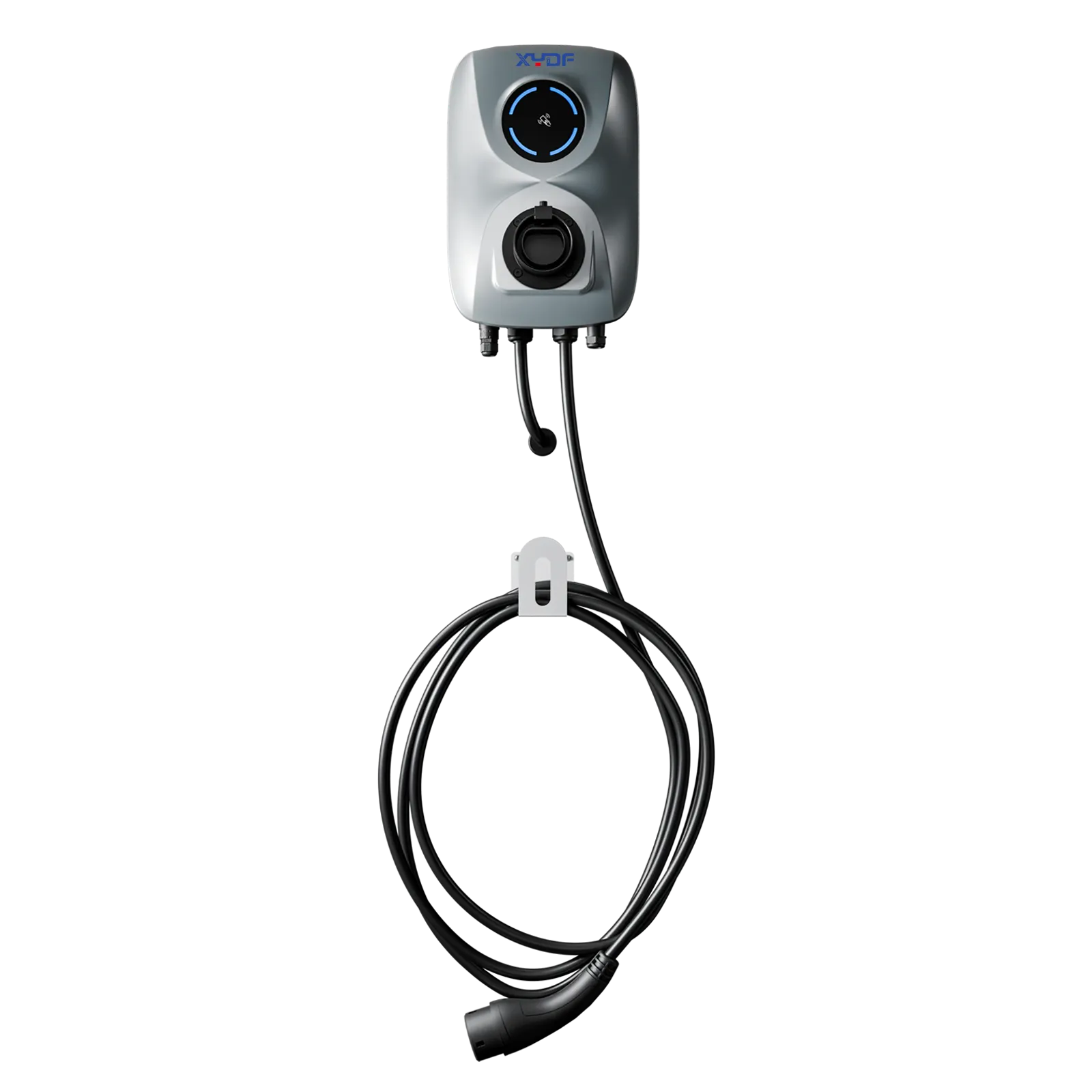
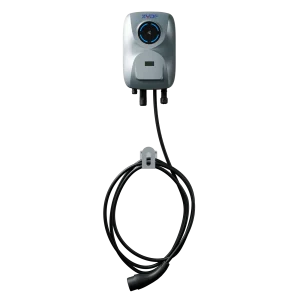
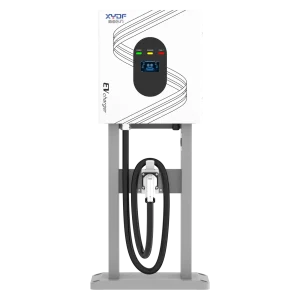
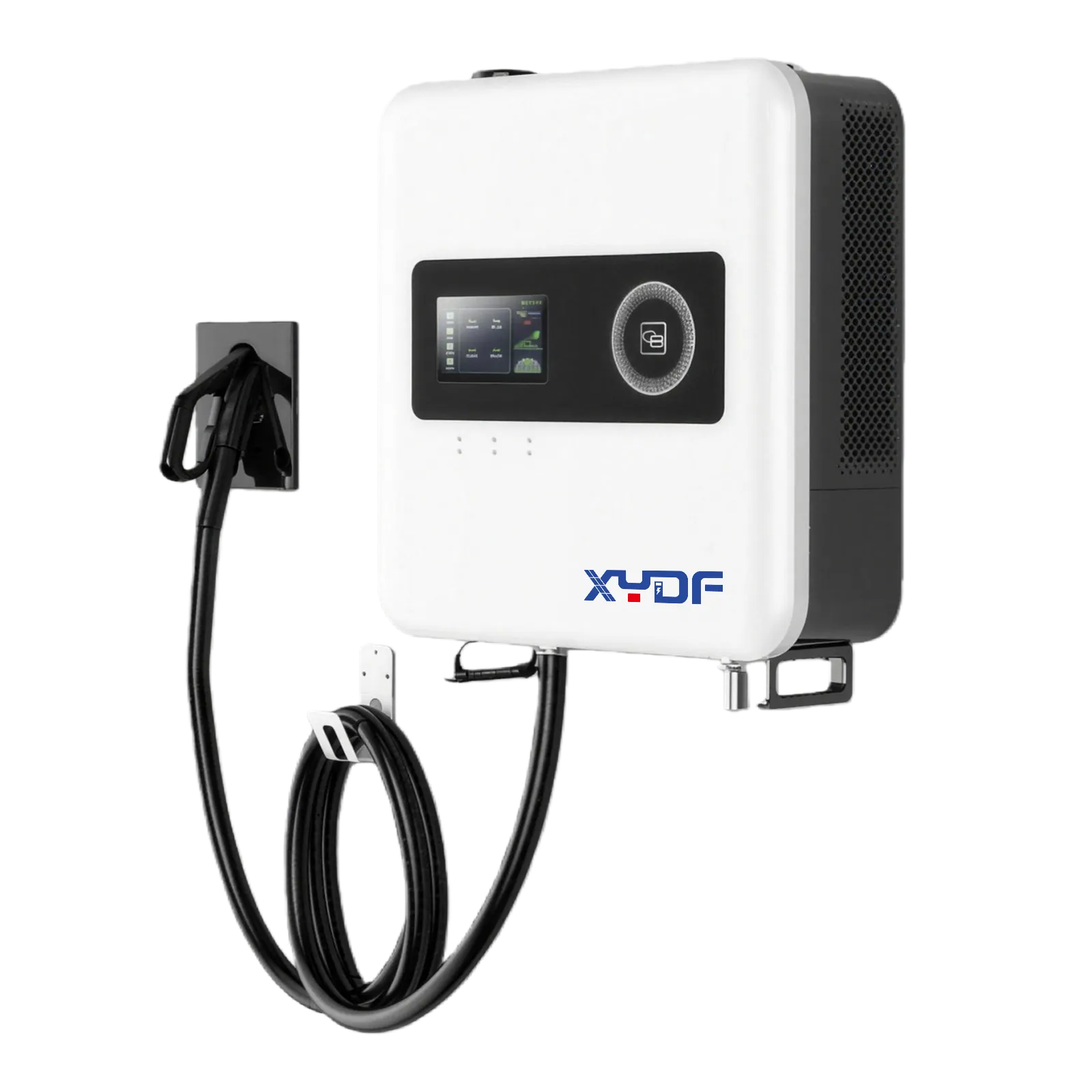
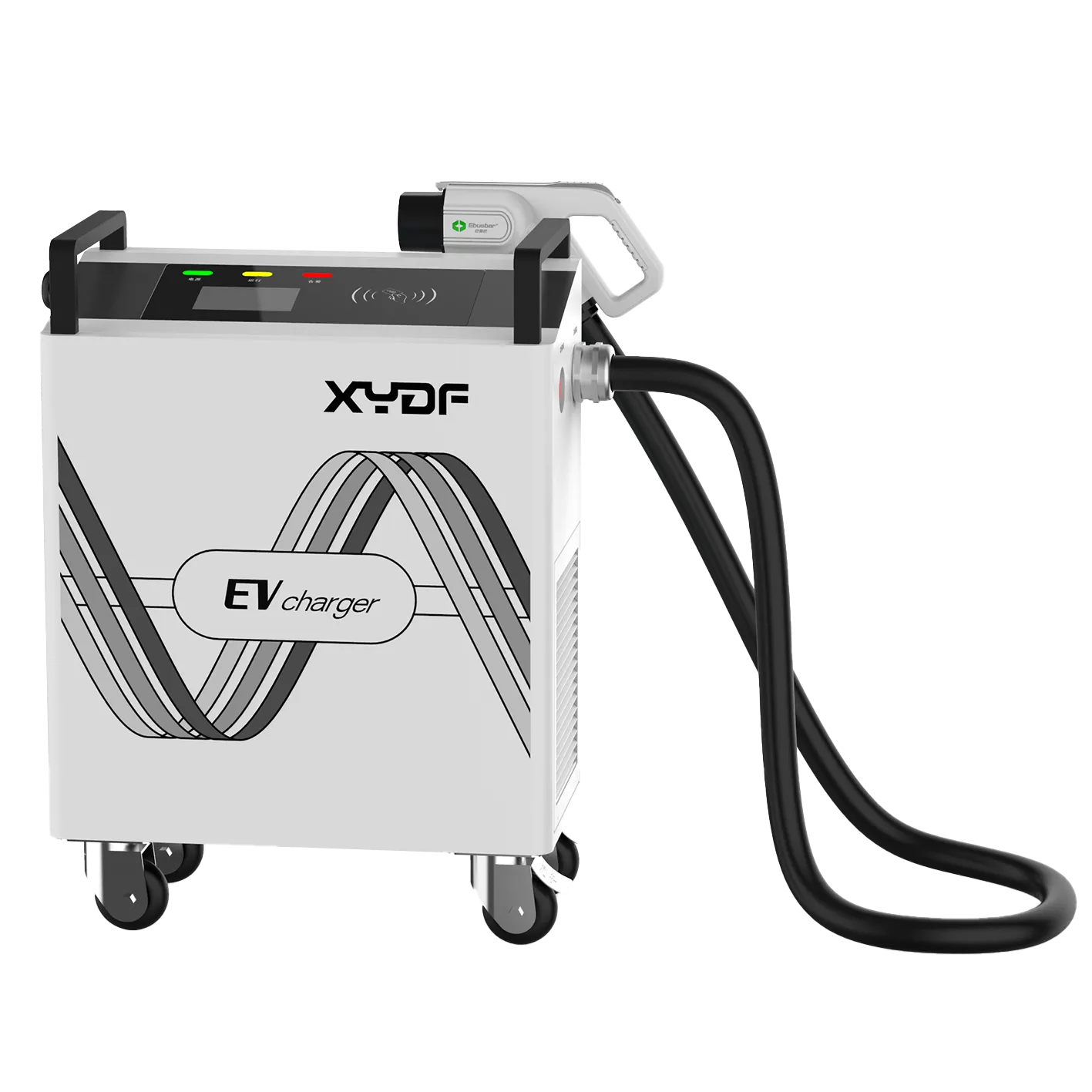
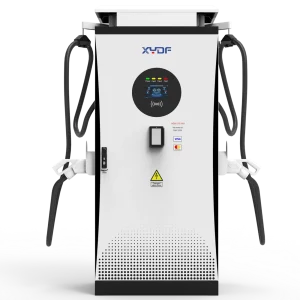
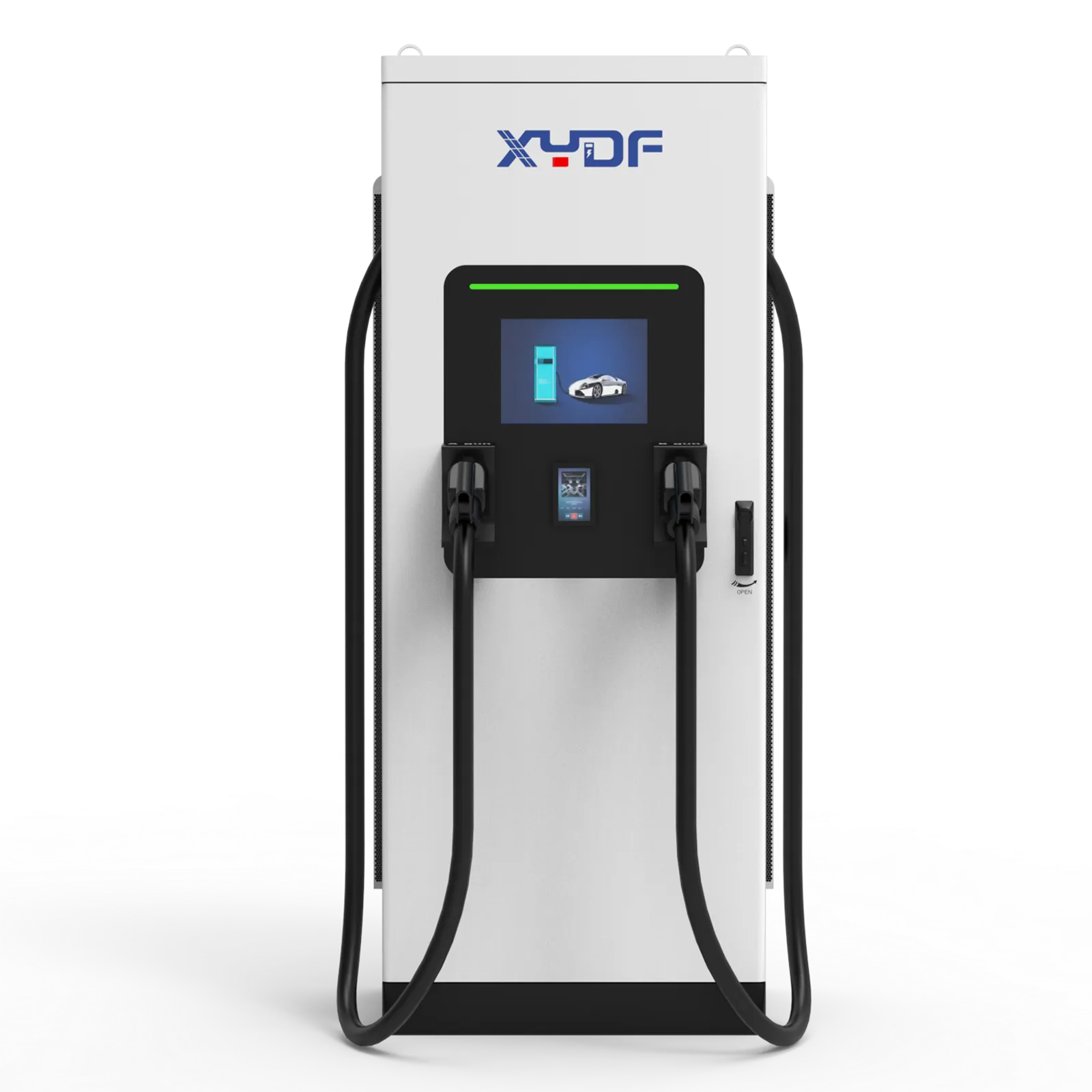
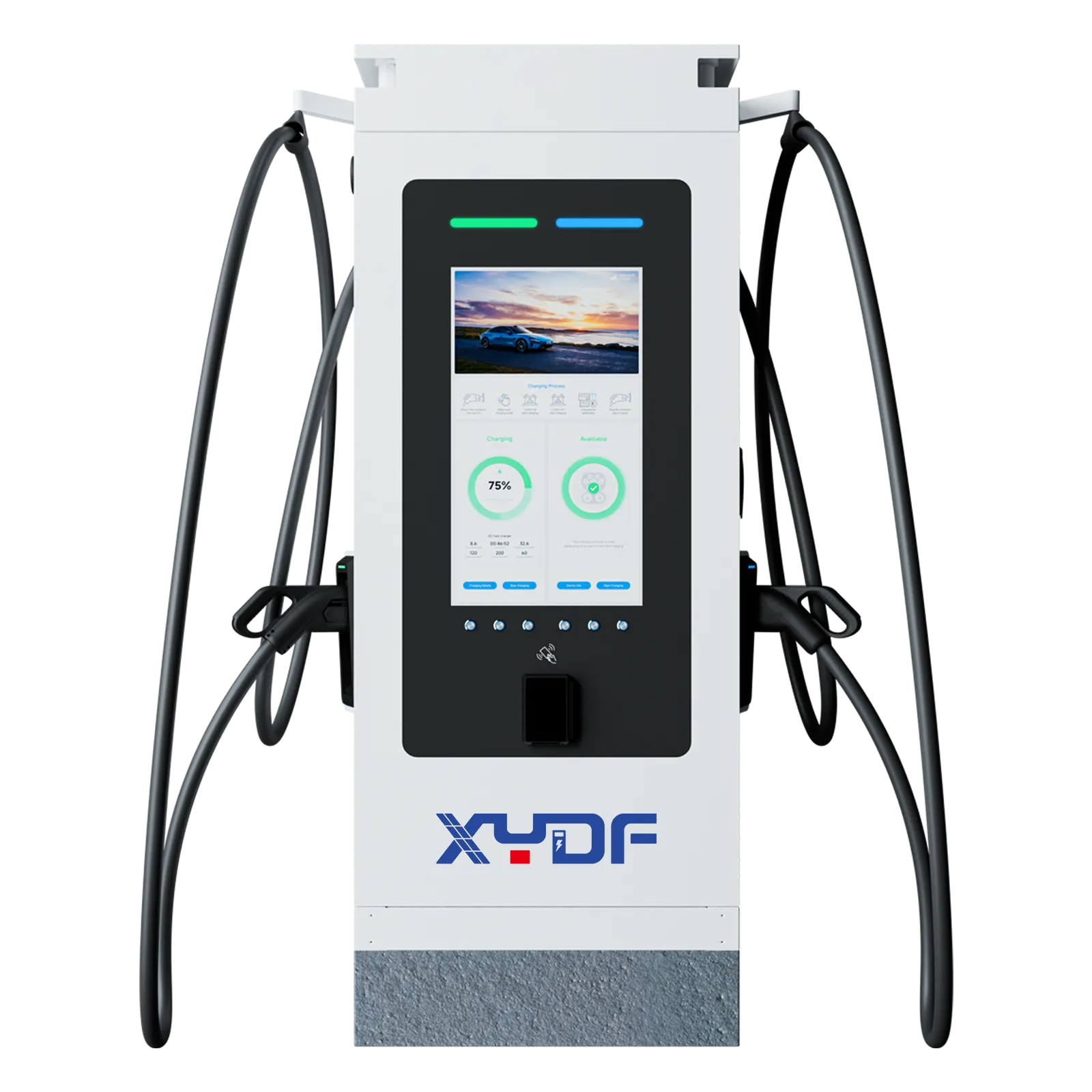
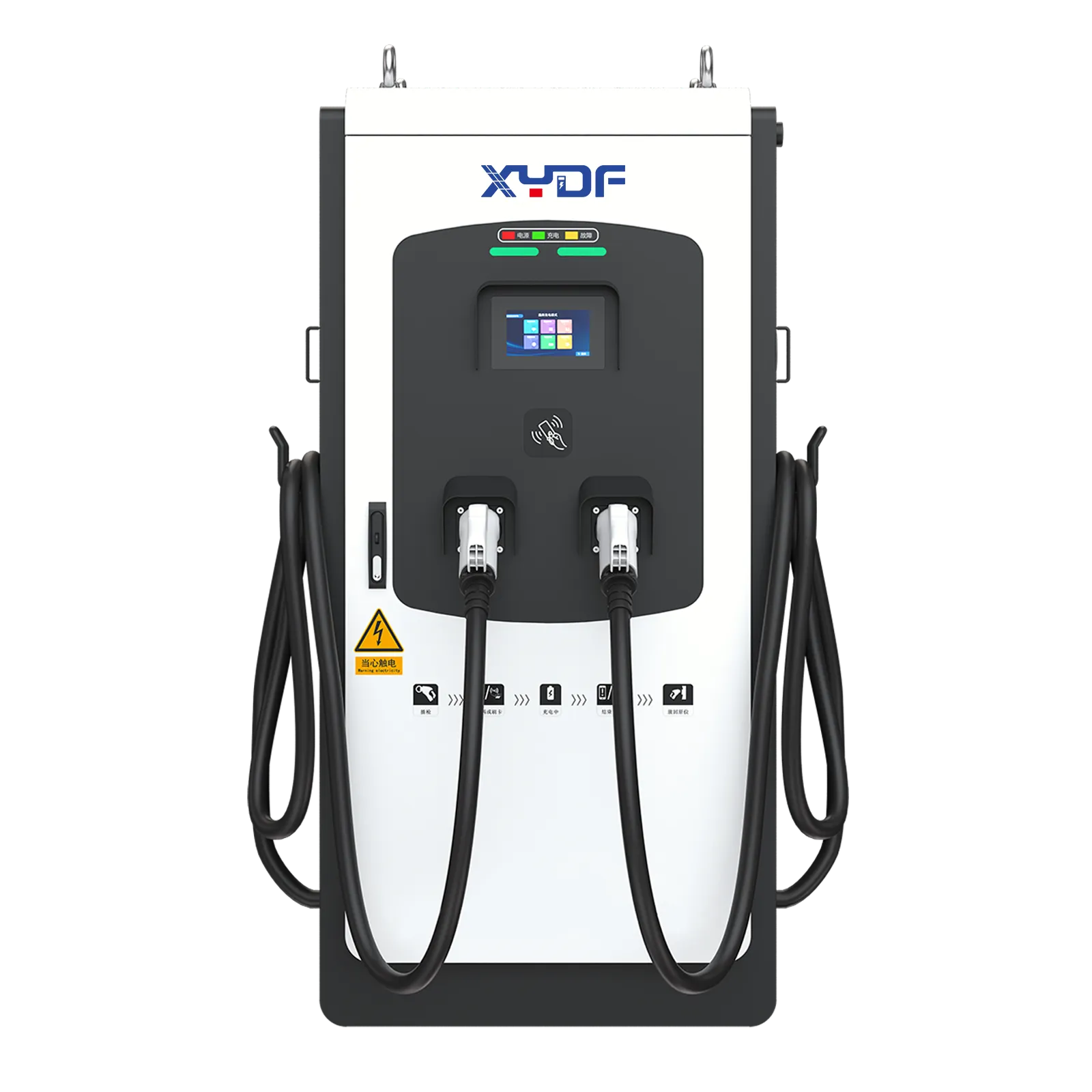
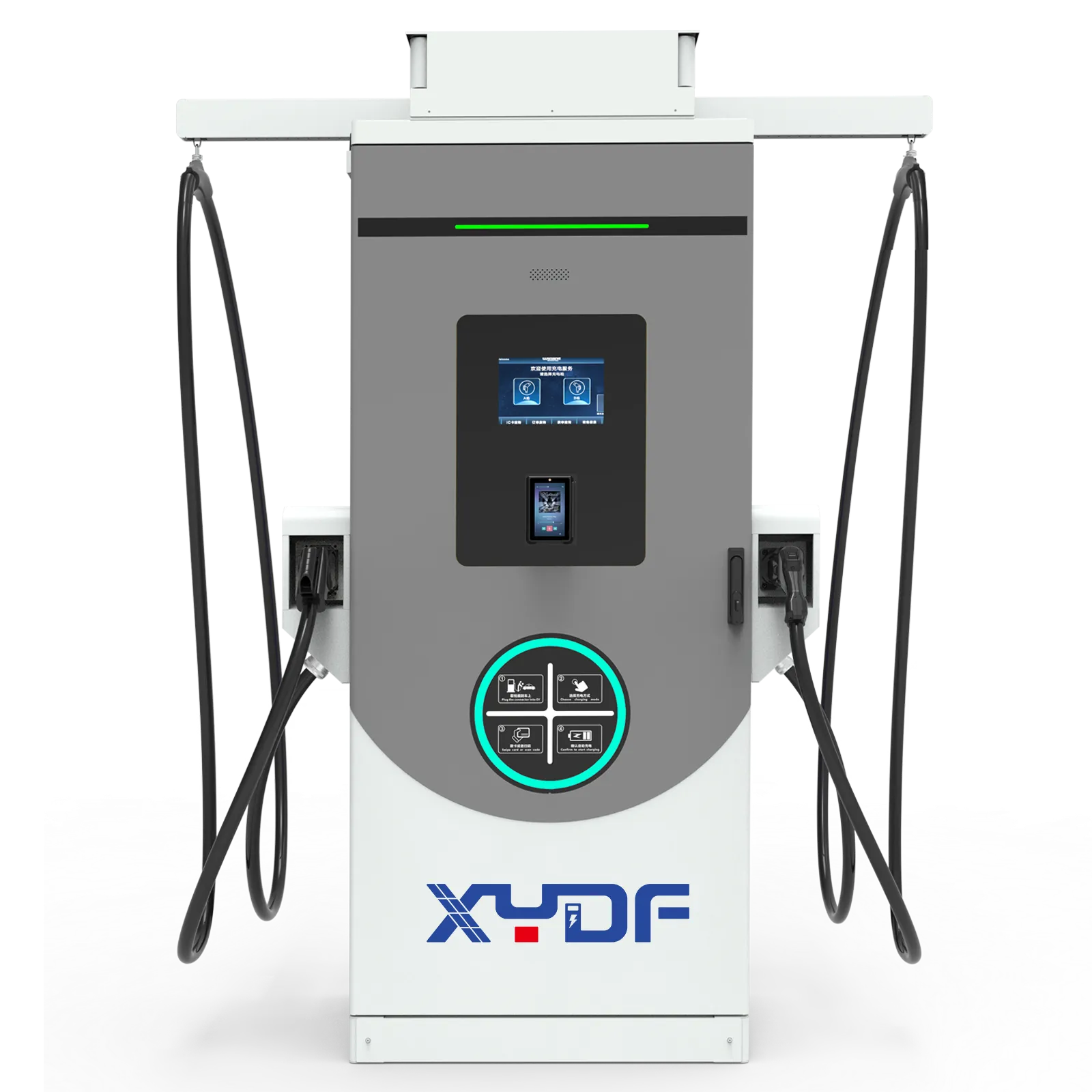
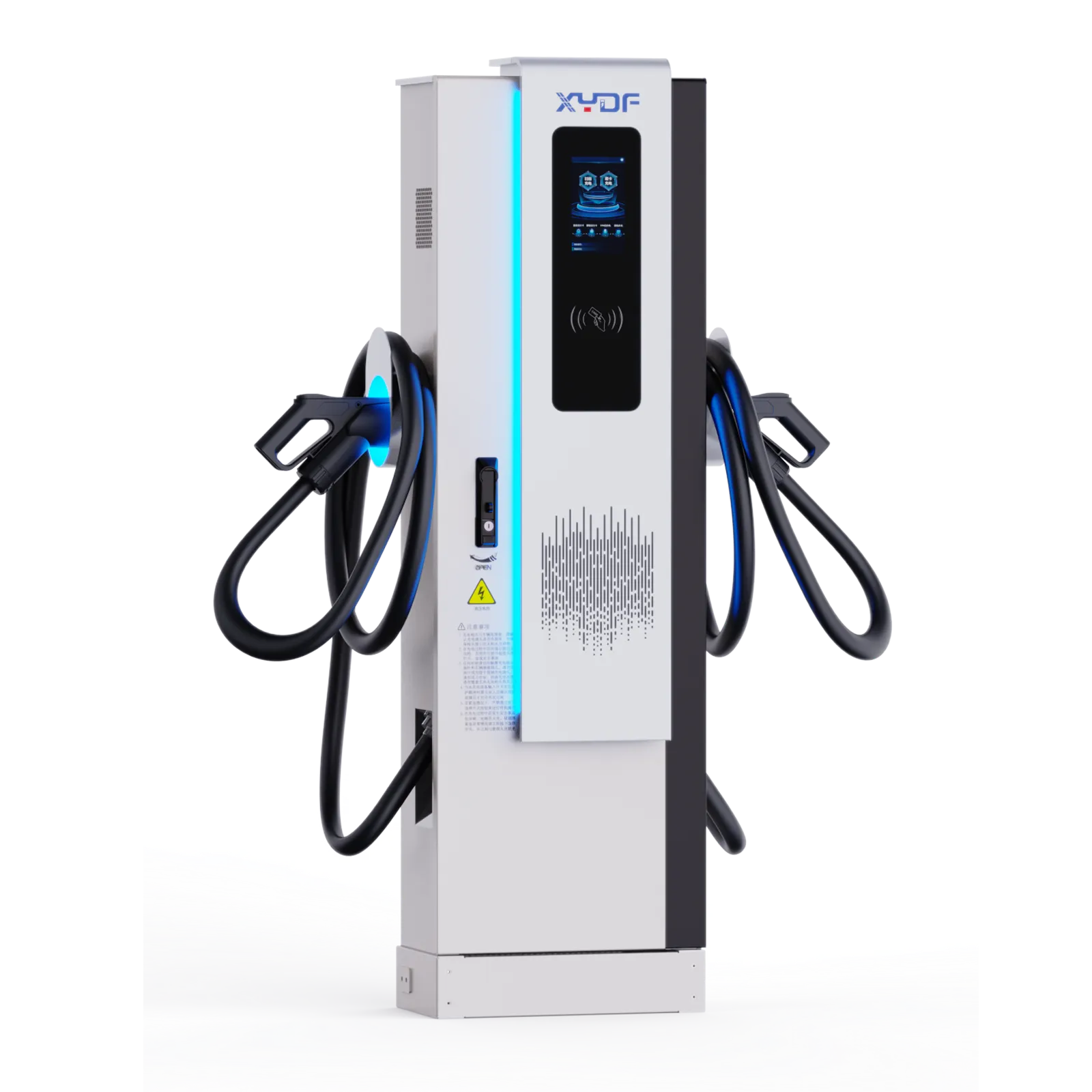
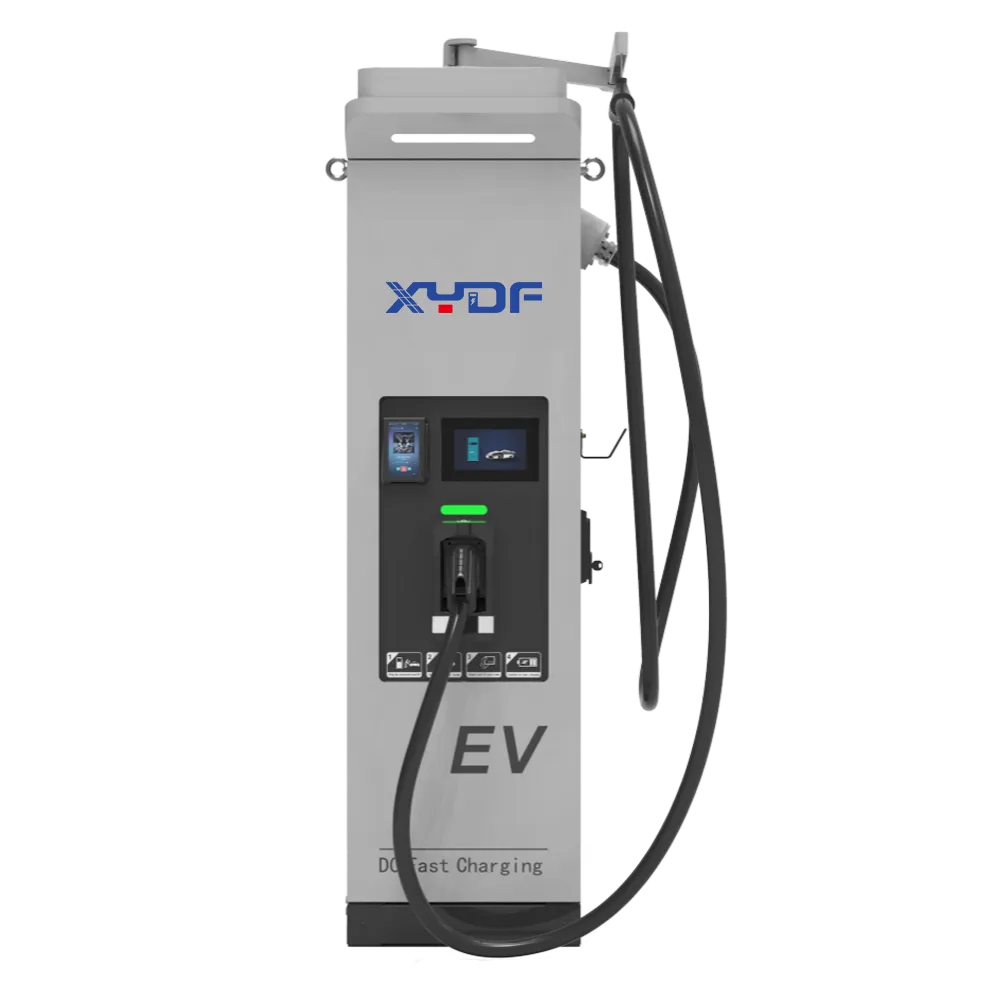
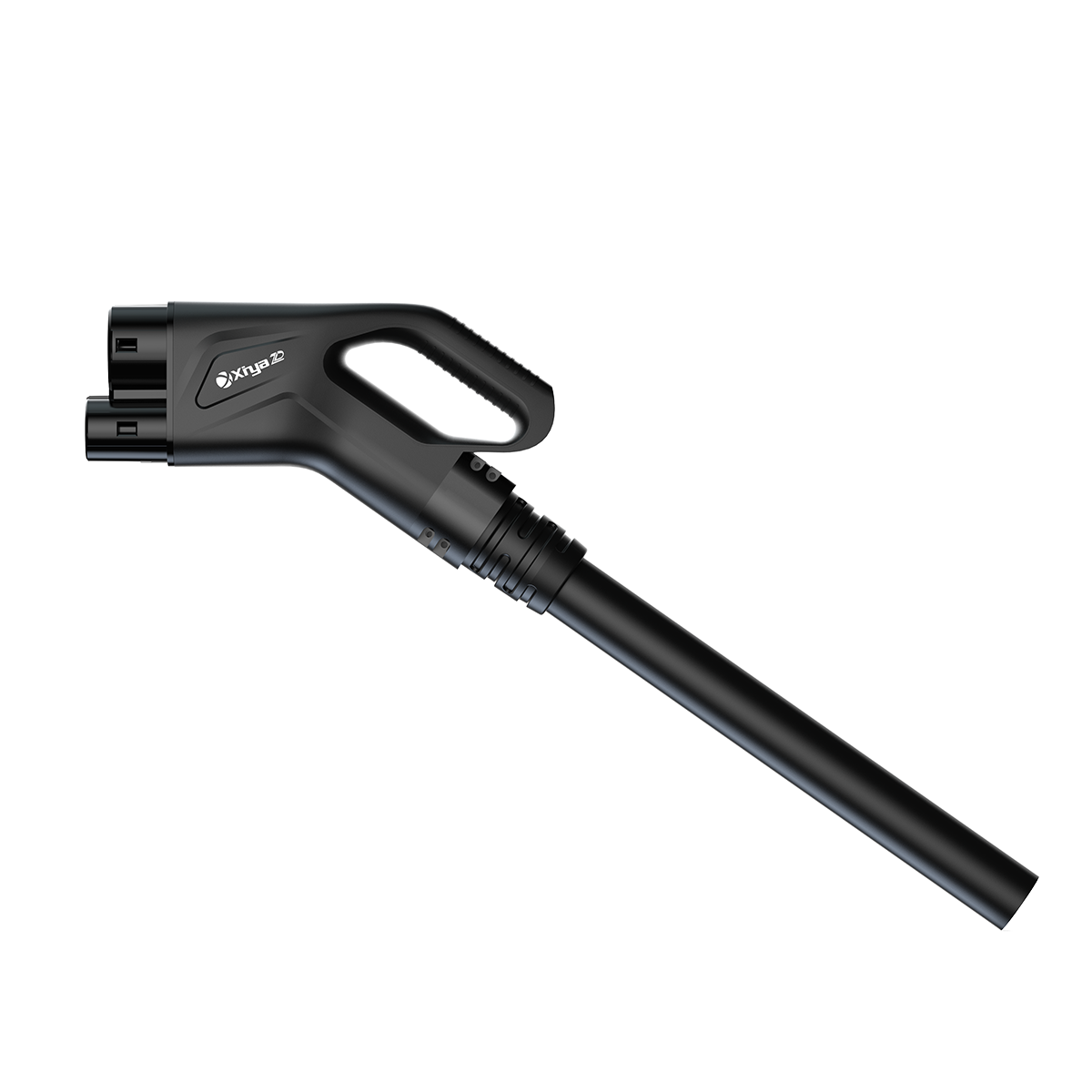
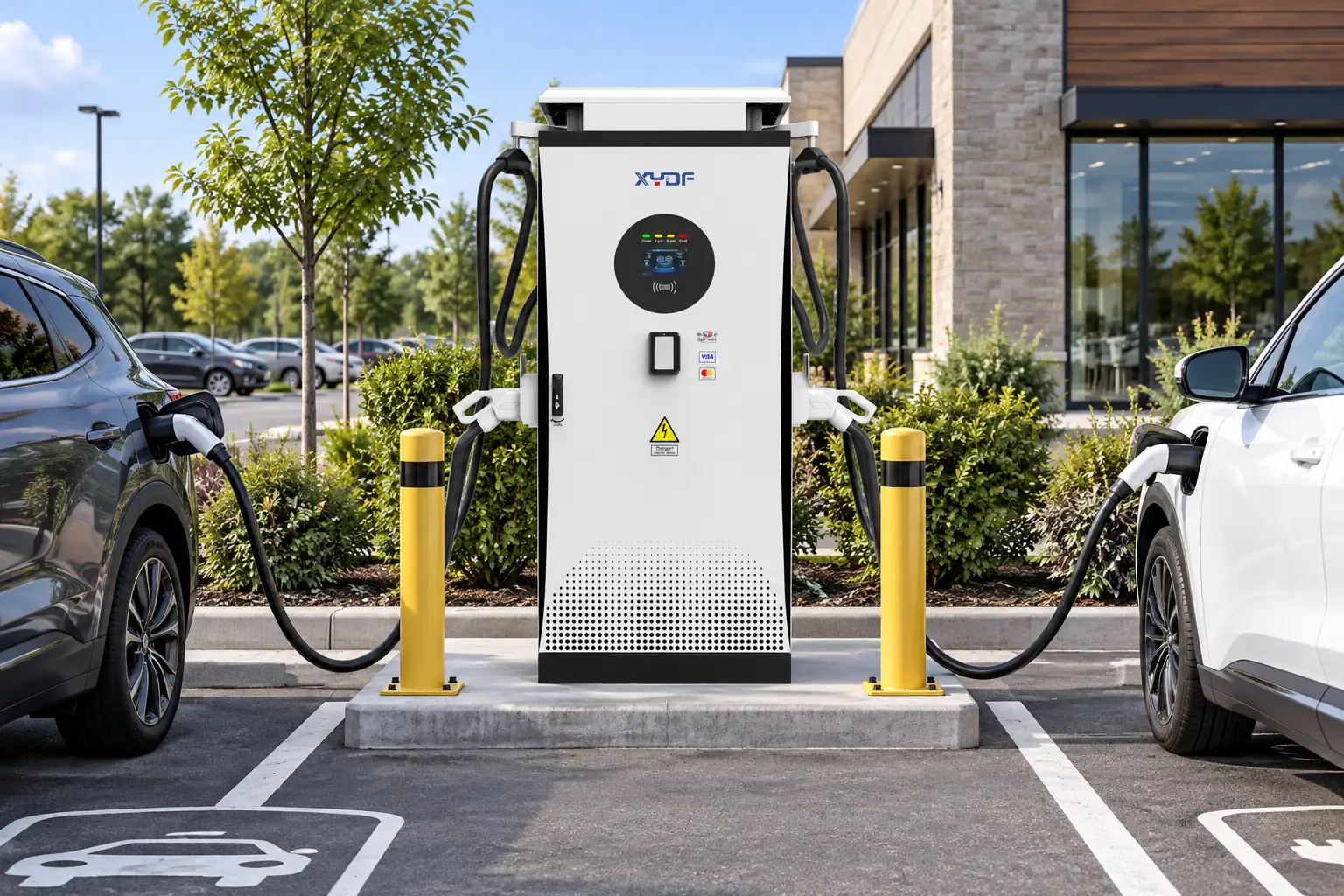
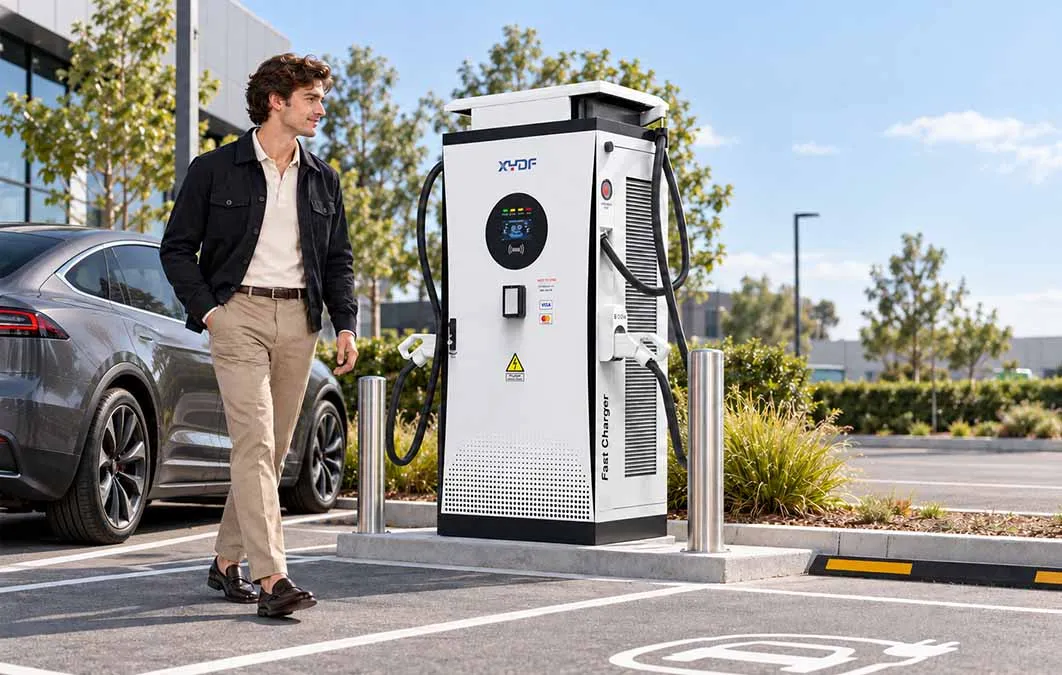
When comparing EV chargers, most people focus on the above four categories, but there are other factors to consider to determine if an EV charger is going to be safe, dependable and user-friendly for many years to come. To do this, you must look at the charger’s core elements as detailed above.
The three components of an electric vehicle (EV) charger that influence the most in everyday life of using an EV charger are the power supply, the EV charging connector and EV charging cables. Each of these components has an impact on the operation of the EV Charger; therefore they have a tremendous influence on charging performance, safety, compatibility, long-term reliability, as well as usability for all users.
When purchasing chargers for any of the following locations: a public charging station, a commercial project (such as a large retailer), a fleet depot or your own product line; knowing about these 3 main parts will aid in preventing you from making expensive errors during the purchasing process. This guide will outline the purpose of each part and provide an explanation as to the value of each; along with items that need to be reviewed prior to selecting a vendor/manufacturer.
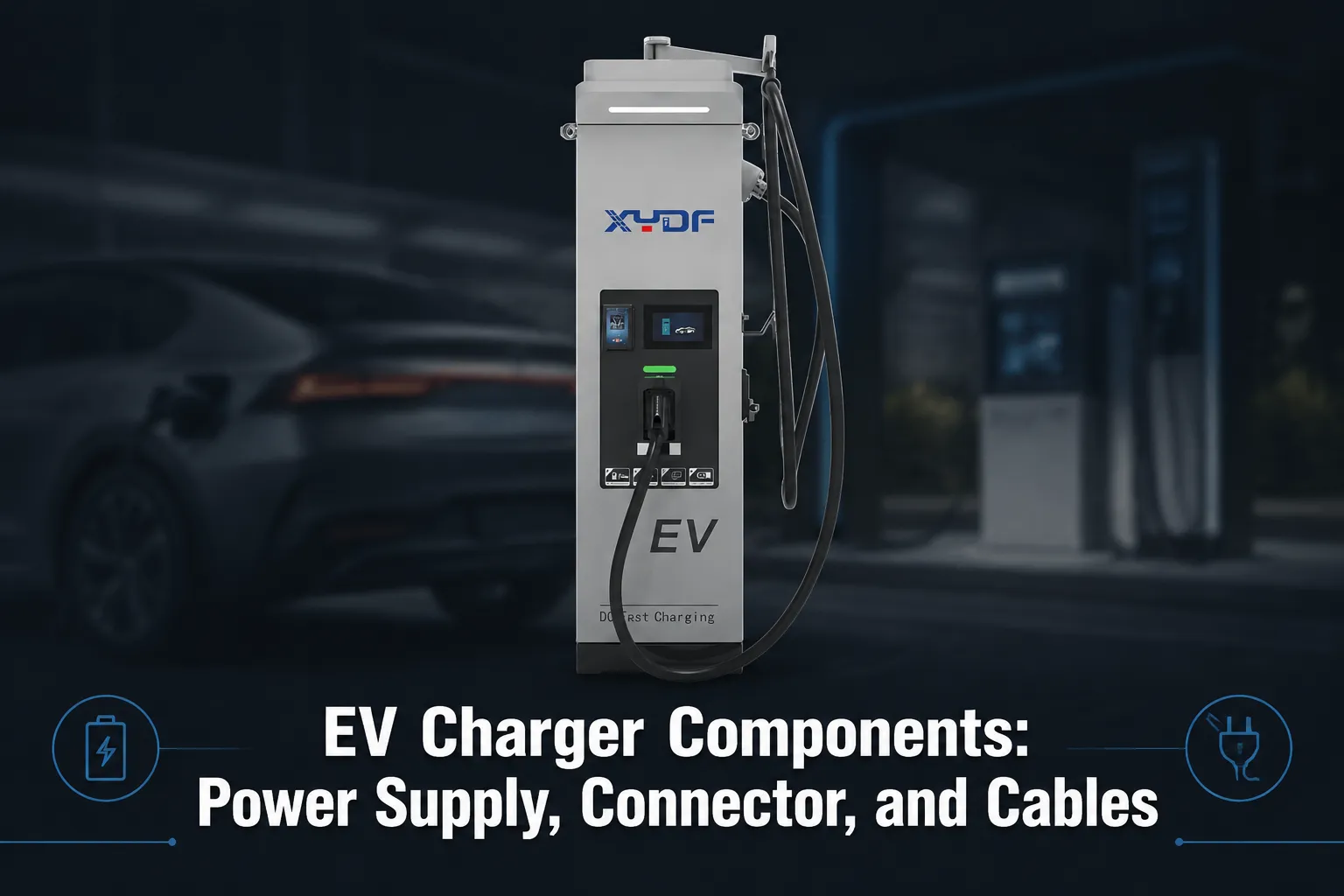
What Are the Main EV Charger Components?
The EV charger is a complete and sophisticated electrical device to control the flow and delivery of electricity from the electric utility to the electric vehicle. It may contain many different components, including but not limited to: control boards, protection devices, communication modules, meters, display units, enclosures, and software systems in one complete functioning package.
From the perspective of the buyer, the three most critical elements are:
1) power supply, 2) EV Charging Connector and 3) charging cable. The power supply manages and supplies the energy to charge an EV. The charger connects to an EV via an EV connector which plugs into the vehicle. A charging cable safely transfers the electric current throughout the duration of the charging process.
The three components of electric vehicle charging stations work in concert, enabling a driver to charge their vehicle. If one of the components is manufactured poorly or isn’t designed well, the driver’s experience will be negatively impacted. Not only should an electric vehicle charging station be able to charge vehicles quickly, but it must also perform consistently over many months or years, and not experience any overheating, while creating an environment that feels safe for EV drivers to charge their vehicles.
One of the crucial components of an electric vehicle charging system is the power supply unit. Essentially, the power supply unit acts as a means of regulating the electrical energy coming from the electric grid and preparing that power for safe charging. If there is a problem with the power supply unit, then a charging unit that looks good will still end up with issues like slow charging, overheating, shutting down, and/or having a high failure rate.
An AC EV charger supplies the car with AC power and uses the car’s onboard charger to convert the power from AC to DC. In contrast, a DC fast charger takes the AC grid power and converts it to DC before sending it to the vehicle’s battery. DC fast chargers can therefore provide a much faster charge than an AC EV charger.
To ensure reliability from the EV charger, it is required that the power supply provide a steady output, high rates of efficiency, sufficient levels (including voltage/current) of protection and good thermal control. All of these qualities can be very critical at public charging stations, such as fleet charging locations, highway or commercial projects due to how quickly an EV charger will be out of service (downtime will generally result in loss of income).
Why the Power Supply Matters
The power supply has an impact on all aspects that consumers want, including how quickly their device charges, how safe it is to charge, how efficient it is with energy consumption, how much heat it produces, and how consistently dependable the power will be throughout the device’s life span. A good power supply produces a smooth and predictable charging experience whereas a poorly designed power supply will provide users with inconsistent charging, interruptions in charging, or slower than expected charging times.
In high-demand areas, it’s even more critical for public chargers to accommodate multiple cars daily and fleet chargers to have tight operating schedules. Therefore, the power supply for EV charger applications should be designed to handle real-world conditions, rather than simply laboratory or simulated conditions.
Buyers need to examine the design of the power supply, the efficiency of the power supply, the protection functions and the operating temperature range of the power supply before making a purchase decision.
Types of Power Supply Used in EV Charging
Most EV charging uses alternating current (AC) power supplies and direct current (DC) power sources. AC chargers are mostly found in places where an electric vehicle can remain parked for extended periods, such as homes, businesses, hotels, apartment complexes, shopping malls, and various other locations. As a consequence, they are less expensive and easier to install than DC chargers.
Fast charging and ultra-fast charging stations utilize DC power supplies. These stations are designed so that drivers can quickly recharge while on the road (highway service areas), as well as at places like public charging networks, taxi charging hubs, and logistics/bus fleets. Additionally, many commercial charging stations will also use DC power supplies to provide the fastest possible charge.
Additionally, certain Contemporary Electric Vehicle (EV) Chargers Utilize Solar, Batteries and/or Hybrid Power Sources. An Electric Vehicle Charger Utilizing One or More Alternative Sources May Provide Relief to the Electrical Supply Grid and Decrease Operating Costs for Charging Site Operators. This Will Also Provide Greater Flexibility when Multiple Chargers Are Used Simultaneously.
What to Consider When Choosing an EV Charger Power Supply
When considering a power source, look beyond just the power rating. You should also consider: input voltage range, output stability, conversion efficiency, thermal management, protective functions, and local compliance requirements.
Modular power supplies for commercial charging stations can be an effective design option. If a single power supply module is malfunctioning, it’s often possible to replace just that module instead of servicing the entire charger. This can result in reduced service time and keep the charging station operational.
Efficiency is also another aspect of a detail that will create large differences for an AC power supply. The AC power supply has greater efficiencies which will result in less wasted energy (as heat) being produced during its operation. This results in less energy loss, improved reliability and possible reduced costs over the life of the AC power supply.
EV Charging Connector: The Part Drivers Touch Every Time
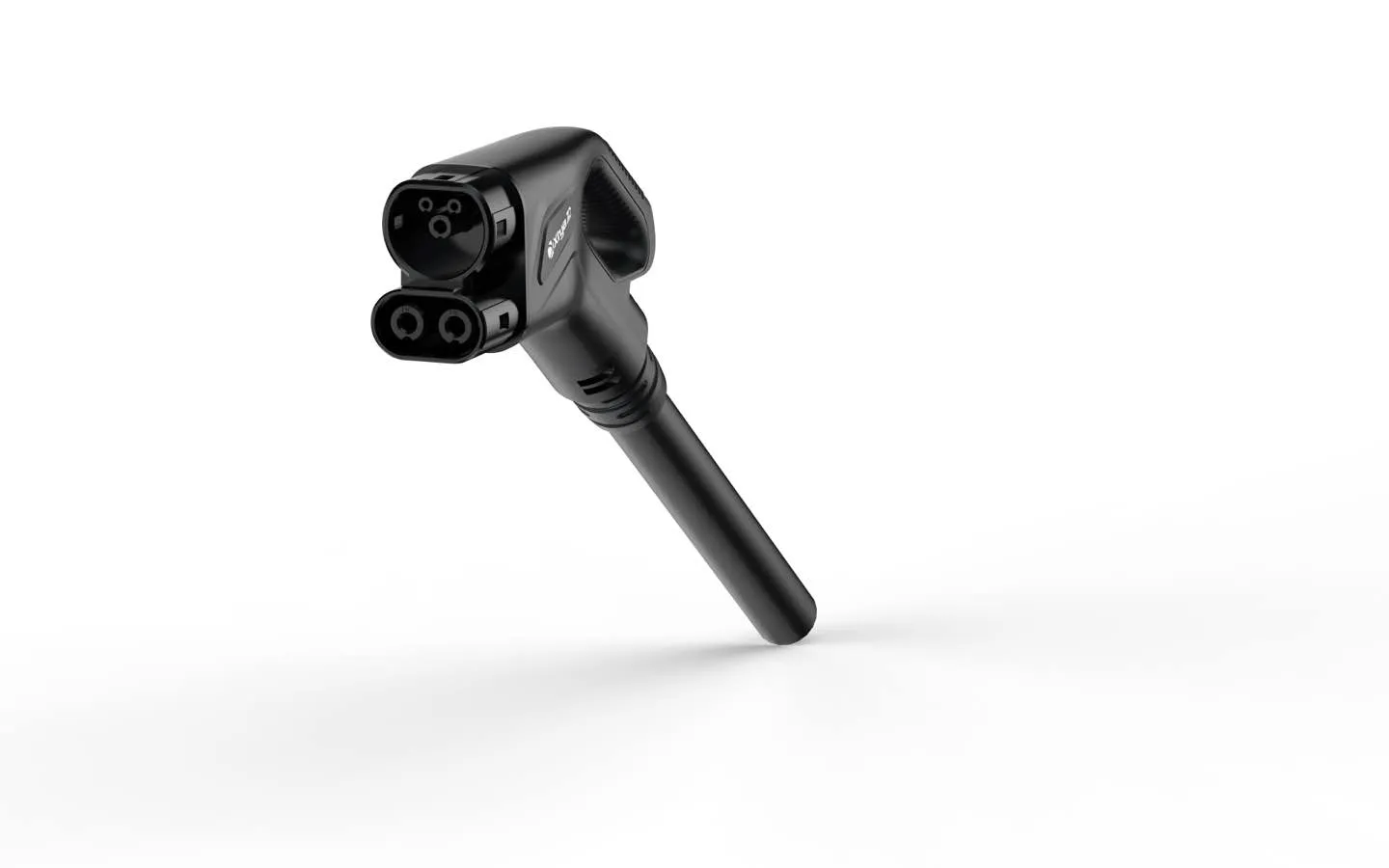
An EV Charging Connector’s primary function is for users to connect their electric vehicles to public charging stations. The connector is inserted into the vehicle to make a physical connection with the EV charger, allowing for charging (through electricity flow) to occur. Although the design is basic, there are stringent safety, strength, heating/cooling, and compatibility standards that must be satisfied.
In order to function properly with an electric vehicle (EV), a quality EV charging connector must accept the connector with a secure locking mechanism, maintain a stable electrical connection, and ensure that the charging process is safe. A public charging station EV connector must also be durable enough for frequent public use, subjected to hard use, exposed to variable weather conditions, and subject to dust and moisture, and can be used out-of-doors.
The connector can influence users’ feelings towards the charger significantly. If it is very bulky, difficult to plug into the port, loose, or generates heat, drivers will be less likely to trust the charging station. Connector issues can create complaints, repairs and more downtime for a charging operator.
Types of EV Charging Connectors
Many different types of connectors are used in electric vehicles (EVs) are used depending on the region and manufacturer of the EV. Types of electric vehicle charging connections include but are not limited to Type 1, Type 2, CCS1, CCS2, CHAdeMO, GB/T and NACS.
Type 1 has been designed primarily for use in North American and Japanese vehicles, and you will find Type 2 connectors in use across Europe and other parts of the world for AC charging. CCS1 and CCS2 are both common DC fast charging standards, and they have widespread use in modern-day public charging infrastructure. CHAdeMO is a standard still utilized by some vehicle manufacturers, while GB/T is the predominant charging standard in China, and NACS is on the rise in North America.
When it comes to the appropriate EV charging connector, you will need to determine the type of connector that best meets your target market, vehicle and compatibility with respect to charging power and other geographical standards. When sourcing EV chargers for export or for projects with multiple regions, connecters should be confirmed early in the project lifecycle. An incorrect choice of connector may create full compatibility issues later in deployment.
What Makes a Good EV Charger Connector?
The ideal connector must have a high level of safety and reliability, be comfortable to hold, have good compatibility with the vehicles to which they will be provided, provide positive locking features, have a low-resistance contact, offer excellent insulation properties, and maintain consistent operational temperatures.
The connectors should be made from high quality materials because they will be used outside and must withstand impacts, exposure to ultraviolet rays, moisture, dirt, and wear over time, so it is essential that they continue to perform under all environmental conditions including harsh ones.
When charging a battery quickly with high-power, controlling the temperature is critical. If the connector becomes too hot, the charger may decide to lower the power or stop charging entirely due to safety concerns. An effective connector will help dissipate heat, thus helping keep charging safe and secure.
EV Charging Cables: The Link That Carries the Current
Charging cables carry power from a charger body to the connector on an EV during every charge. They are required to support the voltage and current of a charger while being flexible, safe and durable.
While many people don’t think much about them,
charging cables play a critical role in ensuring the effectiveness of the chargers they connect to.
If a cable is not of sufficient quality,
then it may either create excessive heat or lose energy due to poor insulation or cause user inconvenience or be unsafe.
High-quality electric vehicle charging cables help provide consistent energy transfer and better experience when charging a vehicle.
Charging cables take a lot of abuse during normal usage – they often are dragged over surfaces, bent several times, subjected to sunlight or moisture like rain and snow, covered in dirt, exposed to oils, and subjected to extreme cold or heat. Because of all these factors, it’s very important that cables be designed with quality materials and are built with methods suited for the expected usage and longevity of the cable.
Types of Charging Cable
Charging cables can be classified in four ways: by method of charging, by connector, by power-rating, or by the sort of cooling employed during operation. AC type charging cables are predominantly found in three types of applications: at-home charging stations, workplace charging stations, and destination or public access charge stations; and thus are typically less weighty and far more manageable than DC fast charge (DCFC) type chargers because they carry lower-power-current than their DCFC counterparts.
Fast charging and ultra-fast charging make use of DC charging cables. Since DC charging cables conduct much larger amounts of current than normal AC charging cables, they typically have a greater thickness (in order to carry the current with less resistance) and weight than typical charging cables. In addition to the larger diameter, some newer designs utilize liquid cooling to provide temperature control when using high-power DC fast charging systems. Liquid-cooled cables allow for much higher power delivery while being easier to manage/handle.
Tethered and untethered cables are two designs of charger. Tethered chargers have a cord that is attached to the charging station, which makes them convenient for the user because they don’t have to use their own charger cable. Untethered chargers allow you to connect the charger using your own charger cable, and depending on the local use case and local standards, some people may like using their own charger with an untethered charger more than with a tethered charger.
Key Factors in Choosing EV Charging Cables
When selecting a suitable charging cable, potential purchasers should look at a number of important features including the cable’s current rating, voltage rating, insulation material, outcover durability, flexibility, temperature resistance, waterproof ability and certification. Moreover, the chosen cable should correspond in both output power and connector type with the charger it is used with.
Many purchasers do not recognize the magnitude that flexibility has on the cable they are purchasing. An inflexible cable, which is also heavy and resistant to bending in low temperatures, is immediately apparent to the user. On the contrary, a cable that provides an easily manageable feel can contribute to creating a more enjoyable charging experience for all parties involved, particularly at a public charging point.
It is equally important to plan cable lengths. A longer cable will also allow users greater freedom during the parking process; however, longer cable lengths may result in increased weight, cost, and difficulties related to cable management. The optimal charger length will depend on the layout of the parking area, the location of the charger, the types of vehicles charging, and how the charger will be utilized.
How These Three Components Work Together
Connections Between The Power Source, EV Charging Connectors & EV Charging Cables The Power Source supplies controlled energy to the Vehicle Electrical System. The Charging Cable supports the safe transport of this energy, while the Charging Connector provides a safe, compatible interface for transferring energy from the Charging Cable to the Vehicle’s Electrical System.
The entire system can be affected by weak components. A strong charger that uses an inferior cable will either get too hot or be hard to use. A strong cable will not help users charge their electric cars if it has the wrong connector. An unreliable power supply cannot be resolved with a durable connector.
For this reason, buyers need to consider EV Charger Components as a whole, rather than discrete components. A charger is safer, more efficient, easier to use, and has a greater lifespan when the power supply, cable, and connector are matched correctly.
How to Choose the Right EV Charger Components Manufacturer
Selecting the appropriate manufacturer of components for electrically powered cars could prevent you from having issues in the future. An expert supplier has an understanding of the current standards for charging stations, electrical safety requirements, compatibility of charging connectors, types of cable materials used and methods for designing a power supply system. They do not simply sell components or parts; they will assist you in determining what the best suited solution for your application is.
Make sure to obtain technical specifications, certification documents, test reports before ordering as well as any necessary information regarding custom options or aftermarket support. If purchasing from an export source or for a commercial project, confirm that the component complies with all relevant industry’s standards and requirements.
A trustworthy manufacturer will usually inquire about the specifics of your project as well – there are unique configurations for a public DC Fast Charger, a residential AC Charging Station, and a Fleet Depot Charging station. If a supplier presents you with recommendations for each of these projects based on exactly the same components, that’s a red flag.
Common Problems Caused by Low-Quality Components
The majority of electric vehicle (EV) charger issues are caused by either inferior quality materials or incompatible parts. An unstable electrical supply can result in interrupted charging, unstable output voltage, overheating, or an unexpected shutdown of the charger. A poorly manufactured charger connector will either fit loosely, be difficult to insert into the vehicle, or get excessively warm while charging. An inadequate charger cable will crack, become brittle, wear out quickly, or fail to properly conduct current to the vehicle.
Broken chargers lead to increased costs, reduced availability or access to chargers, and lack of users’ trust in public charging stations. Each broken/unavailable charging station represents lost revenue and customer service failure for public charging stations operators.
To minimize risk, buyers should review specifications for all of the components and use suppliers that provide clear information regarding material used, testing practices, quality control measures and any compliance standards.
FAQ About EV Charger Components
What are the most important EV charger components?
The three primary components of an electronic vehicle are the power supply, electric vehicle (EV) charging connector and the battery charging cable (BC). The power supply will have an effect on how stable and efficient the charging is while supplying the charging current to EVs via the BC. The BC distributes current from the power supply to the vehicle via an EV charging connector which is designed to safely and securely connect to the vehicle charging input so that the vehicle is charged.
What types of power supply are used in EV charging?
The majority of electric vehicle (EV) charging is done through either AC or DC power sources. An AC charger will send alternating current to the EV, which has an onboard converter that changes AC into direct current for its battery. An EV fast charger converts AC to DC within the charging station before delivering DC to the EV battery. Many EV charging locations utilize alternative sources of energy, such as solar or battery storage, or both.
Why is the power supply important in EV charging?
The charging speed, output stability, energy efficiency, heat control, and lifespan of equipment all rely on a good power supply. By providing a reliable source of power to support your charging needs, you will experience less interruption to charge time, less loss of energy, less heat generation, and lower maintenance costs in the instance of commercial charging stations that see high volumes of activity.
What are the main types of EV charging connectors?
There are several kinds of EV charging connectors – they are: Type 1, Type 2, CCS1, CCS2, CHAdeMO, GB/T and NACS. The correct charging connector may vary based on region, vehicle type, charging protocol or whether they’re used for AC or DC fast charging.
What are the different types of charging cables?
Cables fall into four distinct categories which include standard AC connection cords, quick charging DC connections, tethered, untethered, and liquid-cooled connectors. When using any of these cable types, it is essential that you select the appropriate cable in regards to the specific charging equipment being used, so you can successfully charge your device properly and safely.
How do I choose reliable EV charging cables?
Select cables that have the correct voltage and current ratings, durable insulation, flexible materials, a heavy-duty exterior sheath, high temperature and weather resistance, have been tested to relevant safety standards/certifications; For a public charging facility or outdoor usage, these cables must be capable of withstanding constant flexing/bending, repeated dragging, extended sun exposure, moisture and temperature variation.
How do I choose a reliable EV charger components manufacturer?
Seek out a manufacturer that has established their competency in being able to deliver high-quality products and services, including providing a full range of technical documentation (such as specifications), all applicable quality certifications, strong and consistent production capabilities, and quality customer support. A good manufacturer should also have the ability to recommend various options for power supplies, connectors, and cables depending on your market segment, charging capabilities, and the type of application that you are designing for.
Three primary components—power supply, EV charger connector/plug, and EV charger cables—affect how well an electric vehicle (EV) charger performs. The power supply ensures that charging operations can be performed consistently and reliably. The connector/plug component provides a secure and compatible interface between the charger and the electric vehicle. The cables carry current continuously and in a safe manner from the point of connection to the vehicle through to the end of charging. By learning about these main components, buyers can reduce risks when working with an approved supplier, increase product reliability, and develop EV charging systems that are safe, user-friendly, and durable for the long term.
 Xinya Dongfang Electricity Technology Co., Ltd.