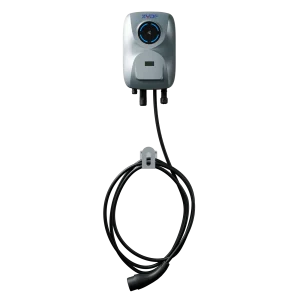
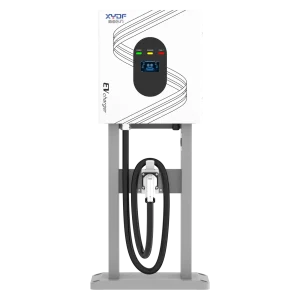
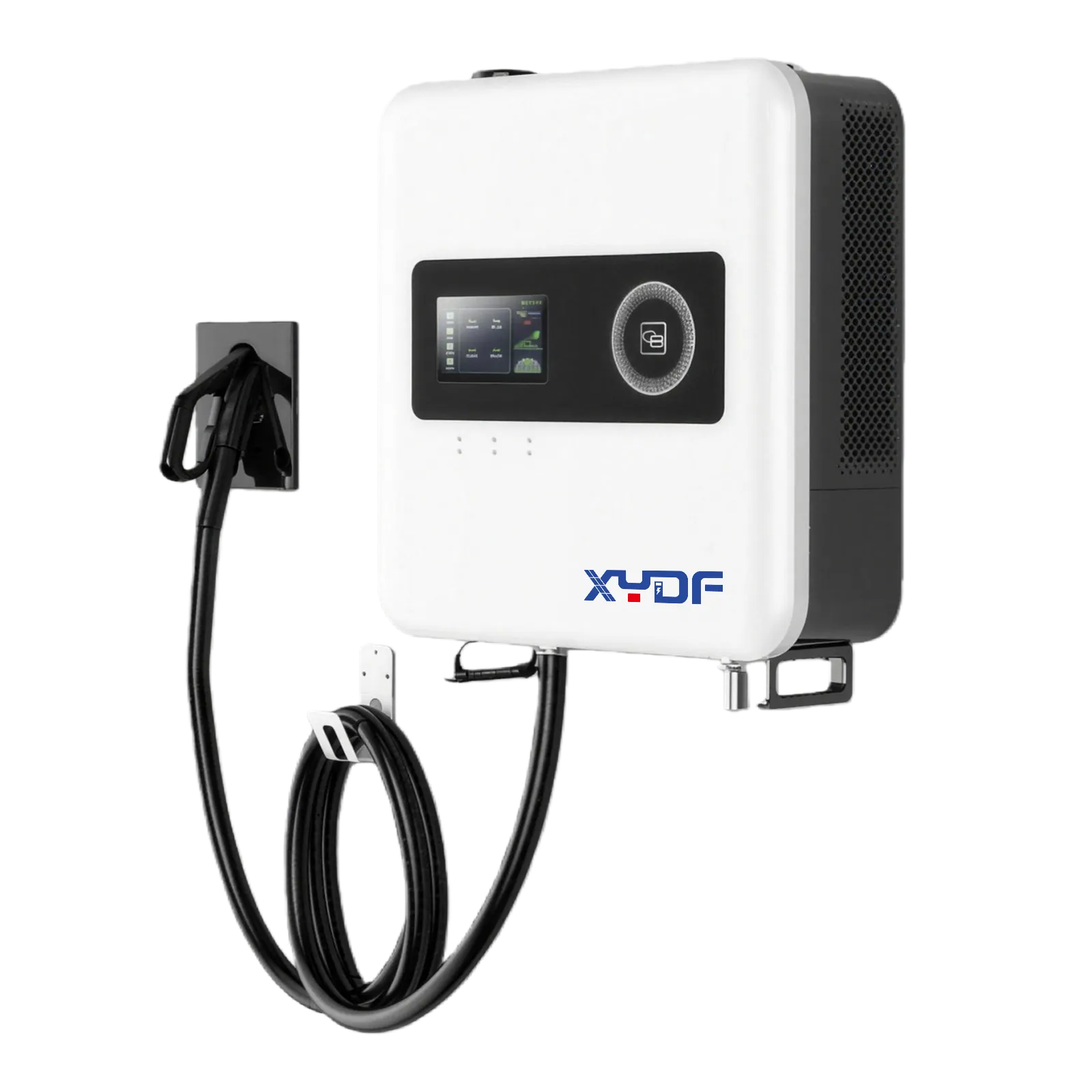
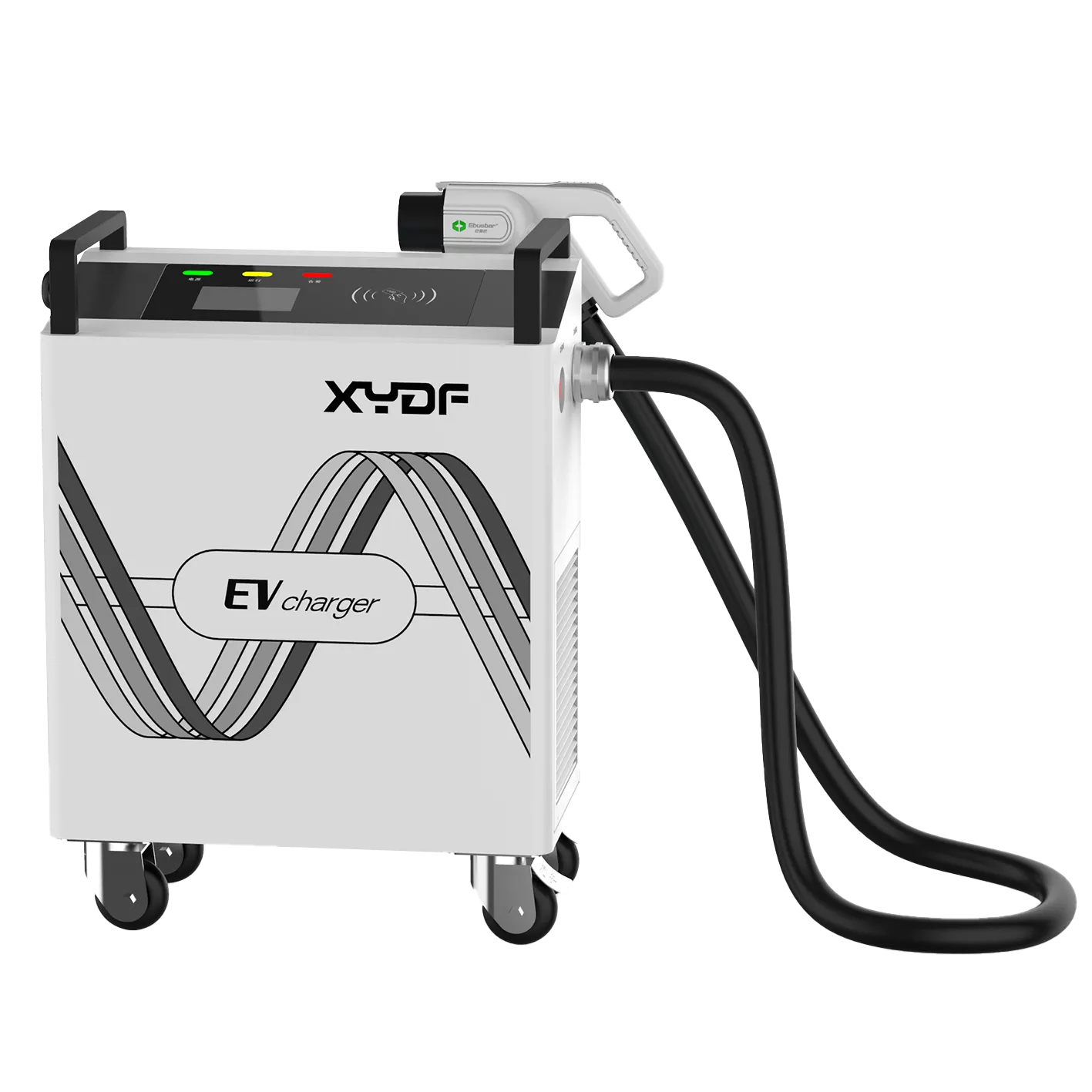
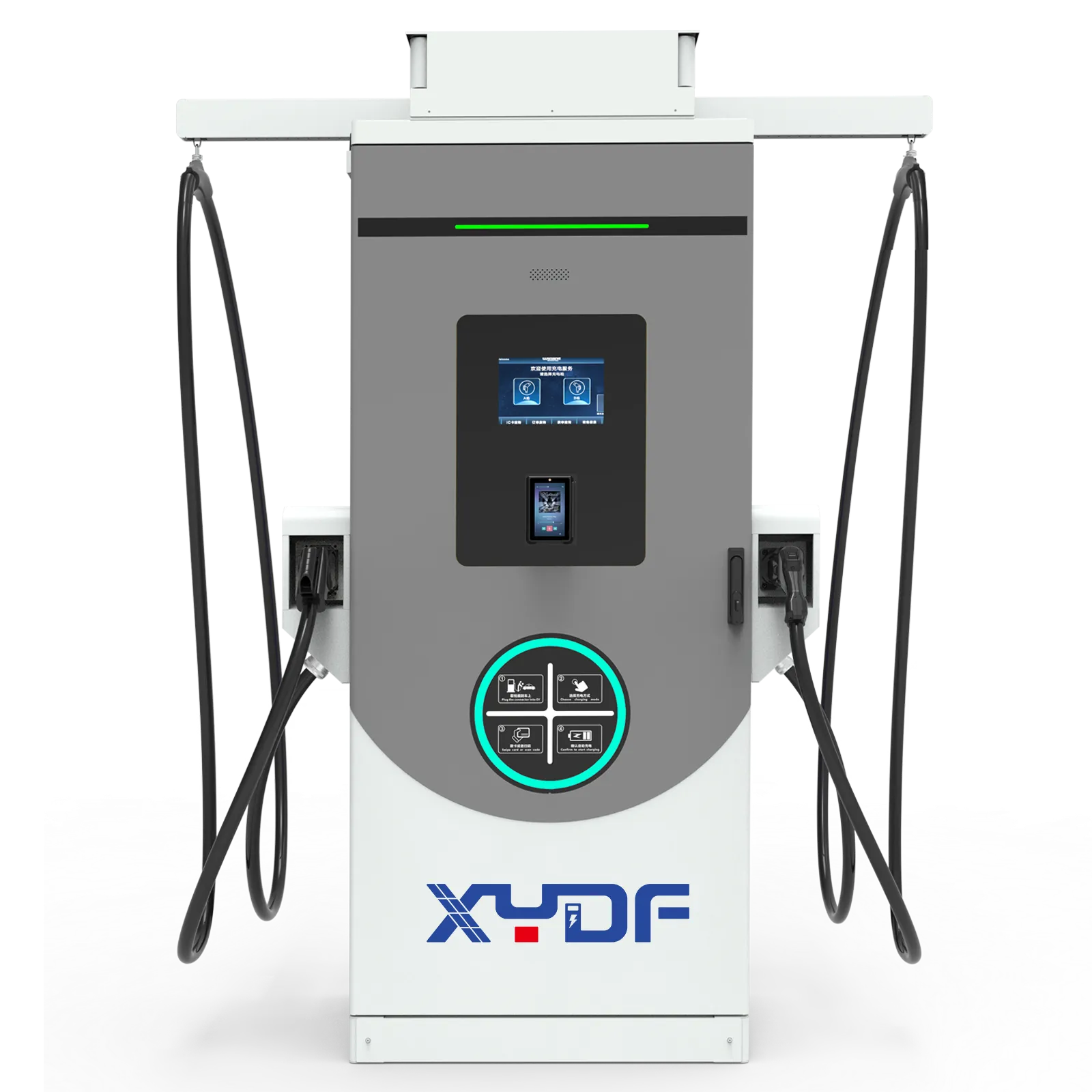
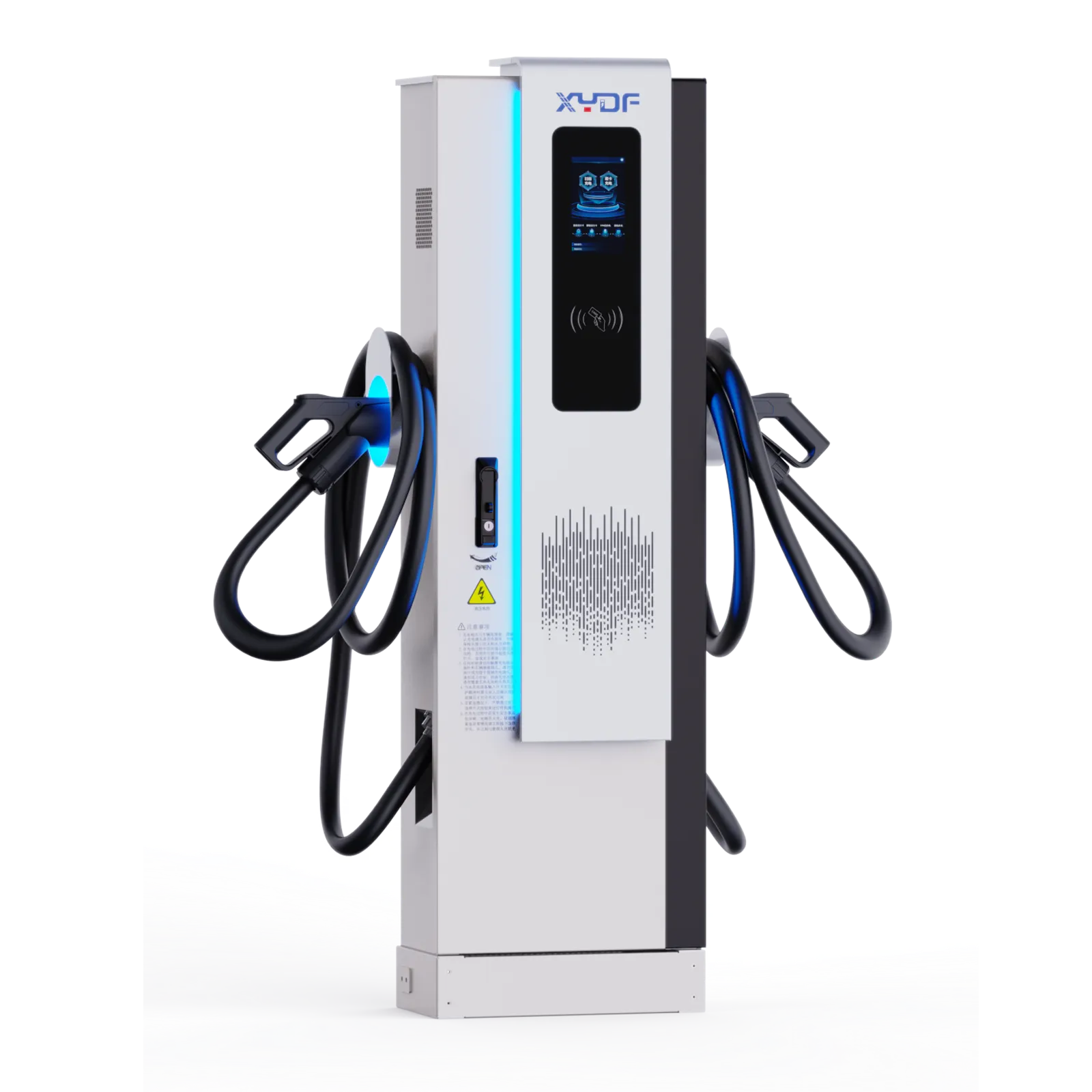
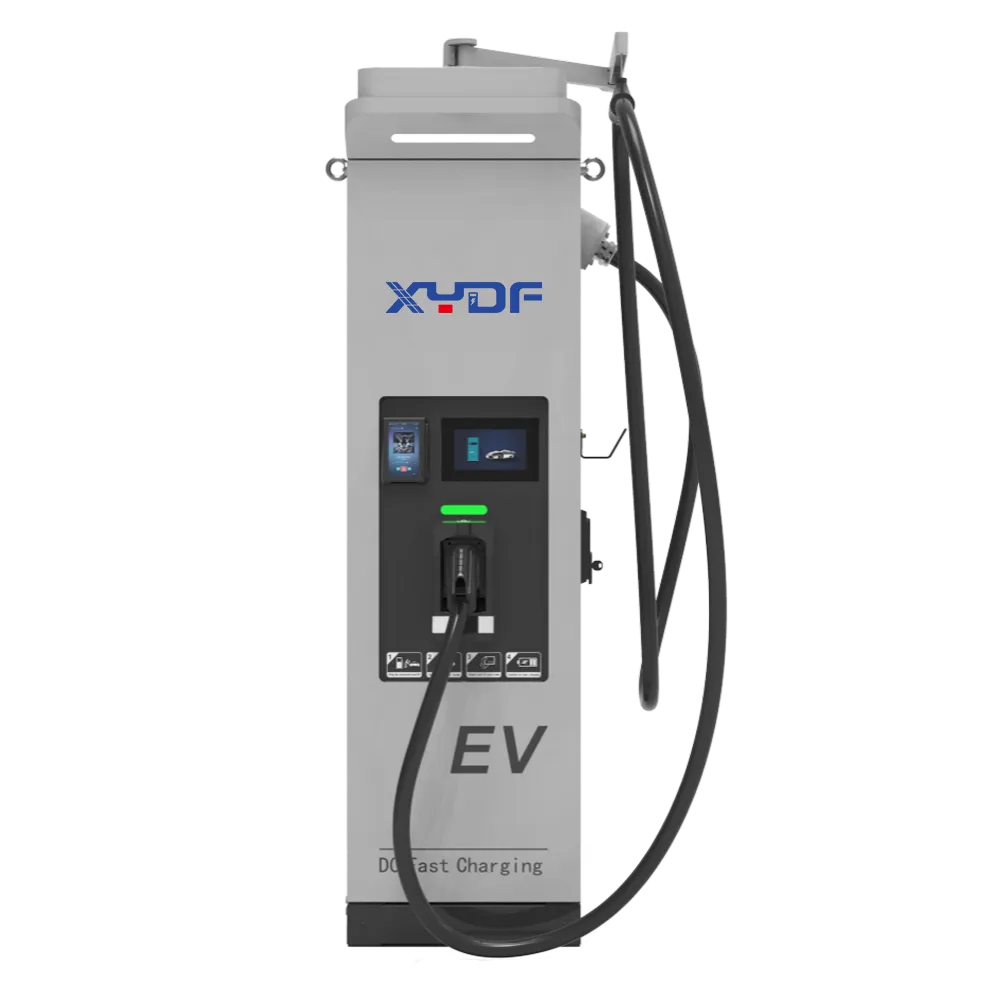
As interest in electric vehicles (EVs) has increased over the years, so too have the advances in charging mechanisms that allow for a smoother transition from one type of charging station to another, as well as for more user-friendly experiences when using a charging station for an Electric vehicle (EV). A wireless EV charge or an inductive charging system is one of these innovations that is helping to change the way that we charge our electric vehicle. Because there is no physical cord needed from the charger to the car, this hands-free method of charging is gaining traction among electric vehicle owners who want maximum convenience. How exactly does wireless electric vehicle charging work? Is it something that you should consider? Let’s take a closer look at this new technology.

Wireless EV charging is based on the principle of electromagnetic induction. The wireless EV charging system consists of two components: a wireless charging pad that is situated on the ground and a wireless receiving pad located on the vehicle underneath. Here’s how the wireless EV charging system works:
For the wireless EV charging system to work correctly, the electric vehicle will need to be parked directly on top of the charging pad. Currently, many wireless EV chargers come equipped with numerous advanced features—including parking assistance and smart technology to ensure proper placement for optimized power transfer between charger and vehicle, as well as accuracy in the charging process itself.
Enjoy the benefits of using a wireless EV charger over other types of chargers. Here are several benefits that differentiate wireless charging from traditional plug-in chargers:
1. Ease and Convenience: With wireless EV charging, there is no fumbling around with the cords and plugging/unplugging and simply park your vehicle correctly over the charging pad and let the charging process begin.
2. Durability: The lack of a physical connection means that there will be less wear and tear on wireless EV chargers compared to traditional plug-in chargers. This will likely lead to better reliability and a lower maintenance cost over time.
3. Future-Proof Technology: As wireless EV charging represents the future of EV technology, consumers will benefit by being an early adopter of this advanced technology and may potentially experience greater value and convenience in their ownership of EVs.
4. Good for Public Space and Commercial Fleets: The charging process can be made simpler in public settings as well as for commercial fleet vehicles when using wireless EV chargers. With no cords to manage, there will be less time taken to charge the various vehicles using wired charging methods.
While wireless EV charging is beneficial, there are still challenges associated with using this technology that a consumer should consider:
1. Cost: Wireless EV chargers currently have a higher cost than wired EV chargers due to the more complicated technology. In addition, the system cost may be greater due to possible modifications to your existing parking area in order to install the wireless EV charging pad.
2. Efficiency: Wireless charging generally has less energy transfer efficiency compared to plugging in directly, although advances are being made. There will still be some energy loss while charging with a wireless charger and may cost you extra on your utility bill.
3. Compatibility: Currently, there are several electric vehicles that are not able to utilize wireless charging, so you should check if your electric vehicle has an installed receiver for wireless charging or could be retrofitted.
4. Limited Availability: While there is an increasing demand for wireless charging equipment for electric vehicles, there is still a limited supply of public wireless chargers away from home charging setups.
For electric vehicle owners interested in being an early adopter of this new technology, they can do so with a wireless home EV charger in their driveway or garage, and they no longer have to deal with plugging in wires every time they want to charge their vehicle; they can simply place their vehicle on the pads. It will allow the user to charge their vehicle at night with no additional effort.
The newest models of wireless home EV chargers allow you to control the charging of your vehicle remotely and may have interfaces that “speak” to your smart home system. When combined with renewable sources of energy like solar panels, installing a home wireless EV charger makes sense if you are an eco-conscious homeowner wanting to have maximum convenience as well as sustainability.
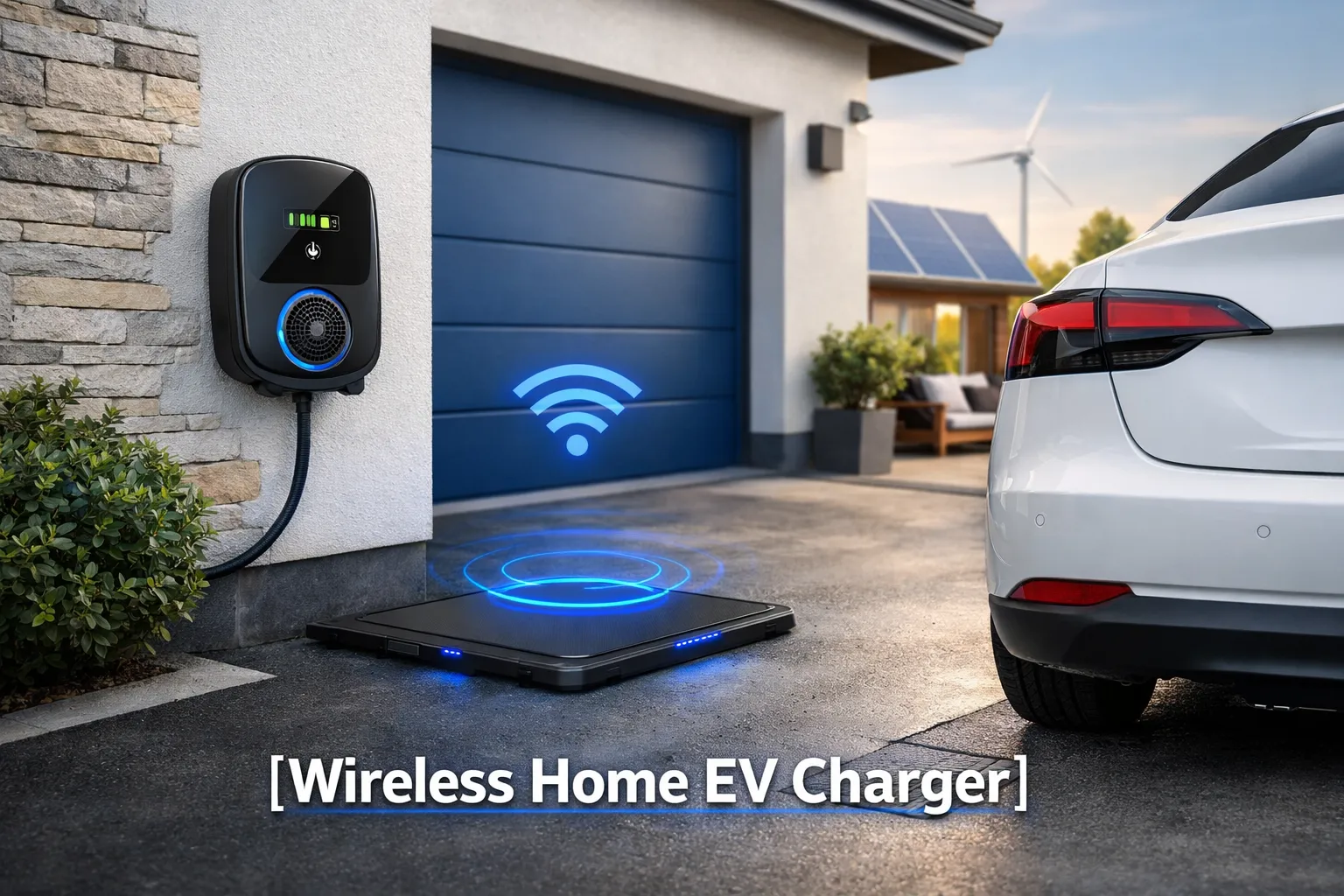
If you are thinking of installing a wireless home EV charger, here are a few things that you should consider before moving forward:
1. Placement: Make sure you choose the right location for the charging pad. While most homeowners choose their garage, there are weatherproof solutions available for outdoor locations like driveways as well.
2. Installation Costs: The cost to install a wireless home EV charger may be higher than other types of chargers, as the installation requires more advanced technology and is typically more complicated. When budgeting for your project, make sure you take this into consideration.
3. Compatibility: Always check whether your current and/or future EV model will allow for wireless EV charging. You can either reach out to the manufacturer of your vehicle to inquire about compatibility or to see if there are retrofit options available if there is no compatibility.
4. Safety and Maintenance: Like most electronic devices on the market today, the wireless charging option was designed with multiple safety features built in to prevent potential damage to your vehicle or harm to the user. Additionally, because these chargers do not have any physical connectors, they require very little maintenance, as the connectors typically will start to become worn out over time.
Choosing a wireless EV charger or a wireless home EV charger will come down to your needs, your budget, and what is important to you. If you want convenience, would like to have cutting-edge technology, want the ability to charge using a cable-free solution, and/or are looking for the easiest transfer of energy between your home and the EV you’ll own in the future; then a wireless home EV charger is an excellent choice. There are multiple factors that you should also consider, including the higher initial cost of installation, a slight energy inefficiency compared to wired charging, and the potential compatibility issues related to your current or future charging stations.
Wireless EV charging gives consumers insight into the future of electric vehicle technology. A wireless EV charger has many attributes that make it extremely convenient, durable, and can be connected to the same systems that are already being used by smart homes and renewable energy sources; making this technology revolutionary for both home and public charging stations. While there are still several obstacles facing this new and innovative technology, such as cost and efficiency, those who want an easier way to charge will generally find that the advantages of having a wireless home EV charger outweigh the potential downsides. If you are looking for a more efficient way to charge, purchasing a wireless home EV charger may be your solution.


 Xinya Dongfang Electricity Technology Co., Ltd.