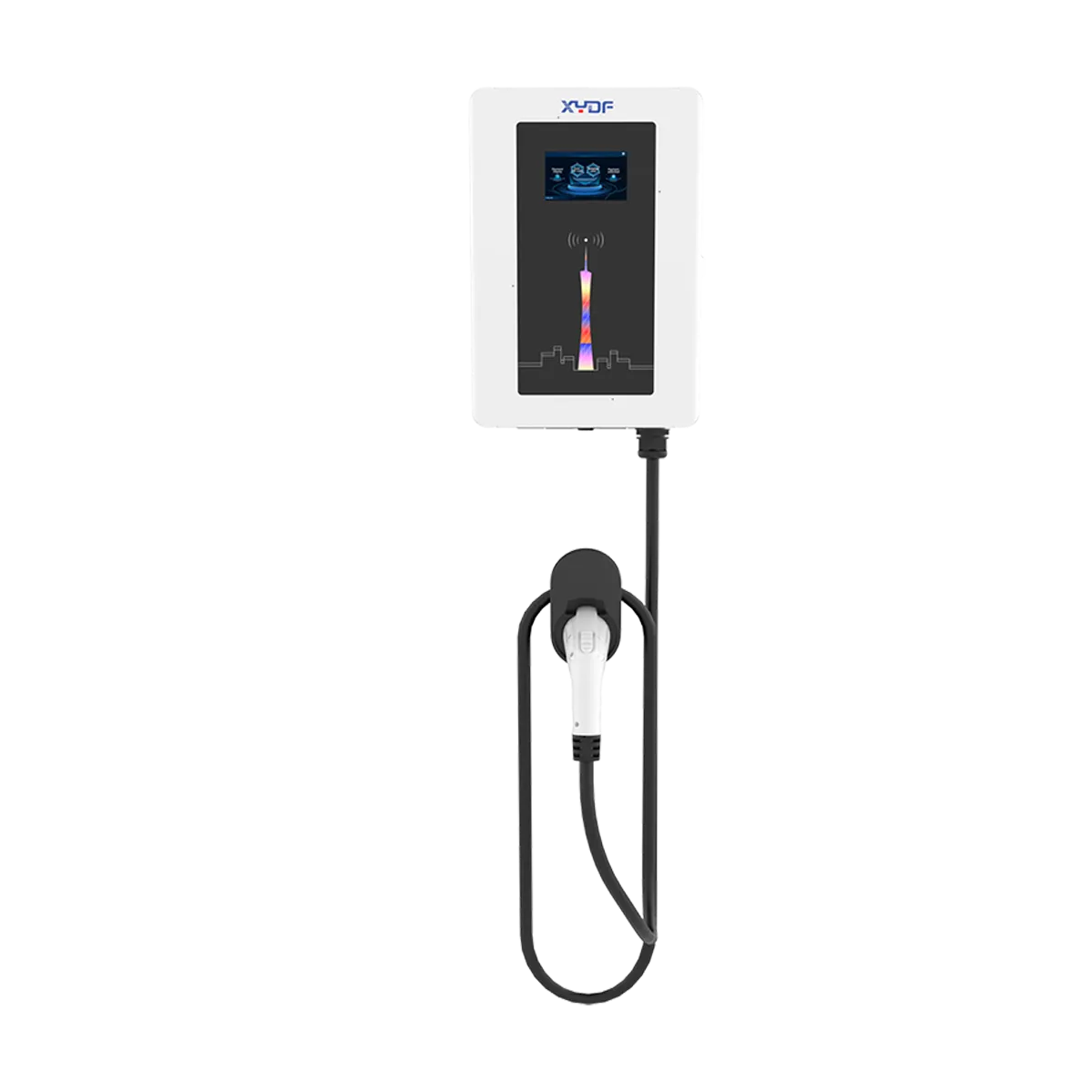
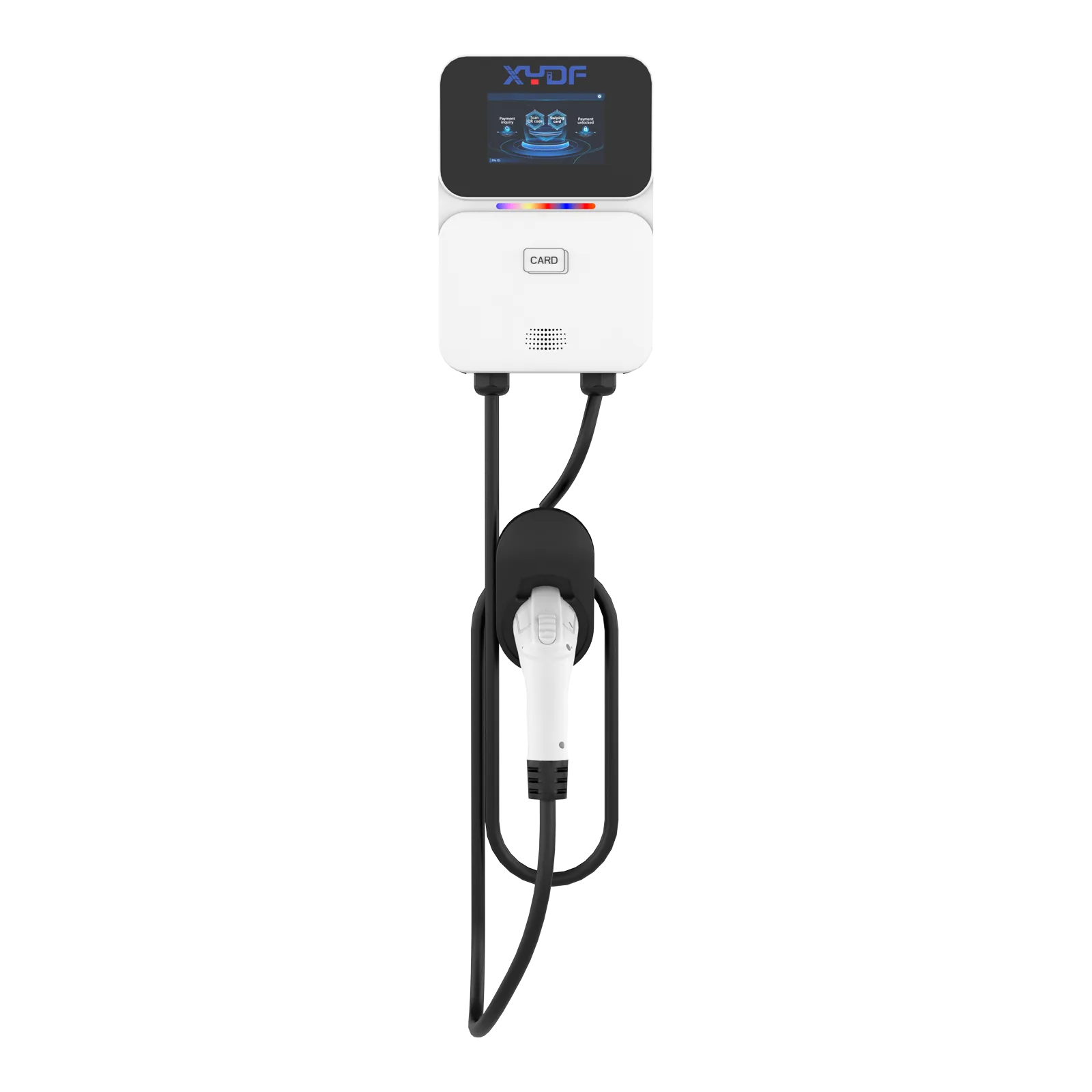
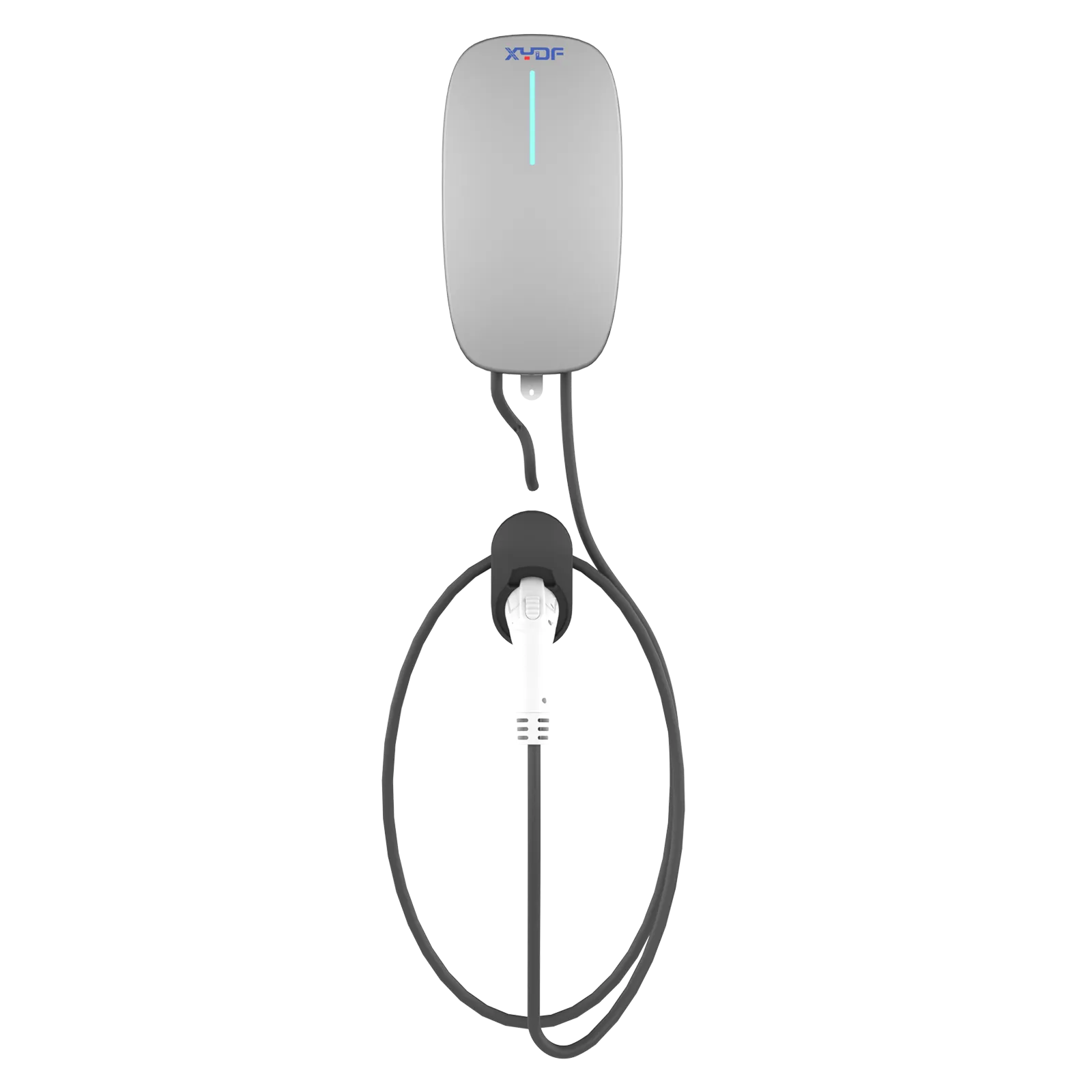
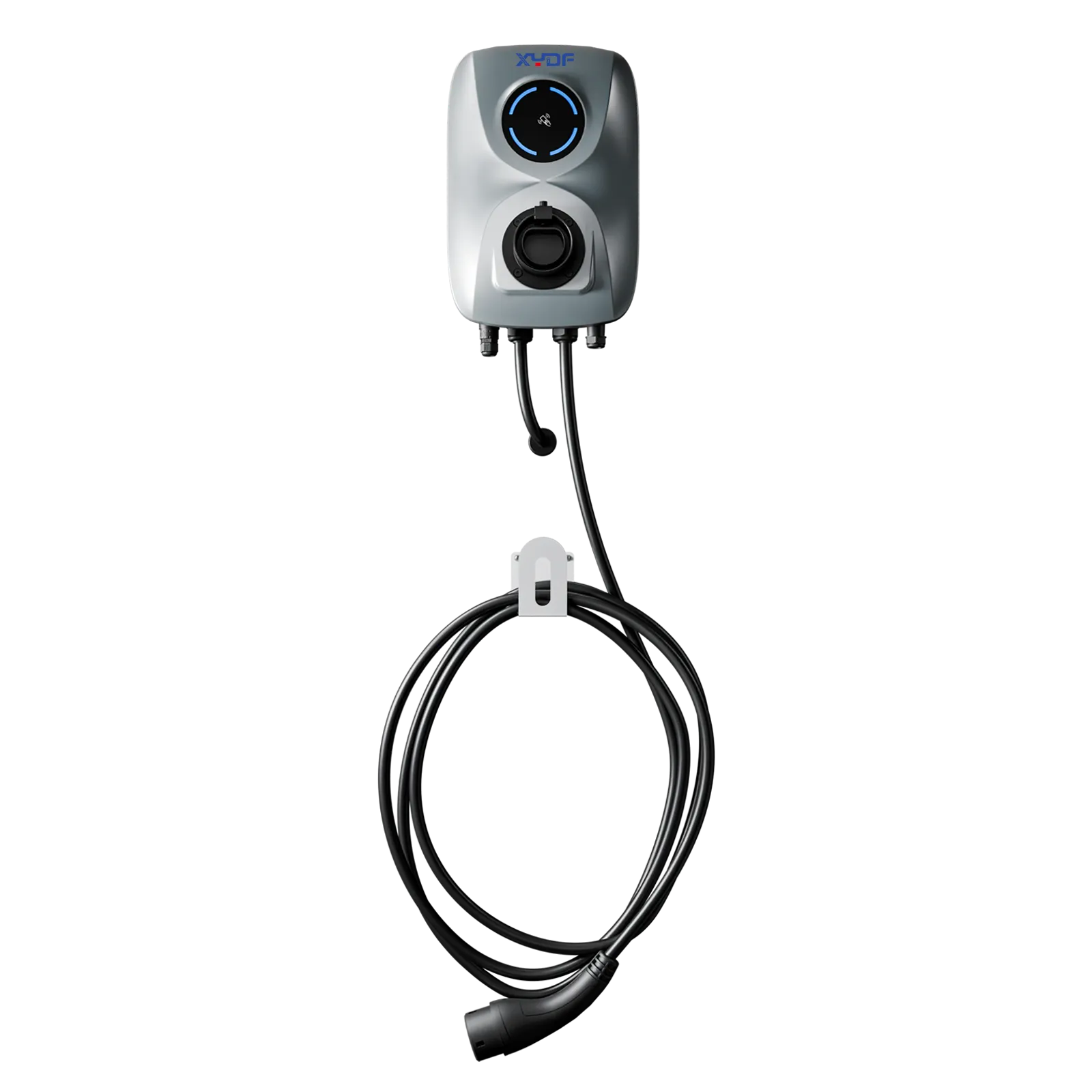
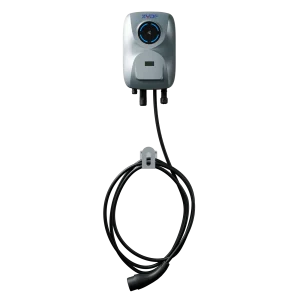
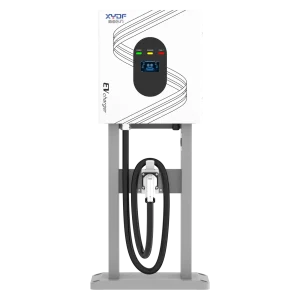
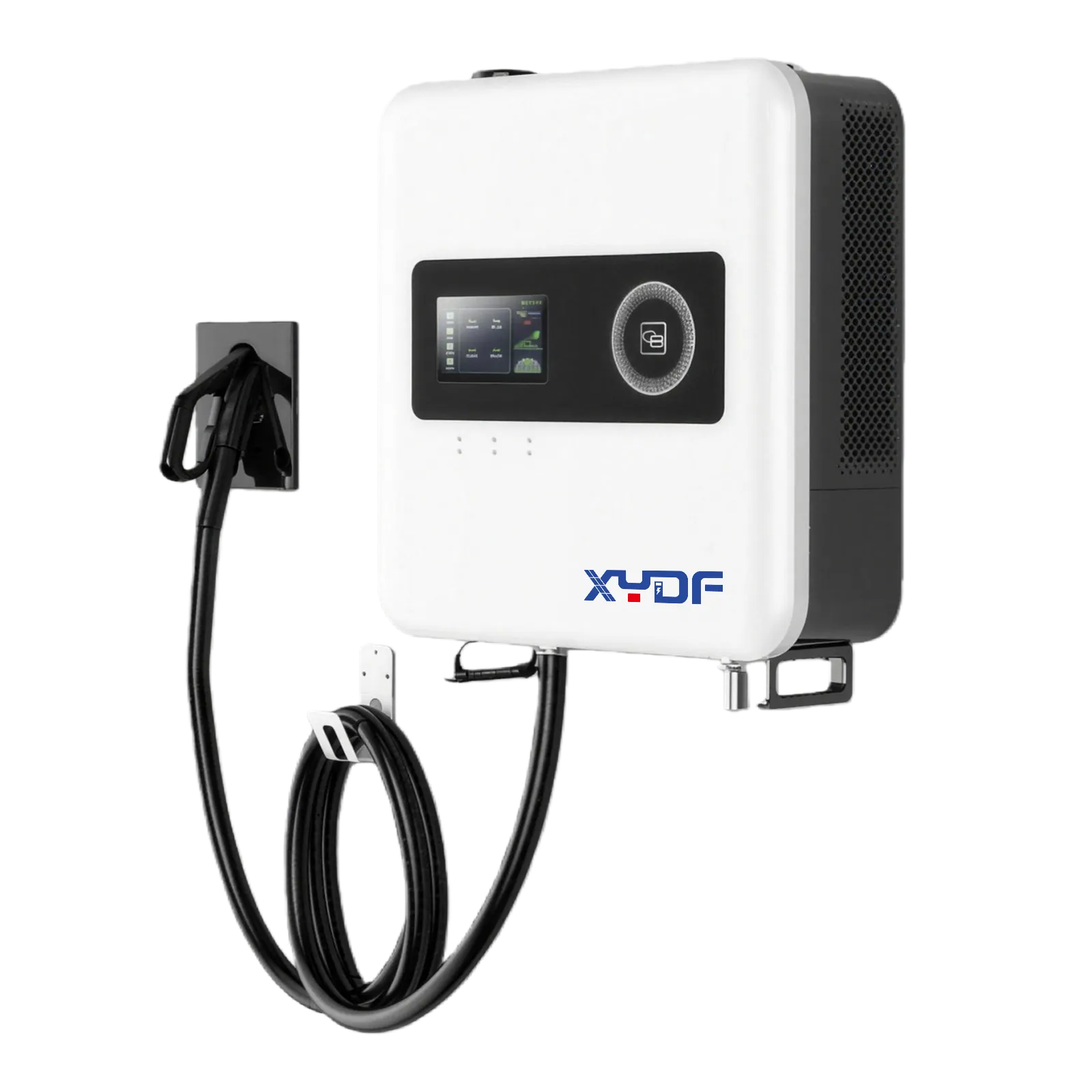
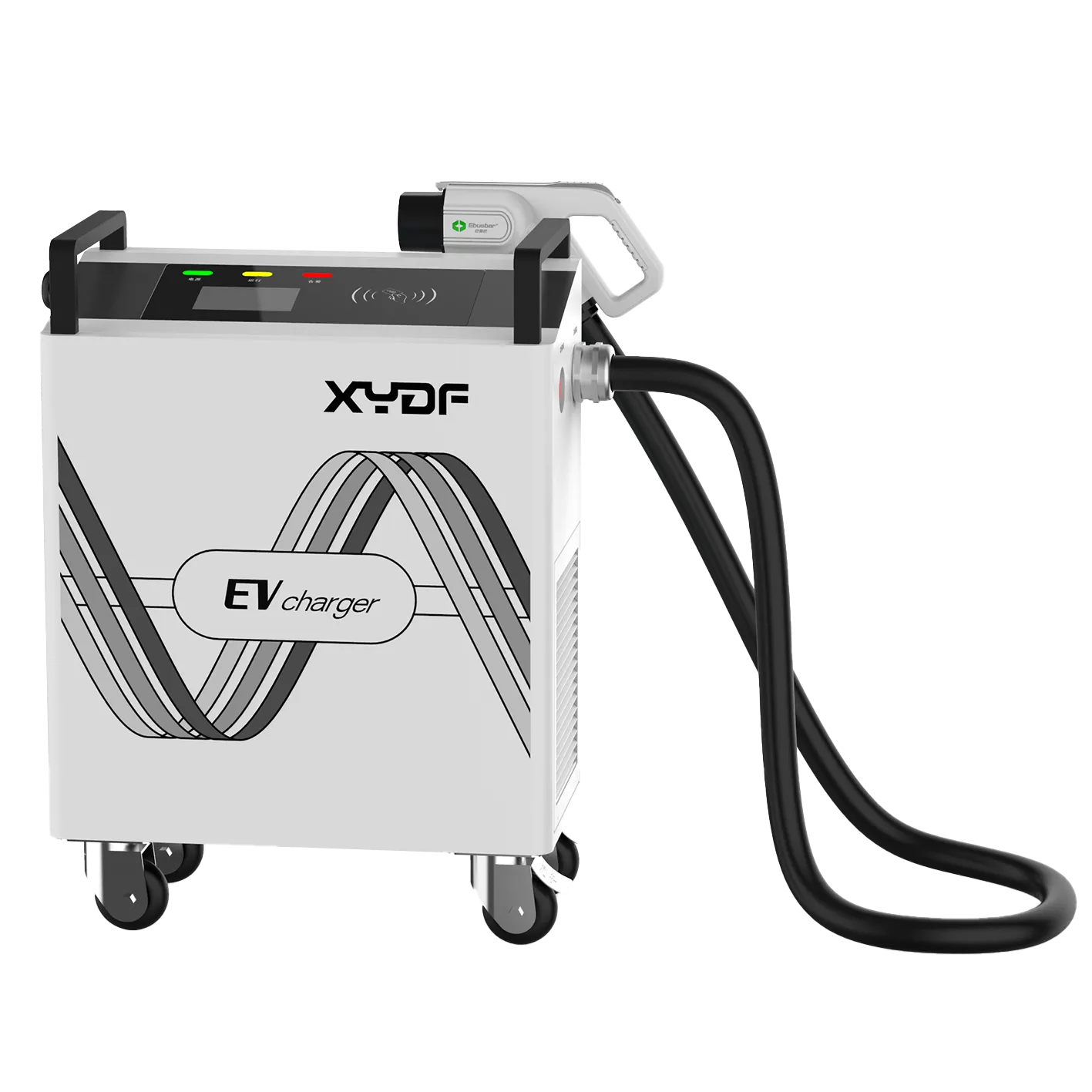
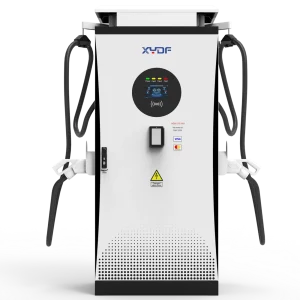
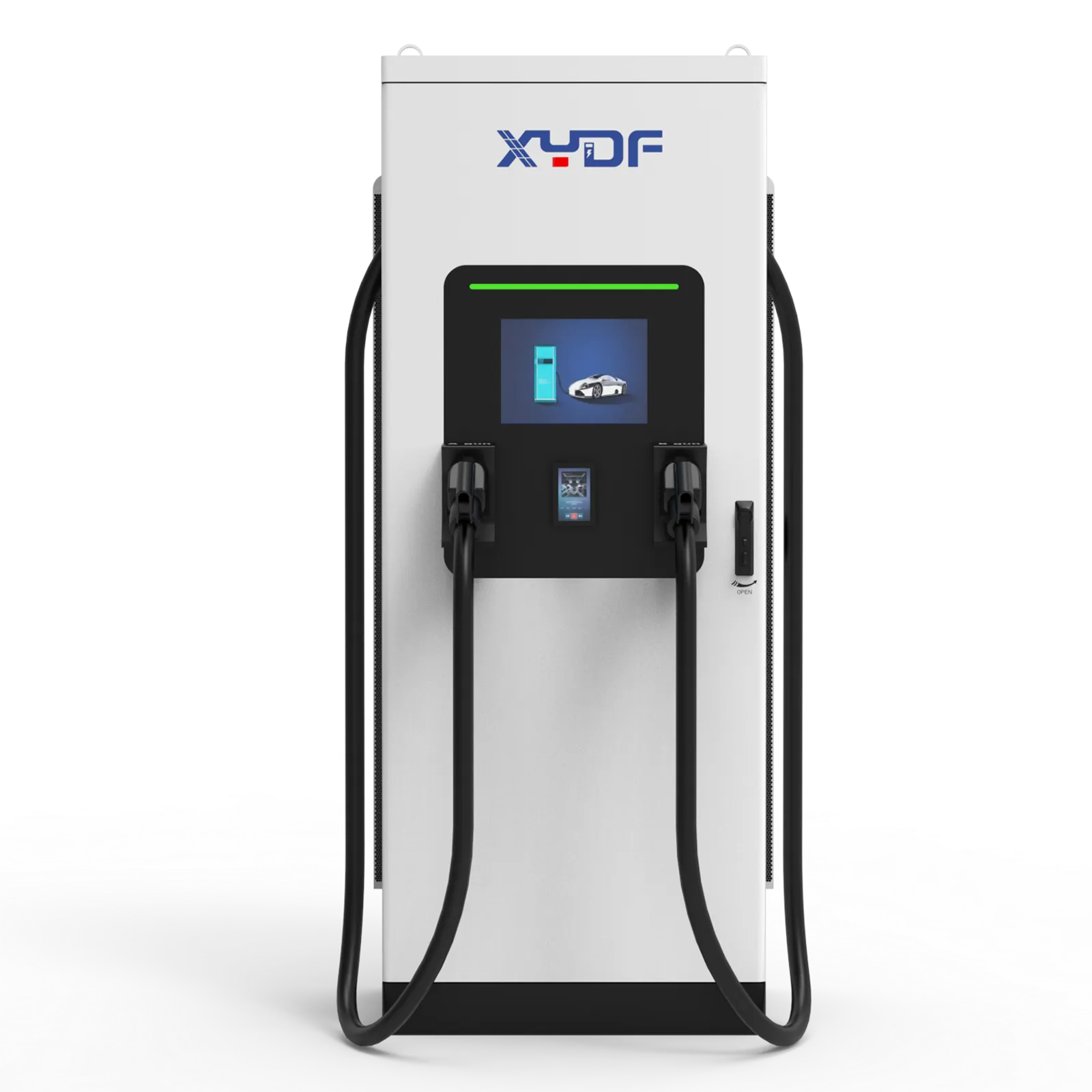
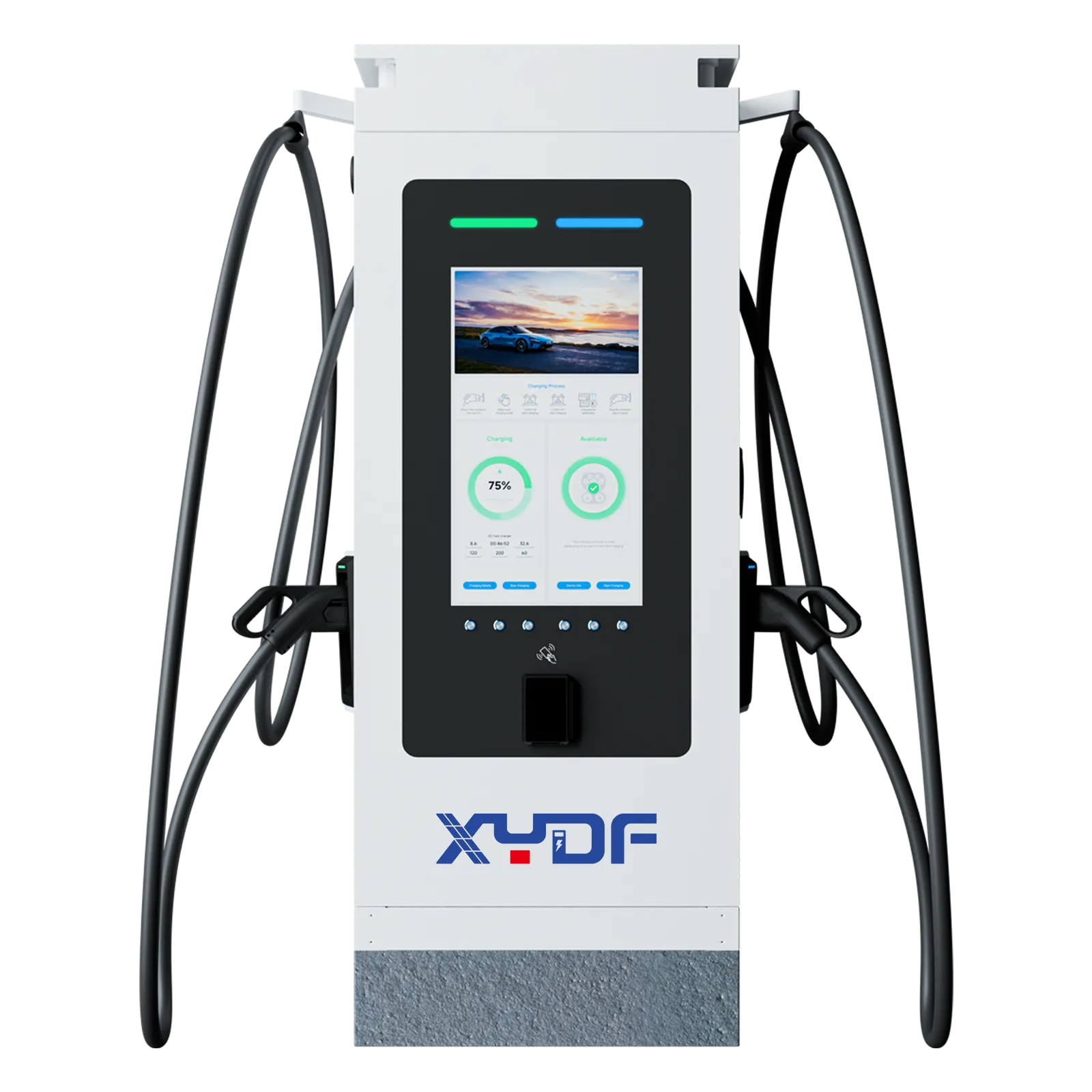
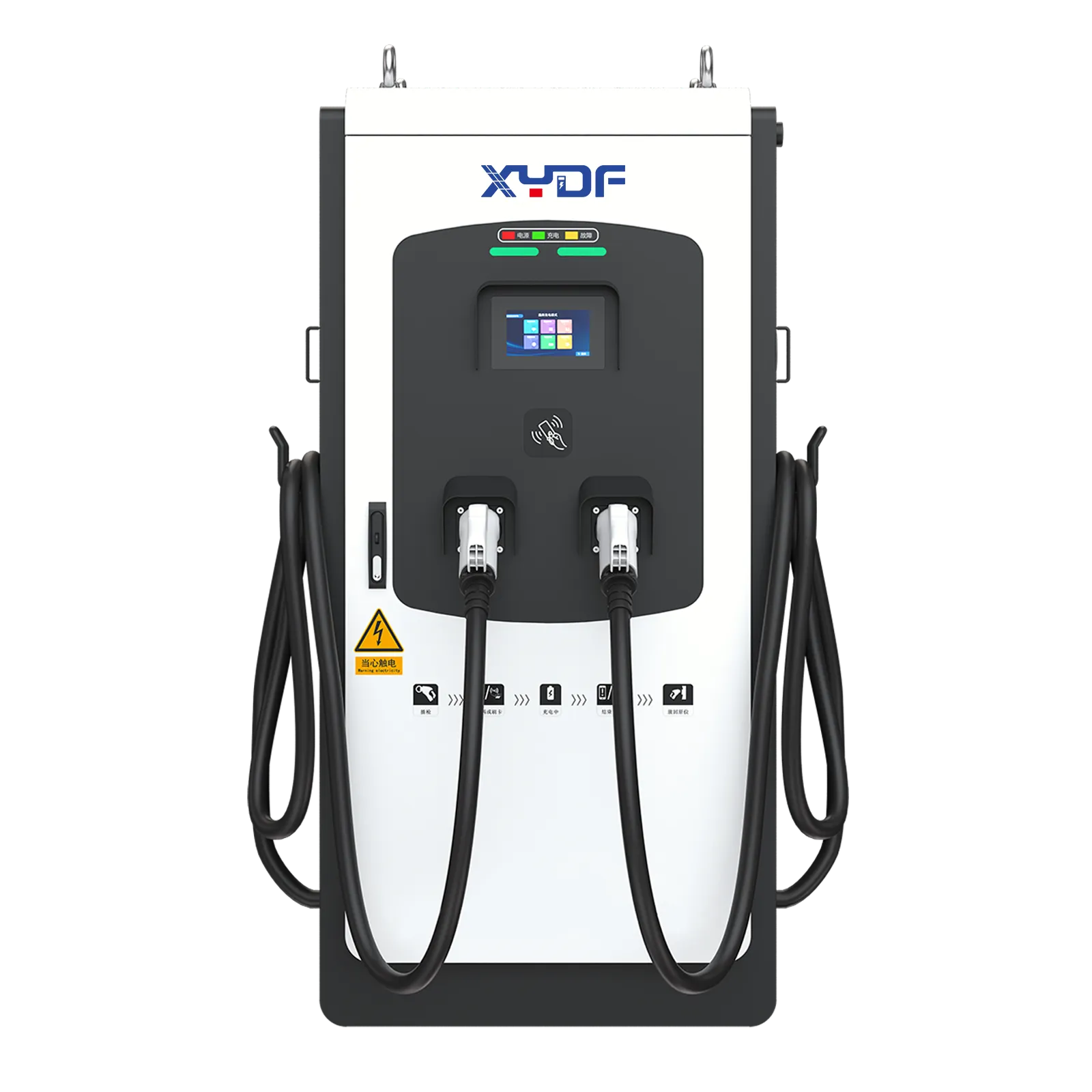
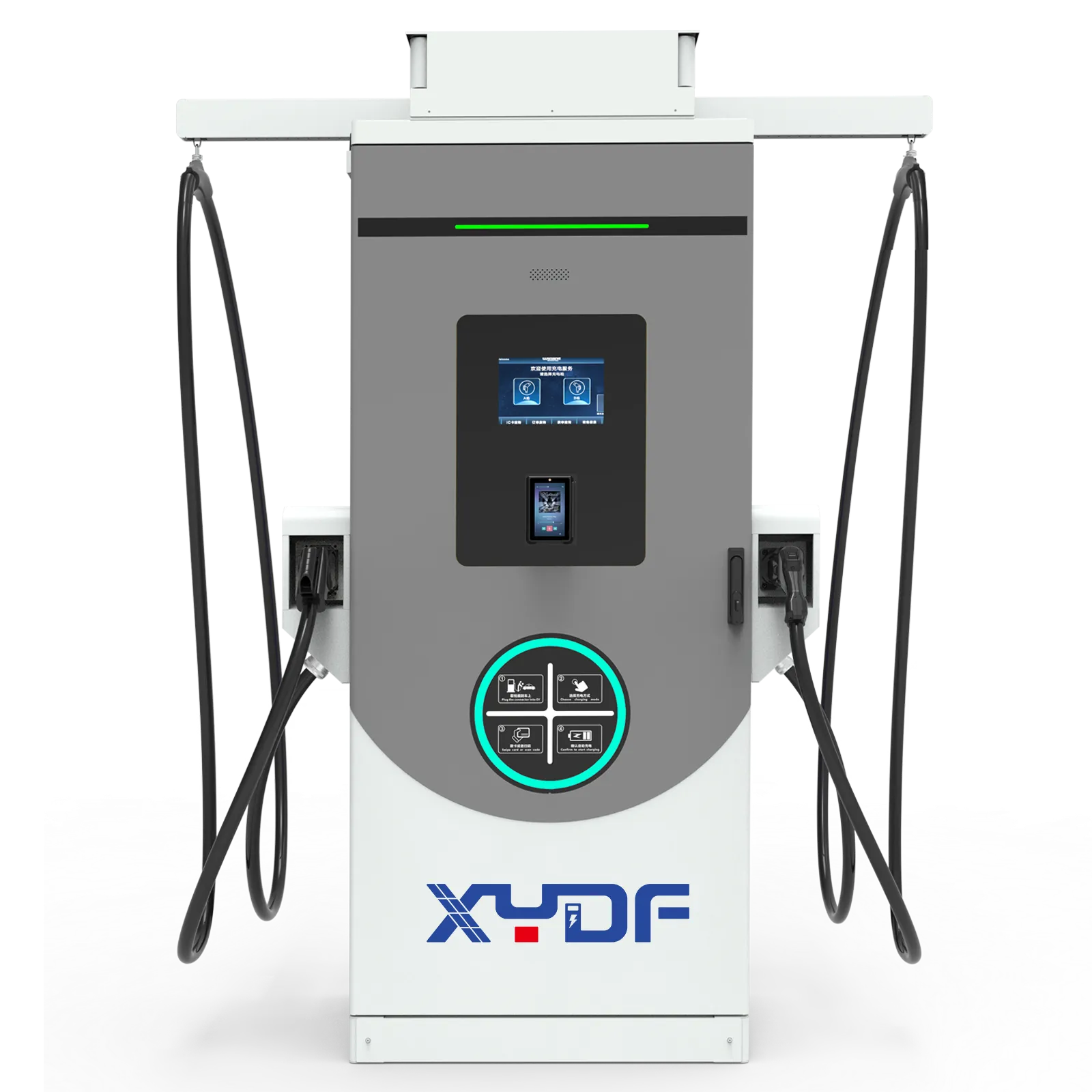
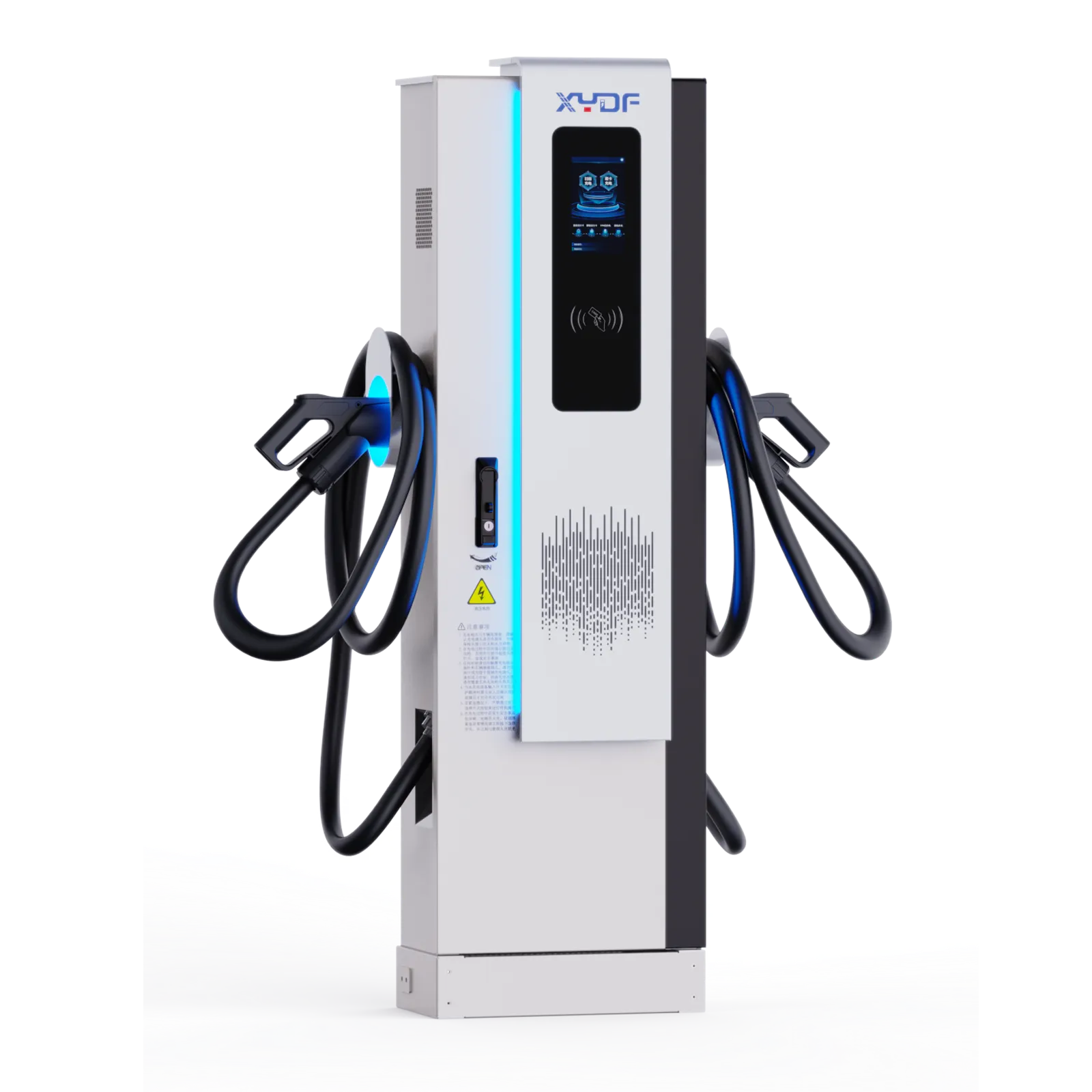
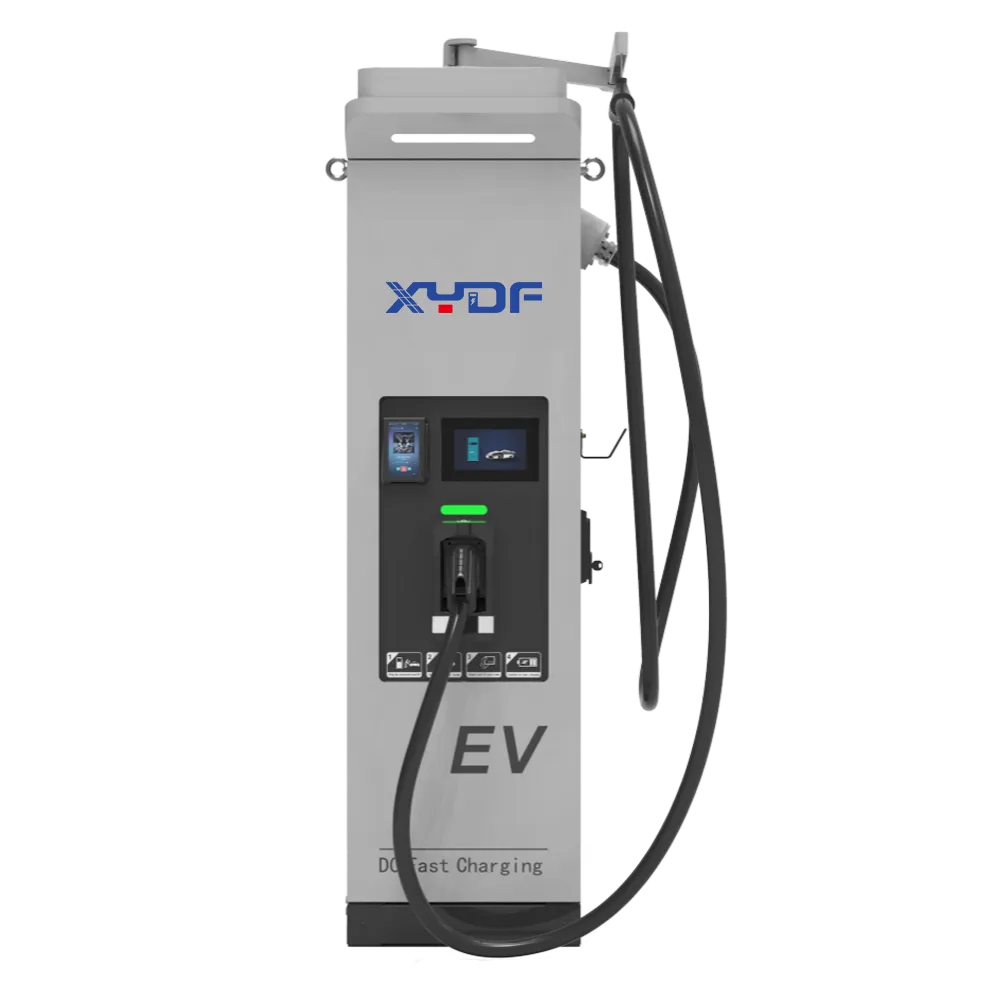
The shift toward electric vehicles continues to accelerate, as people become increasingly willing to embrace environmentally friendly modes of transportation. However, simply purchasing an electric vehicle, or EV, is not enough; you will also need to install a home EV charger.
This extensive article on Reviews of Home EV Chargers will provide you with a great deal of information about the wide variety of charging options that exist in the world of electric vehicle chargers, and whether you can afford a charger for your home. It will answer your specialized questions, as well as provide general information about things like Costs of Home EV Chargers and Home EV Charger Installation so that you will be able to make a more educated and confident choice.
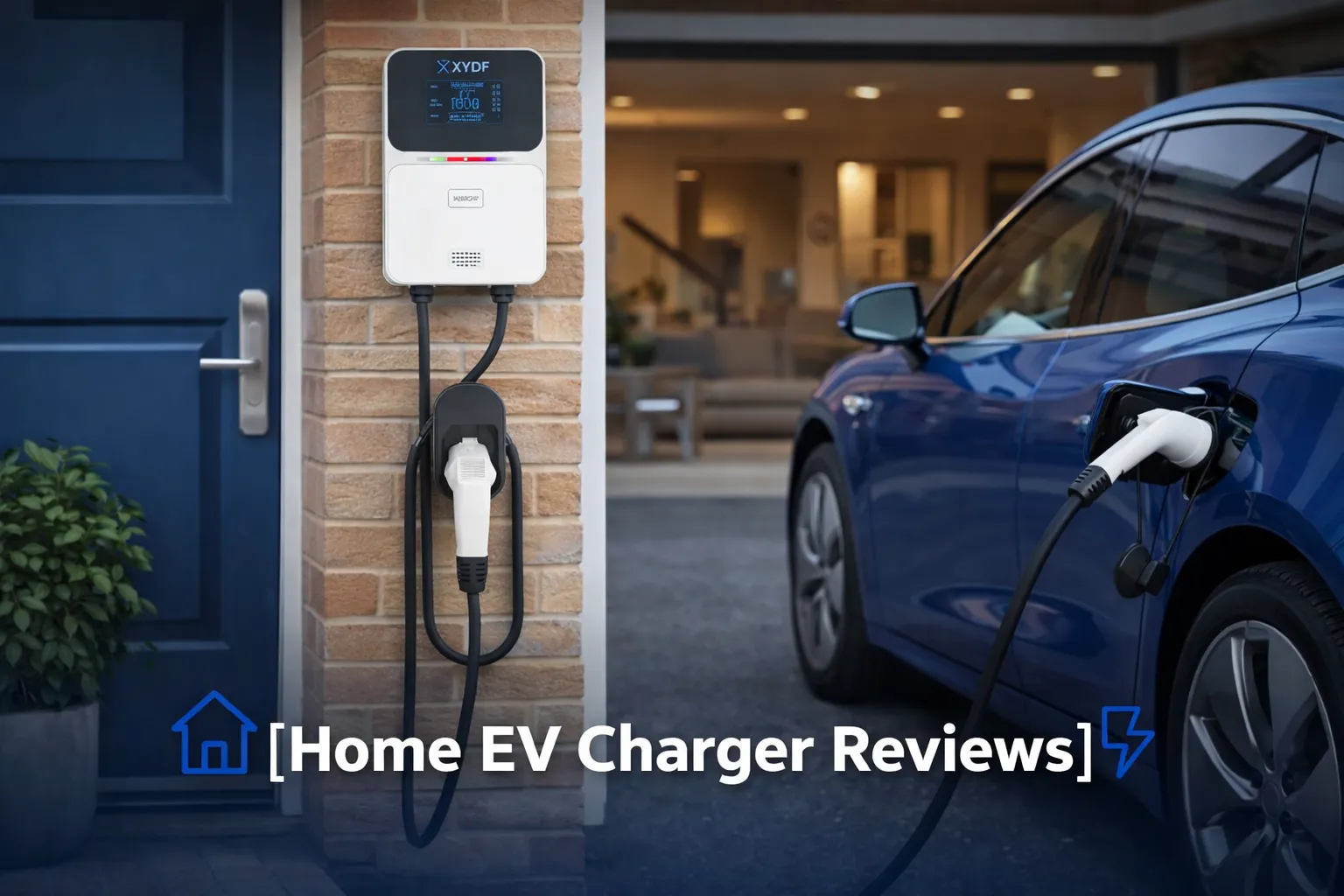
Once you have a home EV charger, your best option is to use it to charge your EV at home, because it allows you to do so in a cost-effective, efficient, and in many cases, the only option for people who drive regularly with an electric vehicle. When you charge at home, you can easily charge your EV overnight and be ready to drive away with a fully charged EV each morning.
Additionally, you will avoid the inconvenience of having to rely on public charging stations, which may not work, or may not be conveniently located to your travel route. Additionally, not every EV charger is suitable for every user. There are different prices, types of chargers, and charging times for each type of electric vehicle charger. To have the best experience with an electric vehicle, it’s essential to choose an appropriate home charger based on your own needs, driving habits, and the available electrical outlet configuration in your house.
As you evaluate various Home EV Charger Reviews, you need to understand the features of each charger and how they fit into the requirements of the owner’s EV use, as well as the needs of the vehicle itself. Some suggestions for required features are as follows:
1. Charging Rate
If you use a normal wall outlet to charge your electric vehicle, expect to charge at a very slow speed of 3–5 miles of driving range per hour. If your desire is to charge at a much higher rate over your normal wall outlet enabled by a 240-volt circuit, you will achieve charging of about 20–60 miles of driving range per hour. Most owners of EVs choose to install their charging stations using 240-volt power sources because the speed of charging is significantly faster than from standard electricity sources.
2. Compatibility
All electric vehicle owners will want to ensure that their vehicle chargers are compatible with their respective electric vehicles before purchasing their electric vehicle charger. Most chargers work with all electric vehicles that follow the latest J1772 industry electric standard; however, some Tesla vehicles may need to use an additional adapter in order to charge off of the same charger as other EVs.
3. Smart Connectivity
Many of the most current electric vehicle home chargers come equipped with WiFi to provide the user the ability to view the current charge progress, schedule their charging sessions to occur during non-peak hours (which saves the user money), as well as to track energy use during the duration of the electric vehicle charging process. Smart home EV chargers provide the techno-savvy EV owner convenience beyond what standard EV chargers can provide.
4. Installation Needs
Most home electric vehicle chargers require a secondary circuit to provide the higher levels of amperage needed for Level 2 EV chargers, therefore, requiring the need for a qualified electrician to properly install. Any properly installed Level 2 charger needs its own dedicated outlet (240-volts). Your home may also need to be upgraded in order to support the electrical load required for charging from home EV chargers.
When planning for a charger, you should factor into your budget the total cost of both purchasing and installing the charger; costs can vary widely by make and model. In addition, you may want to check out the features of the different chargers before selecting one. So check several different chargers and their prices, to make sure you make the best choice for yourself.
5. Weatherproofing
If you are going to put your charger outdoors, you will want to purchase an outdoor-rated charger. You will want to ensure that it has been made from high-quality materials (water, dust, and temperature resistant) to ensure that the performance will continue to be reliable in any type of weather condition.
6. Added Safety Features
Another important factor for all EV owners is safety. There are many different types of safety features available on various chargers such as overcurrent protection, ground fault detection, and surge protection.
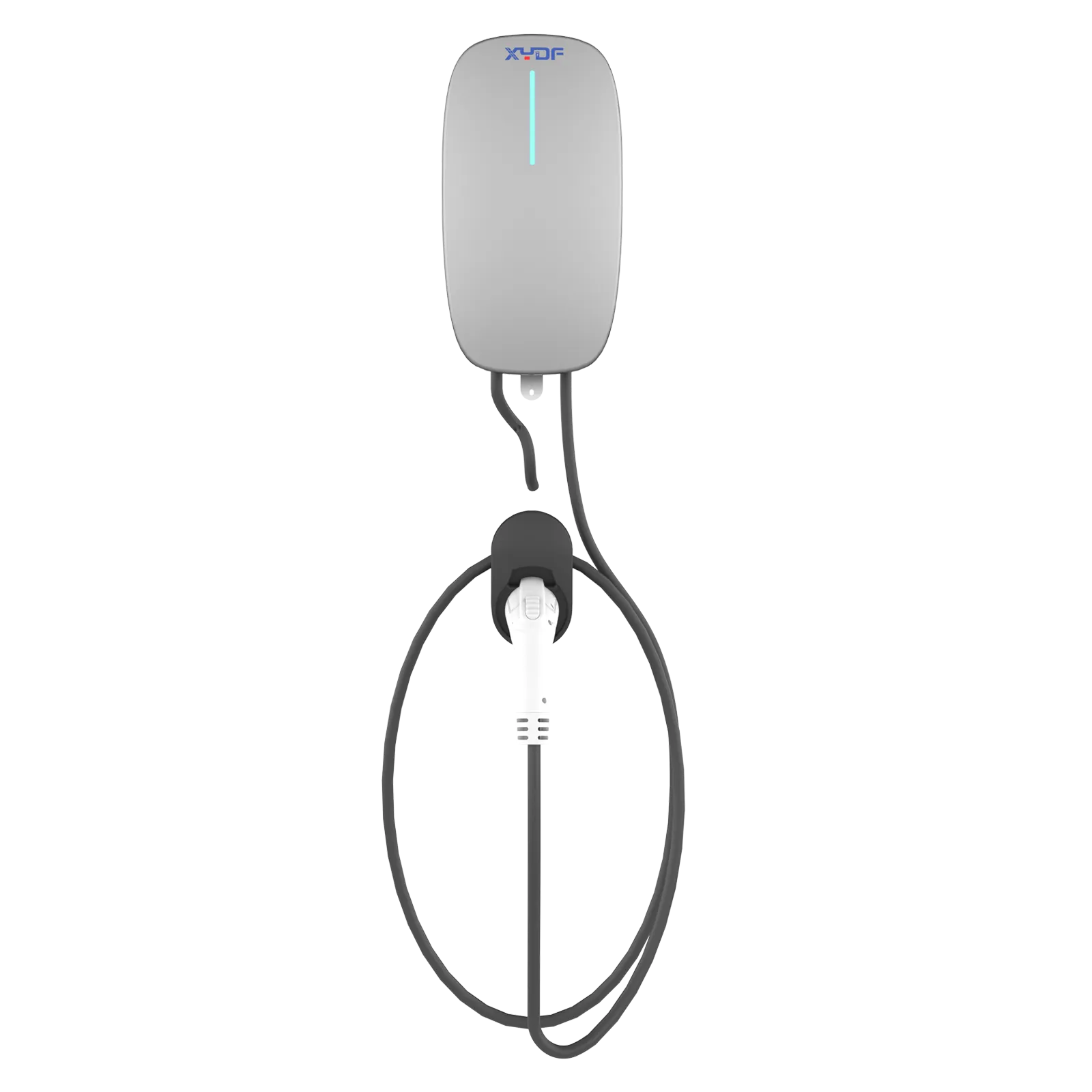
When choosing a home EV charger, the number one consideration is the cost of the home EV charger. The price of Electric Vehicle (EV) Chargers can be as little as $300 for base models and go upwards of $1,500+ for fully featured Smart Chargers, depending on what you’re looking for in an EV charger.
The general price range for EV chargers can typically be categorized into 3 categories. Below is a breakdown of the categories and their associated costs:
– Entry-Level EV Chargers: Entry-level or basic EV chargers typically range from $300 to $600 and work best for those users who have occasional use of an EV.
– Mid-Range EV Chargers: Mid-range EV chargers are more complex chargers offering advanced features as well as support for WiFi. These models will typically have pricing in the range of $600 to $1,000.
– Premium EV Chargers: Premium EV chargers will typically have the fastest charge, the most scheduling options, and the capability to integrate with mobile devices, with pricing for these models typically starting at $1,500.
EV chargers are classified as a home or public charging cost, but it is best to consider this purchase as an investment that can give you both convenience and productivity. Over time, savings associated with having a dependable EV charger are far greater than the costs associated with public EV charging locations.
Installing your home EV Charger will ensure that your EV charging experience is smooth. To ensure that you take the proper steps to install your home charger, follow the instructions below:
– Step 1: Assess Your Electrical Panel – Determine if your residential electrical panel is capable of handling the new load of the Level 2 EV charger you are going to install. You may require a licensed electrician to perform the assessment and obtain a potential upgrade to your existing electrical panel.
– Step 2: Determine Where You Are Going to Install Your EV Charger at Home – Consider the location where you want to place your new home charger, and make sure it is easily accessible and allows for adequate charging time with your charging cable plugged into the vehicle. Select a location with proper ventilation for your home EV charger installation, or, if you are going to do this outside, make sure that it is waterproof.
– Step 3: Work with Licensed Contractors – Make sure you get one or more licensed electricians involved in this process for installation. This will ensure proper installation of home electric vehicle chargers so they are compliant with local electrical codes and safety requirements.
– Step 4: Test Your System – After your home charger has been installed, you should test the system to ensure that it is compatible with your electric vehicle and is safe.
The cost of home EV charger installations can vary significantly based on how much electrical work will need to be done and how complicated the installation will be. Most home EV chargers will cost between $500 and $1,500 to install depending on those factors. You should include these costs when budgeting for your home charger.
Top-rated home EV chargers based on expert recommendations and consumer reviews include:
1. ChargePoint Home Flex
ChargePoint Home Flex is one of the most commonly used home EV chargers. It offers adjustable amperage settings from Level 1 (10 amps max) to Level 2 (50 amps max). The charger is UL certified, can charge all types of EVs, and comes with a user-friendly app to monitor charging.
2. JuiceBox 40 Smart EV Charger
The JuiceBox 40 features a rugged construction, WiFi connectivity, and allows you to control your charger through a mobile application. The combination of dynamic adjustments for energy efficiency and ability to work with both indoor and outdoor setups has made it very popular among EV owners.
3. Tesla Wall Connector
Designed specifically for Tesla owners, this charging station has a stylish design, an adjustable power level for charging, and smart charging features which all create a seamless experience for Tesla owners wanting to charge their vehicle(s).
4. Siemens VersiCharge
Simple to install, effortless to use, and an affordable entry-level charger for those that are new to owning an EV, the Siemens VersiCharge is the best option if you’re on a budget.
A good charger depends on your personal preferences. Options such as ChargePoint Home Flex and JuiceBox 40 are popular, versatile choices; however, the Tesla Wall Connector is ideal for any Tesla owner. When choosing a home EV charger, consider features such as charging speed, home EV charger price, and smart capabilities.
Home EV charger installation prices vary from $500 to $1,500 depending on which type of charger you choose, labor costs associated with installing the charger, and if you need any upgrades to your electrical system. Take into account the price of both the unit and the installation when creating a budget.
If you are using Level 1 chargers, they can normally be run on standard outlets, whereas Level 2 chargers require professional installation to guarantee proper wiring and safety standards are met. It is recommended that you hire a certified electrician to do the installation of a Level 2 charger.
There are many government organizations, as well as utility companies, that offer tax credits or rebates to homeowners who install a home EV charger. To find out what government programs you may be eligible for, please check with local resources in your area.
There is very little maintenance required on your home EV charger; however, you should keep your cables and connectors clean, make sure there is enough space around the charger for air circulation, and perform periodic reviews of your charger for visible wear. As problems arise with your charger, promptly resolve them to ensure the safety of both you and your vehicle and maximize the performance of your charger.
Choosing the right home EV charger is the first major decision you will make toward optimizing the convenience and efficiency of owning an EV. Once you identify the most critical features, compare chargers that are rated highly, consider home EV charger prices, and include installation in your budget to help you make a sound decision on which charger is best suited for your lifestyle. This guide to home EV charger reviews will guide you through the entire process of selecting a charger by giving you an overview of available options and how to complete the installation with the help of a qualified electrician; therefore, you can feel confident about having an EV charger installed in your home.


 Xinya Dongfang Electricity Technology Co., Ltd.