 Xinya Dongfang Electricity Technology Co., Ltd.


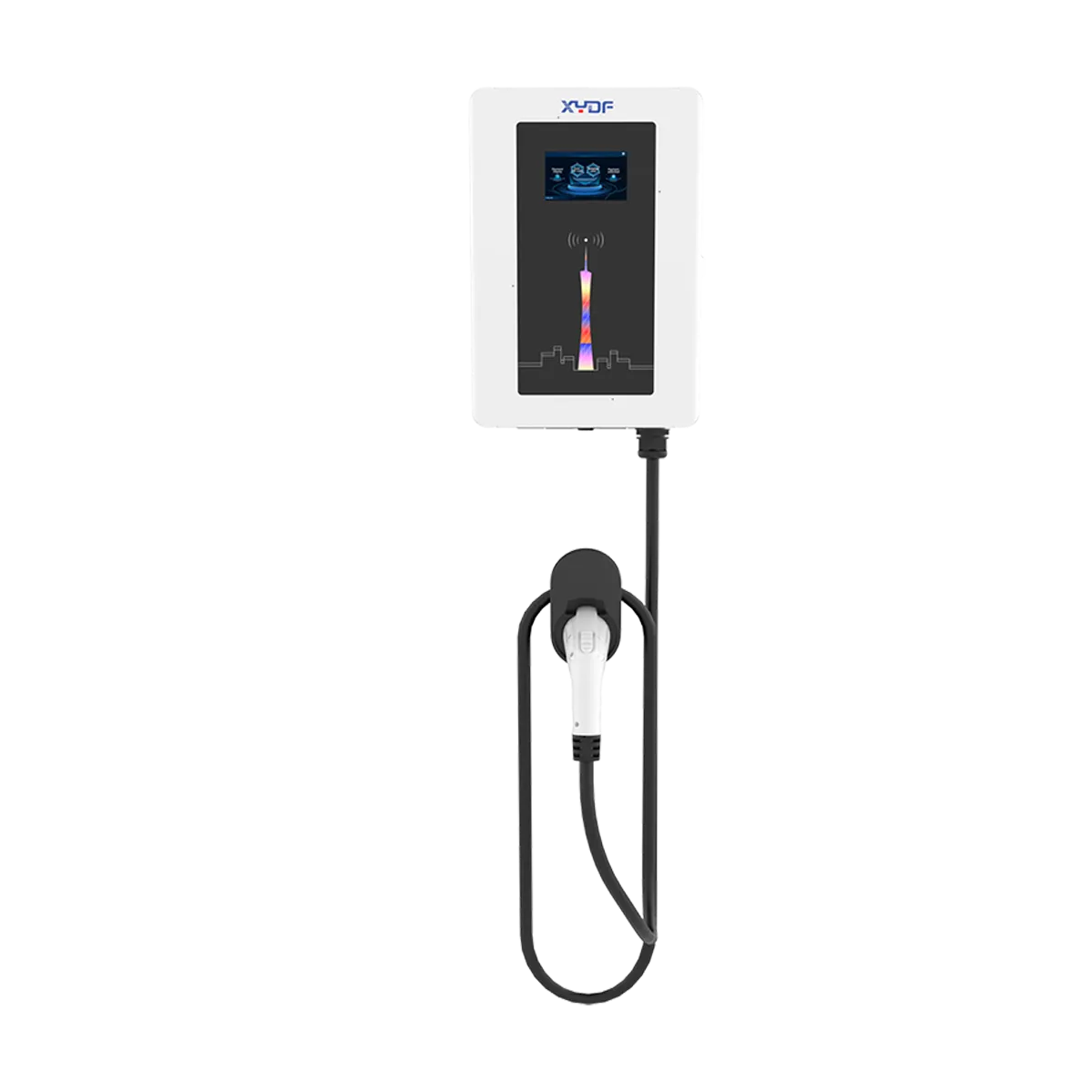
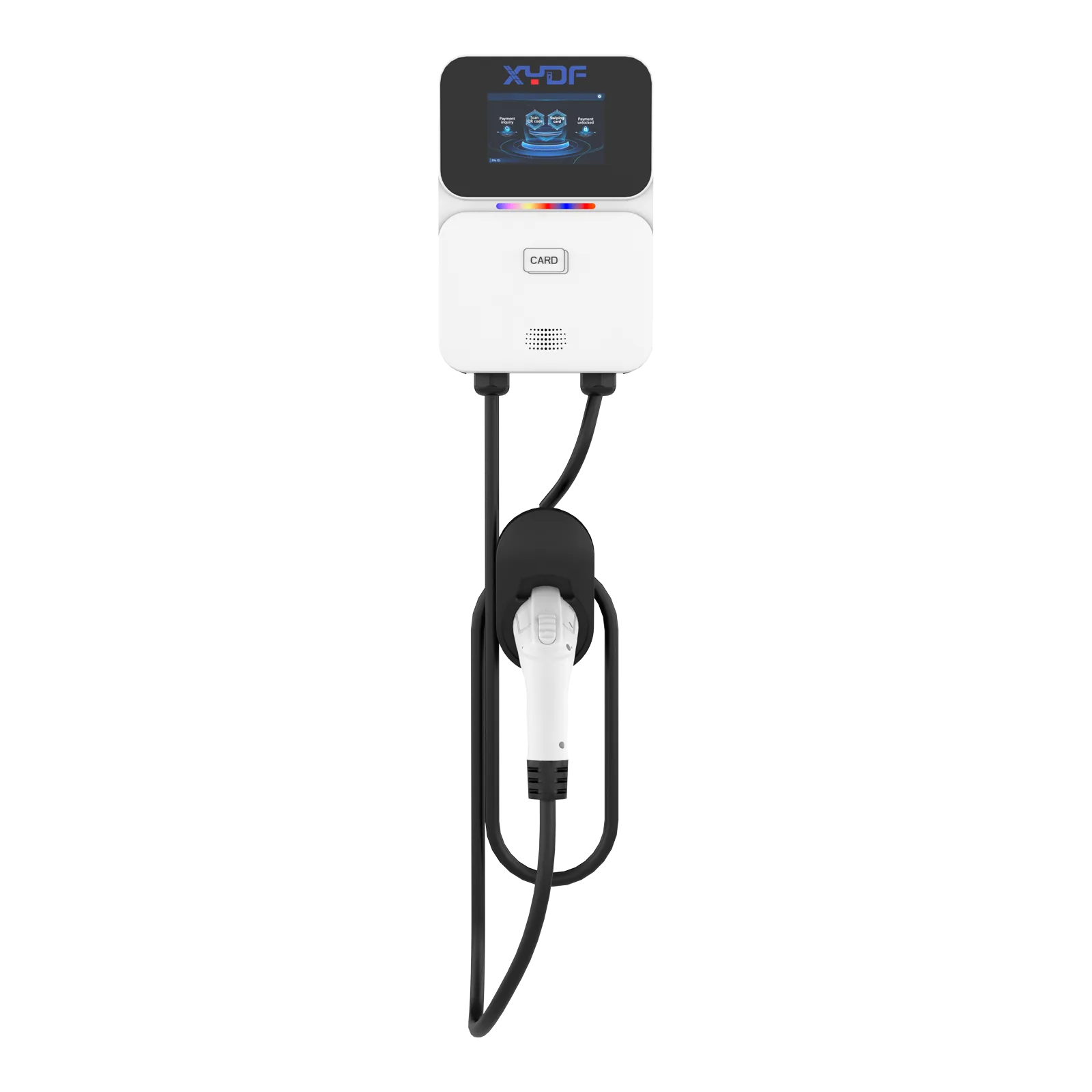
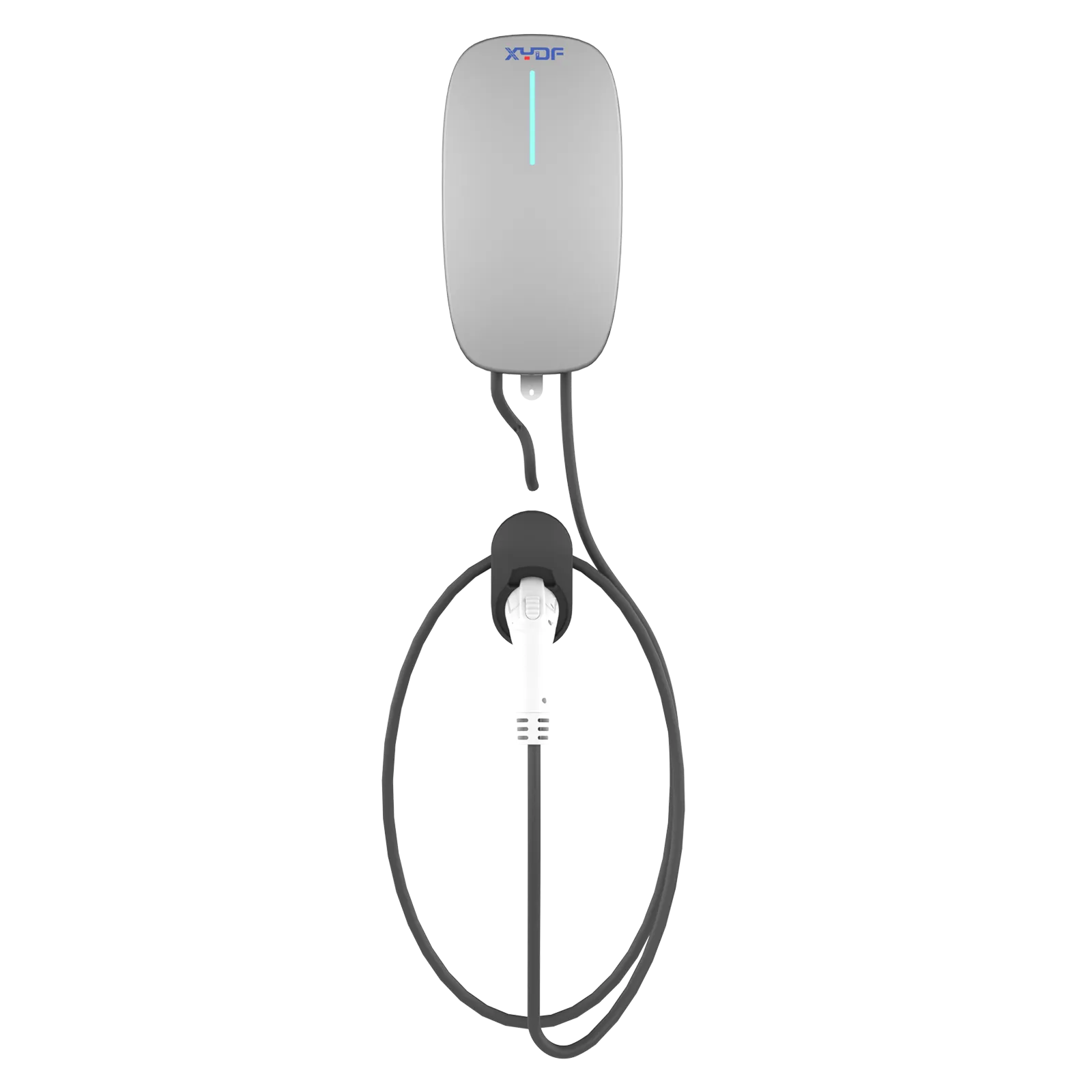
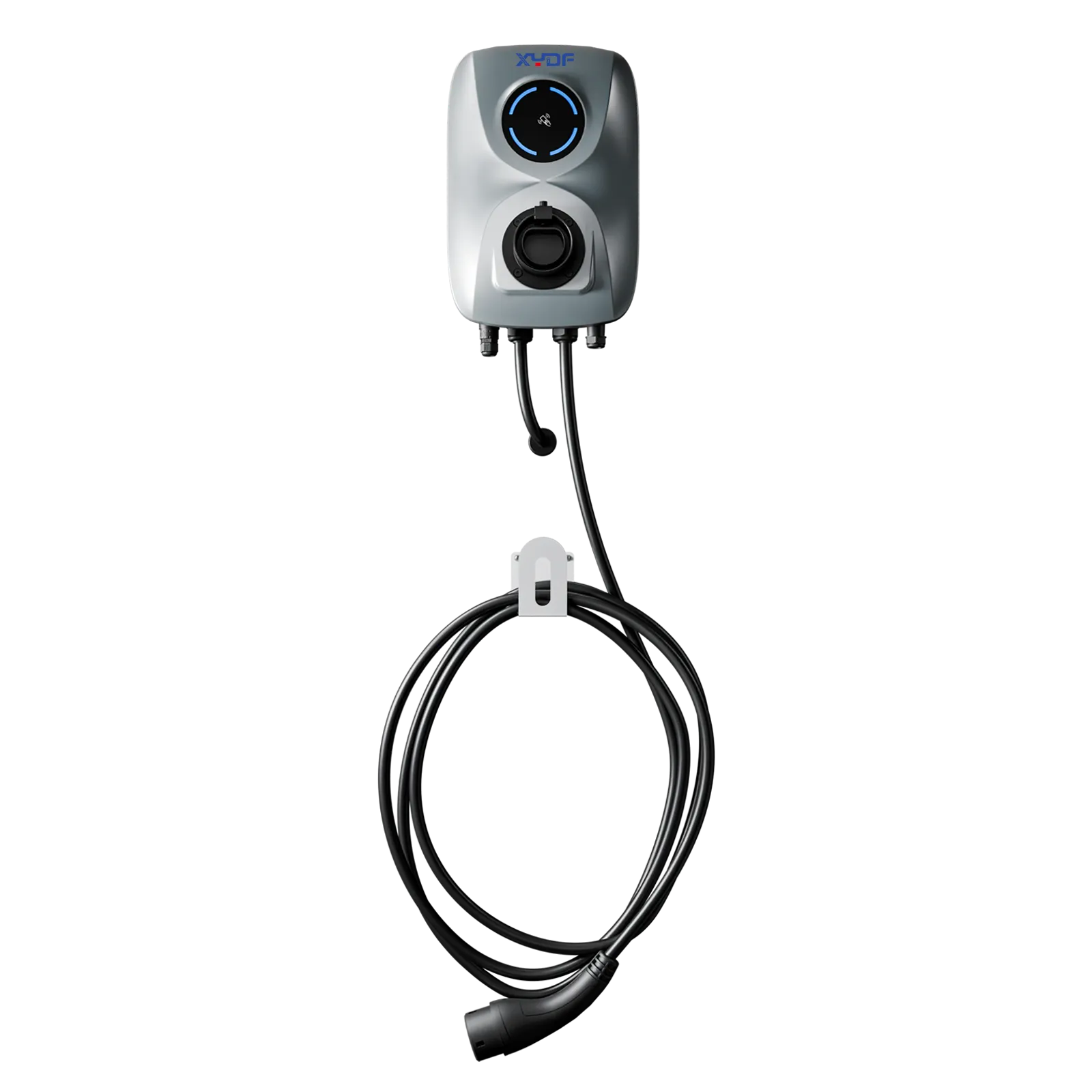
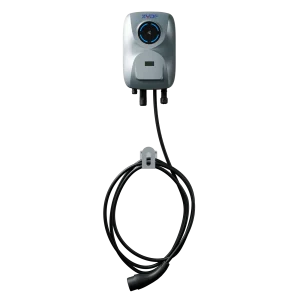
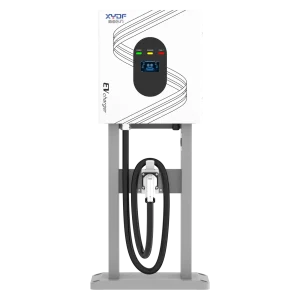

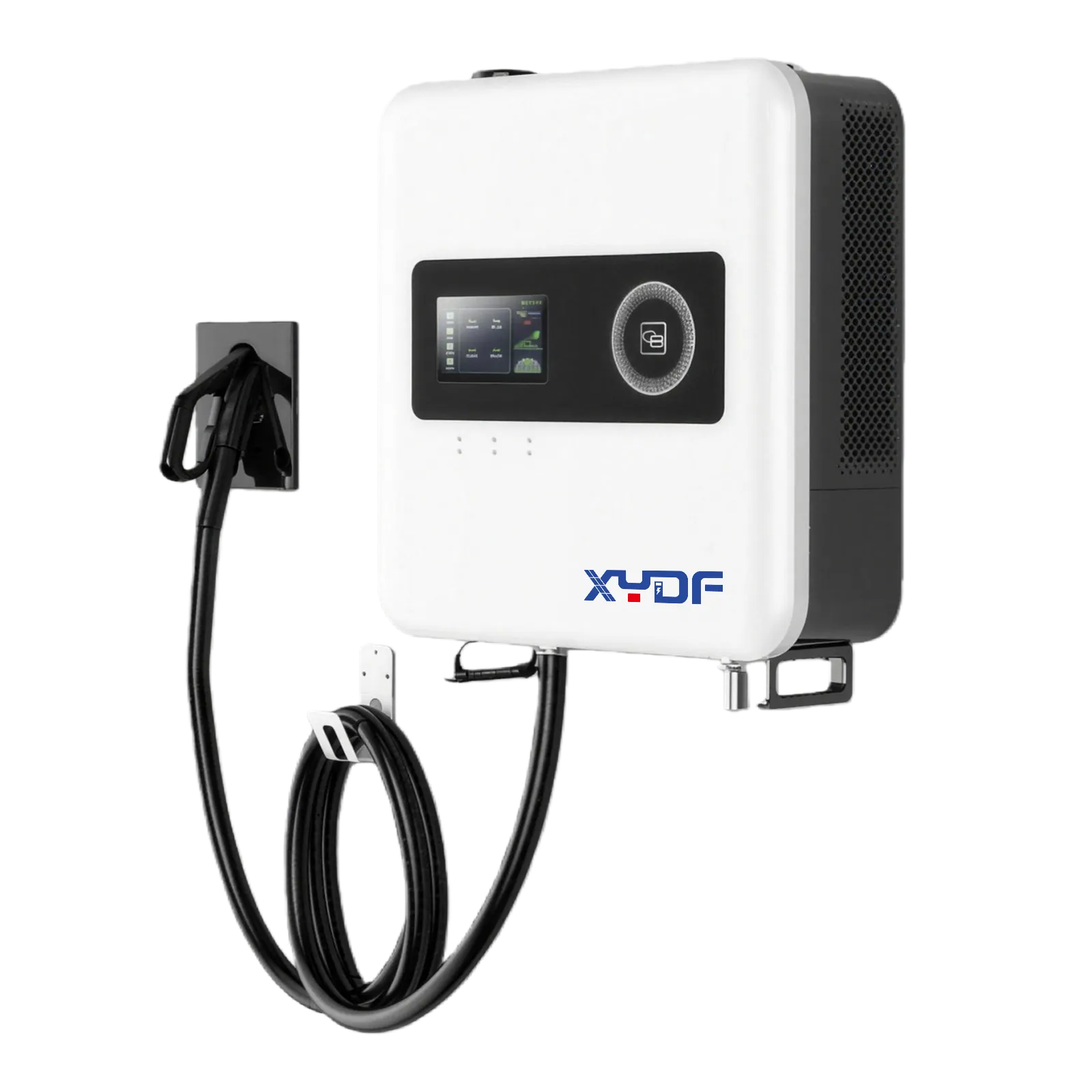
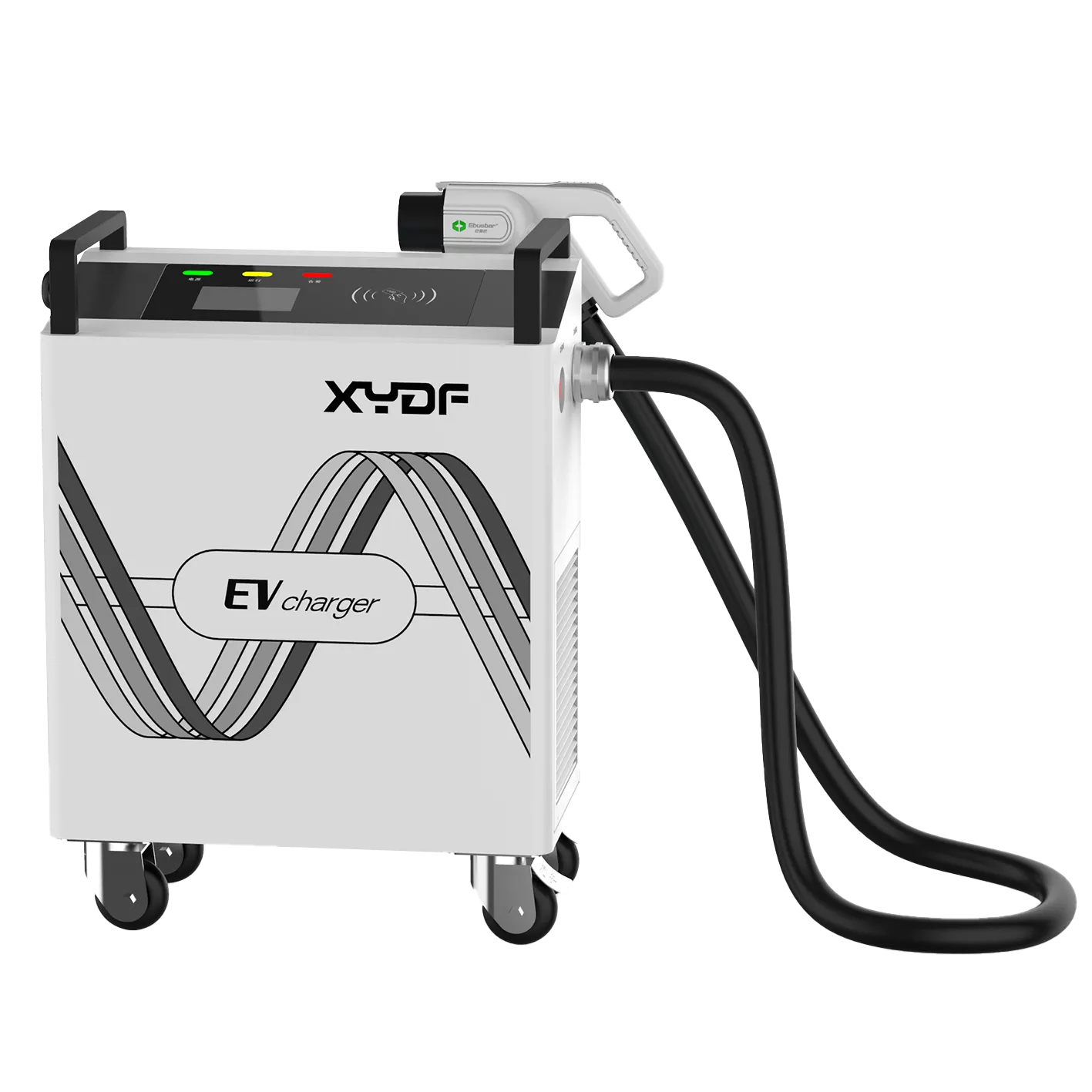
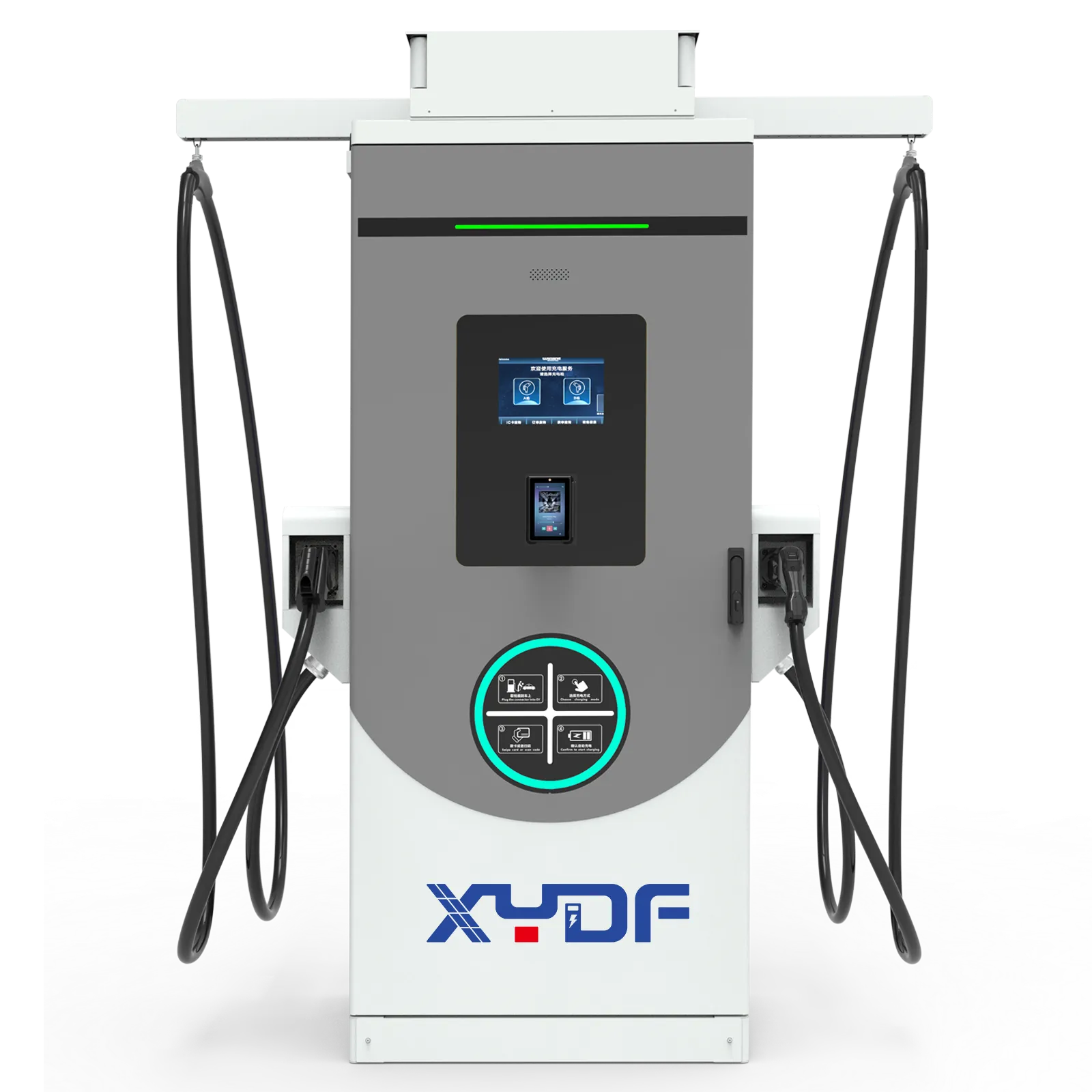
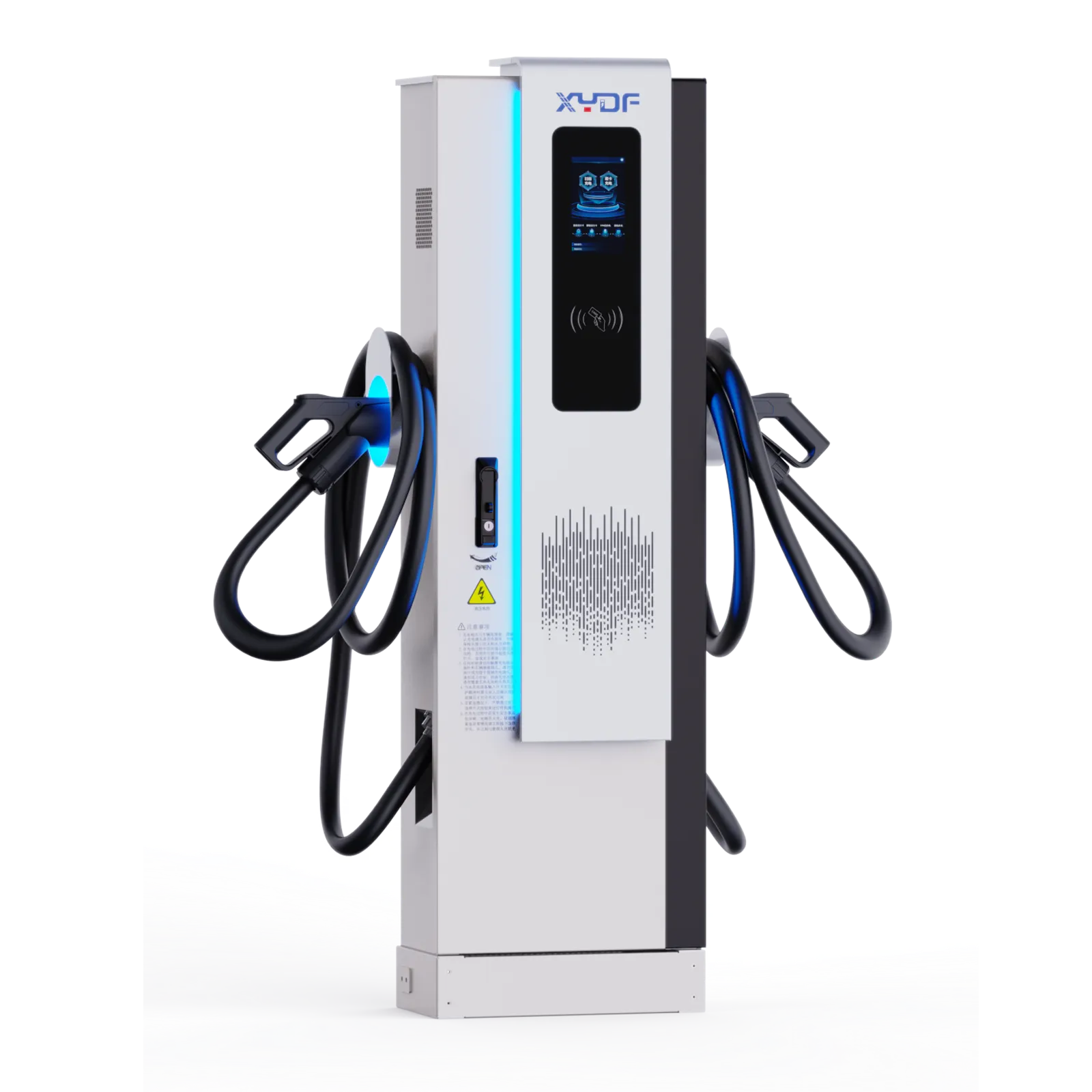
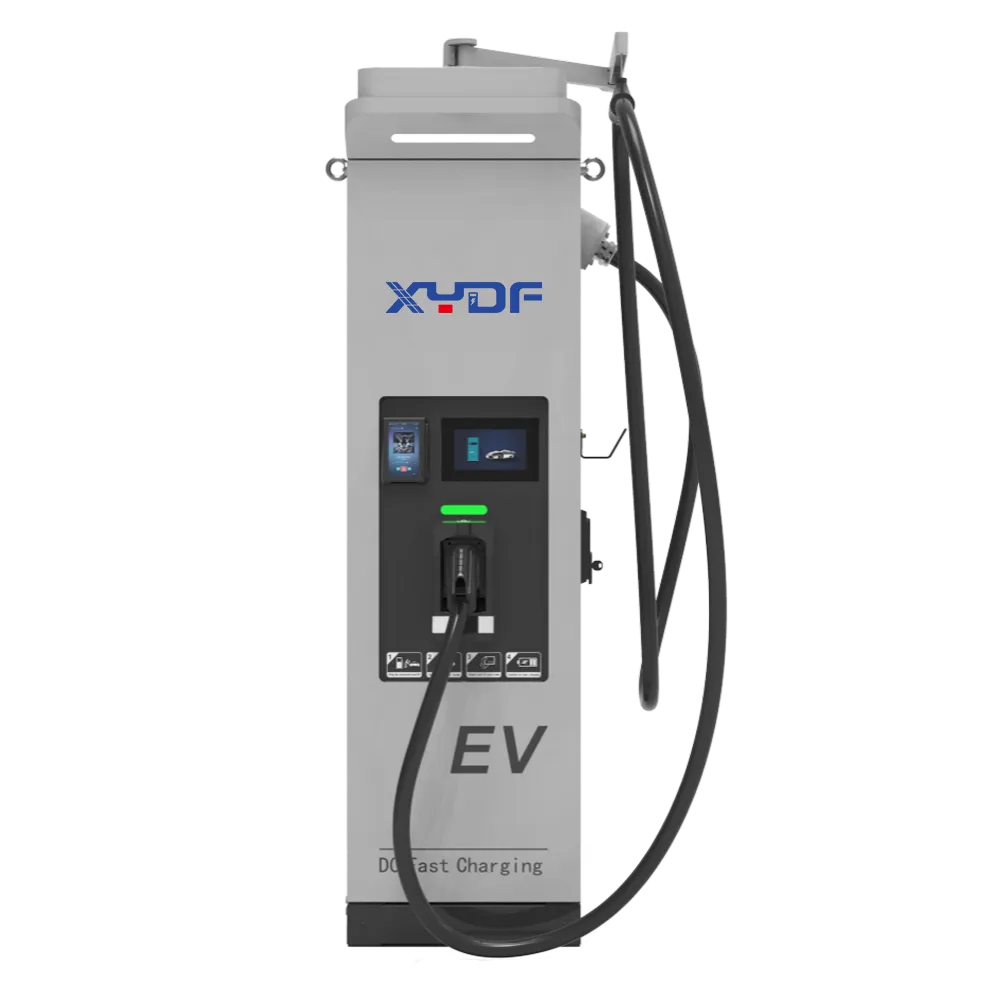
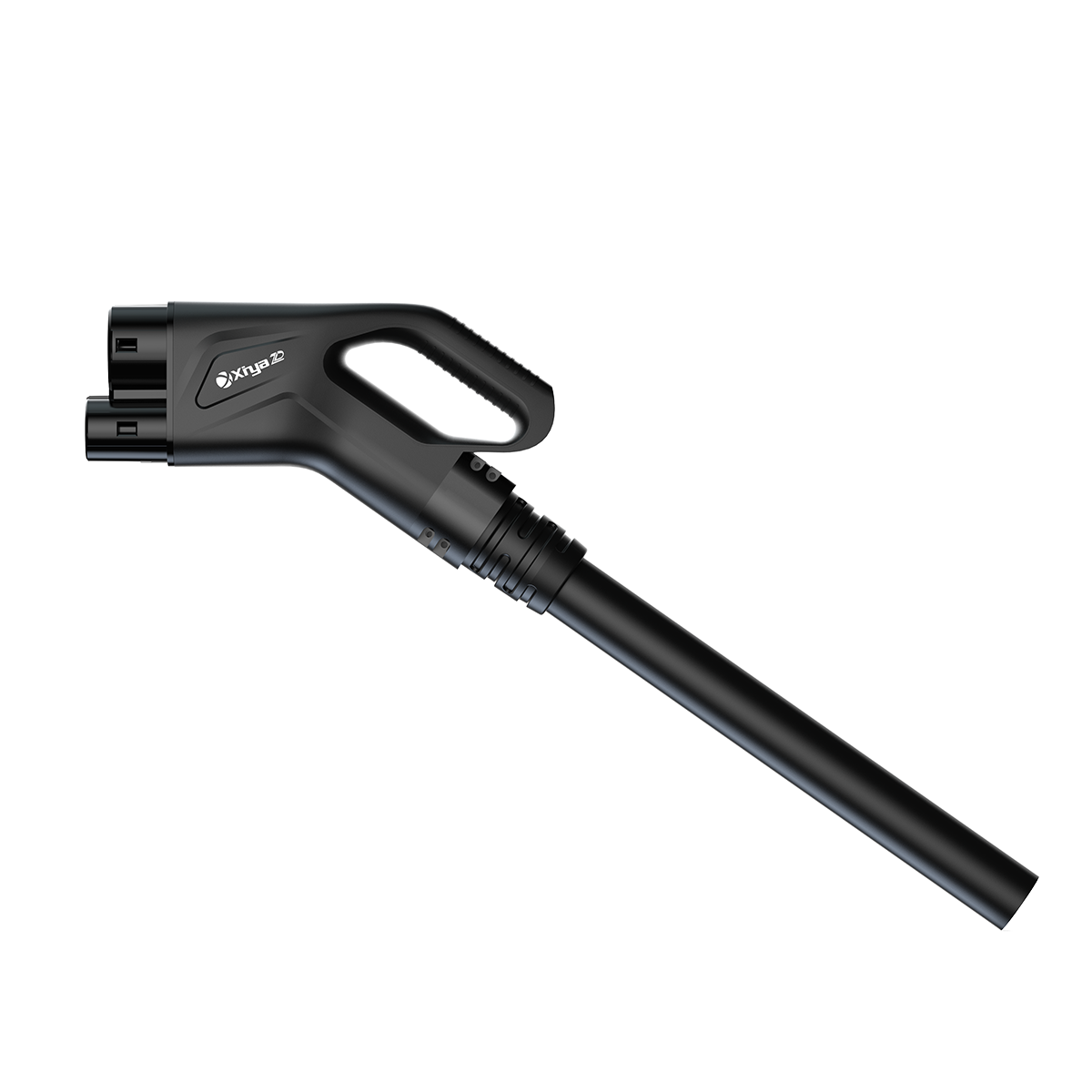
When a transport planner watched a resident circle several blocks looking for a charger, the proposed curbside site seemed obvious. Yet the first installation blocked a delivery zone, narrowed the accessible route and left a cable across a bicycle approach. The charger worked; the location and operating process did not. Curbside projects succeed when parking, utility, accessibility and maintenance teams design one street space together.
A curbside EV charger is public-right-of-way equipment, so its site plan matters as much as its electrical rating. Start with curb management and an accessible route, then confirm utility service, permits and seasonal maintenance. Federal Highway Administration alternative-fuel-corridor guidance and the U.S. Access Board’s ADA resources provide useful frameworks, while local agencies decide the enforceable details. Treat each bay as a managed public asset, not a private driveway.
How can a city choose a curb that supports the whole trip?
Map parking demand, multifamily buildings without driveways, taxis, deliveries, bike lanes, transit stops, hydrants and street trees. A location with high charging demand may still be unsuitable if a vehicle must reverse into traffic or a wheelchair user cannot reach the sidewalk. Examine day and night conditions, lighting, sight lines and snow or leaf-clearing routes. Curbside EV charging should expand access, but the final selection still requires a walk-through with residents and operations staff.
Define the intended dwell. Level 2 curbside service may serve residents who park overnight; faster equipment may support turnover on a commercial block. Avoid setting a time limit that conflicts with local parking law. Publish the rule in plain language and coordinate enforcement so an unplugged vehicle, a finished session and a broken charger are handled differently.
Use a stakeholder checklist before ranking sites: residents, disability advocates, cyclists, transit and delivery teams, parking enforcement, the utility and the prospective host should each identify a conflict and an owner. A map is only a screening tool; the final choice should survive a daylight, nighttime and bad-weather walk.
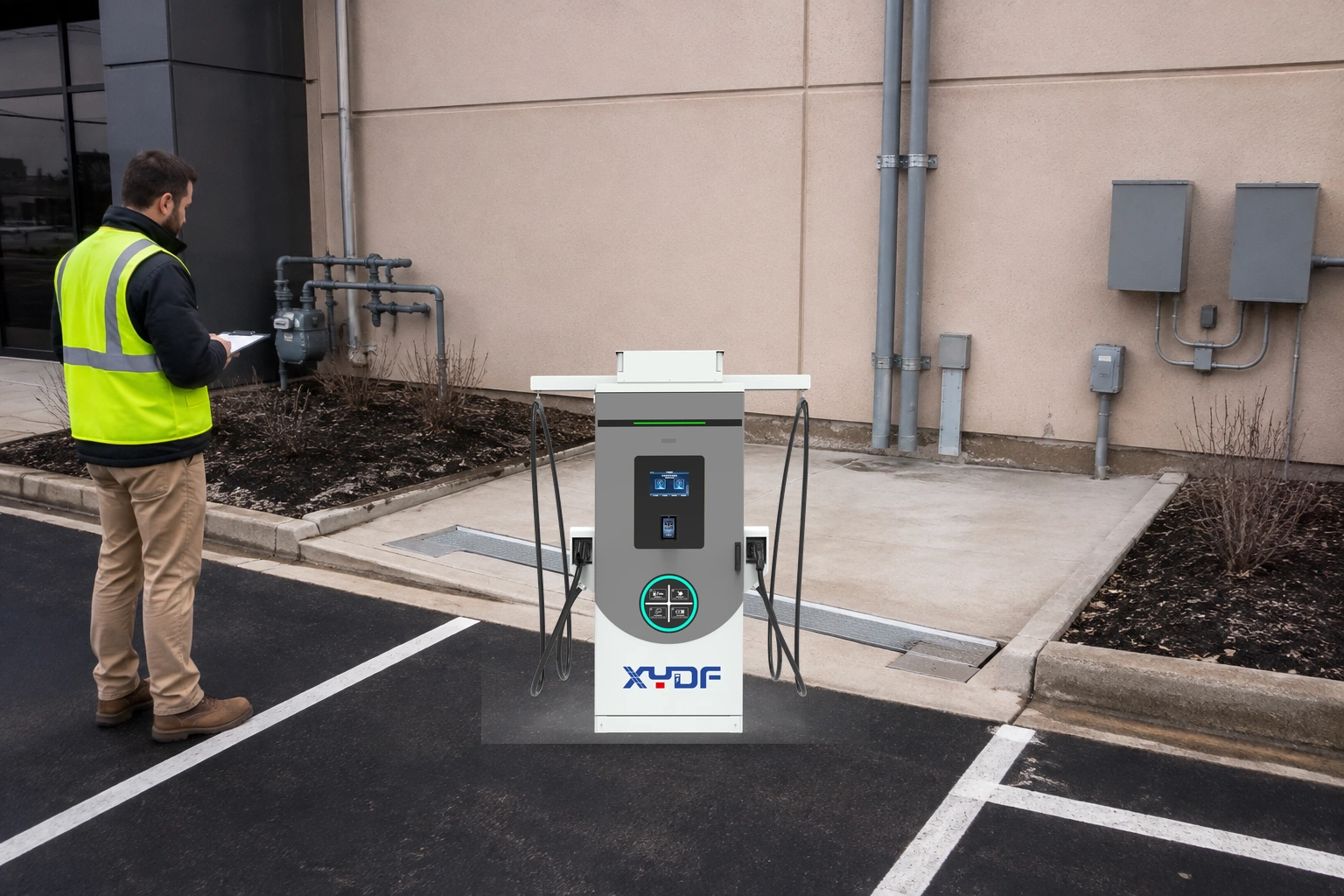
Which approvals must be coordinated before excavation?
Ask the utility to confirm service voltage, transformer loading, connection point, metering and any pole or cabinet work. A short trench can still require traffic control, pavement restoration and a right-of-way permit. Assemble a drawing set with the charger foundation or wall attachment, conduit route, grounding, bollards, signs, markings, tree protection and accessible path. FHWA’s alternative-fuel-corridor materials help explain network context, but they do not replace municipal standards.
Hold one design review with the transportation department, accessibility officer, utility, public works contractor and charging operator. Resolve who owns the cabinet, who restores the sidewalk, who receives outage alerts and who approves a temporary closure. Winter cities should show snow-storage areas and plow clearance; coastal cities should consider drainage, corrosion exposure and salt cleanup without making unsupported durability claims.
Keep the approvals distinct in the schedule: a site or right-of-way permit does not replace utility verification, and neither automatically covers traffic control, sidewalk restoration or public outreach. City programs can add neighborhood notice or a public hearing, so record the responsible agency and decision date for each item.
How should the layout protect the accessible route and bike approach?
Keep a continuous clear walkway from the accessible parking space to the sidewalk and nearby destinations. Electric vehicle charging accessibility depends on cable management that keeps the connector off the walking surface when it is not in use. Where a cable must cross a route, use an approved solution reviewed by the accessibility authority; never rely on a thin mat that creates a trip edge. Place bollards to protect the equipment without occupying transfer space or narrowing the route.
Use pavement markings and signs to explain the charging bay, but avoid a forest of competing instructions. Payment screens, card readers and emergency controls should be reachable and usable by people with different heights, strength and vision. Local accessibility rules may add requirements beyond the federal ADA framework, so the final inspection should include an accessibility specialist.
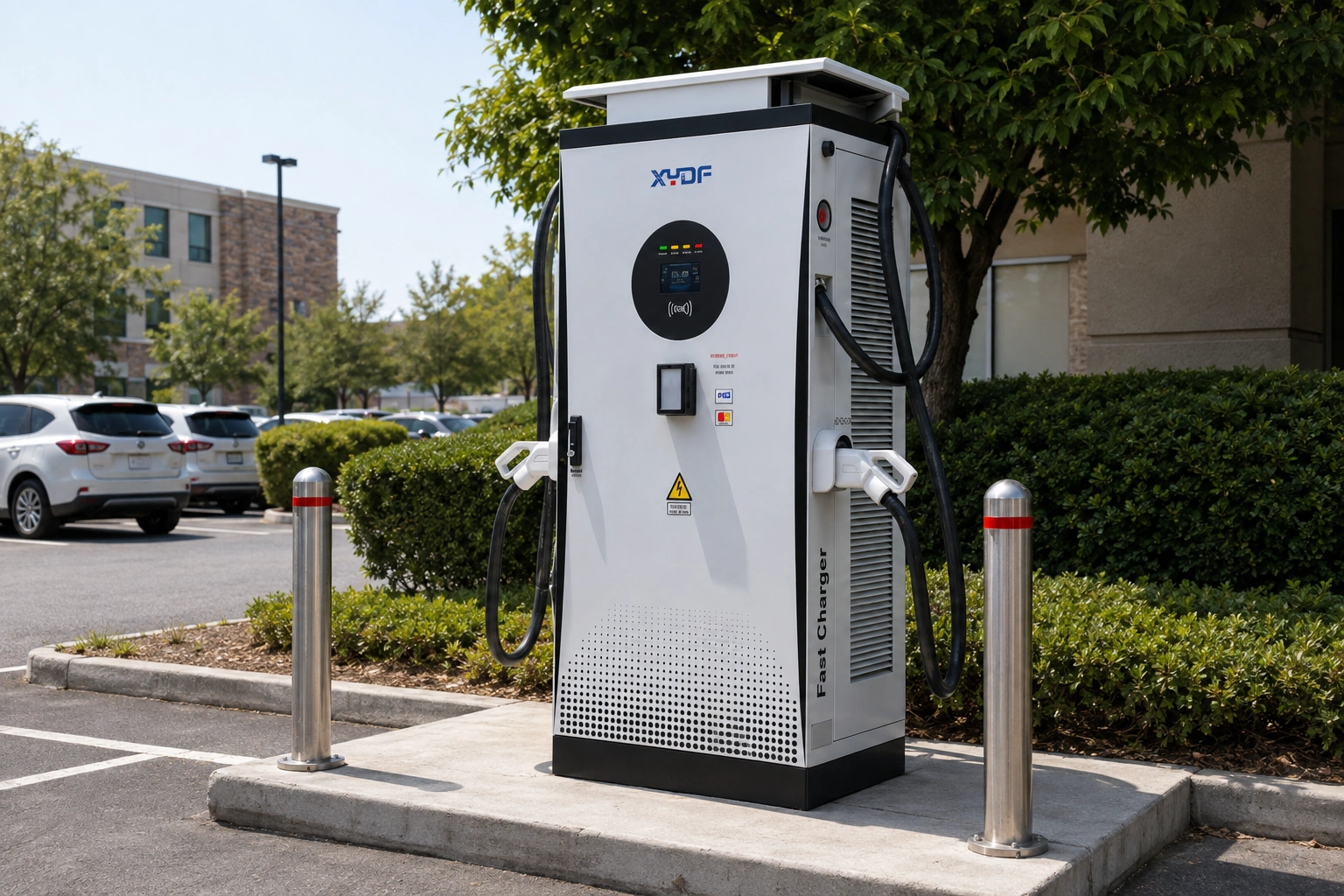
Who owns status, enforcement and fault response after launch?
Specify communications, status reporting, remote restart and a support channel before procurement. A curbside charger can be electrically healthy while its status is stale in a driver app. Test availability updates, payment authorization, session termination, refunds and a lost-communications condition. Keep a field procedure for a damaged cable, vandalism, water ingress or a vehicle that remains after the allowed period.
Decide how maintenance crews will access the cabinet without closing the entire sidewalk. Record the asset ID, utility meter, firmware and inspection history. Review blocked bays, failed sessions and repeat callouts monthly. These operational measures reveal whether the location is working better than a simple installation count.
Assign named owners for parking turnover, snow clearance, cable damage, payment disputes and network outages. The curb manager should be able to suspend a bay, notify partner systems and restore the route without waiting for a separate capital-project team.
Which curbside operating model fits the street’s demand?
| Dimension | Residential curb | Commercial curb | Question for the city |
|---|---|---|---|
| Dwell pattern | Long, often overnight | Shorter, turnover-sensitive | What parking rule applies? |
| Street conflicts | Driveways, trees, snow storage | Deliveries, transit and bike lanes | Which users need priority? |
| Electrical work | May require long trench or pole coordination | May share a nearby service | Who pays for restoration? |
| Maintenance | Vandalism and weather exposure | Higher contact volume | What is the response target? |
What repeatable sequence should a curbside pilot follow?
- Map demand, equity, traffic, accessibility and curb regulations.
- Walk candidate blocks in daylight, darkness and bad-weather conditions.
- Obtain a utility concept and prepare a right-of-way permit package.
- Review the accessible route, cable solution, protection and markings with specialists.
- Install with traffic control, document as-builts and commission every payment path.
- Publish status and enforcement rules, then inspect performance after launch.
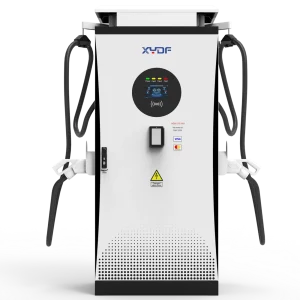
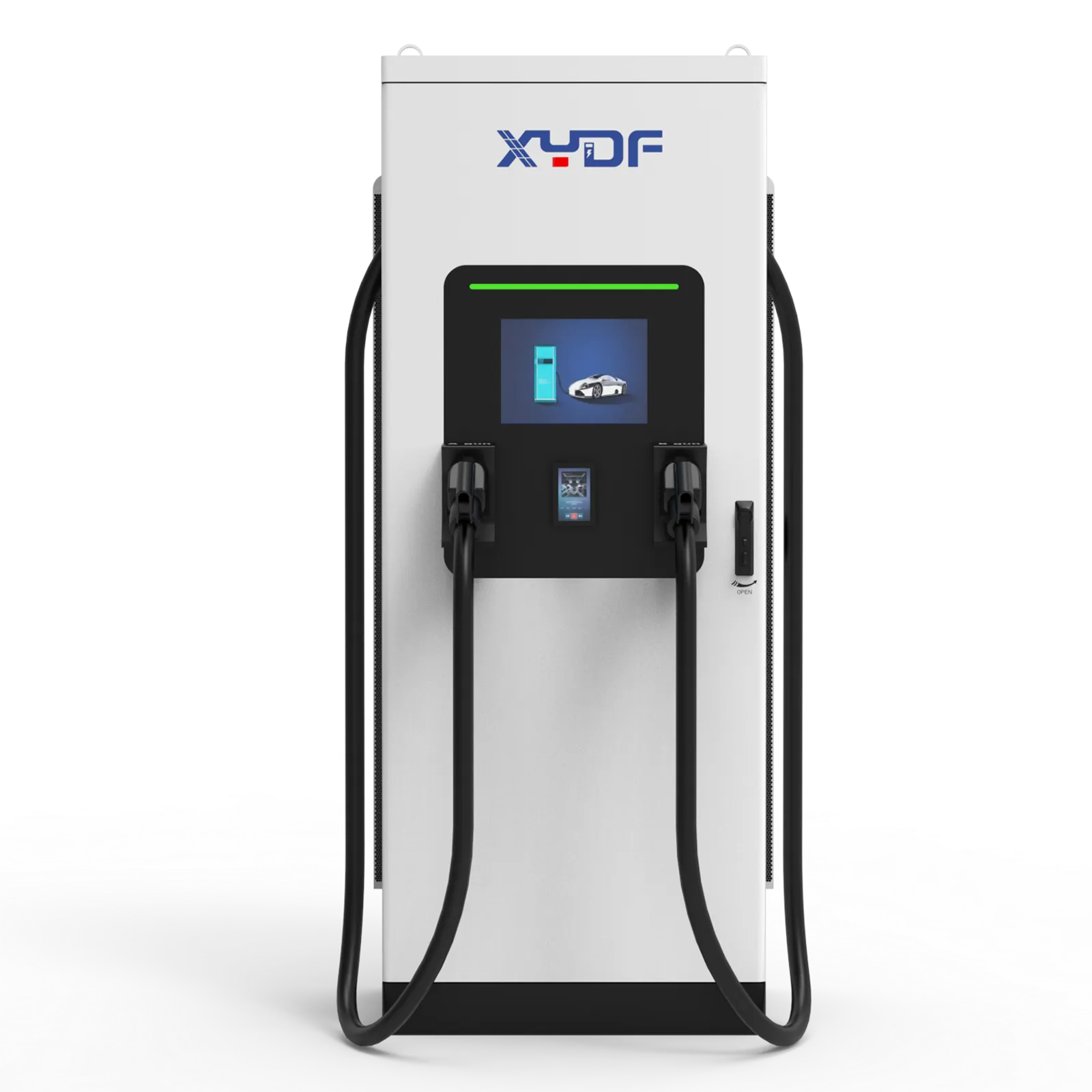
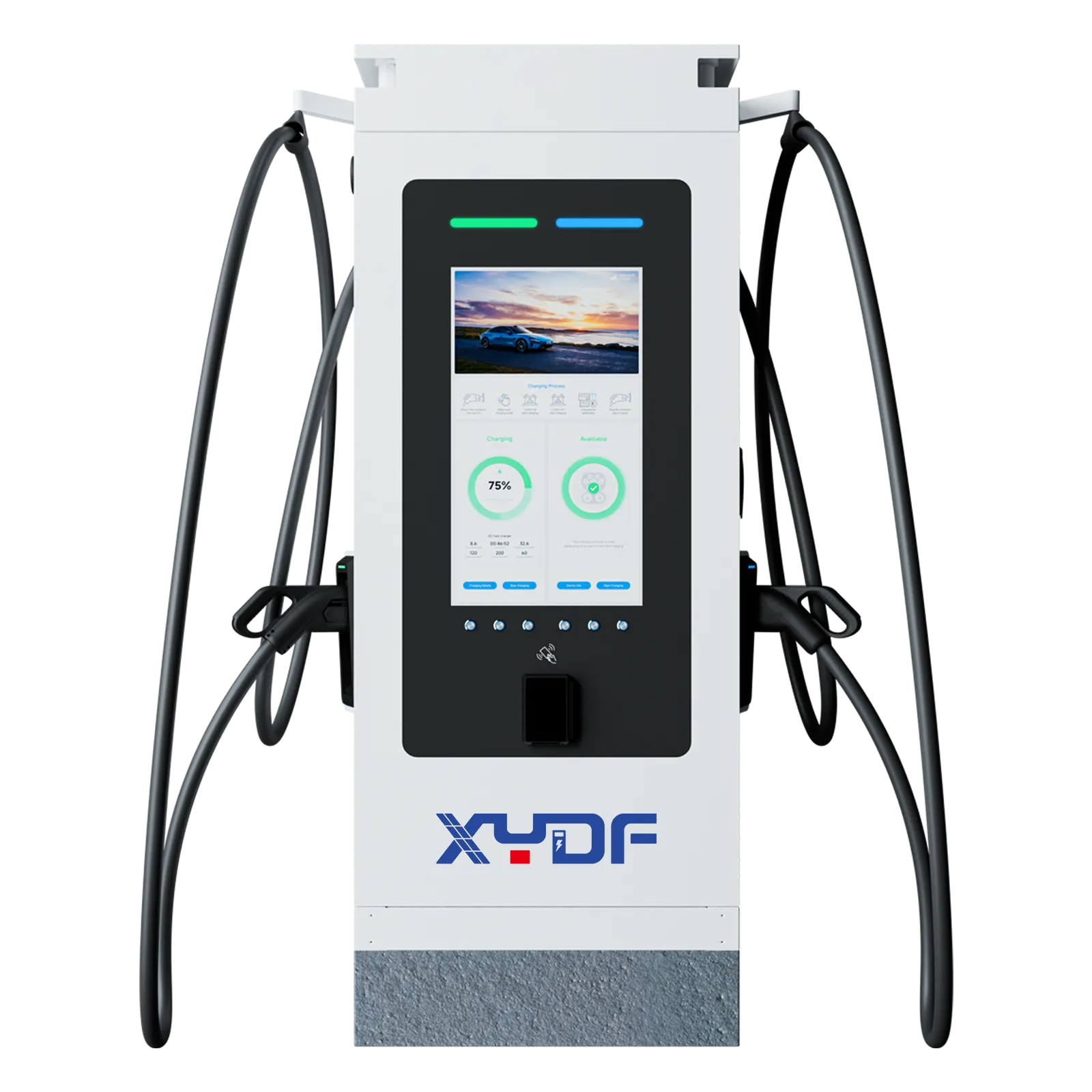
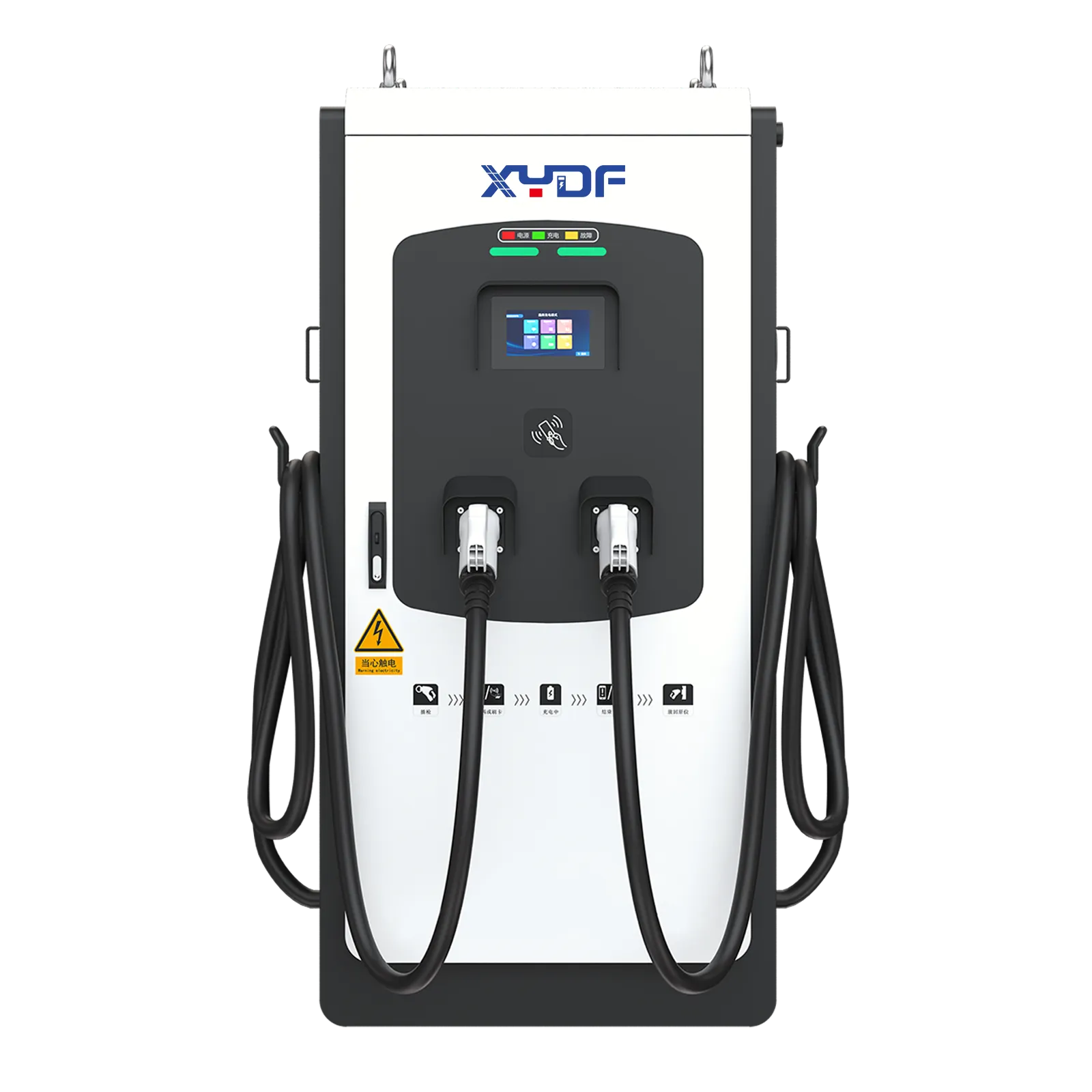
For a hardware shortlist, review EV charging products and match the enclosure, connector arrangement and communications plan to the street context. The AC charger options can be evaluated alongside dwell assumptions, while the XYDF engineering and support team can help organize documentation for an EPC or municipality.
What do cities ask before approving curbside charging?
Who is a curbside EV charger intended to serve?
It is charging equipment installed in or beside a public street space, serving drivers who may not have private parking. Cities should define the intended users and parking duration before choosing the equipment.
How do cities choose safe locations for curbside EV charging?
They assess demand, traffic, sight lines, utilities, accessibility, drainage, deliveries and maintenance. A site walk with affected departments and residents catches conflicts that a map can miss.
Which permits are normally needed for a curbside EV charger?
Common approvals include electrical, right-of-way, traffic-control and sidewalk or excavation permits. The exact list is local, and utility approval is separate from a municipal permit.
How can curbside chargers protect pedestrians, wheelchairs and cyclists?
Provide a continuous clear route, protected equipment, controlled cable reach and legible signs. Have an accessibility professional review the final layout, including transfer space and payment controls.
How long should an EV charging space be reserved?
Use the dwell pattern and local parking policy to set a rule; overnight residential use differs from a busy commercial block. Explain what happens when a session ends so enforcement is predictable.
What are the common maintenance problems with curbside EV chargers?
Blocked bays, damaged connectors, stale network status, payment failures and weather or vandalism are common. Track incidents by location and assign a clear response owner.
Références
- Federal Highway Administration alternative-fuel corridors
- U.S. Access Board ADA resources
- AFDC laws and incentives database
A successful curbside project protects the public route before it optimizes the charger. Bring XYDF into the site review through its EV charging products brief, then confirm every utility, permit and maintenance assumption with the responsible agency.