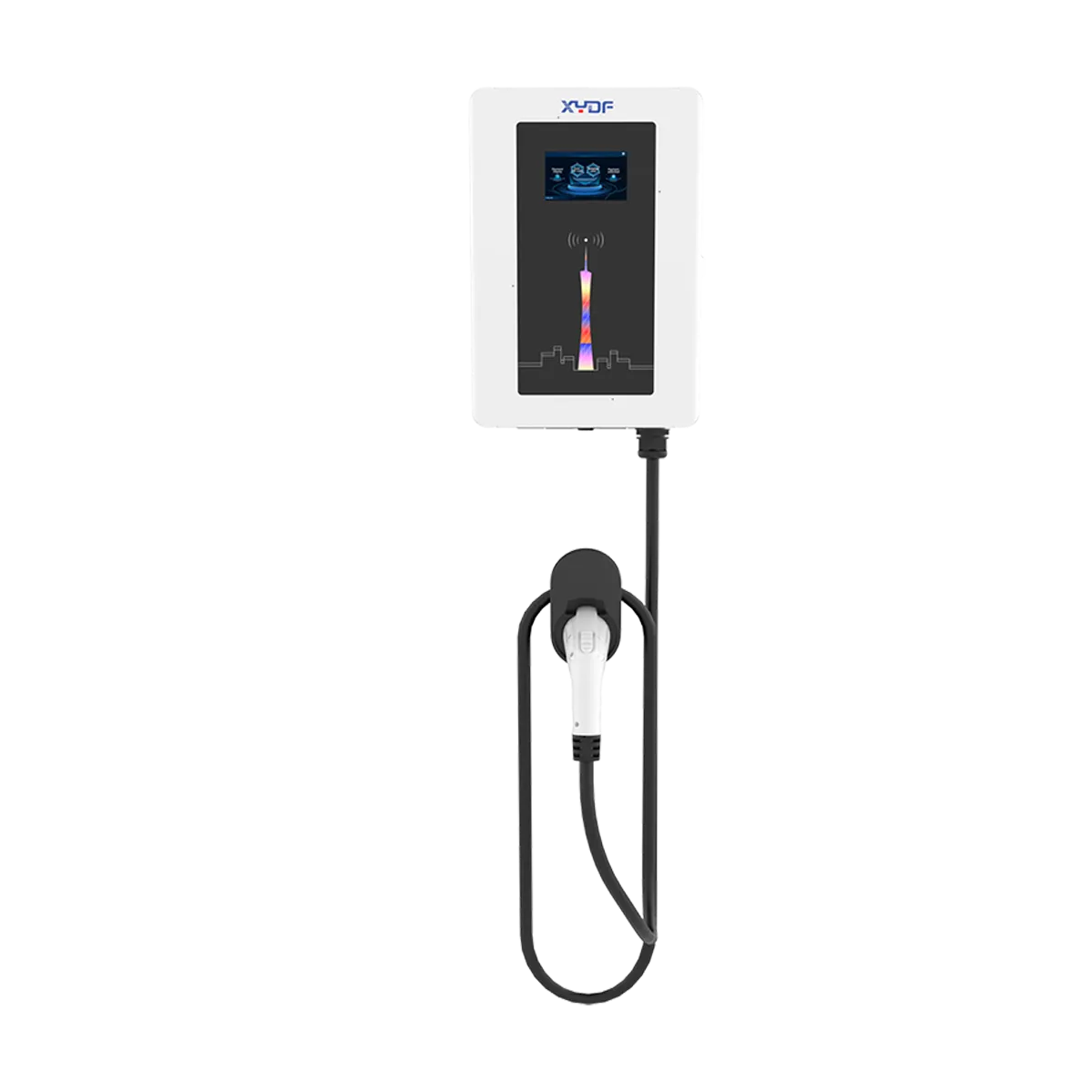
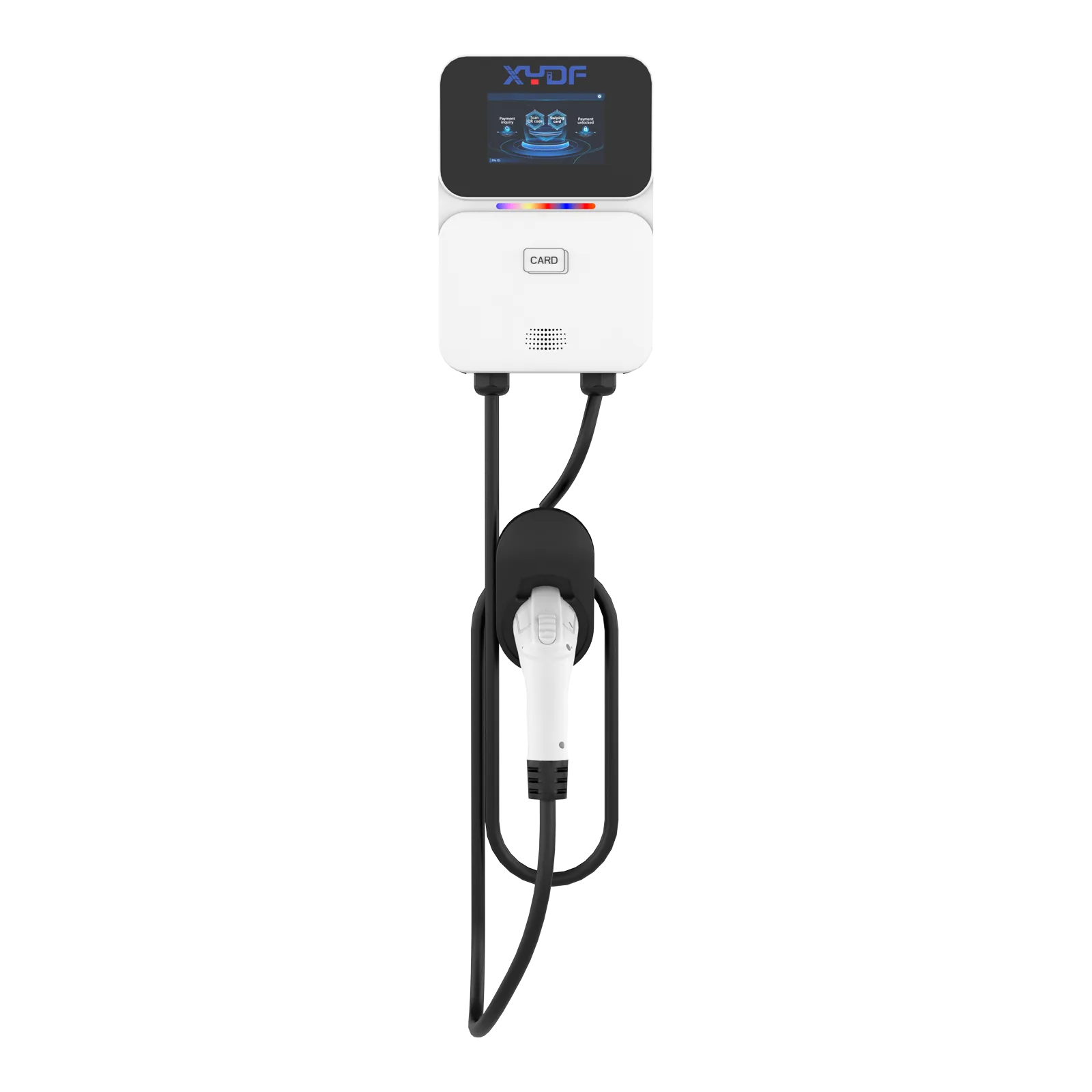
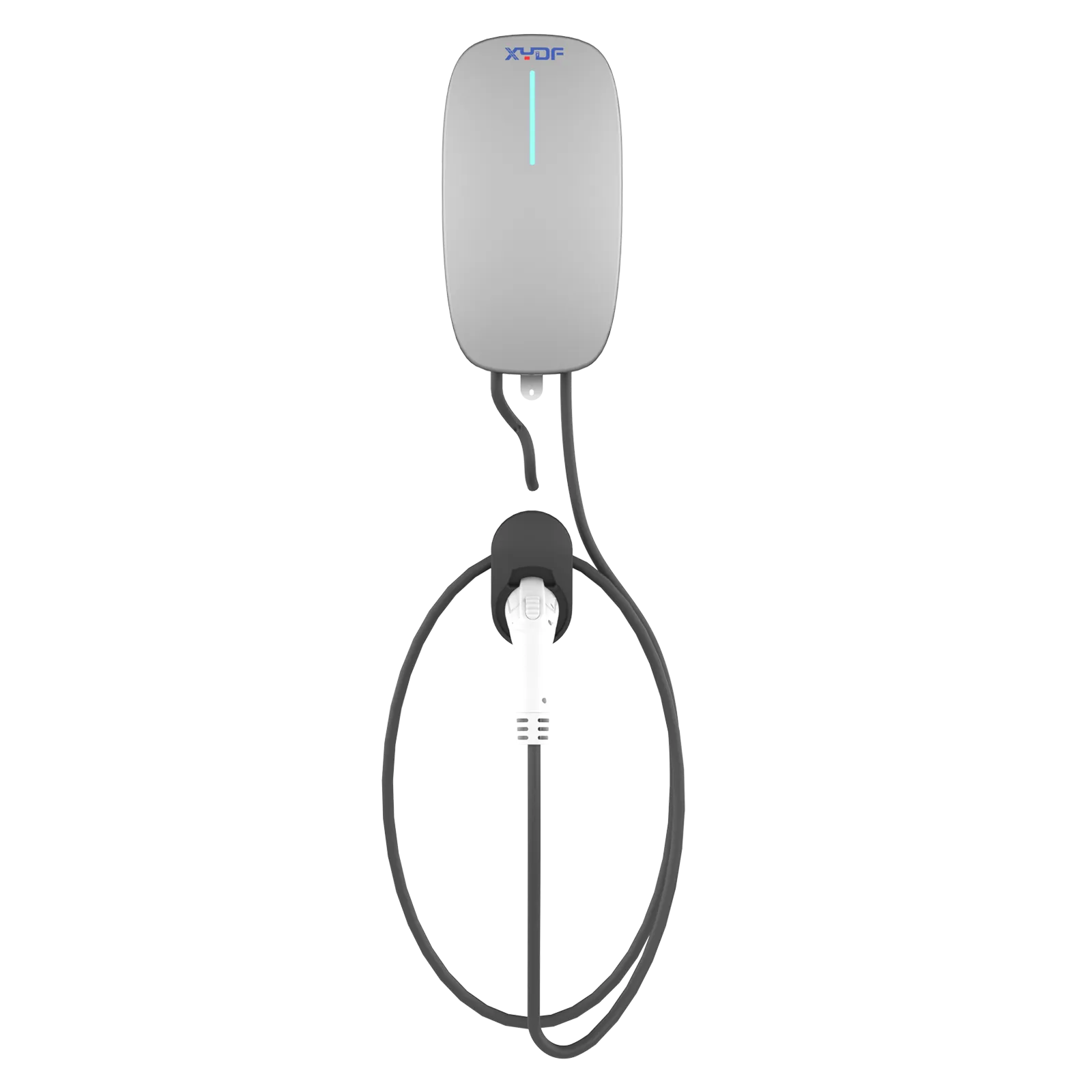
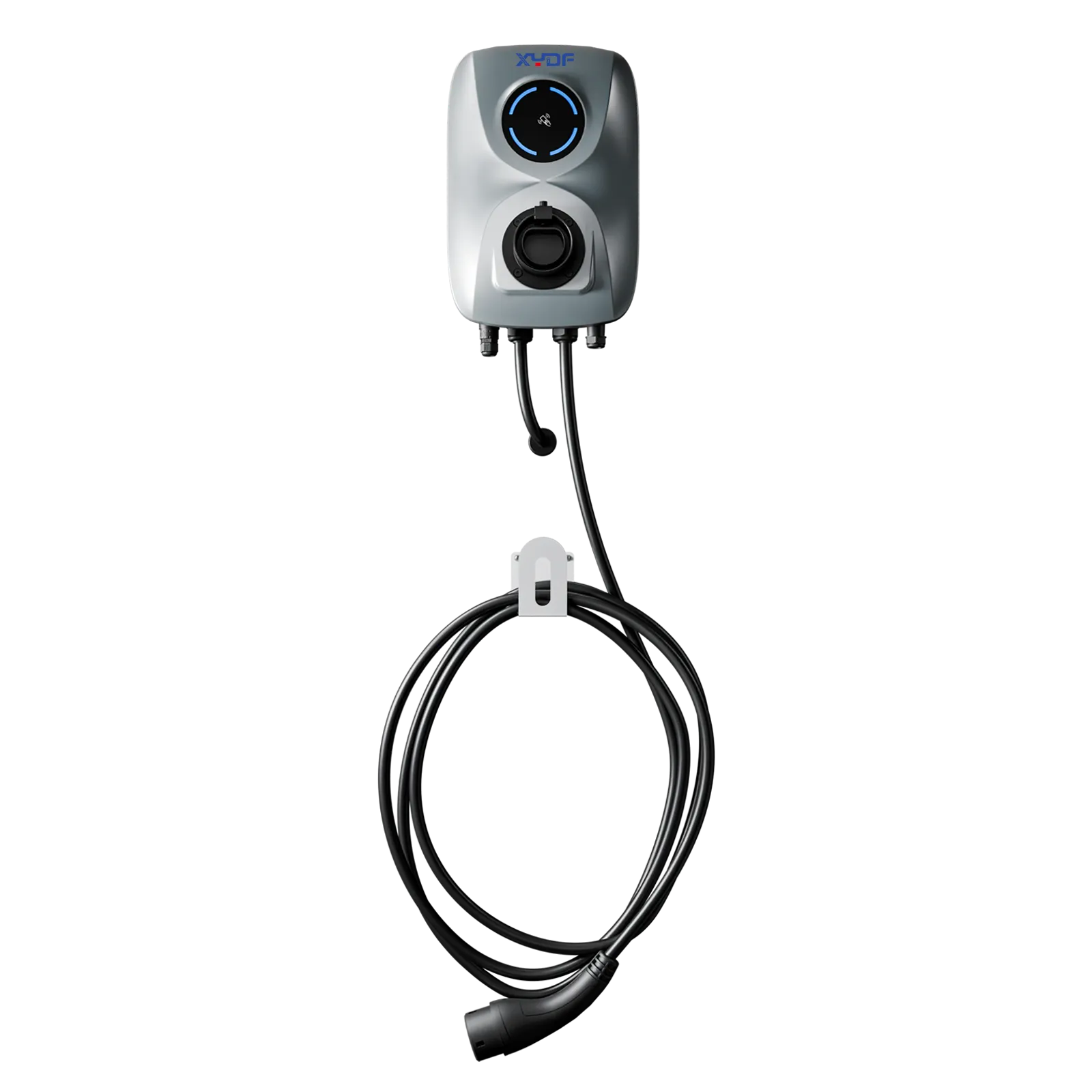
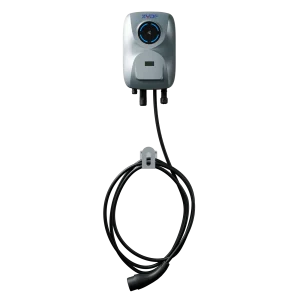
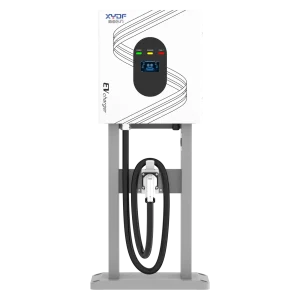
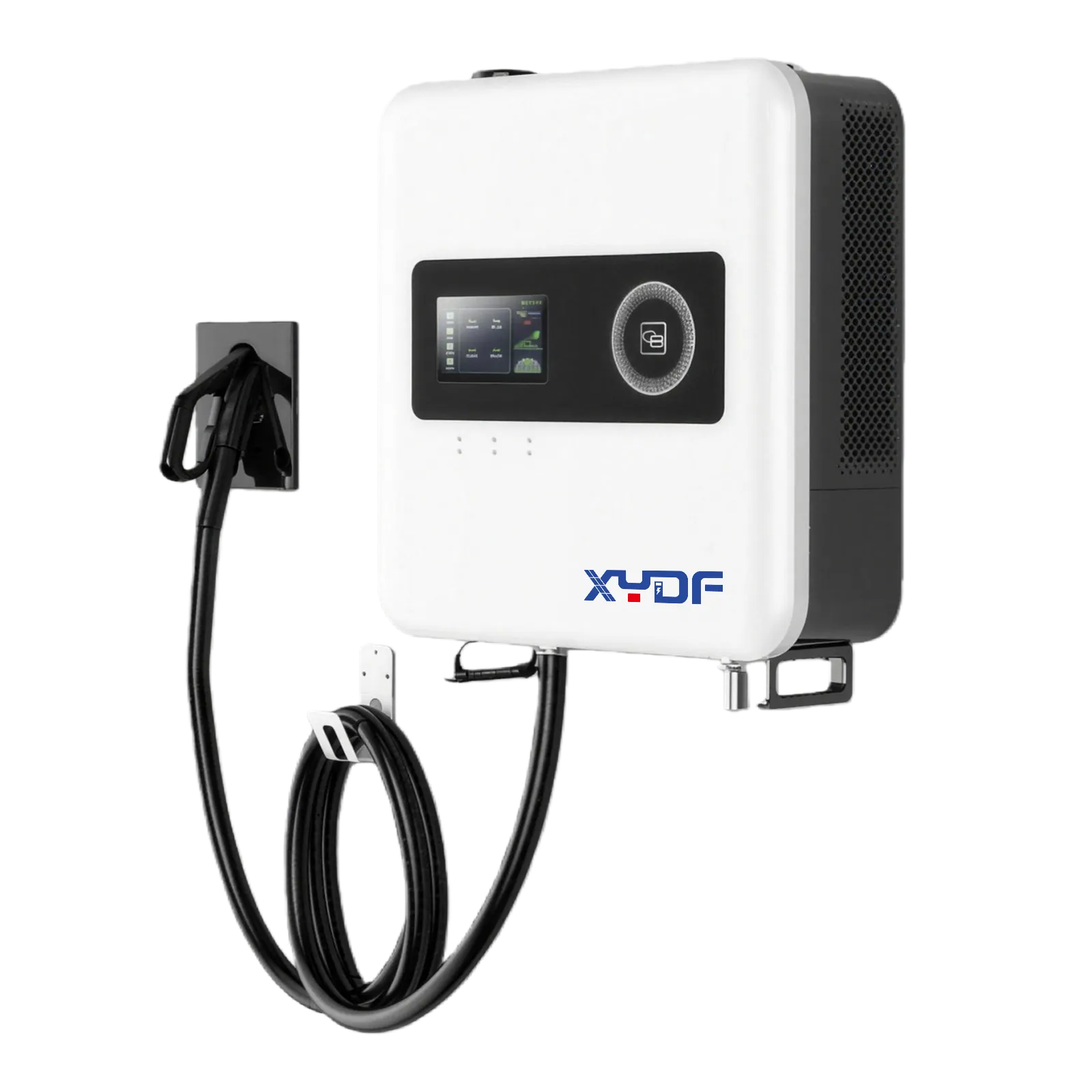
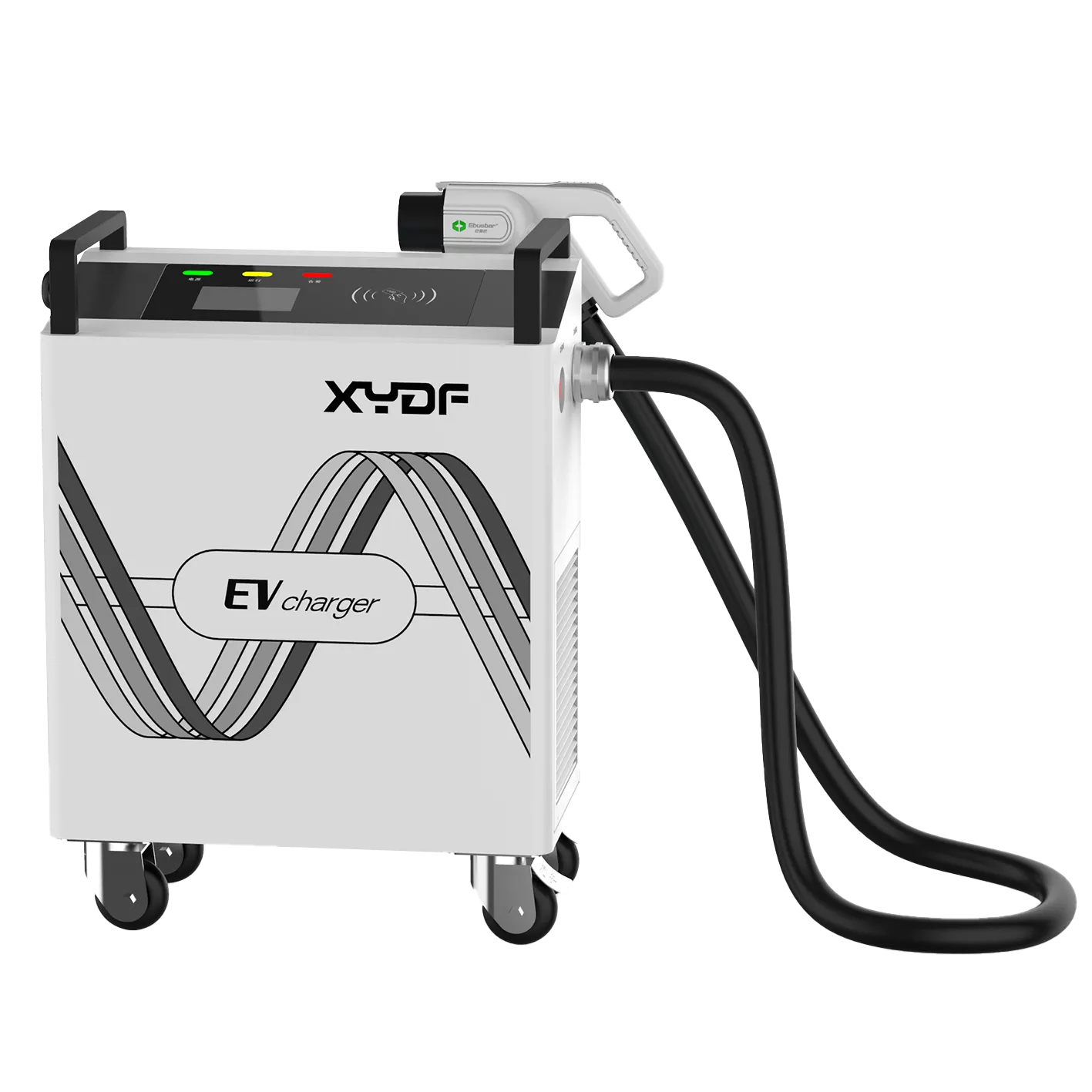
Actuellement, le marché propose principalement deux types de chargeurs DC pour véhicules électriques : Tout en un pour le chargeur de voiture électrique et borne de recharge VE partagée. Les deux, All in one et split Solutions de recharge pour véhicules électriques Ils possèdent les mêmes fonctionnalités, mais diffèrent considérablement en termes de structure, d'installation, de scalabilité, d'utilisation, de maintenance et de coût.
Tout en un pour charger votre voiture électrique
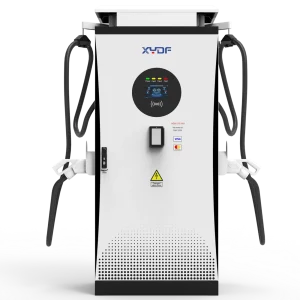
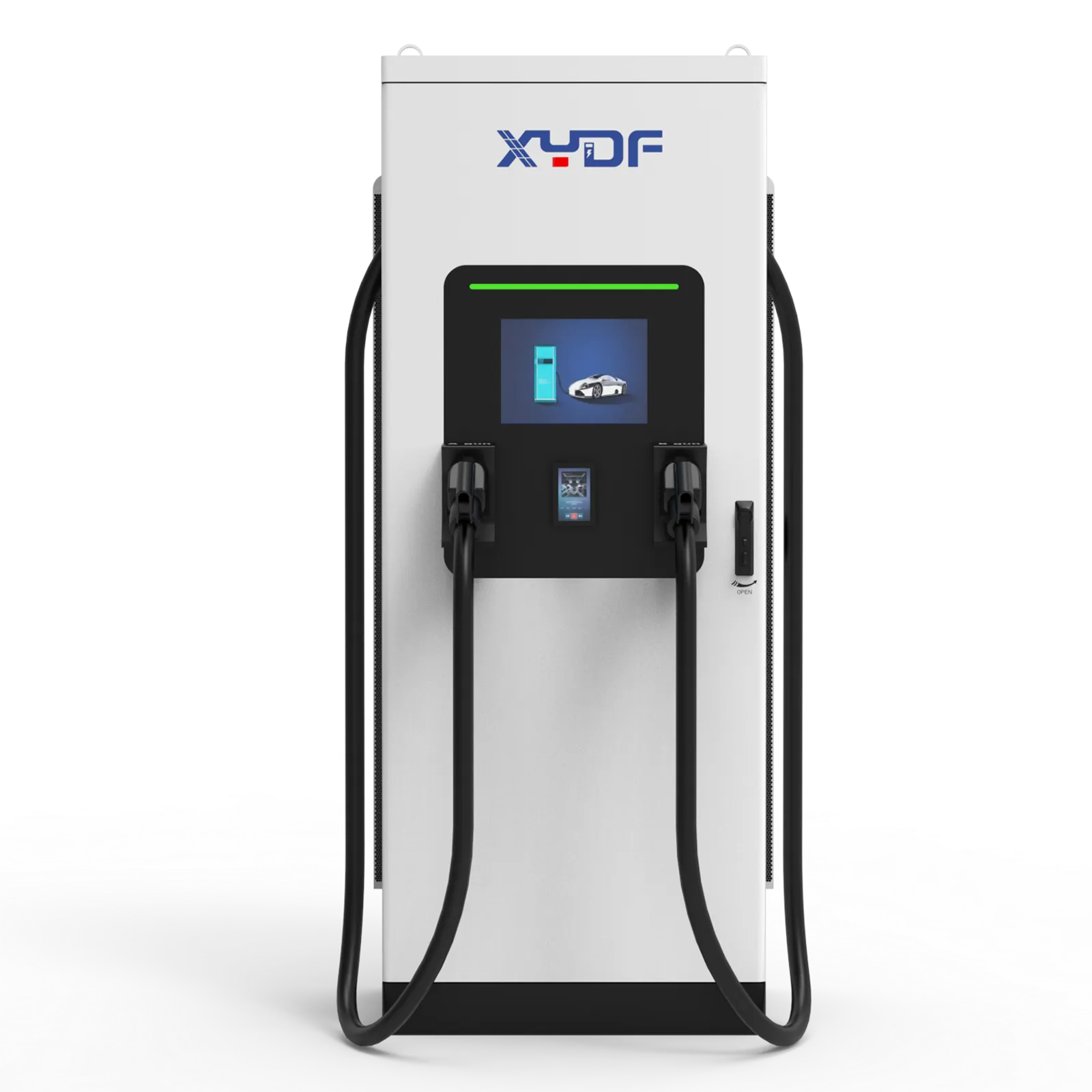
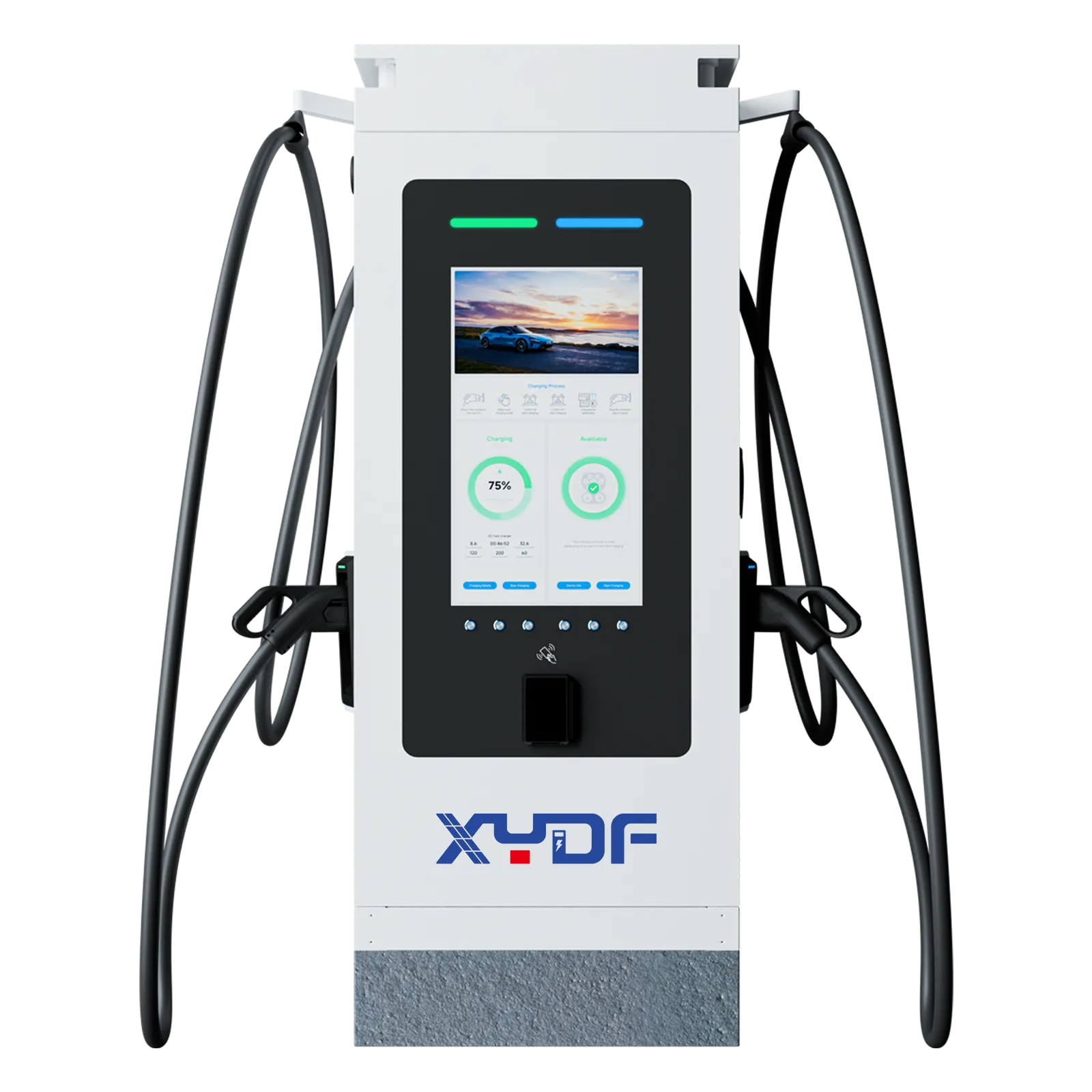
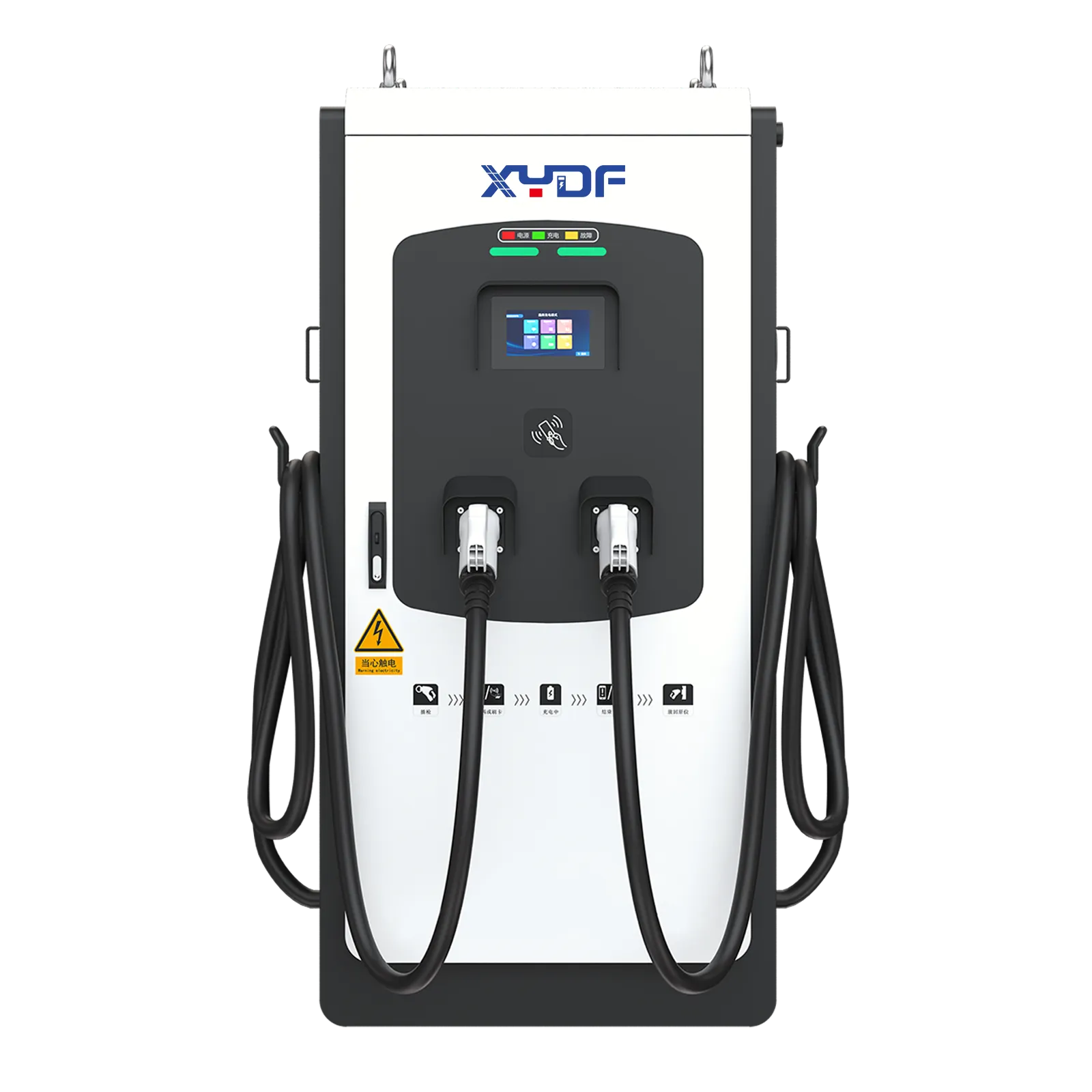
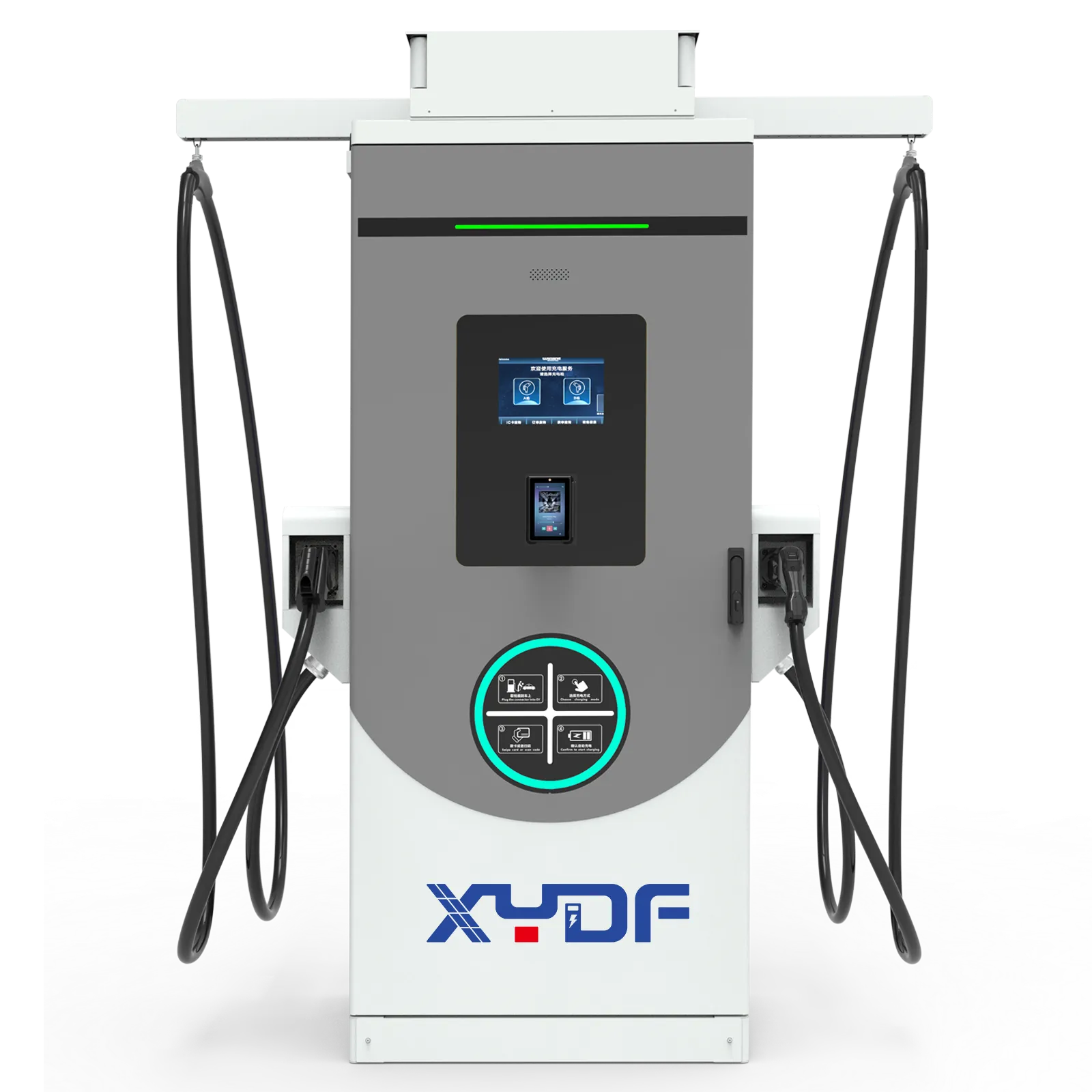
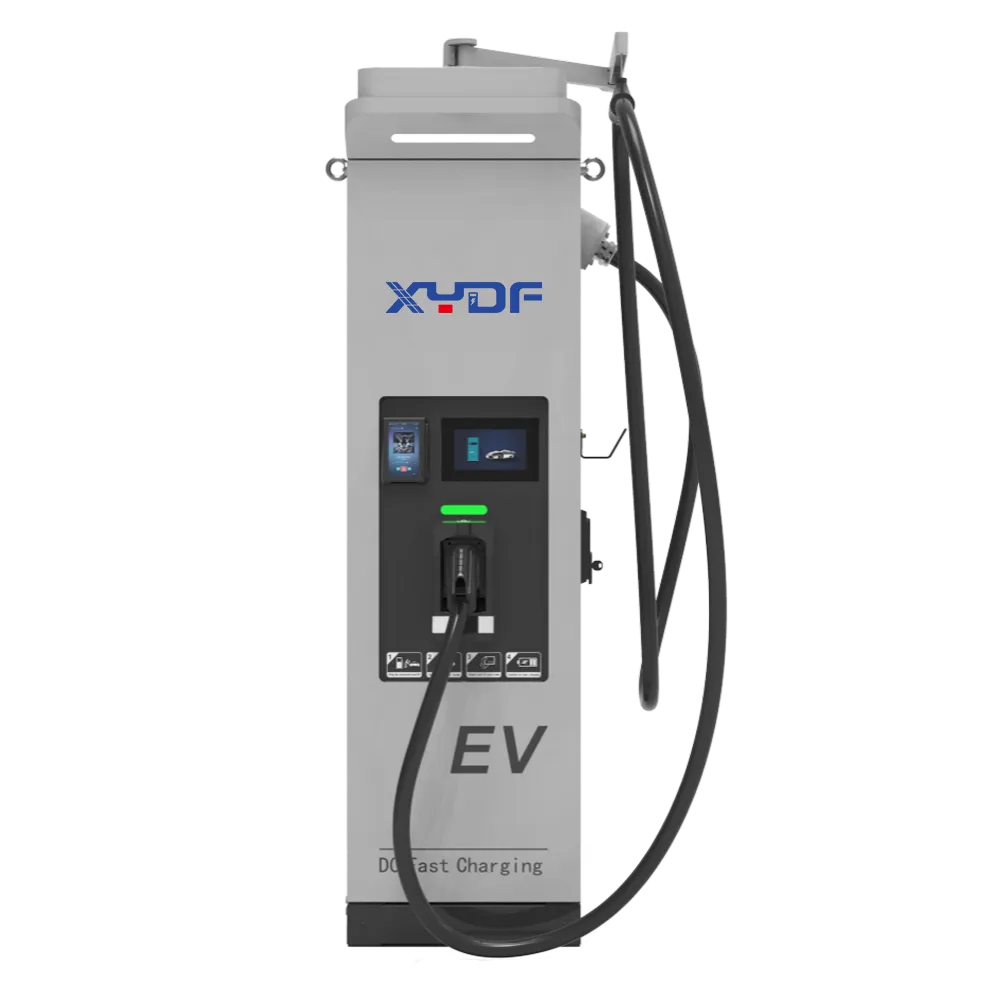
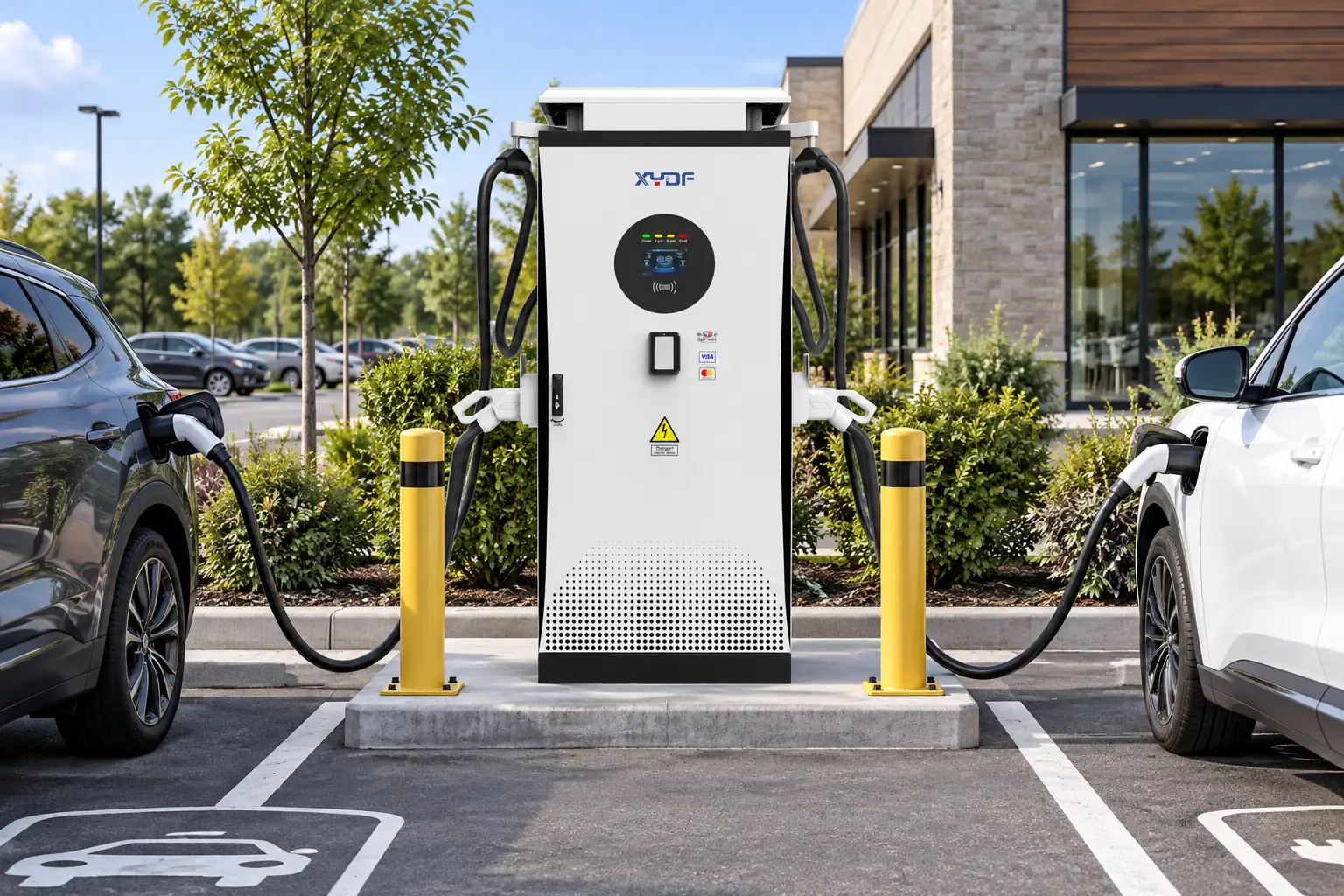
Un chargeur EV tout-en-un combine tous les composants principaux – modules de puissance, interface utilisateur et connecteurs de charge – dans un seul coffret.
La plupart des chargeurs DC pour véhicules électriques que nous rencontrons dans la vie quotidienne sont des appareils tout-en-un.
Caractéristiques : Un seul cabinet avec 2 connecteurs. (Certaines marques de chargeurs pour véhicules électriques supportent 3 ou 4 connecteurs.)
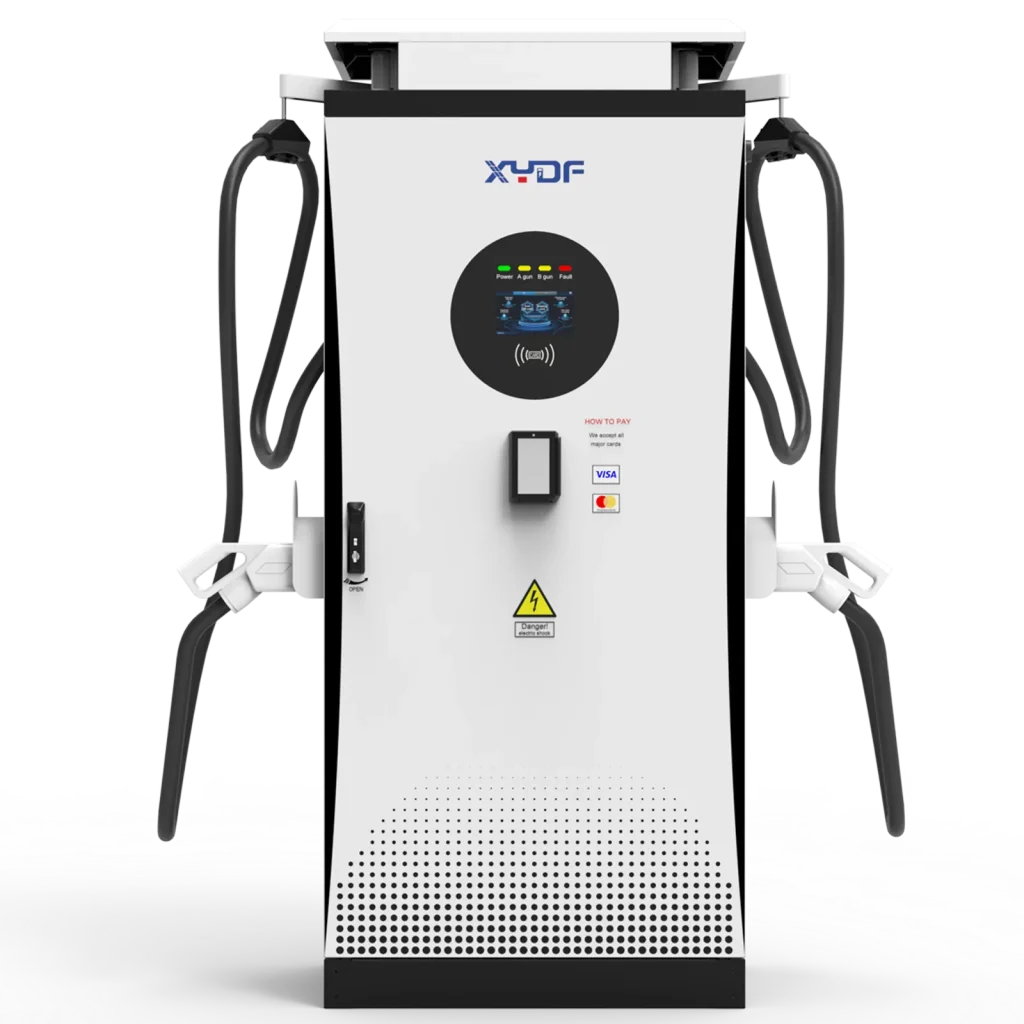
Tout en une seule station de recharge
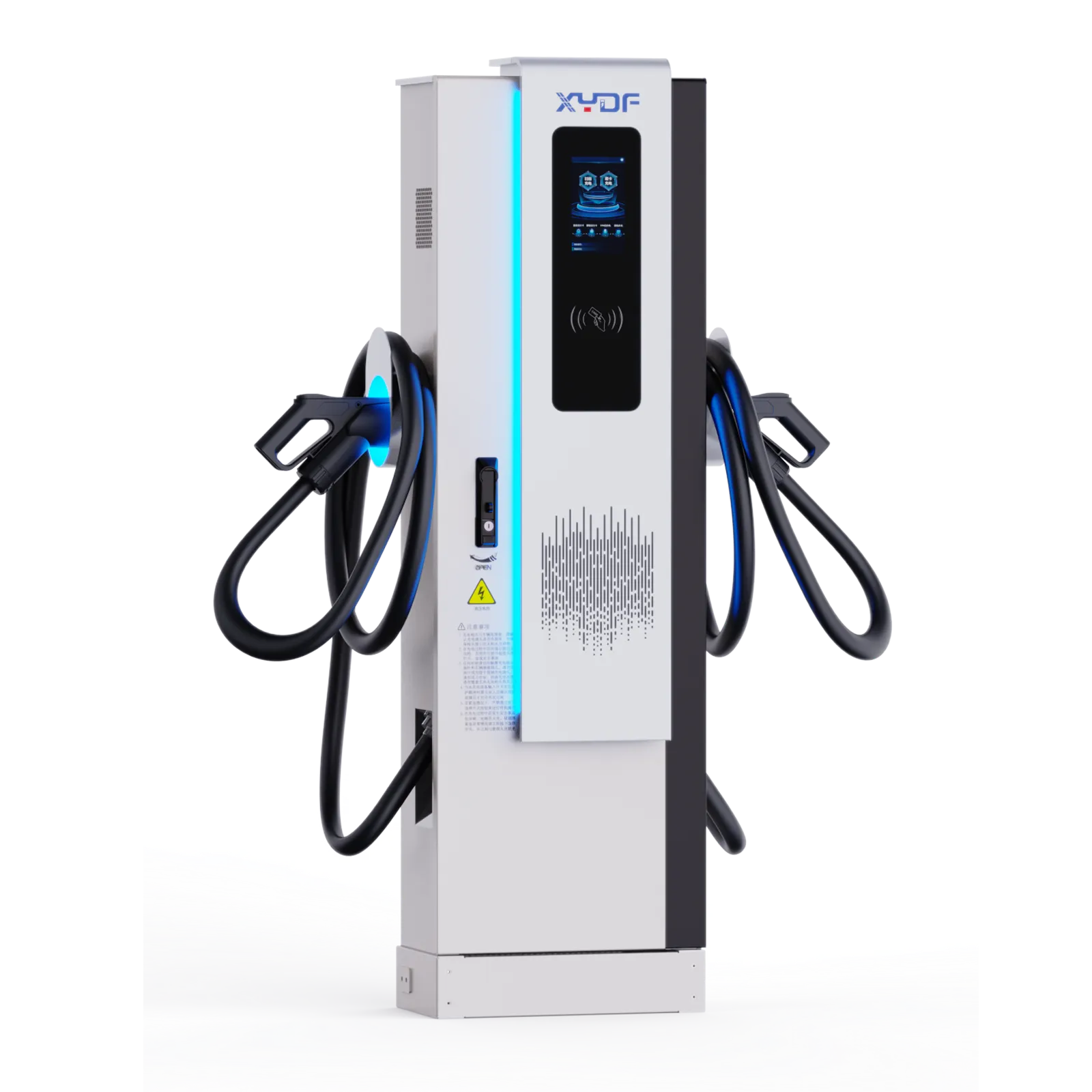
Chargeur EV à deux ports
Une solution de recharge électrique à type de split sépare Armature électrique de la chargeurs (terminaux de charge). Le nombre de bornes de recharge est généralement de deux ou plusieurs.
Les chargeurs à deux prises ont plusieurs autres noms : chargeurs satellite, système de charge distribué ou stations de charge à deux prises. Techniquement, un chargeur à deux prises fonctionne comme une station de charge compacte.
Caractéristiques : Un coffret d'alimentation comprenant plusieurs distributeurs de charge plus petits.
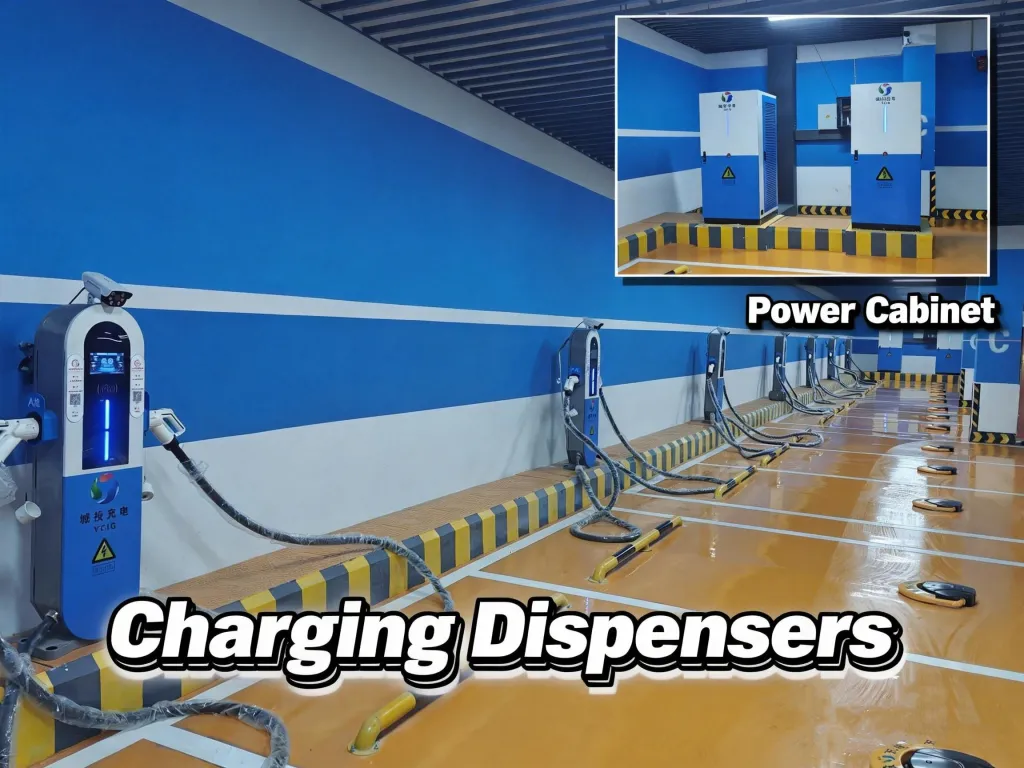
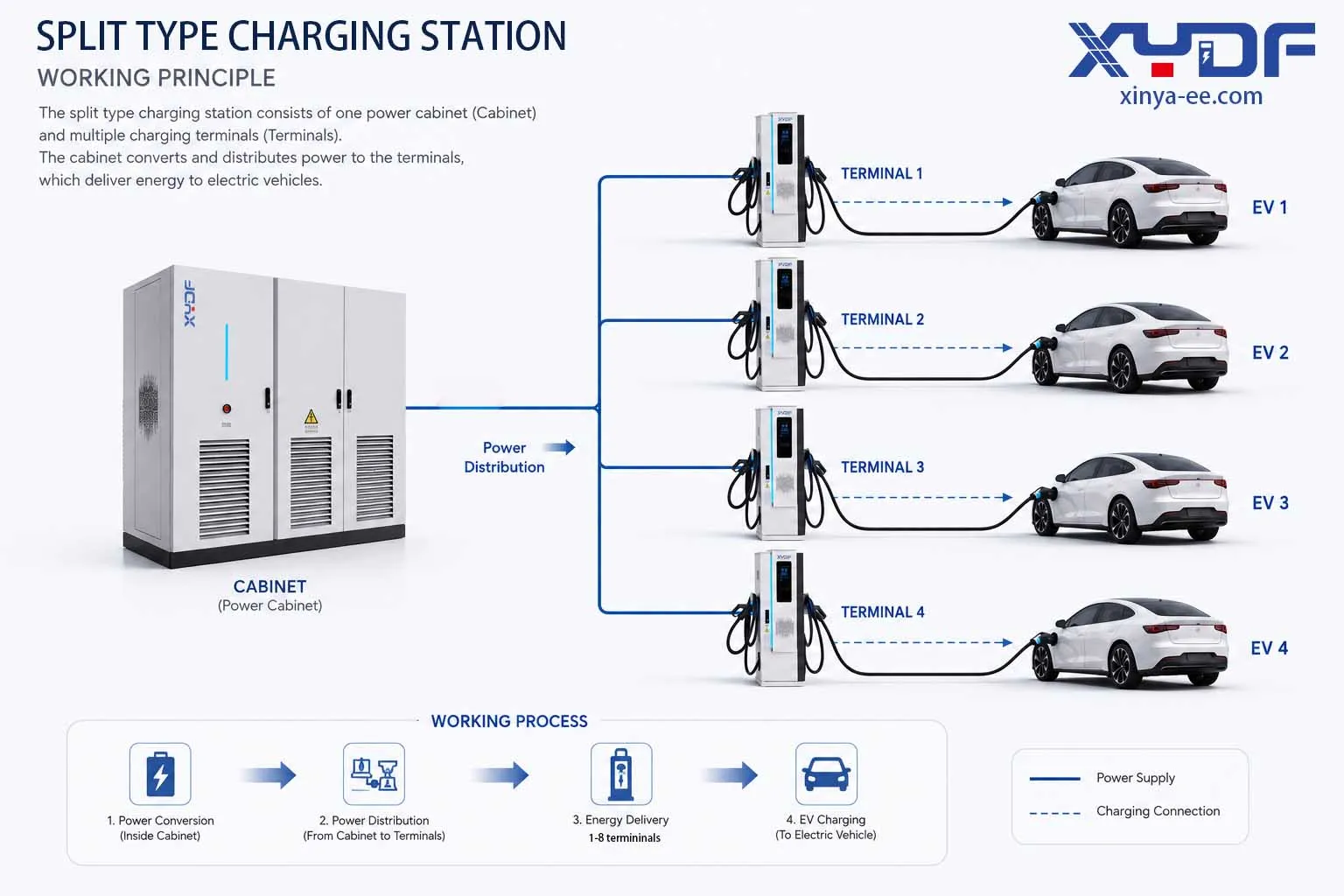
Avant d'installer
Avertissement de conformité : Que ce soit pour un type de produit ou pour une installation ou un achat, vérifiez toujours les procédures d’approbation locales et les réglementations relatives au câblage et à la construction du site avant d’installer ou d’acheter le produit afin d’éviter des problèmes inutiles.
Les deux architectures possèdent des avantages distincts en fonction de vos besoins spécifiques :
Vous pouvez également Apprenez-en davantage sur les types de stations de recharge pour véhicules électriques. Vous avez besoin de conseils sur-mesure ? Partagez-nous vos besoins et contraintes spécifiques afin de trouver la solution idéale pour votre situation.
 Xinya Dongfang Electricity Technology Co., Ltd.