Matériaux de l'enceinte de charge des véhicules électriques et résistance aux intempéries pour les sites extérieurs
Juil 24,2026
Blog
Pour un projet de recharge côtier, une seule évaluation de l’indice d’immersion ne permet pas de déterminer si le coffret est adapté. Les acheteurs doivent également prendre en compte le système de revêtement, les matériaux de fixation, la résistance aux impacts et les hypothèses de maintenance, car ces facteurs déterminent le risque lié à la durée de vie du produit.
Matériaux pour l’enceinte de charge électrique extérieure Le matériau doit être sélectionné en fonction de la corrosion, de la résistance aux UV, de la résistance aux chocs, de la résistance à l’abrasion, de la facilité d’entretien et de la manipulation du site. L’acier peint en poudre peut être utilisé dans des environnements protégés ou modérés lorsque le système de revêtement et les bords sont contrôlés ; l’acier inoxydable convient mieux aux environnements à forte exposition à la corrosion ; le polycarbonate est approprié pour les revêtements, les fenêtres ou les boîtiers de petite taille lorsque les performances en matière de résistance aux UV et aux chocs sont documentées. Les normes IEC 60529 couvrent l’indice de protection IP, les normes IEC 62262 couvrent la classification IK en matière de résistance aux impacts et l’ISO 9227 définit les tests de saleté provoquée par l’eau ; aucun d’entre eux ne permet d’assurer une durée de vie en extérieur de dix ans.
Le matériau de l’enceinte a un impact sur la durabilité du meuble pendant dix ans d’exposition à la pluie, à la saleté et aux agressions physiques. Le choix doit être fait en fonction du site plutôt que de la liste des caractéristiques du produit. Classifiez d’abord l’exposition, puis sélectionnez le substrat et le système de revêtement en fonction de cette classification ; un matériau économique en milieu rural peut devenir une source récurrente de problèmes à deux cents mètres d’un port.
Classer l'exposition du site avant de sélectionner un matériau
Le risque de corrosion est classifiable. ISO 9223 Classifie la corrosion atmosphérique en fonction des facteurs du site tels que l’humidité, le chlore et l’exposition à la pollution. Sélectionnez le matériau et le système de revêtement en fonction de cette classification, et non un label “ extérieur ” générique.
La protection contre les intempéries est l’une des trois décisions de protection qui doivent être appliquées ensemble. La protection contre les intempéries — c’est-à-dire la mesure dans laquelle l’eau et la poussière sont retenues à l’extérieur — constitue une classification distincte au sein de IEC 60529, couvert par Guide de sélection de la classe d'indice de protection IP pour les chargeurs EV. Le substrat et la finition doivent maintenir l’intégrité de l’enceinte tout en permettant aux joints de remplir leur mission.
Utilisez une matrice climatique pour documenter le point de départ
Exposition du site
Point de départ du matériau/de la finition
Épreuve et action de conception
Situé à l'intérieur ou sur un abri
Acier peint à la poudre ; polycarbonate pour les revêtements non structurels
Contrôlez l’adhérence de la couche, le traitement des bords, la ventilation et les produits de nettoyage.
Environnement général : pollution modérée
Acier ou inox revêtu de poudre, selon l'accès au service et le poids
Indiquer un revêtement de finition UV stable, des joints étanches et un drainage ; vérifier la dégradation thermique
Débris de sel de mer ou de route
Acier inoxydable avec des accessoires compatibles ; acier revêtu uniquement avec un système documenté
Contrôlez les couples galva niques, inspectez les coutures et révisez la méthode de pulvérisation à l’eau salée
Polluants industriels
Métal inoxydable ou revêtu de revêtement selon la classe de corrosion
Détermination des produits chimiques présents, de la résistance à l’eau et des dépôts ; contrôle de la finition après nettoyage
Beaucoup de soleil et de chaleur
Armoire métallique avec finition réfléchissante/résistante aux UV ; polycarbonate uniquement dans les cas où cela est requis
Évaluer la charge solaire, le cycle thermique, l’usure UV des polymères et la dégradation interne
Comparez les matériaux et les finitions avec les modes de défaillance en extérieur
La résistance à l’extérieur est un critère systématique, et non une seule étiquette d’encadrement. Une protection contre l’entrée de poussière, l’impact, la corrosion, les vibrations, le sol, le câblage, l’évacuation des eaux, l’isolement d’urgence, l’accès et les contrôles d’inspection doivent être séparées. Le dossier d’achat doit indiquer l’exposition réelle et les contrôles d’acceptation, car une classification IP ou une description matérielle ne prouvent pas que l’ensemble de l’installation restera fonctionnelle sur le site. Pour le contexte de planification publique, voir Norme de protection contre l'intrusion des éléments de l'enveloppe selon la norme IEC 60529; Le dossier d’acceptation site-spécifique reste le facteur déterminant de la décision finale.
Contrairement aux armoires intérieures protégées, les boîtiers de charge en extérieur sont exposés simultanément à l'UV, aux cycles de condensation et à l'usure due aux contacts. Comparaison des fabricants chez Topcabinet résume les compromis pratiques :
Matériel
Points forts en extérieur
Points de vigilance
Acier doux revêtu
Économique, robuste, facile à fabriquer
Rousseurs aux coutures et bords tranchants une fois que la couche extérieure est atteinte ; mieux protégés
Aluminium
Couche légère et naturelle d'oxyde, bonne conduction thermique
Corrosion galvanique aux points de contact avec des attaches en acier ; nécessite un matériel d’isolation
Acier inoxydable 304
Bonne résistance à la corrosion générale
Les chlorures tels que l'eau de mer et les produits chimiques de dégel peuvent le compromettre.
Acier inoxydable 316
L'ajout de molybdène résiste aux chlorures
Prime de coût ; fabrication plus lourde
Polymer / composite
Non-conducteur, sans rouille, économique
Il nécessite une stabilisation UV ou il se fragilise et change de couleur.
Topcabinet, un fabricant de meubles destiné aux constructeurs de chargeurs rapides pour véhicules électriques, déclare que “ le mild steel exposé à l’extérieur va montrer des traces de rouille aux coutures des panneaux dans les 3 à 5 ans , peu importe l’excellent état de la peinture ”, tandis que le 304 inox convient aux sites côtiers situés à quelques kilomètres de zones maritimes salées, et que le 316 est une solution excessive pour la plupart des chargeurs, sauf si l’on est vraiment situé en bord de mer.“
Demandez quelles preuves sous-tendent chaque option pratique.
Option
Points forts
Utilisez avec prudence
Evidences de l'acheteur
Boîtiers en acier peint à la poudre
Panneaux rigides et familiers, faciles à réparer
Les bords coupés, les coutures et les rayures peuvent provoquer l’apparition de la rouille.
Qualité du substrat, prétraitement, primer/couche supérieure, adhérence et protection des bords
Acier inoxydable (304/316 selon les spécifications du site)
Résistance à la corrosion et surface mécanique durable
Les chlorures peuvent endommager l’acier 304 ; le contact avec des métaux mixtes peut provoquer une attaque galvanique.
Qualité, finissage de la soudure, compatibilité des fixations et méthode de nettoyage
Polycarbonate (parties sélectionnées)
Isolation électrique, faible poids, sans corrosion
Les limites de fragilisation par UV, de décoloration, de courbure et d’impact varient selon la formulation.
Stabilisation UV, IK selon les cas, plage de températures et compatibilité chimique
Définissez le système de revêtement associé au substrat
Un Système de revêtement pour EVSE extérieur Les caractéristiques des bornes de recharge extérieures sont généralement conformes à une solution à plusieurs couches – un apprêt anti-corrosion et un revêtement supérieur résistant aux UV – sélectionnées en fonction de la classe de corrosion du site. Guide de montage de la borne de recharge EVSE Topcabinet Il traite la spécification du système de revêtement comme un point majeur, tout comme la résistance aux matières et la résistance à l’eau.
La lumière du soleil mérite une attention particulière, tant pour les pièces en polymère que pour les finitions peintes. L’exposition aux UV fragilise les polymères non stabilisés et ternit les finitions non protégées au fil du temps, de sorte que les écrans, les pochettes pour câbles et les fermetures nécessitent la même attention que la peau du meuble. La chaleur est l’autre face de cette même exposition ; Guide de gestion thermique pour les sites à haute température Il explique comment la charge solaire affecte le fonctionnement des équipements à l’intérieur de l’enceinte.
Les sites côtiers, les sites salins routiers et les sites industriels nécessitent une planification supplémentaire en matière de corrosion.
Les atmosphères riches en chlorure et polluées attaquent plus rapidement et dans plus d'endroits. Une station de recharge pour navires de port décrite par ZDS Chemical “Il a ” lutté contre des défaillances récurrentes » jusqu’à ce que l’analyse des causes profondes révèle une corrosion galvaneuse au niveau du boîtier principal en aluminium et des barres de mise à la terre en cuivre ; la solution a consisté à utiliser des vis inoxydables 316, des revêtements époxy-polyuréthane et des boîtiers modulaires avec joints.
Trois règles pratiques s'appliquent :
Ne laissez jamais des métaux différents en contact avec l’eau ; isolez l’aluminium de l’acier et du cuivre grâce aux correcteurs de serrage et aux rondelles appropriées.
Indiquez explicitement les matériaux des attaches et des charnières car les pièces métalliques peuvent présenter des problèmes avant que les panneaux ne le fassent.
Planifiez l’accès aux zones de soudure, aux joints et aux conduites de drainage car la corrosion se développe là où l’eau se trouve.
Les produits chimiques de décongélation entraînent une exposition au chlore de niveau côtier sur les sites situés à l'intérieur des terres. Si la région salit les routes en hiver, il convient de considérer les zones d'évacuation des eaux de pluie autour des armoires installées au sol comme une zone d'exposition au chlore lors de la classification du site. Classification de la corrosivité selon la norme ISO 9223.
Testez chaque aspect de la résistance aux intempéries séparément
Gardez les classements IP et Résistance aux intempéries des chargeurs EV distinct : une porte scellée peut passer un test IP, tandis qu'une couche ou un système de fixation non protégés peuvent se corroder à l'extérieur de la fermeture. Pour une décision plus approfondie concernant l'intrusion, utilisez Guide de sélection de la classe d'indice de protection IP pour les chargeurs EV.
Les essais de résistance aux intempéries des chargeurs de véhicules électriques selon la norme IEC 60529 confirment leur résistance aux solides et à l’eau dans une configuration définie. Notez l’orientation du montage, les organes de fixation, les portes et les voies de drainage.
IK selon la norme IEC 62262 classe l’énergie d’impact en fonction de l’enveloppe. Cela ne prouve pas la résistance au vandalisme pour toutes les installations ou tous les composants situés derrière le panneau.
Les essais de corrosion selon la norme ISO 9227 utilisent l’exposition à la saleté pour comparer les finitions selon une méthode définie ; ils ne permettent pas de prédire directement la durée de vie de l’ouvrage dans un environnement atmosphérique. Associés à la classification de la corrosivité selon la norme ISO 9223 ainsi qu’aux contrôles de post-essai et d’adhérence, ils permettent de déterminer la résistance à la corrosion.
Pour les performances UV et thermiques, demandez la méthode UV du polymère ou du revêtement, les critères de couleur et d’ébréchement, la plage de cycles thermiques, les hypothèses relatives à la charge solaire et le comportement de dégradation du chargeur. guide de gestion thermique à haute température Il relie les choix d’aménagement à la chaleur interne.
Établissez des preuves et les coûts à vie dans la demande de propositions
Écrivez l’environnement dans la demande afin que les fournisseurs répondent par des preuves plutôt que des adjectifs :
L'acheteur doit fournir
Pourquoi c'est important
Distance côtière, pollution industrielle, utilisation de sel routier
Fixe la classe de corrosivité que le matériau doit supporter.
Exposition au soleil et gamme ambiante
Favorise la stabilité des UV et les exigences en matière de finitions
Type de montage et niveau de contact avec le public
Modifications des hypothèses concernant l'usure mécanique et la couche de revêtement
Règime de nettoyage, y compris lavage à haute pression et produits chimiques
Affecte les joints, les fixations et le choix des finitions
Documents requis : qualité du matériau, système de revêtement, rapports d’essai
Remplie la spécification livrée avec véracité
Demandez aux fournisseurs de préciser la qualité du substrat, le système de revêtement et les preuves à l’appui de ces éléments pour le modèle précis cité. Une réponse générique “ résistant aux intempéries ” laisse une lacune que l’acheteur pourrait devoir couvrir au bout de trois ans.
Inclure les frais d'entretien et le coût total d'utilisation
Réalisez un état de référence lors de la mise en service : revêtement, coutures, joints, circuits de drainage, charnières, fixations, pochettes de câbles et étiquettes. Fixez des intervalles d’inspection en fonction de la pratique d’exposition et de nettoyage, et non d’un calendrier général. Établissez un budget pour les matériaux de réparation compatibles avec le système d’origine, les joints et fixations de remplacement, le nettoyage contre la corrosion et l’accès sécurisé ; un cabinet peu coûteux peut entraîner des coûts plus élevés en matière de main-d’œuvre et de temps d’arrêt lorsque les panneaux se collent ou lorsque les circuits d’évacuation de l’eau s’obstruent.
Utilisez un modèle simple de coût total d’acquisition : prix d’achat + adaptations d’installation + inspections et nettoyages planifiés + pièces de rechange + coûts d’arrêt imprévu et de visite sur site. Notez que les hypothèses sont des estimations et testez leur sensibilité à l’exposition côtière, au vandalisme et à la fréquence de lavage.
Utilisez une liste de contrôle pour l'achat d'un abri extérieur
Décrivez le climat, la corrosion, les UV, les températures ambiantes et solaires, le risque d'impact, les produits chimiques lavables et l'orientation de montage.
Indiquez la qualité du substrat, l’épaisseur de la couche de revêtement et de pré-traitement, les métaux des attaches, le matériau des joints et les contacts métalliques interdits.
Demandez les rapports IEC 60529 IP et IEC 62262 IK pour la configuration exacte ; demandez la méthode ISO 9227 et les critères d’acceptation lorsque l’exposition à la saleté est un problème.
Évaluer les performances en matière de UV, de cycle thermique, d’adhérence, de drainage et de fonctionnalité après essai ; confirmer la dégradation de la puissance dans les conditions de fonctionnement sur site.
Définissez les responsabilités en matière d’inspection, de nettoyage, de retouche, de pièces de rechange, de garantie et de service. Guide d’achat de chargeurs pour véhicules électriques Il peut structurer la demande de propositions plus générale.
Avant la publication, envoyez la matrice d’exposition complétée au fournisseur et conservez la version approuvée avec le fichier du projet.
Verifiez le modèle XYDF sélectionné par rapport au site
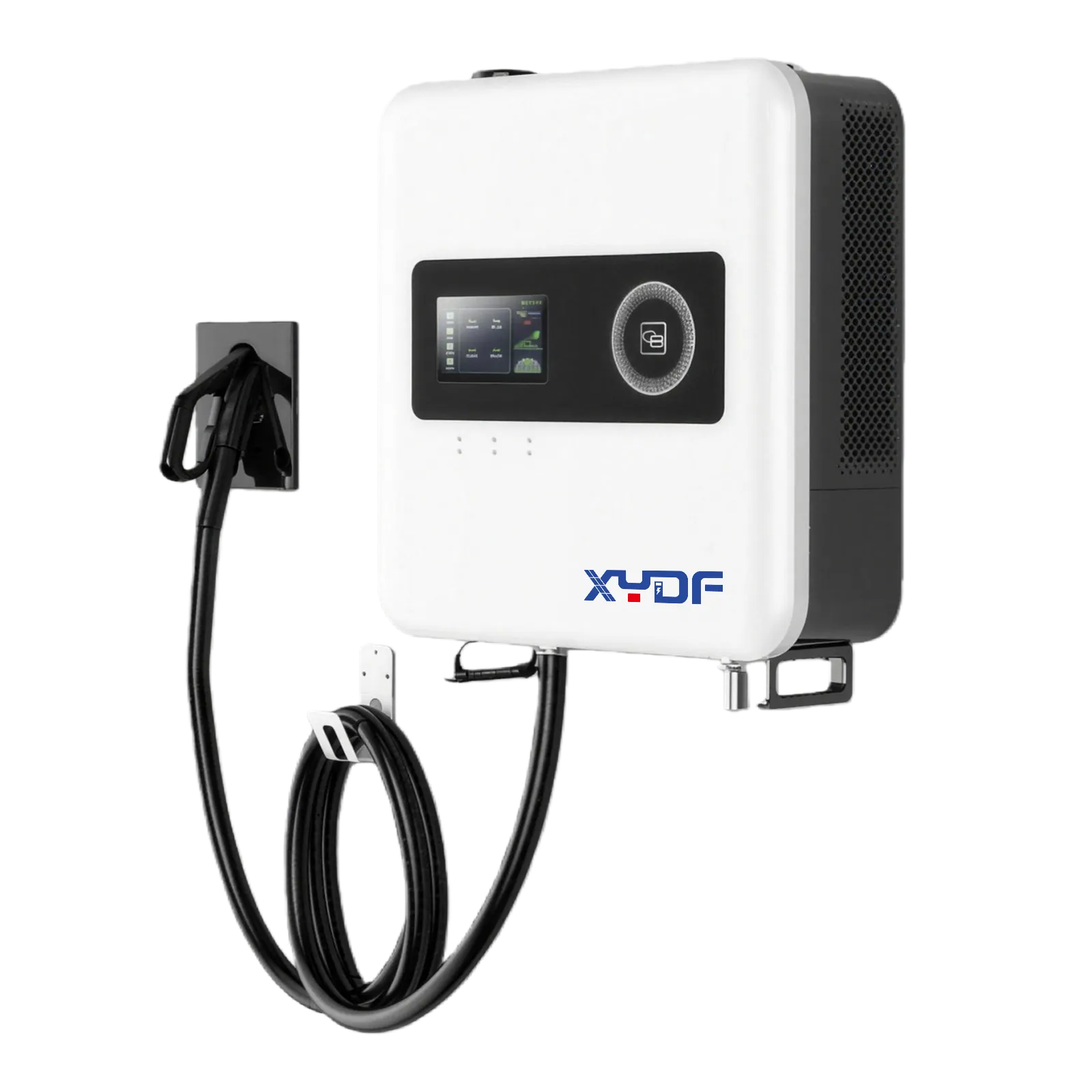
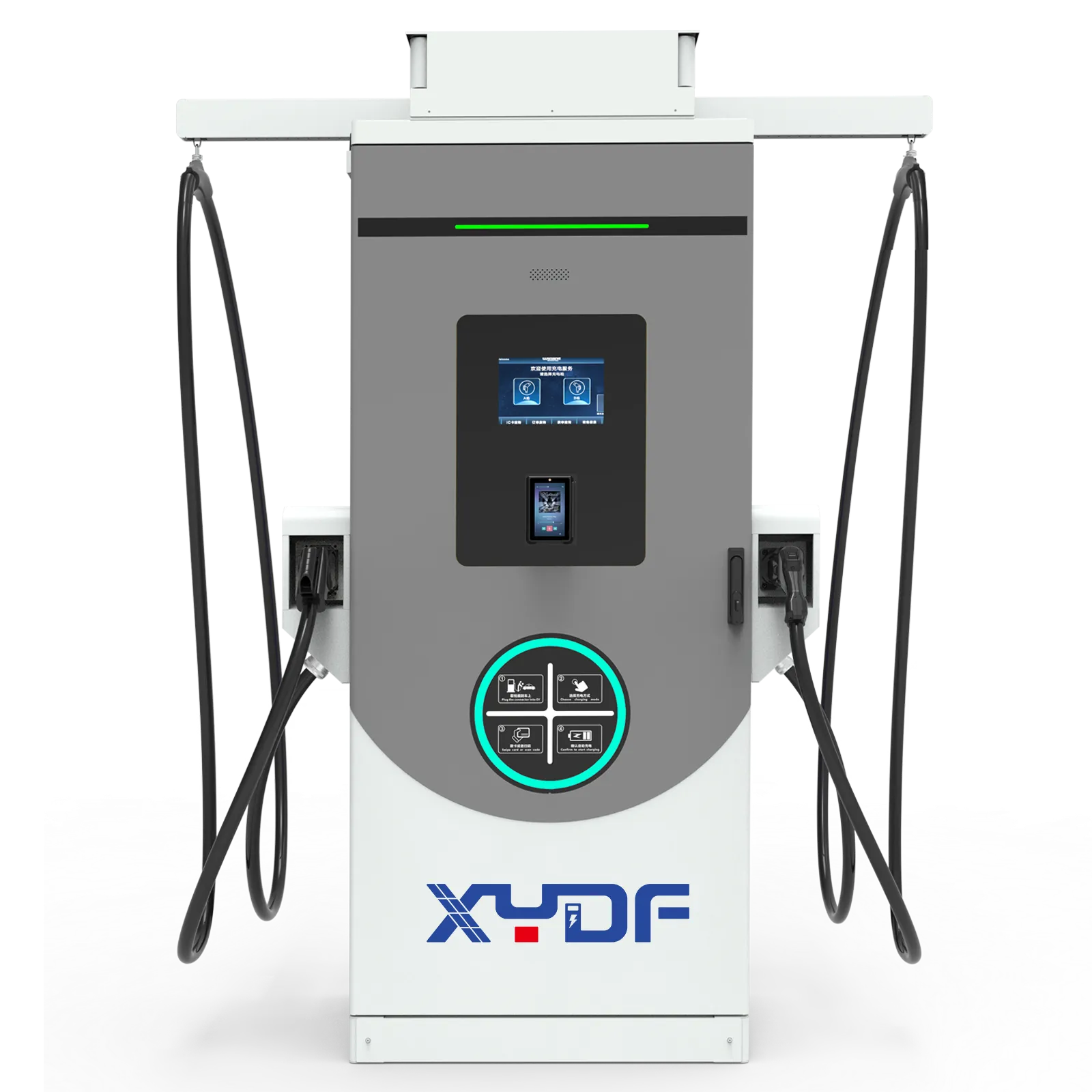
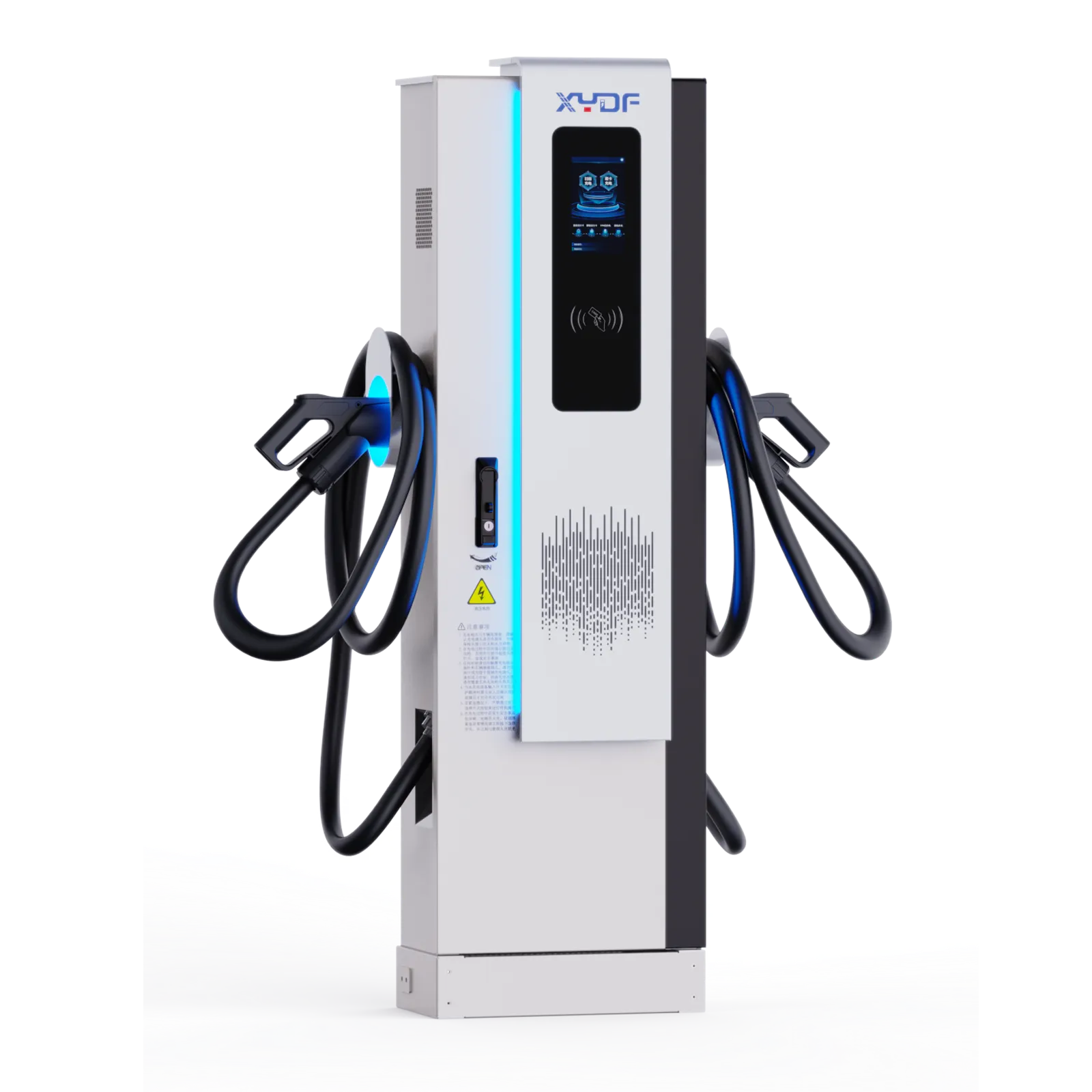
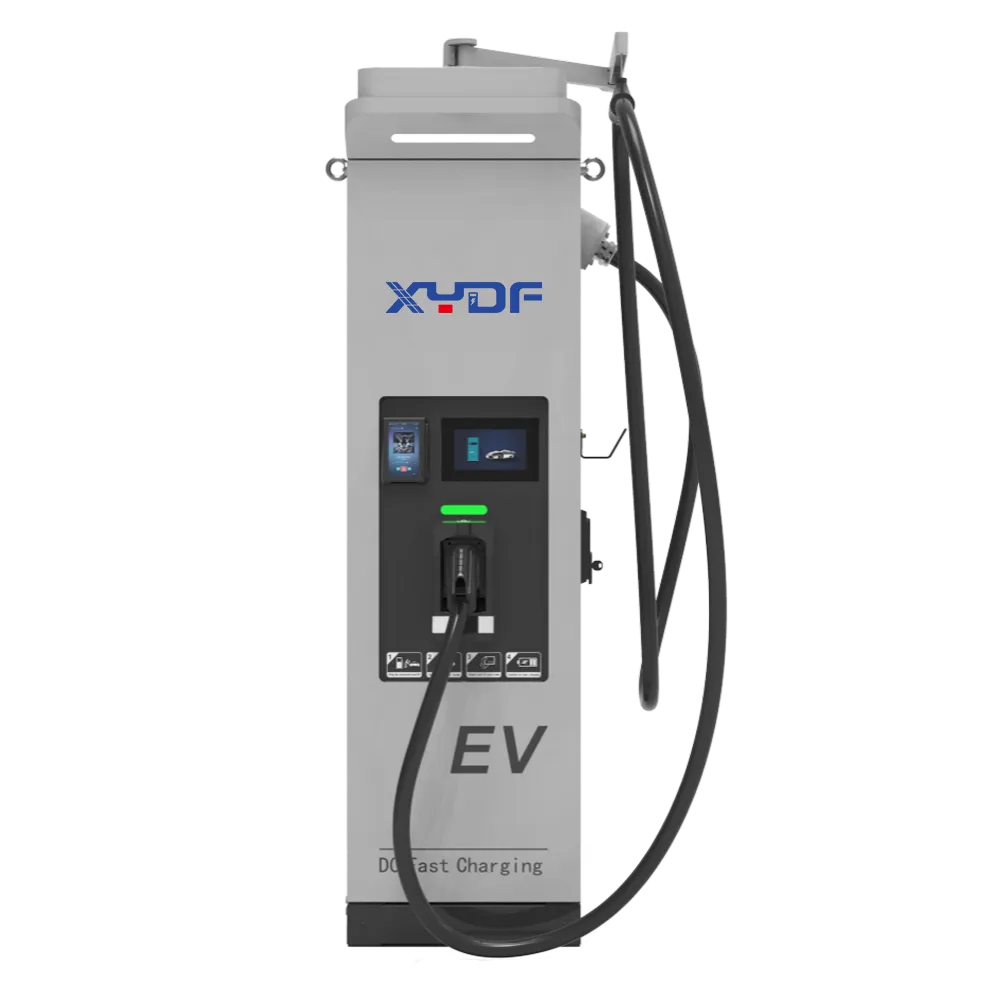
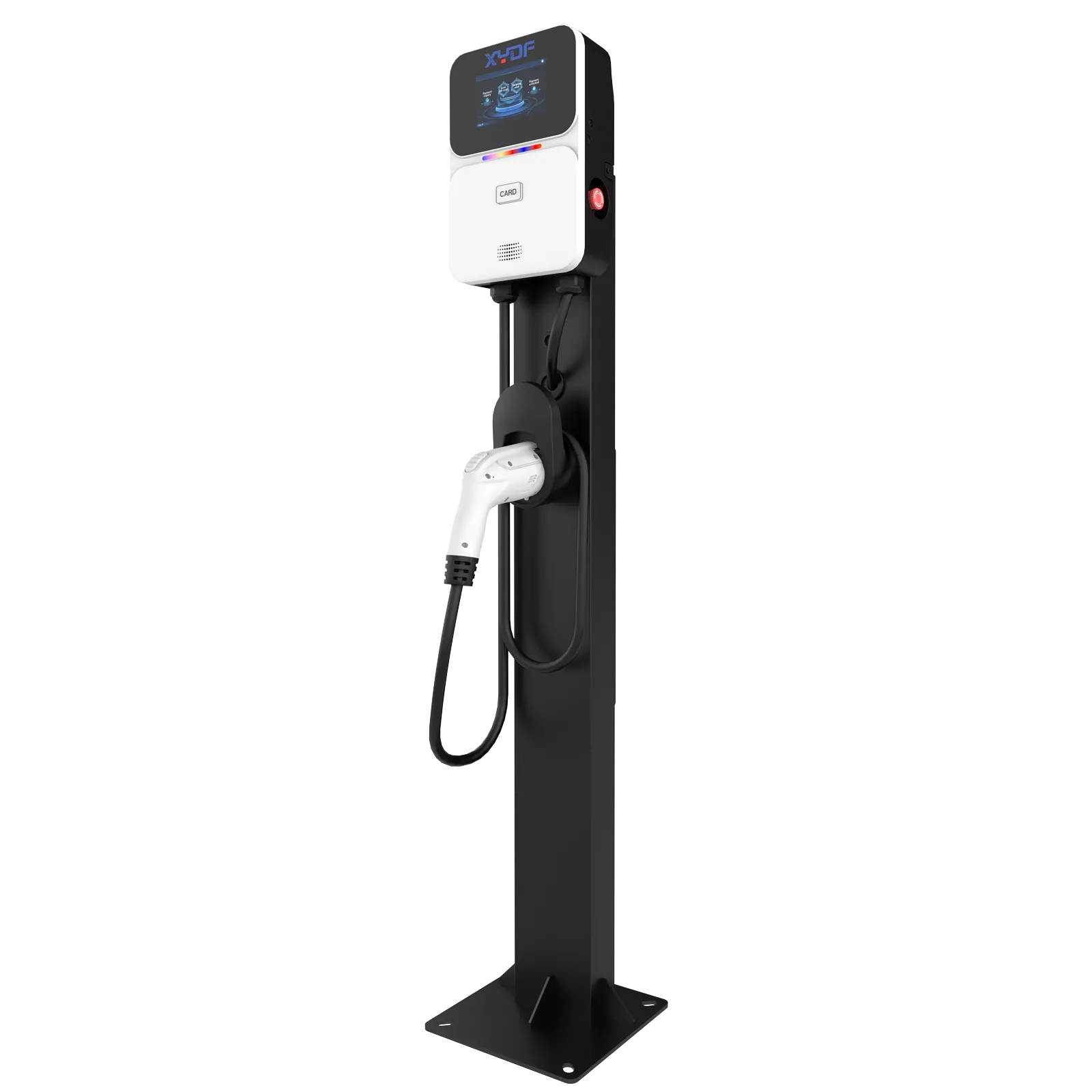
Pour les projets relatifs à des destinations et des lieux de travail, la gamme AC de XYDF comprend des modèles commercialisés avec une protection IP65 sur leurs pages de produits ; veuillez consulter les informations correspondantes sur les pages de chaque modèle. Chargeur IP65 7 kW pour appareils électriques AC et l'ensemble Gamma de chargeurs AC. Pour le chargement rapide commercial en extérieur, le Catégorie de chargeurs rapides DC Coûte des équipements de format de cabinet dont l’exposition au sol doit être documentée conformément aux informations fournies dans les demandes de prix ci-dessus.
Une évaluation de l’intégrité de l’enveloppe publiée n’est pas un document d’information détaillé. Vérifiez le substrat de l’enveloppe, le système de revêtement et les essais de corrosion du modèle et de la classe de site spécifiques avant de conclure un contrat. Transmettez les données relatives au climat, à l’installation, à la nettoyage et à l’exposition à l’air. XYDF via la page de contact, et demande que la documentation soit fournie avec la citation. Ce guide fournit des informations sur les spécifications des matériels d’extérieur ; il ne remplace pas le manuel de modèle, l’ingénierie du site ou la décision relative à la résistance à l’eau.
Foire aux questions
Quel matériau de protection est le meilleur pour les chargeurs EV en extérieur ?
Il n’existe pas de solution universelle optimale. L’acier revêtu convient aux endroits protégés, l’aluminium apporte la stabilité en charge et la résistance à la corrosion pour une utilisation générale en extérieur, tandis que l’acier inoxydable de qualité 316 offre les meilleures performances là où l’exposition au chlore est réelle.
Le acier revêtu de poudre est-il adapté pour un chargeur électrique extérieur ?
Il peut être nécessaire de procéder à un prétraitement, un apprêt, un enduit de finition, une protection des bords, un drainage et des opérations de maintenance en fonction de la corrosion du site. Les éclaboussures côtières, le sel de route ou une pollution industrielle intense peuvent justifier l’utilisation d’un acier inoxydable ou d’un système de revêtement plus robuste et documenté.
Quand vaut-il la peine d'utiliser l'acier inoxydable 316 plutôt que l'acier inoxydable 304 ?
Lorsque des chlorures sont présents – l’air salé près des côtes, les produits chimiques de dégel ou certaines atmosphères industrielles – le molybdène du 316 résiste aux attaques de corrosion que le 304 subit dans ces conditions.
Quand faut-il opter pour l’acier inoxydable plutôt que pour l’acier revêtu de peinture ?
Choisissez l’acier inoxydable lorsque l’exposition à la corrosion, le nettoyage ou les impacts risquent de détruire le revêtement ; optez pour l’acier 304 ou 316 en fonction des conditions de chlorure et du procédé de fabrication ; vérifiez la qualité des soudures, la compatibilité des attaches et les garanties du fournisseur plutôt que de vous fier uniquement au nom de la qualité.
Les armoires de chargeurs en aluminium corroident-elles ?
L’aluminium forme une couche d’oxyde protectrice et se comporte bien à l’extérieur, mais il est vulnérable à la corrosion galvaneuse lorsque il touche de l’acier ou du cuivre dans des conditions humides. Les accessoires d’isolation empêchent cette défaillance.
Le polycarbonate peut-il être utilisé pour un boîtier de chargeur ?
Utilisez-le de manière sélective pour les couvertures, les fenêtres ou les petits boîtiers où sa résistance aux UV, à la température, à la flexion, aux produits chimiques et aux chocs est documentée. Il ne remplace pas automatiquement un cabinet métallique structurel dans des endroits exposés à une forte exposition au soleil ou à des impacts.
Comment la lumière du soleil dégrade les boîtiers de chargeurs en plastique ?
L’exposition aux ultraviolets fragilise et décolore les polymères non stabilisés et altère les finitions. Les pièces en polymère destinées à l’extérieur doivent être spécifiées avec une stabilisation UV et évaluées en parallèle avec le système de revêtement.
Comment la corrosion galvanique est-elle évitée sur les sites de recharge ?
Évitez le contact avec des métaux différents : utilisez des matériaux de fixation compatibles, des rondelles isolantes et des revêtements, inspectez les joints et les connexions de mise à la terre où des métaux différents se rencontrent.
Une certification IP suffit-elle à prouver la résistance aux intempéries ?
Non. Une classification de l’indice d’étanchéité indique la protection contre l’entrée de poussière et d’eau ; elle ne dit rien quant à la corrosion, à l’usure due aux UV ou à la durée de vie de la couche de protection. Veuillez indiquer séparément les caractéristiques relatives au matériau et à la finition.
Quelle est la différence entre les classements IP et IK ?
Les normes IP de l’IEC 60529 s’appliquent aux entrées provenant de matières solides et d’eau ; les normes IK de l’IEC 62262 s’appliquent aux impacts énergétiques. Un chargeur peut avoir besoin de ces deux normes combinées, ainsi que de tests supplémentaires pour la corrosion, les UV et les impacts thermiques.
Combien de fois doit-on inspecter l’enceinte d’un chargeur extérieur ?
Fixez l’intervalle entre les nettoyages, les expositions à des risques liés à la contamination par des matières infectieuses et les instructions de maintenance du fabricant. Vérifiez les coutures, les joints, les attaches, les circuits de drainage, les dommages aux revêtements et l’état des câbles, puis enregistrez les résultats afin que les intervalles puissent être ajustés en fonction des constatations.
Pourquoi une certification IP ne suffit-elle pas à homologuer un chargeur extérieur pour véhicules électriques ?
Un code IP désigne la protection contre l’intrusion dans des conditions d’essai définies ; il ne prouve pas en soi la résistance aux impacts, la protection contre la corrosion, la résistance aux vibrations, la stabilité des fondations, la protection des câbles, le drainage ou l’accès à la maintenance. Autoriser l’installation uniquement après que ces exigences distinctes aient été prises en compte en fonction de l’exposition du site et vérifiées dans les dossiers de conception ou d’acceptation.
Achats de chargeurs pour véhicules électriques en extérieur Cela fonctionne le mieux lorsque le sous-sol, la finition, les joints, les équipements, les essais et l’entretien sont conformes aux spécifications du site. Envoyer la matrice d’exposition complète avec la demande de devis, conserver la version approuvée et passer commande uniquement après que les preuves du fournisseur soient conformes à l’installation.
Usine du siège social du Zhejiang :
N° 2, route de Changjiang, parc industriel du pont de Wenzhou, ville de beibaixiang, ville de Yueqing, ville de Wenzhou, province du Zhejiang
Bureau de Shenzhen :
1er étage, Bâtiment A, Parc Industriel Shenkai, Communauté Tangtou, Sous-district de Shiyan, District de Bao'an, Shenzhen
Nous utilisons des cookies pour assurer le bon fonctionnement de ce site Web et, avec votre autorisation, pour mesurer la manière dont les visiteurs utilisent notre site de recharge pour VE. Voir notre Politique de confidentialité pour plus de détails.
 Xinya Dongfang Electricity Technology Co., Ltd.