Материалы корпуса зарядного устройства для электромобилей и устойчивость к воздействию атмосферных факторов в условиях открытого пространства
Июль 24, 2026
Блог
Для проекта по зарядке на побережье оценка уровня защиты от проникновения воды сама по себе не позволяет определить, подходит ли шкаф для этой цели. Покупателям также необходимы система покрытия, материалы для креплений, устойчивость к ударам и предположения по обслуживанию, поскольку эти факторы определяют риск для срока службы.
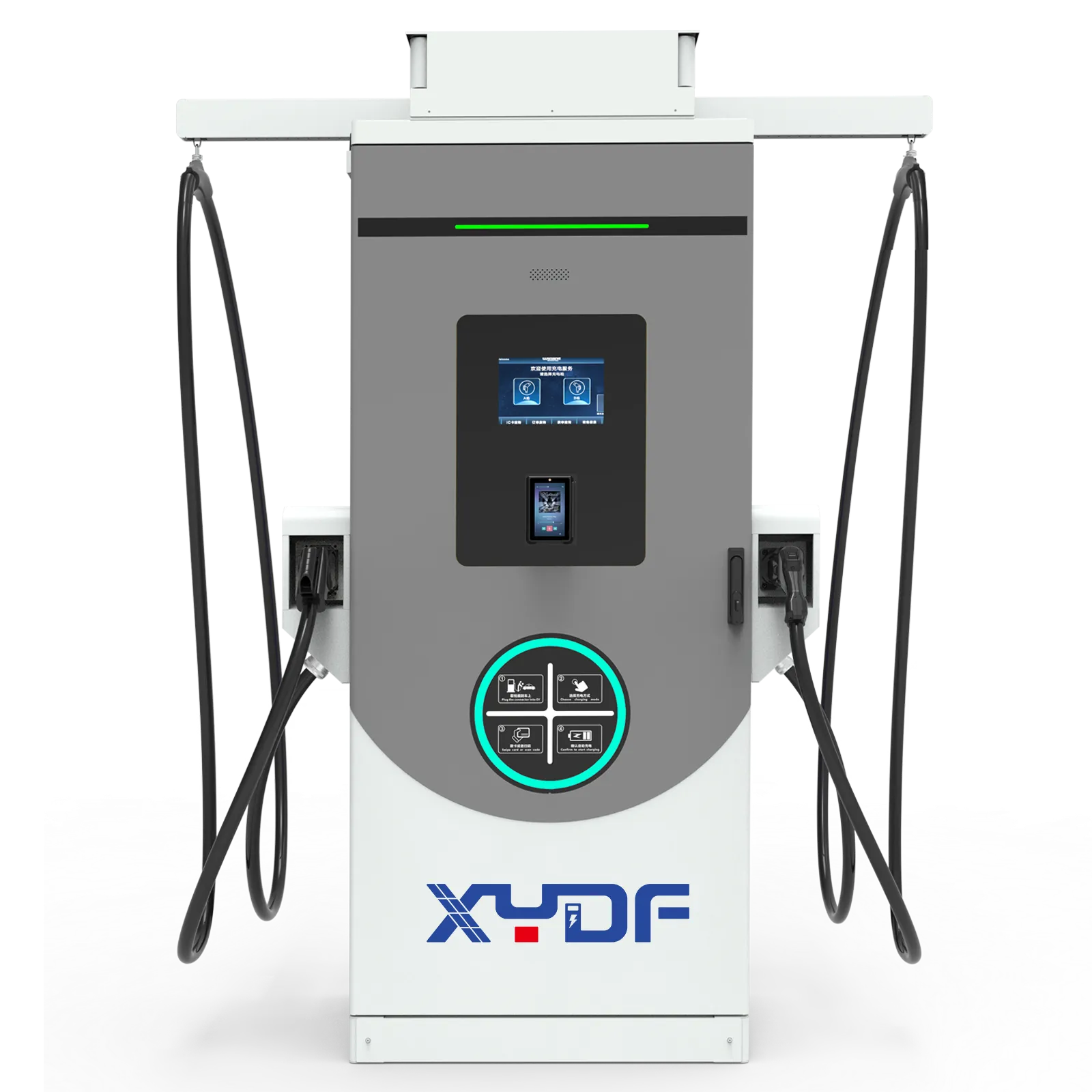
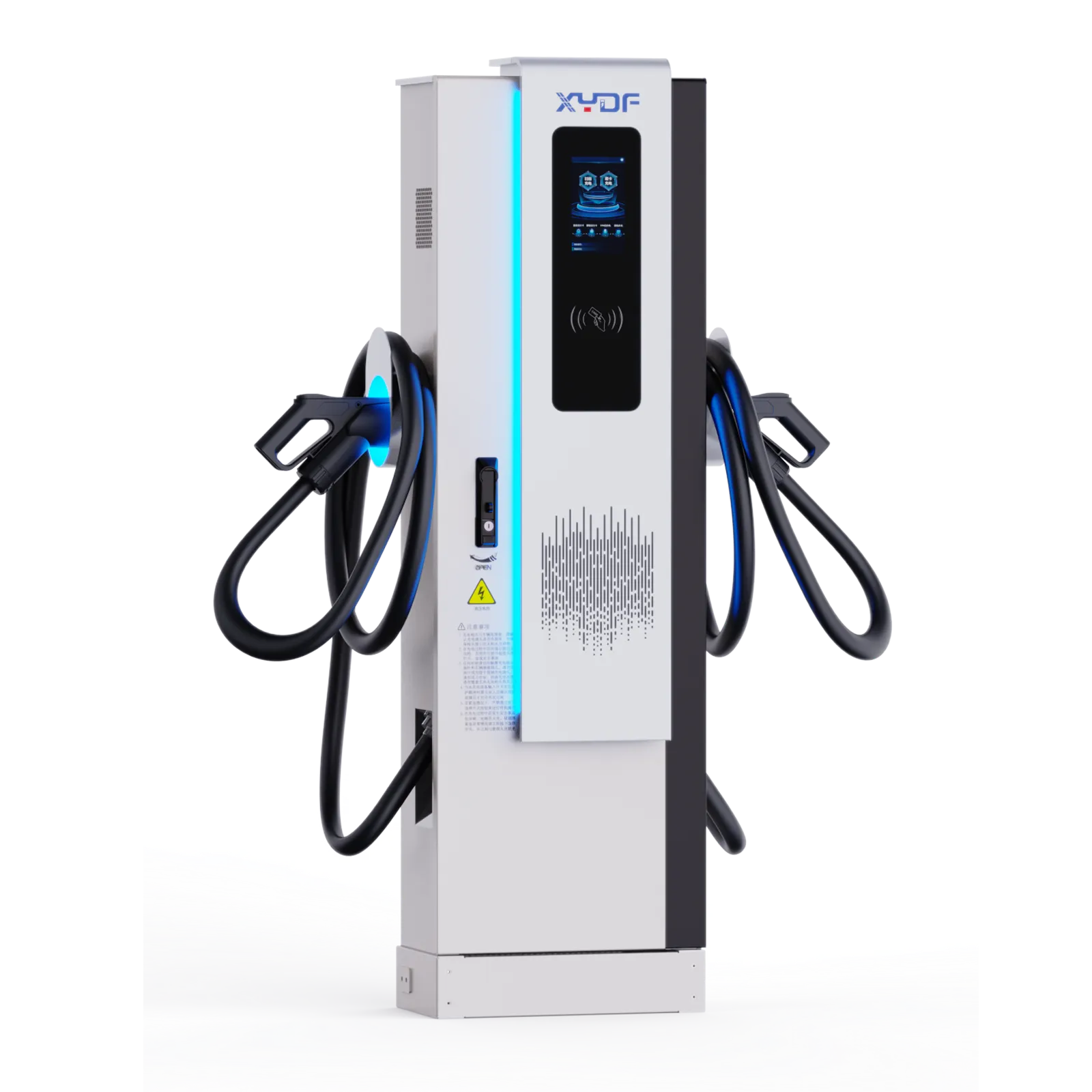
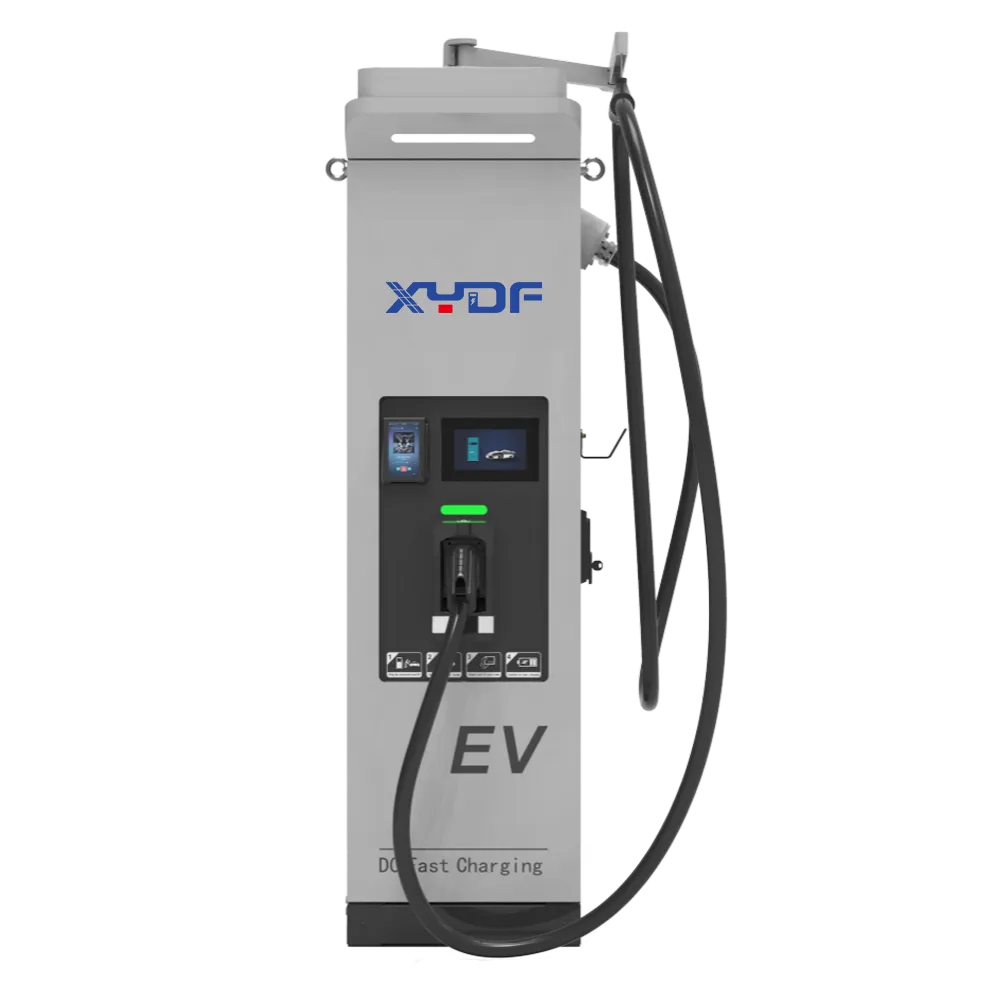
материалы корпуса для наружных зарядных устройств для электромобилей Выбор должен быть основан на коррозионной устойчивости, устойчивости к ультрафиолету, термостойкости, ударной прочности, способности к удалению загрязнений и характеристикам при транспортировке. Сталь с порошковым покрытием может использоваться на защищенных или средних объектах при условии контроля системы нанесения покрытия и обработки краёв; нержавеющая сталь подходит для более агрессивных условий; поликарбонат подходит для отдельных крыш, окон или небольших корпусов при наличии документации по показателям устойчивости к воздействию УФ-излучения и ударам; IEC 60529 регулирует уровень защиты IP, IEC 62262 — классификацию ударной прочности IK, а ISO 9227 определяет испытания на соляной пыли; ни один из этих стандартов не обеспечивает десятилетний срок службы на полевых условиях.
Материал для изготовления корпусов влияет на то, как он выдерживает десятилетнюю эксплуатацию в условиях воздействия солнца, дождя, соленой воды и механических воздействий. При выборе материала следует ориентироваться не на каталог, а на конкретные условия эксплуатации. Прежде всего необходимо определить тип воздействия, а затем подобрать подходящий субстрат и систему покрытия; материал, который пригоден для использования в условиях суши, может стать причиной проблем уже через 200 метров от порта.
Классифицировать воздействие сайта перед выбором материала
Риск коррозии классифицируется. ISO 9223 классифицирует атмосферную коррозионную активность с учетом факторов, присущих конкретному месту, таких как влажность, хлорид и воздействие загрязнения. Выбирайте материалы и системы покрытия в соответствии с этой классификацией, а не по общему обозначению “для наружного использования”.
Материал — это одно из трех решений по защите, которые должны быть согласованными. Защита от попадания влаги и пыли — это отдельный критерий в рамках IEC 60529, который находится под защитой Руководство по выбору зарядных устройств для электромобилей по показателям IP-защиты. Подложка и покрытие должны сохранять целостность корпуса, при этом герметизация должна выполнять свою работу.
Используйте климатическую матрицу для документирования исходного положения
Эксплуатация сайта
Исходный материал/финишная отделка
Доказательства и действия по разработке
Защищенный внутренний или навесной
Сталь с порошковым покрытием; поликарбонат для несущих конструкций
Проверьте адгезию покрытия, обработку краев, вентиляцию и средства для чистки
Общая атмосфера в открытом воздухе, умеренный уровень загрязнения
Сталь или нержавеющая сталь с порошковым покрытием, в зависимости от условий эксплуатации и веса
Установить UV-стойкий верхний слой, герметичные швы и дренаж; проверить температурный деградирующий эффект
Проливка морским или дорожным солью
Нержавеющая сталь с совместимой укомплектовкой; покрытие сталью — только с документально подтвержденной системой
Контролируйте гальванические пары, проверяйте швы и изучайте метод с использованием соляного порошка
Промышленные загрязнители
Металл с нержавеющей или специальной обработанной поверхностью, выбранный в соответствии с классом коррозионной устойчивости
Проверка химических веществ, устойчивости к стирке и отложений; тестирование покрытия после очистки от загрязнений
Высокое солнце и жара
Металлический шкаф с рефлексивным покрытием или покрытием, устойчивым к УФ-излучению; поликарбонат — только там, где это необходимо
Проверка солнечной нагрузки, термоциклических испытаний, старения полимерных материалов под воздействием ультрафиолета и внутреннего снижения характеристик
Сравнивайте материалы и отделку с условиями эксплуатации на открытом воздухе
Совместимость с условиями эксплуатации является системной задачей, а не отдельным обозначением на упаковке. Отдельная защита от проникновения влаги, ударов, коррозии, вибрации, воздействия оснований, кабелей, дренажа, аварийной изоляции, доступа и проверки подтверждается отдельным сертификатом. В пакете документов по закупке следует указать фактическое воздействие и контрольные проверки, поскольку код IP или описание материала не гарантируют того, что вся установка будет оставаться работоспособной на объекте. По вопросам планирования в общественном контексте см. Стандарт защиты от проникновения пыли по стандарту IEC 60529; окончательное решение по-прежнему принимается на основании индивидуального протокола о принятии.
В отличие от защищенных помещений шкафов для зарядки, наружные корпуса зарядных устройств подвержены воздействию ультрафиолета, конденсации и износу от контакта с окружающей средой одновременно. сравнение производителей в Topcabinet составляет краткую характеристику практических компромиссов:
Материал
Сильные стороны на открытом воздухе
Предостережения
Покрытая мягкой сталью
Низкая стоимость, высокая прочность, легкость в изготовлении
Ржавчина на швах и срезах после разрушения защитной пленки; лучше защитить
Гальваническая коррозия на контактах с стальными крепежными элементами; требуется применение изоляционного оборудования
Нержавеющая сталь 304
Хорошая общая коррозионная стойкость
Хлориды, такие как морская соль и дезинфицирующие средства, могут привести к этому.
Нержавеющая сталь 316
Добавление молибдена защищает от хлоридов
Премия за качество; более тяжелая конструкция
Полимерные / композитные материалы
Непроводящий, не грязный, экономичный
Необходима УФ-стабилизация, иначе материал ослабнет и потеряет цвет
Topcabinet, производитель шкафов для зарядных устройств для электромобилей, заявил, что “экспонируемая наружная стальная поверхность быстро окислится в местах соединения панелей в течение 3–5 лет, независимо от качества нанесения краски”, в то время как 304 нержавеющая сталь подходит для использования в прибрежных районах в радиусе нескольких километров от морской воды, а 316 — для большинства зарядных устройств, если только они не находятся на самом берегу океана.“
Попросите рассказать о доказательствах, лежащих в основе каждого практического варианта.
Вариант
Сильные стороны
Используйте с осторожностью
Доказательства покупателя
Металлоконструкции с порошковой краской
Строгие, знакомые в изготовлении панели, которые можно отремонтировать
Отрезание краёв, швов и царапин может привести к образованию ржавчины
Класс субстрата, предварительная обработка, грунтовка/верхний слой, адгезия и защита краев
Нержавеющая сталь (304/316, в зависимости от условий использования)
Устойчивость к коррозии и прочная механическая поверхность
Хлориды могут вызывать коррозию 304; контакт с металлами может привести к гальваническому разряду.
Класс, качество сварки, совместимость с крепежными элементами и метод очистки
Поликарбонат (выбранные детали)
Электрическая изоляция, низкая масса, отсутствие ржавчины
Предельные значения уязвимости к УФ-излучению, деформации, растяжения и удара варьируются в зависимости от состава
Ультрафиолетовая стабилизация, ИК-результаты при необходимости, диапазон температур и химическая совместимость
Укажите систему нанесения покрытия на подложке
Ан система покрытия наружных зарядных устройств EVSE Важно также учитывать условия окружающей среды. Спецификации внешних зарядных устройств обычно предусматривают использование многослойной системы — антикоррозийный грунт и высокопрочный слой с UV-стойкостью, выбранный в соответствии с классом коррозионной устойчивости участка. Руководство по монтажу электростанций EVSE признает спецификацию системы покрытия в качестве важного элемента вместе с характеристиками материала и степени защиты от проникновения влаги.
Солнечный свет заслуживает особого внимания как для полимерных деталей, так и для окрашенных поверхностей. Ультрафиолетовое воздействие разрушает нестабилизированные полимеры и ослабляет защитные покрытия на незащищенных поверхностях со временем, поэтому экраны, карманы для кабелей и затворы нуждаются в таком же внимании, как и корпус шкафа. Тепло — это противоположная сторона этого воздействия; Руководство по термоуправлению для объектов с высокой температурой объясняет, как нагрузка от солнечных панелей влияет на оборудование внутри ограждения.
Прибрежные объекты, дороги с песком и промышленные объекты нуждаются в дополнительной защите от коррозии
Окружающая среда с высоким содержанием хлорида и загрязненная атмосфера воздействуют быстрее и на большее количество мест. Описание станции зарядки для флотов в портах ZDS Chemical “продолжал сталкиваться с повторяющимися проблемами”, пока анализ коренных причин не выявил гальванической коррозии на алюминиевом корпусе и медных проводах для заземления; решение этой проблемы заключалось в использовании крепежных элементов из нержавеющей стали марки 316, полиуретановых покрытий и модульных корпусов с уплотнительными кольцами.
Следуют три практические правила:
Никогда не оставляйте разные металлы в состоянии контакта с влагой; изолируйте алюминий от стали и меди с помощью подходящих крепежных деталей и шайб.
Обязательно указывайте материал креплений и направляющих, поскольку дефекты в механизмах могут появиться раньше, чем это произойдет с панелями.
Планируйте доступ к местам стыков, уплотнительным элементам и дренажным каналам, поскольку коррозия начинается там, где находится вода.
Химические вещества для отмывания льда создают воздействие хлорида в прибрежных районах и на внутренних территориях. Если в зимний период в регионе дороги заливают солями, то зоны, подвергающиеся воздействию хлорида при классификации территории, следует рассматривать как такие же зоны воздействия хлорида, как и при классификации территорий под воздействием осадков. Классификация коррозионной активности по стандарту ISO 9223.
Проверьте каждый аспект устойчивости к погодным воздействиям отдельно
Сохраняйте рейтинг IP и Устойчивость зарядных устройств для электромобилей к различным погодным условиям отдельно: запечатанная дверь может пройти испытание по стандарту IP, в то время как незащищенный слой или зажимные элементы ржавеют снаружи от запечатки. Для более глубокого определения степени проникновения используйте Руководство по выбору зарядных устройств для электромобилей по показателям IP-защиты.
Испытание устойчивости зарядных устройств для электромобилей к воздействию атмосферных условий в соответствии с стандартом IEC 60529 подтверждает их устойчивость к воздействию твердых частиц и попаданию воды в определенных конфигурациях. Записывайте установленную ориентацию крепления, расположение резьбовых соединений, дверей и отводов для слива воды.
По IEC 62262 IK классифицирует ударную энергию в зависимости от корпуса. Это не является доказательством стойкости к вандализму для каждого монтажного решения или компонента, расположенного за панелью.
Испытание на коррозию по стандарту ISO 9227 включает воздействие соляного порошка для сравнения качества покрытий с помощью определенной методики; это не является прямым прогнозом долговечности покрытия в условиях атмосферных воздействий. Подайте его в сочетании с классификацией коррозионной устойчивости по стандарту ISO 9223 и функцией проверки адгезии и контроля после испытания.
Для оценки УФ-стойкости и термостойкости необходимо запросить информацию о способе нанесения полимера или покрытия, критериях выбора цвета и уязвимости материала, диапазоне температурных циклов, предположениях относительно нагрузки от солнца и поведении зарядного устройства при снижении нагрузки. Руководство по термоуправлению при высоких температурах связывает выбор мест обитания с внутренней температурой.
Внести доказательства и стоимость эксплуатации в RFQ
Введите в запрос информацию о среде, чтобы поставщики ответили на нее доказательствами, а не прилагательными:
Покупатель должен предоставить
Почему это важно
Расстояние от побережья, промышленное загрязнение, использование дорожного соли
Устанавливает класс коррозионной устойчивости, в котором должен выдерживать материал
Солнечный свет и окружающая среда
Содействует стабильности цвета при воздействии УФ-излучения и соблюдению требований к поверхности
Тип крепления и уровень контакта с общественностью
Изменения в предположениях о механическом износе и покрытии
Режим уборки, включая чистку под давлением и использование химических средств
Влияет на уплотнительные уплотнители, крепежные элементы и выбор отделки
Требоваемые документы: класс материала, система покрытия, отчеты о испытаниях
Позволяет проверить поставленную спецификацию
Попросите поставщиков указать тип субстрата, систему покрытия и подтверждающие документы для указанного конкретного модели. Общая фраза “устойчив к погодным воздействиям” — это пустая трата денег, которую покупатель может оплатить уже в третий год эксплуатации.
Включить расходы на техническое обслуживание и общие эксплуатационные затраты
Зафиксируйте исходное состояние при пуске оборудования: покрытие, швы, уплотнительные элементы, каналы слива, петли, крепежные элементы, карманы для кабелей и этикетки. Установите интервалы проверки в зависимости от условий эксплуатации и практики очистки, а не от стандартного календаря. Оцените стоимость материалов для доработки, совместимых с оригинальной системой, а также заменяемых уплотнительных элементов и крепежных элементов, а также стоимость очистки от коррозии и безопасного доступа; недорогой шкаф может сопрягать с более высокими расходами на рабочую силу и время простоя при замерзании панелей или засорении каналов для воды.
Используйте простой метод определения общей стоимости владения: покупная цена + адаптации при установке + плановые проверки и чистка + запасные части + непредвиденные сбои и расходы на посещение объекта. Обозначьте предположения как оценки и проведите тестирование на чувствительность к воздействию прибрежной среды, вандализму и частоте мытья.
Используйте контрольный список для закупки наружного навеса
Опишите климат, коррозионность, уровень ультрафиолетового излучения, окружающую и солнечную температуру, риск воздействия, химические вещества, способные вымываться с поверхности, и направление установки.
Укажите класс субстрата, состав покрытия и предварительной обработки, металлы для креплений, материал уплотнителей и допустимые контакты с другими металлами.
Запросите отчеты IEC 60529 IP и IEC 62262 IK для точной конфигурации; запросите метод ISO 9227 и критерии приемлемости в случаях, когда важна подверженность воздействию солей.
Проверка на соответствие требованиям по УФ-защите, термоциклической устойчивости, адгезии, дренажу и функциональным характеристикам после испытания; подтверждение снижения мощности при эксплуатационных условиях на месте.
Перед выпуском отправьте заполненную матрицу экспозиции поставщику и сохраните утвержденную версию вместе с файлом проекта.
Проверьте выбранную модель XYDF на сайте
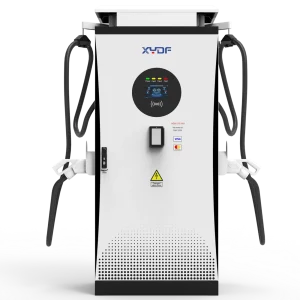
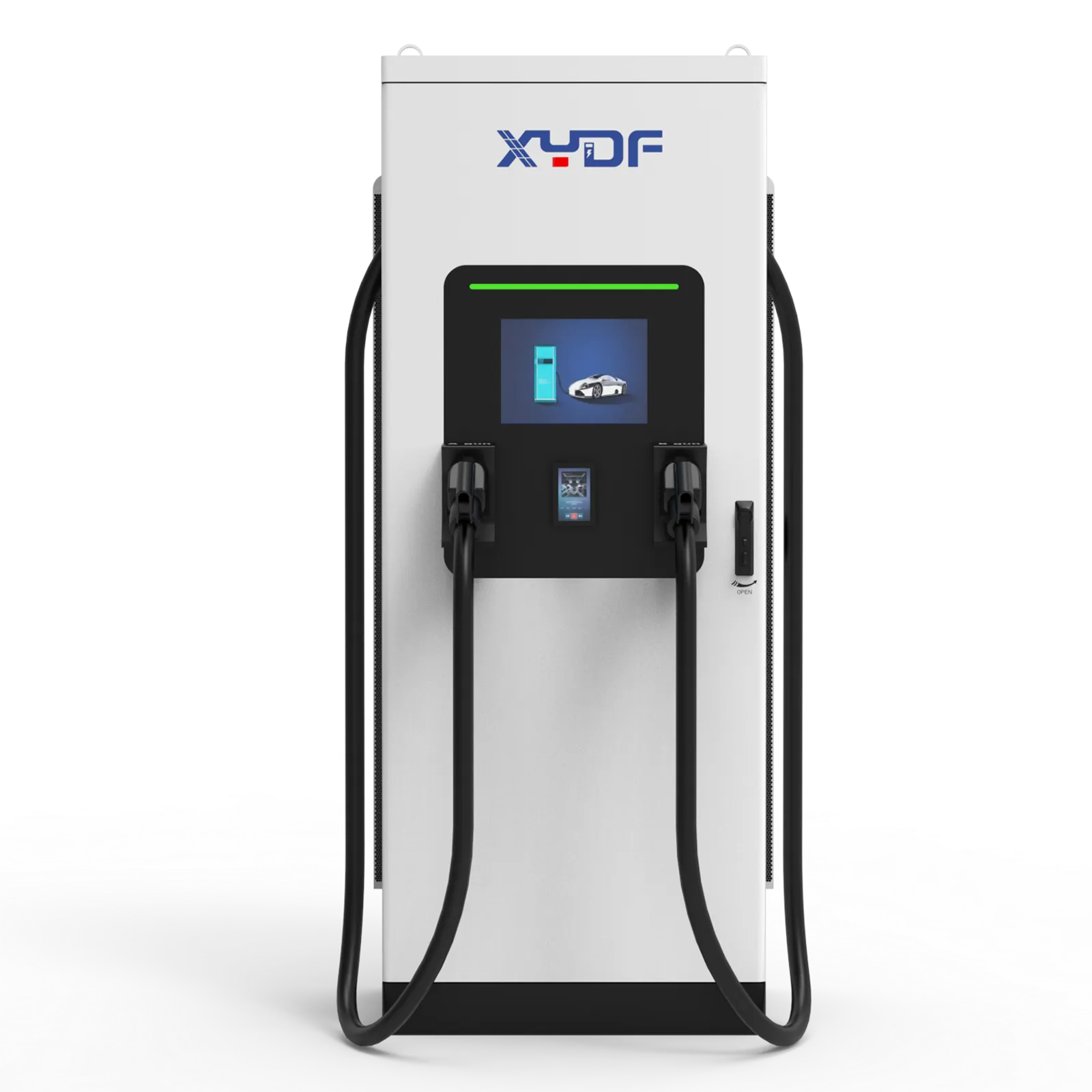
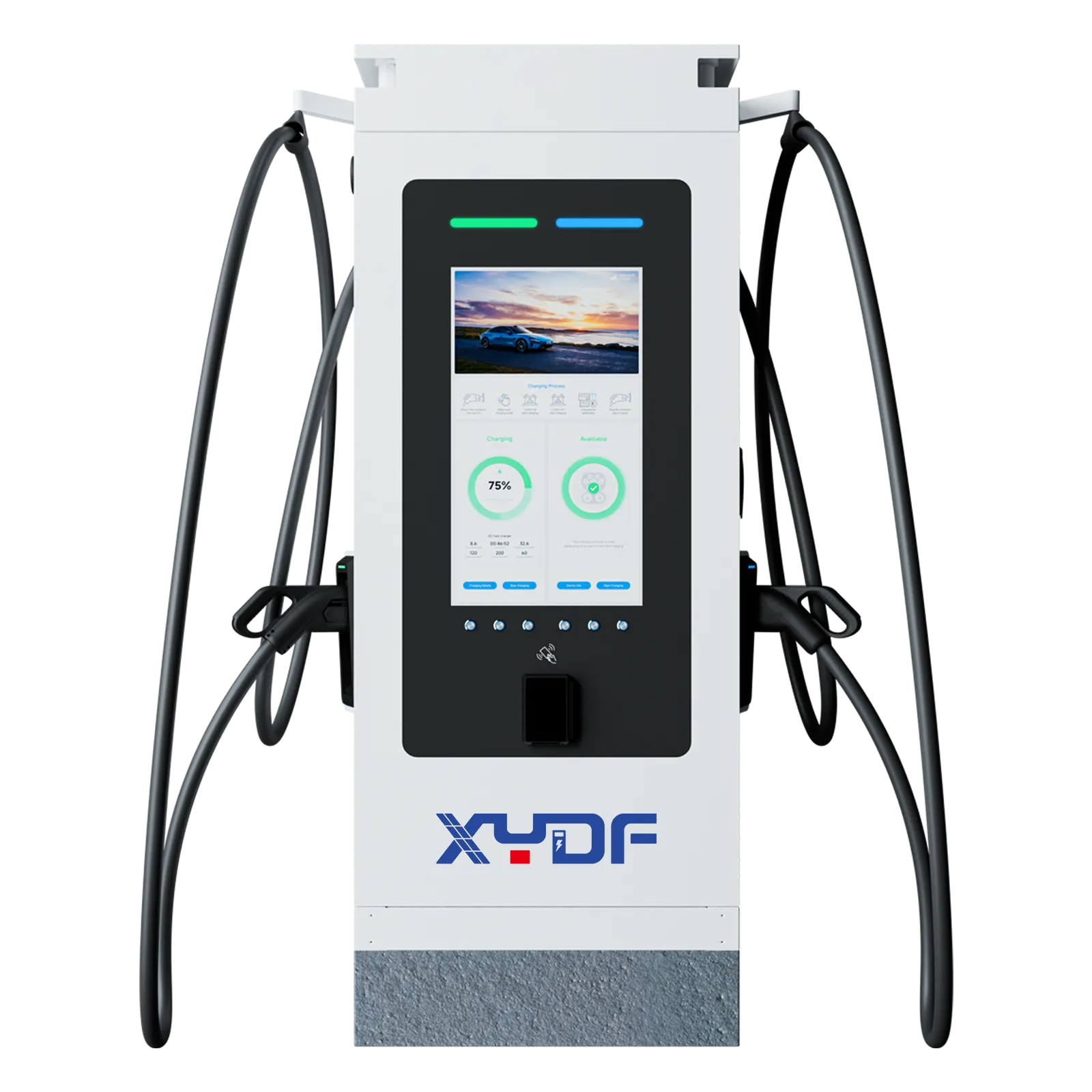
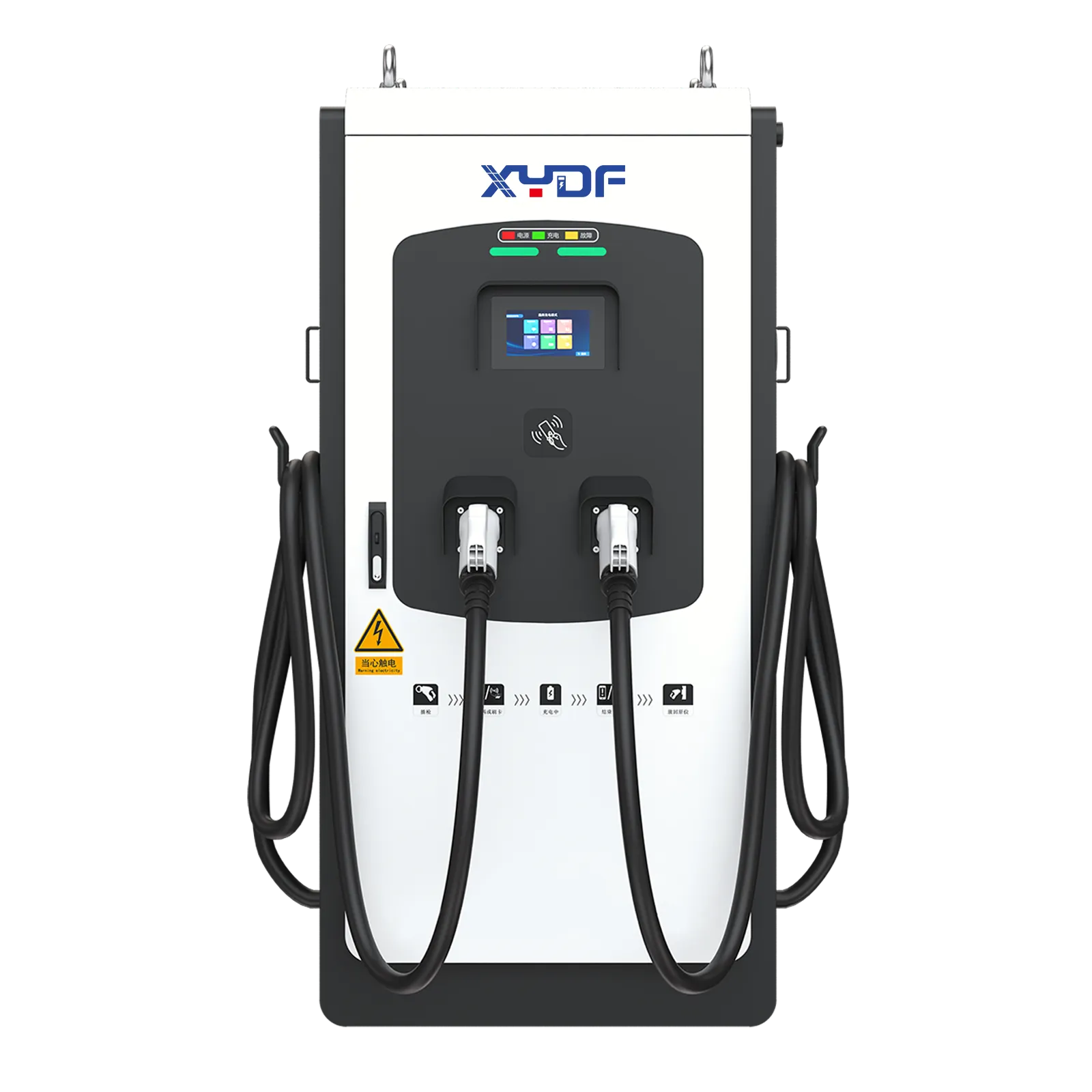
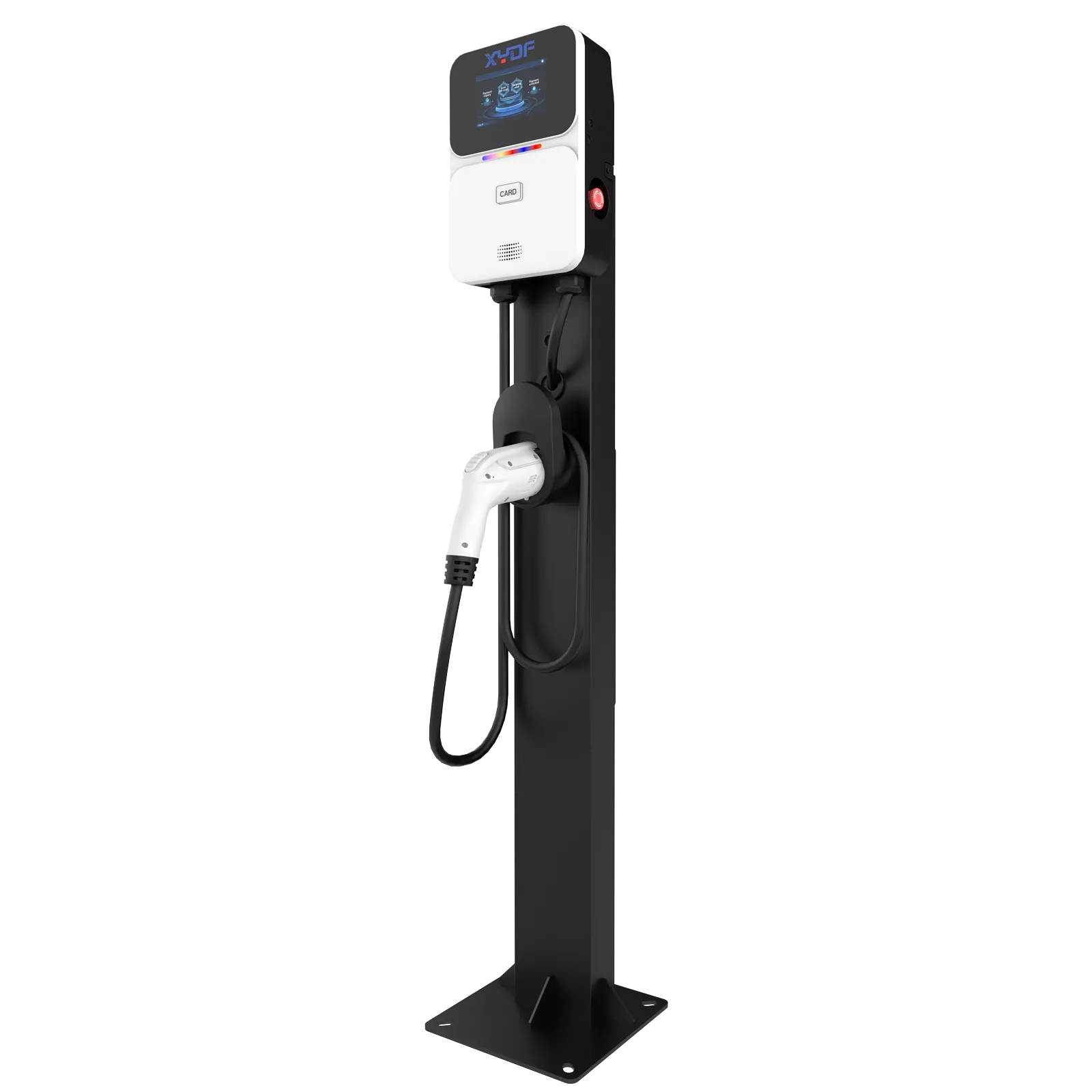
Для проектов в области назначения и рабочих мест линейка AC компании XYDF включает модели, которые на своих страницах с продукцией указаны как имеющие защиту IP65; подробнее см. Электрический зарядный агрегат EC7 IP65 мощностью 7 кВт а также более широкие масштабы Диапазон зарядных устройств AC. Для коммерческого быстрого зарядки на открытом воздухе Диапазон скоростных зарядных устройств DC подходит для оборудования формата кабинета, эксплуатационный срок которого должен быть указан в документах с требованиями к техническим характеристикам, приведенными выше.
Публикация рейтинга устойчивости к воздействию атмосферных факторов не является материальным описанием характеристик изделия. Перед заключением контракта необходимо проверить материал корпуса, систему покрытия и испытания на коррозию для конкретной модели и класса объекта. Направить данные о климате, монтаже, очистке и воздействии атмосферных факторов: XYDF через контактную страницу, и запросить документацию к данному прайсу. Эта инструкция поддерживает спецификации оборудования для наружной установки; она не заменяет руководство по моделированию, технические характеристики объекта или решение о степени защиты от проникновения влаги.
Часто задаваемые вопросы
Какое материал для ограждения лучше всего подходит для внешних зарядных устройств для электромобилей?
Нет универсального идеального варианта. Покрытое сталь подходит для защищенных мест, алюминий обеспечивает устойчивость к нагрузкам и коррозии при общем использовании на открытом воздухе, а нержавеющая сталь 316 обеспечивает необходимую долговечность там, где риск воздействия хлора реален.
Подходит ли порошковая окраска стали для установки наружной зарядной станции для электромобилей?
При условии соблюдения условий предварительной обработки, грунтовки, верхнего покрытия, защиты краев, дренажа и технического обслуживания, эти системы могут соответствовать коррозионной устойчивости участка. Полив с прибрежных территорий, дорожный песок или сильное промышленное загрязнение могут оправдывать использование нержавеющей стали или более прочной документально подтвержденной системы покрытия.
Когда стоит выбрать нержавеющую сталь марки 316 вместо 304?
Когда присутствуют хлориды — морской воздух у побережья, дезинфицирующие средства или некоторые промышленные среды — молибден в стали 316 защищает от коррозии, которая поражает сталь 304 в таких условиях.
Когда стоит выбирать нержавеющую сталь вместо лакированной?
При воздействии коррозии, необходимости чистки или при ударе вероятность повреждения покрытия повышается, выбирайте материал из нержавеющей стали марки 304 или 316 в зависимости от содержания хлора и условий процесса обработки. Проверьте качество сварки, совместимость крепежных элементов и подтверждения поставщика, а не полагайтесь исключительно на название сорта.
Корродируют ли алюминиевые зарядные устройства?
Алюминий образует защитный оксидный слой и хорошо прослужит на открытом воздухе, но уязвимо к гальванической коррозии, когда в влажных условиях он вступает в контакт с сталью или медью. Интегральные устройства предотвращают эту проблему.
Можно ли использовать поликарбонат для корпуса зарядного устройства?
Используйте его избирательно для крышек, окон или небольших корпусов, где подтверждена его устойчивость к воздействию УФ-излучения, температуры, износу, химическим веществам и ударам. Это не является автоматическим замещением структурного металлического шкафа в местах с высокой интенсивностью солнечного излучения или высокой ударной нагрузки.
Как солнечный свет разрушает корпуса пластиковых зарядных устройств?
Экспозиция ультрафиолету ослабляет и обесцвечивает нестабилизированные полимеры и ухудшает качество лакокрасочных покрытий. Внешние полимерные детали следует оснащать системой UV-стабилизации и проверять на соответствие с системой нанесения покрытия.
Как предотвращается гальваническая коррозия на зарядных станциях?
Не допускайте контакта с несовместимыми металлами: используйте совместимые материалы для креплений, изолирующие прокладки и покрытия, а также проверяйте соединения и силовые контакты там, где встречаются разные металлы.
Достаточно ли рейтинга IP для подтверждения стойкости к погодным условиям?
Нет. Класс защиты от проникновения воды и пыли определяет степень защиты от попадания пыли и воды; он не влияет на коррозию, воздействие УФ-излучения или срок службы покрытия. Дополнительные сведения о материале и покрытии указываются отдельно.
Какая разница между показателями IP и IK?
По стандарту IEC 60529 IP относится к защите от попадания твердых веществ и воды; по стандарту IEC 62262 IP относится к защите от удара. Зарядное устройство может требовать как этих стандартов, так и отдельных стандартов по защите от коррозии, ультрафиолетовых лучей и термического воздействия.
Сколько раз необходимо проверять корпус зарядного устройства на открытом воздухе?
Установите интервал времени между обработкой поверхности, чисткой, риском контакта с людьми и рекомендациями производителя по техническому обслуживанию. Проверьте швы, уплотнительные элементы, крепежные элементы, системы дренажа, повреждения покрытия и детали кабеля, а также запишите полученные данные, чтобы в дальнейшем можно было корректировать интервалы времени в зависимости от имеющихся доказательств.
Почему рейтинг IP недостаточно для одобрения установки наружного зарядного устройства для электромобилей?
Код IP определяет степень защиты от проникновения в соответствии с определенными испытательными условиями; сам по себе он не подтверждает стойкость к воздействию, защиту от коррозии, устойчивость к вибрациям, стабильность фундамента, защиту кабелей, дренаж или доступ к обслуживанию. Утвердить установку можно только после того, как эти отдельные требования будут соответствовать условиям эксплуатации на объекте и будут подтверждены в документах о проектировании или приемке.
Закупка внешних зарядных устройств для электромобилей эффективность работы повышается, если все участники процесса — субстрат, отделка, герметизация, оборудование, испытания и техническое обслуживание — согласны с выбранным вариантом. Заполненную матрицу испытаний отправьте вместе с заявкой на поставку, после чего подтвердите одобренную версию и начните закупки только после того, как подтверждения от поставщика будут соответствовать установленным требованиям.
Штаб-квартира и фабрика в Чжэцзяне:
№ 2, улица Чанцзян, промышленный парк Вэньчжоу Бридж, город Бейбайсян, город Юэцин, город Вэньчжоу, провинция Чжэцзян
Шэньчжэньский филиал:
1-й этаж, здание А, промышленный парк Шэнькай, сообщество Тантоу, район Шиянь, район Баоань, Шэньчжэнь
Мы используем файлы cookie для обеспечения работы этого веб-сайта и, с вашего разрешения, для измерения того, как посетители используют наш сайт зарядки электромобилей. См. наши Политика конфиденциальности для получения подробной информации.
 Синьцзя Дунфан Электрик Технолоджи Ко., Лтд.