 Xinya Dongfang Electricity Technology Co., Ltd.


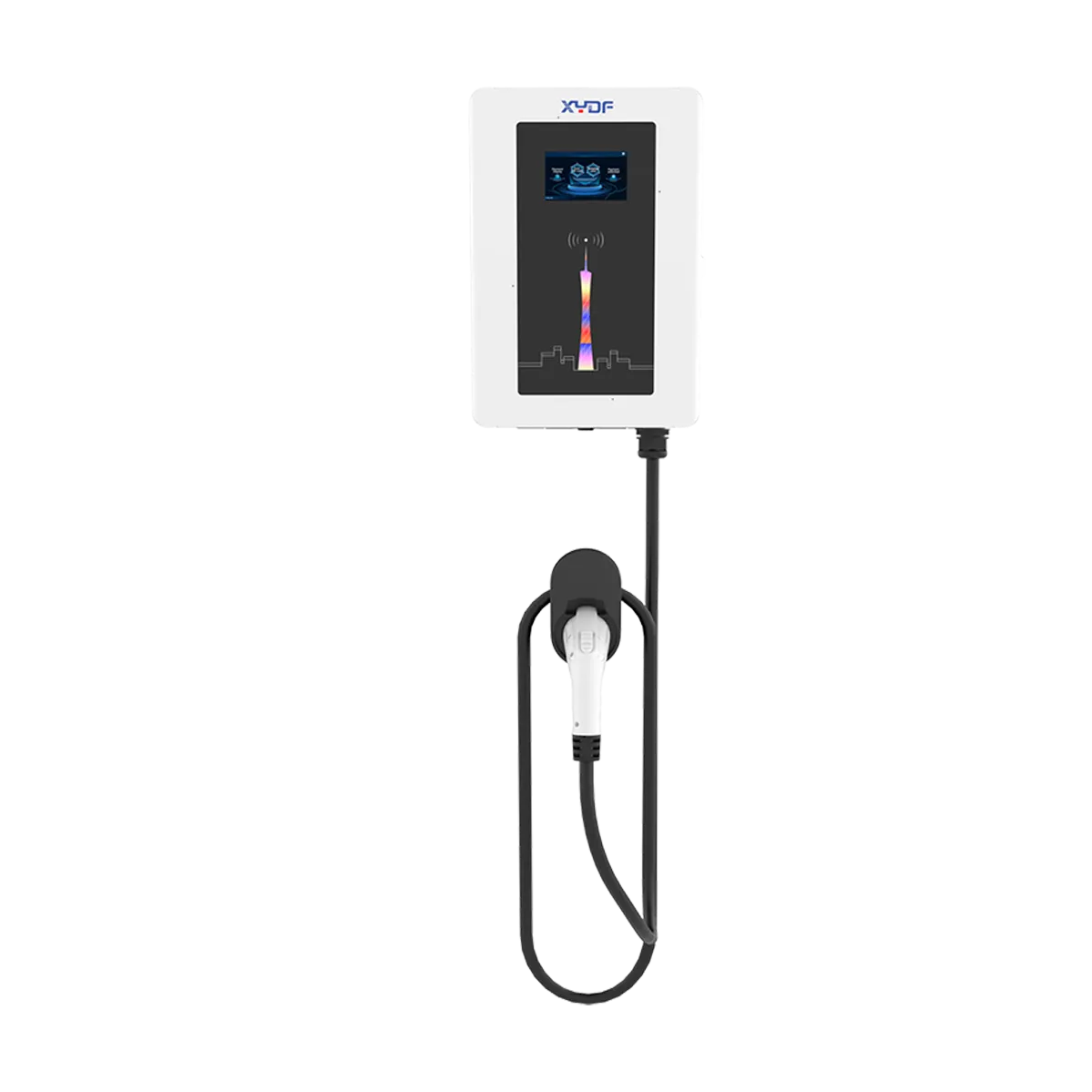
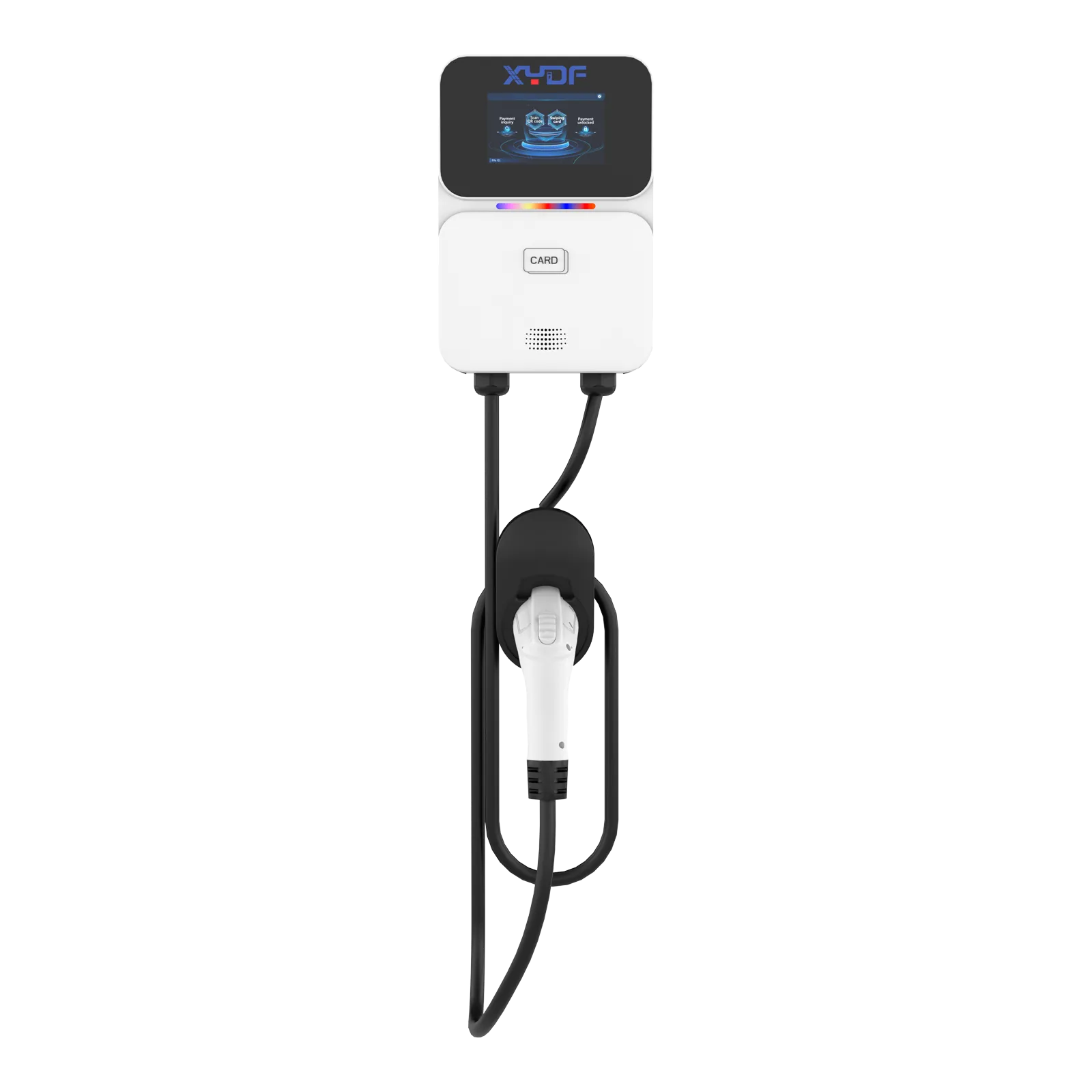
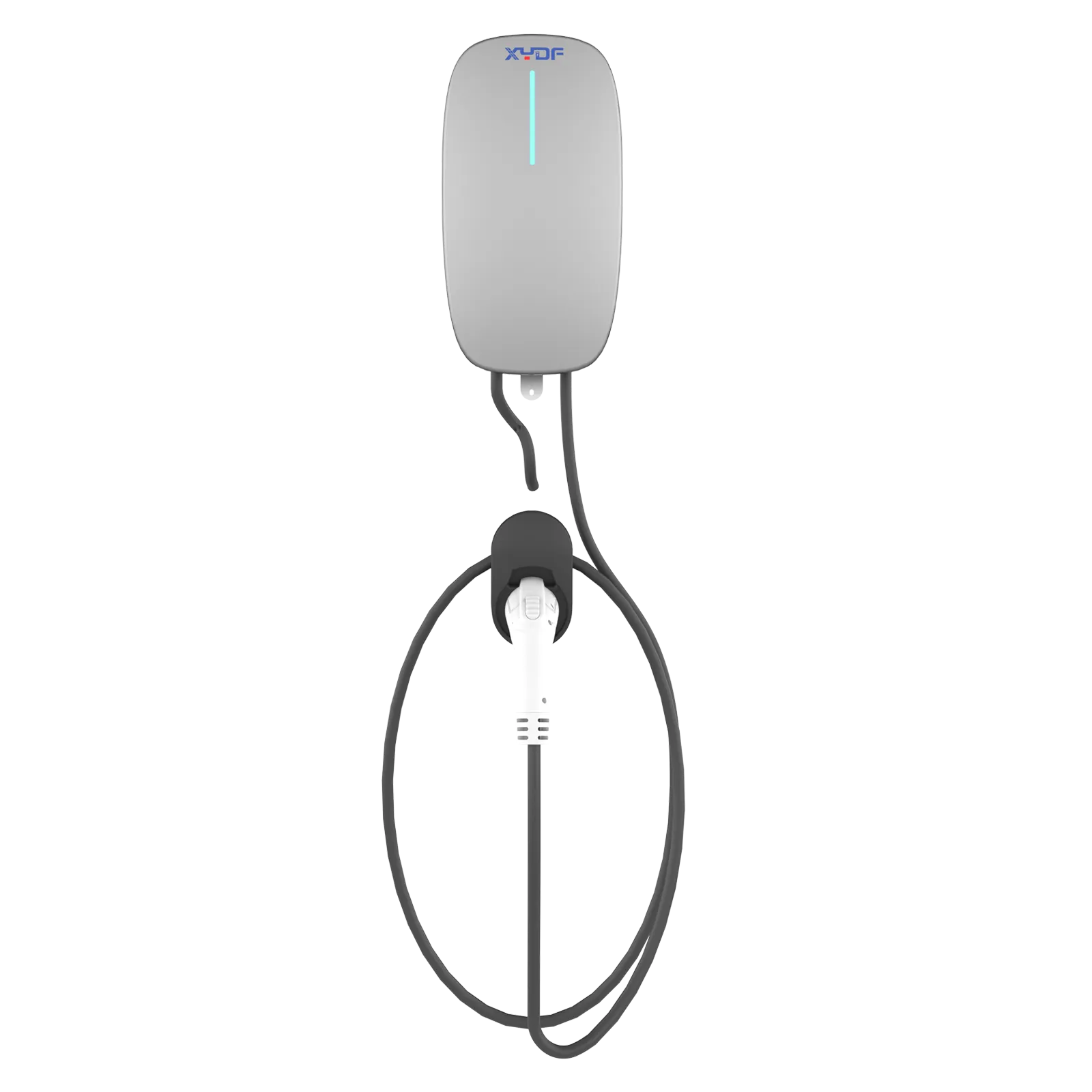
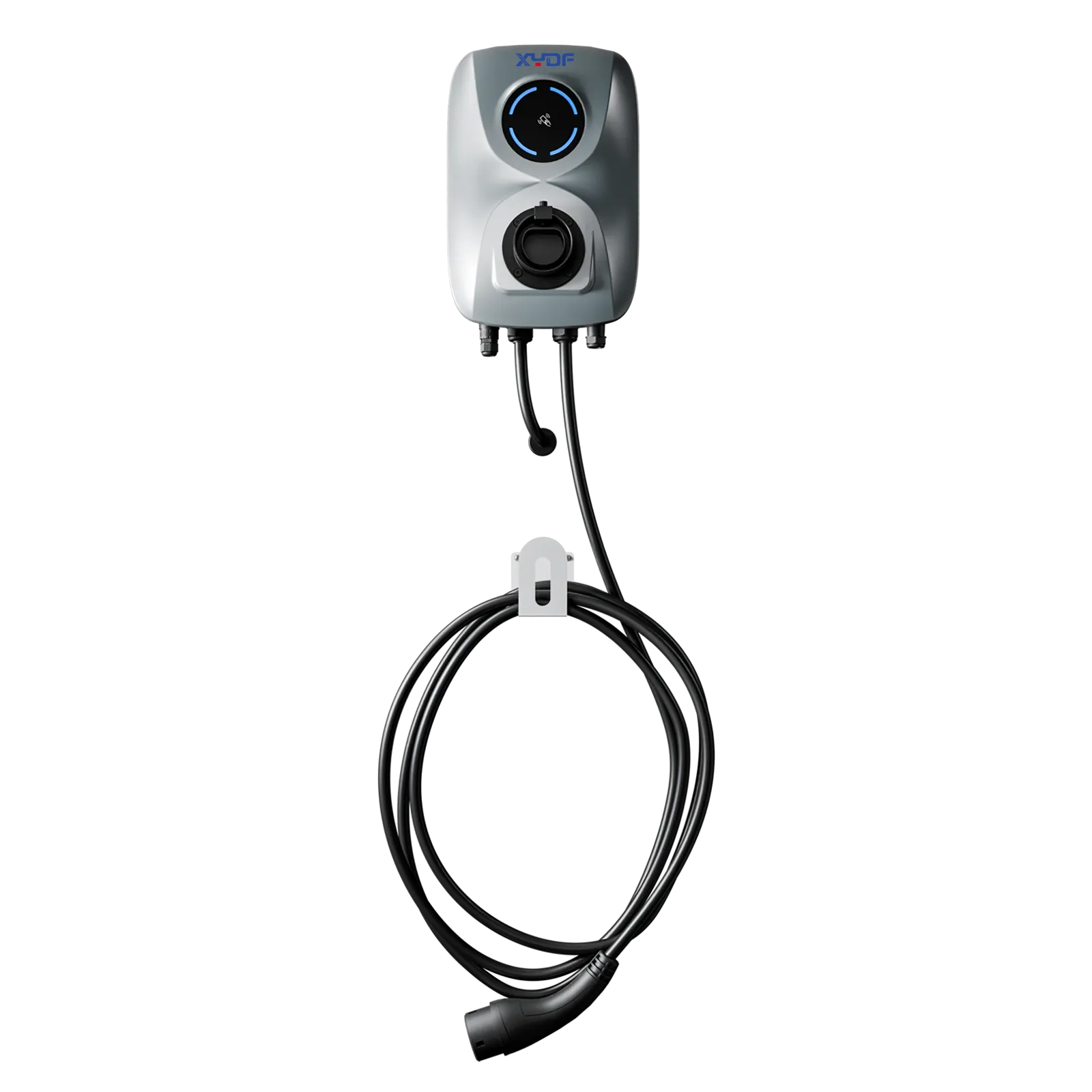
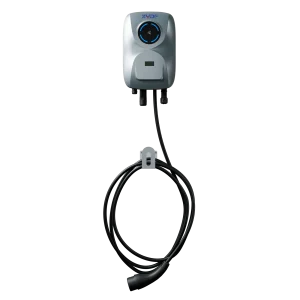
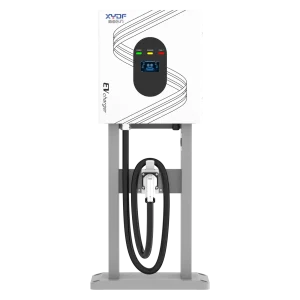

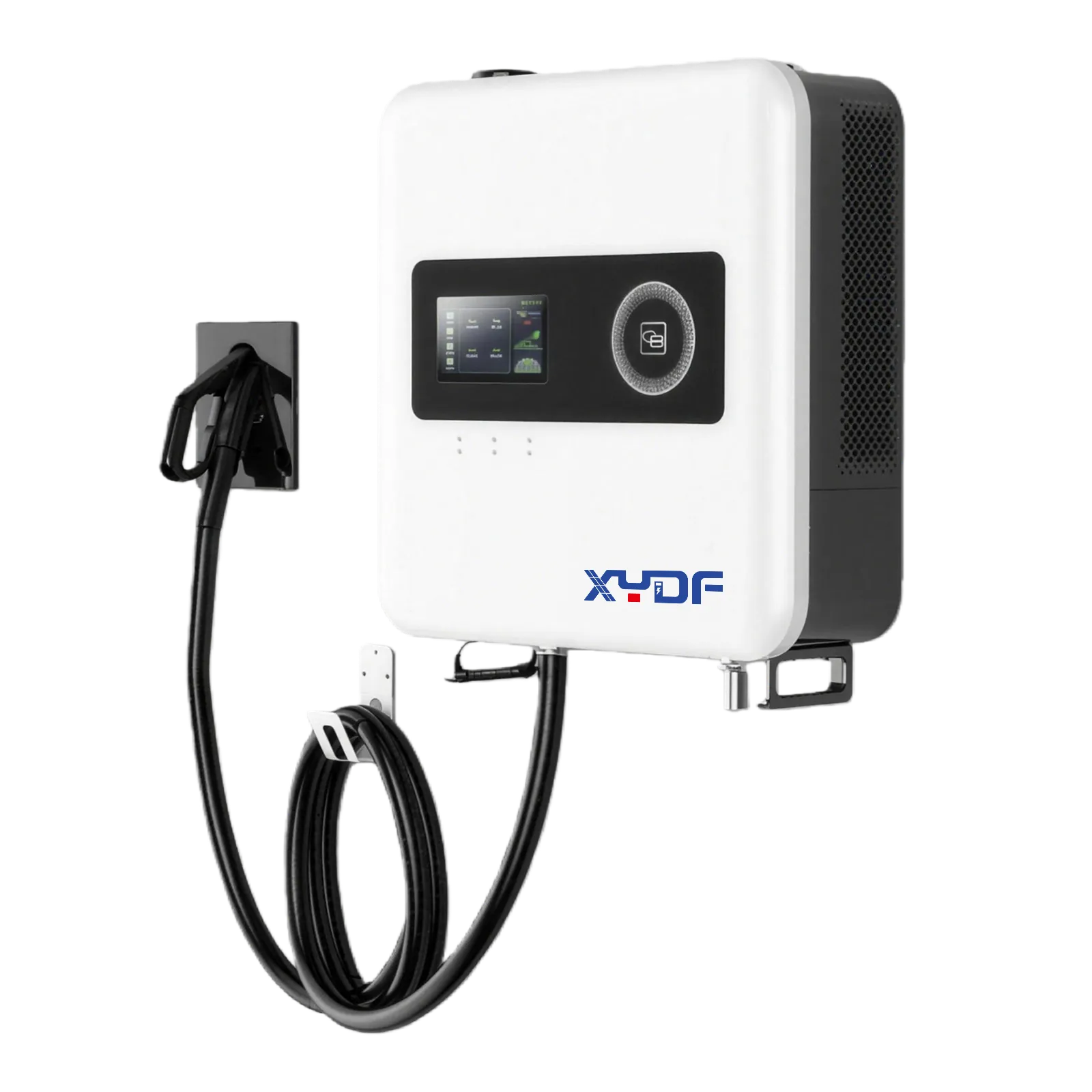
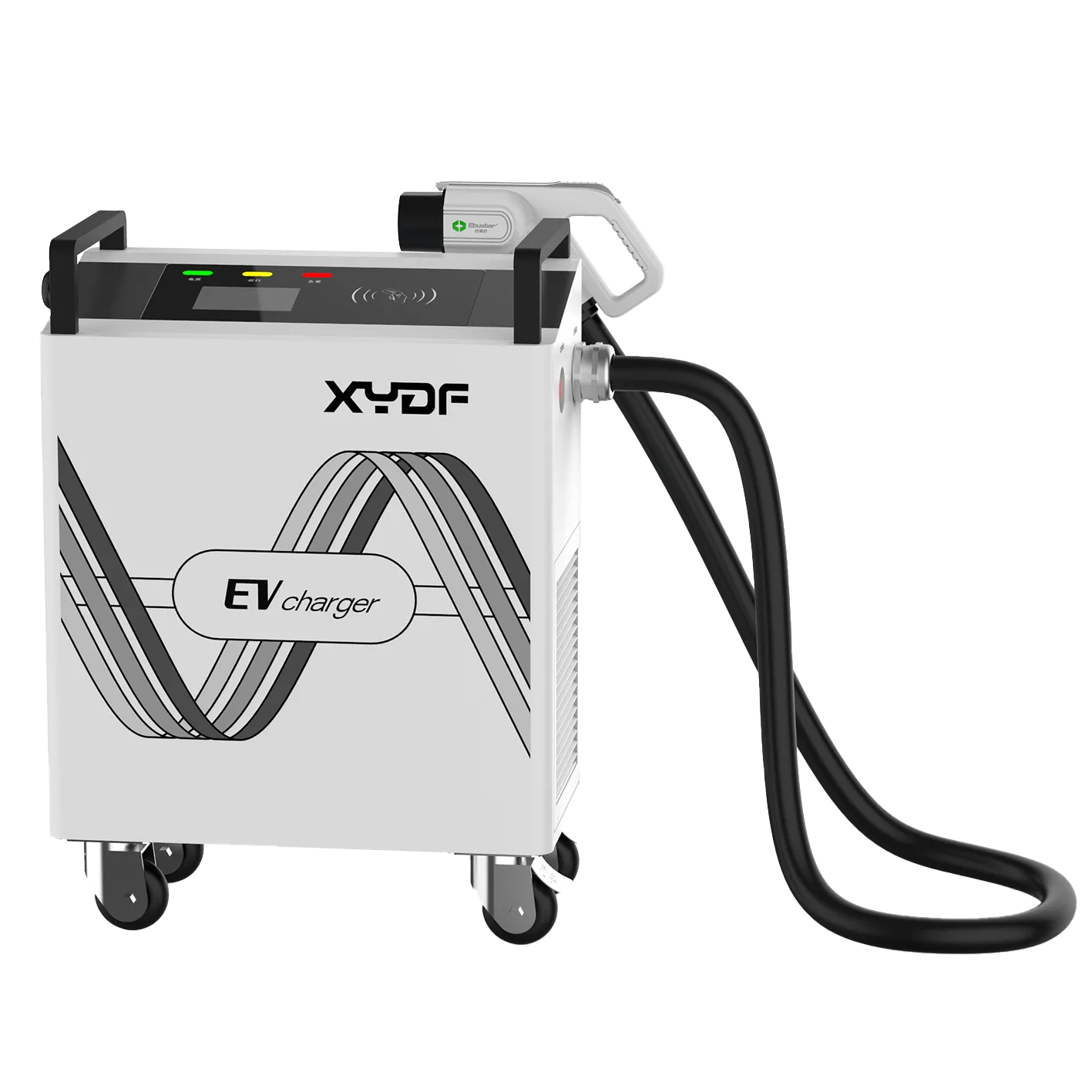
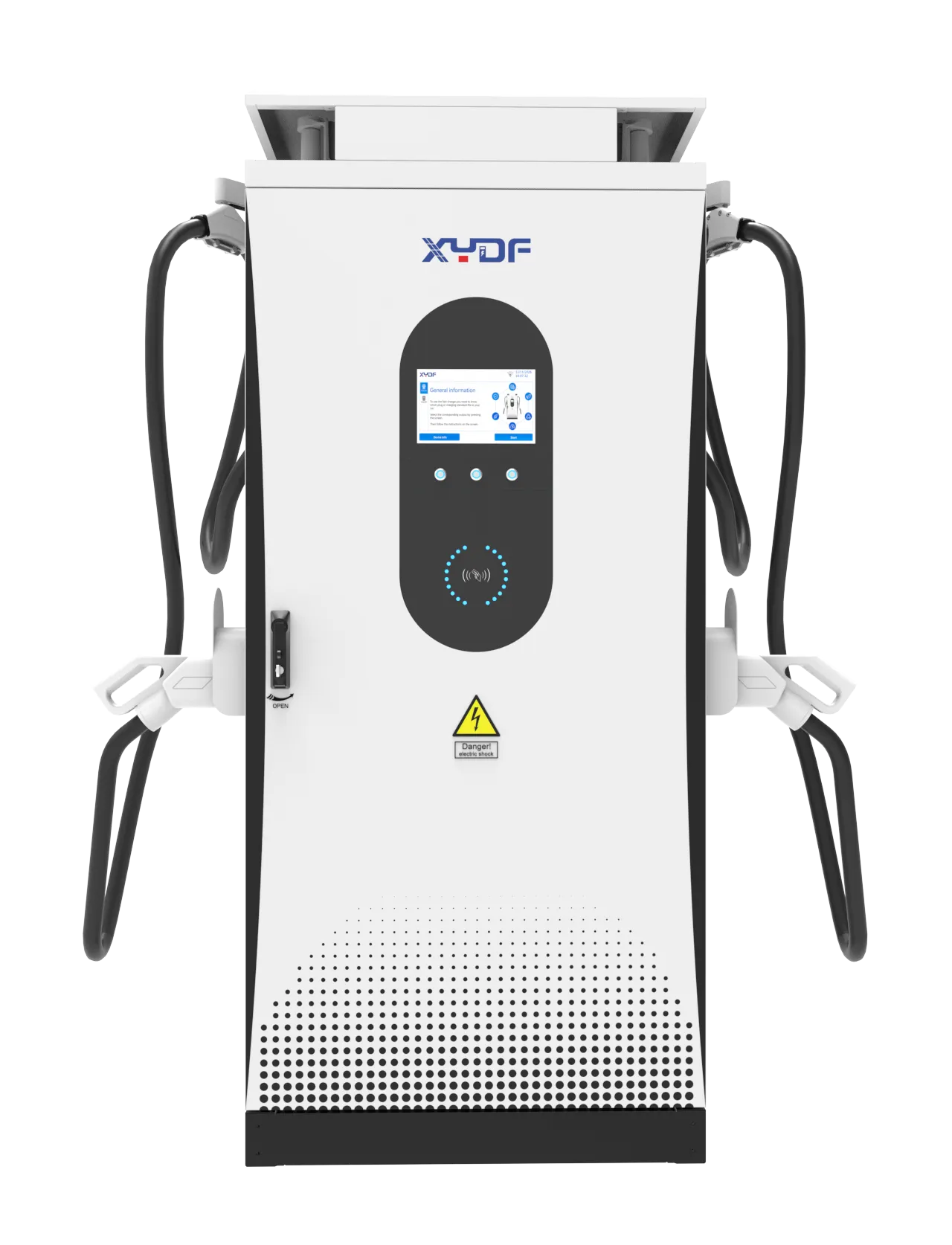
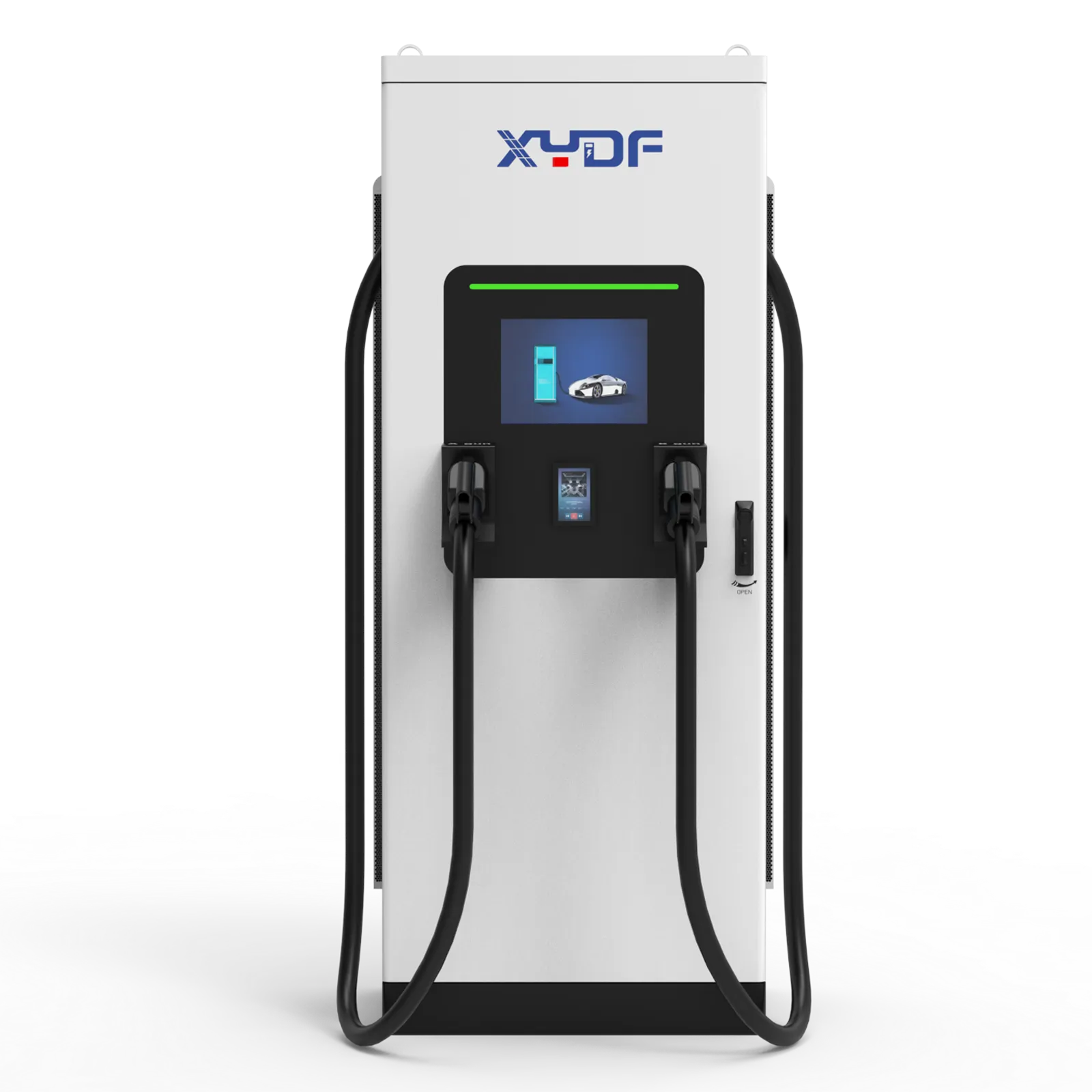
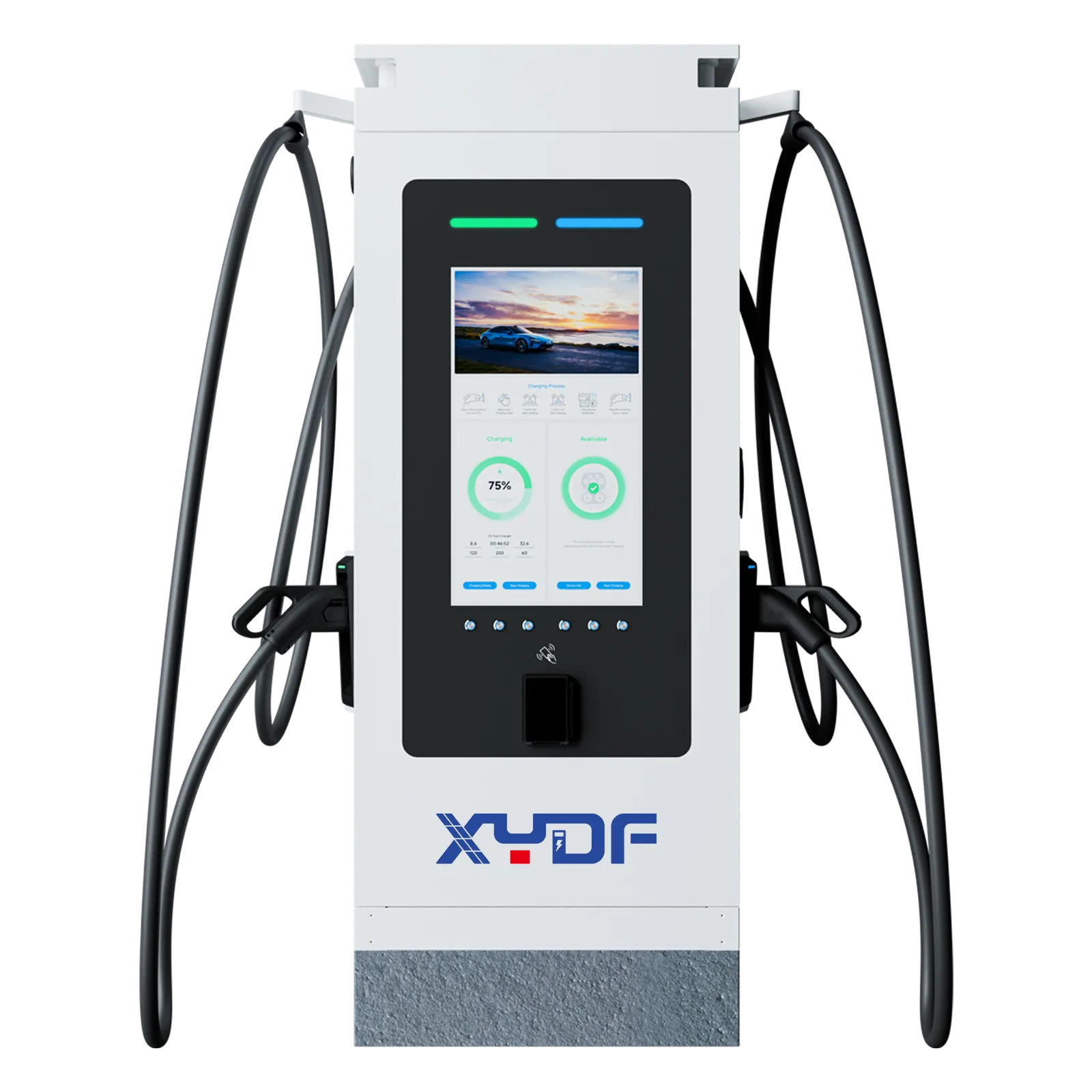
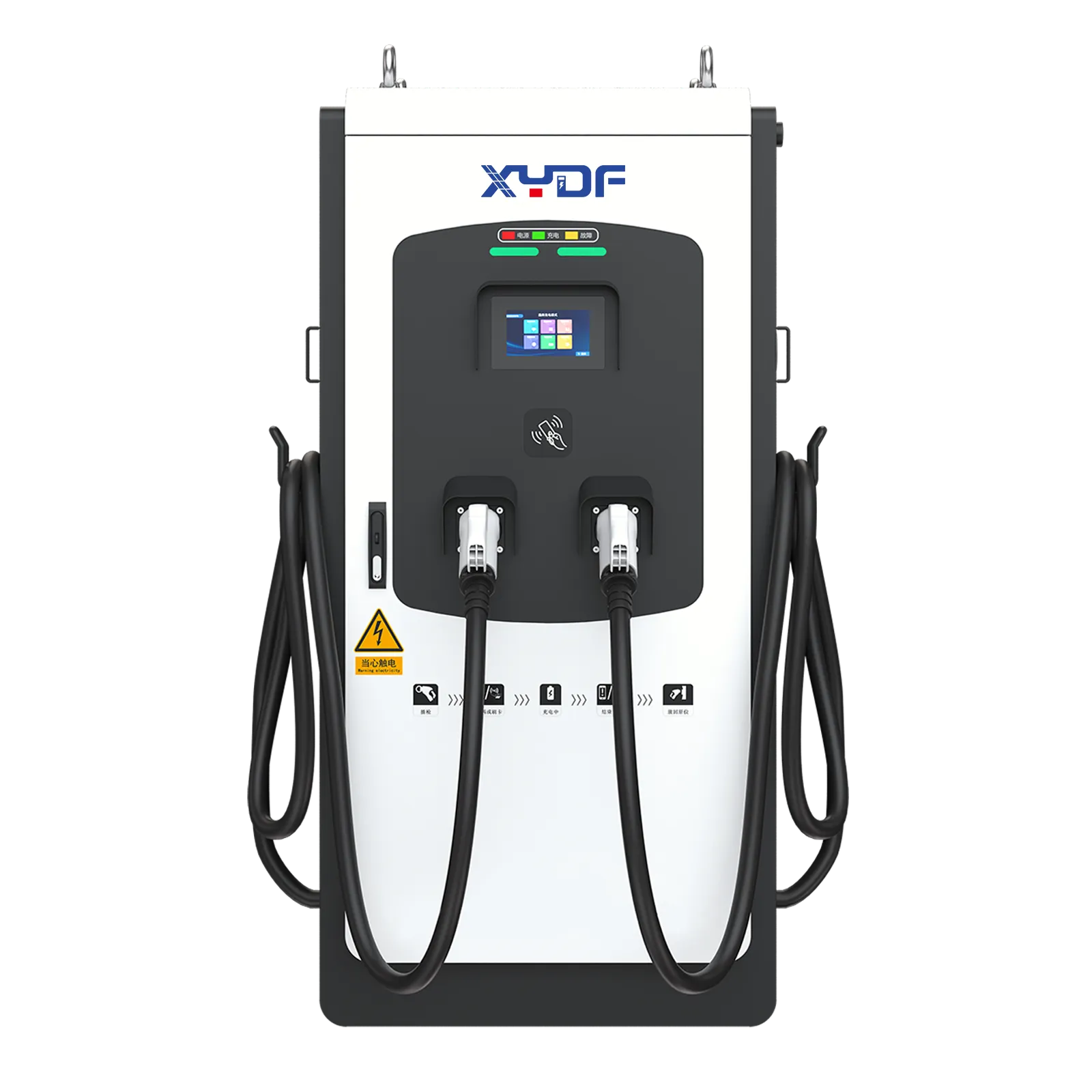
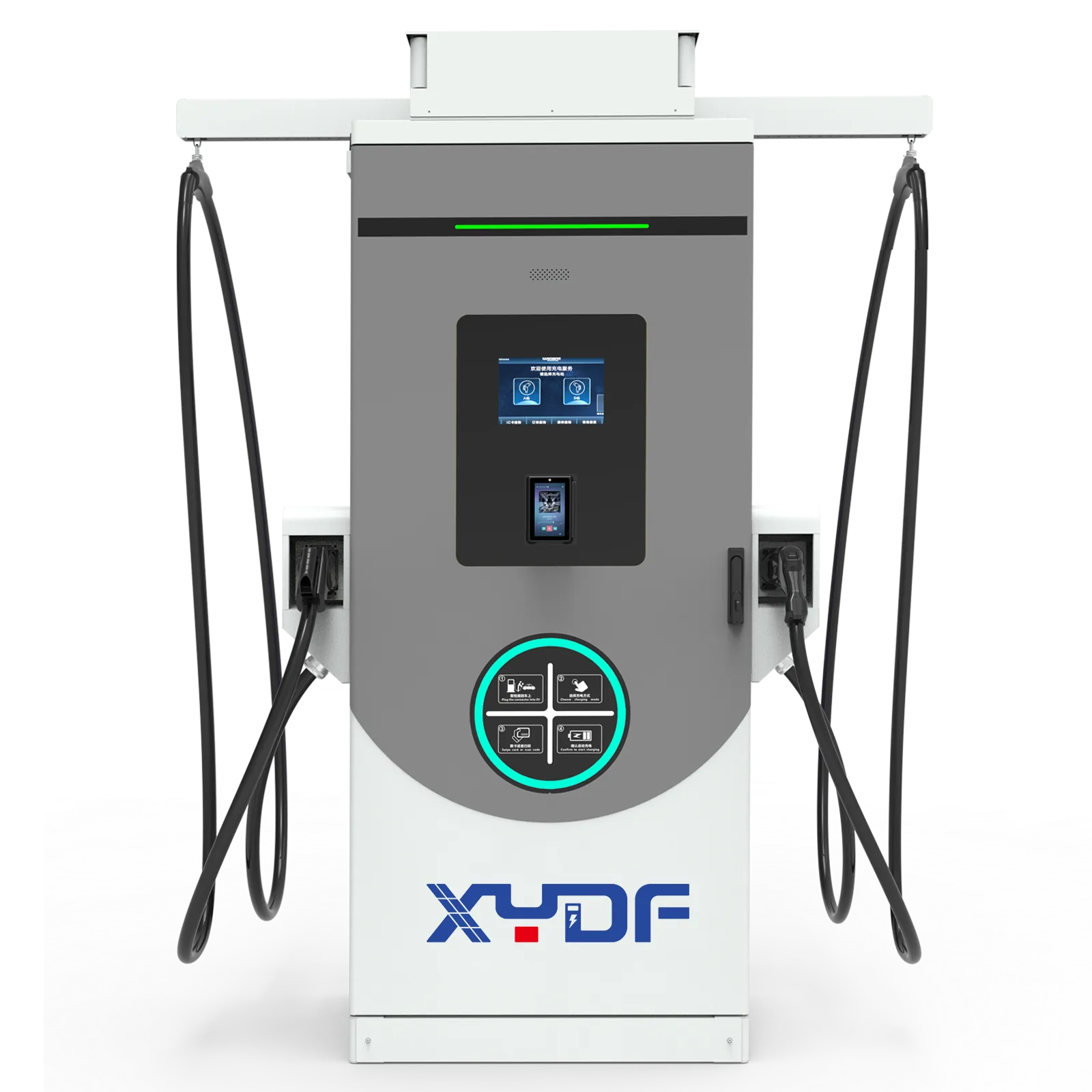
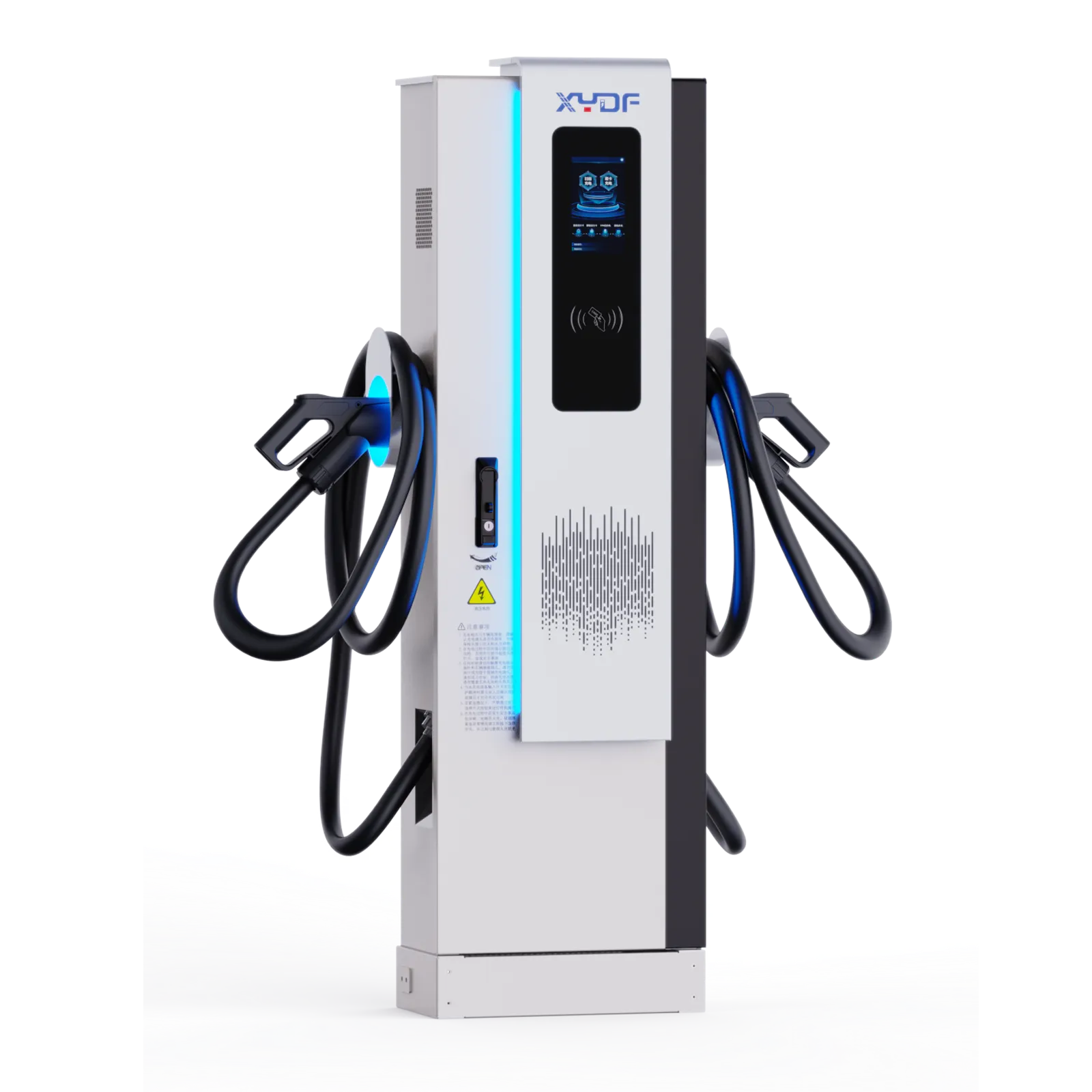
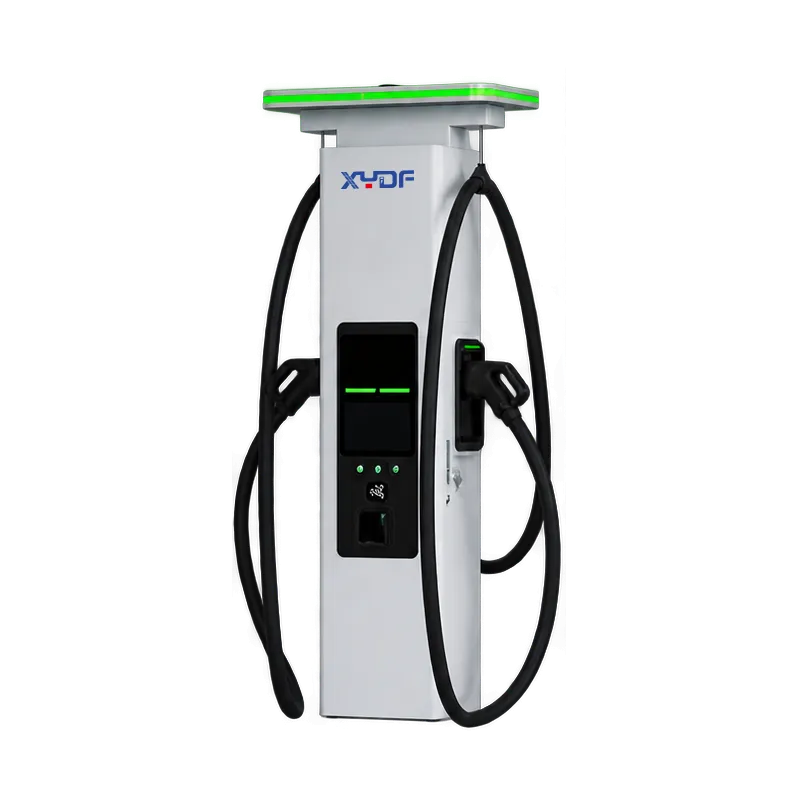
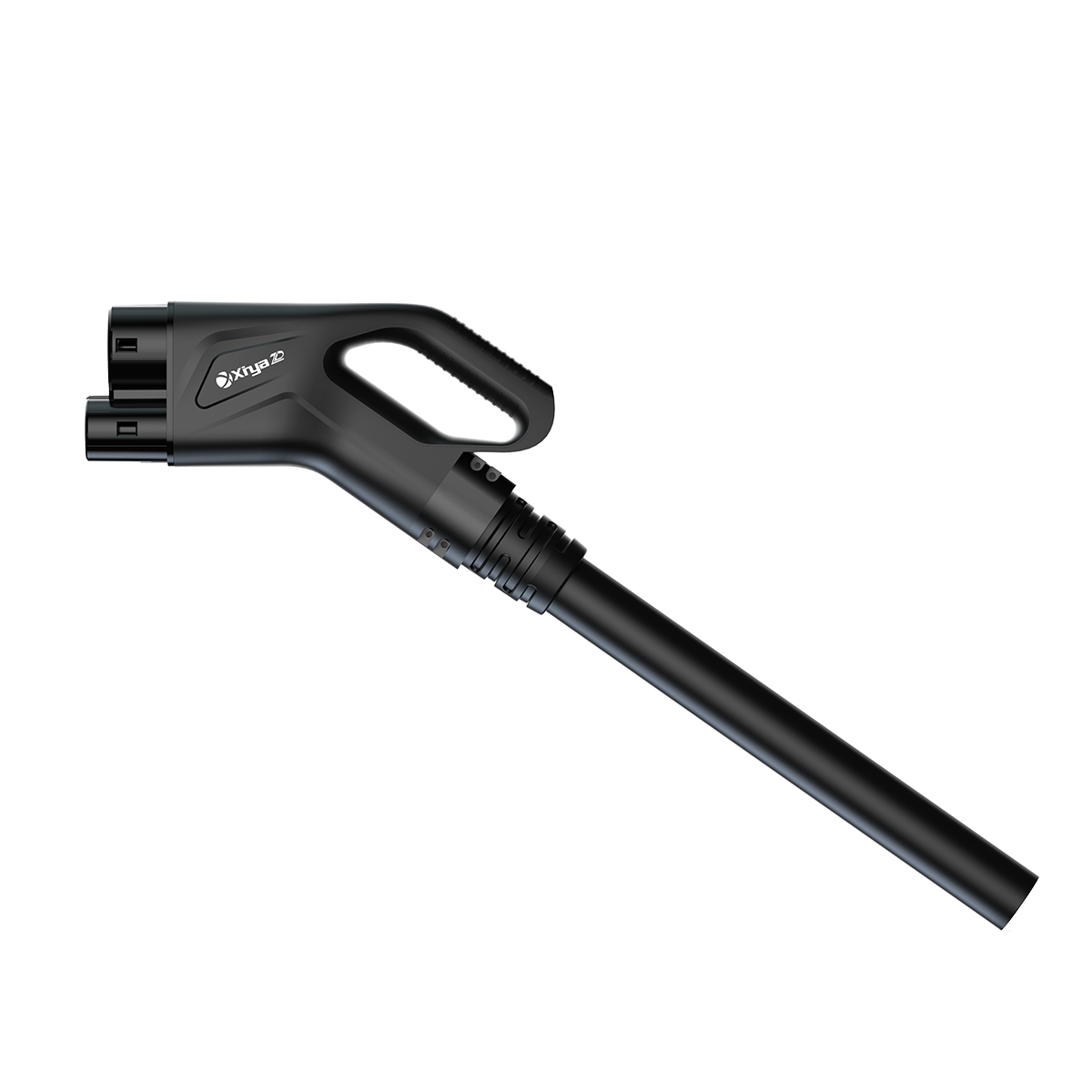
If a driver calls because an EV charging plug won’t come out, ask them to keep the car parked. First find out whether there is smoke, sparking, unusual heat or visible damage. If so, have everyone step away, keep the bay clear and follow the site’s emergency procedure. Call the local emergency service for smoke or fire. Don’t continue with release instructions while an electrical hazard is suspected.
For a plug that simply won’t release, the most useful next question is: “Is the handle still in your car, or is your own cable stuck in the station after you’ve unplugged the car?” The answer tells you whose lock you’re dealing with.
Before anyone pulls on the handle, has the session ended?
Ask the driver to read out what the station or charging app actually says. If charging is still in progress, have them use the normal Stop control for that session and wait for confirmation. A car showing 100% battery and a charger showing “session ended” are reporting different things. Neither message, by itself, means the plug is unlocked.
If the station won’t confirm that it has stopped, call the charging network with the station and port ID. Tell support that a vehicle is still attached. Keep the driver with the parked vehicle if it is safe to do so; don’t send them to another bay or suggest cycling the site’s power.
The session has ended, but the plug is still in the car
Ask the driver to put the car in Park and use the vehicle’s normal charge port unlock control. On some cars unlocking the doors is enough; on others the driver needs a charging control described in the owner’s manual. ChargePoint’s guide specifically cautions against forcing the handle because the vehicle can still be holding the connector.
Electrify America adds a useful check for its equipment: make sure the cable isn’t under tension. A heavy cable stretched toward the inlet is worth mentioning to support. Don’t have the driver twist the plug, yank the cable or insert a tool. If the handle still won’t come out normally, ask for the car’s make, model and year and connect the driver with vehicle assistance. Only the instructions for that particular vehicle can establish whether and how its manual release may be used.
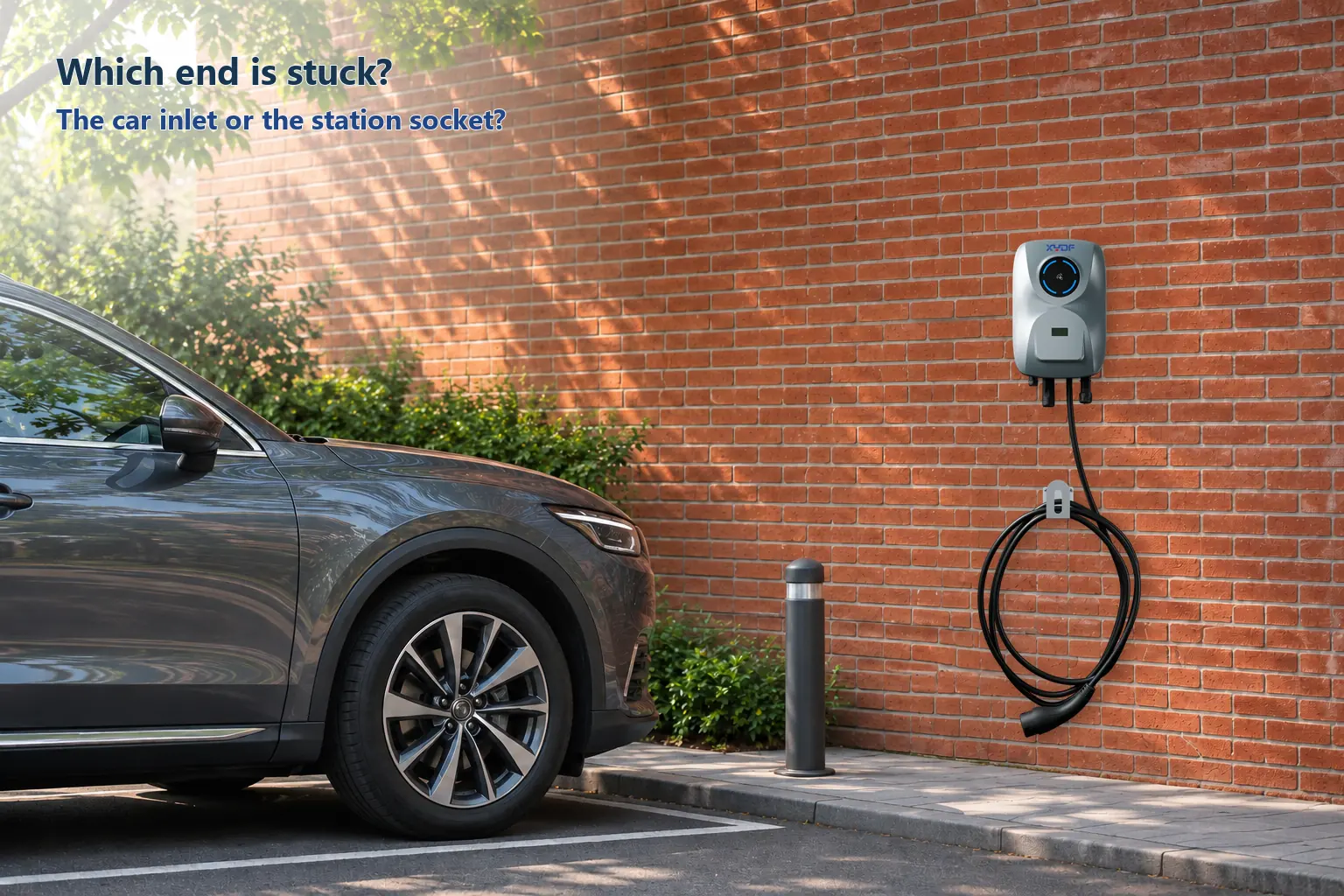
The car is unplugged, but the cable won’t leave the station
Start by establishing whose cable it is. If the handle and lead were already attached to a tethered fast charger when the driver arrived, the lead stays with the station. There is nothing for the driver to disconnect at the cabinet. If the driver brought a detachable cable to a socketed AC charger, the station may still be holding it even though the car end is free.
This is where the charger model matters. Easee’s instructions for a stuck cable at its charging box begin with the car end disconnected and the operator checking the permanent cable lock setting. Some installations deliberately retain the cable, and available settings vary by market. An authorized operator should check the guide for that station. Don’t copy an Easee release sequence onto a help card for other brands or change a site-wide setting to free one cable.
If the cable belongs to the driver and the documented release doesn’t work, keep the affected socket unavailable and call the station’s service provider. Give the driver the incident number and a contact for recovering the cable. Calling the vehicle manufacturer won’t release a plug that’s no longer attached to the vehicle.
What does support need before the call is transferred?
Give the next person enough information to take over without asking the driver to repeat every step. A useful handoff sounds like this: “Bay 4, port B. The screen confirms the session ended. The handle is still in the car after the driver used the normal vehicle unlock. No smoke or visible damage reported.” Add the vehicle model for a car-side problem or the charger model for a station-side problem.
| What is still unresolved? | Who can act on it? |
|---|---|
| The session status is unknown, or the charger shows a fault. | Charging network support can check the session and station logs. |
| The session ended, but the inlet still holds the handle. | Vehicle assistance can check the model-specific release instructions with the driver. |
| The driver’s detachable cable remains in the station. | The station operator or service provider can check the socket lock and site configuration. |
Can the next driver use the bay?
That depends on what happened. A driver who unlocks the car and removes an undamaged connector normally is a different case from a latch that sticks on several vehicles. Record the port, time, reported symptoms and how the plug was freed. Note what staff observed separately from what the driver reported.
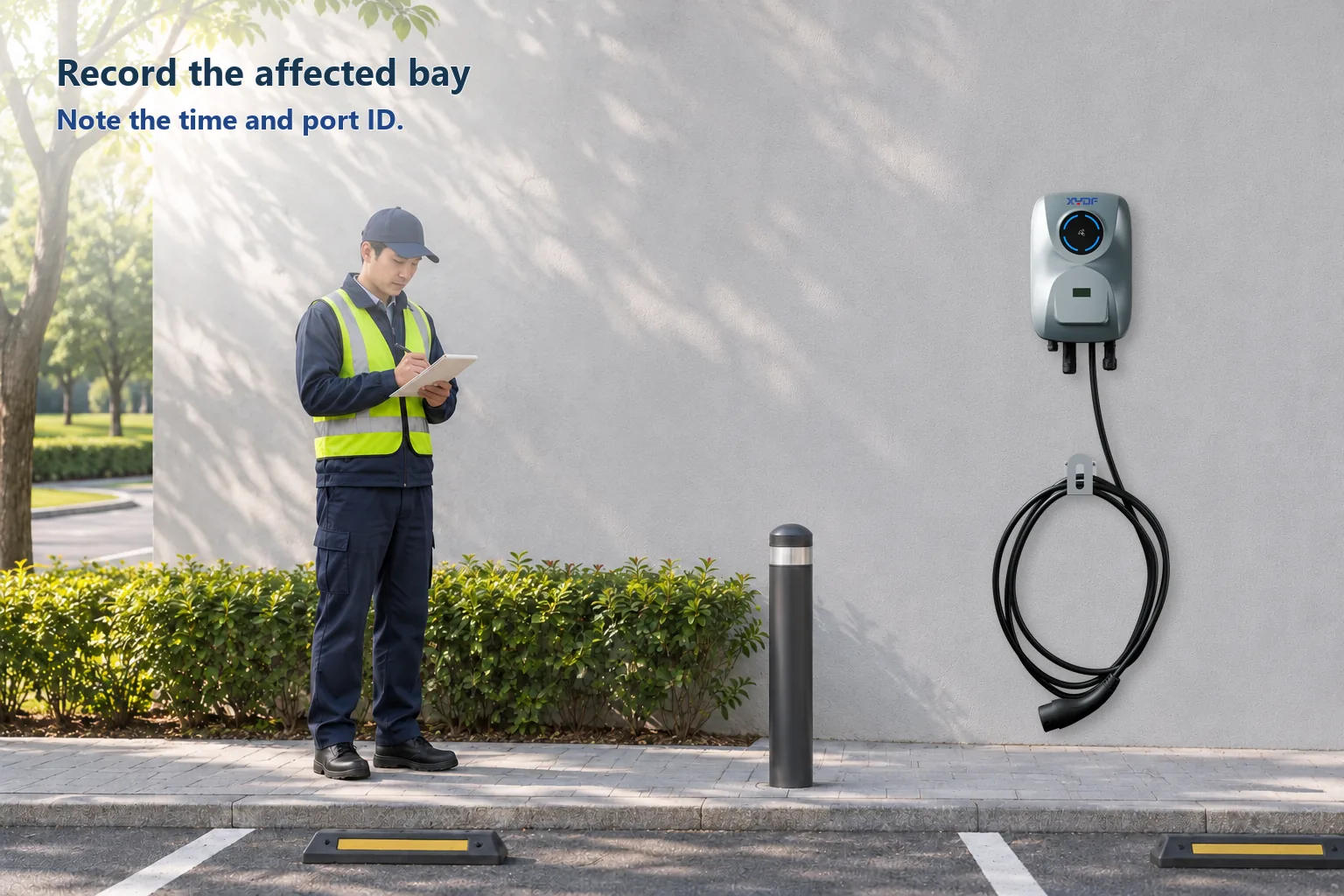
If there is visible charging cable wear, a damaged handle, an unresolved fault or a repeated complaint, keep the port out of service until the authorized team clears it. Link the ticket to the site maintenance record. A plug coming free is enough to release the vehicle; it isn’t proof that a suspect connector is ready for another driver.
Questions that come up during a stuck-plug call
Do EV charging cables lock in place?
Yes, depending on the vehicle and station. The vehicle may retain the handle in its inlet, and a socketed AC station may also retain a detachable lead. Ask which end is locked before giving instructions.
Do public EV chargers stop charging when full?
The vehicle normally stops requesting energy when its charge target is reached. That does not mean the plug has unlocked or the network has closed the session. Ask what the station displays before advising the driver to disconnect.
How to remove EV charging cable from car?
With the vehicle parked and no signs of damage or overheating, end the session and use the vehicle’s normal release control. If the handle does not come out normally, leave it in place and consult the instructions for that make, model and year.
My EV charging cable is stuck in the charger. What should I do?
If the car end is free and you brought your own cable, give the operator the station ID and ask them to check the socket lock. A tethered lead supplied with the charger stays attached to the cabinet.
Why is my EV charging cable not locking?
If the same connector will no longer latch after a stuck-plug incident, that is a new fault report, not proof of a particular cause. Keep the suspect port unavailable and tell maintenance whether the problem was at the station socket or the vehicle inlet.
What is an idle fee for EV charging?
Some networks charge for occupying a bay after charging ends, subject to their posted policy. If a stuck connector prevented departure, record the end time, release time and support case number so the driver can request a billing review.
What to keep beside the support phone
Keep a port map, the network’s support number and the operating guide for each installed charger within reach of the duty team. Then staff can identify the locked end, confirm the session status and get the right person on the line while the driver is still there.
For an XYDF site, request the operating guide for your charger model and add the site’s service contact to the same sheet.