EV Charger IP Ratings: How to Select IP54, IP55, or IP65
20 de julho de 2026
Blog
Classificação IP dos carregadores elétricos should be selected by matching the enclosure’s dust and water protection to the real exposure at the installation site. IP54 is dust-protected and splash-protected, IP55 retains the same dust protection but adds resistance to water jets, and IP65 is dust-tight with water-jet protection. The IP Code comes from IEC 60529, but the offered model documentation and the complete installed assembly still need to be checked.
Part 1. What Does an EV Charger IP Rating Actually Tell You?
A adequação ao exterior é um requisito de sistema, e não uma simples etiqueta de proteção contra impactos, corrosão, vibrações, fundação, encaminhamento de cabos, drenagem, isolamento de emergência, acesso e comprovantes de inspeção. O pacote de aquisição deve indicar a exposição real e as verificações de aceitação, pois um código de proteção IP ou uma descrição do material não comprovam que a instalação inteira permanecerá operacional no local. Para o contexto de planejamento público, consulte Norma de proteção contra a entrada de poeira da IEC 60529; O registro de aceitação específico do local ainda controla a decisão final.
An IP code classifies the protection provided by an electrical enclosure against ingress, rather than rating every project risk. The first digit addresses solid objects and dust; the second addresses water. That distinction matters because dust, splashing, jet cleaning, temporary immersion, impact and corrosion are different design questions.
For a project team, the label is a specification input, not a shortcut around site assessment. Electrical Safety First guidance similarly treats an inadequate IP rating for the external influences at a location as an installation concern.
An EV charger IP rating is a controlled ingress test result, not a complete outdoor-suitability label. Read the two code positions under IEC 60529, then check orientation, cable entries, condensation, washdown chemistry, corrosion, UV exposure and the manufacturer’s installation instructions before selecting IP54, IP55 or IP65.
Part 2. How Do IP54, IP55, and IP65 Differ?
The difference is easy to read once the digits are separated. A “5” first digit means dust-protected: some dust can enter, but not in a quantity that impairs operation. A “6” means dust-tight. A water digit of “4” covers splashing water from any direction, while “5” covers water jets from any direction under the applicable test.
Rating
Solids / dust meaning
Water meaning
Practical procurement implication
IP54
Dust-protected
Gotejamento de água
Consider only where exposure is controlled and the offered configuration documents this rating.
IP55
Dust-protected
Water jets
Consider where splash risk is no longer the whole story, such as semi-outdoor exposure or a documented low-pressure cleaning condition.
IP65
Dust-tight
Water jets
Consider for exposed dust and water-jet conditions when the offered complete configuration is documented accordingly.
IP55 is not simply “a little more waterproof” than IP54; it changes the water-test category. IP65 also changes the dust category. The IEC publication is the governing source for the code, so a buyer should request the manufacturer’s exact rating and the configuration to which it applies.
IP54, IP55 and IP65: practical comparison
Code
What the code indicates
Procurement boundary
IP54
Limited dust ingress; water splashing from any direction
Sheltered or controlled exposure; verify rain orientation and drainage
IP55
Limited dust ingress; water jets
May suit exposed sites when cable entries, corrosion and cleaning method are compatible
IP65
Dust-tight; water jets
Still does not imply immersion, pressure-washer approval, UV life or continuous thermal output
Part 3. Which Site Conditions Point to IP54, IP55, or IP65?
Start with exposure, then turn it into a model and installation question. A covered charging bay may still receive wind-driven rain, irrigation spray, dust or wash-down water. Conversely, an open site can have a protected rear wall but exposed connectors and cable entries.
Site condition to document
Rating direction to investigate
Why the condition matters
Indoor or genuinely sheltered location with dust and incidental splashing
IP54
The project needs dust and splash protection, but not automatically a jet-cleaning duty.
Semi-outdoor parking area with rain exposure or documented low-pressure wash risk
IP55
Water jets become part of the stated exposure, while dust protection remains at level 5.
Open public parking, roadside, dusty site or water-jet cleaning exposure
IP65
The selection needs both a dust-tight enclosure and water-jet protection.
Flood-prone, marine, aggressive chemical or powerful wash-down location
Review beyond these three ratings
An IP54/IP55/IP65 comparison alone does not answer immersion, corrosion or powerful-jet suitability.
Do not select a water digit from a weather description alone. Confirm whether irrigation, vehicle cleaning, hose use, standing water, wind-driven rain and service access can expose the equipment, then compare that duty with the applicable product documentation and local electrical requirements. (Electrical Safety First)
A five-gate selection workflow
Classify the exposure. Record dust, rain direction, hose or pressure-wash practice, salt or chemical vapour, temperature cycling and whether the enclosure is sheltered. “Outdoor” is not a single test environment.
Read the code correctly. Under IEC 60529, the first character (0–6) concerns solids ingress and the second (0–9) concerns water. IP55 therefore means dust-protected (5) and protected against water jets (5); it does not mean dust-tight or suitable for every washdown.
Check installation details. Cable glands, door seals, drain paths, mounting orientation and service openings can become the practical weak point. Require the approved gland range and torque/closure method in the installation pack.
Test the unspoken hazards. Condensation, UV ageing, salt fog, ice, impact and cleaning chemicals are not fully represented by an IP code. Add project-specific tests or protective measures where those hazards exist.
Write an acceptance boundary. The RFQ should state the claimed IP code, test edition, mounting condition, cable-entry configuration and maintenance assumptions; acceptance should verify those conditions, not only inspect a label.
Illustrative risk calculation (assumptions only)
Assume a site has 12 washdowns per month and each event exposes a charger to a 10-minute water-jet cycle. That is 12 × 10 = 120 minutes of monthly jet exposure. This arithmetic does not prove an IP55 or IP65 enclosure will survive: the jet angle, nozzle pressure, temperature, detergent and cable-entry condition must match the manufacturer’s permitted method and the IEC 60529 test scope. Use the calculation to size a maintenance and inspection plan, not to upgrade an IP code by assumption.
Part 4. What Must Match the Charger’s Stated IP Rating?
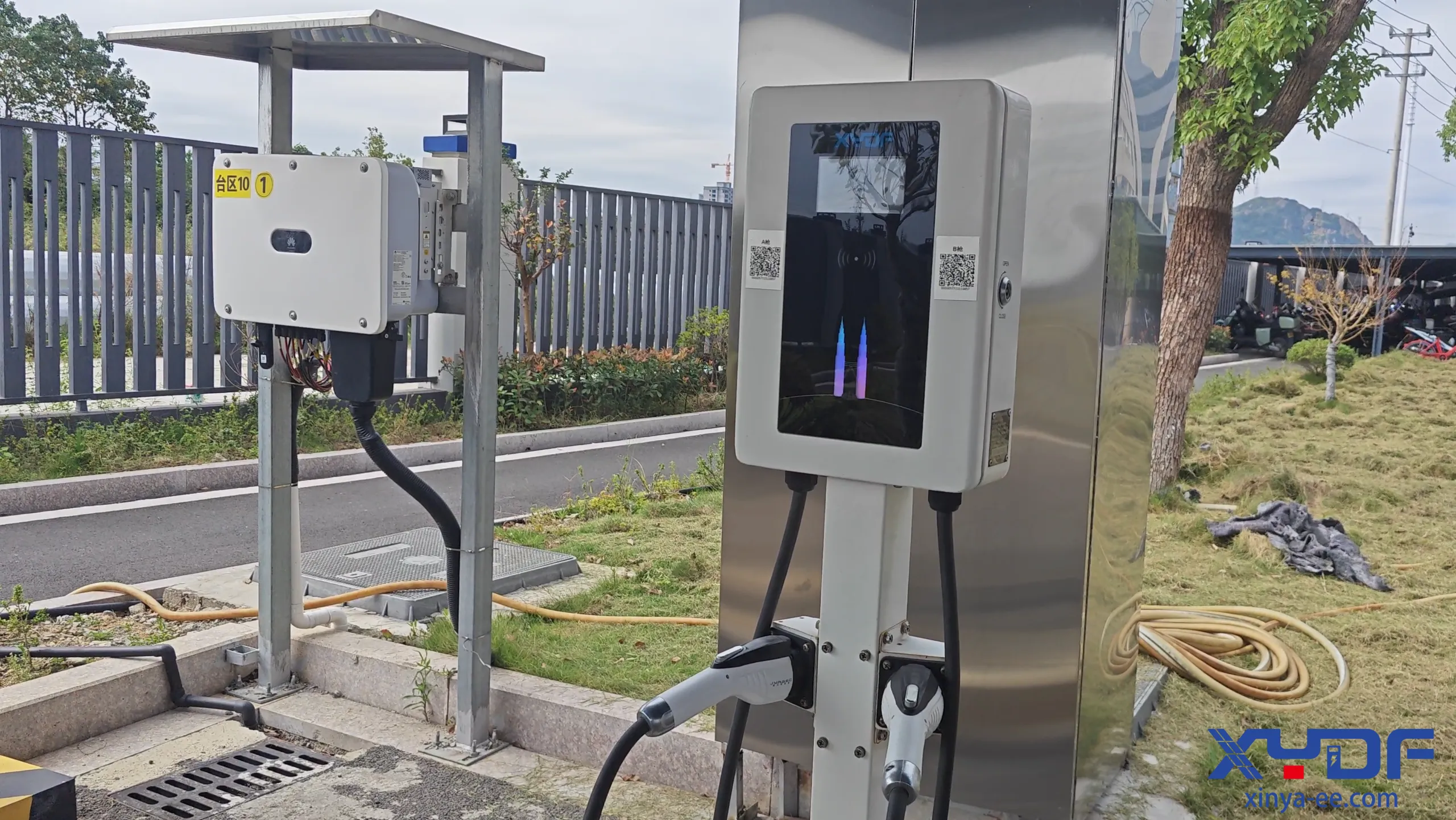
The charger cabinet is only one element of the installed system. Cable glands, conduit entries, doors, seals, mounting penetrations, connector holsters and any added communication equipment can change the exposure path. For that reason, request drawings and instructions for the offered configuration rather than treating a marketing headline as the complete answer.
Installation practice also affects serviceability. The AFDC operation and maintenance guidance calls for cables to be stored securely, accessible parts to be checked periodically, and equipment to be kept clean. These are operational controls, not proof that a particular enclosure rating is retained after installation.
Ask the supplier to identify:
the enclosure rating of the exact charger model and power configuration;
the rating conditions for cable entries, plugs, sockets and accessory cabinets;
approved mounting, conduit and gland arrangements;
cleaning limitations and inspection points;
the documentation that applies to the target project market.
Part 5. What Does an IP Rating Not Cover?
Unlike IP protection, impact resistance is normally considered through an IK rating and site-protection design. Bollards, wheel stops, mounting position and lighting may be relevant for a public site even where an enclosure has a suitable IP code.
Salt spray, corrosive pollutants, UV exposure, temperature, condensation, flood depth and high-pressure cleaning also need their own evidence. An IP65 marking does not by itself establish immersion performance, corrosion resistance or approval for a particular market. The two water tests should not be assumed to be interchangeable; the IP-code technical guidance notes that water-test categories are not automatically cumulative.
This boundary complements EV charging equipment reliability: enclosure selection controls one exposure path, while reliability planning also depends on thermal, electrical, operational and maintenance evidence.
Conditions an IP code does not settle
Condensation: warm humid air entering a cool cabinet can create internal moisture even when external spray protection passes.
Corrosion: salt, chlorine and industrial chemicals can attack metals and seals without violating the ingress test.
Orientation: a roof, drain or gland positioned differently from the test setup can redirect water toward electronics.
Thermal duty: higher sealing can restrict airflow; review the model’s heat-rejection and derating evidence separately.
Place the IP claim beside the installation exposure review, condensation control, corrosion class, impact risk and cleaning method; the enclosure code alone does not approve the complete installation.
Part 6. Which XYDF AC Charger Path Fits an IP-Led RFQ?
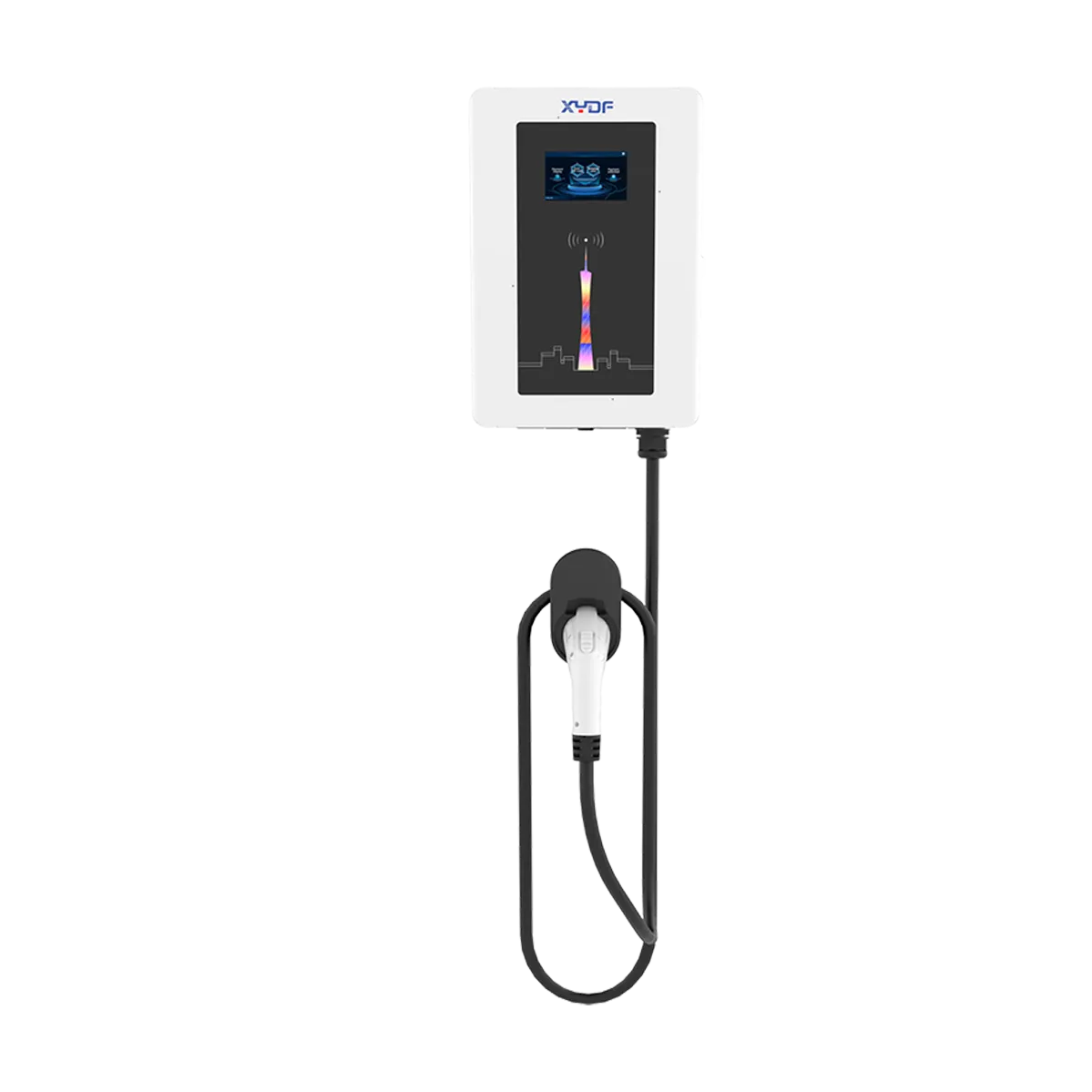
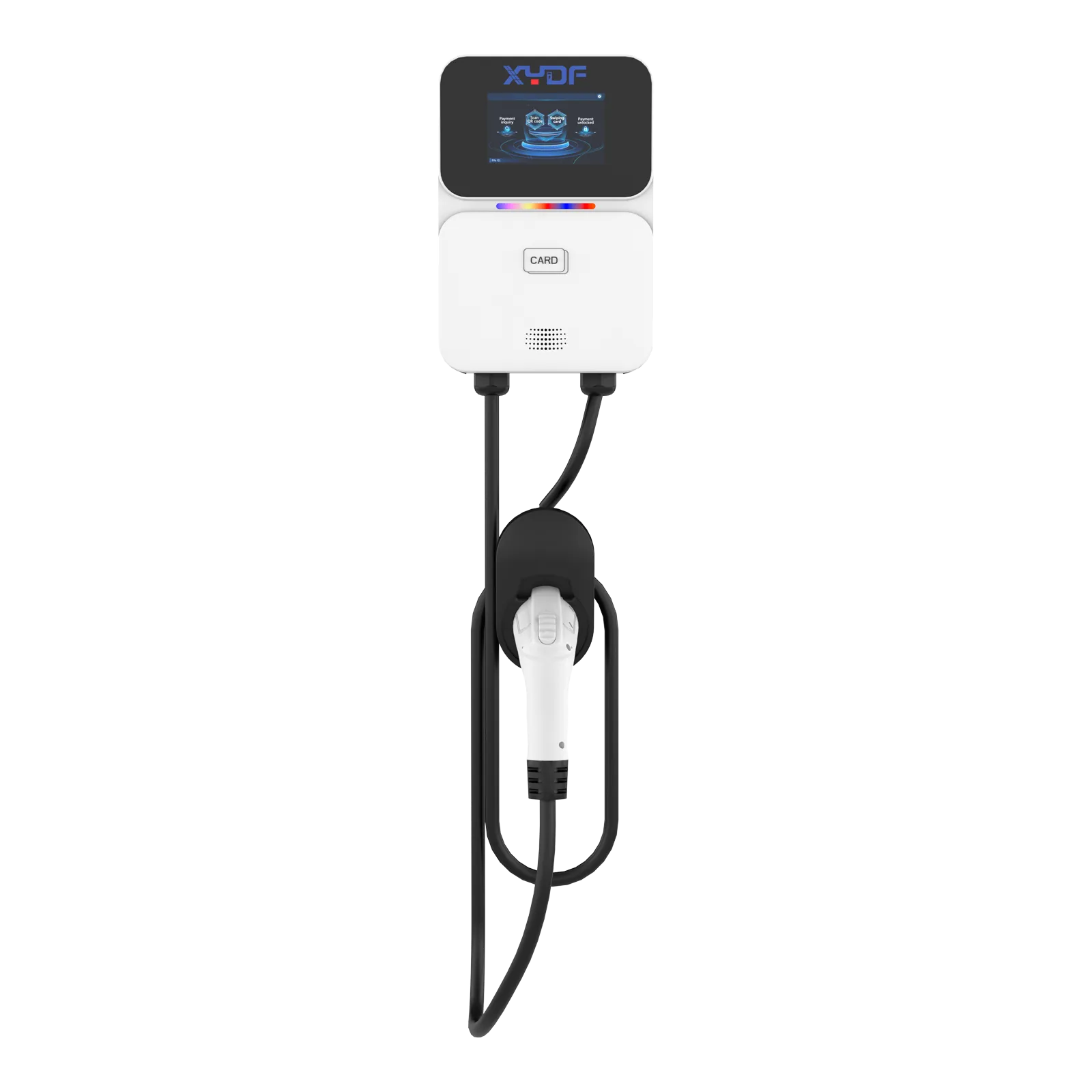
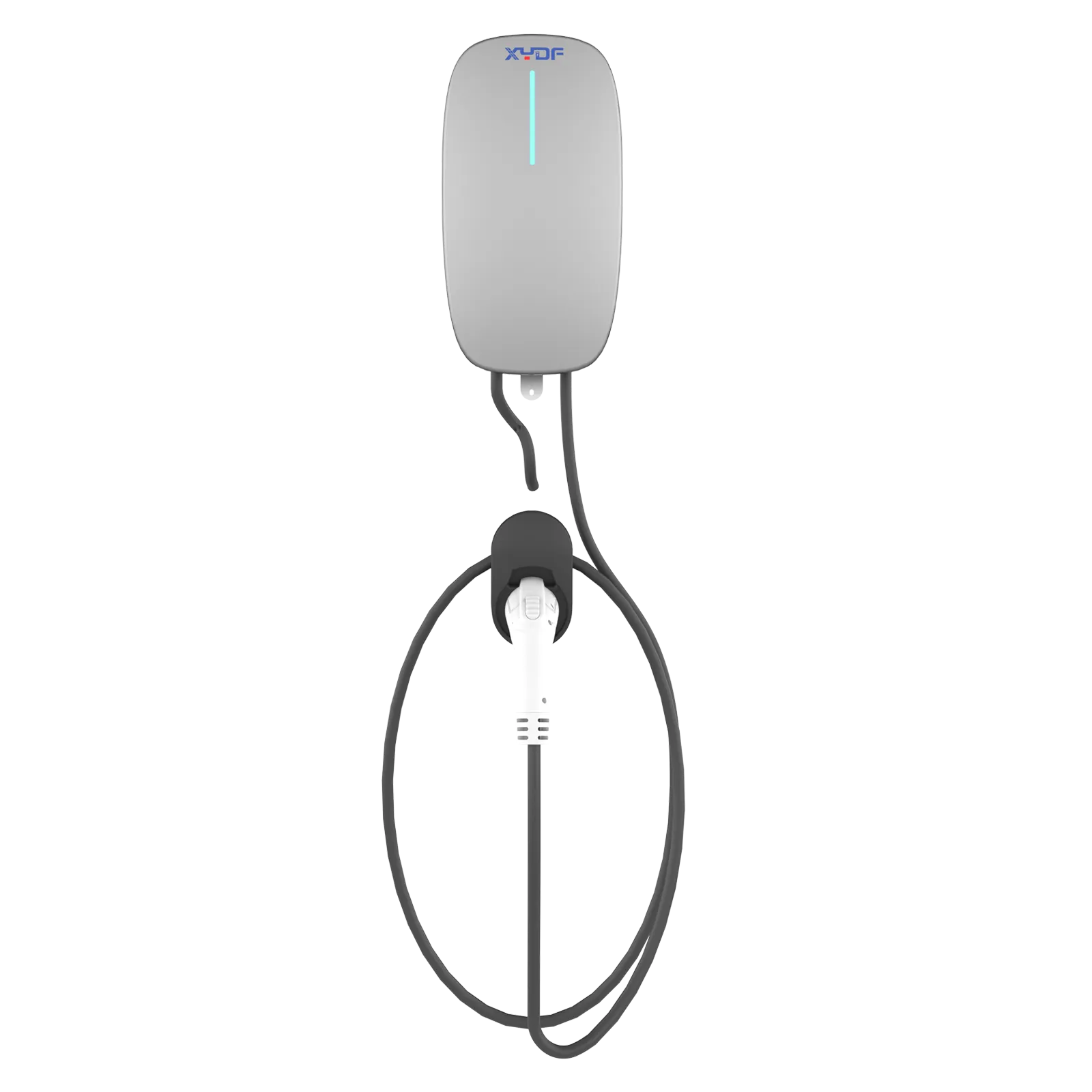
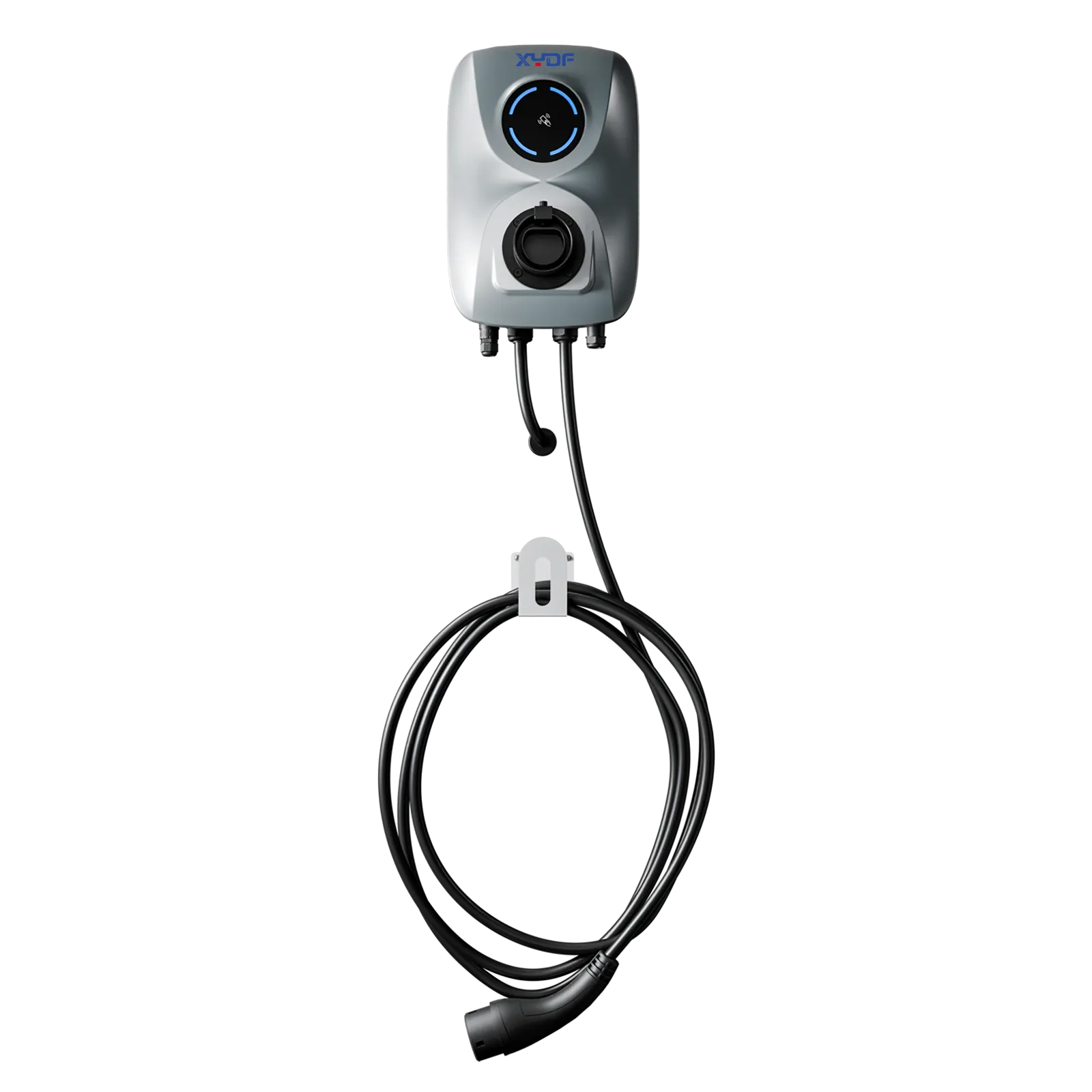
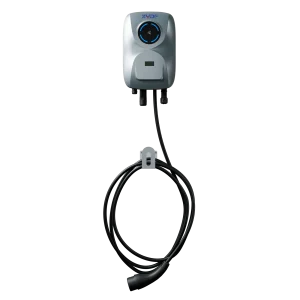
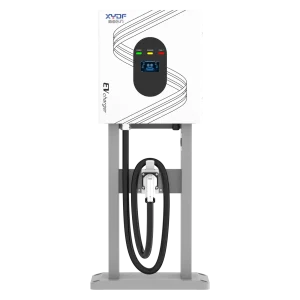
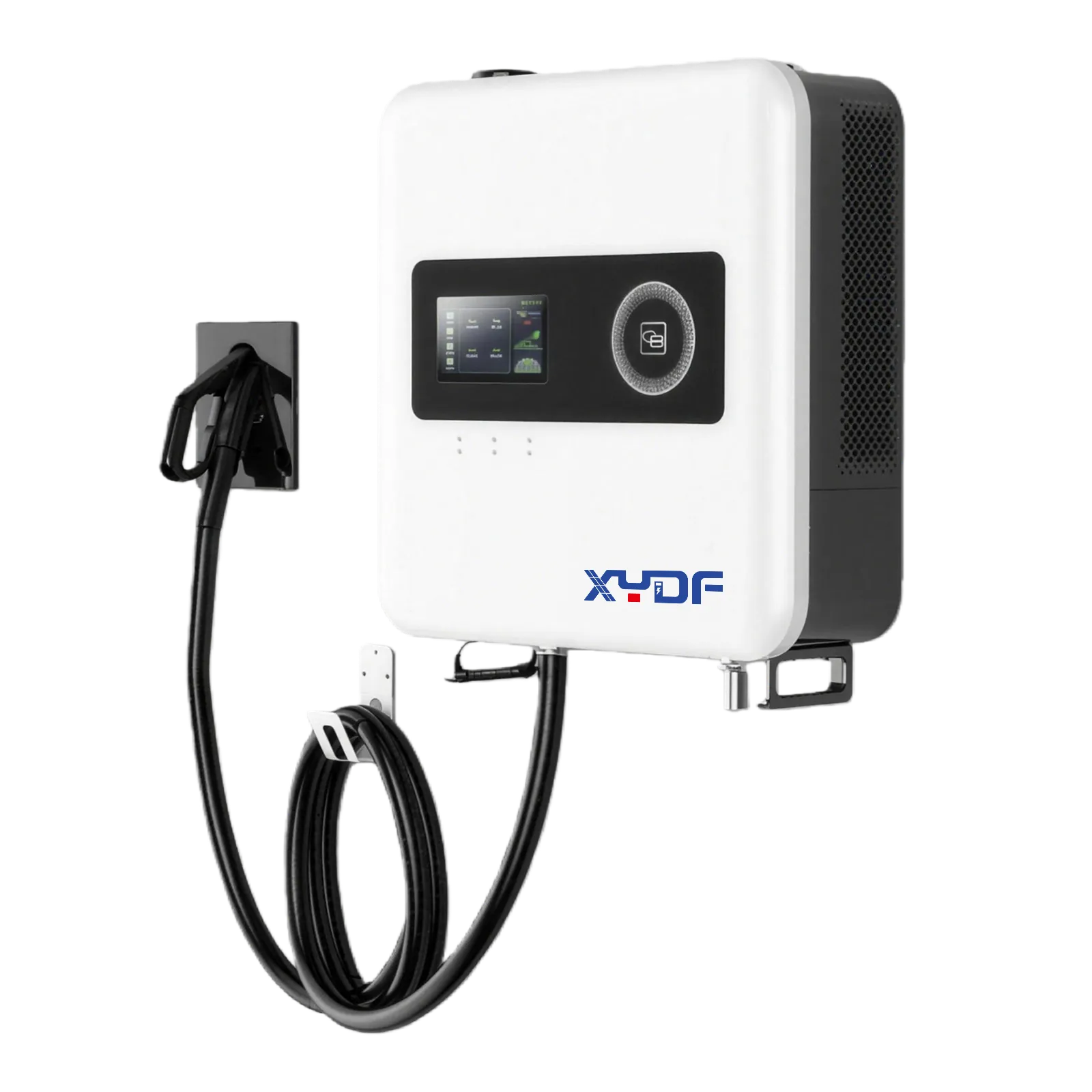
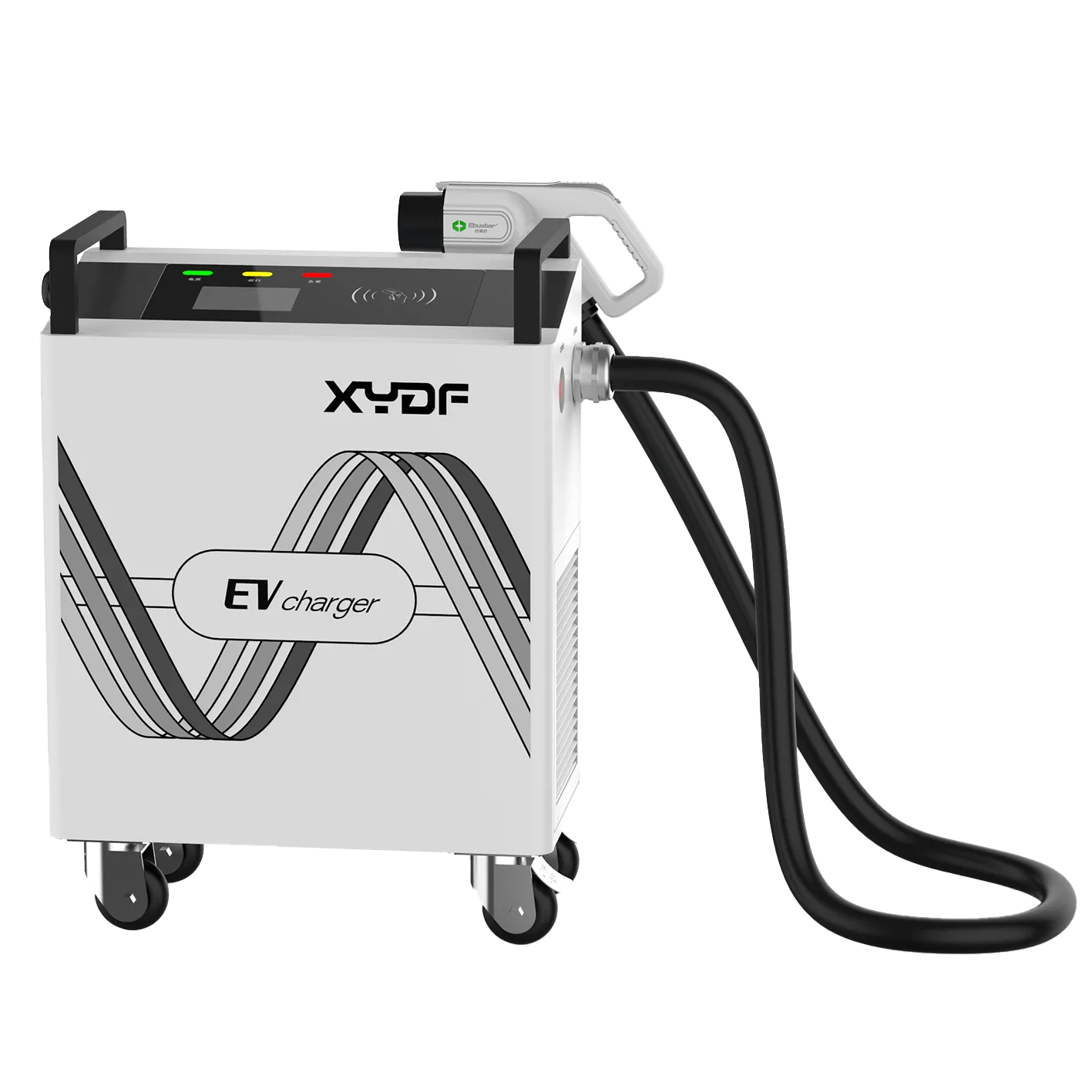
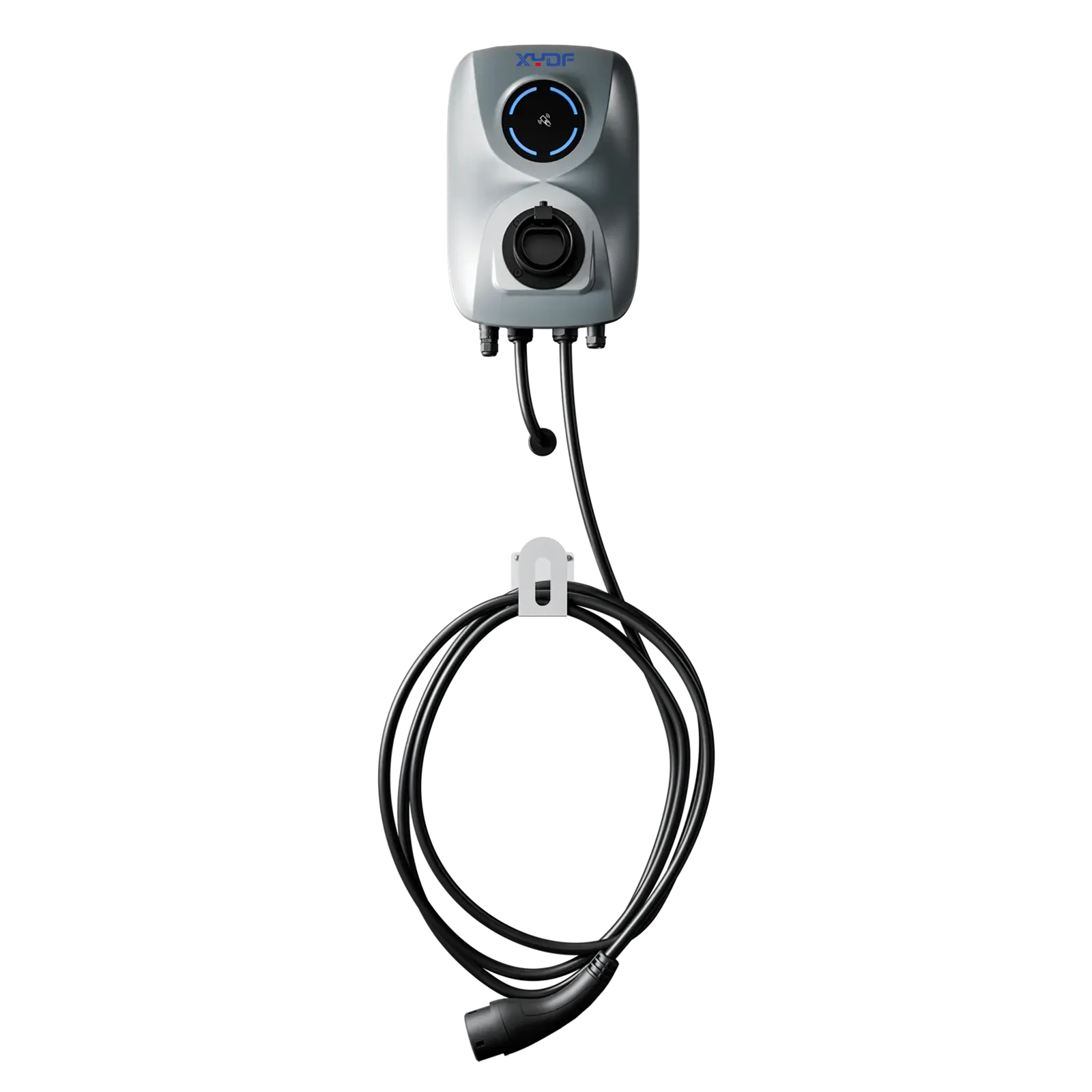
When a project’s documented exposure requires IP65, begin with the Faixa de carregamento de AC and request the documentation for the actual offered configuration. The current XYDF product-page titles identify an Carregador IP65 7 kW da EC7 and an EC22 IP65 11kW/22kW AC charger; that is a useful starting point, not a claim that every configuration or installed site has the same rating.
This route fits AC projects where enclosure exposure, power requirement and installation details are known. It is less suitable for a buyer who only has a broad “outdoor” label, a flood-risk concern, a corrosive-environment concern or a requirement for unverified market approval. Those buyers should first define the duty and ask for evidence.
The first digit identifies protection against solids and dust, while the second identifies protection against water under the relevant IP Code tests. See IEC 60529 for the standard scope.
Is IP54 enough for an EV charger?
IP54 can be a candidate for a controlled, sheltered location with dust and splashing exposure. It is not a universal outdoor recommendation; compare actual water exposure and the offered model documentation.
What is the difference between IP54 and IP55?
Both use dust-protection digit 5. IP54 has water-splash protection, while IP55 adds water-jet protection.
Is IP55 waterproof?
IP55 is a defined ingress-protection rating, not a blanket description of every weather, flooding, corrosion or installation condition. Confirm the exact water exposure and model documentation.
When should a project specify IP65?
Investigate IP65 where the documented site duty needs dust-tight protection and water-jet protection, such as an exposed, dusty or routinely cleaned area. The complete installed assembly still needs review.
Does IP65 cover flooding or immersion?
No. IP65 includes water-jet protection, not a temporary-immersion claim. Flood risk needs a separate assessment and evidence.
Does IP65 also cover impact or vandalism?
No. IP protection and impact resistance are separate questions. Public-site protection may also require mounting and physical-site measures.
What should buyers include in an IP-rating RFQ?
State the exact model and power requirement, mounting and canopy details, dust and water exposure, cleaning method, cable-entry method, target market, required documents and any corrosion, impact or flood conditions.
Request the IEC 60529 code and test conditions, installation orientation, cable-entry details, condensation/corrosion guidance, cleaning limits, operating-temperature range and derating curve.
Once exposure and acceptance boundaries are explicit, compare the Área de atuação dos carregadores rápidos DC, rever a Catálogo de produtos and request documentation through Contato XYDF. The practical EV charger IP rating rule is: specify the environment first, then verify the code and every field-installed opening.
For an EV charger IP rating decision, attach the tested mounting orientation and cable-entry configuration to the acceptance record; the code is only meaningful when those conditions match the installation.
\n
Is IP65 always better than IP55 for an EV charger?
Not automatically. IP65 adds dust-tight protection but does not address corrosion, condensation, impact, UV or thermal derating; select the lowest code that meets the verified exposure and maintenance plan.
Can an IP-rated charger be pressure-washed?
Only if the manufacturer explicitly permits the pressure, distance, angle, water temperature and detergent. An IP55/IP65 claim alone is not a pressure-wash instruction.
Do cable glands need their own IP evidence?
Yes. The enclosure test does not validate every field-installed gland, plug or conduit entry. Specify compatible components and inspect seals after installation or service.
Por que uma classificação IP não é suficiente para homologar um carregador de EV para uso externo?
Um código IP refere-se à proteção contra a entrada de água sob condições de teste definidas; ele não prova em si mesmo a resistência a impactos, o controle da corrosão, a resistência a vibrações, a estabilidade da fundação, a proteção dos cabos, o drenagem ou o acesso para manutenção. A instalação só deve ser aprovada após essas exigências específicas serem compatíveis com a exposição do local e verificadas nos registros de projeto ou de aprovação.
Fábrica da Sede em Zhejiang:
N.º 2, Estrada Changjiang, Parque Industrial da Ponte de Wenzhou, Vila de Beibaixiang, Cidade de Yueqing, Cidade de Wenzhou, Província de Zhejiang
Escritório de Shenzhen:
1.º Andar, Edifício A, Parque Industrial de Shenkai, Comunidade de Tangtou, Subdistrito de Shiyan, Distrito de Bao'an, Shenzhen
Utilizamos cookies para manter este site a funcionar e, com a sua permissão, para medir a forma como os visitantes utilizam o nosso site de carregamento de VE. Consulte os nossos Política de Privacidade para mais detalhes.
 Xinya Dongfang Electricity Technology Co., Ltd.