 Синьцзя Дунфан Электрик Технолоджи Ко., Лтд.


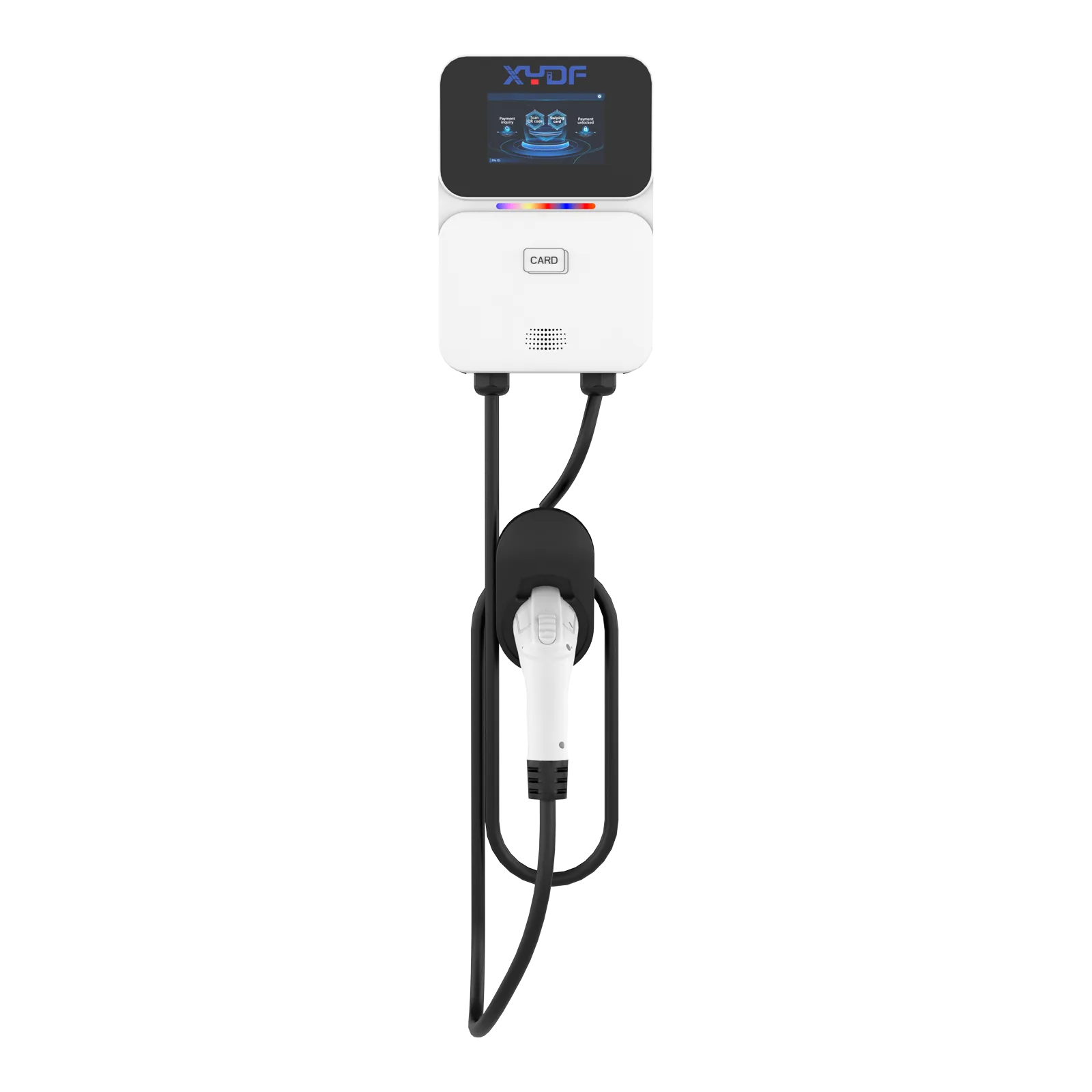
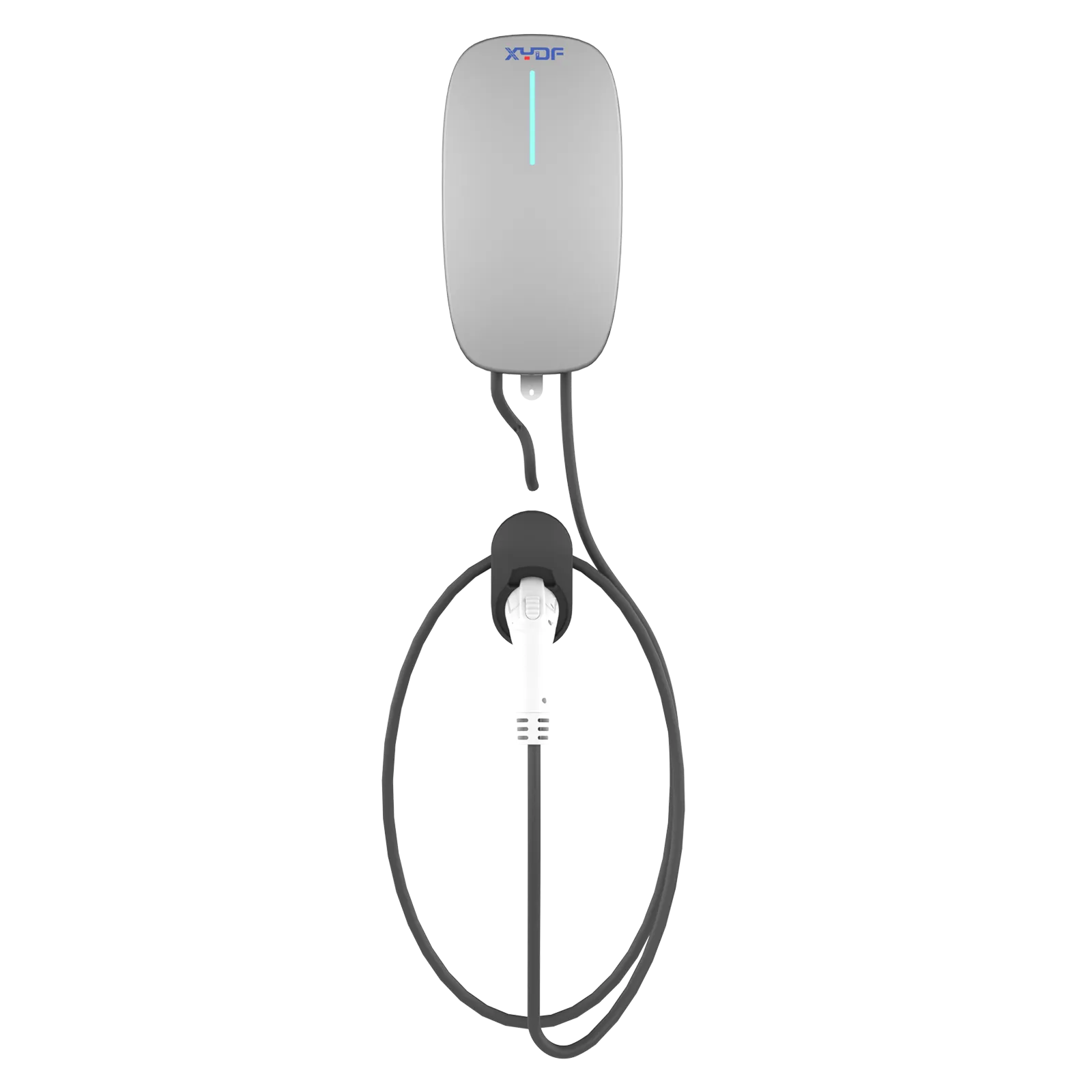
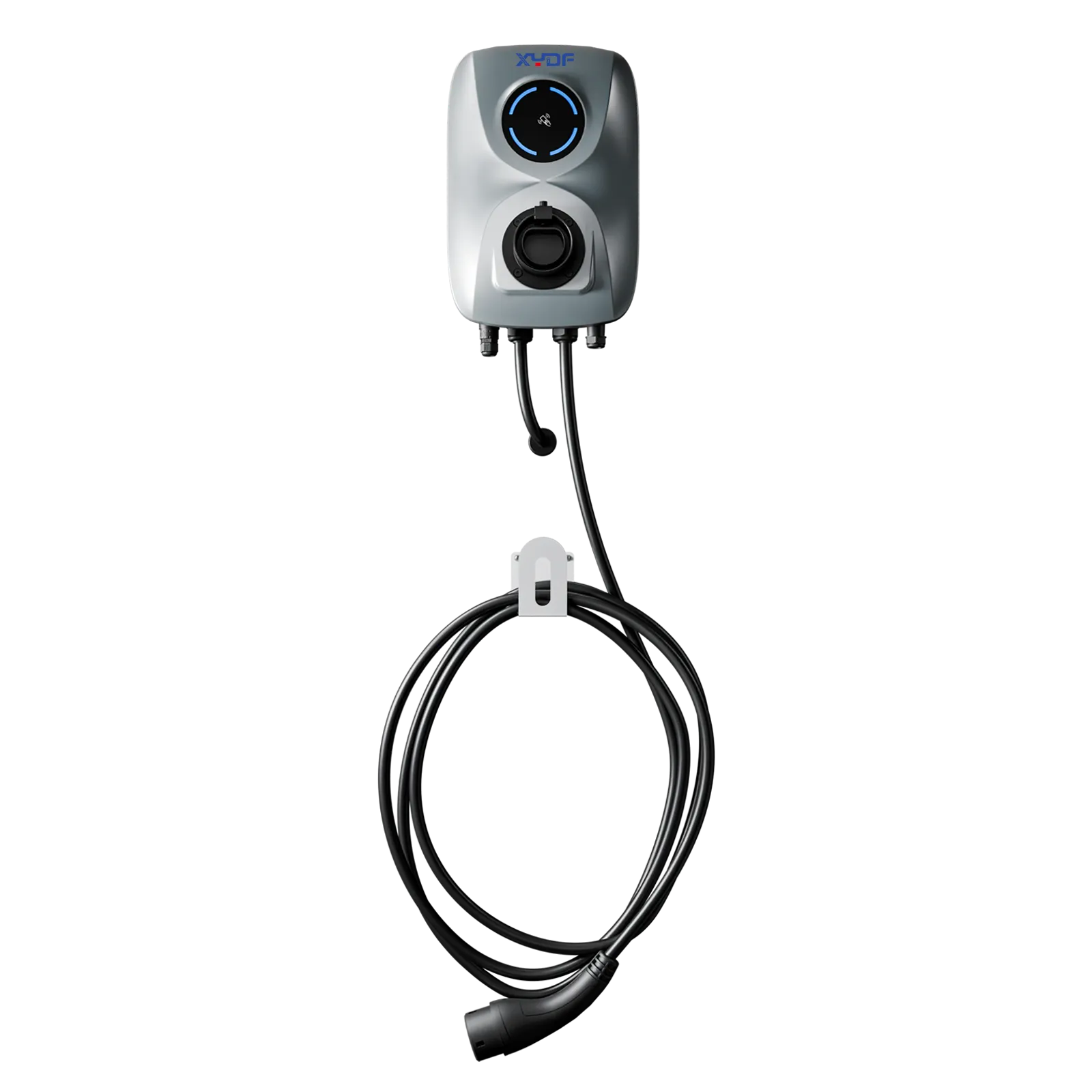
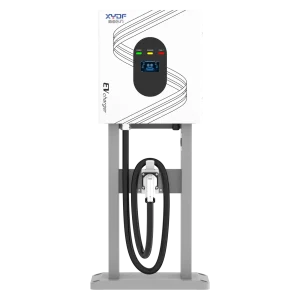

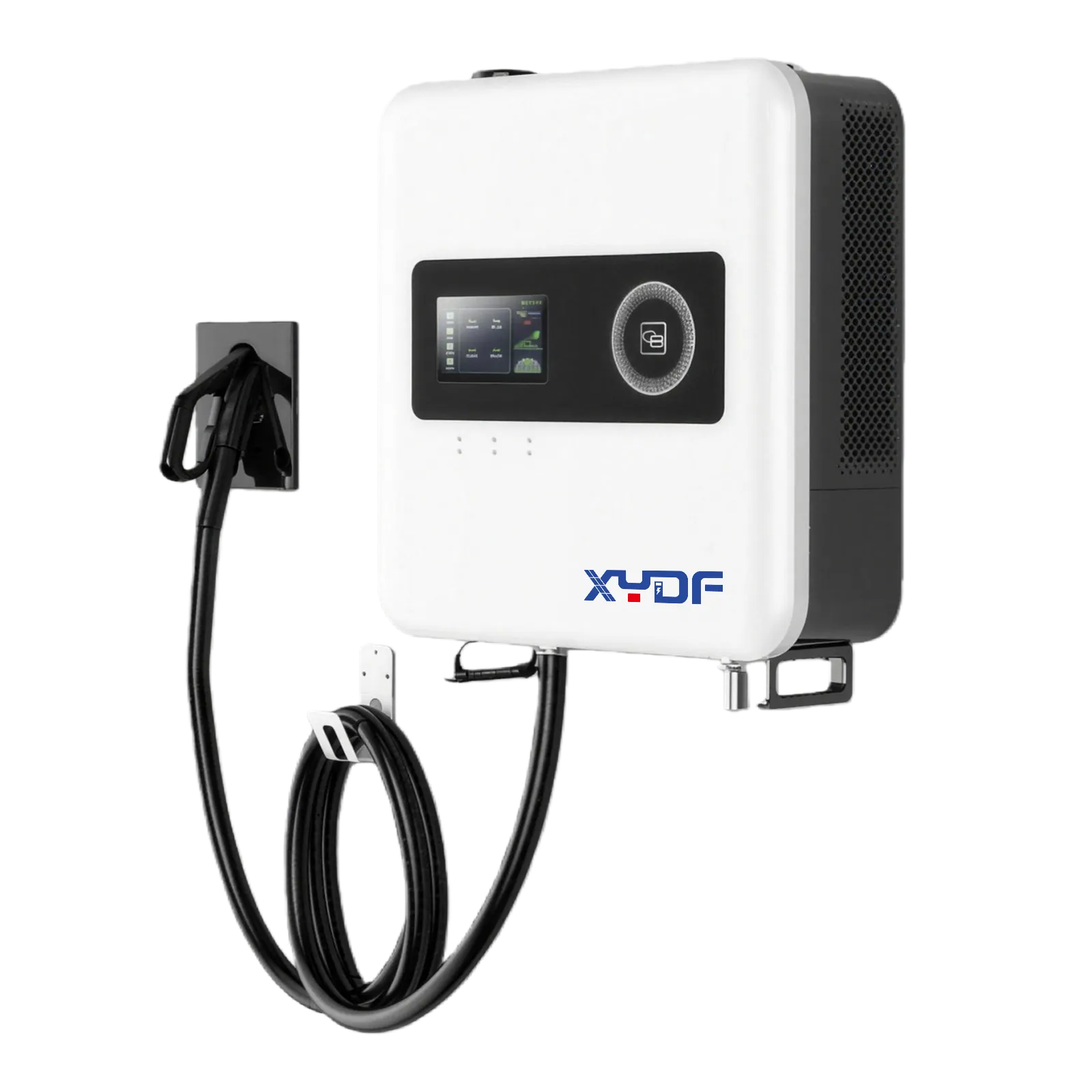
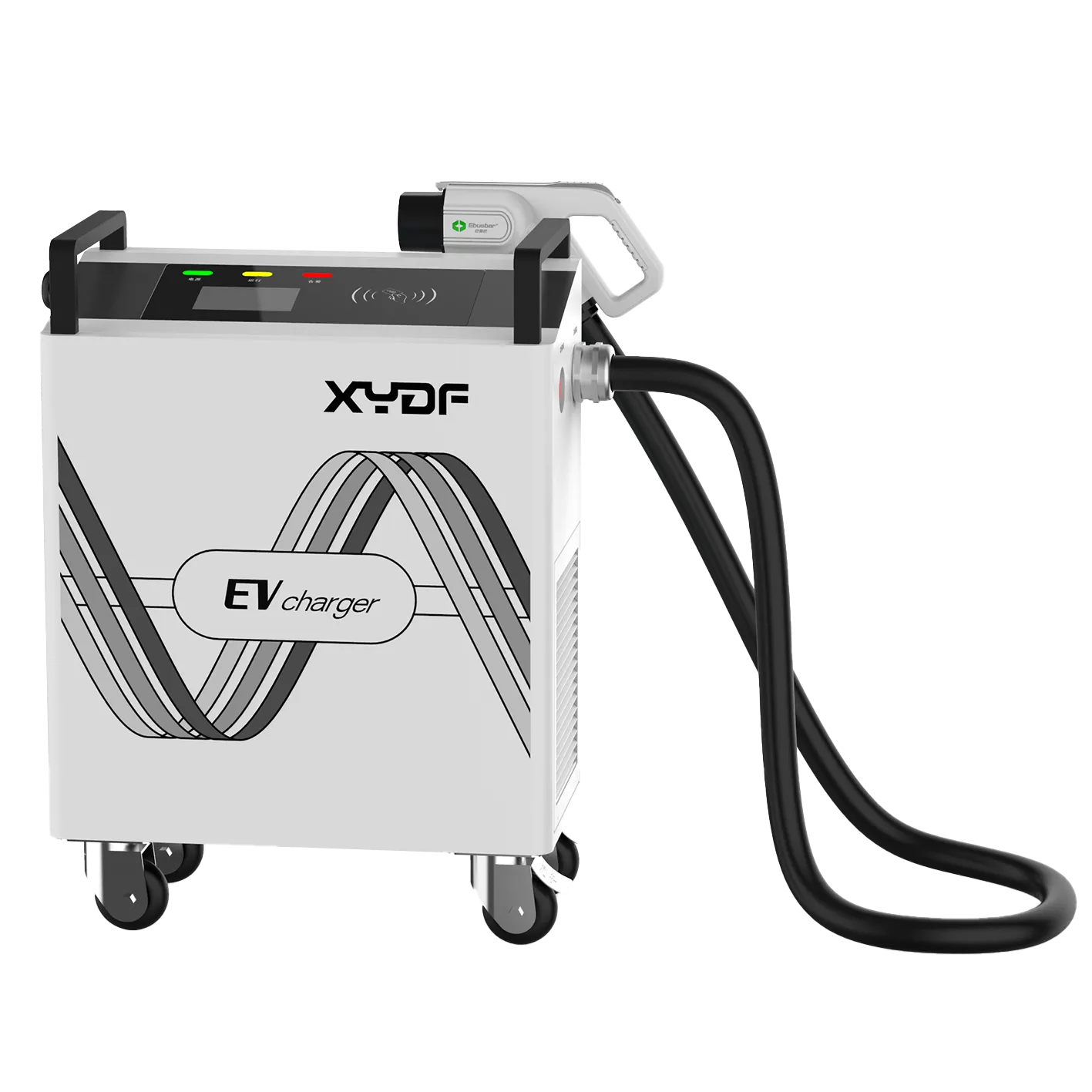
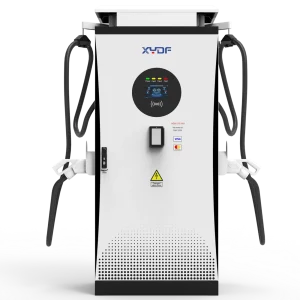
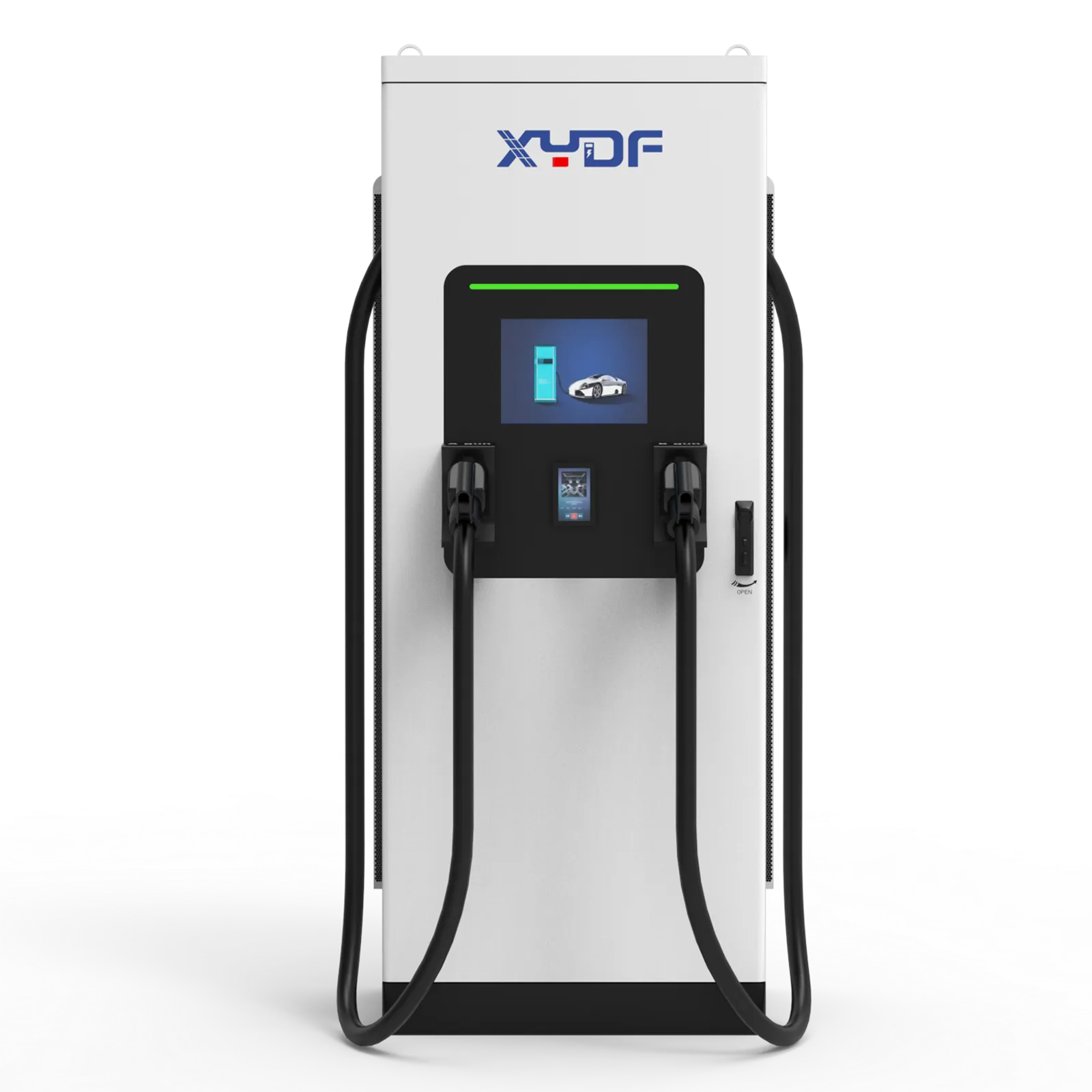
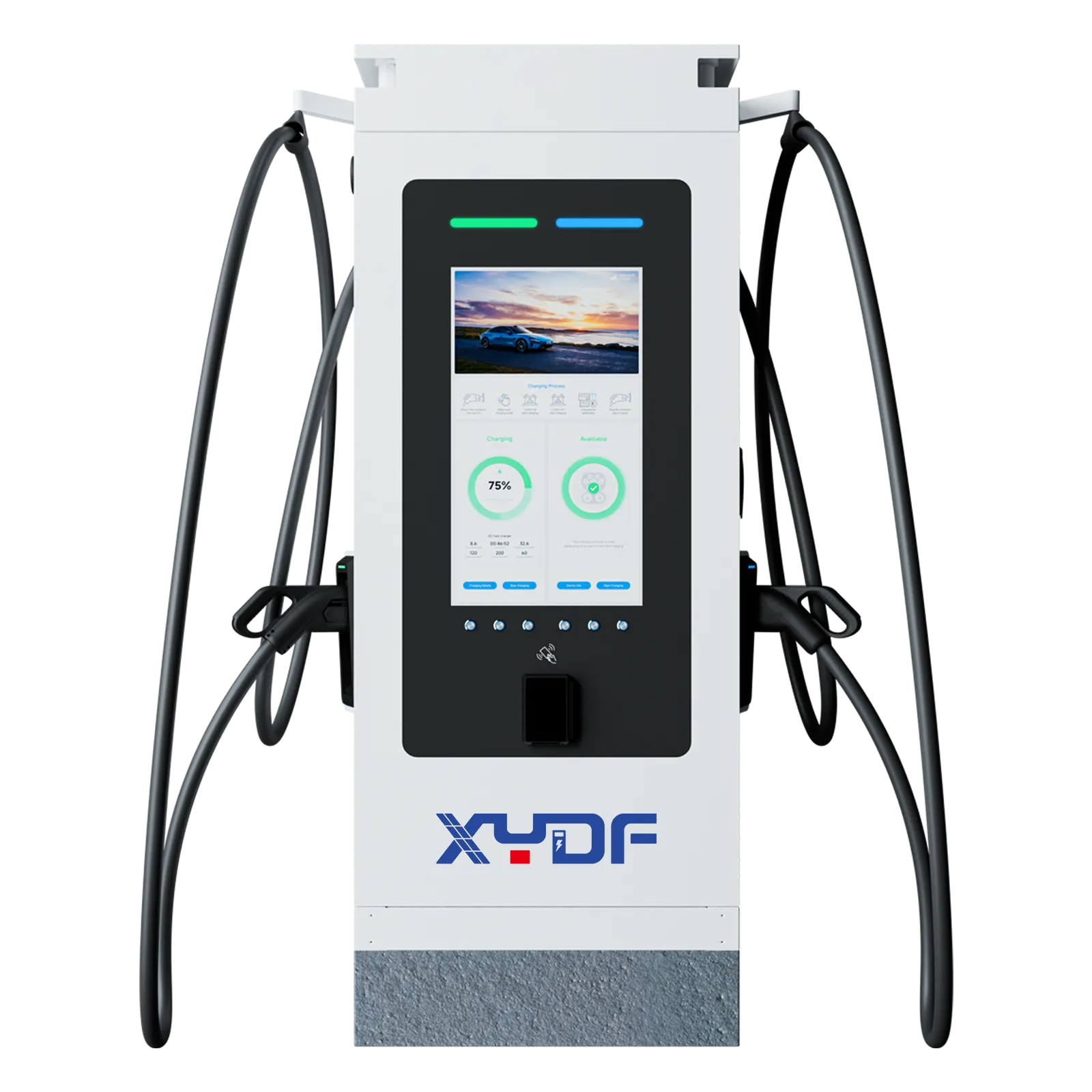
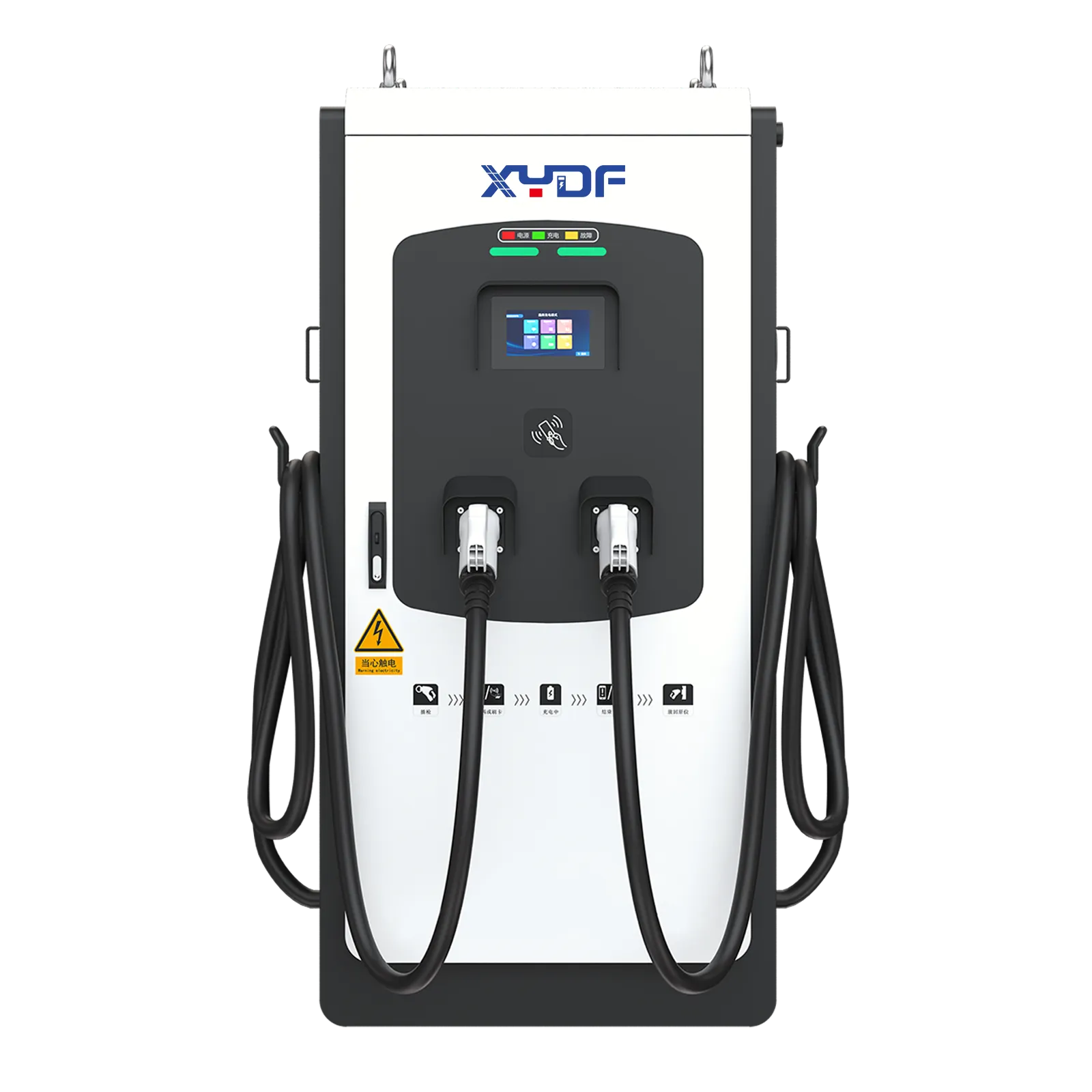
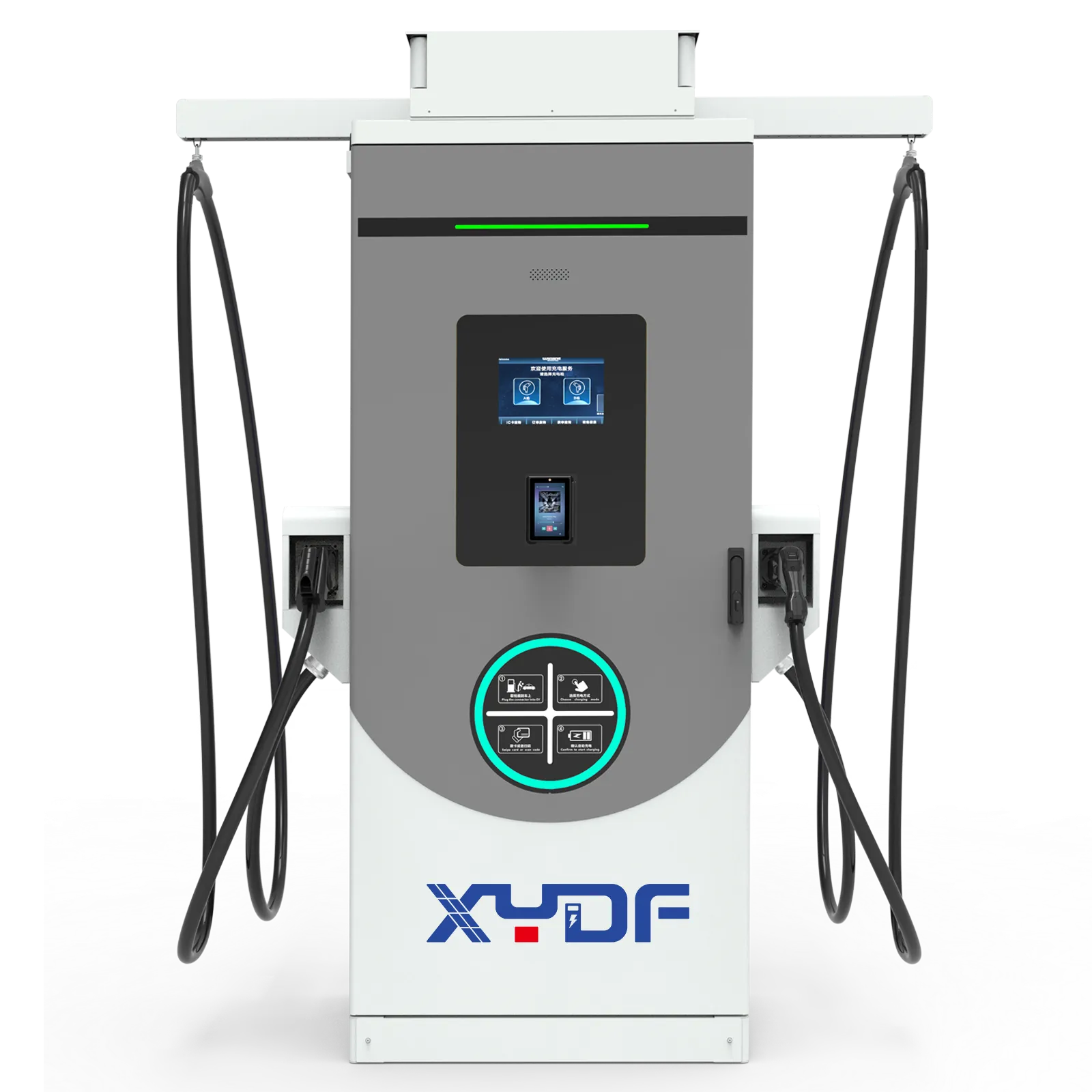
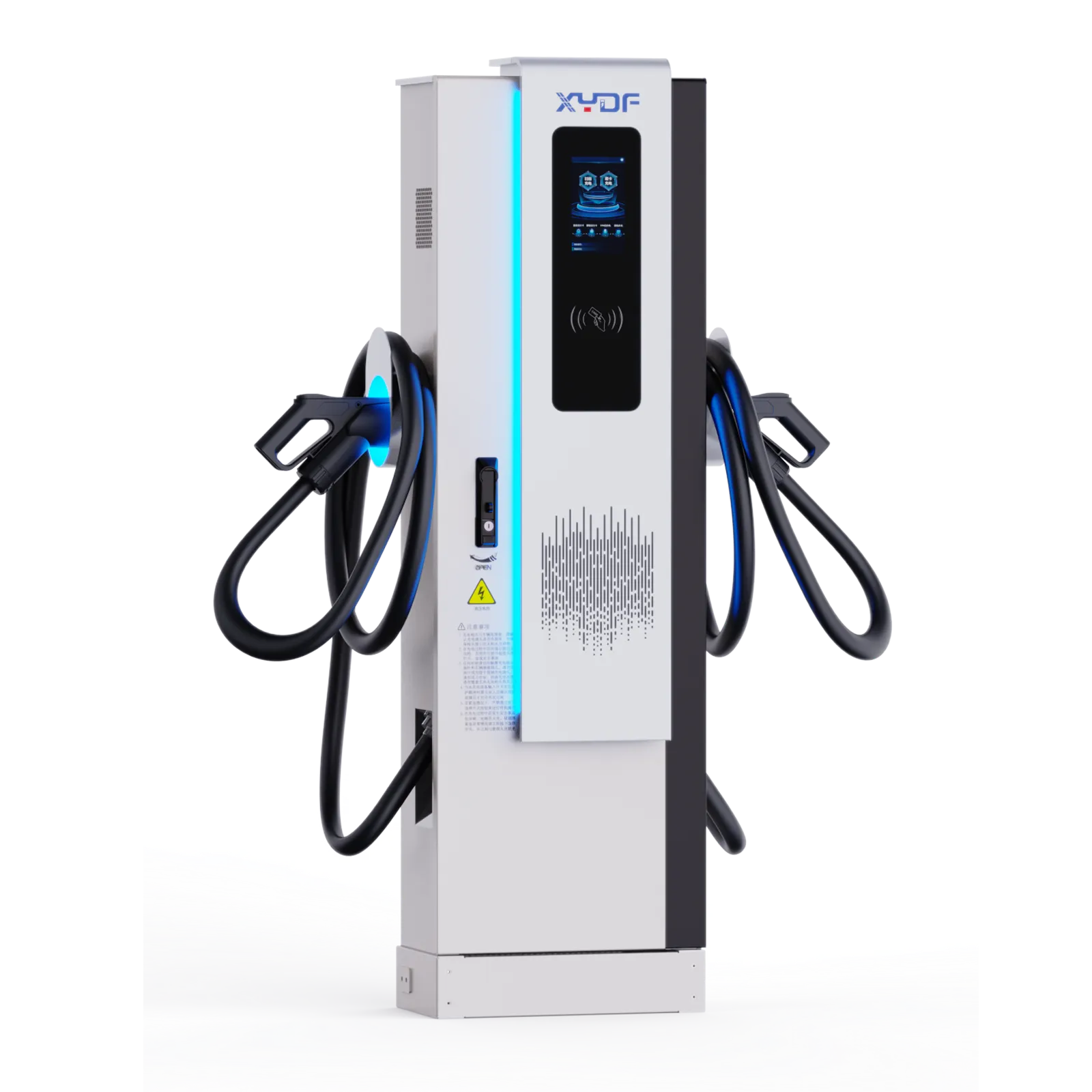
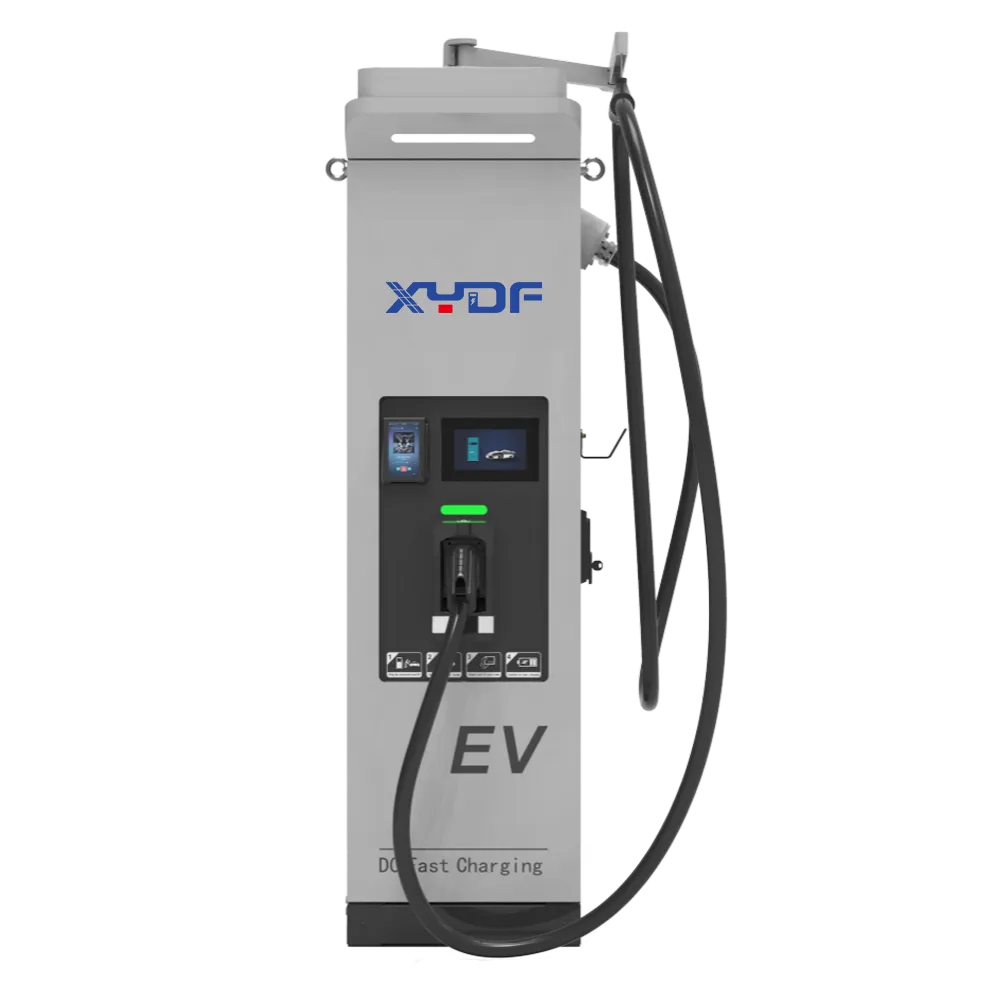
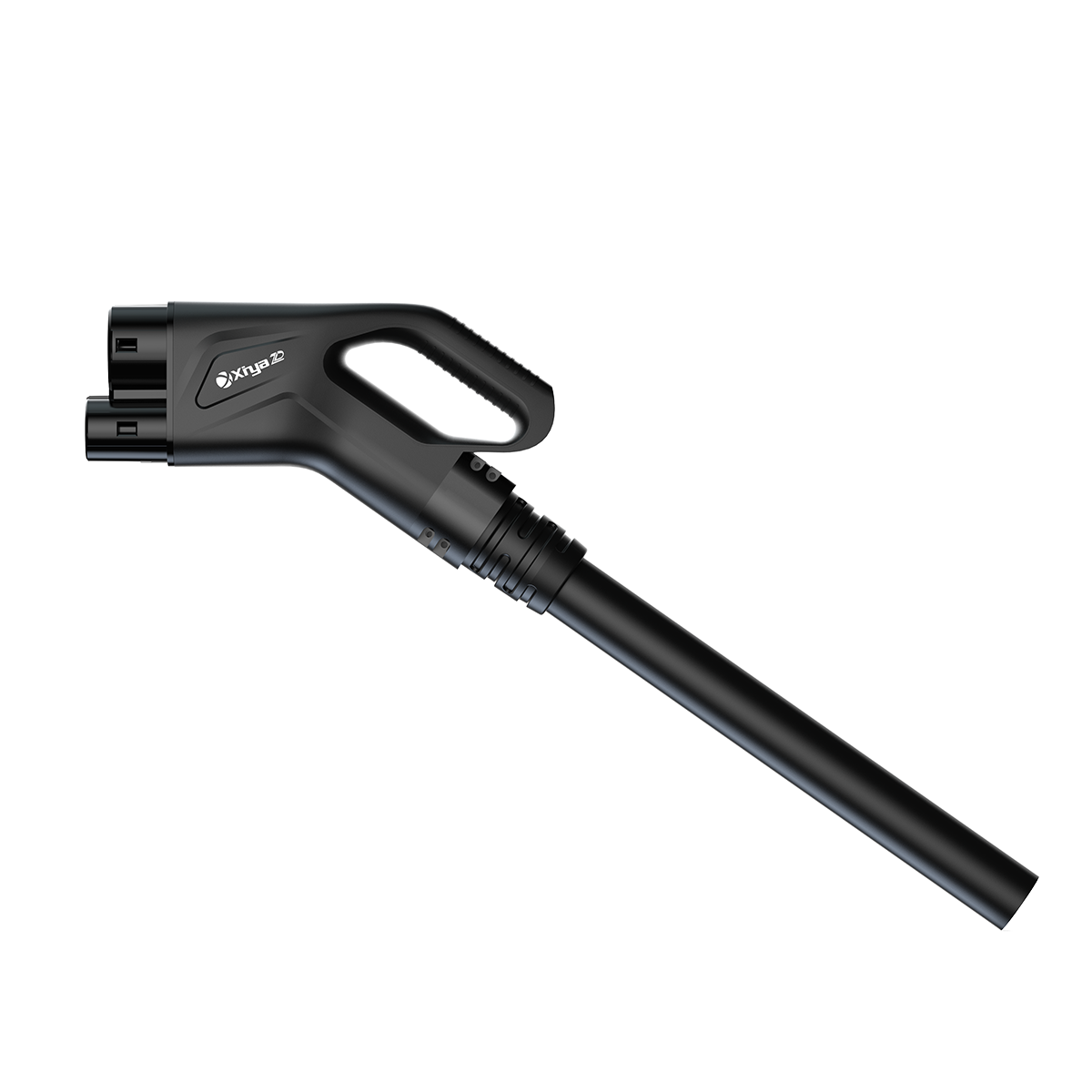
When an XYDF field engineer reviewed a fuel-station forecourt, the operator expected a charger installation to be a simple equipment swap. The crew positioned a cabinet near the canopy, started a commissioning session, and saw the site breaker trip within minutes. The visible failure looked like a bad charger, but the cause was selection and utility planning: the service had no spare capacity for the proposed load, and the civil drawing ignored the turning path of delivery vehicles.
Installing EV charging at a gas station is a site-integration project, not a plug-in purchase. Confirm utility capacity and local permits before choosing power level; then design a forecourt that separates fueling, charging and pedestrian movements. The U.S. Alternative Fuels Data Center distinguishes Level 2 from DC fast charging by electrical input and charging speed, while fire-safety guidance from NFPA 88A and NFPA 70 informs equipment placement and wiring. A staged survey, load study and commissioning plan prevents expensive rework.
Why does the existing service set the first limit?
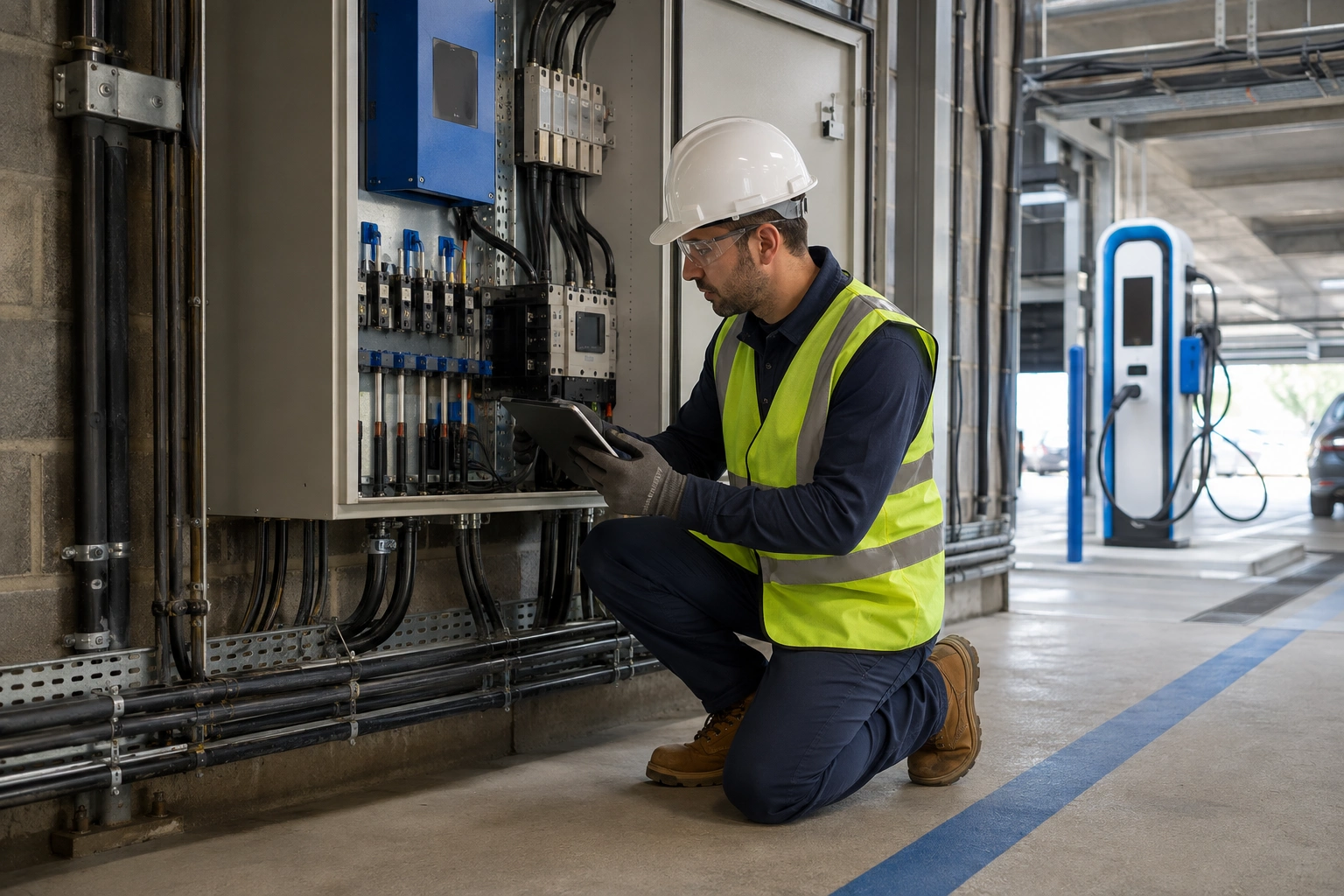
Map the site’s service, transformer, switchgear and panel schedules with the utility and a licensed electrical professional. Charger nameplate load is only one input; lighting, refrigeration, HVAC, car-wash equipment and peak fuel demand may already consume capacity. Ask for fault current, service voltage, upgrade path and application sequence. Treat utility capacity planning as the first procurement gate.
At the same time, observe how long customers remain on site. DC fast charging generally supports a short dwell aligned with a coffee or restroom stop; Level 2 can suit longer parking where vehicles remain for an hour or more. Do not promise a specific charge time without the vehicle, battery state, ambient conditions and charger configuration. Use the AFDC infrastructure overview as a neutral explanation for drivers and regulators.
Build the budget from evidence rather than a headline price. AFDC procurement guidance separates hardware, design and permits, utility upgrades, construction, networking and operations; request each bucket and label payback as illustrative.
How should the forecourt separate charging, fueling and delivery movements?
Place chargers where vehicles can enter, align, connect and leave without crossing fuel lanes. Preserve sight lines around canopy columns, keep cabinets outside impact paths, and coordinate islands, bollards, drainage and snow clearing. Route cables without crossing a pedestrian desire line.
Review the layout with the authority having jurisdiction and the station operator. NFPA resources on electric-vehicle charging stations are useful for identifying fire-protection questions, but they do not replace the local code review. Confirm clearances from dispensers, emergency equipment, buildings and property lines under the rules that apply in the destination jurisdiction. Keep equipment labels and emergency shutoff identification legible after installation.
Complete a pre-permit walk with the fuel-lane operator, delivery driver and maintenance lead. Mark canopy columns, tanker turning paths, drainage, queue spillback and the store route before trenching.
Which charging and payment architecture fits the station’s dwell pattern?
Choose Быстрая зарядка постоянным током when turnover and route confidence matter; choose Level 2 when dwell is long or service is constrained. If expansion is planned, size conduit, pads and switchgear for the approved future design. Compare demand charges, transformer work, trenching, networking, maintenance access and blocked-bay revenue, not output power alone.
Payment should be tested like a retail checkout. Pre-authorizations, cards, wallets and roaming credentials can fail differently. Define the customer message for a declined hold, interrupted session or unavailable connector; record session start, energy, fees and refunds. Do not advertise “always available” without a stated uptime method.
Show connector status in the driver channel, distinguish an occupied bay from a fault, and give staff a recovery script for failed payment or abandoned sessions. Review blocked-bay minutes and authorization failures alongside energy sold.
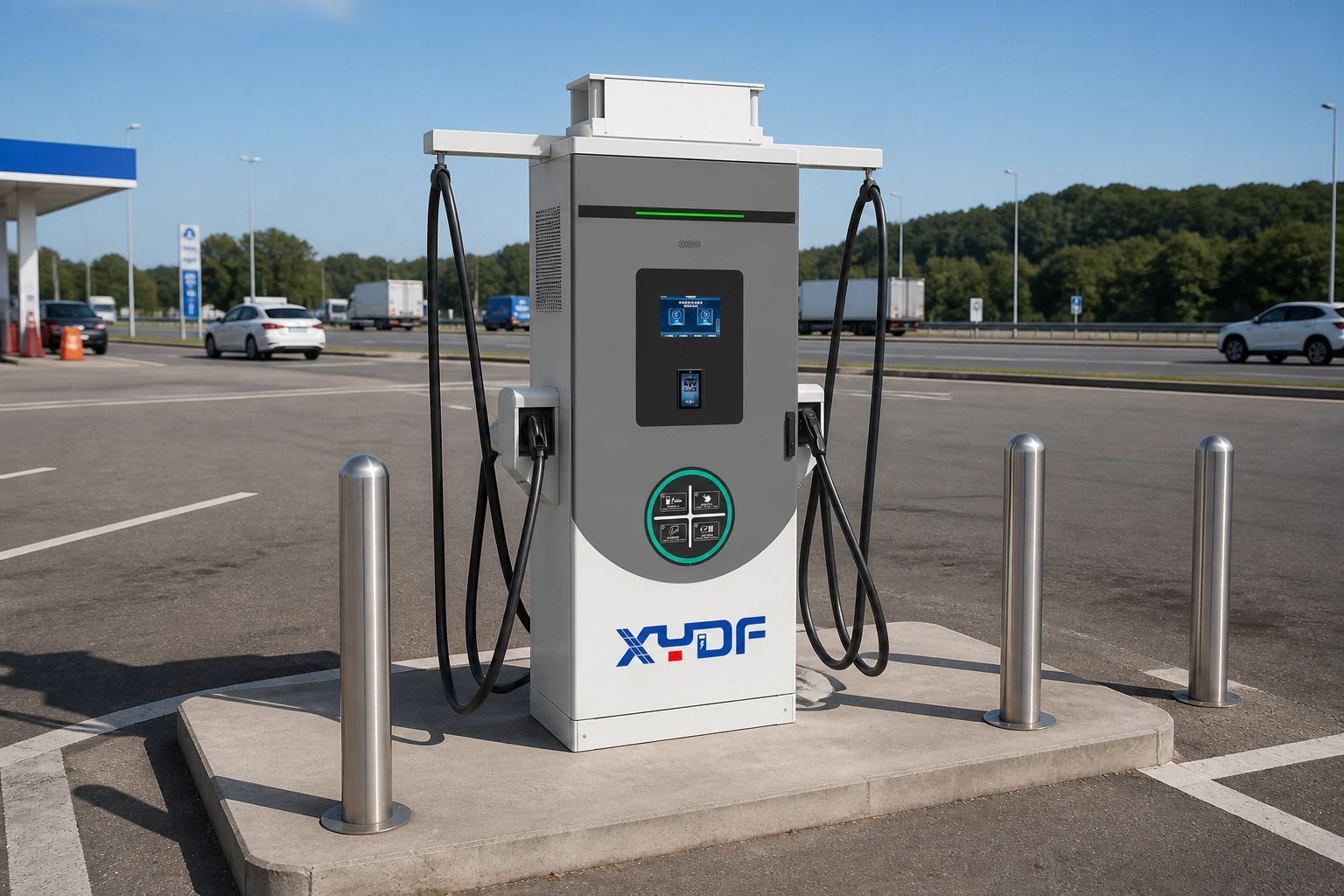
What must the permit package and commissioning record prove?
Permit packages may combine electrical, building, civil, signage and fire reviews. AFDC laws and incentives are a starting point, but the local authority is definitive. Include a single-line, cut sheets, grounding, trench and bollard details, accessible-route information and emergency procedures.
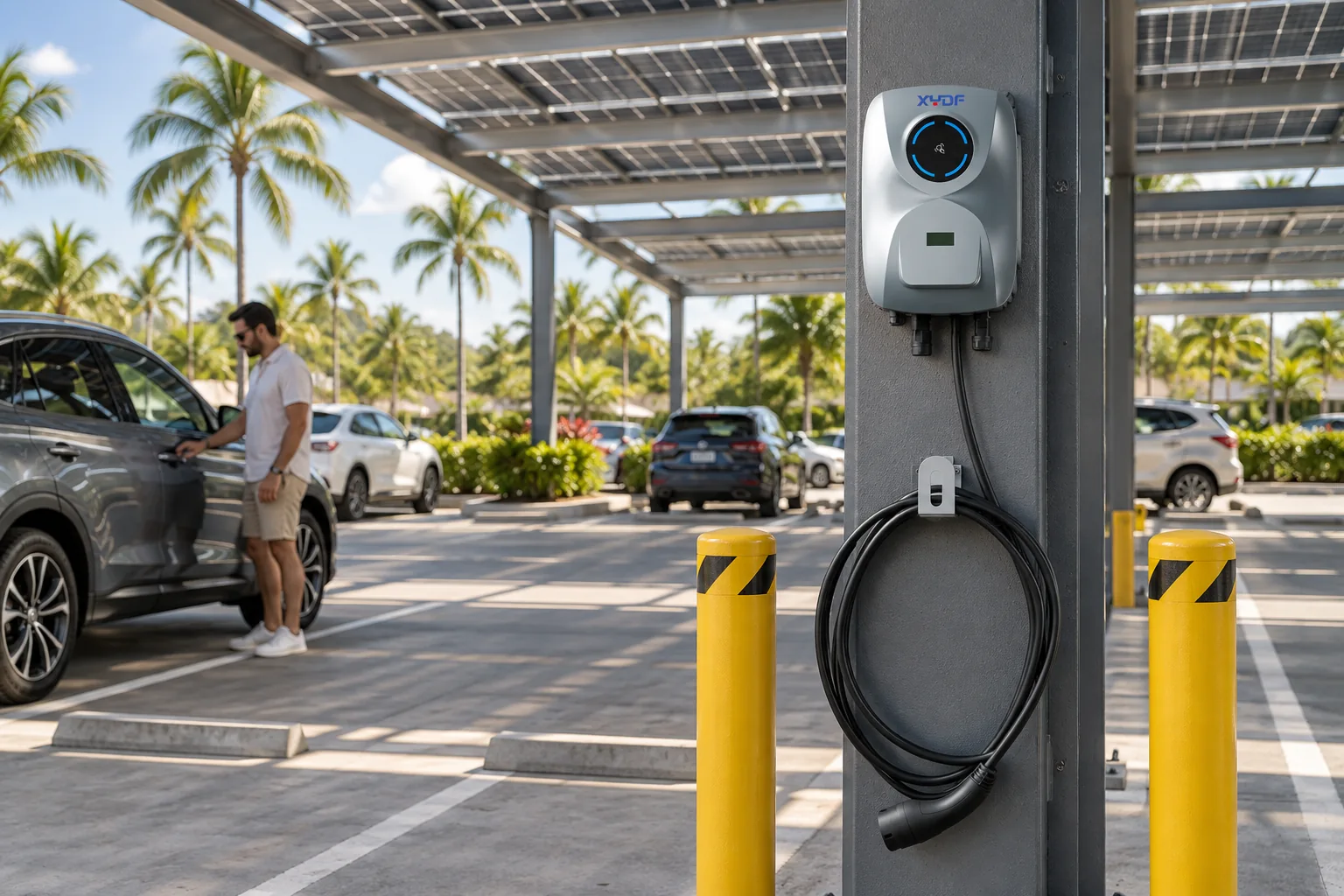
Plan an accessible bay and route from the sidewalk or entrance. ADA standards address parking and routes, while local rules may add charger-specific requirements. Keep bollards out of transfer space, confirm connector reach, and make markings and signs consistent with the charging restriction.
Before energization, complete insulation resistance, protective-device, grounding, communications and functional tests required by the design and inspector. Run more than one payment method, test emergency stop, verify cable storage and record serial numbers, firmware, network identifiers and as-builts.
Which charging choice best matches the site’s customers and grid?
| Decision | Быстрая зарядка постоянным током | Зарядка уровня 2 | What to verify |
|---|---|---|---|
| Typical dwell fit | Short retail or travel stop | Longer parking or staff use | Observed customer dwell |
| Grid effect | Higher peak load; transformer review often critical | Lower per-port load; diversity still matters | Utility study and tariff |
| Construction | Heavier conductors, pads and protection | Simpler civil scope in many sites | Approved drawings |
| Operations | Higher consequence of a failed session | More tolerance for overnight faults | Spare parts and response time |
What sequence keeps the installation auditable from survey to launch?
- Survey capacity, traffic, drainage, lighting and accessible routes.
- Submit the load and interconnection concept for utility and code review.
- Freeze charger count, power architecture, network and payment requirements.
- Coordinate trenching, pads, bollards and canopy work around fuel operations.
- Install, inspect, energize and commission with payment and emergency tests.
- Monitor sessions, faults, queues and maintenance response before expanding.
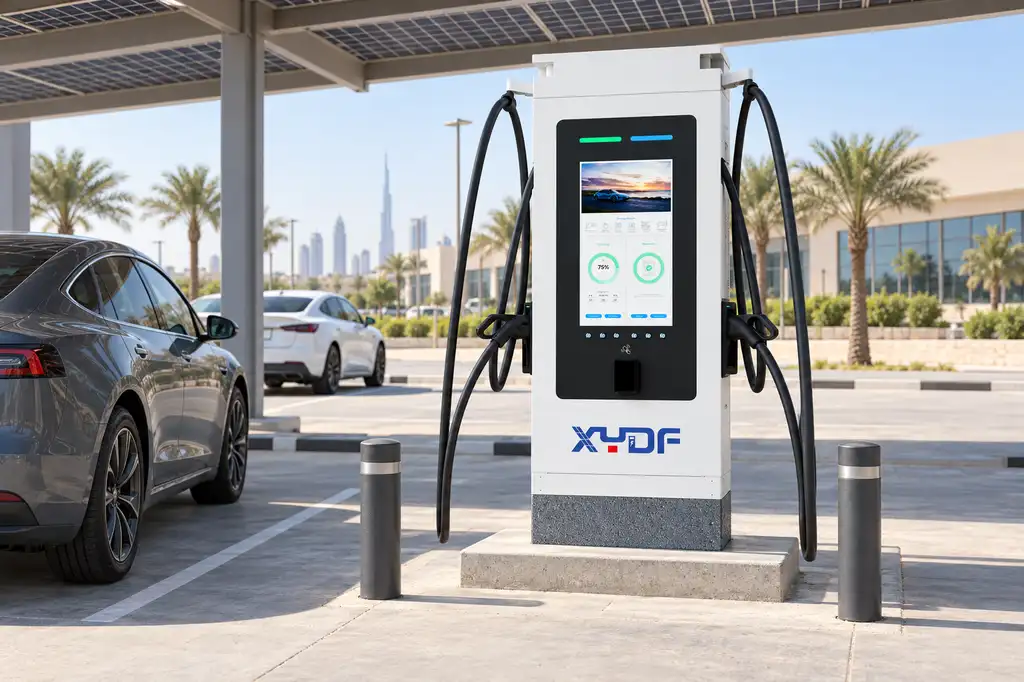
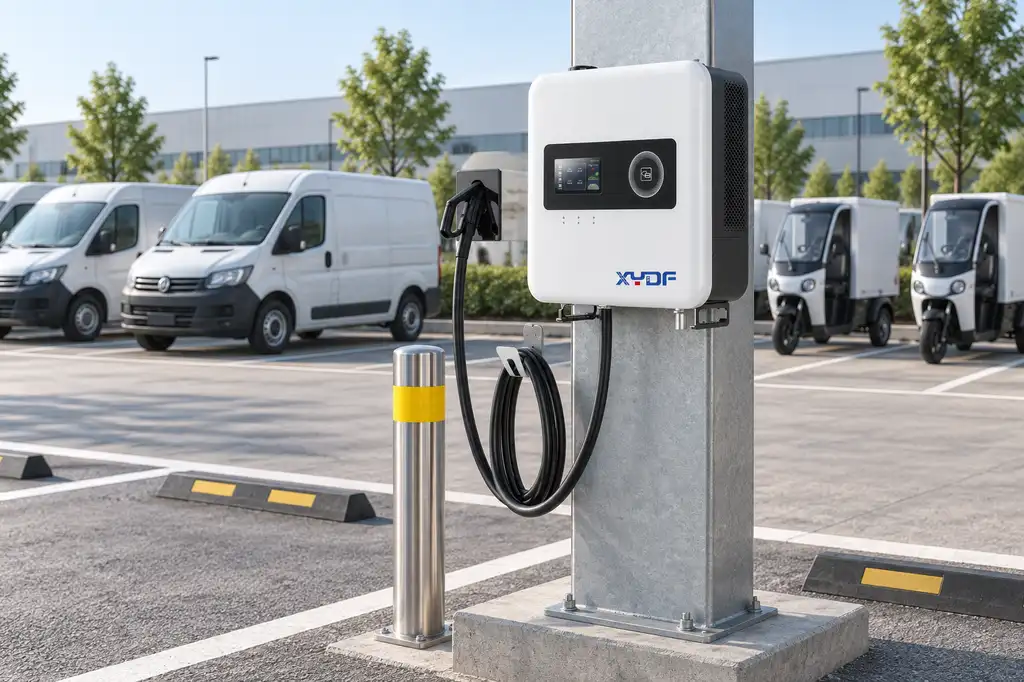
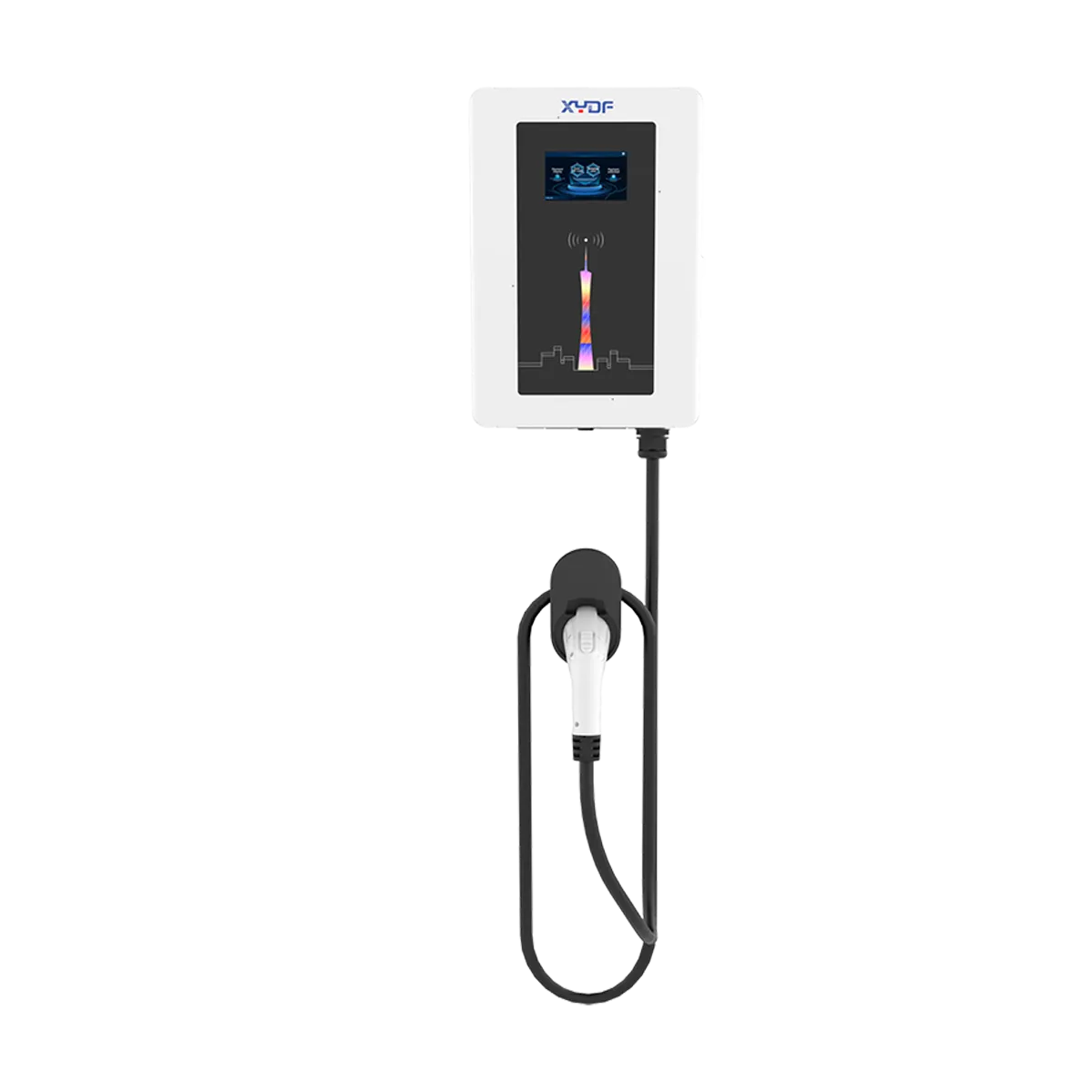
For procurement, request complete submittals rather than a headline power number. XYDF can discuss EV charging products, site-specific configuration and documentation with the EPC or operator. Review the DC fast charger range alongside the site’s utility assumptions, and keep a direct line to the XYDF engineering and support team for commissioning questions.
What do operators ask before approving a gas-station charger?
How do gas stations decide whether to add EV charging?
Many can add it, but availability depends on utility capacity, permits, land-use rules and an operating business case. A station should publish live status only when its network can report connector availability accurately.
What permits and utility upgrades are needed to add EV charging at a gas station?
Expect electrical and civil permits, and possibly building, fire, signage or right-of-way reviews. Utility upgrades may include a new transformer, service conductors or protective equipment; the utility determines the final scope after reviewing the load application.
How should a gas station estimate installation cost?
Costs vary with charger power, service upgrades, trench length, pavement restoration, networking and payment hardware. Request separate cost buckets and label any payback model as illustrative rather than guaranteed.
Should a gas station choose Level 2 or DC fast charging?
Match the technology to dwell time, route demand and available capacity. DC fast charging fits rapid turnover; Level 2 can be sensible where vehicles stay longer or the service is limited.
How long does it take to charge an EV at a gas station?
There is no single time: vehicle acceptance, battery state, temperature and charger sharing all matter. Explain charging as a range and direct drivers to the vehicle and charger specifications.
How can a gas station manage payment, queues and charger uptime?
Use redundant payment methods, clear bay rules, remote fault alerts and a response process with named ownership. Review failed authorizations and blocked bays as operational data, not just customer complaints.
Ссылки
- U.S. Department of Energy Alternative Fuels Data Center: Electricity infrastructure
- AFDC laws and incentives database
- NFPA Electric Vehicle Charging Stations research
- 2010 ADA Standards for Accessible Design
The reliable rule is simple: design the stop before you buy the charger. When the utility, forecourt, payment path and maintenance plan agree, contact XYDF to review your EV charging products brief and next site decision.