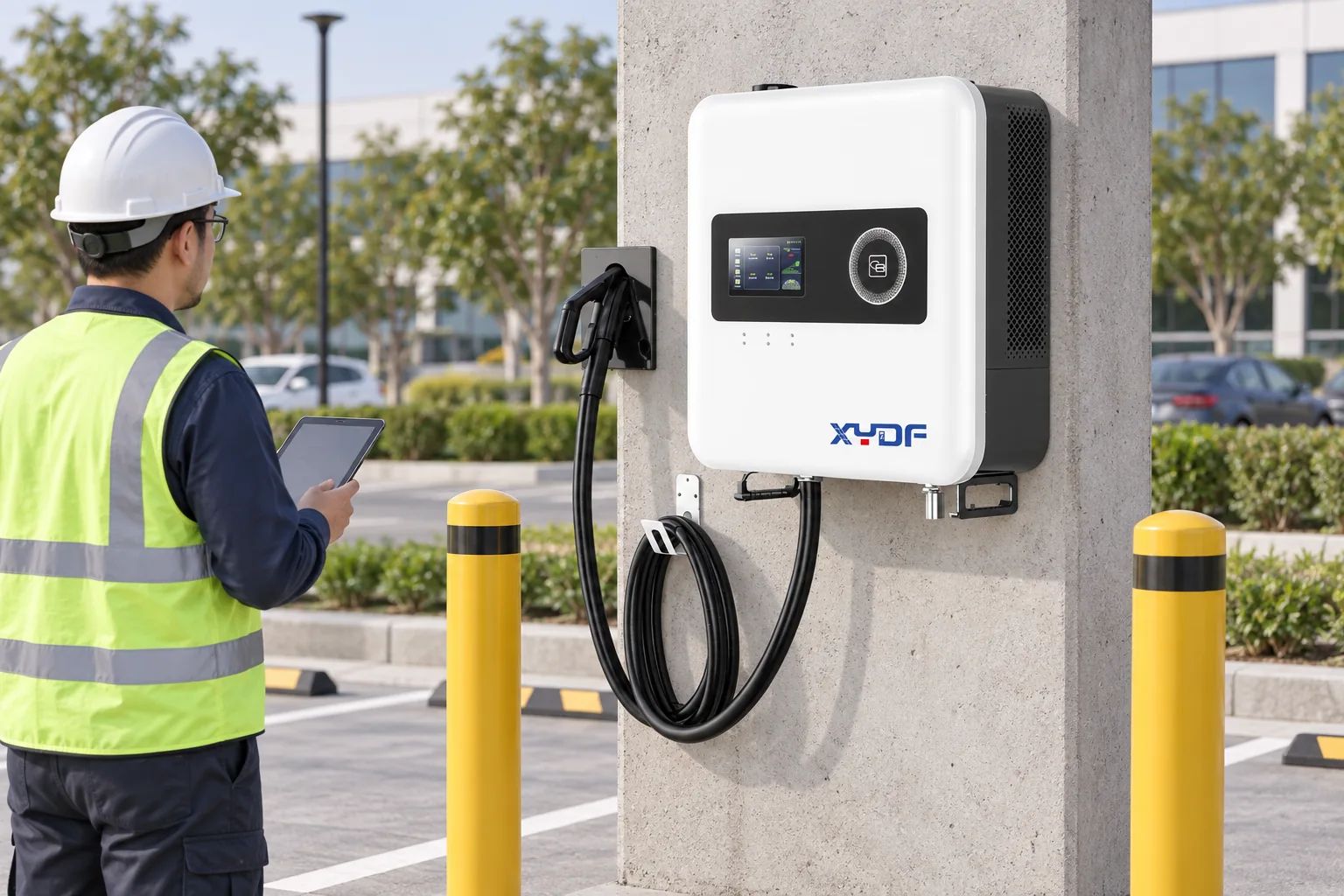
Building an EV Charger Spare Parts and After-Sales System as a Distributor
Июл 28,2026
Блог
Parts readiness determines how long a charger stays offline
A driver reported trying all four available chargers at one location without success in a Silverado EV Forum thread; a reply noted repeated reports of offline stalls, vandalism, slow repairs, and payment or app issues, especially at older sites. The visible problem is an unavailable charger. For a distributor, the recovery delay is often a parts-and-workflow problem before it is a hardware problem.
EV charger spare parts planning separates a distributor that sells boxes from one that keeps fleets running. Stock according to failure impact, replacement lead time, and field-swap difficulty; organize inventory in service tiers; and defend it with revision control. A monitored charger with no compatible part available is still an offline charger.
This framework combines EV-charging operations guidance with established inventory and configuration-management practices. It is a management method, not a claim that one stocking ratio or service target fits every installed base.
Build the service system from the installed base
Monitoring identifies what failed; parts availability decides how long it stays failed. The asset-management argument from Iris is direct: even a perfectly monitored charger is “effectively offline” if the correct spare is unavailable or incompatible. Downtime also compounds commercially; every week a unit waits for a module means lost sessions and weaker channel reputation, the same mechanism described in the RMA cost breakdown for low-cost hardware.
Start with a port-level asset register, not a generic parts catalog
A distributor cannot size service stock from annual charger sales alone. Build an asset register at port level, connecting every serviceable unit to its site, model, serial number, hardware revision, firmware baseline, commissioning date, duty pattern, and support region. Add operating context: whether another port can carry the load, when the site is accessible, which technician certification or tools are needed, and how long a safe workaround can last.
Используйте installed-base criticality to rank the consequence of an outage. A failed part in the only charger serving a depot exit can deserve more protection than the same part at a site with several interchangeable ports. Public-access obligations, safety implications, contractual commitments, and substitute capacity should influence the rank alongside part cost and usage. This connects stock decisions to findings captured in a preventive maintenance plan.
Keep ABC value and service criticality as separate lenses
Traditional ABC analysis usually segments inventory by financial or consumption importance; it should not be mistaken for outage criticality. The Association for Supply Chain Management describes multi-criteria inventory stratification because a single measure can misallocate attention. For charger support, keep both axes visible: an expensive, rarely used assembly may be A by value but low in outage urgency where redundancy exists, while an inexpensive control part may be C by value yet critical because it stops every session.
A workable policy assigns each part-location pair an ABC class and a service-criticality class. Management then decides which combinations belong in technician stock, which sit in a regional hub, which remain supplier-backed, and which require an approved substitute. The decision record should identify the installed assets protected, the assumed replenishment route, and the person who approved the exception.
Operating decision
Inputs to keep current
Record or trigger that closes the loop
Part criticality
Affected ports, site redundancy, safety and contract impact, safe workaround
Approved class with protected asset list and review owner
Reorder point and quantity
Observed demand, open cases, replenishment lead time and variability, order multiples, repair yield, rollout plan
Consumption or reservation posts to stock; threshold exception opens a review
Engineering-change notice updates the compatibility matrix before issue
Regional placement
Installed-base density, site access, technician coverage, customs and transport time, transfer history
Hub-to-case delivery time and emergency transfers inform the next placement review
RMA disposition
Fault code, logs, photos, operating conditions, diagnostic steps, removed and fitted part identities
Repair, replacement, no-fault-found, or systemic-issue disposition feeds warranty and stock records
Service escalation
Severity, safety state, remote checks, previous cases, logs, current configuration
Named owner, next action, handoff time, and restoration validation remain in one case record
Tier stock by outage impact and replenishment risk
Start with the rule in the PandaEXO spare-parts strategy: a part earns stock when it can disable a priority charger, takes too long to source, and can be replaced safely by a trained technician. Place each qualifying part into a service tier:
Tier
Holds
Typical contents
Local / van stock
Fast-moving, downtime-critical, field-swappable
Connectors, holsters, access hardware, protective devices, small control parts
Regional hub
Model-specific, higher-value, lower-frequency
Boards, display assemblies, metering or communication modules
Supplier-backed
Rare, costly, revision-sensitive
Power modules, rectifier assemblies, cooling subsystems
The layered structure—van stock, regional hubs, central warehouse, and manufacturer agreements—is also described in the Elinta spare-parts inventory practice, along with reorder points tied to supplier lead times and service commitments.
Set priorities by equipment class and observed failure data
A useful plan is not a uniform parts list. AC destination hardware concentrates risk in user-handled wear items; DC fast chargers add high-value power electronics and thermal systems, where one fault can take a flagship site offline.
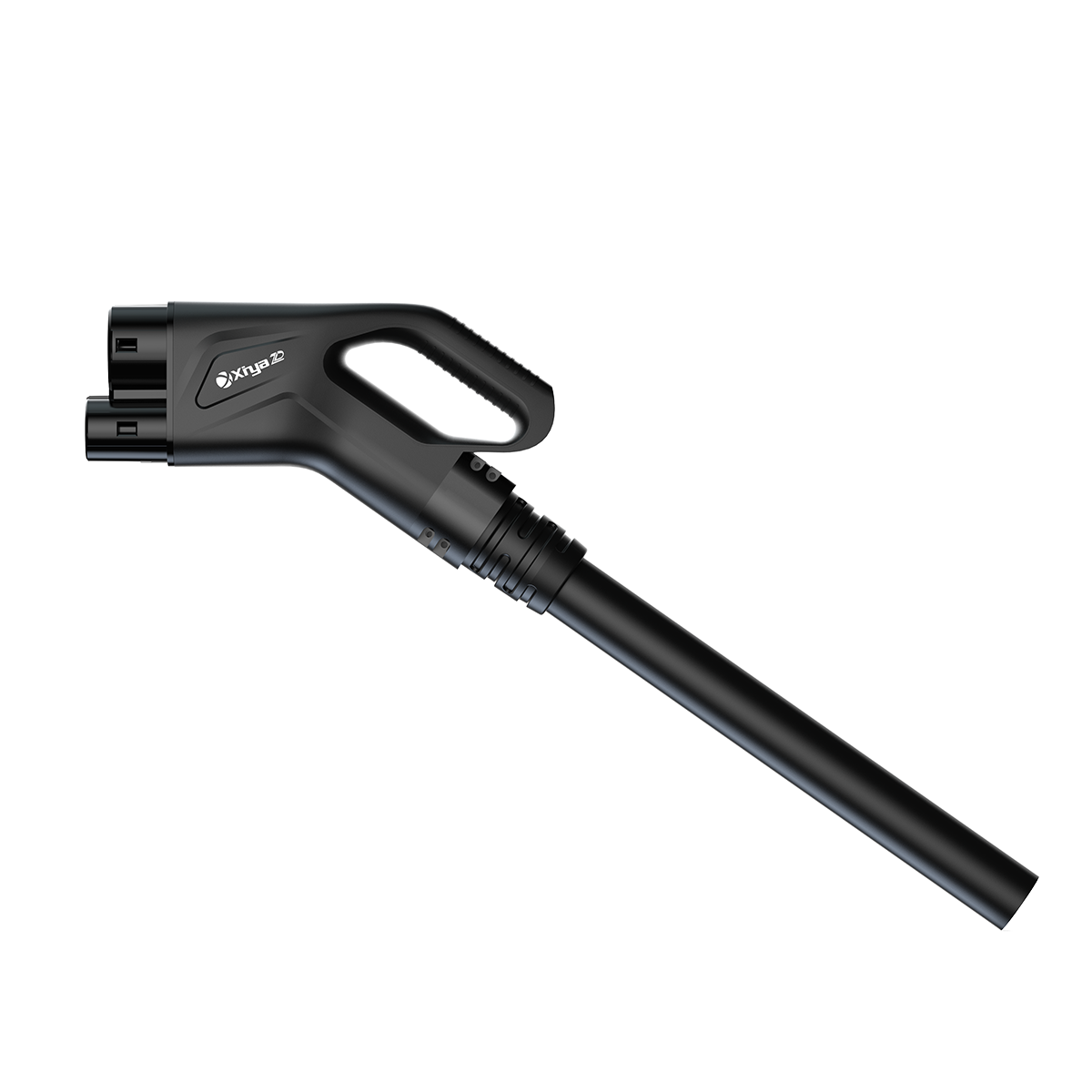
Cable and connector assemblies are handled every session and exposed to wear and abuse; see the CCS2 DC charging cable assembly as one concrete example.
Power modules and converter assemblies in the DC fast-charger range class are high-value, high-impact items usually placed regionally or kept supplier-backed.
Control, communication, and display boards are model-specific and revision-sensitive.
Thermal parts such as fans, filters, and cooling components have environment-driven consumption.
Validate those patterns against the installed base’s own failure data as it accumulates. The method for reading reliability evidence is covered in how to evaluate EV charging equipment reliability.
Calculate reorder needs from actual demand and the whole replenishment path
For every stocked part at each location, update demand from actual issues and confirmed reservations rather than lifetime charger shipments. Reorder inputs should include open cases, failure and consumption history for compatible units, supplier production time, transport and customs time, receiving inspection, order multiples, repair-loop yield, planned deployments, and declared end-of-life changes. The manufacturer lead-time review explains why quoted production time is only one segment of replenishment exposure.
A reorder point normally covers expected demand during replenishment plus a deliberately chosen buffer for uncertainty. Do not copy a fixed percentage from another fleet. A new installed base may need an engineering estimate until service history develops; once evidence accumulates, compare estimates with real withdrawals, stockouts, expedited transfers, and repaired-part returns. Record who accepted the balance between carrying cost and outage exposure.
Control compatibility, location, and inventory state
A spare that fit last quarter can miss this quarter’s build. Hardware revisions, alternate components, and firmware dependencies quietly change what “the same SKU” means. The PandaEXO distributor supply-chain questions focus on what triggers a formal engineering-change notice, who approves alternate parts, how revisions are labeled, and whether existing spares and field tools remain compatible.
Keep revision control in the parts records, not in people’s memory. Every stocked part should carry its compatible model revisions and firmware baseline, and every engineering-change notice should update those records when it arrives, consistent with the discipline described by Elinta inventory practice.
Treat compatibility as controlled configuration data
A bin label with a commercial part name is not enough. A configuration-controlled spare should have a manufacturer part number, part revision or lot, approved charger models and hardware revisions, compatible firmware range, required parameter file, tools, and substitution status. When it is fitted, the case should record the charger serial number, removed-part identity, replacement identity, installer, time, firmware before and after, and functional-test result.
NIST SP 800-53 Rev. 5 is not an EV-charger stocking standard, but its CM-8 component-inventory and CM-3 configuration-change controls provide a useful cross-industry discipline: maintain accountable component identity and manage changes through an approved record. Distributors can align incoming-part verification with EV charger factory testing and incoming inspection, then quarantine superseded or unidentified stock until compatibility is resolved.
Place regional inventory against real service routes and customs constraints
Regional inventory should protect a defined population of serial-numbered assets, not an abstract sales territory. Compare installed-base density and criticality with technician coverage, site-access windows, courier cutoff times, border delays, dangerous-goods restrictions where applicable, and the availability of approved donor or substitute parts. A hub is justified when it shortens the relevant case path; frequent emergency transfers between hubs suggest that placement or ownership rules need review.
Reserve scarce items to named cases so apparent on-hand stock is not promised twice. Keep serviceable, repairable, quarantined, and scrap inventory as distinct states. The distributor and manufacturer should also agree who owns each pool, when title transfers, who replenishes warranty consumption, and how obsolete parts are handled. Those commercial terms belong beside the technical promises in the B2B warranty-terms comparison.
Connect diagnostics, RMA, escalation, and service metrics
Parts cut downtime only when the workflow identifies the likely failure before a technician travels. Fault codes and remote diagnostics should feed the parts pick, the technician should leave with the correct assembly, and the consumed part should trigger replenishment automatically.
Make the RMA packet useful to service and engineering
An RMA request should contain enough evidence to reproduce and classify the problem: asset and component identities, fault codes and timestamps, relevant logs, firmware and parameter versions, clear photos, supply and environmental conditions, remote checks, measurements taken with identified tools, actions already attempted, and the result after a known-good replacement. Safety events require the applicable incident and isolation record; returned parts should remain linked to the case through receipt, inspection, and final disposition.
Disposition codes should separate confirmed component failure, installation or environmental cause, configuration or software cause, transit damage, no fault found, repairable return, and suspected lot-level issue. This taxonomy turns warranty evidence into better stocking and corrective-action decisions instead of a folder of unrelated claims.
Define escalation by evidence, ownership, and immediate triggers
A three-level path is usually workable: the operator or help desk confirms safety state and performs approved remote checks; the distributor service team diagnoses and replaces authorized field units; manufacturer engineering handles firmware defects, repeat failures, suspected design or lot issues, and cases that remain unresolved after the prescribed tests. The contract should name the owner at each level, permitted actions, evidence required at handoff, communication channel, and decision authority.
Escalate immediately for a safety event, evidence of overheating or insulation damage, repeated failure after replacement, a suspected common-mode or lot issue, an incompatible firmware and part combination, or the absence of an approved replacement. Model-specific evidence and actual response commitments remain contractual.
Define service clocks before setting targets
Define the first-issue fill rate as the share of eligible part-request lines supplied in full from the designated stocking tier at the first issue attempt. State whether reservations, substitutes, partial quantities, and emergency transfers count. This prevents unit-fill, order-fill, and line-fill measures from being reported under the same name. Segment results by criticality, model family, region, and stock tier; a blended average can hide a shortage affecting the most important ports.
Define repair response with explicit timestamps. Detection-to-acknowledgment measures monitoring and help-desk response; acknowledgment-to-dispatch measures triage and parts allocation; dispatch-to-arrival measures field logistics; arrival-to-restoration measures diagnosis and repair. Report the mean with the median and a distribution or percentile view, and show the count of eligible cases. Do not silently remove weekends, access delays, utility outages, vandalism, or planned maintenance; label exclusions and report them separately.
For context, 23 CFR 680.116 defines a specific annual port-uptime calculation and exclusions for federally funded U.S. charging projects. It is not a universal spare-parts KPI, but it shows why scope, clock rules, and exclusions must be written down. Pair distributor after-sales service metrics such as fill rate and response intervals with first-time-fix rate, time awaiting parts, repeat failure, no-fault-found RMA share, and return-cycle time. Establish targets only after contract requirements and a trustworthy baseline are available; this article does not invent them.
KPI
What it tells you
Mean time to repair
Whether parts location and diagnosis match reality
First-time-fix rate
Whether diagnostics pick the right part before dispatch
Stockout frequency on critical parts
Whether tiers and reorder points are set correctly
Repeat-failure rate per component
Where engineering or environmental problems hide
Agree manufacturer responsibilities before shipment
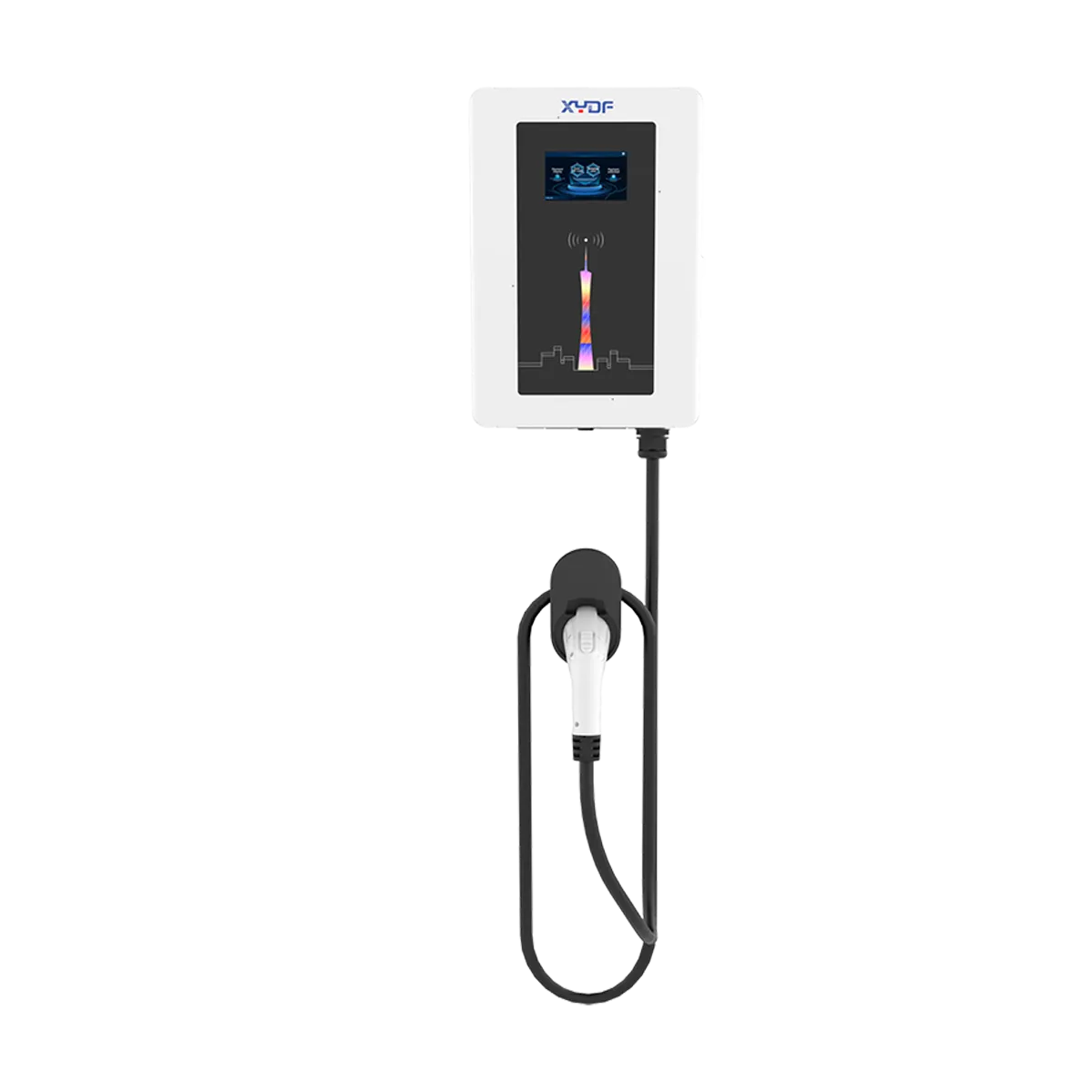
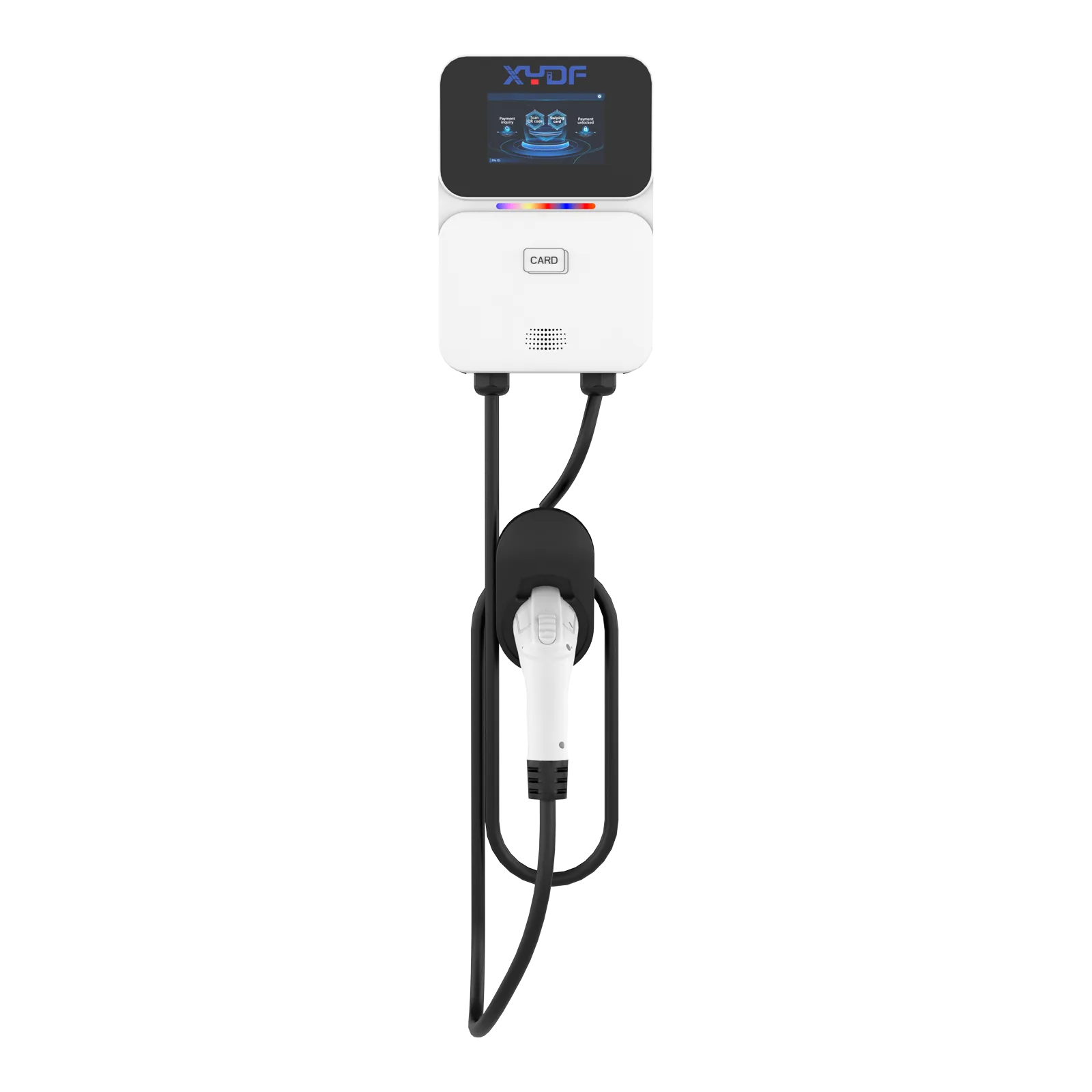
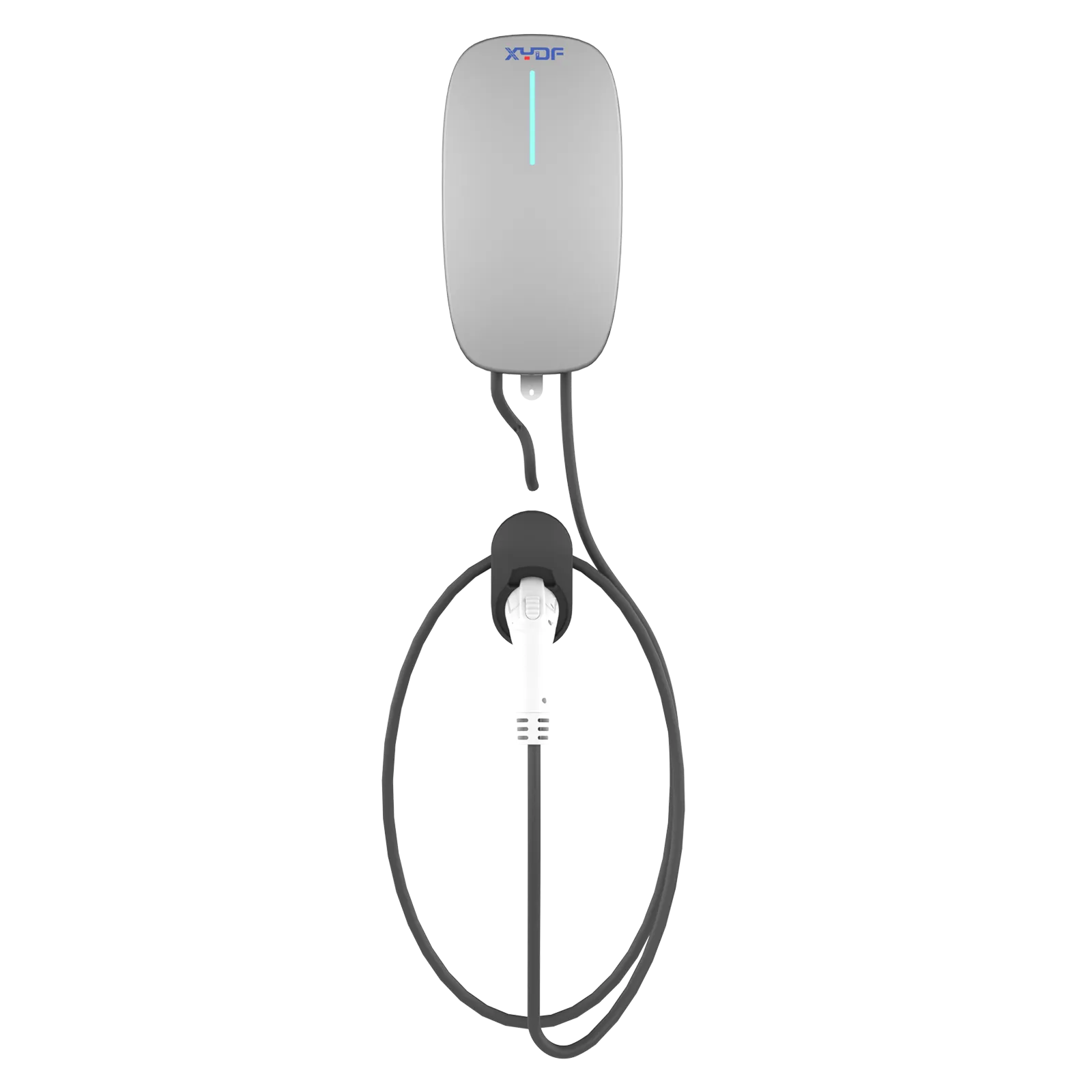
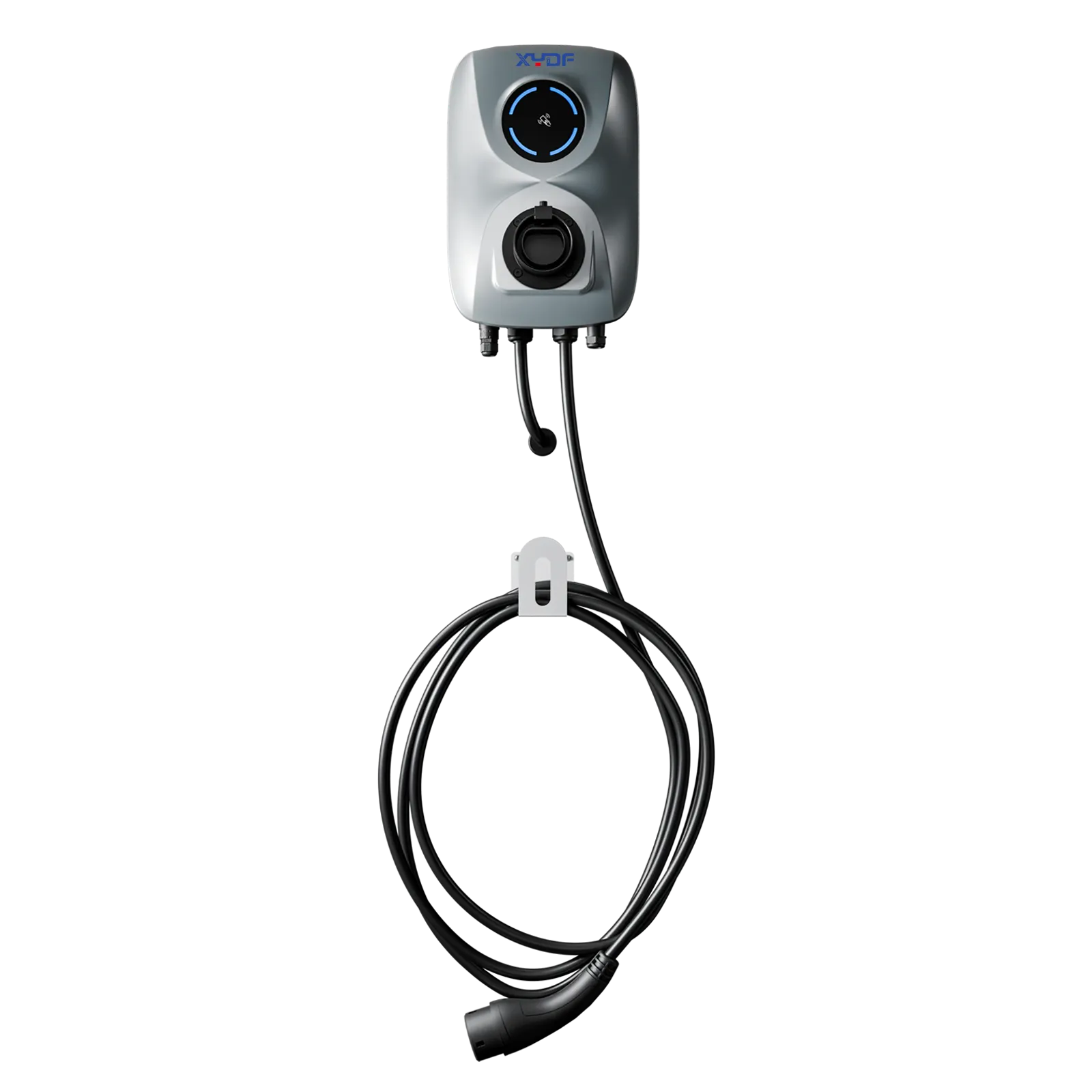
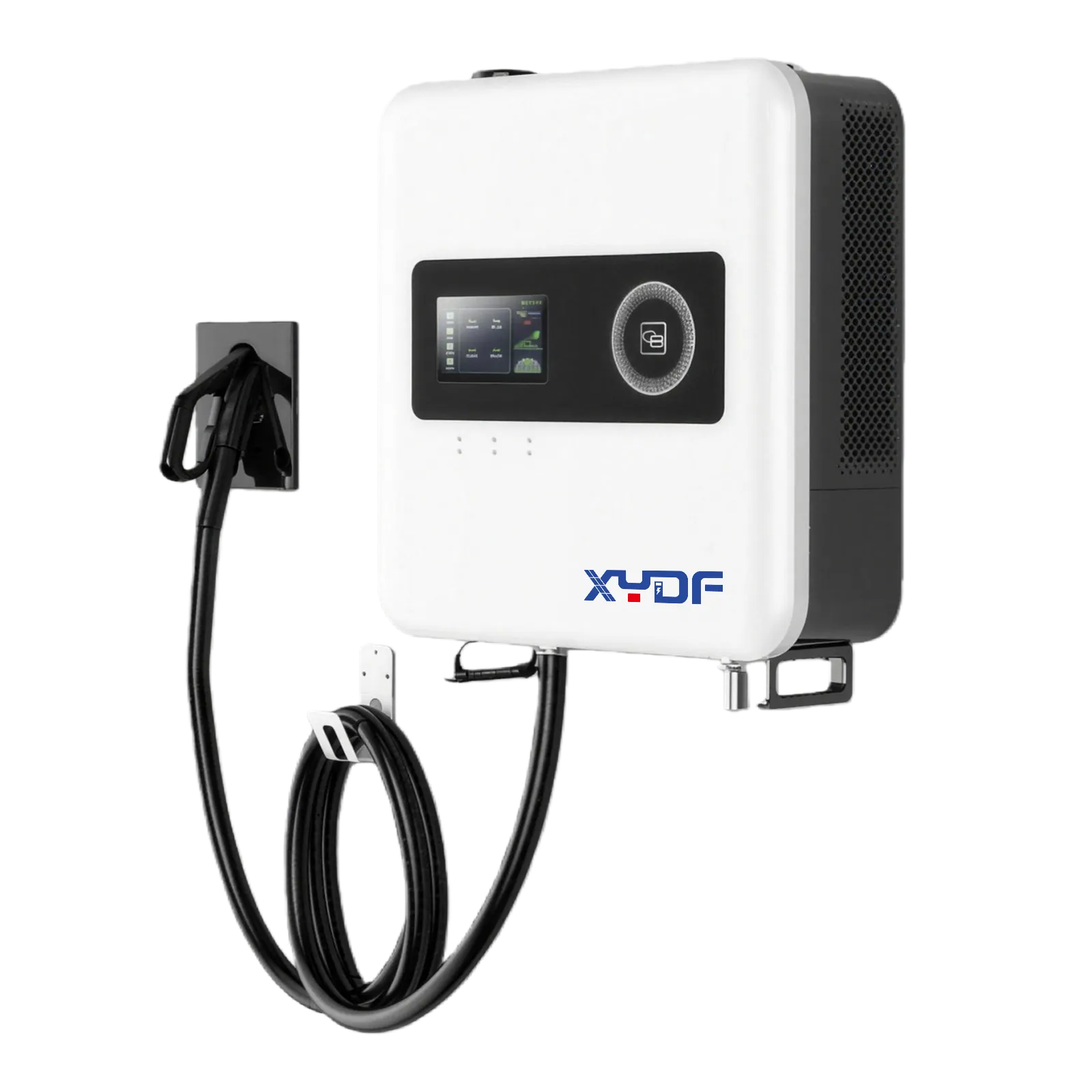
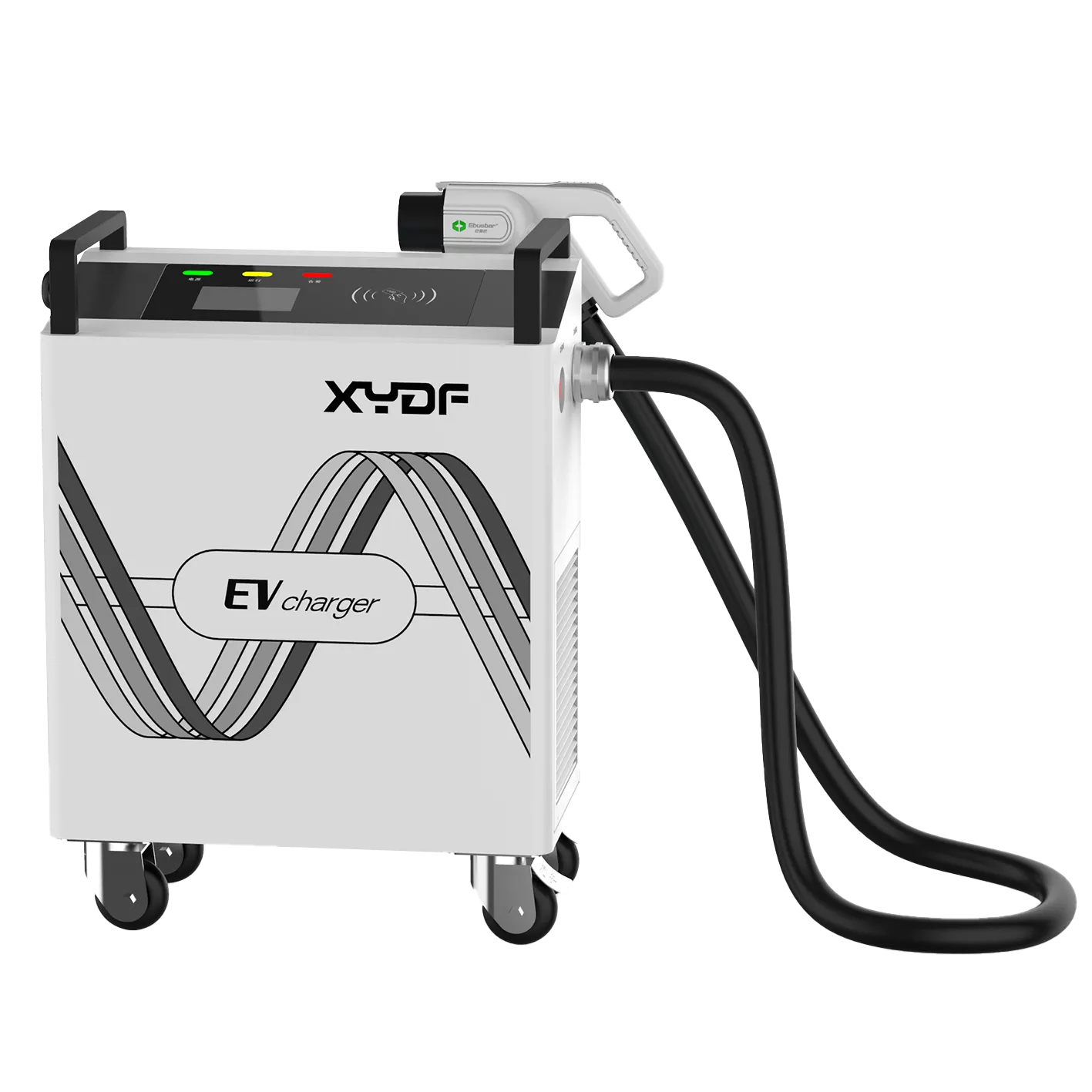
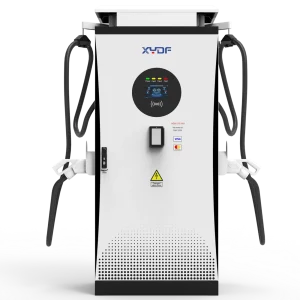
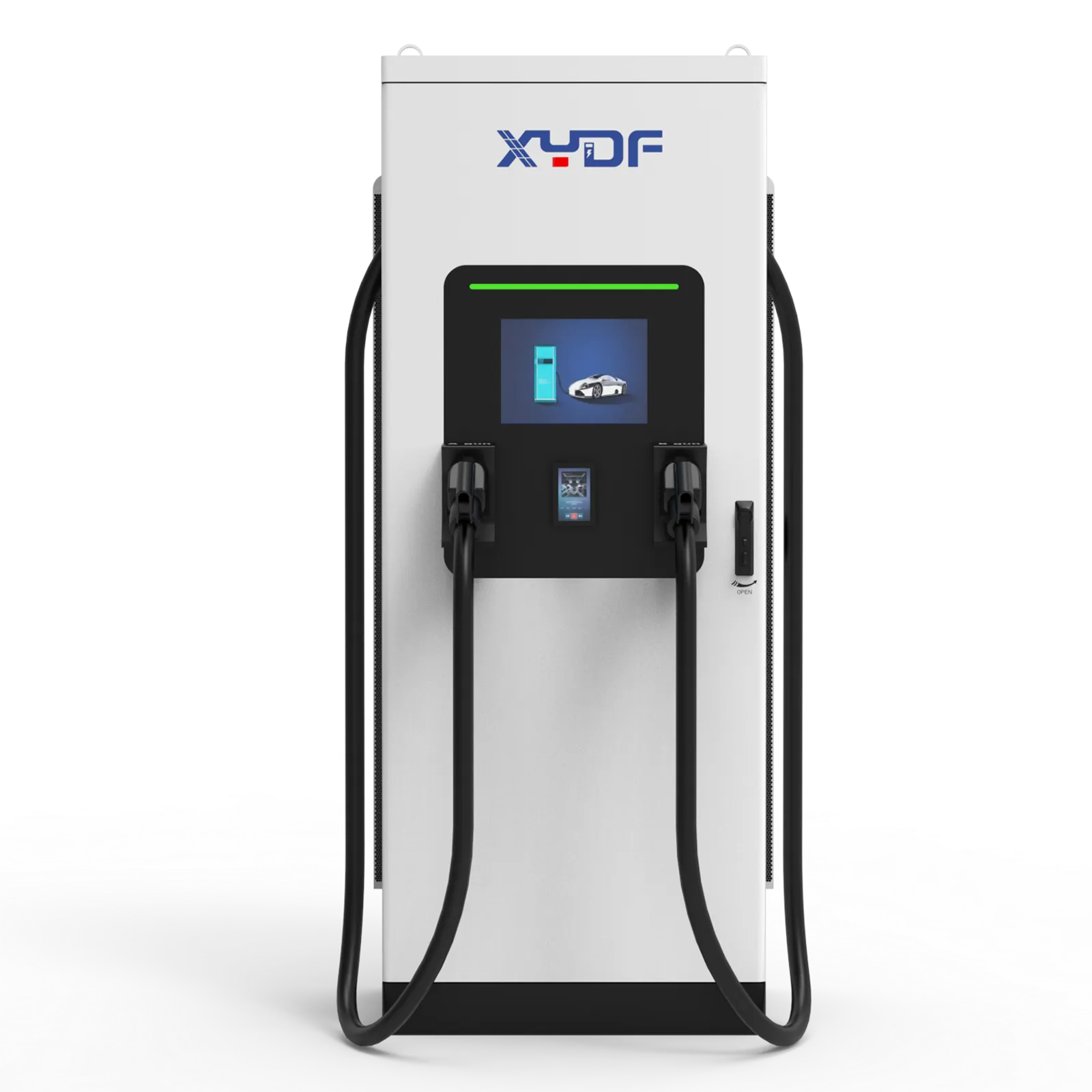
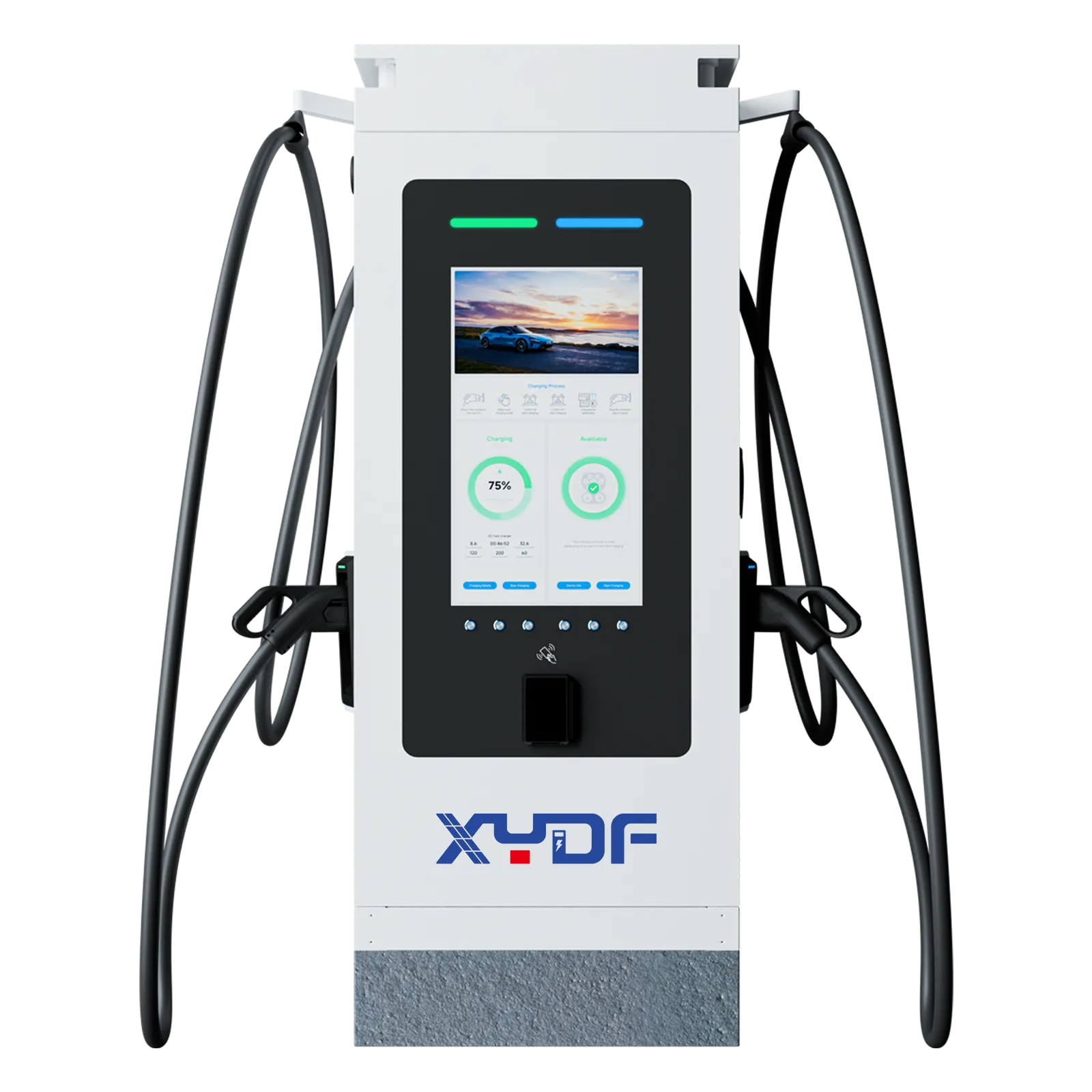
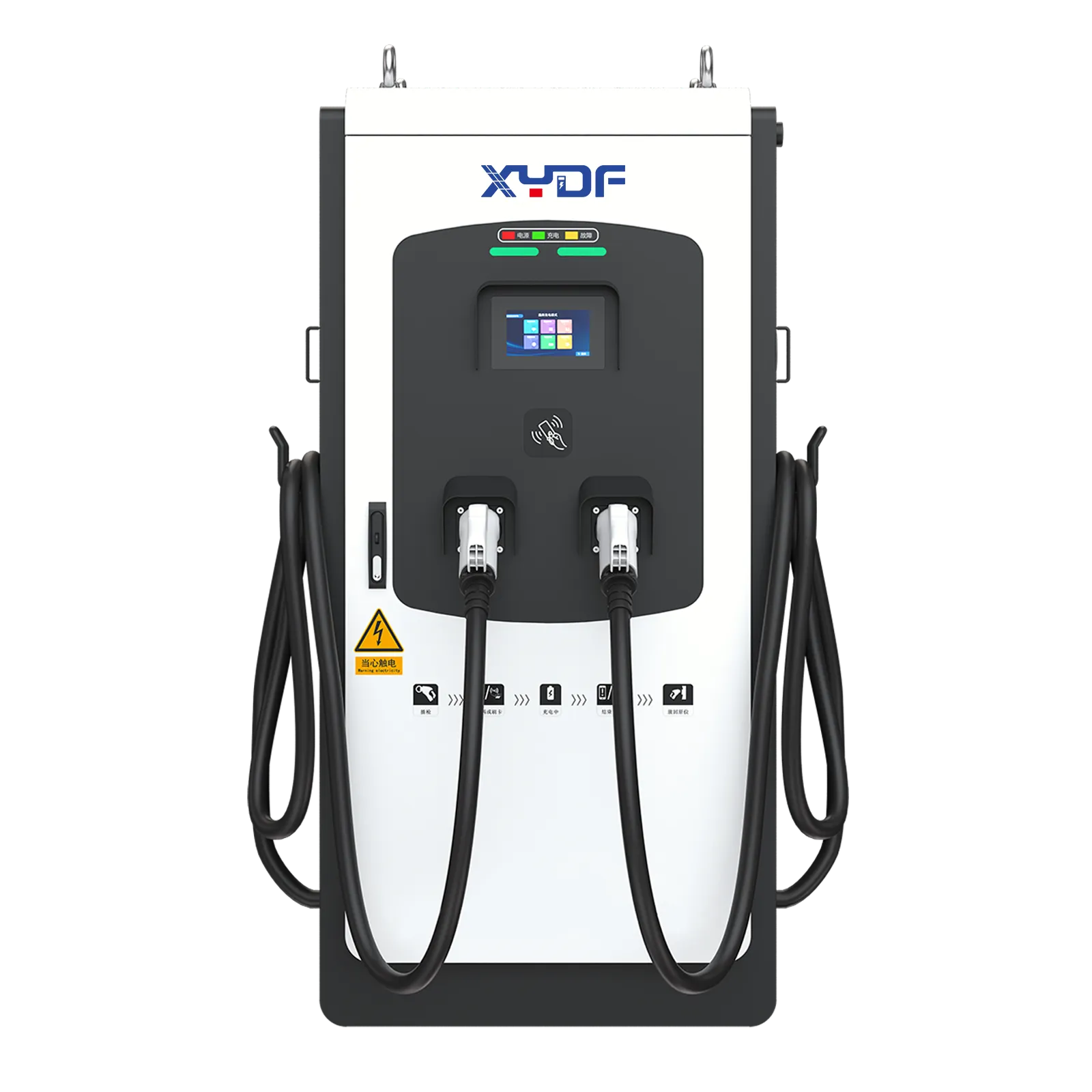
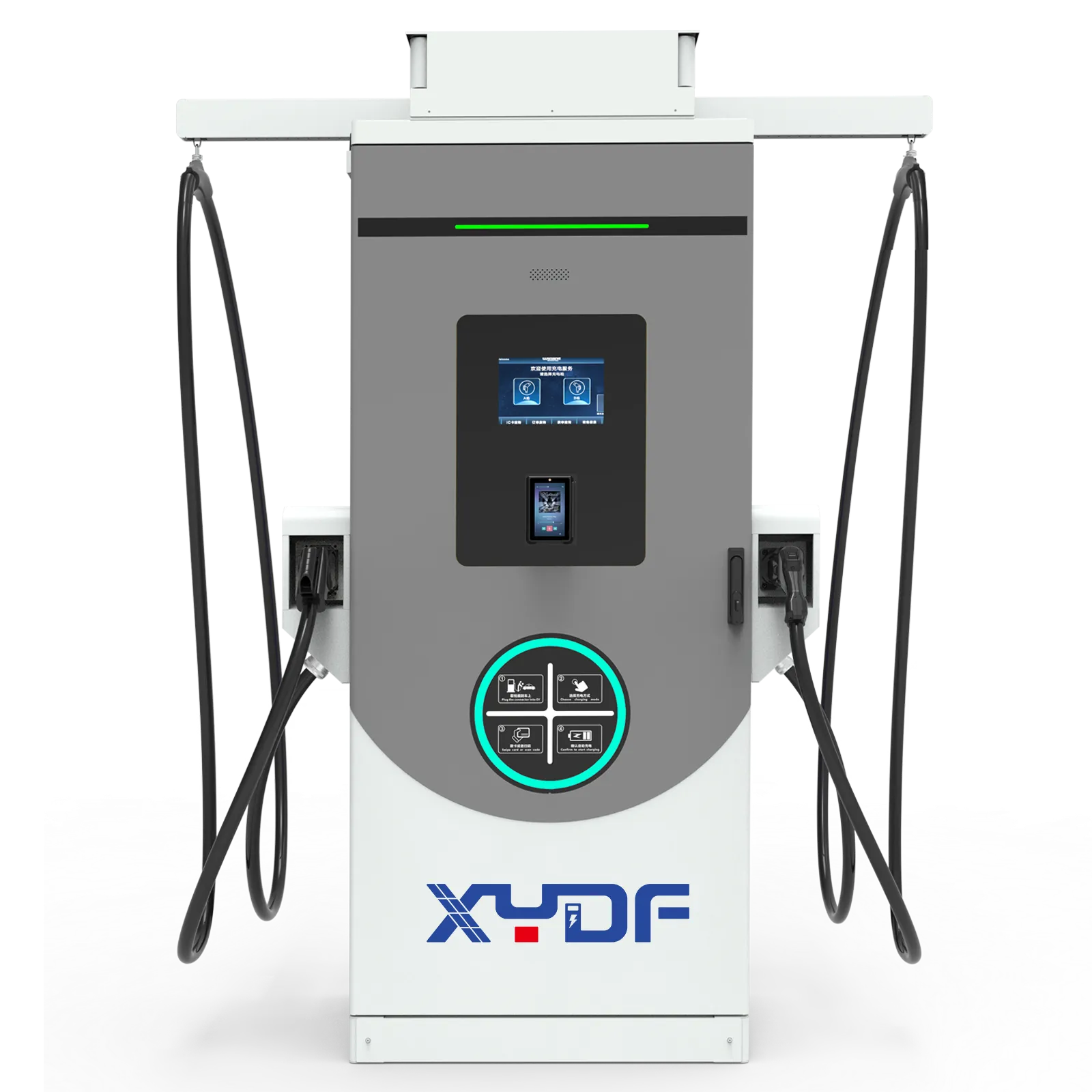
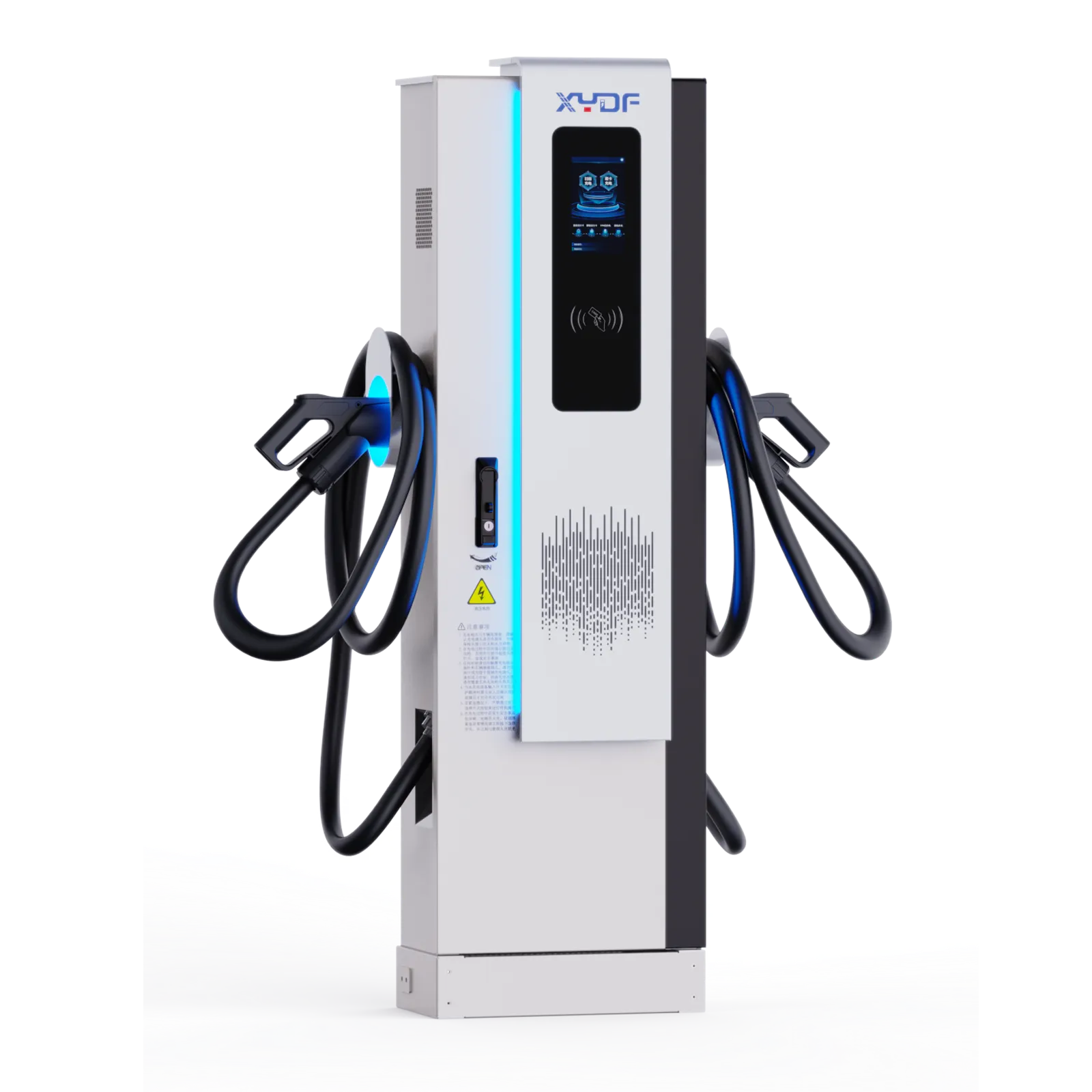
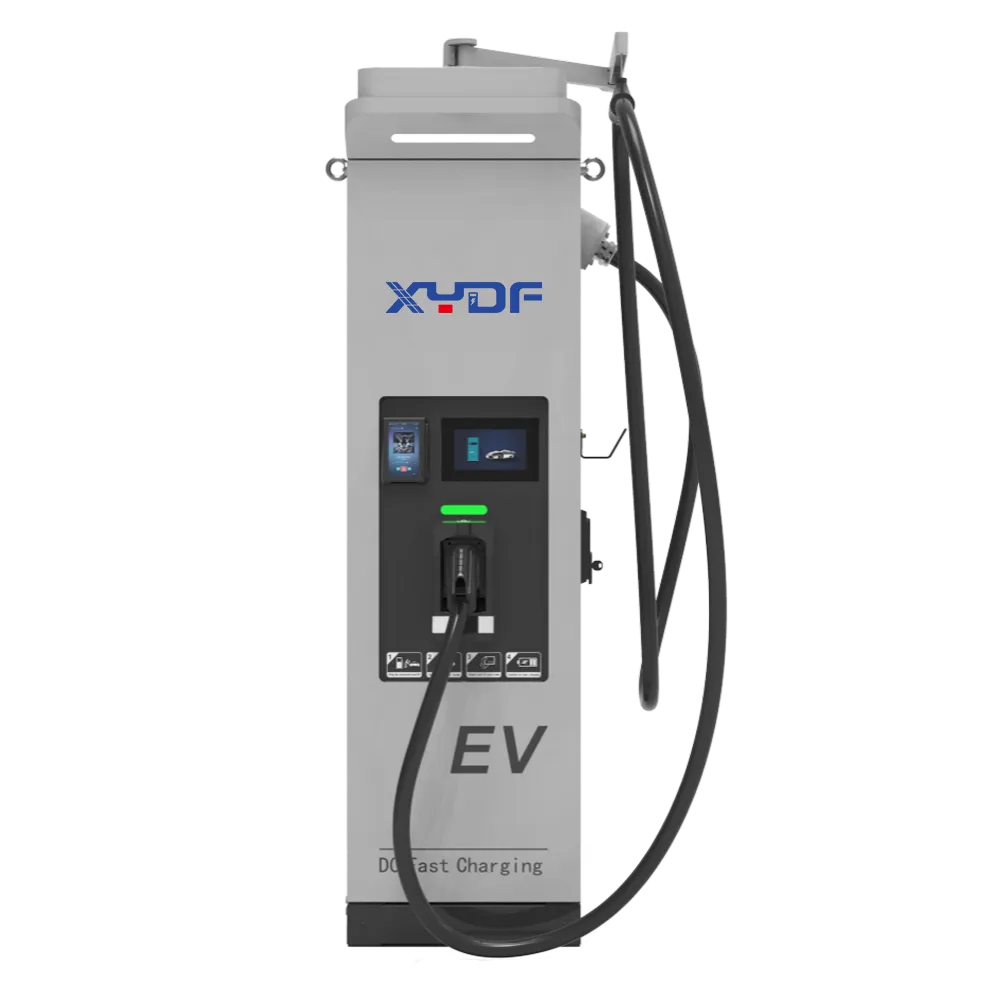
After-sales terms are easiest to negotiate before the first container ships. Alongside range selection from the XYDF EV charger product range, put these items into the agreement:
the recommended spare-parts list per model, with field-replaceable units marked;
the parts-availability window after model revisions or refreshes;
engineering-change notification and enforceable revision labeling;
the warranty-replenishment flow for parts consumed in claims;
the technical escalation path and remote-diagnostics access that support first-time-fix rates.
How responsibility is split between manufacturer and channel depends on the program structure; the OEM vs ODM buyer questions guide maps that decision. Send the model list and support expectations to the Xinya EE contact team to agree the parts list, diagnostic evidence, availability window, stock ownership, warranty acceptance, and escalation responsibilities per contract. This guide is for distributors and service partners building support capability; it does not state XYDF stock locations or response times, and component priorities must be confirmed against each model’s documentation.
Frequently asked questions
Which spare parts should a distributor stock for EV chargers?
Stock parts that can disable a priority charger, take a long time to source, and are safe for trained field replacement—typically cables and connectors, key boards, protective devices, and model-critical assemblies.
How should spare parts be tiered across locations?
Use local or van stock for fast-moving critical items, regional hubs for model-specific assemblies, and supplier-backed inventory for rare, high-value, or revision-sensitive parts.
Which EV charger components fail most often?
Patterns reported by operators concentrate on user-handled cable and connector assemblies, thermal components, display and communication boards, and, on DC equipment, power modules. Validate the pattern against the distributor’s own fleet data.
How do hardware revisions affect spare-part compatibility?
Revisions and firmware baselines can silently make old spares incompatible. Engineering-change notices, revision labels, and parts records tied to model revisions are the control.
Which KPIs show an after-sales system is working?
Mean time to repair, first-time-fix rate, stockout frequency on critical parts, and repeat-failure rate measure outcomes rather than inventory volume. Fill-rate and response clocks also need written denominators and exclusions.
What should a distributor agree with the manufacturer about parts?
Agree a per-model parts list, availability windows after revisions, change notifications, warranty-replenishment flow, and escalation with remote-diagnostics access. Put them in the contract before the first failure.
Штаб-квартира и фабрика в Чжэцзяне:
№ 2, улица Чанцзян, промышленный парк Вэньчжоу Бридж, город Бейбайсян, город Юэцин, город Вэньчжоу, провинция Чжэцзян
Шэньчжэньский филиал:
1-й этаж, здание А, промышленный парк Шэнькай, сообщество Тантоу, район Шиянь, район Баоань, Шэньчжэнь
 Синьцзя Дунфан Электрик Технолоджи Ко., Лтд.