Бизнес по установке зарядных станций для электромобилей: полное руководство по коммерческим решениям для зарядки электромобилей
3 июля 2026 г.
Блог
Когда директор по эксплуатации недвижимости в Роттердаме открыл недавно установленную зону зарядки для арендаторов, первая неделя выглядела обнадеживающе: водители подключали электромобили, приложение на сайте показывало количество проведенных сеансов, а владелец одобрил планы по второму этапу. Затем пришло ежемесячное списание сметных расходов за электроэнергию, а несколько зарядных устройств оставались неактивными в течение рабочего дня, поскольку правила доступа и контроль за парковкой никогда не были определены. Повседневная неисправность заключалась не в неисправном зарядном устройстве; это был выбранный, спроектированный и приобретённый в качестве оборудования, а не как коммерческая услуга операционный механизм.
Резюме: Ан бизнес по установке зарядных станций ev Успех достигается, когда местоположение, продолжительность пребывания, электрическая мощность, тарифная структура, эксплуатация и предложение для потребителей дополняют друг друга. АС-оборудование часто является оптимальным решением для мест, где транспортные средства находятся в течение нескольких часов; DC-зарядка обычно оправдывает себя там, где важны краткосрочный период пребывания, производительность или доступность парка. Перед принятием решения о капиталовложениях необходимо учитывать не только номинальную мощность в киловаттах, а также проверить возможности работы в режиме пиковой нагрузки и расширения системы. IEC 61851 описывает требования к проводным системам зарядки, в то время как ISO 15118 регулирует коммуникацию между транспортными средствами и сетями; покупателям следует перевести эти технические требования в согласованный и поддающийся обслуживанию план внедрения.
Для инвесторов, занимающихся эксплуатацией коммерческих объектов, владельцев недвижимости, операторов станций зарядки (CPO) и руководителей по управлению парком, зарядка — это физический актив с цифровым и операционным компонентом. Вопрос обычно звучит не “Какой зарядной станцией есть самый высокий рейтинг?” — а “Какую зарядную услугу люди будут здесь безопасно использовать и сколько стоит доставка каждого полезного кВт-ч?” В этом руководстве рассматриваются эта выборка с момента выбора площадки, до закупок и расширения.
Создайте операционную модель, прежде чем выбирать оборудование
Ан бизнес по установке зарядных станций ev не существует единого универсального бизнес-модели. Собственник недвижимости может предлагать зарядку в качестве удобства для арендаторов и получать компенсацию расходов за счет ценообразования или сборов за обслуживание. Оператор зарядной инфраструктуры может получать прибыль непосредственно от публичных сессий. Оператор автопарка может оценивать экономию времени без работы и предсказуемые расходы на обслуживание как более важные факторы, чем выручка от сборов за использование инфраструктуры. Хозяин может сочетать несколько мотивов, но один из них должен быть назван основным критерием выбора, поскольку он определяет ценообразование, уровень обслуживания и приемлемость рентабельности.
Начните с обещания сервиса
Определите пользователя, допустимый интервал парковки, ожидаемую потребность в энергии и реакцию в случае отсутствия зарядного устройства. Гость отеля, который паркует автомобиль на ночь, в целом может согласиться на более низкую мощность, если поездка завершится уходом из отеля. Водитель аэропорта, возвращающийся к автомобилю после поездки, нуждается в наличии и четкой навигации. Группе доставки необходима определенность в сроках доставки. Это разные услуги, даже если соединительный элемент одинаковый.
Затем следует четко определить коммерческие границы. Кто является владельцем зарядного устройства, счетчика, инженерных работ, абонентского соглашения, договора на электроэнергию, обязательства по обслуживанию клиентов и риска замены оборудования? Кто может устанавливать тарифы и выдавать возмещения? Если сеть управляет третьей стороной, необходимо установить правила доступа к данным, согласование транзакций, отчетность о времени работы, удалённую диагностику и условия выхода из системы. Зарядное устройство, подключённое к платформе, не является автоматически операционным моделью; именно контракты и рабочие процессы превращают его в такую модель.
Используйте иерархию решений
Доступ: публичный, ограниченный доступ, для сотрудников, проживающих в здании, посетителей или только для парка автомобилей.
Делать нужно: целевое зарядка, быстрая дозарка, заправка на станции или предоставление услуг по обеспечению комфорта и удобства.
Коммерческая метрика: маржа от продаж, стоимость занятой площади, сохранение клиентов, доступность парка или комплексный рейтинг.
Оперативный владелец: организатор, главный операционный сотрудник, энергетический партнер или команда по управлению парком.
Причина расширения: предварительно согласованный порог использования, очереди, аренды или приема автомобиля.
Измерение должно начаться с первого дня. Следите за выполненными сессиями, потреблённой электроэнергией, временем подключения, доступностью зарядных устройств, категориями неполадок, успешностью оплаты, занятостью парковок и максимальной мощностью в расчёте на определённый интервал времени. Используйте данные с учёта времени использования коммунальных услуг и счётчика электроэнергии, а не предполагайте, что только данные из панелей управления зарядными устройствами объясняют стоимость услуг. Если важно качество обслуживания, согласовывайте определение доступности, исключающее как запланированную работу, так и периодические сбои в подключении без раскрытия информации.
Выберите сайт с учетом времени пребывания на нем, поведения и строиемости
Выбор места для строительства — это самый ранний и влияющий на успех проекта шаг. бизнес по установке зарядных станций ev. Адрес с большим трафиком может по-прежнему оставаться слабым, если водители не могут парковаться законно, не могут оставаться достаточно долго, чтобы зарядить электромобиль, не могут найти места для парковки или не доверяют, что они будут доступны. С другой стороны, сайт с контролируемым доступом и предсказуемой постоянной аудиторией может поддерживать четкую схему оплаты даже без присутствия проезжающих автотранспортов.
Спрос на экранные услуги перед оценкой доходов
Сгруппируйте потенциальных пользователей по типу прибытия: ночевали ли они здесь, работали ли там днем, были ли здесь гости аэропорта, или же они были пассажирами других транспортных средств. Оцените, сколько человек может одновременно заряжаться, сколько времени они остаются на территории и нужно ли им покидать территорию после зарядки. Не превращайте статистику по национальным регистрациям электромобилей в единую картину; местный состав транспортного парка, контроль парковки, конкурентная система зарядки и проблемы с оплатой также влияют на конверсию.
Следите за парковкой в часы работы. Записывайте количество парковочных мест, объемы использования, пути въезда и выезда, доступные тропинки, освещение, указатели, наличие мобильной связи и расстояние от парковочных мест до электростанций. Общайтесь с сотрудниками службы эксплуатации о вывозе снега, доставке грузов, охране, наличии услуг по извлечению автомобилей из снега, а также о доступе после рабочего времени. Эти детали влияют как на капитальные затраты, так и на использование парковки.
Одновременно оценивать электротехническую и гражданскую осуществимость
Попросите обслуживающую организацию или квалифицированного электрического конструктора рассказать о текущей мощности, запасных мощностях, точках учета, ограничениях на трансформаторные установки, процессе модернизации, сроках подключения к сети, тарифах на потребление и соответствующих разрешениях. Предварительная схема однопроводной системы и исследование нагрузки должны определить, можно ли разделить мощность или контролировать ее или же ее необходимо модернизировать. В случае новых установок МЭК 60364-7-722 касается электроснабжения электромобилей; местный электротехнический кодекс и требования органов власти по-прежнему регулируют эту работу.
На месте необходимо определить маршруты прокладки дренажных труб, проходы через траншеи, системы дренажа, столбы, фундаменты, воздействие удара транспортных средств, протяженность кабеля, обозначения и требования к доступному парковке. Наименее заметные работы — инженерные работы, восстановление дорожного движения или прокладка длинных траншей — могут повлиять на раннюю оценку. При проектировании объекта также следует сохранять пространство и проходы для последующих участков, а не просто добавлять пустующие места для парковки без плана с учетом их вместимости.
Сайты с прозрачными воротами
Размер экрана
Вопросы для ответов
Доказательства для сохранения
Коммерческие последствия
Подгонка пользователя
Кто паркует, сколько времени и с какой необходимостью зарядки?
Проверка парковочных мест, собеседование с арендаторами/фирмой и контроль времени пребывания на объекте
Устанавливает диапазон мощности, количество разъемов и логику тарификации
Электрический запас прочности
Какое совпадение нагрузки доступно на счетчике?
Данные о интервалах, связь с коммунальными службами, расчет нагрузки
Определяет риск обновления и значение управления нагрузкой
Доступ и циркуляция
Могут ли пользователи безопасно въезжать, парковать, подключаться и уезжать?
Скалпация плана, мониторинг движения, анализ доступности
Влияет на конверсию, риск повреждения и затраты на обеспечение соблюдения
Операции
Кто отвечает за устранение неполадок, заблокированные бухты, возврат средств и уборку?
Матрица ответственности и проект уровня сервиса
Влияет на доступность и удерживаемую маржу
Масштабируемость
Могут ли распределительные шкафы, автоматические устройства и помещения расширяться экономически?
Планирование поэтапного развития и дорожная карта по расширению мощностей
Сокращает количество переделок при росте спроса
Совместите зарядку по стандарту AC или DC с обслуживающим окном
Мощность зарядки — это способность передавать энергию, а не обещание того, что каждый автомобиль будет принимать эту энергию. На результат влияют состояние транспортного средства, состояние аккумулятора, окружающие условия, бортовой зарядный агрегат для переменного тока, экосистема соединительных устройств, ограничение нагрузки на площадке и сетевые настройки. ISO 15118 — это семейство стандартов связи; в качестве такового он не является сертификатом или гарантией бесперебойной оплаты или передачи энергии. Необходимо определить нужные функции для конкретного рынка, а затем проверить совместимость во время ввода в эксплуатацию.
При длительном времени пребывания в состоянии зарядки с управлением системы переменного тока можно распределить подачу энергии по нескольким автомобилям без необходимости использования максимального мощностного режима на объекте. При краткосрочном использовании в общественных местах или в ситуациях с высокой эксплуатационной нагрузкой быстрая зарядка DC может обеспечить более высокую производительность, но требует более тщательного анализа технических характеристик, температурных условий, а также гражданского и эксплуатационного состояния системы. IEC 61851-1 устанавливает общие требования к проводным системам зарядки электромобилей; для целевого рынка и парка транспортных средств следует уточнить требования к разъемам и региональные особенности.
Вариант
Типичный размер
Сила
Ограничение для моделирования
Путь развертывания
Управляемое зарядка конечного пункта AC
Рабочие места, отели, многоквартирные дома, парковки для длительного пребывания
Может обслуживать множество парковленных транспортных средств с контролируемым совокупным весом
Ограничение мощности бортовой зарядки; управление местом зарядки; неправомерное использование времени зарядки
Установить мощность магистральных и панельных линий для последующих портов; обеспечить подачу электроэнергии поэтапно
Высокомощный переменный ток для контролируемых пользователей
Коллективы или объекты с предсказуемым количеством совместимых транспортных средств
Может улучшить регенерацию в течение определенного периода времени
Местная доступность, совместимость с транспортными средствами и одновременное зарядка
Используйте систему управления нагрузкой и следите за фактическими параметрами зарядки перед расширением
Быстрая зарядка постоянным током
Аэропорты, общественные коридоры, автопарки для короткого пребывания и магазины с товарами для краткосрочного пользования
Поддерживает более быстрый обмен энергией, что позволяет транспортным средствам принимать его
Максимальный спрос, время ожидания от коммунальных служб, реакция служб технического обслуживания оборудования, очереди
Начните с проверенного спроса и резервируйте средства на развитие гражданской/электротехнической сферы
Распределенная или спутниковая архитектура DC
Сайты, требующие нескольких дозирующих устройств и управления выделением мощности
Может распределять общую мощность между активными транспортными средствами
Комплексность архитектуры, изоляция отключаемых элементов, маршруты кабелей, возможность технического обслуживания
Модель одновременного использования и дублирования; проверка поведения управления в тестовых этапах приемки
Уточните всю систему, а не только зарядное устройство
Практическая спецификация описывает электрические входные и выходные мощности, конфигурацию разъемов, местоположение корпуса, связь, способы оплаты, потребности в измерительном приборе, возможность дистанционного управления, доступность, управление кабелями, аварийные процедуры, доступ к услугам и право собственности на данные. Она также устанавливает критерии приемлемости: проверки изоляции и устройств защиты, предусмотренные правилами установки, функциональные испытания зарядки с реальными транспортными средствами или симуляторами, испытания связи, проверку измерительного прибора, если это необходимо для расчета дохода, и доказательство того, что управление нагрузкой соответствует согласованному пределу.
Следует тщательно выбирать версии и профили протокола Open Charge Point Protocol (OCPP). OCPP — это протокол, используемый между зарядными станциями и системами управления; для конкретного устройства, баз данных, флеш-памяти и функций необходимо проверить совместимость. Попросите сообщить, включены ли удалённые обновления флеш-памяти, оповещения, настройка тарифов, поведение в автономном режиме, аутентификация пользователей и экспорт данных, а также кто уполномочен на внесение изменений.
Соблюдение требований должно быть предусмотрено в пакете заявок
Применимые требования варьируются в зависимости от страны, напряжения, типа продукта, типа установки и статуса доступности для общественности. В Европейском союзе Регламент по инфраструктуре альтернативных видов топлива устанавливает требования, касающиеся общедоступной зарядной инфраструктуры, в то время как национальное исполнение и электротехнические нормы определяют многие практические обязательства. В Соединенных Штатах Национальный электротехнический кодекс и требования местных органов власти являются ключевыми для установки; федеральные программы финансирования могут устанавливать свои собственные условия. Не рекламируйте продукт как соответствующий нормативу только потому, что один из его компонентов был протестирован по стандарту. Запрашивайте декларации соответствия, отчеты о испытаниях, описание сферы ответственности и разрешение на установку от местных органов власти.
Отдельно моделируют капитальные затраты, эксплуатационные расходы, использование ресурсов, выручку и срок окупаемости
Стоимость капитального проекта — это не единая смета затрат на оборудование. Документированная инвестиционная модель отделяет аппаратные компоненты зарядных устройств от проектирования, электромонтажных работ, строительных работ, модернизации инженерных сетей, настройки сетевой инфраструктуры, установки информационных панелей, получения разрешений и резервных мер. Стоимость эксплуатации аналогично разделяется на затраты на энергию и сборы за использование сети, а также на сетевые и платежные услуги, техническое обслуживание, подключение к сети, поддержку клиентов, страхование, арендную плату за площадку или стоимость парковки, а также на амортизацию или предположения о финансировании. Такая структура позволяет более легко проверить, какие переменные действительно влияют на результат.
Стоимость водителя
Какими изменениями оно будет сопровождаться
Когда это происходит
Как контролировать это
Устройство зарядки
Класс мощности, количество разъемов, связь, экологическая устойчивость
Первоначальные капиталовложения и замена оборудования
Определите потребности в сервисе и поддерживаемую архитектуру, а не превышающую мощность таблички с названием
Электрическая инфраструктура
Капацитет оборудования, панель/оборудование, расстояние между кабелями, защита, измеритель
Первоначальные капитальные затраты; модернизация может потребовать длительного времени
Используйте данные о интервальном нагружении, предположения о разнообразии и поэтапном увеличении мощности
Гражданские работы
Прокладка траншей, поверхностная реставрация, дренаж, фундаменты, средства управления движением
Первоначальные капитальные затраты и сбои на объекте
Проведите обследование заранее и согласовывайте сроки с другими запланированными работами
Услуги и взаимосвязанность
Перевозчик/требования к услугам, тарифы, локальный процесс, положение в очереди
Капиталные затраты, вклады и риски графика
Начинайте работать заранее; документируйте предположения и этапы работы организации
Энергия и спрос
Тариф, время использования, одновременное зарядка, коэффициент мощности в соответствующих случаях
Повторяющиеся операционные расходы
Согласовать тарифы, график работы и динамические ограничения нагрузки с интервалами выставления счетов
Сеть и поддержка
Стоимость платформы, обработка платежей, подключение, уровень сервиса
Повторяющиеся операционные расходы
Оцените полную стоимость контракта и определите возможность переноса данных
Использование — это энергия и время, а не просто пышно выглядящая бухта.
Прежде чем сравнивать сайты, определите использование энергии. В зависимости от принятого решения это может означать количество kWh, доставленных в сравнении с доступной мощностью, время зарядки в сравнении с доступным временем работы зарядной станции или количество часов, приходящихся на прибыльные сессии, в сравнении с доступными возможностями парковки. Время зарядки может завышать полезную мощность, если автомобиль остается подключенным после того, как мощность снижается или полностью выключается. Следите за показателями как зарядки, так и занятости, чтобы при разработке мер по обеспечению соблюдения законодательства можно было учитывать реальное поведение.
Используйте агрегированный вид данных по типам пользователей, дням и периодам времени. Например, сайт офиса может иметь высокий уровень подключения, но низкий уровень энергопотребления утром, тогда как сайт с быстрой зарядкой может иметь меньше сеансов, но больше кВт·ч за сеанс. Ни один из этих сценариев не является по своей природе более предпочтительным. Полезным сравнением является вклад в достижение поставленной цели по энергопотреблениям, потреблению, транзакциям и операционным расходам по отношению к услугам.
Представлено в иллюстративных целях; это не является прогнозом цен. Предположим, что управляемый целевой сайт имеет 12 портов, в среднем 2,5 завершенных сеанса в неделю на один порт и производит 18 кВт/ч энергии на завершенный сеанс. Ежегодная производимая энергия составляет 12 × 2,5 × 18 × 52 = 28 080 кВт·ч. Если реализованная прибыль площадки после уплаты электроэнергии, транзакционных расходов и прямых затрат на обслуживание составляет 0,12 валютных единиц на поставленный кВт·ч, то годовой доход составляет 3 369,60 валютных единиц без учета фиксированных расходов площадки, финансирования, налогов и амортизации.
Этот результат намеренно является неполным, поскольку он показывает, почему простой расчет “тариф минус тариф на электроэнергию” может быть ошибочным. Добавьте фиксированные ежегодные расходы на сетевое обслуживание, техническое обслуживание и поддержку; оцените потребляемую мощность на основе местного тарифа и максимального потребления электроэнергии в течение года, а не на основе ежегодного потребления электроэнергии; затем сравните полученный денежный поток с общим капиталовложением. Создайте сценарии с положительной и отрицательной динамикой, изменяя количество сеансов, количество kWh в сеансе, маржу, частоту отключений, сроки модернизации и стоимость капитала. Модель должна указывать, включаются ли в нее гранты, налоговые льготы, поступления от парковки, арендная плата или избежание простоя автопарка, а также не следует ли это скрывать в заголовке «возврат инвестиций».
Простая рентабельность — это общая начальная инвестиция, деленная на годовой чистый денежный поток только в том случае, если эта сумма является положительной и определяется последовательно. Она не учитывает временную стоимость денег, реинвестиции, срок службы актива или конечную стоимость. Для более масштабных программ метод дисконтированного денежного потока, анализ чувствительности и поэтапная процедура утверждения обычно позволяют принимать более четкие решения.
Считать электрическую мощность и пиковую потребляемость как конструктивные ограничения
Суммирование значений номинала зарядных устройств обычно приводит к завышению фактического потребления энергии, но игнорирование параллельного использования устройств может привести к недооценке затрат на пиковые нагрузки. Правильный вопрос заключается в том, сколько энергии может безопасно и экономически обеспечить объект в каждом интервале сбора платежей при одновременном функционировании других нагрузок. Получите данные о интервалах работы, если они имеются, и выявите сезонные пиковые нагрузки, загрузку при пуске, управление зданиями и планируемую электрификацию, такую как использование тепловых насосов или кухонной техники. Лицензированный проектировщик должен выполнить расчет соответствующих нагрузок и разработать конструкцию защиты.
Управляйте совокупностью, а не ожиданиями каждого водителя в отдельности
Управление динамической нагрузкой позволяет распределять фиксированную лимитную нагрузку между зарядными устройствами и, в зависимости от системы, реагировать на сигналы нагрузки или цены. Его значение зависит от точности измерения, устойчивости связи, безопасных режимов и обещания пользователя соответствовать выделенному объему энергии. Политика, которая тихо снижает зарядку ниже необходимого уровня для парка, не является эффективным управлением спросом; это нарушение сервиса, переносимое на водителя.
Определите иерархию для ограниченных периодов: приоритет — безопасность жизни и несущая нагрузка здания, затем — критические потребности в электроснабжении или доступное использование, при необходимости — остаточный спрос на зарядку в соответствии с прозрачными правилами. Проверьте работоспособность системы, моделируя дополнительную нагрузку на здания и несколько сеансов зарядки во время приемки объекта. Заведите хронологические записи отчетов об ответных действиях и подтвердите, как работают зарядные устройства при отсутствии доступа к Интернету или управлению платформой на более высоком уровне.
Планируйте мощность поэтапно
Планируемый масштабный проект может предусматривать установку трубопроводов, проемов для электрооборудования и коммуникаций до того, как все порты будут подключены к сети. Однако термин “EV-ready” следует определить точно: пустой трубопровод не является подтверждением мощности трансформатора, установленных кабелей, введенной защиты или модернизации, одобренной службой коммунальных услуг. На каждую фазу следует наклеить табличку с указанием предполагаемого лимита мощности в киловаттах, количества портов, конфигурации системы управления нагрузкой, сигналов запуска и владельца решения.
Дизайн с учетом операционной среды
Отели: используйте время пребывания гостей в номере для повышения качества обслуживания и эффективности работы
Для отелей необходимы информация о бронировании, прибытии, парковке, оплате и отъезде, которую могут объяснить сотрудники службы регистрации. Довольно длительный период пребывания часто способствует использованию платного зарядки AC, однако состав гостей может влиять на спрос: поздние заезды, краткосрочные пребывания, мероприятия в месте назначения и местные водители могут влиять на спрос. Определите, включена ли оплата за зарядку, она оплачивается отдельно или ограничена статусом гостя; укажите правила в отношении платы за неиспользуемое время и использования парковки; а также правила обеспечения поддержки, которые должны действовать вне обычных рабочих часов офиса.
Моделирование зарядки в рамках опыта проживания в отеле и наличия парковки — это не только экономия электроэнергии. Ограниченное количество хорошо организованных парковок может быть более полезным, чем крупномасштабная установка, которая блокирует движение или создает исключения для персонала стойки регистрации. Уточните электрическую нагрузку по сравнению с другими нагрузками в ночное время и протестируйте поведение управления нагрузкой при максимальном уровне загруженности.
Аэропорты: уделяйте приоритетное внимание доступности, навигации и восстановлению
Стоянка на аэропорту предполагает длительные ожидания, но и требовательный потребительский опыт: незнакомые водители, багаж, давление времени, удаленные места для парковки и высокие риски в случае отказа от доступа или оплаты. Устанавливайте зарядные устройства там, где их можно найти, не мешая движению транспорта; разрабатывайте схемы освещения, знаков, мобильной связи и реагирования на инциденты, чтобы они не мешали движению. Рассмотрите возможность предоставления сотрудникам, арендованным автопаркам, таксистам или пассажирам отдельных возможностей и тарифов, вместо того чтобы заставлять их пользоваться одной и той же очереди.
Необходимость в резервных системах и возможность обслуживания имеют значение, когда поломка может лишить путешественника возможности выбора. Определите, как будут выявляться поломки, кто может безопасно изолировать оборудование, какие запасные части или услуги доступны, и как пользователи получат точную информацию о состоянии системы. Проверьте рабочие часы и уровень поддержки с оператором парковки, а не только с электрическим подрядчиком.
Рабочие места: привести правила доступа в соответствие с рабочим днём
Зарядка на рабочем месте может помочь сотрудникам перейти на электромобили, обеспечить удобство для посетителей и обслуживать автомобили компании, но неконтролируемый доступ создает предсказуемые конфликты. Необходимо установить правила допуска, бронирования или очереди, режим доступа для посетителей, условия возмещения расходов, ограничения заряда и меры реагирования на случаи, когда транспортное средство остается паркованным после зарядки. Обычно считается целесообразным внедрить систему управляемой зарядки, когда рабочий день включает несколько часов работы сотрудников; фактическая продолжительность поездок сотрудников и объем парковки должны определять количество доступных точек зарядки.
При возможности используйте анонимные агрегированные данные для анализа спроса без создания ненужного контроля за сотрудниками. Согласовывайте графики зарядки с потребностями здания и коммуникациями с сотрудниками. Если автопарки компании и частные автомобили используют общую инфраструктуру, предоставьте правилам приоритета четкую основу для управления и проверьте, не меняется ли использование частными лицами налоги или трудовые обязательства в соответствующей юрисдикции.
Многоквартирный жилой комплекс: решать вопросы распределения и управления так же тщательно, как и вопросы энергоснабжения
В многоквартирных домах наблюдается длительный период ожидания решения, а права на принятие решений разрознены. Каждый из жителей, ассоциаций собственников, арендодателей, управляющих компаний и коммунальных служб может контролировать часть процесса принятия решений. Проектируйте справедливый процесс регистрации, метод распределения затрат на энергопотребление, стандартные установки для отдельных запросов и путь от нескольких первоначальных пользователей к более широкому охвату. В случае необходимости отделяйте электроэнергию общего пользования от частных счетов, а также делайте данные и платежные потоки понятными для жителей.
Управление нагрузкой может быть особенно полезным, когда многие автотранспортные средства заряжаются ночью вместе с другими нагрузками на объекте. Тем не менее, жителям необходимо реалистично ожидать обслуживания: объясните, как устанавливаются ограничения, когда зарядка может быть более медленной, и как учитываются потребности в приоритетности или доступности. Не допускайте бесконтрольного чередования отдельных подключений, что приводит к истощению мощности панелей и затрудняет создание более общей системы в будущем.
Ищите развертывание, которое можно управлять и расширять
Закупки должны превратить операционную модель в поддающиеся проверке требования. Приглашайте участников торгов к представлению ценового предложения на общий объем работ, укажите исключения и обосновывайте предположения, а не сравнивайте только стоимость оборудования с предложением полного цикла работ. Оцените общую стоимость установки и долгосрочную эксплуатационную готовность вместе с первоначальной ценой. Поставщик, который может подтвердить конфигурации, поддержку пусконаладочных работ, записи испытаний, подход к запасным частям и границы интеграции, может снизить риск доставки даже в том случае, если спецификация продукта выглядит схожей.
Практическая последовательность внедрения
Определите бизнес-кейс: определить пользователей, уровень сервиса, ответственность, показатели успеха и предварительный поэтапный бюджет.
Опрос и модель: полный комплекс проверок парковки, гражданского строительства, электроснабжения, коммунальных услуг, тарифов и коммуникаций; оформление записей предположений.
Проектируйте целевой режим: проект планировки, однострочный план, концепция управления нагрузкой, архитектура сети, информационные указатели и план обеспечения доступности.
Конкурс и договор: требует ясности в рамках деятельности, наличия соответствующей документации, гарантийных и сервисных условий, испытаний перед пуском в эксплуатацию, прав на данные, ответственности за кибербезопасность и обновления, а также контроля за изменениями.
Приобретите знания и учитесь: проверить примеры использования, обучить сотрудников площадки, опубликовать руководство для пользователей, отслеживать данные и использовать согласованные условия для следующего этапа.
Во время оценки попросите участников торгов определить стандарты, регулирующие конструкцию оборудования, методы тестирования, правила установки и декларации продукции. Также спросите, какие конкретные доказательства применимы к предложенной конфигурации и стране назначения. Проверьте выбор соединительных элементов и соответствие транспортного средства местным рынкам, а также включите в договорные обязательства вопросы о кибербезопасности, удалённом доступе и хранении данных, а не о сложных технологических решениях в последнюю минуту.
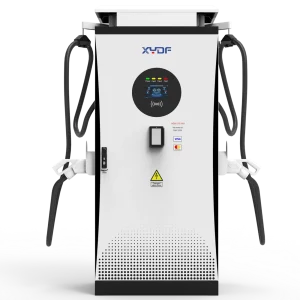
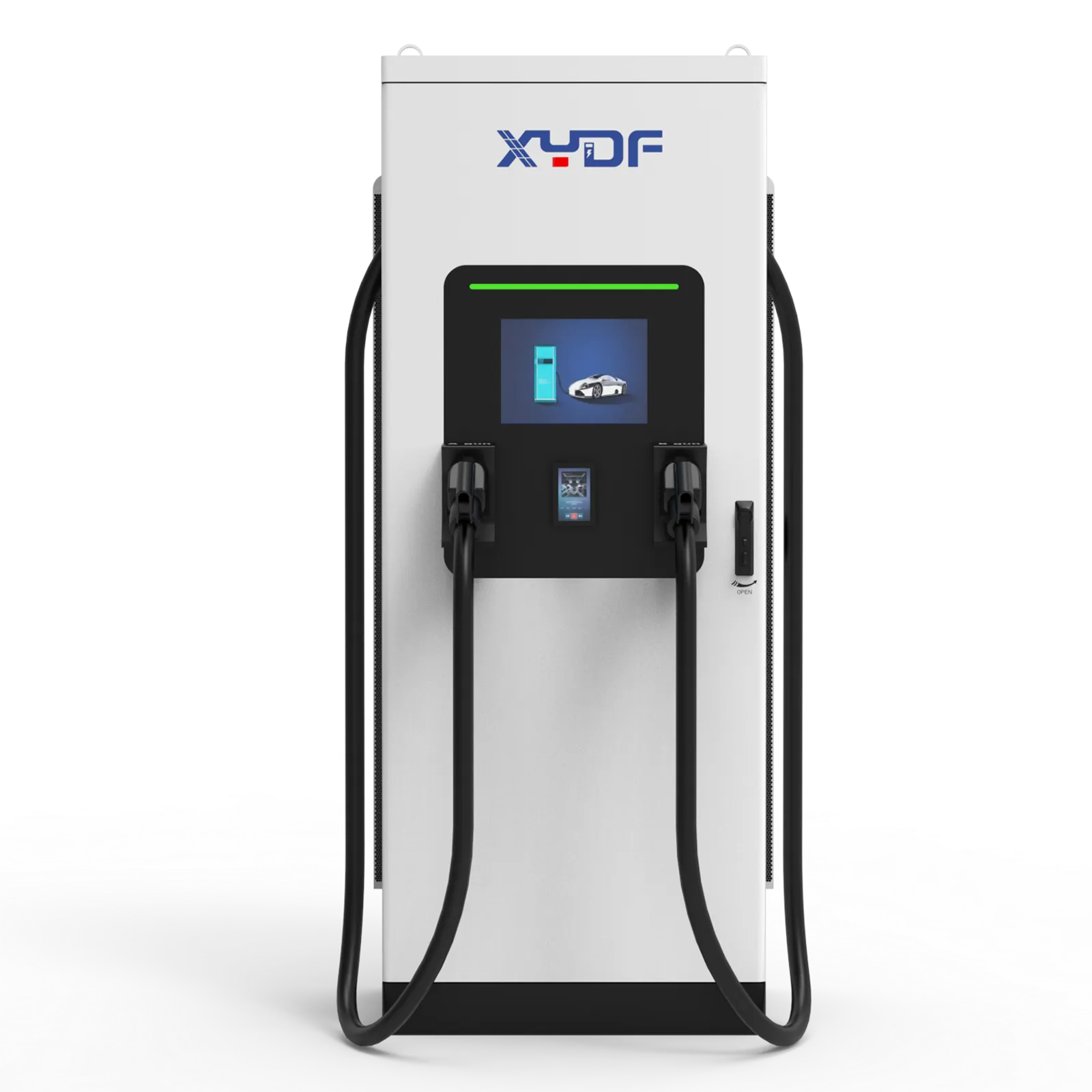
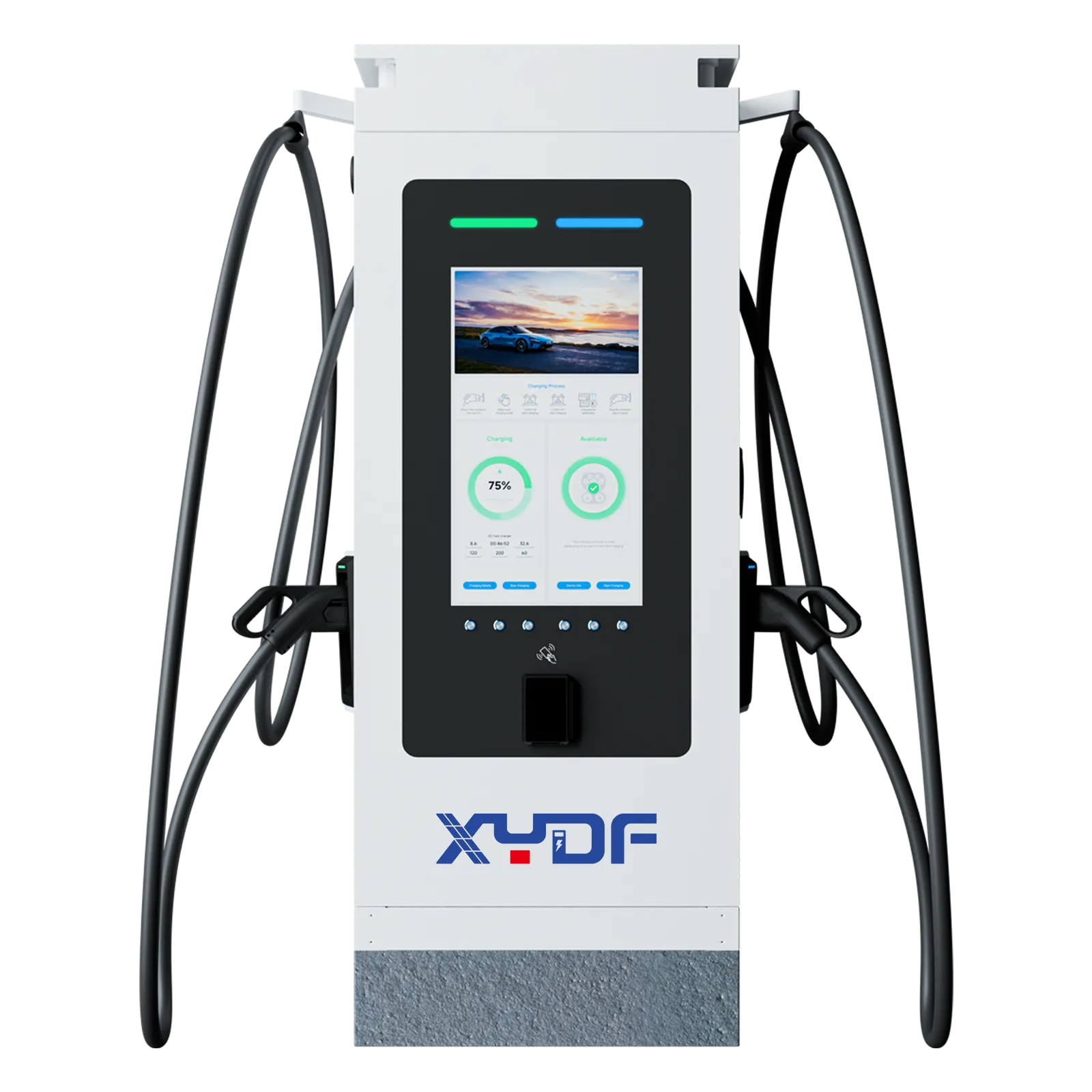
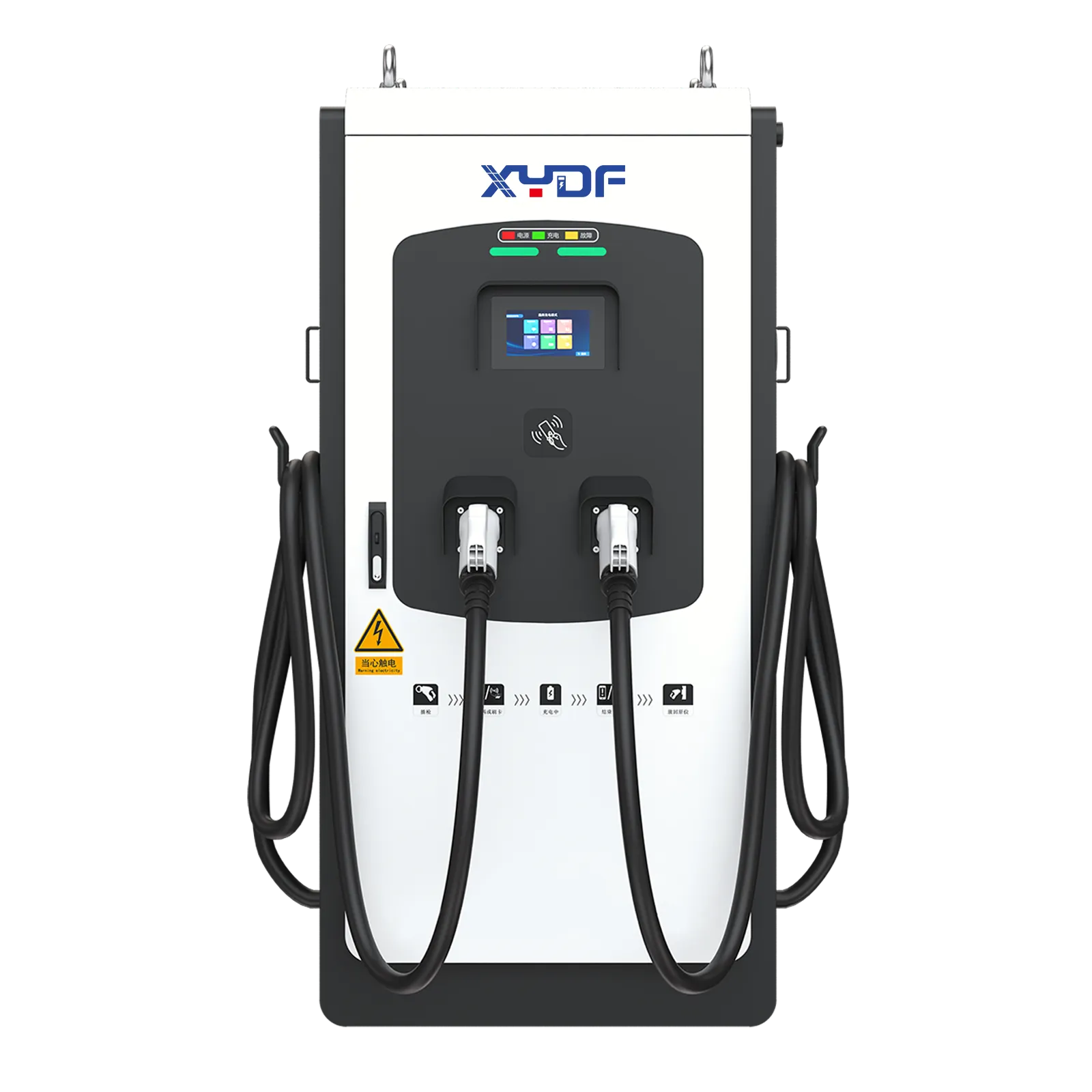
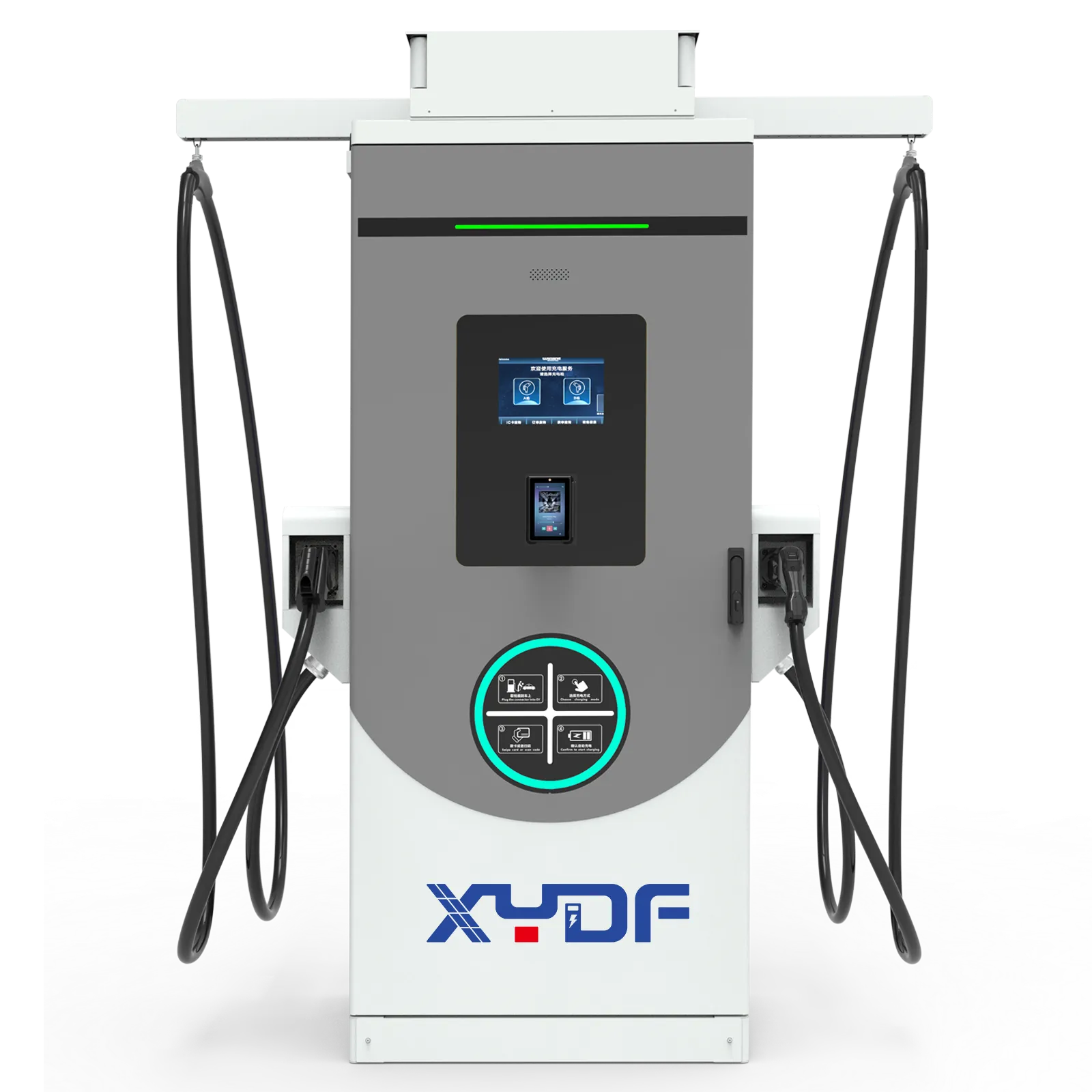
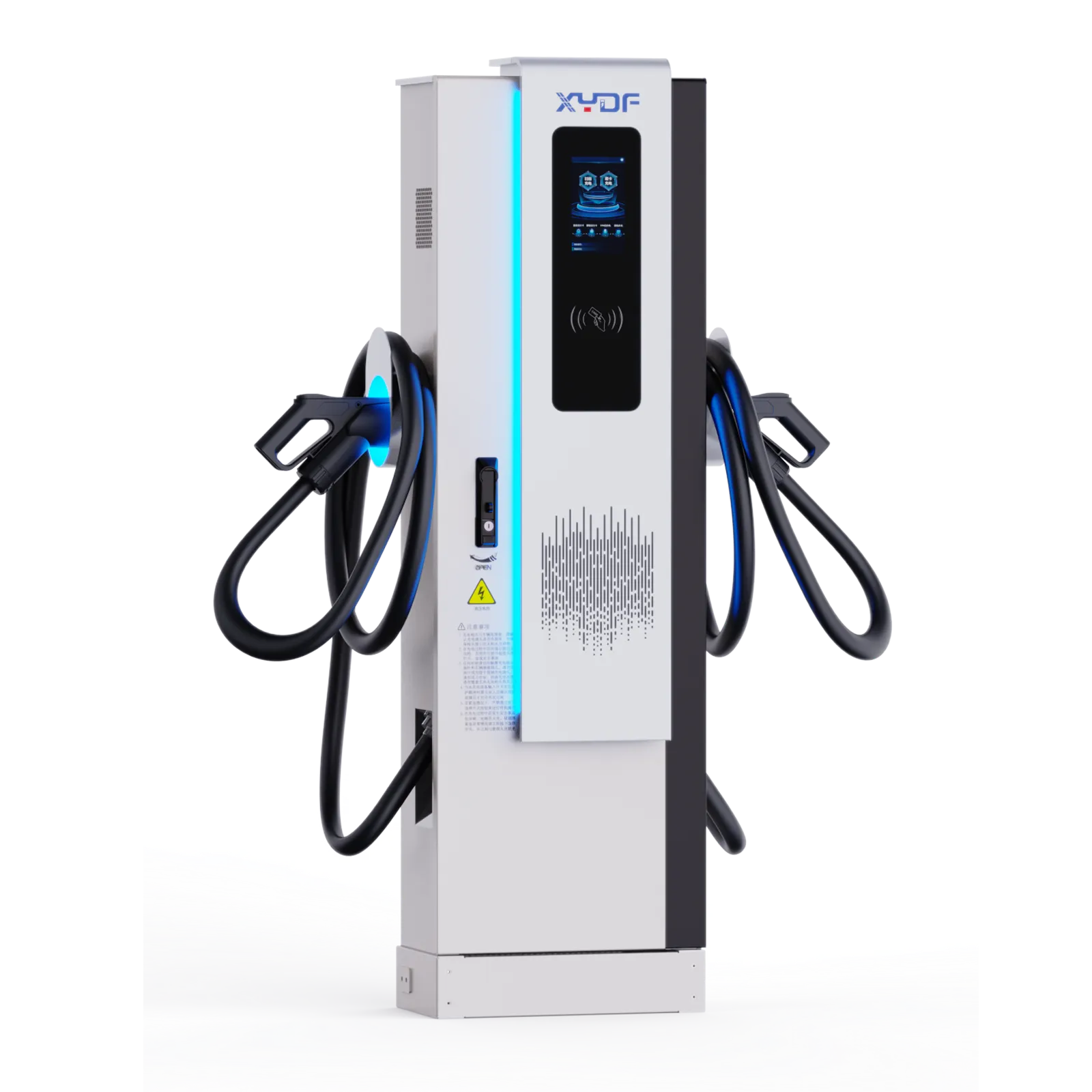
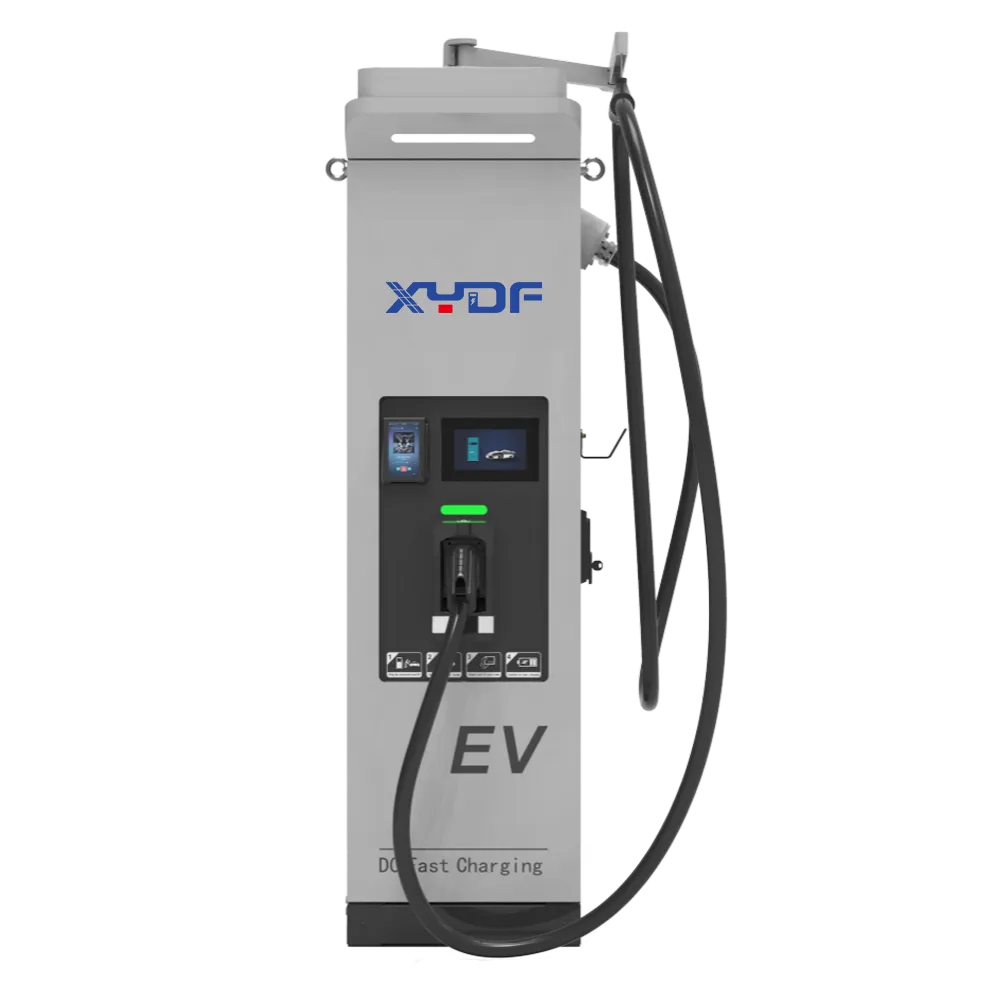
XYDF может помочь покупателям, которым необходимо согласовать выбор оборудования для зарядки электромобилей с конкретными особенностями площадки, документацией и требованиями по внедрению. Соответствующим отправным пунктом является краткий отчет о площадке, в котором указаны мощность, доступность, операционная модель, местные требования и предположения по расширению — а не только заявленная мощность зарядного устройства.
Часто задаваемые вопросы
Владение зарядной станцией для электромобилей — это прибыльный бизнес?
Это возможно, но рентабельность зависит от местного спроса, поставленной энергии, тарифов, сборов за использование инфраструктуры, стоимости оборудования и от стоимости сервиса зарядки для владельца. Одно из мест, пригодных для использования в качестве удобства для арендаторов или инвестиции в расширение парка электромобилей, может не соответствовать порогу рентабельности для государственного CPO. Перед началом работ необходимо разработать конкретную схему и рассмотреть возможные негативные последствия.
Необходимо ли коммерческому объекту устанавливать зарядные устройства типа AC или DC?
Выберите технологию с учетом ожидаемого времени остановки и требуемого объема энергии. Управляемая система переменного тока обычно подходит для длительных остановок; для более быстрого реагирования на потребности водителей или автопарков часто выбирают систему постоянного тока. Перед выбором системы постоянного тока необходимо проверить электрическую мощность, приемлемость транспортных средств, сроки подготовки к работе коммунальных служб и стоимость пиковых нагрузок.
Сколько зарядных устройств должно быть установлено на новом коммерческом объекте?
Не существует универсального и надежного показателя. Начните с наблюдаемого спроса на парковку, вероятного внедрения электромобилей, времени ожидания, доступной мощности и стоимости расширения. Фазированный план с распределением каналов и мощностей может быть предпочтительнее, чем подключение всех возможных портов до тех пор, пока на объекте не будет выявлен спрос.
Какая самая большая скрытая стоимость коммерческого зарядки электромобилей?
Это зависит от конкретного объекта, но часто значительную роль играет модернизация электросети, протяжённость магистральных путей, процесс оплаты коммунальных услуг и сборы за использование инфраструктуры. Поддержка сети, операции по оплате и соблюдение правил парковки также влияют на срок службы объекта. Перед сравнением предложений необходимо провести разбивку работ и исключить возможные недочёты.
Как владелец недвижимости должен контролировать пиковые нагрузки от зарядки?
Начните с данных интервального учета и тарифа на коммунальные услуги, а затем установите лимит нагрузки, который обеспечит надежную работу здания. Используйте проверенные методы управления нагрузкой, прозрачные правила распределения и мониторинг совпадения нагрузок. Проверьте настройки, когда изменится спрос на электроэнергию, тарифы и распространение электромобилей.
Ссылки
Международная электротехническая комиссия (IEC), Включая стандарты проводной зарядной системы IEC 61851 и требования к установке IEC 60364-7-722; подтвердить актуальное издание и национальное принятие.
ISO 15118-20:2022, Автомобили — интерфейс связи между транспортным средством и сетями.
Программа по финансированию зарядки обеспечивает уверенность, когда обещанный опыт водителя, электрическая конструкция и финансовая модель описывают одну и ту же реальность. Когда ваша команда готова воплотить эту общую концепцию в реализацию закупок зарядных станций, изучите Решения XYDF DC для быстрой зарядки и обратитесь в команду с вопросом о требованиях к эксплуатации, мощности и расширению сайта.
Штаб-квартира и фабрика в Чжэцзяне:
№ 2, улица Чанцзян, промышленный парк Вэньчжоу Бридж, город Бейбайсян, город Юэцин, город Вэньчжоу, провинция Чжэцзян
Шэньчжэньский филиал:
1-й этаж, здание А, промышленный парк Шэнькай, сообщество Тантоу, район Шиянь, район Баоань, Шэньчжэнь
Мы используем файлы cookie для обеспечения работы этого веб-сайта и, с вашего разрешения, для измерения того, как посетители используют наш сайт зарядки электромобилей. См. наши Политика конфиденциальности для получения подробной информации.
 Синьцзя Дунфан Электрик Технолоджи Ко., Лтд.