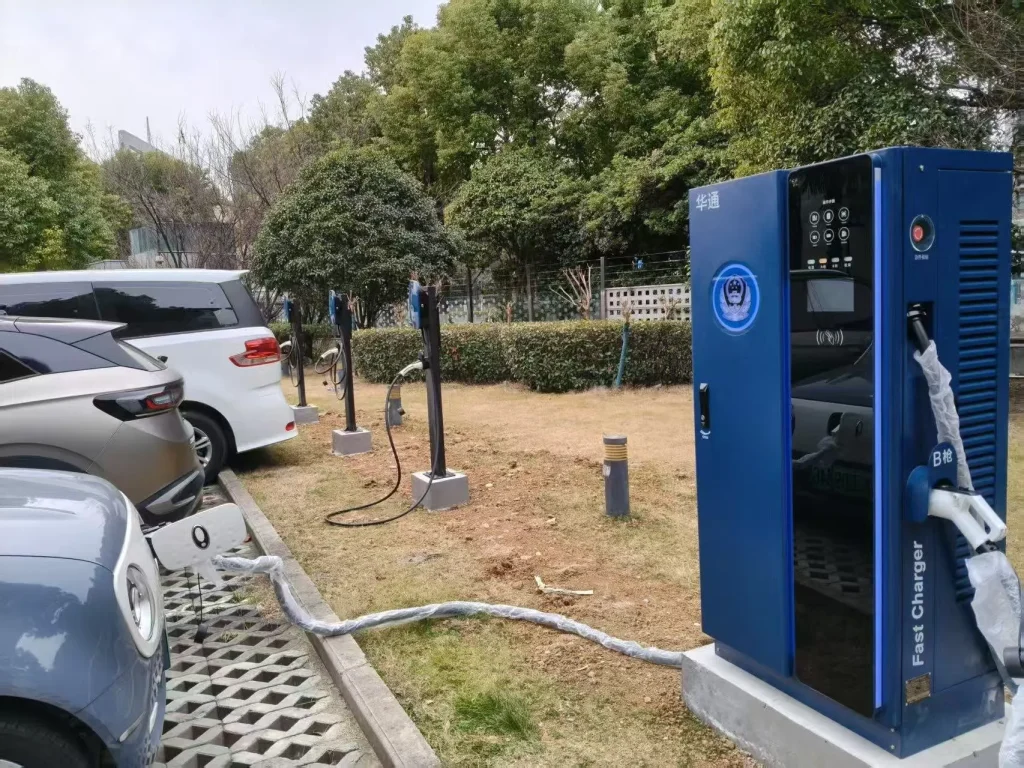
PV+ESS+EV Charging Solution

Accelerate your zero-emission transition with smart charging infrastructure. We combine reliable hardware and intelligent energy management to maximize uptime and reduce long-term operational cost.
  • Bus

    Bus

  • Logistics

    Logistics

  • Taxi

    Taxi

  • Corporate

    Corporate

  • Truck depots

    Truck depots

TALK TO AN EXPERT
PV+ESS+EV Charging Solution

CORE BENEFITS

Make Clean Energy, Storage and Charging Work as One

01

Reduce Energy Costs

Use onsite solar and stored energy to reduce high-tariff grid purchases and control peak demand.
02

Overcome Grid Constraints

Battery storage supplies short-duration power support when charging demand exceeds the site’s available grid capacity.
03

Maximize Renewable Energy

Store surplus solar generation and release it when vehicles need energy later in the day.
01

Lower the Cost of Site Energy

The EMS continuously coordinates solar output, charging demand, electricity tariffs, battery SOC and grid capacity. Solar power is used first by chargers and other site loads. Surplus generation charges the battery, while low-tariff grid energy can also be stored within the site’s capacity limit. During high-price or high-load periods, the battery discharges alongside solar and the grid to reduce peak grid demand.
02

Add Charging Capacity Without Immediate Grid Expansion

When the charging load briefly exceeds available grid capacity, battery storage supplies the difference so more charging points can operate together. The EMS reads power at the grid connection and adjusts the PCS and charger output to keep grid demand within the transformer or connection limit.
03

Use More of the Solar Energy You Generate

Solar generation and vehicle charging do not always occur at the same time. The system prioritizes direct solar charging when vehicles are onsite, stores excess production when generation exceeds demand, and releases that energy in the evening, at night or whenever solar output falls.
INTEGRATED ENERGY SYSTEM

One Control Layer Across Generation, Storage and Charging

The EMS monitors solar output, battery SOC, charging load, electricity price and grid power in real time, then adjusts the direction and level of energy flow automatically.

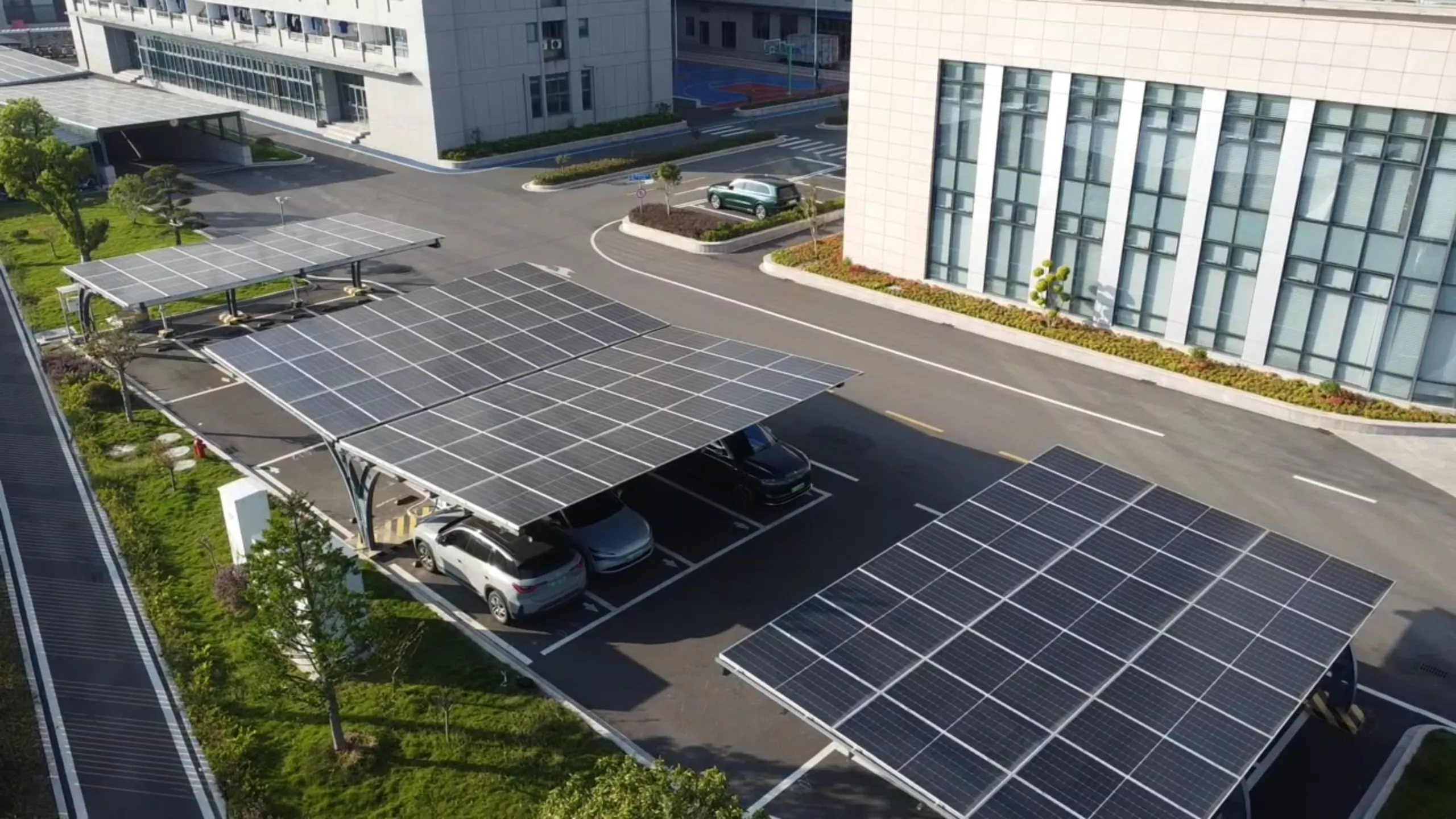
Solar PV

Local renewable power for chargers and site loads.

Battery Storage

Stores surplus solar or off-peak grid energy.

Power Conversion

Manages bidirectional conversion between battery and AC bus.

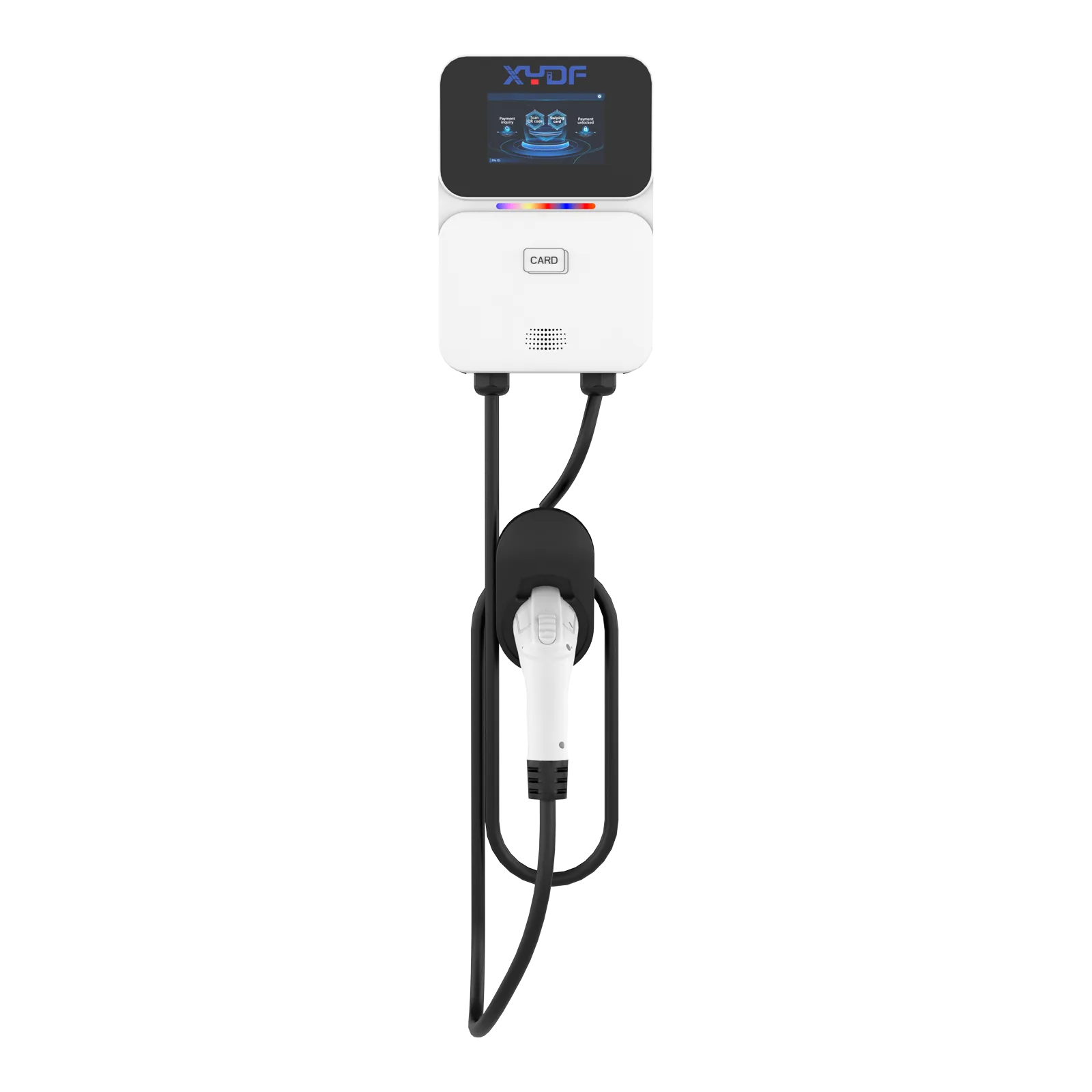
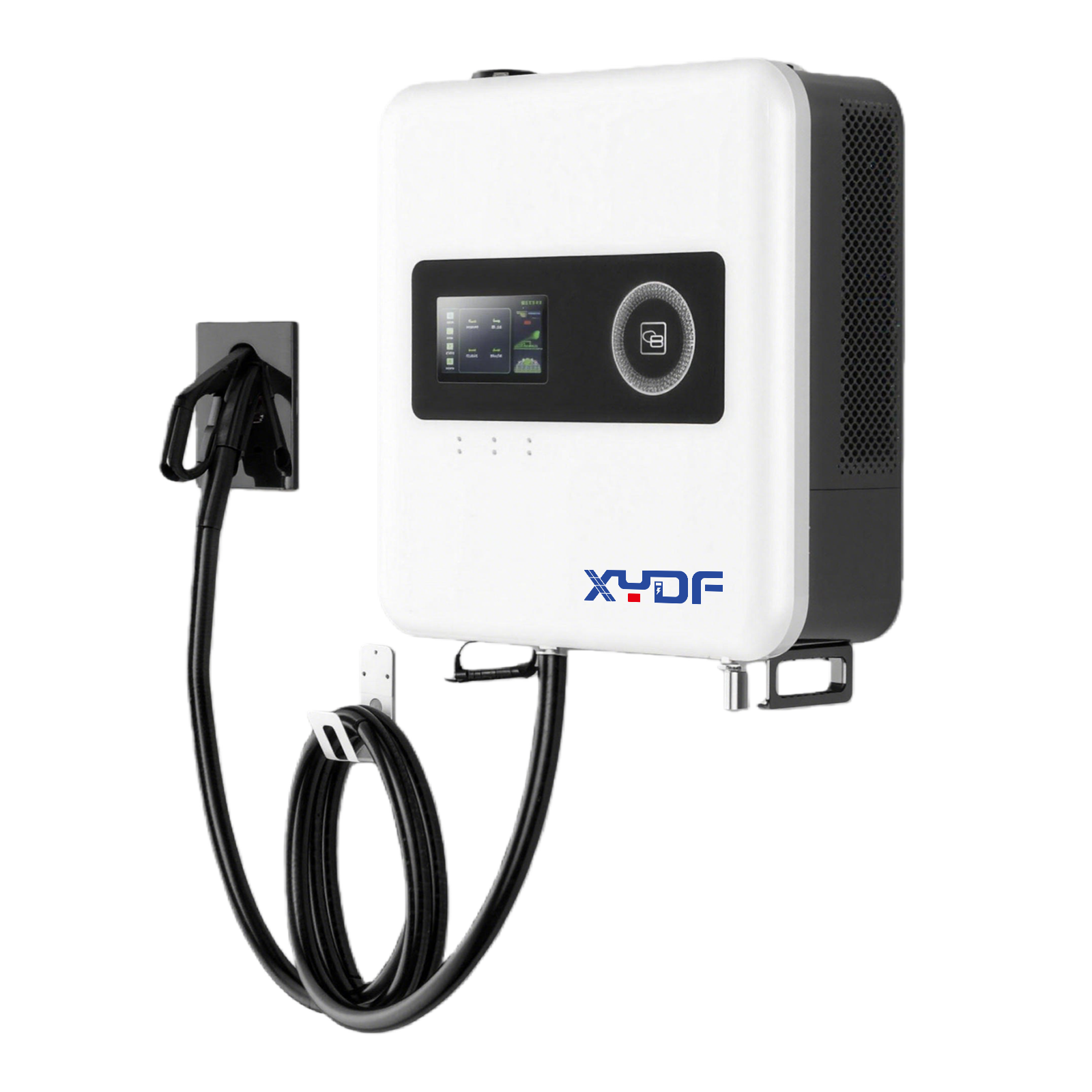
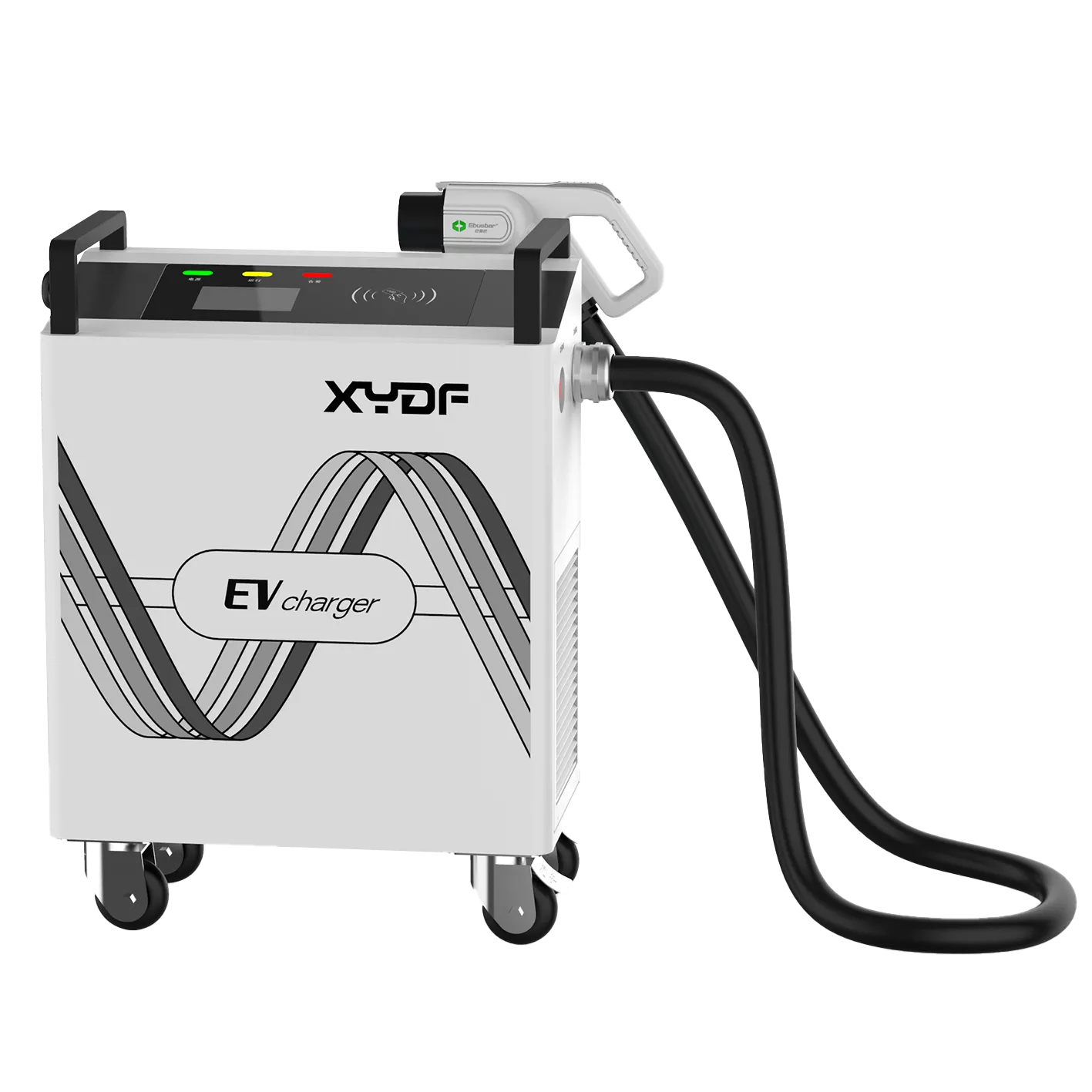
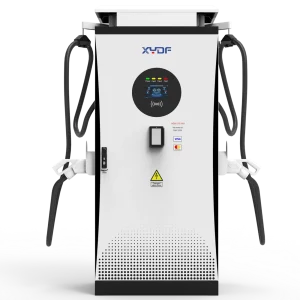
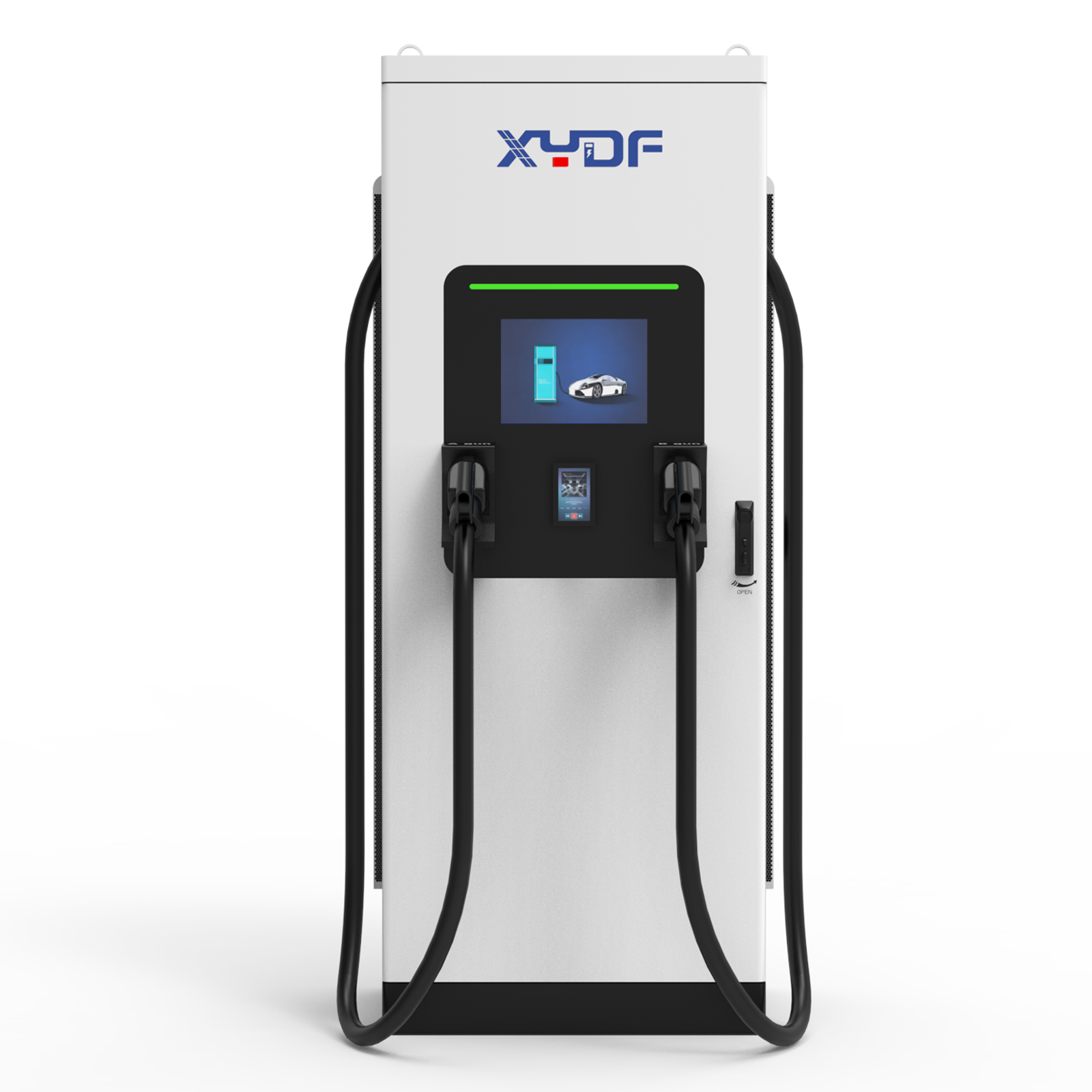
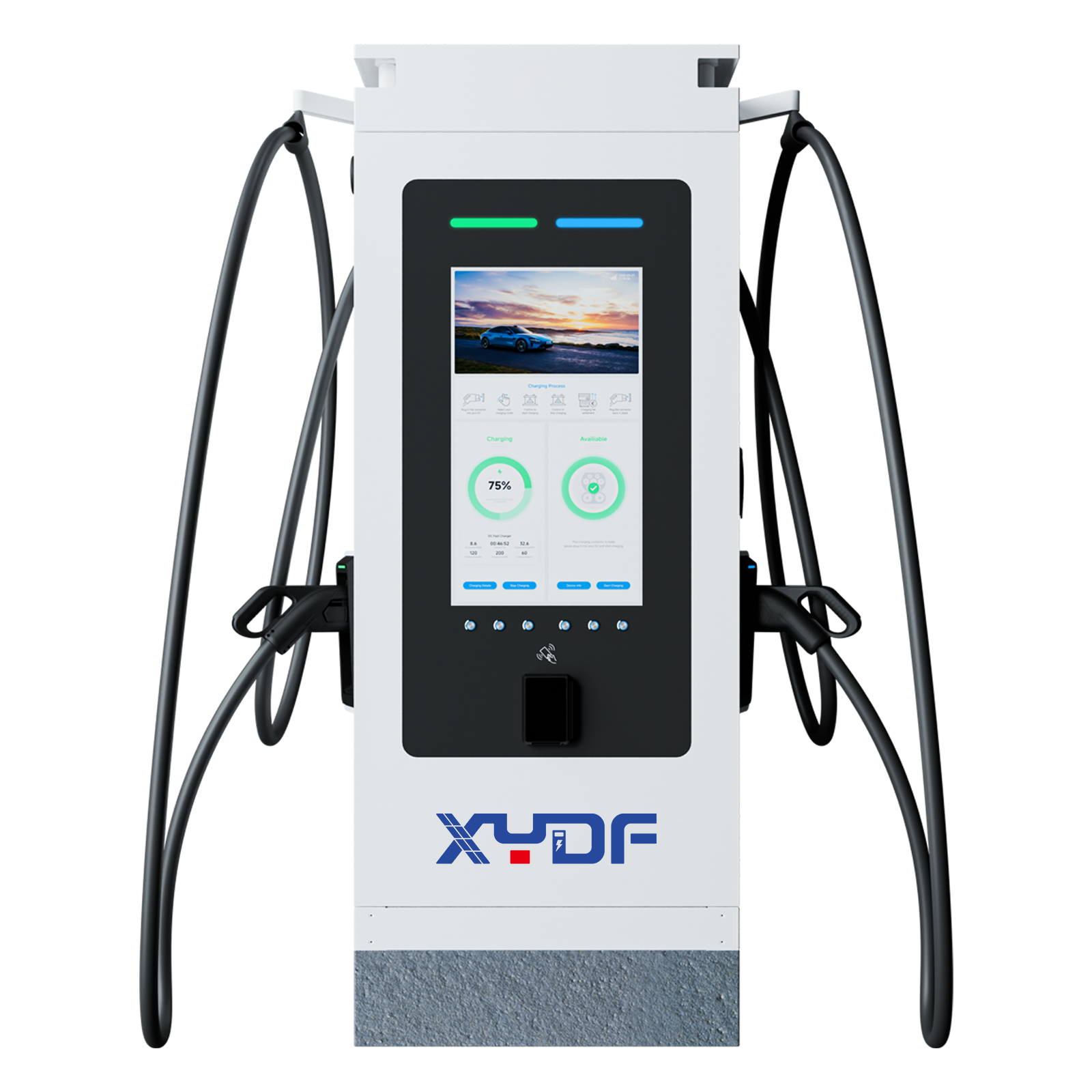
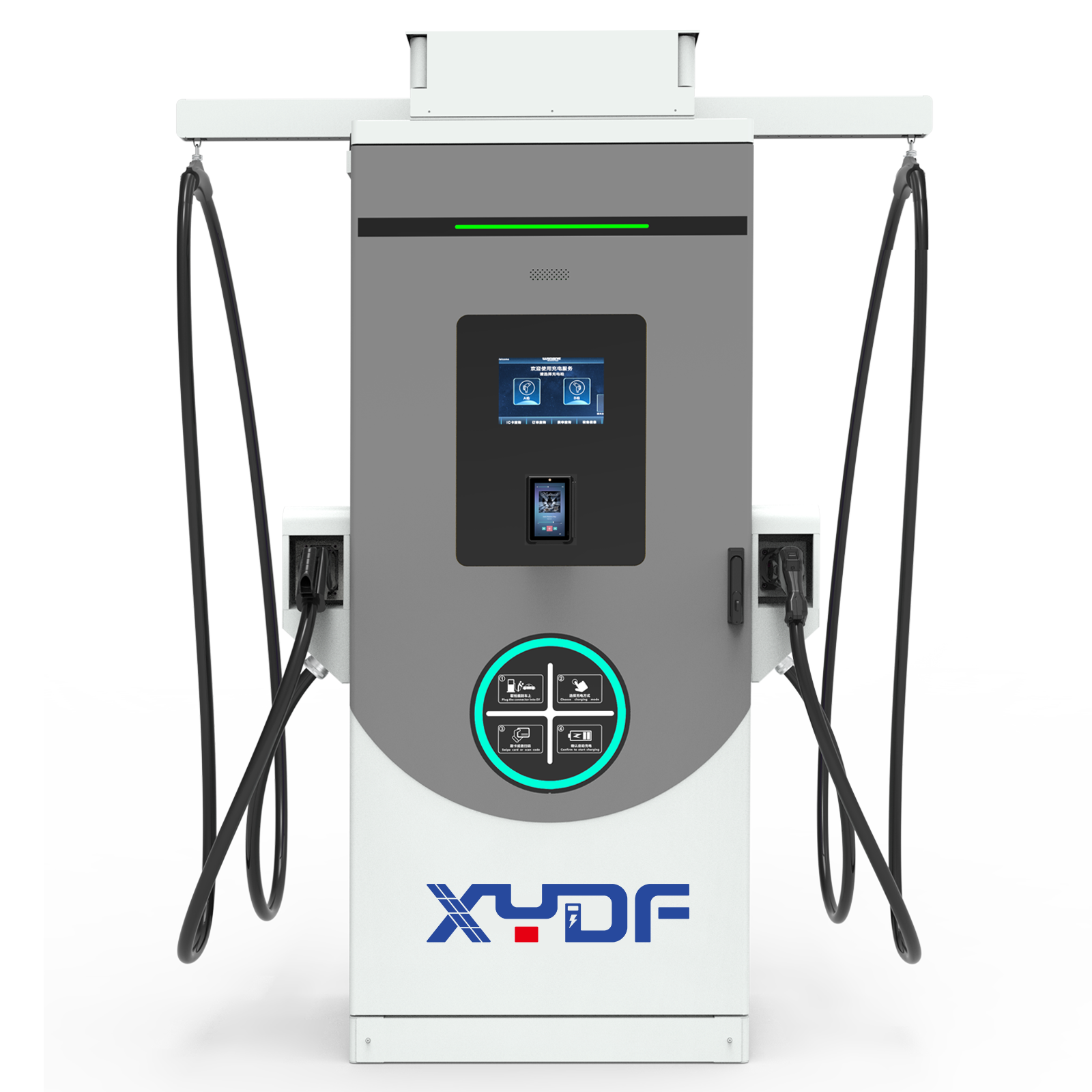
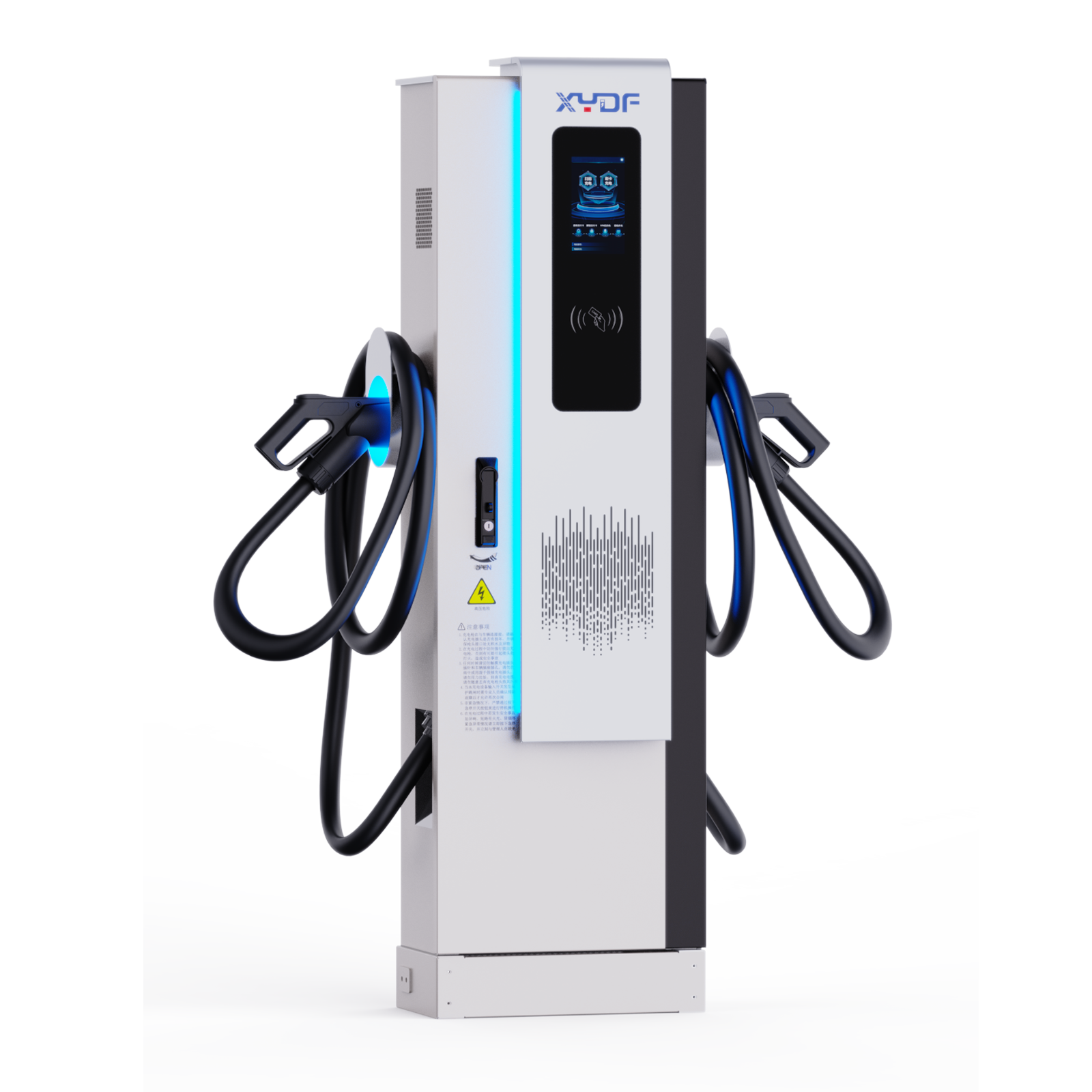
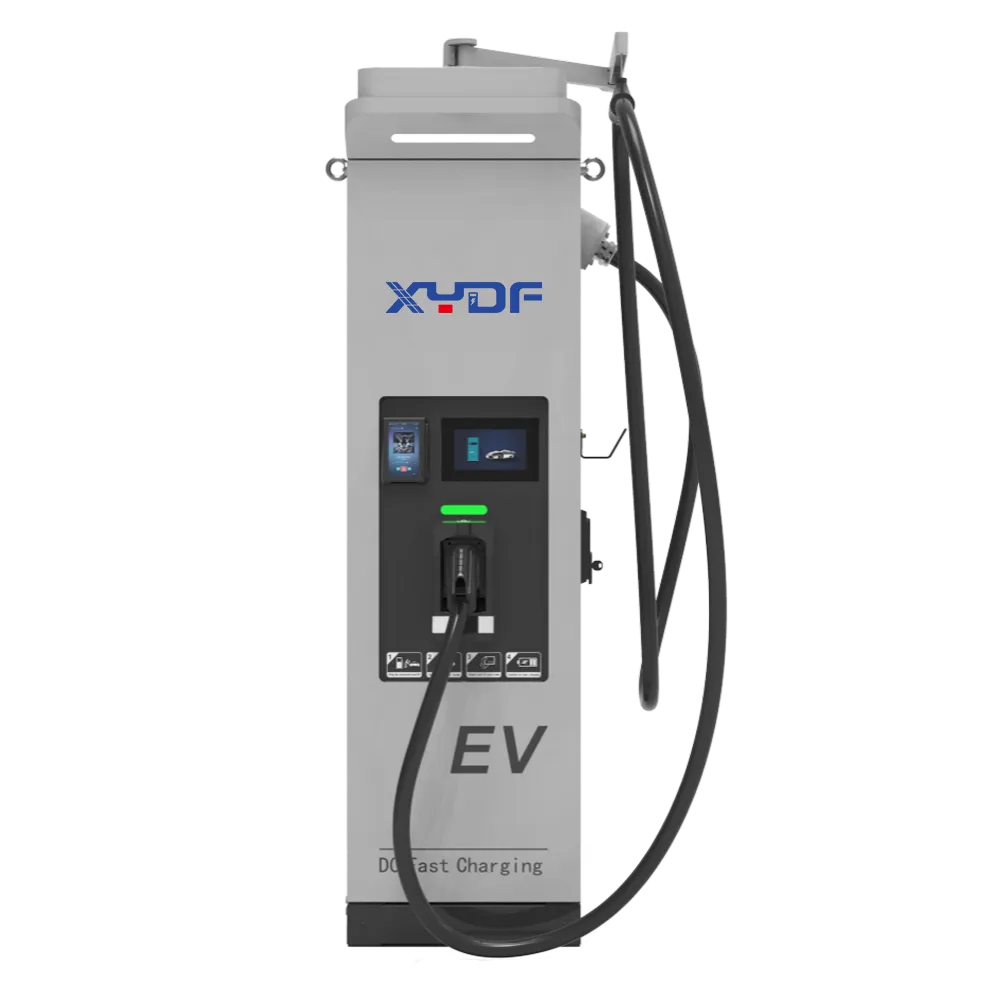
EV Charging

Delivers AC or DC charging within available site power.

Energy Management

Executes dispatch, peak shaving and capacity control.
SMART ENERGY DISPATCH

Dynamic Decisions Based on Real-Time Site Conditions

Dispatch is continuously optimized around solar output, battery SOC, tariffs, grid limits and vehicle demand.
01

Solar First

Solar supplies active chargers and site loads first. Surplus energy charges the battery or, where permitted, is exported.
02

Off-Peak Charging

The battery can charge from the grid during lower-tariff periods while total site demand remains within its limit.
03

Battery Peak Shaving

Stored energy supports charging peaks and reduces maximum power drawn at the grid connection.
04

Grid Support

The grid supplies remaining demand when solar and stored energy are insufficient, maintaining reliable charging service.
FLEXIBLE CONFIGURATIONS

Choose the Architecture That Fits Your Site

SITE UPGRADE

Storage + Charging

Designed for existing charging sites where grid expansion is costly or the difference between peak and off-peak tariffs is significant.
  • Reduce or defer grid expansion
  • Support short charging-power peaks
  • Charge the battery during off-peak periods
  • Upgrade existing charging infrastructure
RECOMMENDED PRODUCTS

Products for Your Charging Energy System

Final product images and information will be selected for the project configuration.
PRODUCT CATEGORY

Product Name

Short product description supplied later.
Product link
PRODUCT CATEGORY

Product Name

Short product description supplied later.
Product link
PRODUCT CATEGORY

Product Name

Short product description supplied later.
Product link
SYSTEM CAPABILITIES

Power Control, Platform Integration and Remote Management

01

Dynamic Power Allocation

Allocate available power across chargers according to vehicle demand, priority and site capacity.
02

Grid-Connection Control

Keep total grid demand within the transformer or connection limit in real time.
03

Zero-Export Control

Coordinate metering and inverter control where export to the public grid is not permitted.
04

Remote Monitoring & Alerts

View charger status, solar yield, battery SOC, energy use and system events from one platform.
05

OCPP Integration

Connect charging equipment with compatible third-party operation, monitoring and billing platforms.
06

Flexible Operating Strategies

Configure dispatch around tariffs, site load, solar forecasts and battery SOC requirements.
PROJECT DELIVERY

From Site Assessment to Long-Term Support

01

Site & Load Assessment

Review grid capacity, load profiles, fleet schedules, tariffs and solar conditions.
02

System Sizing

Define charger power, PV capacity, storage output and usable energy.
03

Strategy Configuration

Set solar priority, off-peak charging, peak shaving and zero-export logic.
04

Integration & Commissioning

Connect chargers, EMS, PCS, BMS, meters and third-party platforms.
05

Service & Support

Provide remote support and maintainable modular system design.
WHY XYDF

Support from Charger Selection to System Integration

01

Flexible Charger Selection

AC and DC charging options for public, fleet and industrial applications.
02

Intelligent Load Management

Dynamic charging-power allocation based on site capacity and vehicle demand.
03

Open Platform Compatibility

Mainstream OCPP support for integration with charging management platforms.
04

Project-Specific Support

Configuration guidance based on site loads, grid conditions and operating goals.
FREQUENTLY ASKED QUESTIONS

Planning a Solar, Storage and Charging Project

Can battery storage completely replace a grid upgrade?
It depends on the charging load profile, available grid capacity, battery output and required discharge duration. Storage can often reduce or defer an upgrade, but sustained high-power charging may still require additional grid capacity.
Does every integrated charging solution require solar PV?
No. Battery storage and charging equipment can operate as a standalone storage-and-charging system. Solar PV can be added where site conditions allow to reduce grid purchases and increase renewable-energy use.
Can chargers continue operating during a grid outage?
Only a system designed for island operation, with suitable switching equipment and sufficient stored energy, can continue supplying selected chargers or critical loads during an outage.
How are battery power and energy capacity determined?
Sizing considers the grid-power shortfall, charging-peak duration, tariff structure, solar production, cycling strategy and the required SOC reserve.
Does zero-export control remove the need for grid approval?
Usually not. A system electrically connected to the public grid must generally comply with local approval, protection, metering and power-quality requirements.
BUILD THE RIGHT SYSTEM FOR YOUR SITE

Plan Your Integrated Energy Project

Share your available grid capacity, charging demand, fleet schedule and site conditions. The XYDF team will help assess a suitable solar, storage and charging configuration.
Talk to a Solution Expert
Related Cases
XYDF FAQs
  • Should I choose an AC or DC EV charger?

    AC chargers: Slower charging, lower cost, ideal for homes and offices.

    DC fast chargers: Faster charging, higher cost, suitable for high-traffic locations.

  • What should be checked before installing an EV charger?

    Power capacity, site wiring, and local approval requirements. A local installer can provide a detailed assessment.

  • How do I know if an EV charger is compatible with my vehicle?

    Check the charging connector standard. Common types include CCS1, CCS2, NACS, and CHAdeMO.

  • What are common EV charger installation challenges?

    Electrical capacity, site conditions, and compliance approvals.

  • How do I start an EV charging station business?

    Plan equipment sourcing, site setup, installation, and maintenance. Consulting a sales engineer is recommended.

Want to know more? Let’s talk
Contact Form
+86 133 3697 0557
service@xinya-ee.com