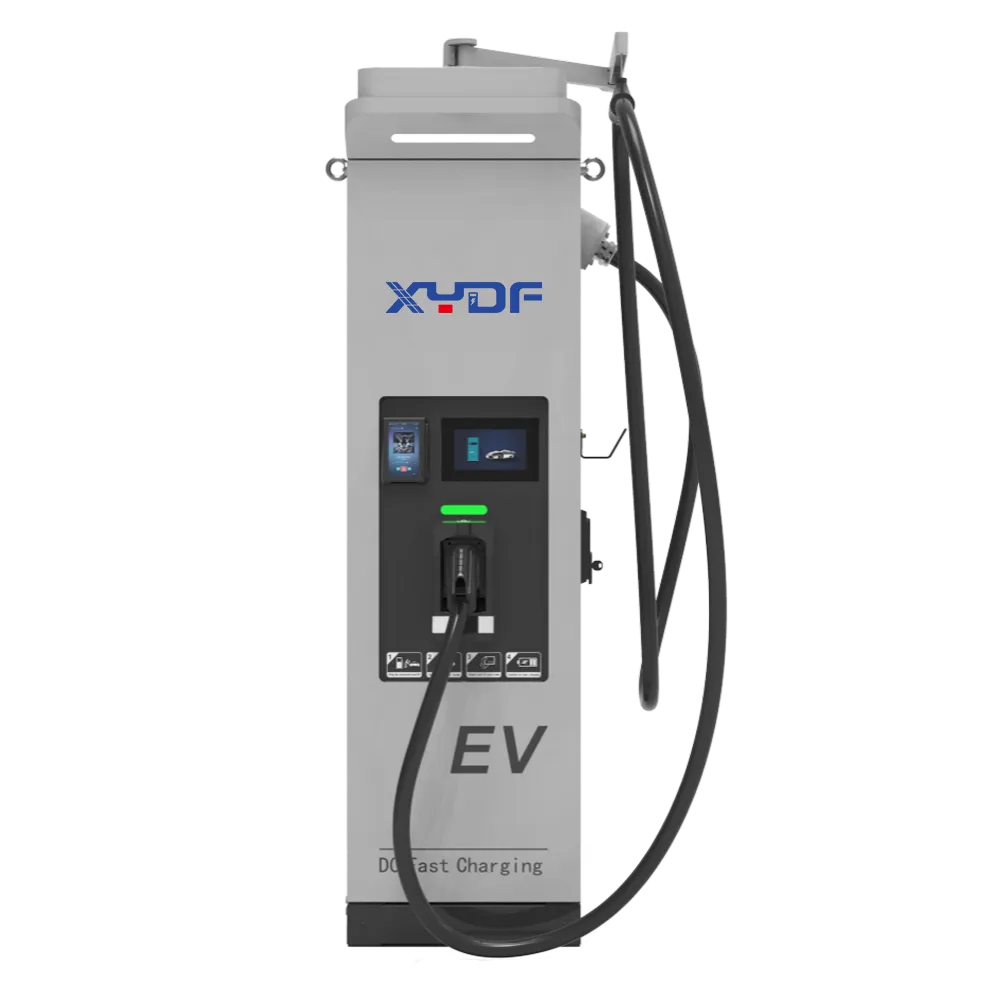
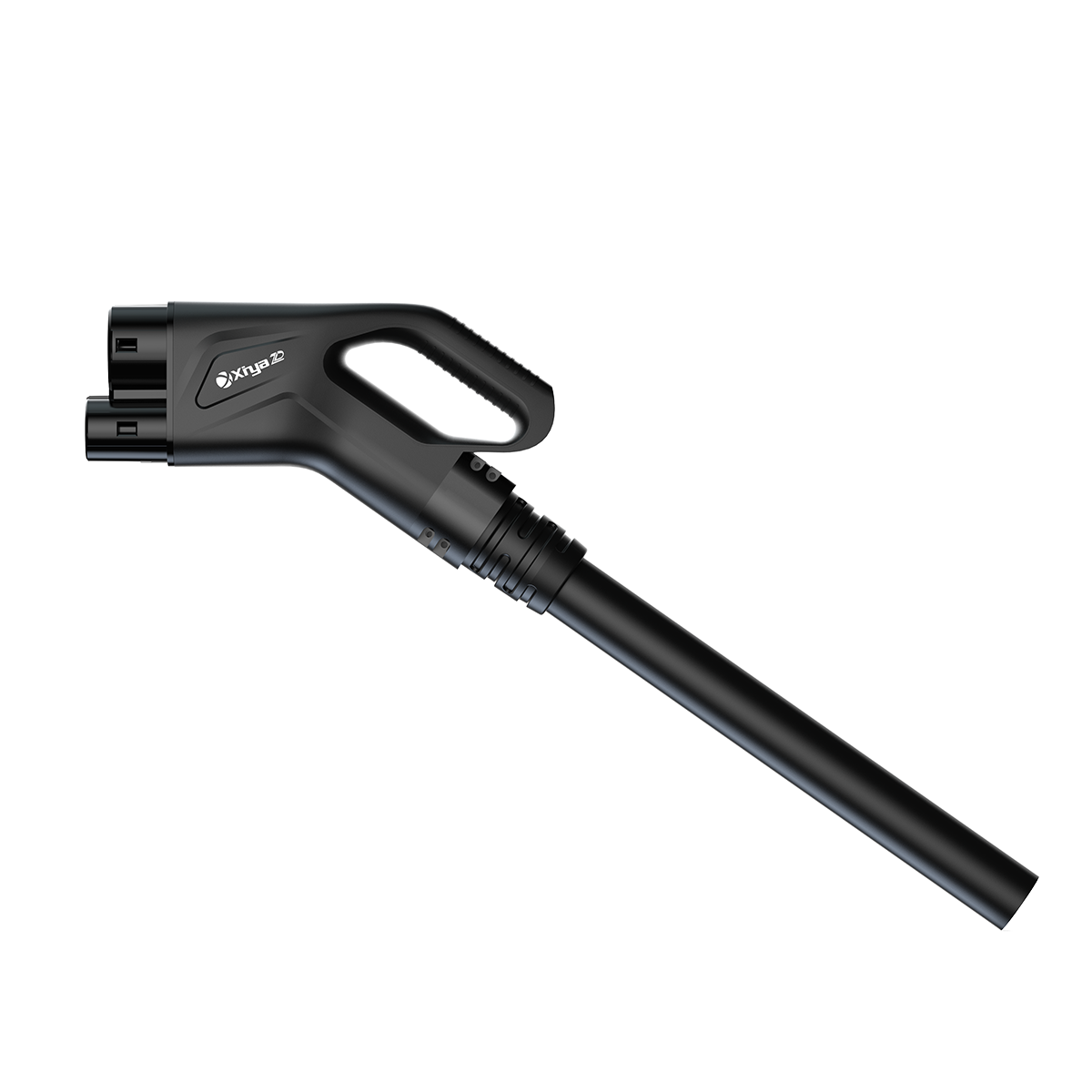
This project needs to meet two distinct charging scenarios for the Nanjing Traffic Police Detachment: dedicated fast charging with automatic vehicle identification for police vehicles, and daily commuting charging for private cars owned by other staff. The goal is to achieve rational allocation and refined management of charging resources.
The core challenge is to guarantee dedicated, rapid, and identifiable charging service for police vehicles while supporting orderly shared charging for private cars, and to realize efficient distribution and unified management under limited charging resources.
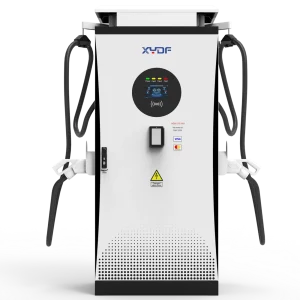
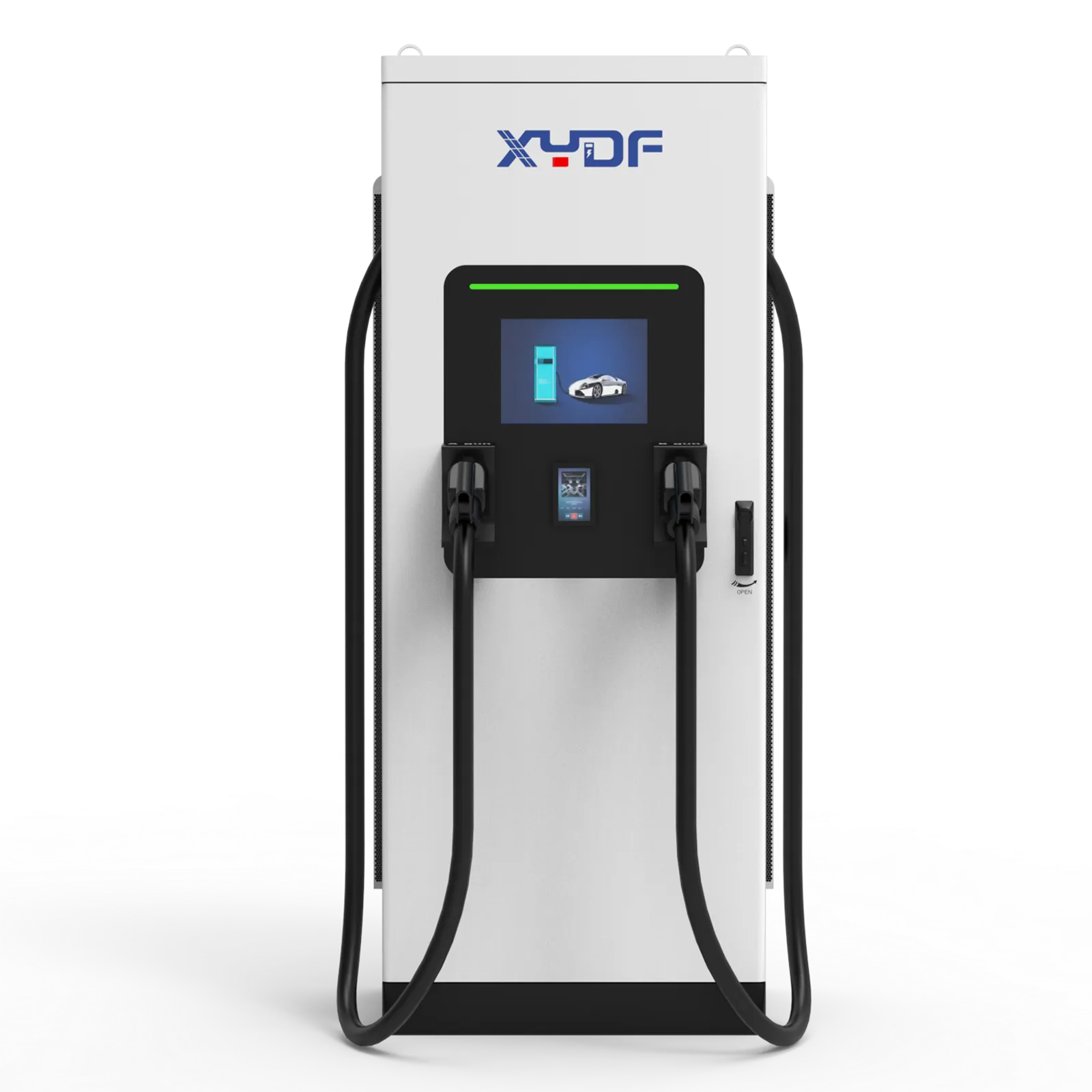
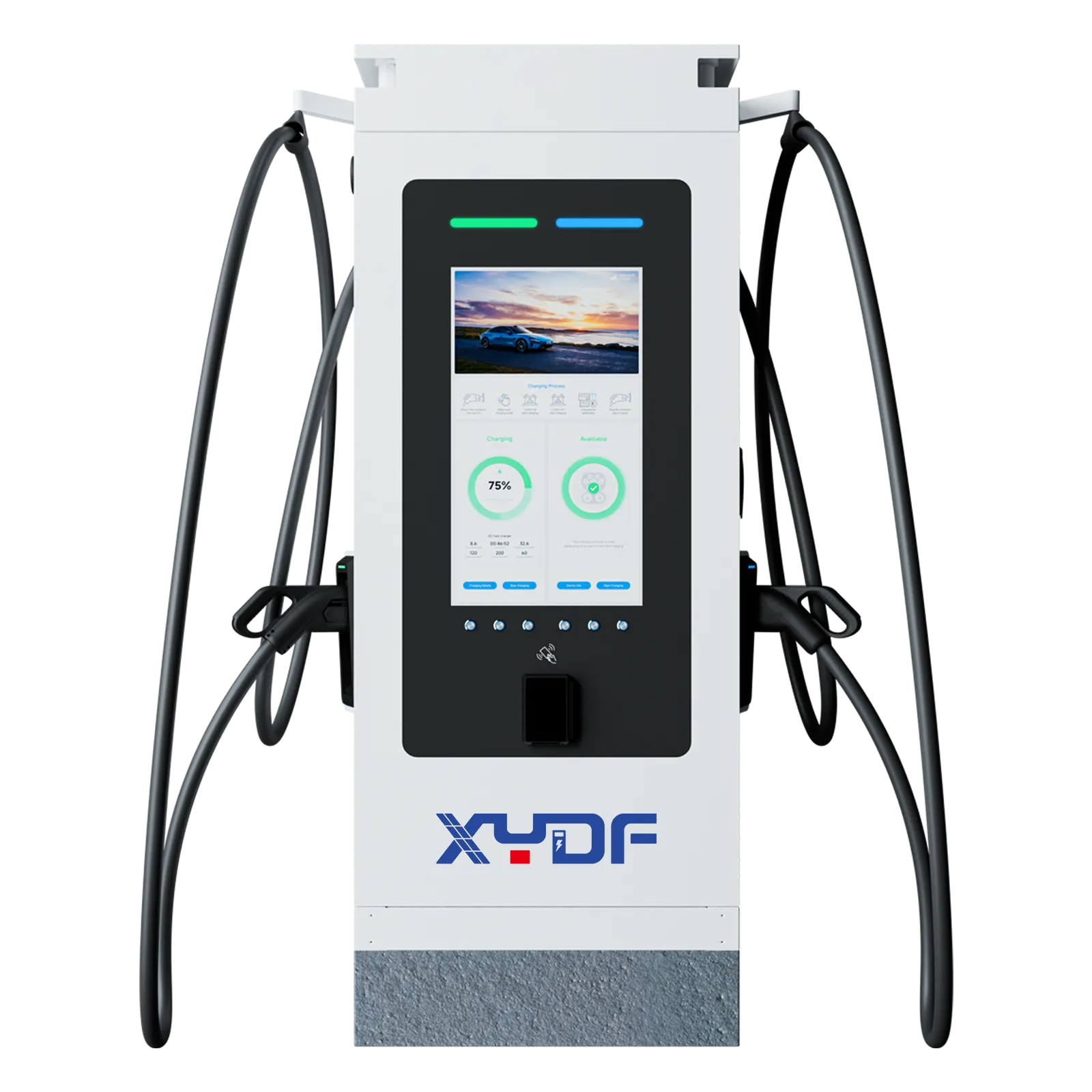
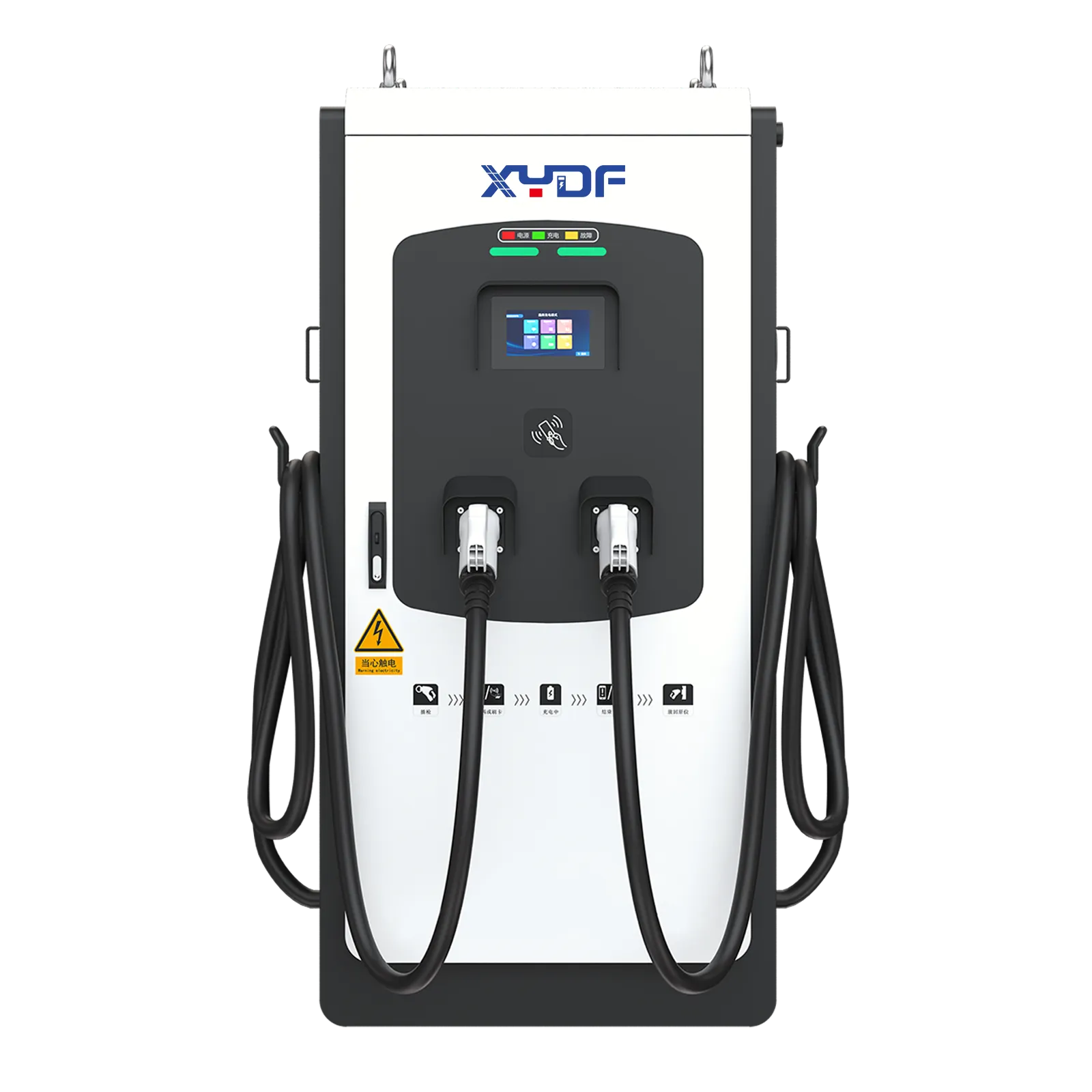
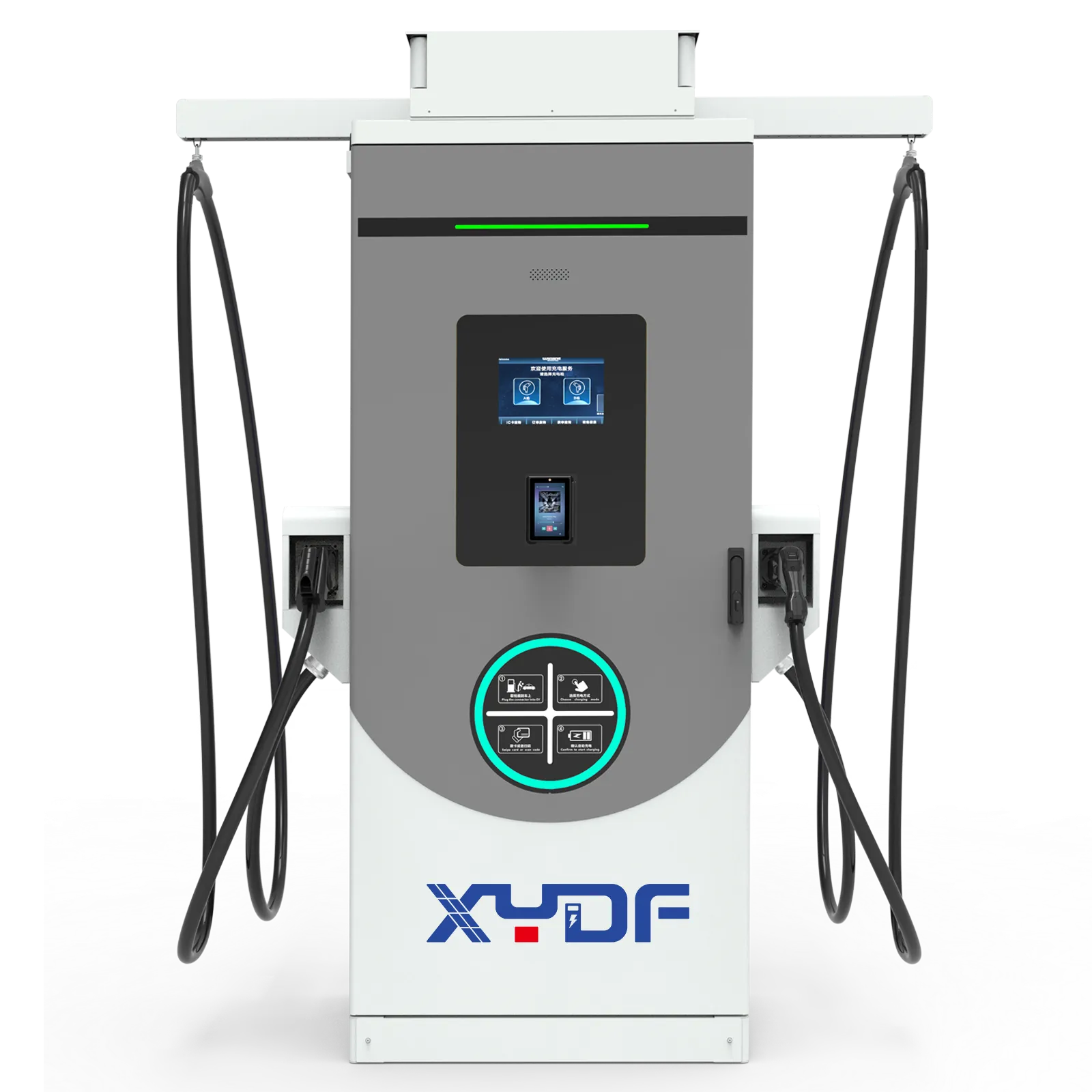
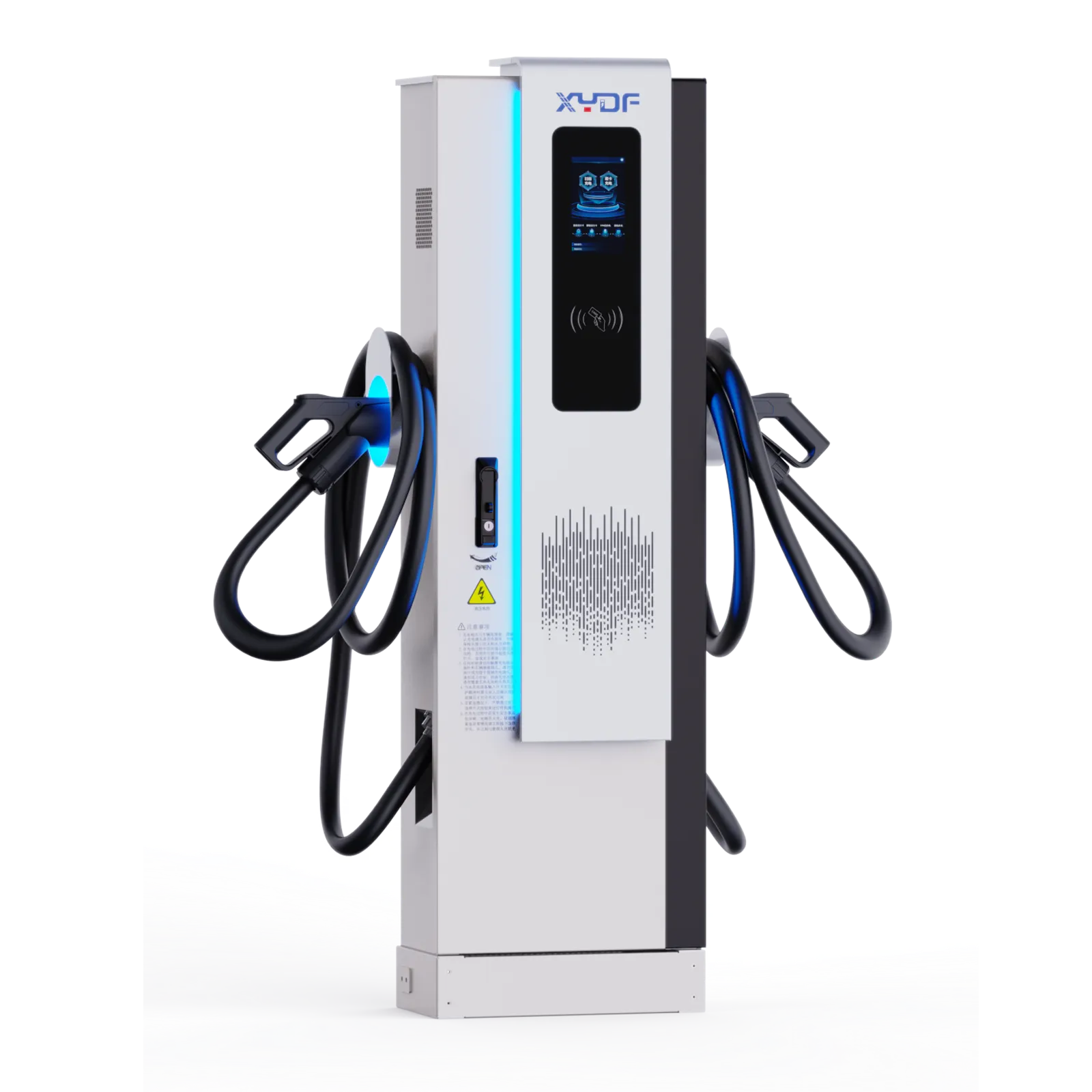
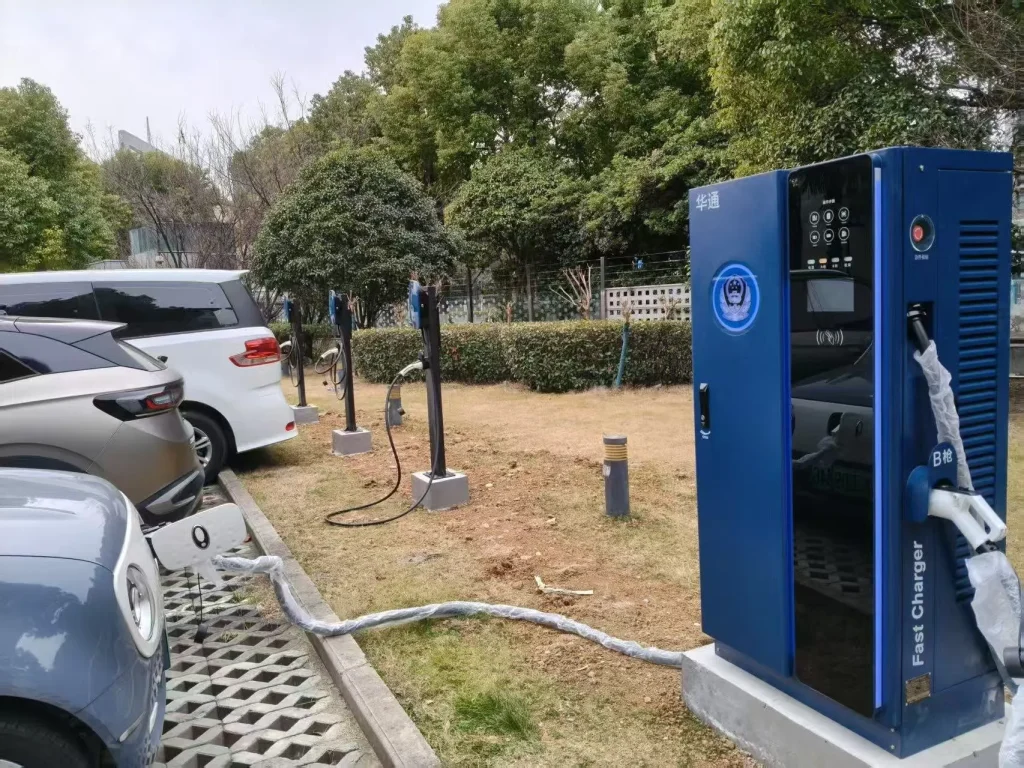
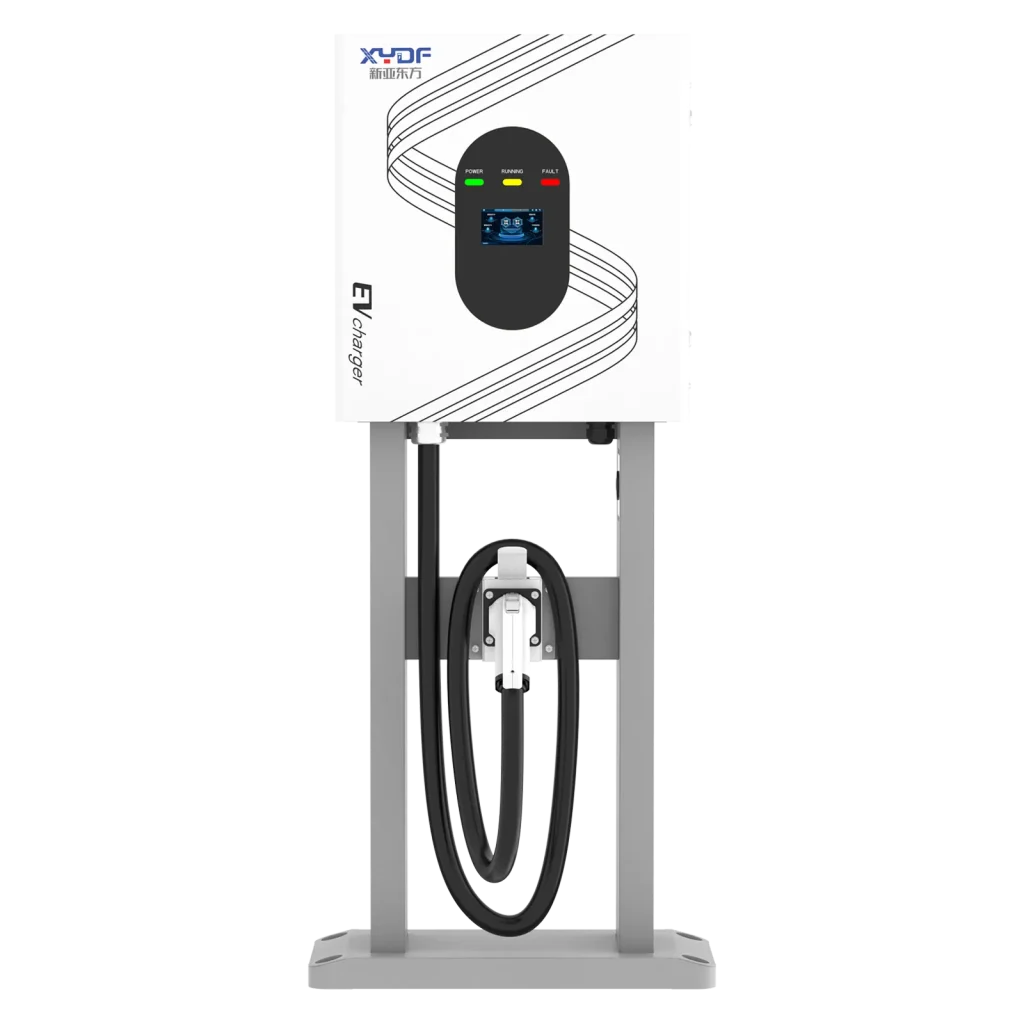
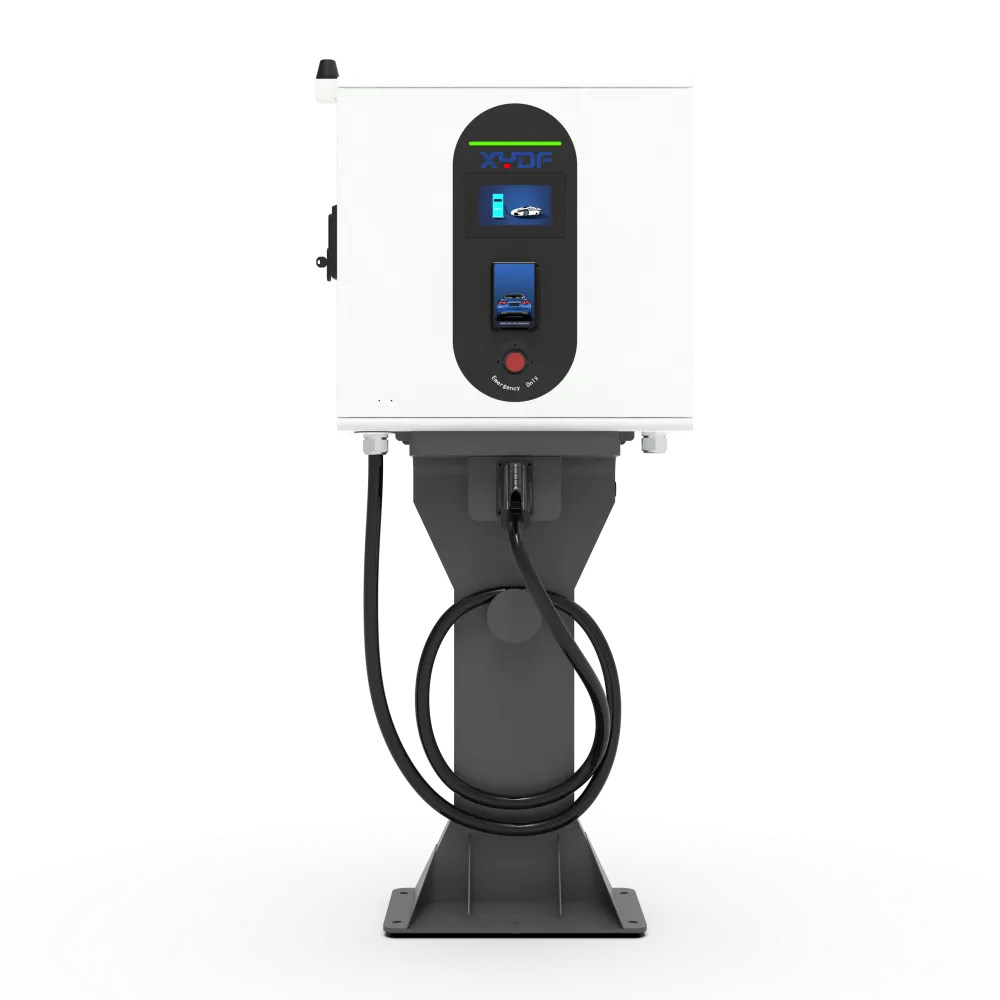
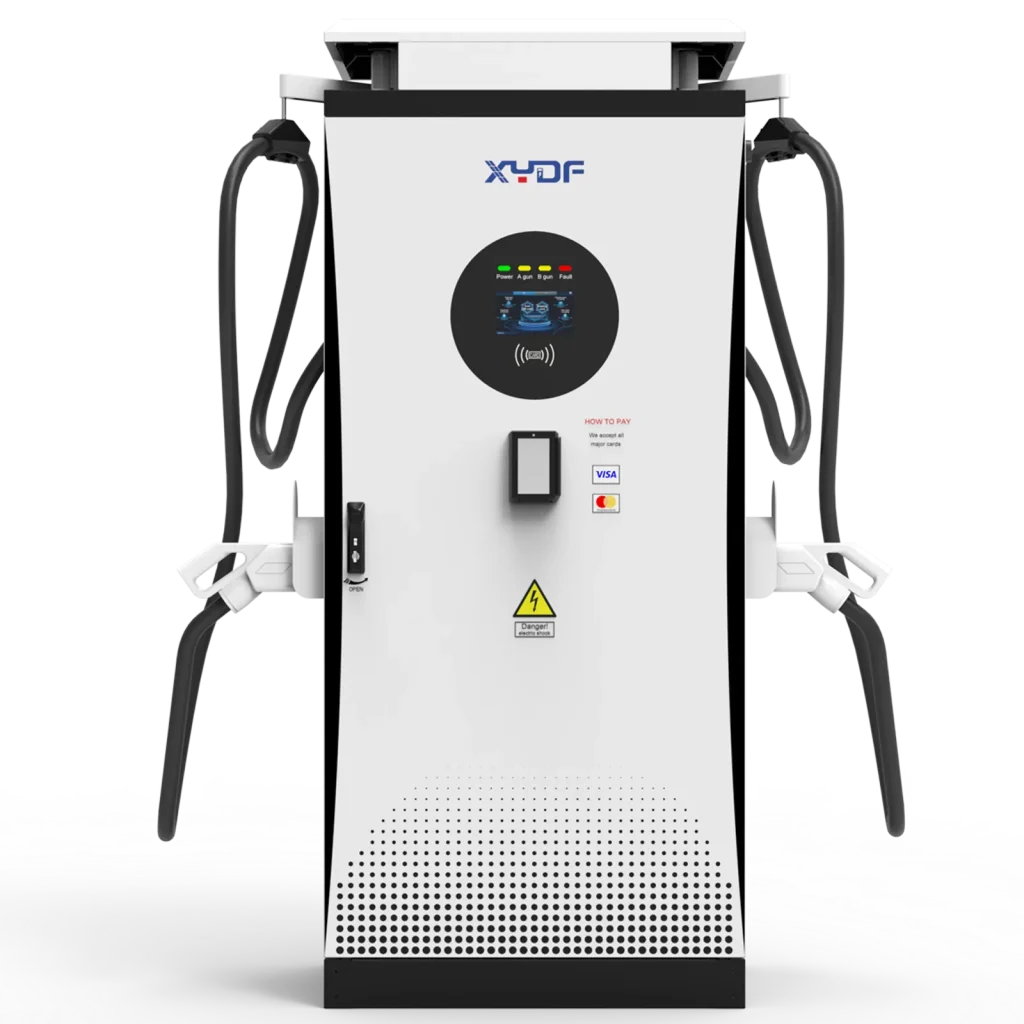
To address the demand for rapid charging of police vehicles, we have installed a 240kW high-power DC charger for the Nanjing Traffic Police Detachment. Adopting high-voltage fast charging technology, this equipment can fully charge a police vehicle within half an hour, reducing the waiting time for recharging sharply.
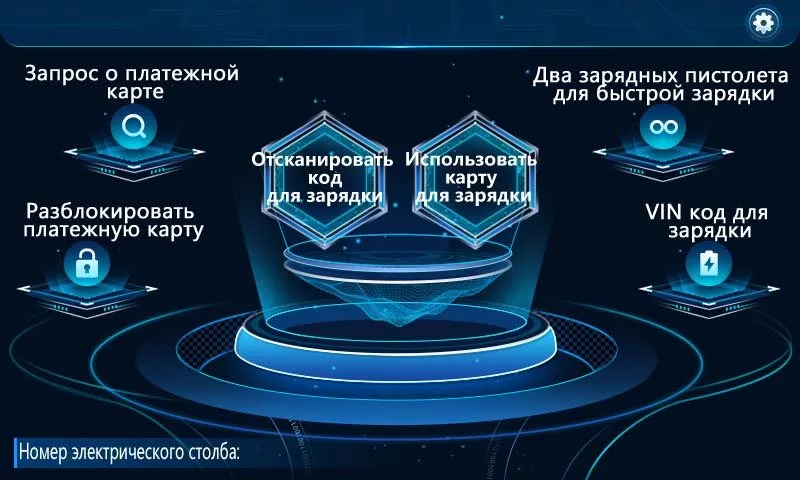
In terms of the charging activation method, a VIN-specific identification and activation mode is adopted to fully meet the needs of exclusive charging for police vehicles. In the early stage, the VINs (Vehicle Identification Numbers) of all applicable police vehicles are uniformly entered into the charging station management system and bound to the EV charger. When a police vehicle enters the exclusive charging space, the intelligent identification module equipped in the EV charger can quickly scan the vehicle’s VIN, complete identity verification, and automatically start the charging process upon successful verification. Meanwhile, through the VIN, the EV charger only provides service for police vehicles registered in the system, preventing the fast-charging space from being occupied by non-police vehicles.
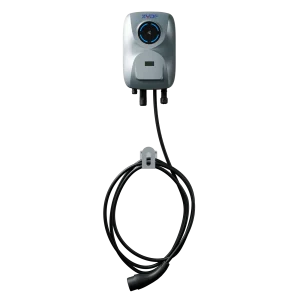
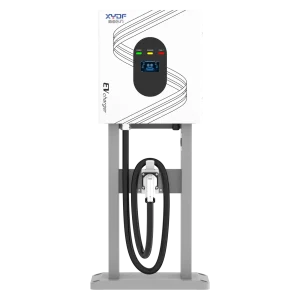
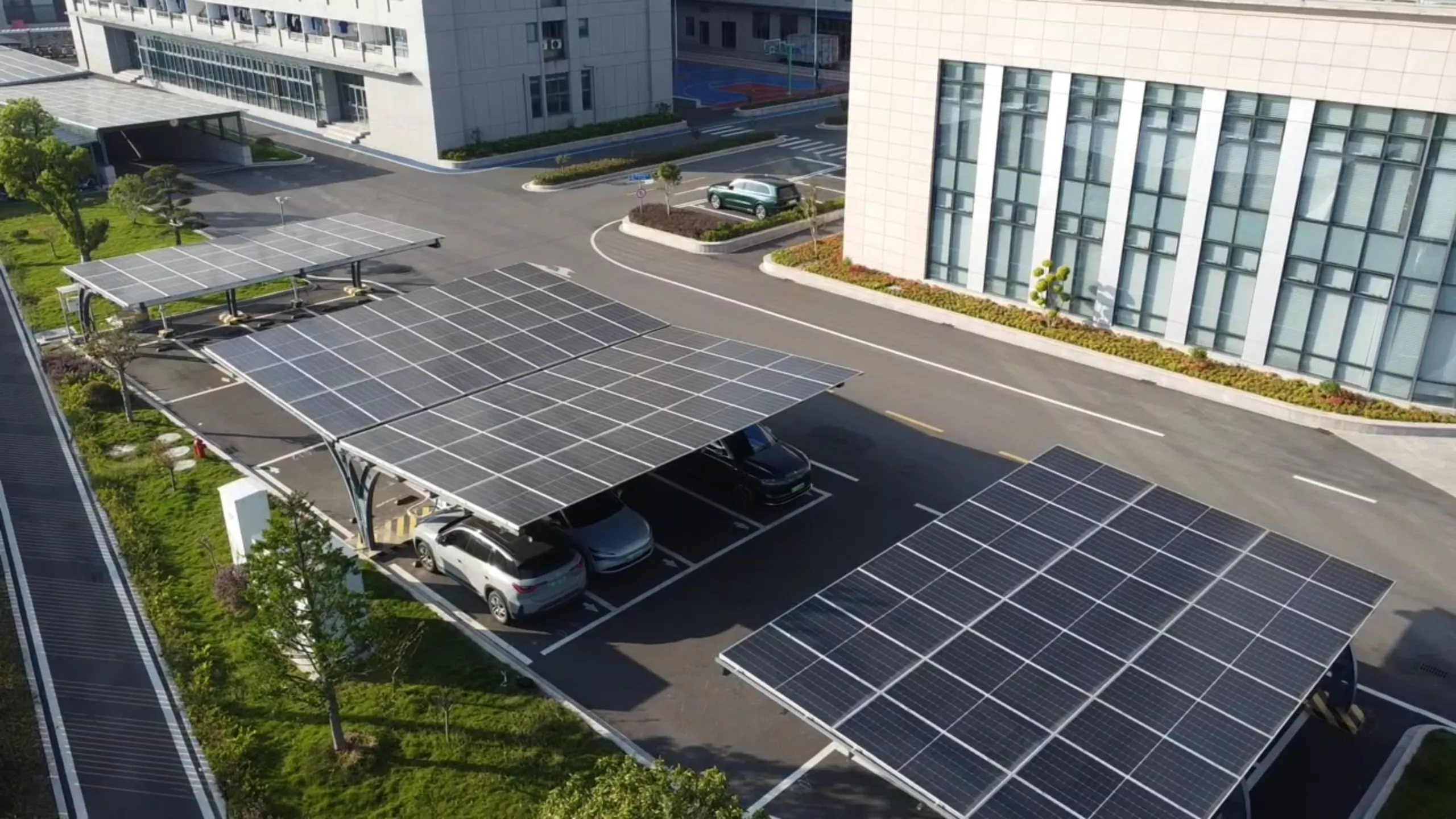
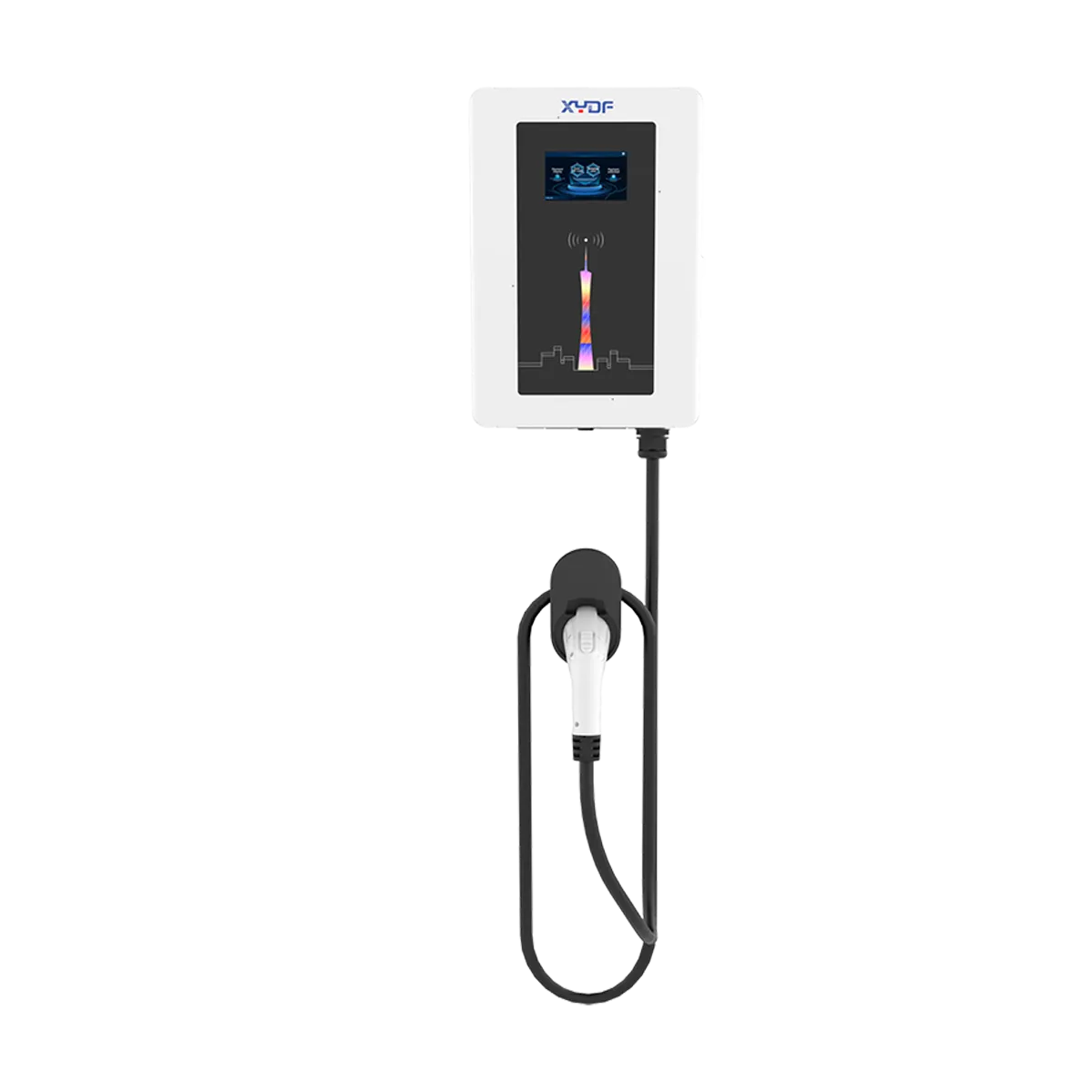
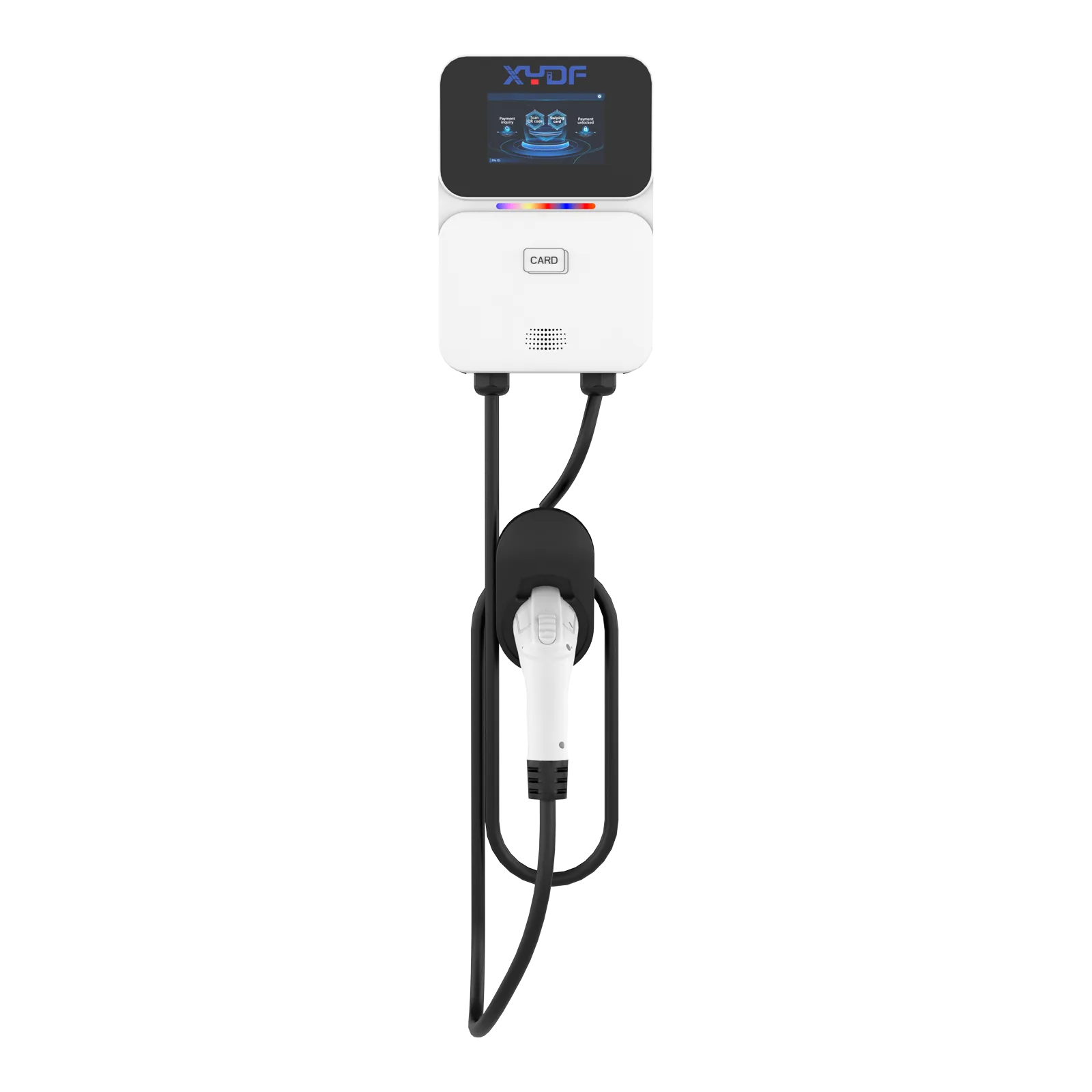
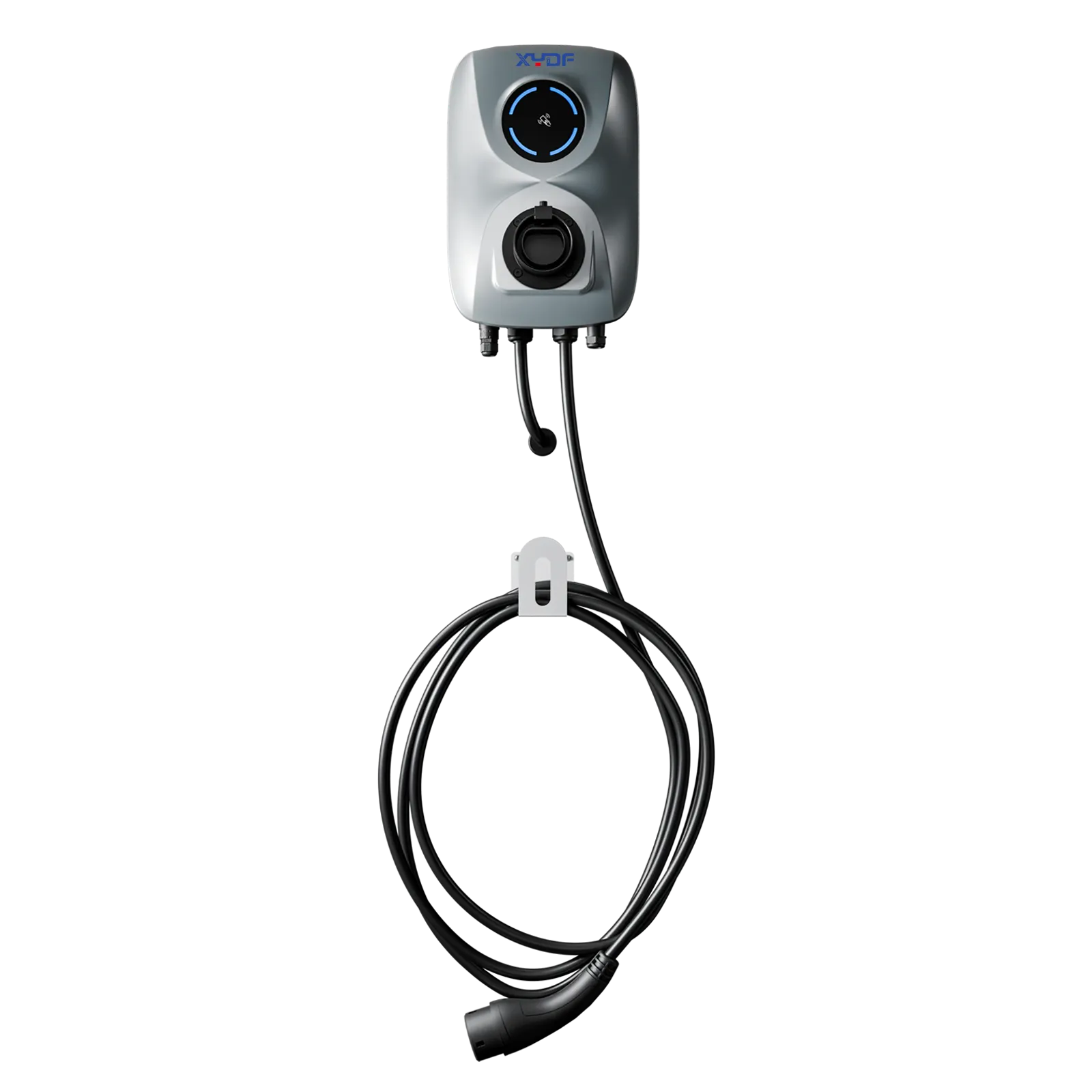
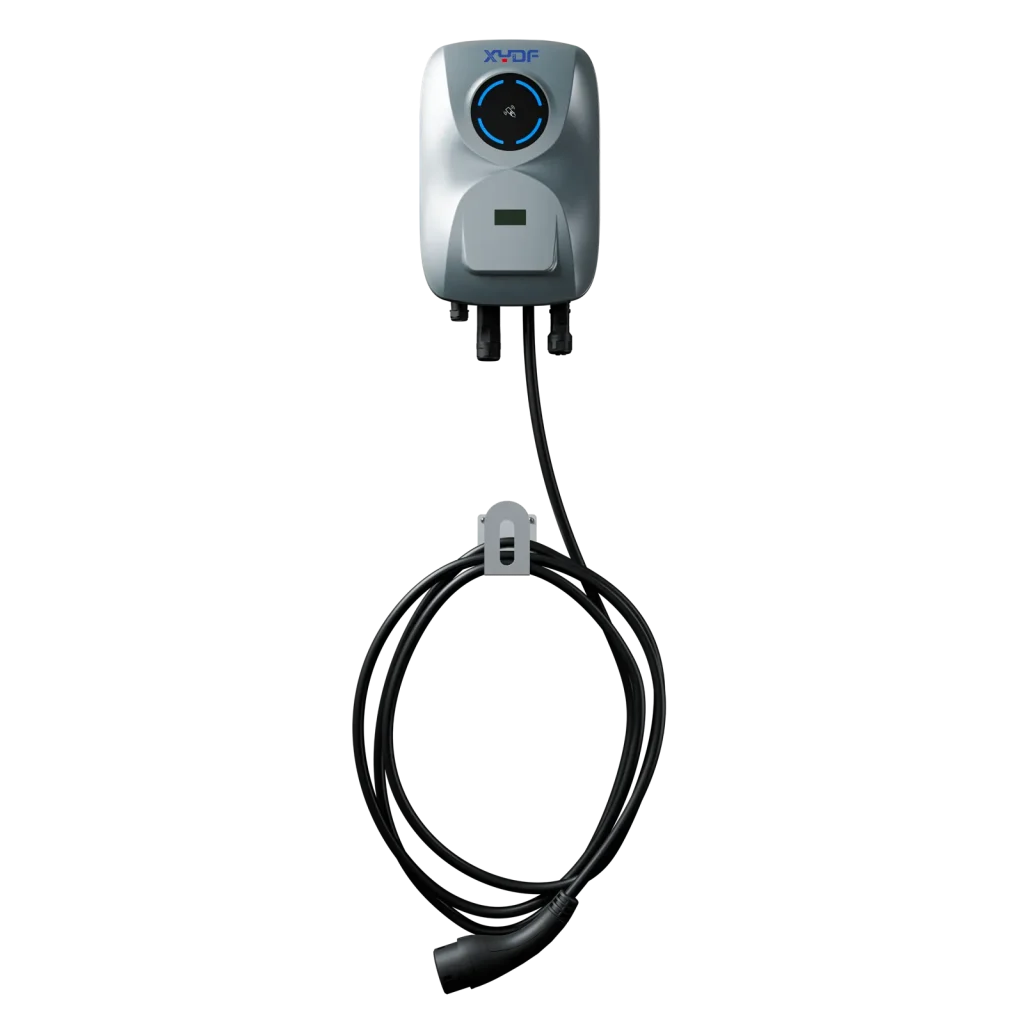
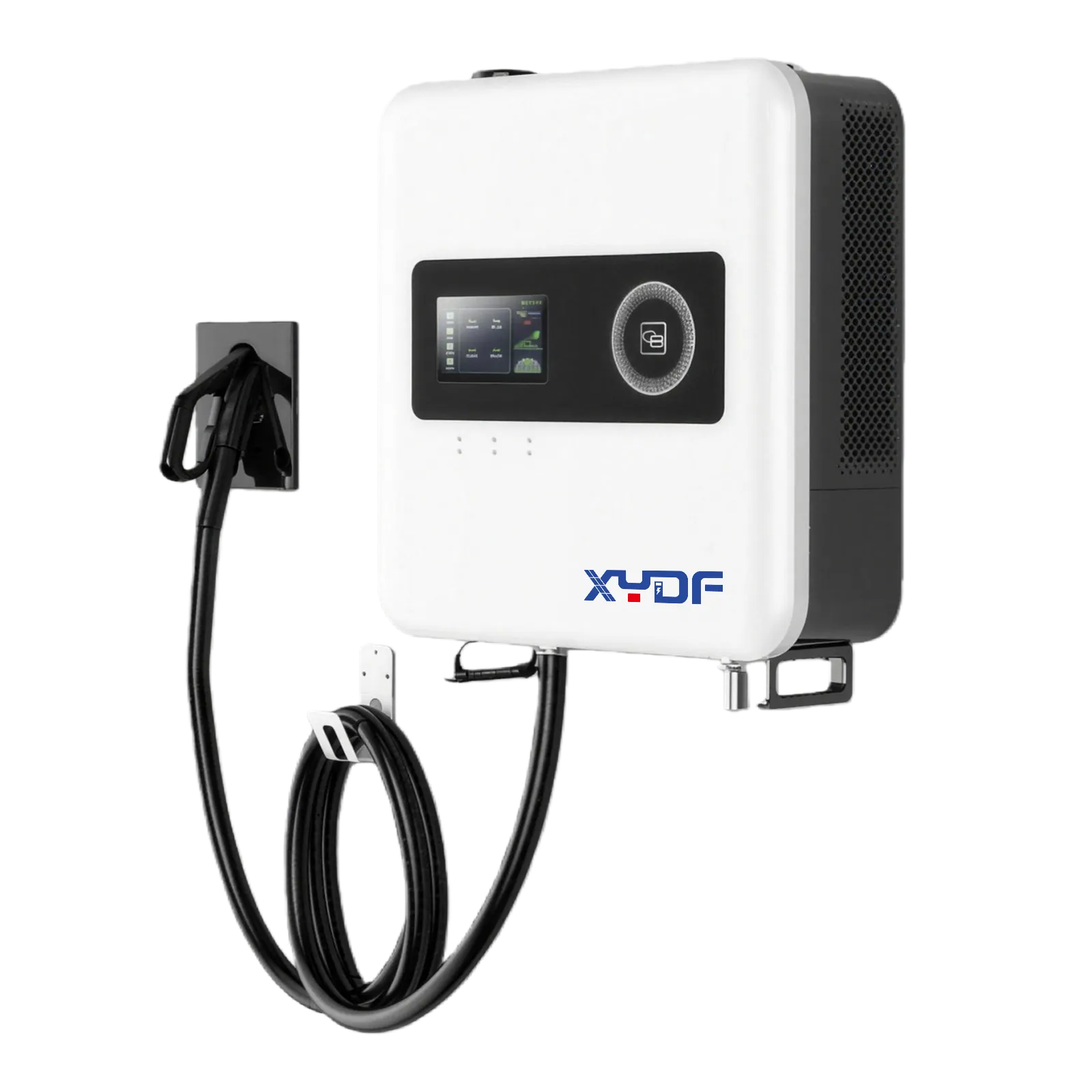
The core needs for recharging private cars of office staff are non-urgent recharging and battery protection. To meet these needs, we have configured three 7kW AC chargers for Nanjing Traffic Police Detachment. Compared with DC fast charging, AC slow charging features a gentler current, which can effectively reduce battery wear and tear, extend the service life of vehicle batteries, and balance recharging needs with vehicle maintenance.
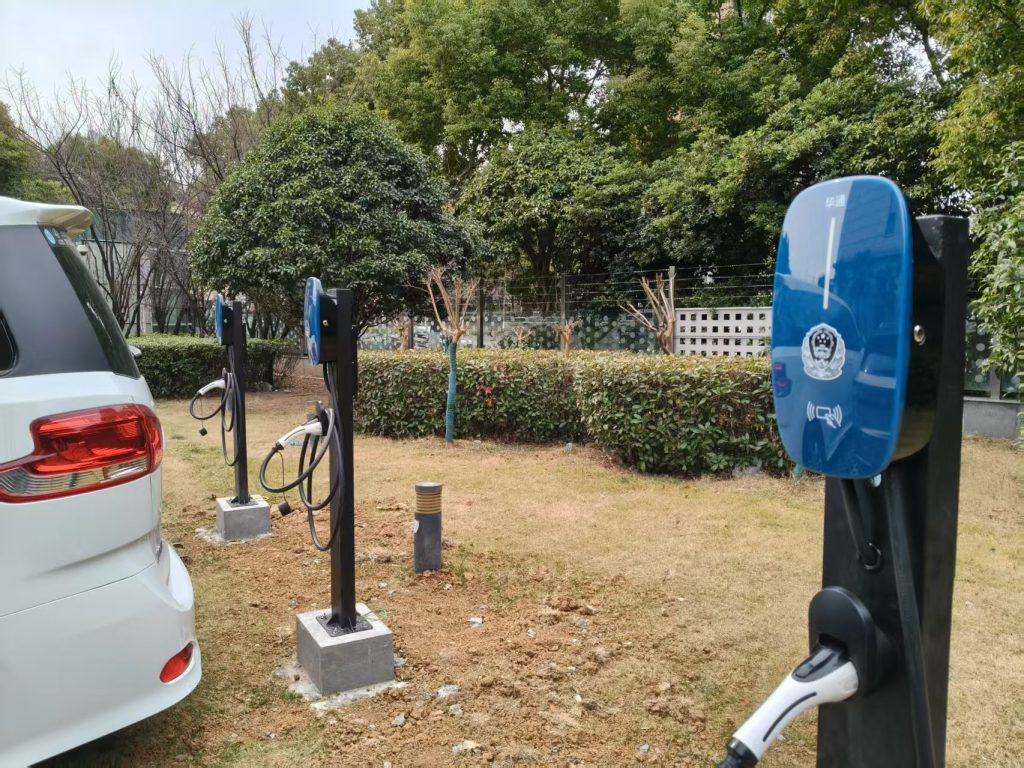
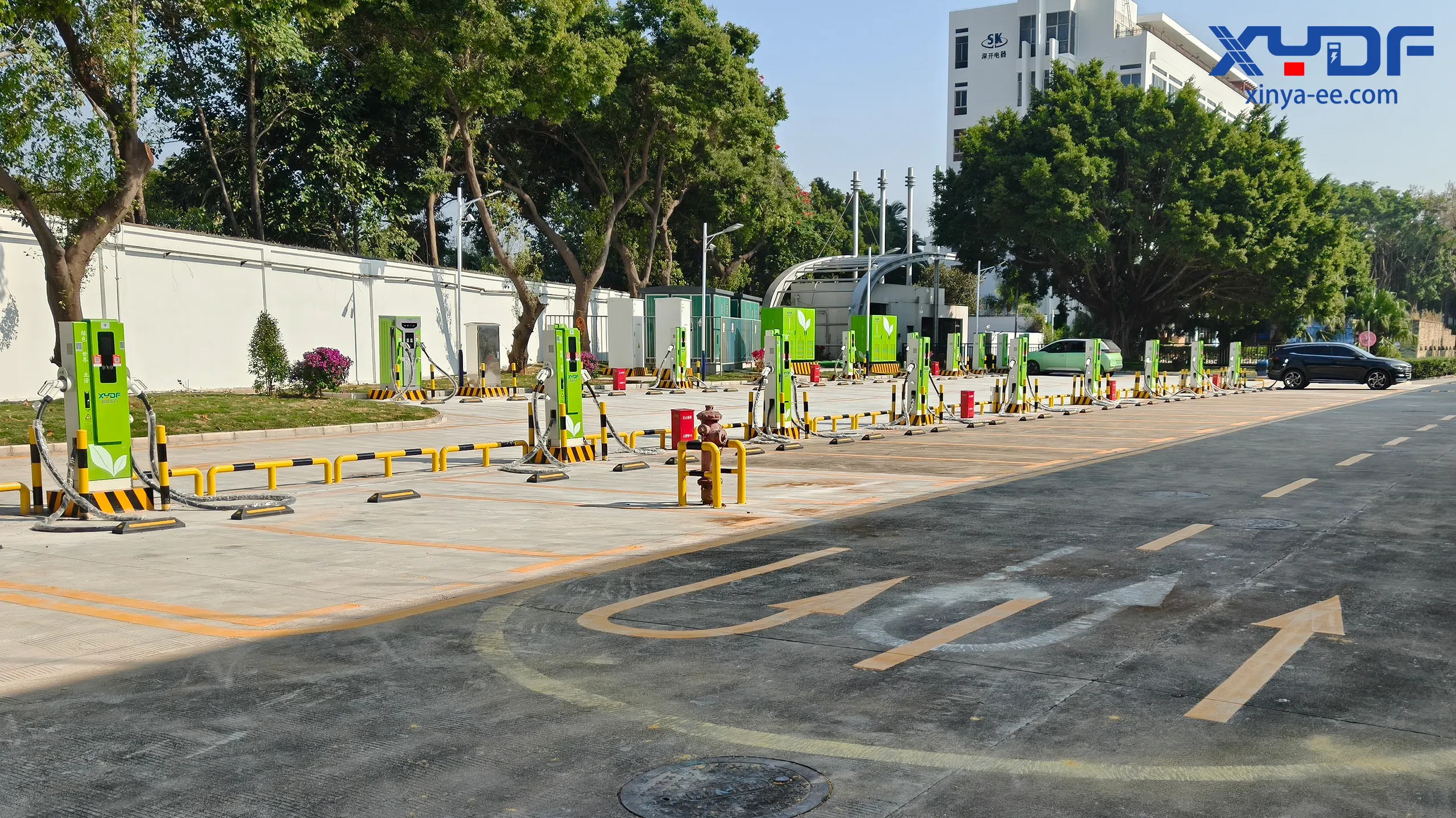
Exclusive charging areas are designated for the EV charger of the two scenarios respectively. Through dual measures of physical signs and system control, mixed parking of different types of vehicles in the charging spaces is avoided, ensuring orderly charging.



 Xinya Dongfang Electricity Technology Co., Ltd.