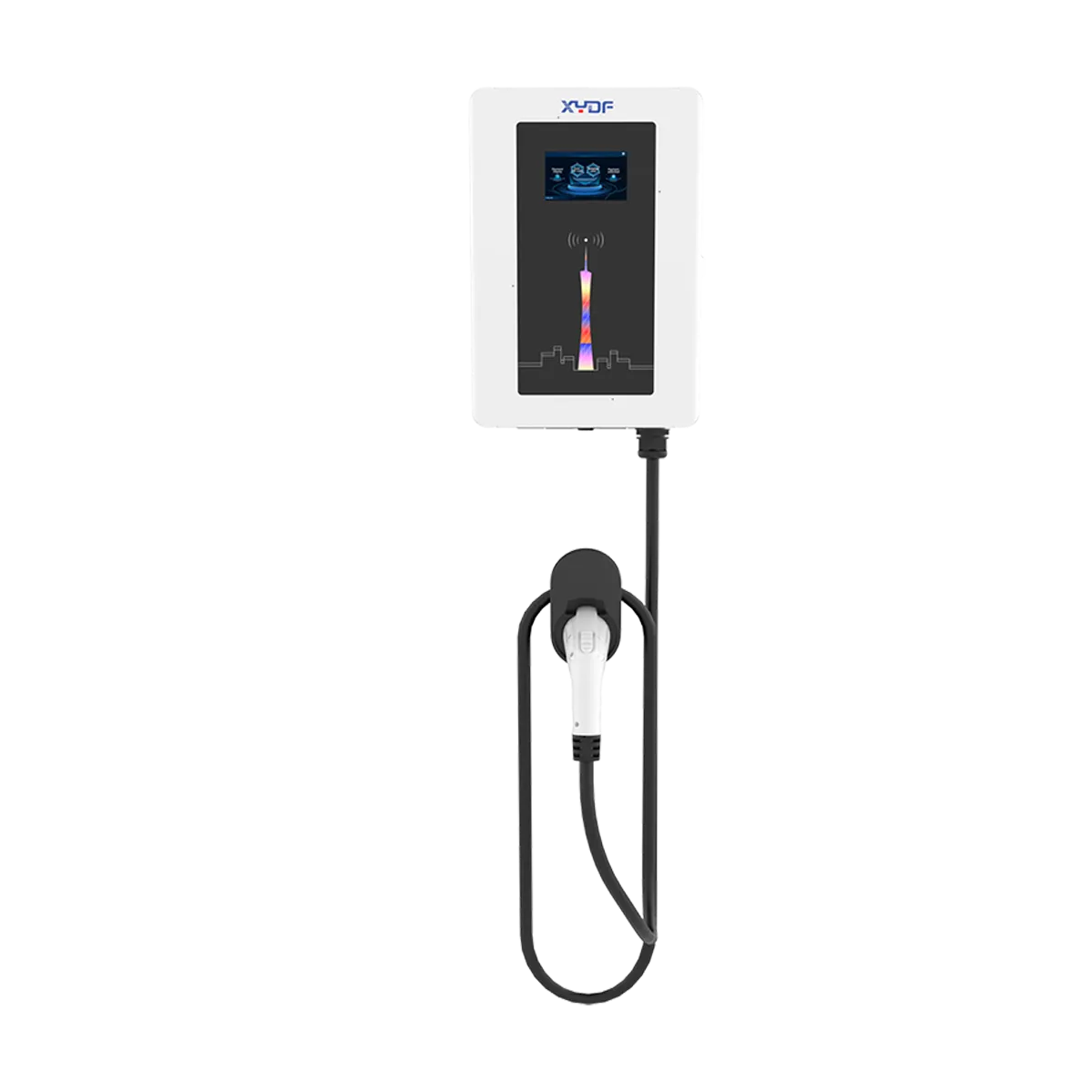
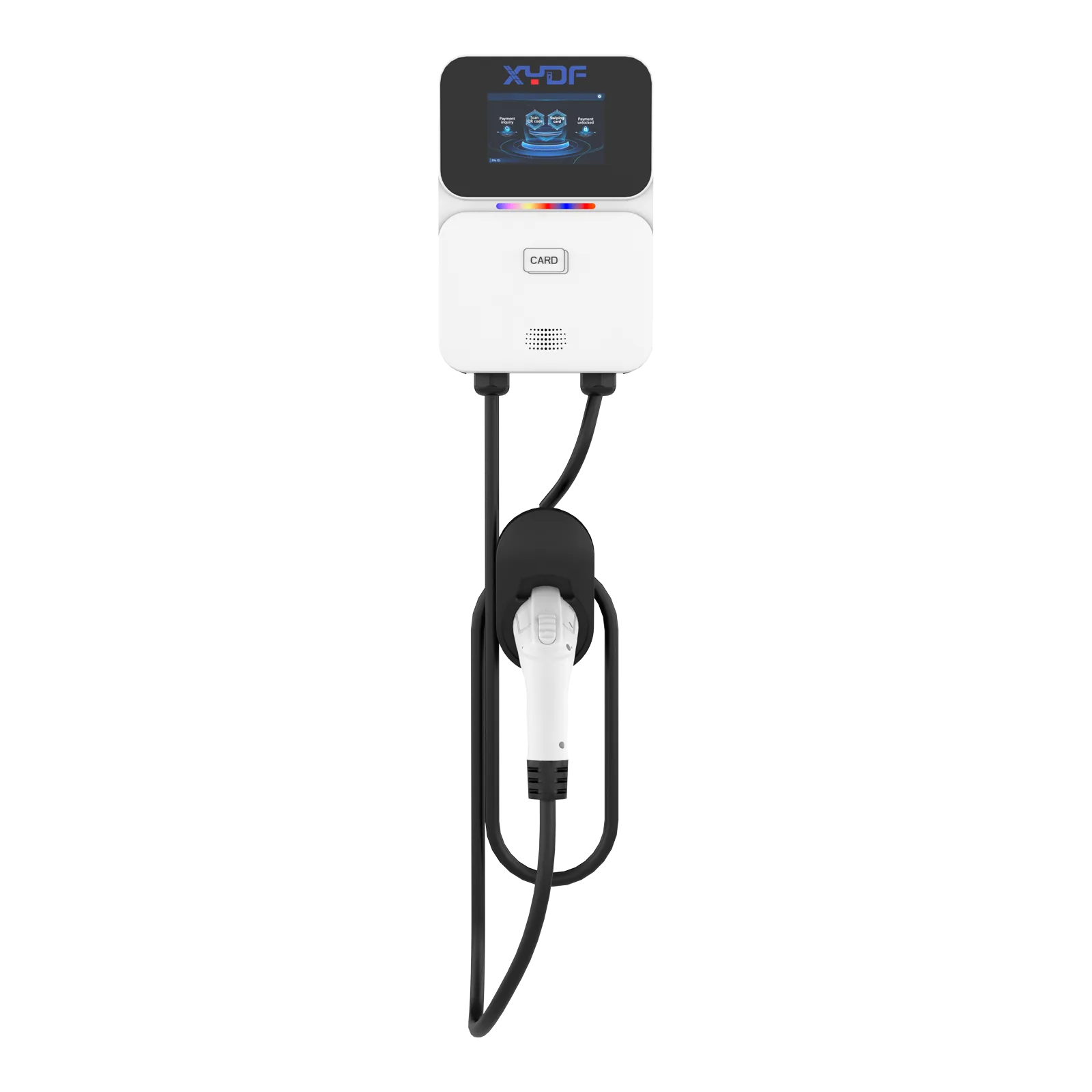
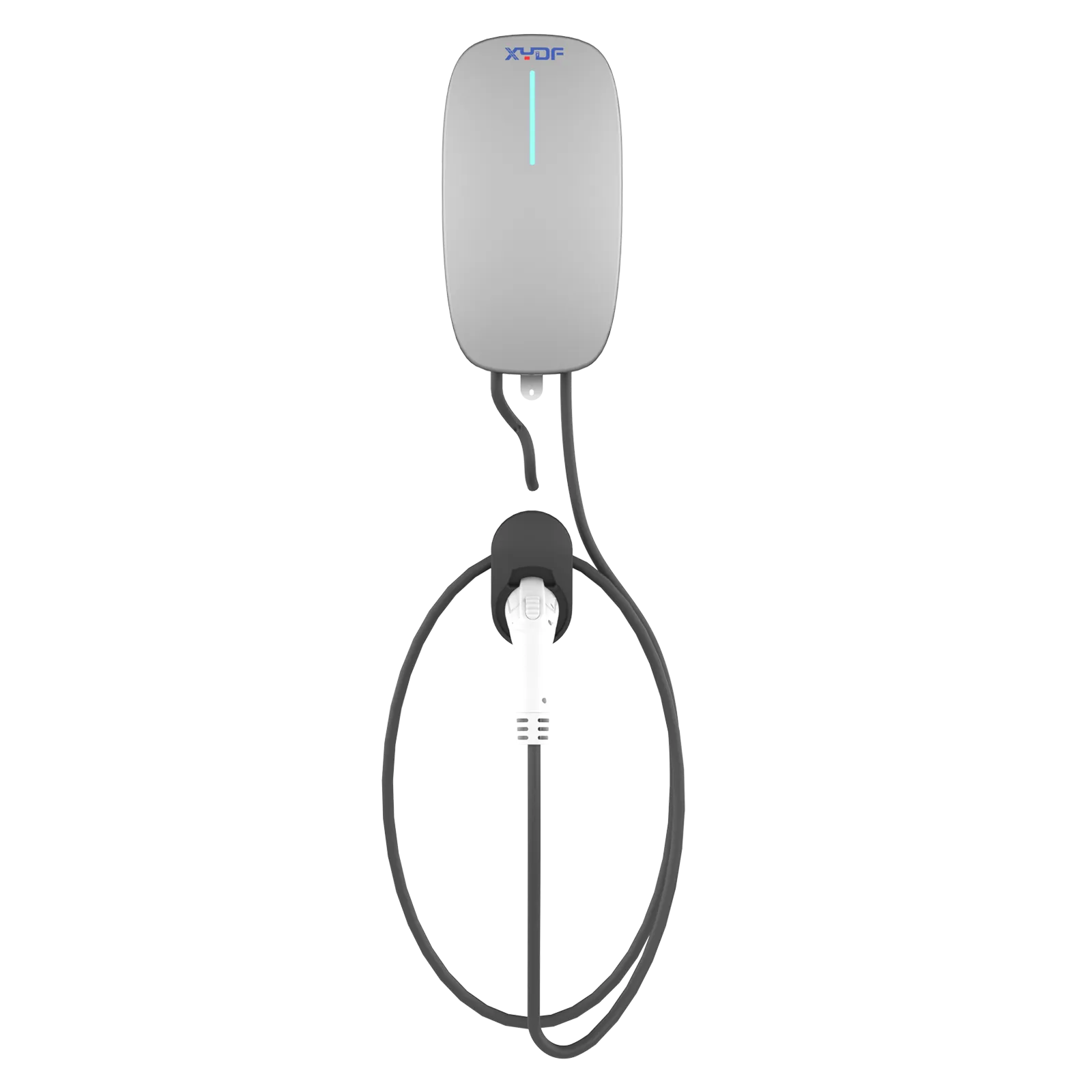
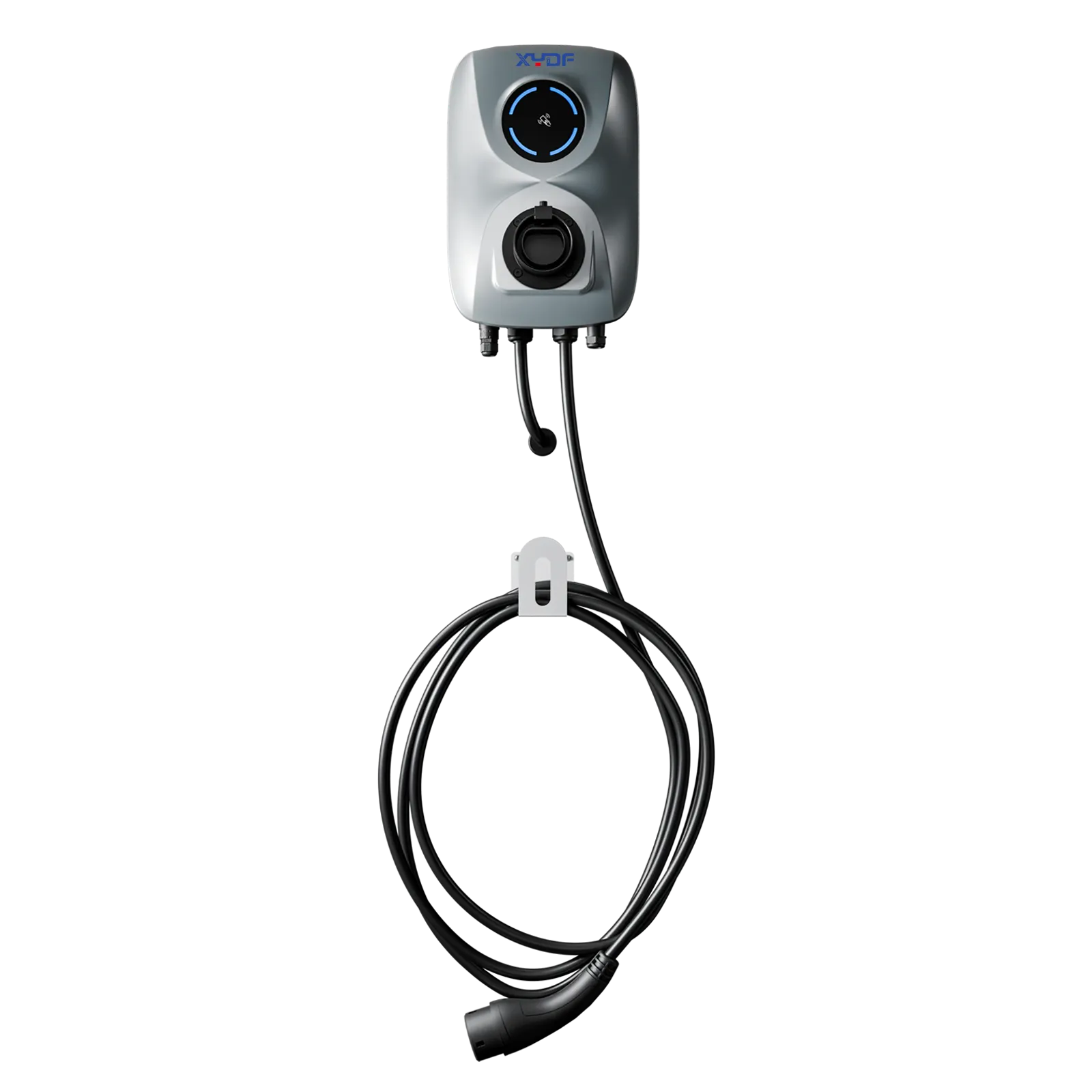
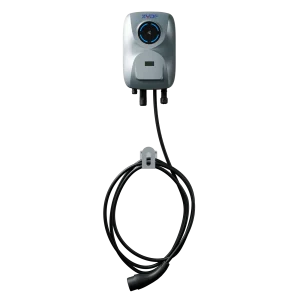
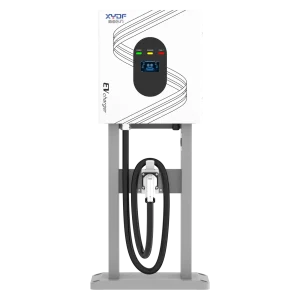
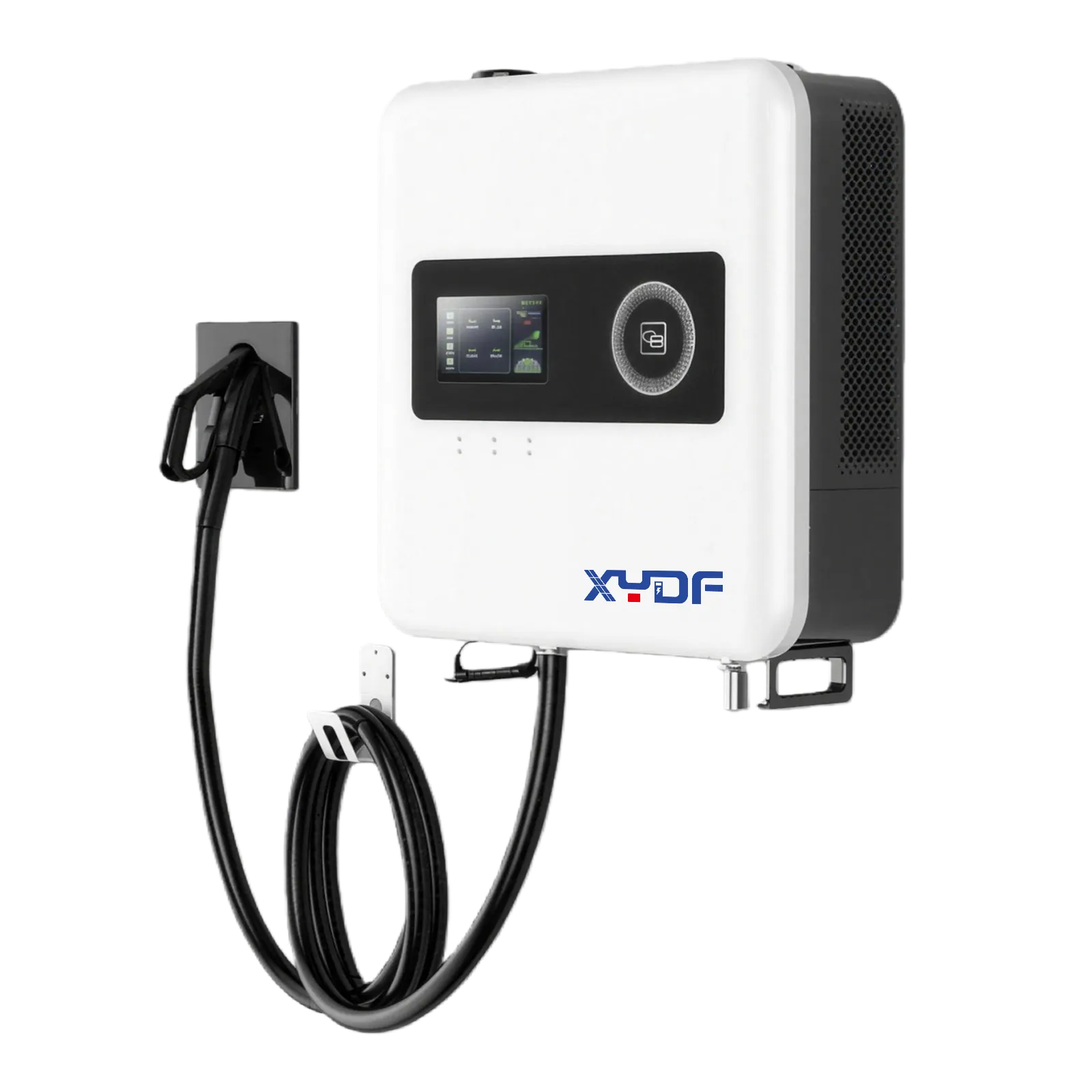
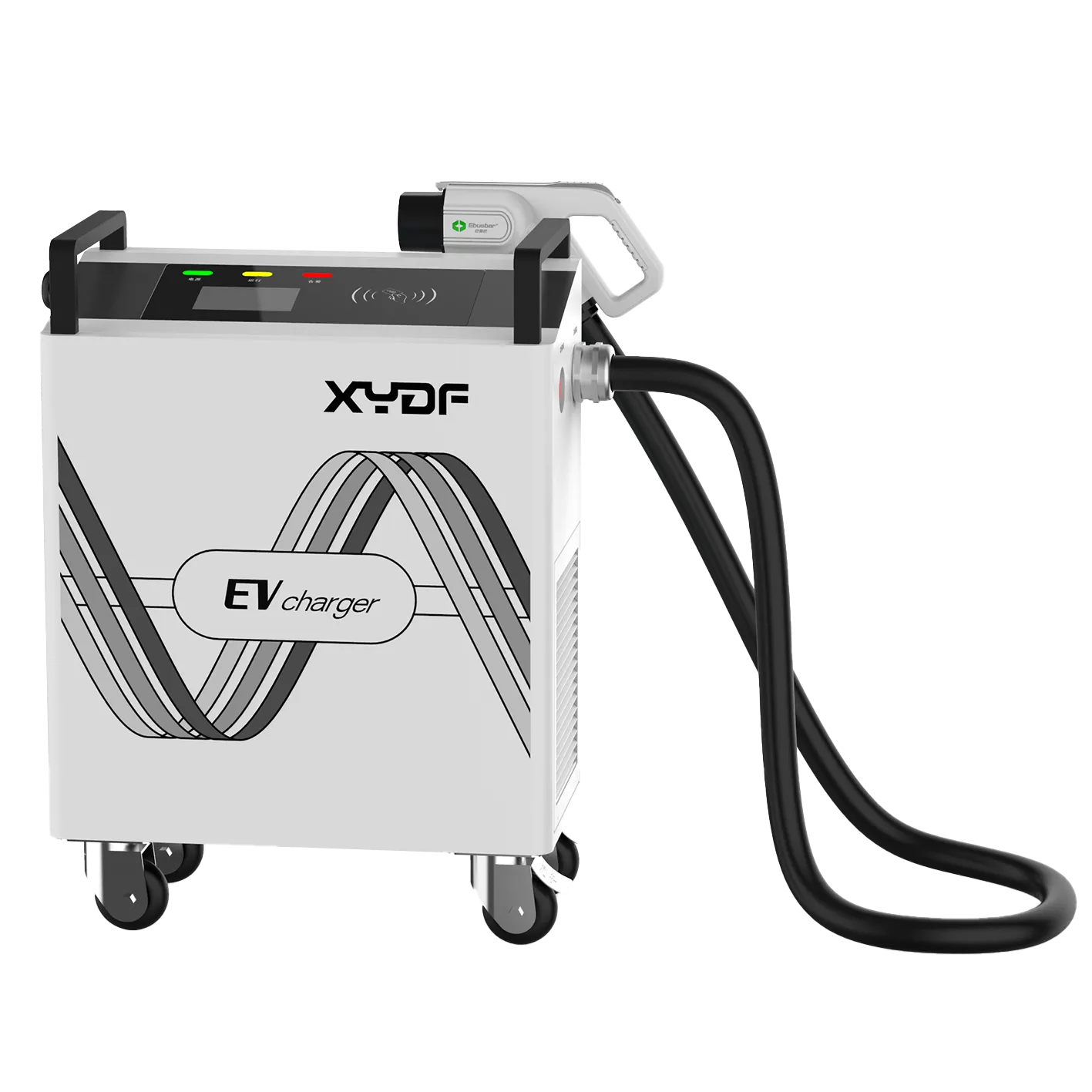
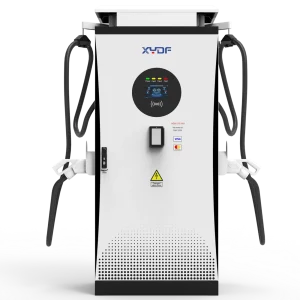
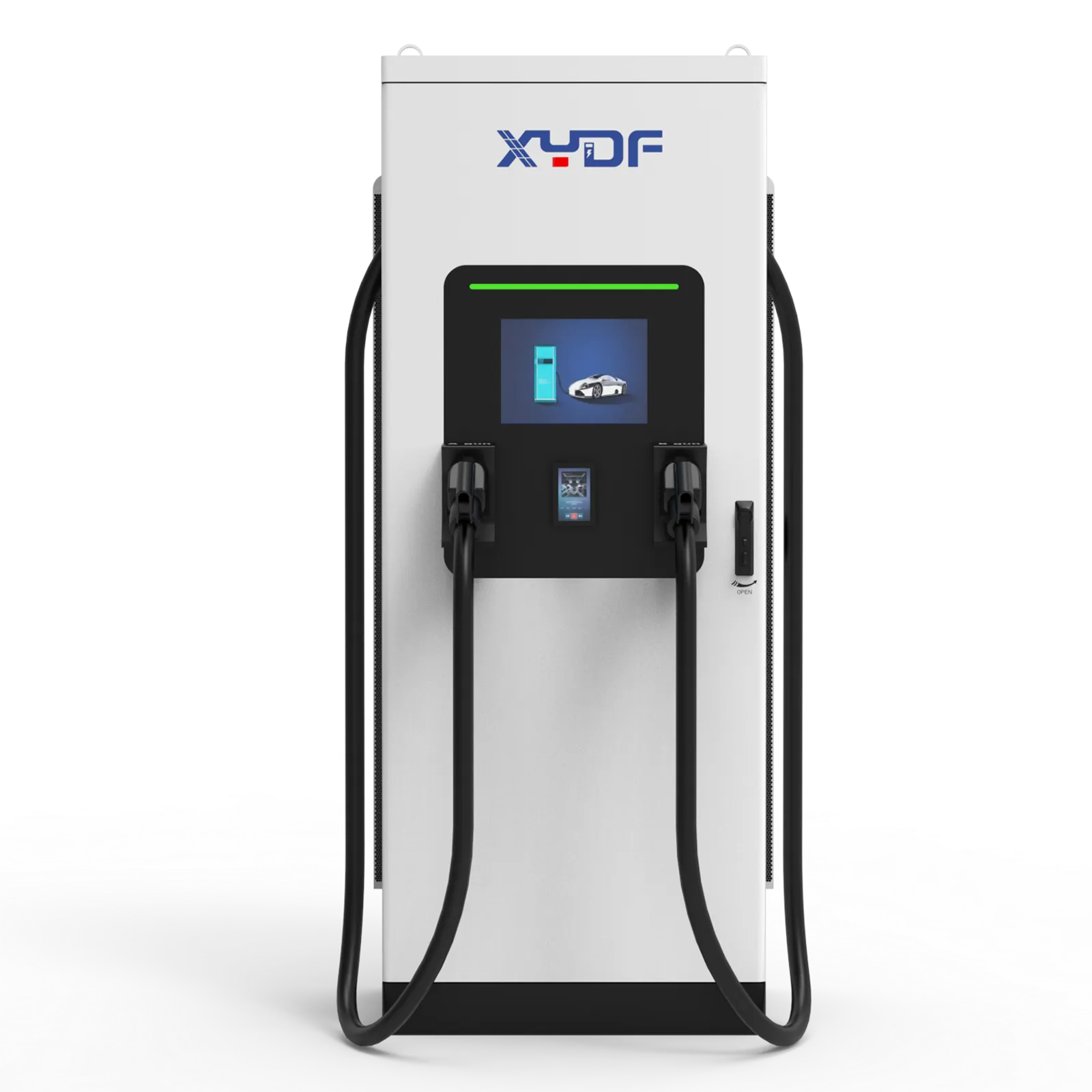
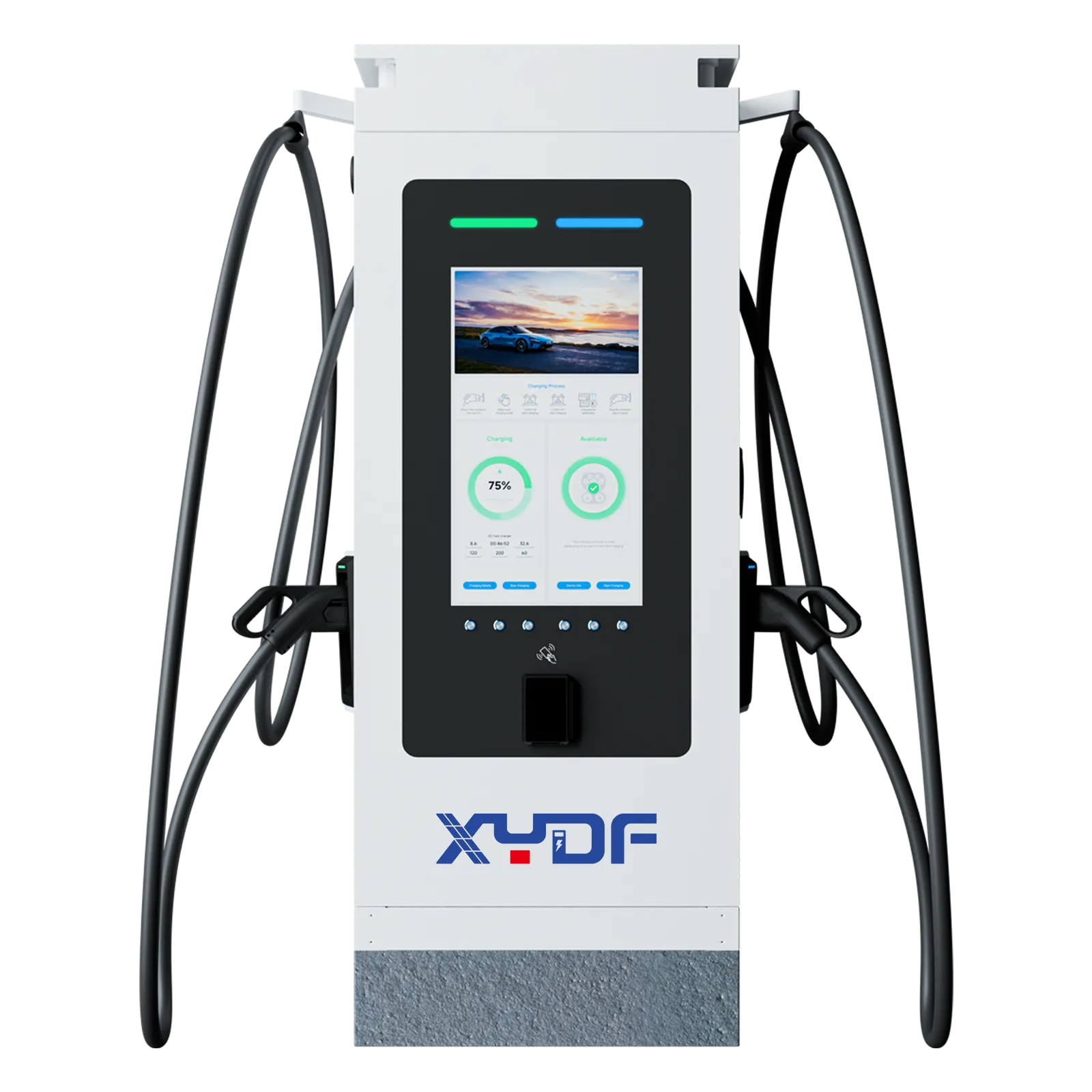
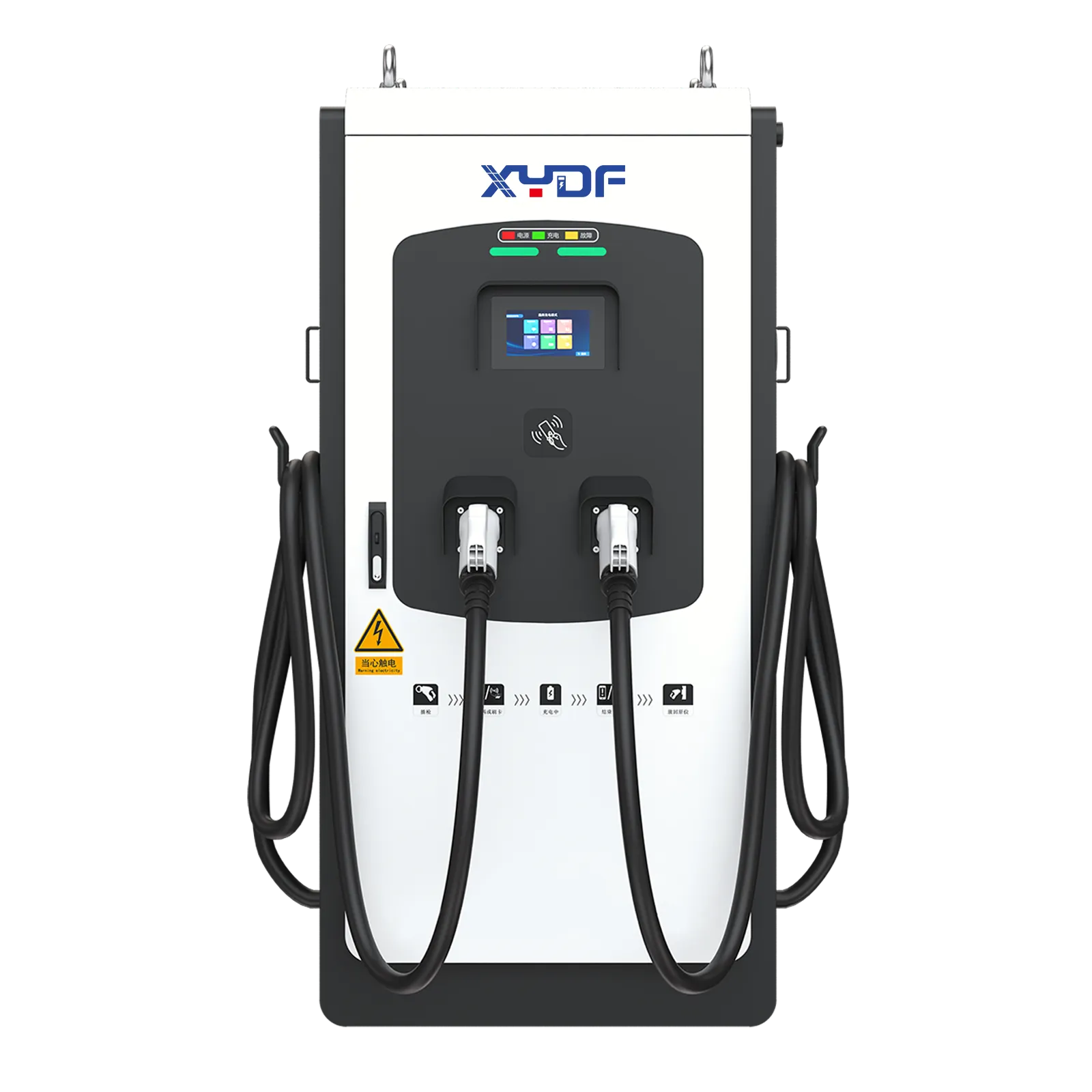
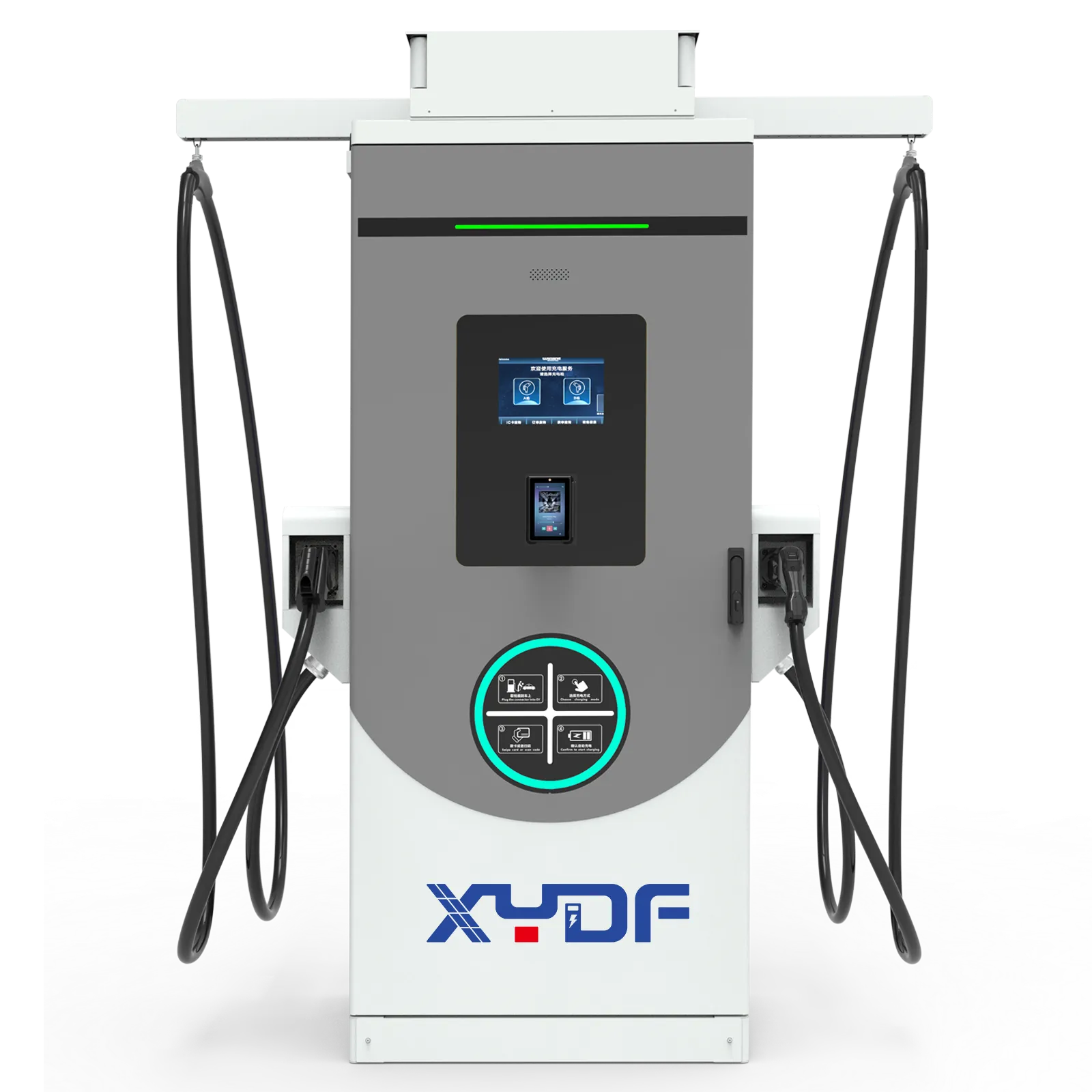
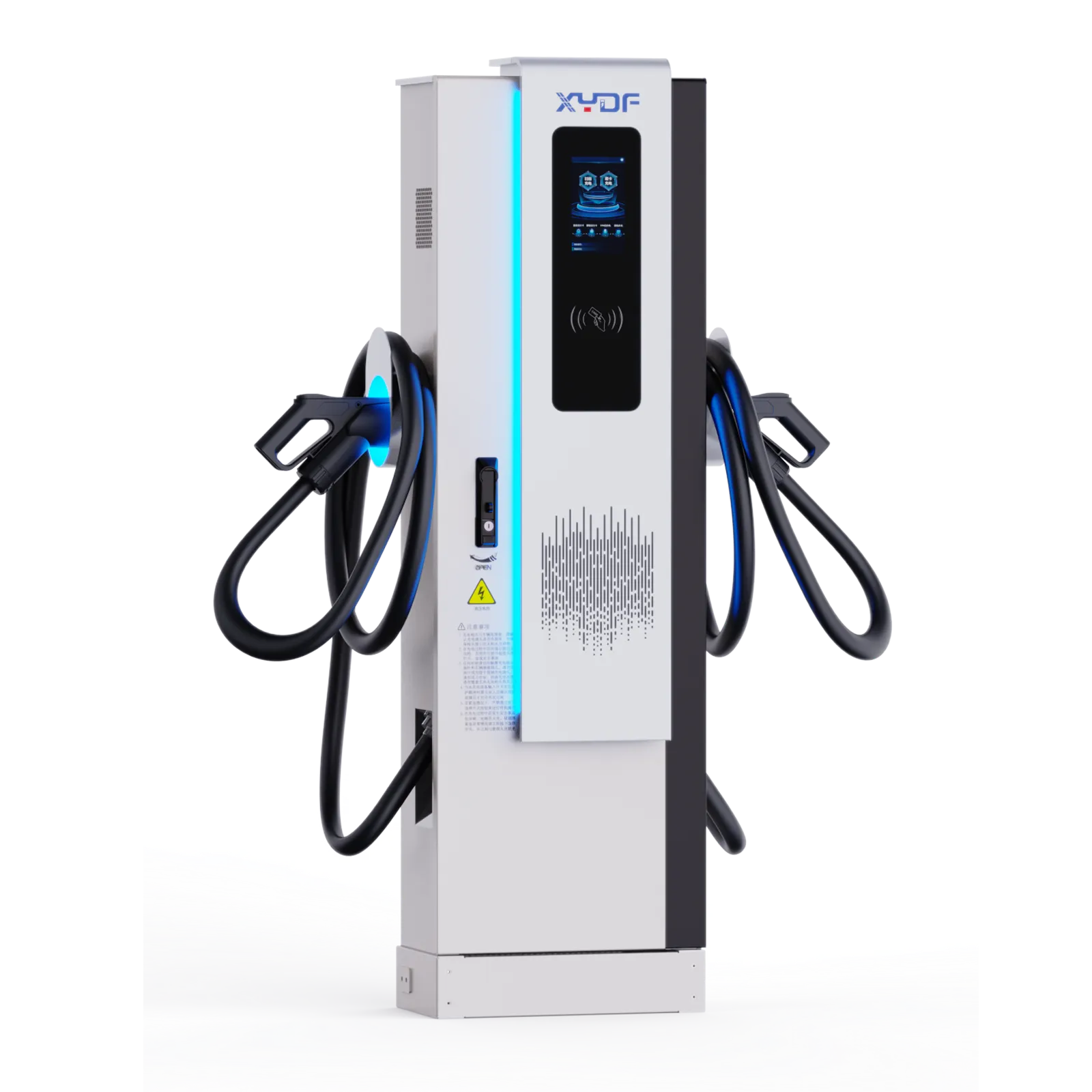
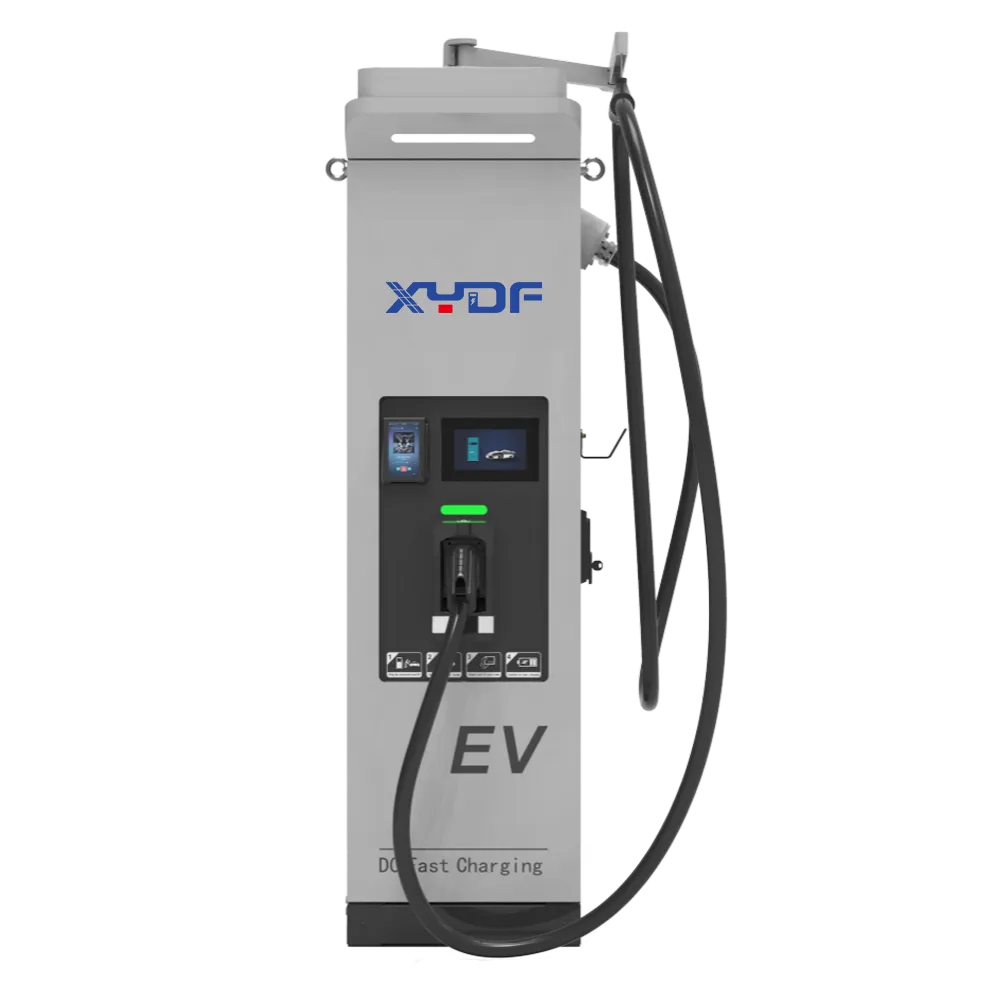
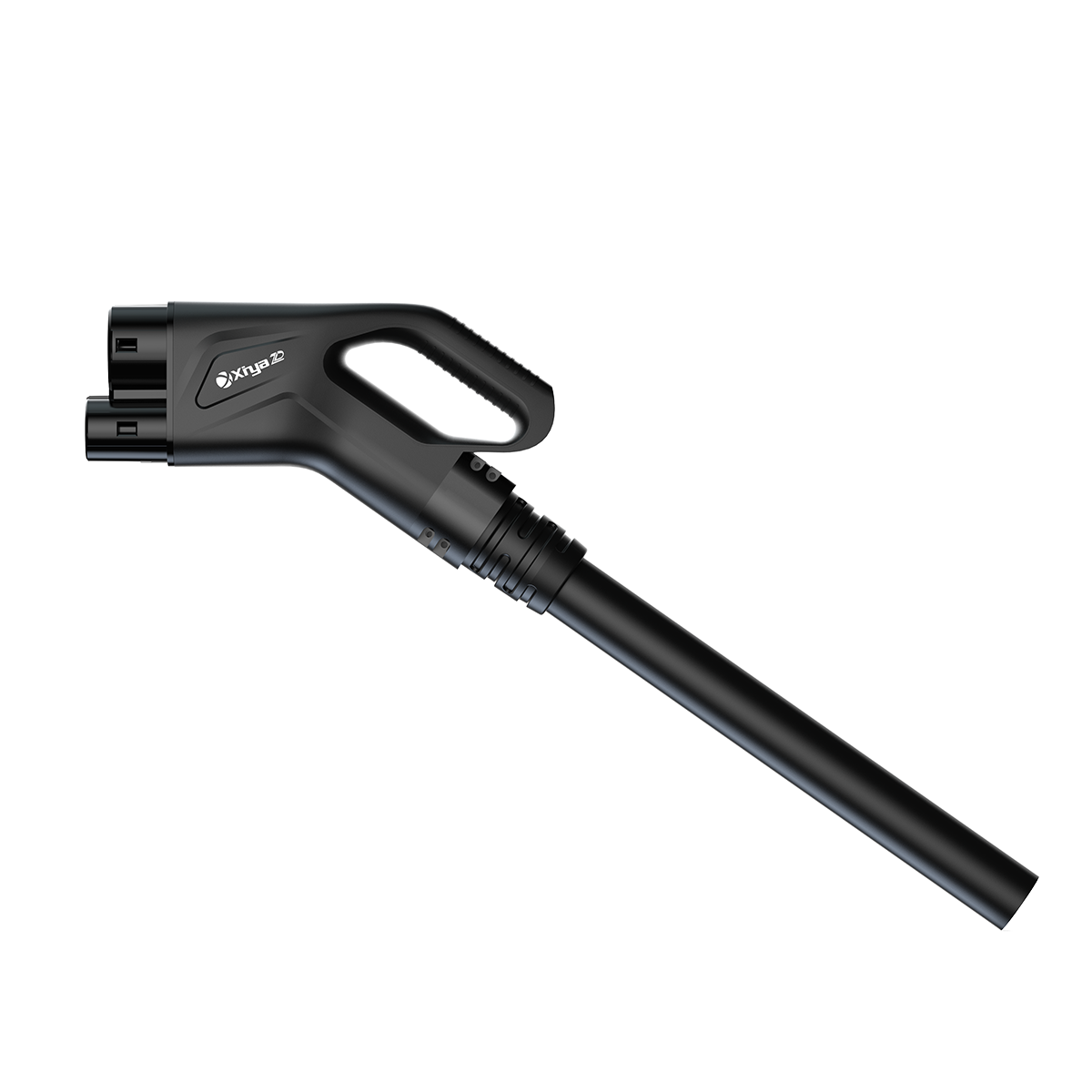
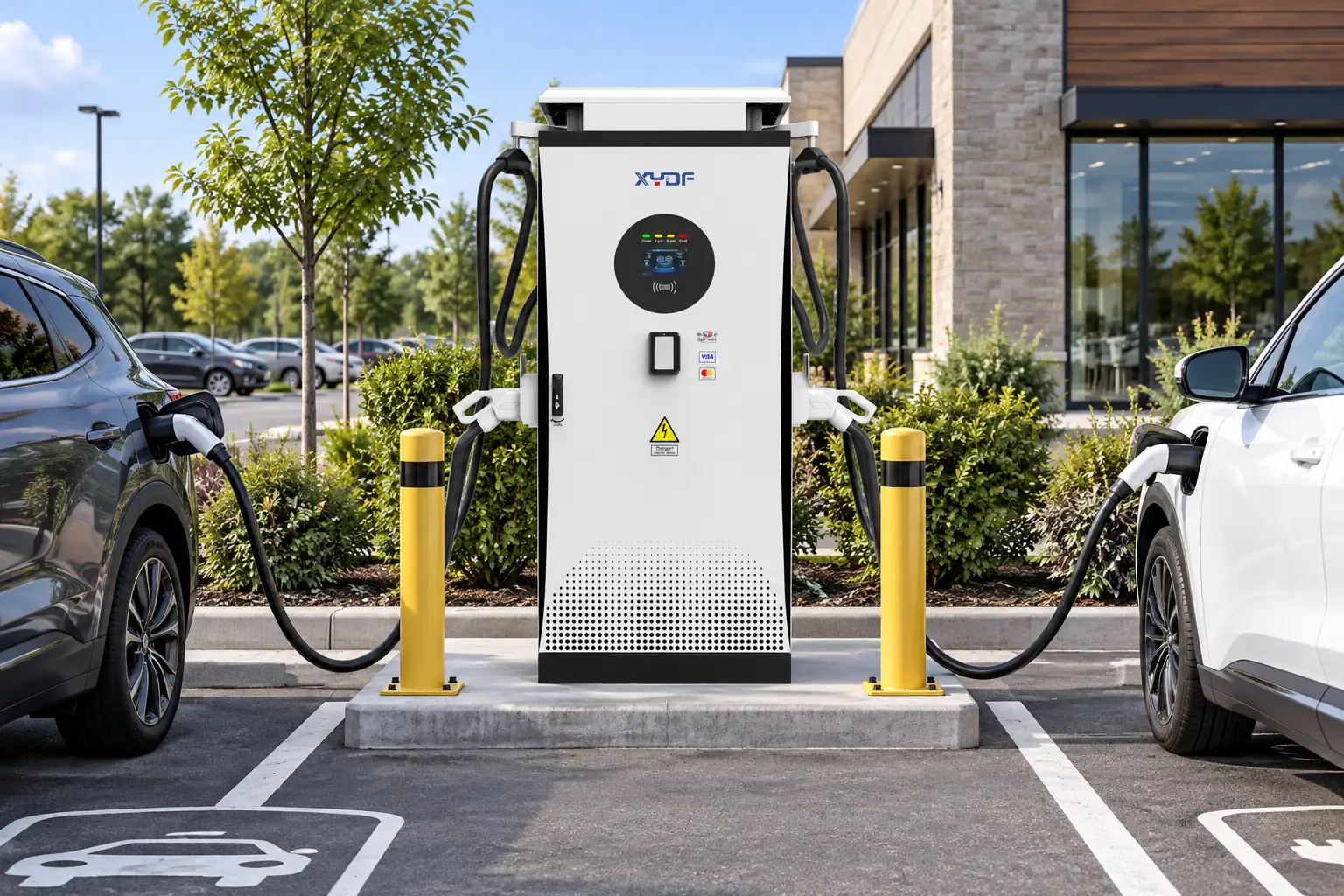
Using a professional Commercial EV Charger Installer guarantees that your jobs are executed properly, at a high level of efficiency, and in accordance with applicable governmental regulations. The professional Commercial EV Chargers Installer possesses the skills, knowledge, tools, and experience essential to deliver the highest quality installation.
- Peace of Mind: Know that your installation was done right and reduced the possibility of electrical fire, injury, or failure of the new commercial charging station.
- Compliance: Assure that your installation is in compliance with relevant codes, regulations, and standards versus if you used a Certified Independent Contractor.
- Industry Expertise and Efficiency: Commercial EV Charger Installers are professionals with enough field experience and industry knowledge to identify potential issues prior to or during the install and resolve them quickly.
- Assurance of Quality Completion of Work with Quality Tools and Material: Commercial EV Charger Installers use only the highest-quality tools and products to ensure the longevity and functionality of your commercial charging stations.
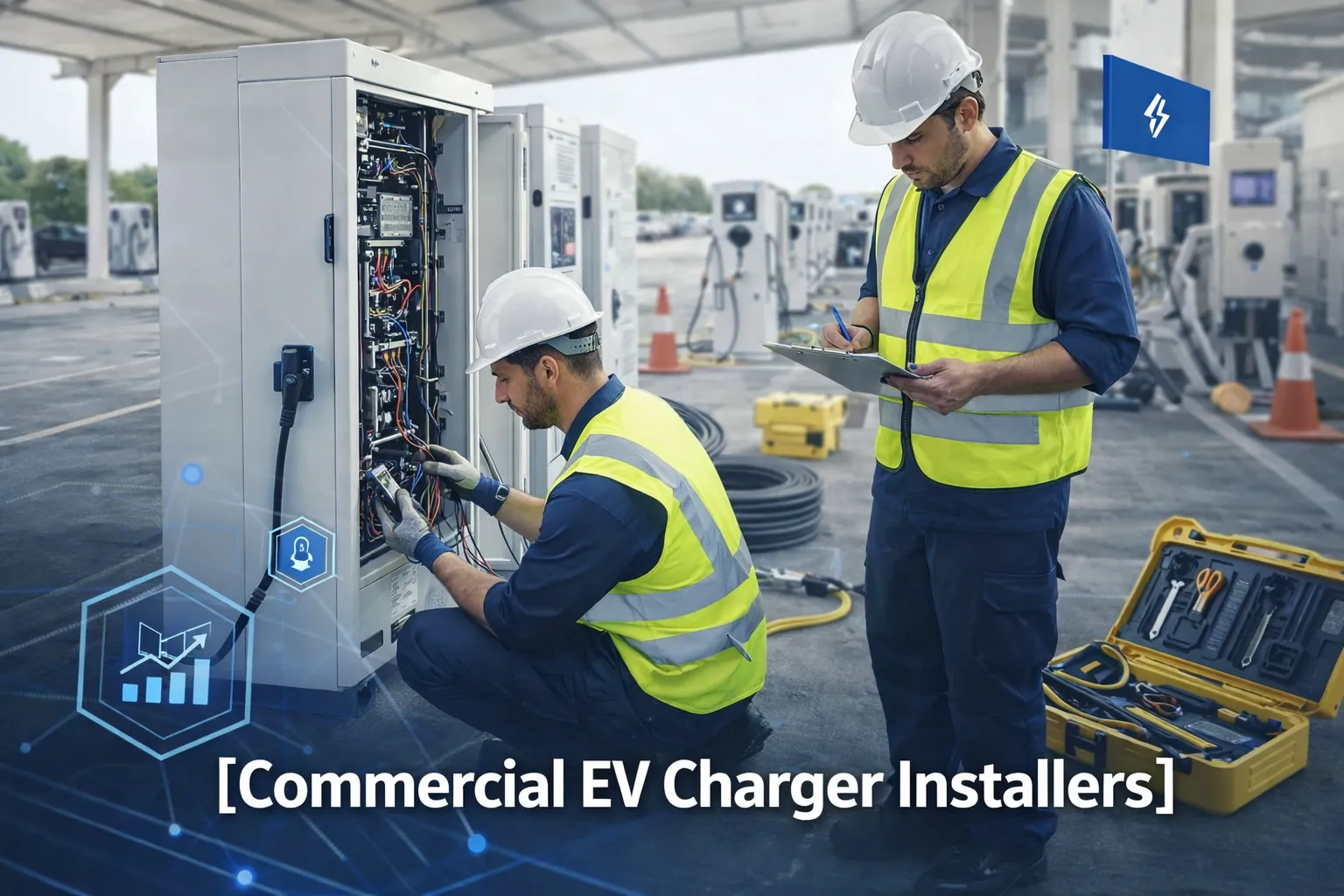
Selecting the correct installer is perhaps one of the most important steps in completing the installation of your EV Charging Station or Stations. There are a number of factors relevant to choosing your installer for EV chargers:
Certifications: Check for recent NABCEP or equivalent certifications.
Experience: Seek out examples of comparable commercial installations.
Customer reviews: Review past clients to determine the installer’s level of reliability based on feedback and ratings from prior clients.
Warranty & Support: Choose an installer with post-installation warranty and maintenance service plan(s).
Scalability: Look for installers who can help you grow with your business by providing scalable/upgrade infrastructure.
How Does the Installation Process Work for Commercial EV Chargers?
The following is a breakdown of the typical installation phases for Commercial EV chargers:
Site Assessment: An evaluation of the property to determine the best placement for chargers. Start by planning the commercial charging project around the property use, electrical capacity and operating scope.
Planning & Permitting: Securing the necessary permits and creating a compliant site plan to proceed with installation.
Equipment Selection: Work with the installer to select chargers that match your requirements.
Electrical Upgrades: Modify your electric system as necessary for the new chargers.
Installation: Chargers are installed and tested for safety and functionality.
Maintenance and Support: Many installers have service agreements and/or ongoing maintenance plans to continue optimal charger operation.
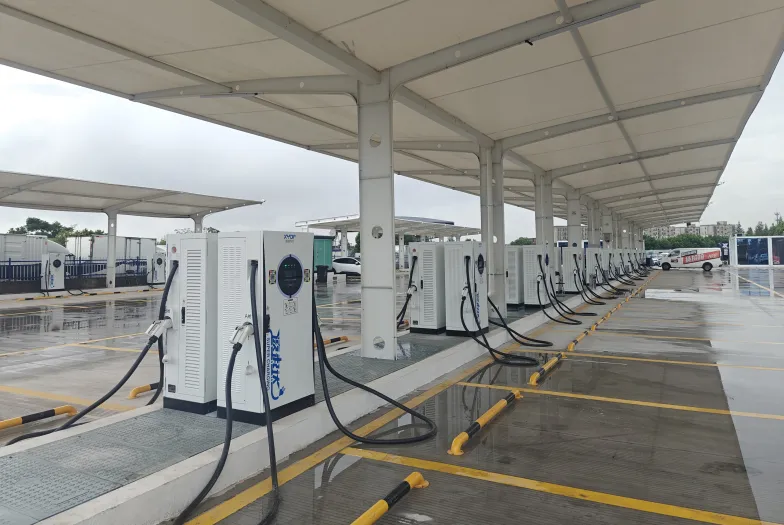
Commercial EV Charger Electrical Requirements
Typical commercial charging projects may involve:
-
208V, 240V, or 480V electrical service
-
Single-phase or three-phase power supply
-
Dedicated branch circuits
-
Proper grounding and surge protection
-
Electrical load calculations
-
Distribution panel upgrades
-
Transformer capacity verification
-
Utility coordination for service expansion
-
Revenue-grade energy metering (where applicable)
For larger charging hubs, load management systems can intelligently distribute available power among multiple chargers, helping reduce peak demand charges while maximizing charging availability.
Level 2 vs. DC Fast Commercial EV Charger Installation
Compare AC and DC charger types against vehicle dwell time and site capacity. For a depot, include fleet expansion requirements in the installation brief before deciding how many ports to energise.
| Feature |
Level 2 Charger |
DC Fast Charger |
| Charging Power |
7–19 kW |
60–360 kW+ |
| Typical Charging Time |
4–8 Hours |
20–40 Minutes |
| Installation Complexity |
Moderate |
High |
| Electrical Requirements |
Standard Commercial Service |
High-Capacity Three-Phase Power |
| Installation Cost |
Lower |
Higher |
| Ideal Applications |
Offices, Hotels, Apartments |
Highway Stations, Fleet Depots, Public Charging Hubs |
Commercial EV Charger Installation Cost
One of the most common questions businesses ask is the commercial EV charger installation cost. The total investment depends on charger type, site conditions, electrical infrastructure, and installation complexity.
| Charger Type |
Typical Installation Cost |
Recommended Applications |
| Level 2 (Single Port) |
$5,000–$10,000 |
Offices, hotels, retail centers |
| Level 2 (Dual Port) |
$8,000–$15,000 |
Apartment buildings, workplaces |
| DC Fast Charger (60–80 kW) |
$25,000–$60,000 |
Fleet depots, commercial parking |
| DC Fast Charger (120–180 kW) |
$50,000–$100,000 |
Highway service areas, shopping malls |
| High-Power DC Fast Charger (240–360 kW) |
$80,000–$200,000+ |
Public charging hubs and large fleets |
Note: Costs are estimates only and may vary depending on local labor rates, permitting requirements, and electrical infrastructure.
Commonly Asked Questions Regarding Commercial EV Charger Installers
1. What is the average cost of installing commercial EV chargers?
The installation cost varies significantly due to the type and number of chargers, necessary electrical upgrades and site conditions; however, you can expect to pay anywhere from $5,000 to $50,000 per charger.
2. How long does it take to install a commercial EV charger?
The majority of installations will take from one week up to four weeks to complete; the amount of time required depends on the complexity of the installation, site preparation and how long it takes to secure the appropriate permits.
3. Are chargers for all types/brands of electric vehicles able to be installed?
Most widely used commercial EV chargers are universal/compatible with a variety of brands of electric vehicles.
4. Will there be any type of incentives available for installing commercial EV chargers?
In most jurisdictions, the government as well as public utility companies and private entities provide financial incentives such as rebates, tax credits and grant money to install commercial EV chargers. Always check local programs to maximize your financial savings.
5. What type of maintenance is required following the installation of the chargers?
To achieve the best performance from your chargers, they must be regularly (routine inspection and software updates) maintained. Many installers offer service contracts to simplify this process.
6. Can any electrician install an EV charger?
No. While licensed electricians can perform electrical work, commercial EV charger installation often requires experience with high-power charging systems, local codes, permitting, and utility requirements. Choosing experienced commercial EV charger installers helps ensure a safe, compliant, and reliable installation.
Commercial EV chargers are more than just an aspect of infrastructure—they express the entity’s commitment to innovation and sustainability. By hiring qualified and experienced Commercial EV Charger Installers, you will get the best possible outcome from installing with the greatest efficiency and achieving long term benefits. Working together during the entire installation process, whether you begin at the ground floor or expand your current operation, commercial EV charger installers will become your partners in establishing a future-ready environment.
 Xinya Dongfang Electricity Technology Co., Ltd.