Do the various specifications and classification standards of EV charging stations confuse you? This guide helps you solve the problems encountered in distinguishing the types of charging stations, and we will take you to understand charging stations from various dimensions.
The most important way of classification, the charging interface of the vehicle determines everything. By 2026, three mainstream connectors will dominate the market in North America.

Since 2010, J1772 has been the standard interface for Level 1 and Level 2 AC charging in North America. It is a 5-pin plug, compatible with 120V/240V single-phase power supply, and supports a maximum power of 19.2 kW under an 80-amp circuit.

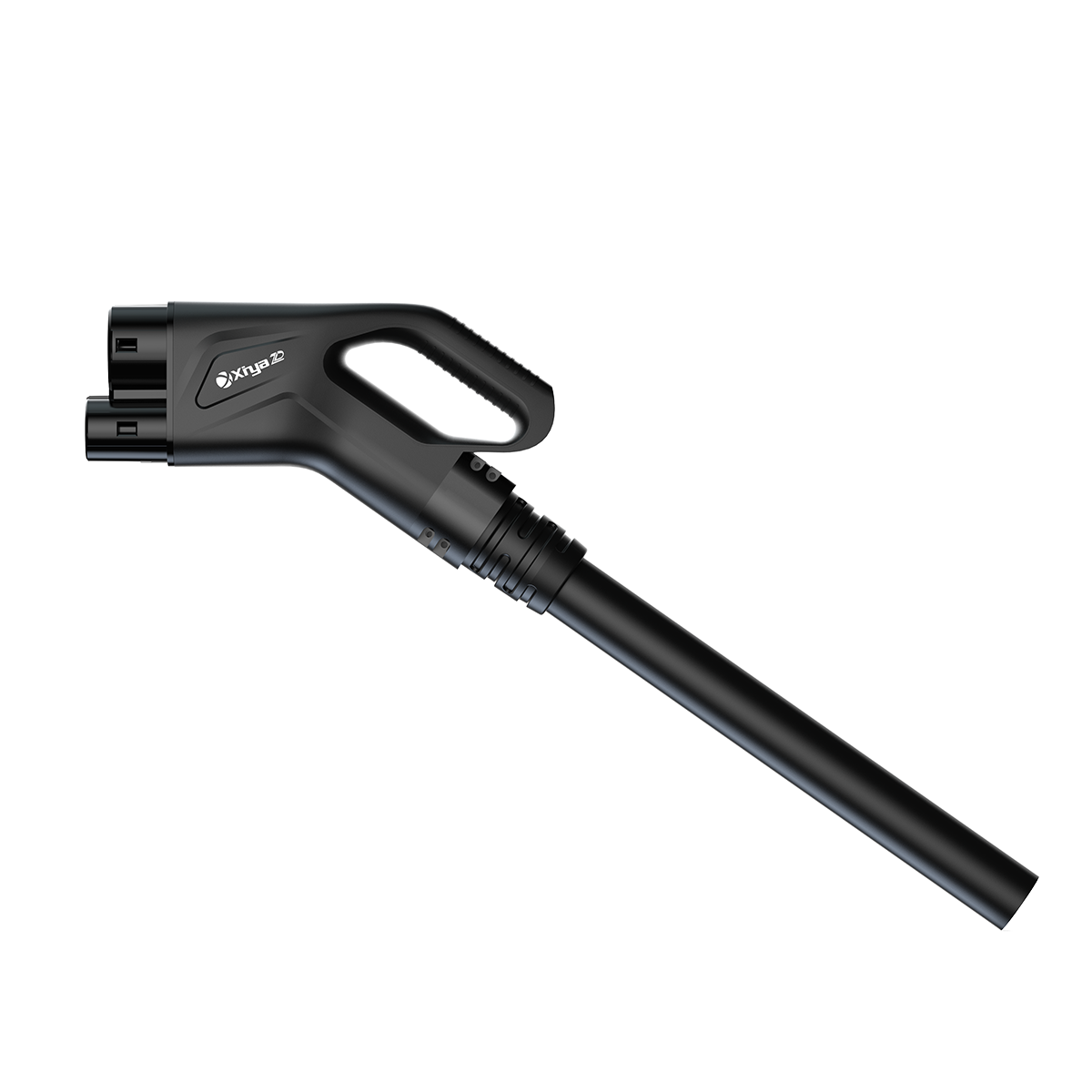
Based on J1772, CCS1 adds two large DC pins below. The original plug is used for AC charging, and supporting hardware is added for DC charging. It supports both AC slow charging and DC fast charging of 50 kW and above.
For many years, CCS1 has been the standard connector for DC fast charging of non-Tesla electric vehicles. Electrify America, EVgo, and ChargePoint Express have all built their charging networks around this interface. However, the industry standard is currently transitioning to the NACS standard.

Tesla’s proprietary connector has now been standardized as SAE J3400, with a size about half that of J1772. This integrated compact plug can realize Level 2 AC charging and DC fast charging through the same pin. No independent interface is required, and no adapter is needed at Tesla Superchargers.
At the end of 2024, the Society of Automotive Engineers officially designated NACS as the J3400 standard, establishing its position as the future universal standard in North America. By 2026, Ford, General Motors, Rivian, Hyundai, Mercedes-Benz, and almost all other major automakers have adopted the NACS standard. By 2026, there will be more than 37,000 NACS charging ports in the United States, accounting for more than 50% of the DC charging market.
| Connector | Applicable Type | Maximum Power | Market Status in 2026 |
| J1772 | AC Only (Level 1 / Level 2) | 19.2 kW | Traditional AC standard, still widely used |
| CCS1 | AC + DC Fast Charging | DC 350 kW and above | Gradually phased out in new models, replaced by NACS |
| NACS (J3400) | AC + DC Fast Charging | DC 350 kW and above | New industry standard, standard for models from 2025 onwards |
| Source: U.S. Department of Transportation EV Toolkit; Society of Automotive Engineers 2024 J3400 Standardization Document | |||

A gradually marginalized charging port, still retaining a small remaining stock market. Newly built charging stations hardly consider equipping it anymore.
AC Charging Station: Need to be converted to DC power through the On-Board Charger (OBC), with slow speed. Approximately 80% of EV charger in the United States are AC charger.
DC Charging Station: The module inside the DC fast charger completes the current conversion. It supplies power directly to the battery, with extremely fast speed, but the volume is relatively large.
The Society of Automotive Engineers has defined three charging levels in North America. These are not marketing terms, but professional classification standards based on voltage, current, and the location of power conversion.
Can be connected to any 120V household outlet. No installation, no electrician wiring, no additional cost. The charging power is about 1.4 kW, and it can add 3 to 5 miles of driving range per hour. For an electric vehicle with a conventional 60 to 80 kWh battery, it takes 40 to 60 hours to fully charge from empty.
Level 1 charging is suitable for renters, low-mileage drivers, or as an emergency backup. For other people, it is too slow for daily use.
Common interfaces: J1772, NACS
Level 2 charging uses 240V AC power, the same voltage as household dryers and ovens. The output power ranges from 3.8 kW (16 amps) to 19.2 kW (80 amps), and most home installation specifications are 7.7 kW (32 amps) or 11.5 kW (48 amps). It can add 25 to 40 miles of driving range per hour.
The vast majority of American electric vehicle owners mainly use Level 2 charging. It can be used for charging at home at night, parking and charging at work, and supplementing energy while shopping. Depending on the equipment configuration, the full charging time is 4 to 10 hours.
Common interfaces: J1772, NACS
The power of Level 3 charging ranges from 50 kW to 350 kW and above. Modern electric vehicles can add 150 to 300 miles of driving range in about 30 minutes.
This type of charging station is suitable for long-distance travel scenarios: highway service areas, transportation hubs, and urban fast charging hubs. It is not suitable for home installation, as such stations require industrial-grade power infrastructure.
Common interfaces: CCS1, NACS, CHAdeMO (a few)
| Charging Level | Voltage | Power | Driving Range per Hour | Full Charging Time |
| Level 1 Charging | 120V AC | 1.9 kW | 3–5 miles | 40–60 hours |
| Level 2 Charging | 240V AC | 7–19.2 kW | 25–40 miles | 4–10 hours |
| Level 3 Charging (DC Fast Charging) | 400–800V DC | 50–350 kW and above | 150–300 miles per 30 minutes | 20–40 minutes (10%–80% battery) |
| Source: U.S. Department of Transportation EV Toolkit; Society of Automotive Engineers J1772 Standard | ||||
80% of the EV charging needs of American electric vehicle owners are completed at home. A 7.7 kW Level 2 wall-mounted EV charger can add about 25 to 30 miles of driving range per hour. Plug it in at 7 pm and you can go out with a full battery at 7 am the next day. According to the 2026 average U.S. residential electricity price of about $0.17 per kWh, the cost of a full charge ranges from $8 to $19 depending on the battery capacity. Most drivers spend $35 to $60 per month on home charging.
Non-Tesla home electric vehicles are compatible with the J1772 interface, and Tesla and new models from 2025 onwards are compatible with the NACS interface. Home wall-mounted charging stations are divided into two types: tethered (with built-in cable) and untethered (needing to bring your own cable).
Shopping centers, hotels, gyms, office building parking lots. Parking for two hours can supplement a considerable driving range. These are all Level 2 charging stations, mostly with J1772 interfaces, and the power ranges from 6.6 kW to 19.2 kW. Some places are equipped with DC charging stations of 50 kW or even higher power to achieve faster energy supplementation. Some enterprise parks or municipal parking lots still provide limited-time free charging services.
Logistics depots, bus terminals, and areas along highways. These sites need equipment that can quickly charge multiple vehicles in rotation. The mainstream configuration is DC fast charging of 150 kW to 350 kW. Tesla Superchargers dominate this field with more than 35,000 ports, and Electrify America, EVgo, and ChargePoint are also rapidly expanding their charging networks.
| Usage Scenario | Regular Power | Compatible Interface | Electricity Price per kWh |
| Home | 7–11.5 kW AC | J1772 / NACS | About $0.17 |
| Commercial | 6.6–19.2kW AC, 50-150kW and above DC | J1772 / CCS1 / NACS | $0.25–$0.35 |
| Industrial / Fleet | 50-150kW and above DC | CCS1 / NACS | $0.40–$0.60 |
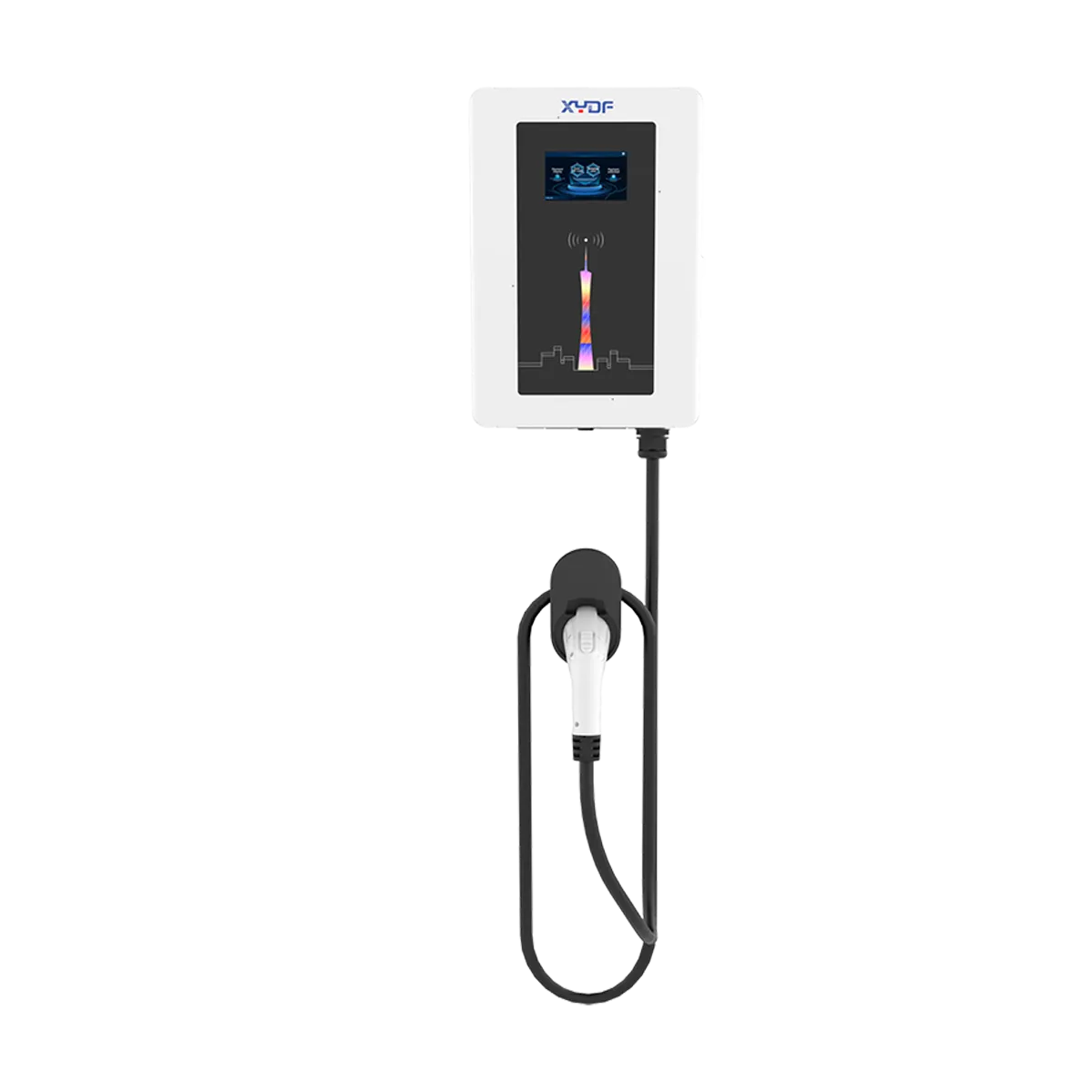
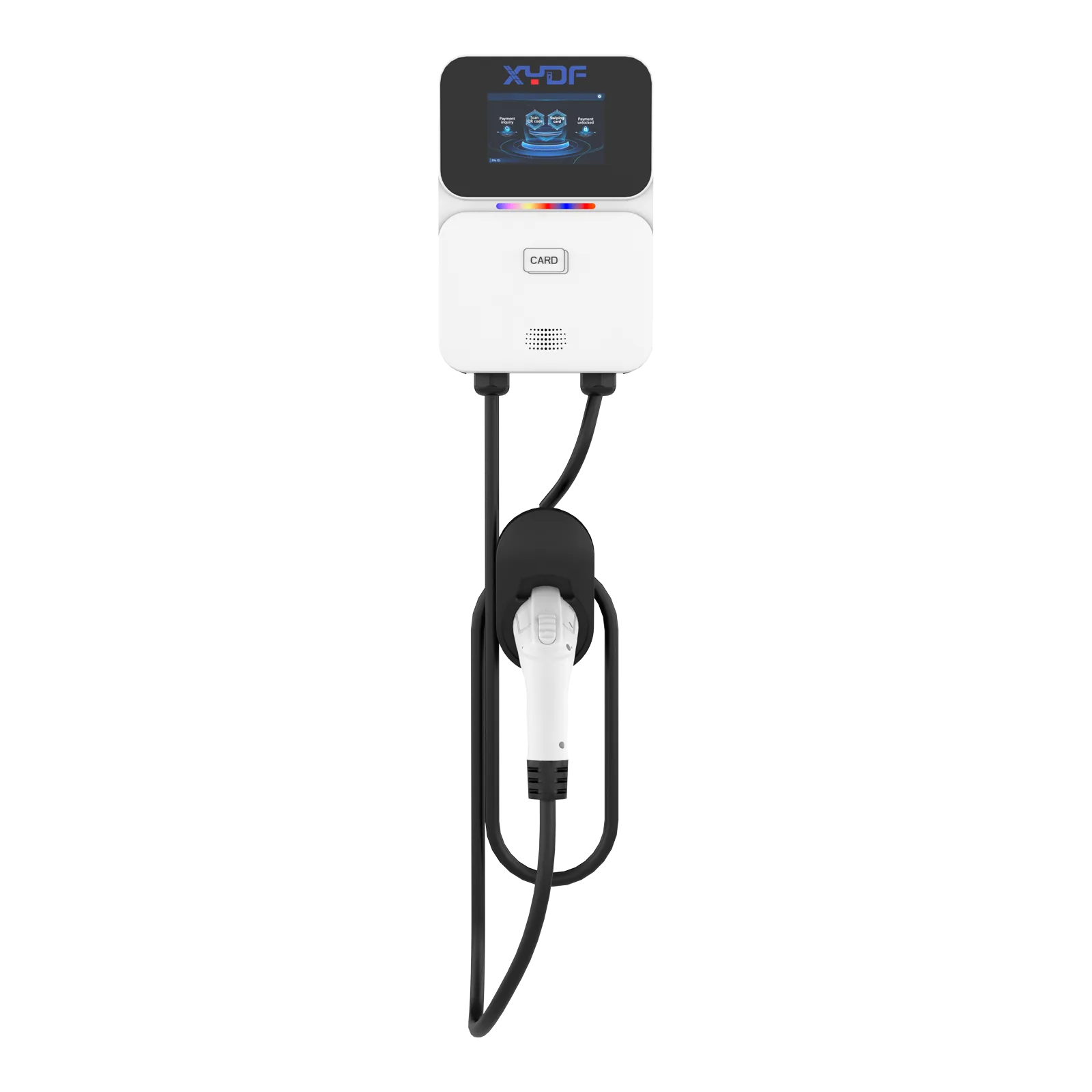
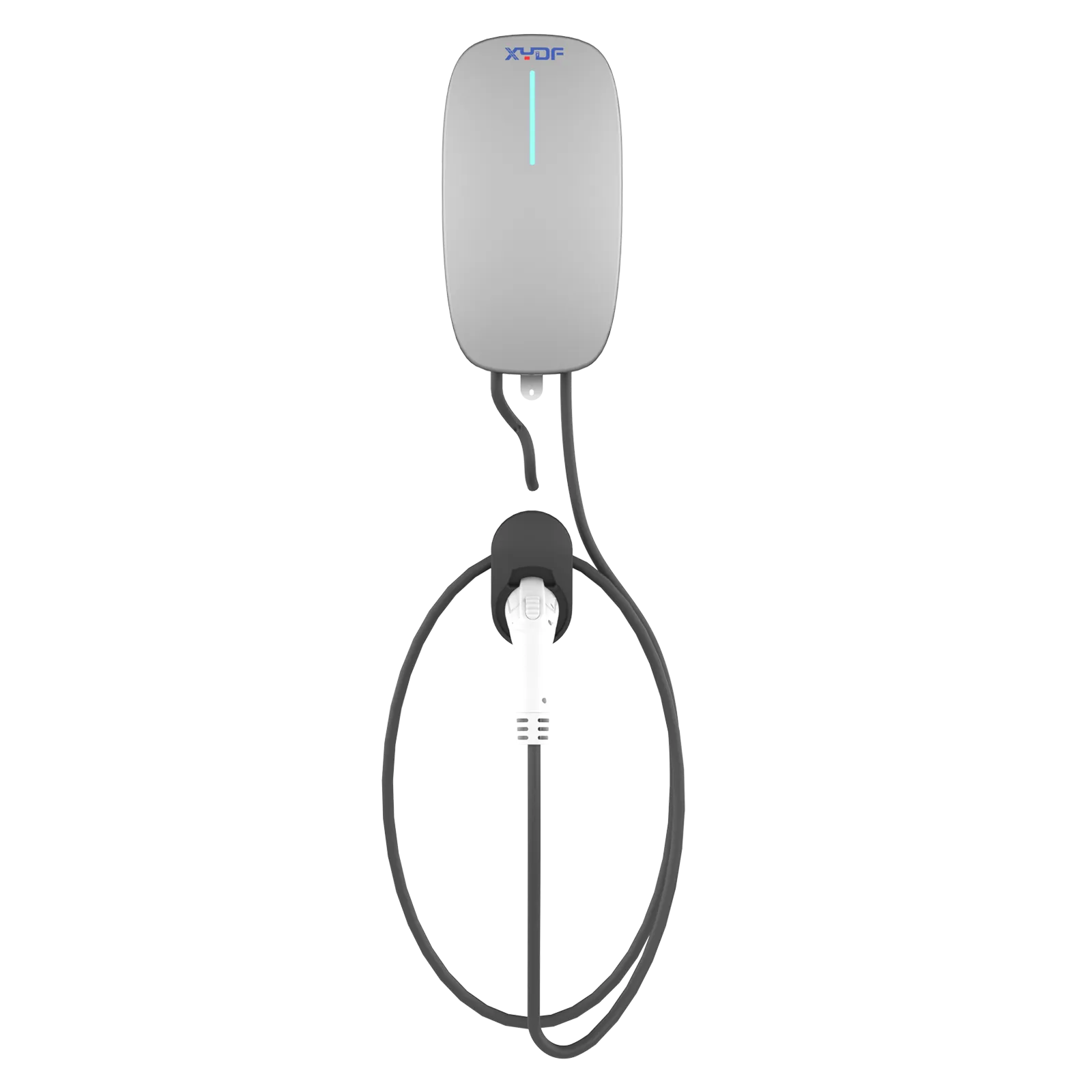
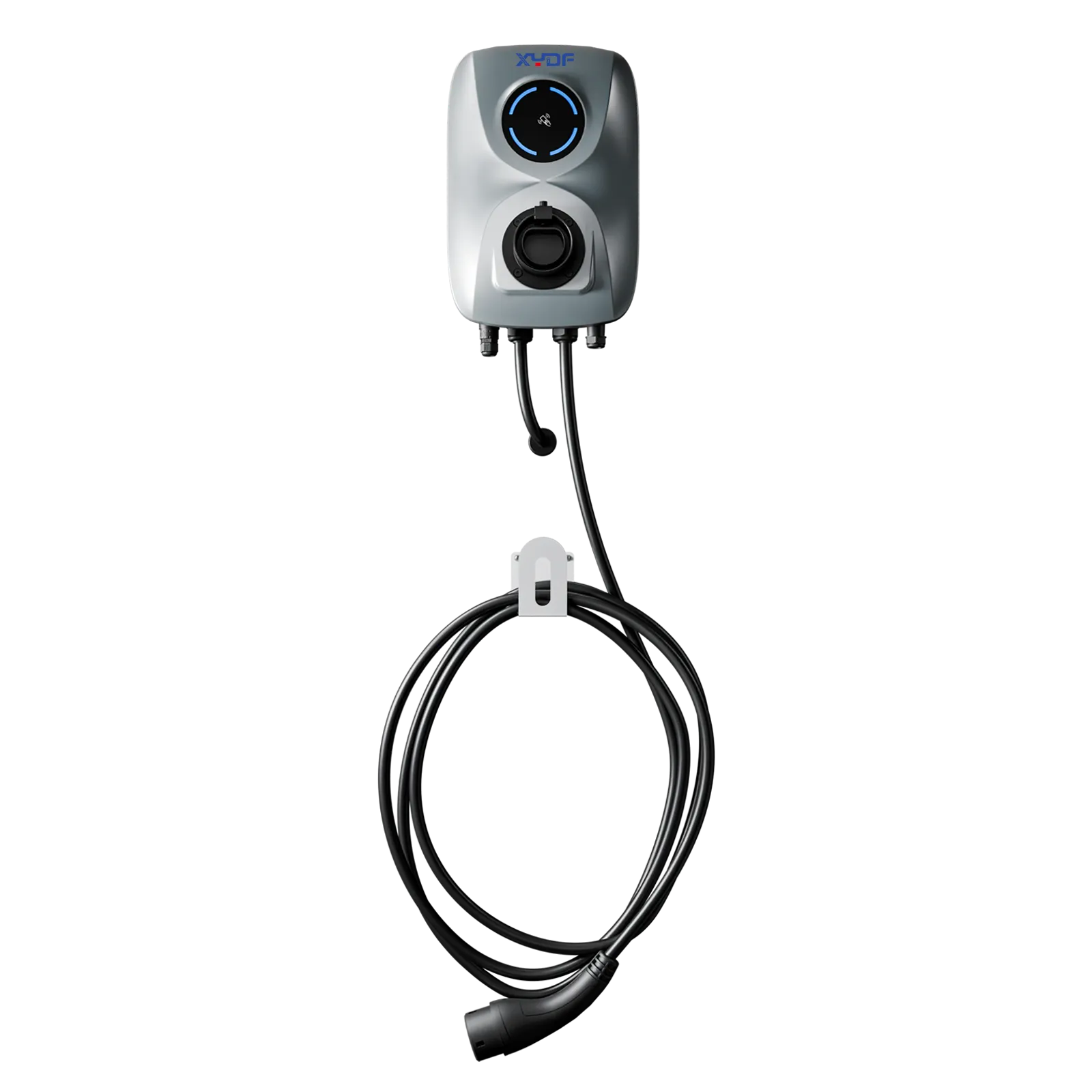
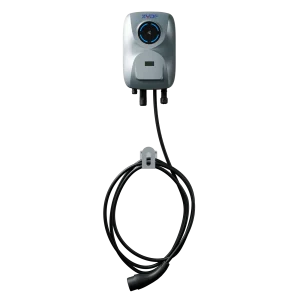
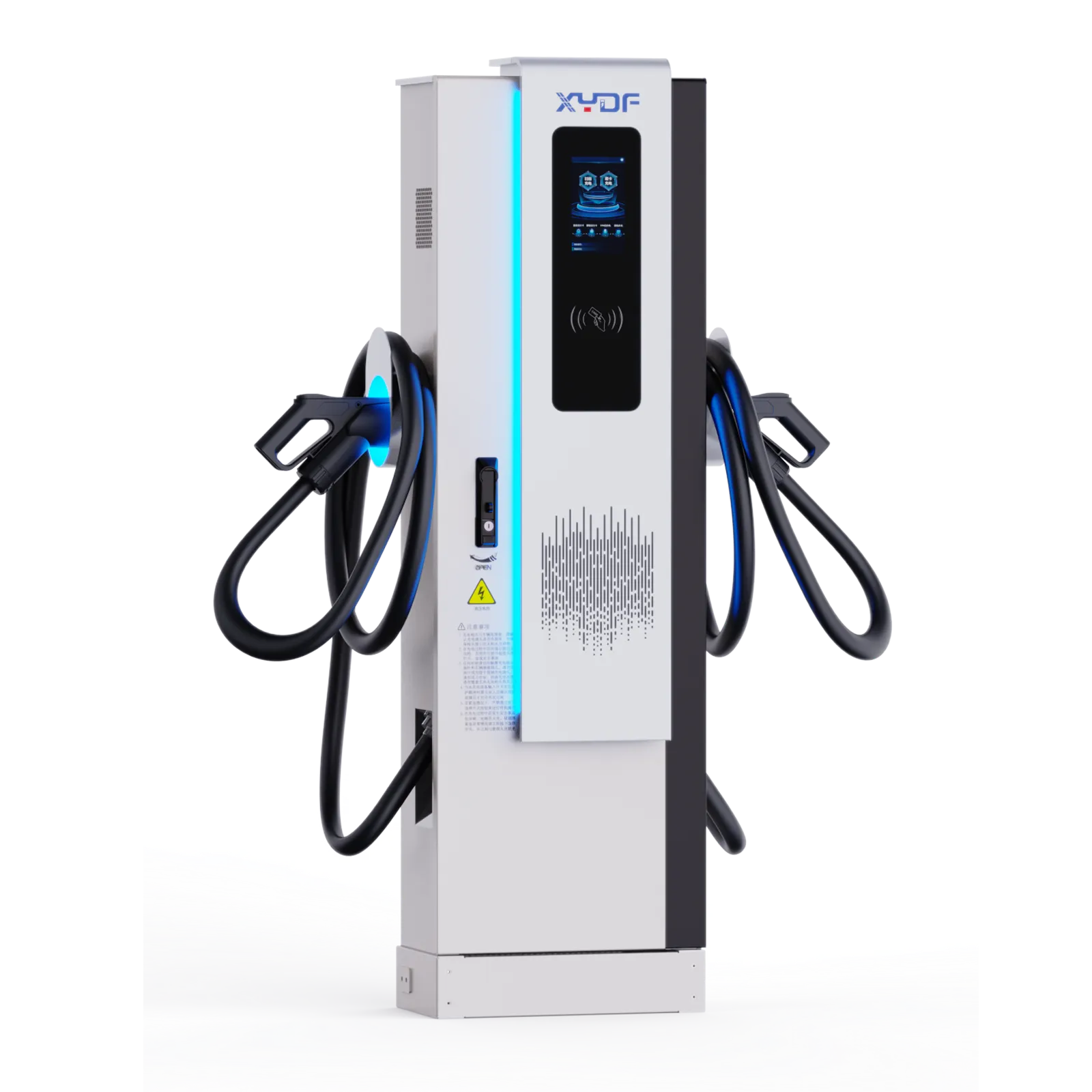
Also call wall. A small AC charging device with a regular power of 7.7 to 19.8 kW, specially designed for home garages and courtyards. Most models come with a fixed J1772 or NACS cable. The device has outdoor weather resistance, supports wireless network and intelligent functions, can set charging during off-peak hours, and view power consumption through a mobile APP.
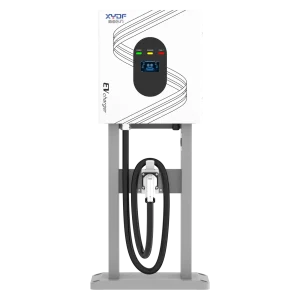
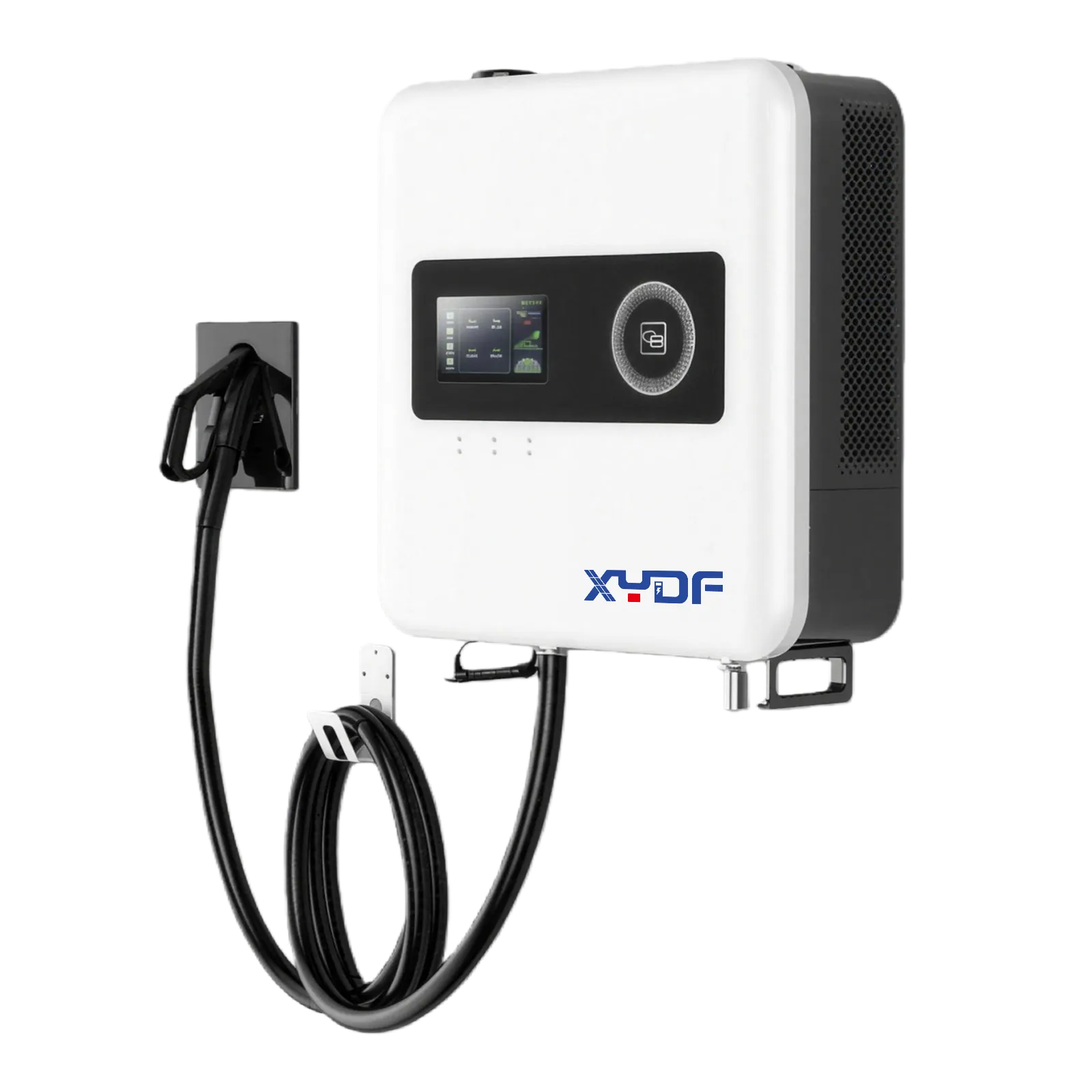
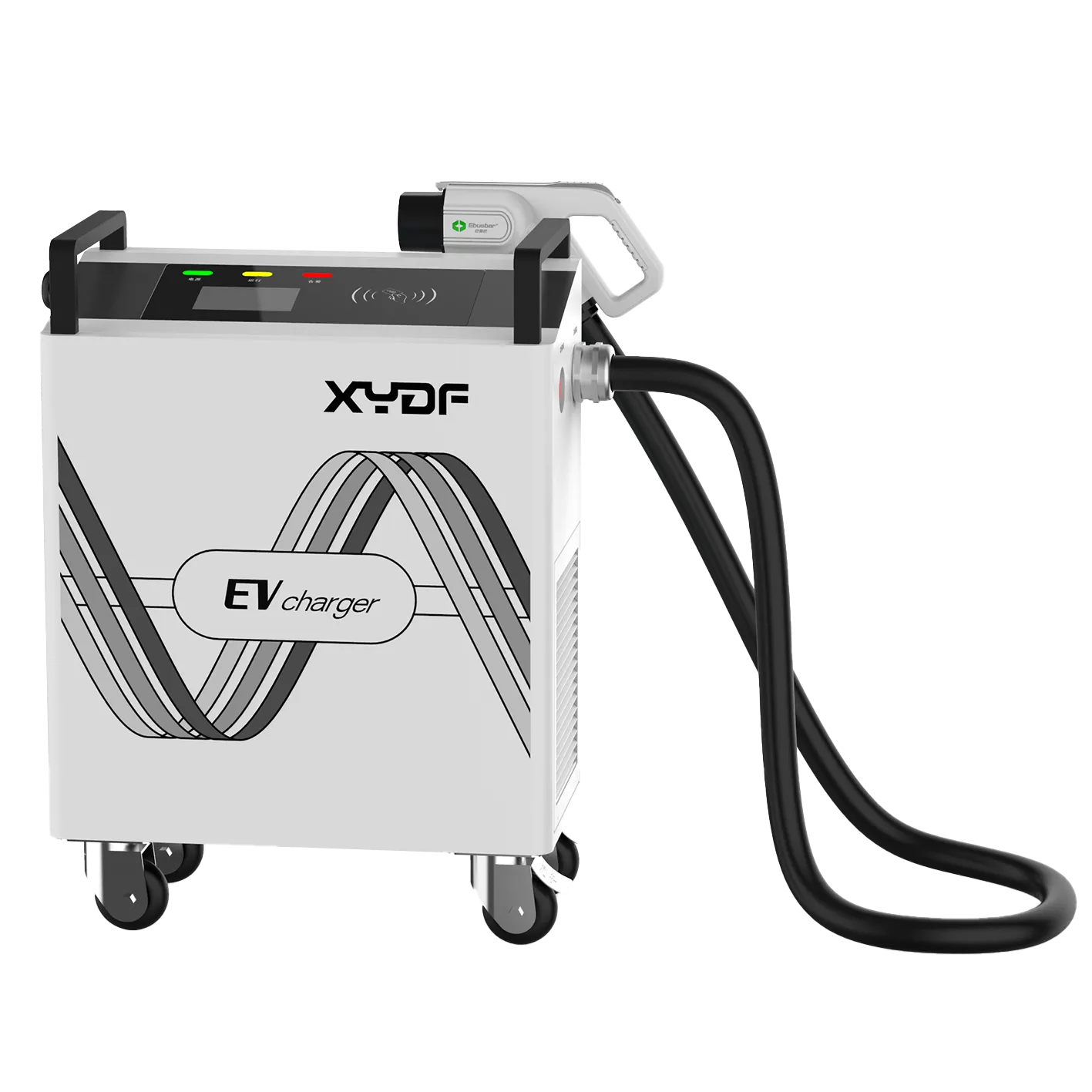
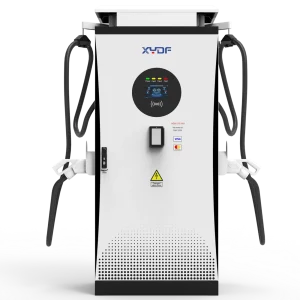
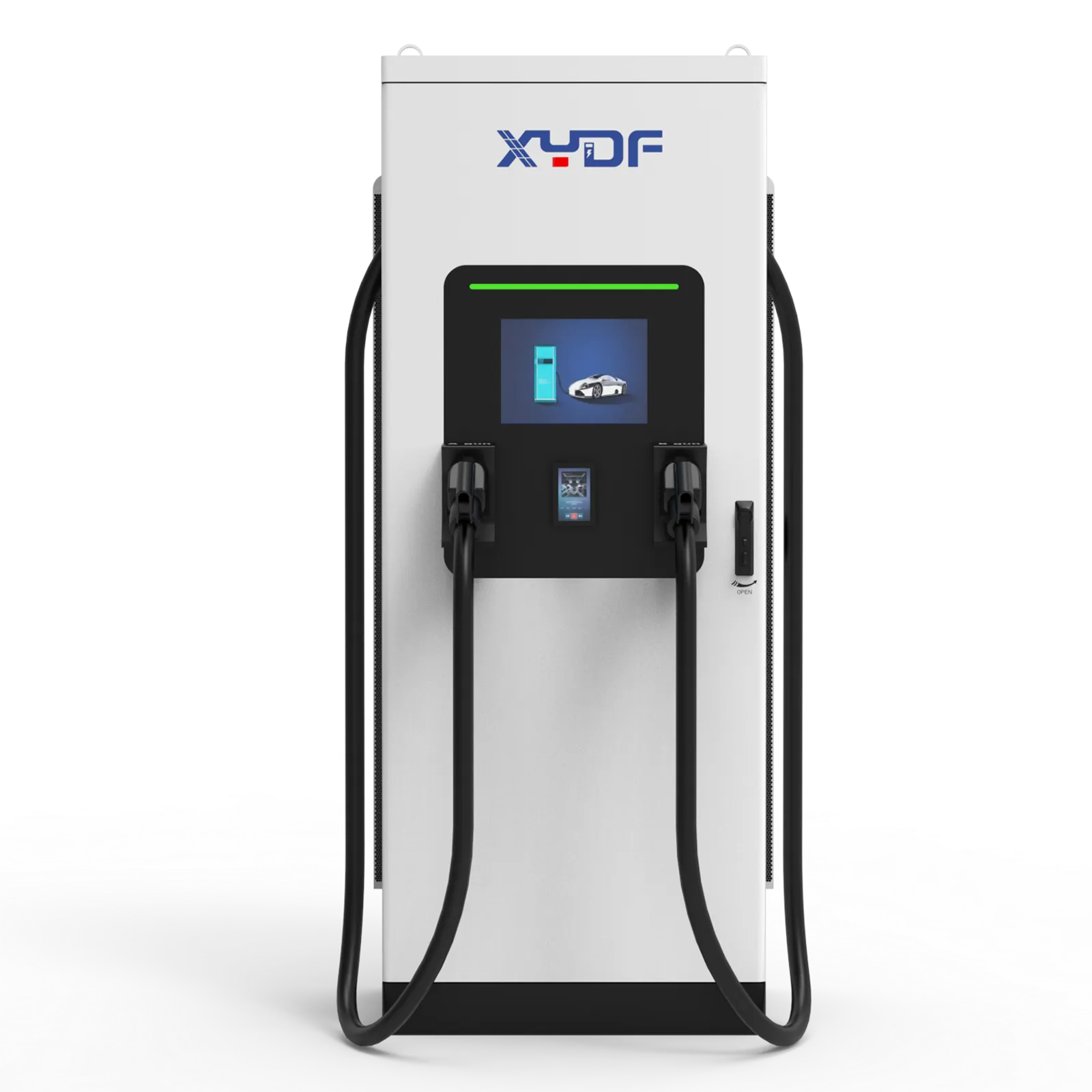
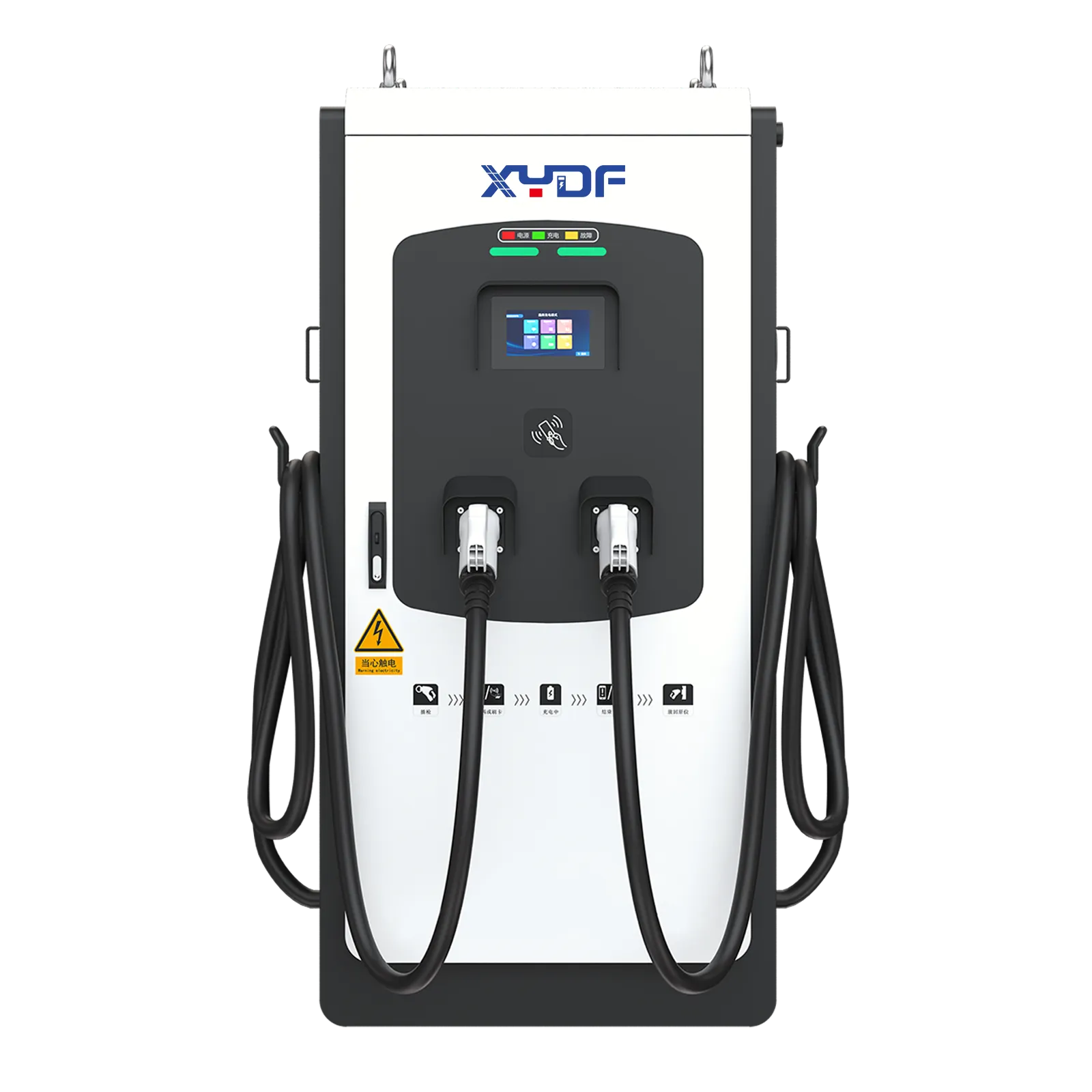
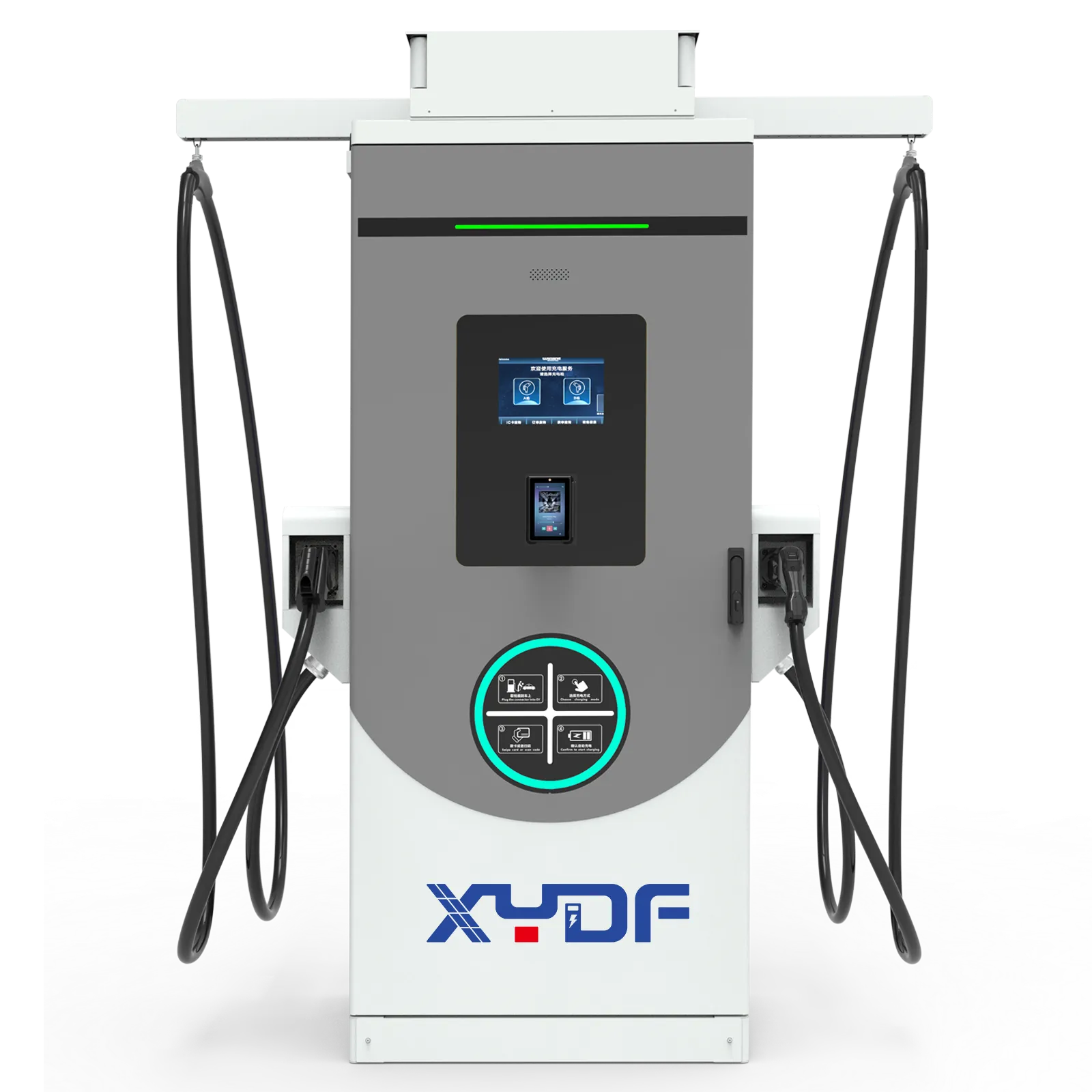
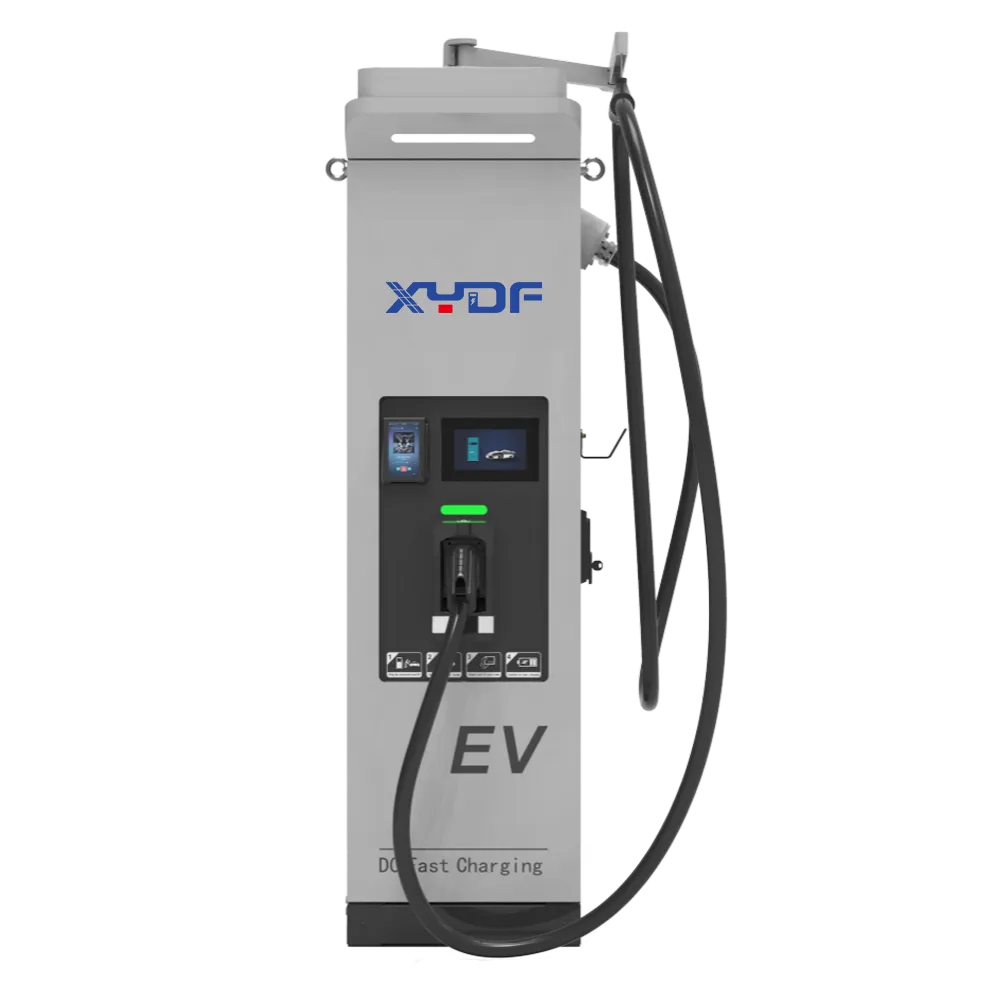
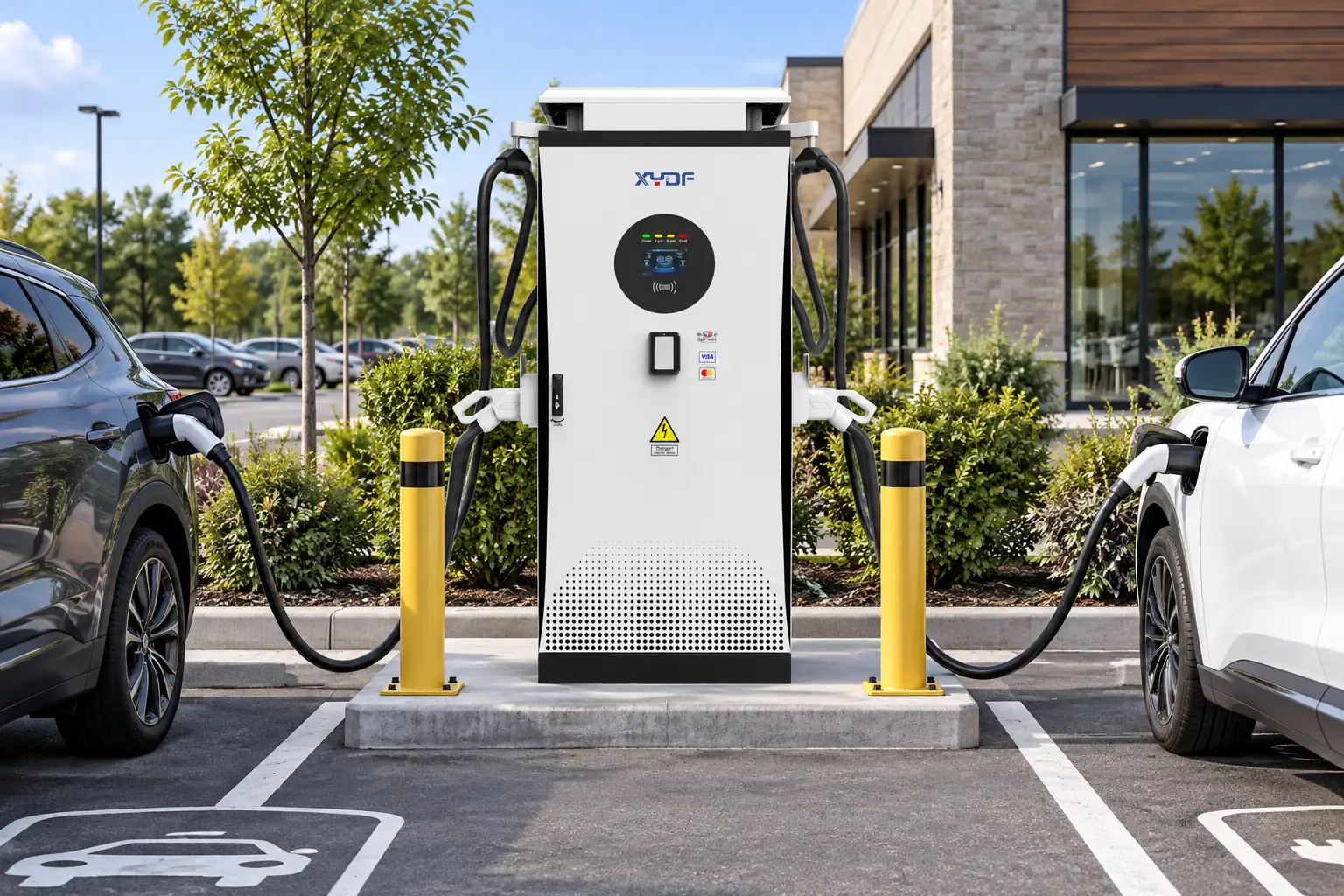
All components are integrated into a single cabinet. The power module, controller, display screen, and charging gun cable are all sealed in the same chassis. This type of equipment is used in shopping mall parks, hotels, and small commercial venues.
The regular power of the integrated DC fast charger is 60 to 180 kW, equipped with one or two charging guns. The installation process is simple: connect the power supply, fix the equipment, and it can be put into use. The disadvantage is: if the power module fails, it usually needs to replace the entire unit or wait for professional maintenance personnel to come to the door.
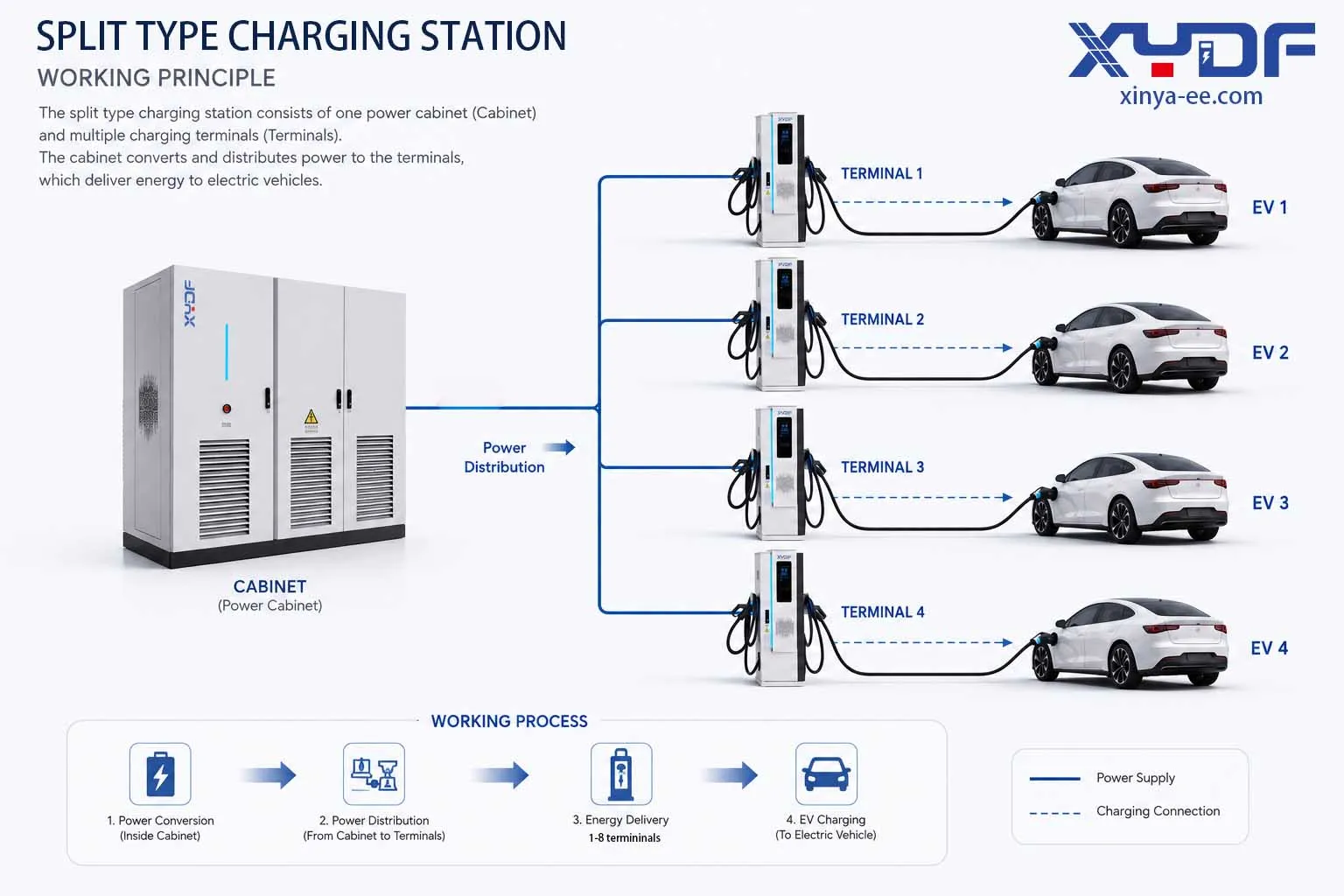
The core power supply function is concentrated in the central power cabinet, which distributes power to the charging terminals.
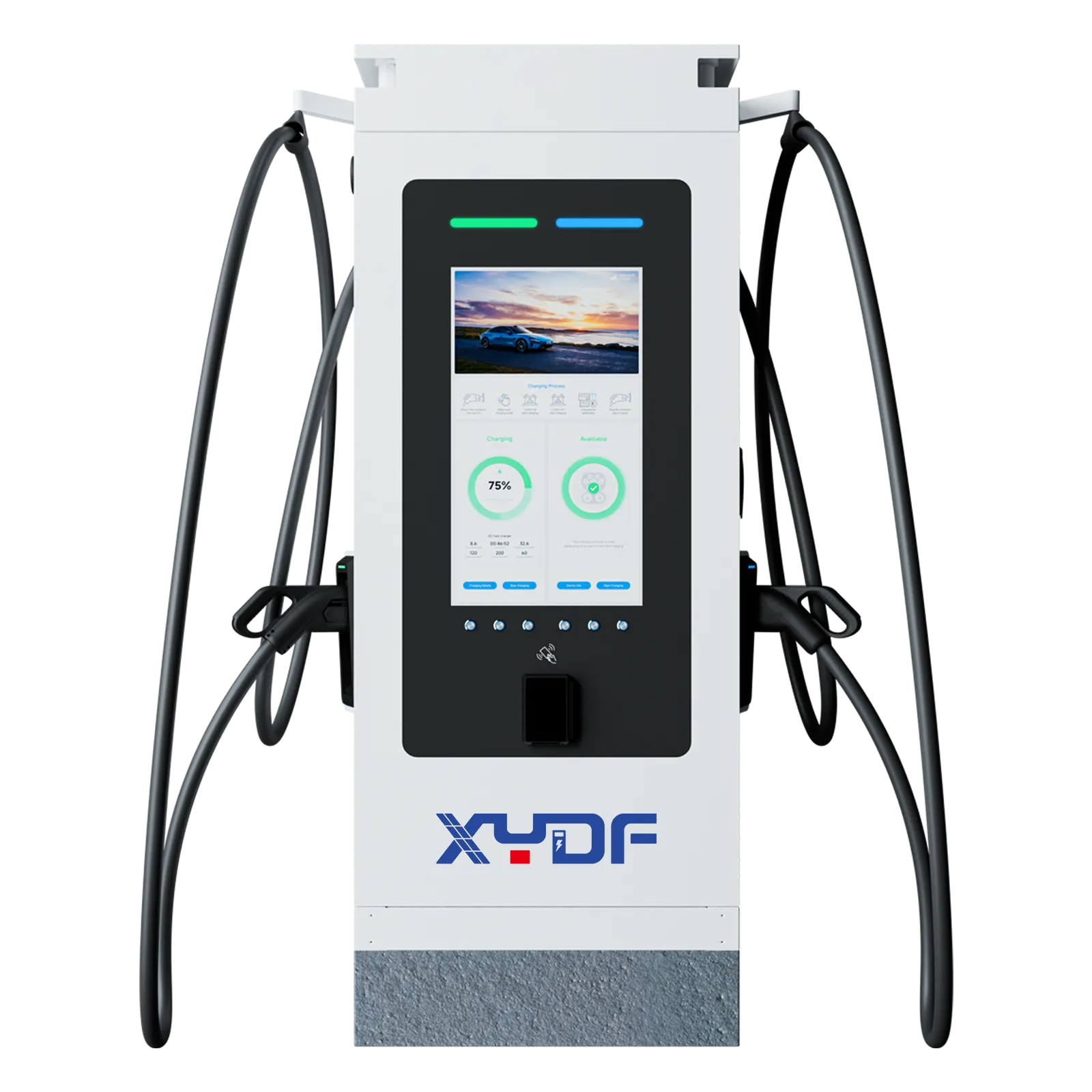
Most high-power charging hubs adopt this architecture. A 360 kW or 480 kW power cabinet can be equipped with multiple charging terminals, dynamically distributing power according to the vehicle’s power demand. For example, one vehicle occupies 150 kW and another allocates 100 kW, and the system can achieve real-time intelligent power balance. Maintenance adopts a modular design: only the faulty module in the power cabinet needs to be replaced, without modifying the charging terminal in the parking space. The charging terminal of the split charging station may be similar to the column AC charger, but it can be assisted by the identification and the thickness and type of the charging gun cable.
Learn more about the differences between integrated and split charging stations and operator selection.
| Structure Type | Regular Power | Applicable Scenario | Advantage |
| Home Wall-Mounted Charging Station | 7–19.2 kW AC | Residential Buildings, Night Charging | Compact Size, easy to install |
| Integrated Charging Staion | 60–180 kW DC | Shopping Malls, Workplaces, Small Fleets | Simple Installation, low grid requirements |
| Split Type Charging Station | 360 kW and above DC | Highway Charging Hubs, Large Fleet Depots | Can charge 1-8 cars at the same time |
Can I install a DC fast chager at home?
Technically feasible, but practically unnecessary. A 50 kW DC device requires three-phase industrial power supply, costs tens of thousands of dollars, and requires regular maintenance by professional personnel. A 7.7 to 11.5 kW Level 2 wall-mounted EV charger can meet 99% of home charging needs.
How to pay at public EV charging stations?
Most public EV charging stations are paid via a mobile app, RFID card, or contactless credit card, with newer vehicles also supporting automatic “Plug & Charge” billing when you plug in.
How do I confirm whether I can use a charging station?
Check the station’s connector type and power on the map/app(google map, charge point app, EVgo app,etc), then confirm it matches your EV (e.g., CCS, NACS, or J1772) and supports your charging speed; if both are compatible, you can use it.
If you plan to install EV charging stations or start EV charging business, XYDF can select the appropriate interface type, hardware structure and output power for your site. Welcome to contact us to get an complete EV charging solution.
 Xinya Dongfang Electricity Technology Co., Ltd.