With the rise of electric vehicles all over Virginia, Drivers and commercial property owners alike are wondering if a Level 2 EV Charging Station in Virginia is a worthy investment. For most residential homeowners, apartment complexes, commercial properties, retail businesses, hotels, and fleet operators, typically yes. Level 2 chargers provide the best combination of charging time, installation price, convenience, and overall value.
An electric vehicle charging station that has a Level 2 designation uses a 240 volt power supply versus a standard wall outlet to provide electricity much quicker when charged to an EV. This makes it a great option for charging an EV overnight at home, during working hours at your office, as well as providing guests the opportunity to charge at a commercial facility and ensuring fleets receive predictable charging. Regardless of whether you live in Northern Virginia, Richmond, Virginia Beach, Roanoke, Charlottesville or a smaller city, it is important for you to look at your options prior to the installation of EV chargers in order to avoid making a major investment in a charging station that will not accommodate your true requirements.
What Is a Level 2 EV Charging Station?
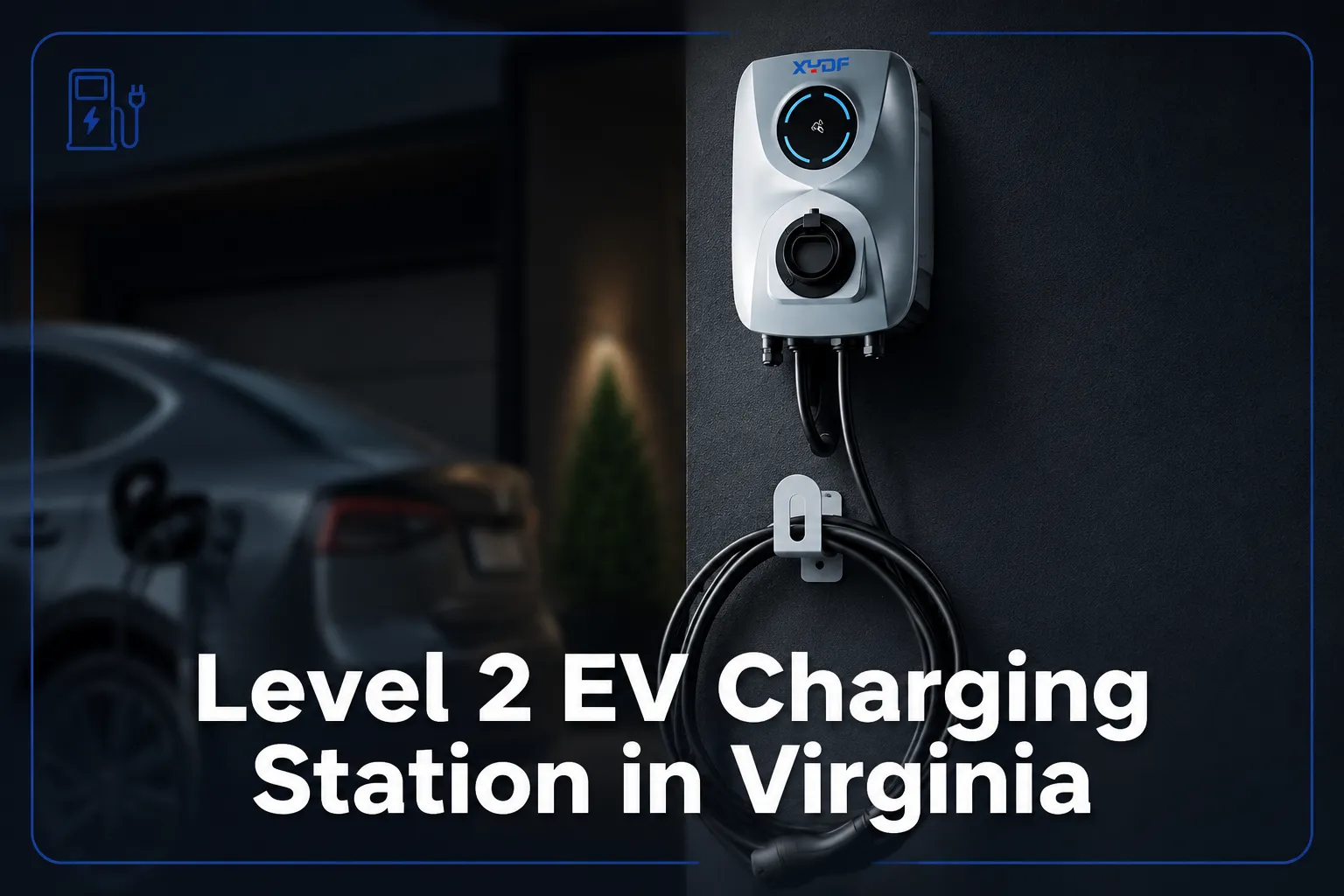
Level 2 electric vehicle Charging Stations provide Fast Electric Vehicle Charging using 208-(240) Volts as opposed to Level One Charging which provides approximately 3-5 miles added range on the battery per hour using a standard 120v Household Outlet. On Average, Level 2 Charging Stations provide about 20-40 miles added Range per hour depending on the Vehicle, OutPut of the charger, Electrical Supply, and condition of battery being charged.
Everyday Virginia EV drivers should be able to charge their vehicles completely overnight using a level 2 charging station. Businesses also benefit from providing Level 2 charging facilities to their customers/tenants/employees/fleet vehicles at optimum times during normal hours of operation (i.e., when vehicles are parked). Therefore, this has resulted in level 2 charging stations being utilized more than any other type of EV charging solution, both for residential and commercial purposes.
Why Level 2 EV Charging Makes Sense in Virginia
Virginia contains a combination of city, suburban, rural, and highway driving characteristics. While a number of Virginia residents travel from suburban to urban work locations, there are others commuting from one major metropolitan area to another (e.g., between Arlington and Richmond, or from Richmond to Norfolk), which results in substantial trip lengths. A dependable home or business charging option will decrease use of the public charging infrastructure and result in more viable ownership of electric vehicles for Virginia drivers.
Charge at home with the convenience and control of a Level 2 (240V) EV Charger Provide your Electric Vehicle (EV) with a reliable fully charged battery by plugging in at night and having a fully charged vehicle when you wake up in the morning. Attract customers to your business with EV Chargers while increasing employee satisfaction and supporting your sustainability initiatives through an increase in the value of your property. More than ever, EV charging capabilities are becoming an essential competitive amenity for multifamily communities.
Level 2 EV Charging Station Price in Virginia
Depending on brand of charger, amps supplied, smart capabilities of the charger, length of cable, network capabilities and type of installation (outdoor or indoor), prices for level 2 EV charging station may vary. Basic residential units generally cost a few hundred dollars to purchase charger hardware. Smart chargers (higher-end) and commercial-grade chargers tend to be more costly, particularly if they have payment processing, load management, RFID access, Wi-Fi and/or cellular connectivity, or multiple ports.
When you own a home, the charger is just a small component of the overall investment. If your electrical panel has sufficient capacity and the charger is located close by, then your installment cost should be low. If you need to dig a trench, upgrade your panel, run long electrical lines, put in new circuit breakers, get a permit to install it or mount the unit outside; the cost goes up. With commercial installations, there is often much more planning involved because you may have several charging stations, ADA compliance issues, signage requirements, parking layout, networking and working with the utility company.
Level 2 EV Charging Station Cost: What Affects the Total?
In Virginia, the overall expense associated with a level two electric vehicle (EV) charging station may vary greatly based on the equipment needed as well as the conditions to install it. For example, installing a charger in a personal garage can be considerably less expensive than multiple chargers in a commercial parking lot. It is essential to have your prospective location evaluated by an electrician prior to purchasing a charger, to confirm the electrical service capacity at that location.
Multiple considerations may affect the ultimate expense, including the distance from an electrical panel; how many amps need; whether it is going to be a hard-wired or plug-in charger (i.e., will the wiring be exposed inside a wall or not); if you require an upgrade to the electrical panel; location of the charger (inside or outside); if permits are needed; local labor rates; as well as who will be using the charge – personal users (home-based), public charging stations, or fleet vehicles. If commercial property owners decide on a networked charging station, they will also need to keep in mind that they will incur software fees on an ongoing basis.
While it’s important考虑 upfront costs, the ultimate value of an EV charger is usually greater than its purchase price. A charger selected with due diligence and installed by a qualified professional will likely last many years providing a convenient way for you to charge your vehicle and reducing your uncertainty around how long the process will take to complete. In a commercial setting, adding EV Chargers could also provide a positive impact on your company’s image while improving your customer’s ability to interact with you as a result of having EV charging options available at their location.
Level 2 EV Charger Power Requirements
Make sure to know the power requirements at least 2 electrical amplifier to properly install one. Almost all Level 2 chargers require a dedicated 240-volt circuit for use. The amps offered for residential charging level vary from 16 amps to 48 amps. However, a commercial unit will be determined by the design and capacity of the installation. A 32 amp or 40 amp chargers are very popular and should provide some excellent performance for almost every home owner and, in many instances, do not require any major electrical upgrades.
Bigger doesn’t always mean better. The vehicle has a limit on the maximum amount of AC charge it can receive from the charger, and if the onboard charger is limited, installing a charger with a higher output than this maximum AC charging rate will not be able to charge the vehicle more quickly. Determining the appropriate charging station for your needs depends on your vehicle, driving habits, electrical panel capacity/limitations, future EV plans etc… You should consider what your future plans include when deciding on the configuration and/or the system necessary to accommodate your expected needs.
Residential Level 2 EV Charging in Virginia
Virginia homeowners can benefit greatly from adding a Level 2 charger to their homes as an upgrade after purchasing an electric vehicle (EV). Home charge stations provide you with the ability to take advantage of the overnight time when you are parked off of the street and may also assist you in more effectively monitoring your usage of energy. In addition to using the overnight time to charge your EV, some utility companies provide time-of-use rates or programs that encourage charging your EV during times of less demand, so you should check with your local utility before making the final adjustments to your home charging system.
The installation of electricity is usually started with a site assessment by the electrician. The electrician will check your panel for electrical service, check the location of your charge and the length of wire that is required to provide electrical service. If there is a permit, you must comply with local electrical codes. All outdoor installations must be done in a manner that uses all-weather-rated equipment and mounting techniques. They must take into consideration Virginia’s yearly changing seasons, including humidity, rain, heat, and cold weather.
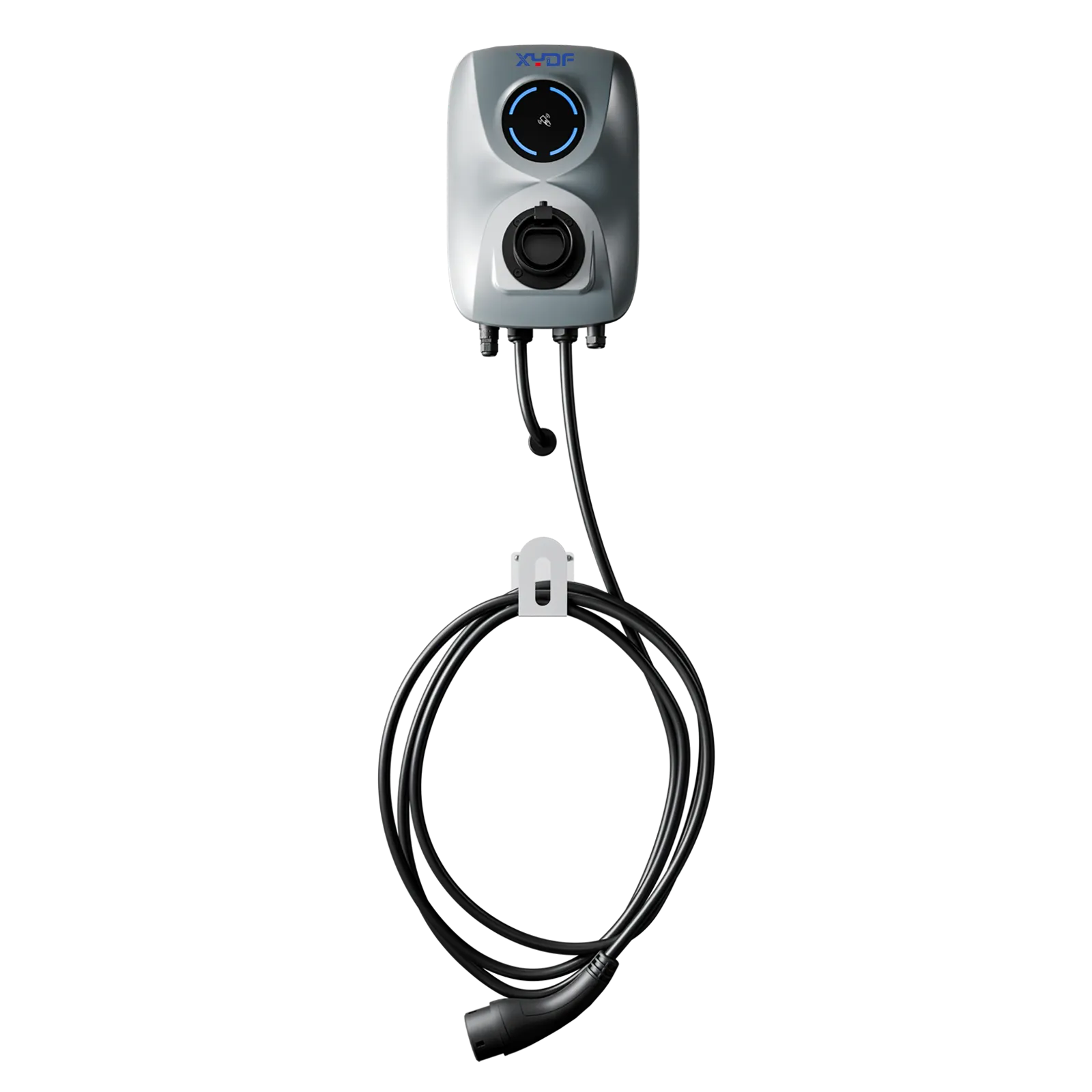
Commercial Level 2 EV Charging Stations in Virginia
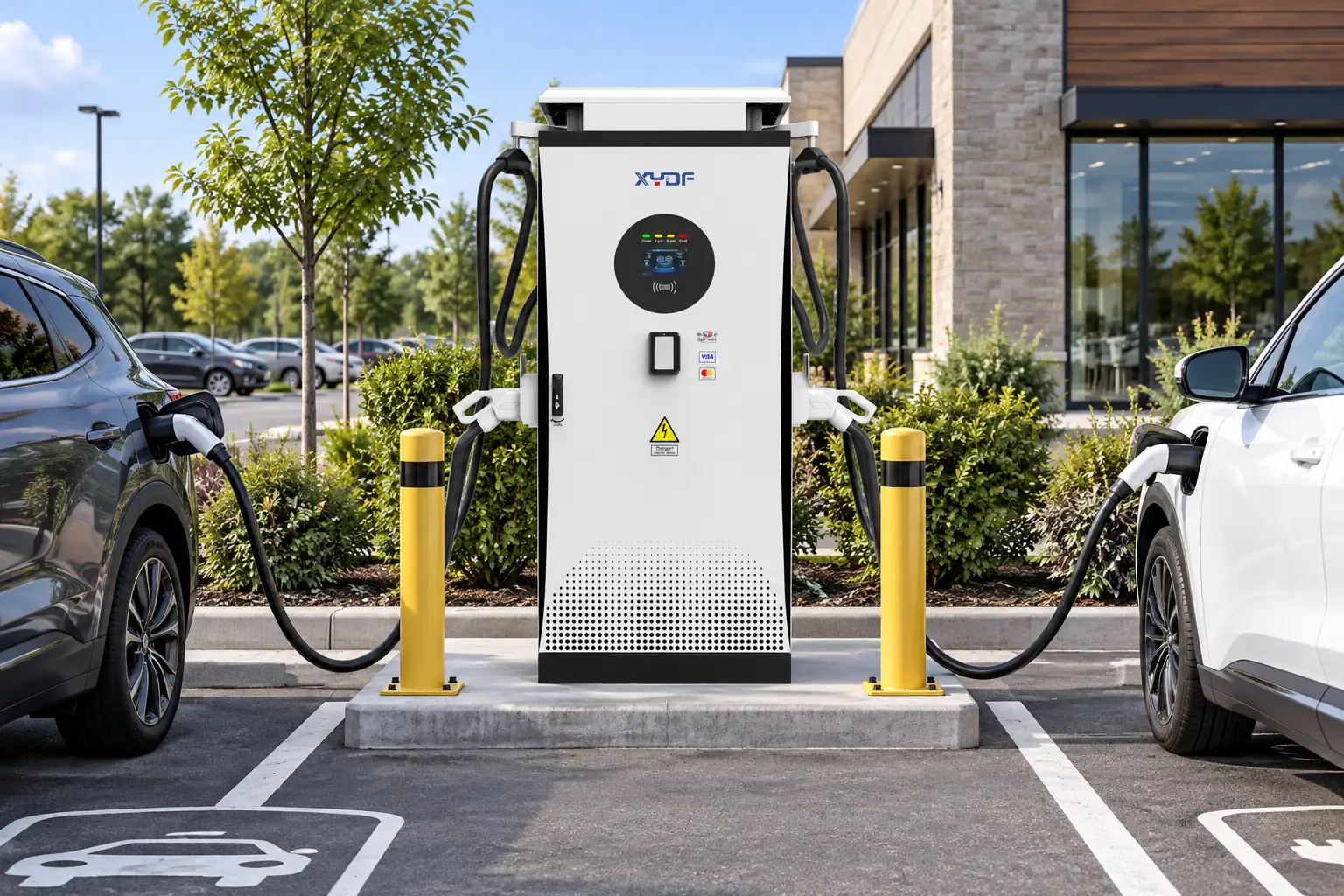
There are various ways for commercial real estate to gain from EV charge points. A retail facility could use them to draw in customers for a longer period. A hotel could use them to attract guests who use electric vehicles. An office building could provide an employee benefit by providing EV charging. Multifamily units could provide tenant motivation. Municipalities, schools, hospitals, and fleet operators could help meet electrification goals and improve their operational efficiencies with EV charging stations.
Planning a commercial charging project is more than just selecting a charging station. You also have to consider usage patterns, how people park at that location, how you will control who has access to that station, and the growth of your local market. For example, a small business can have one or two charging ports; but an apartment complex or fleet depot may need to install a scalable charging system with load management capability.
Many networked charging stations offer user billing and station monitoring capability, as well as energy reporting and access control; however, there may also be ongoing service fees associated with using these services.
Why Consider XYDF Level 2 EV Charging Stations?
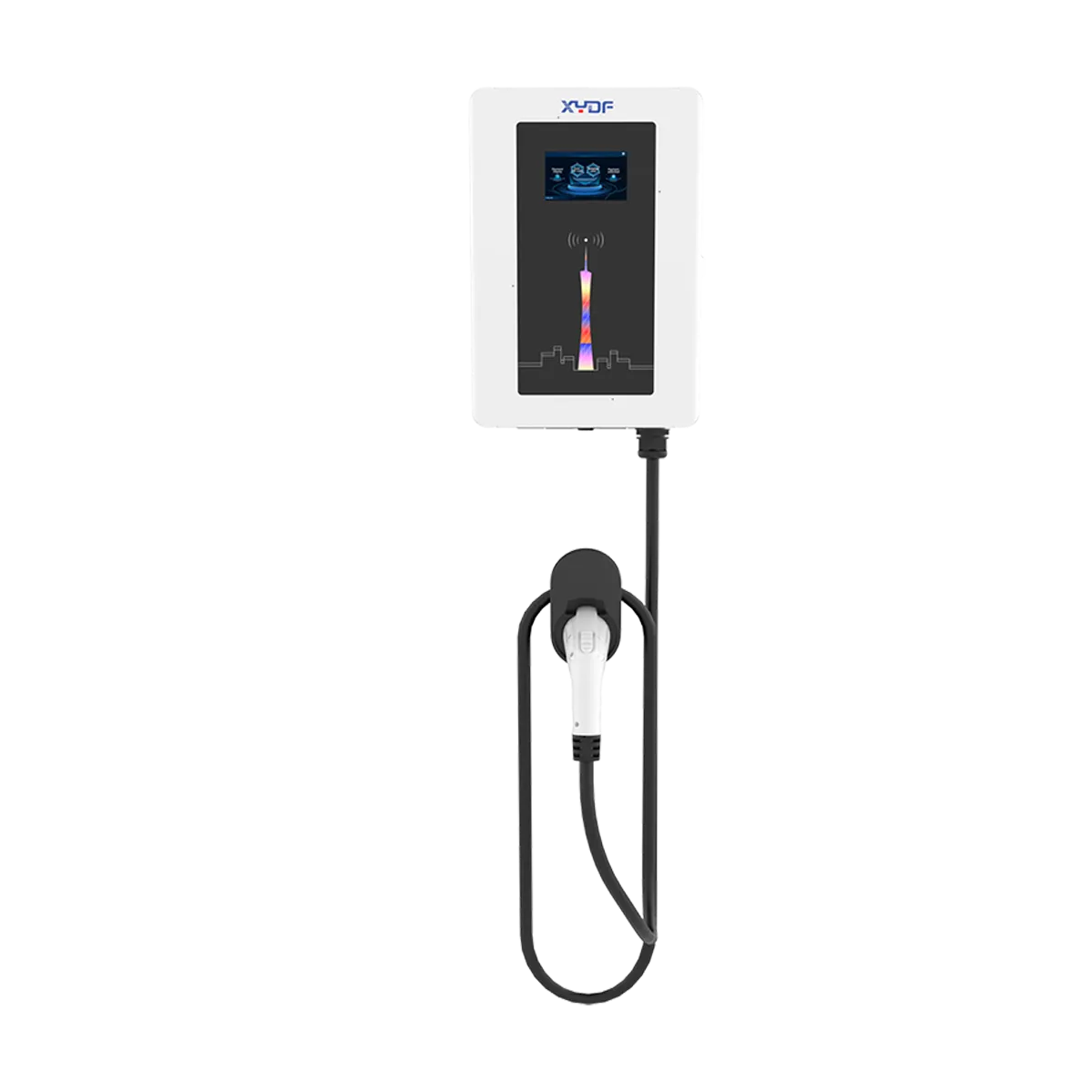
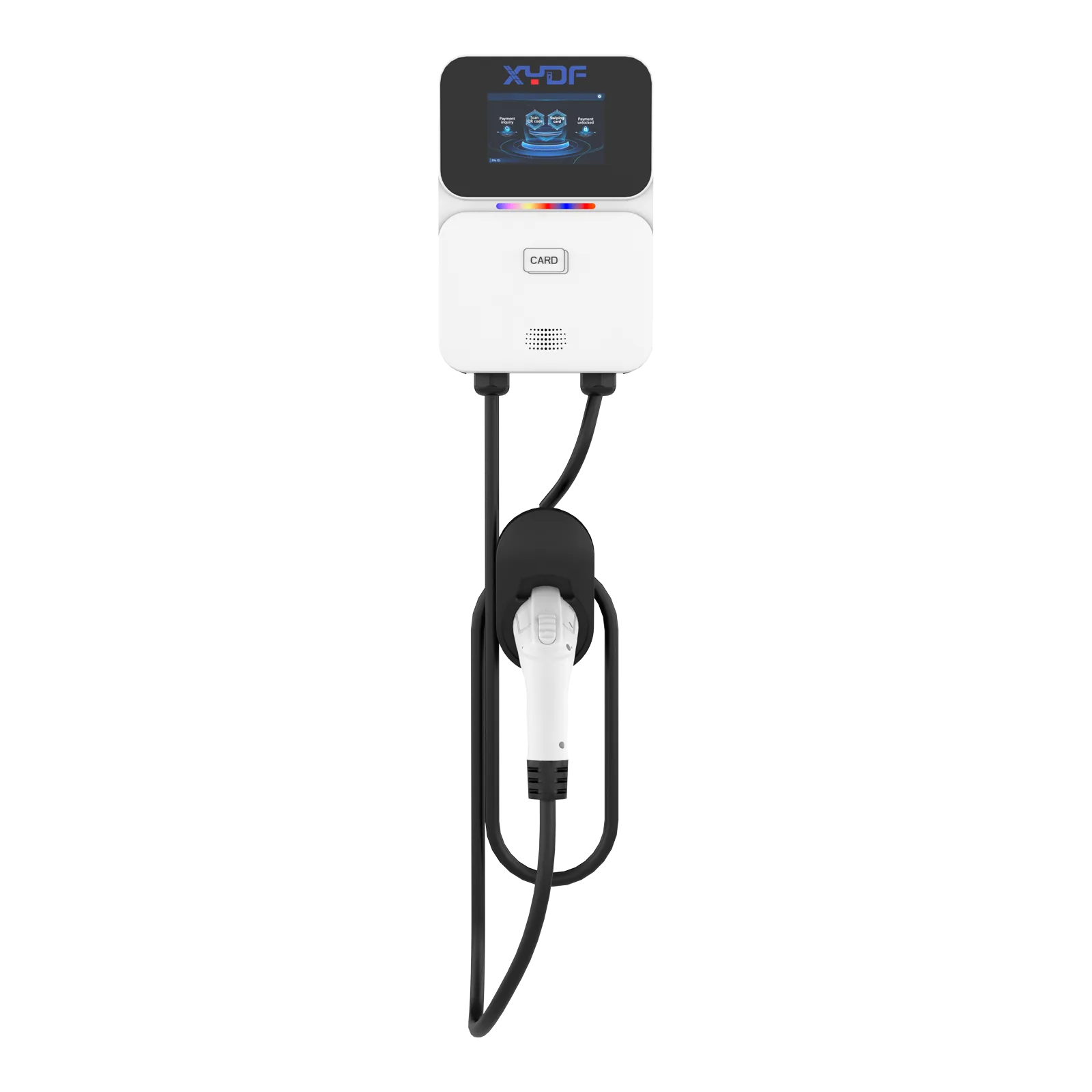
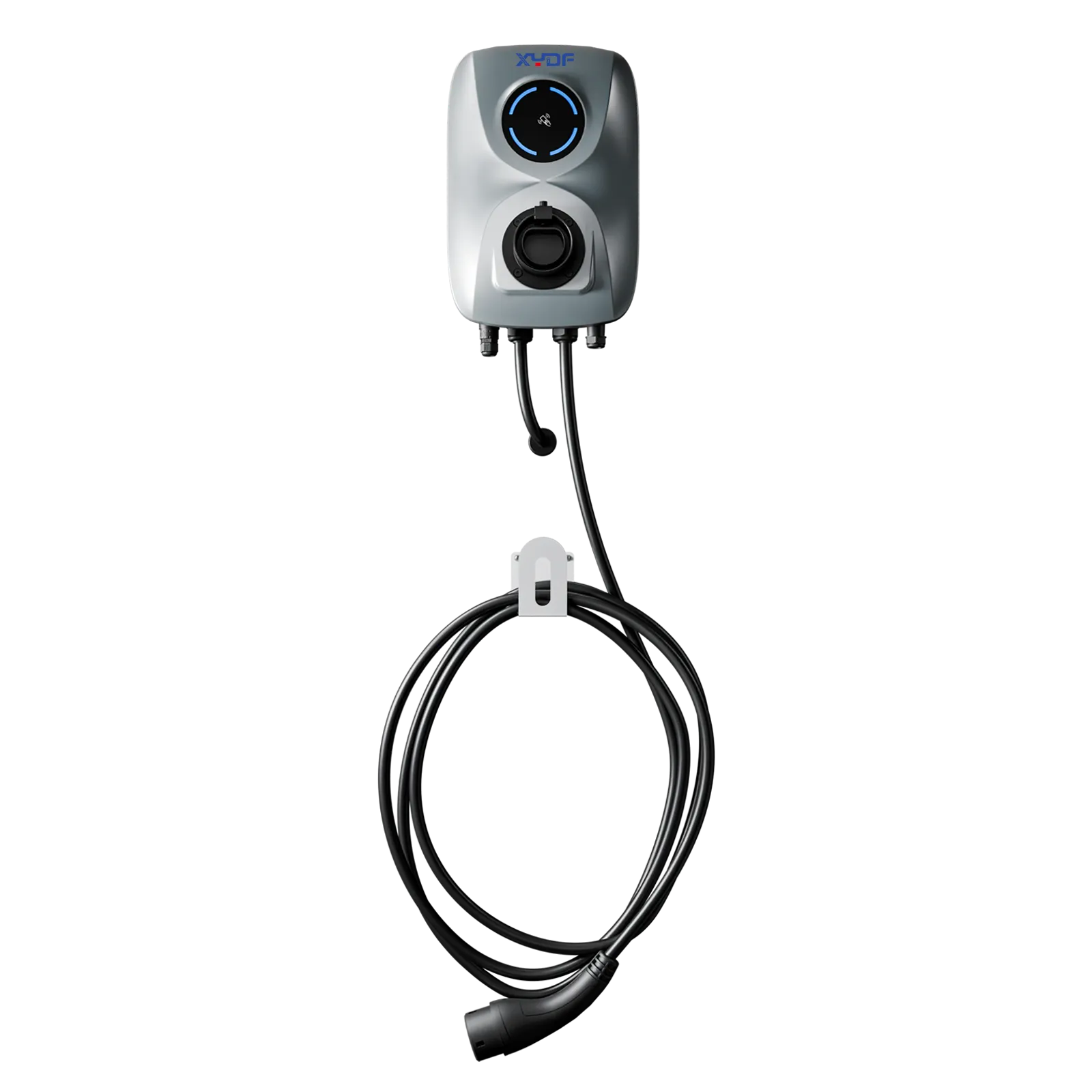
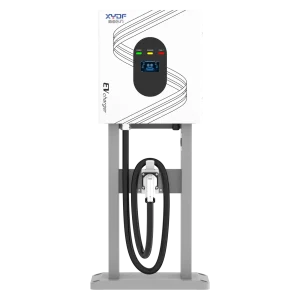
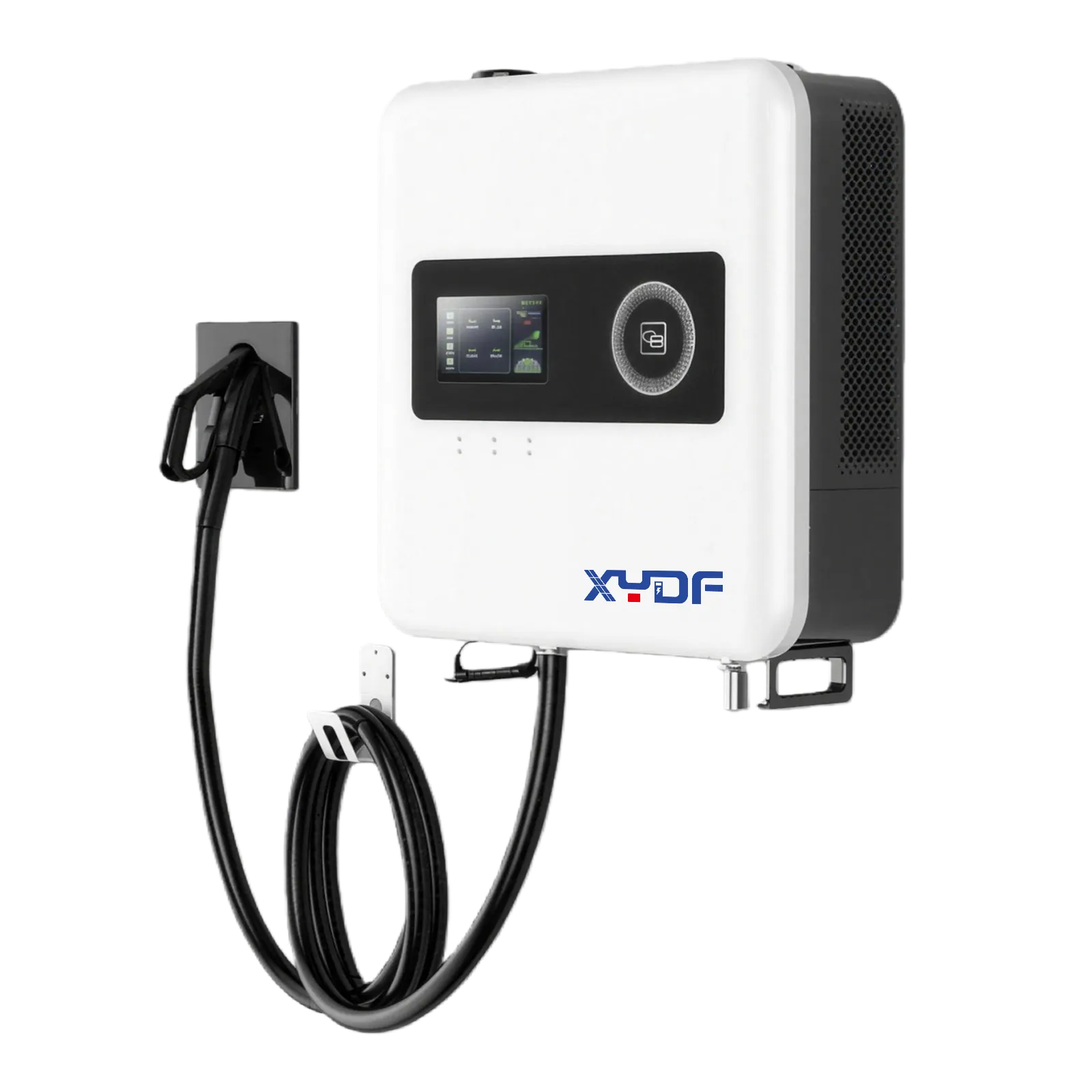
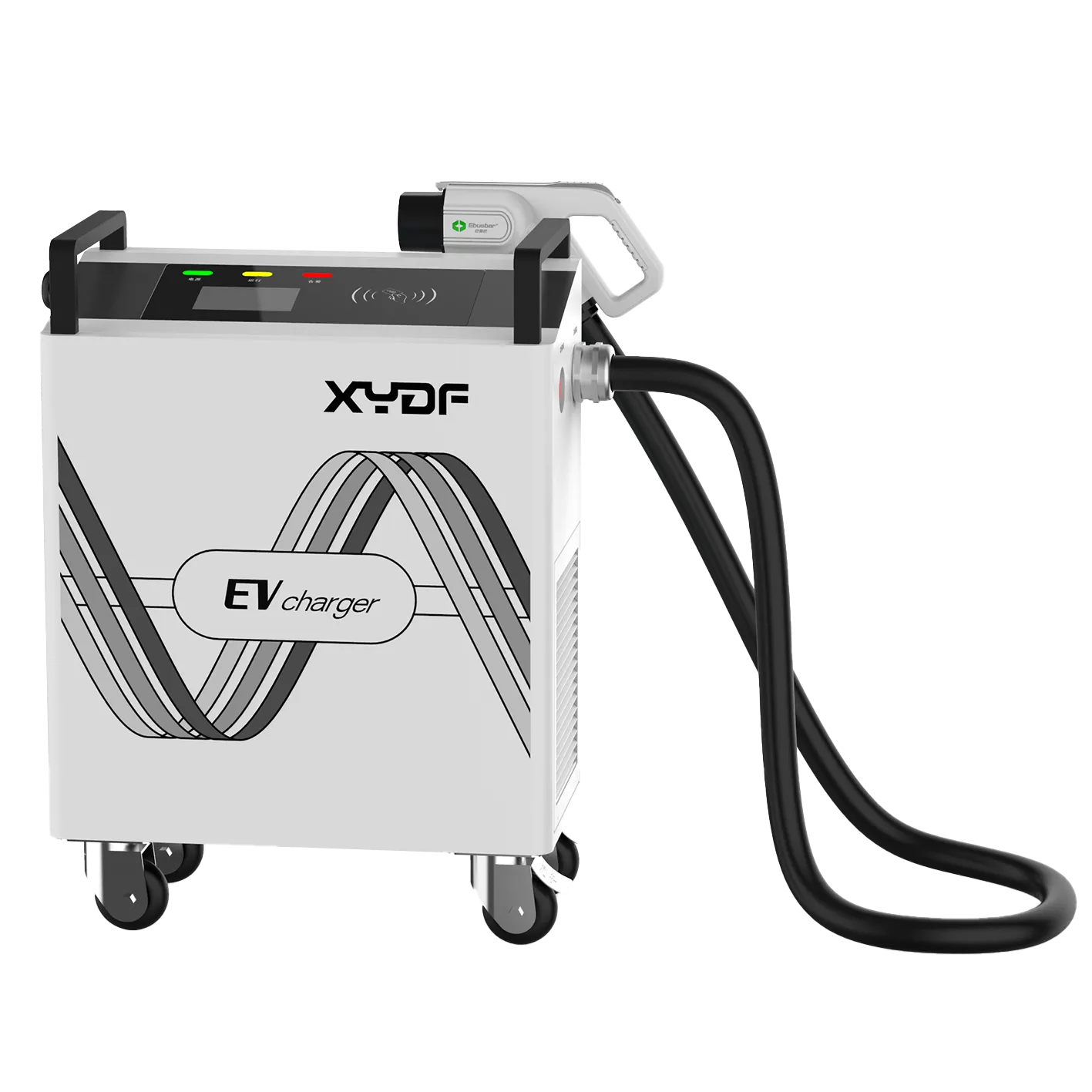
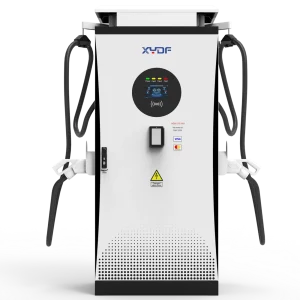
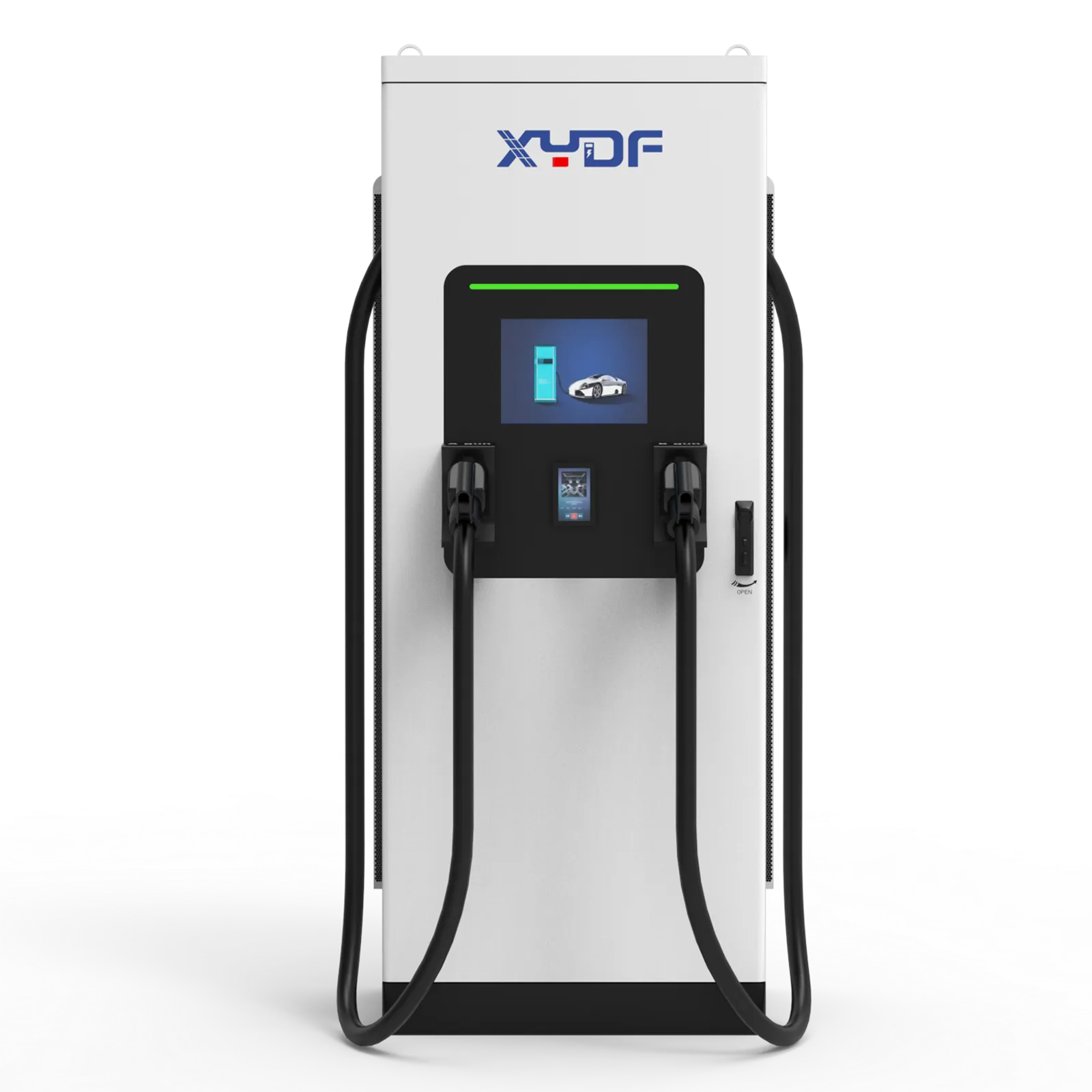
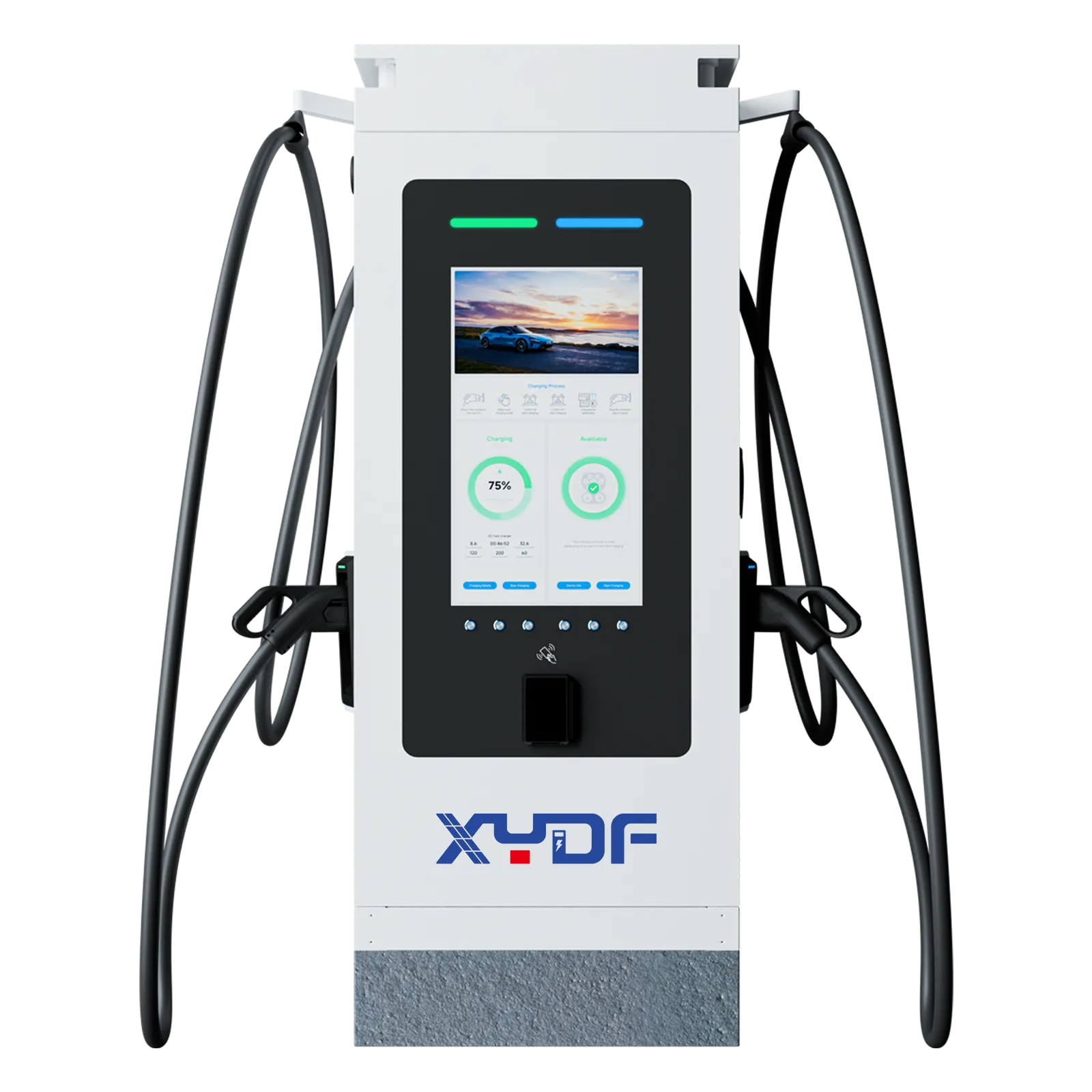
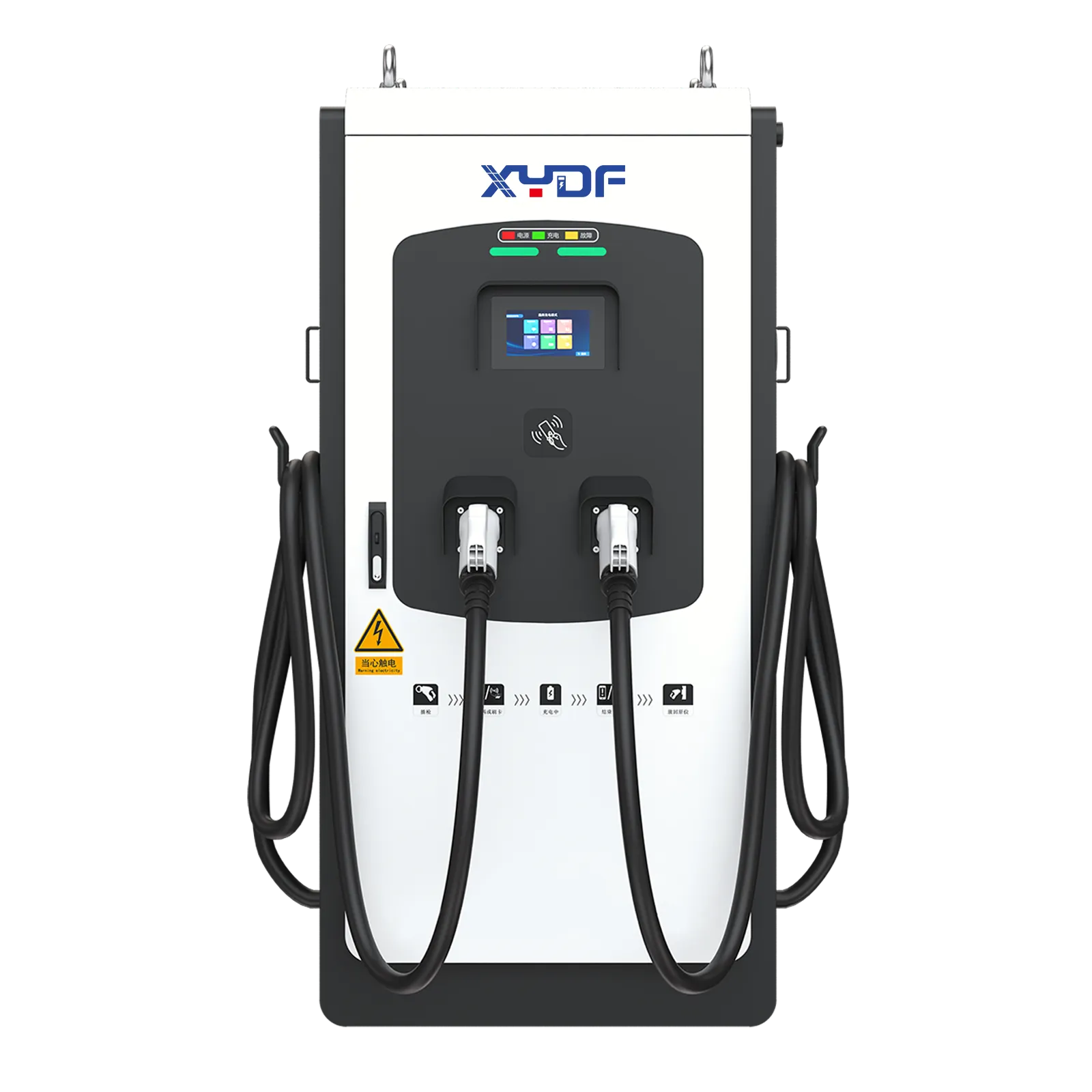
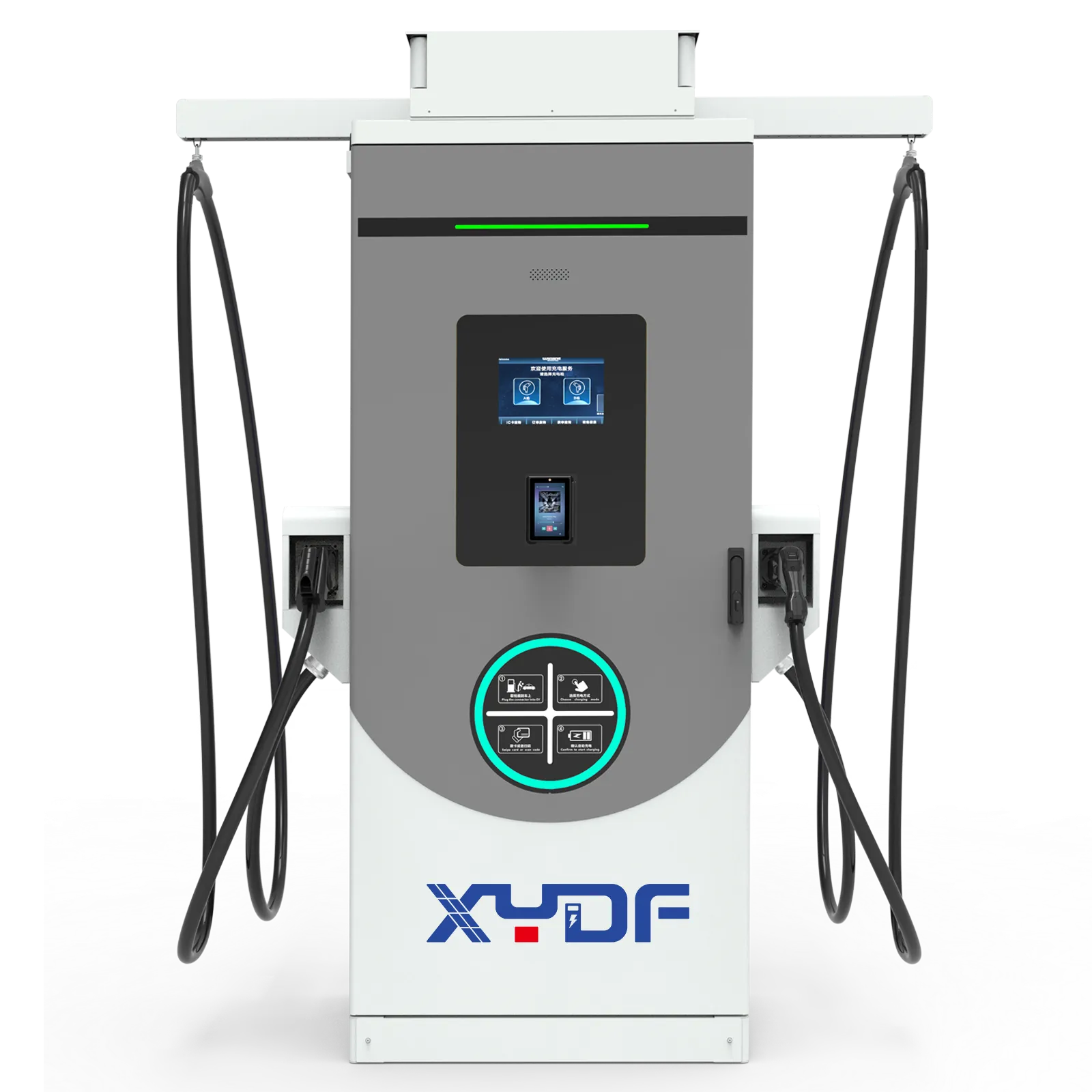
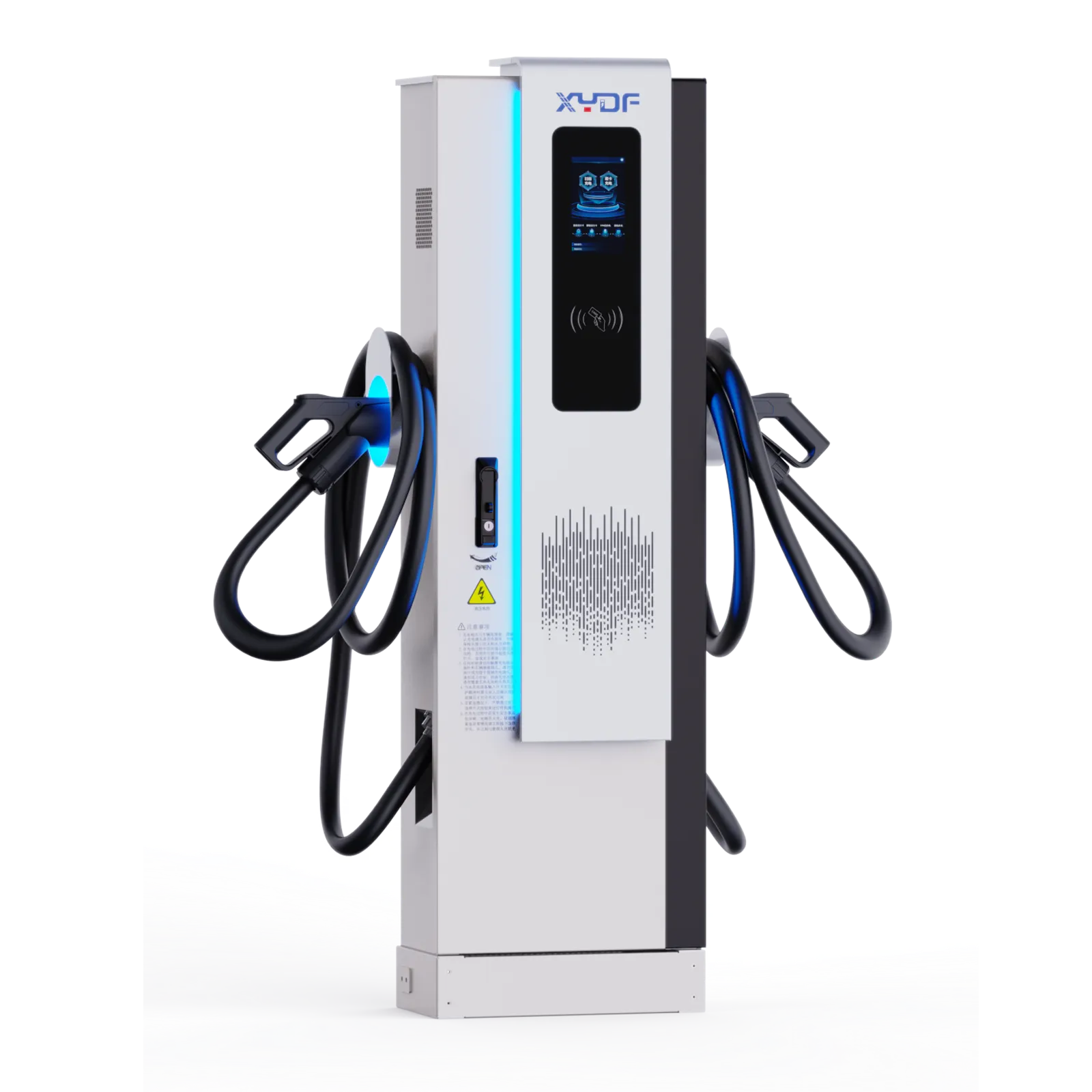
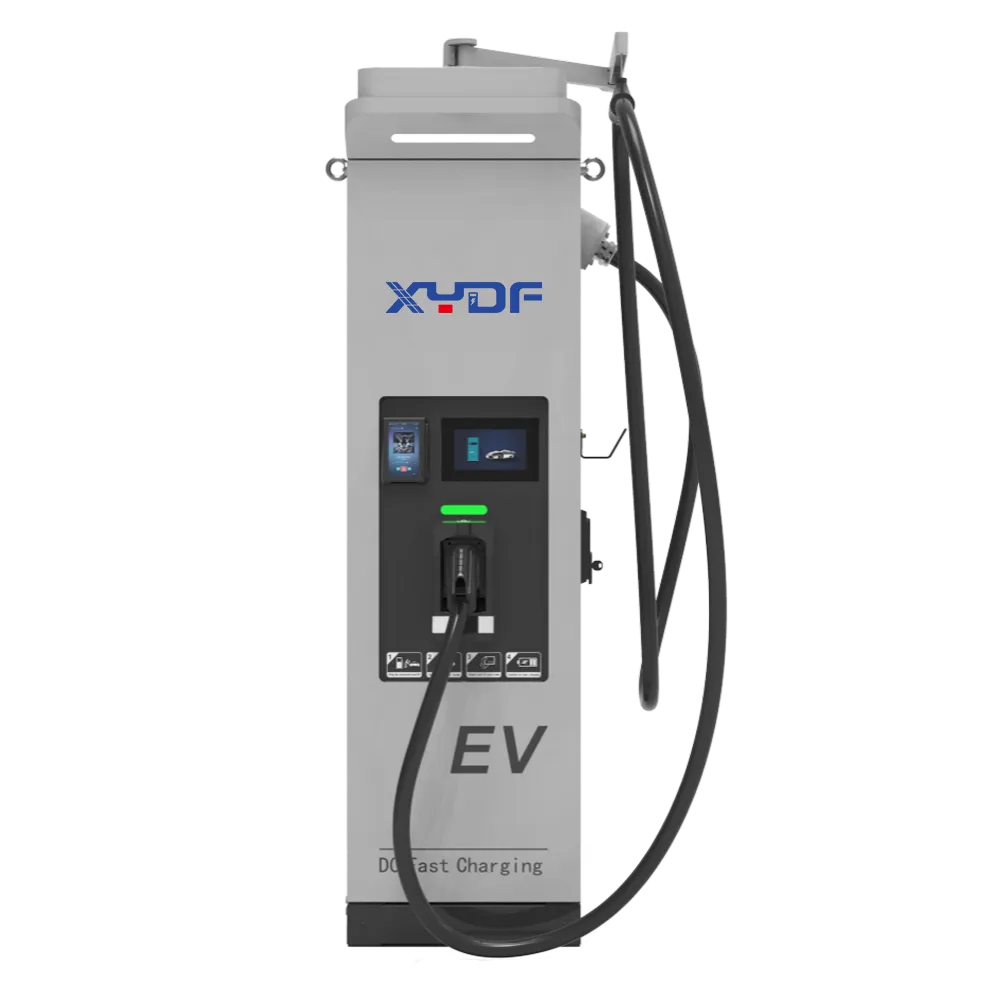
If you are considering EV charging options, consider XYDF, which provides Level Two EV Charging Stations that will satisfy your practical needs for both home and business use as well as fleet use. Whether you wish to replace your current EV car with a better one, or you are using commercial property or fleet vehicles, XYDF aims to meet the performance and ease-of-use criteria while designing products that are easy to install as part of the transition to electric vehicles.
XYDF Level 2 Electric Vehicle (EV) charging systems can be used for a variety of sites, such as homes, apartments, hotels/motels, offices, retail, parking and fleet operations. You may choose various options for the components of your system, depending on the needs of your project; including but not limited to smart charging, rugged outdoor rated enclosures, flexible power options and management capabilities for commercial use. If you’re a property owner in Virginia, you will have the ability to choose a charging solution that meets your current demand and anticipates the growth of EVs in the future.
In addition, an established supplier will assist purchasers in steering clear of typical misalignments including: charger capacity v. vehicle charging limitation; electrical infrastructure vs. real world utilization. When in doubt about which level 2 charger is best for you, ask XYDF for assistance in assessing your situation and selecting an appropriate charge option rather than just picking the highest or most expensive charger.
Choosing the Right Level 2 EV Charging Station
To select a proper and suitable Level 2 EV Charging Station in Virginia, it is important to determine your user base, and how frequently the charging will occur. A daily driver will have different requirements than an electric delivery fleet, electric vehicle hotel, or an electric vehicle retail plaza. An appropriate Electric Vehicle charging station will be dependable, adequately powered, safe, easy to operate, and will work well with your existing and anticipated vehicle inventory.
Smart chargers that allow for scheduling and energy tracking; can be controlled; via an app or over Wi-Fi are becoming the preference of most buyers purchasing chargers for their home. In contrast, buyers looking for commercial chargers primarily consider things such as durability, uptime, payment options, cable management, reporting tools and customer service when making a decision. Finally, if your charger will be installed outdoors it is highly recommended that the charge has a weatherproof rating. Providing adequate signage and easy access to public chargers will help improve the experience for people using the charger.
Permits, Codes, and Professional Installation
You should not consider EV charger installation as an appliance purchase alone. Since a Level 2 charger will require significant electrical power to operate, the installation must not only comply with National Electrical Code requirements but also the requirements of your local jurisdiction. As such, it is critical that you work with a licensed electrician who is familiar with local permitting and inspection procedures, especially since these may vary from city/county to city/county in Virginia.
By having your home, vehicle, and electrical system professionally installed, you will protect them from potential hazards. These hazards include overheating due to lack of ventilation and nuisance breaker trips (accidental trips due to an overloaded breaker). Improper grounding can cause a serious hazard, as well as violations to the code. If you are planning to apply for any type of utility incentive, rebate, or commercial energy program, documentation and a proper installation may be needed.
Are There Incentives for EV Charging in Virginia?
The availability and type of incentives available for electric vehicles (EVs) will evolve with time and be dependent on several factors including geographical area, utility provider, property type, type of EV chargers, the electricity supplier being used, and the EV charging project size. Utility providers, local governments, or other federal programs may offer some type of incentive for eligible EV charging systems or electrical upgrades associated with qualifying EV chargers. Potential incentives may exist specifically for commercial and multi-family developments; especially those supporting public access, workplace charging, or fleet electrification.
Before you purchase any equipment, you should consult with your electric utility company, local government agency and a tax adviser as appropriate. There may be specific requirements from incentive programs regarding charger certification, network capability, installation date, documentation, and approved contractor participation. Planning ahead will help you to avoid missing possible savings.
Best Locations for a Level 2 EV Charger
The perfect location relies upon the type of property that you want to add a new car charger. Normally a parking space where your vehicle is located; whether it be within a garage; or along a driveway wall; or near the carport are all ideal locations. Shorter distance to wired connections lowers installation difficulty, but convenience in the accessible reach of safe charging cables is also important.
To provide the best experience possible for users, it’s important that chargers in commercial spaces are properly positioned (visible and accessible), and located in areas where EVs will typically be parked long enough to take advantage of Level 2 charging. In addition to proper location of the charger, good lighting, clear signage, ADA compliant design (when required), and safe cable placement all contribute to improving the overall user experience with the charger. If you’re a business owner with an electric vehicle charging station, it is also important to consider if the charging space will be dedicated for EVs only and how long users will be allowed to occupy a charging space after they finish charging.
Level 2 Charging vs. DC Fast Charging
DC fast chargers have more power than both Level 2 chargers and they can charge an EV much faster, usually in less than an hour. However, DC fast chargers require much more investment to install and maintain than Level 2 chargers. In most cases, the utility companies will need to upgrade their infrastructure, there may be significant demand charges each month and there can even be a complicated permitting process to deploy a DC fast charger.
Level 2 charging is ideal for locations like: homes, workplaces, hotels, apartments, schools, and parking garages that are not used during the day but instead used overnight. DC Fast charging is typically better for areas where vehicles are being charged for short periods of time (such as highway corridors). Many property owners are finding that Level 2 charging is providing them with the highest return on investment.
Common Mistakes to Avoid
Purchasing a charger before checking the electrical capabilities of the charger and the vehicle is a mistake many people make. Additionally, some buyers select the highest amperage of a charger for their system without taking into consideration how much charge their vehicle can actually take. Some buyers also underestimate the importance of cable length, outdoor rating, warranty coverage and pro support when selecting a charger.
Commercial customers shouldn’t put in too few charging stations and not plan for future expansion. As more people are adopting electric vehicles (EVs), building the electrical infrastructure ahead of time is usually much easier than trying to retrofit it after the fact. Load management can be used effectively to allow multiple chargers to operate without needing to greatly increase the size of the electrical service. A properly designed system can help save you money and eliminate operational issues as your demand continues to grow.
Who Should Install a Level 2 EV Charging Station in Virginia?
The ideal candidate for installing a Level 2 EV charging station in Virginia includes residential users looking for dependable overnight charging, commercial users seeking to attract EV-driving customers, apartment communities responding to resident demand, as well as organizations transitioning their fleet to electric vehicles. Additionally, it represents a sound investment for property owners looking to “future-proof” their properties given the ongoing increase in EV adoption.
Level 2 charging is typically sufficient for your needs if your car is parked around 10 hours or more during the day. You may want to develop a more comprehensive charging strategy that incorporates public or private fast charging if you regularly drive long distances or if you manage several vehicles that are high mileage. A good strategy will require you to evaluate your driving patterns, charging windows, budget, and available electrical infrastructure.
FAQs
How fast is a Level 2 EV charging station?
Depending on the charger output and the vehicle’s onboard charging capability, Level 2 chargers extend the range of electric vehicles by 20-40 miles every hour. For most EV owners, this is sufficient to fully charge their vehicle in an overnight period or during an eight-hour workday.
How much does a Level 2 EV charging station cost in Virginia?
There are various factors impacting total cost, including: Charger model, distance of installation, capacity of electrical panel, permitting, labor cost and whether or not upgrades will be necessary. In general, residential projects will typically have fewer complications than commercial projects; however, commercial installations with multiple ports and networked connections tend to come with a higher cost.
Do I need a permit to install a Level 2 charger in Virginia?
Depending on the municipality, permits and inspections could be necessary for a new 240V circuit or hardwired EV charger. Given that localities vary, you should collaborate with an electrician that knows the local codes.
Can I install a Level 2 EV charger outdoors?
Yes, multiple model versions of Level 2 Types of charging stations have been produced, specifically allowing use in outdoor areas; ensure the charging unit you choose has been properly rated as an outdoor unit and that its installation meet local inspections.
Is a plug-in or hardwired Level 2 charger better?
While a plug-in charger could be easier to install and remove, a hardwired charger may be better for use outdoors, require a higher amp rating, or be used in commercial applications. Your electrical system and the rating of your charger will ultimately dictate which type of charger will work best for your needs. Local codes should also be followed when selecting your charger type.
What power supply does a Level 2 EV charger need?
A dedicated 240-volt circuit is typically required for a Level 2 charger with some exceptions; therefore, types of circuits will vary with the size of the charger. You’ll want to use a licensed electrician to confirm whether your electrical panel has the capacity to safely supply power to the Level 2 charger being installed.
Is Level 2 charging enough for daily driving?
The vast majority of EV drivers will definitely say yes; level 2 charging will supply most people with sufficient daily mileage (range) to accommodate their commute and running errands while their vehicles are parked overnight and/or during the day for extended periods of time (3 hours or more).
Can businesses charge customers or tenants for EV charging?
Many Commercial Level 2 EV charging stations provide a means of processing payments and/or providing access control via an integrated network of software systems. Businesses utilize these services to offset electrical and operating costs while offering customers a valuable service.
Can XYDF provide Level 2 EV charging stations for residential and commercial projects?
Yes, XYDF offers Level 2 EV charging stations to cover a variety of different use cases including charging at home, charging at work, charging at multifamily dwellings, charging in retail stores, charging in hotels and charging for fleet vehicles. The buyer of these stations can choose from different charging stations based on charging speed, site characteristics, how often the charger will be used, and what kind of operational management the buyer requires for each station.
In Virginia, Level 2 electric vehicle (EV) charging stations provide a convenient alternative to traditional gas-powered vehicles when transitioning to an all-electric or hybrid lifestyle. By combining quality EV chargers with proper installation techniques and future-proofing considerations, both residential and commercial properties can benefit from quicker charge times, added convenience, and long-term investment value. Whether you are adding an EV charger to your existing home or purchasing/ upgrading an EV-ready commercial building for newer drivers to use, reputable companies like XYDF offer-level 2 charging solutions that will facilitate a smooth transition, create safe charging experiences, and provide an overall enjoyable experience for both you and your customers.
 Xinya Dongfang Electricity Technology Co., Ltd.