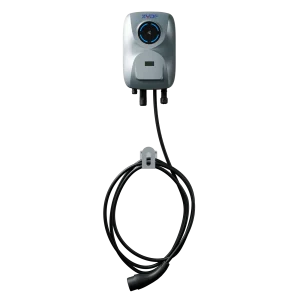
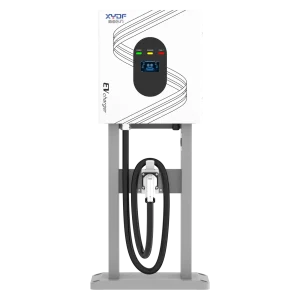
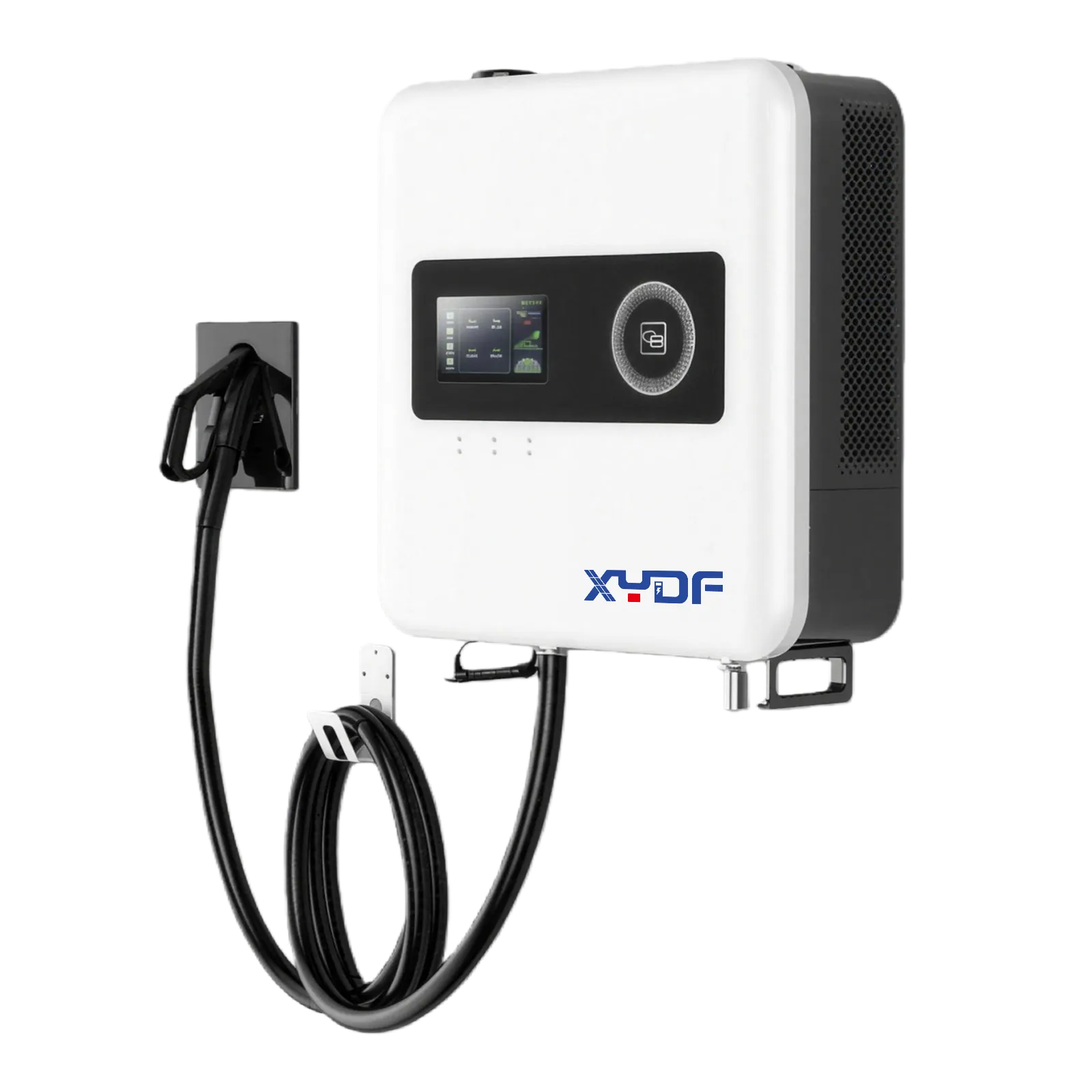
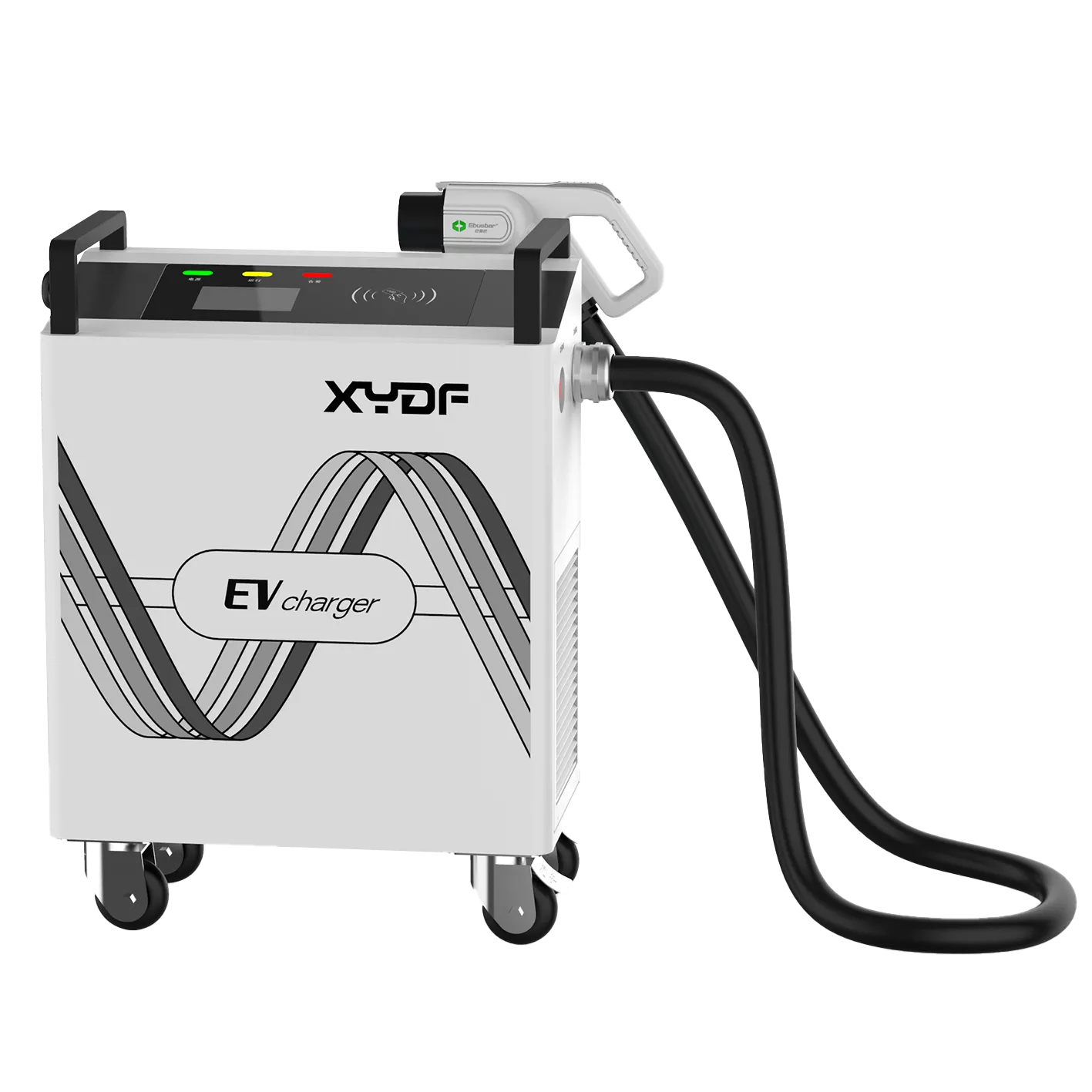
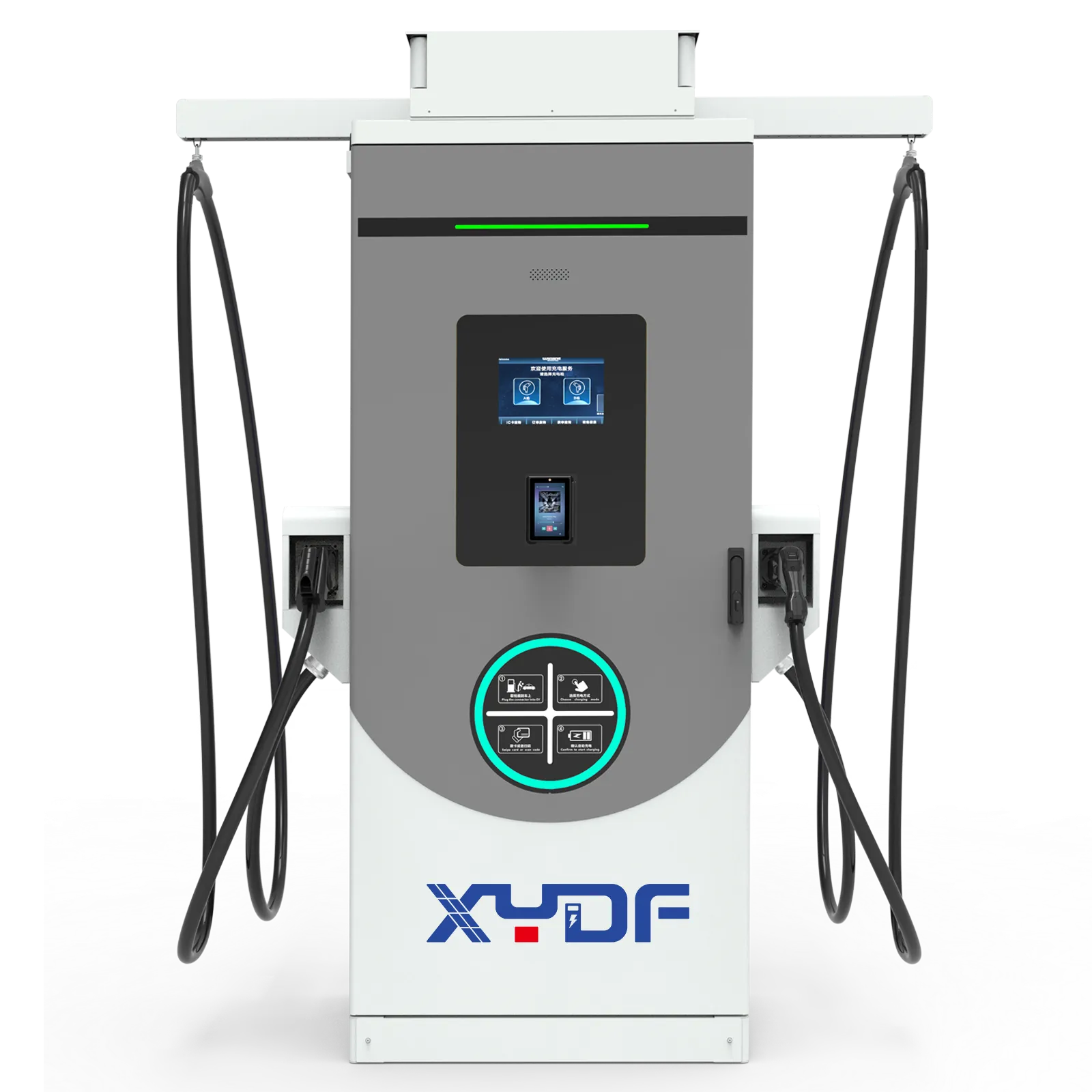
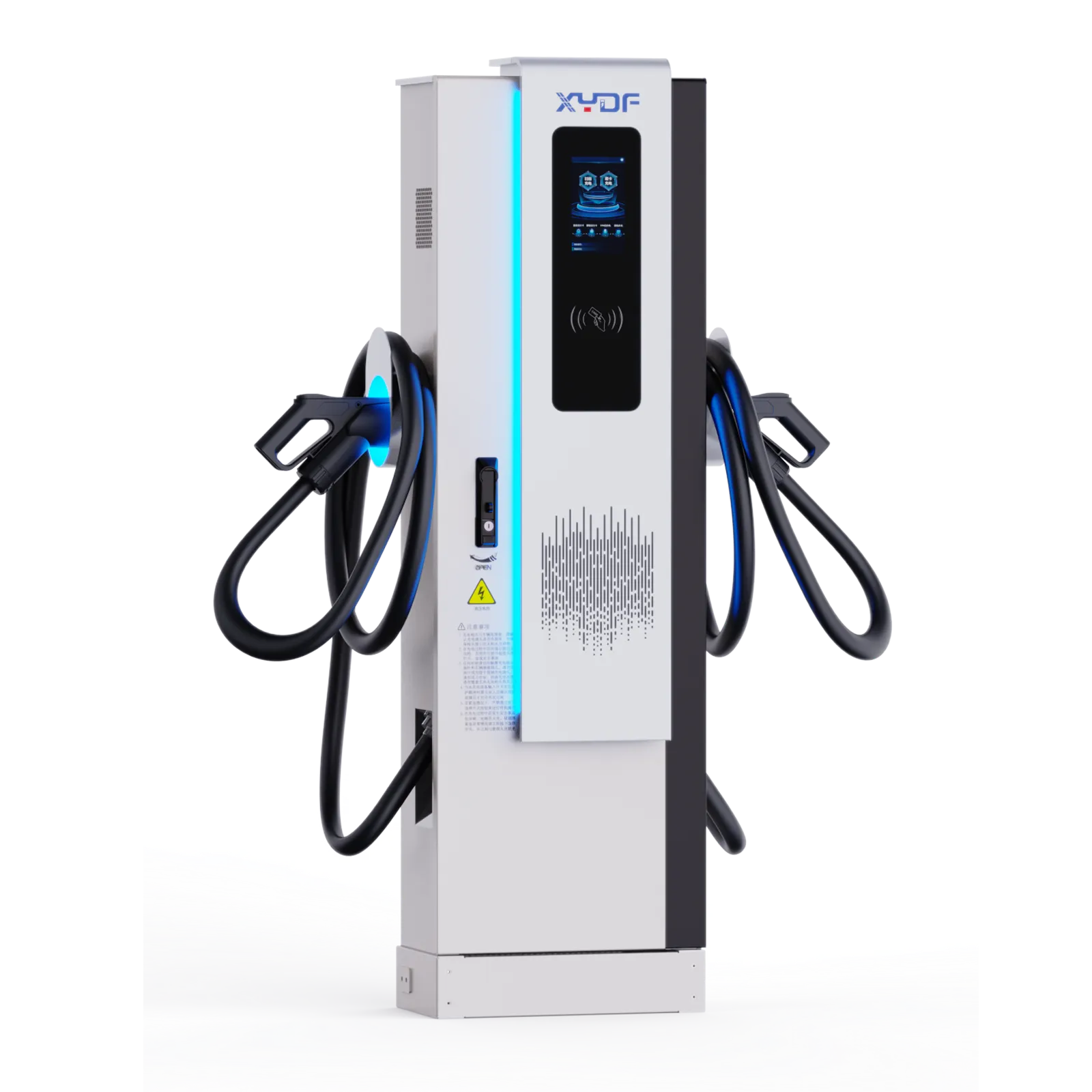
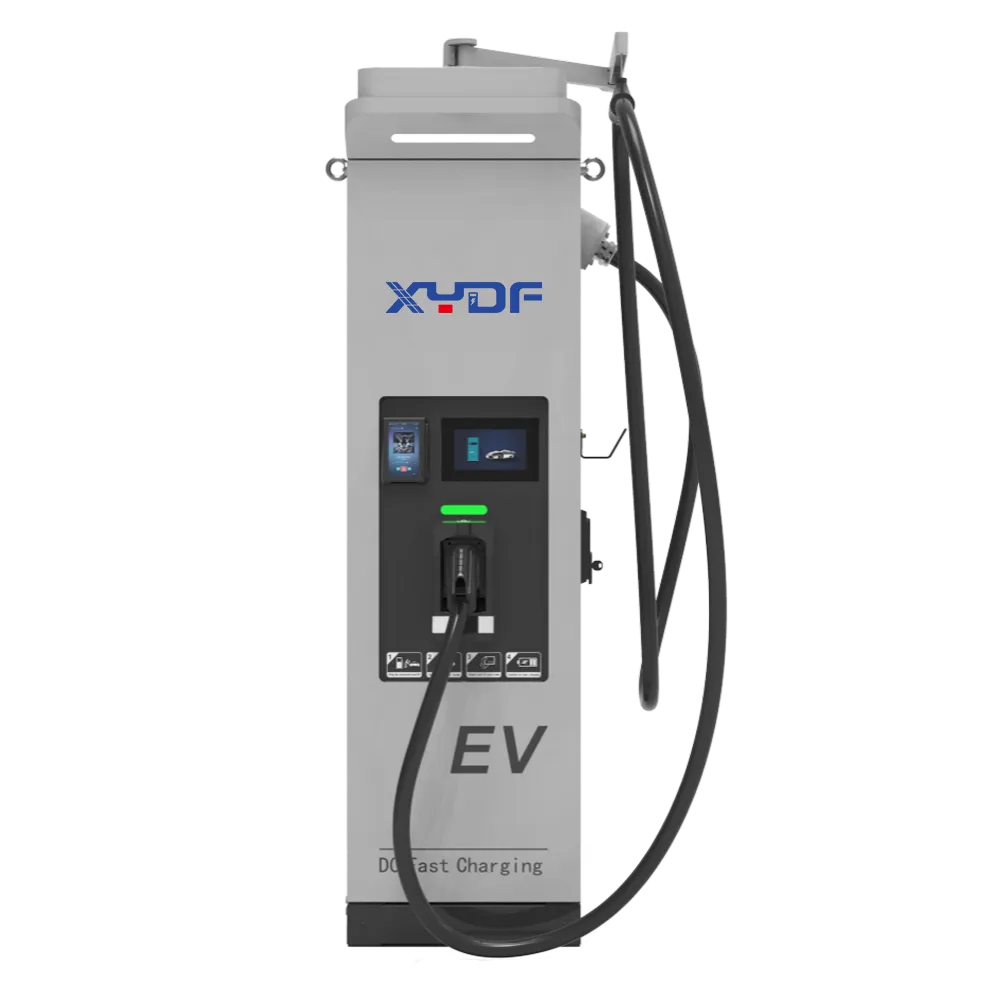
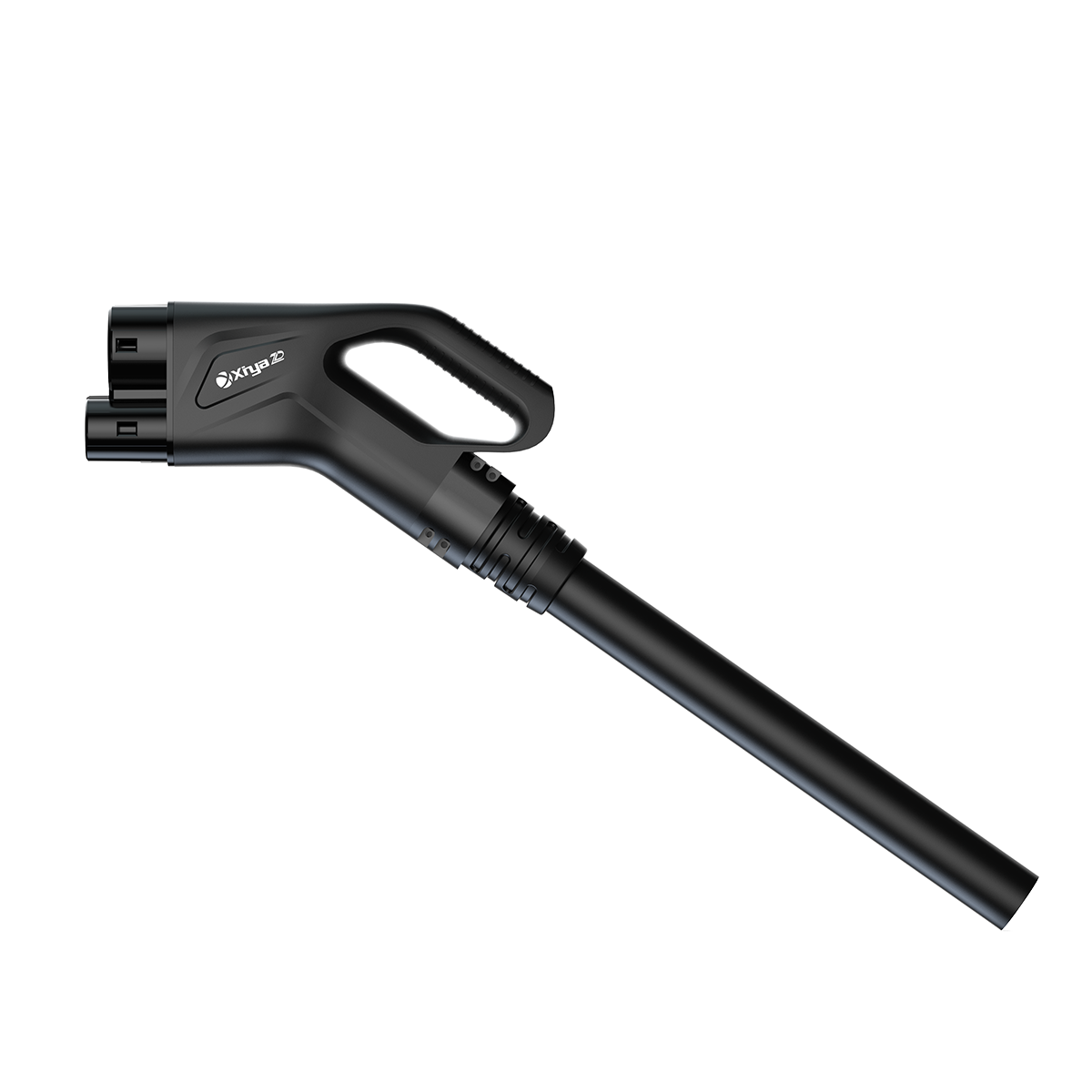
The growth of the electric vehicle (EV) market has increased at a faster pace than ever, which requires supportive infrastructure (EB charging stations) in order to successfully transition to Clean/Alternative fuels. New Jersey, viewed as one of the most innovative states, is establishing a comprehensive/accessible charging network for the state’s EV drivers. This paper will identify the various types of charging stations available in NJ, their locations, how to identify your particular needs for a station, how to take advantage of incentives available to EV owners, and how each of these types of stations will contribute to the vision of a sustainable transportation future.
Types of EV Charging Stations in New Jersey
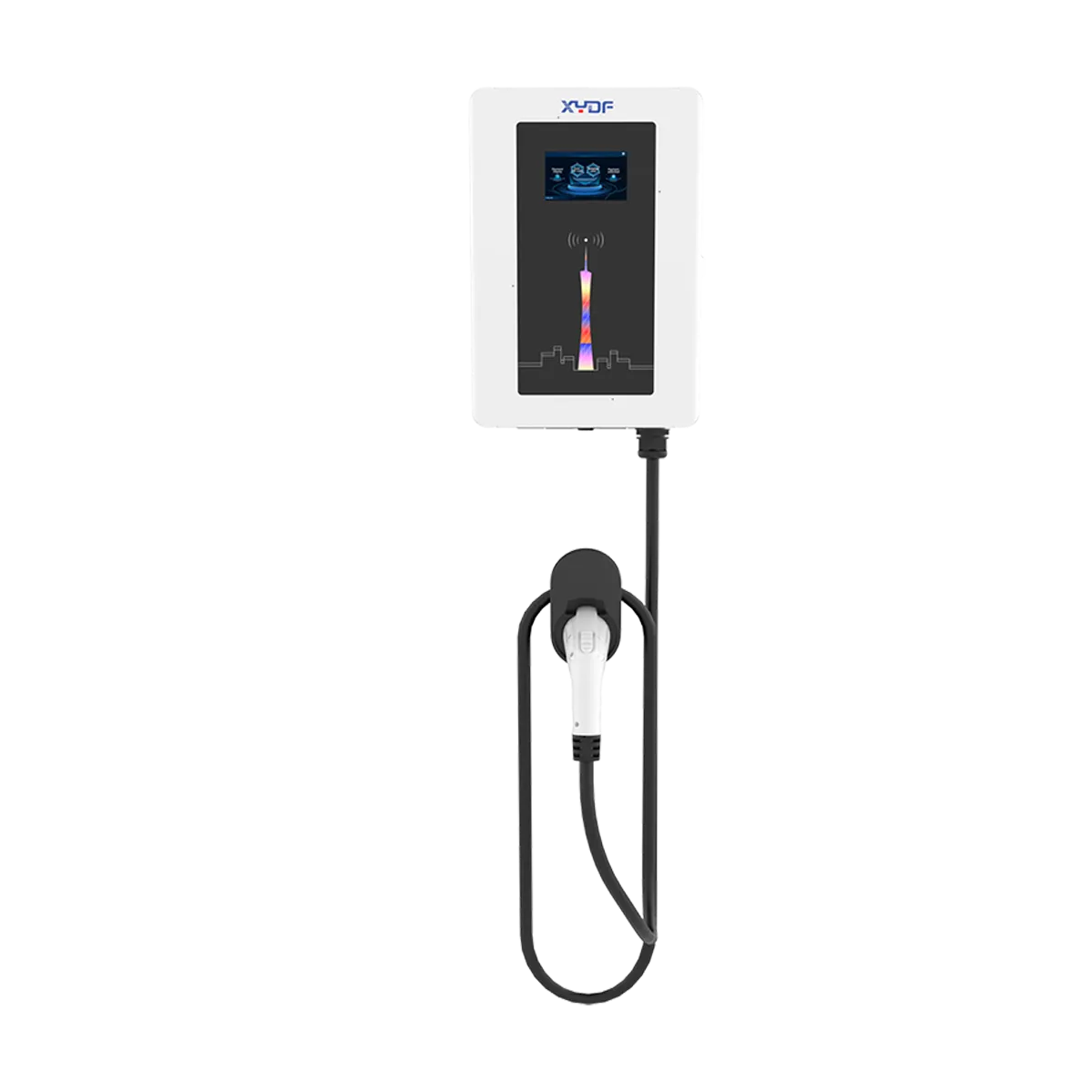
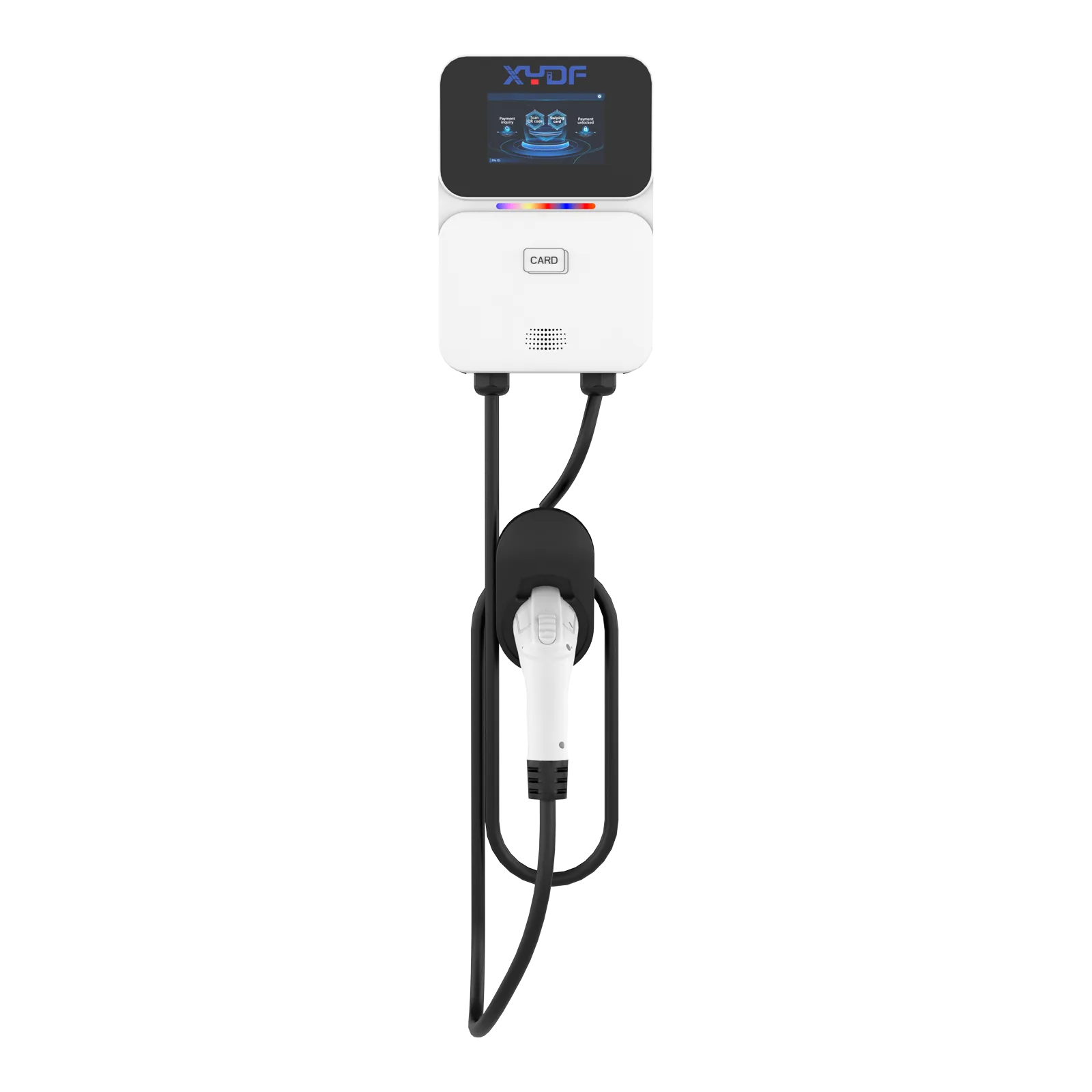
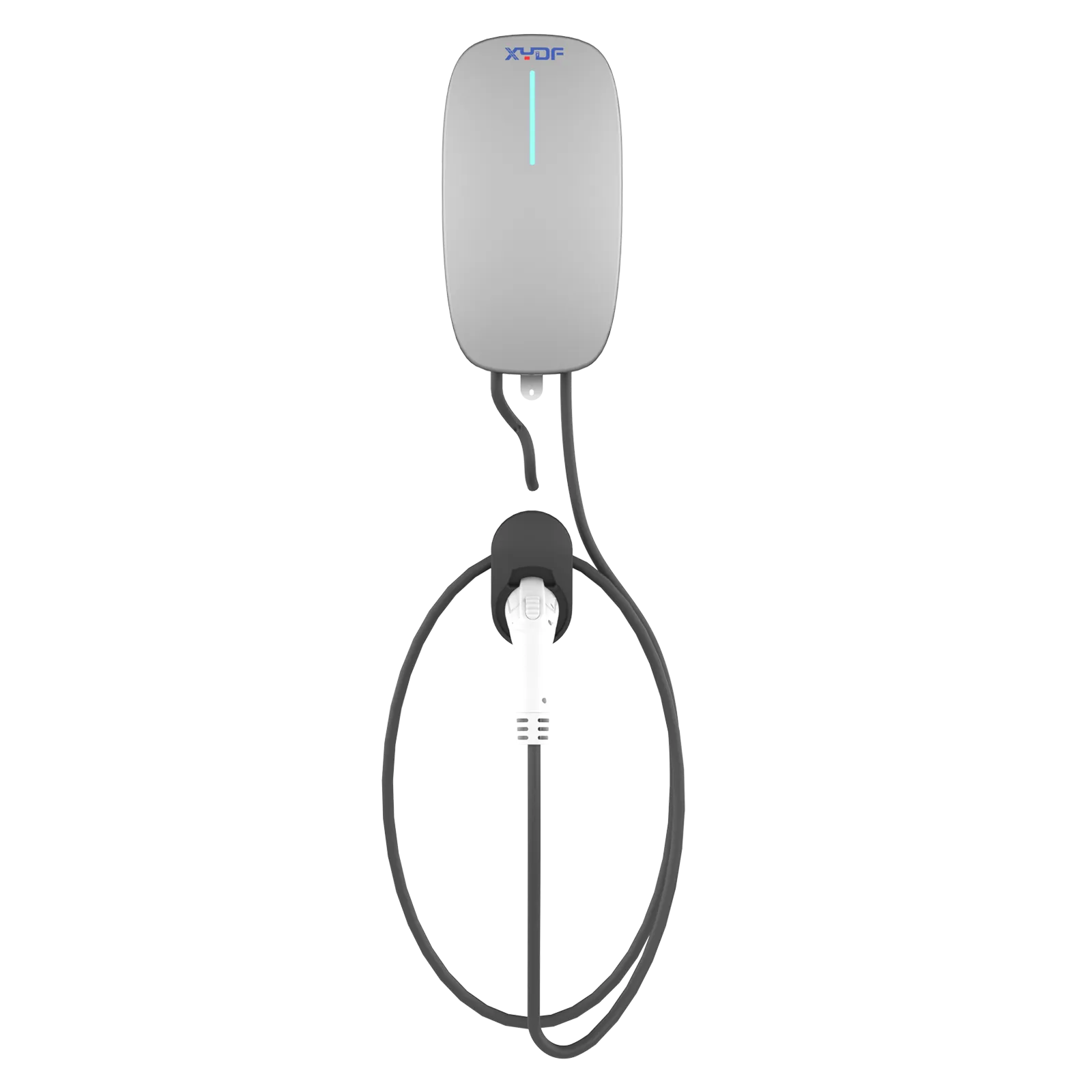
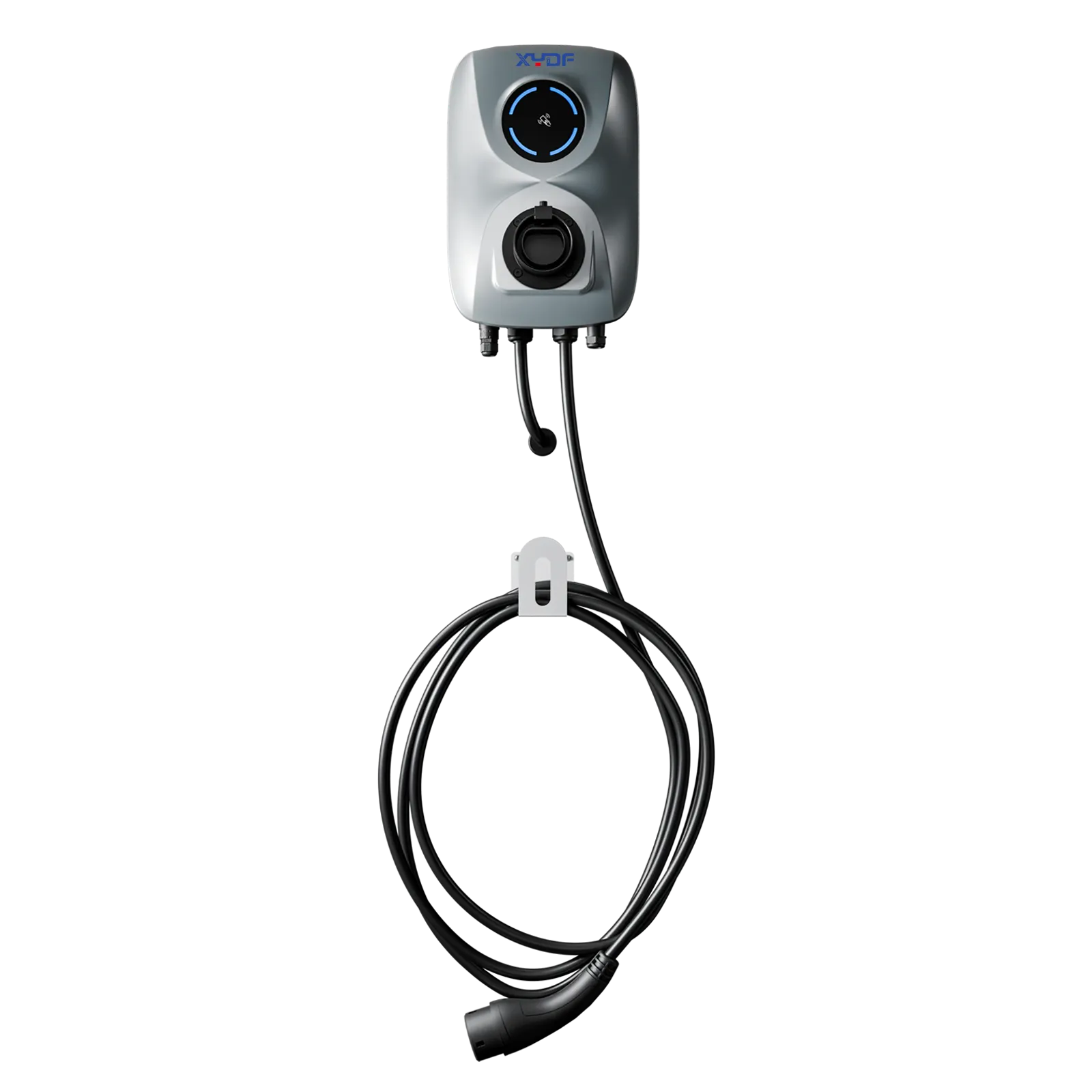
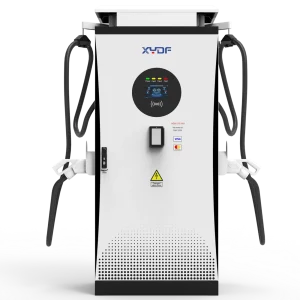
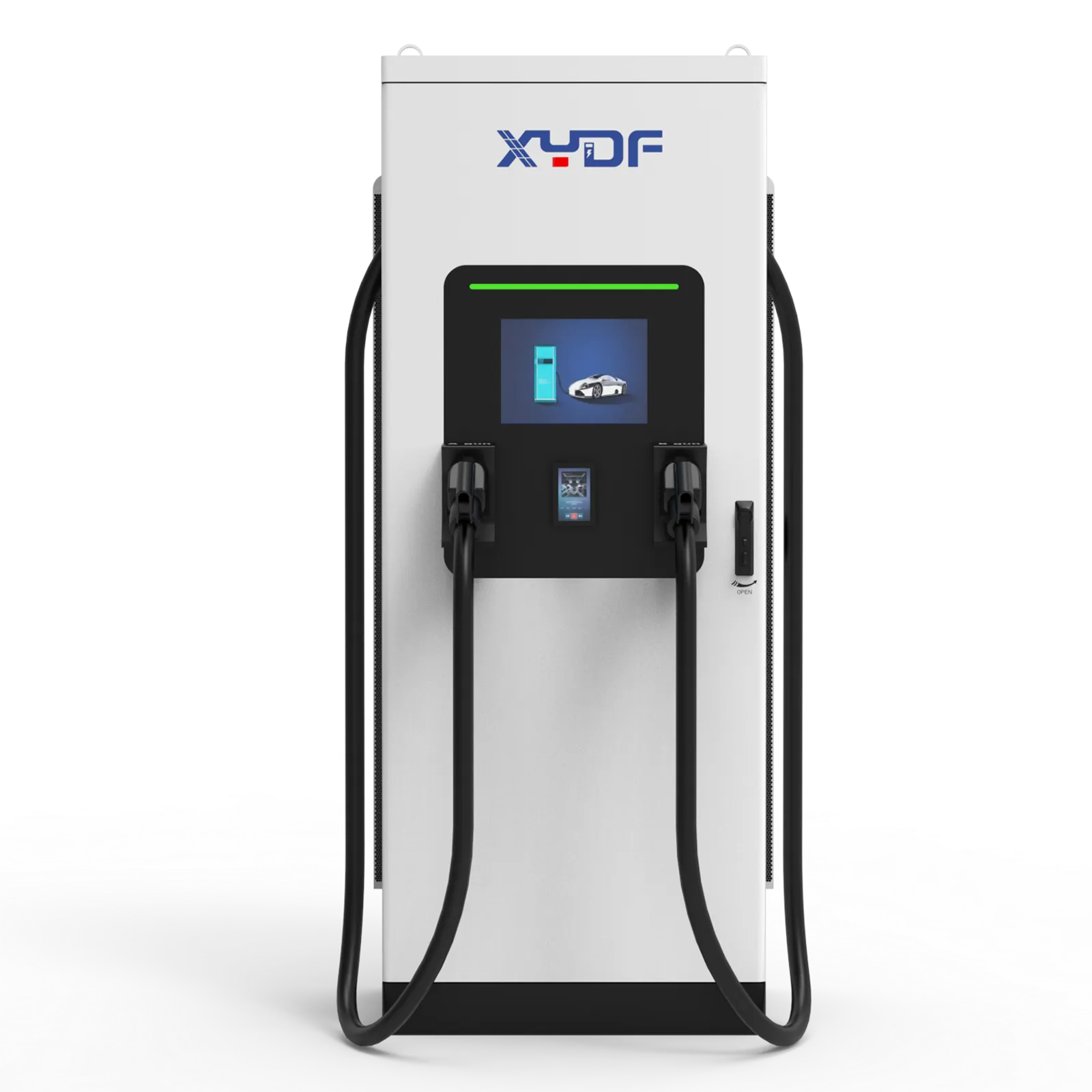
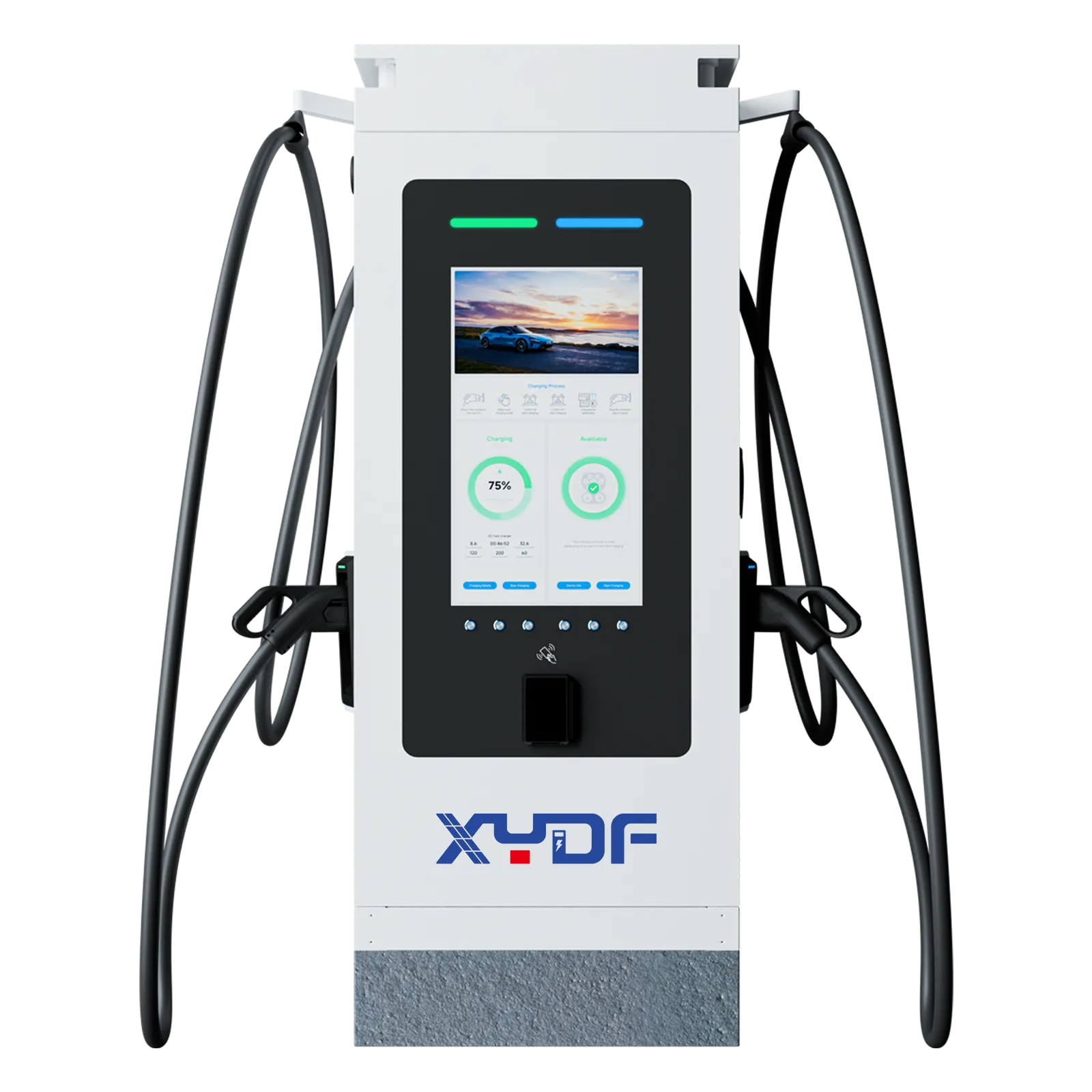
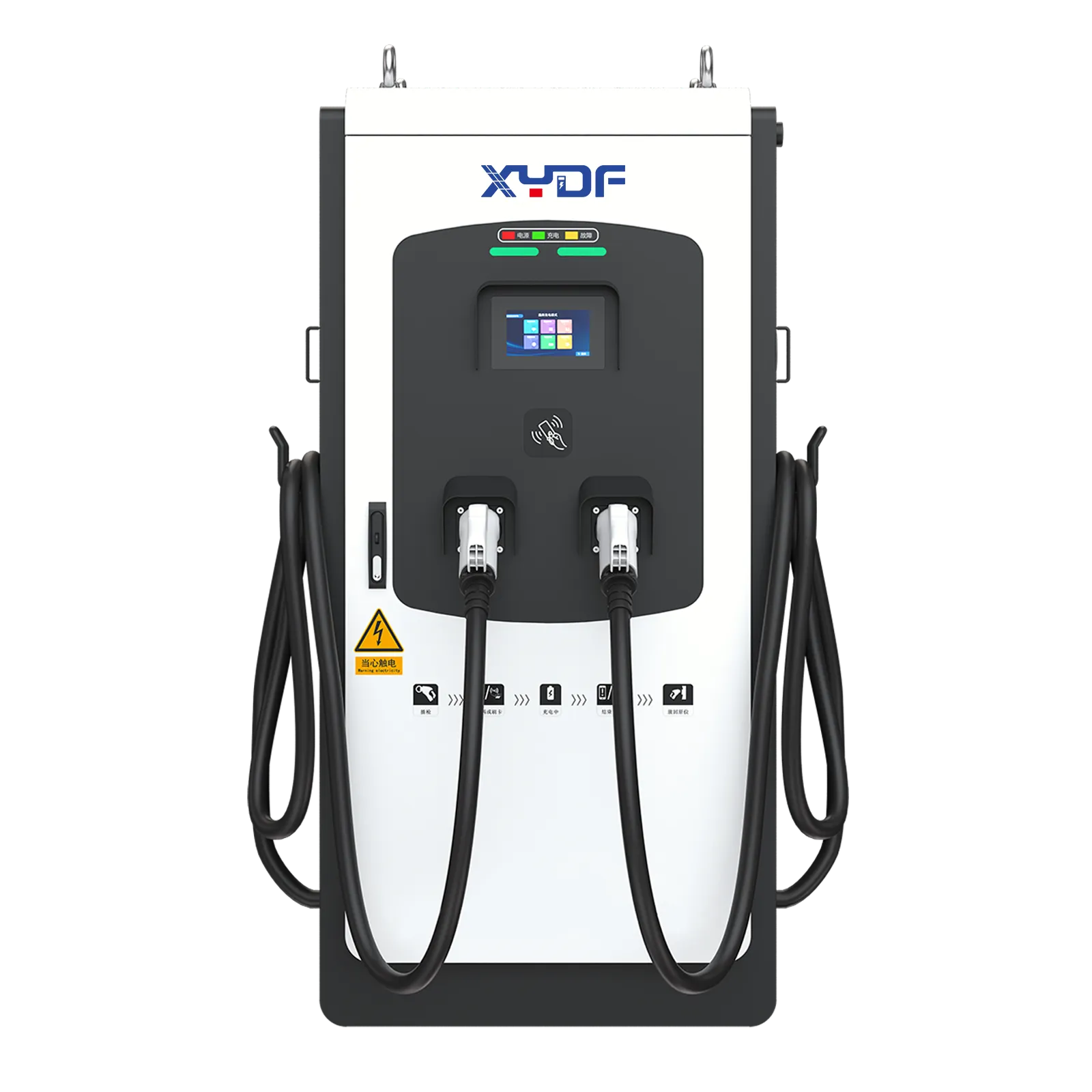
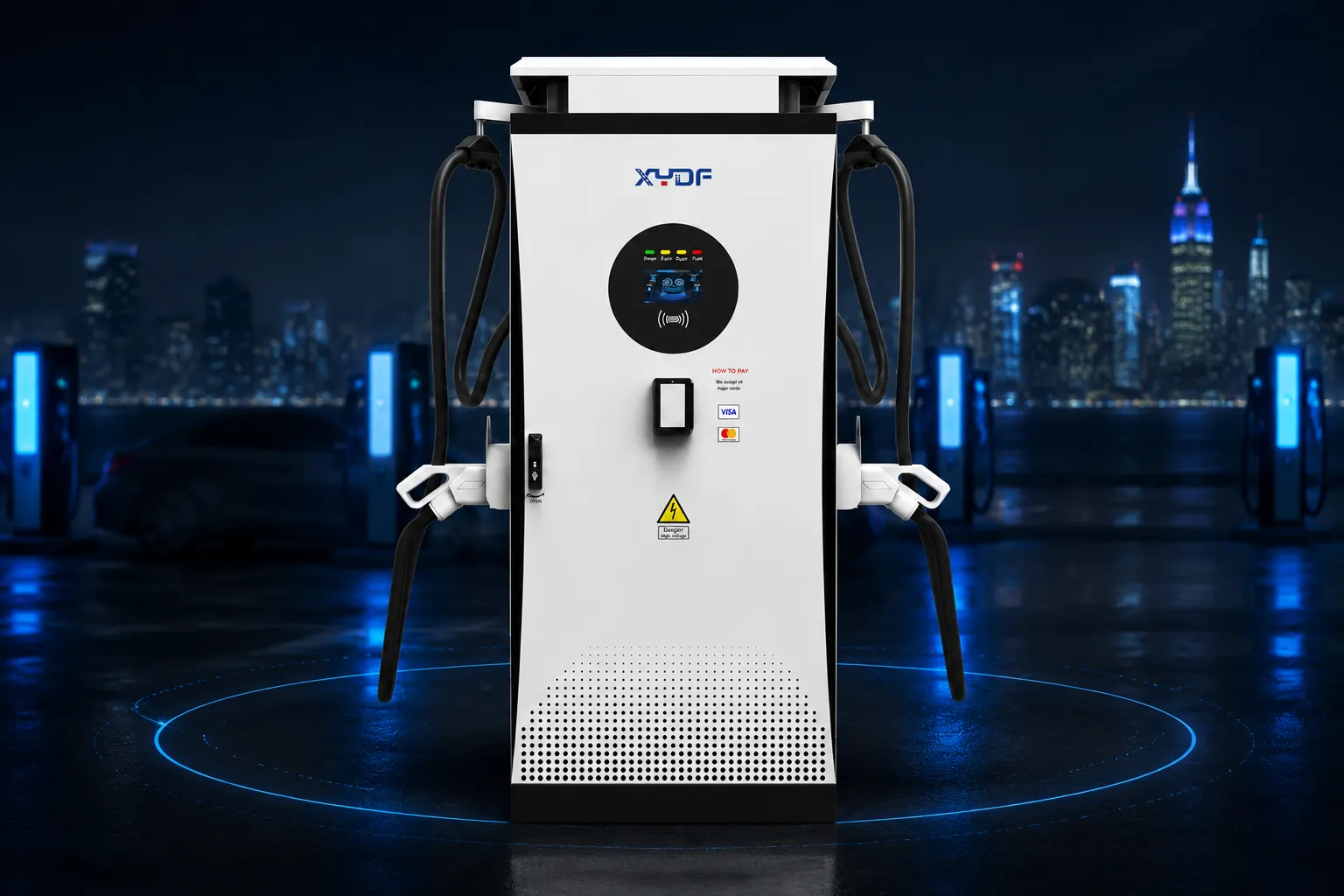
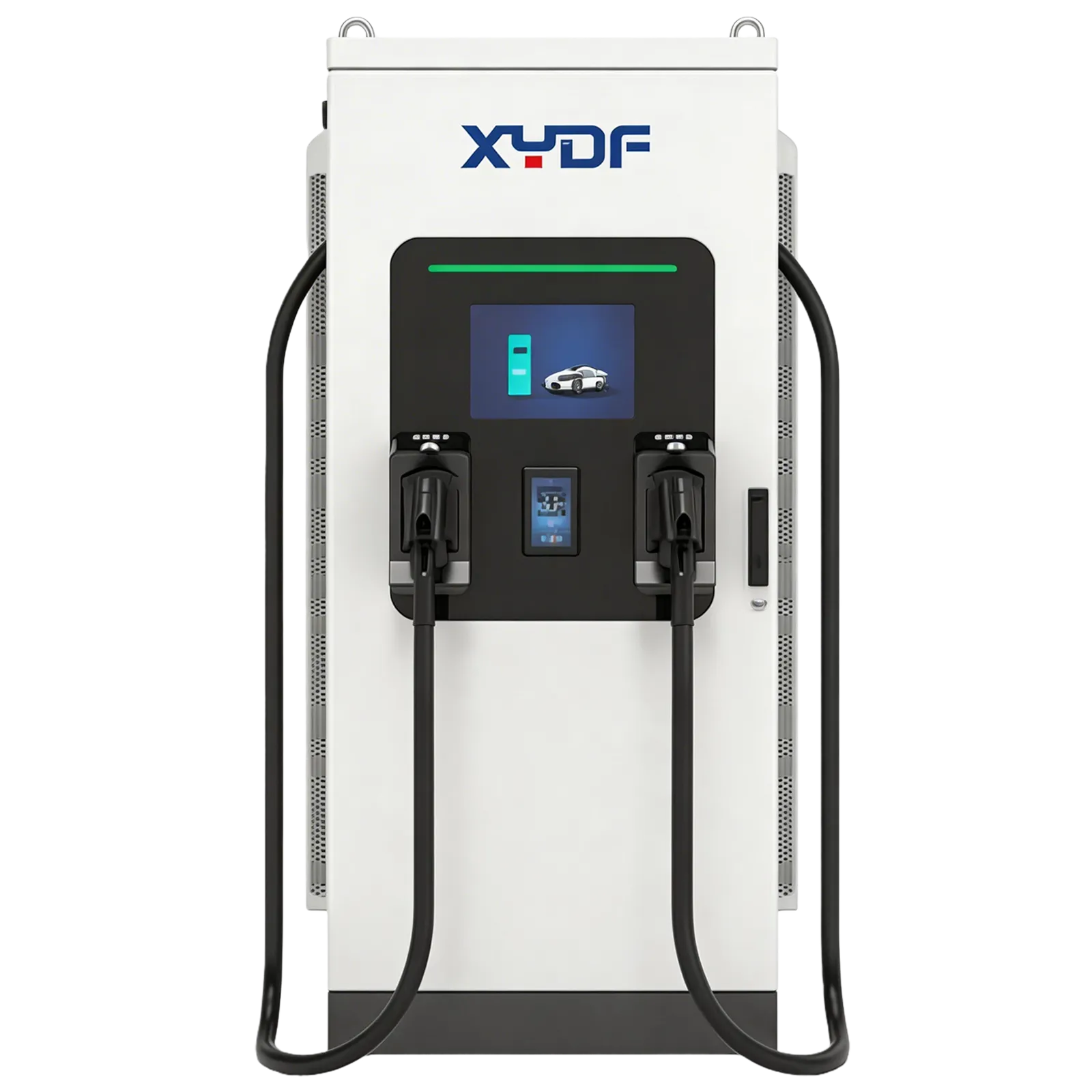
As electric vehicles continue to grow in popularity, New Jersey has established many types of electric vehicle (EV) charging stations for public use. Here are descriptions of each type of EV charging station:
| Charging Station Type |
Voltage |
Charging Speed |
Use Case |
| Level 1 |
120V |
2-5 miles per hour |
Home charging; overnight |
| Level 2 |
240V |
10-20 miles per hour |
Public and home charging |
| DC Fast Charging |
480V+ |
80% in 20-30 minutes |
High-traffic public areas; long trips |
If you need a quick charge during your travels, there are several types of charging stations available; however, the best option is to periodically use a DC Fast Charging station. For daily electric vehicle charging, Level 2 chargers will generally be your top choice. When you’re at home and need to fully charge your vehicle using a wall outlet only, then a Level 1 charger will be the most suitable option because it uses standard electrical outlets.
Popular Locations for EV Charging Stations in New Jersey
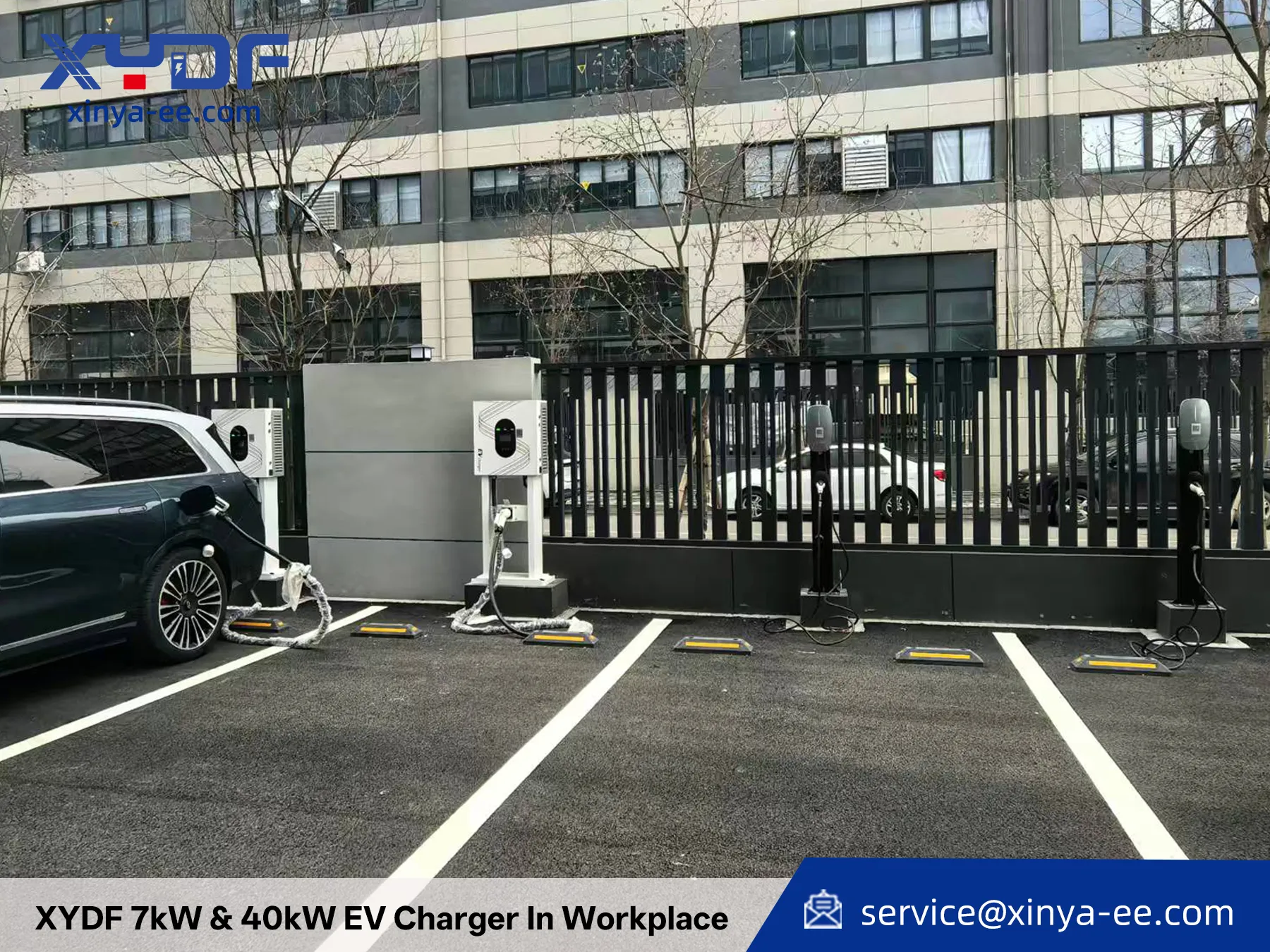
New Jersey has plans for additional electric vehicle charging stations in New Jersey’s busiest areas, including shopping malls, airports, office parks, restaurants, and other publicly funded places, so that customers can easily access the charging stations.
Notable locations to find public EV charging stations include:
You will find many different charging methods while shopping at major retailers such as Quaker Bridge Mall, Bridgewater Commons and Newport Centre.
Strategically placed New Jersey Turnpike and Garden State Parkway stations will be available along both highways to help long-distance commuters.
Fast-Charging Stations
Newark, Hoboken, Jersey City and Camden all have several locations where you can find fast-charging stations, with most located near parking garages or residential buildings.
If you have an electric vehicle, you can find charging stations location information and their availability in real-time by using applications and websites such as PlugShare and ChargePoint anywhere in New Jersey including price and reviews of the station.
Government Support and Incentives in New Jersey
To reach their clean energy targets, they have made available multiple programs and financial incentive options for drivers of Electric Vehicles.
Charge Up New Jersey: A state program that encourages people to buy or lease electric vehicles and install additional charging stations by providing an up to $4,000 rebate for each vehicle purchased/leased and an incentive to build additional charging stations.
Connecting Is Rewarding: New Jersey state government provides grant funding for businesses, nonprofit organizations, and governmental agencies to install Level 2 & DC Fast Ev chargers from the State of New Jersey through its Grant Program. These grants provide an incentive for businesses to purchase EV chargers and will therefore encourage more people to drive electric vehicles (EVs).
Zero-emission vehicles are not subject to sales tax or related charges or attachments for charging equipment or other items associated with those vehicles.
Offering various incentive programs, such as the federal income tax credit incentive, will reduce the overall cost of purchasing an electric vehicle (EV) or charging infrastructure, and increase the chance to maintain the growth of demand for cleaner transportation in New Jersey.
The Role of EV Charging in New Jersey’s Green Future
New Jersey plans to significantly reduce its carbon footprint by 2050; as per its revised Climate Action Plan, the state hopes to cut its emissions by 80% from 2006-levels via the adoption of EVs. The IEA report shows that as of 2023, NJ has seen increased levels of new electric vehicle (EV) registrations; this growth rate is approximately 30%.
Statistics are indicating that there is a greater demand than ever for access to reliable and effective charging capabilities. Tesla, Electrify America and EVgo are coming together with state governments to help provide access to more public EV chargers statewide. With the goal of eliminating the worry of where to find a charger prior to buying an electric vehicle and instilling more confidence for future electric vehicle purchasers.
According to predictions, changes to the charging facilities found in Multi Unit Developments (MUD) at both home and work are being made to keep up with the demand for both public charging globally, by adding both private and semi-private infrastructure into the existing system as a whole. These trends will greatly reduce the barriers associated with everyday EV charging from both a facilities and infrastructure perspective, thereby supporting the overall transition to electrified mobility.
Advantages of Using EV Charging Stations
The state of New Jersey will greatly benefit from EV charging infrastructure, as will all New Jersey residents who drive electric vehicles as well as businesses and the New Jersey economy as a whole.
– Savings: Compared to buying gas for a conventional car, charging an electric car is much more affordable (if using off-peak power when possible), plus you’ll likely have access to state tax credits that can also help reduce both your charging costs and fuel expenses associated with driving an internal combustion engine (ICE) vehicle.
– Environmental Benefits: Electric cars do not produce any exhaust emissions, so they’re benefiting our environment compared to traditional cars that run on gasoline. New Jersey gets even more of those benefits by being able to use renewable energy sources to provide power for EV charging stations.
– Convenience: As the availability of charging stations increases in busy locations, they allow drivers to reliably find a point to charge for the time spent away from home short-term or for extended trips.
– Technology Improvements: Newer types of charging stations now allow for the ability to use payment apps, track usage and utilise data to make a smarter prediction on what the projected amount of savings will be based on predicted energy savings via predictive analytics.
Challenges Facing EV Charging Development in New Jersey
There is much that the state has accomplished, but there are still a number of huge hurdles ahead, especially related to building out the electric vehicle (EV) charging infrastructure.
Distribution equity: Presently, most New Jersey charging stations are located in affluent urban/suburban areas; thus the majority of the rural/underserved population do not have access to charging options.
The number of EVs on the road continues to grow, so New Jersey will have to upgrade the electrical infrastructure to cover the increased demand placed on the grid by EVs.
There’s a lack of uniformity among charging network standards among different electric vehicle manufacturers, and this condition results in many inconveniences to electric vehicle operators using public charging stations due to incompatibility issues.
FAQs
How many EV charging stations are available in New Jersey?
There are over one thousand electric vehicle charging stations currently in place throughout New Jersey, inclusive of fast chargers as well as normal (or Level 2) charger types. In addition, New Jersey has plans to expand its number of EV charging facilities over the next few years at a rate greater than three-fold above the current count.
What is the cost of using public EV charging stations?
Charging fees (calculated as per kWh) being charged based on provider will differ based on the type of charger being used. On Average Using Level 1 charging systems will incur costs of approximately $0.12 to $0.25 per kWh; however costs will range between $0.30 to $0.50 per kWh when using a fast DC charger . In addition, the location of where you use a Tesla Supercharger along with whether you are part of the Supercharger network will affect how much you can expect to pay at that specific location.
Can I install my own EV charging station at home?
Many Electric Vehicle (EV) owners choose to have Level 2 chargers installed in their homes because having one, or several, will allow them to charge their vehicles more quickly. There are funding opportunities available in New Jersey to assist with the purchase and installation of Level 2 chargers. It is always recommended that a licensed electrician verify that the installation meets local code and regulations.
What are the main charging networks in New Jersey?
In New Jersey, there are four major electric vehicle charging networks: ChargePoint, EVgo, Electrify America, and the Tesla Supercharger Network. Each network may charge their customers differently, offer different subscription plans, and provide charging stations at different locations across the state.
What apps can help me locate EV charging stations in New Jersey?
There are various apps that can help EV drivers in their search for charging stations. Popular apps include ChargePoint, Plug Share, EVgo, and Tesla’s app (for only Tesla drivers). These apps provide users with real-time info on how many chargers are available at each station, what it will cost, where they’re located, and what others think about the stations.
New Jersey is developing a comprehensive network of Electric Vehicle (EV) charging locations to provide necessary support for the larger growth of the EV industry. The combination of a growing number of EV Charging locations; generous government incentives for the EV industry; and the advancement of technology will position New Jersey as a nationally recognized leader in Sustainable Transportation. Now is the perfect time for potential EV owners, non-EV owners, and businesses interested in investing in EV Charging infrastructure to engage in the Electric Revolution in New Jersey. The state plans to build out an extensive amount of EV Charging infrastructure over the coming years and will develop innovative solutions to support the expansion of EV Charging throughout New Jersey for many years to come.
References
 Xinya Dongfang Electricity Technology Co., Ltd.