OCPP AC Charging Stations for Operators Interoperable Network Solutions
Jun 25,2026
Blog
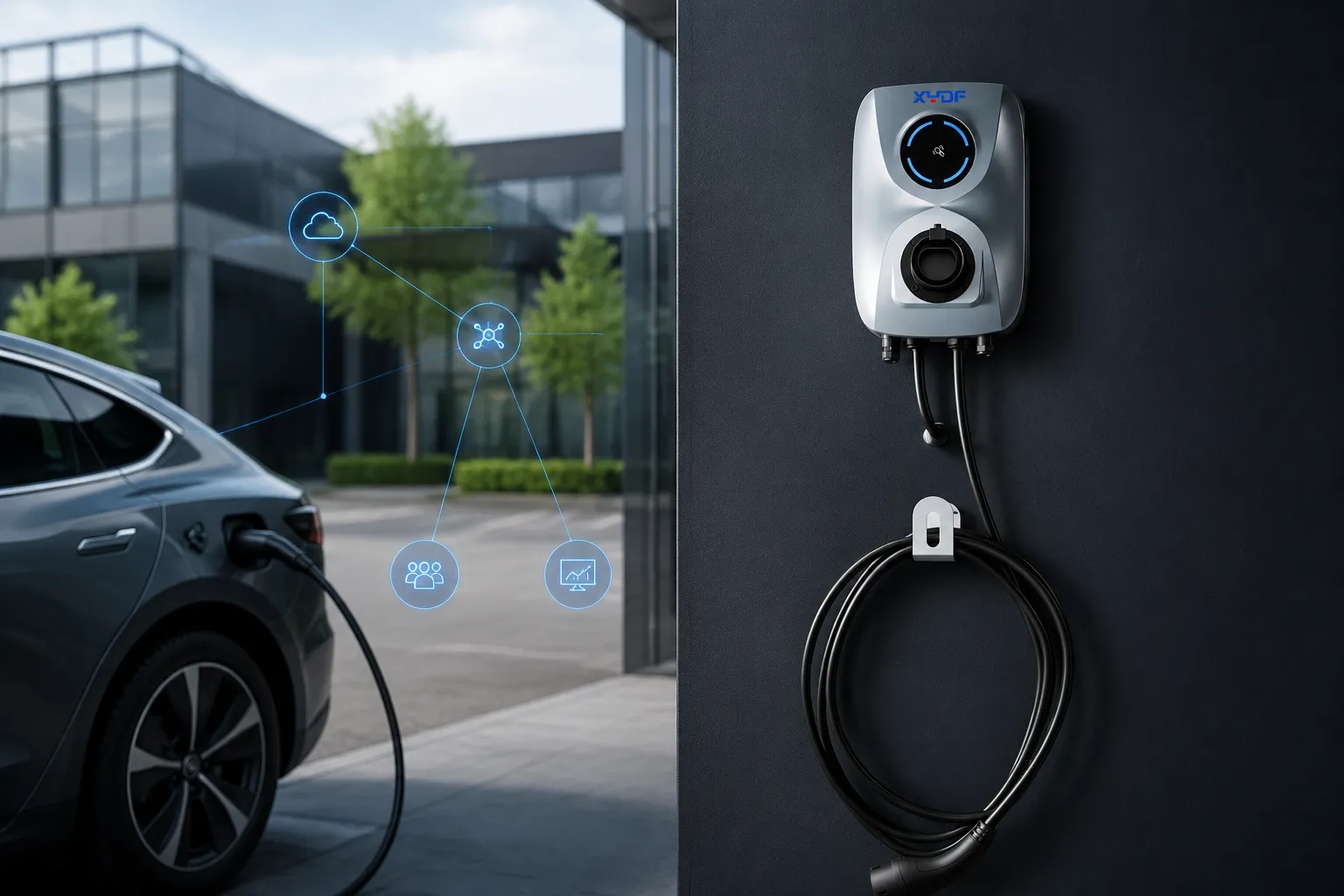
Since being introduced into the smart charging system as well to help facilitate interoperability between different companies by utilizing OCPP communication to connect with other EV charging operators, the AC charger can also assist operators and home builders with their grid limitations, provide scalable AC charging by allowing the operators or I&R’s to implement their own solutions within a large-scale deployment that has been successfully implemented in many locations due to the increase in interest and on-site reliability of charging stations in the past few years.
AC Charging: Ideal for Home and Everyday Use
AC charging is considered to be the most common use of an electric vehicle at this time due to the availability of residential or work place charging. An AC Charging Station is a device that converts power from your electric utility into an AC feed for your electric vehicle and provides a cost effective and scalable solution for everyday use. Compared to DC Fast Charging, AC charging systems are much less complicated to install, and they work well with overnight or long-duration charging applications.
XYDF AC EV Charger Product Series Overview
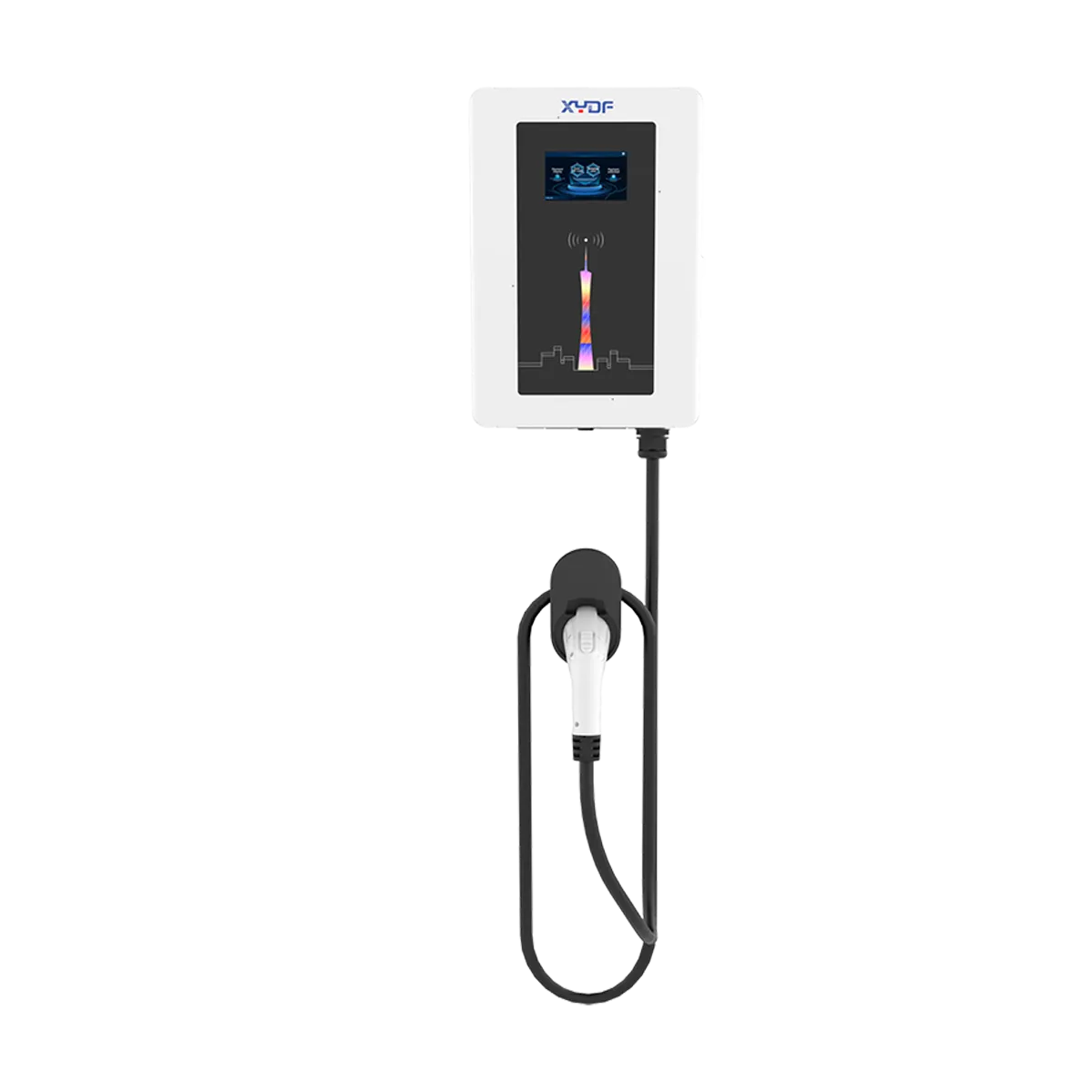
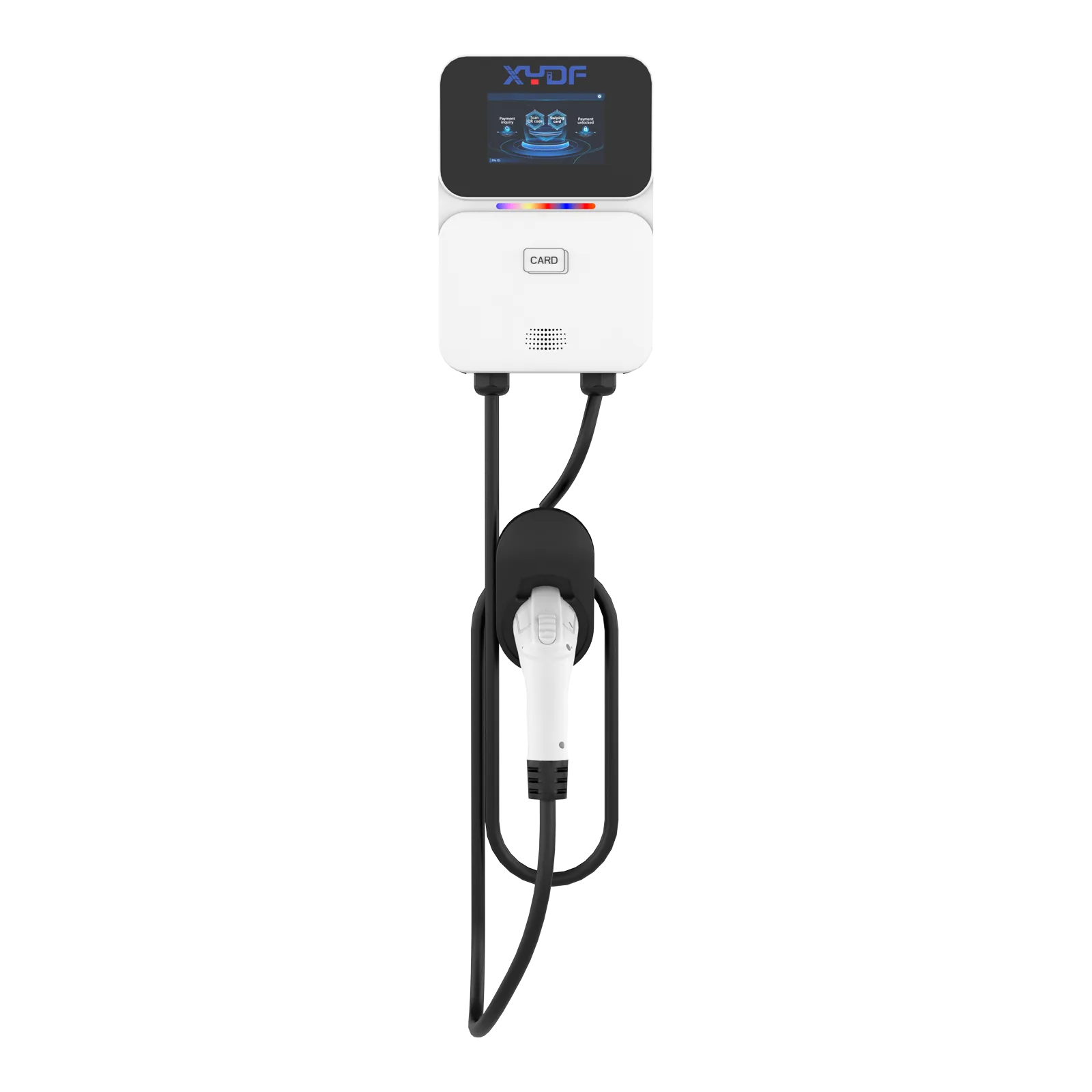
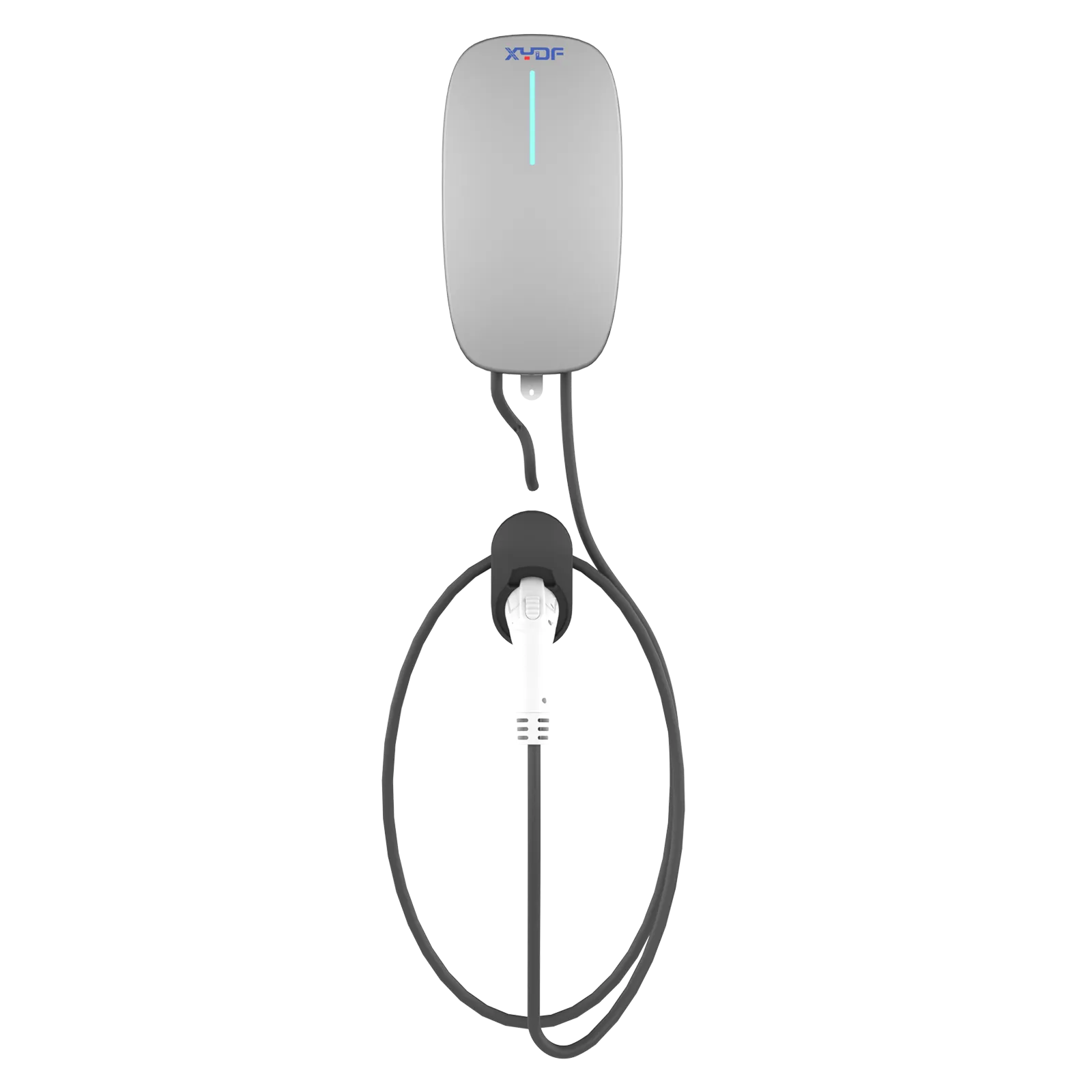
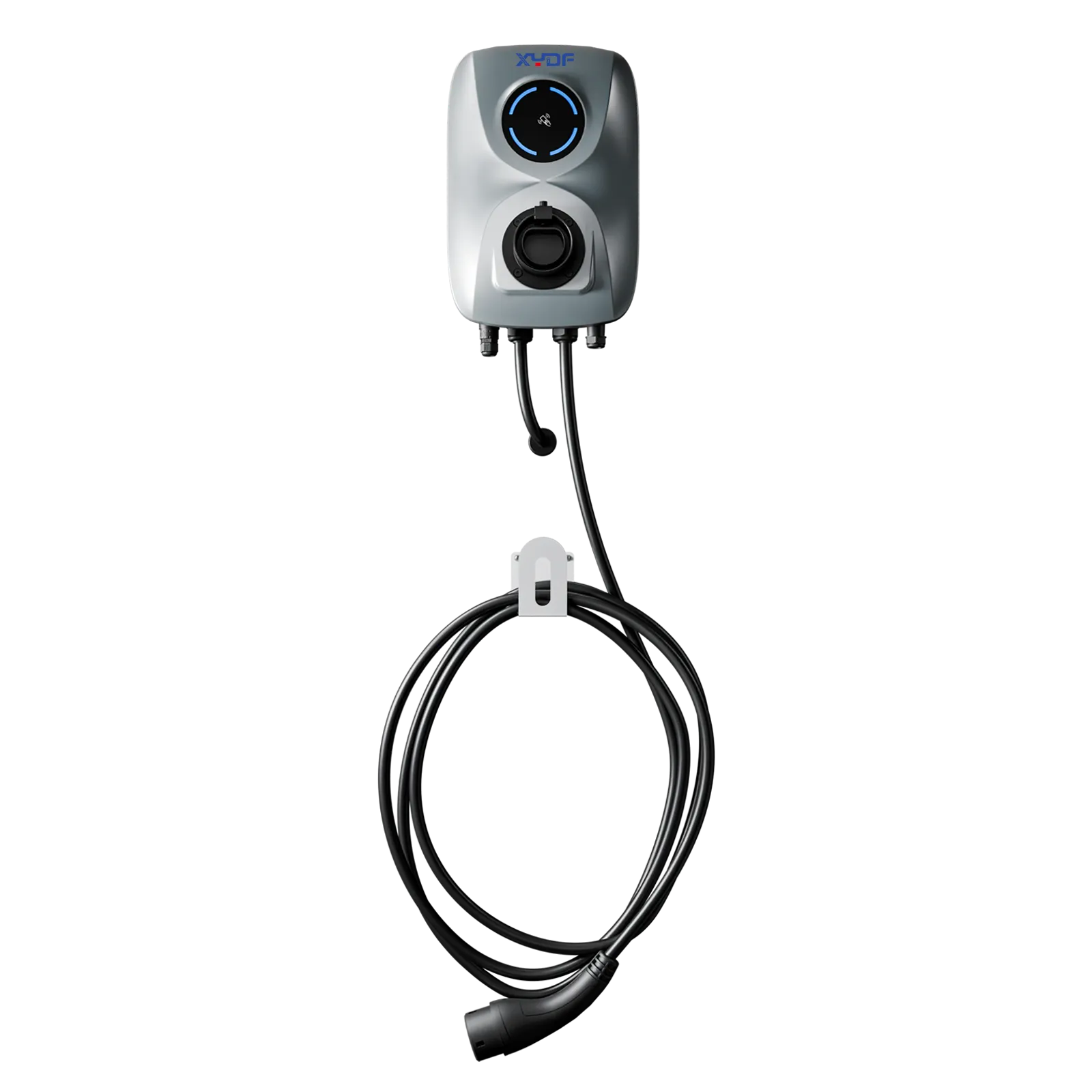
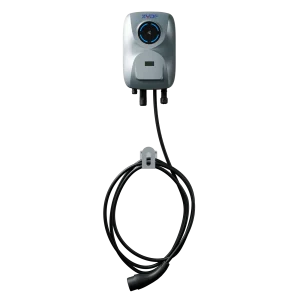
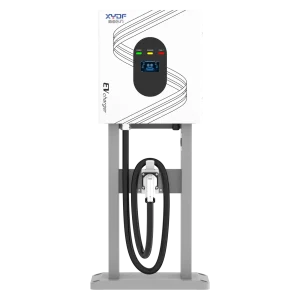
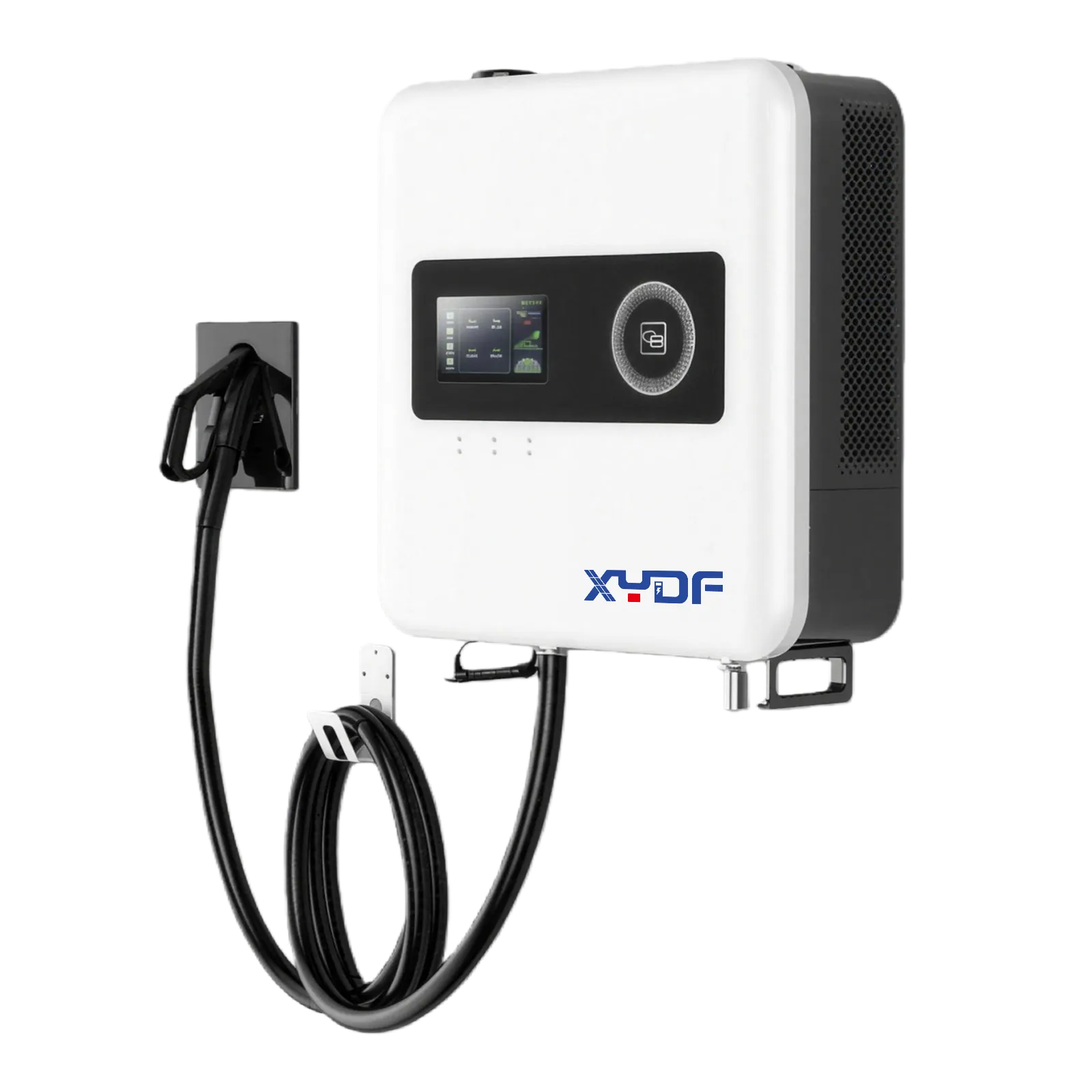
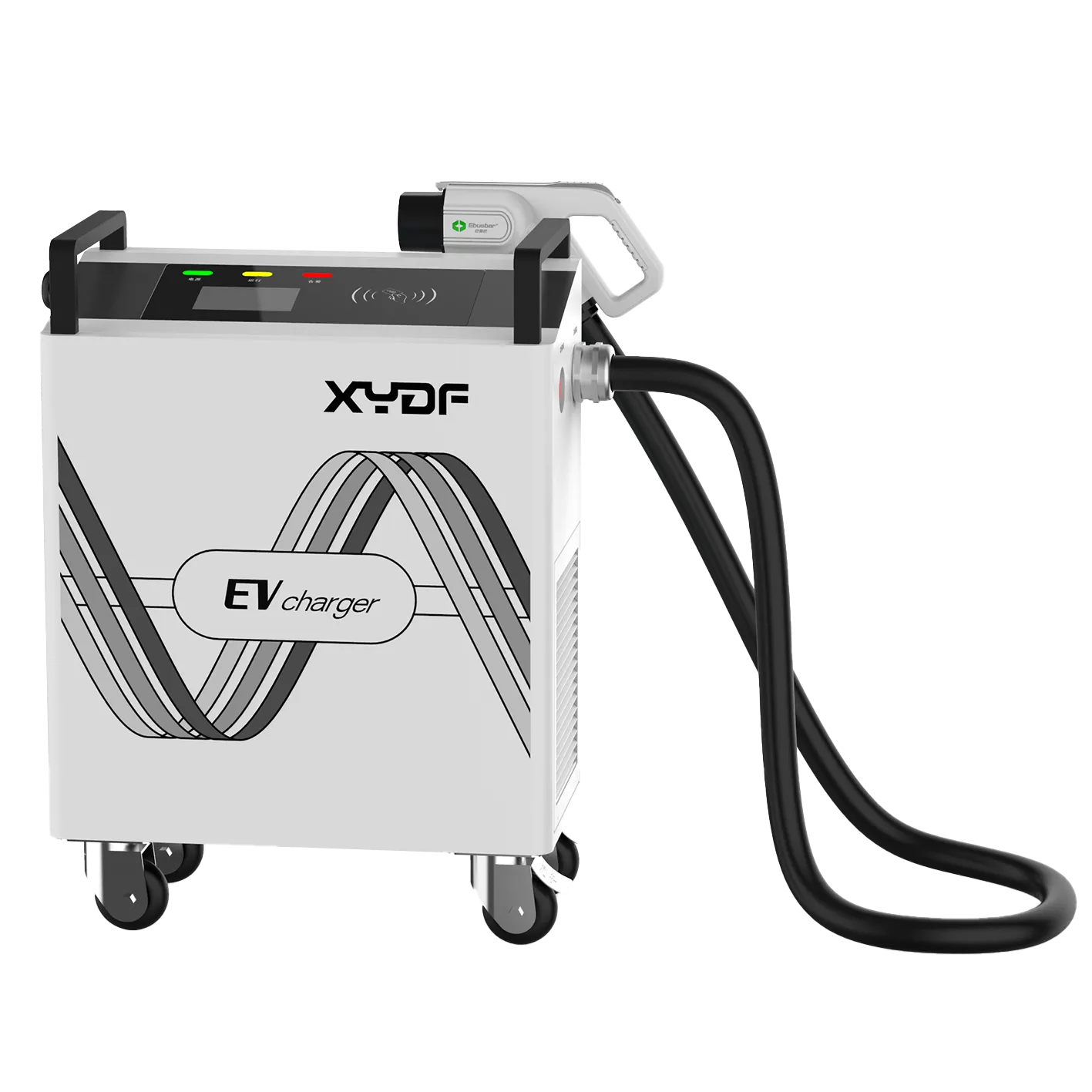
XYDF has classified its electric vehicle charging locations into 4 main categories, 7 Series, 11 Series, 22 Series, and EC Series, providing solutions for AC and EV charging levels 2 (7 KW to 22 KW) globally.
The E7 Series was made specifically for the deployment of small AC chargers for homes, while the EC7 Series has additional features for enhanced support for smart energy management at home – including over-the-air updates and load balancing – in addition to other advanced capabilities. The E22 Series was created to provide commercial/public deployment with the greatest number of scalable options as well as more flexible installation methods, supporting operators in building highly efficient smart charging networks. The EC22 offers greater levels of protection and OCPP-ready integration, giving operators improved stability and reliability in high-demand applications (operator-grade).
All four series will support Type 2 EV Chargers, Type 1 EV Chargers, and GB/T standards for a variety of residential, commercial, and public deployment of AC Charging worldwide.
Series
Power Range
Connector
Installation
Protection Level
Smart Features
Best Use Case
E7 Series
7 kW
Type 1 / Type 2 / GB/T
Wall / Pedestal
IP55
RFID / APP control
Residential charging
EC7 Series (AC RING)
7 kW
Type 2 / GB/T
Wall / Pole
IP65
OTA / Load balancing / Smart scheduling
Smart home charging
E22 Series
7 / 11 / 22 kW
Type 1 / Type 2 / GB/T
Wall / Pedestal
IP55
Wi-Fi / LAN / RFID / APP
Commercial & public charging
EC22 Series
7 / 11 / 22 kW
Type 2 / GB/T
Wall / Pedestal
IP65
Smart control + OCPP-ready integration
High-demand & harsh environments
Limitations of AC Charging
Although there are many advantages to charging using Alternate Current, there are some limitations. One of the biggest limitations is related to the speed of charging and is dependent upon the vehicle’s onboard charger. A Level Two Charger will generally have a output of 7 KW – 22 KW, so it will take a few hours to charge the vehicle completely. In addition to speed, other limitations limiting AC Charger deployments are related to the local electrical grid’s power capacity limits and limitations placed on the installation of the charging system; for example, in densely populated urban areas and when creating large-scale electric vehicle (EV) smart charging networks.
Level 1 vs Level 2 EV Charging Time Comparison
Charging Type
Power Output
Typical Charging Time
Application
Level 1 AC Charging
1.4–2.3 kW
12–24 hours
Emergency / Home backup
Level 2 AC Charging
7–22 kW
3–8 hours
Home / Workplace / Commercial
Nowadays, there are many different ways to charge electric vehicles, but the main method of doing so will continue to be the level 2 system for both money and efficiency.
AC vs DC Charger: Key Differences
AC and DC fast charges use different locations to convert electrical energy into useable charging energy. With AC charging, the conversion to usable charging energy is performed using the vehicle’s onboard charger, whereas with DC fast charging, the electrical energy is converted externally from the vehicle and the direct current is delivered to the battery.
• high power • fast charging • higher infrastructure cost
AC Charging is at the core of creating a more scalable charging network for electric vehicles.
What is OCPP in EV Charging Systems?
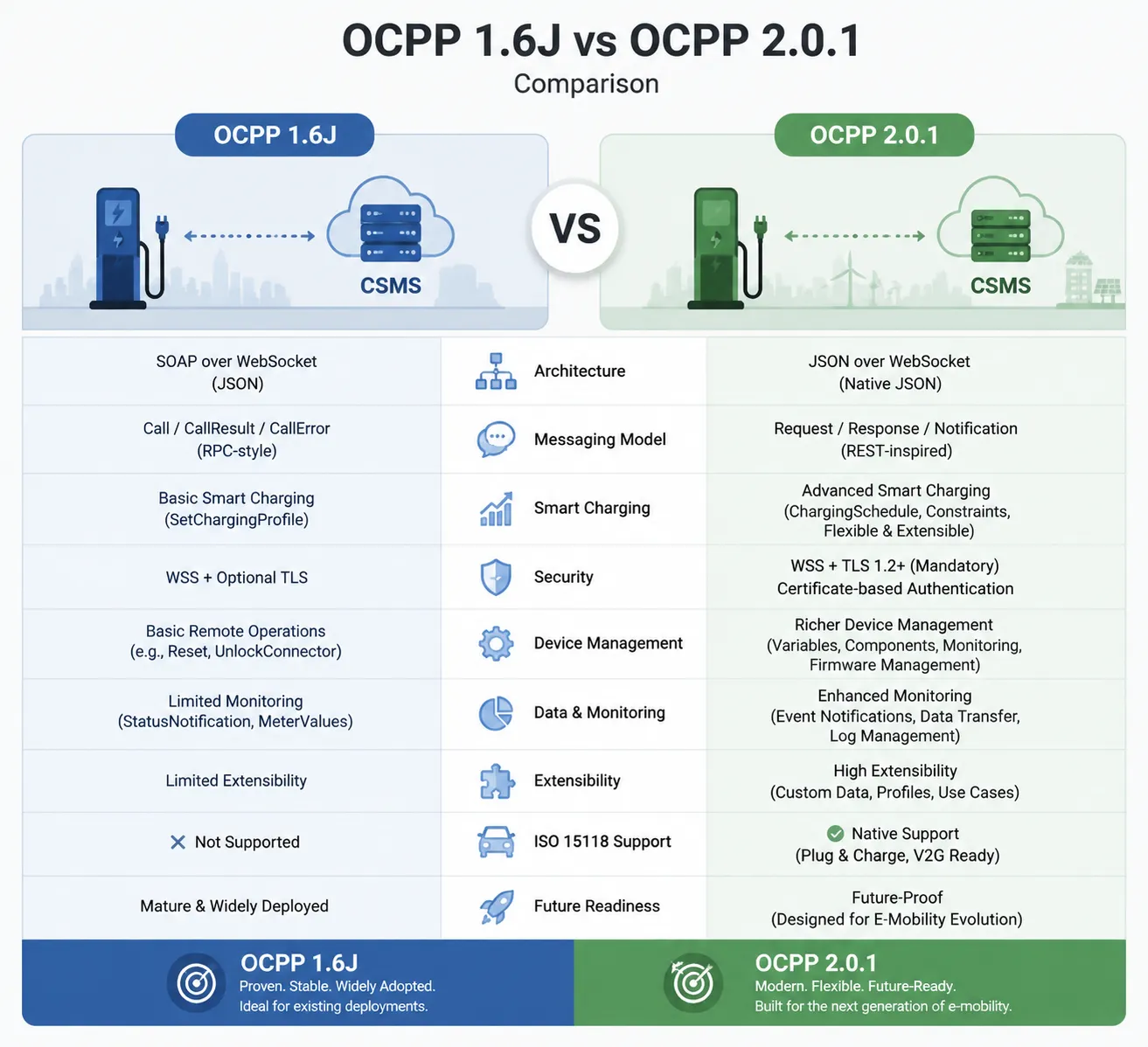
The OCPP specifies a general standard communication method for connecting to AC charging station terminals and a central manager via the internet, allowing for interoperable charging of electric vehicles. The OCPP can be used in many of today’s smart EV charging networks, giving operators remote usage, monitoring and optimisation options for their entire charging infrastructure.
More and more CPOs, operating vast networks, choose OCPP 2.0.1 as their preference.
OCPP 1.6J:WebSocket-based JSON communication protocol that standardizes data exchange between EV charging stations and central management systems.
How OCPP Enables AC Charger and Cloud Communication
The Open Charge Point Protocol (OCPI) connects the charging management system developed in the cloud to the EV charging equipment. The OCPI allows for:
Real-time charging session monitoring
Remote start/stop control
Load management and scheduling
Fault diagnostics and OTA updates
How Charging Point Operators Manage AC Charging Networks
User authentication and billing
Energy load balancing
Station uptime monitoring
Pricing strategy and revenue optimization
Scaling EV Charging Networks Across Multiple Locations
Standardized AC charger communication protocols
Modular hardware deployment (7kW–22kW systems)
Cloud-based management systems
Grid-aware energy optimization
Compare Top EV Chargers for Home Use
7kW–11kW output (Level 2 EV Charger)
Type 2 or GB/T compatibility
RFID or APP control
IP55/IP65 protection
Smart air-conditioning-inside chargers with OCPP capabilities offer a great deal of long-term and future energy system-connectivity flexibility through connection to the OCPP cloud-based architecture.
Examples & Case Studies
Residential Charging
Users who are able to charge their vehicles at home use learning sessions every night to help reduce their reliance on public charging stations and ensure they are charging their cars at a reasonable amount of electricity per month.
Commercial Use
Electric vehicle charging stations are made available at shopping malls, hotels and parking management companies in order to enhance customer’s experience as well as create new income streams for these businesses.
Fleet Applications
Electric vehicles in a logistics fleet and taxi taxi fleet are charged at a charging depot using AC power-enabled chargers, which allow energy to be managed more efficiently because of the predictable pattern of their operations.
XYDF Case Study: Scalable AC Charging Solutions
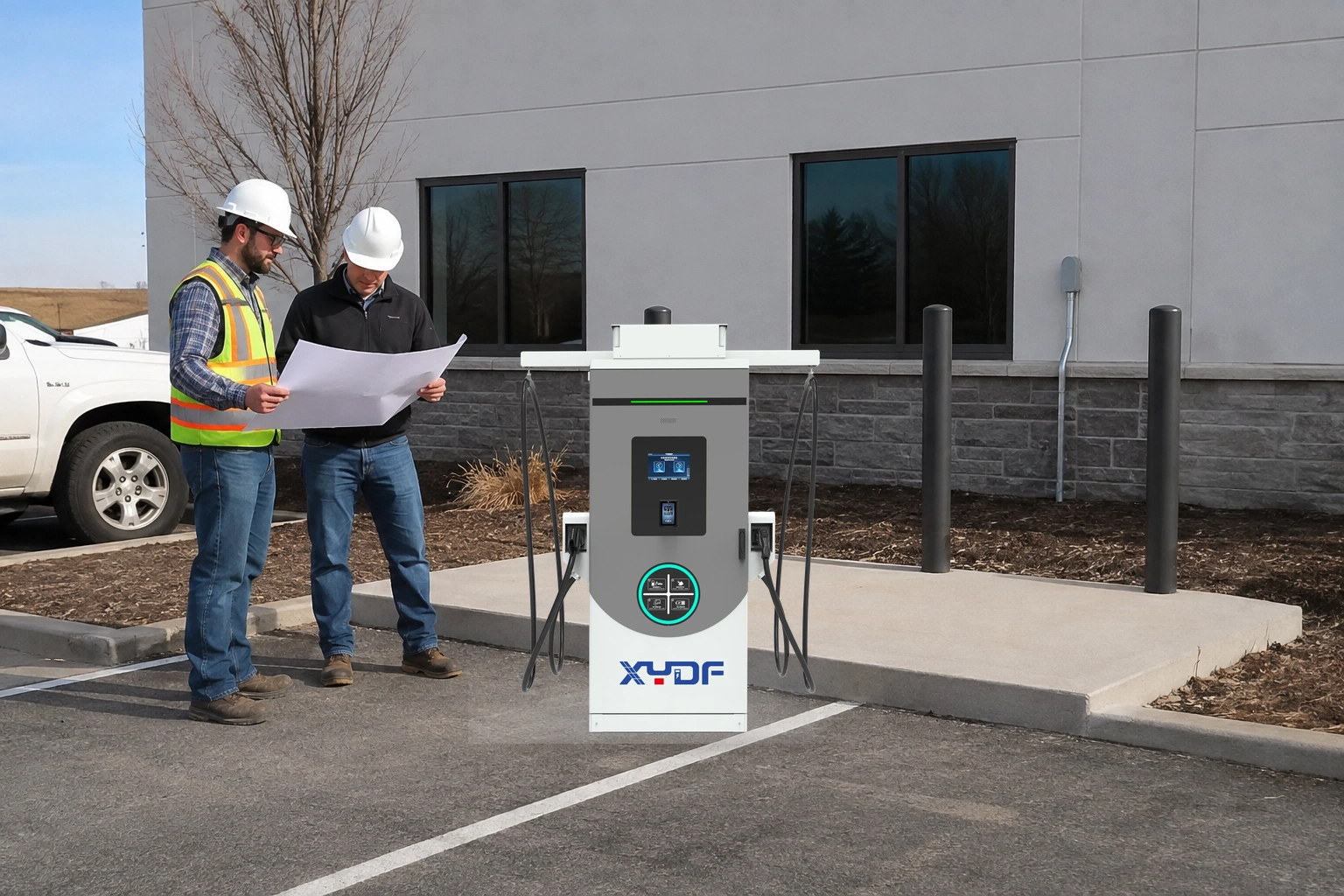
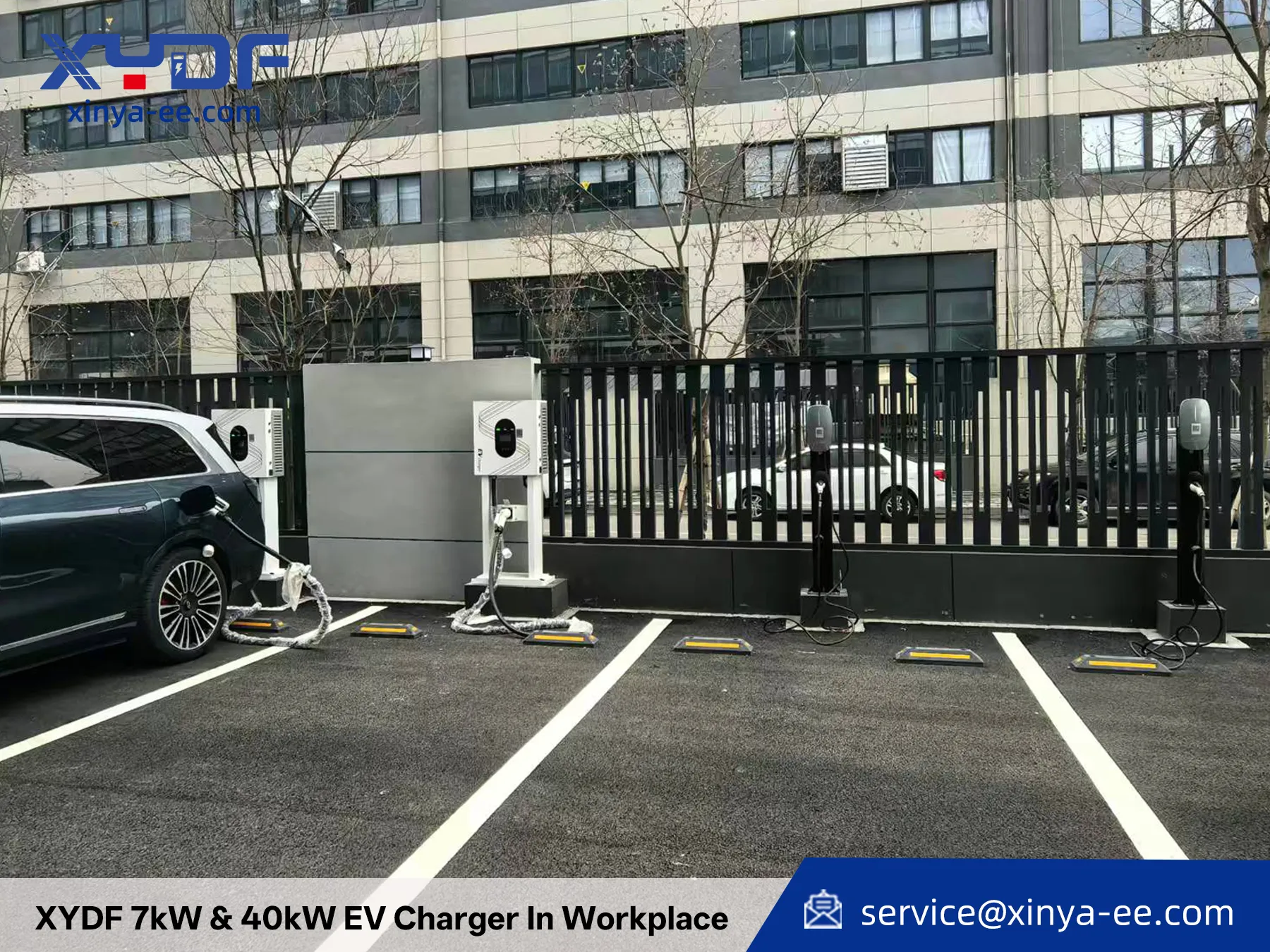
As a recent deployment, XYDF AC EV chargers were installed in a Mixed-Use Commercial Parking Facility (e.g. Retail and Office) project where Reliable and OCPP-Compliant AC Charging Stations provide Multi-Operator Access and Centralized Management through Smart Charging Platforms. By the end of the project once all 7kW and 11kW Level 2 EV Charger units were installed, the Operator had reported that:
(1) Network Performance is Stable;
(2) Utilisation Rates Have Improved Based Upon Remote Monitoring and Load Balancing Capabilities. The Implementation of an OCPP-based System allowed for seamless integration with the Operator’s Existing Charging Management System thus providing Real-time Visibility of Charging Sessions and Energy Consumption.
One of the Keys to the Success of the XYDF Solution for the Operator was that it was easy to Install, Reduced Maintenance Workload, and Improved Interoperability Across Different Types of Vehicles with Type 2 and GB/T Input Standards. The System Has Already Scaled to Additional Locations Indicating Strong Adaptability within the Evolving EV Charging Infrastructure Network.
Manufacturing Process: Core Components, Assembly, and Quality Assurance
Creating Electric Vehicle (EV) Chargers entails selecting raw materials to make the components, integration of the individual parts into one complete unit, and finally putting together the entire unit through a detailed testing procedure (i.e., Level 2, Mode 3, Type 2, and J1772 Chargers).
XYDF, a division of Xinya Dongfang Electricity Technology Co., Ltd., was founded in 2016, and is a subsidiary of Xinya Electronic Company Ltd (Stock Code: 605277). The Company owns a manufacturing facility in Shenzhen of approximately 40,000 square meters, as well as an R&D facility in Shenzhen, which allows them to provide complete EV Charging Solutions for International EV Charging Projects.
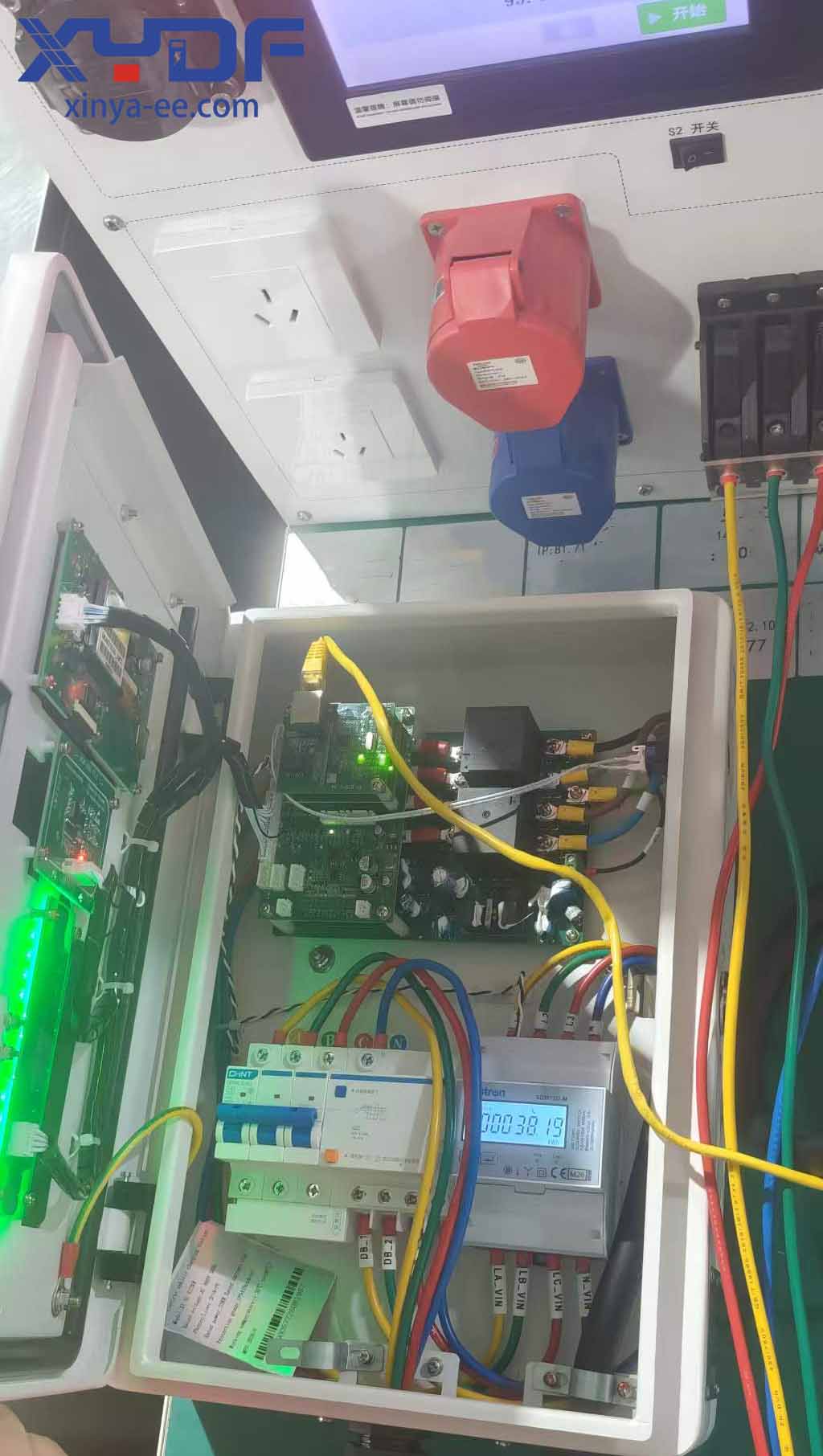
To supply reliable electrical service, the first step in the process is to obtain quality components (power modules, control systems, connectors, and protective enclosures). Once the appropriate components have been located, the second step of completing the assembly using a consistent method will be followed. The assembly procedures used for the assembly will be PCB integration, wiring and installing structure to meet the specifications of an AC charging system.
One of the main things that people will look for when purchasing a new EV charger is quality assurance and credibility. During the manufacturing process, all AC chargers must be subjected to aging testing, full load operation, thermal validation and electrical safety tests. This will ensure that when the charger is used at a smart charging network, it will perform as expected.
Last but not least, the products have passed all international standards like IEC requirements and TÜV certification. These certifications ensure that products will be compatible with any global Type 2 EV charger or J1772 charger, and will thus provide reliable, scalable AC charging solutions.
Frequently Asked Questions
1. Is AC charging better than DC charging?
The two types of EV chargers, AC and DC, are not inherently “better” or “worse” than each other; rather, they are designed for different applications. Typically, AC chargers will be less expensive and much more commonly utilized for home, workplace, and overnight charging because they require fewer resources to install. However, the high-speed, power and efficiency of DC chargers make them better suited to the rapid EV recharging scenarios that occur at places like highways and businesses. Generally speaking, AC chargers are the foundation of EV charging infrastructure while DC adds to the capacity to quickly replenish energy.
2. What does AC and DC stand for?
Alternating Current means that the electricity will continuously change the direction it flows through an electrical circuit. Direct Current means that the electricity will consistently travel through an electrical circuit in a single, unchanging direction.
3. Is AC charging better for EV batteries?
Because AC charging delivers low power for longer, it is generally seen to be easier on an EV battery. However, all vehicles today have been built to safely charge with either type of power source. The main factors impacting battery health are not just the way you charge your vehicle (AC vs. DC), but also your overall battery temperature management practices and charging habits.
4. Is 7kW a Level 2 charger?
Yes, a 7kW AC charger is typically classified as a Level 2 EV Charger, especially for home and light commercial use. Level 2 AC charging stations are typically rated for 7kW to 22kW, which are also the most common types of AC charging stations.
5. What is OCPP compatibility?
Open Charge Point Protocol (OCPP) compatibility means that an AC charging station will be able to communicate with a Central Management Platform (CMS) using an open standard. This provides interoperability among different manufacturers allowing operators to efficiently monitor, control and manage their charging networks in a smart charging network.
6. How much does an AC charging station cost?
How much it costs to install an AC electricity source depends on the amount of power provided, the different features required of it, how it will communicate with other electric devices, and if anything needs to be done before the unit can be installed or used. Typically, a basic residential AC electricity source that provides 7kW of power will be much less expensive than a commercial 11kW – 22kW smart AC electricity source that provides OCPP compatibility, RFID, and load balancing features. Thus, because of their low installation cost, AC electric vehicle charging stations are much more economical to implement than DC fast AC electric vehicle charging stations for expanding electric vehicle charging infrastructure.
We use cookies to keep this website working and, with your permission, to measure how visitors use our EV charging site. See our Privacy Policy for details.
 Xinya Dongfang Electricity Technology Co., Ltd.