محطات الشحن التي تعمل بالتيار المتردد من OCPP للمشغلين: حلول شبكات قابلة للتشغيل البيني
٢٥ يونيو ٢٠٢٦
مدونة
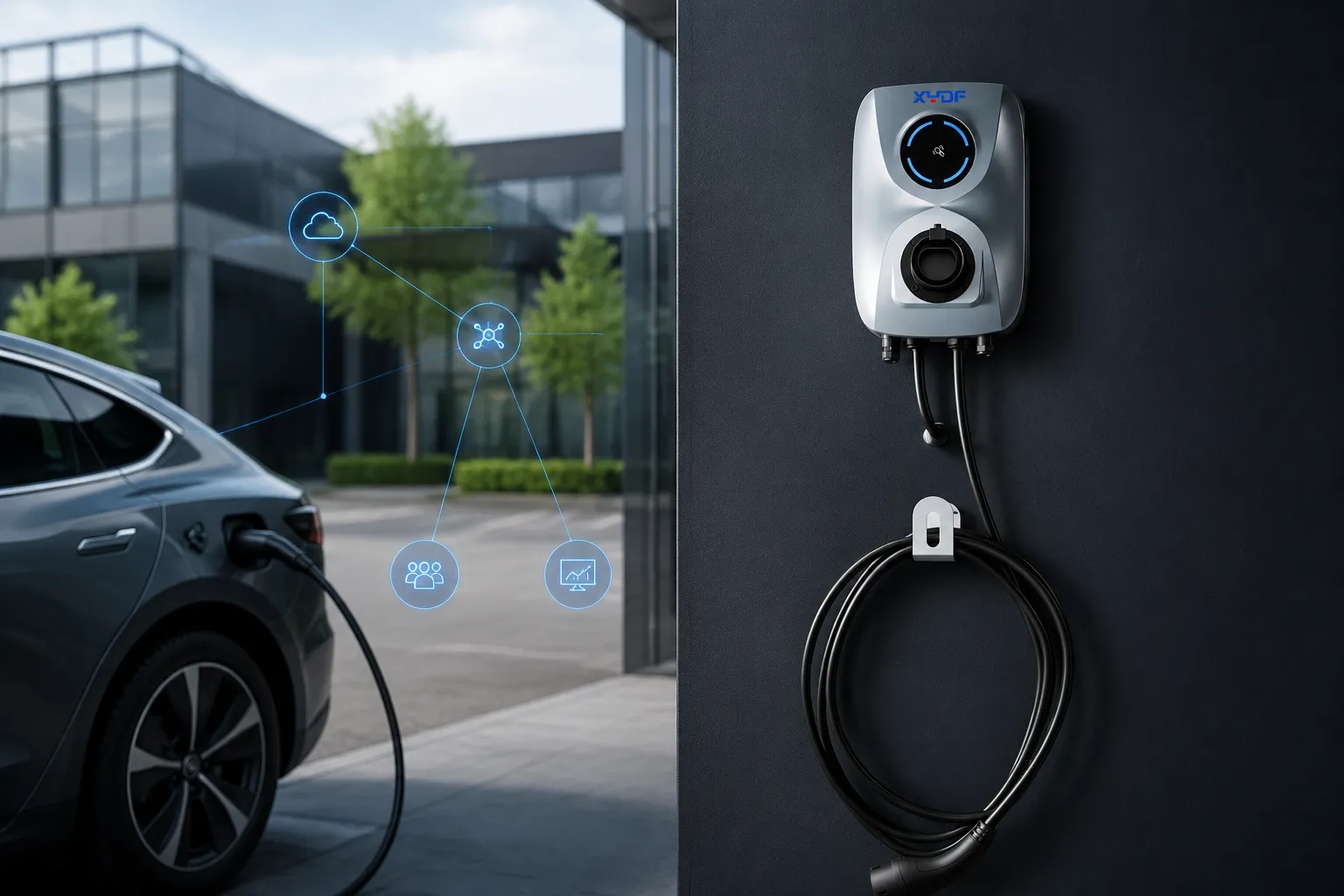
منذ تقديمه ضمن نظام الشحن الذكي وكذلك للمساعدة في تسهيل التشغيل البيني بين الشركات المختلفة من خلال استخدام بروتوكول OCPP للتواصل مع مشغلي شحن المركبات الكهربائية الآخرين، يمكن لشاحن التيار المتردد أيضًا مساعدة المشغلين وبناة المنازل في قيود الشبكة لديهم، وتوفير شحن تيار متردد قابل للتطوير من خلال السماح للمشغلين أو شركات التركيب والصيانة بتنفيذ حلولهم الخاصة ضمن نشر واسع النطاق تم تنفيذه بنجاح في العديد من المواقع بسبب زيادة الاهتمام والموثوقية في الموقع لمحطات الشحن في السنوات القليلة الماضية.
شحن تيار متردد: مثالي للمنزل والاستخدام اليومي
يعتبر شحن التيار المتردد (AC) هو الاستخدام الأكثر شيوعًا للمركبات الكهربائية في الوقت الحالي نظرًا لتوفر الشحن في المنزل أو مكان العمل. محطة شحن التيار المتردد (AC) هي جهاز يحول الطاقة من مزود الكهرباء الخاص بك إلى تغذية تيار متردد لمركبتك الكهربائية ويوفر حلاً فعالاً من حيث التكلفة وقابل للتطوير للاستخدام اليومي. بالمقارنة مع شحن سريع بالتيار المستمر, ، أنظمة شحن التيار المتردد أبسط بكثير في التركيب، وتعمل بشكل جيد مع تطبيقات الشحن طوال الليل أو لفترات طويلة.
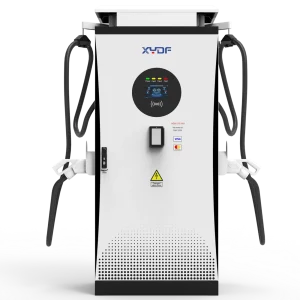
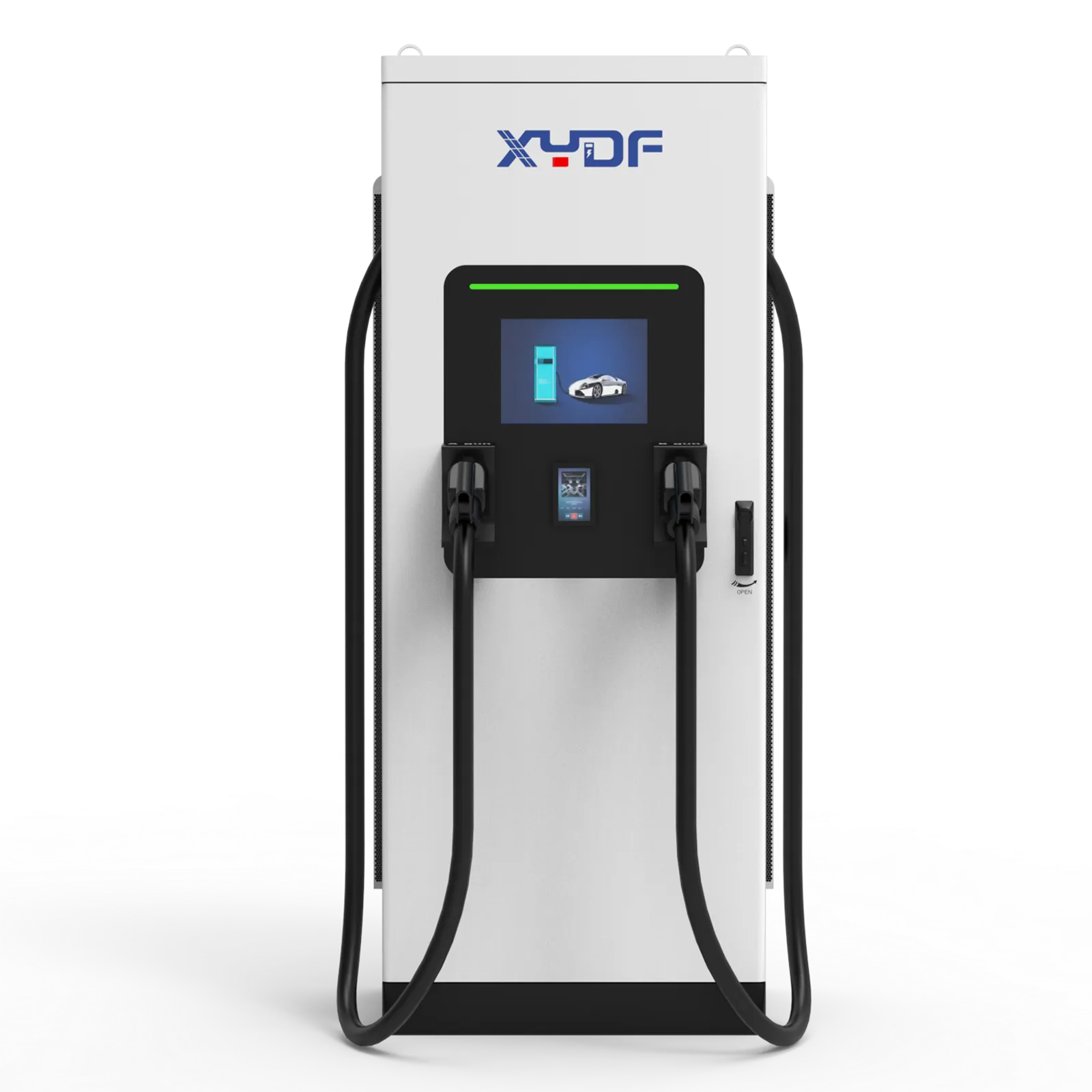
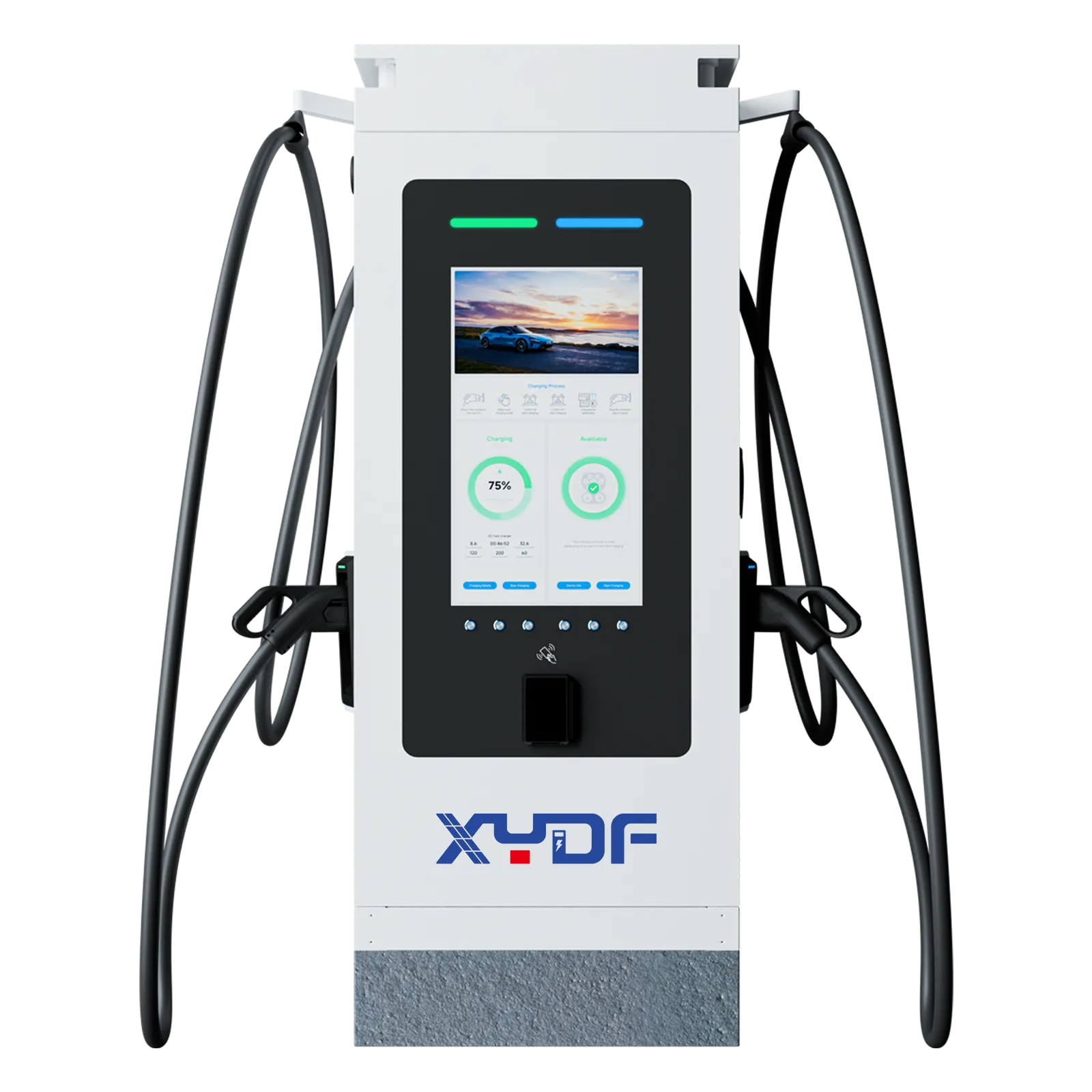
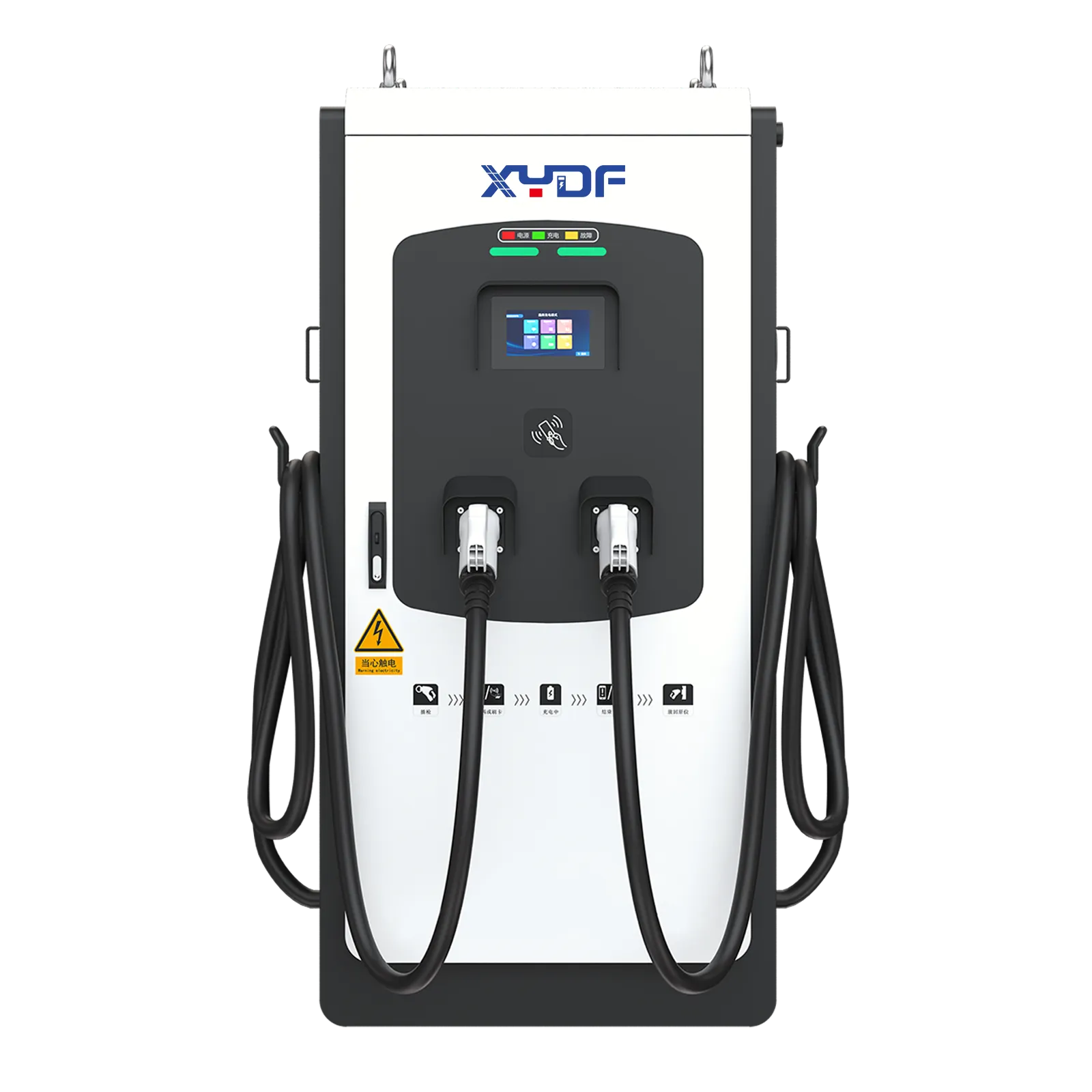
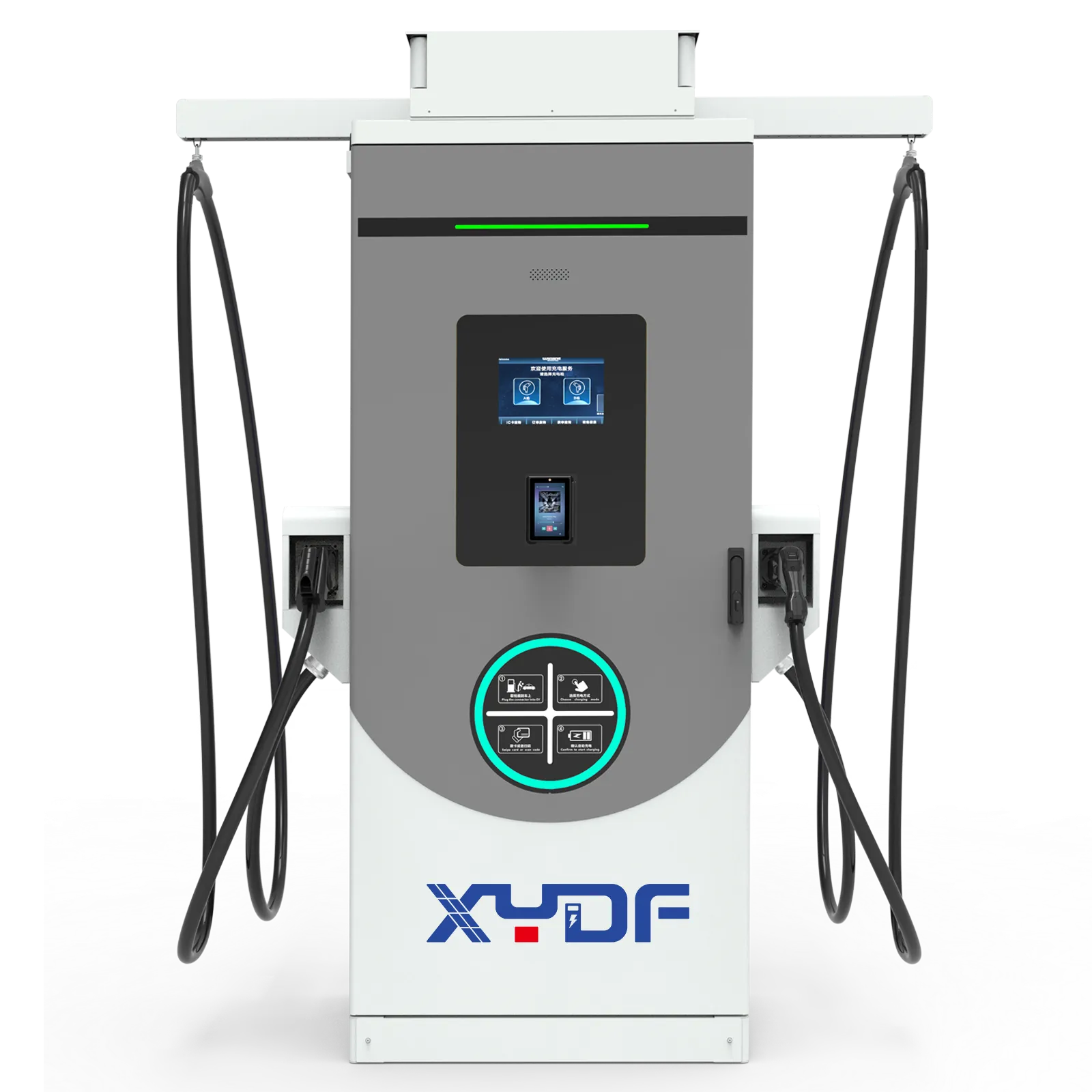
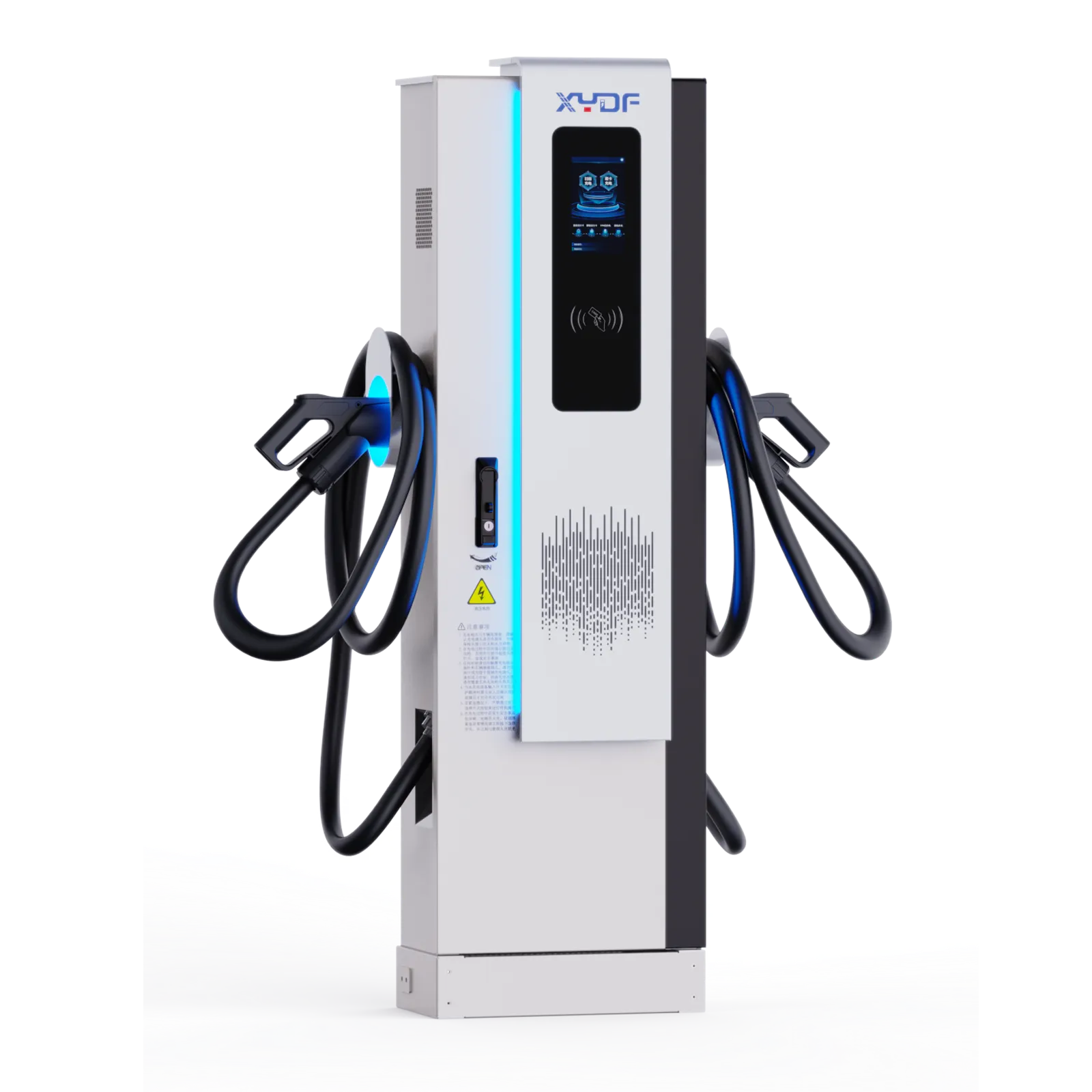
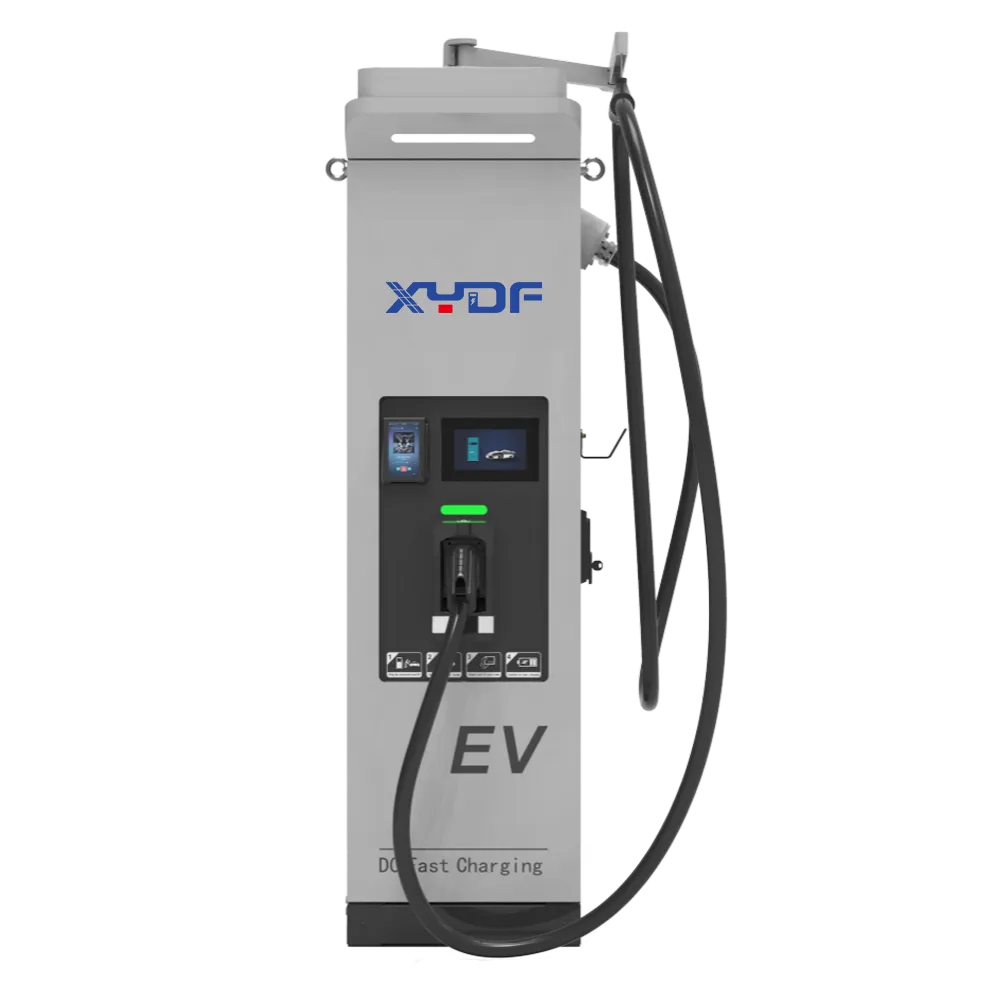
نظرة عامة على سلسلة منتجات شواحن المركبات الكهربائية XYDF AC
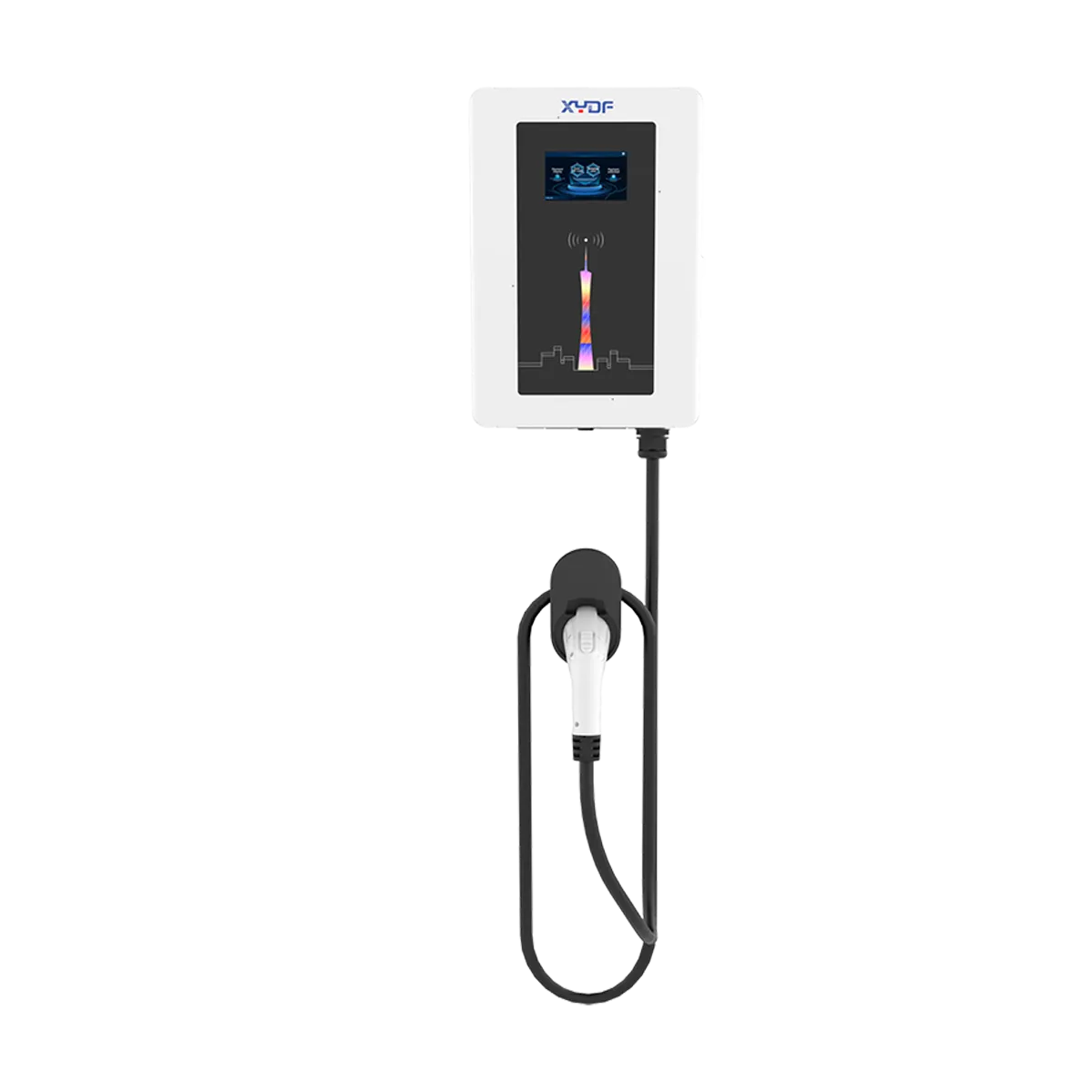
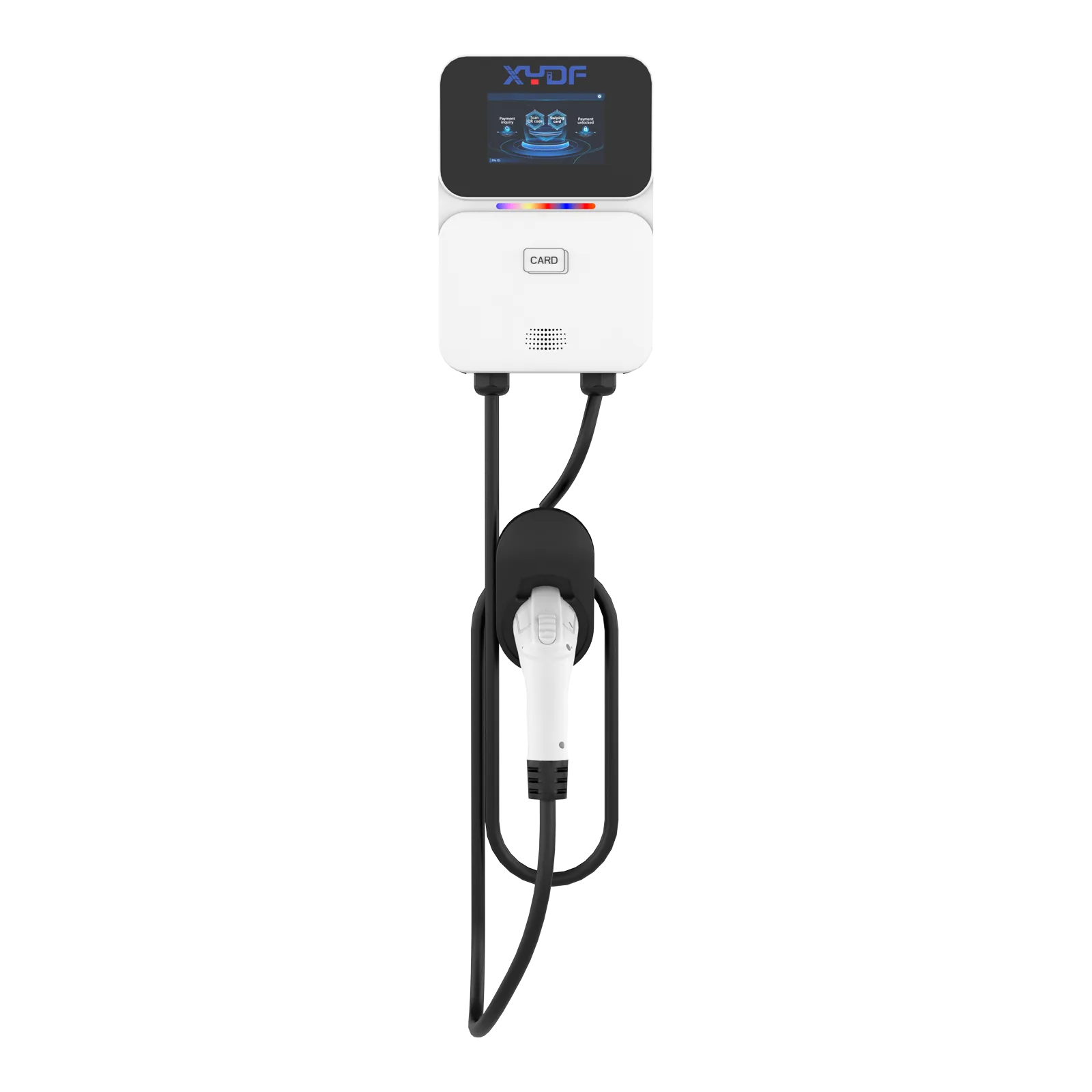
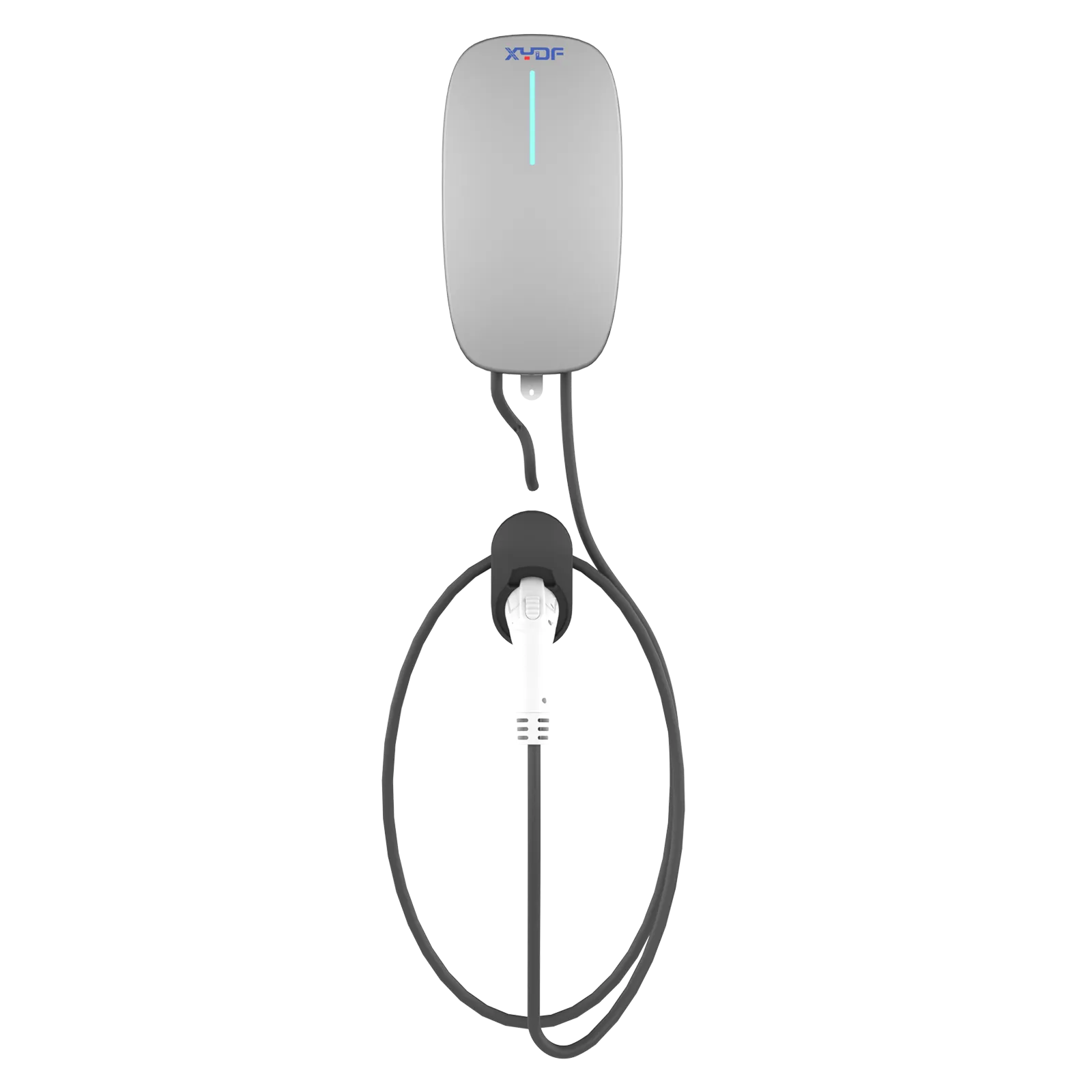
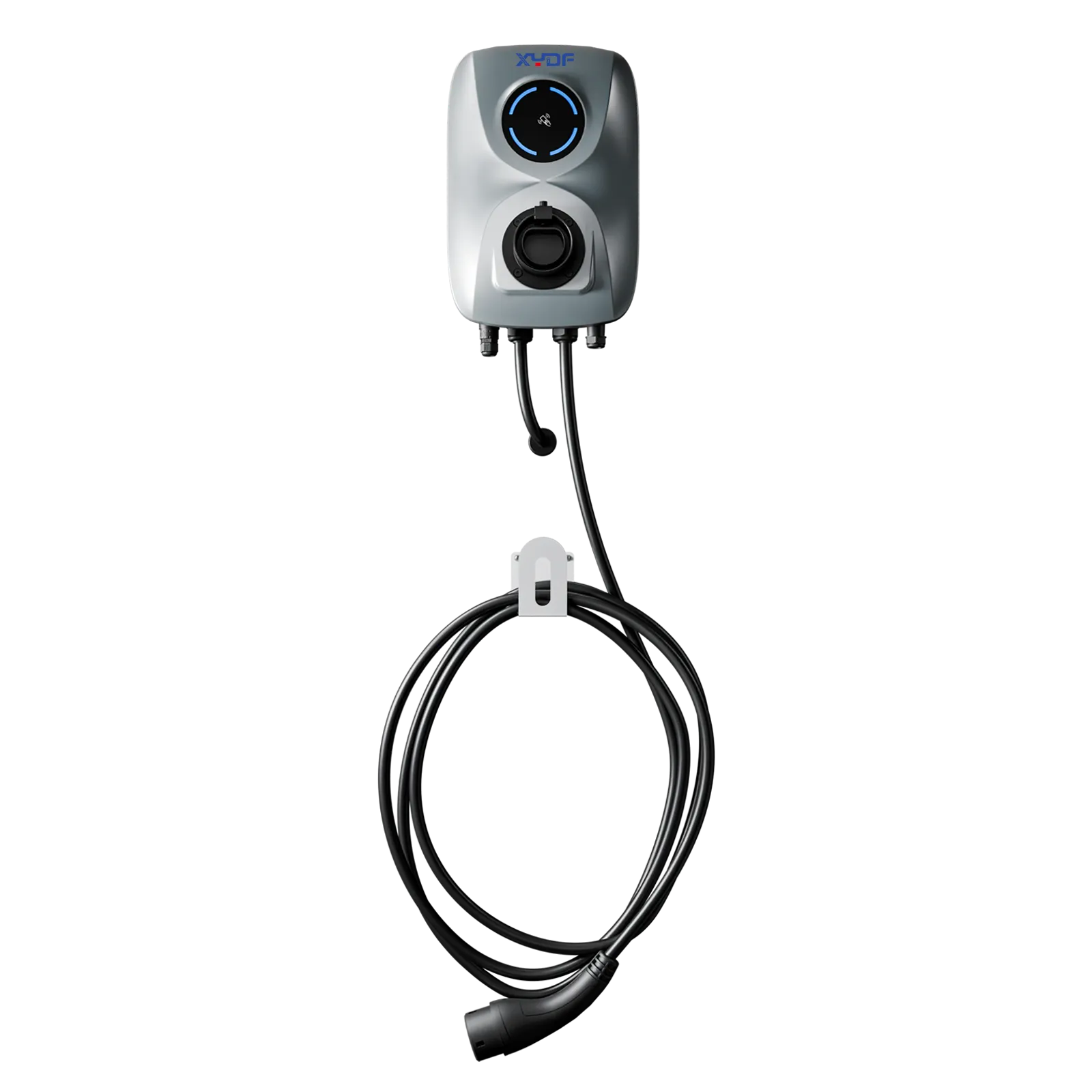
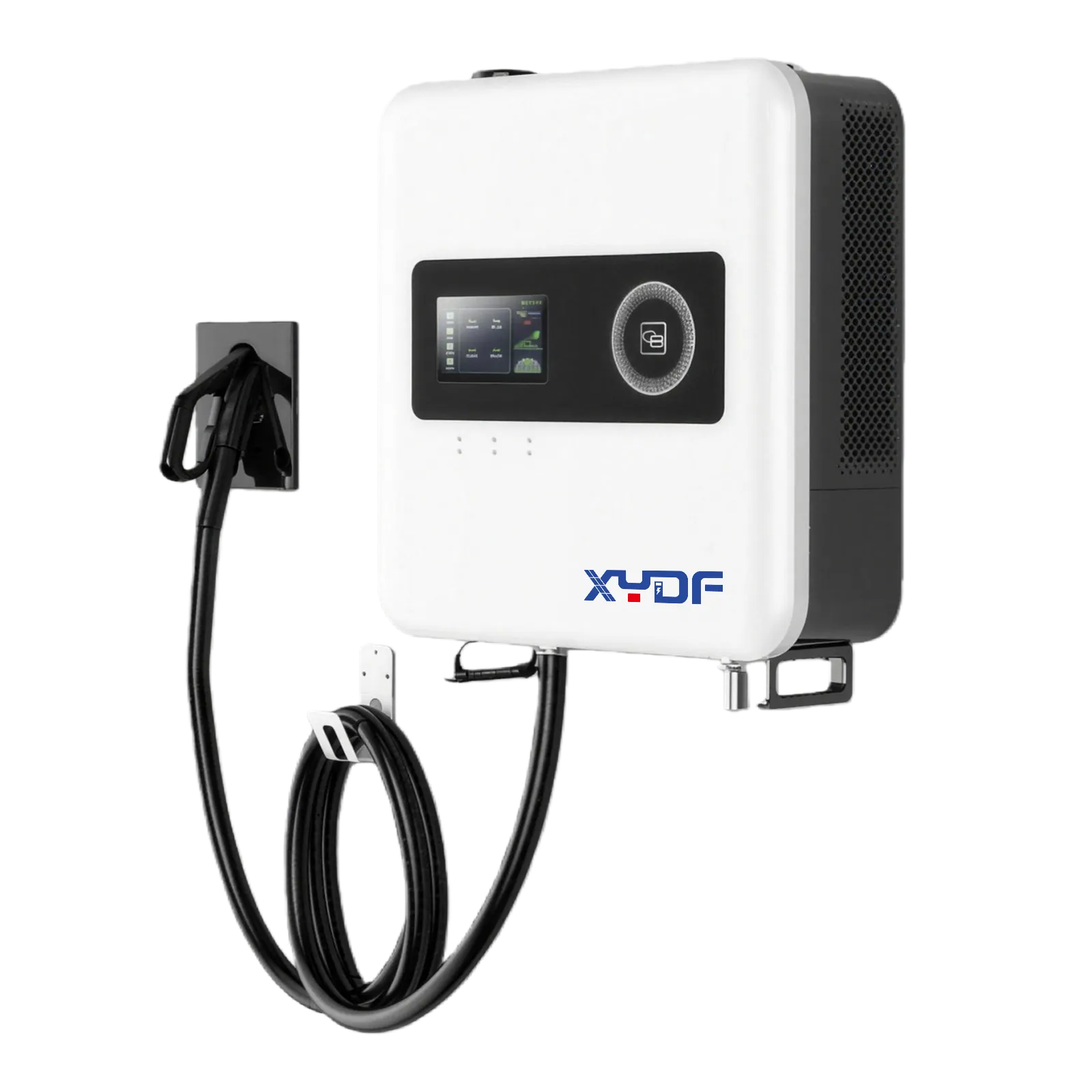
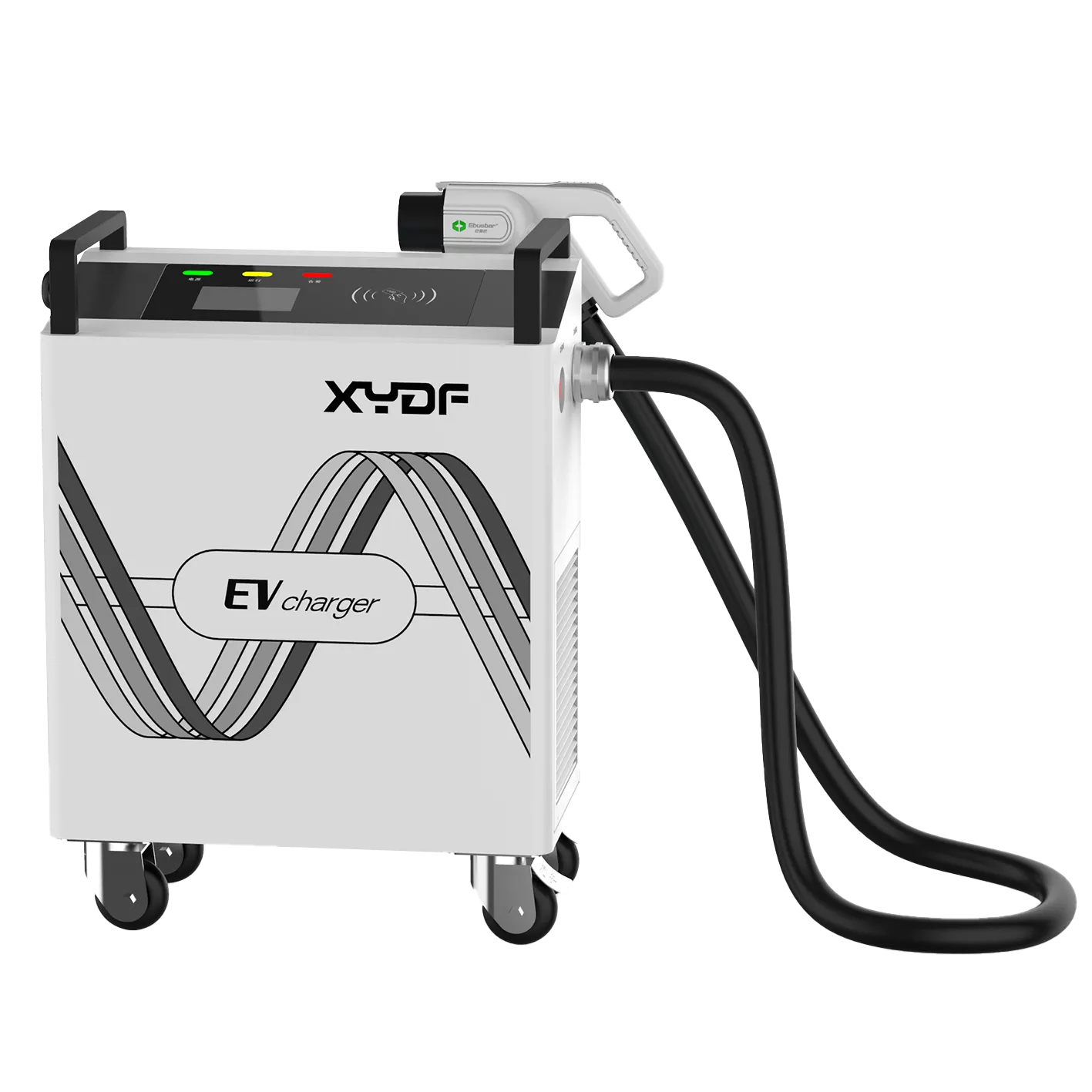
صنفت XYDF مواقع شحن المركبات الكهربائية الخاصة بها إلى 4 فئات رئيسية: سلسلة 7، وسلسلة 11، وسلسلة 22، وسلسلة EC، مما يوفر حلولاً لشحن المركبات الكهربائية ذات التيار المتردد ومستوى 2 (7 كيلو واط إلى 22 كيلو واط) عالميًا.
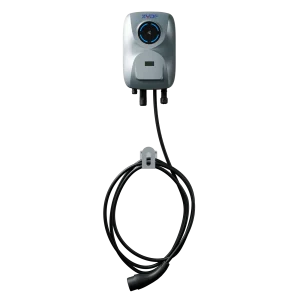
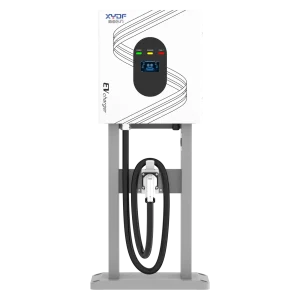
تم تصميم سلسلة E7 خصيصًا لنشر شواحن التيار المتردد الصغيرة للمنازل، بينما تتمتع سلسلة EC7 بميزات إضافية لدعم معزز لإدارة الطاقة الذكية في المنزل - بما في ذلك التحديثات عبر الهواء (OTA) وموازنة الأحمال - بالإضافة إلى إمكانيات متقدمة أخرى. تم إنشاء سلسلة E22 لتوفير نشر تجاري/عام بأكبر عدد من الخيارات القابلة للتطوير بالإضافة إلى طرق تركيب أكثر مرونة، مما يدعم المشغلين في بناء شبكات شحن ذكية عالية الكفاءة. توفر EC22 مستويات حماية أكبر وتكاملًا جاهزًا لـ OCPP، مما يمنح المشغلين استقرارًا وموثوقية محسّنة في التطبيقات عالية الطلب (على مستوى المشغل).
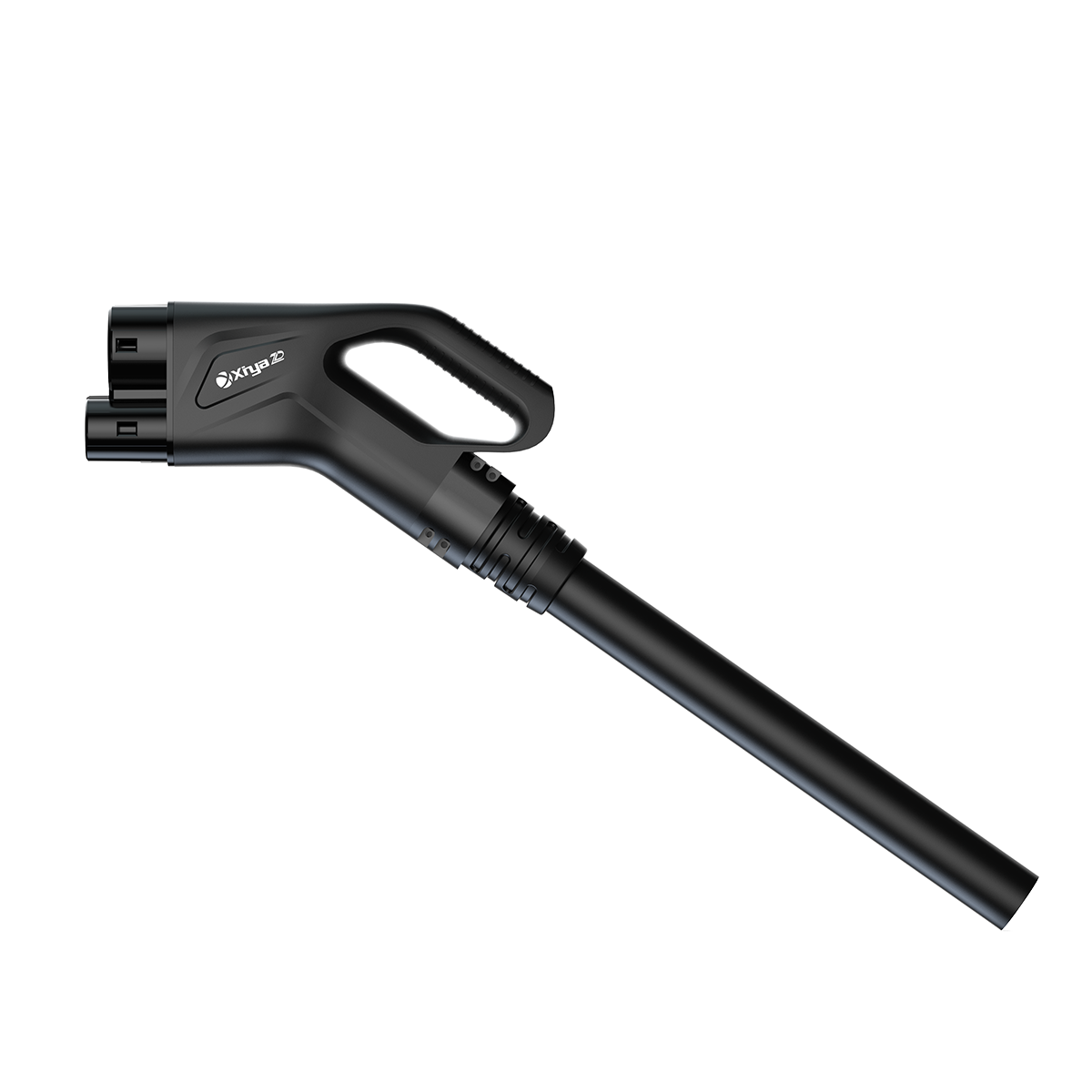
ستدعم جميع السلاسل الأربع شواحن المركبات الكهربائية النوع 2, ، شواحن المركبات الكهربائية من النوع الأول، ومعايير GB/T لمجموعة متنوعة من التطبيقات السكنية والتجارية والعامة لشحن التيار المتردد في جميع أنحاء العالم.
مسلسل
نطاق القوة
موصل
تثبيت
مستوى الحماية
ميزات ذكية
أفضل حالة استخدام
سلسلة E7
7 كيلوواط
النوع 1 / النوع 2 / GB/T
حائط / قاعدة
IP55
تحكم عبر تقنية تحديد الهوية بموجات الراديو / عبر التطبيق
شحن سكني
سلسلة EC7 (حلقة تكييف)
7 كيلوواط
النوع 2 / GB/T
جدار / عمود
IP65
وحدات الهواء / موازنة التحميل / الجدولة الذكية
شحن المنزل الذكي
سلسلة E22
٧ / ١١ / ٢٢ كيلوواط
النوع 1 / النوع 2 / GB/T
حائط / قاعدة
IP55
واي فاي / شبكة محلية / تحديد الهوية بموجات الراديو / تطبيق
الشحن التجاري والعام
سلسلة EC22
٧ / ١١ / ٢٢ كيلوواط
النوع 2 / GB/T
حائط / قاعدة
IP65
التحكم الذكي + التكامل الجاهز لـ OCPP
الطلب المرتفع والبيئات القاسية
قيود الشحن بالتيار المتردد
على الرغم من وجود العديد من المزايا للشحن باستخدام التيار المتردد، إلا أن هناك بعض القيود. يرتبط أحد أكبر القيود بسرعة الشحن ويعتمد على الشاحن الموجود على متن المركبة. سيتمتع شاحن المستوى الثاني عمومًا بقدرة خرج تتراوح بين 7 كيلوواط و 22 كيلوواط، لذا سيستغرق الأمر بضع ساعات لشحن السيارة بالكامل. بالإضافة إلى السرعة، تتعلق القيود الأخرى التي تحد من نشر شواحن التيار المتردد بالحدود القصوى لقدرة الشبكة الكهربائية المحلية والقيود المفروضة على تركيب نظام الشحن؛ على سبيل المثال، في المناطق الحضرية المكتظة بالسكان وعند إنشاء شبكات شحن ذكية واسعة النطاق للمركبات الكهربائية (EV).
مقارنة وقت شحن المركبات الكهربائية بين المستوى 1 والمستوى 2
نوع الشحن
القدرة الخارجة
وقت الشحن المعتاد
تطبيق
شحن المستوى الأول AC
1.4–2.3 كيلوواط
١٢–٢٤ ساعة
مساعدة طارئة / احتياطي منزلي
شحن AC المستوى 2
٧–٢٢ كيلوواط
3–8 ساعات
الرئيسية / مكان العمل / تجاري
في الوقت الحاضر، هناك العديد من الطرق المختلفة لشحن السيارات الكهربائية، ولكن الطريقة الرئيسية للقيام بذلك ستظل نظام المستوى 2 من حيث المال والكفاءة.
شاحن التيار المتردد (AC) مقابل شاحن التيار المستمر (DC): الفروقات الرئيسية
تستخدم شواحن التيار المتردد (AC) والتيار المستمر (DC) السريعة مواقع مختلفة لتحويل الطاقة الكهربائية إلى طاقة شحن قابلة للاستخدام. مع شحن التيار المتردد، يتم تحويل الطاقة إلى طاقة شحن قابلة للاستخدام باستخدام الشاحن الموجود على متن السيارة، بينما في شحن التيار المستمر السريع، يتم تحويل الطاقة الكهربائية خارجيًا عن السيارة ويتم توصيل التيار المباشر إلى البطارية.
✔ شاحن تيار متردد
• تكلفة أقل • سرعة أبطأ • مثالي للشحن اليومي
★ شاحن تيار مستمر
• طاقة عالية • شحن سريع • تكلفة البنية التحتية أعلى
شحن التيار المتردد هو جوهر إنشاء شبكة شحن أكثر قابلية للتطوير للمركبات الكهربائية.
ما هو OCPP في أنظمة شحن السيارات الكهربائية؟
يحدد OCPP طريقة اتصال عامة قياسية للربط بين محطات الشحن AC ووحدة إدارة مركزية عبر الإنترنت، مما يسمح بالشحن المتوافق للمركبات الكهربائية. يمكن استخدام OCPP في العديد من شبكات شحن المركبات الكهربائية الذكية الحالية، مما يمنح المشغلين خيارات استخدام ومراقبة وتحسين عن بُعد للبنية التحتية للشحن بالكامل.
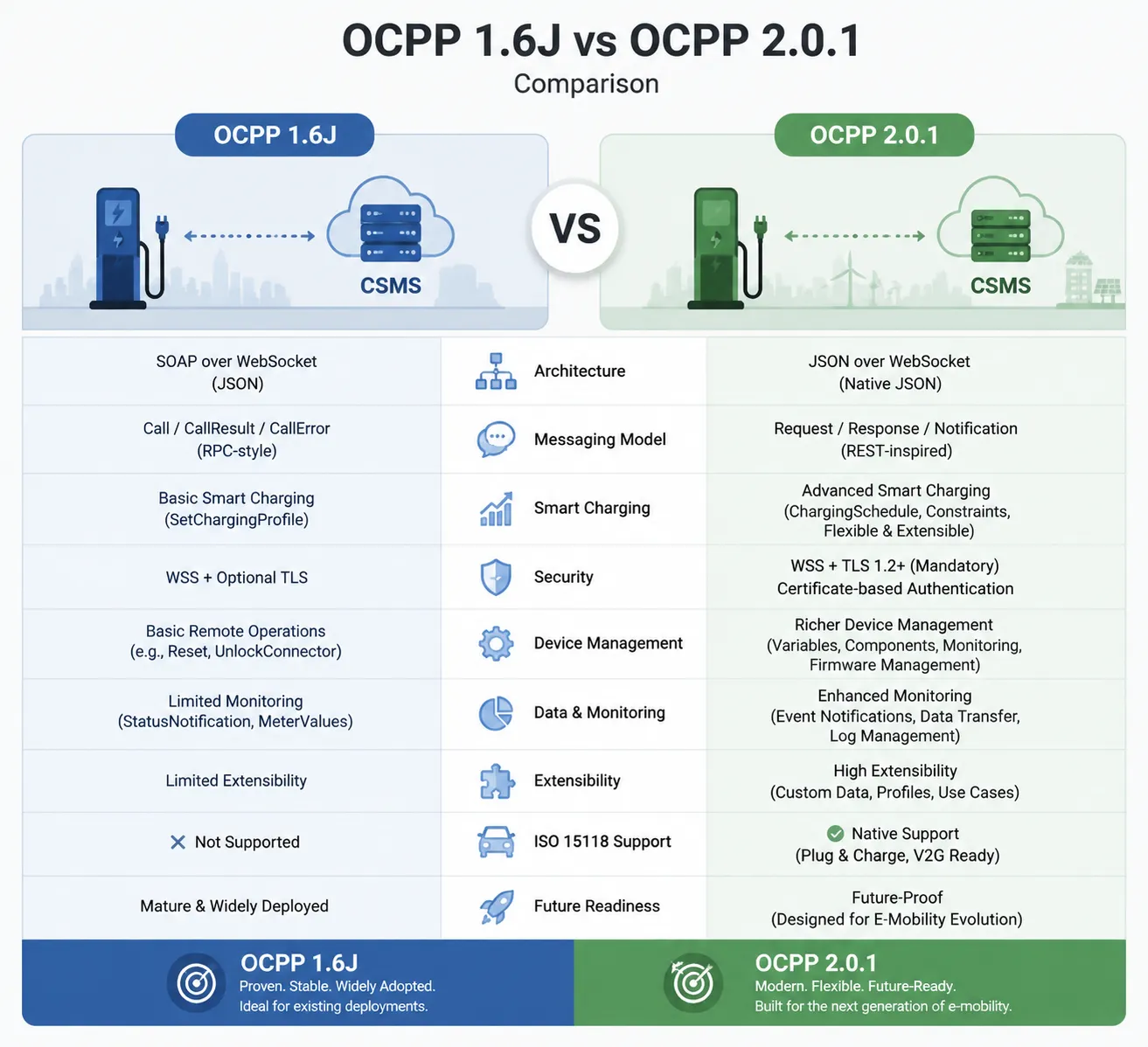
مقارنة OCPP 1.6J مقابل OCPP 2.0.1
OCPP 1.6J: معتمد على نطاق واسع، مستقر، يدعم إدارة الشحن الأساسية
OCPP 2.0.1: ميزات متقدمة، أمان معزز، شحن ذكي، إدارة أفضل للأجهزة
اختار المزيد والمزيد من مديري المنتجات، الذين يشغلون شبكات واسعة، بروتوكول OCPP 2.0.1 كتفضيل لهم.
بروتوكول اتصال يعتمد على WebSocket بتنسيق JSON، يوحد تبادل البيانات بين محطات شحن المركبات الكهربائية وأنظمة الإدارة المركزية.
كيف تُمكّن OCPP الاتصال بين شاحن التيار المتردد والسحابة
بروتوكول نقطة الشحن المفتوح (OCPI) يربط نظام إدارة الشحن الذي تم تطويره في السحابة بمعدات شحن المركبات الكهربائية. يسمح OCPI بـ:
مراقبة جلسة الشحن في الوقت الفعلي
التحكم عن بعد بالتشغيل والإيقاف
إدارة الأحمال والجدولة
تشخيص الأعطال وتحديثات عبر الهواء
كيف تدير مشغلو نقاط الشحن شبكات الشحن بالتيار المتردد
مصادقة المستخدم والفواتير
موازنة الحمل للطاقة
مراقبة وقت تشغيل المحطة
استراتيجيات التسعير وتحسين الإيرادات
توسيع شبكات شحن السيارات الكهربائية عبر مواقع متعددة
بروتوكولات الاتصال القياسية لشواحن التيار المتردد
نشر الأجهزة المعيارية (أنظمة 7 كيلوواط – 22 كيلوواط)
أنظمة الإدارة المستندة إلى السحابة
تحسين الطاقة المدرك للشبكة
مقارنة أفضل شواحن السيارات الكهربائية للاستخدام المنزلي
7 كيلوواط – 11 كيلوواط خرج (شاحن سيارات كهربائية المستوى 2)
النوع 2 أو توافق GB/T
RFID أو تحكم التطبيق
حماية IP55/IP65
توفر أجهزة الشحن الذكية المدمجة في مكيفات الهواء، والتي تتمتع بقدرات OCPP، قدرًا كبيرًا من المرونة طويلة الأجل وفي المستقبل فيما يتعلق بالاتصال بنظام الطاقة من خلال الارتباط بالبنية التحتية السحابية لـ OCPP.
أمثلة ودراسات حالة
شحن سكني
يستخدم المستخدمون الذين يمكنهم شحن سياراتهم في المنزل جلسات تعلم كل ليلة للمساعدة في تقليل اعتمادهم على محطات الشحن العامة وضمان شحن سياراتهم بكمية معقولة من الكهرباء شهريًا.
استخدام تجاري
تم توفير محطات شحن المركبات الكهربائية في مراكز التسوق والفنادق وشركات إدارة مواقف السيارات من أجل تحسين تجربة العملاء بالإضافة إلى خلق مصادر دخل جديدة لهذه الشركات.
تطبيقات الأسطول
تُشحن المركبات الكهربائية في أسطول لوجستي وأسطول تاكسي في مستودع شحن باستخدام شواحن تعمل بالطاقة المترددة (AC)، مما يتيح إدارة الطاقة بكفاءة أكبر بسبب النمط المتوقع لعملياتهم.
دراسة حالة XYDF: حلول شحن التيار المتردد القابلة للتطوير
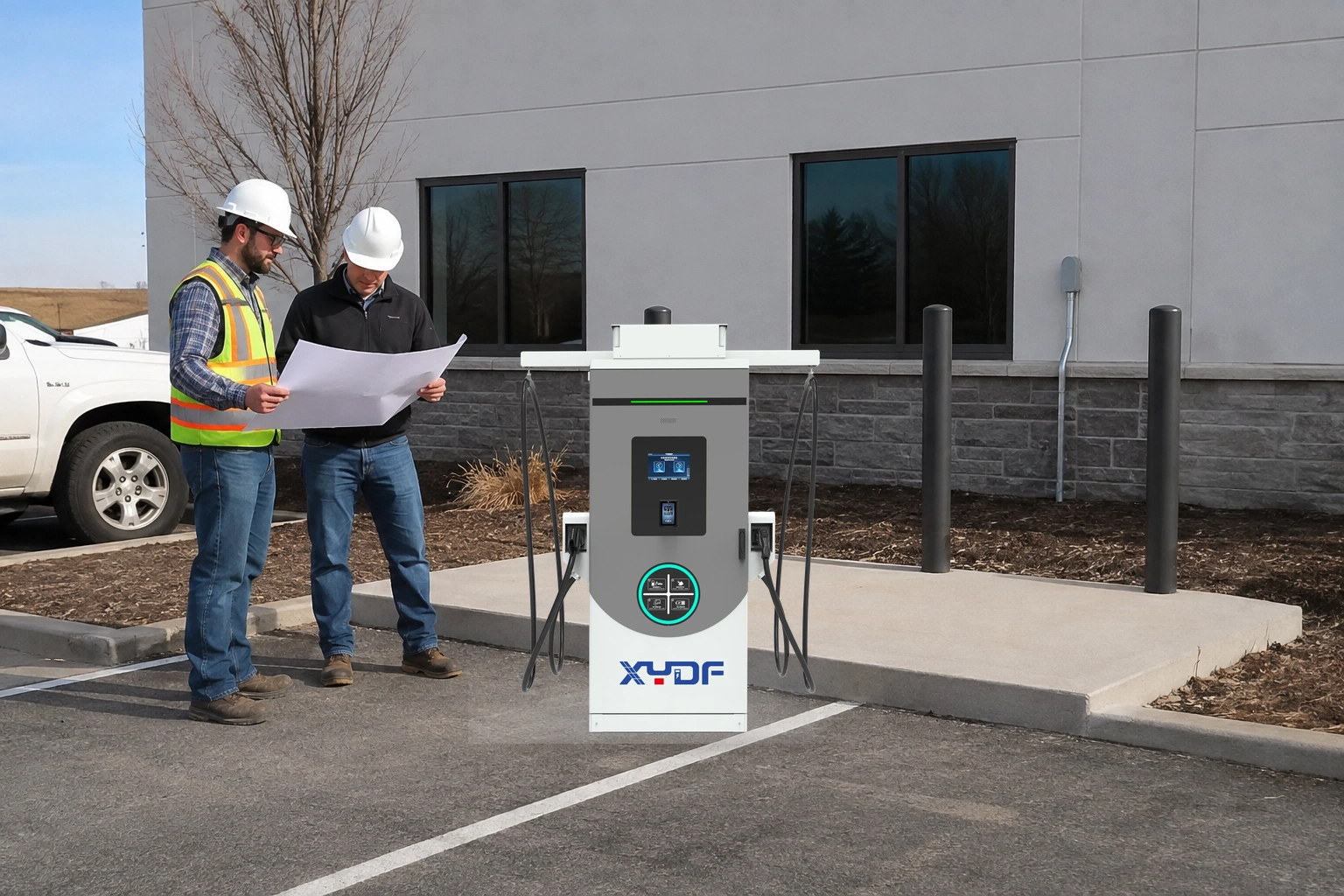
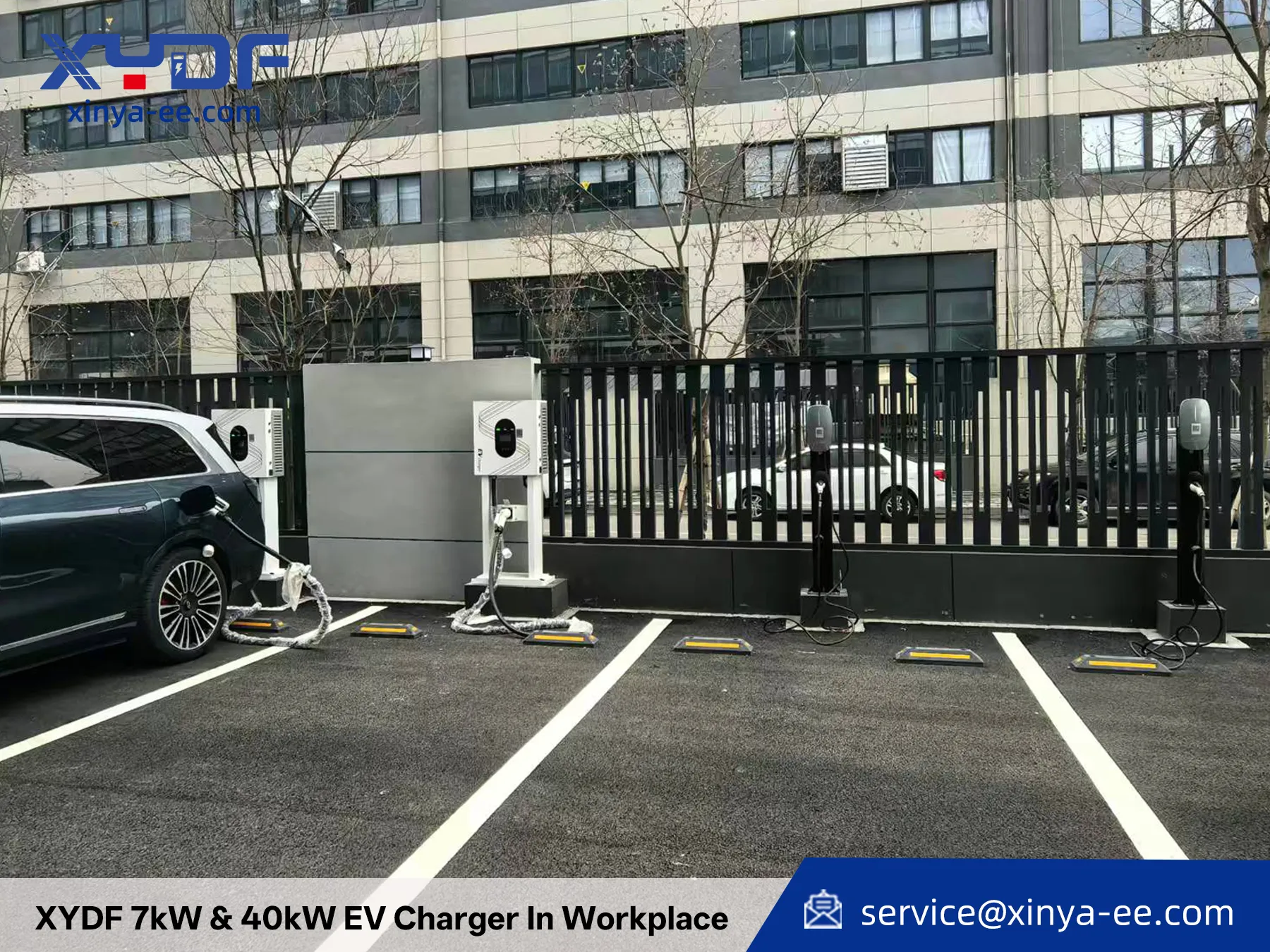
كمنتشر حديثًا،, شواحن XYDF AC EV تم تركيبها في مشروع موقف سيارات تجاري متعدد الاستخدامات (مثل البيع بالتجزئة والمكاتب) حيث توفر محطات الشحن من التيار المتردد الموثوقة والمتوافقة مع OCPP وصولاً متعدد المشغلين وإدارة مركزية من خلال منصات الشحن الذكية. بحلول نهاية المشروع، وبمجرد تركيب جميع وحدات شاحن السيارات الكهربائية من المستوى 2 بقوة 7 كيلو وات و 11 كيلو وات، أفاد المشغل بما يلي:
(١) أداء الشبكة مستقر؛;
(2) تحسنت معدلات الاستخدام بناءً على المراقبة عن بعد وقدرات موازنة الأحمال. أتاح تطبيق نظام قائم على OCPP التكامل السلس مع نظام إدارة الشحن الحالي للمشغل، مما يوفر رؤية في الوقت الفعلي لجلسات الشحن واستهلاك الطاقة.
كان أحد مفاتيح نجاح حل XYDF للمشغل هو سهولة تركيبه، وتقليل عبء الصيانة، وتحسين إمكانية التشغيل البيني عبر أنواع مختلفة من المركبات بمعايير الإدخال من النوع 2 و GB/T. وقد تم بالفعل توسيع نطاق النظام ليشمل مواقع إضافية، مما يشير إلى قدرة قوية على التكيف ضمن شبكة البنية التحتية لشحن المركبات الكهربائية المتطورة.
عملية التصنيع: المكونات الأساسية، التجميع، وضمان الجودة
يتضمن إنشاء شواحن المركبات الكهربائية (EV) اختيار المواد الخام لتصنيع المكونات، ودمج الأجزاء الفردية في وحدة واحدة كاملة، وأخيرًا تجميع الوحدة بأكملها من خلال إجراء اختبار مفصل (أي، شواحن المستوى 2، والوضع 3، والنوع 2، و J1772).
اكس واي دي اف, ، وهي قسم من شركة Xinya Dongfang Electricity Technology Co., Ltd.، تأسست في عام 2016، وهي شركة تابعة لشركة Xinya Electronic Company Ltd (رمز السهم: 605277). تمتلك الشركة منشأة تصنيع في شنتشن تبلغ مساحتها حوالي 40,000 متر مربع، بالإضافة إلى منشأة بحث وتطوير في شنتشن، مما يسمح لها بتوفير حلول شحن كاملة لمركبات الطاقة الكهربائية لمشاريع شحن المركبات الكهربائية الدولية.
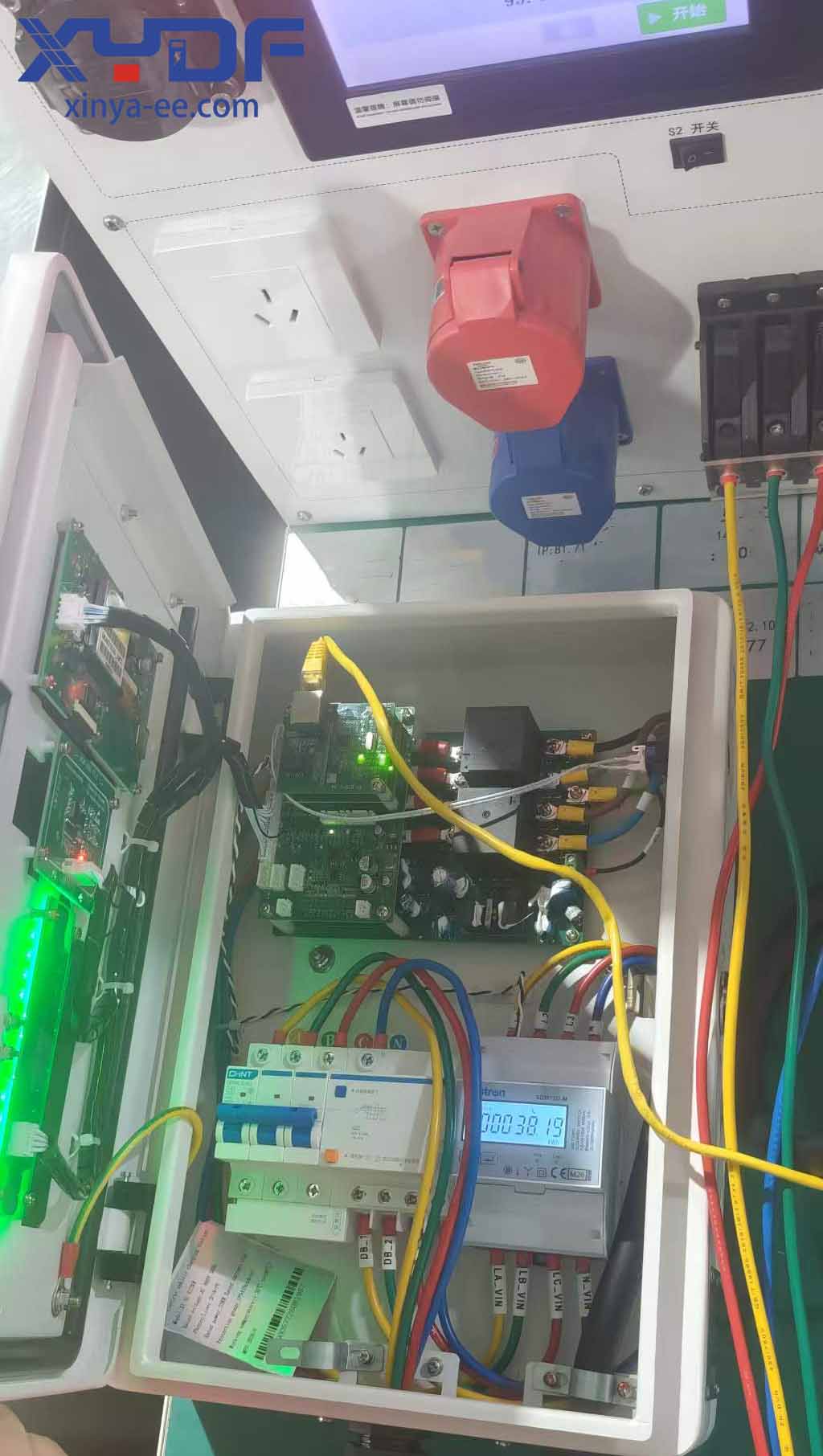
لتوفير خدمة كهربائية موثوقة، تتمثل الخطوة الأولى في العملية في الحصول على مكونات عالية الجودة (وحدات الطاقة، وأنظمة التحكم، والموصلات، والأغلفة الواقية). بمجرد تحديد المكونات المناسبة، سيتم اتباع الخطوة الثانية لإكمال التجميع باستخدام طريقة متسقة. ستكون إجراءات التجميع المستخدمة في التجميع هي تكامل لوحة الدوائر المطبوعة (PCB)، والأسلاك، وتركيب الهيكل لتلبية مواصفات نظام شحن التيار المتردد (AC).
أحد الأشياء الرئيسية التي سيبحث عنها الناس عند شراء شاحن سيارة كهربائية جديد هو ضمان الجودة والمصداقية. أثناء عملية التصنيع، يجب أن تخضع جميع شواحن التيار المتردد لاختبارات الإجهاد، والتشغيل بالحمل الكامل، والتحقق الحراري، واختبارات السلامة الكهربائية. سيضمن ذلك أنه عند استخدام الشاحن في شبكة شحن ذكية، فإنه سيعمل كما هو متوقع.
أخيرًا وليس آخرًا، اجتازت المنتجات جميع المعايير الدولية مثل متطلبات IEC وشهادة TÜV. تضمن هذه الشهادات أن تكون المنتجات متوافقة مع أي شاحن سيارات كهربائية من النوع 2 عالمي أو شاحن J1772, ، وبالتالي ستوفر حلول شحن تيار متردد موثوقة وقابلة للتطوير.
أسئلة متكررة
هل شحن التيار المتردد أفضل من شحن التيار المستمر؟
لا يوجد شاحن سيارات كهربائية “أفضل” أو “أسوأ” بطبيعته بين النوعين، شواحن التيار المتردد (AC) وشواحن التيار المستمر (DC)؛ بل تم تصميمهما لتطبيقات مختلفة. عادةً ما تكون شواحن التيار المتردد أقل تكلفة وأكثر استخدامًا في المنازل وأماكن العمل والشحن الليلي لأنها تتطلب موارد أقل للتركيب. ومع ذلك، فإن السرعة العالية والقوة والكفاءة التي توفرها شواحن التيار المستمر تجعلها أكثر ملاءمة لسيناريوهات إعادة شحن السيارات الكهربائية السريعة التي تحدث في أماكن مثل الطرق السريعة والمؤسسات. بشكل عام، تشكل شواحن التيار المتردد أساس البنية التحتية لشحن السيارات الكهربائية، بينما تزيد شواحن التيار المستمر من القدرة على إعادة شحن الطاقة بسرعة.
2. ماذا تعني AC و DC؟
التيار المتردد يعني أن الكهرباء ستغير باستمرار اتجاه تدفقها عبر الدائرة الكهربائية. التيار المستمر يعني أن الكهرباء ستنتقل باستمرار عبر الدائرة الكهربائية في اتجاه واحد ثابت لا يتغير.
٣. هل الشحن بالتيار المتردد أفضل لبطاريات السيارات الكهربائية؟
نظرًا لأن الشحن بالتيار المتردد يوفر طاقة منخفضة لفترة أطول، يُنظر إليه عمومًا على أنه أقل إجهادًا لبطارية السيارة الكهربائية. ومع ذلك، فقد صُممت جميع المركبات الحالية بحيث يمكن شحنها بأمان باستخدام أي من هذين النوعين من مصادر الطاقة. ولا تقتصر العوامل الرئيسية التي تؤثر على صحة البطارية على طريقة شحن سيارتك فحسب (التيار المتردد مقابل التيار المستمر)، بل تشمل أيضًا ممارساتك العامة في إدارة درجة حرارة البطارية وعاداتك في الشحن.
٤. هل ٧ كيلوواط شاحن من المستوى ٢؟
نعم، عادةً ما يتم تصنيف شاحن التيار المتردد بقدرة 7 كيلووات على أنه شاحن سيارة كهربائية من المستوى 2، خاصة للاستخدام المنزلي والتجاري الخفيف. عادةً ما تكون محطات شحن التيار المتردد من المستوى 2 مصنفة بقدرة تتراوح بين 7 كيلووات و 22 كيلووات، وهي أيضًا الأنواع الأكثر شيوعًا لمحطات شحن التيار المتردد.
5. ما هو توافق OCPP؟
توافق بروتوكول نقطة الشحن المفتوحة (OCPP) يعني أن محطة شحن التيار المتردد (AC) ستكون قادرة على التواصل مع منصة الإدارة المركزية (CMS) باستخدام معيار مفتوح. يوفر هذا قابلية التشغيل البيني بين مختلف المصنعين مما يسمح للمشغلين بمراقبة وإدارة وإنشاء شبكات الشحن الخاصة بهم بكفاءة في شبكة شحن ذكية.
6. كم تكلف محطة شحن AC؟
تعتمد تكلفة تركيب مصدر طاقة للتيار المتردد (AC) على كمية الطاقة المقدمة، والميزات المختلفة المطلوبة، وكيفية اتصاله بالأجهزة الكهربائية الأخرى، وما إذا كان هناك أي شيء يجب القيام به قبل تركيب الوحدة أو استخدامها. عادةً، سيكون مصدر الطاقة للتيار المتردد المنزلي الأساسي الذي يوفر 7 كيلوواط أقل تكلفة بكثير من مصدر الطاقة الذكي للتيار المتردد التجاري بقدرة 11 كيلوواط – 22 كيلوواط والذي يوفر توافق OCPP، وتقنية RFID، وميزات موازنة الحمل. وبالتالي، بسبب تكلفة التركيب المنخفضة، فإن محطات شحن السيارات الكهربائية بالتيار المتردد (AC) أكثر اقتصادية في التنفيذ من محطات شحن السيارات الكهربائية السريعة بالتيار المستمر (DC) لتوسيع البنية التحتية لشحن السيارات الكهربائية.
نستخدم ملفات تعريف الارتباط (الكوكيز) لضمان عمل هذا الموقع، وبإذنك، لقياس كيفية استخدام الزوار لموقع شحن المركبات الكهربائية الخاص بنا. انظر إلى سياسة الخصوصية للتفاصيل.
 شركة شينيا دونغفانغ لتكنولوجيا الكهرباء المحدودة.