Stations de recharge CA OCPP pour les opérateurs : solutions de réseau interopérables
25 juin 2026
Blog
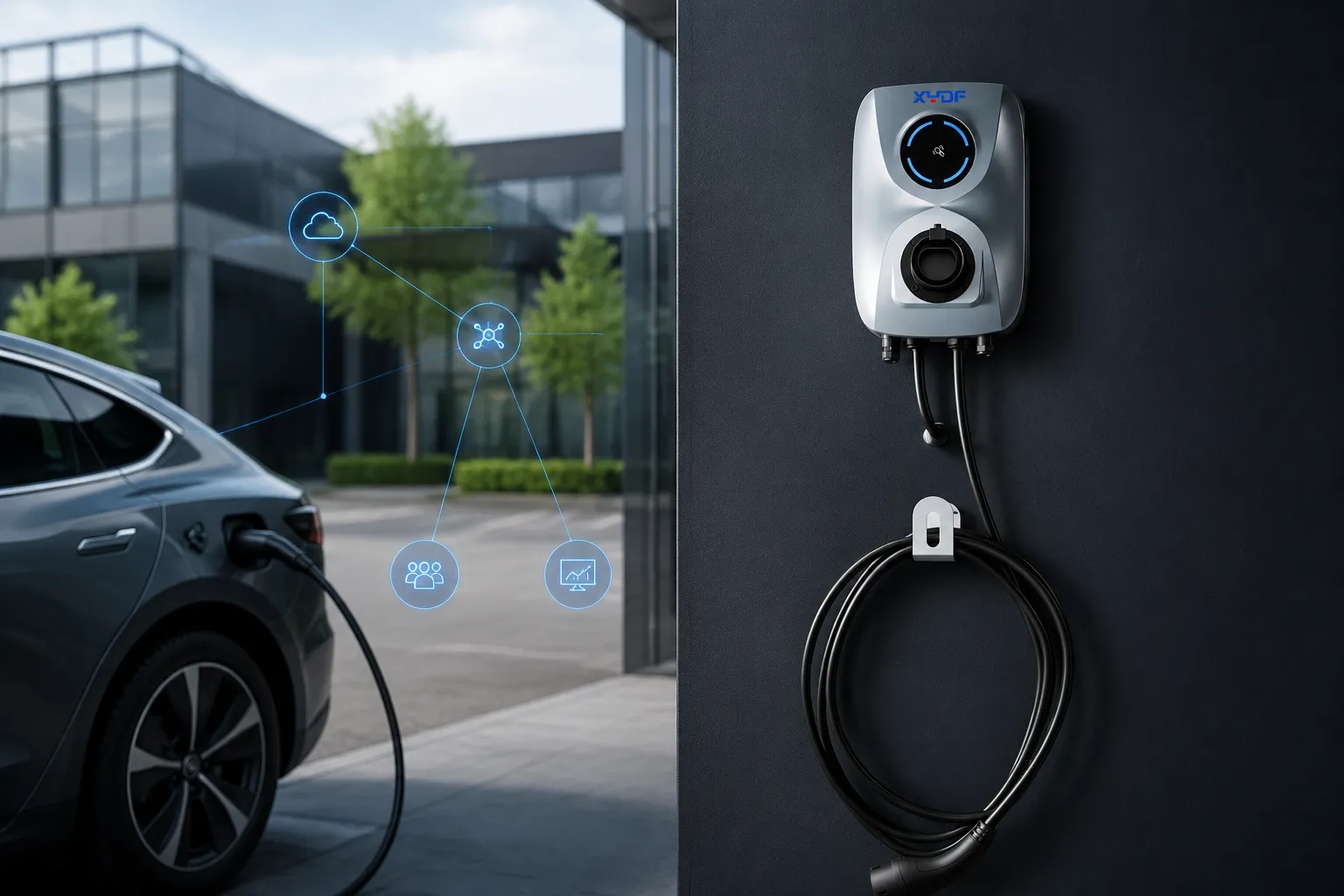
Depuis son introduction dans le système de recharge intelligente, ainsi que pour faciliter l'interopérabilité entre différentes entreprises en utilisant la communication OCPP pour se connecter à d'autres opérateurs de recharge de VE, le chargeur AC peut également aider les opérateurs et les constructeurs à gérer leurs limitations de réseau, fournir une recharge AC évolutive en permettant aux opérateurs ou aux installateurs de mettre en œuvre leurs propres solutions dans le cadre d'un déploiement à grande échelle qui a été mis en œuvre avec succès dans de nombreux endroits en raison de l'augmentation de l'intérêt et de la fiabilité sur site des stations de recharge ces dernières années.
Recharge CA : Idéal pour la maison et un usage quotidien
La recharge en courant alternatif est considérée comme l'utilisation la plus courante d'un véhicule électrique à l'heure actuelle en raison de la disponibilité de la recharge résidentielle ou sur le lieu de travail. Une borne de recharge CA est un appareil qui convertit l'énergie de votre fournisseur d'électricité en une alimentation CA pour votre véhicule électrique et offre une solution rentable et évolutive pour une utilisation quotidienne. Par rapport à Recharge rapide en courant continu, les systèmes de recharge CA sont beaucoup moins compliqués à installer, et ils fonctionnent bien pour les applications de recharge nocturne ou de longue durée.
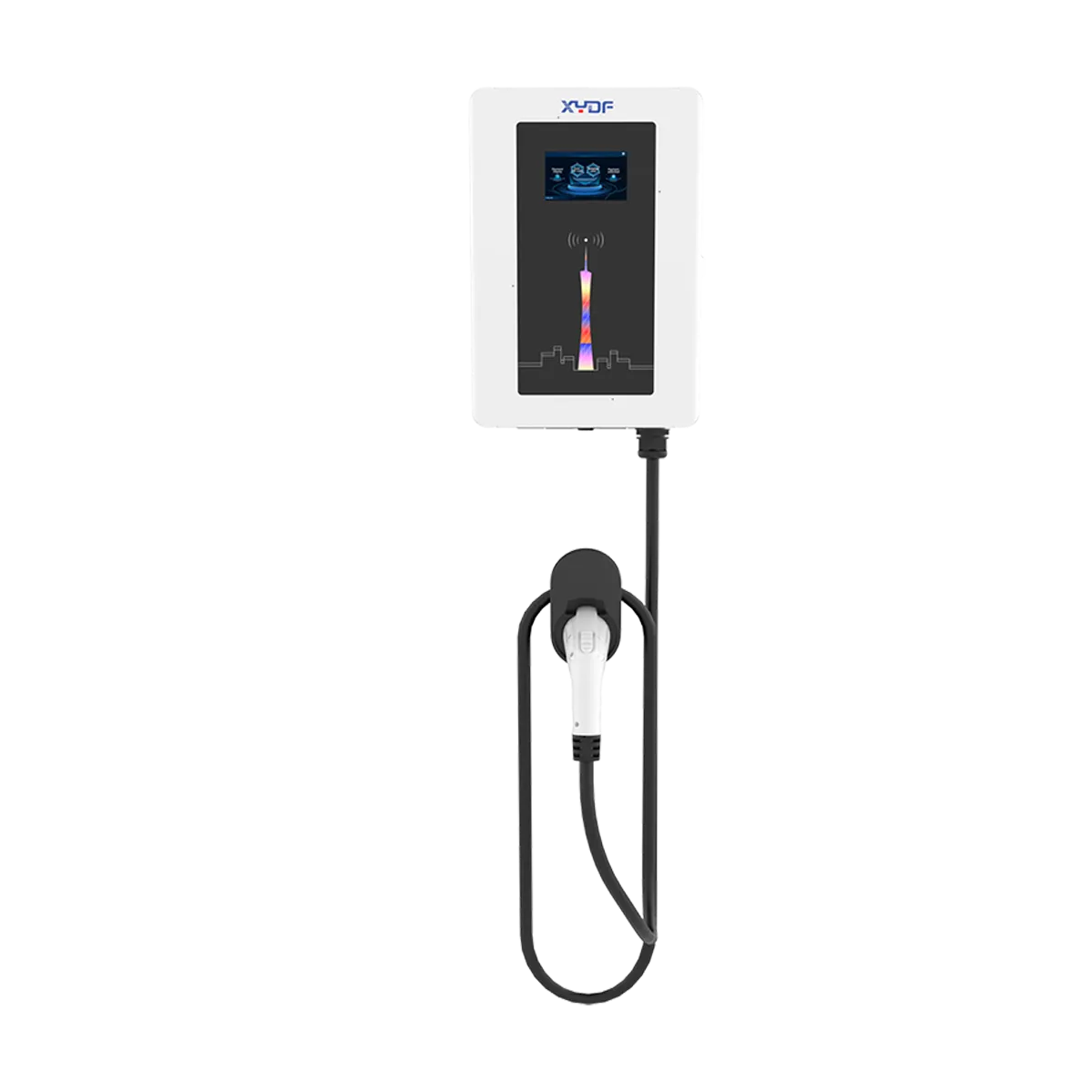
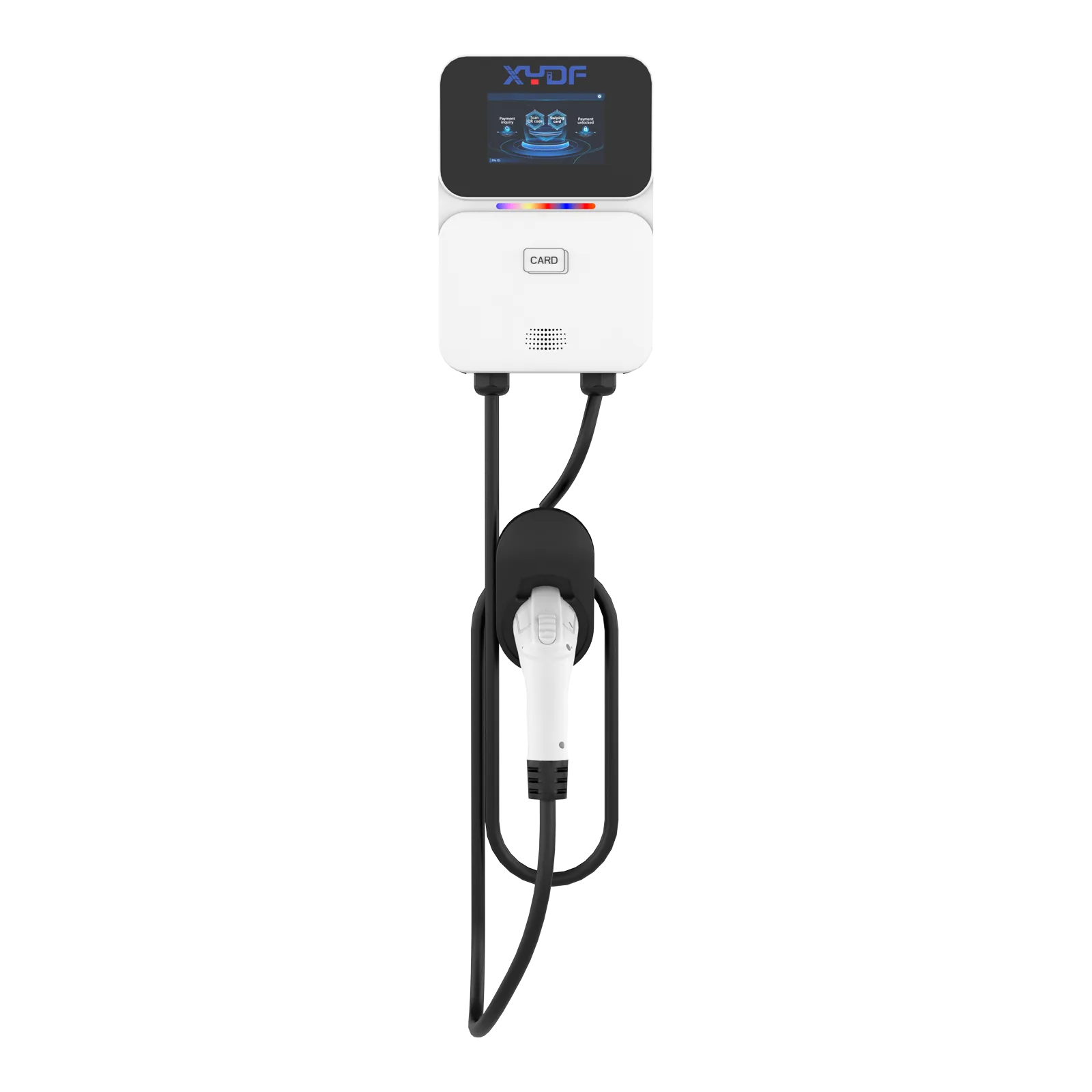
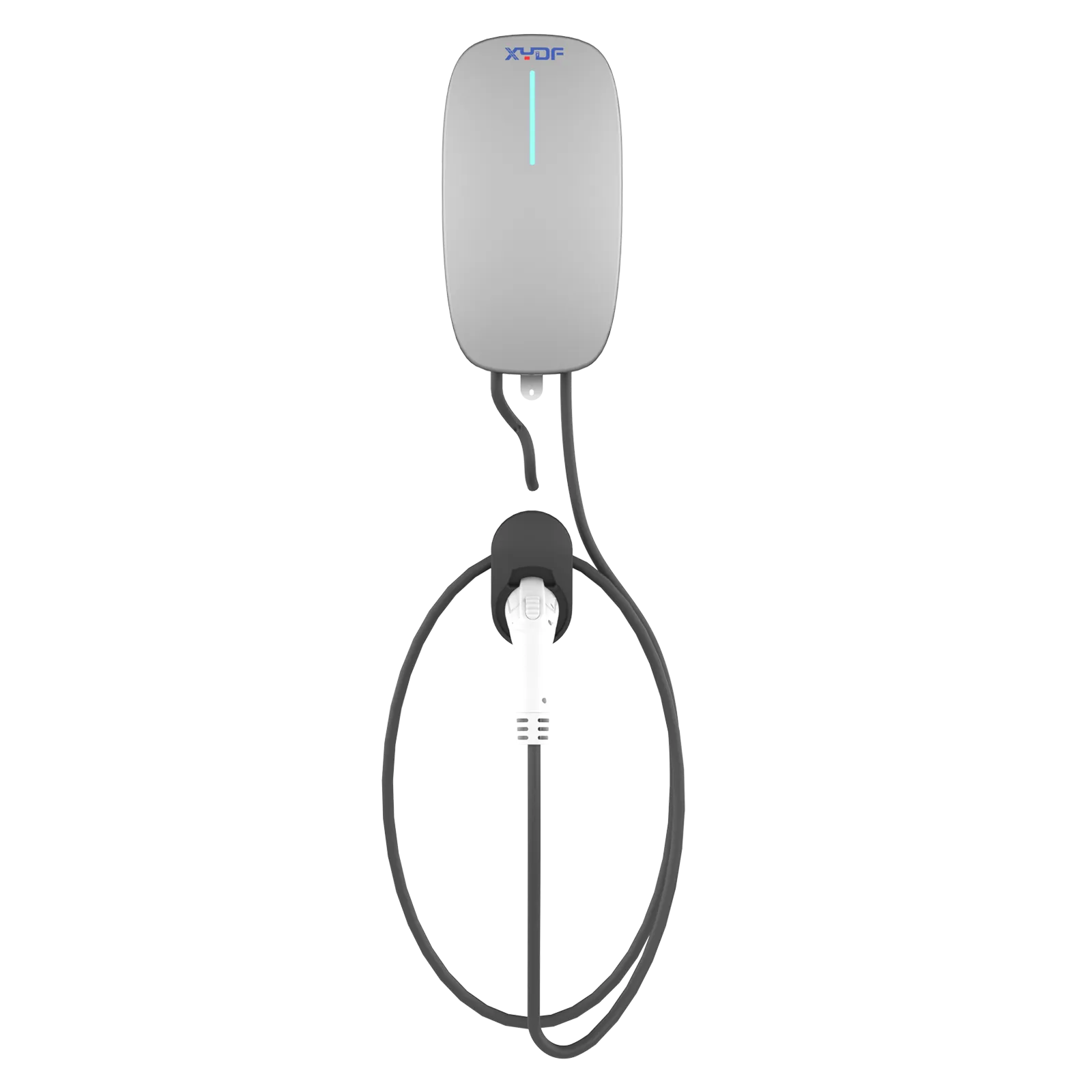
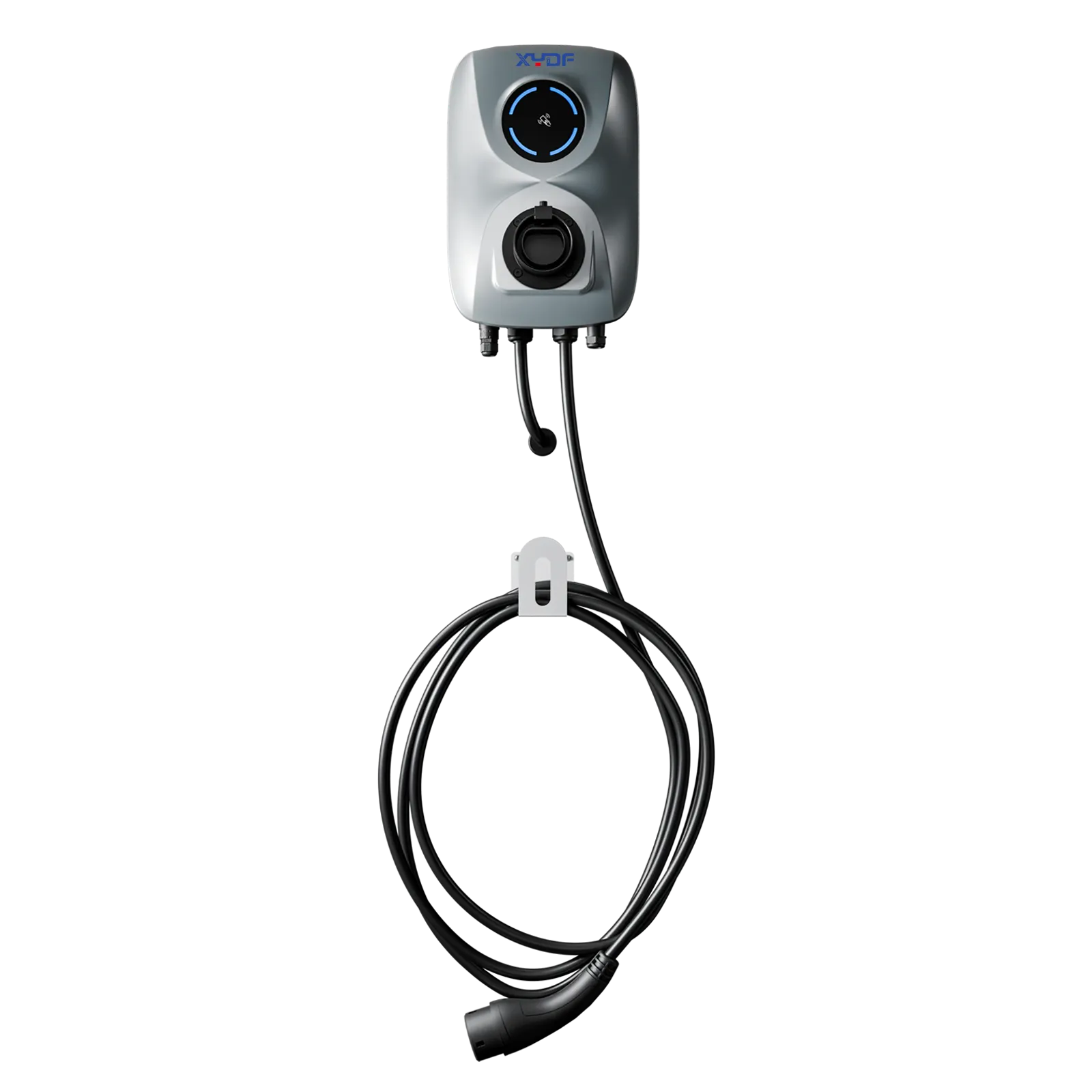
Aperçu général de la série de chargeurs de VE XYDF AC
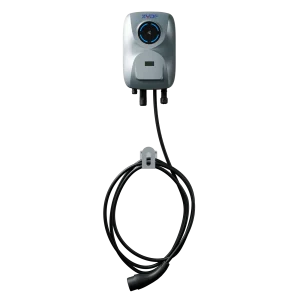
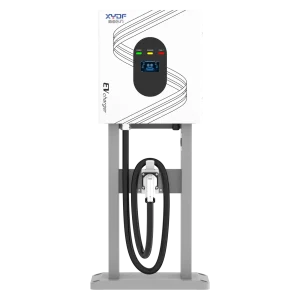
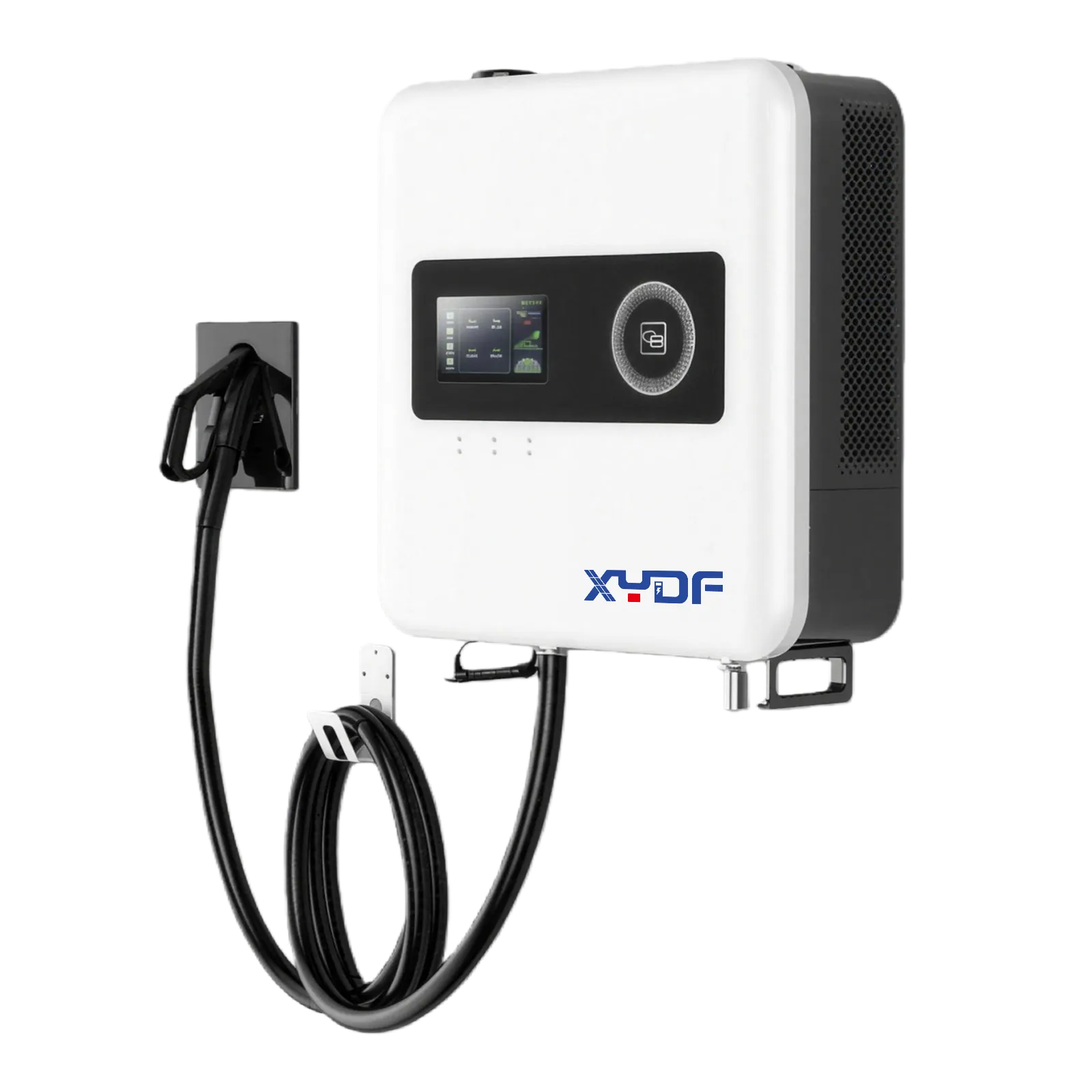
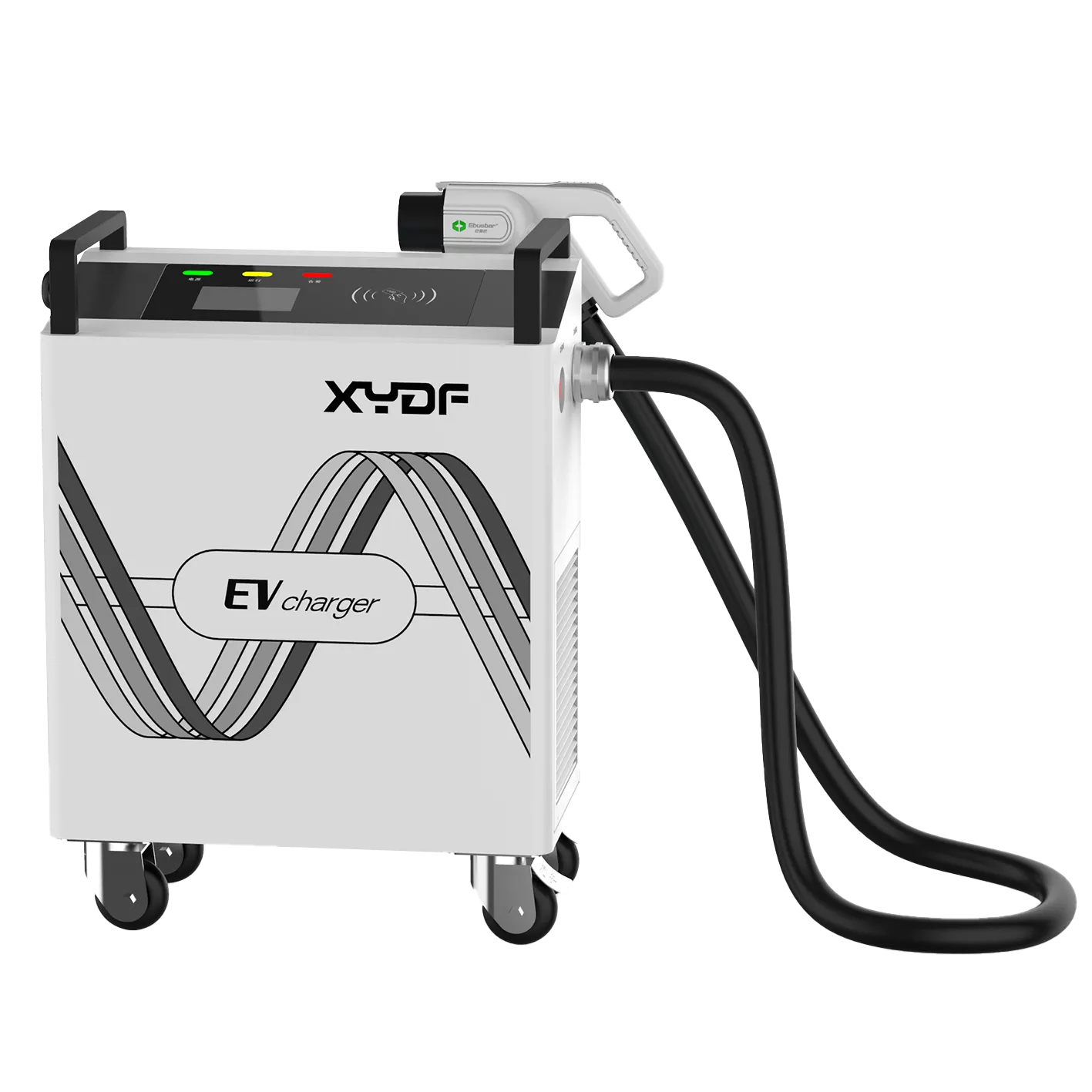
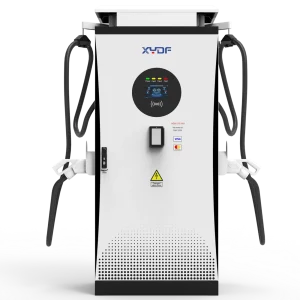
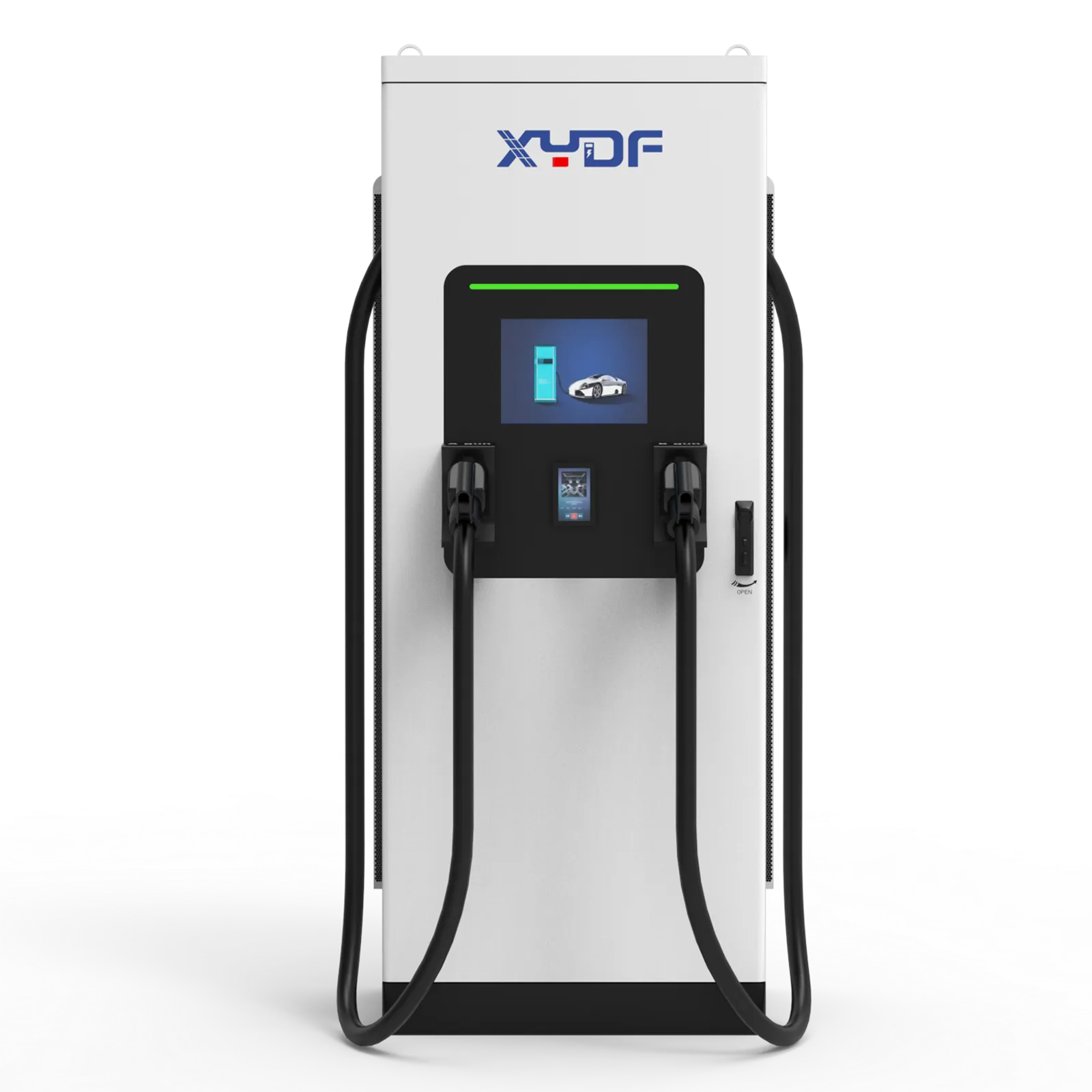
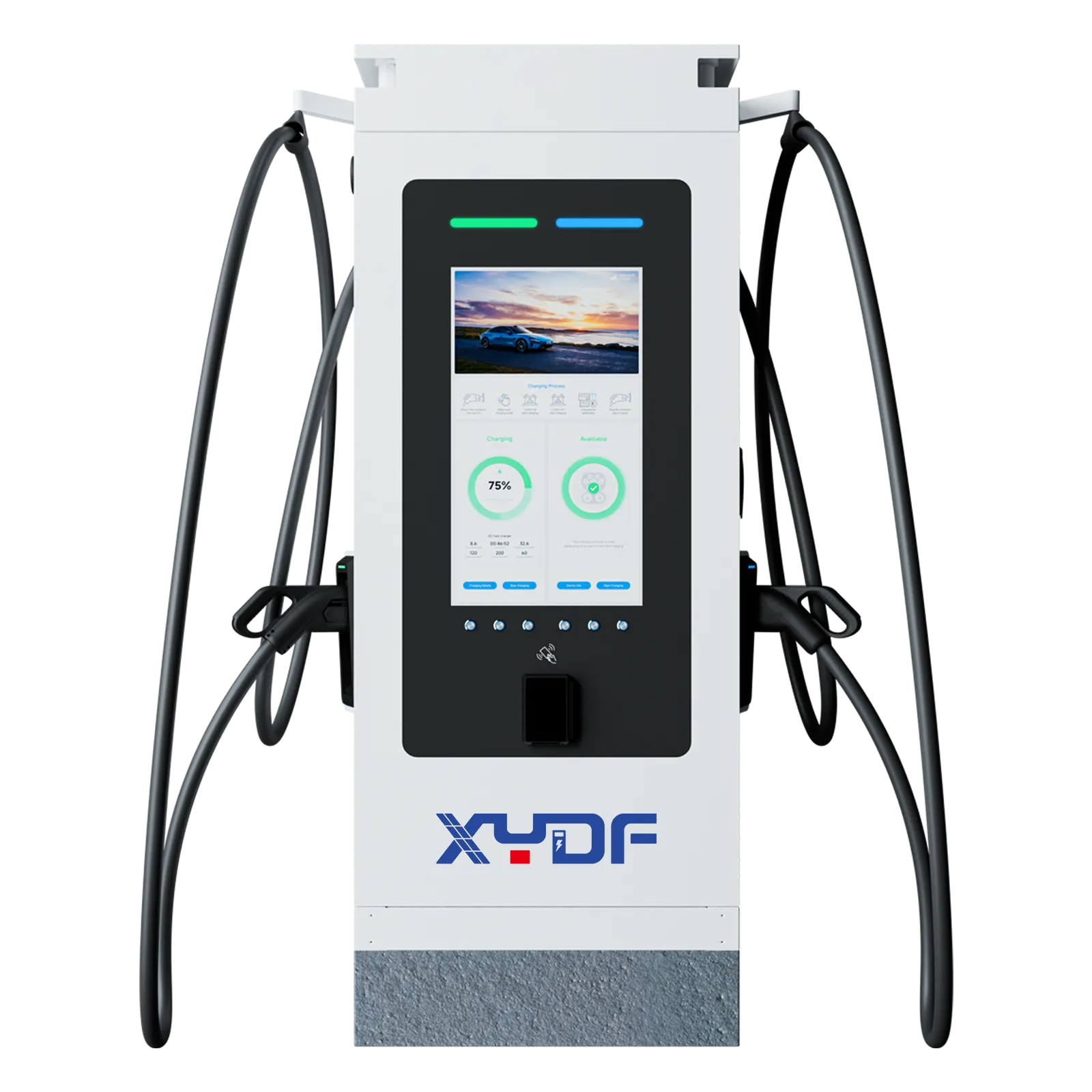
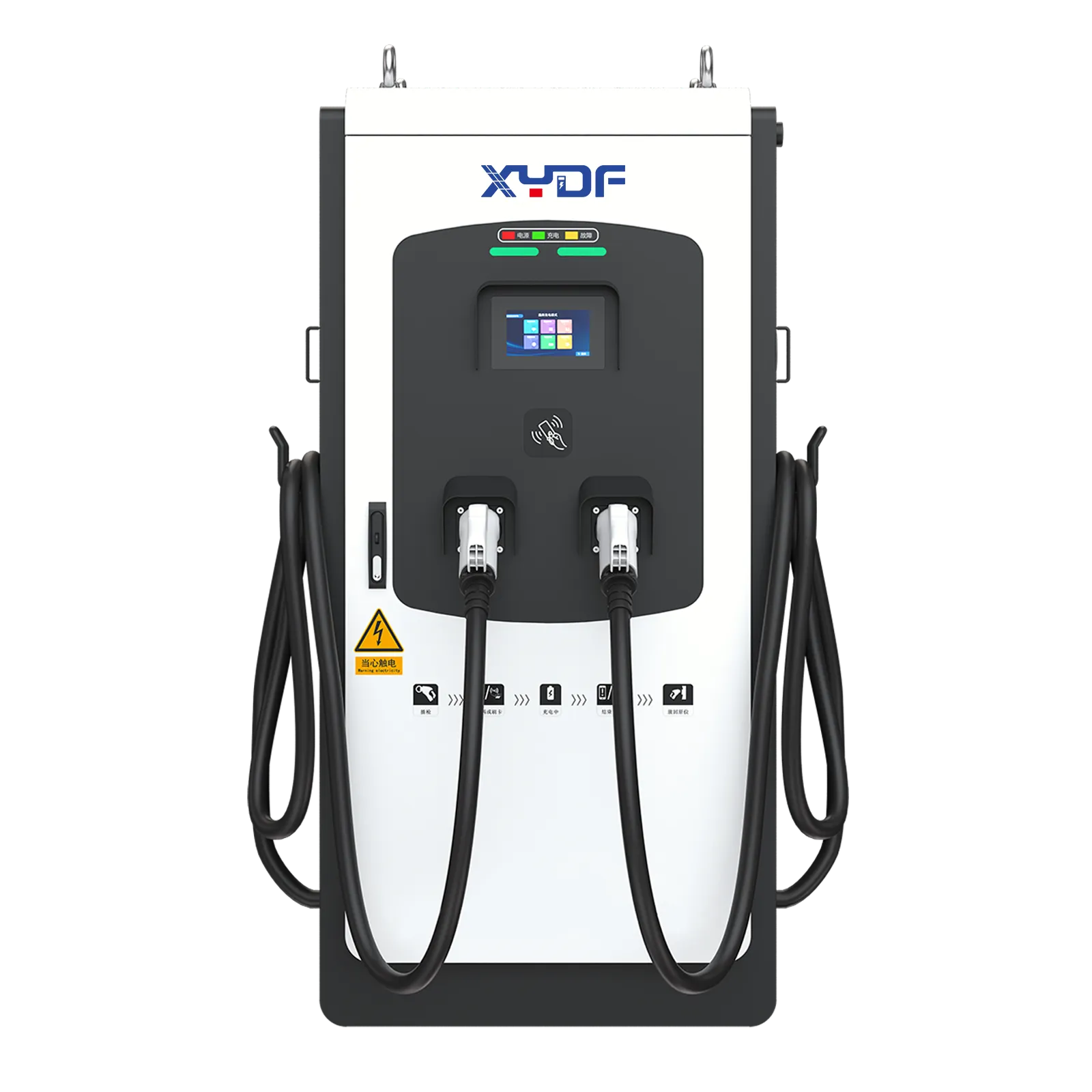
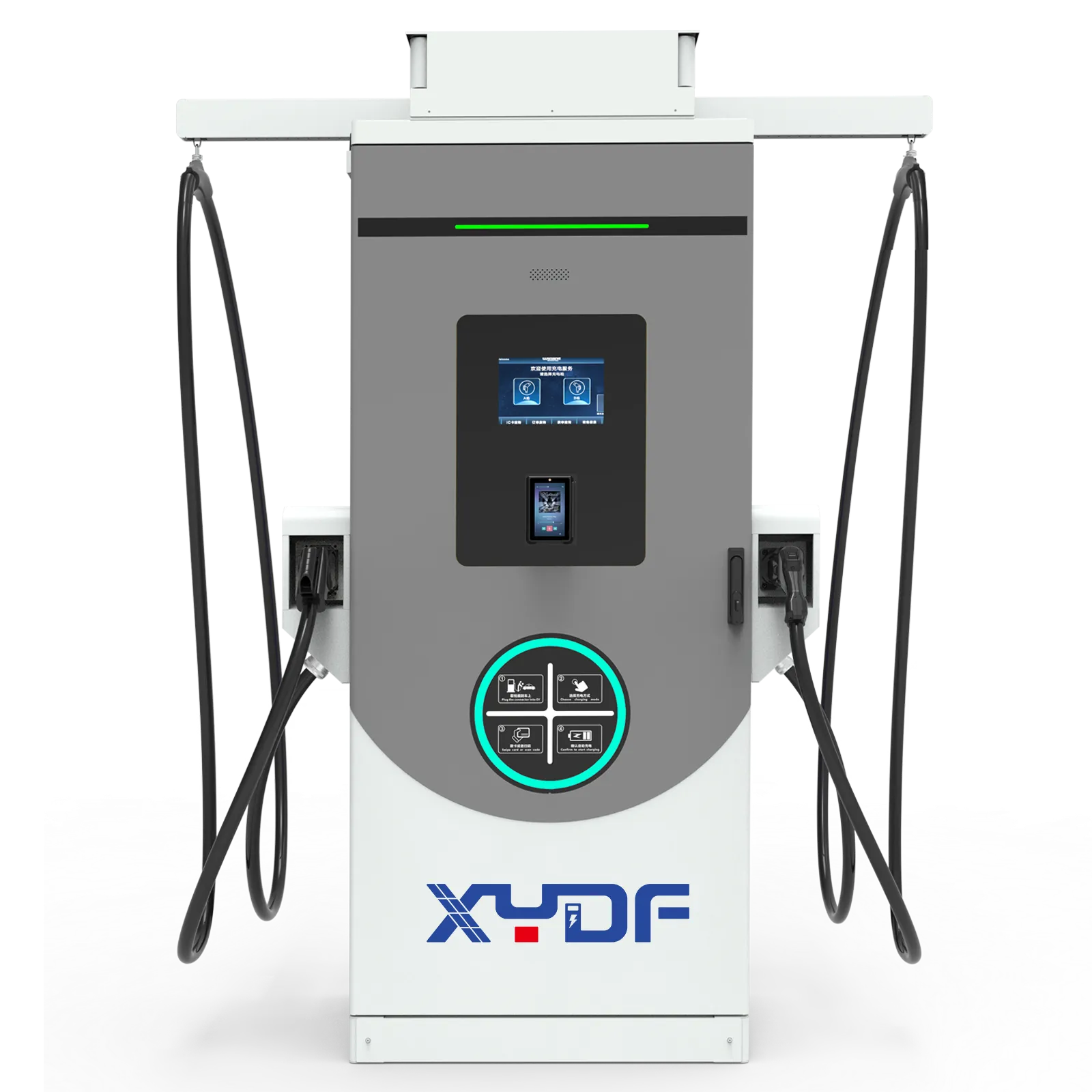
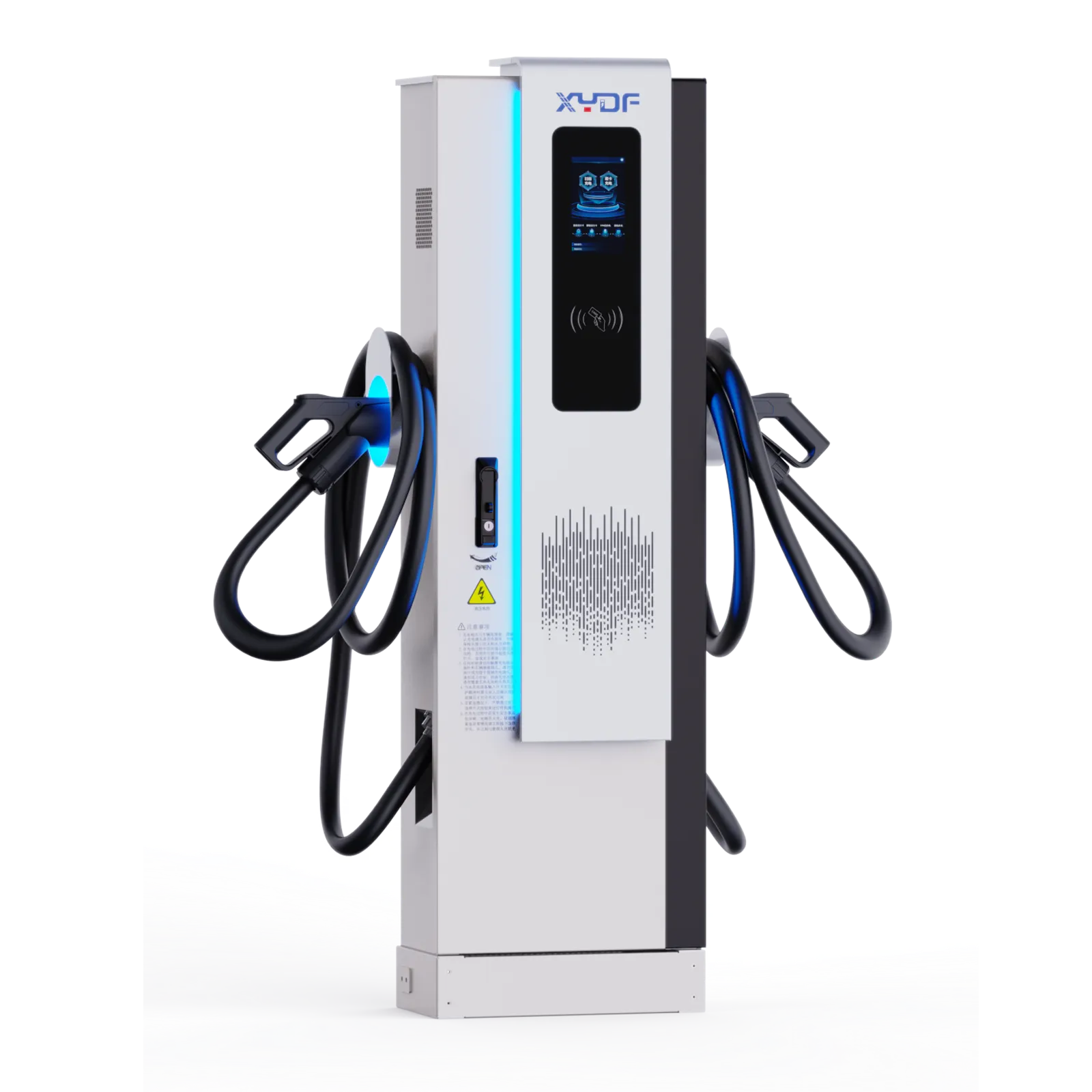
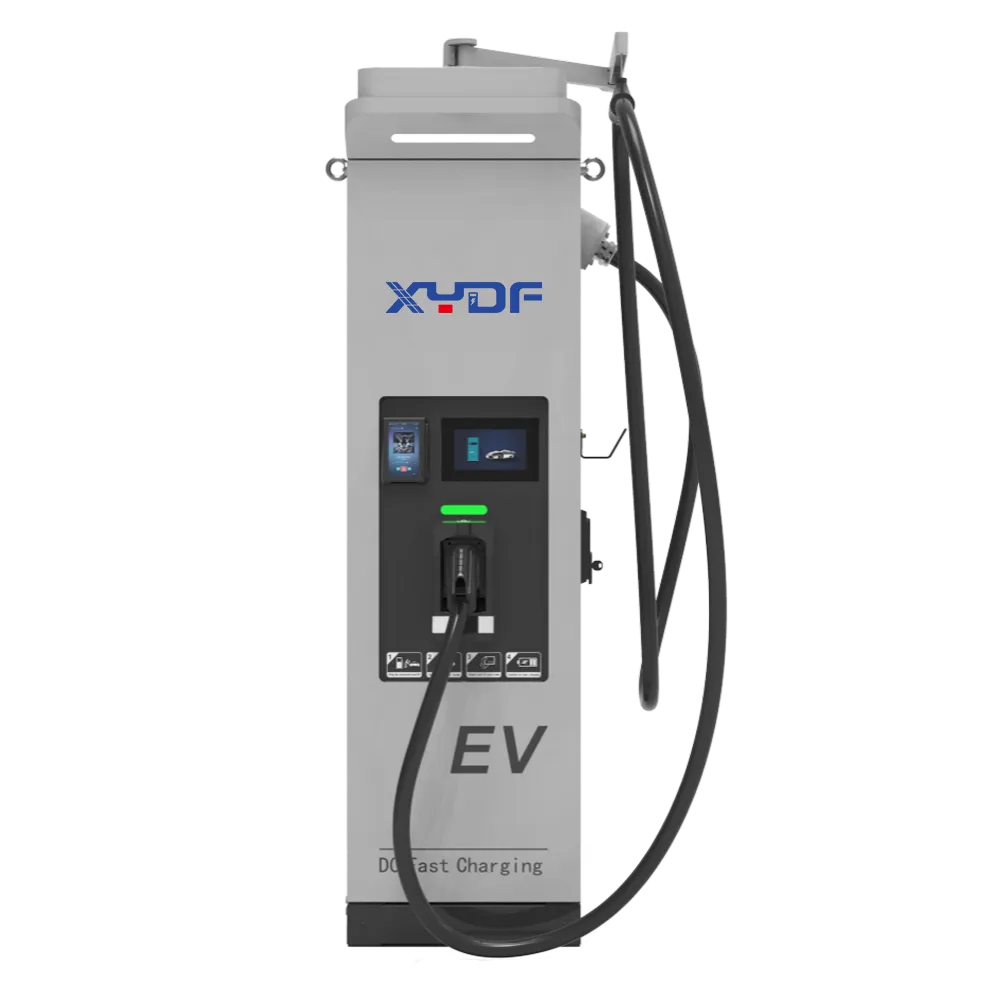
XYDF a classé ses emplacements de recharge pour véhicules électriques en 4 catégories principales, Séries 7, Séries 11, Séries 22 et Séries EC, fournissant des solutions pour les niveaux de recharge AC et VE 2 (7 KW à 22 KW) à l'échelle mondiale.
La série E7 a été conçue spécifiquement pour le déploiement de petits chargeurs CA pour les maisons, tandis que la série EC7 offre des fonctionnalités supplémentaires pour un support amélioré de la gestion intelligente de l'énergie à domicile – y compris les mises à jour sans fil et l'équilibrage de charge – en plus d'autres capacités avancées. La série E22 a été créée pour fournir des déploiements commerciaux/publics avec le plus grand nombre d'options évolutives ainsi que des méthodes d'installation plus flexibles, aidant les opérateurs à construire des réseaux de recharge intelligents hautement efficaces. L'EC22 offre des niveaux de protection plus élevés et une intégration prête pour l'OCPP, offrant aux opérateurs une stabilité et une fiabilité améliorées dans les applications à forte demande (qualité professionnelle).
Les quatre séries seront compatibles Chargeurs pour véhicules électriques de type 2, Chargeurs EV de Type 1, et normes GB/T pour une variété de déploiements résidentiels, commerciaux et publics de recharge AC dans le monde entier.
Série
Gamme de puissance
Connecteur
Installation
Niveau de protection
Fonctionnalités intelligentes
Meilleur cas d'utilisation
Série E7
7 kW
Type 1 / Type 2 / GB/T
Mur / Piédestal
IP55
RFID / Contrôle par application
Recharge résidentielle
Série EC7 (ANNEAU CA)
7 kW
Type 2 / GB/T
Mur / Poteau
IP65
OTA / Équilibrage de charge / Ordonnancement intelligent
Recharge de maison intelligente
Série E22
7 / 11 / 22 kW
Type 1 / Type 2 / GB/T
Mur / Piédestal
IP55
Wi-Fi / LAN / RFID / application
Recharge commerciale et publique
Série EC22
7 / 11 / 22 kW
Type 2 / GB/T
Mur / Piédestal
IP65
Contrôle intelligent + intégration prête pour l'OCPP
Forte demande et environnements difficiles
Limitations de la recharge CA
Bien qu'il existe de nombreux avantages à charger en courant alternatif, certaines limitations subsistent. L'une des plus importantes concerne la vitesse de chargement et dépend du chargeur embarqué du véhicule. Un chargeur de niveau deux aura généralement une puissance de sortie de 7 kW à 22 kW, il faudra donc quelques heures pour recharger complètement le véhicule. Outre la vitesse, d'autres limitations à l'utilisation des chargeurs CA sont liées aux limites de capacité de puissance du réseau électrique local et aux restrictions relatives à l'installation du système de recharge ; par exemple, dans les zones urbaines densément peuplées et lors de la création de réseaux de recharge intelligents pour véhicules électriques (VE) à grande échelle.
Comparaison des temps de recharge des véhicules électriques : niveau 1 vs niveau 2
Type de charge
Puissance de sortie
Temps de charge typique
Application
Chargeur AC de niveau 1
1,4–2,3 kW
12–24 heures
Urgence / Secours à domicile
Recharge de niveau 2 CA
7–22 kW
3–8 heures
Accueil / Lieu de travail / Commercial
De nos jours, il existe de nombreuses façons différentes de recharger les véhicules électriques, mais la méthode principale pour ce faire continuera d'être le système de niveau 2, tant pour des raisons financières que d'efficacité.
Chargeur AC vs DC : Différences clés
Les charges rapides AC et DC utilisent des emplacements différents pour convertir l'énergie électrique en énergie de charge utilisable. Avec la charge AC, la conversion en énergie de charge utilisable est effectuée par le chargeur embarqué du véhicule, tandis qu'avec la charge rapide DC, l'énergie électrique est convertie à l'extérieur du véhicule et le courant continu est délivré à la batterie.
✔ Chargeur CA
• coût inférieur • vitesse plus lente • idéal pour la recharge quotidienne
★ Chargeur CC
• haute puissance • recharge rapide • coût d'infrastructure plus élevé
La recharge CA est au cœur de la création d'un réseau de recharge plus évolutif pour les véhicules électriques.
Qu'est-ce que l'OCPP dans les systèmes de recharge pour VE ?
L'OCPP spécifie une méthode de communication générale standard pour connecter les bornes de recharge CA à un gestionnaire central via Internet, permettant ainsi une recharge interopérable des véhicules électriques. L'OCPP peut être utilisé dans de nombreux réseaux de recharge intelligents pour véhicules électriques actuels, offrant aux opérateurs des options d'utilisation, de surveillance et d'optimisation à distance de l'ensemble de leur infrastructure de recharge.
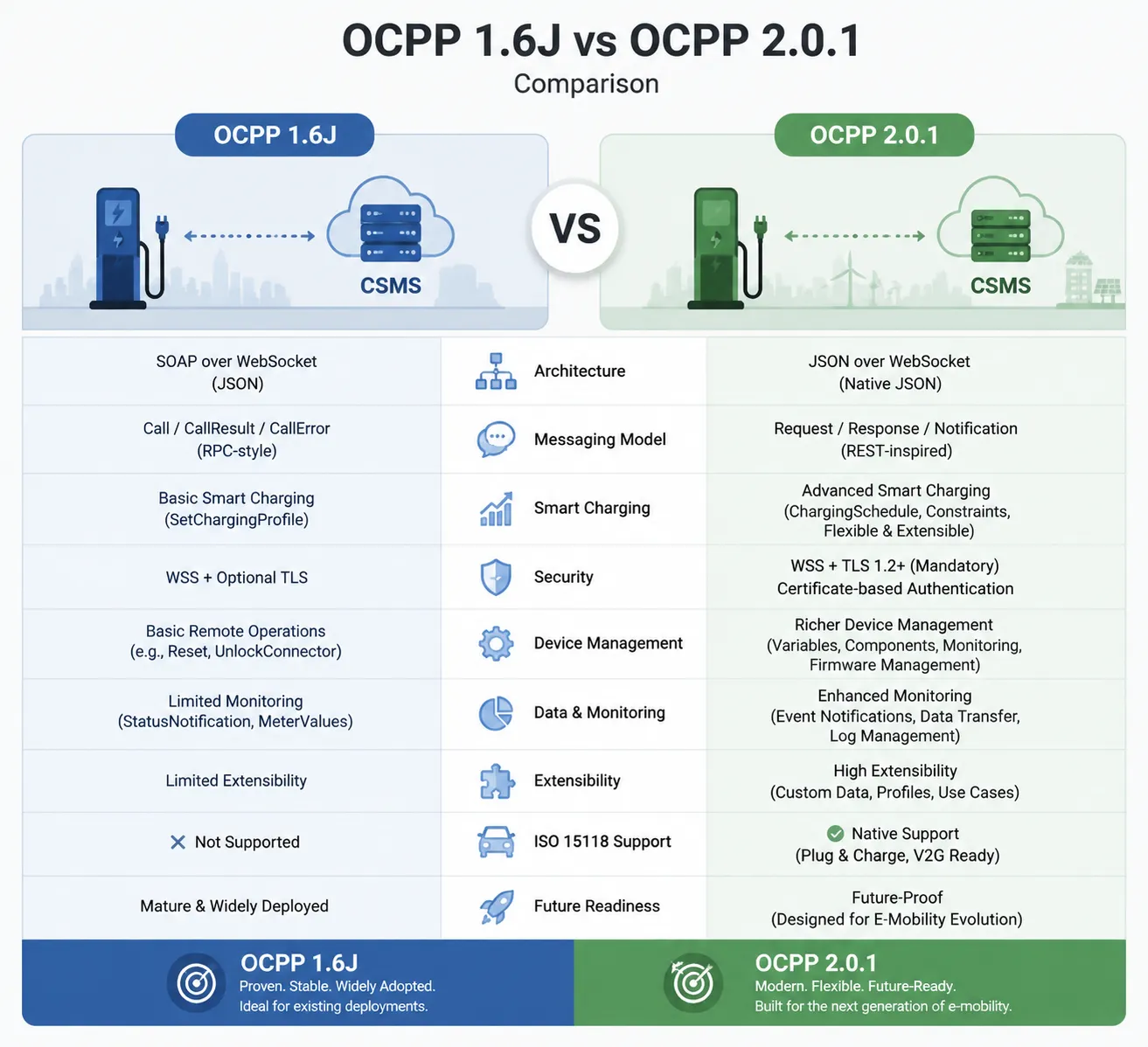
Comparaison OCPP 1.6J vs OCPP 2.0.1
OCPP 1.6J : largement adopté, stable, prend en charge la gestion de charge de base
De plus en plus de CPO, exploitant de vastes réseaux, choisissent l'OCPP 2.0.1 comme leur préférence.
OCPP 1.6J : Protocole de communication JSON basé sur WebSocket qui normalise les échanges de données entre les bornes de recharge pour véhicules électriques et les systèmes de gestion centralisée.
Comment l'OCPP permet la communication entre le chargeur AC et le cloud
Le protocole Open Charge Point (OCPI) connecte le système de gestion de charge développé dans le cloud à l'équipement de recharge pour VE. L'OCPI permet :
Surveillance en temps réel de la session de recharge
Démarrage/arrêt à distance
Gestion de la charge et planification
Diagnostic de pannes et mises à jour OTA
Comment les opérateurs de points de recharge gèrent les réseaux de recharge CA
Authentification utilisateur et facturation
Équilibrage de la charge énergétique
Surveillance de la disponibilité de la station
Stratégie de prix et optimisation des revenus
Déploiement de réseaux de recharge pour véhicules électriques sur plusieurs sites
Protocoles de communication standardisés pour chargeurs AC
Déploiement de matériel modulaire (systèmes de 7 kW à 22 kW)
Systèmes de gestion basés sur le cloud
Optimisation énergétique tenant compte du réseau
Comparer les meilleurs chargeurs VES pour un usage domestique
Puissance de sortie de 7 kW à 11 kW (chargeur de niveau 2 pour véhicules électriques)
Compatibilité Type 2 ou GB/T
Contrôle RFID ou APP
Indice de protection IP55/IP65
Les bornes de recharge intelligentes pour climatisation intérieure dotées de capacités OCPP offrent une grande flexibilité de connectivité à long terme et pour l'avenir du système énergétique grâce à la connexion à l'architecture cloud d'OCPP.
Exemples et études de cas
Recharge résidentielle
Les utilisateurs qui peuvent recharger leur véhicule à domicile utilisent des sessions d'apprentissage chaque nuit pour réduire leur dépendance aux stations de recharge publiques et s'assurer qu'ils rechargent leur voiture à une quantité raisonnable d'électricité par mois.
Usage commercial
Des bornes de recharge pour véhicules électriques sont mises à disposition dans les centres commerciaux, les hôtels et les sociétés de gestion de parkings afin d'améliorer l'expérience client ainsi que de créer de nouvelles sources de revenus pour ces entreprises.
Applications pour flottes
Les véhicules électriques dans une flotte logistique et une flotte de taxis sont rechargés dans un dépôt de recharge à l'aide de chargeurs alimentés en courant alternatif, ce qui permet une gestion plus efficace de l'énergie en raison du schéma prévisible de leurs opérations.
Étude de cas XYDF : solutions de recharge CA évolutives
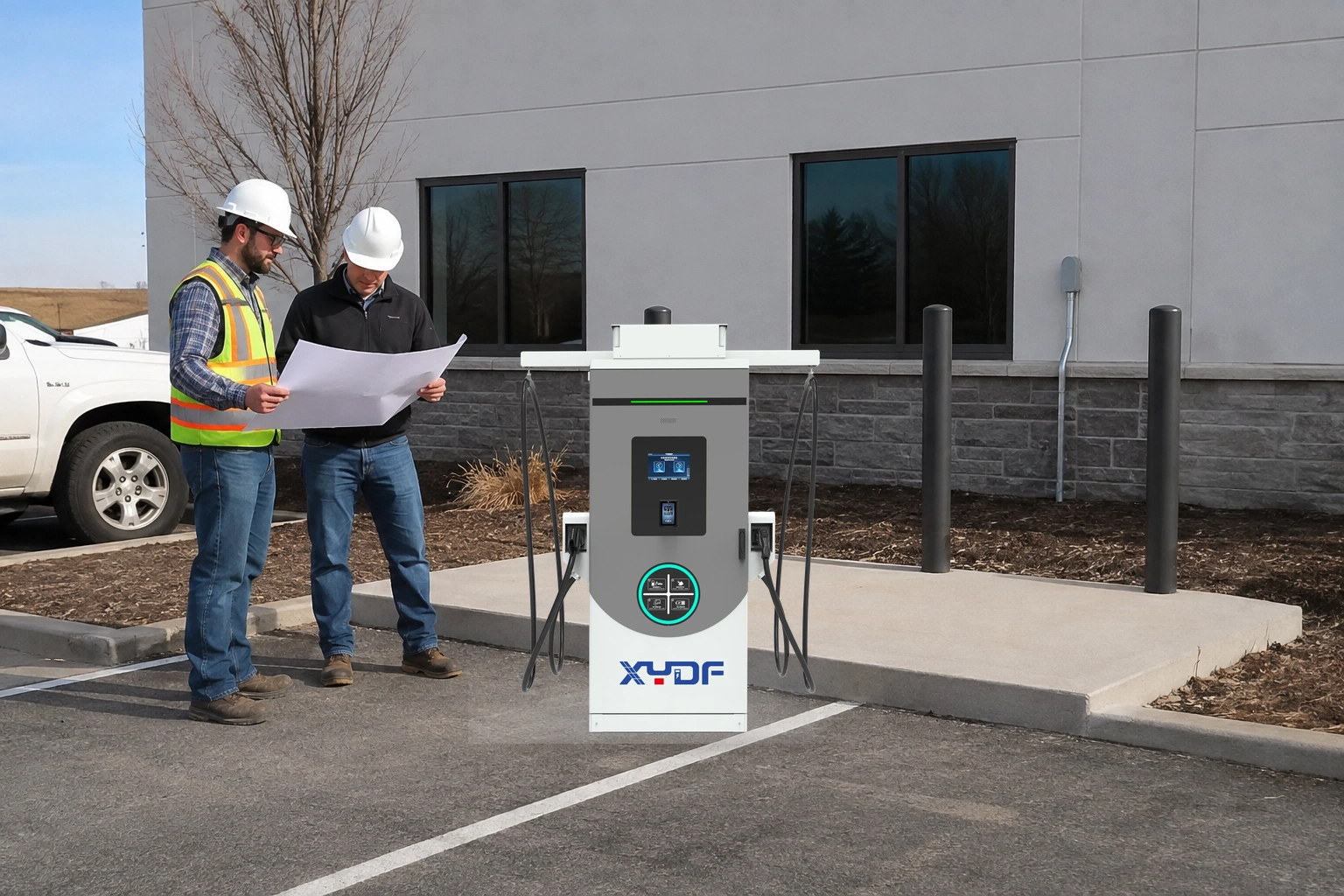
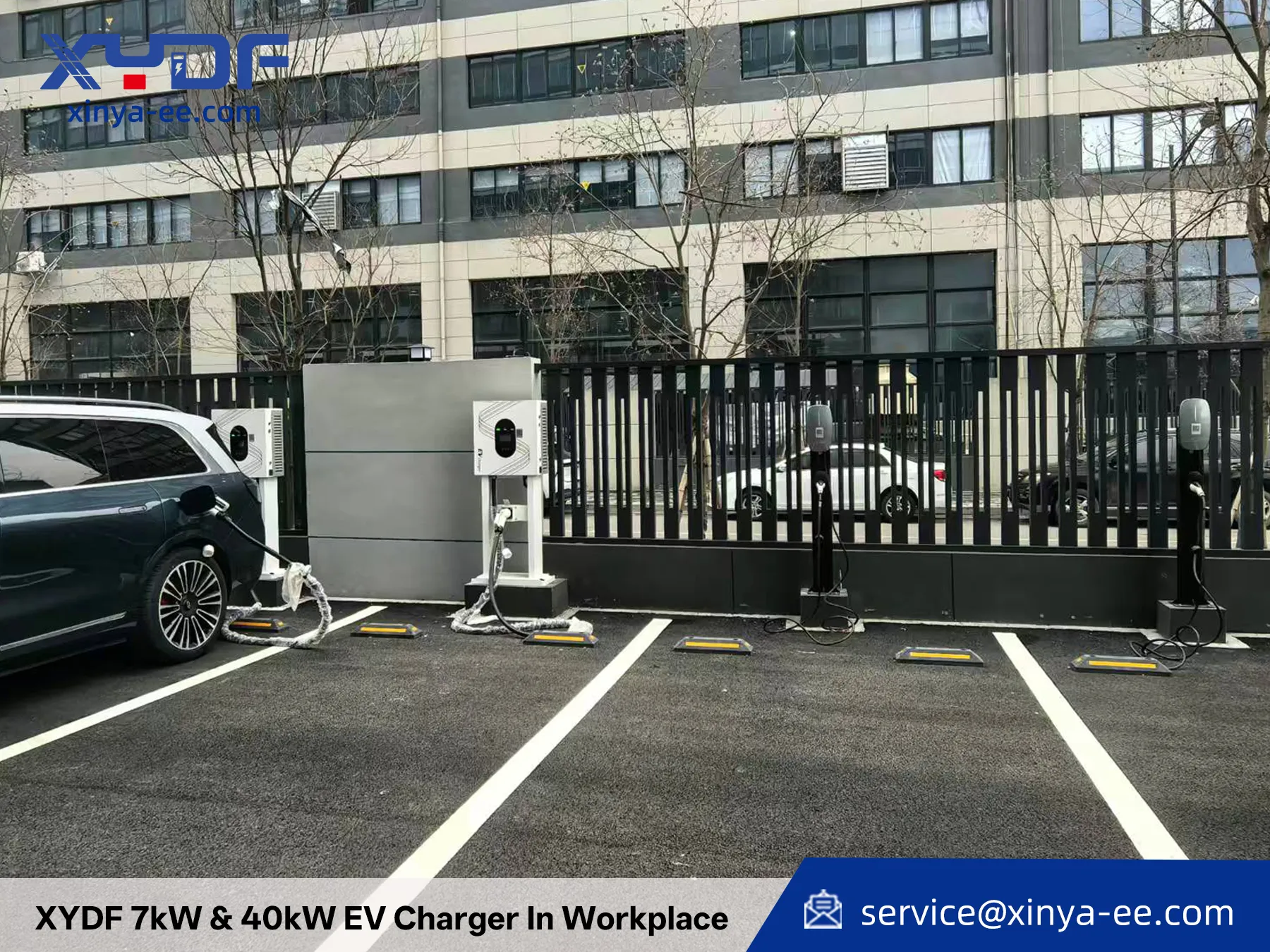
En tant que récent déploiement, Bornes de recharge XYDF AC EV ont été installés dans un projet de parc de stationnement commercial à usage mixte (par exemple, commerces et bureaux) où des bornes de recharge CA fiables et conformes à l'OCPP offrent un accès multi-opérateurs et une gestion centralisée via des plateformes de recharge intelligentes. À la fin du projet, une fois toutes les unités de chargeur de véhicules électriques de niveau 2 de 7 kW et 11 kW installées, l'exploitant a signalé que :
(1) La performance du réseau est stable ;
(2) Les taux d'utilisation se sont améliorés grâce à la surveillance à distance et aux capacités d'équilibrage de charge. La mise en œuvre d'un système basé sur l'OCPP a permis une intégration transparente avec le système de gestion de charge existant de l'opérateur, offrant ainsi une visibilité en temps réel des sessions de charge et de la consommation d'énergie.
Une des clés du succès de la solution XYDF pour l'opérateur a été sa facilité d'installation, la réduction de la charge de maintenance et l'amélioration de l'interopérabilité entre différents types de véhicules avec les normes d'entrée de type 2 et GB/T. Le système s'est déjà étendu à d'autres sites, indiquant une forte adaptabilité au sein du réseau d'infrastructure de recharge de VE en évolution.
Processus de fabrication : composants essentiels, assemblage et assurance qualité
La création de bornes de recharge pour véhicules électriques (VE) implique la sélection des matières premières pour fabriquer les composants, l'intégration des pièces individuelles en une unité complète, et enfin l'assemblage de l'unité entière par une procédure de test détaillée (c'est-à-dire les chargeurs de niveau 2, mode 3, type 2 et J1772).
XYDF, une division de Xinya Dongfang Electricity Technology Co., Ltd., a été fondée en 2016 et est une filiale de Xinya Electronic Company Ltd (Code boursier : 605277). L'entreprise possède une usine de fabrication à Shenzhen d'environ 40 000 mètres carrés, ainsi qu'un centre de R&D à Shenzhen, ce qui leur permet de fournir des solutions complètes de recharge pour véhicules électriques pour les projets internationaux de recharge de VE.
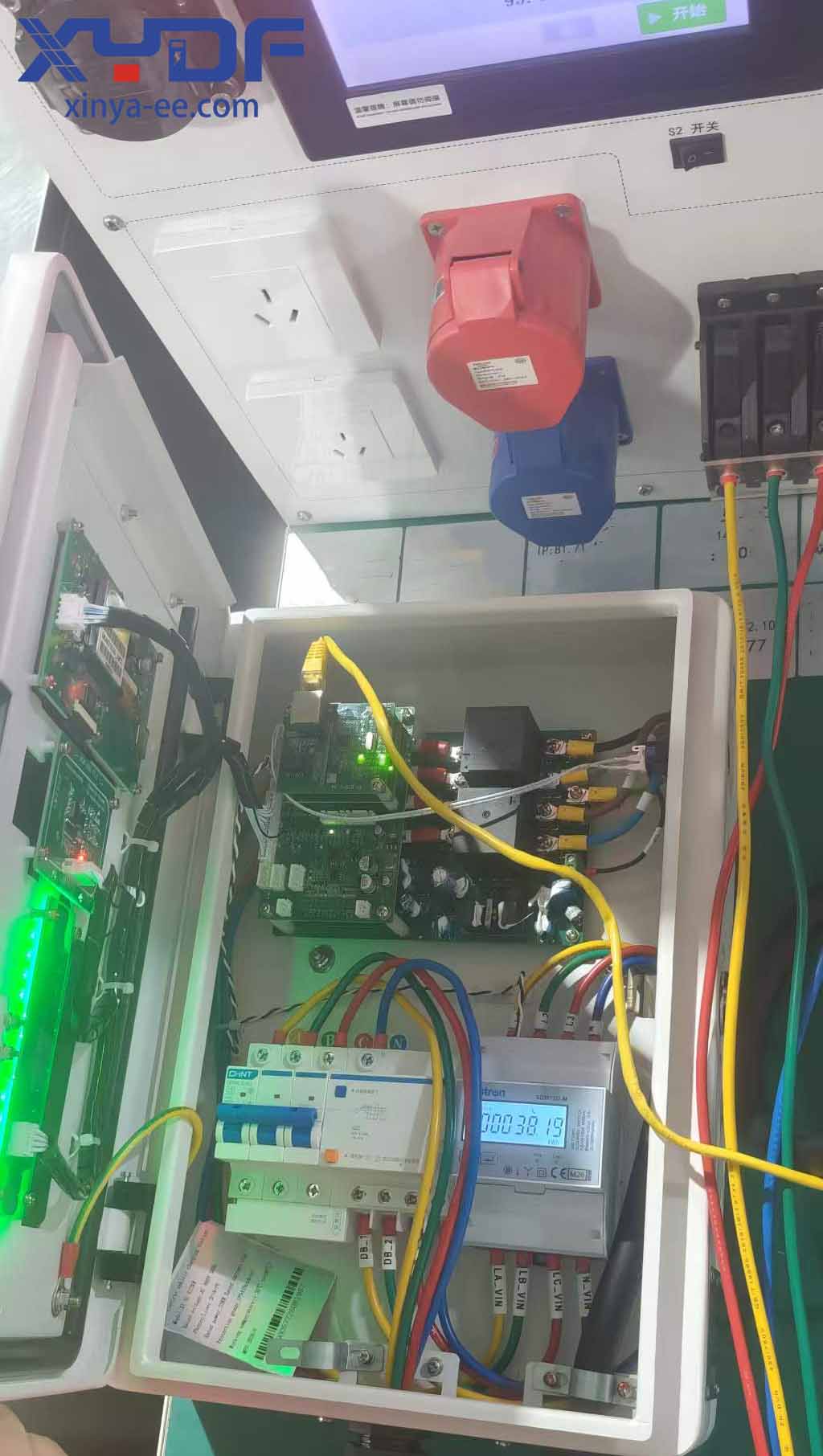
Pour fournir un service électrique fiable, la première étape du processus consiste à obtenir des composants de qualité (modules d'alimentation, systèmes de contrôle, connecteurs et boîtiers de protection). Une fois les composants appropriés repérés, la deuxième étape de l'assemblage selon une méthode cohérente sera appliquée. Les procédures d'assemblage utilisées seront l'intégration de circuits imprimés, le câblage et l'installation de la structure pour répondre aux spécifications d'un système de recharge AC.
L'assurance qualité et la fiabilité constituent deux des critères principaux que les consommateurs prendront en compte lors de l'achat d'un nouveau chargeur pour véhicule électrique. Au cours du processus de fabrication, tous les chargeurs CA doivent être soumis à des essais de vieillissement, à des tests de fonctionnement à pleine charge, à une validation thermique et à des essais de sécurité électrique. Cela permettra de garantir que, lorsqu'il sera utilisé au sein d'un réseau de recharge intelligent, le chargeur fonctionnera comme prévu.
Enfin, les produits ont passé toutes les normes internationales telles que les exigences CEI et la certification TÜV. Ces certifications garantissent que les produits seront compatibles avec tout chargeur de véhicule électrique de type 2 mondial ou Chargeur J1772, et fourniront ainsi des solutions de recharge AC fiables et évolutives.
Foire aux questions
1. La recharge CA est-elle meilleure que la recharge CC ?
Les deux types de chargeurs pour véhicules électriques, AC et DC, ne sont intrinsèquement ni “ meilleurs ” ni “ moins bons ” l'un que l'autre ; ils sont plutôt conçus pour des applications différentes. Généralement, les chargeurs AC sont moins chers et beaucoup plus couramment utilisés pour la recharge à domicile, au travail et pendant la nuit, car ils nécessitent moins de ressources à installer. Cependant, la haute vitesse, la puissance et l'efficacité des chargeurs DC les rendent mieux adaptés aux scénarios de recharge rapide des véhicules électriques qui se produisent dans des endroits tels que les autoroutes et les entreprises. De manière générale, les chargeurs AC constituent la base de l'infrastructure de recharge des véhicules électriques, tandis que les chargeurs DC ajoutent à la capacité de reconstituer rapidement l'énergie.
2. Que signifient AC et DC ?
Le courant alternatif signifie que l'électricité changera continuellement la direction dans laquelle elle circule dans un circuit électrique. Le courant continu signifie que l'électricité voyagera constamment dans un circuit électrique dans une seule direction, immuable.
3. La recharge en courant alternatif est-elle plus adaptée aux batteries des véhicules électriques ?
Comme la recharge CA délivre une faible puissance plus longtemps, elle est généralement considérée comme plus douce pour la batterie d'un véhicule électrique. Cependant, tous les véhicules d'aujourd'hui ont été conçus pour se recharger en toute sécurité avec l'un ou l'autre type de source d'alimentation. Les principaux facteurs qui influent sur la santé de la batterie ne sont pas seulement la façon dont vous rechargez votre véhicule (CA ou CC), mais aussi vos pratiques globales de gestion de la température de la batterie et vos habitudes de recharge.
4. 7 kW est-il un chargeur de niveau 2 ?
Oui, un chargeur AC de 7 kW est généralement classé comme un chargeur de VE de niveau 2, en particulier pour un usage domestique et commercial léger. Les stations de recharge AC de niveau 2 sont généralement évaluées entre 7 kW et 22 kW, ce qui correspond également aux types de stations de recharge AC les plus courants.
5. Qu'est-ce que la compatibilité OCPP ?
La compatibilité avec le protocole OCPP (Open Charge Point Protocol) signifie qu'une borne de recharge CA sera capable de communiquer avec une plateforme de gestion centrale (CMS) en utilisant un standard ouvert. Cela permet l'interopérabilité entre différents fabricants, donnant aux opérateurs la possibilité de surveiller, contrôler et gérer efficacement leurs réseaux de recharge dans un réseau de recharge intelligent.
6. Combien coûte une borne de recharge CA ?
Le coût d'installation d'une source d'alimentation électrique CA dépend de la puissance fournie, des différentes fonctionnalités requises, de la manière dont elle communiquera avec d'autres appareils électriques, et s'il y a des préparatifs à faire avant que l'unité puisse être installée ou utilisée. Typiquement, une source d'alimentation électrique CA résidentielle de base fournissant 7 kW sera beaucoup moins chère qu'une source d'alimentation électrique CA intelligente commerciale de 11 kW à 22 kW offrant la compatibilité OCPP, la RFID et des fonctionnalités d'équilibrage de charge. Ainsi, en raison de leur faible coût d'installation, les bornes de recharge pour véhicules électriques CA sont beaucoup plus économiques à mettre en œuvre que les bornes de recharge rapides pour véhicules électriques CC afin d'étendre l'infrastructure de recharge pour véhicules électriques.
Usine du siège social du Zhejiang :
N° 2, route de Changjiang, parc industriel du pont de Wenzhou, ville de beibaixiang, ville de Yueqing, ville de Wenzhou, province du Zhejiang
Bureau de Shenzhen :
1er étage, Bâtiment A, Parc Industriel Shenkai, Communauté Tangtou, Sous-district de Shiyan, District de Bao'an, Shenzhen
Nous utilisons des cookies pour assurer le bon fonctionnement de ce site Web et, avec votre autorisation, pour mesurer la manière dont les visiteurs utilisent notre site de recharge pour VE. Voir notre Politique de confidentialité pour plus de détails.
 Xinya Dongfang Electricity Technology Co., Ltd.