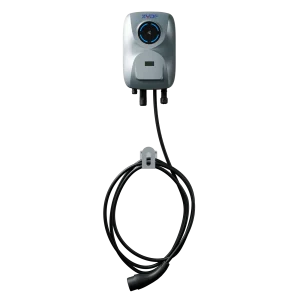
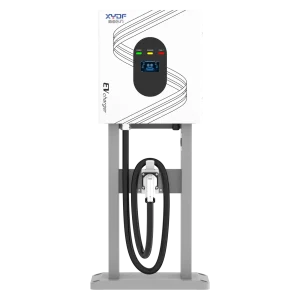
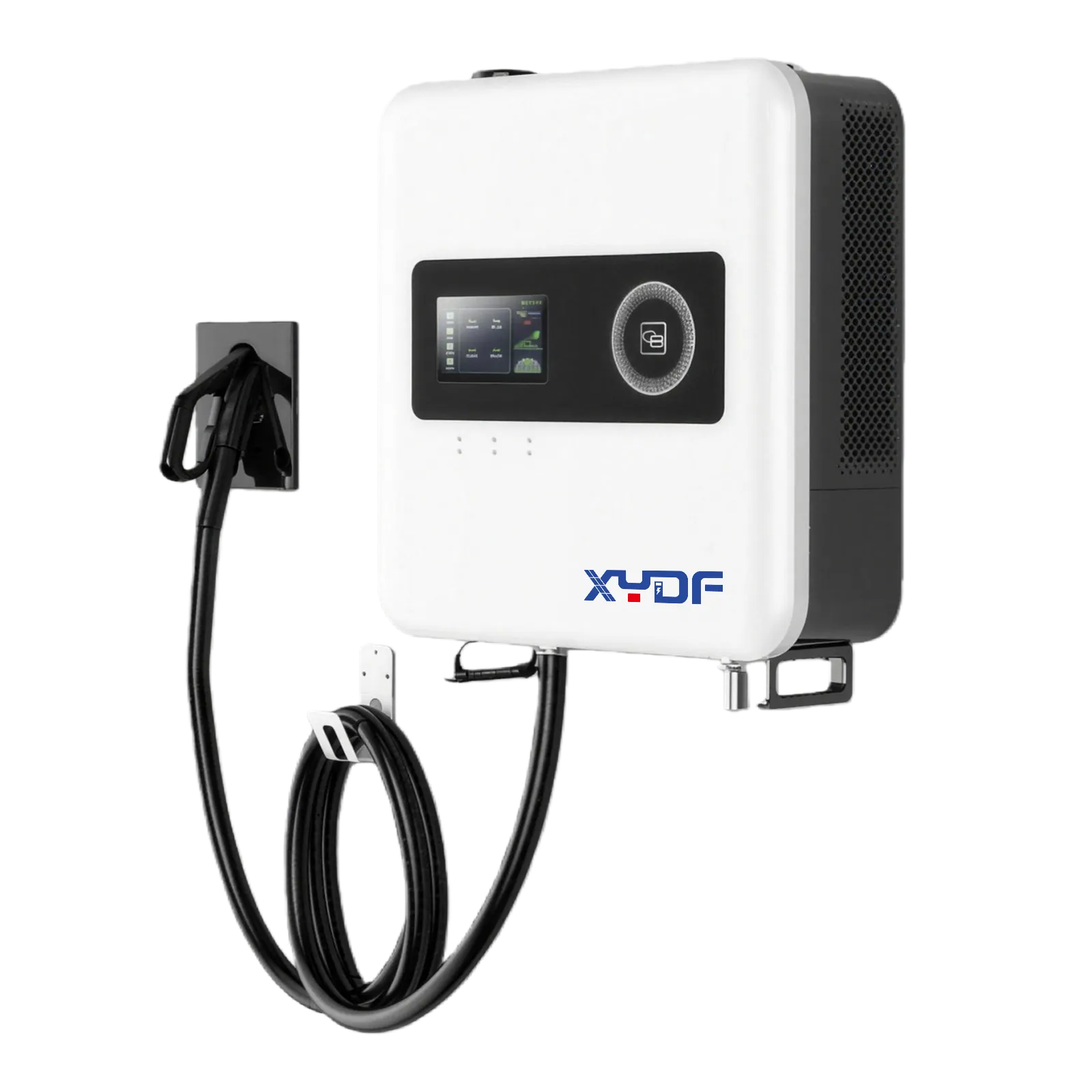
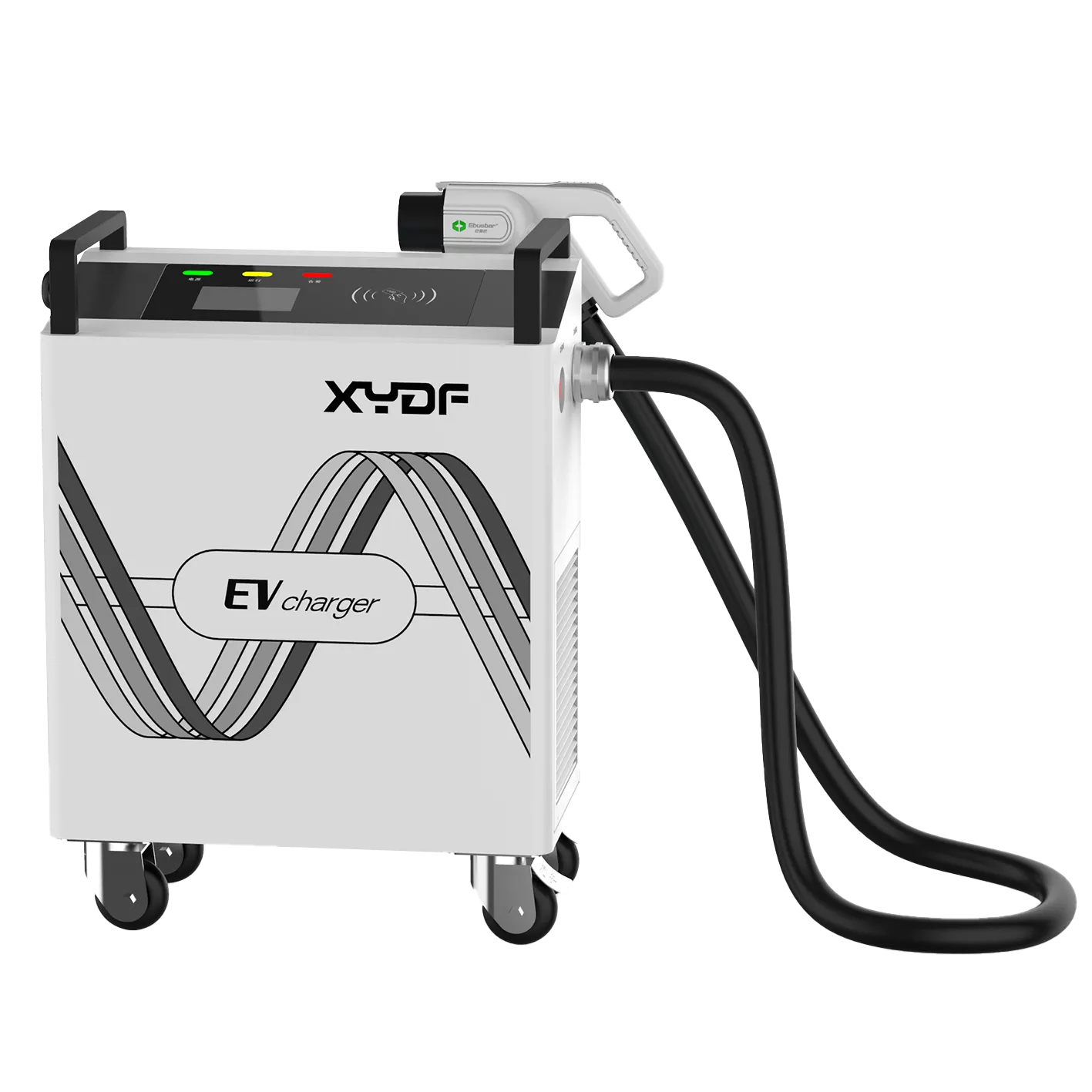
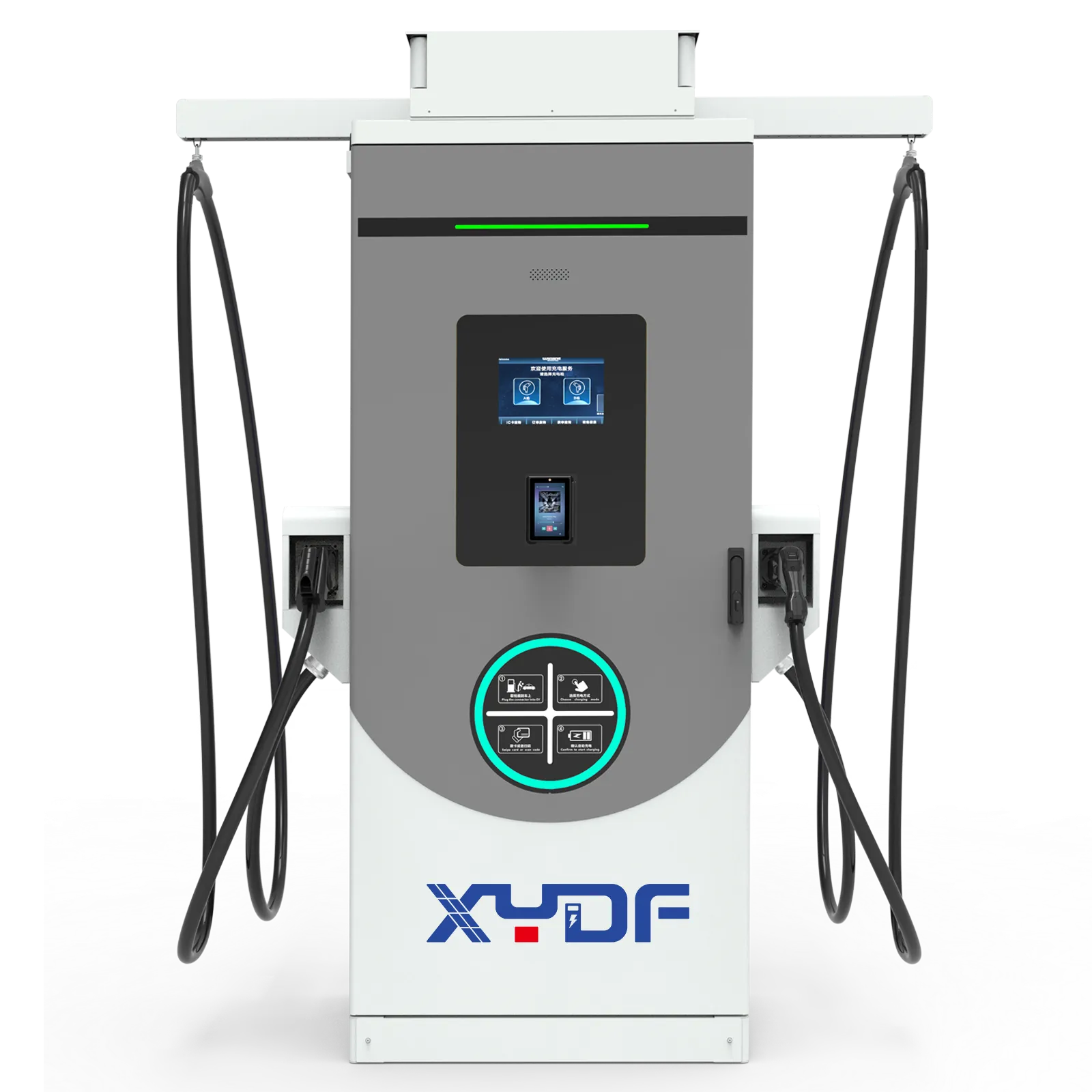
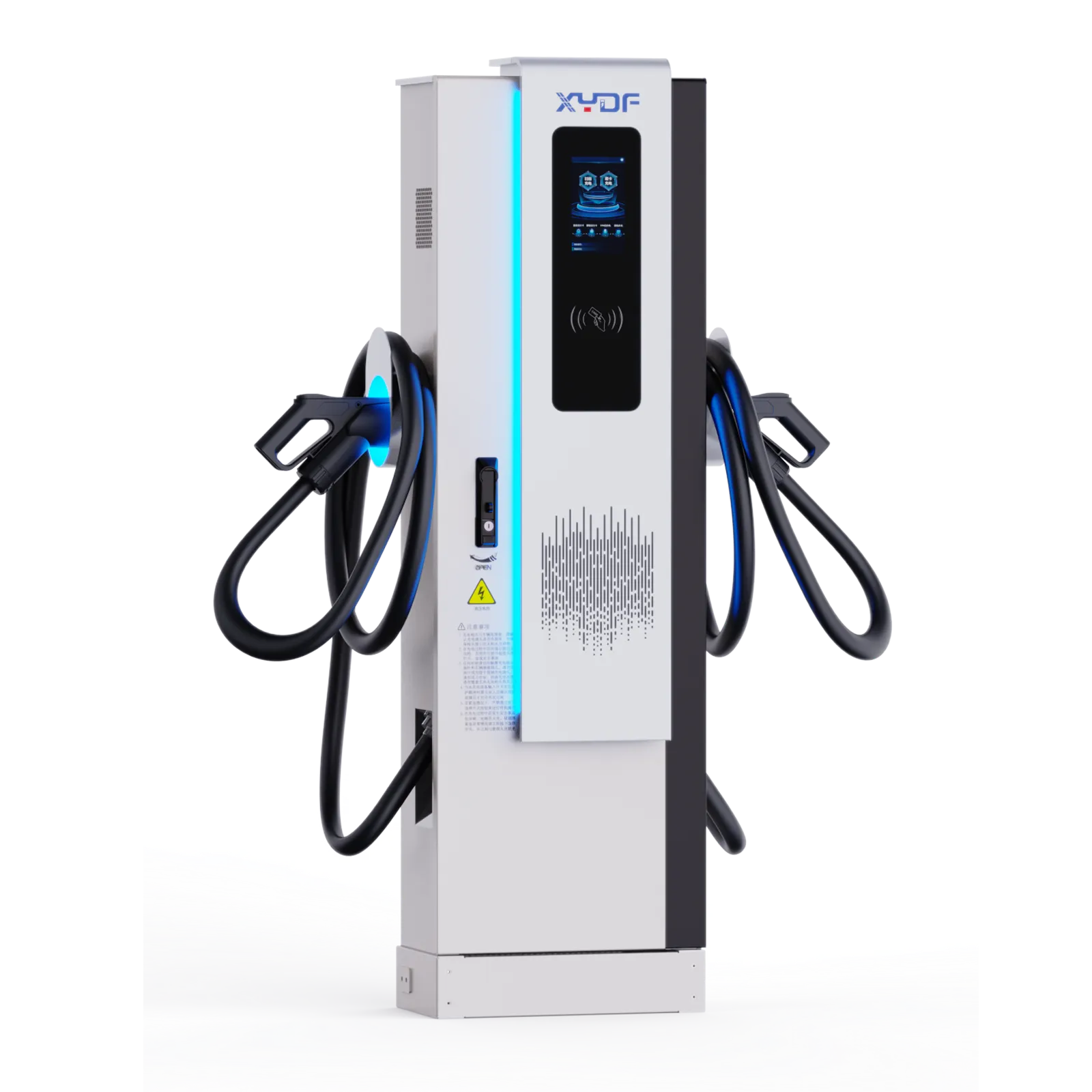
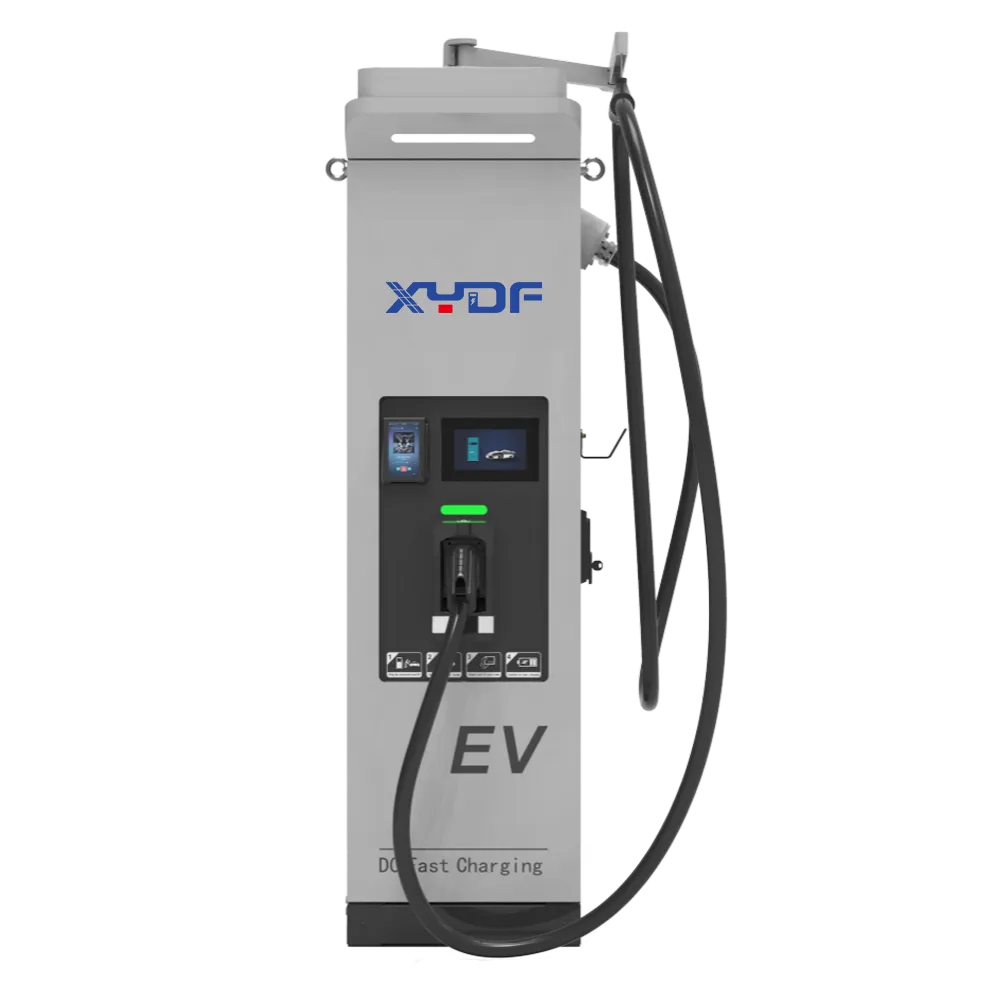
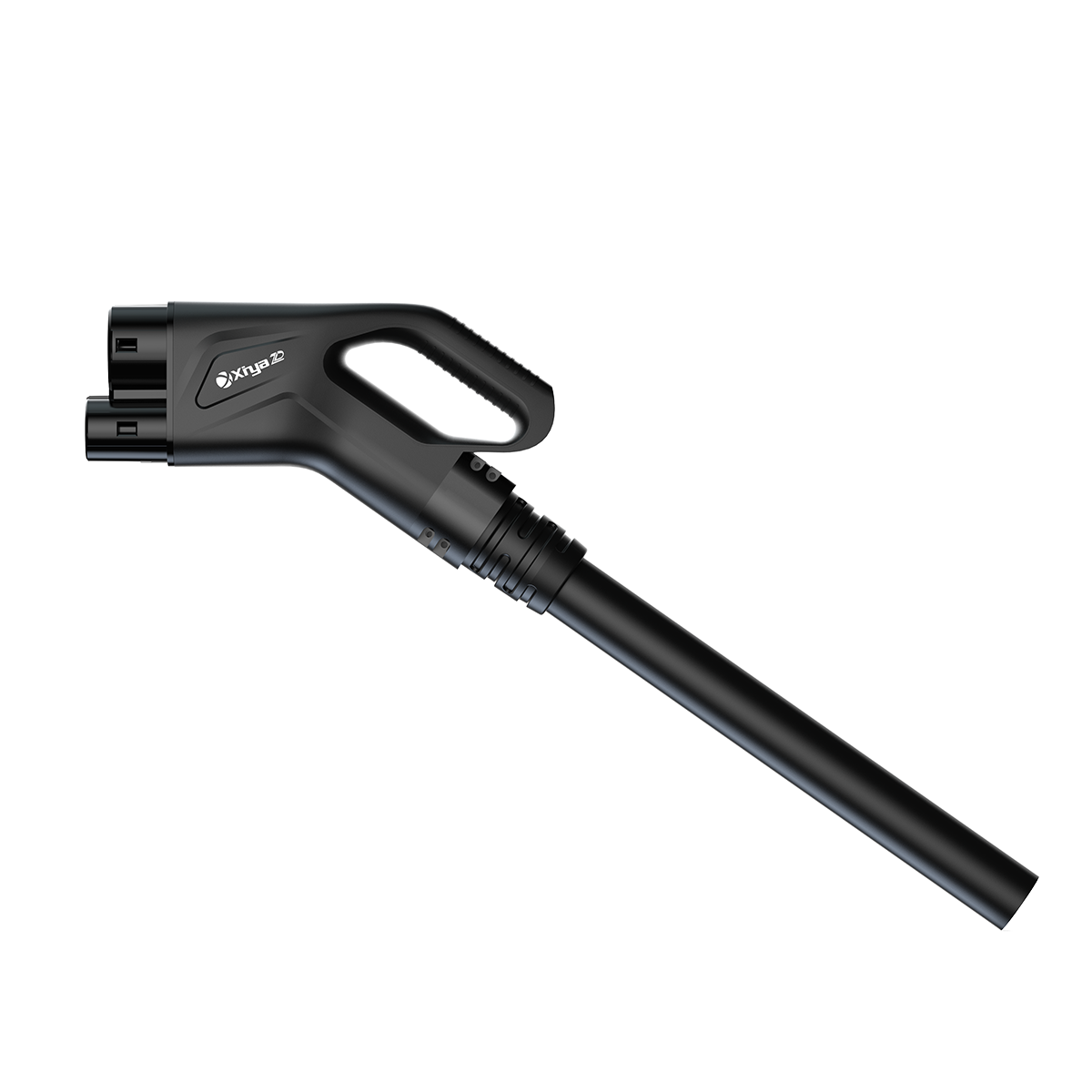
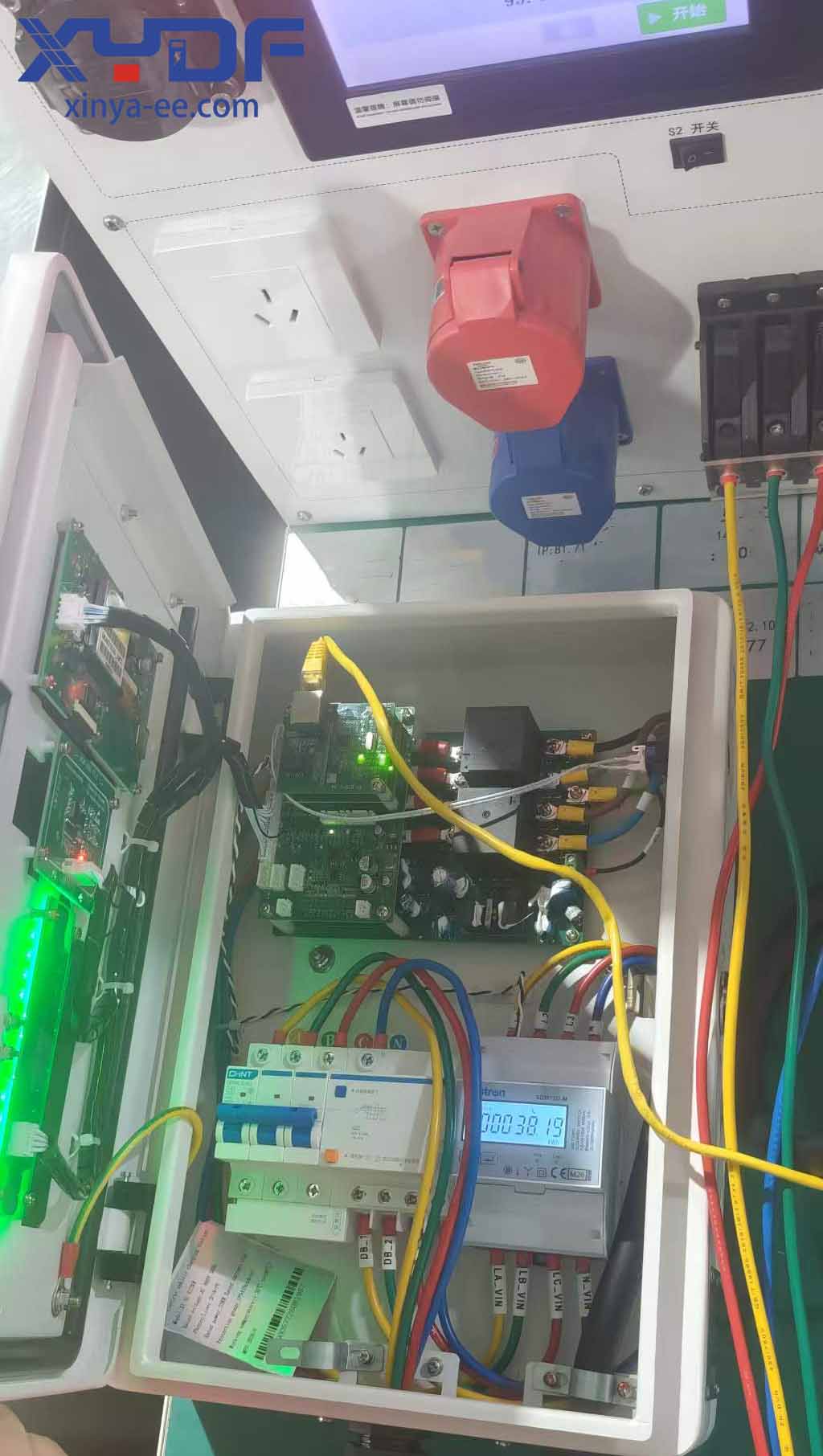
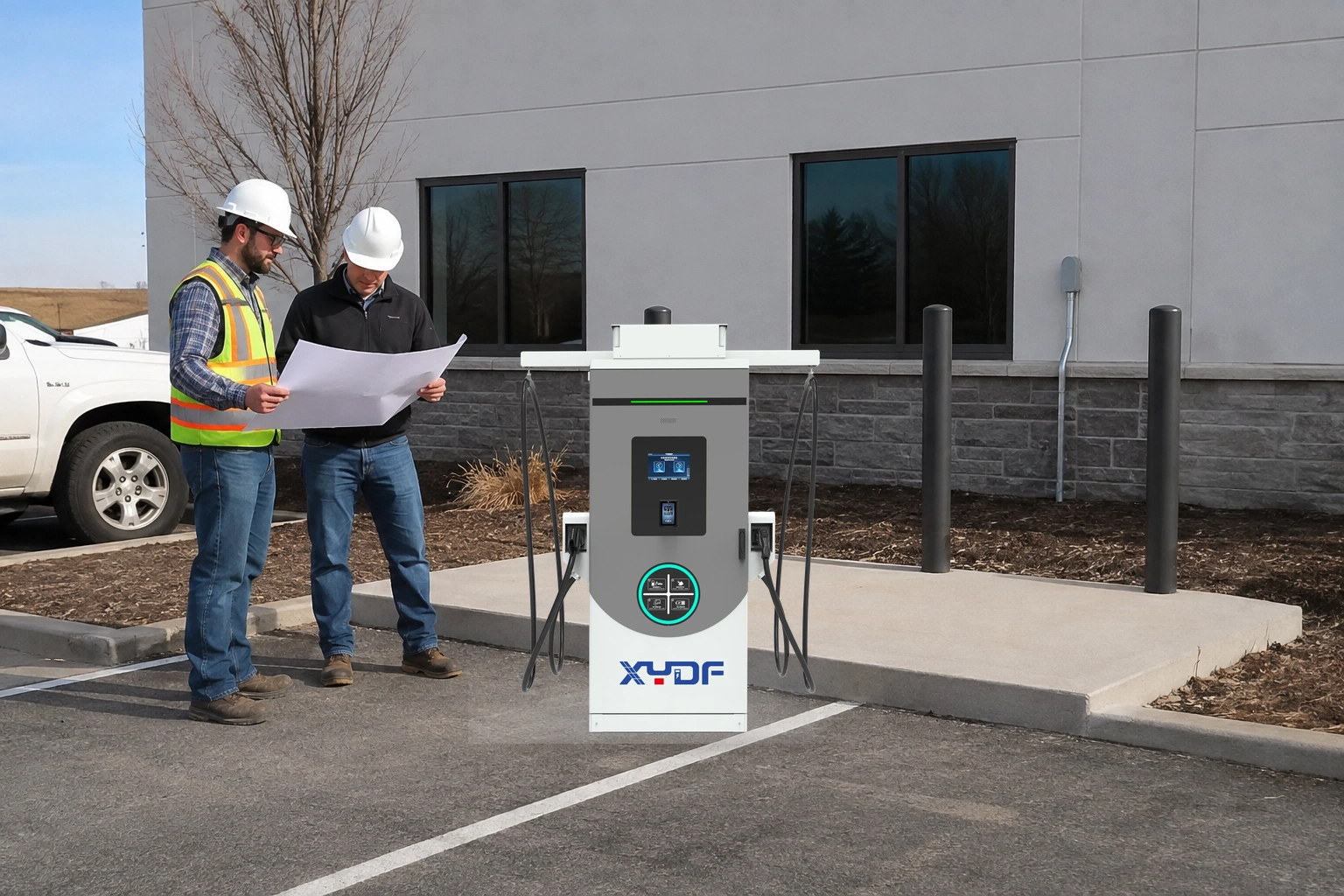
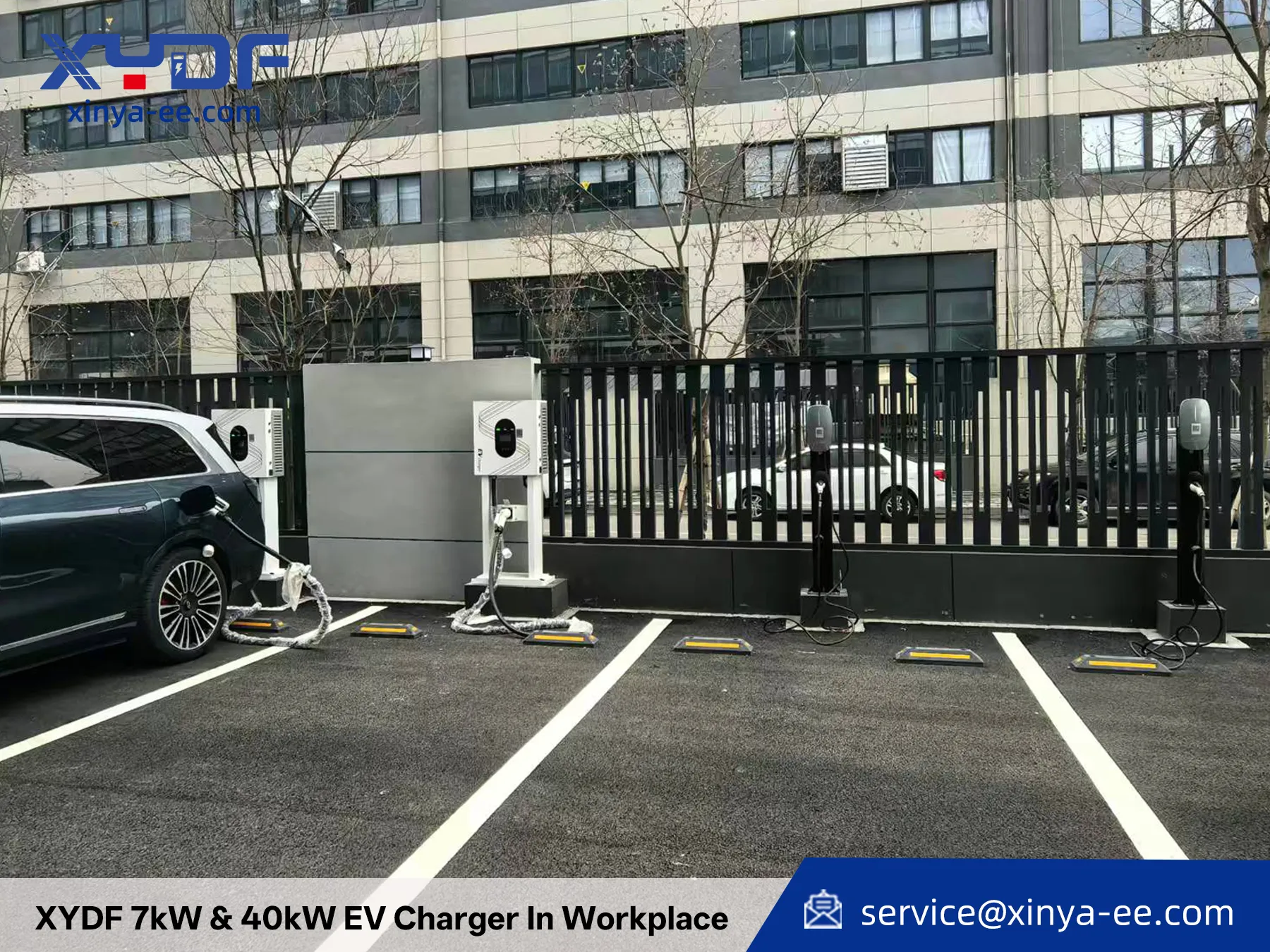
As the popularity of electric vehicles (EVs) continues to grow, so does the demand for reliable and efficient electric vehicle charging infrastructure. A three-phase EV car charger requires a specific electrical setup which will allow for the fastest charging times currently possible. Owners of small businesses or homeowners with this type of installation will benefit greatly from having access to their properly setup three-phase charger. Here is a summary of what will be covered in this article regarding the installation of a three-phase car charger: Benefits of installing a three-phase car charger: Procedure for the installation of a three-phase EV car charger: Things to consider when installing your three-phase car charger.
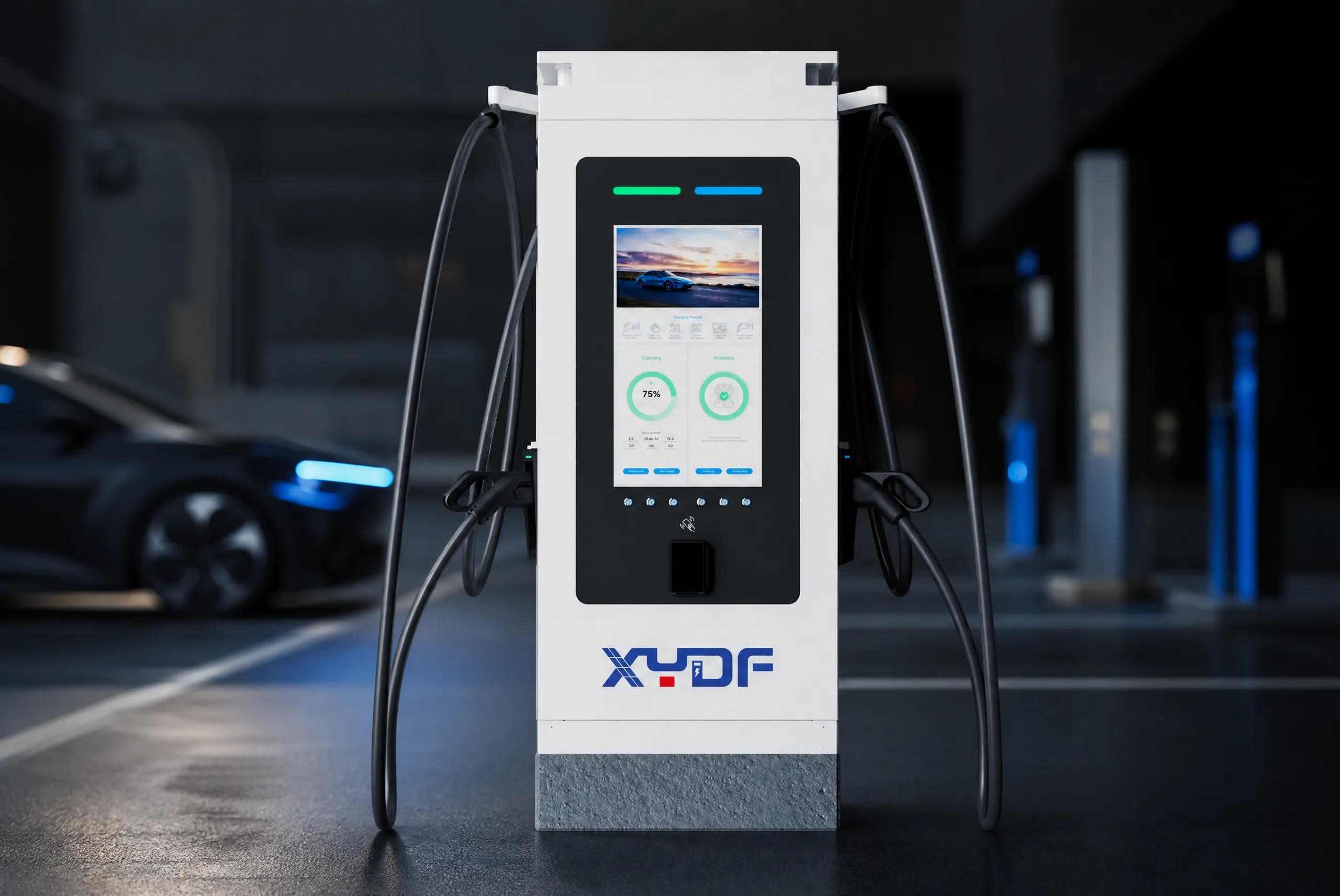
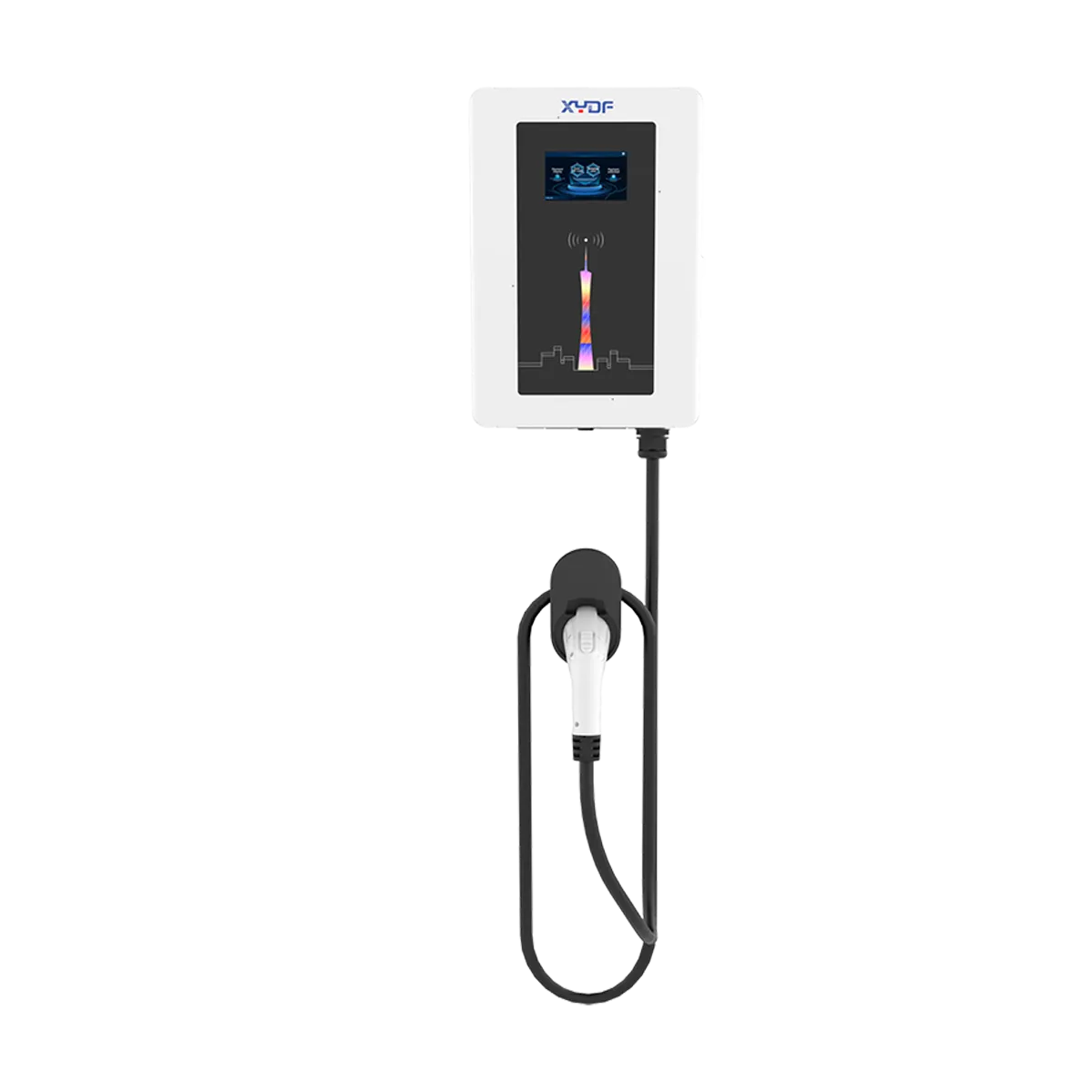
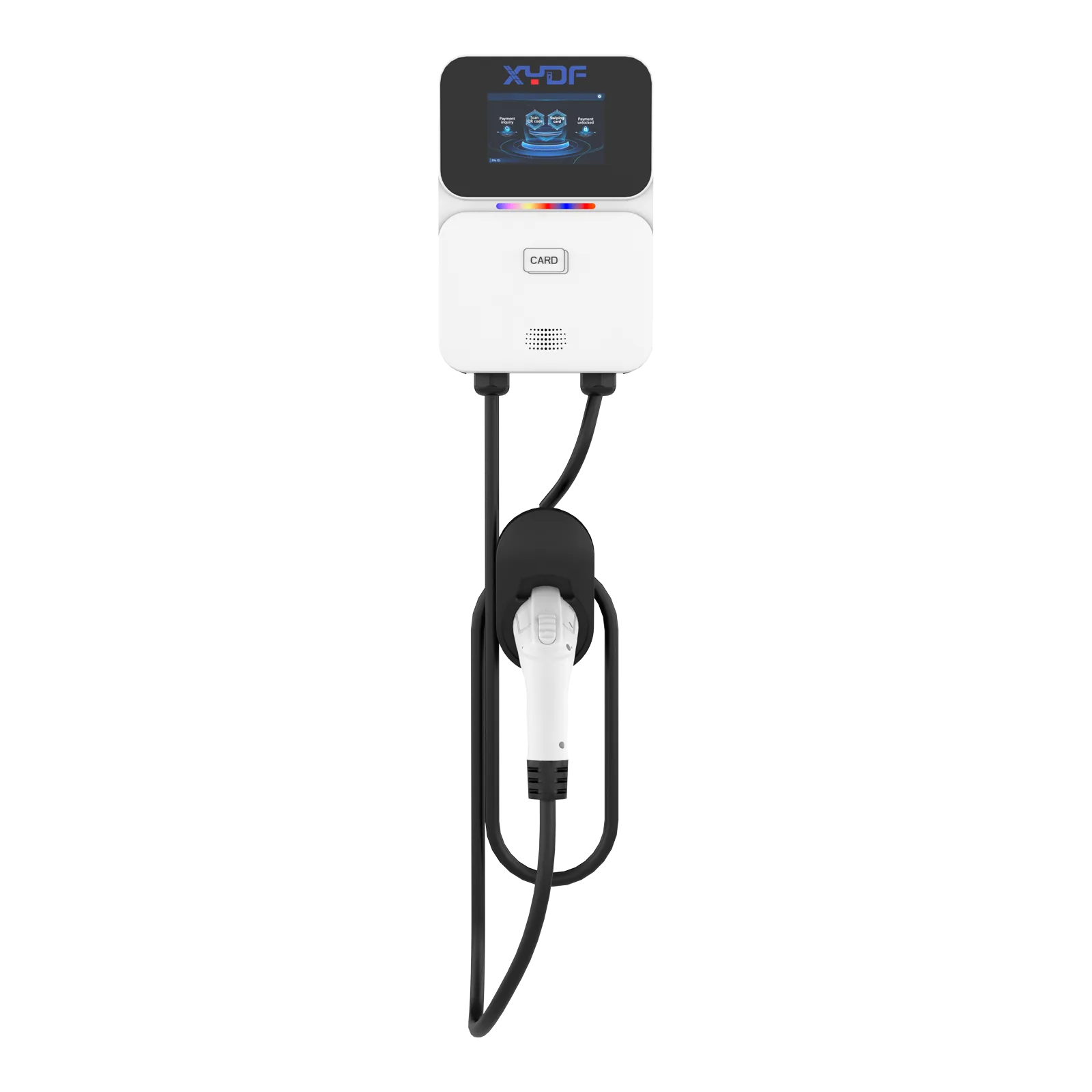
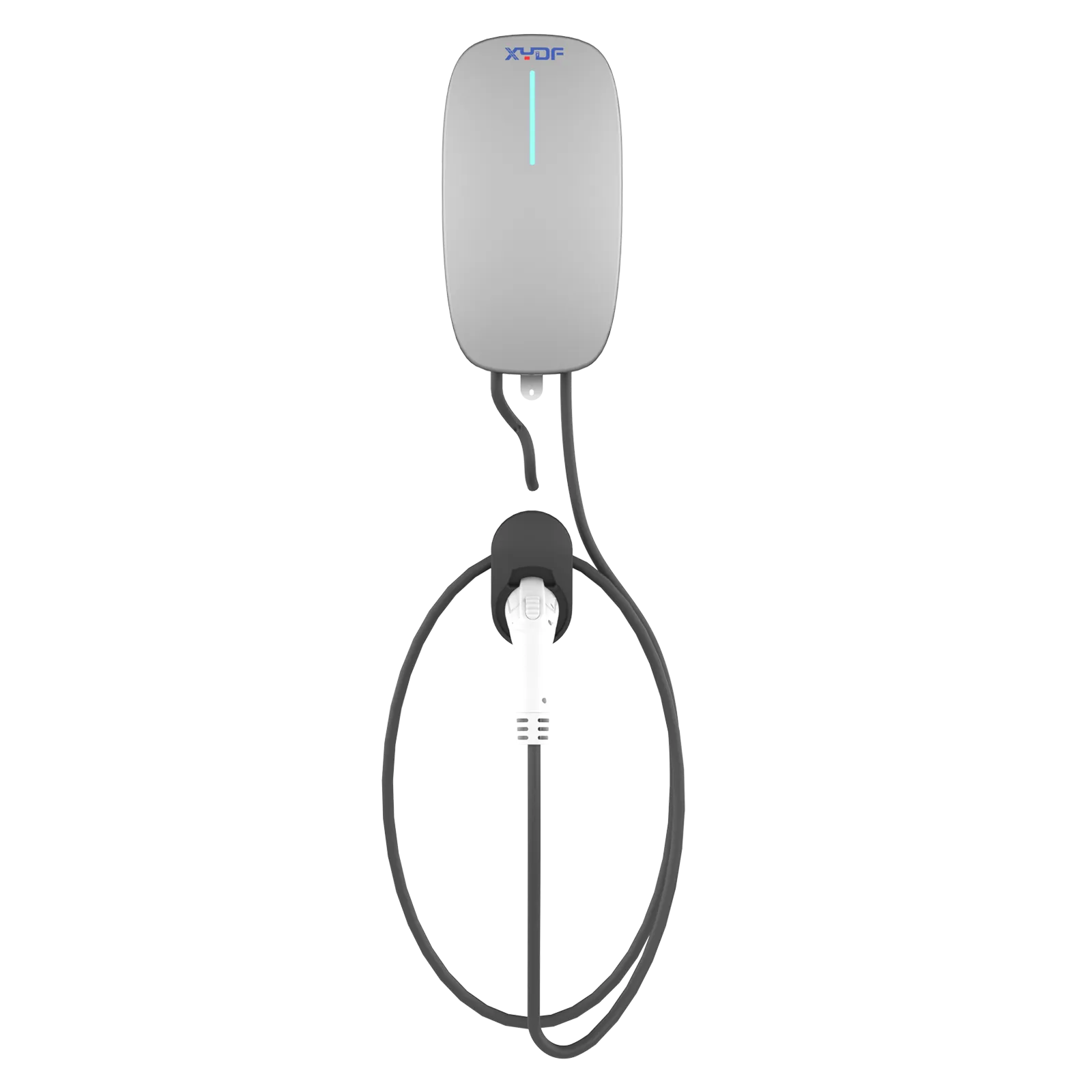
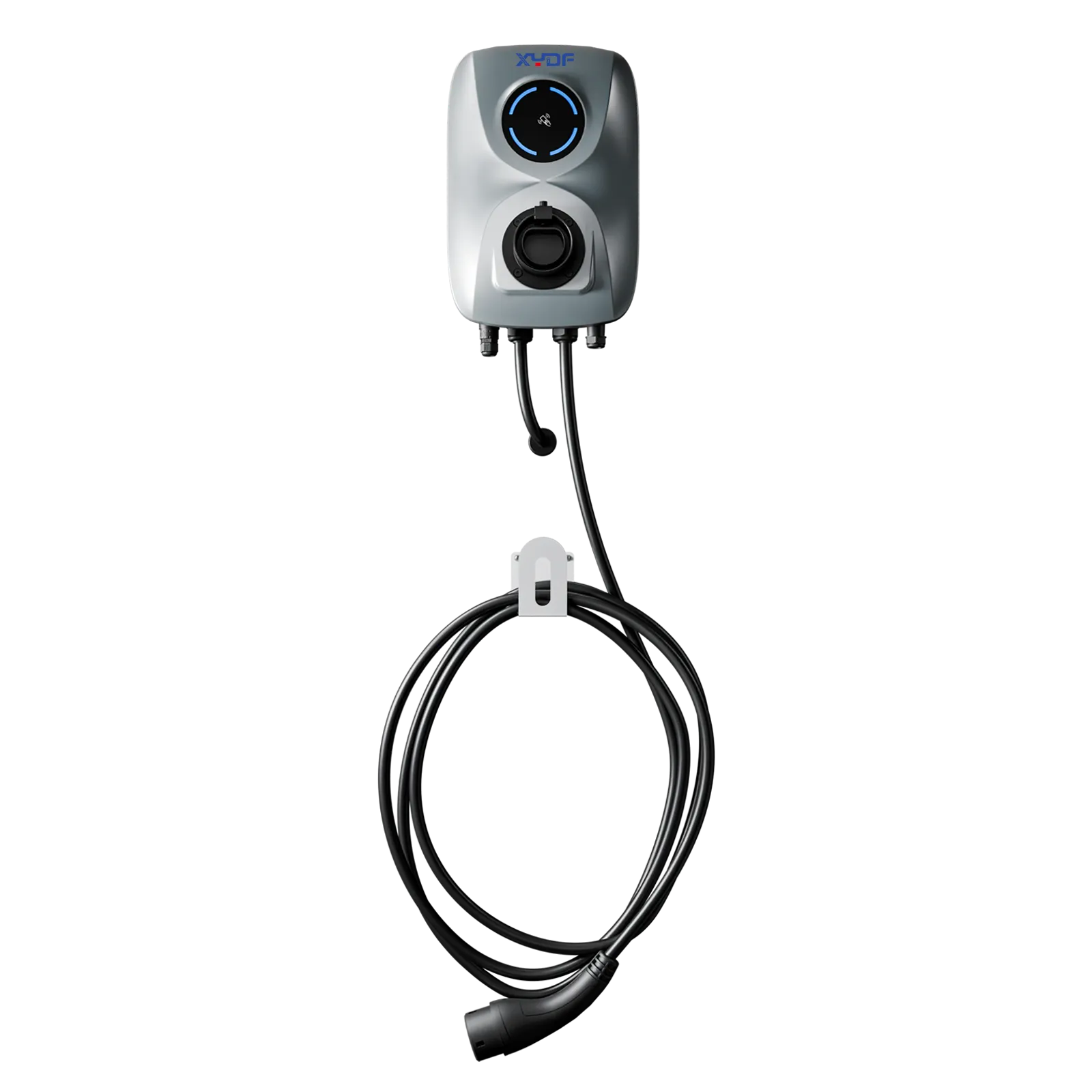
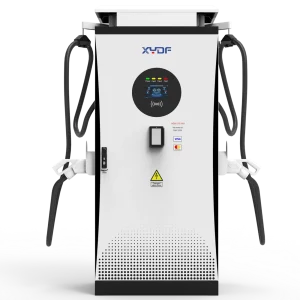
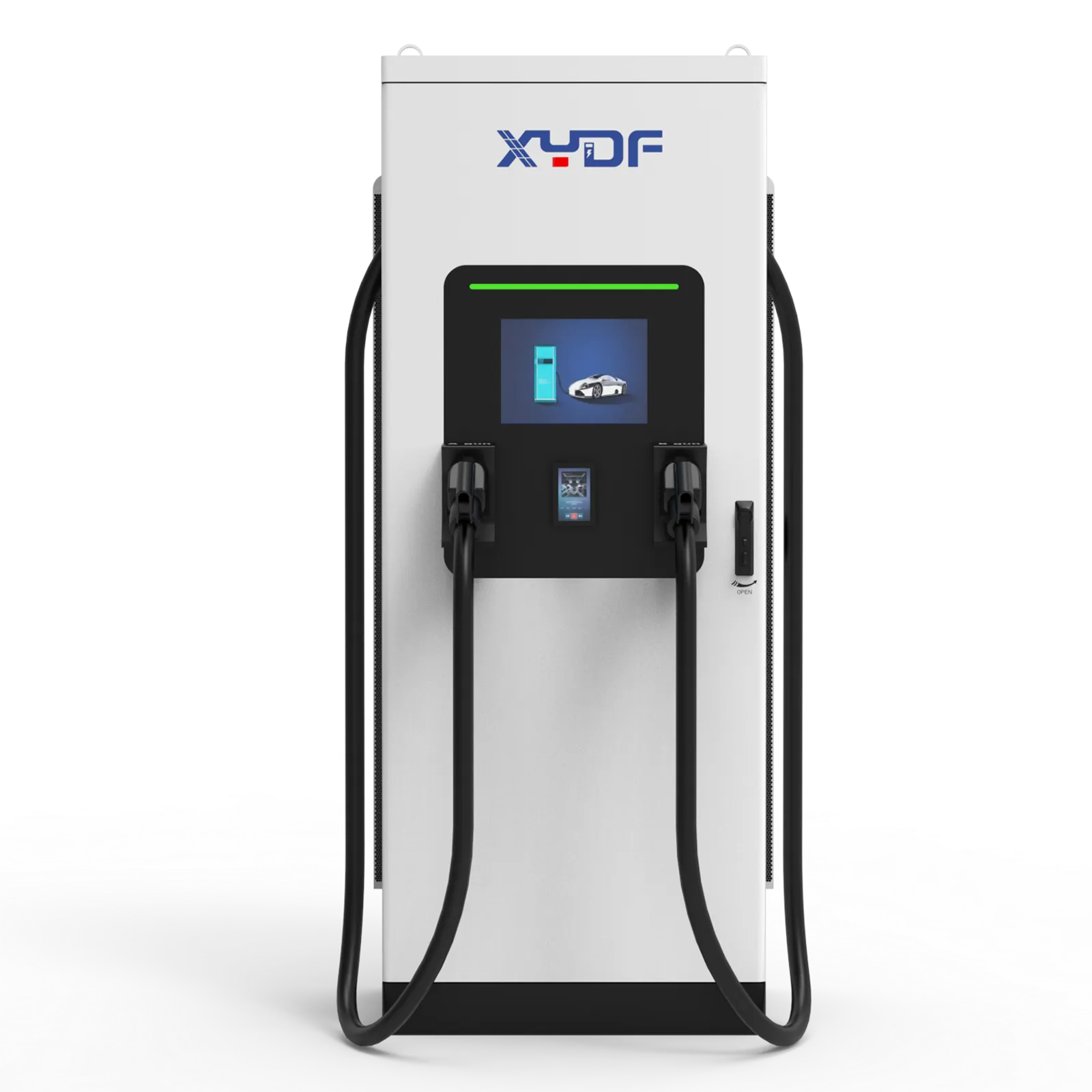
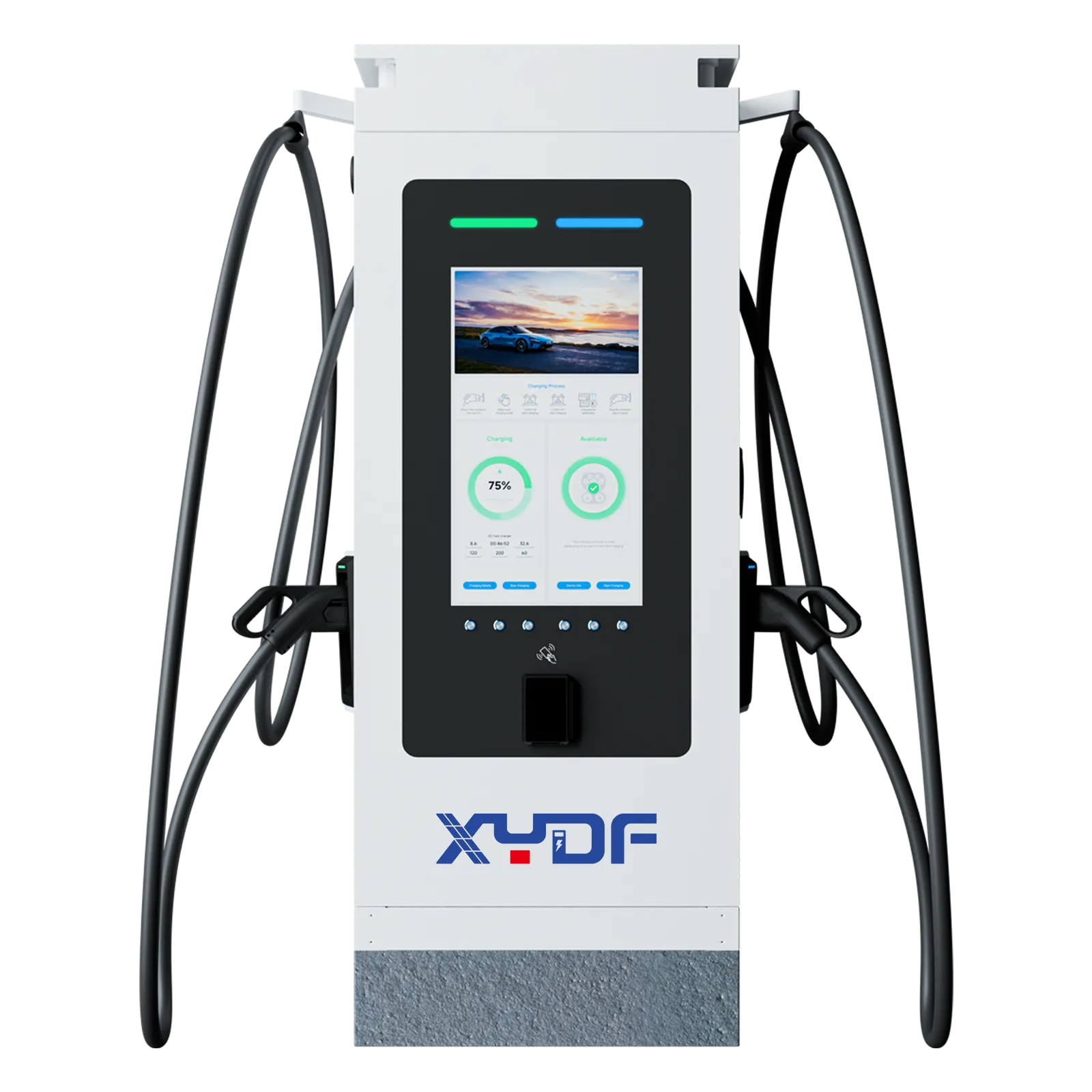
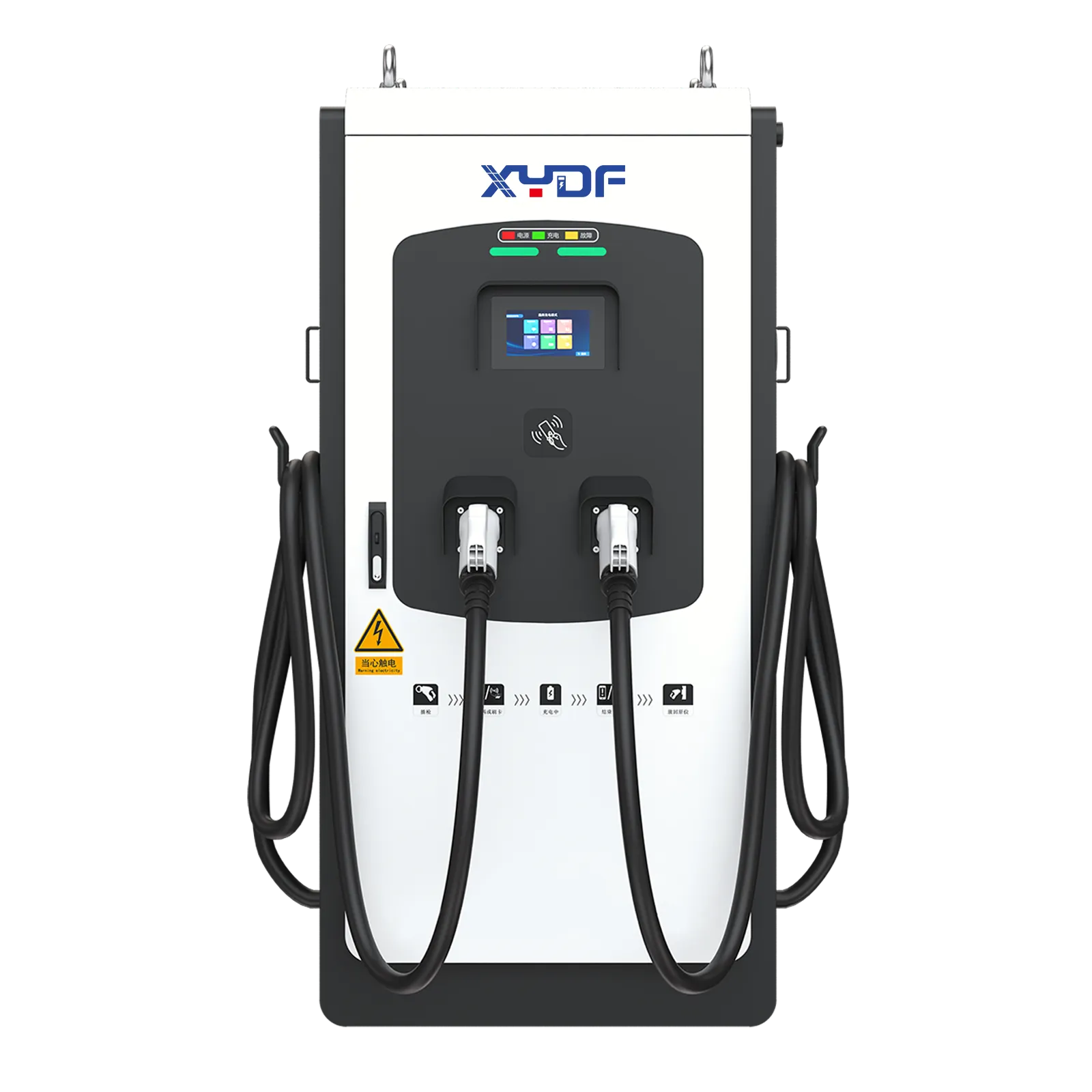
What is a 3 Phase Car Charger?
Using three-phase chargers can be more effective than using single-phase chargers because of how much electricity is used. A three-phase charger produces a greater quantity of available power than a single-phase charger. Furthermore, when using a three-phase electrical outlet, electricity flows evenly throughout the entire cycle of charging, which maximizes the amount of time your electric vehicle requires for the charge. People who want to save time while charging their vehicles at home or at the office will see the value of installing a three-phase charger.
Vehicle Onboard Charger Limitation
The maximum amount of charging power that an electric vehicle charger, such as a 3-phase charger, can deliver is typically up to 22 kW or more; however, the actual charging rate is often limited due to the design and specifications of the electric vehicle’s onboard charger (OBC). At present, most electric vehicles are designing for limitations such as:
-
7.4 kW (single-phase OBC)
-
11 kW (standard 3-phase OBC)
-
22 kW (high-end OBC, less common)
In essence, when a charger is rated at 22 kW but only provides 11 kW to the vehicle, the actual charging rate will be the lesser of the two values.
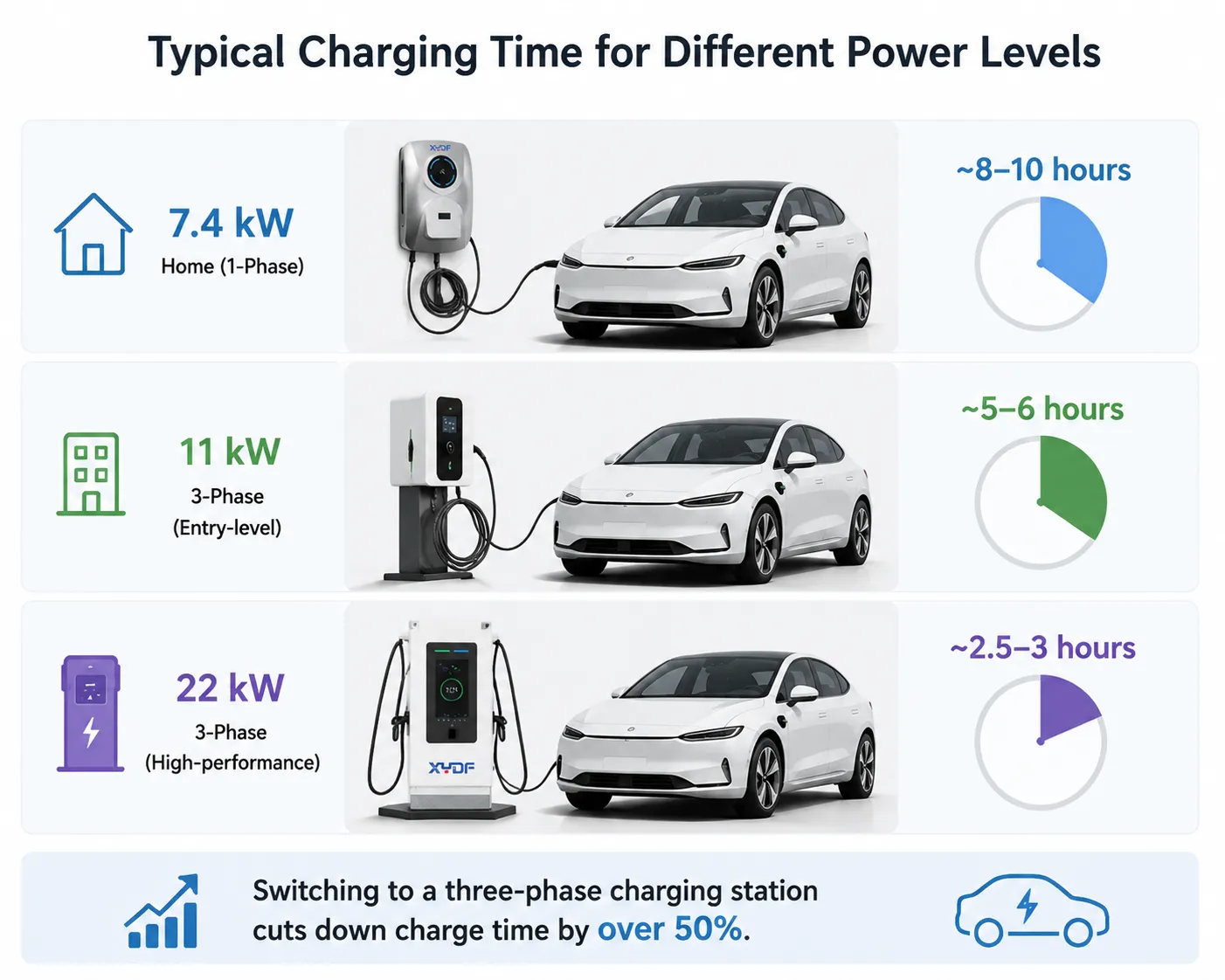
Typical Charging Time for Different Power Levels
Both battery capacity and charger output power determine how long a charging session will take. A typical mid-range EV has a sixty kilowatt hour (60 kWh) battery.
-
At 7.4 kW (standard home charging) → ~8–10 hours
-
At 11 kW (entry-level 3-phase) → ~5–6 hours
-
At 22 kW (high-performance 3-phase) → ~2.5–3 hours
This shows that switching to a three-phase charging station cuts down charge time by over 50%, making it far easier to charge every day.
Benefits of a 3 Phase EV Charger:
| Feature |
Benefit |
| Faster Charging |
Significantly reduces charging times. |
| Higher Efficiency |
Distributes power evenly, reducing energy losses. |
| Future-Proof |
Supports larger EV batteries and upcoming technologies. |
| Scalability |
Suitable for home and commercial use. |
Steps Involved in a 3 Phase Charger Installation
Many procedures must take place before you can install a three-phase vehicle charger residential or commercial. Use the installation instructions below for a three-phase vehicle charger.
Step 1: Initial Assessment
An experienced electrical inspector will evaluate your current electrical system to determine if your property has three-phase power. The inspector will also check whether your panel has enough capacity to accommodate additional load from added appliances or other uses.
Step 2: Selecting Your Charger
Identify a three-phase charging station that can be used with your vehicle. Look for established manufacturers that provide features like energy tracking or scheduling through a smart network.
Step 3: Permits and Permissions
Talk with your city or town officials regarding permits and inspections that you will need to get in order to follow local building code regulations. By complying with all of these rules, you will be protecting yourself from injury and minimizing the chance of a fine.
Step 4: Mounting and Wiring
An electrician will hard wire your charger to the electric, and will securely and properly mount it to where you want it; whether it is at your garage wall or driveway, for instance.
Step 5: Final Testing
A test will be performed by the Electrician to ensure that your charger function(s) properly, and any necessary certifications of the installation will be accomplished if the Electrician is responsible for this work.
Should You Upgrade to a 3 Phase Supply?
If you’re thinking about upgrading from a single-phase to a 3-phase electrical service, it would be wise to explore the potential return on that investment, since you currently do not have 3-phase service on your property. A coordinated effort between yourself and your electric company will be required to install 3-phase service which usually will have added installation costs. The benefits of upgrading from single-phase to 3-phase usually include: 1) faster charging speeds, 2) improved compatibility in the future (especially if there are going to be multiple EVs needing to use the charger simultaneously) and 3) decreased installation costs due to there being more installations already done throughout the country & world; all of these factors typically outweigh both the initial cost of installation and the cost of the electric service itself.
Cost Breakdown for Upgrading to 3-Phase Supply
| Category |
Estimated Cost (USD) |
| Utility Provider Fee |
$500 – $2,000 |
| Electrician Labor |
$300 – $1,000 |
| Permit and Inspection |
$100 – $300 |
| Total Upgrade Cost |
$900 – $3,300 |
3 Phase Car Charger Options by Power Rating
Using the knowledge of the 3-phase Load Ratings can help you identify which is right for you when selecting a 3-phase fast EV’s charger.
| Power Rating |
Charging Speed |
Best For |
| 11 kW |
Moderate |
Smaller EV batteries, residential use |
| 22 kW |
Fast |
Mid-range EVs, small businesses |
| 50 kW+ |
Very Fast |
Large batteries, commercial and fleet use |
Market Trends and Statistics
The increased usage of three-phase electric vehicle (EV) chargers is seen globally and estimated by IHS Markit, they forecast the global electric vehicle charging market to grow from $3 Billion in 2020 to $27 Billion in 2030. Also, many regions of the world (including Europe) have a large number of locations that utilize three-phase power with, on average, over 40% of homes currently charging their EVs with three-phase power. Further, both the increase of renewable energy use and improving sustainability will increase the number and/or use of these chargers, as the world continues to shift to electric mobility.
FAQ
Q: Can my existing single-phase charger be upgraded to three-phase?
You cannot change a single-phase car charger station to a three phase charger station; you would have to replace with completely new 3 phase electric car chargers and all of your existing single phase chargers cannot be used in this case.
Q: How do I know if my home supports three-phase power?
If you wish to check if your meter is connected to three phase electrical systems, examine the breaker box fuses, i.e., it must have at least three individual & distinct fuses/breakers (one for each phase). A qualified electrical provider can assist you in determining what type(s) families of electrical supply systems (electric) you may have.
Q: Do all electric cars support three-phase charging?
Before utilizing a three-phase charger for your electric vehicle (EV), be sure to consult the manufacturer’s specifications to determine if your vehicle can utilize this charging method.
Q: Are there grants available for EV charger installation?
Various countries offer a variety of government-funded programs and utility company rebates to assist with installing a home or office EV charger. The amount of financial assistance you will be eligible for is largely determined by the location of your home or business. It is possible that you could receive financial and tax incentives for installing an EV charger if you live in an area that offers such programs. Therefore, researching what’s available in your local area can help you obtain the maximum amount of financial assistance possible.
Q: What maintenance does a car charger require?
Generally speaking, three-phase electric vehicle charging stations need very little maintenance. However, it is advisable that a qualified individual check your charging station at least one time each year for safety and operational performance.
Using 3 phase electric vehicle (EV) chargers will enable you to charge your vehicle much faster and more efficiently than if you used standard household outlets. Properly utilizing the entire capacity of your residential electrical supply, getting the correct charger for your particular application, and making sure it is properly installed will ultimately determine whether or not your EV can be charged economically over the long term given ongoing advancements in EV technology. We recommend obtaining reliable information from reputable resources and consulting with people primarily engaged in the EV industry to determine what type of charger is appropriate for use with this type of power source (3 phase).
References:
 Xinya Dongfang Electricity Technology Co., Ltd.