 Xinya Dongfang Electricity Technology Co., Ltd.


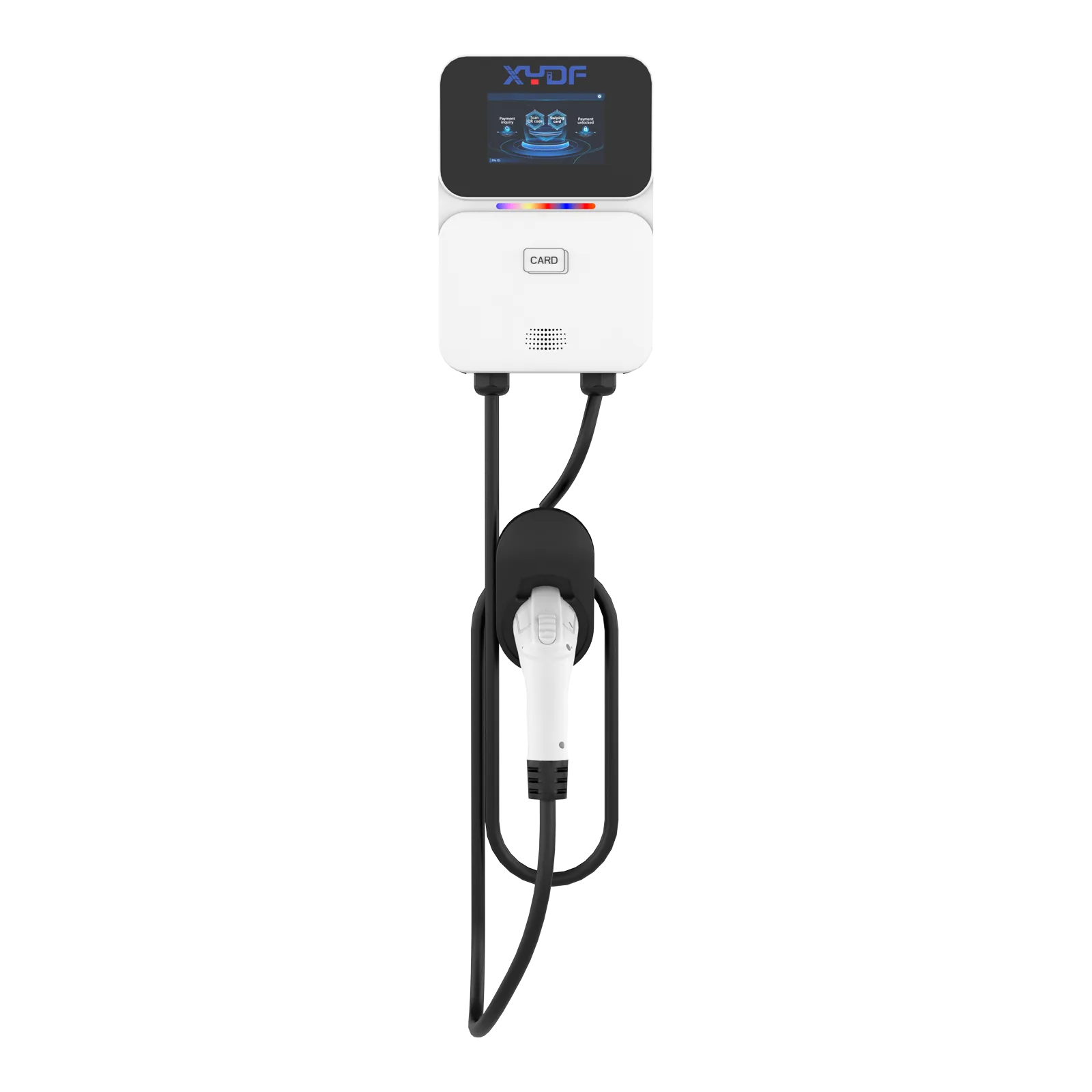


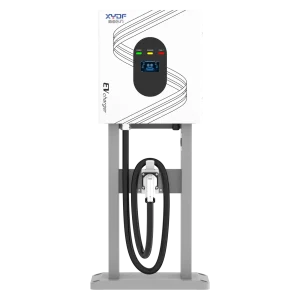

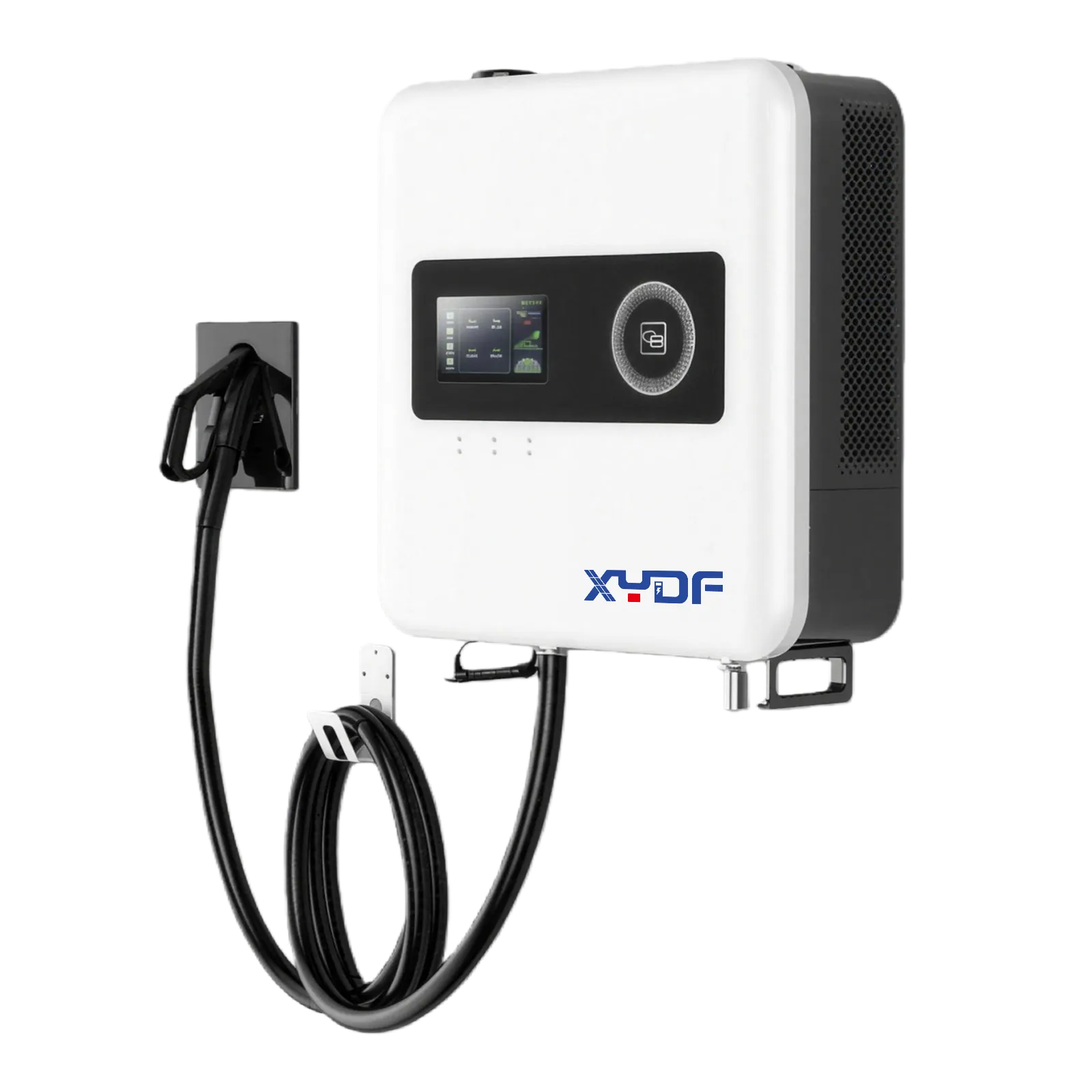
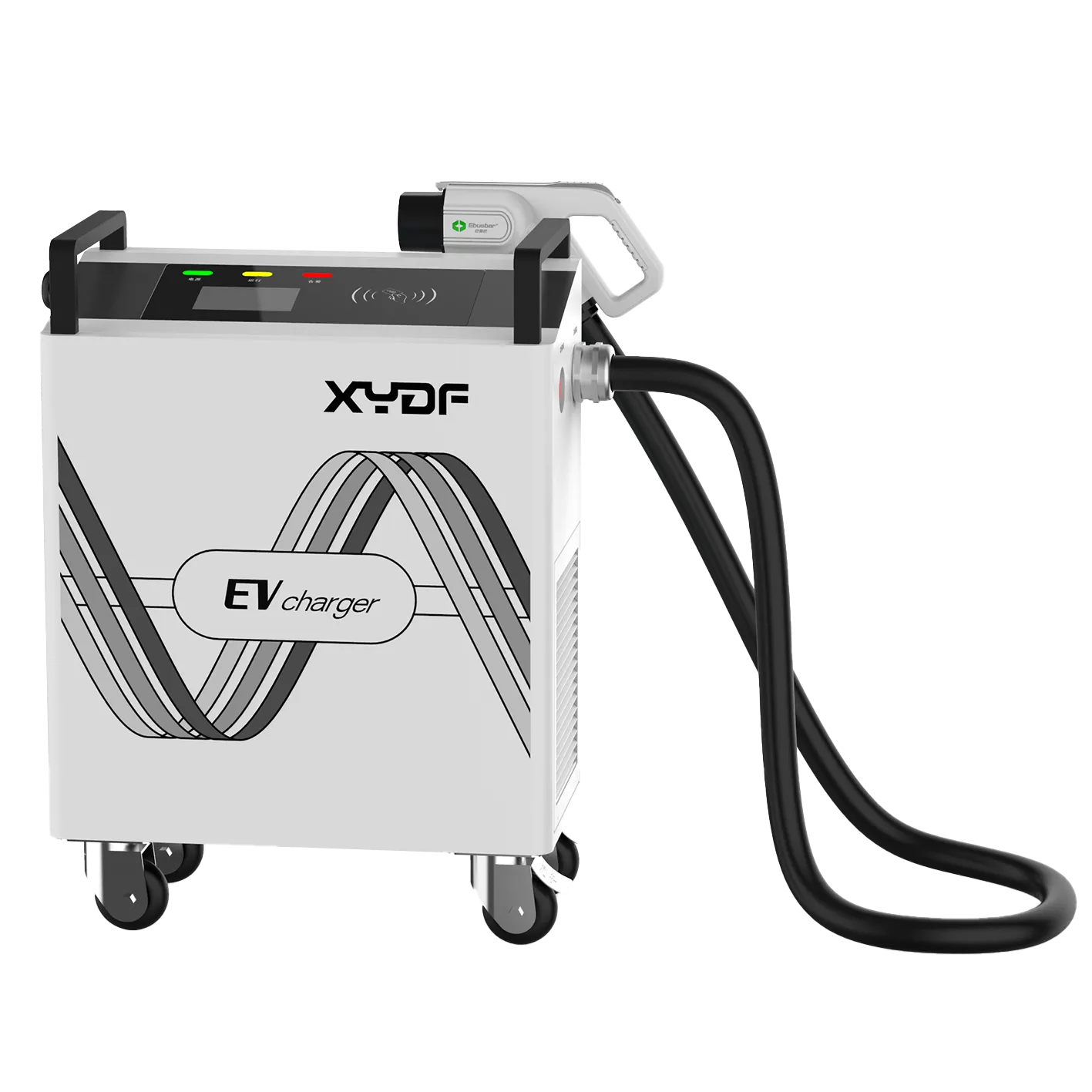
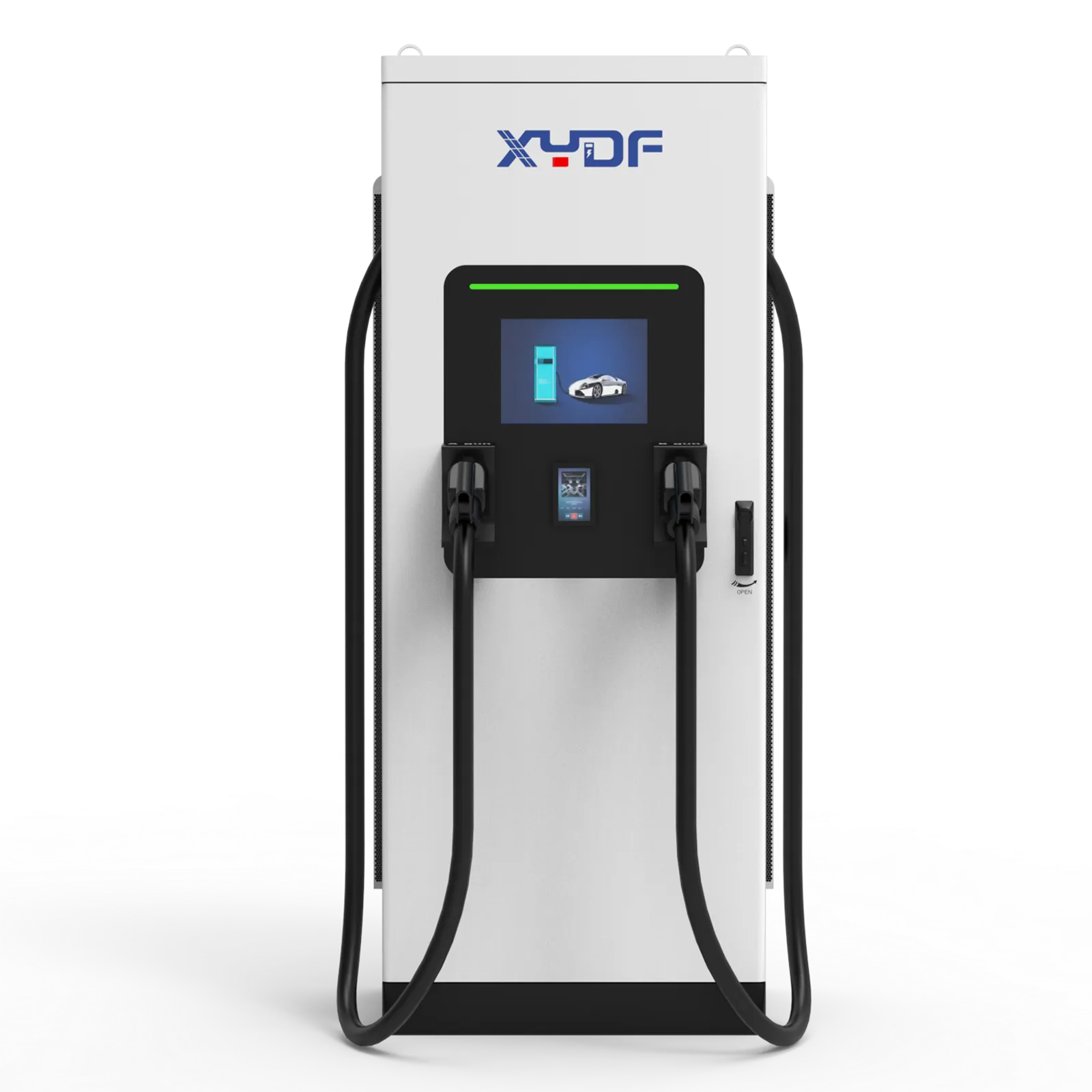
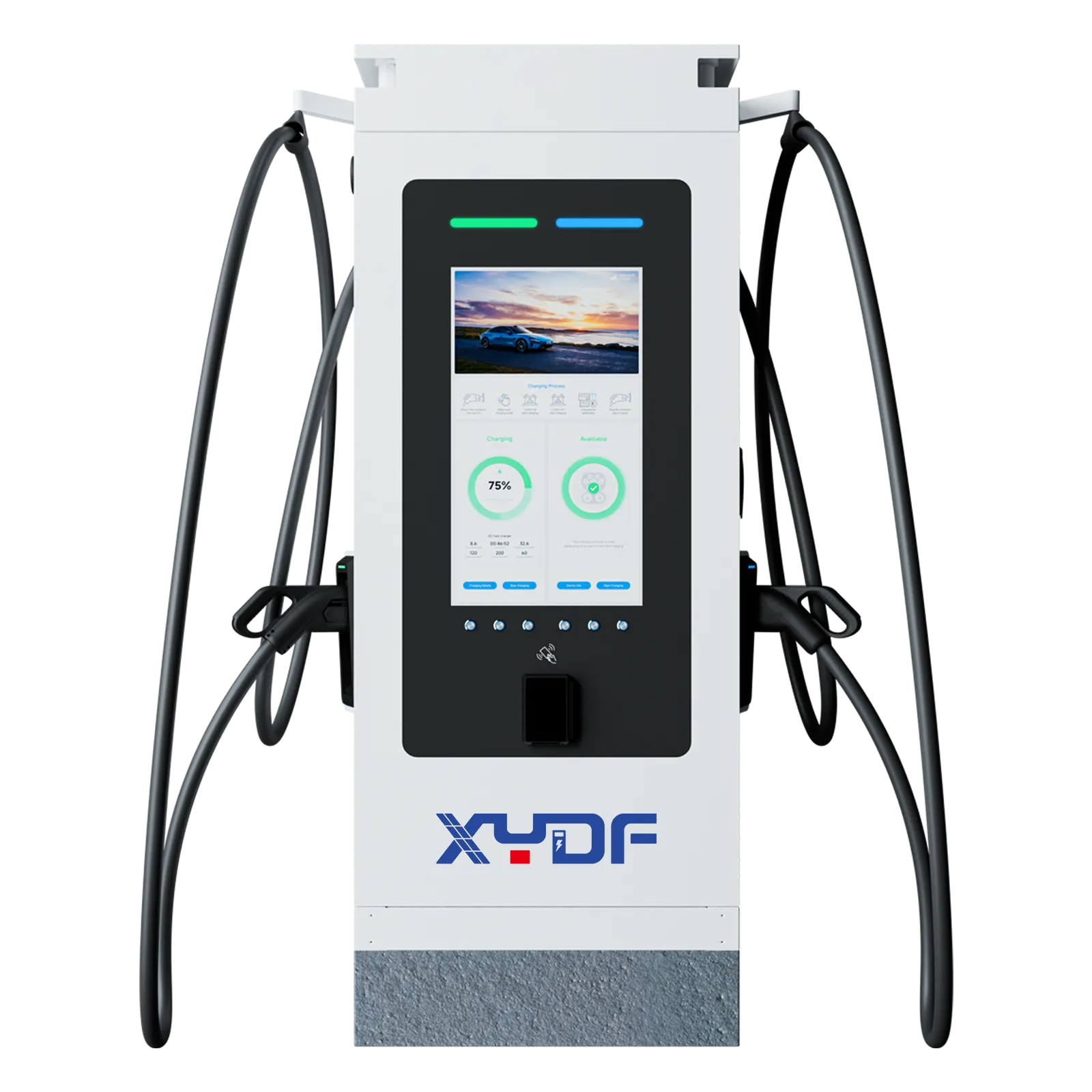
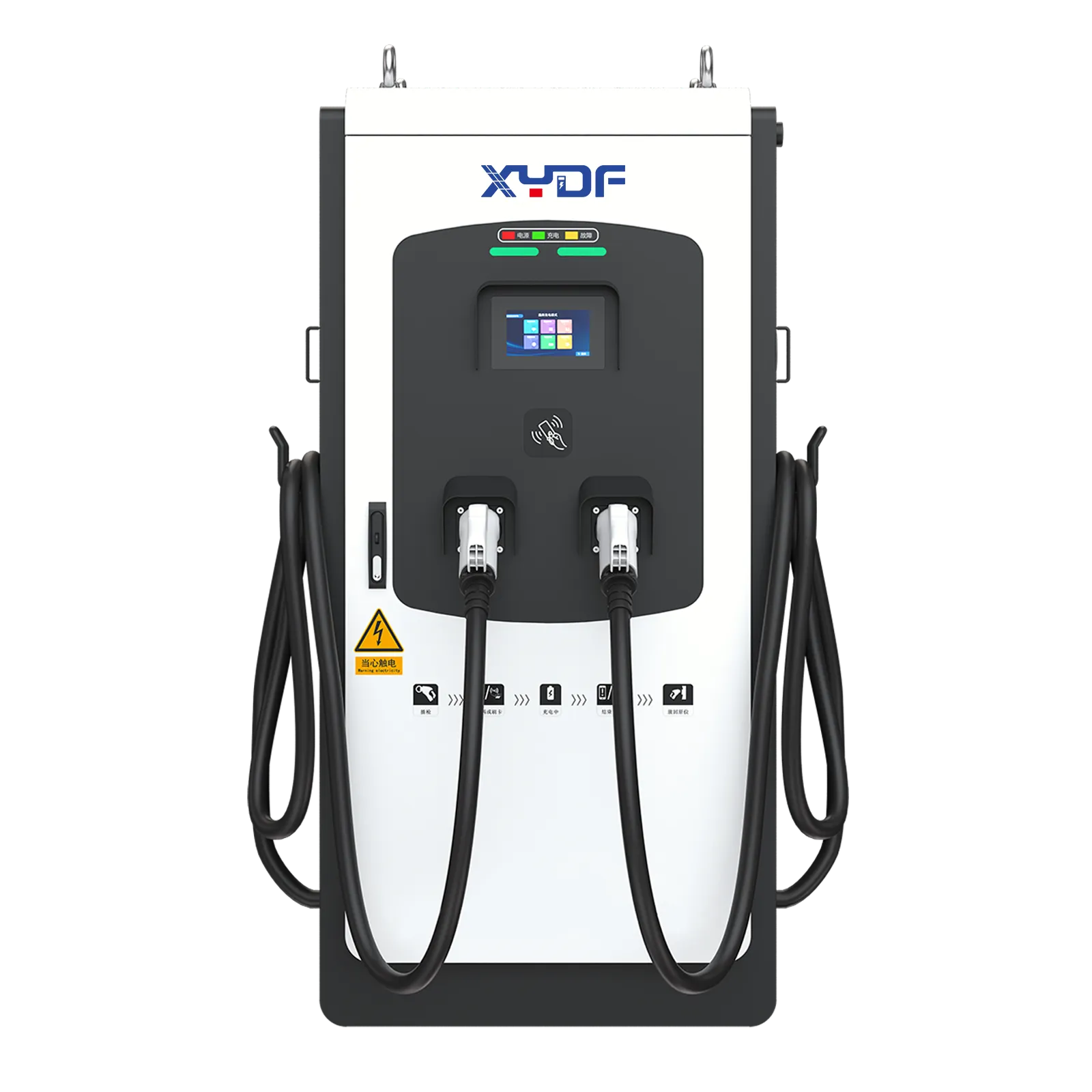
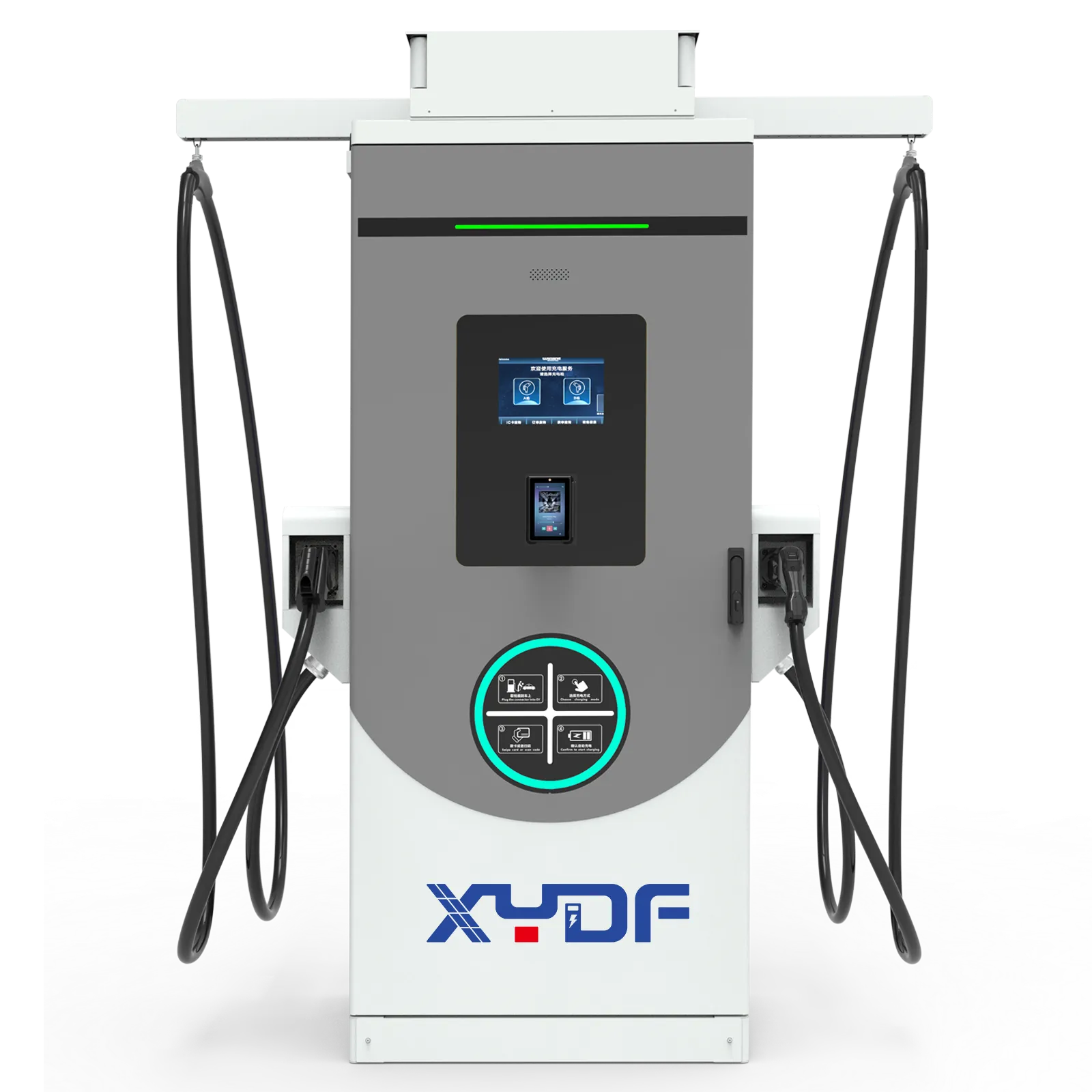
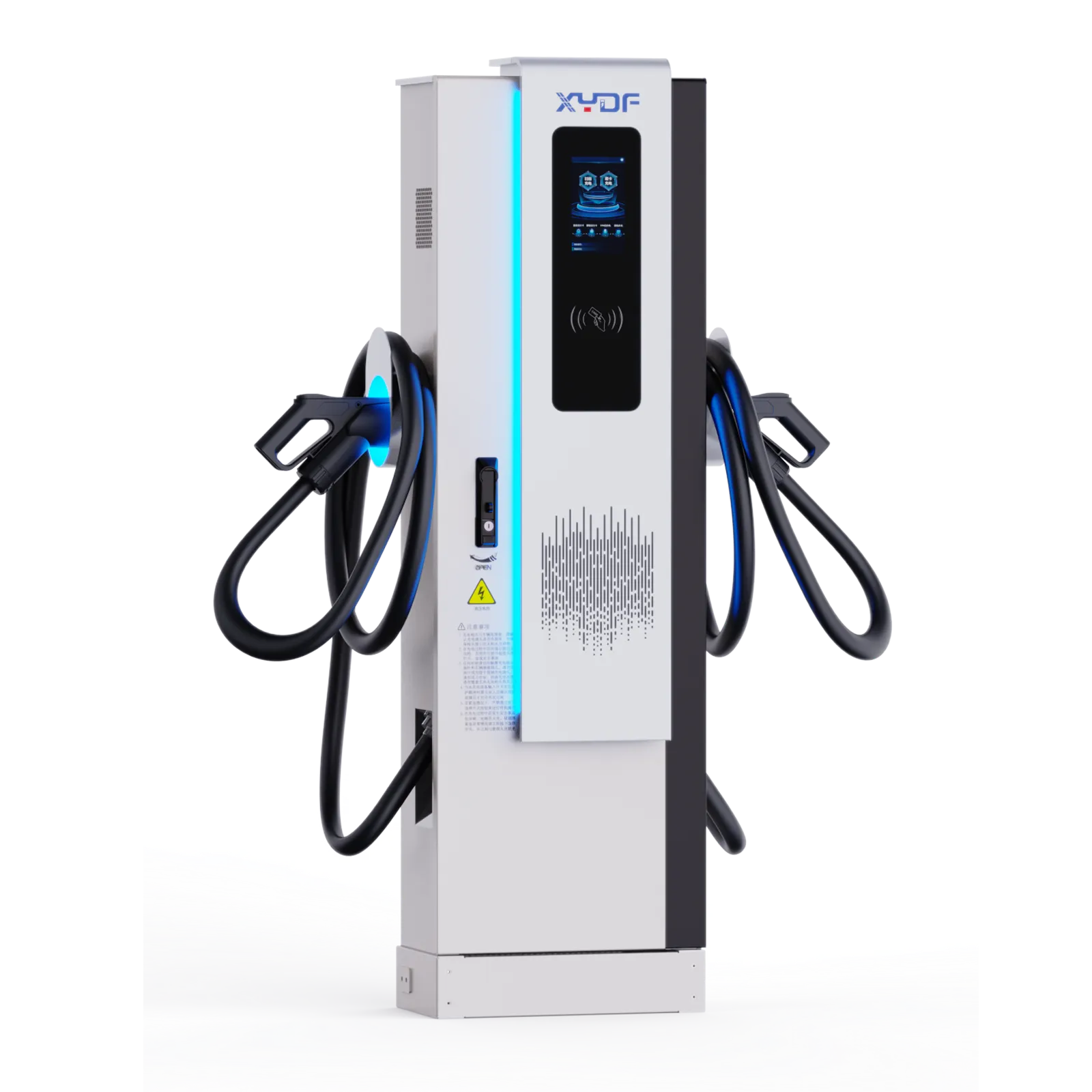
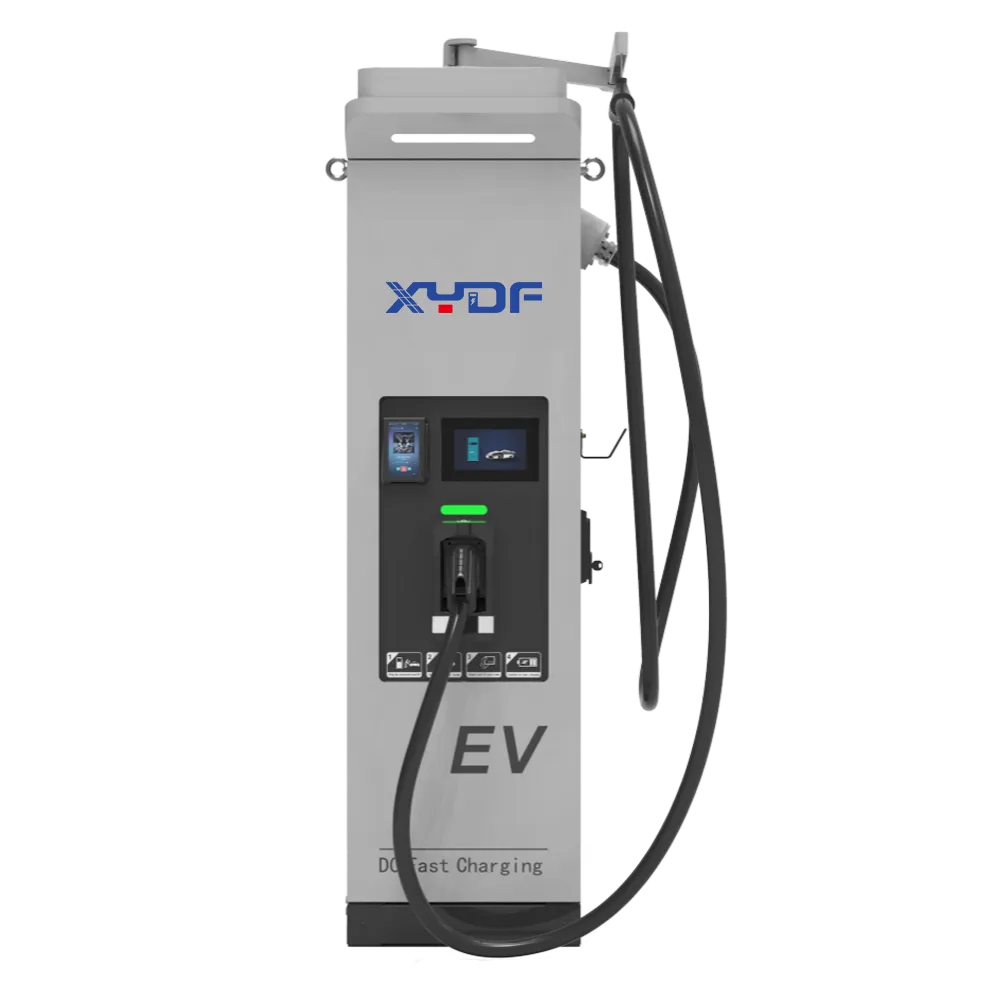

A 400V EV charging station is generally suitable for today’s mainstream EVs, fleet depots, workplaces, and many public charging sites, while an 800V charging station supports higher-voltage vehicle platforms, faster charging curves, lower current for the same power, and better readiness for future premium EVs and heavy-duty applications. The key parameters are not only voltage; buyers should evaluate power range from 60 kW to 480 kW+, connector type such as CCS1, CCS2, GB/T, or CHAdeMO, compliance with IEC 61851, ISO 15118, UL 2202, SAE J1772, backend compatibility such as OCPP 1.6J or OCPP 2.0.1, site transformer capacity, cable cooling, and total cost of ownership.The difference between a 400V and an 800V charging station starts with vehicle battery architecture. Many earlier EV platforms use battery packs around 350–450V nominal voltage; newer high-performance platforms, premium passenger EVs, electric buses, and heavy-duty vehicles increasingly move toward 700–900V systems. According to the International Energy Agency, global electric car sales exceeded 14 million in 2023, representing about 18% of all cars sold worldwide; this rapid growth is pushing charging infrastructure from basic AC destination charging toward higher-power DC fast charging and ultra-fast charging networks. In technical terms, the market is moving from “can this charger work?” to “can this site deliver the charging curve, uptime, safety, and ROI expected over the next 10 years?”For a B2B buyer, an 800V EV charger is not automatically the right choice for every project, but ignoring 800V capability can create upgrade risk where high-power turnover, premium EV traffic, or fleet electrification growth is expected.
How Voltage Architecture Changes Charging Power, Current, and Heat
The most basic electrical relationship is:
Power = Voltage × Current
A 400V system delivering 200 kW may require roughly 500A before losses, while an 800V system delivering the same 200 kW may require roughly 250A. This matters because current drives cable heat, connector stress, conversion losses, and cooling requirements.
In a DC fast charging station, the charger does not simply “push” power into the car. It communicates with the vehicle battery management system, negotiates voltage and current limits, then follows the charging curve allowed by the vehicle. Standards such as IEC 61851-23 and IEC 61851-24 define DC conductive charging system requirements and digital communication between the EV and supply equipment. In North America, SAE J1772 and related CCS1 implementation are common; in Europe, CCS2 is dominant; in China, GB/T 20234 is widely used.
For contractors and charging operators, this creates several technical realities:
- A 400V EV may not benefit from an 800V charging station beyond its own battery limit.
- An 800V EV may charge slowly on a charger that cannot provide sufficient voltage or power.
- The phrase 800v ev charging speed on 400v charger often refers to a real frustration: an 800V-capable car connected to a charger that has limited output voltage may charge at a reduced rate.
- Cable rating, connector standard, thermal monitoring, and liquid cooling can be as important as the charger nameplate power.
A 240 kW charger at 500V is not the same charging experience as a 240 kW charger with a broader 200–1000V output range. Both may say “240 kW” on a datasheet, but the actual charging curve depends on vehicle voltage compatibility and current limit.
What does voltage actually change at the charger–vehicle interface?
The labels “400V” and “800V” describe broad vehicle-platform families, not fixed battery voltages and not a complete charger specification. Pack voltage changes with state of charge, while the DC charger and vehicle continually negotiate a permissible operating point. For a CPO, EPC or fleet planner, the useful comparison is therefore the charger–vehicle operating point: requested pack voltage, permitted current, charger output-voltage envelope, connector limit, available cabinet power and any power shared with another outlet.
The same headline power can require very different current
The electrical relationship is power (kW) = voltage (V) × current (A) ÷ 1,000. Using a loss-free calculation, 200 kW at 400 V requires 500 A, while 200 kW at 800 V requires 250 A. Cable heating caused by resistance is proportional to I²R; if resistance were unchanged, reducing current from 500 A to 250 A would reduce that resistive heating term to one quarter. This does not promise that an 800V session is four times more efficient: connector design, conductor size, cooling, conversion stages, auxiliaries and the vehicle all change the real result.
Current is often the limiting value at the lower end of a charger’s output-voltage range. Consider a charger limited to 500 A and 300 kW. At a requested 400 V, its arithmetic ceiling is 200 kW because 400 × 500 ÷ 1,000 = 200. At 600 V, 500 A reaches the 300 kW nameplate. At 800 V, the same 300 kW power cap corresponds to 375 A. Use this calculation to check the voltage-current envelope, then verify the applicable XYDF model datasheet.
Constant-current and constant-power regions produce different charging limits
At a low requested pack voltage, the charger can operate against its maximum-current limit, so delivered power rises as voltage rises. Once the cabinet or allocated-port power limit is reached, it can move into a constant-power region and current falls as voltage rises. The vehicle may request less than either limit at any moment. A datasheet should therefore show the continuous output-voltage range, maximum continuous current, power-versus-voltage curve, connector and cable rating, thermal derating rules and the allocation logic for simultaneous sessions—not only a peak kW figure.
IEC 61851-23 is the IEC standard specifically covering DC EV supply equipment; its scope includes requirements for the control communication between a DC charging station and an EV. That communication is why a charger with a high maximum voltage does not simply apply that maximum to every vehicle. The vehicle requests allowable values, and the charger must remain within both parties’ limits.
400V Charging Stations: Where They Still Make Strong Commercial Sense
A 400V charging station is not outdated. In many projects, it is still the practical, cost-efficient choice.
Typical applications include:
- Workplace charging
- Retail parking
- Hotel and destination charging
- Residential community charging
- Light-duty fleet depots
- Mixed public charging sites with moderate dwell time
- AC Level 2 charging and medium-power DC charging
For AC chargers, voltage is normally related to grid supply and onboard charger limits rather than direct battery pack voltage. Common AC charging equipment may fall under UL 2594 for EV supply equipment and use connectors defined by SAE J1772 in North America or Type 2 under IEC-based markets. Typical AC power ratings include 7 kW, 11 kW, 22 kW, and in some commercial settings higher three-phase configurations.
For DC chargers serving 400V vehicles, common power levels include:
- 30–60 kW for small commercial DC charging
- 90–120 kW for highway-adjacent or fleet use
- 150–180 kW for public fast charging
- 240 kW for high-turnover sites with power sharing
The key benefit is cost control. A 400V-oriented site may require less expensive cables, less complex cooling, lower peak grid demand, and simpler transformer sizing. For many CPOs, especially where average session time is 25–60 minutes, the ROI can be better than installing ultra-fast equipment that the local vehicle population rarely uses.
However, the limitation is future readiness. If the site will serve premium EVs, e-buses, logistics vehicles, or next-generation platforms, a 400V-only strategy may reduce competitiveness. This is where an 800V charging station becomes part of infrastructure planning rather than just hardware selection.
800V Charging Stations: Why They Enable Faster Charging Curves
An 800V EV charger is designed to support high-voltage battery platforms, often with charger output ranges reaching up to 750V, 920V, or 1000V depending on manufacturer configuration. The commercial goal is not only higher peak power; it is more stable high-power delivery across a useful portion of the battery state-of-charge window.
For example, a modern 800V vehicle platform may be capable of accepting 250 kW to 350 kW under ideal conditions. To deliver this efficiently, the charger must support both the required voltage and the required current. If the charger is limited to a lower voltage range, the vehicle may need voltage boosting internally or may simply accept lower power. That is why the real-world 800v ev charging speed on 400v charger can disappoint operators who expected the vehicle’s advertised maximum charging speed.
Relevant standards and protocols include:
- IEC 61851-23 for DC EV charging station requirements
- IEC 61851-24 for digital communication between DC charger and EV
- ISO 15118 for Plug & Charge, smart charging, and vehicle-to-grid communication architecture
- DIN SPEC 70121 in some CCS communication implementations
- OCPP 1.6J or OCPP 2.0.1 for charger-to-backend communication
- CCS1 / CCS2 under Combined Charging System implementation
- GB/T 20234 for Chinese connector systems
The practical advantage of 800V charging is lower current for the same power. Lower current can reduce cable heating, improve efficiency, and support more compact power delivery design. But the station still needs serious engineering: power modules, contactors, insulation coordination, cooling systems, payment interfaces, backend monitoring, protection devices, and grid integration must all be correctly specified.
For B2B buyers, an 800V charging station is most compelling when:
- The site targets premium EVs or high-power users.
- The business model depends on short dwell time.
- Fleet vehicles must return to service quickly.
- The project needs future-ready infrastructure.
- Utility capacity can support high peak demand.
- Dynamic load balancing is available across multiple dispensers.
Why does battery voltage alone fail to predict session speed?
A battery architecture can enable a higher-power operating point, but it does not guarantee a particular peak or average. The vehicle’s battery-management system controls its request according to battery chemistry, temperature, state of charge (SOC), cell balance, pack protection limits and thermal strategy. The station can add further constraints through its voltage/current envelope, site power ceiling, cable temperature or power sharing. The U.S. Department of Energy Alternative Fuels Data Center likewise notes that charging time varies with SOC, battery capacity and type, the vehicle’s internal charging capability, charger output and electrical-service specifications.
Cold batteries and high SOC reshape the charging curve
A cold pack may request substantially less power until it warms; a vehicle that supports route-based preconditioning may behave differently from the same model arriving without preparation. Near the upper SOC range, the vehicle normally tapers current to protect the cells, so a 350 kW label cannot be used as the session average. Porsche’s Taycan technical documentation, for example, qualifies its published charging time as applying under ideal conditions and identifies battery temperature control as part of the charging system. Buyers should use OEM curves for the exact model year and repeat field trials at defined starting SOC and temperature instead of transferring one vehicle’s result to an entire voltage class.
For utilization modelling, compare energy delivered over a repeatable window such as 10%–80% SOC, plus time connected and time at peak—not the highest instantaneous value. A useful review of why power tapers is available in the EV fast-charging curve guide. The full charging curve is the better input for stall turnover, driver dwell time and revenue modelling.
Hidden Cost and ROI Framework for 400V vs 800V Projects
A product technical comparison should not stop at voltage. In real procurement, contractors and CPOs need to ask: What does this voltage decision do to the project budget, charging revenue, uptime, and upgrade path?
A higher-voltage system can reduce current-related losses, but it may increase initial equipment cost, installation complexity, and grid connection requirements. According to common fast-charging project planning practice, the electrical infrastructure — transformer, switchgear, trenching, cable runs, protection devices, and utility upgrades — can represent a major share of total deployment cost, sometimes comparable to or greater than charger hardware cost depending on site conditions.
The ROI equation normally includes:
- CapEx: charger hardware, installation, transformer, switchgear, civil works
- OpEx: maintenance, network fees, demand charges, repair costs
- Revenue: utilization rate, session turnover, kWh sales, parking integration
- Reliability: uptime, spare parts, remote diagnostics, service SLA
- Upgrade value: ability to add more dispensers or higher power later
- Grid strategy: static load limits, dynamic load balancing, energy storage, solar integration
An 800V EV charger may create stronger ROI where turnover matters. A highway charging hub serving vehicles that can accept 250 kW may generate more sessions per day than a site limited to 100–150 kW. But in a workplace or hotel, where drivers park for hours, the extra CapEx may not produce enough incremental revenue.
This is why serious charger selection begins with a load profile, not a brochure.
400V vs 800V EV Charging Station Comparison Table
| Dimension | 400V EV Charging Station | 800V Charging Station | B2B Procurement Meaning |
|---|---|---|---|
| Typical vehicle platform | Mainstream EVs around 350–450V nominal | Newer high-voltage EVs around 700–900V nominal | Match charger output to expected vehicle mix |
| Common DC power range | 30–180 kW; 240 kW possible with high current | 150–480 kW+ depending on design | Higher voltage helps support ultra-fast charging |
| Current demand at same power | Higher current | Lower current | Lower current can reduce heat and cable stress |
| Connector options | CCS1, CCS2, GB/T, CHAdeMO depending market | Mostly CCS1/CCS2/GB/T high-power configurations | Connector strategy must match region and vehicle type |
| Standards | IEC 61851, UL 2594, UL 2202, SAE J1772, GB/T 20234 | IEC 61851-23/24, ISO 15118, CCS, OCPP 2.0.1 | Compliance reduces approval and liability risk |
| Cable cooling | Often air-cooled for moderate power | Liquid cooling may be needed at 300A–500A+ | Cooling affects maintenance and user experience |
| Compatibility | Strong with current EV base | Stronger future readiness | Best sites often support wide output voltage range |
| Infrastructure cost | Usually lower | Usually higher | Utility and transformer costs must be modeled |
| Revenue potential | Good for moderate dwell time | Strong for high-turnover fast charging | Depends on utilization, not only power rating |
| TCO risk | Lower initial cost but possible upgrade risk | Higher initial cost but better future-proofing | Choose based on 5–10 year demand forecast |
This table also explains why the 800v ev charging speed on 400v charger question is commercially important. If a charger cannot operate in the voltage window required by the EV, the vehicle may not reach its published charging performance. The station may still work, but the customer experience and revenue model may suffer.
How should 400V and 800V vehicles be tested on the same site?
A high-voltage-capable charger can serve a 400V-class vehicle only when its minimum-to-maximum output range covers the vehicle’s actual requested voltage and the connector, communication implementation and current limits are compatible. “Up to 1,000 V” says nothing about the usable lower limit. If the cabinet cannot regulate down to the vehicle’s requested voltage, the session may not start; if it can regulate down but reaches its current ceiling, the session may run below the cabinet’s headline power.
Boost conversion is vehicle-specific, not a general compatibility promise
The reverse case also requires evidence. Some 800V-class vehicles can accept energy from a lower-voltage DC charger by using an onboard boost or DC conversion path; others may be limited or unsupported. Porsche documents an onboard DC charging option for Taycan use at 400V charging points, with model-specific power options. That OEM example proves that conversion can be engineered, not that every 800V vehicle has it. Confirm the exact vehicle manual and option code, then validate it on the nominated charger.
Connector fit alone is insufficient. CharIN publishes CCS specification and interoperability guidance intended to align the vehicle, charging station and supporting communication stack. In a procurement project, convert that interoperability objective into witnessed test cases with exported station logs and vehicle-side evidence where available. For sites that split cabinet capacity between outlets, also verify the allocation rules described in the DC charger power-sharing guide.
Classification by Application, Power Level, and Cost Driver
The best charging station architecture depends on application scenario. A depot, a retail site, and a highway hub should not use the same decision logic.
| Application Scenario | Suggested Voltage Strategy | Typical Power Level | Main Cost Driver | Recommended Standards Focus |
|---|---|---|---|---|
| Home / apartment AC charging | 400V grid-side AC architecture | 7–22 kW | Panel capacity, wiring, metering | UL 2594, IEC 61851-1, SAE J1772, Type 2 |
| Workplace charging | 400V AC or medium DC | 11–60 kW | Number of ports, load management | IEC 61851-1, OCPP 1.6J |
| Retail destination charging | 400V-compatible DC | 60–150 kW | Site utilization, demand charges | UL 2202, IEC 61851-23 |
| Public urban fast charging | Wide-range DC, 400V + 800V support | 120–240 kW | Grid connection, payment integration | CCS1/CCS2, ISO 15118, OCPP |
| Highway charging hub | 800V-ready high-power DC | 240–480 kW+ | Transformer, cooling, uptime SLA | IEC 61851-23/24, ISO 15118, OCPP 2.0.1 |
| Bus / logistics depot | 800V-ready DC or pantograph system | 180–600 kW+ | Fleet schedule, depot power capacity | IEC 61851, GB/T, CCS, local safety codes |
| Heavy-duty fleet charging | High-voltage platform planning | 350 kW+ | Megawatt-scale grid planning | ISO 15118, future MCS-related planning |
For a project team, the most important step is not choosing the highest number on a datasheet. It is mapping:
- Expected vehicle mix in years 1–3
- Expected vehicle mix in years 4–10
- Peak simultaneous charging demand
- Available utility service capacity
- Required connector standard, such as CCS1 for the U.S. market
- Charger network requirements, such as OCPP backend integration
- Maintenance responsibility and spare parts access
A well-specified 800V charging station may be excellent for a highway site near premium EV traffic. The same charger may be financially inefficient in a low-utilization commercial parking lot.
Standards and Compliance: Why Voltage Decisions Are Also Risk Decisions
For B2B charging projects, standards are not paperwork; they are risk controls. A charger that does not comply with local safety and communication standards can delay permitting, increase liability exposure, reduce financing confidence, and create operational problems after installation.
Key standards and compliance references include:
- IEC 61851-1: General requirements for conductive charging systems.
- IEC 61851-23: DC EV charging station requirements.
- IEC 61851-24: Digital communication between DC charger and EV.
- UL 2594: Safety standard for electric vehicle supply equipment.
- UL 2202: Safety standard for DC charging equipment.
- SAE J1772: Conductive charge coupler standard commonly used in North America.
- ISO 15118: Communication standard for Plug & Charge, smart charging, and advanced EV-grid functions.
- GB/T 20234: Chinese EV conductive charging connection standard.
- OCPP 1.6J / OCPP 2.0.1: Open protocol for charger-to-network communication.
- CE / CCC / UL certifications: Market-entry and safety compliance signals depending on region.
Non-compliance can lead to practical business consequences:
- Failed inspection or delayed commissioning
- Insurance and liability concerns
- Connector incompatibility with target vehicles
- Poor backend integration and billing errors
- Lower uptime due to weak remote diagnostics
- Expensive retrofits after installation
- Reduced trust from CPOs and fleet customers
For an 800V EV charger, insulation design, overvoltage protection, thermal management, and communication accuracy become even more important because higher voltage and higher power reduce the margin for casual engineering. The charger must not only deliver power; it must negotiate safely, log accurately, protect users, and remain serviceable under commercial duty cycles.
Selection Guide: How Contractors and CPOs Should Avoid Costly Mistakes
Before selecting between a 400V and an 800V charging station, we recommend using a structured engineering checklist.
Start with the vehicle mix, not the charger catalog
If the site mainly serves today’s mainstream 400V EVs, a wide-voltage DC charger or moderate-power DC charger may be enough. If the site expects premium EVs, electric pickups, buses, or fast-turnover fleet vehicles, an 800V EV charger becomes more attractive.
No charger can overcome a vehicle’s battery acceptance limit. A 350 kW charger will not make a 100 kW-limited vehicle charge at 350 kW.
Verify output voltage range, not only nameplate kW
A charger advertised as 240 kW should be checked for:
- Minimum and maximum DC output voltage
- Maximum output current
- Power module configuration
- Connector current rating
- Cooling method
- Simultaneous dual-gun power allocation
- CCS1, CCS2, GB/T, or CHAdeMO compatibility
- OCPP version and backend platform compatibility
This is especially important when evaluating 800v ev charging speed on 400v charger situations. If the charger cannot provide the required high-voltage output, charging power may be limited.
Model grid capacity and demand charges early
High-power DC charging is often constrained by site electrical service. Contractors should confirm:
- Transformer capacity in kVA
- Switchgear rating
- Feeder cable size
- Protection coordination
- Utility upgrade timeline
- Demand charge structure
- Load balancing strategy
- Optional battery energy storage integration
A site with four 240 kW chargers may require nearly megawatt-scale planning if all chargers operate near peak simultaneously. Dynamic load balancing can reduce grid stress by allocating available power across charging sessions.
Choose cooling and cable design based on real usage
For high-current applications, cable heating and connector temperature monitoring are not optional details. Air-cooled cables may be sufficient for many 150–240 kW applications, while liquid-cooled cables may be preferred for ultra-fast charging where current approaches 500A or above. Maintenance planning should include coolant inspection, connector wear, cable handling, and field service access.
Leave upgrade space in civil and electrical design
Even if the first phase uses 400V-compatible chargers, the site should consider future conduit capacity, transformer expansion, charger pad layout, and backend scalability. A future-ready layout can reduce upgrade cost when 800V vehicles become more common.
At the product planning level, XYDF manufactures AC home chargers, DC fast chargers, ultra-fast chargers, and charging station solutions with configurations designed around IEC-based markets, CCS/GB-T options, OCPP communication, and project-level customization. For contractors comparing 400V and 800V architectures, the valuable point is not a single hardware claim; it is whether the manufacturer can support voltage range, connector configuration, certification documentation, load management, and after-sales engineering for the intended market.
Which test matrix makes a mixed-fleet procurement decision auditable?
Use representative vehicles, not voltage labels alone. Agree the starting SOC band, battery temperature condition, preconditioning state, connector, adjacent-port load and test duration before tender award. The matrix below is a decision tool; numerical pass limits must come from the project’s vehicle data, charger submittal and operating model.
| Witnessed test case | Inputs to control | Evidence and pass criterion | Procurement risk exposed |
|---|---|---|---|
| 400V-class vehicle, warm battery, low-to-mid SOC | Actual pack voltage, requested current, connector and idle adjacent port | Session starts normally; station log follows the EV request within the agreed voltage/current and power limits | A high kW nameplate that is current-limited at lower voltage |
| 800V-class vehicle, warm battery, low-to-mid SOC | Actual pack voltage, requested power, cable temperature and site allocation | Measured curve is consistent with the vehicle request and charger envelope; any derating is identified | Insufficient maximum voltage, cabinet power or cable capability |
| 400V-class vehicle on the proposed high-voltage-capable charger | Minimum charger output voltage and the vehicle’s voltage window | Handshake and controlled power delivery succeed across the agreed SOC window | Assuming “1,000 V capable” also means low-voltage coverage |
| 800V-class vehicle on nominated lower-voltage legacy equipment | Exact model, installed onboard conversion option and legacy charger output | OEM-supported session starts; conversion power cap and warnings match vehicle documentation | Assuming every high-voltage EV includes boost conversion |
| Cold or non-preconditioned vehicle in each relevant class | Recorded ambient and battery temperatures, SOC and soak/preparation method | Lower vehicle request is separated from charger derating; recovery is logged over time | Blaming the charger for a battery-controlled cold limit |
| Two simultaneous sessions with unlike voltage classes | Port priority, cabinet ceiling, change in demand and failover rule | Allocation follows the agreed policy without session loss; both port logs reconcile with cabinet output | Hidden power-sharing behavior and unstable reassignment |
| High-SOC repeat for each representative vehicle | Starting SOC band, temperature and vehicle settings | Expected vehicle-requested taper is visible and is not reported as unexplained charger failure | Using peak power as a forecast of average session speed |
The procurement file should connect test evidence to the business case
Ask each bidder for an output power-versus-voltage graph, continuous and peak current durations, cable thermal limits, derating logic, simultaneous-port allocation, connector and communication scope, plus the standards and market approvals applicable to the destination. Then record the fleet share represented by each witnessed vehicle and use measured kWh-versus-time curves in the financial model. The 400V versus 800V DC charger selection framework can help structure the shortlist, while the DC fast charger category provides a starting point for configuration discussions after the required operating envelope is defined.
No standards reference should be treated as a blanket certification claim. IEC 61851-23 is a technical standard for DC EV supply equipment; connector rules, national electrical codes, safety listings, metering requirements and permitting still depend on the destination market. Request the certificate or report number, covered model, edition, issuing body and validity for every compliance claim. A mixed-fleet acceptance matrix is valuable only when its pass criteria are traceable to those controlled documents.
FAQs
What is the difference between a 400V and 800V EV charging station?
A 400V EV charging station is mainly aligned with mainstream EV battery platforms, while an 800V charging station supports higher-voltage EVs that can charge faster with lower current at the same power. The difference affects charging speed, heat, cable design, infrastructure cost, and future upgrade value.
For buyers comparing fast charger configurations, it is useful to review DC charger specifications such as output voltage range, connector type, OCPP support, and certification documents. A relevant example is a high-power all-in-one DC charger configuration such as the 240kW all-in-one EV charger.
Can an 800V car charge on a 400V charger?
Yes, in many cases an 800V EV can charge on a 400V charger, but charging speed may be limited by the charger output voltage, current rating, and the vehicle’s internal charging design. This is why many users search for 800v ev charging speed on 400v charger after seeing lower-than-expected charging results.
The station may be functional, but it may not deliver the vehicle’s advertised fast-charging peak.
Is an 800V EV charger always faster than a 400V charger?
Not always. An 800V EV charger can support faster charging when the vehicle, connector, cable, charger power modules, and grid supply all allow it. If the EV has a low maximum charge acceptance rate, or if the site has limited electrical capacity, the actual charging speed may still be modest.
Charging performance depends on the full chain: vehicle battery, charger voltage range, charger current limit, connector type, thermal conditions, and state of charge.
What charger power is best for a commercial EV charging station?
For commercial sites, common DC charging power ranges include 60 kW, 120 kW, 150 kW, 180 kW, and 240 kW. Highway hubs and premium charging locations may consider 300 kW to 480 kW or higher. The best choice depends on dwell time, traffic volume, electrical capacity, and target vehicle mix.
A contractor should compare charger power with transformer capacity, load balancing strategy, and expected utilization. Overbuilding power without utilization can weaken ROI.
Does OCPP matter for 400V and 800V charging stations?
Yes. OCPP matters because it connects chargers to network management, monitoring, billing, diagnostics, and firmware control. OCPP 1.6J is widely used, while OCPP 2.0.1 adds stronger support for security, device management, and smart charging features.
For CPOs and fleet managers, OCPP compatibility can be as important as voltage because backend control directly affects uptime and commercial operation.
References
- International Energy Agency, Global EV Outlook: https://www.iea.org/reports/global-ev-outlook-2024
- IEC 61851 Electric Vehicle Conductive Charging System: https://webstore.iec.ch/
- ISO 15118 Road Vehicles — Vehicle to Grid Communication Interface: https://www.iso.org/standard/77845.html
- UL Standards for EV Charging Equipment, including UL 2594 and UL 2202: https://www.ul.com/
- CharIN Combined Charging System and high-power charging resources: https://www.charin.global/
- U.S. Department of Energy Alternative Fuels Data Center, Electric Vehicle Charging Stations — factors that affect charging time and the distinction between equipment capability and vehicle/SOC constraints.
- IEC 61851-23:2014, DC electric vehicle charging station — official scope for DC EV supply equipment and control communication with the EV.
- CharIN, CCS Specification — official CCS implementation and interoperability documents.
- Porsche Newsroom, The charging process: Quick, comfortable, intelligent and universal — OEM documentation of an 800V vehicle’s charging conditions and optional onboard DC charging for 400V points.