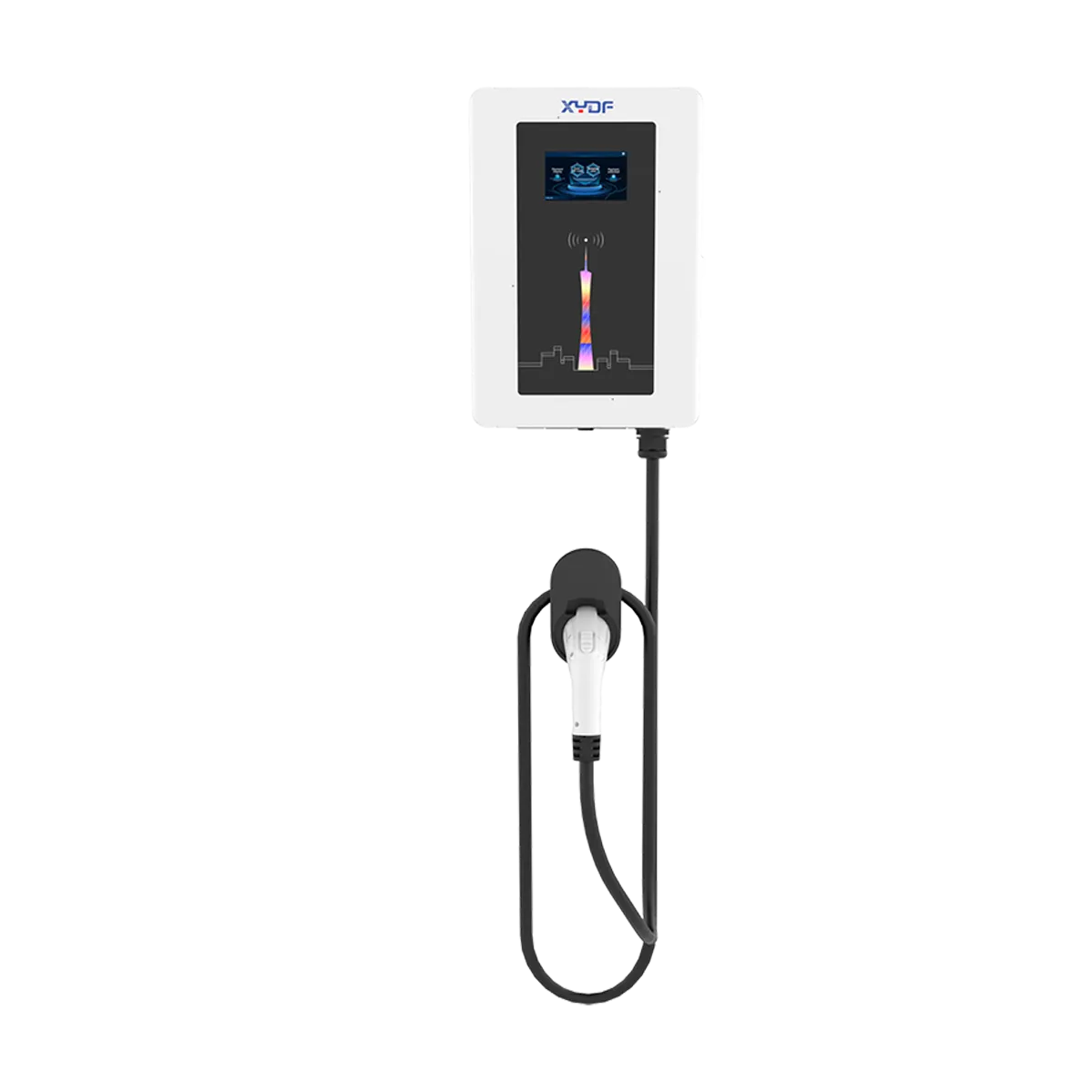
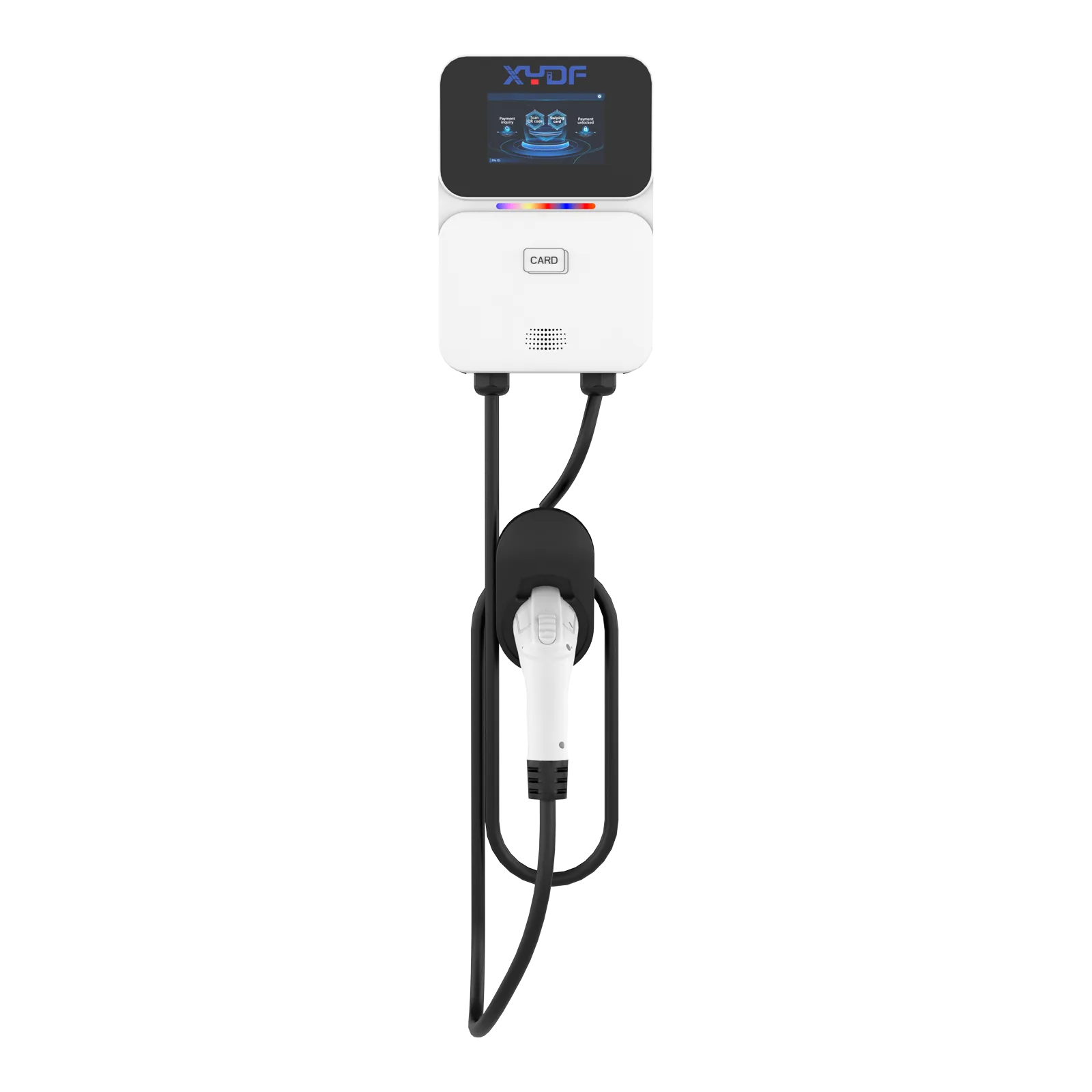
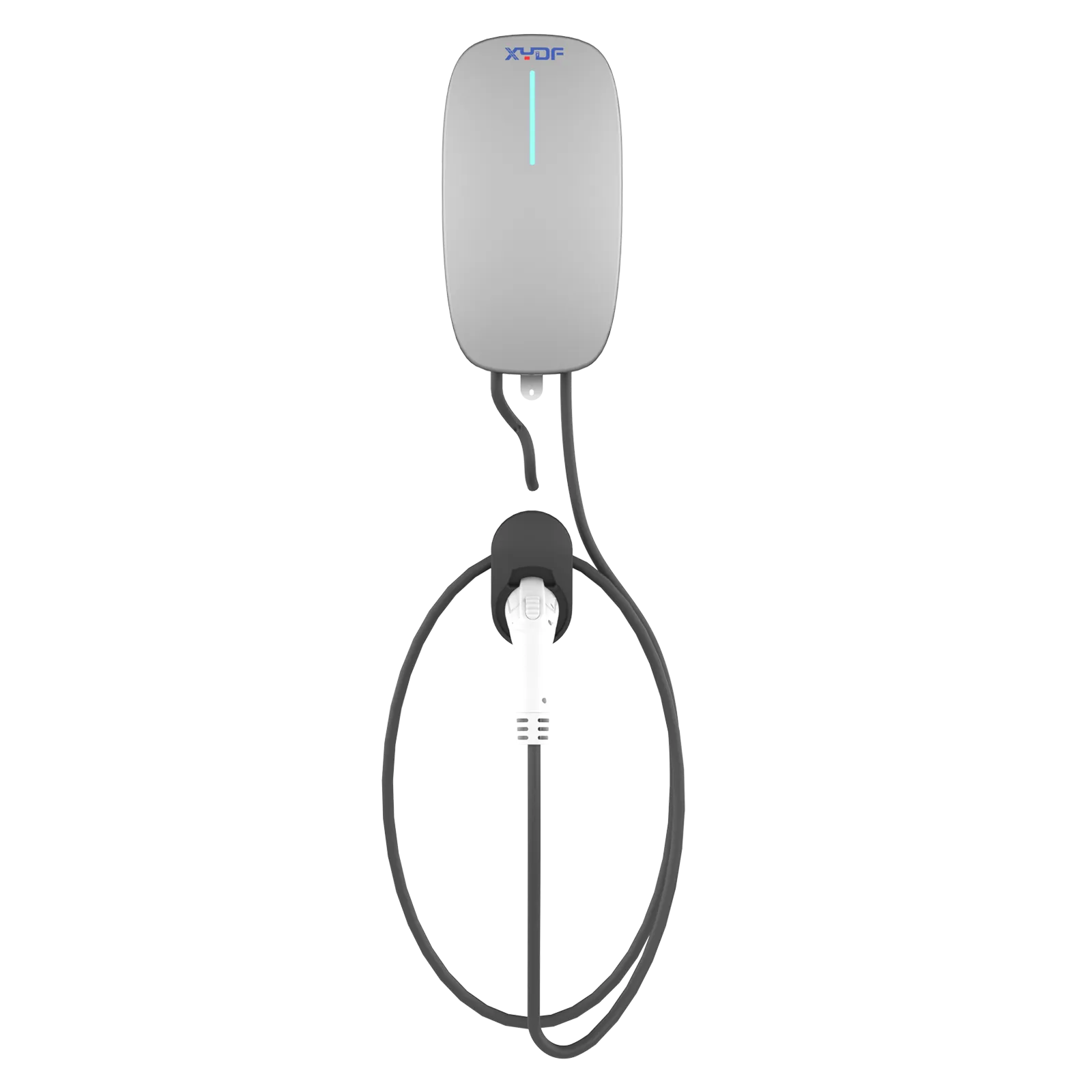
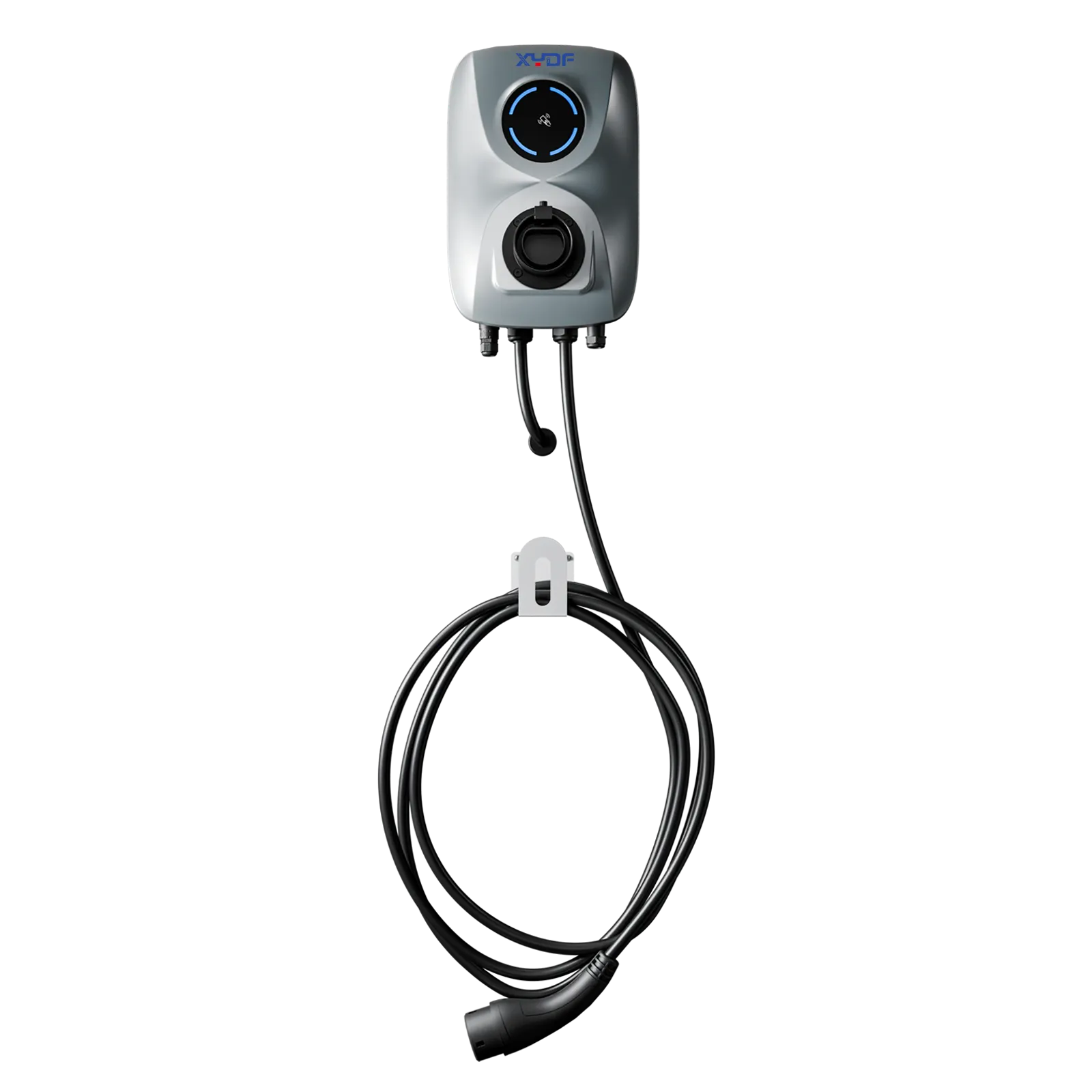
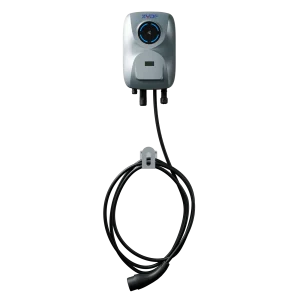
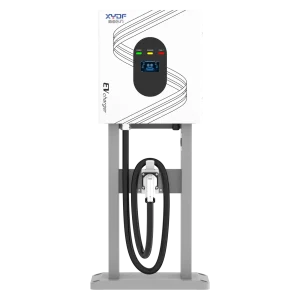
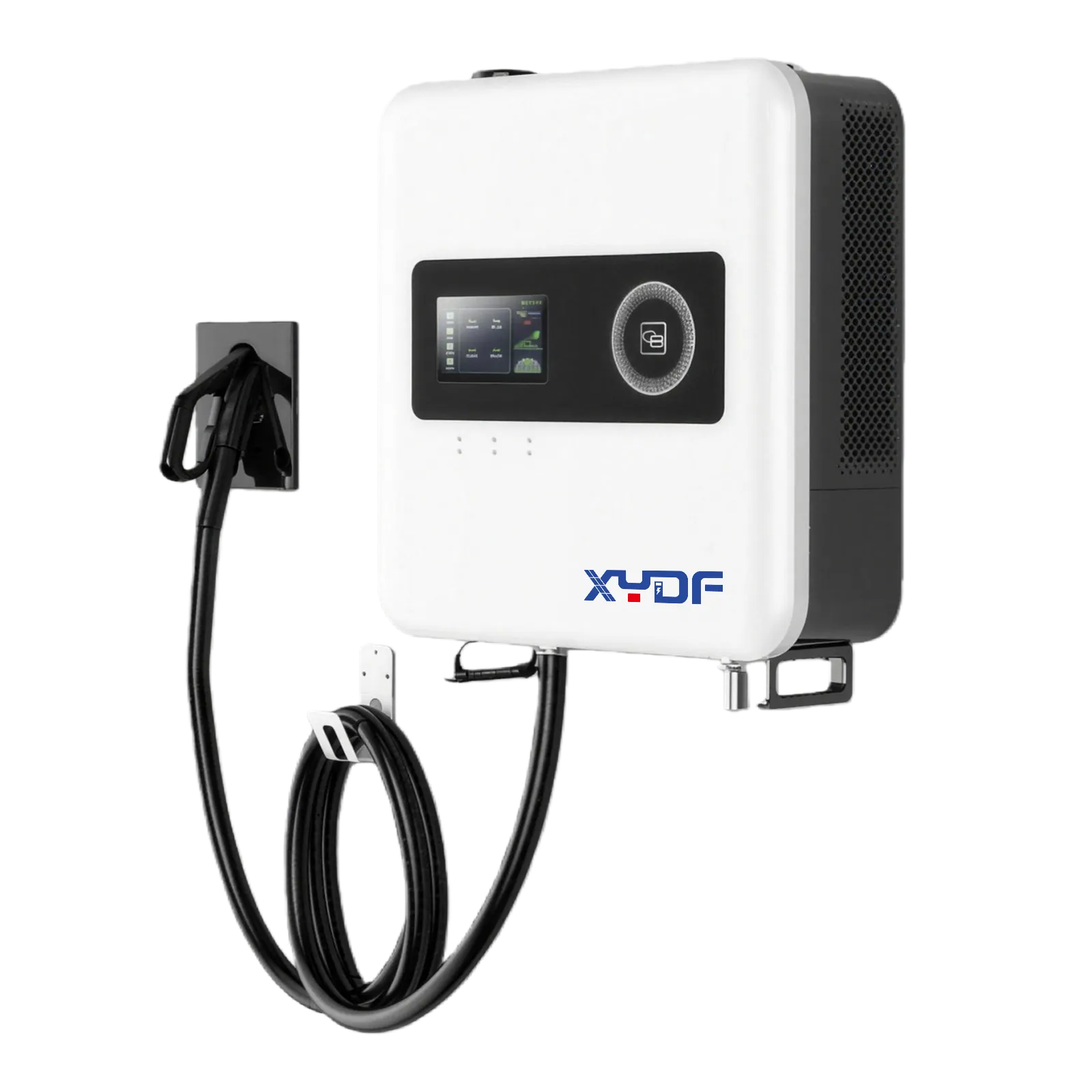
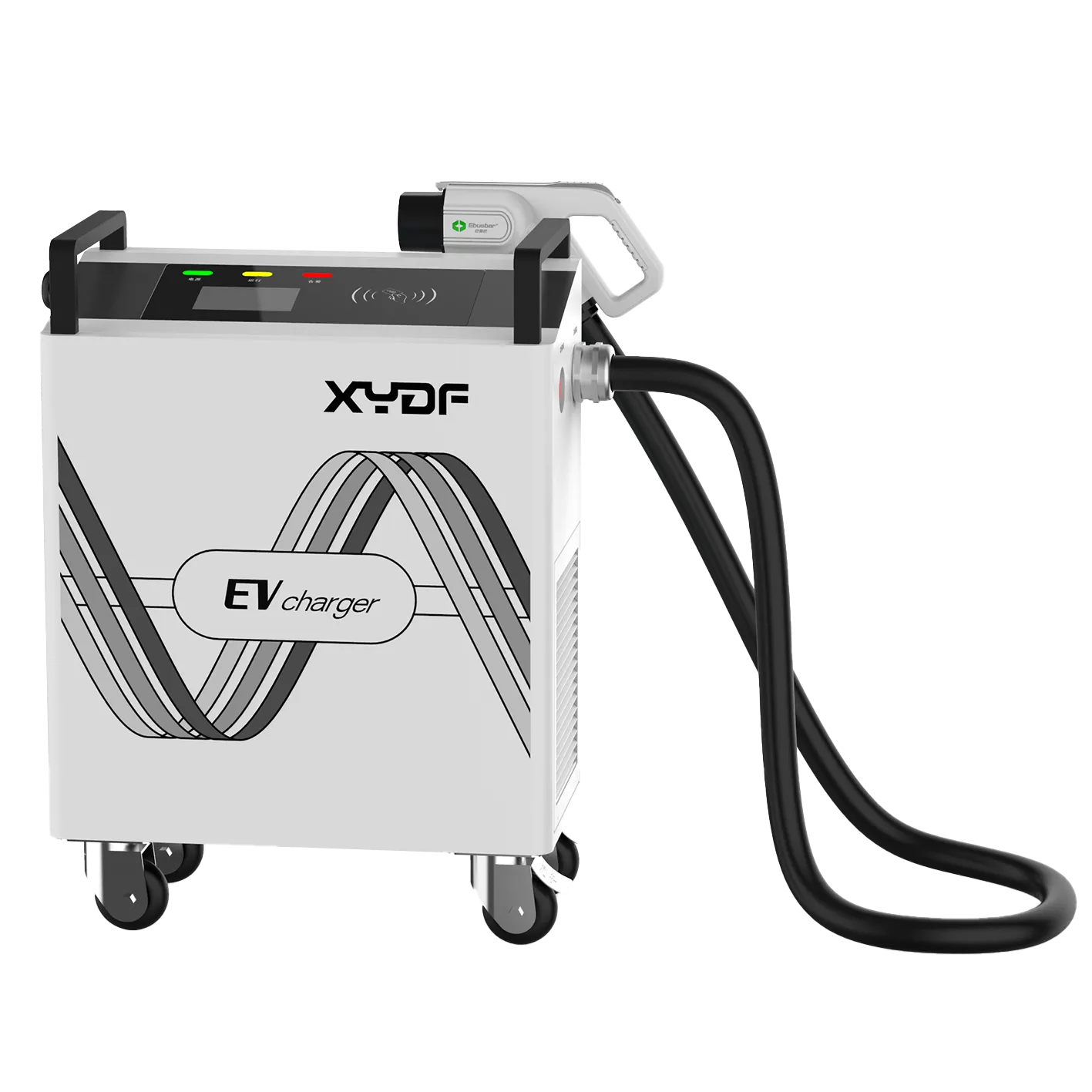
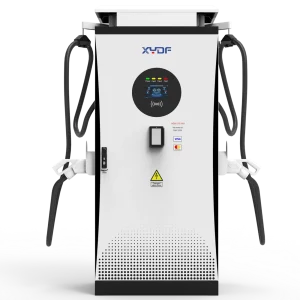
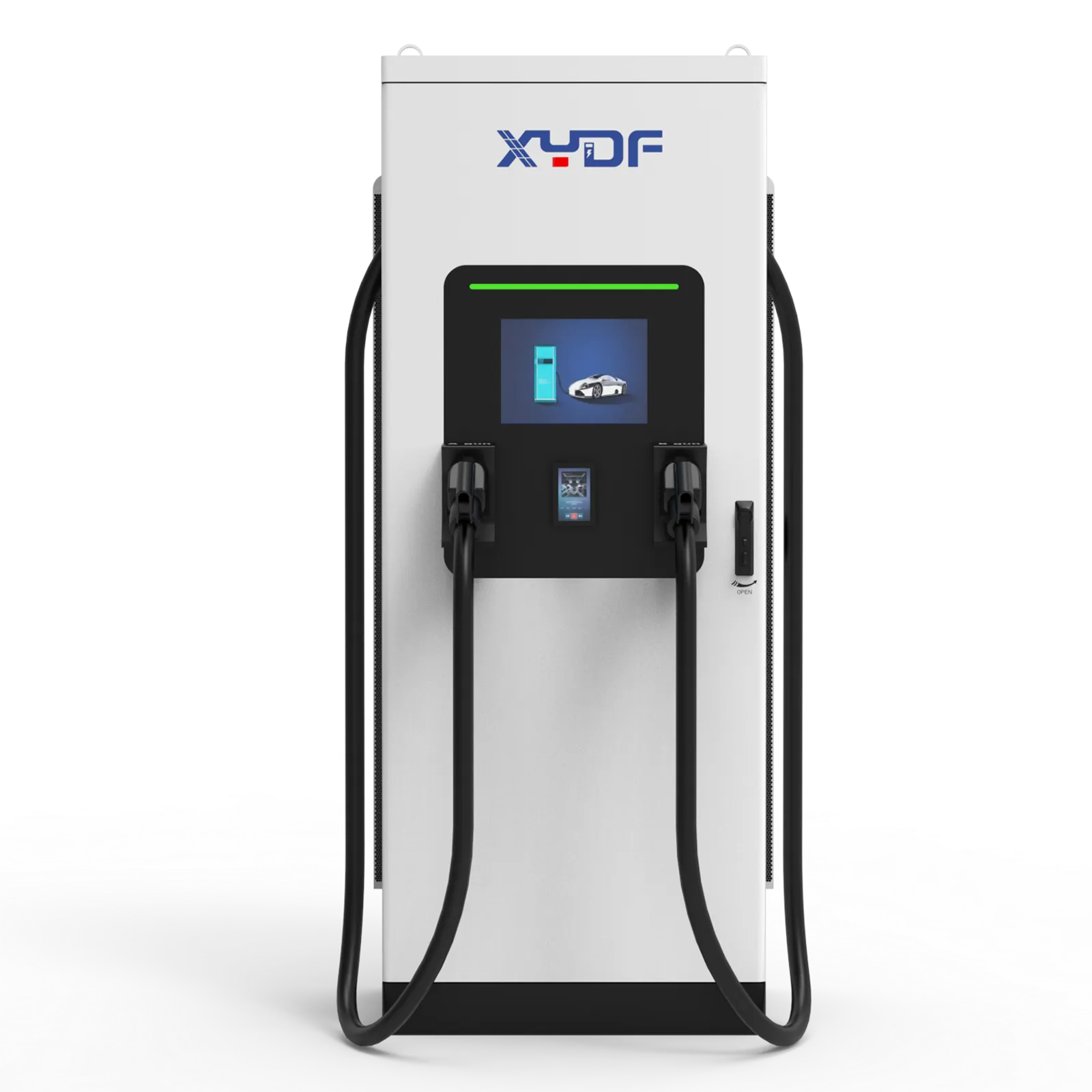
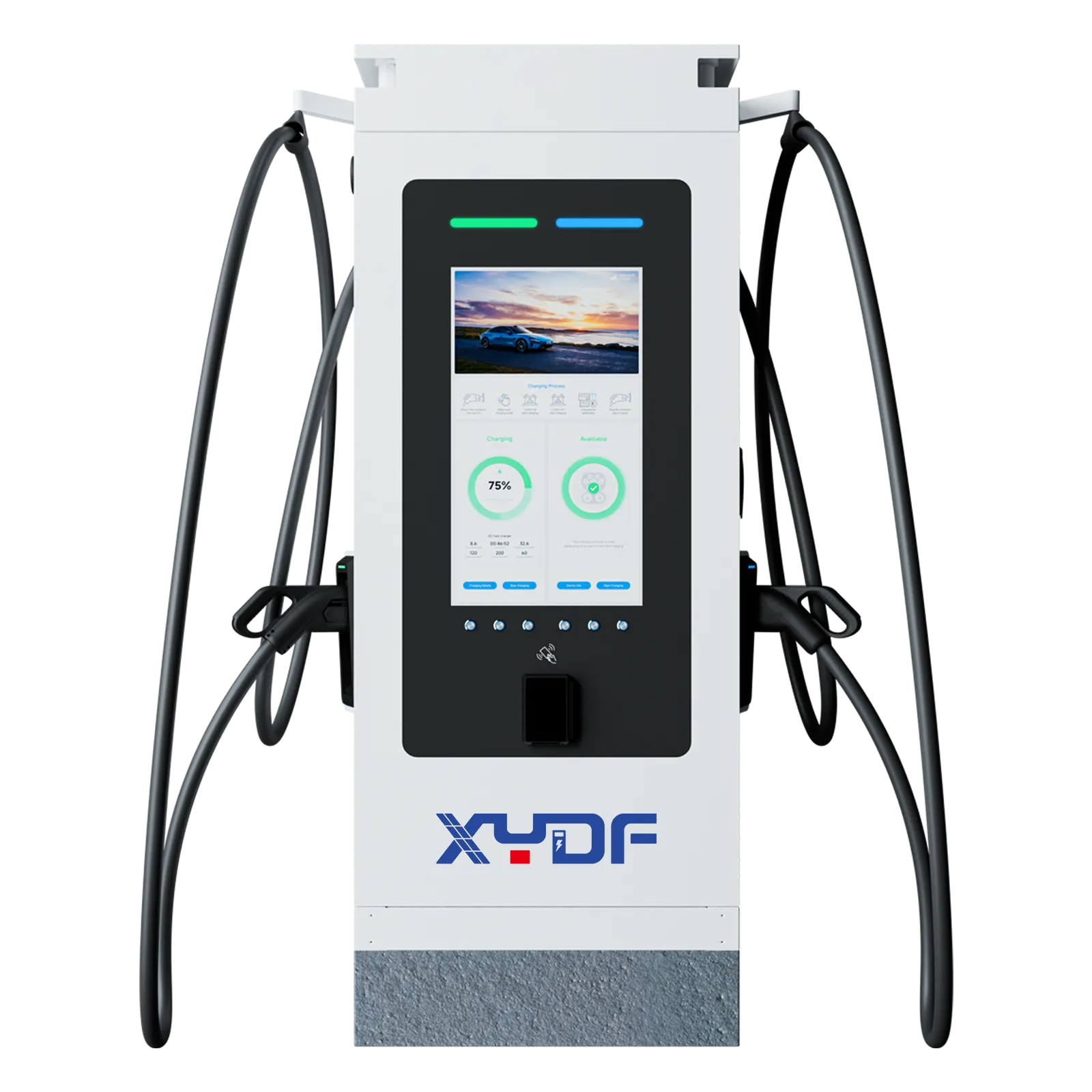
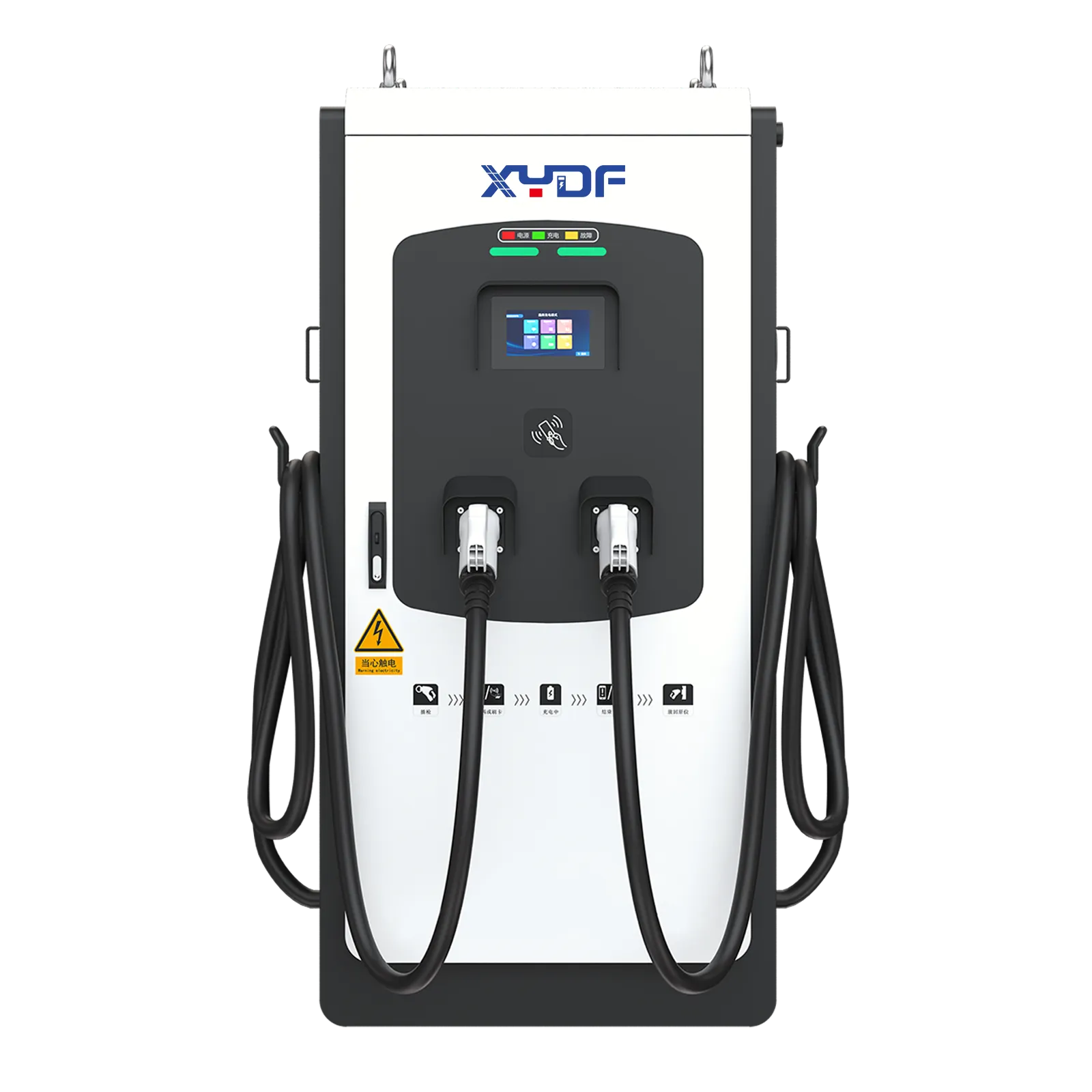
In extremely cold environments, EV charger reliability depends on more than power modules, charging connectors, and thermal management systems. The low-voltage internal control wiring connecting the control panel, sensors, and auxiliary circuits must also perform reliably at low temperatures(-40℃).
Low temperatures can make control wire insulation brittle. When technicians open the charger for maintenance or repair, the control wires may bend or shift, causing the insulation to crack. In severe cases, insulation under continuous bending stress may crack even without the charger being opened.
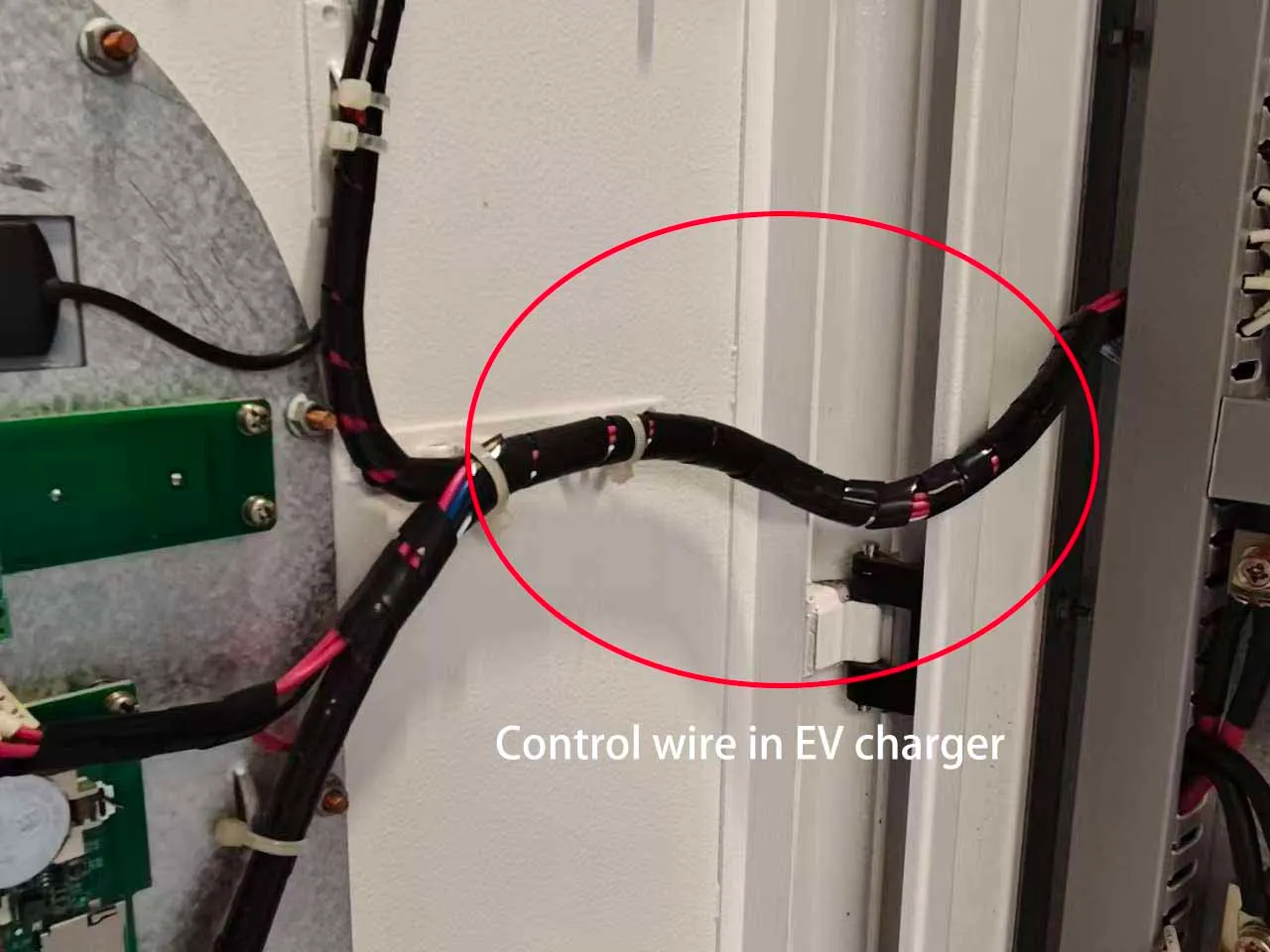
Control wire failures are often first reflected in the control system or operating panel. Possible symptoms include:
These symptoms can also be caused by sensors, connectors, or control modules. Intermittent control wire faults can therefore be difficult to identify and, in severe cases, may create safety risks.
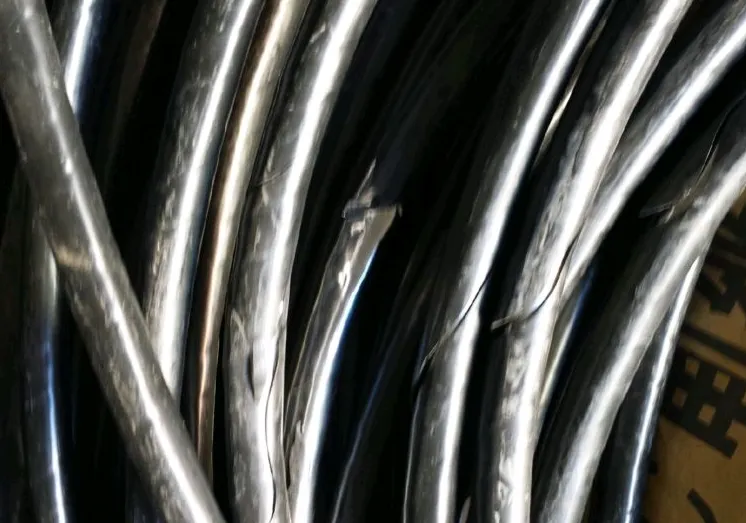
XYDF uses FLRY-B automotive-grade wire that complies with ISO 19642-3:2019. These control wires are used for control, signal, auxiliary circuits, etc. inside the EV charger.
| Test | Test Conditions | Result | Risk Evaluated |
|---|---|---|---|
| Low-temperature bending | Stored at −40°C for 4 hours, loaded with 0.5 kg, wound for three turns at 5D, followed by a 1 kV withstand-voltage test | No cracking or breakdown | Brittle insulation during low-temperature maintenance or assembly |
| Low-temperature impact | Stored at −15°C for 16 hours, then impacted by a 100 g weight dropped from 100 mm | No cracking or breakdown | Insulation damage caused by impact at low temperatures |
| Low-temperature bending after aging | Aged at 125°C for 240 hours, followed by bending at −25°C | No cracking or breakdown | Loss of low-temperature flexibility after long-term aging |
| Temperature-humidity cycling | 40 cycles covering −40°C, high humidity at 85°C, and a 100°C stage | No cracking or breakdown | Insulation failure caused by temperature and humidity changes |
| Abrasion test | Insulation surface tested for abrasion in accordance with the standard | 780 mm, compliant | Wear caused by contact with wire-fixing structures |
| Scrape abrasion test | Insulation surface repeatedly scraped in accordance with the standard | 1,000 cycles, compliant | Insulation wear caused by sheet-metal edges or cable-management structures |
The control wire samples showed no cracking or electrical breakdown during the low-temperature bending, low-temperature impact, or post-aging bending tests. The insulation also remained functional after 40 temperature-humidity cycles.
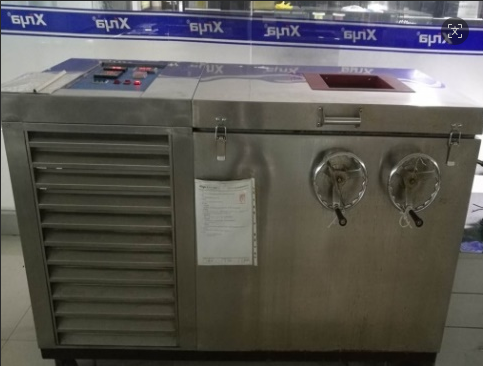
The test results show that the automotive-grade internal control wiring used by XYDF can help improve EV charger stability in extremely cold environments.
Extreme-Cold EV Charging
Explore XYDF’s complete approach to enclosure protection, temperature control, component selection, condensation prevention, and reliable charger startup in extreme-cold environments.


 Xinya Dongfang Electricity Technology Co., Ltd.