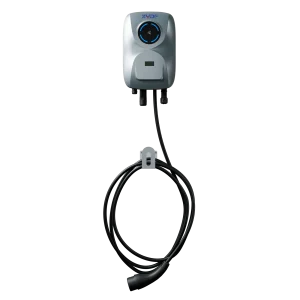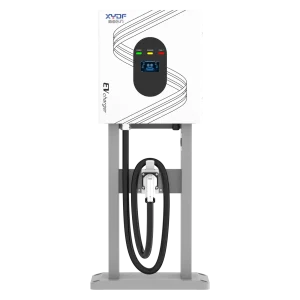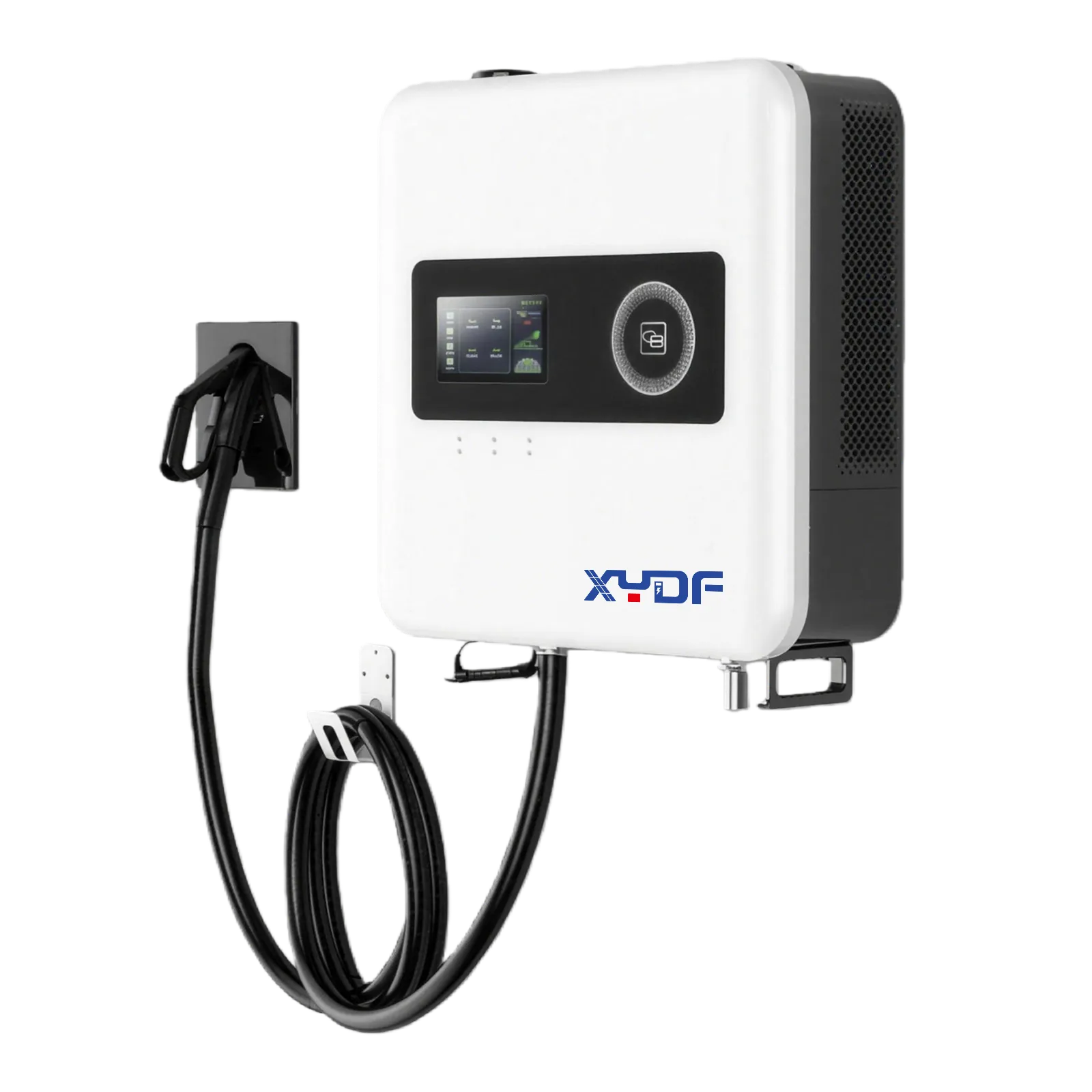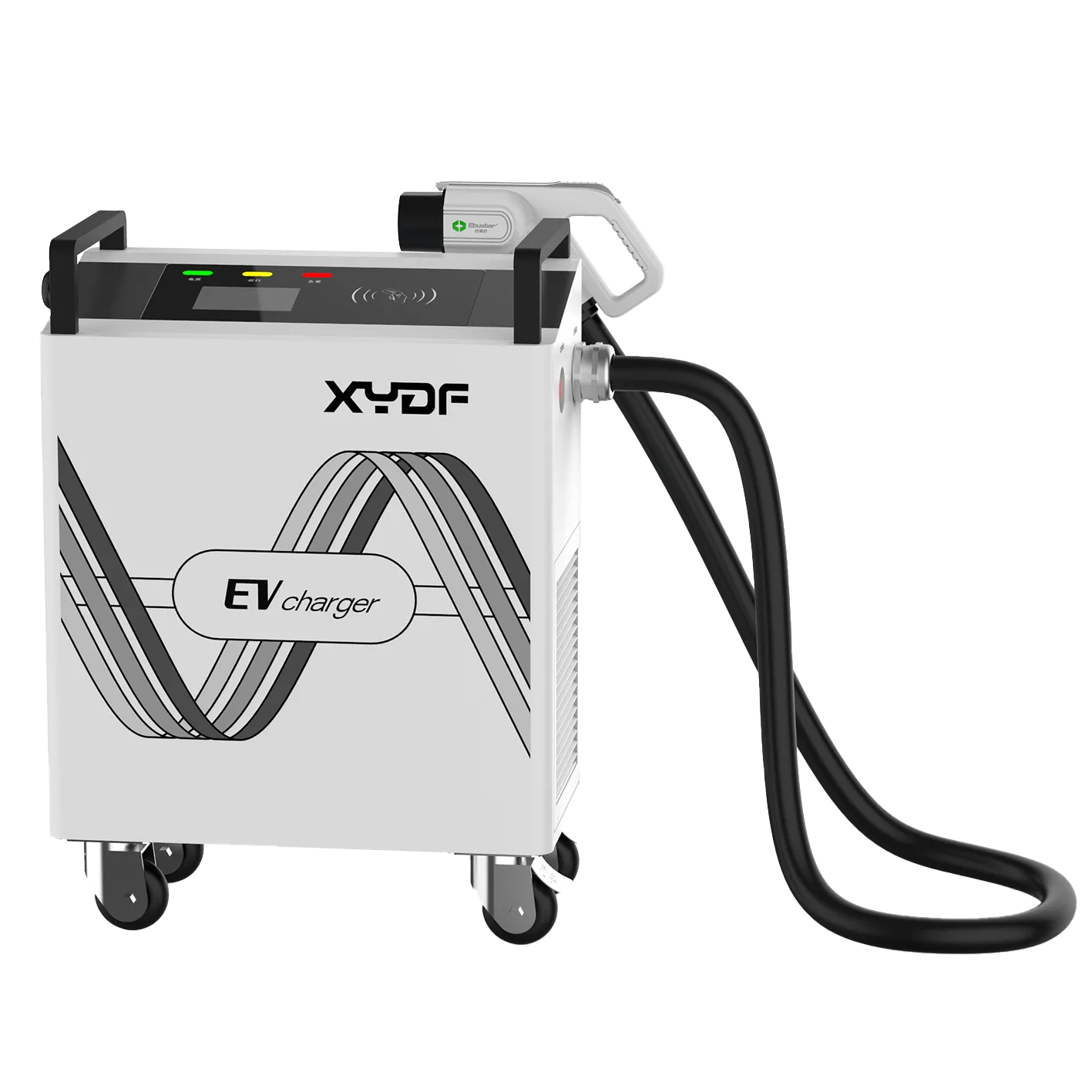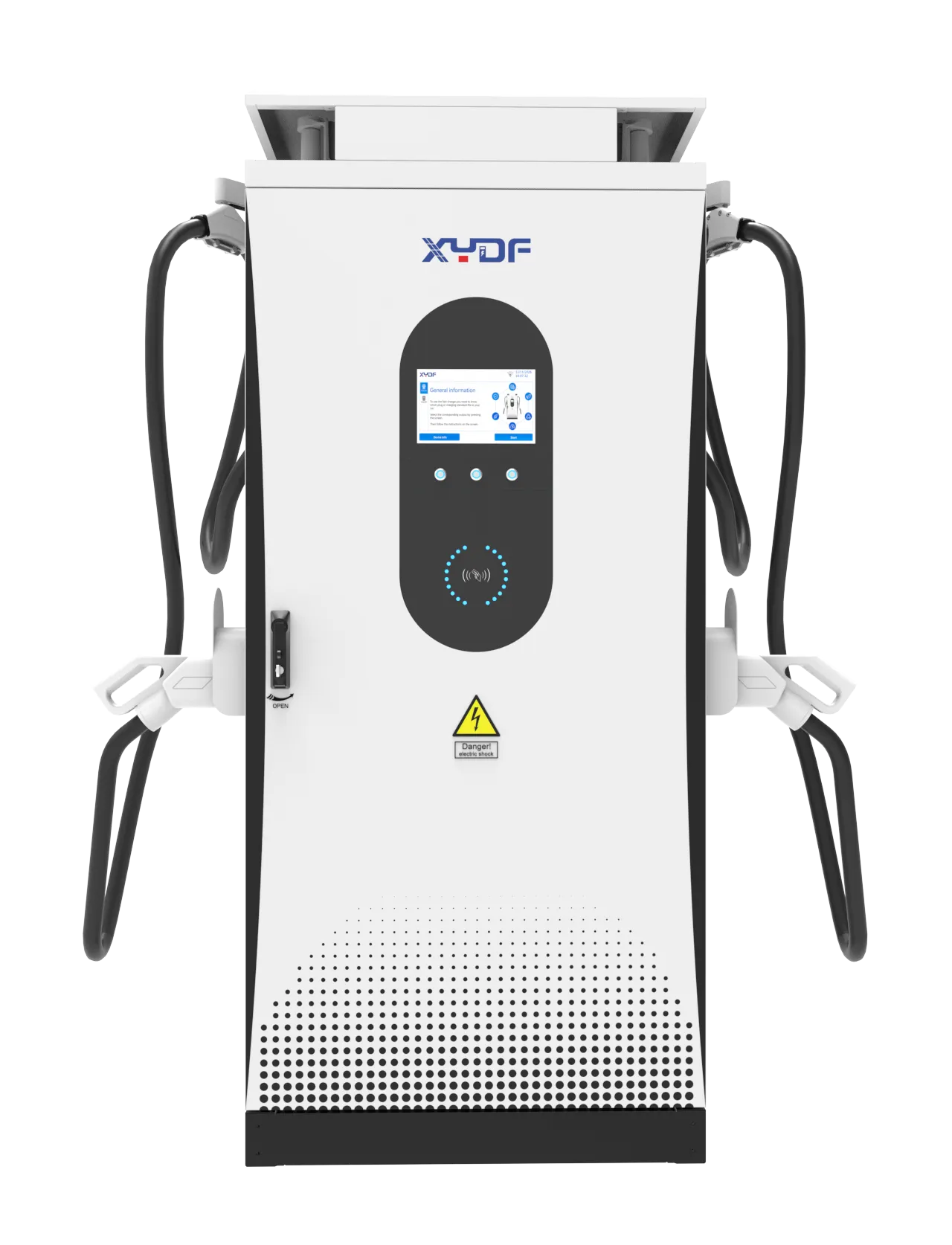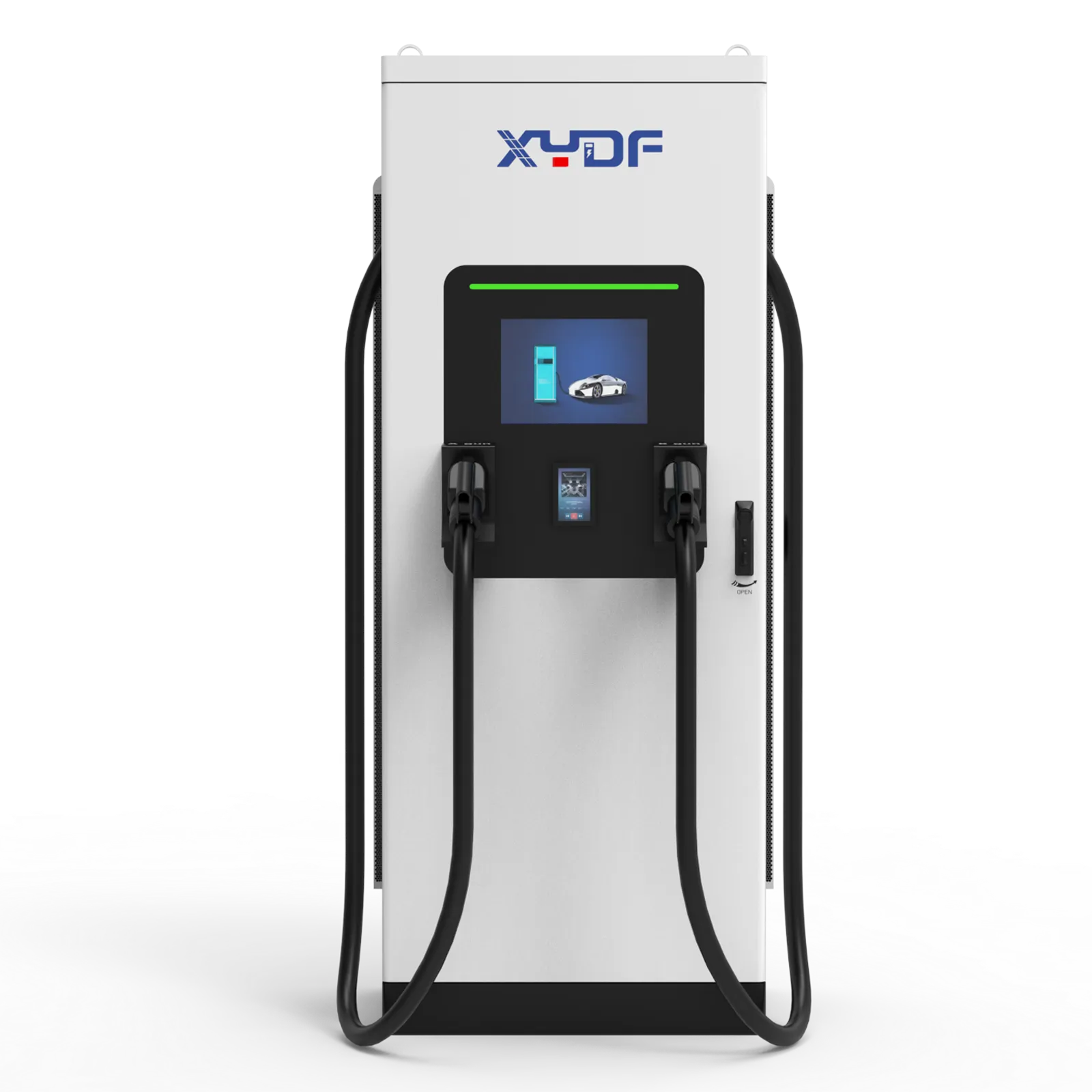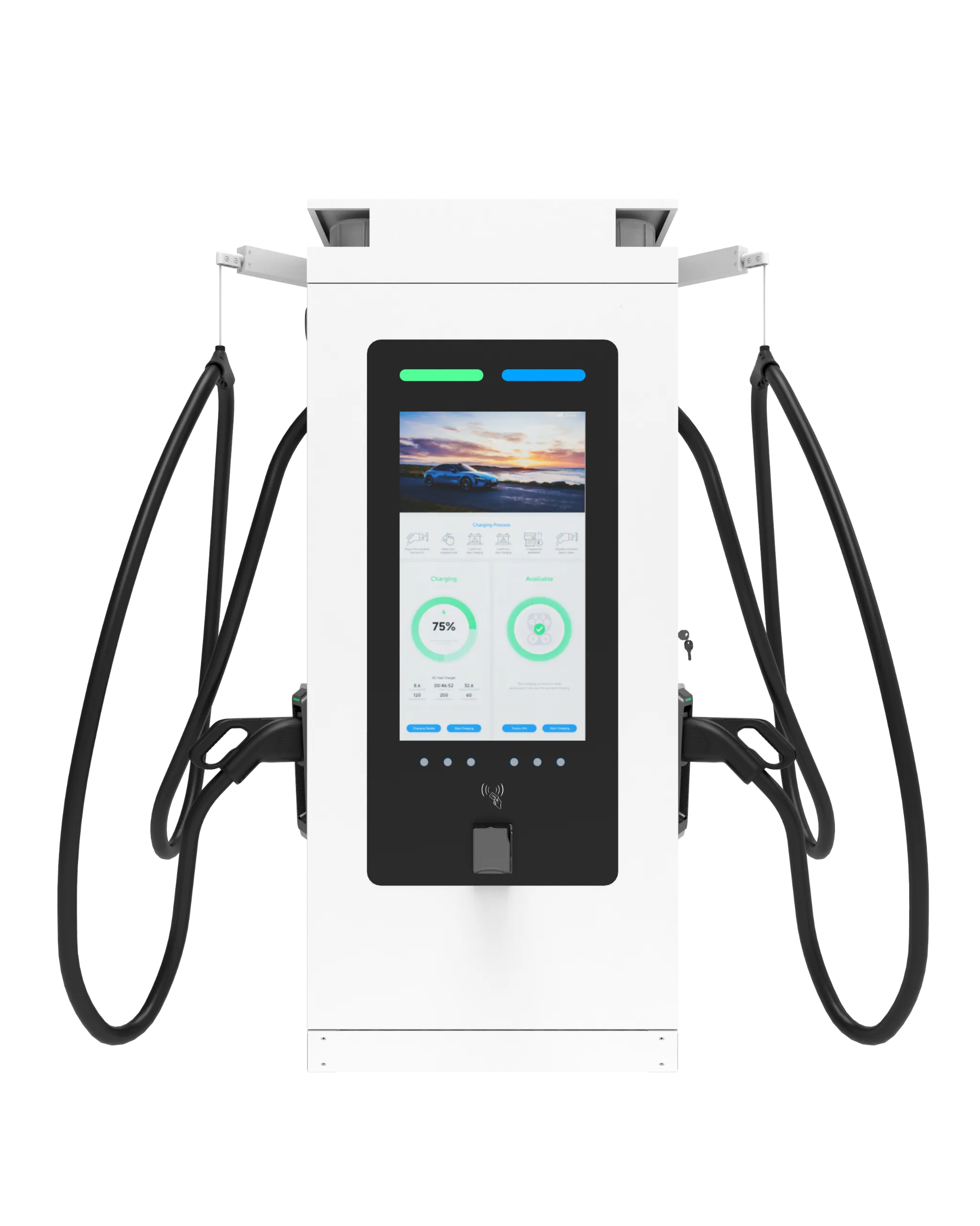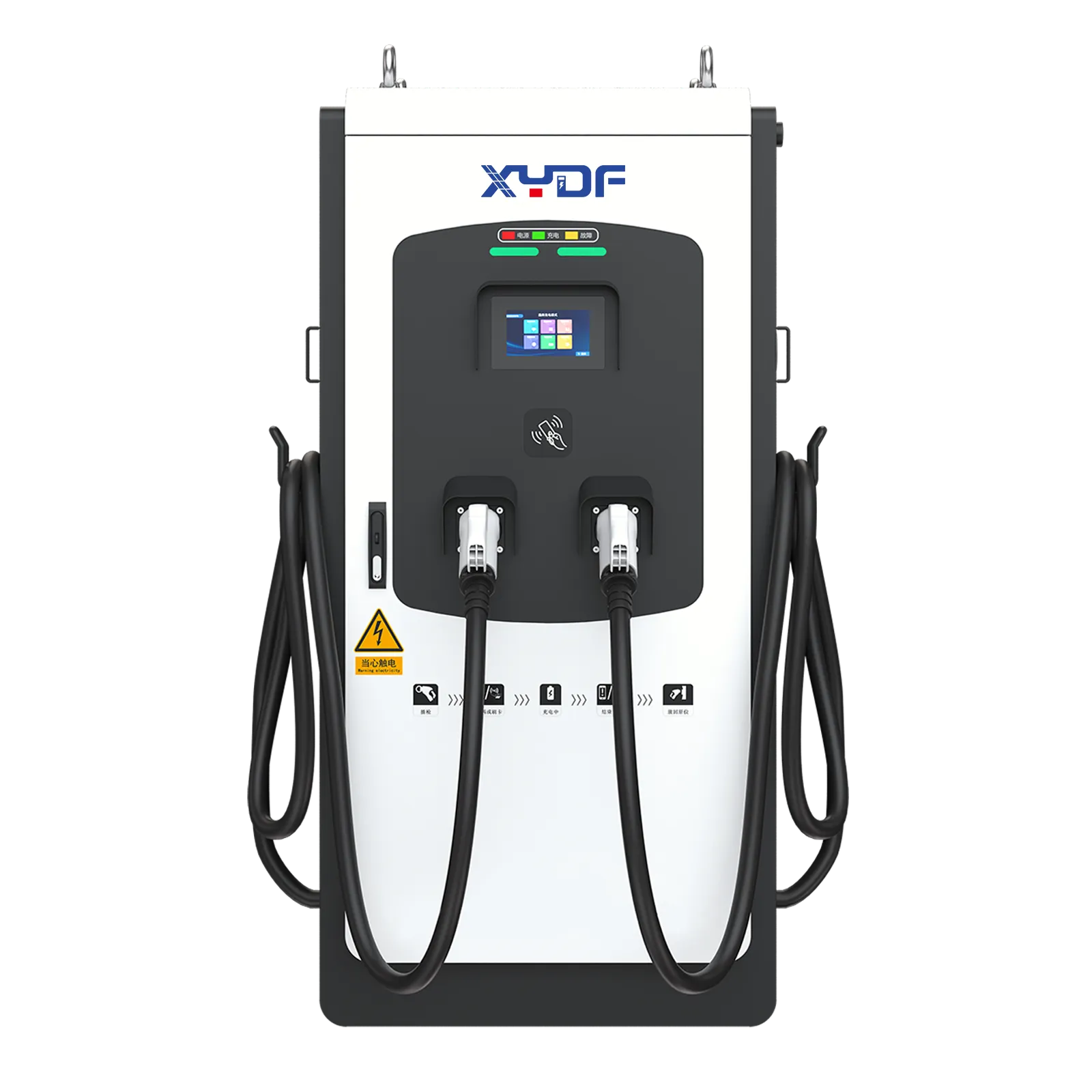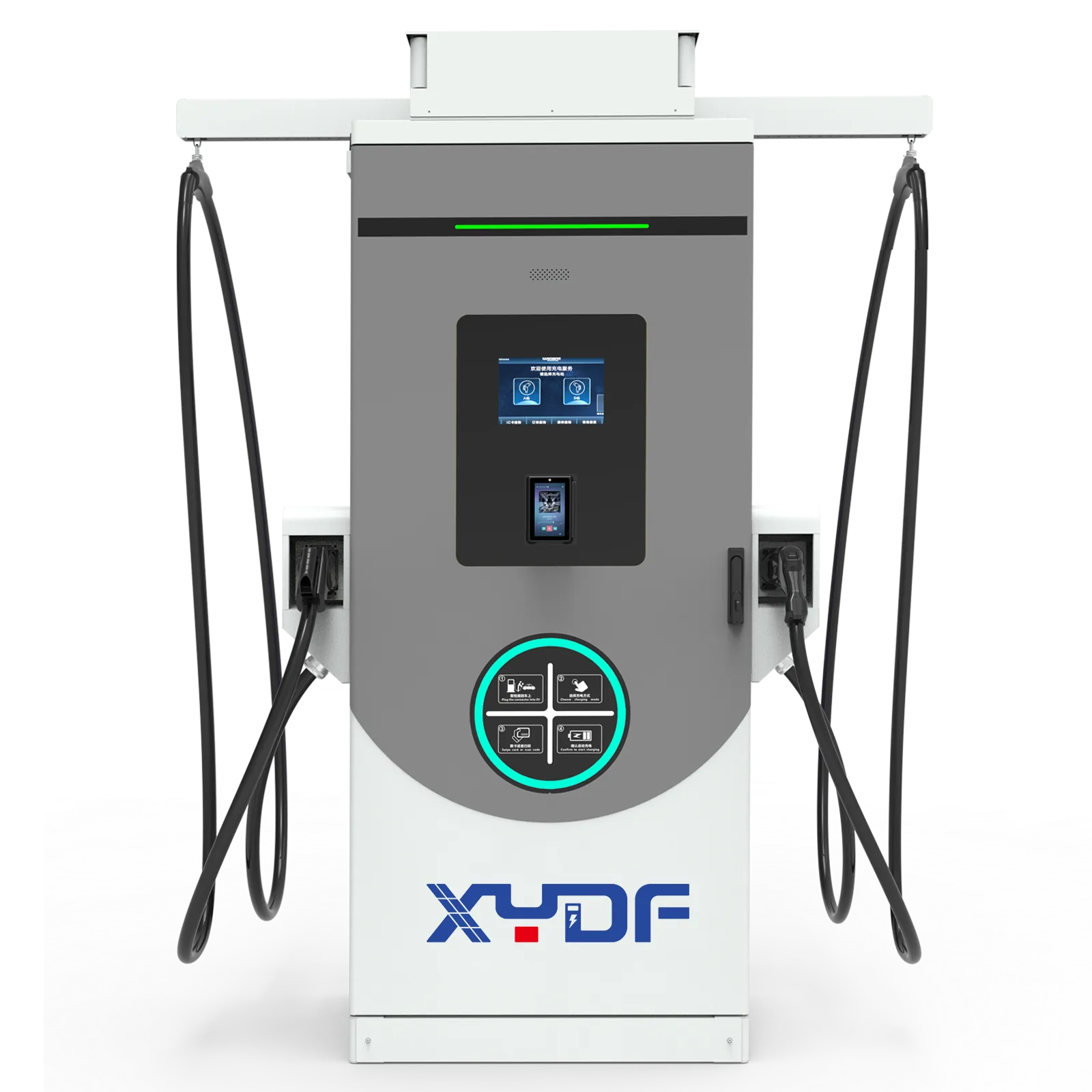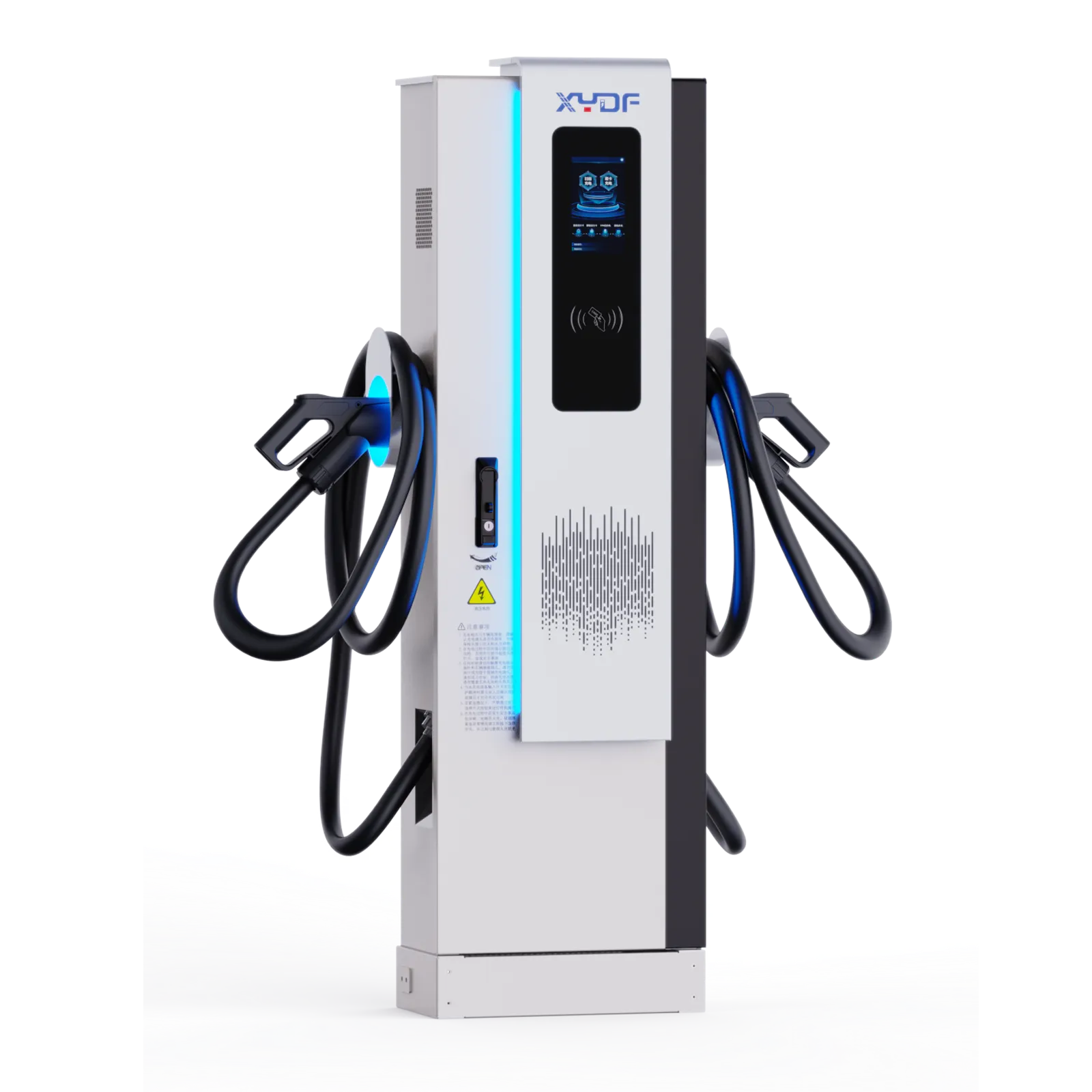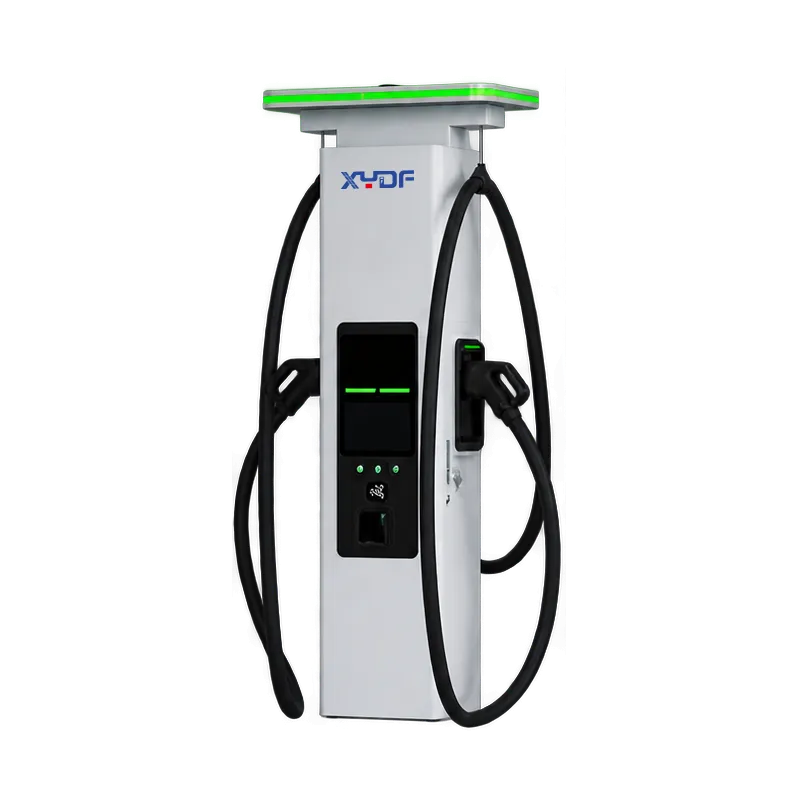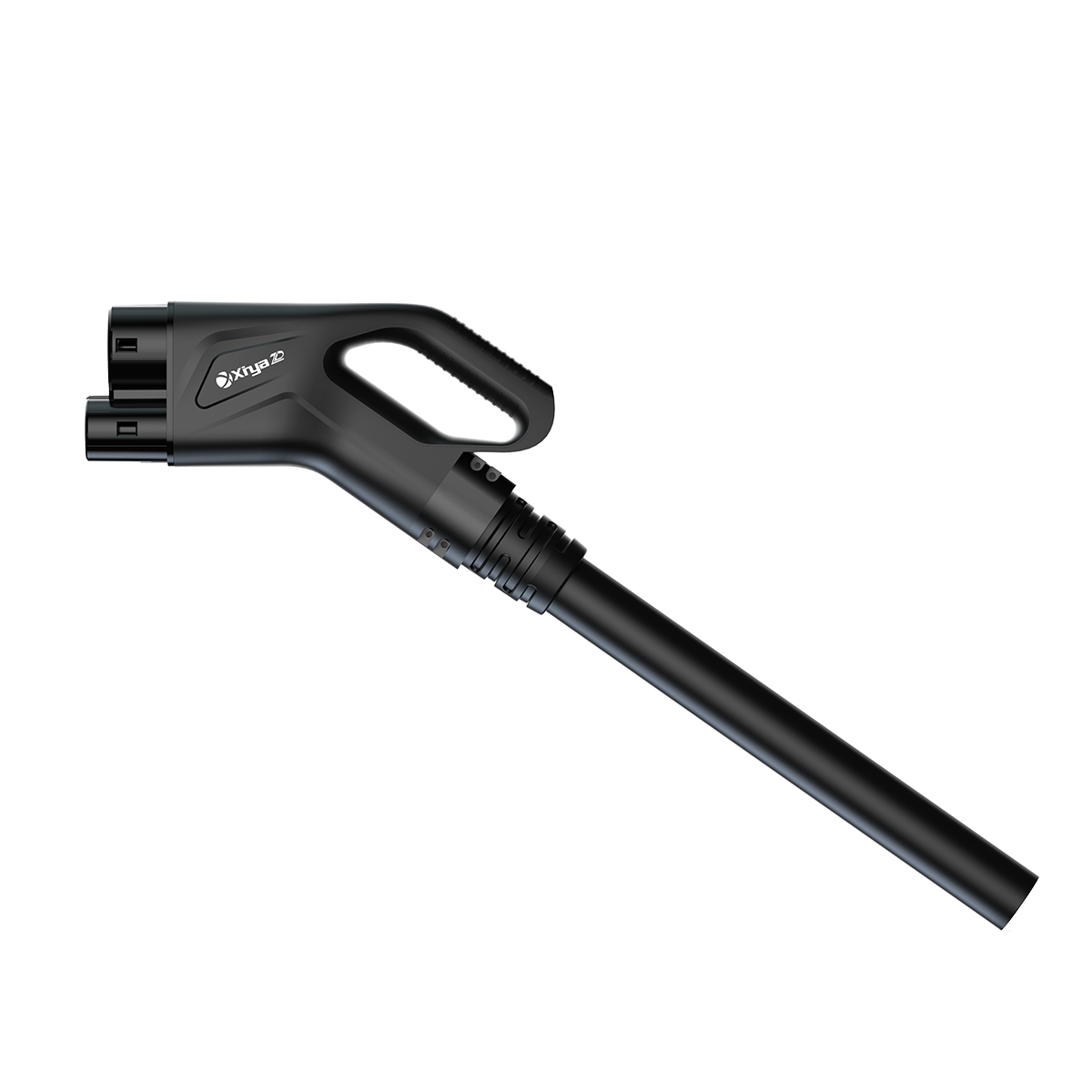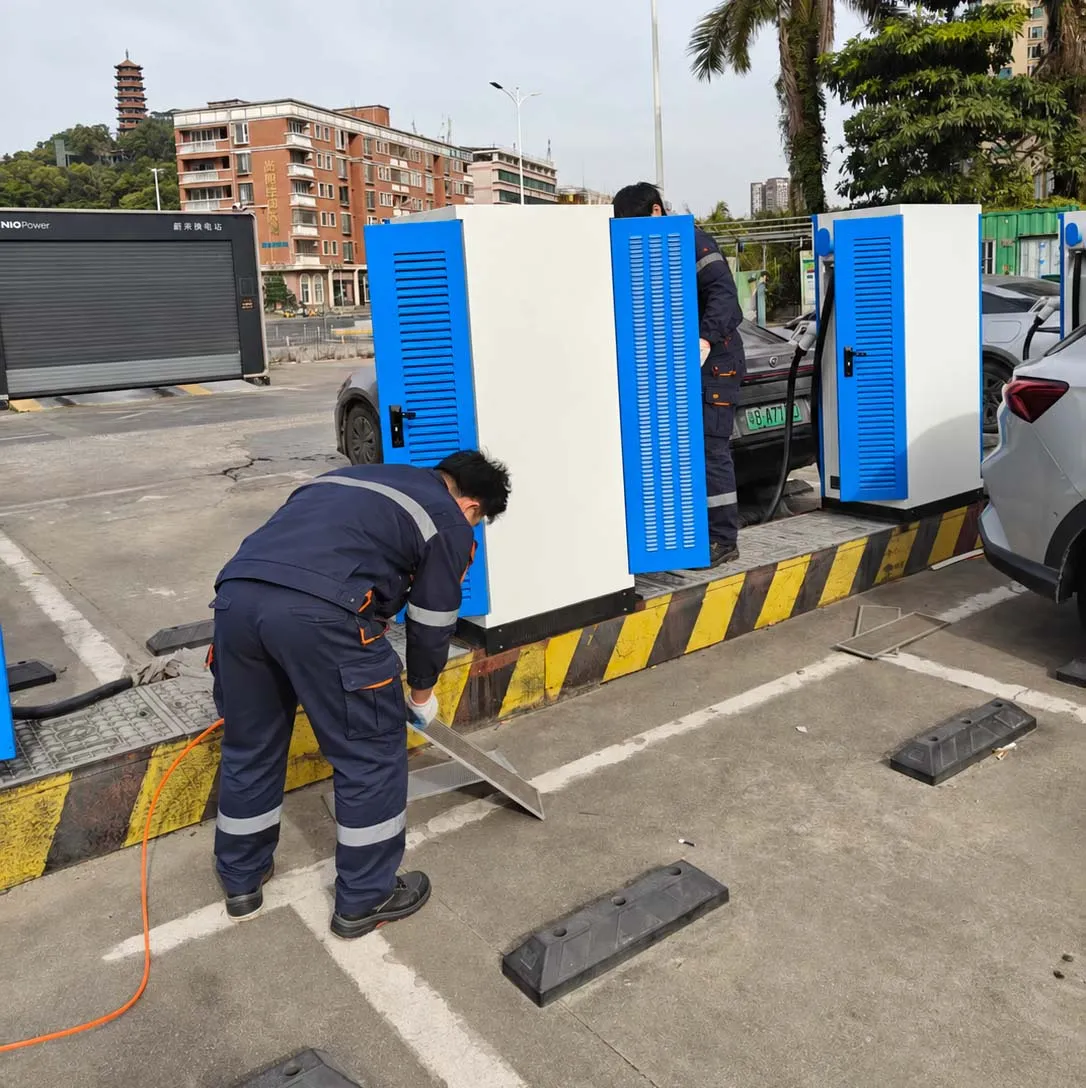
Recently, one of XYDF’s CPO customers experienced frequent charger failures. Upon inspection, our technical team discovered that the chargers had not undergone dust cleaning for nearly a year. The accumulated dust impaired heat dissipation, eventually causing overheating and burned-out charging power modules—some of the most expensive components in DC fast chargers. We had previously encountered another customer whose chargers had gone nearly two years without dust cleaning. These cases highlight how easily routine inspection and maintenance can be overlooked.
Regular inspection and maintenance can help reduce equipment failures. This guide explains the essential inspection tasks, maintenance procedures, and safety precautions, from basic checks performed by charging station operators to internal maintenance requiring professional technicians.
Routine inspections allow charging station operators to identify visible damage, cooling problems, and functional issues early. These checks generally do not require disconnecting the main power supply or opening the charger cabinet.
Visual inspection focuses on the charger’s exterior, charging connectors, ventilation openings, and surrounding environment.
Safety note: Do not remove protective covers, tighten screws, or clean charging connector contacts while the equipment is energized. If significant cable damage, scorching, water ingress, or other electrical safety hazards are found, take the affected equipment out of service and arrange a professional inspection.
Some smart EV chargers support fault self-diagnostics and remote monitoring, allowing operators to identify offline equipment, certain operating faults, and charging session failures. Therefore, on-site inspections should focus on functions that software cannot fully verify. For chargers without these capabilities, operators should manually check basic functions through normal operating procedures.
Safety notes:
Some maintenance tasks require opening the charger cabinet to inspect or clean internal components. These procedures must be carried out by trained and authorized professional technicians according to the manufacturer’s maintenance instructions.
Shutting down a charger does not necessarily make it electrically safe. Power must be properly isolated, and the absence of hazardous voltage verified, before internal maintenance begins.
Charging station operators are responsible for arranging maintenance, confirming the work required, and recording the results.
Safety Precautions — Essential Before Internal Maintenance
Before opening a charger cabinet or touching internal components, technicians must follow the applicable electrical safety procedures:
- Stop charging: Confirm that the charging session has ended and the vehicle has been disconnected.
- Isolate power: Disconnect and isolate all relevant power sources. Pressing the emergency stop button or turning off the display does not provide electrical isolation.
- Apply lockout/tagout (LOTO): Prevent accidental re-energization during maintenance.
- Allow stored energy to discharge: Follow the manufacturer’s specified discharge procedures, particularly for DC charging modules and DC-link capacitors.
- Verify the absence of hazardous voltage: Trained and authorized technicians must use appropriate testing equipment to confirm that the relevant circuits are safe before starting internal maintenance.
Important warning: Hazardous voltage may remain inside an EV charger even after it has been shut down. Personnel without the required training and authorization must not open the cabinet or perform internal electrical maintenance.
Dust accumulation can restrict airflow, reduce cooling efficiency, and cause charging power modules to overheat or fail. Cooling system maintenance is particularly important for air-cooled DC fast chargers.
Safety note: Cooling system designs vary between charger models. Follow the manufacturer’s recommended cleaning methods to avoid accidental damage to electrical components.
For liquid-cooled chargers, additional maintenance may be required for coolant, hoses, and pumps. See our Liquid-Cooled DC Fast Charger Maintenance Checklist for further information.
Vibration and temperature fluctuations during long-term operation may affect the reliability of electrical and mechanical connections. Technicians should inspect electrical terminals, grounding connections, and mounting screws for looseness, overheating, corrosion, or other visible abnormalities.
Safety note: Do not tighten every screw indiscriminately. Electrical connections requiring adjustment must be tightened by professional technicians according to the manufacturer’s specified torque values.
In addition to cooling and electrical connections, maintenance should cover the condition of internal components and the cabinet’s protective structures.
Safety note: Damaged components should be repaired or replaced by professional technicians using procedures and replacement parts appropriate for the charger model. Operators should not attempt to remove power modules or modify internal wiring.
After maintenance, technicians should confirm that all tools and foreign objects have been removed, internal connections are secure, and protective covers and cabinet doors are properly reinstalled.
Once personnel have cleared hazardous areas, authorized personnel should remove lockout/tagout controls according to the required procedure. Power can then be restored following the manufacturer’s instructions, with the charger’s operating status and basic functions verified.
If a charging connector, electrical component, or communication module has been replaced, a functional charging test should confirm that authentication, charging initiation, power delivery, session termination, and connector release operate correctly before the charger is returned to service.
The following checklist provides charging station operators with a practical reference for scheduling routine inspections and maintenance.
| Type | Inspection and maintenance tasks | Suggested interval |
|---|---|---|
| Routine inspection | ☐ Enclosure, charging connectors, cables, and site conditions | Weekly |
| Routine inspection | ☐ Ventilation openings and external cleaning | Weekly or as needed |
| Routine inspection | ☐ Display, payment, and charging function checks | Monthly |
| Shutdown maintenance | ☐ Air filters, fans, heat sinks, and internal dust cleaning (where applicable) | Per manufacturer; more frequently in dusty environments |
| Shutdown maintenance | ☐ Electrical connections, internal components, and protective devices | Per manufacturer |
| Shutdown maintenance | ☐ Seals and internal enclosure protection | Every 6–12 months |
| Return to service | ☐ Safety confirmation and functional verification | After each maintenance session |
Checklist notes:
- Maintenance intervals: These are general recommendations. Always follow the manufacturer’s maintenance manual. Chargers operating in dusty, hot, or high-utilization environments may require more frequent inspections.
- Personnel requirements: Routine external inspections can be performed by trained charging station operators. Internal maintenance must be carried out by trained and authorized professional technicians after proper electrical isolation and verification.
- Maintenance records: Record the inspection date, charger identification number, abnormalities found, and corrective actions taken.
Special circumstances: Do not wait for the next scheduled inspection if a charger experiences a vehicle collision, water ingress, severe overheating, or repeated protective-device trips. Take the affected equipment out of service and arrange a professional assessment before restoring operation.
Routine inspections are largely similar for AC and DC chargers. Both require checks of the enclosure, charging connectors, cables, and basic charging functions.
The main differences are in internal maintenance. AC chargers generally have simpler electrical structures, with maintenance focusing on electrical connections, contactors, and protective devices. DC fast chargers also require attention to charging power modules and cooling systems, which may include fans, filters, heat sinks, or liquid-cooling components.
Specific inspection tasks and maintenance intervals should always follow the requirements for the charger model and its cooling design.
Regular inspection and maintenance help reduce equipment failures and safety risks, improve charging station reliability, and minimize operating losses caused by unplanned downtime. For charging station operators, proper maintenance also contributes to a better charging experience for drivers.
XYDF not only provides EV chargers and EV charging solutions but also offers comprehensive after-sales support. Attention to detail makes all the difference. Charge your site now!
 Xinya Dongfang Electricity Technology Co., Ltd.