 Xinya Dongfang Electricity Technology Co., Ltd.


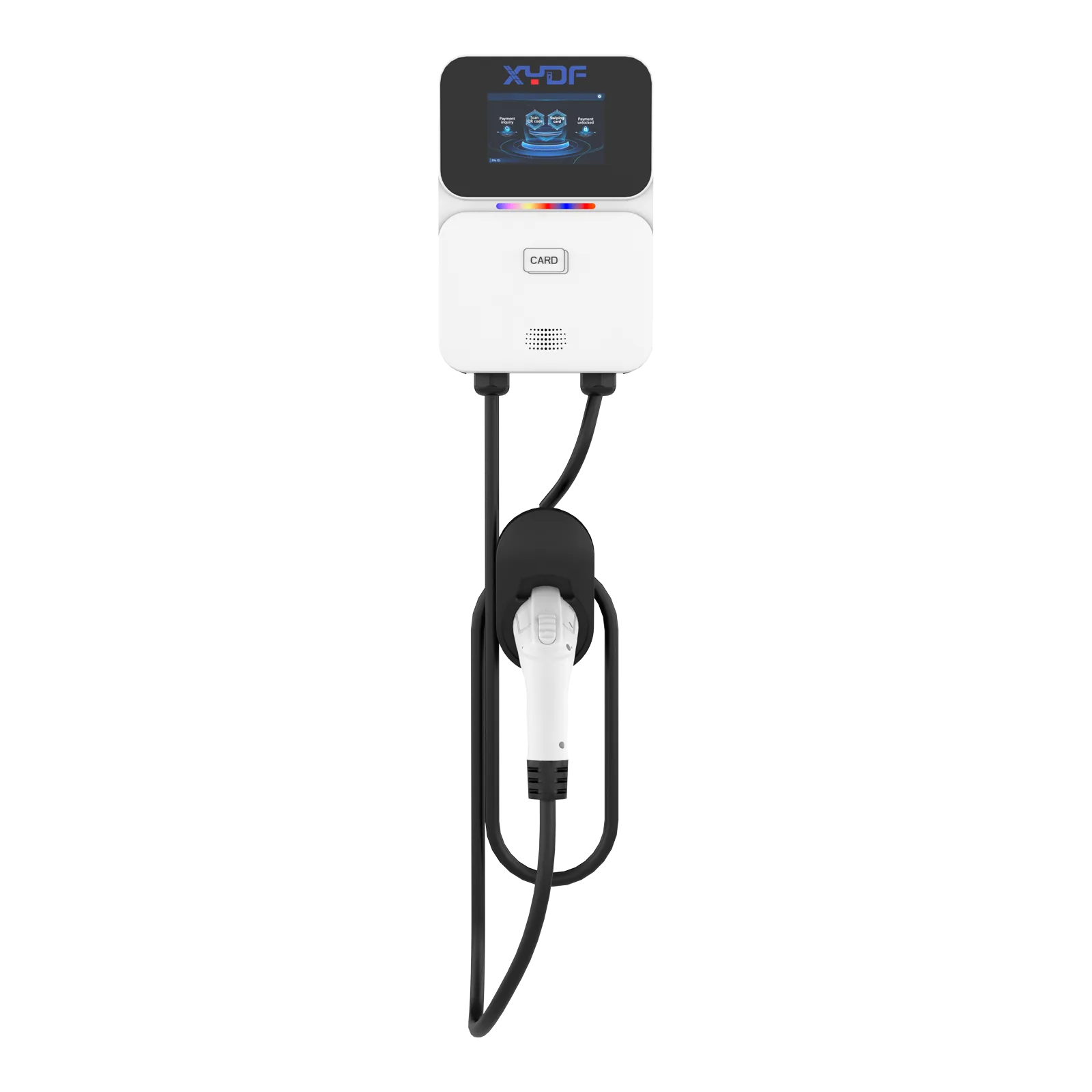
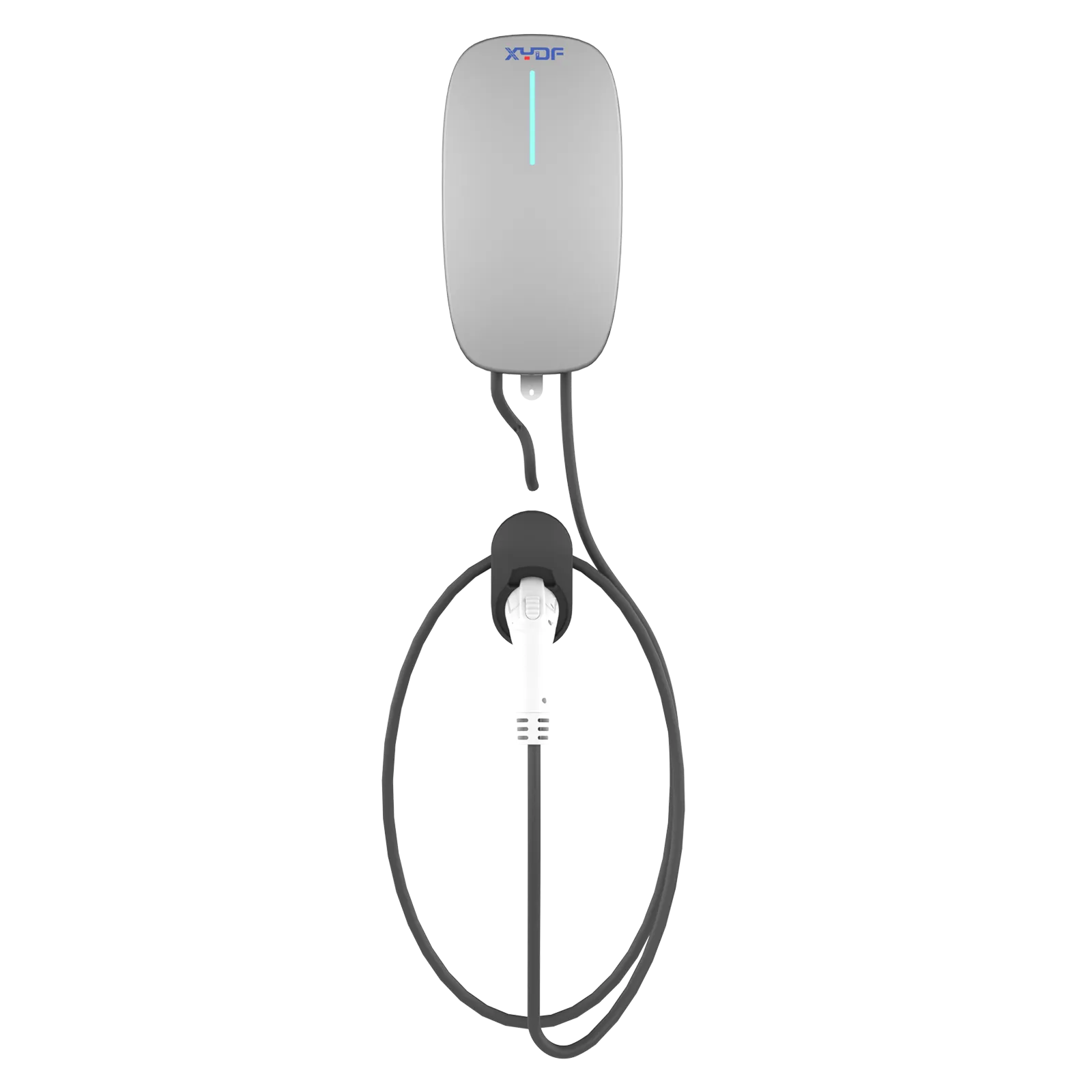
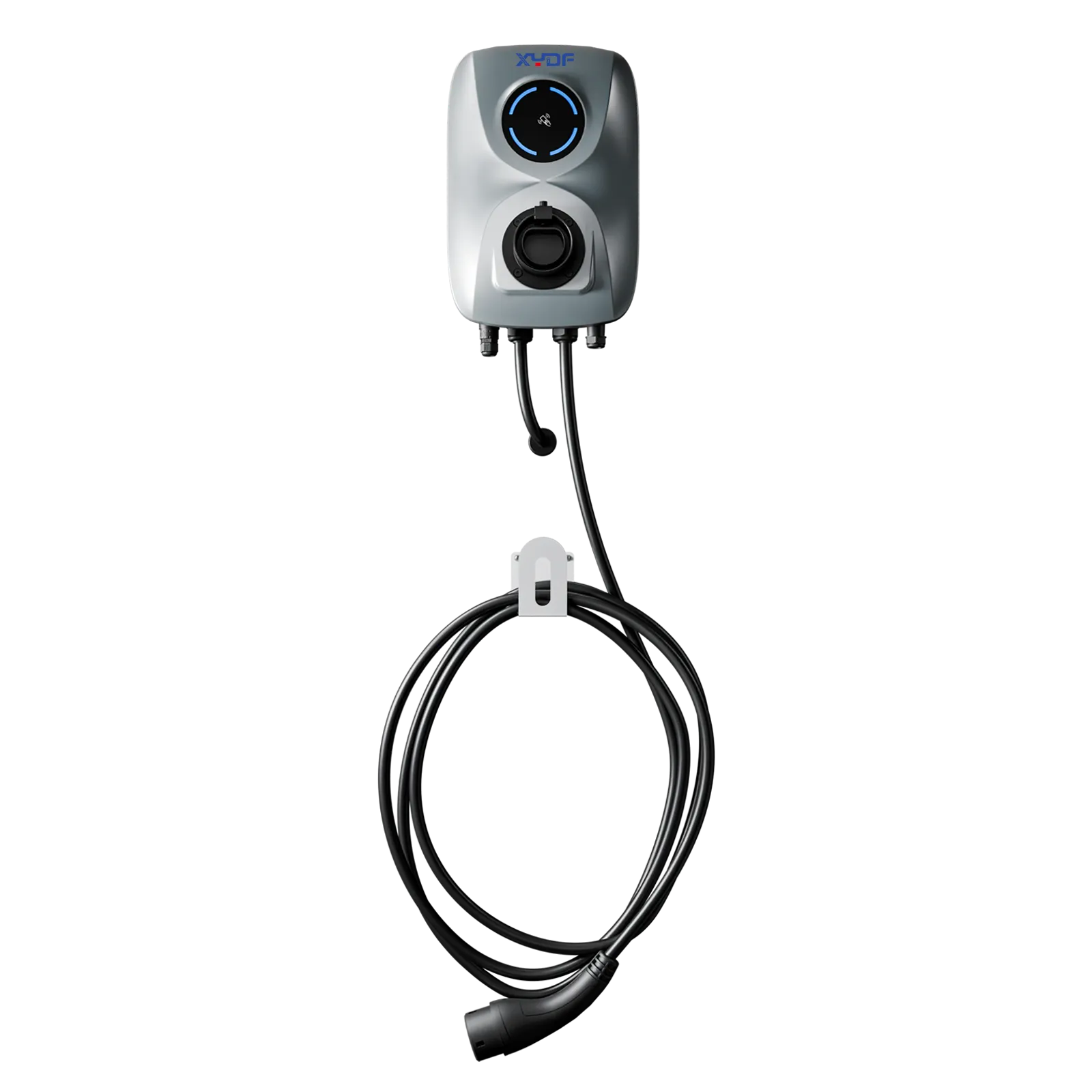
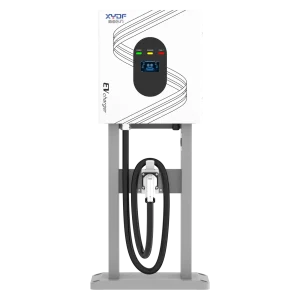

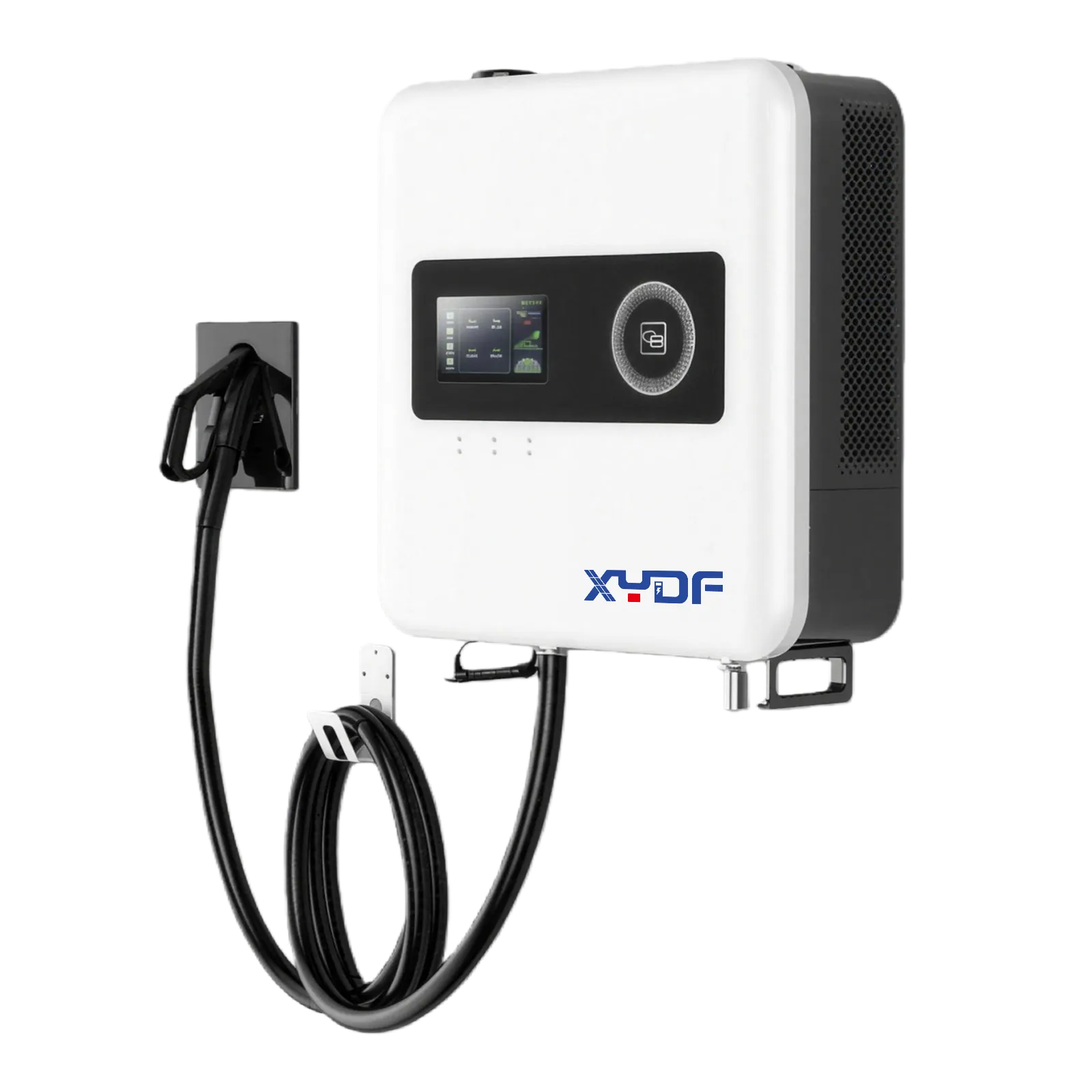
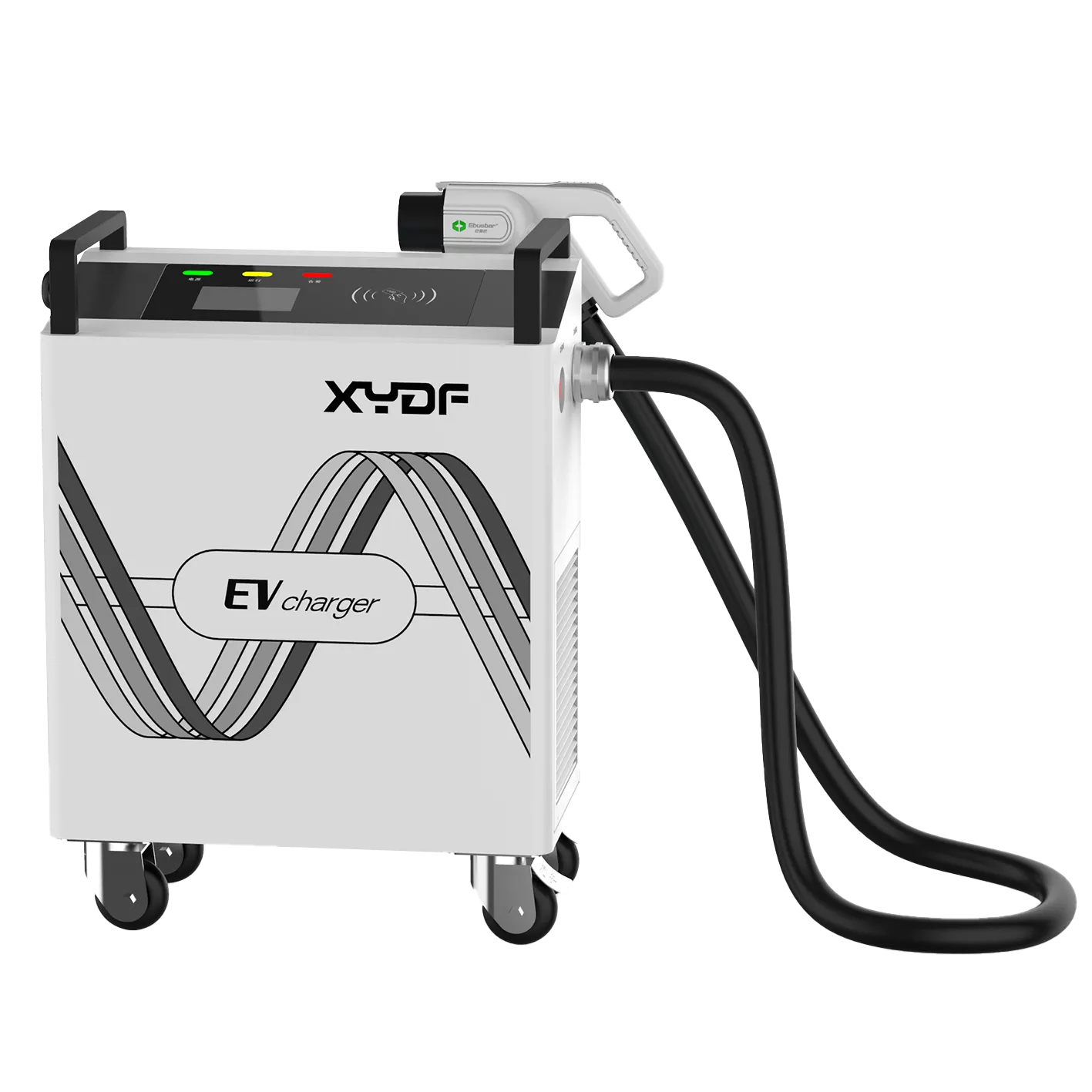
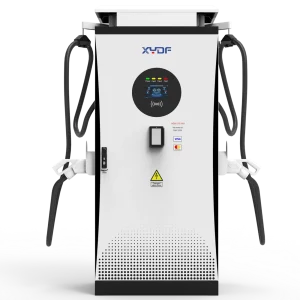
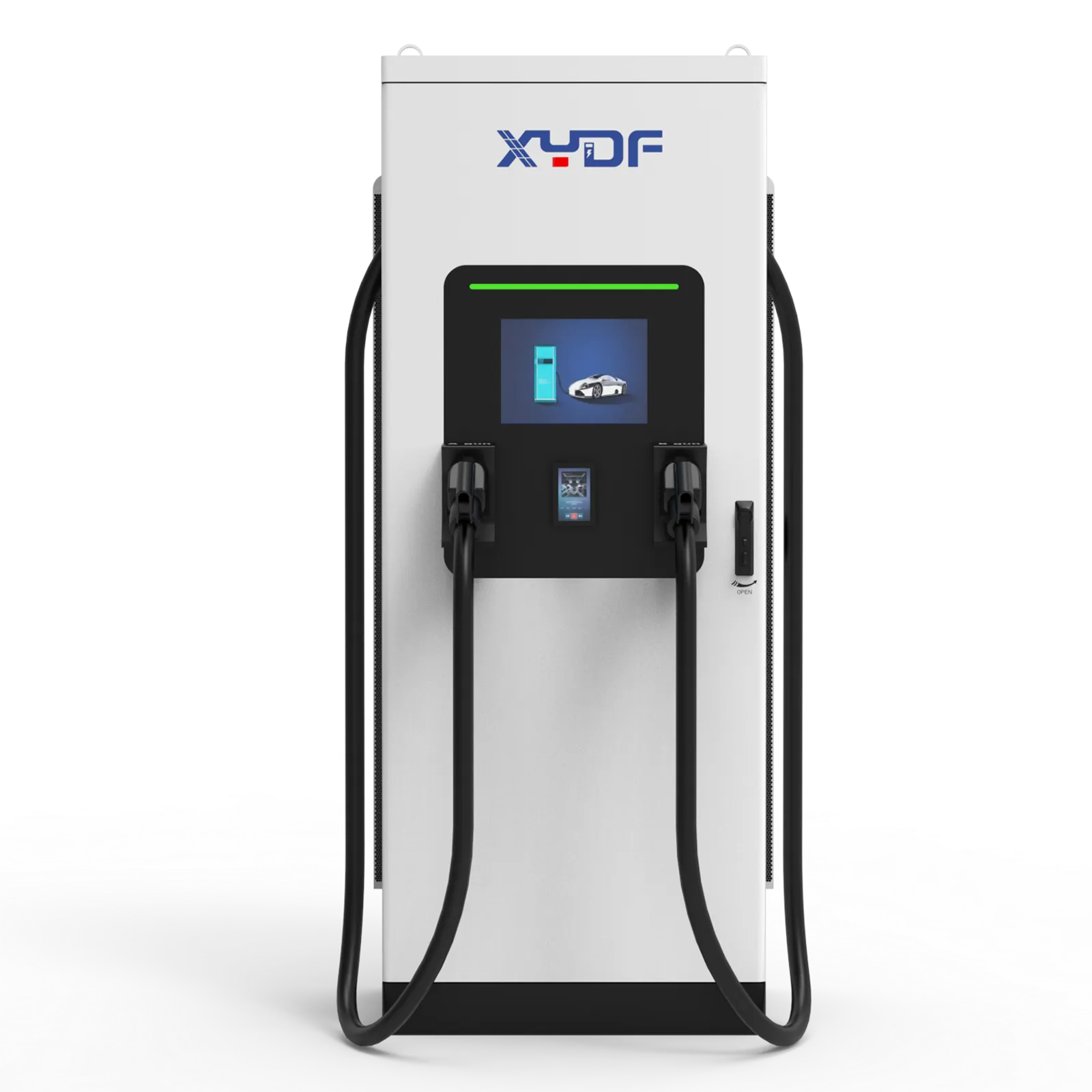
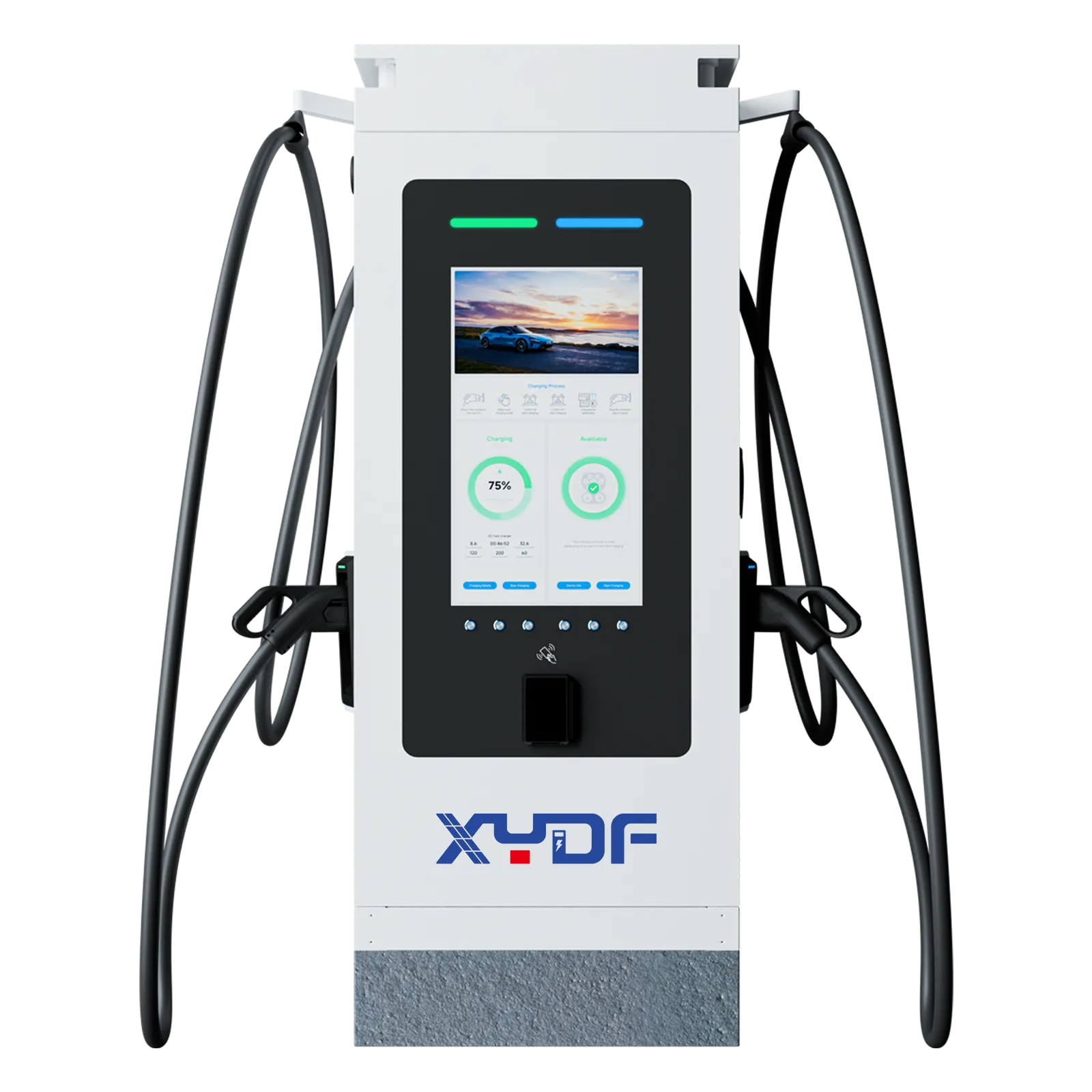
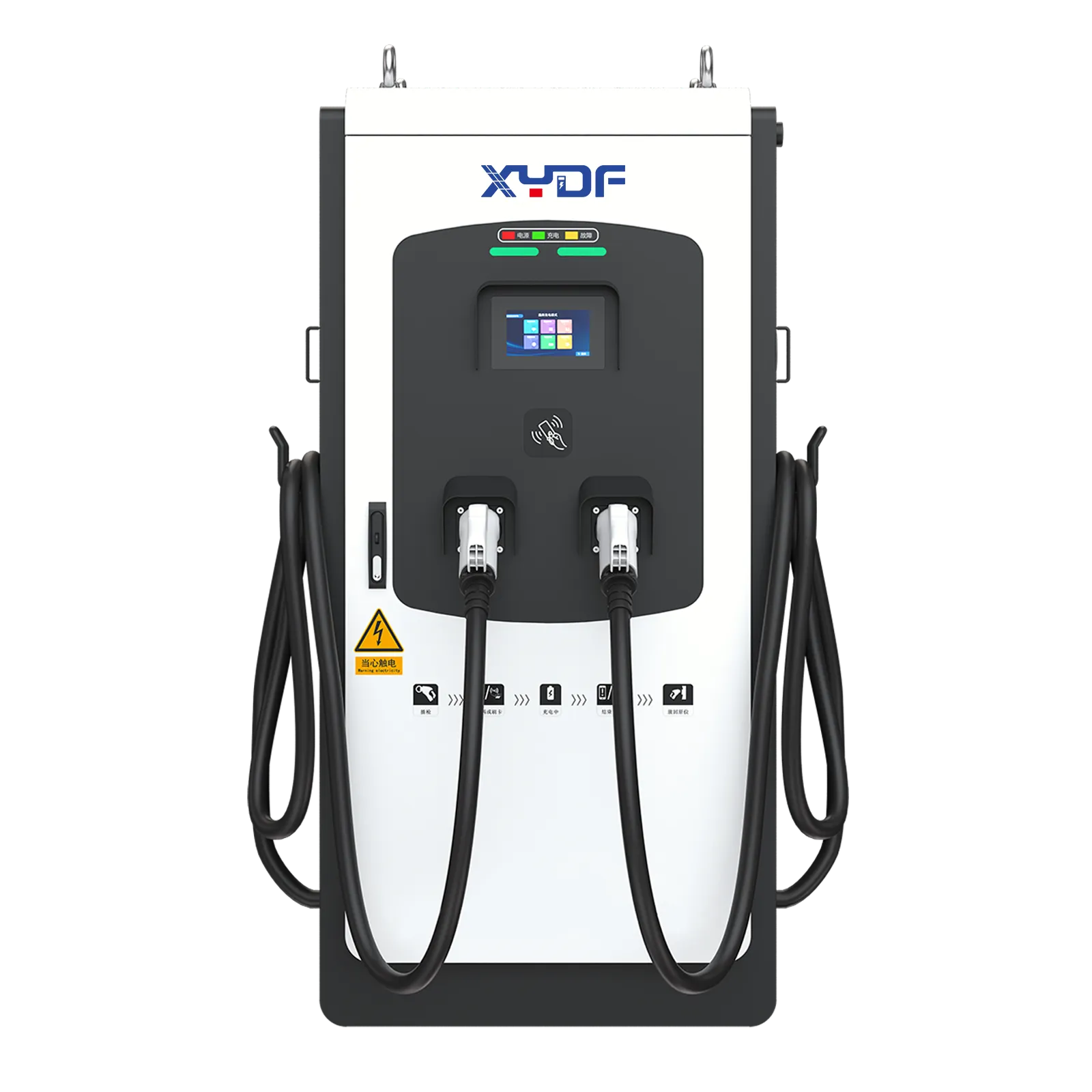
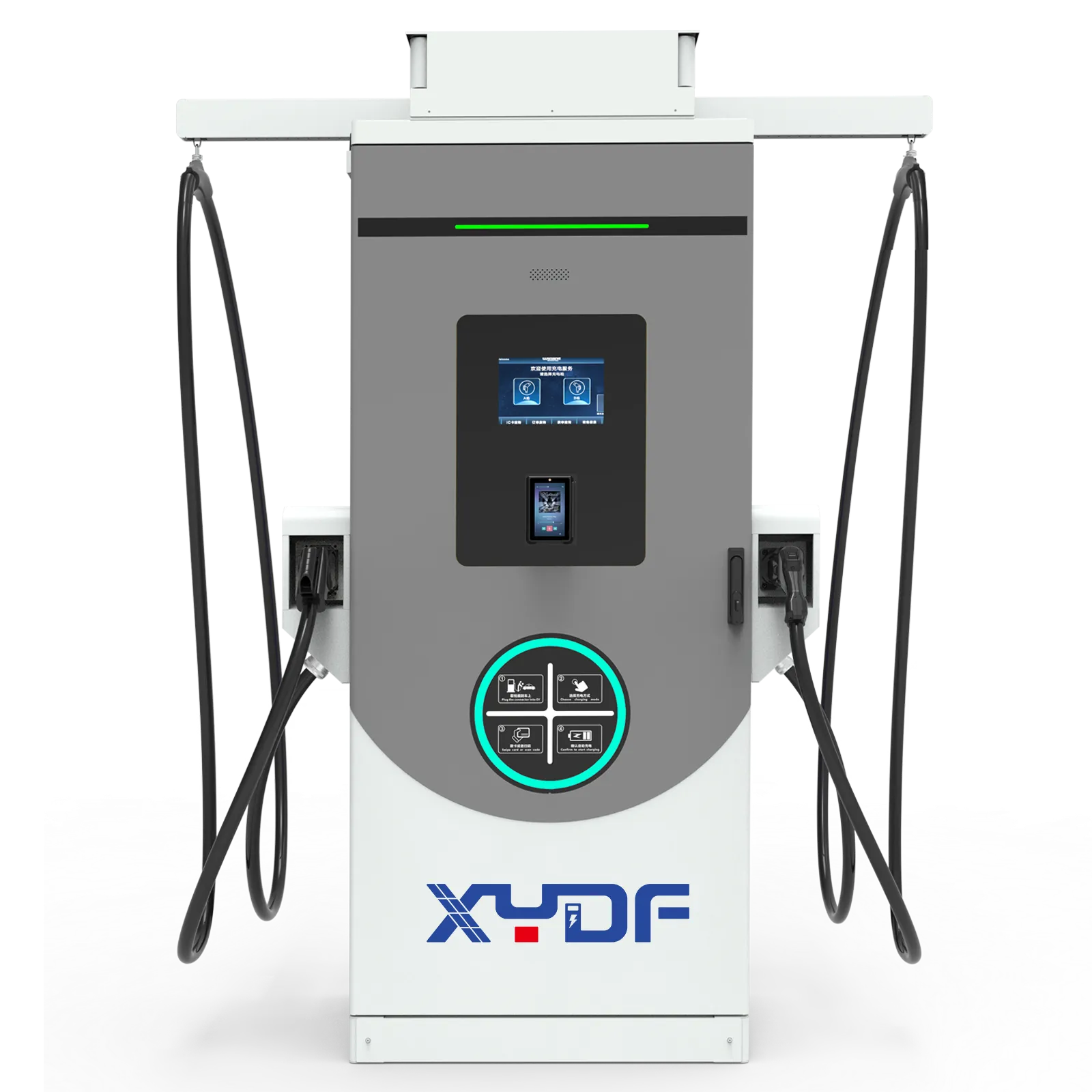
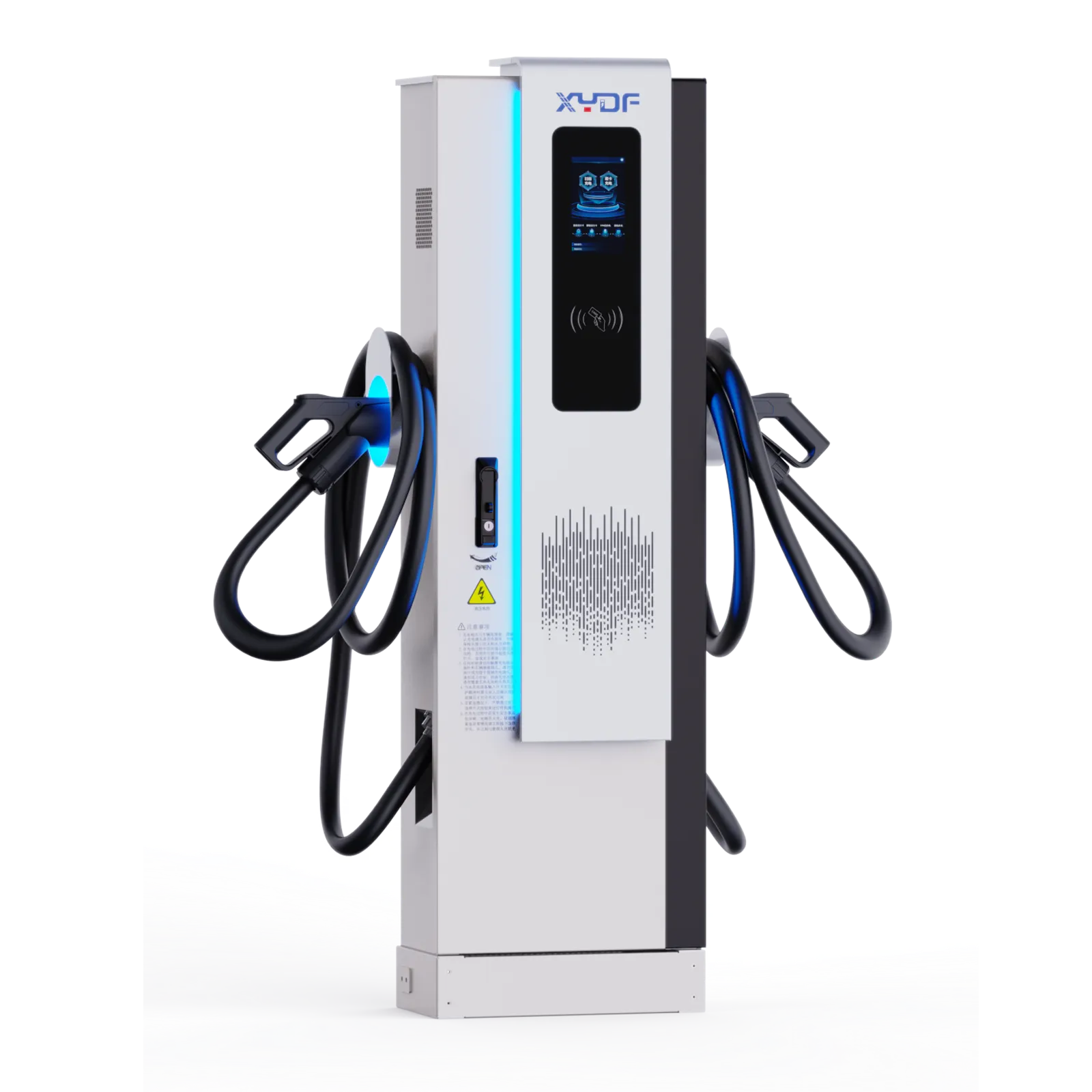
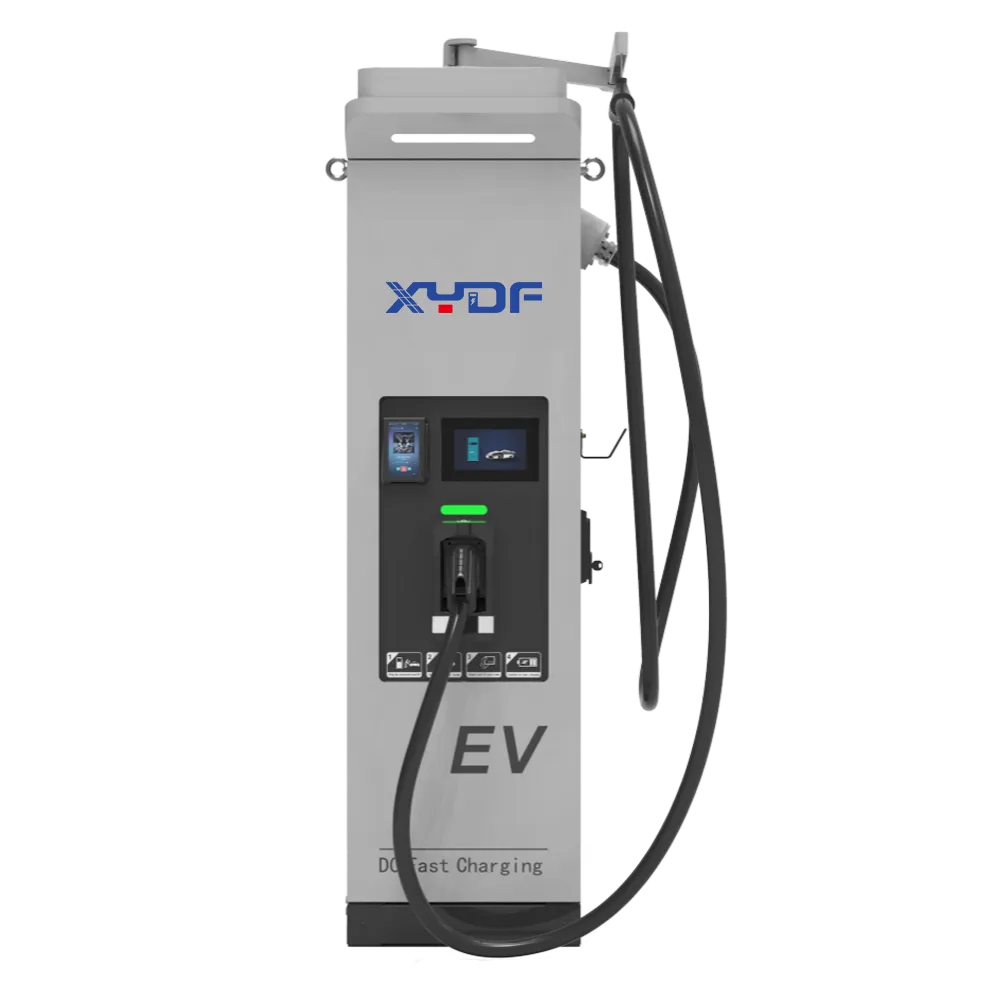
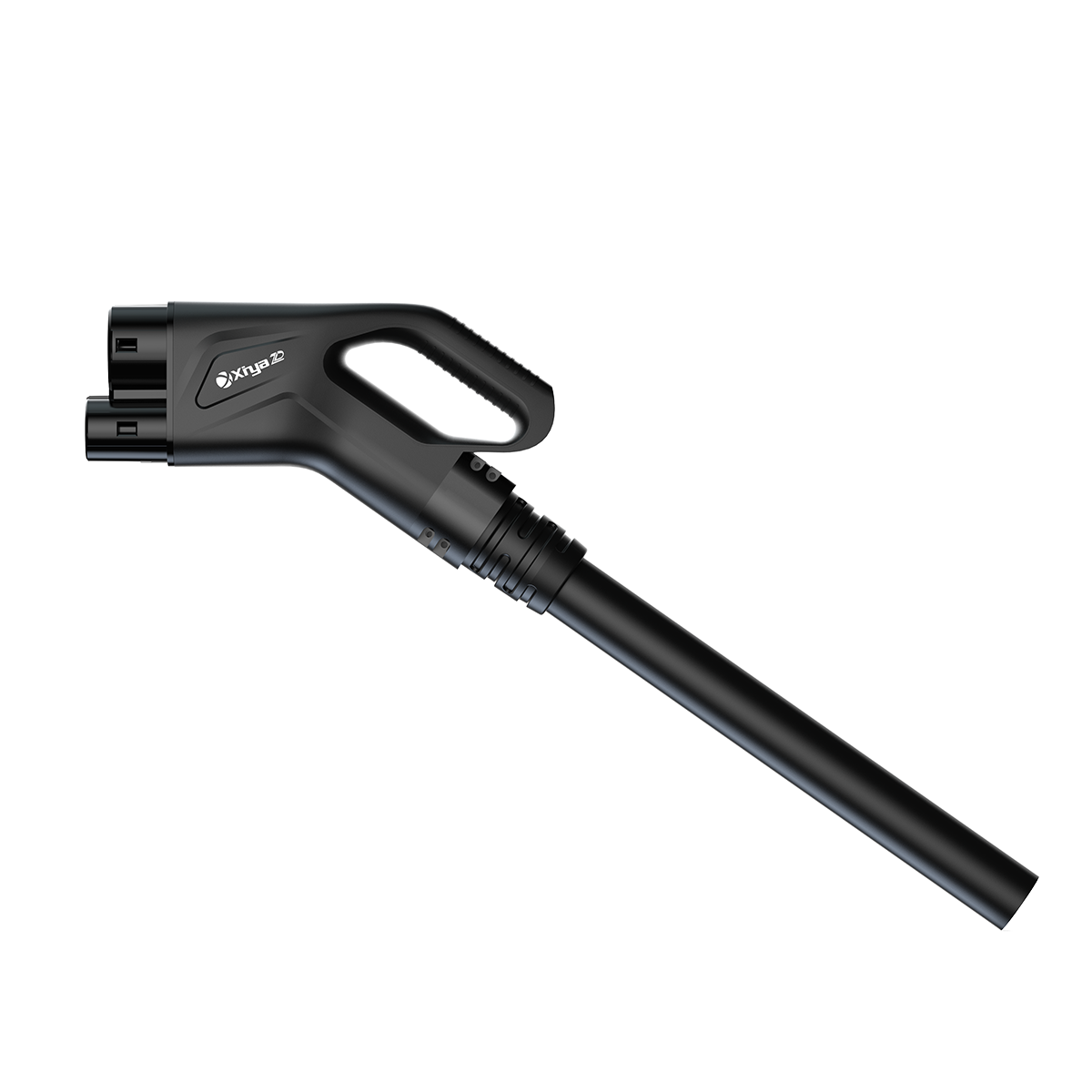
When an accessibility inspector reviewed a new commercial charger, the unit energized correctly but the connector could not reach the vehicle without crossing the transfer area. A protective bollard narrowed the route, and the payment screen faced away from the approach. The equipment was not defective; the parking layout had treated accessibility as a checkbox instead of a complete trip from arrival to payment.
Accessible EV charging starts with a continuous accessible route, usable controls and manageable cable reach. The 2010 ADA Standards provide the federal baseline for parking and routes in covered facilities, while the U.S. Access Board and local authorities interpret how those principles apply to charging. Confirm the destination jurisdiction, document the design review and avoid claiming compliance until the responsible inspector accepts the installation.
What route must remain usable from the bay to the controls?
Begin at the site entrance and trace the route to the charging bay, charger face, payment control and nearby destination. Identify slopes, curb ramps, drainage grates, bollards, wheel stops and pavement joints. An accessible bay that reaches the charger but not the sidewalk is incomplete. Coordinate with the building owner when a route crosses a shared parking aisle or entrance plaza.
Accessible EV charging may be required by a federal program, state code, local ordinance, contract or an owner’s policy. Count the spaces and charger ports that a project brief promises, then ask the authority having jurisdiction how allocation is determined. Do not assume every accessible bay must carry a dedicated connector or that one multiport unit can serve any bay without review.
The U.S. Access Board’s EV charging recommendations discuss a mobility-feature charging space at least 132 inches wide, but that figure is guidance rather than a universal code rule. Verify the adopted dimensions, slopes and transfer-space requirements for the destination before freezing the striping plan.
How do cable reach and connector weight affect the bay layout?
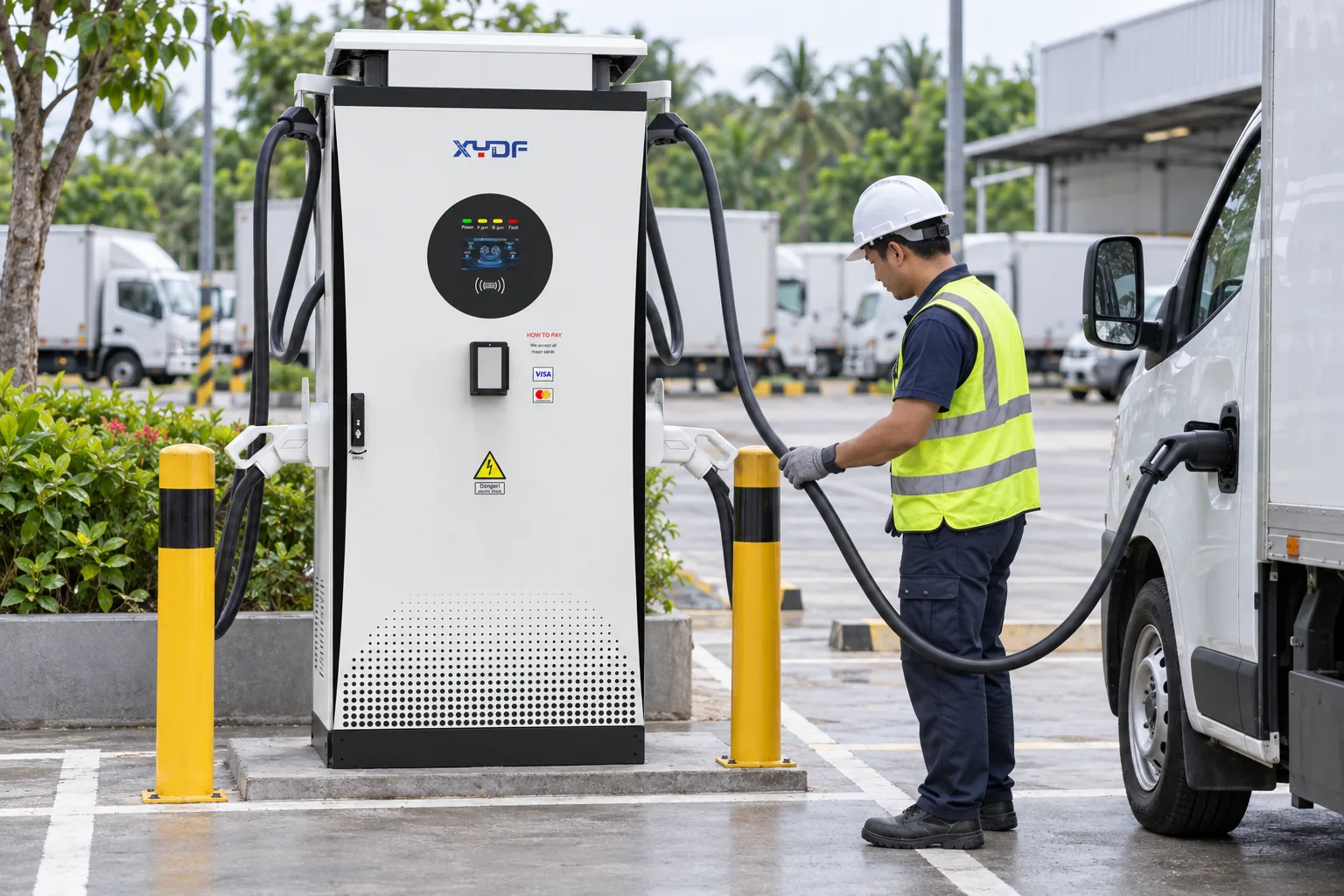
EV charging cable reach, connector weight, vehicle inlet position and charger orientation all affect usability. A cable that reaches a rear inlet may pull across a wheelchair transfer area when the inlet is at the front. Test representative vehicles where possible, but do not publish a universal reach number without evidence. Store the connector so it does not hang into the walkway or rest on the ground.
Place bollards to protect the charger from moving vehicles while preserving the clear route and transfer area. Wheel stops can create a second obstruction if they are placed where a wheelchair user needs foot or chair clearance. Use a full-scale layout review with cones or temporary markings before pouring concrete; it is cheaper to move a bollard in a drawing than after inspection.
Why must payment, signage and emergency controls be reviewed together?
A physically accessible bay still fails if the driver cannot use the reader, screen or emergency control. Review operating height, reach range, contrast, glare, tactile indications and the time allowed for a session. Provide an alternative payment method when a touchscreen, mobile app or contactless reader is not usable by every customer. Keep support contact information visible and ensure the phone channel can resolve a failed authorization without requiring a second trip.
Signs should identify the charging restriction, accessible designation and enforcement rule in plain language. Pavement markings should remain visible after resurfacing and winter maintenance. Avoid decorative arrows that imply a route different from the constructed path. The final inspection should include the sign face, payment flow, connector release and emergency stop, not only the concrete dimensions.

How should federal guidance and local enforcement be separated?
The ADA Standards are a regulatory design reference, not a product certification. The Access Board publishes guidance and technical assistance, while the U.S. Department of Transportation has issued rules for federally funded EV charging infrastructure. State and municipal requirements may be more specific. Keep an approval record that identifies which rule applies, who reviewed it and what assumptions remain open.
Review the route twice: once on the drawing and again with a representative vehicle, connector and payment flow. The final record should note the responsible reviewer, the adopted standard, the measured clearances and any local condition that still needs approval.
After commissioning, inspect the route after rain, snow or landscape work. Measure whether cable storage has changed, whether a bollard has shifted and whether a vehicle can exit without crossing the accessible path. Track complaints by location and distinguish a charger fault from a layout conflict. A maintenance contractor should know that clearing snow or replacing a connector cannot narrow the route.
Which accessibility design choices leave the clearest evidence?
| Design dimension | Lower-risk approach | Risk to review | Evidence to retain |
|---|---|---|---|
| Route | Continuous, unobstructed path | Drain, curb or construction conflict | Plan and site photos |
| Cable | Stored clear of walking surface | Connector crosses transfer area | Vehicle reach review |
| Protection | Bollard outside clear route | Posts or wheel stops create pinch point | Layout approval |
| Payment | Reachable reader and alternate support | Glare, height or app-only flow | Functional test record |
What should the accessibility procurement checklist capture?
- Identify federal, state, local and funding-specific accessibility rules.
- Draw the route from arrival through payment, connector use and exit.
- Test cable reach, connector handling and protection with representative users.
- Coordinate signs, markings, lighting, snow work and enforcement language.
- Record inspections, commissioning tests and post-launch maintenance ownership.
XYDF can help an EPC compare EV charging products against a documented accessibility brief. Review AC charger options or the DC fast charger range only after the bay and route are fixed, and involve the XYDF engineering and support team when connector storage or site drawings need review.
What do project teams ask before signing off accessibility?
When must an EV charger follow ADA requirements?
Covered facilities and funded projects must follow the requirements that apply to their scope; many jurisdictions also publish charger-specific rules. Have the authority having jurisdiction or an accessibility professional confirm the final design.
How is clear space beside an accessible charger determined?
The required clear space depends on the applicable accessibility standard and site configuration. Preserve the complete route and transfer area shown in the approved drawings rather than relying on a generic online dimension.
Where should an accessible EV charging space be located?
Place it on an accessible route near the building or public destination, with safe circulation and adequate lighting. Avoid locations that force a user into traffic, drainage or a blocked sidewalk.
How long should an EV charging cable be for wheelchair users?
There is no universal length that works for every vehicle and bay. Evaluate connector weight, inlet locations, storage and reach in the actual layout, then document the assumption.
Can one multiport charger serve more than one accessible space?
It may, but the port arrangement, cable reach and allocation rule must allow each space to be used independently. Confirm the arrangement with the local reviewer before procurement.
What signage, pavement markings and payment controls improve accessibility?
Use legible signs, durable markings, reachable controls and a support path that does not depend on one app. Check glare, contrast, emergency access and the language used for enforcement.
References
- 2010 ADA Standards for Accessible Design
- U.S. Access Board ADA resources
- U.S. DOT final rule on EV charging stations
Accessibility is experienced at the connector, not declared in a brochure. Use the approved route and inspection record to guide your EV charging products decision, then invite XYDF to review the next drawing set.