How Commercial EV Charging Sites Can Control Peak Electricity Demand
أغسطس 10,2026
مدونة
Commercial charging demand charges are controlled by limiting coincident site power, not by simply installing fewer connectors. Where an applicable tariff includes a demand component, a short overlap between building load and charging sessions can matter separately from the total kilowatt-hours delivered. The practical starting point is a measured load profile, a verified site limit, and operating rules that allocate the available capacity deliberately. For broader context, review the PV + ESS + EV Charging Guide و ال commercial EV charging business guide.
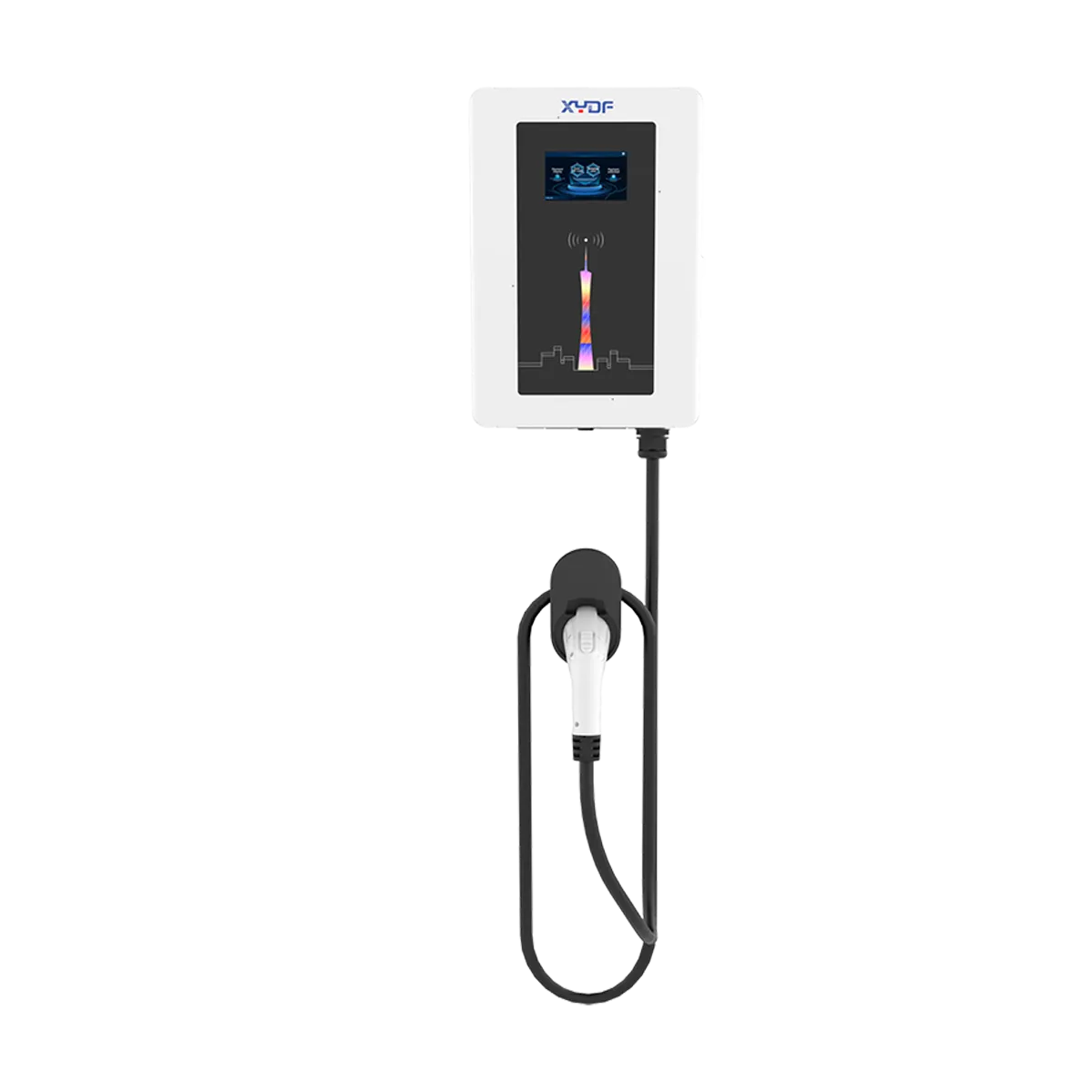
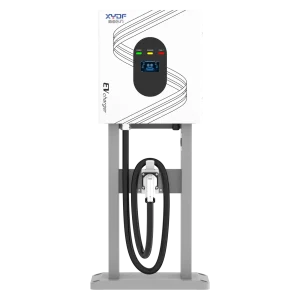
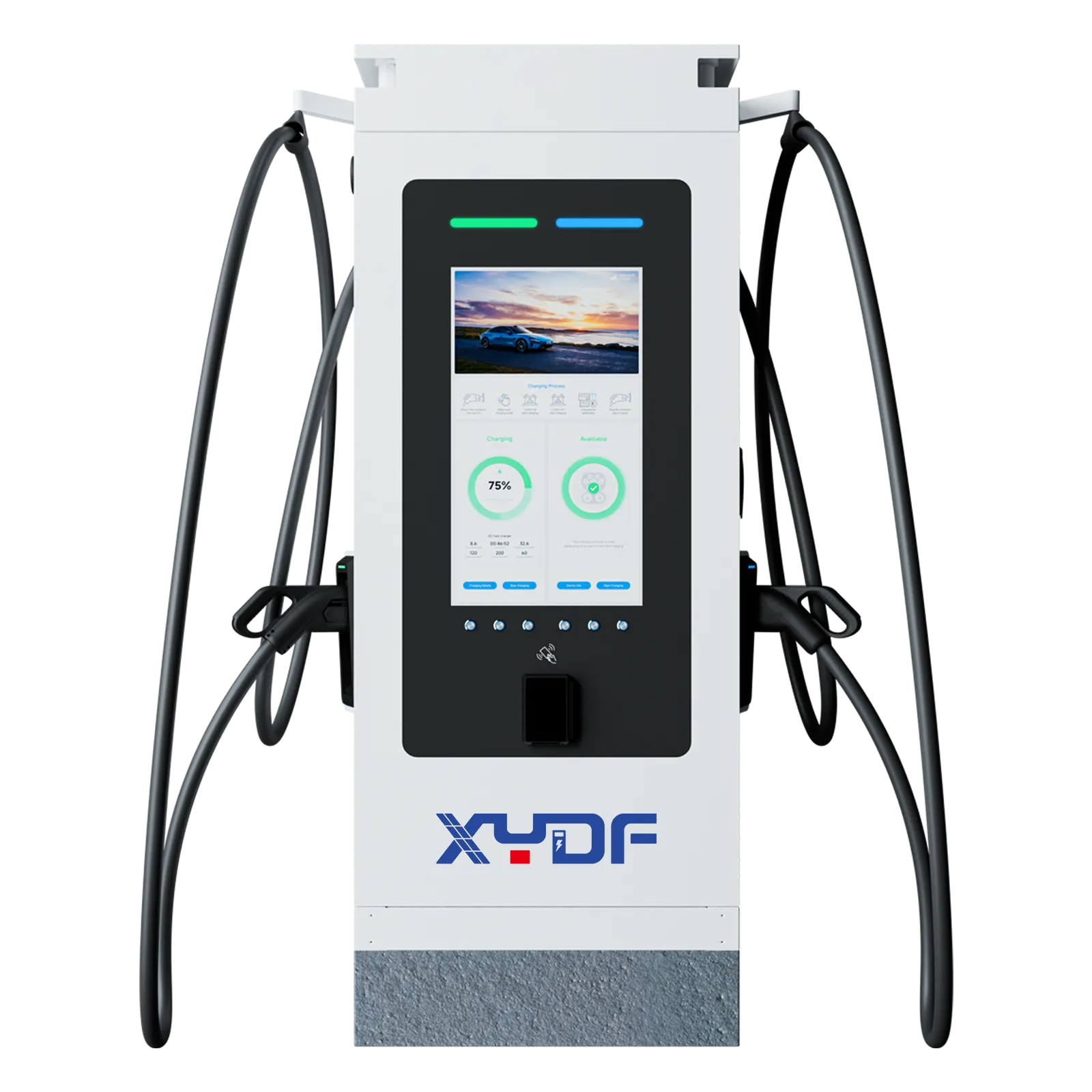
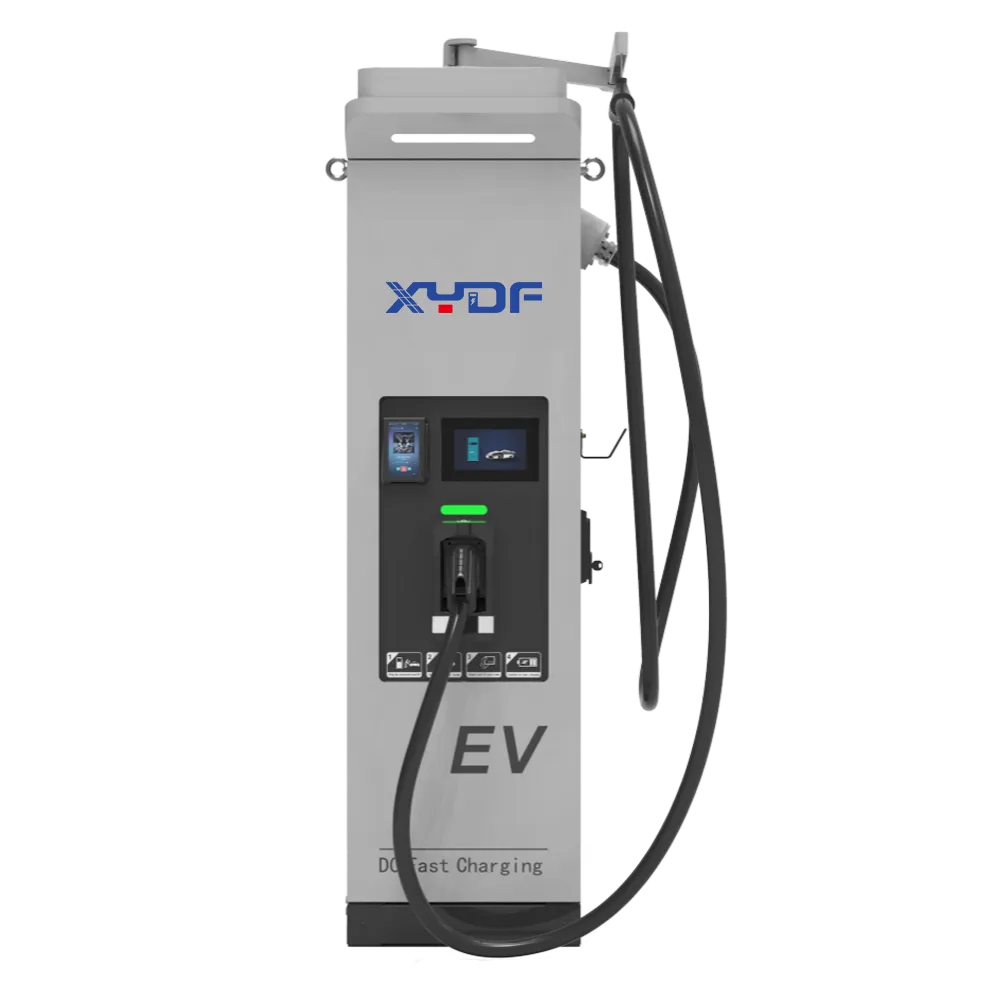
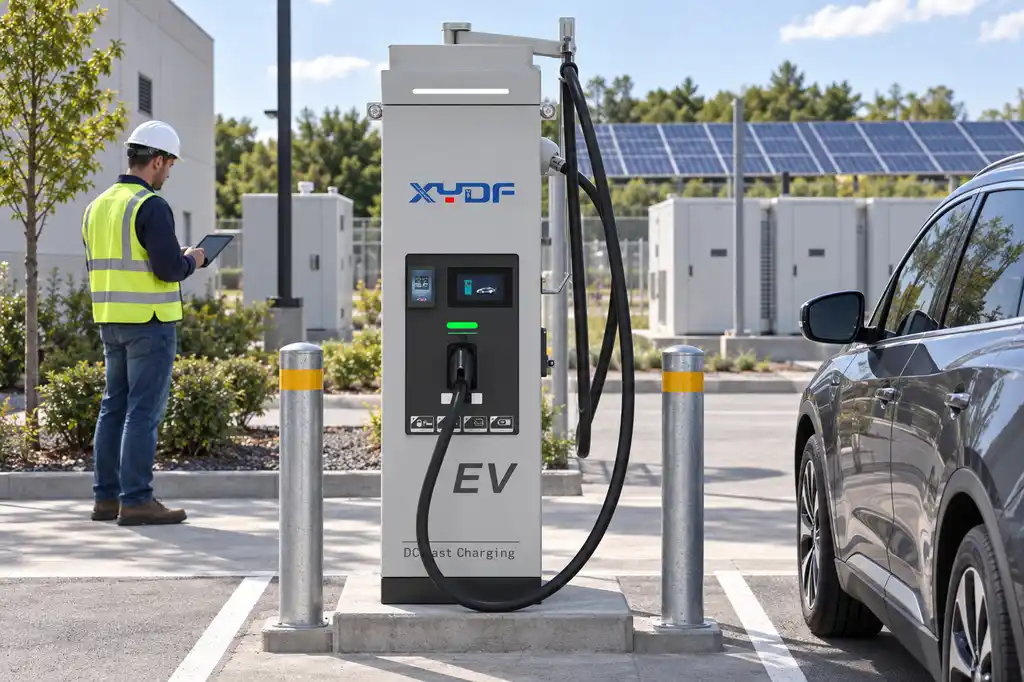
Equipment context only; the image does not demonstrate a site cap, tariff response, or load-management feature.
Part 1. Why can a short charging peak change a commercial electricity bill?
Electricity bills can include both energy and demand components. Energy is measured in kilowatt-hours; demand is power drawn at a point or interval in time. Waybler’s demand-charge guide explains that demand charges can be based on a billing-period peak, but the tariff definition, interval, and applicability must be confirmed with the local supplier or contract.
That distinction changes the operating question. A site can deliver a reasonable amount of energy over a month and still create a high power peak when several vehicles begin charging during a building-load high point. The goal is not to promise that every session receives maximum output. It is to deliver the required energy within each vehicle’s available dwell time while respecting the site’s electrical and commercial boundary.
Part 2. Which events create the peak a site must control?
Peak demand is created by overlap. A retail or workplace site may see building air-conditioning, process load, and new charging sessions coincide. A depot may have a concentrated return window in which many vehicles connect at once. Vehicle acceptance also changes during a session, so connected vehicles do not necessarily request the same power.
ال charging load profile (documented in the دليل قياس شحن المركبات الكهربائية التجارية) should establish the baseline before equipment selection. Its output becomes the control input after commissioning: typical and high building load, charging arrival pattern, dwell time, required departure energy, and the capacity reserved for other site loads.
Peak driver
What to observe
Control question
Building demand
interval data and seasonal high-load periods
What capacity must remain available for the building?
Concurrent charging
plug-in times, active connectors, and session length
How many sessions overlap in the critical interval?
Vehicle demand
requested and delivered power over time
Which sessions can accept a lower rate without missing their purpose?
Site configuration
feeder limit, meter location, and control setting
Does the monitored limit represent the actual commercial and electrical boundary?
Important: A managed charging setting is not a substitute for the electrical design, protection review, or local approval process. The Consulting-Specifying Engineer discussion of EV charging power demand supports treating electrical-service constraints as an engineering issue; qualified project professionals must review the installed equipment, configured limit, and site calculation.
Part 3. How does a managed site stay under a power cap?
Managed EV charging shares available electrical capacity across charging sessions so total demand stays within a defined limit. EV Connect’s explanation of load management describes this as controlling how capacity is shared among sessions rather than allowing each connector to draw independently.
A workable operating model has five linked elements:
Measure the relevant site load at the agreed point.
Set a cap that leaves room for the building and reflects the approved electrical design.
Allocate charging power among active sessions.
Alert an operator when demand approaches the cap or telemetry is unavailable.
Review peak events and adjust only through the approved control process.
ال site power cap must be explicit. A controller that sees only charger load cannot automatically protect a building limit unless that is the intended and verified architecture. Likewise, a nominal charger rating is not proof of the aggregate load a particular site will experience; usage, vehicle acceptance, baseline load, and the control strategy all matter.
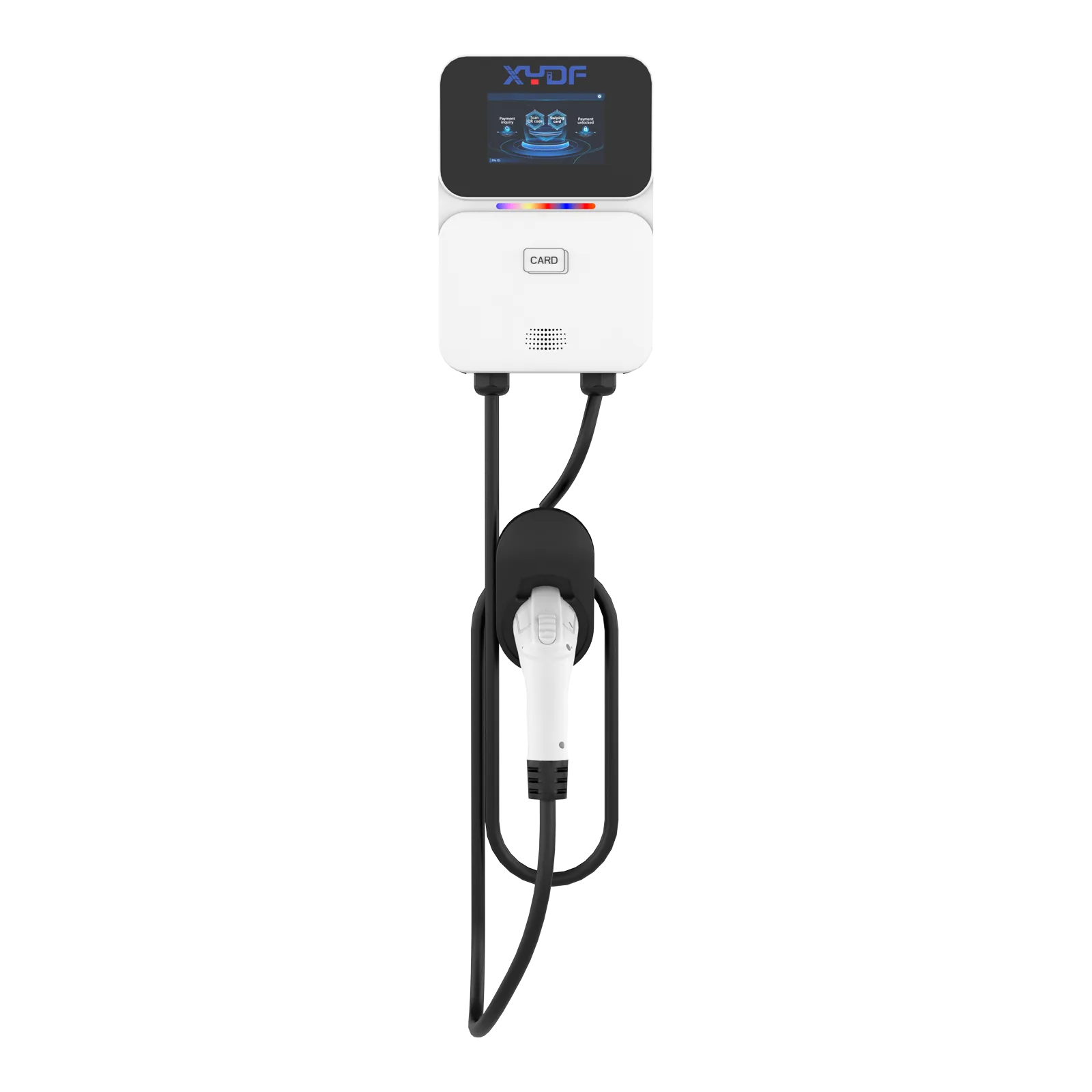
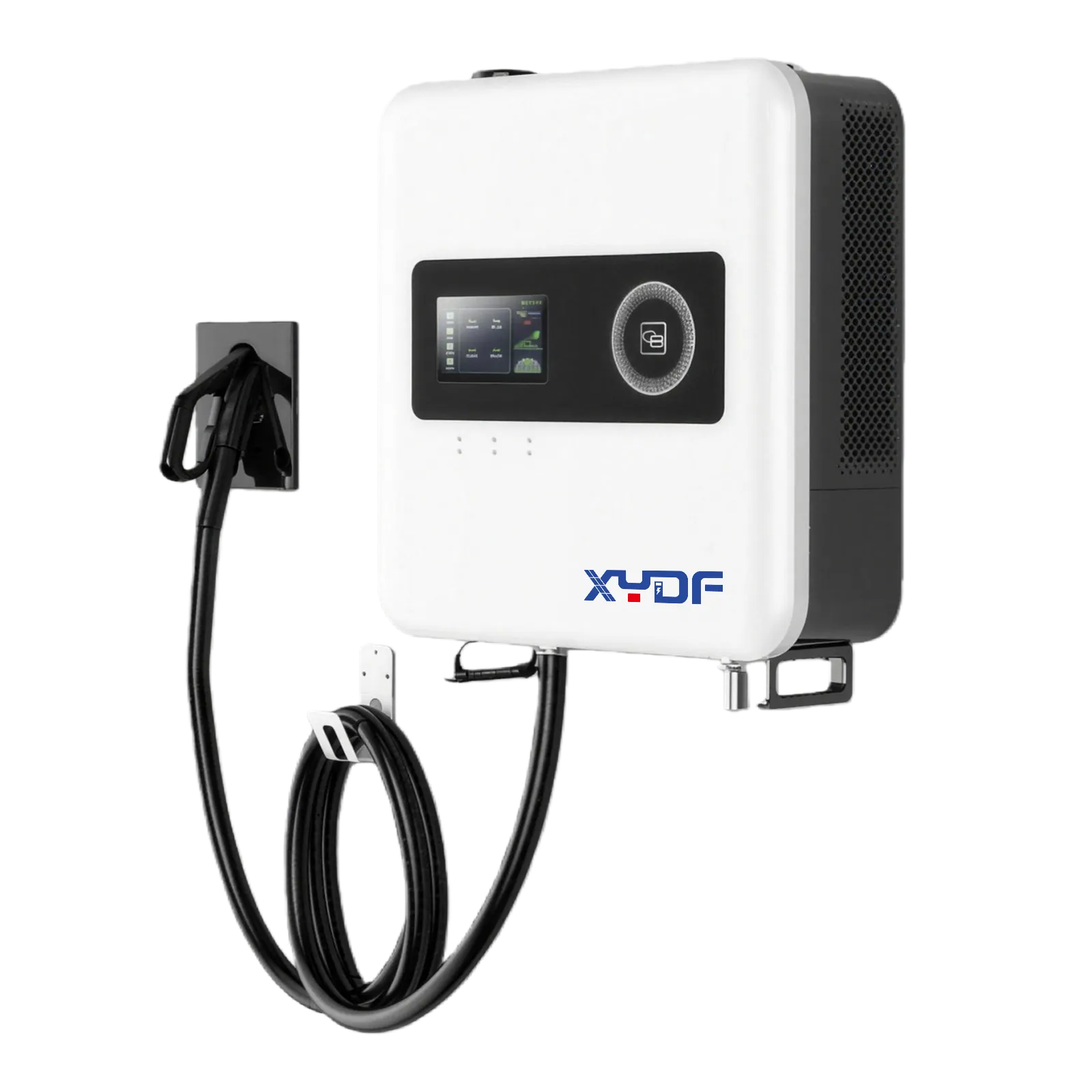
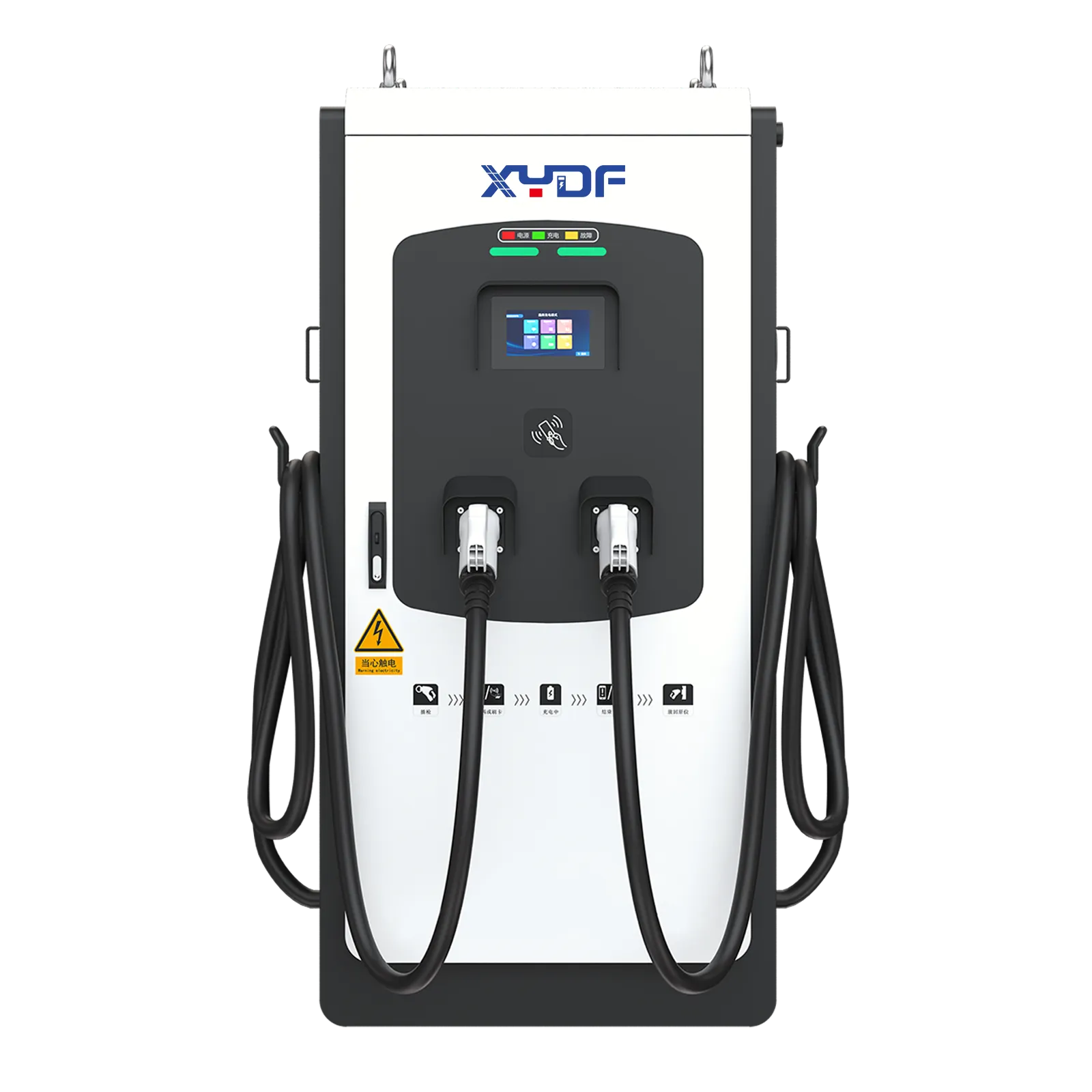
Equipment context only; verify any site power-allocation behavior for the proposed configuration.
Part 4. Which operating rules fit workplaces, parking sites, and fleets?
Operating rules should follow the reason a vehicle is parked. At a workplace or long-stay parking location, a lower rate over a longer dwell window may satisfy the service need. At a fleet depot, departure time or route criticality may justify priority. At a short-stay commercial site, a queue or reservation rule can be more relevant than an overnight schedule.
Site pattern
Useful allocation basis
Boundary to check
Workplace
planned departure time and connected duration
employee policy and actual dwell distribution
Commercial parking
dwell time, queue policy, and customer service level
building peak and parking turnover
مستودع الأسطول
scheduled departure and route criticality
return-window concurrency and operational contingency
Mixed-use property
building-load headroom plus session priority
meter scope and tenant-load variability
Predictive scheduling can be considered where arrival and departure patterns are sufficiently reliable. A workplace research paper on price-and-power control shows why anticipating busy periods can reduce peak power, but it does not establish a universal saving for another site or tariff. Controls must also be tested for graceful behavior when communications or metering data are unavailable.
Part 5. What inputs should a project team provide before requesting equipment?
An RFQ should describe the operational problem, not just a connector quantity. That lets a supplier and the project electrical team separate product selection from capacity, civil, controls, and utility decisions.
يجب على المشتري توفير
لماذا هذا مهم
الخطأ الشائع
interval building-load data and meter scope
establishes the capacity that charging may use
using a single monthly bill total
tariff structure and relevant demand interval
defines the commercial peak to investigate
assuming all tariffs bill demand the same way
expected arrivals, dwell time, and required departure energy
supports a concurrency and priority model
sizing only from the number of parking spaces
connector, AC/DC, and vehicle-use requirements
matches service level to charging need
treating every parking event as a fast-charge event
existing service, one-line information, and expansion plan
identifies engineering and staged-build boundaries
assuming a future expansion needs no upstream provision
Part 6. When should a site consider AC, DC, or shared-capacity architecture?
The choice follows dwell time, throughput, and verified capacity—not a universal hierarchy. Long-dwell workplaces and destinations may be better assessed through the مجموعة شواحن AC. Short-dwell, higher-throughput requirements can be assessed through the مجموعة شواحن DC السريعة. A site with multiple connectors should also decide whether capacity is fixed per connector or allocated from a shared pool, then verify the actual equipment behavior and site-control interface.
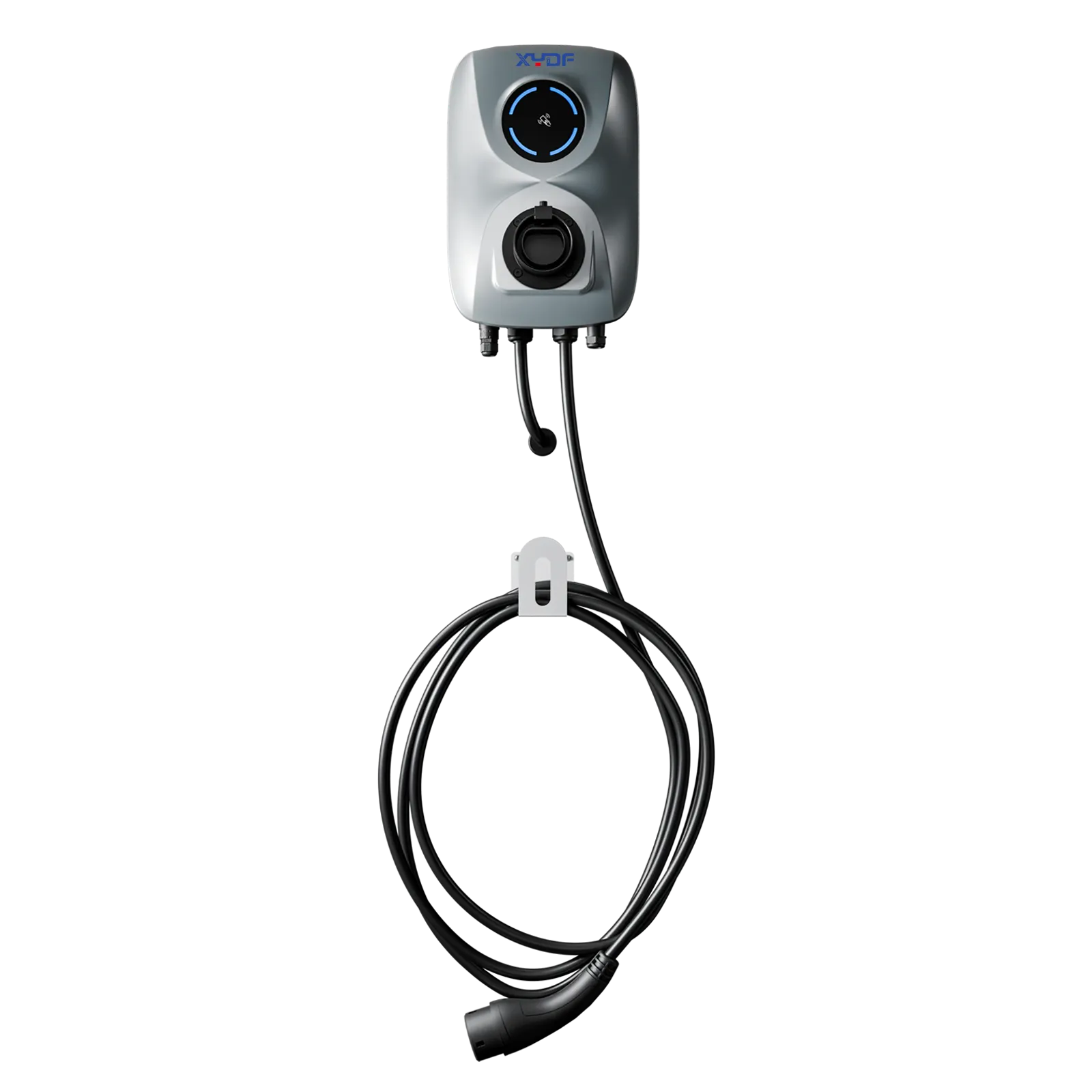
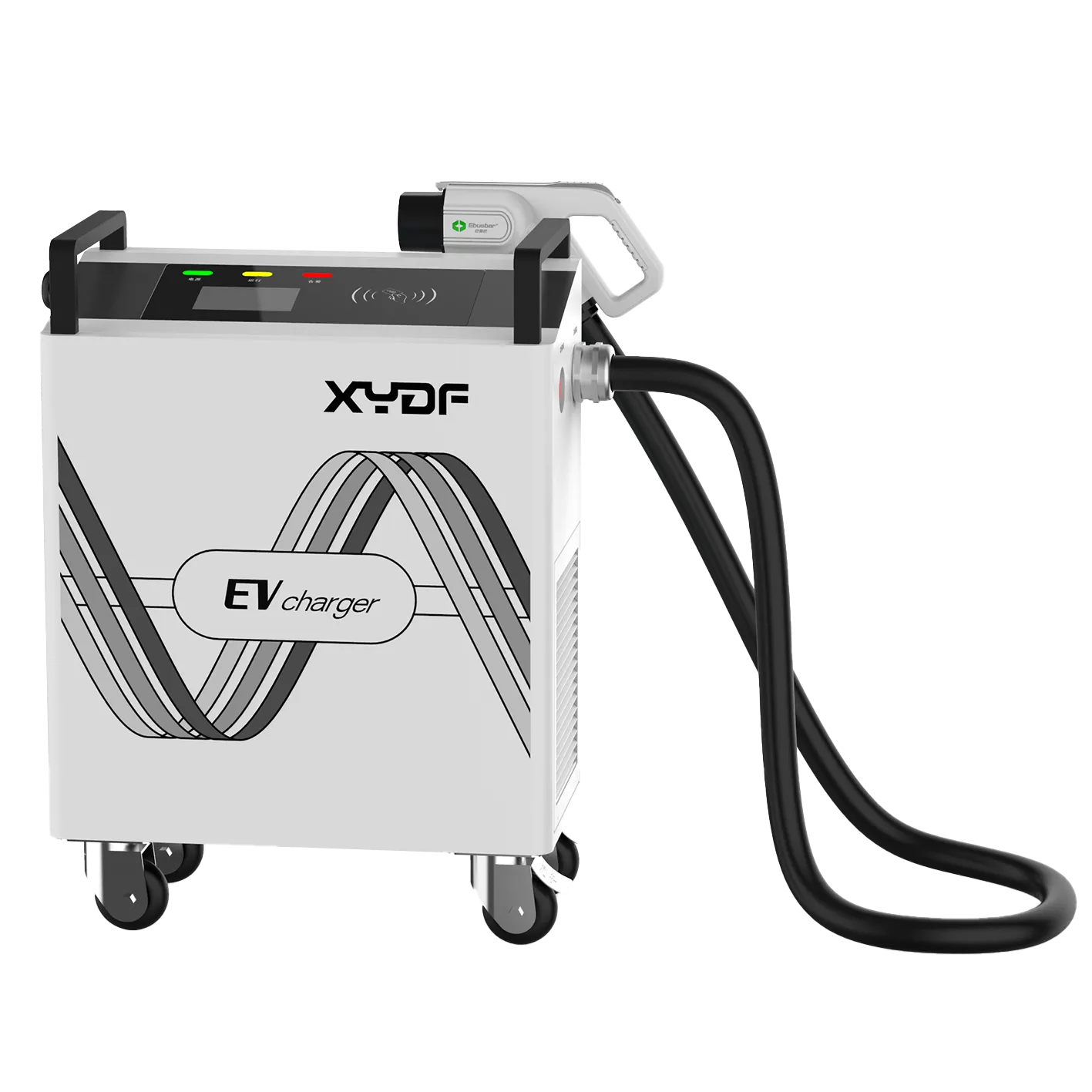
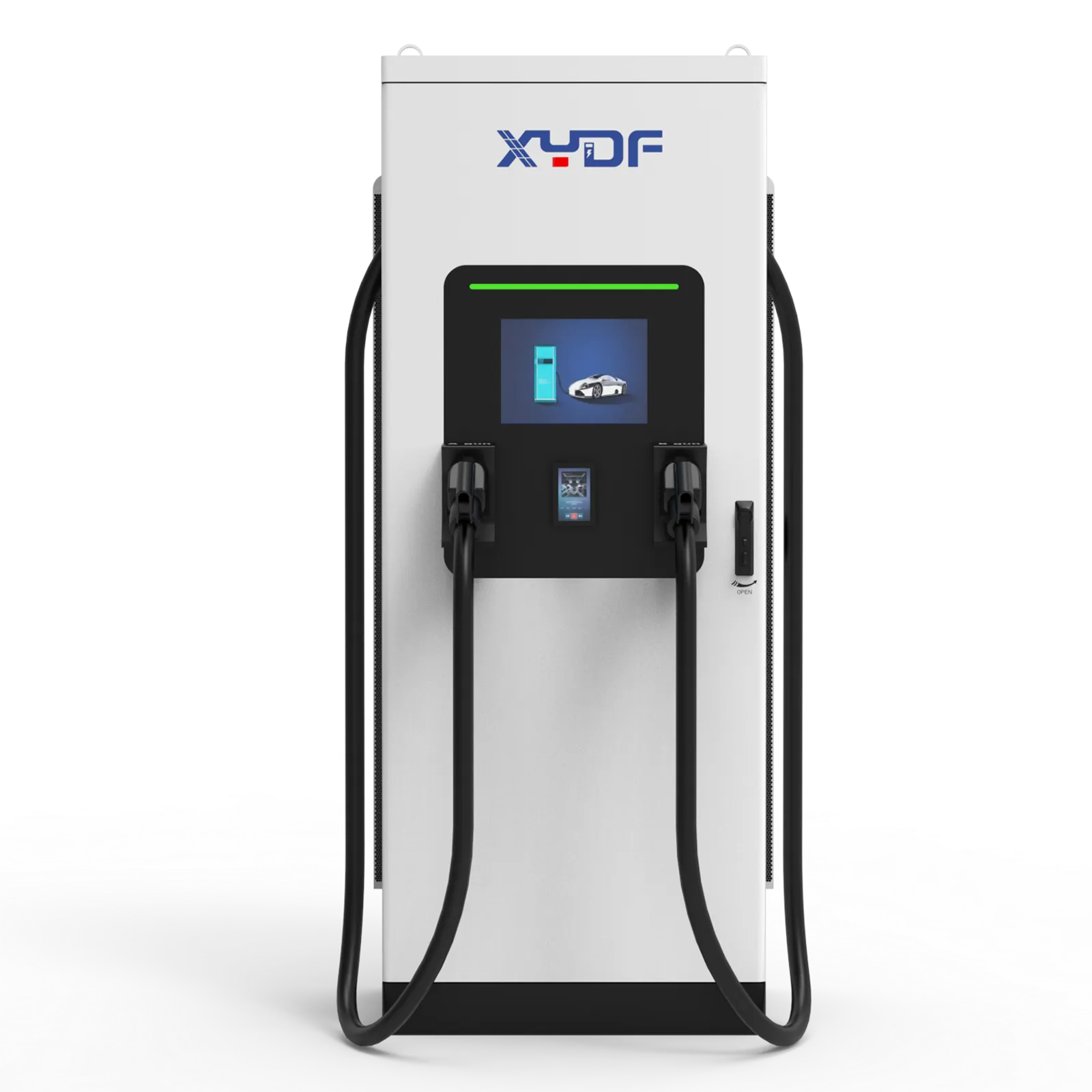
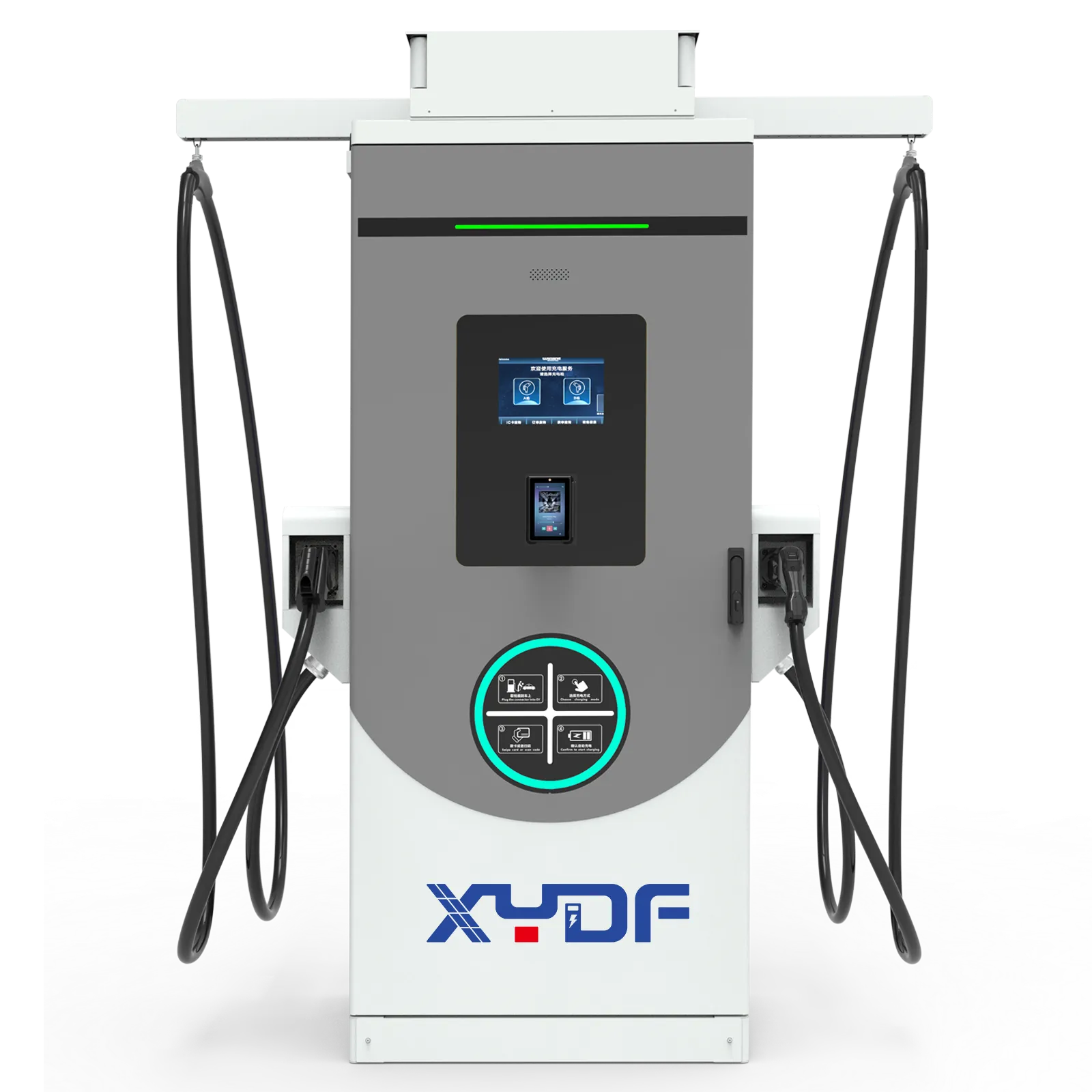
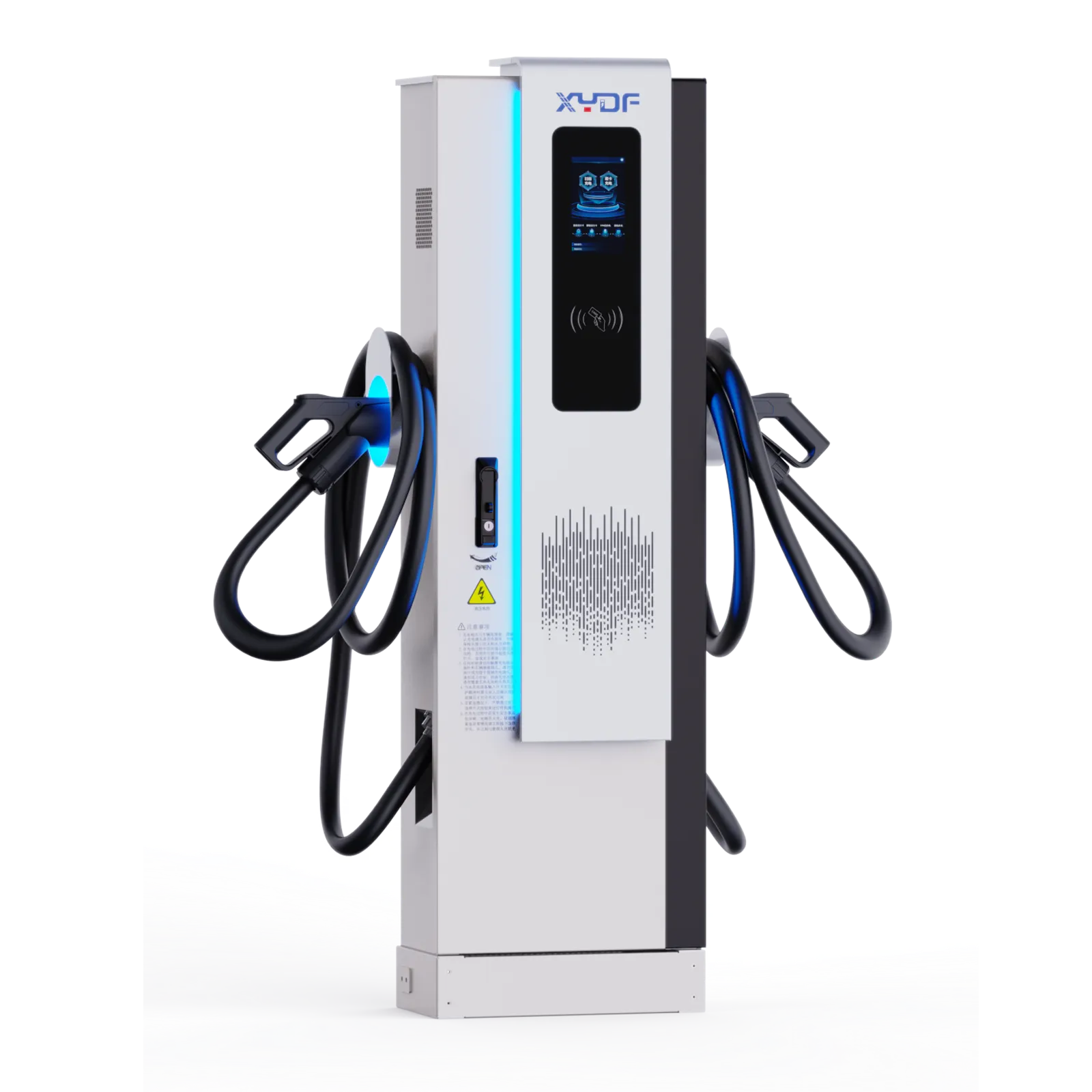
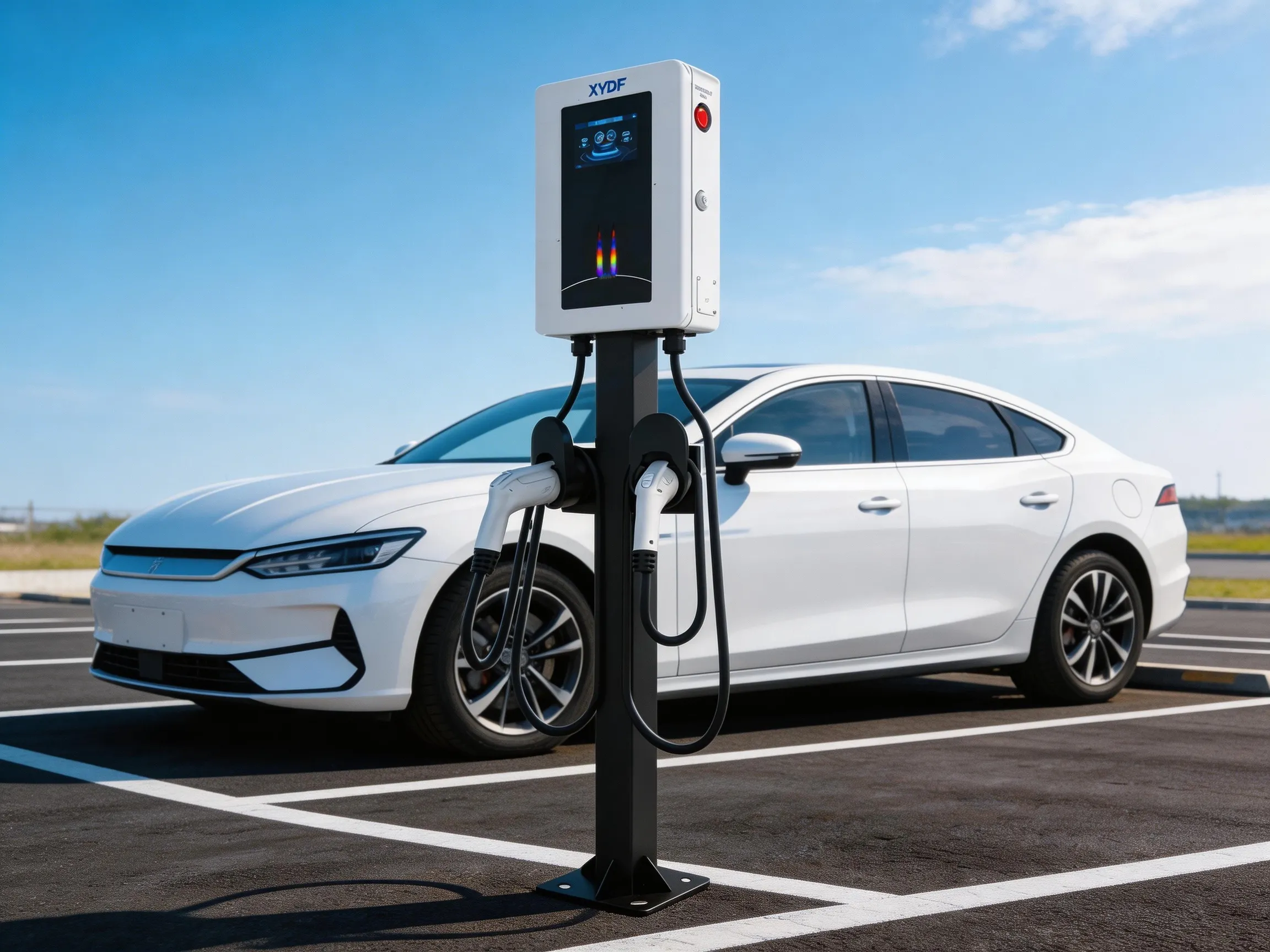
Product-route illustration only; final selection requires site-specific capacity and operating confirmation.
This approach fits teams that have tariff and load data, a clear user pattern, and qualified electrical review. It is less suitable for a project that has not established its available service capacity, meter boundary, safety design, or local requirements. Storage may be evaluated where a project-specific study supports it; it should not be added on the assumption that it will automatically improve economics.
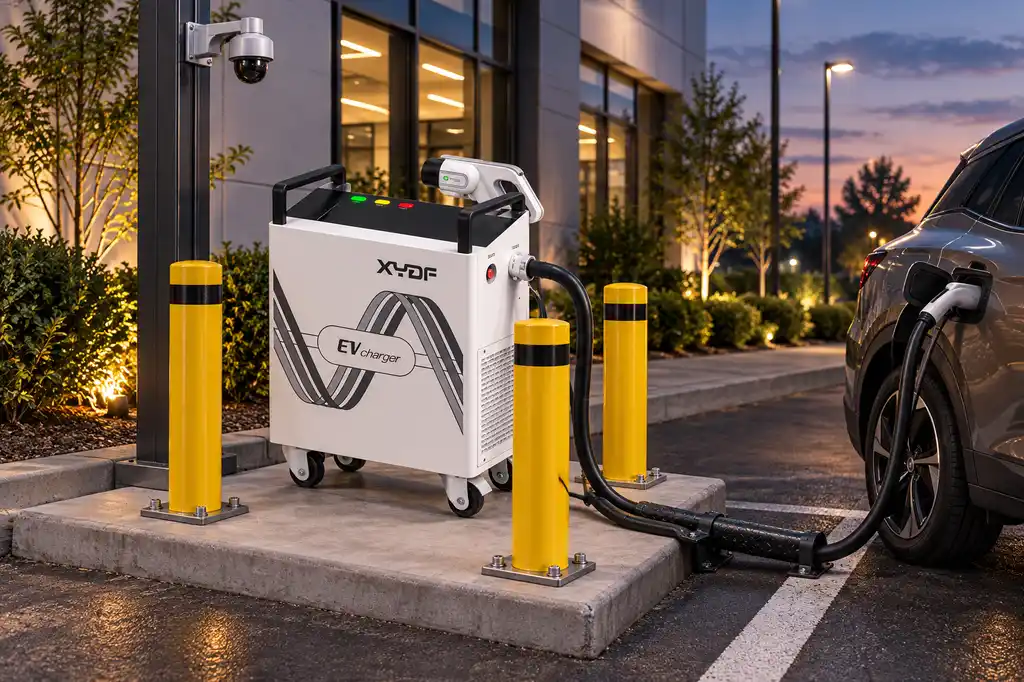
XYDF publishes commercial charging routes and AC/DC product categories. Those pages can support an equipment conversation, but they do not replace an electrical design or prove a demand-management outcome.
Part 7. What should happen after commissioning?
Commissioning should test the operating rule, not just an individual charging session. Record the configured limit, the measurement point, the connector response when another session starts, alert behavior, and the procedure for changing settings. Retain peak-event records with site load, charger load, active sessions, and the control action taken.
After several representative operating periods, compare actual concurrency and peak events with the original profile. If utilization, building load, or fleet schedules change, revisit the cap and allocation policy through the approved engineering and operations process.
To discuss a commercial charging configuration, send اكس واي دي اف the load profile, tariff interval, connector count, dwell-time pattern, electrical information, and growth plan.
أسئلة متكررة
What is a demand charge for EV charging?
Where a tariff includes one, a demand charge is a cost related to recorded power demand rather than only total energy. Confirm the definition and interval with the applicable tariff.
How does EV charger load management work?
It measures or receives available-capacity information and allocates charging power so the controlled aggregate stays within a configured limit.
Is installed charger power the same as site demand?
No. Coincident demand depends on active sessions, vehicle acceptance, building load, and the configured control strategy.
How should a commercial site set a charging power cap?
Use the approved electrical design, relevant meter boundary, building-load requirement, and operating need. A qualified project team should verify the setting and its documentation.
Can battery storage reduce EV charging peaks?
It can be assessed as one option, but the result depends on tariff, duty cycle, interconnection, controls, and project economics.
How should a fleet prioritize charging?
Departure time and route criticality are useful starting inputs. The policy should also account for return-window overlap and contingency vehicles.
What should be included in a commercial charging RFQ?
Include load data, tariff information, arrival and dwell pattern, required energy, connector needs, electrical information, expansion plan, and the intended control/reporting requirements.
نستخدم ملفات تعريف الارتباط (الكوكيز) لضمان عمل هذا الموقع، وبإذنك، لقياس كيفية استخدام الزوار لموقع شحن المركبات الكهربائية الخاص بنا. انظر إلى سياسة الخصوصية للتفاصيل.
 شركة شينيا دونغفانغ لتكنولوجيا الكهرباء المحدودة.