Choosing the Right AC EV Charger for Overnight Charging
أغسطس 20,2026
مدونة
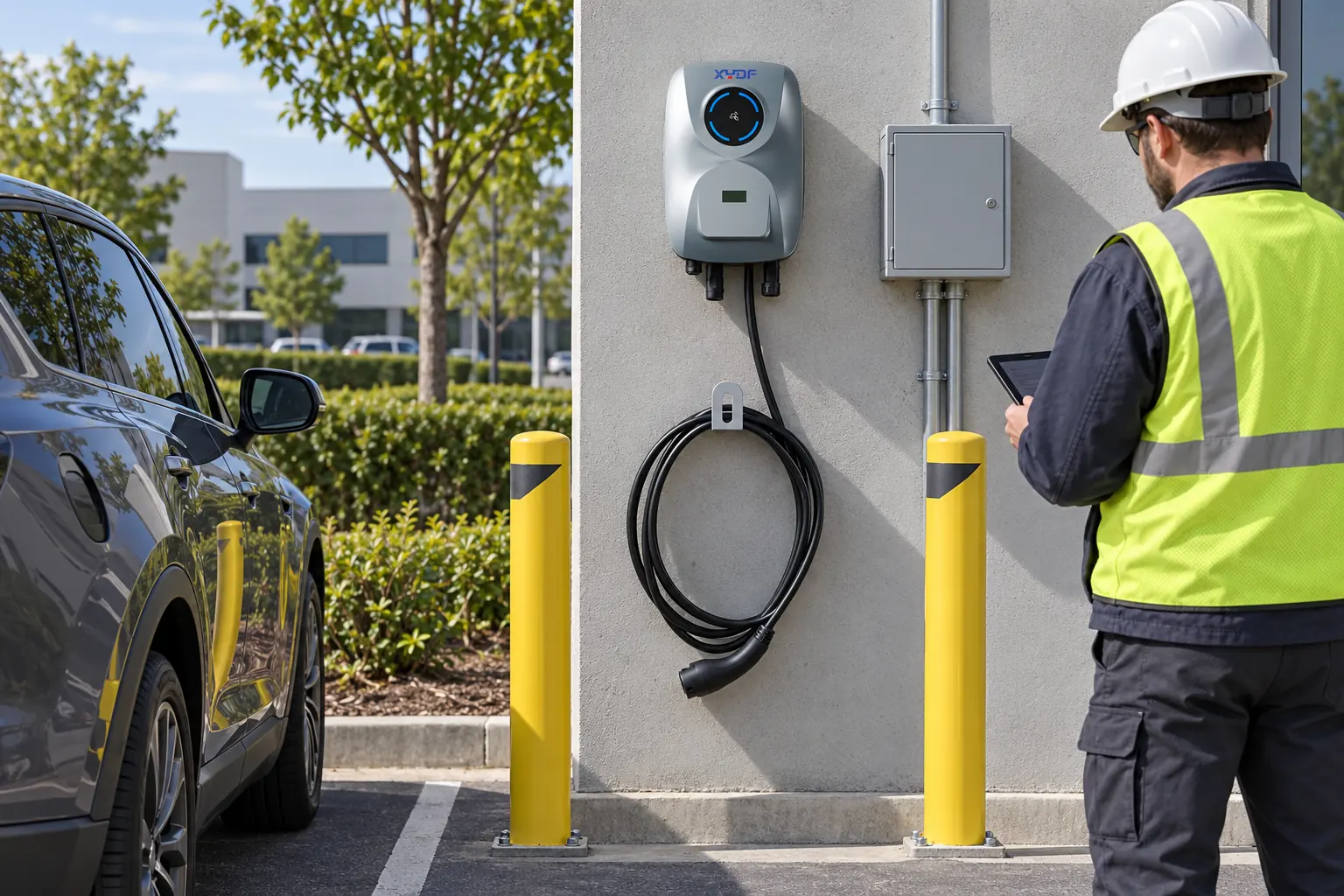
At 7:30 a.m., a property manager walks through an apartment car park and sees six vehicles still connected. Residents need full batteries for the commute, while the building operator needs predictable demand and a simple maintenance plan. The right AC EV charger turns this overnight window into a reliable service instead of a source of complaints.
Select an AC EV Charger by matching the vehicle’s onboard charger, available site power, load-management strategy, connector standard, and expected dwell time. A 7 kW unit suits most homes, while 11–22 kW equipment is better for workplaces, hotels, and fleet depots with three-phase supply. A connected AC recharge station can balance loads, record energy, and protect the building from peak-demand surprises.
1. Start with the charging scenario
ينبغي أن تبدأ الإرشادات المتعلقة بالتشغيل السكني ومركبات محددة بالبطارية من وقت وقوف المركبة، وخدمة الكهرباء، وقبول المركبة، والوصلة، ومسار التركيب، والطاقة المطلوبة للخروج. قم بشرح ما هو عالمي وما يتوقف عليه من سيارة أو رمز محلي. هذا يمنع تحويل تسمية الشاحن أو فئة الجهد أو شكل المقبس إلى وعود بشأن كل منزل أو مركبة. فيما يتعلق بالمنظومة العامة للتخطيط، انظر إرشادات الطاقة الكهربائية من مركز بيانات الوقود البديل التابع لوزارة الطاقة الأمريكية; لا يزال سجل القبول المخصص للموقع يحدد القرار النهائي.
The U.S. DOE’s Alternative Fuels Data Center notes that most drivers charge overnight at home, while Level 2 is useful when a driver has a longer commute, a larger battery or less predictable dwell time. That makes the first procurement question the required energy by departure—not the highest nameplate power.
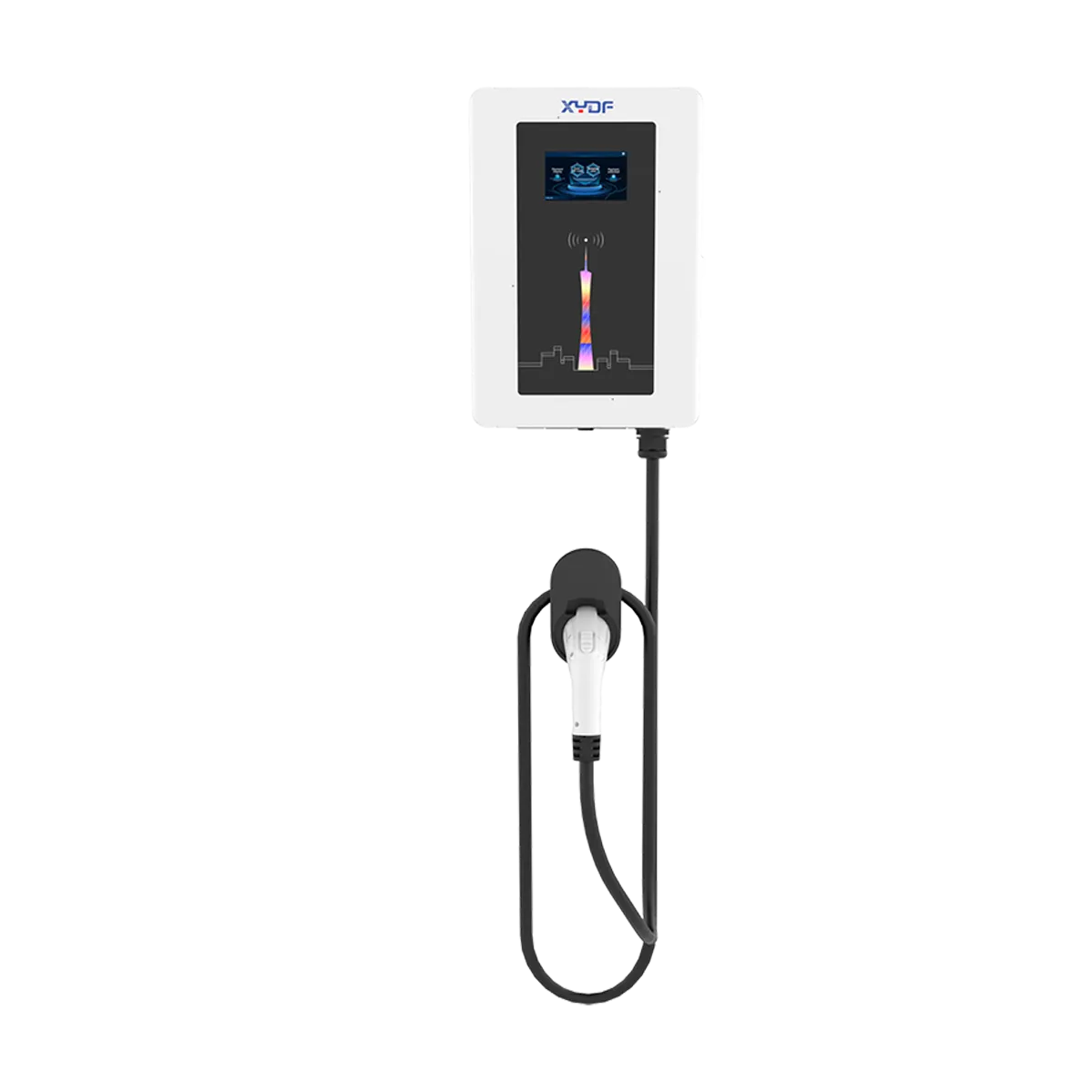
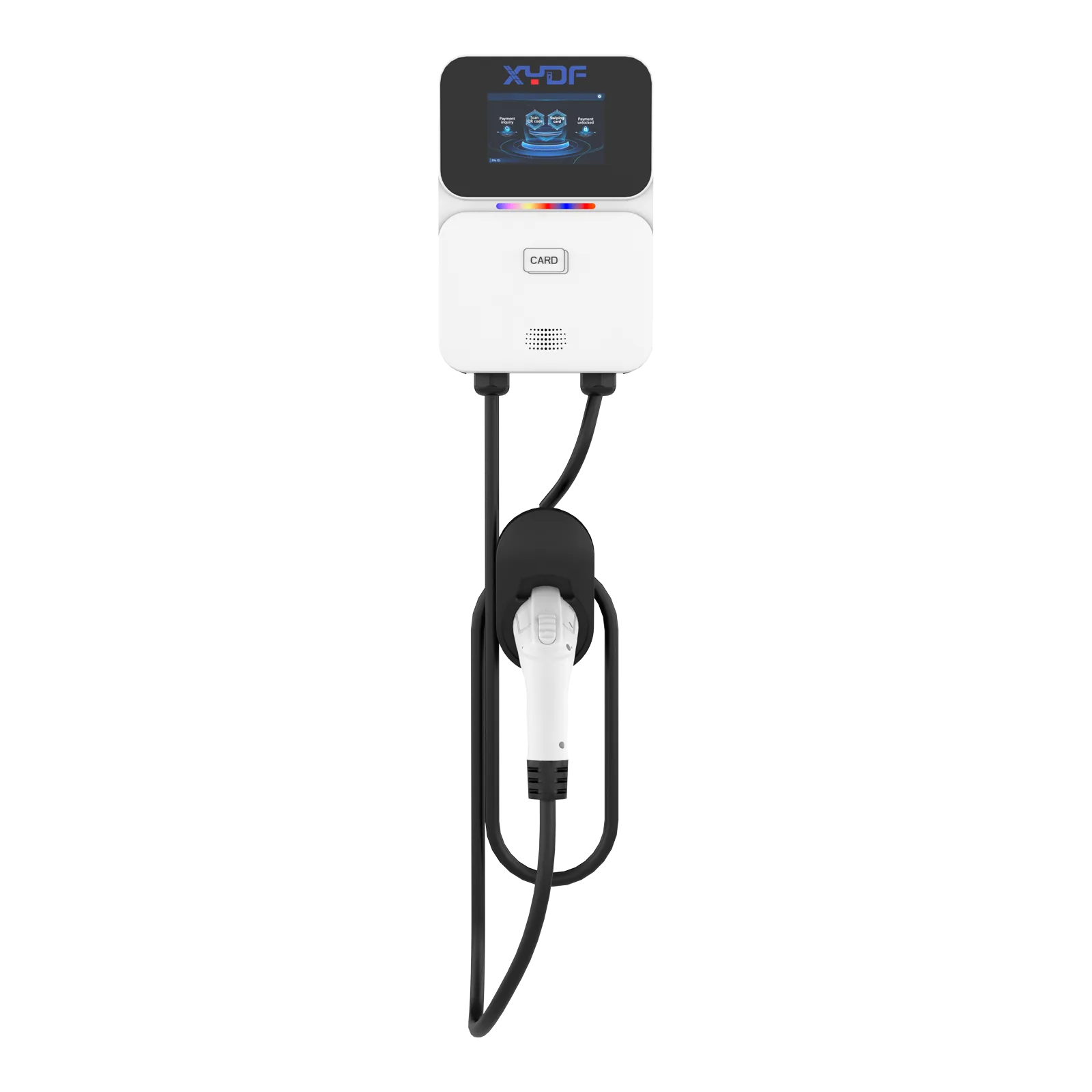
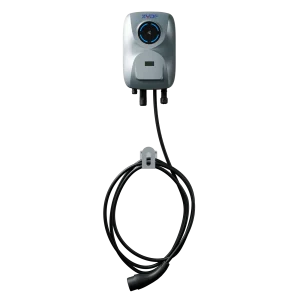
Different types of chargers solve different operational problems. A homeowner normally values quiet operation, a compact enclosure, and scheduled charging. A workplace needs many ports that can share a limited electrical service. A hotel or retail site may prefer an EV recharge station that supports guest authentication, payment, and remote diagnostics. Before choosing hardware, record vehicle dwell time, daily energy demand, parking-bay turnover, and whether the site has single-phase or three-phase power.
2. Technical breakdown: what happens during an AC session
The vehicle’s onboard charger remains the practical rate limit in an AC session. Confirm its maximum input before selecting the EVSE, then check the supply, protective devices and installation method for the intended continuous load.
With AC charging, the grid supplies alternating current to the EVSE. The vehicle’s onboard charger converts it to DC for the battery. That means the car—not only the wallbox—sets the practical charging rate. A 22 kW AC EV Charger cannot deliver 22 kW if the car accepts only 11 kW. The EVSE still provides critical protection: residual-current detection, contactor control, temperature monitoring, cable locking, and a controlled pilot signal.
For networked sites, overnight charging can be scheduled around tariff windows and departure targets, but the schedule should have a local limit if the backend is unavailable. OCPP communication lets an operator authorize users, set schedules, update firmware, and export utilization data. Dynamic load balancing measures the building load and shares the available current across محطات شحن السيارات الكهربائية. Solar-aware control can raise or lower charging power to consume surplus PV without exceeding the service limit.
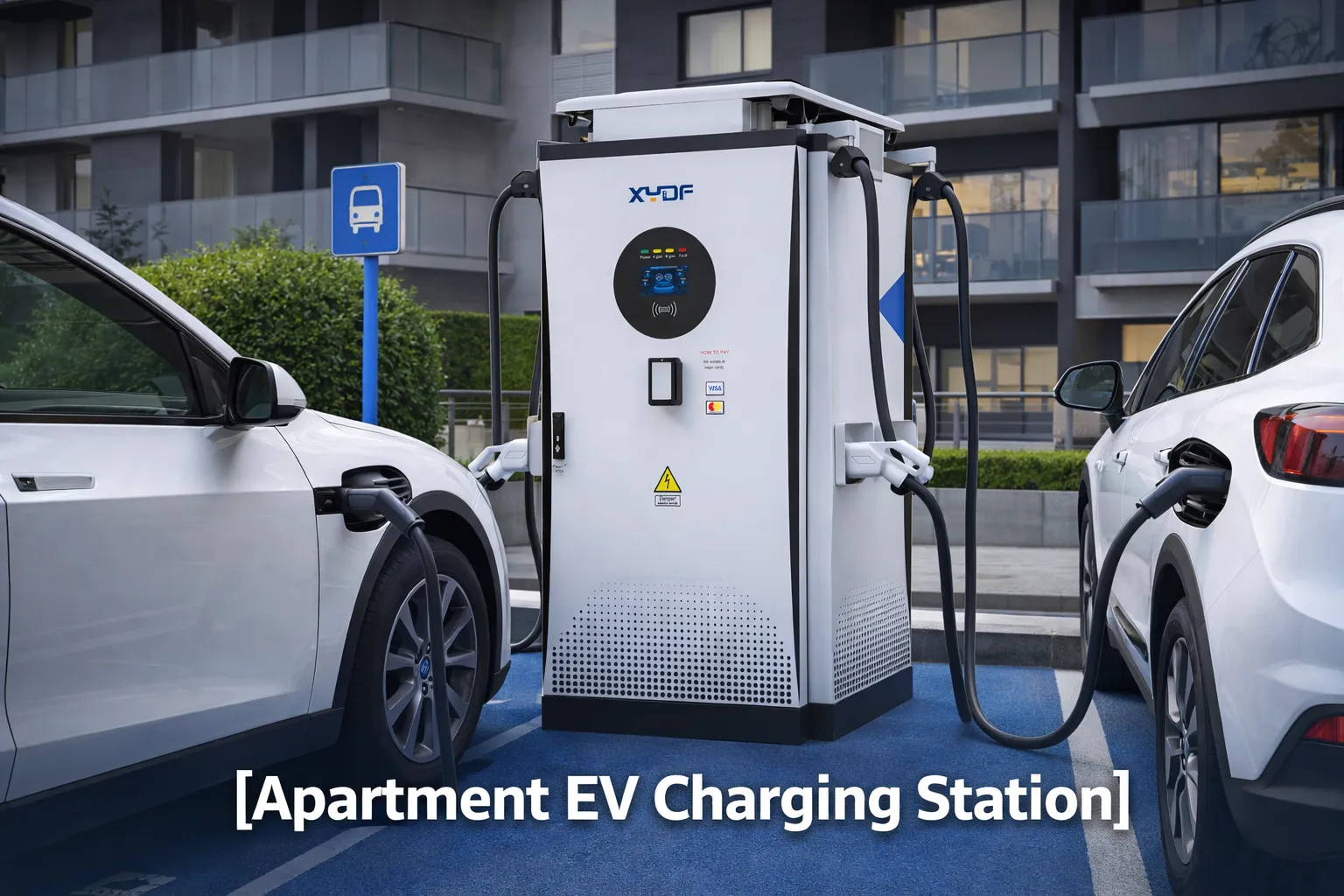
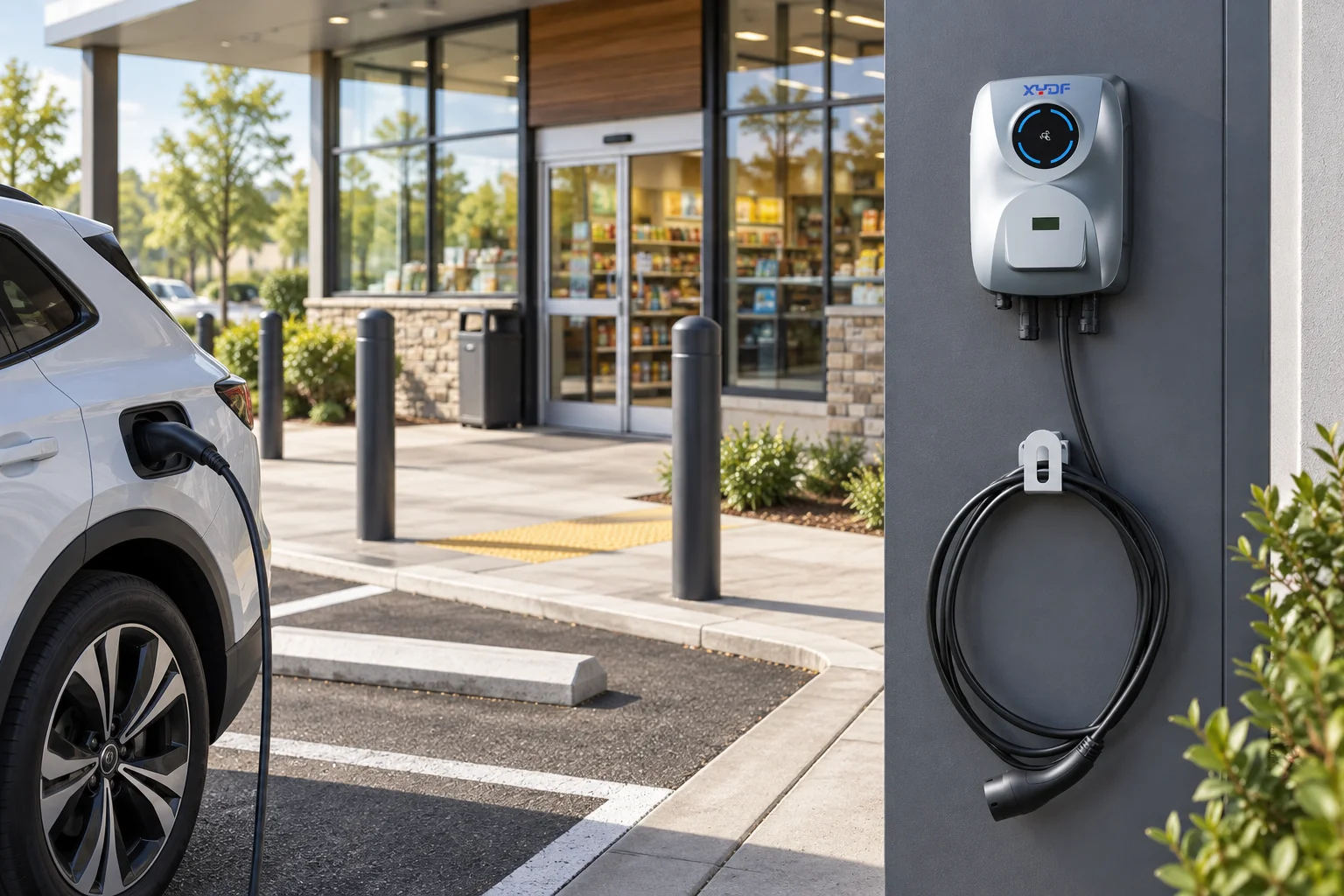
Apartment parking illustrates why overnight dwell time and load sharing matter.
3. Comparison of AC charging options
خيار
Typical input
الأنسب
Planning note
Portable Mode 2
1.8–3.6 kW
Emergency or occasional home use
Slow; avoid permanent outdoor deployment
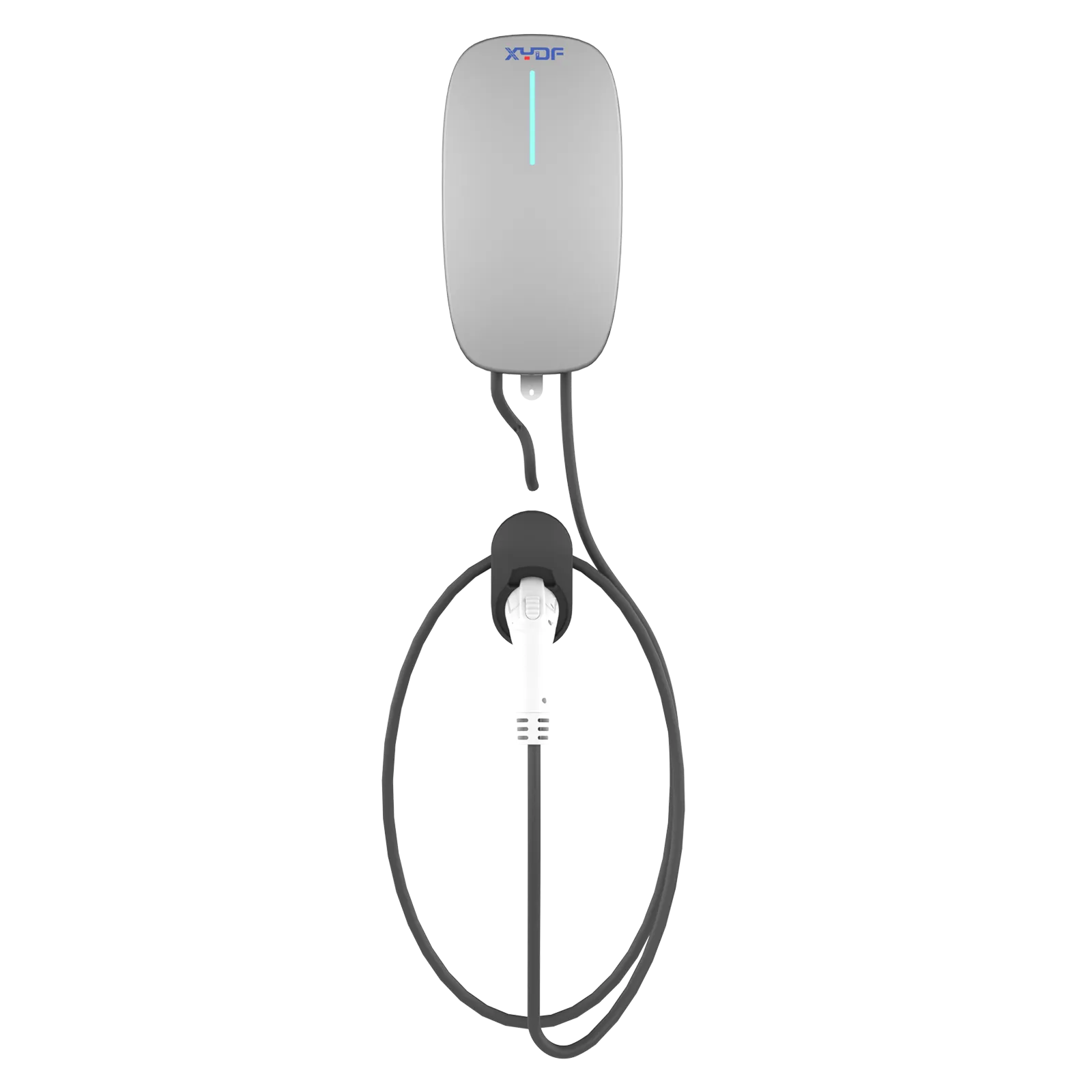
7 kW wallbox
230 V single-phase
Homes and apartments
Simple installation and overnight recovery
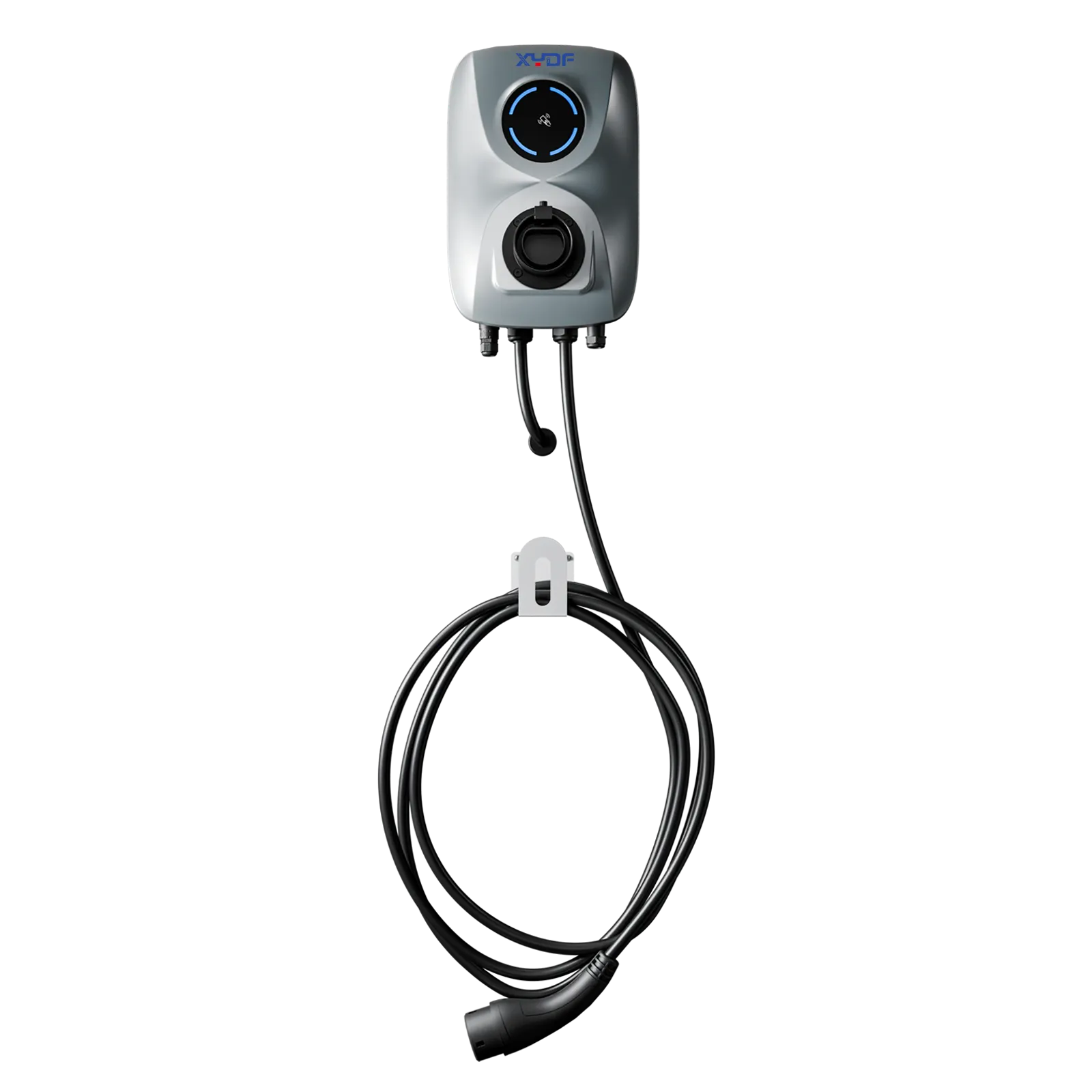
11 kW wallbox
400 V three-phase
Workplaces and hotels
Good balance of speed and infrastructure cost
22 kW networked unit
400 V three-phase
Commercial parking and fleets
Requires suitable vehicles, protection, and load management
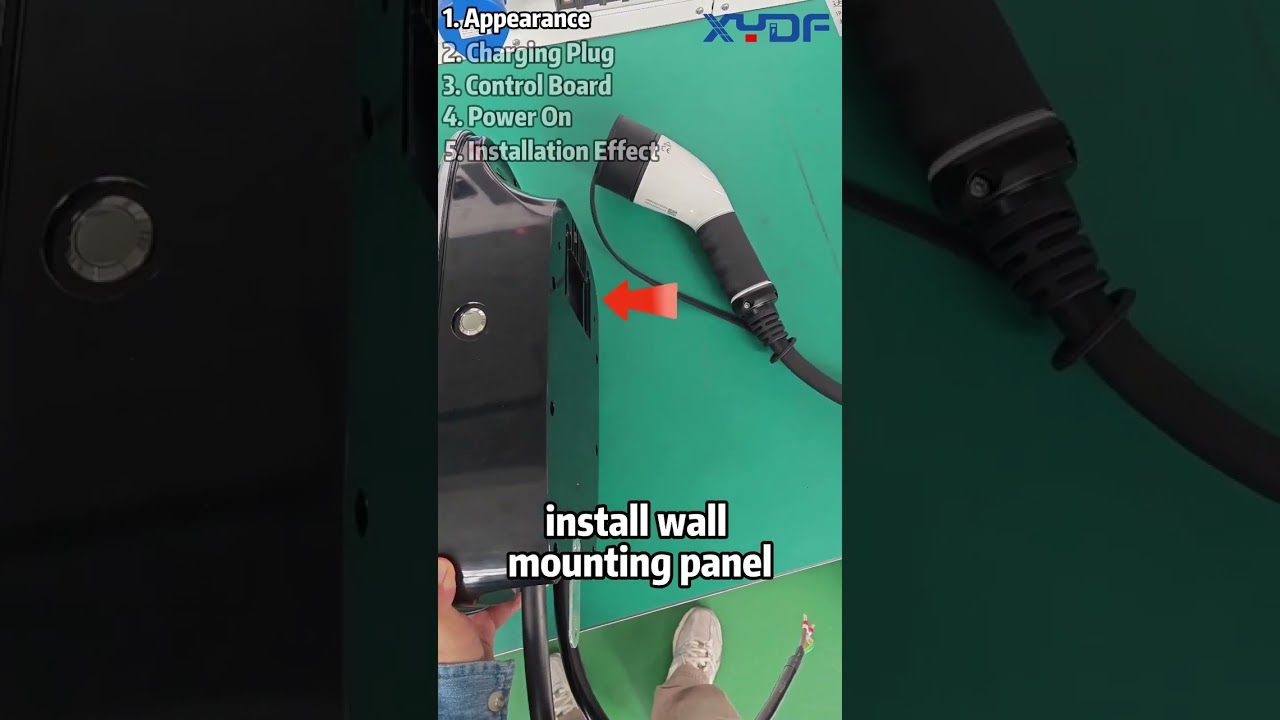
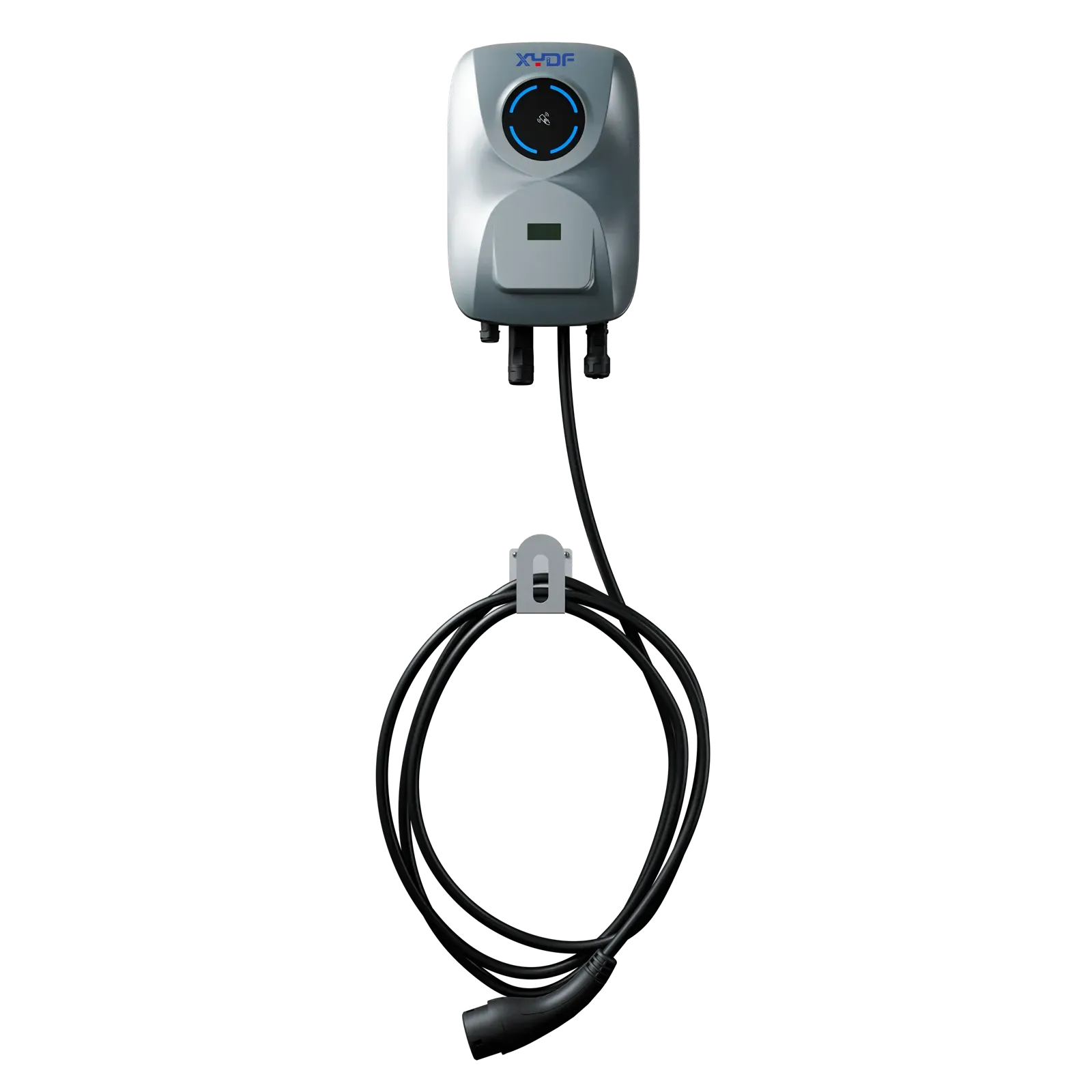
Video: See how XYDF’s 7 kW, 11 kW, and 22 kW AC chargers fit different AC charging requirements.
4. Cost, capacity, and future trends
Hardware is only one part of total cost. Include a new circuit, protection devices, trenching, bollards, networking, commissioning, software, and maintenance. A 7 kW installation may be the lowest-cost entry point, but a shared 22 kW system can deliver more usable energy per parking bay when vehicles stay for only four to six hours. For multi-port sites, intelligent scheduling often delays a costly service upgrade.
Current trends include ISO 15118-ready architectures, mobile-app authorization, billing integration, and bidirectional charging pilots. Choose a platform that exposes an open API and supports firmware updates for the expected service life. Review the مجموعة شواحن AC و commercial EV charging products when comparing enclosure, cable, and networking options.
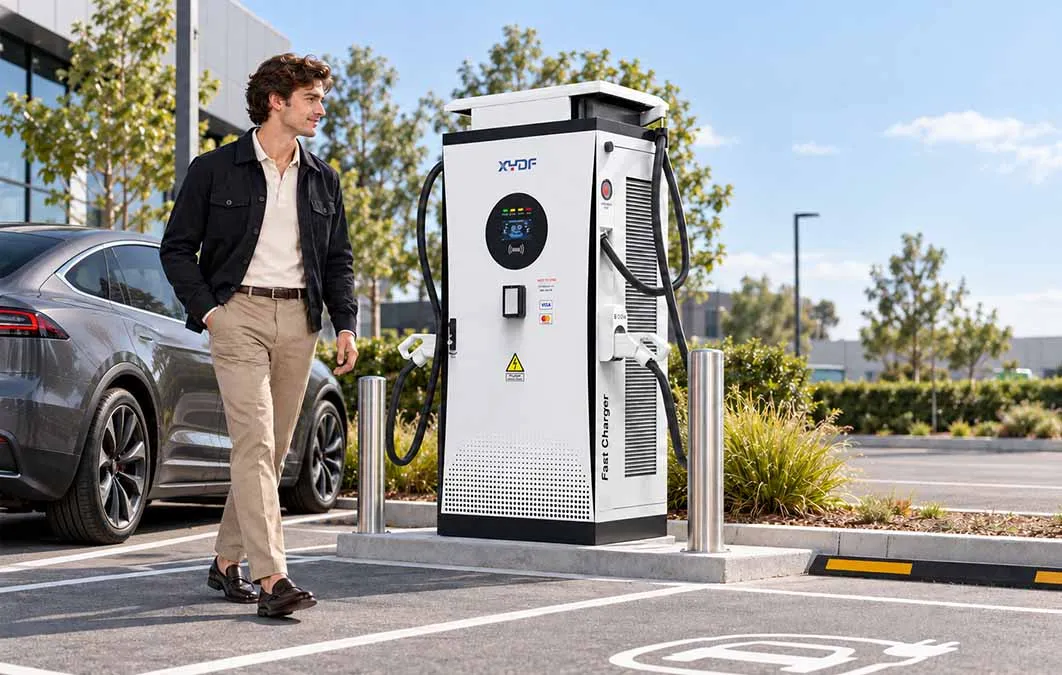
A 22 kW format can serve commercial parking when three-phase power is available.
5. Standards and compliance
DOE guidance also reminds installers that EV charging is treated as a continuous load under NEC Article 625 in applicable U.S. projects. The local code and permitting authority still control; use a qualified electrician to verify continuous-load planning and capacity rather than copying a generic 7, 11 or 22 kW assumption.
Specify the connector used in the target market, electrical protection required by local code, ingress and impact ratings, and accessibility clearances. IEC 61851 defines conductive charging control principles, while IEC 60364-7-722 addresses supplies for EV charging installations. For interoperable software, request OCPP support and a documented cybersecurity process. Every project should include commissioning tests, protective-device verification, earthing checks, and clear emergency isolation procedures.
6. Avoid common selection mistakes
Buying by headline kW without checking the vehicle’s onboard charger.
Installing multiple ports without a load-management calculation.
Ignoring cable length, parking geometry, drainage, heat, or winter conditions.
Choosing a closed network that cannot export session data or accept roaming users.
Leaving no spare capacity for a second phase of EV Charging Stations.
7. FAQ
Do you know if your home has single-phase or three-phase power?
Check the utility documentation or have a qualified electrician verify the incoming supply. It determines whether 7 kW, 11 kW, or 22 kW is practical.
Are solar panels installed?
If yes, select an EVSE with solar-aware or dynamic load-control capability so charging can follow excess generation.
Should you charge your EV overnight?
Overnight charging is usually convenient and gentle because the vehicle can use a lower, steady current for several hours.
Should I charge my EV with AC or DC?
Use AC for routine home, workplace, and hotel charging; reserve DC for long trips and short dwell times.
What is the fastest AC EV charger?
22 kW is the common upper end for AC in many markets, but only vehicles with a 22 kW onboard charger can use its full output.
ما الذي يجب على السائق التحقق منه قبل اختيار شاحن كهربائي خاص بالمكان أو السيارة؟
تحقق من موصل السيارة والجهد المقبول، ومسار التوصيل وخطوط الكابل، والقدرة الكهربائية المتاحة، والأجهزة الحماية، وقواعد التركيب المحلية، والوقت المتوقع للعمل، والطاقة المطلوبة للرحلة. الخيار الصحيح هو ذلك الذي يناسب السيارة وأدلة التركيب؛ فقد لا يقلل القوة المعلنة المرتفعة من المدة الفعلية للعمل.
نستخدم ملفات تعريف الارتباط (الكوكيز) لضمان عمل هذا الموقع، وبإذنك، لقياس كيفية استخدام الزوار لموقع شحن المركبات الكهربائية الخاص بنا. انظر إلى سياسة الخصوصية للتفاصيل.
 شركة شينيا دونغفانغ لتكنولوجيا الكهرباء المحدودة.
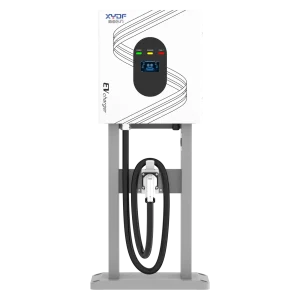 30-40 كيلوواط
 30-40 كيلوواط
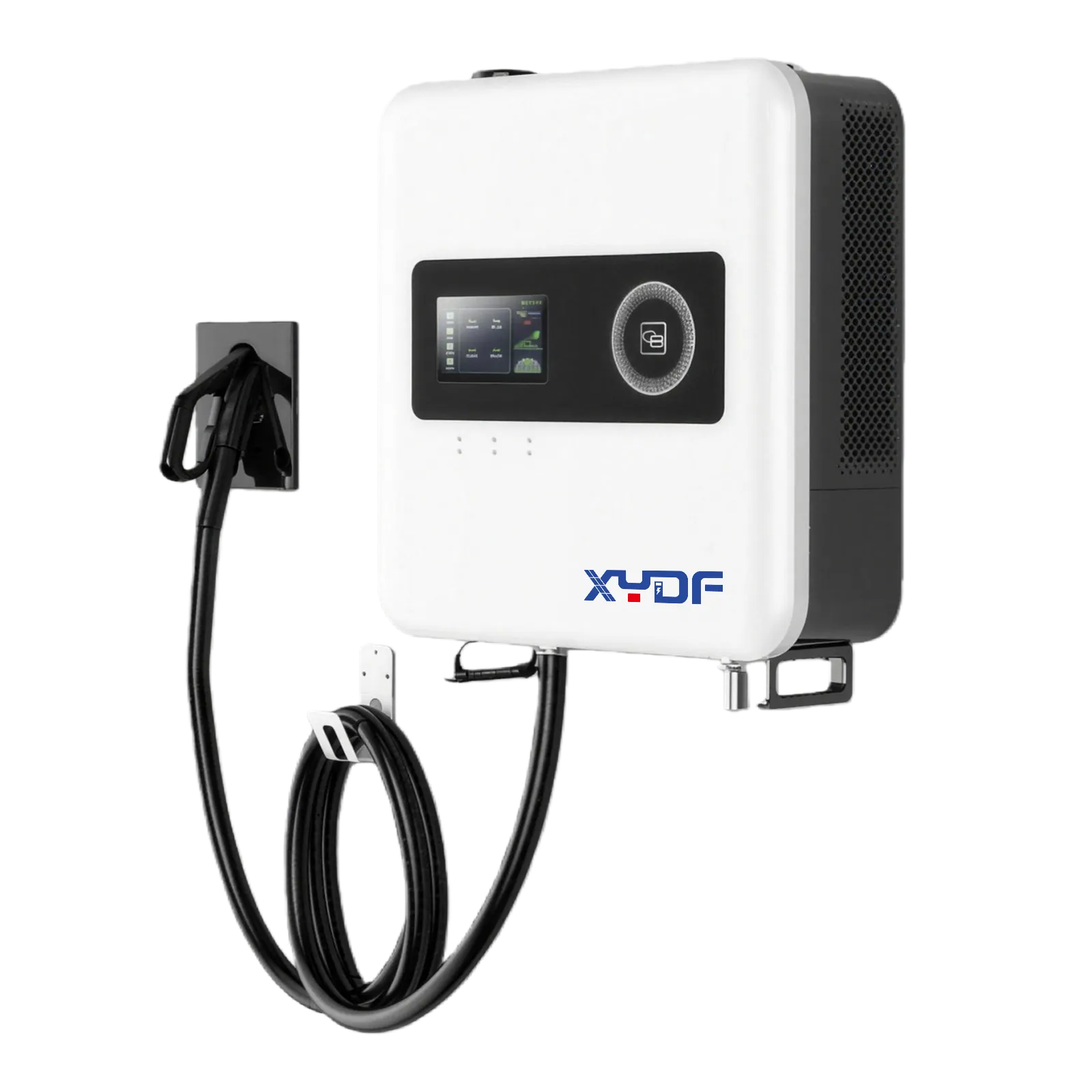 30 كيلوواط
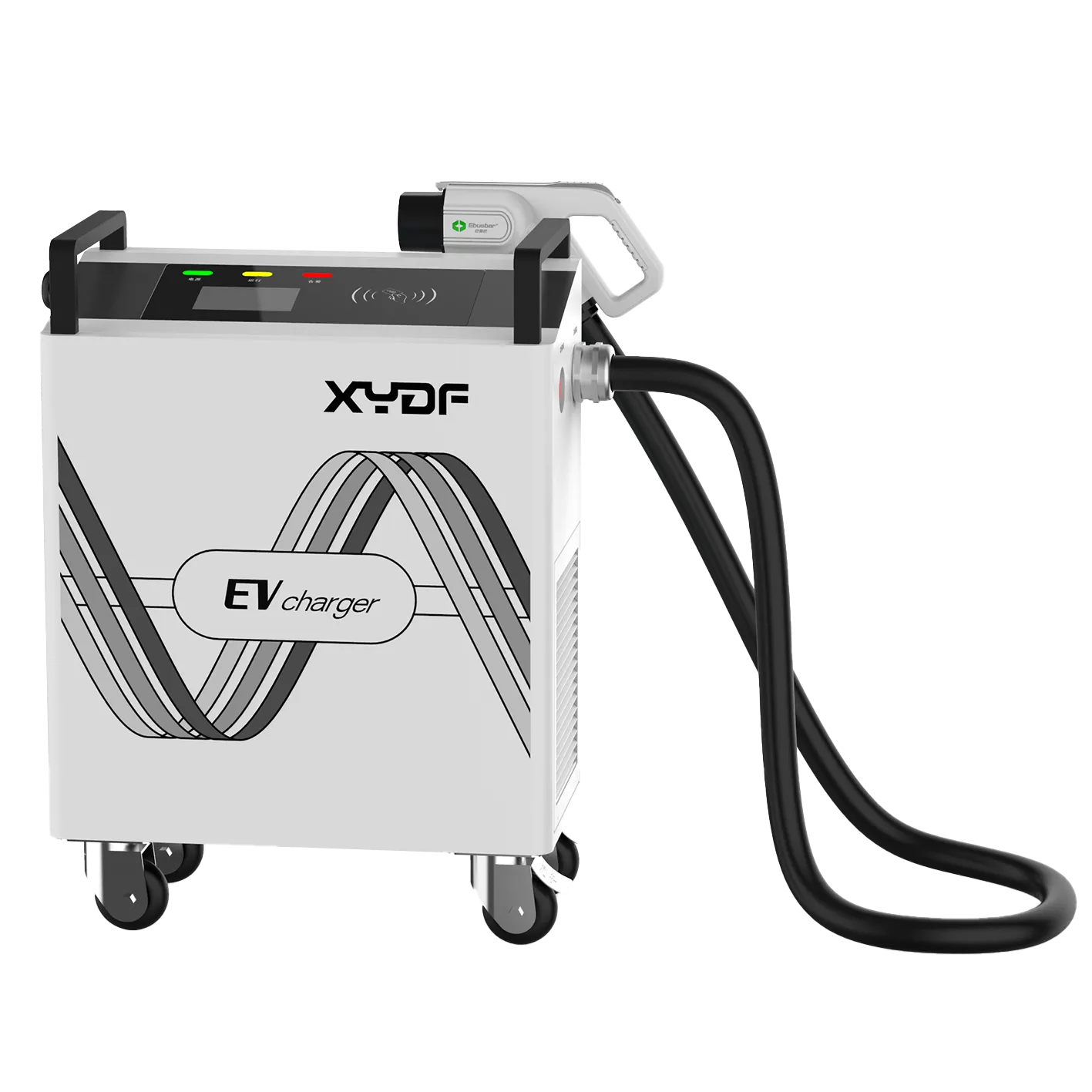 30-40 كيلوواط
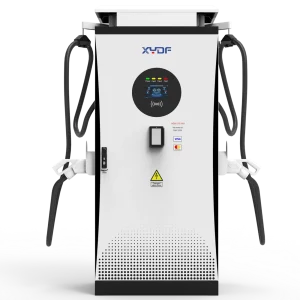 80 كيلو واط - 240 كيلو واط
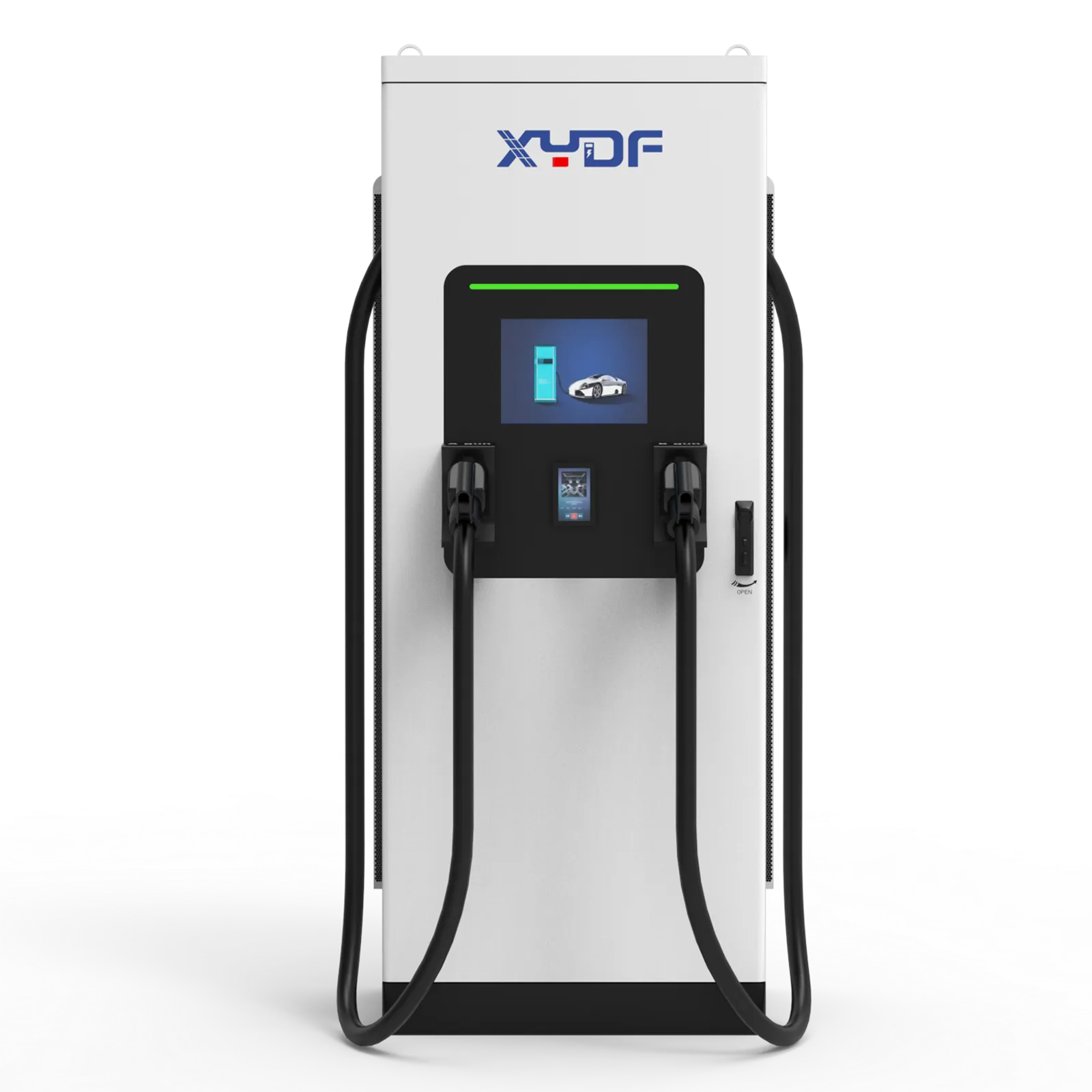 60-240 كيلوواط
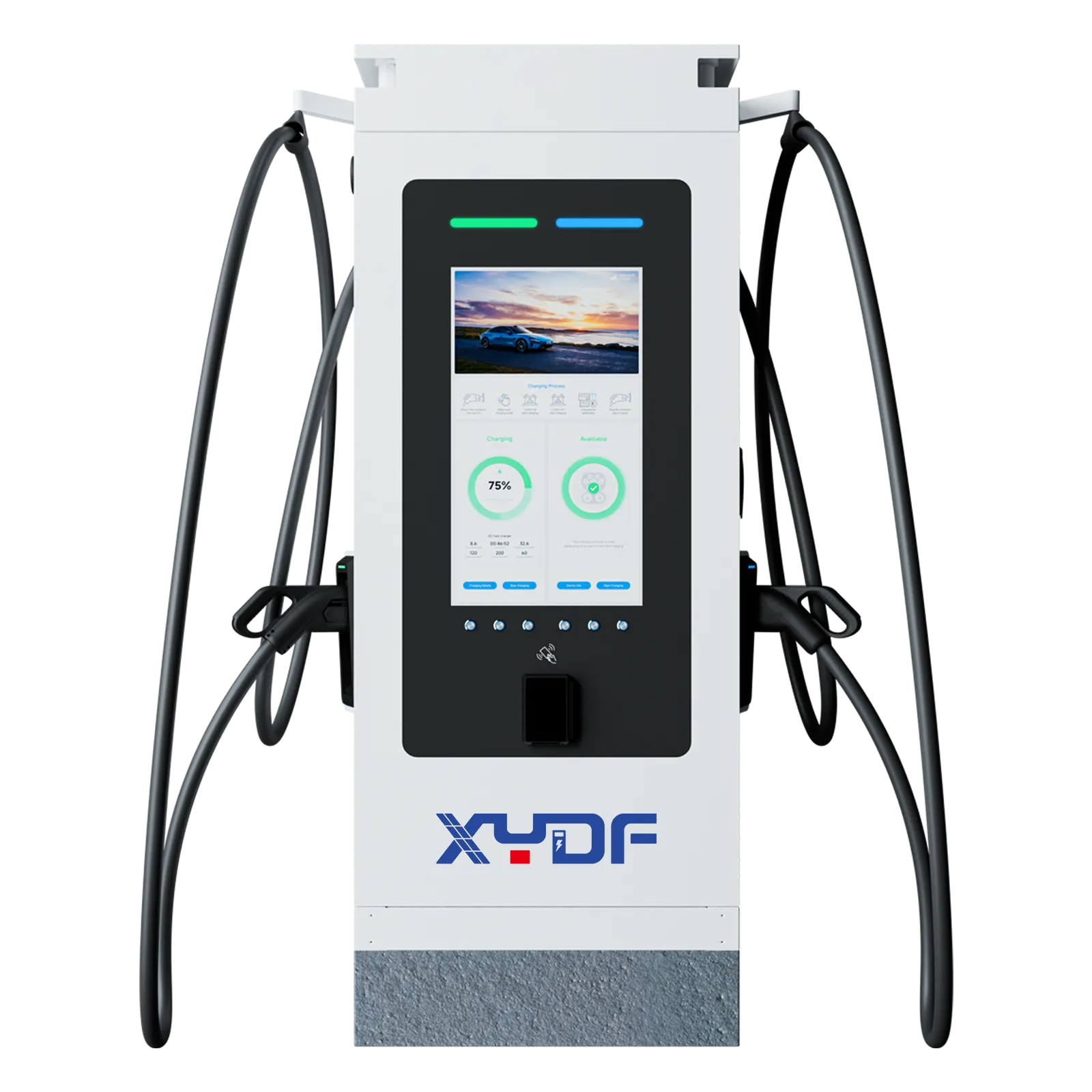 60 كيلوواط - 240 كيلوواط
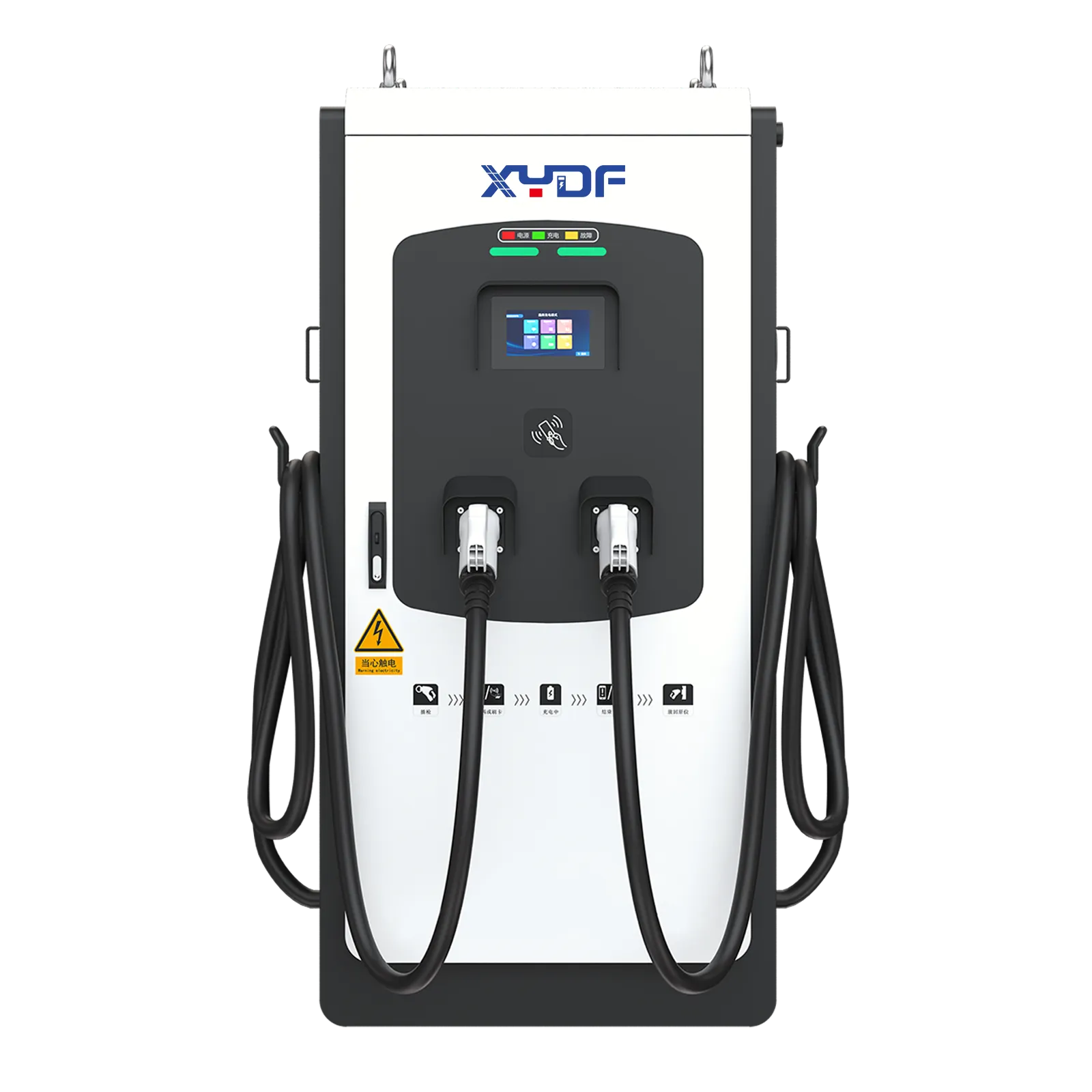 400-520 كيلوواط
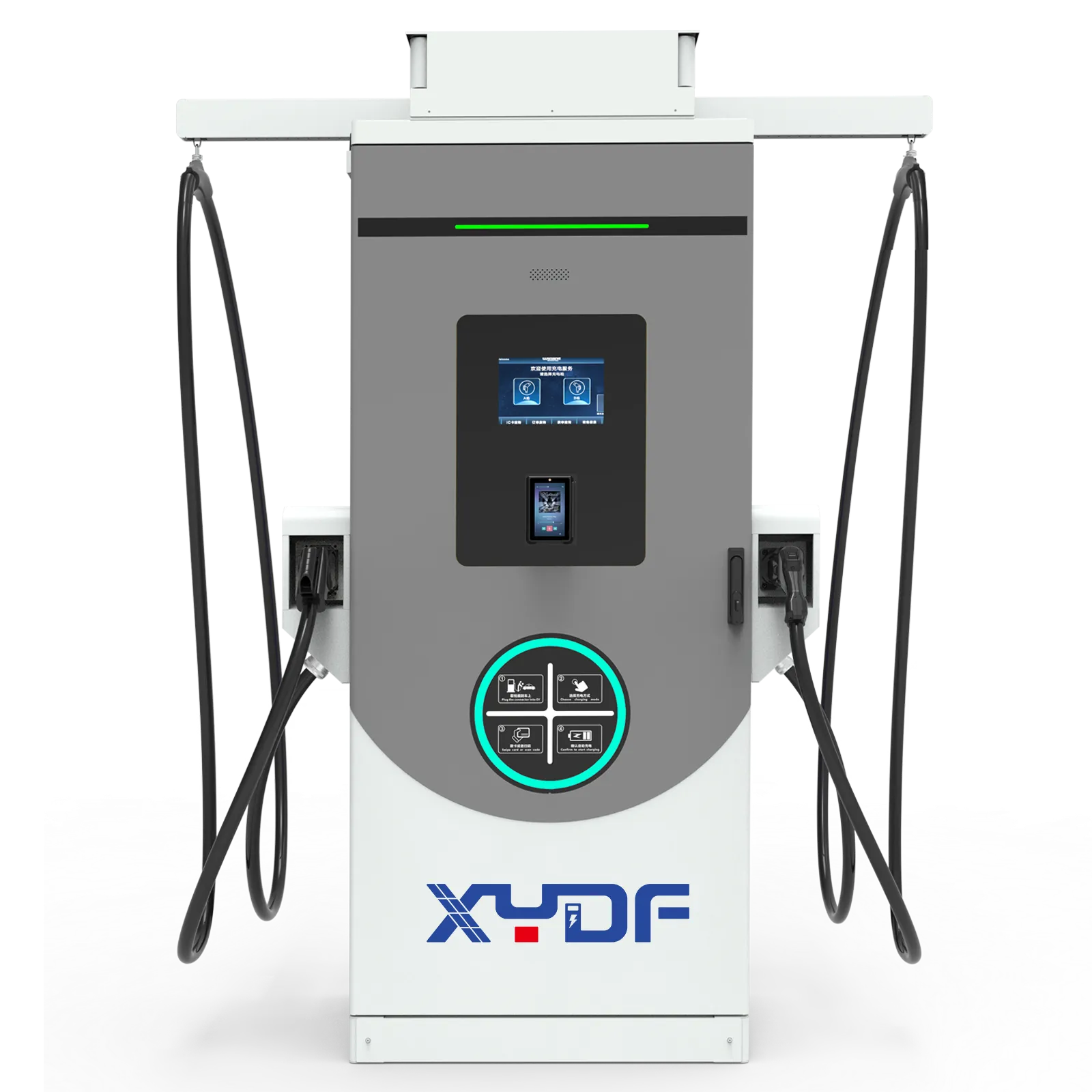 320-400 كيلوواط
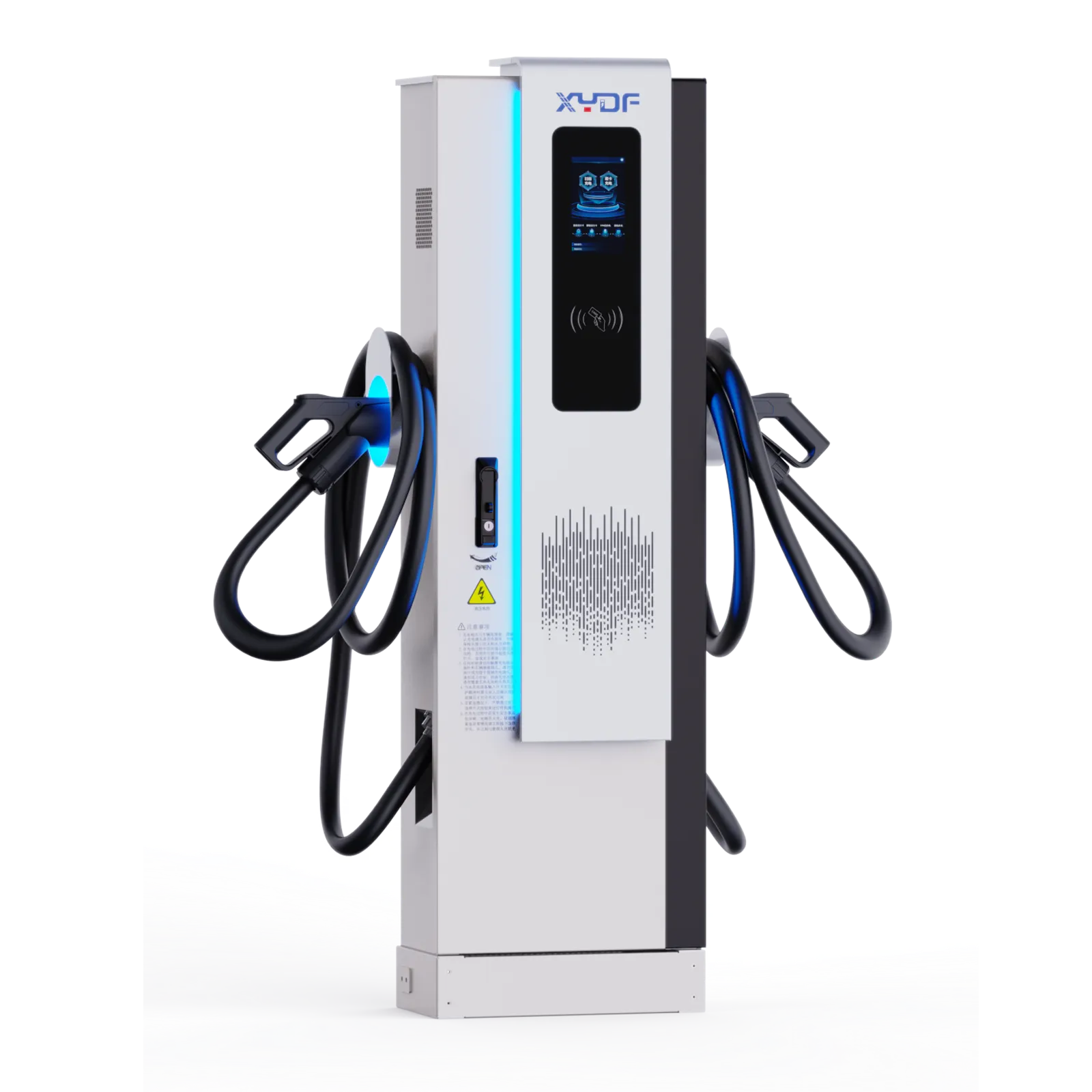 480 كيلوواط - 960 كيلوواط
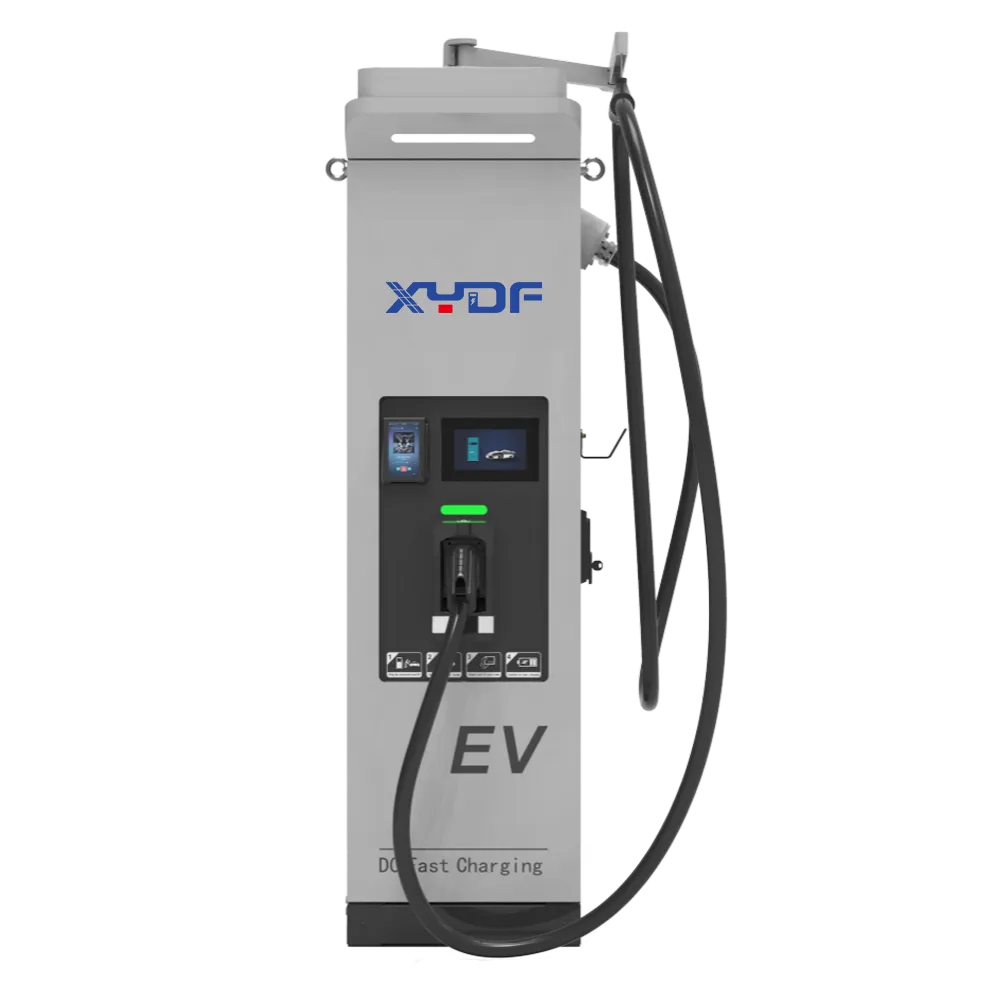 360 كيلوواط - 600 كيلوواط