EV Charging Station Compatibility: What Buyers Should Check
27 أغسطس 2026
مدونة
An EV charging station is compatible only when the vehicle, connector, power path, control software, payment route, and installation all support the same session. A plug that fits can still fail because the vehicle accepts less power, an adapter is not approved, the backend cannot authorize the driver, or the site cannot carry simultaneous demand. Buyers who compare only connector names and rated kW often discover the gap during commissioning, when changing equipment is expensive. This guide builds a vehicle-and-site compatibility check from the inlet and charging mode through electrical capacity, communications, user access, standards, and acceptance testing. It separates physical fit from a usable, supportable charging service.
The short answer is that compatibility must be checked across the vehicle inlet, AC onboard charger or DC voltage range, connector, approved adapter, communications, payment, and site electrical capacity. AFDC separates AC Level 1/2 from شحن سريع بالتيار المستمر, while SAE J1772 and J3400 define North American interface families; the destination market may use other connector and installation rules. Build a vehicle matrix and run representative sessions before fleet rollout. A universal label is not a substitute for a documented acceptance test.
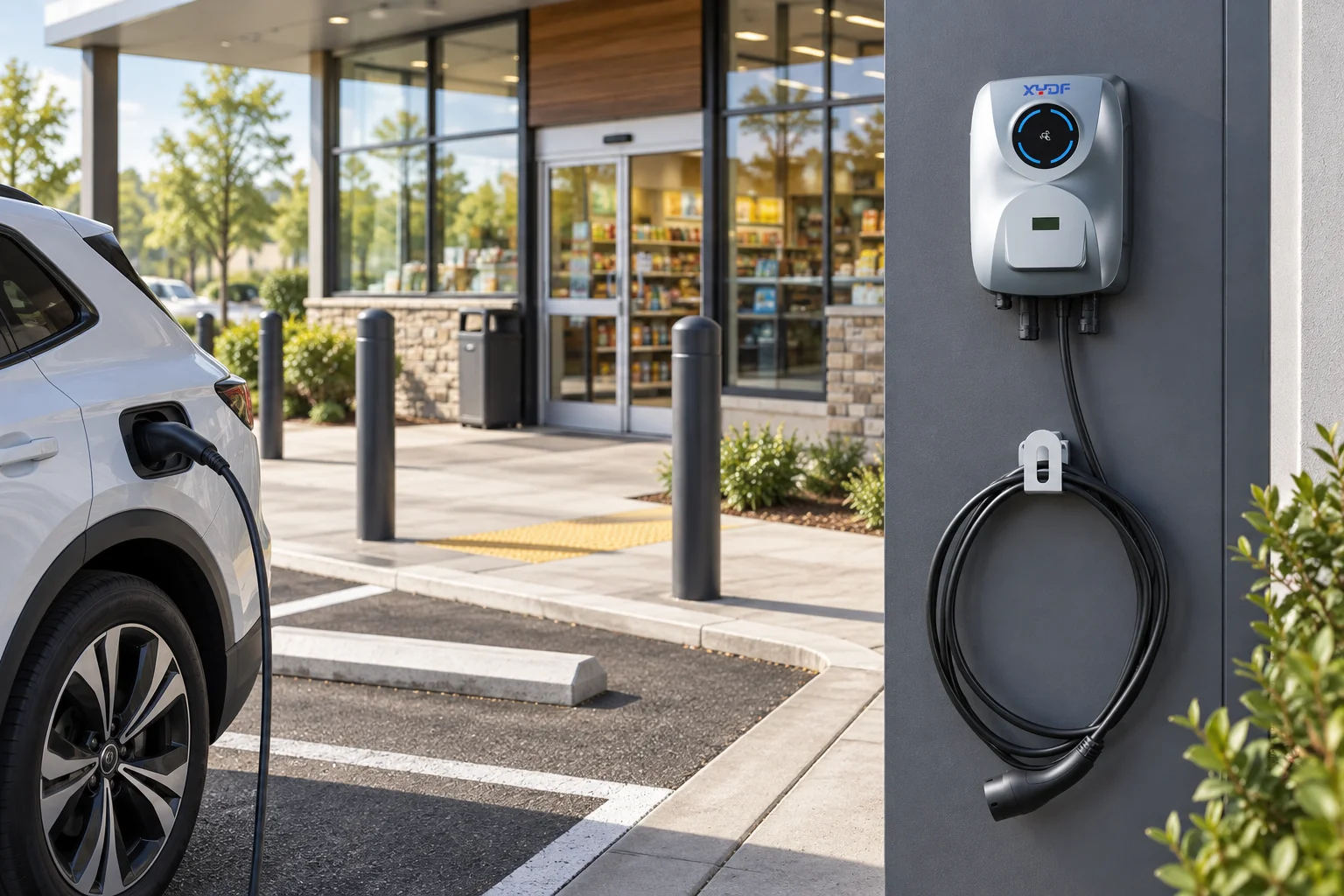
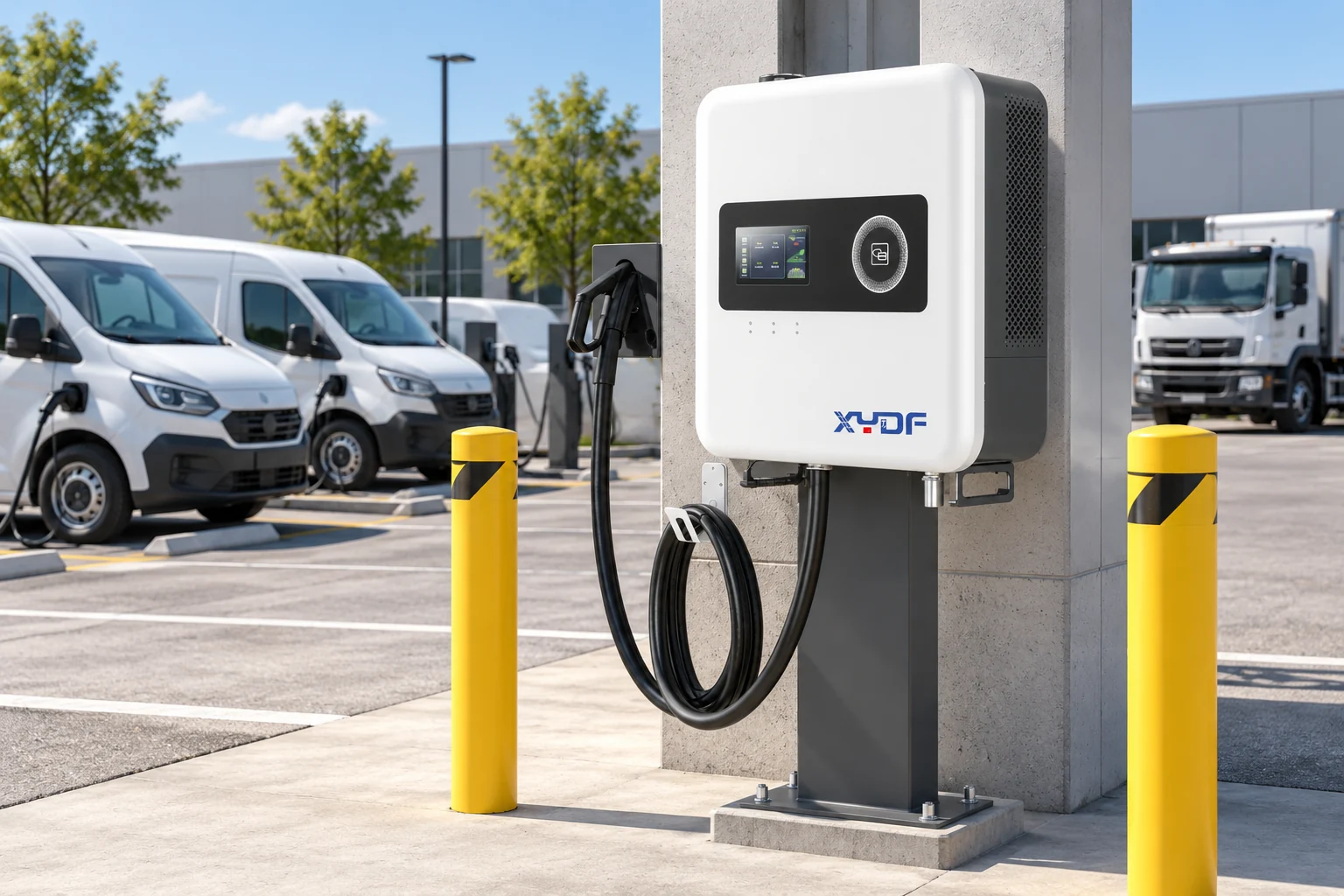
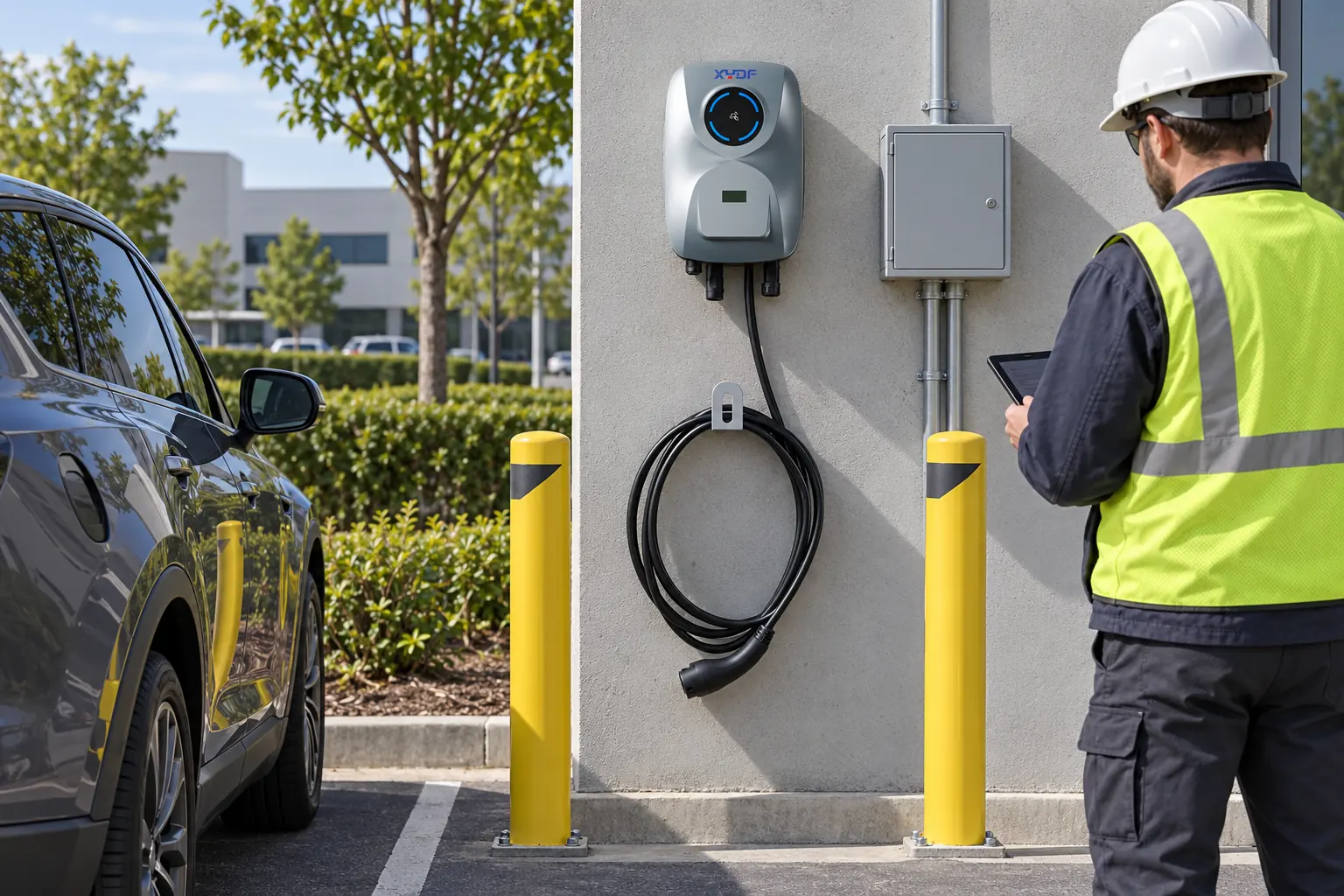
AC charging depends on vehicle and building capacity.
Which connector and regional plug does the vehicle use?
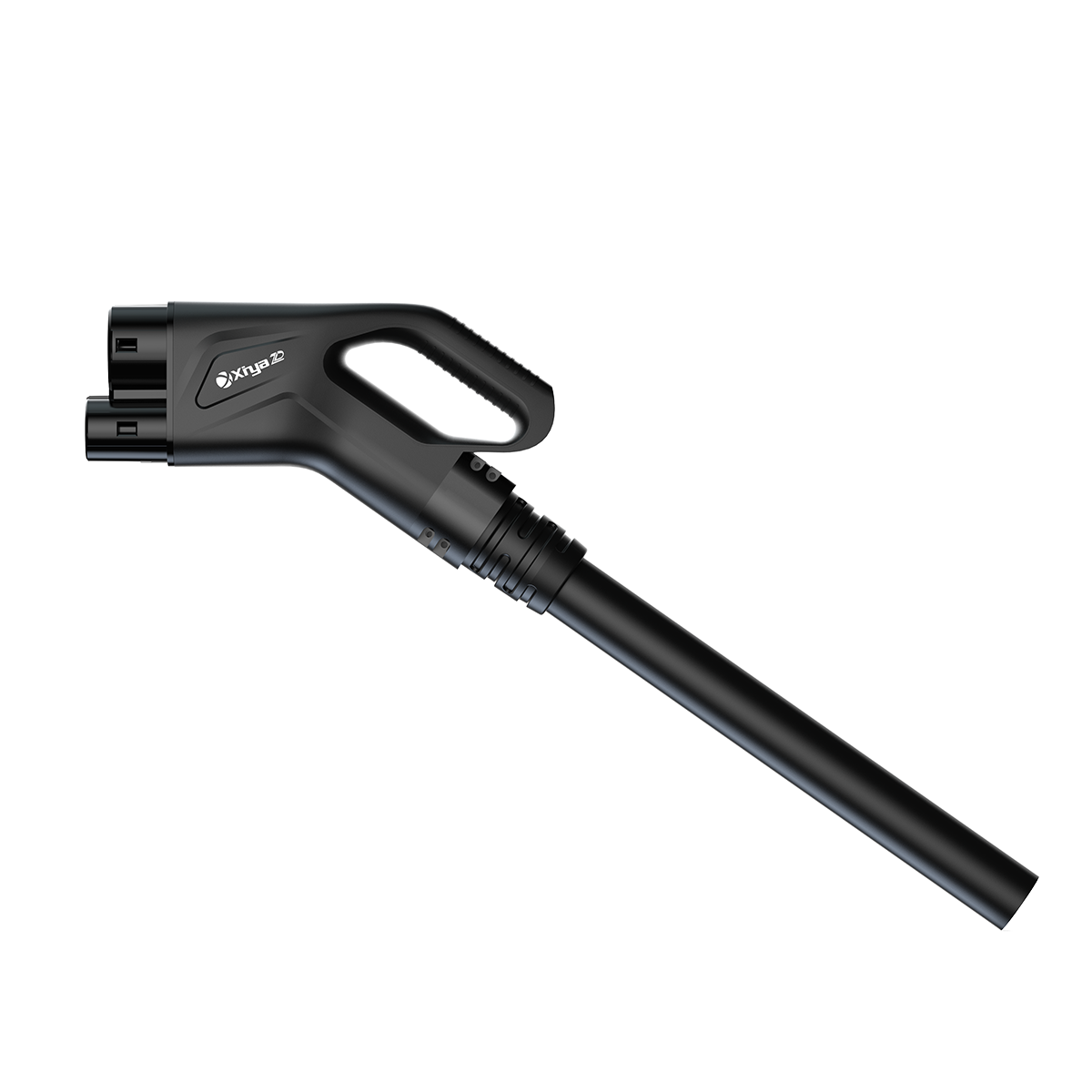
Build a vehicle-by-vehicle matrix before choosing a connector. In Canada and the United States, J1772 has long been the common AC interface, while Combined Charging System (CCS) has been widely used for DC fast charging. Tesla’s North American Charging Standard, now standardized as SAE J3400, changes the decision for fleets containing NACS-equipped vehicles or drivers expecting NACS access. A connector strategy should identify the native inlet on each vehicle, the charging modes it supports, and whether an adapter is approved by the vehicle manufacturer for the intended use.
Connector compatibility also varies by destination market. Type 2 and CCS2 are common in many European applications; a North American configuration can create an immediate mismatch. Use SAE J1772, SAE J3400, or IEC 62196 as a specification reference, then verify the vehicle and regional rules. During acceptance testing, use representative vehicles or approved test equipment to check mating, locking, pilot signalling, and session initiation.
How much AC or DC power can the vehicle accept?
An EVCS charging station’s nameplate output is not the speed every vehicle will receive. On AC, the onboard charger sets the maximum: a 7.2 kW vehicle will not draw 11 kW simply because the EVSE can supply it. On DC, the battery-management system controls requested current and voltage, with acceptance commonly tapering as state of charge rises. Use these limits to shape dwell-time planning and avoid unnecessary capacity spend.
على سبيل المثال، قد يكون جهاز تيار مستمر بسعة 50 كيلوواط مناسبًا لسيارة متوقفة لمدة ساعة أو أكثر، لكنه لا يمكن أن يضمن جلسة تيار مستمر بقوة 50 كيلوواط في كل درجة حرارة أو حالة شحن للبطارية. هذا مثال فقط، وليس تعهّدًا بالوفاء بالوعد. قارن نطاق الجهد والتيار وعملية تقاسم الطاقة مع بيانات المركبة؛ أضفها إلى ملفات بيانات المركبة باستخدام جلسة محكومة وبيانات متر مأخوذة من خلال تسجيلها. بالنسبة للمواقع ذات القدرة الأكبر، راجع كيفية عمل محول التيار المباشر بقوة 350 كيلوواط يوفر الطاقة بأمان.
Compatibility comparison for common charging choices
بعد
AC Level 2
شحن سريع بالتيار المستمر
الاستخدام النموذجي
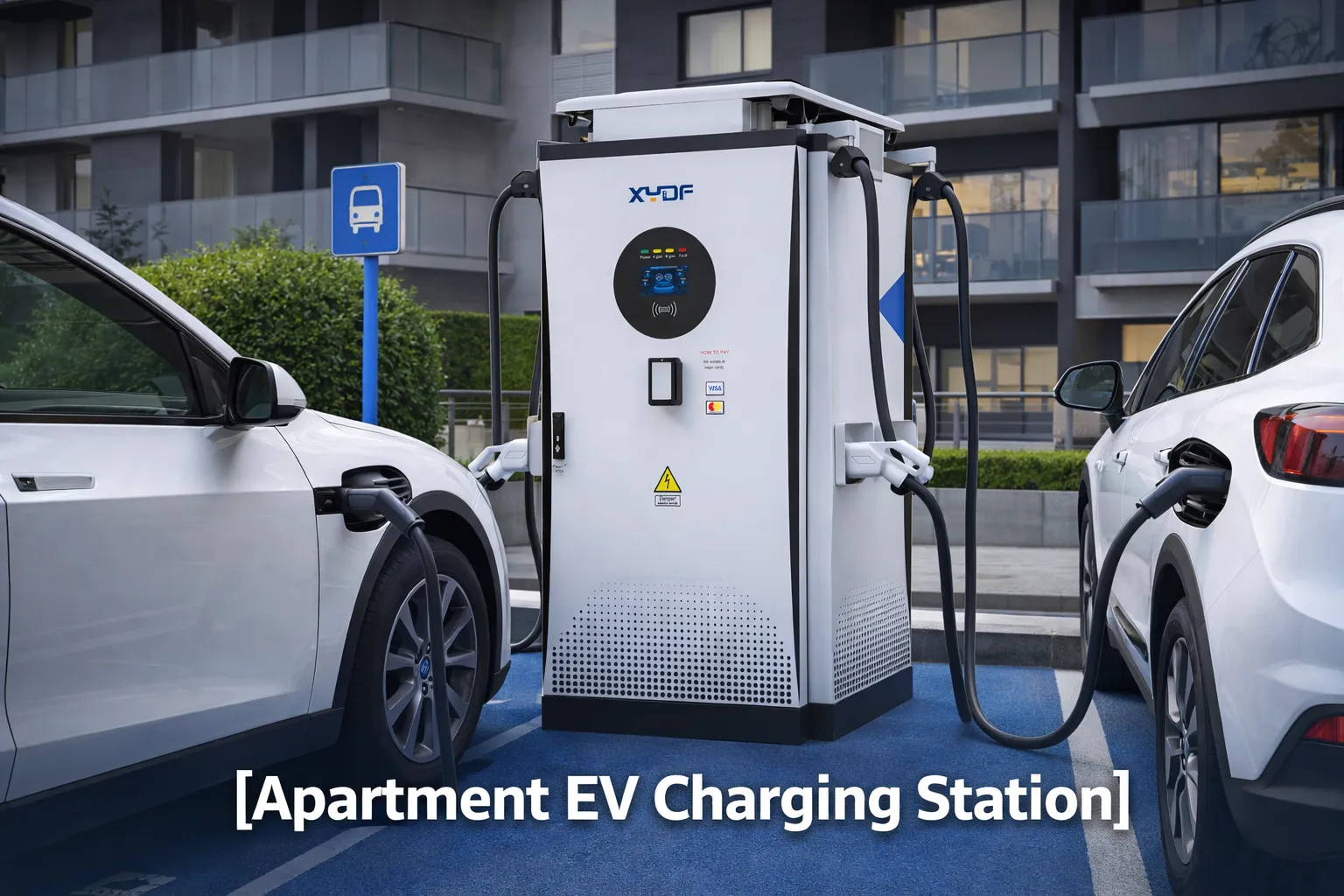
Long dwell, workplace, apartment, depot
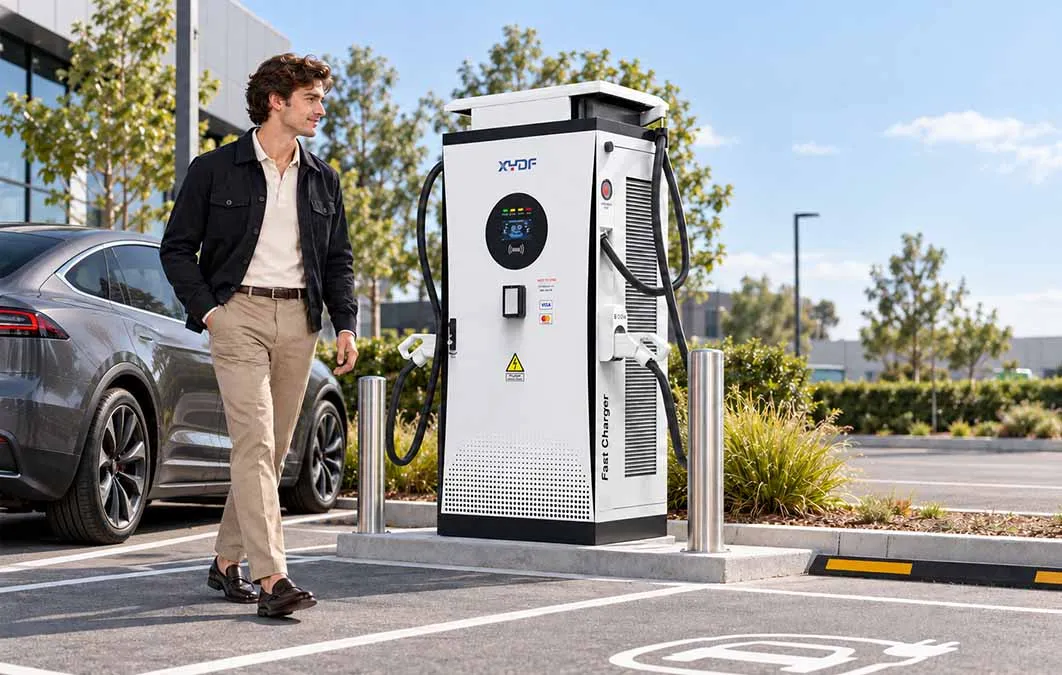
Turnaround, corridor, high-utilization fleets
Vehicle limit
Onboard charger rating
Battery voltage, BMS request, thermal state
Connector check
J1772, NACS, or regional equivalent
CCS, NACS, or regional equivalent
Unit-cost tendency
Lower equipment and service demand
Higher equipment, service, and civil scope
TCO driver
Port count and load management
Demand profile, utilization, and downtime exposure
How do adapters, software, and payment affect compatibility?
يمكن أن تزيد محولات الطاقة من نطاق الوصول، لكن ينبغي تنظيمها وليس افتراضها. تأكد من مسار المحولات المعتمد من جانب صانع السيارة، واجهة الشاحن، والحدود الكهربائية، ومدى وصول الكابل، ومسؤولية المحولات التالفة. لا يمكن للمحول أن يحل مشكلة عدم التوافق في التصاريح أو عدم توفر الطاقة. بالنسبة للوحدات التشغيلية المتعددة، يكون توفير تغطية الموصلات الأصلية أسهل من استخدام المحولات غير المعتمدة عند كل تغيير في الدوام.
تستمر التوافقية بعد توصيل المكونات. تأكد من وجود التطبيق المطلوب، والبروتوكول الخاص بالراديو القابل للاتصال (RFID)، والبروتوكول الخاص بالتعرف عن طريق الباركود (QR)، والبروتوكول الخاص بالتمويل عبر شبكة الجوال (Roaming)، ومحطة الدفع، والبروتوكول الخلفي. تُعد OCPP بروتوكول اتصال، وليس ضمانًا للتوافقية الشاملة؛ قم بتحديد الإصدار ووظائف واجهة برمجة التطبيقات (API)، وضوابط التعريفات، والتقارير، ثم قم باختبارها باستخدام الشبكة المختارة. تتطلب معايير ISO 15118 أيضًا تأكيدًا من جانب كل من المركبة ونظام الشحن.
DC checks.
Can the site electrical design support the planned sessions?
تختلف القيود الصادرة من المنزل أو الشقة أو المرآب أو المواقع العامة. قد يتناسب شاحن المركبة مع السيارة ولكنه يتجاوز سعة لوحة الطاقة الاحتياطية، أو يتطلب ترقية الخدمة، أو يتعارض مع مسارات الأنابيب. في تورونتو، يجب على مقاول الكهرباء المرخص له تقييم الخدمة ولوحة الطاقة ومغذيتها وحمايتها ووصلاتها الأرضية وحساب الحمل والاحتياجات الخاصة بالسلطات المحلية. يجب توثيق إدارة الحمل واختباره في ظل الطلب المتزامن.
فحص المشتريات بناءً على طلب
تطبيق
الأسئلة الرئيسية المتعلقة بالتوافق
فحص قبول مفيد
منزل
هل يمكن للخدمة واللوحة دعم الدائرة المخطط لها؟
حساب التحميل المرخص والتركيب المسموح به
الشقة
هل يمكن لمستخدمين متعددين التحقق من الهوية ومشاركة القدرة المحدودة؟
اختبار جلسات متزامنة ورادارات/الحسابات
مستودع الأسطول
هل تتوافق مسارات المركبات مع دوران التيار الكهربائي أو التيار المتردد طوال الليل؟
مصفوفة المركبة بالإضافة إلى ملف تحميل كامل الدوام
الموقع العام
هل تخدم خيارات الدفع والوصلات سائقي المركبات المستهدفين؟
محاكمة دفع الفواتير والرسوم من البداية إلى النهاية
Which standards and acceptance tests should buyers require?
List the destination market before naming a connector or certificate. A procurement pack should identify the applicable interface standard, vehicle voltage and current envelope, approved adapters, backend protocol and version, payment path, installation code, and evidence required at handover. The acceptance script should include a representative vehicle, authorization, energy delivery, stop and restart, fault recovery, meter record, and simultaneous-session test. A standard defines scope; it does not by itself prove that a particular vehicle, charger, or site combination will work.
المواصفات تحدد نطاق التطبيق؛ فهي لا تؤكد تلقائيًا على جودة المنتج أو إثبات امتثال المشروع. تتناول مواصفات SAE J1772 وSAE J3400 واجهات الشحن؛ وتتناول مواصفات IEC 61851 أنظمة الشحن السلكية، وتغطي مواصفات IEC 62196 الأقواس والمنافذ. تحكم قانون الكهرباء الوطني والقانون الكهربائي الكندي في التثبيت في مناطق اختصاصهما. قم بتحديد السوق المستهدفة، والاستخدام المقصود، والموافقات المطلوبة، وأدلة الاختبار؛ إذ قد تؤدي الادعاءات غير المؤكدة أو التثبيت غير المطابق إلى تأخير التشغيل.
إنشاء مصفوفة للوحدات: نموذج السيارة، المدخل، المكونات المعتمدة، الحد الأقصى للتيار الكهربائي على متن المركبة، نطاق جهد التيار المستمر، وقت الإقامة على الطريق.
حدد تخصيصات الموصلات وسياسة بروتوكول الإيصال المراقبة، بما في ذلك ملكية الموصلات وفحصها.
قم بإعداد متطلبات البنية الأساسية: مصادقة المستخدم، الدفع، نطاق OCPP/API، ملكية البيانات، وخدمة رفع مستوى الدعم.
توفير تصميم كهربائي وحساب الحمل، ثم اختبار جلسات التشغيل المتزامنة قبل تسليم التشغيل.
Questions buyers ask about EV charger compatibility
كيف أعرف ما إذا كانت محطة الشحن متوافقة مع سيارتي؟
تحقق من نوع مدخل السيارة ومستواها القصوى لبطارية الشحن على متن السيارة، ومستواها المسموح به لشبكة الشحن الكهروضوئية، ومستوى الجهد الذي تدعمها. ثم تأكد من موصل الشاحن وأي محول معتمد من شركة تصنيع السيارة، واختبر العملية قبل تنفيذها على نطاق واسع في جميع المركبات.
Are all EV chargers compatible?
No. Connector families, regional configurations, vehicle power limits, and network authorization can differ. A charger may be physically connectable but still fail to meet the vehicle’s DC interface, the site’s electrical design, or the driver’s access method.
Are all EV charging stations universal?
No; “universal” is usually a marketing shorthand, not a complete procurement requirement. Confirm native connector coverage, adapter rules, payment and RFID behavior, and whether the intended vehicles can use the available power level.
How do I know if a charger is compatible?
Compare the charger’s connector, voltage/current envelope, protocol support, and installation requirements with the vehicle and site specification. Include a commissioning script that checks authentication, meter records, fault recovery, and simultaneous sessions; uptime monitoring can help identify issues after handover.
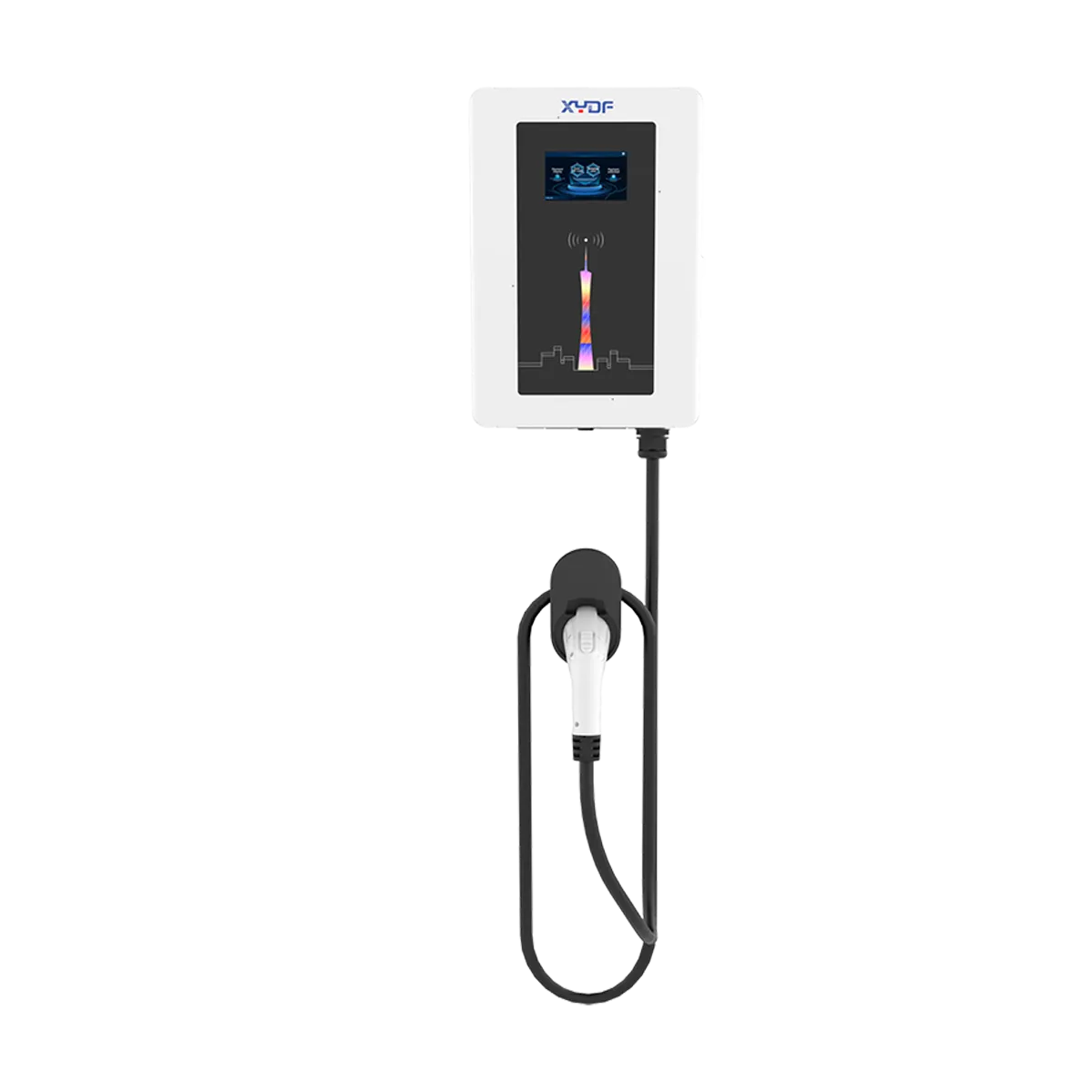
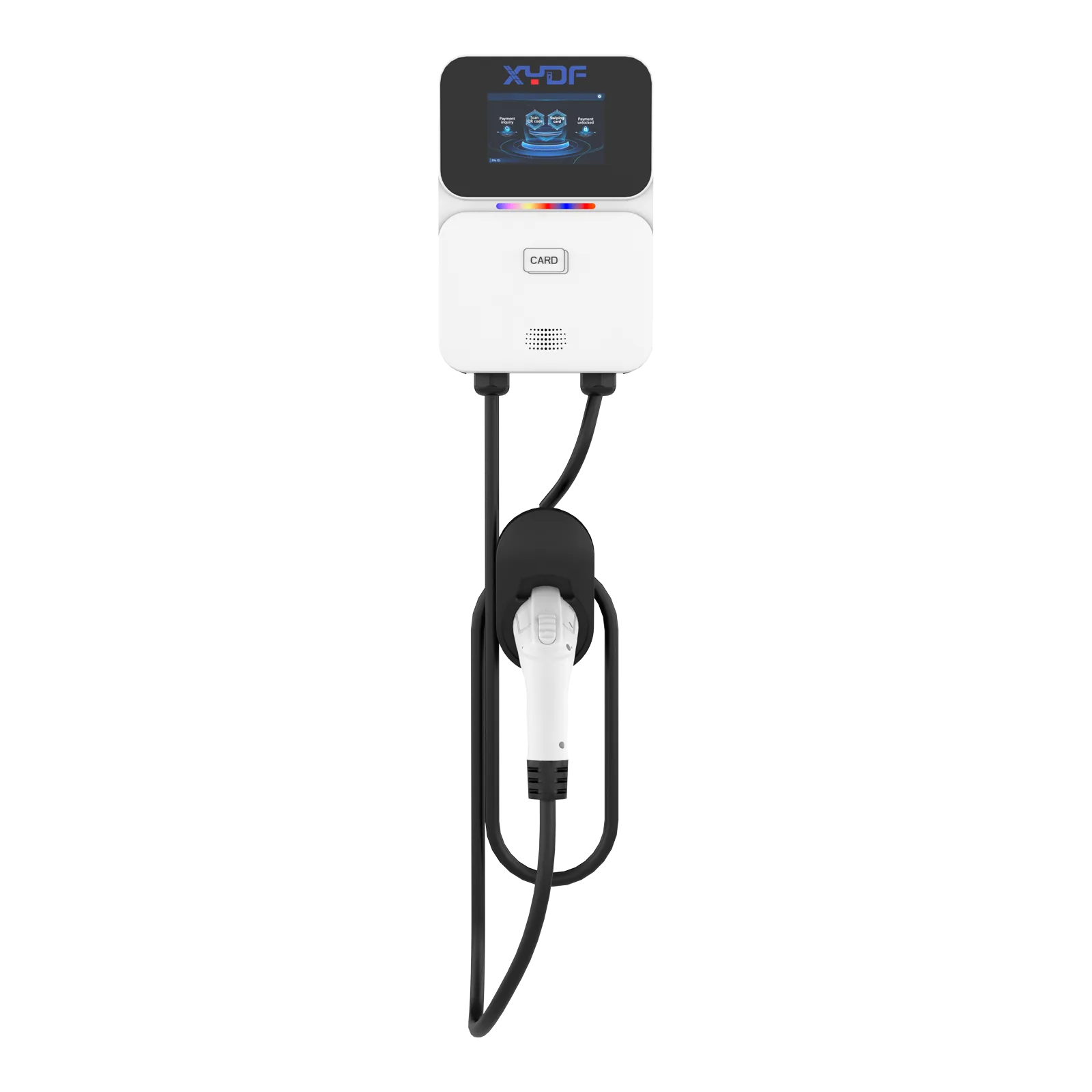
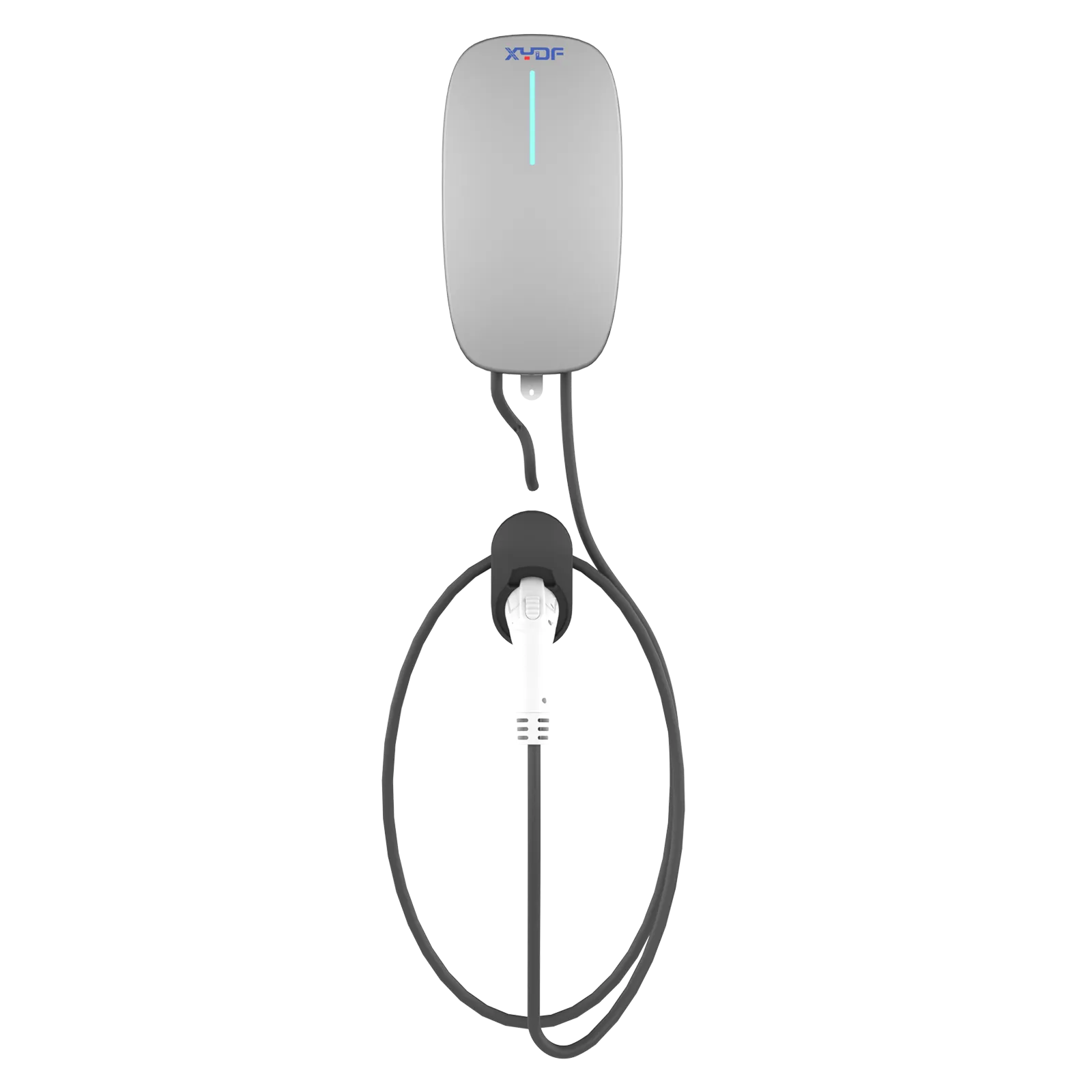
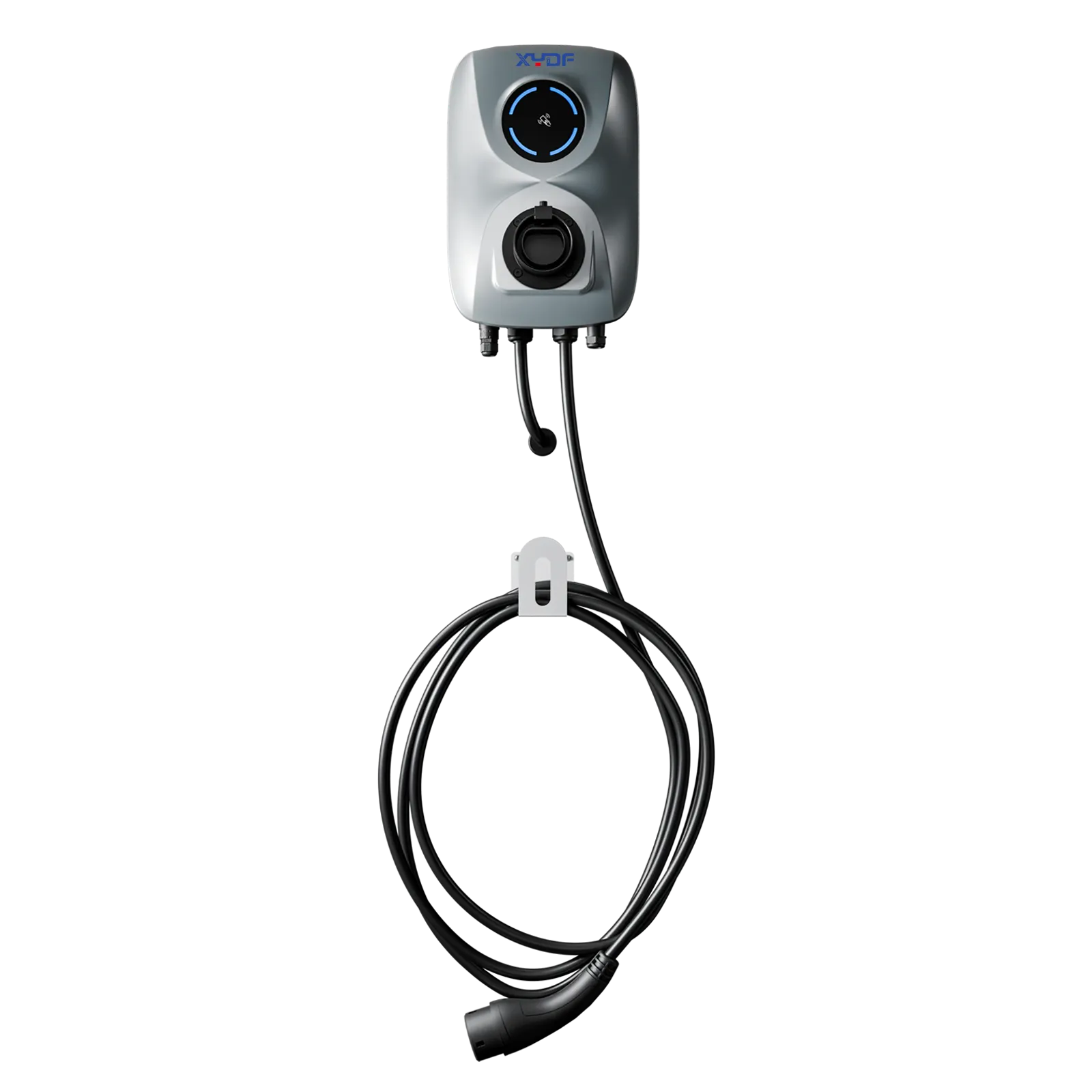
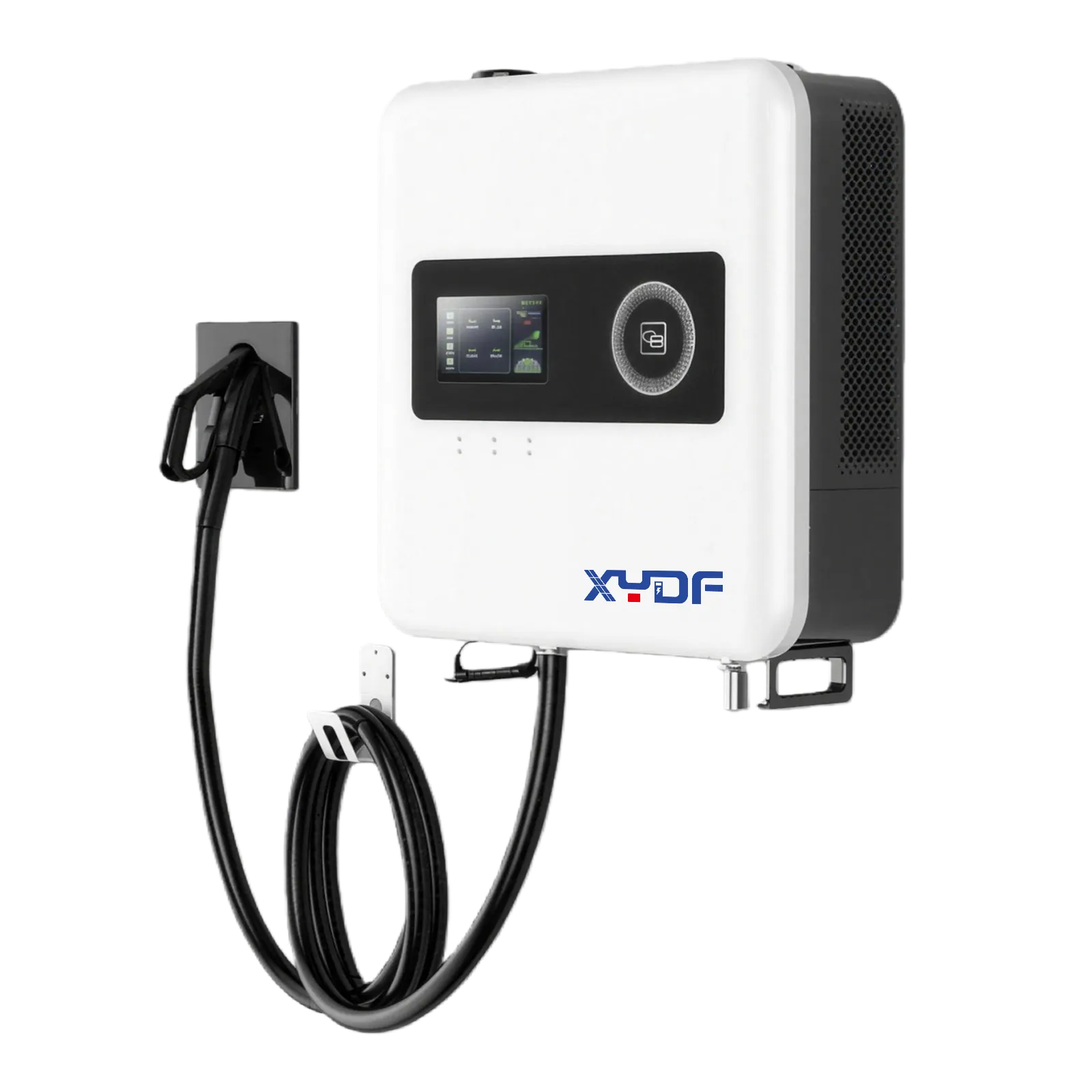
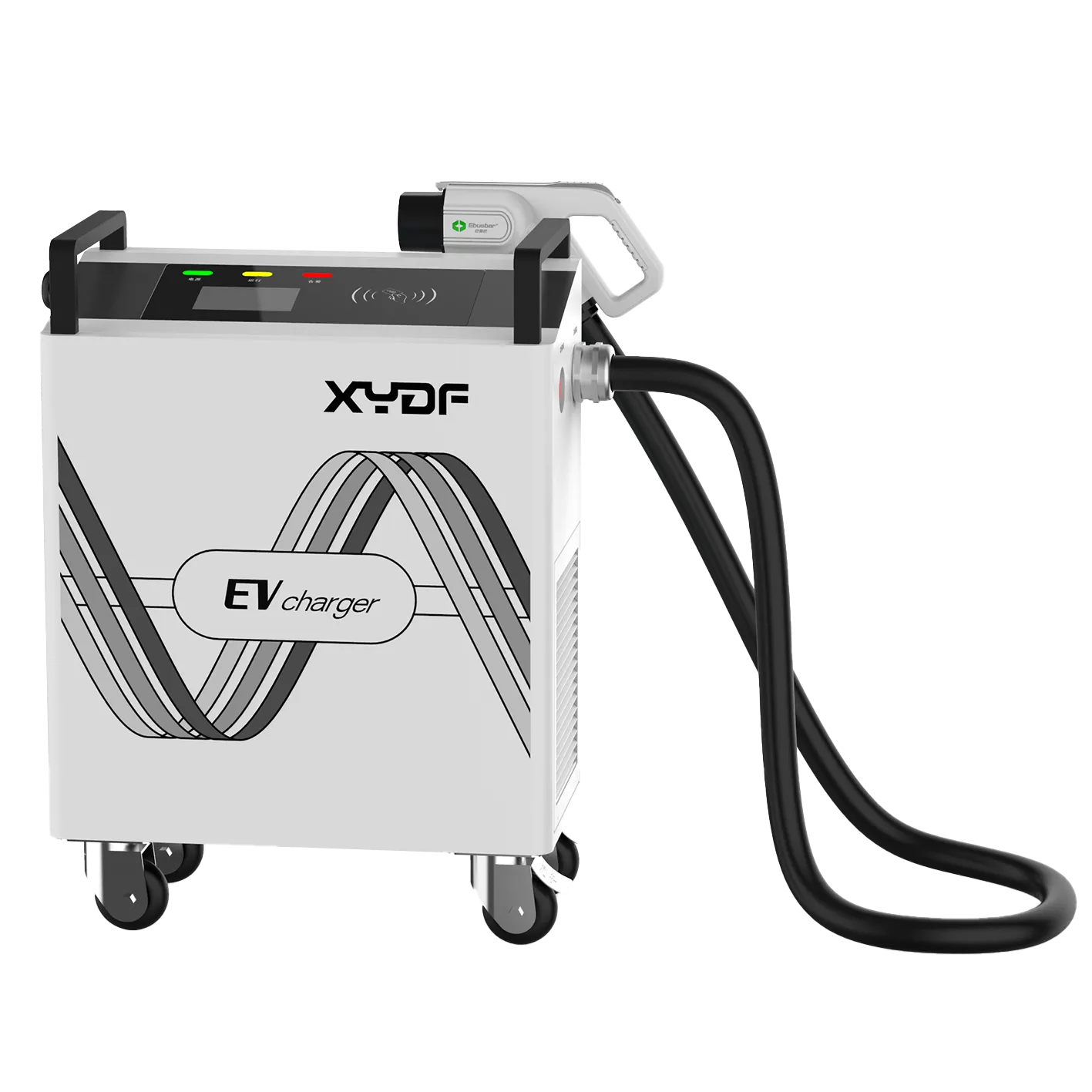
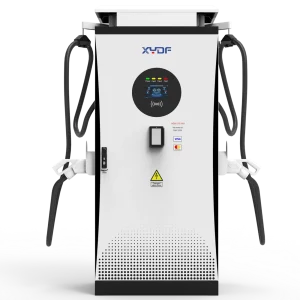
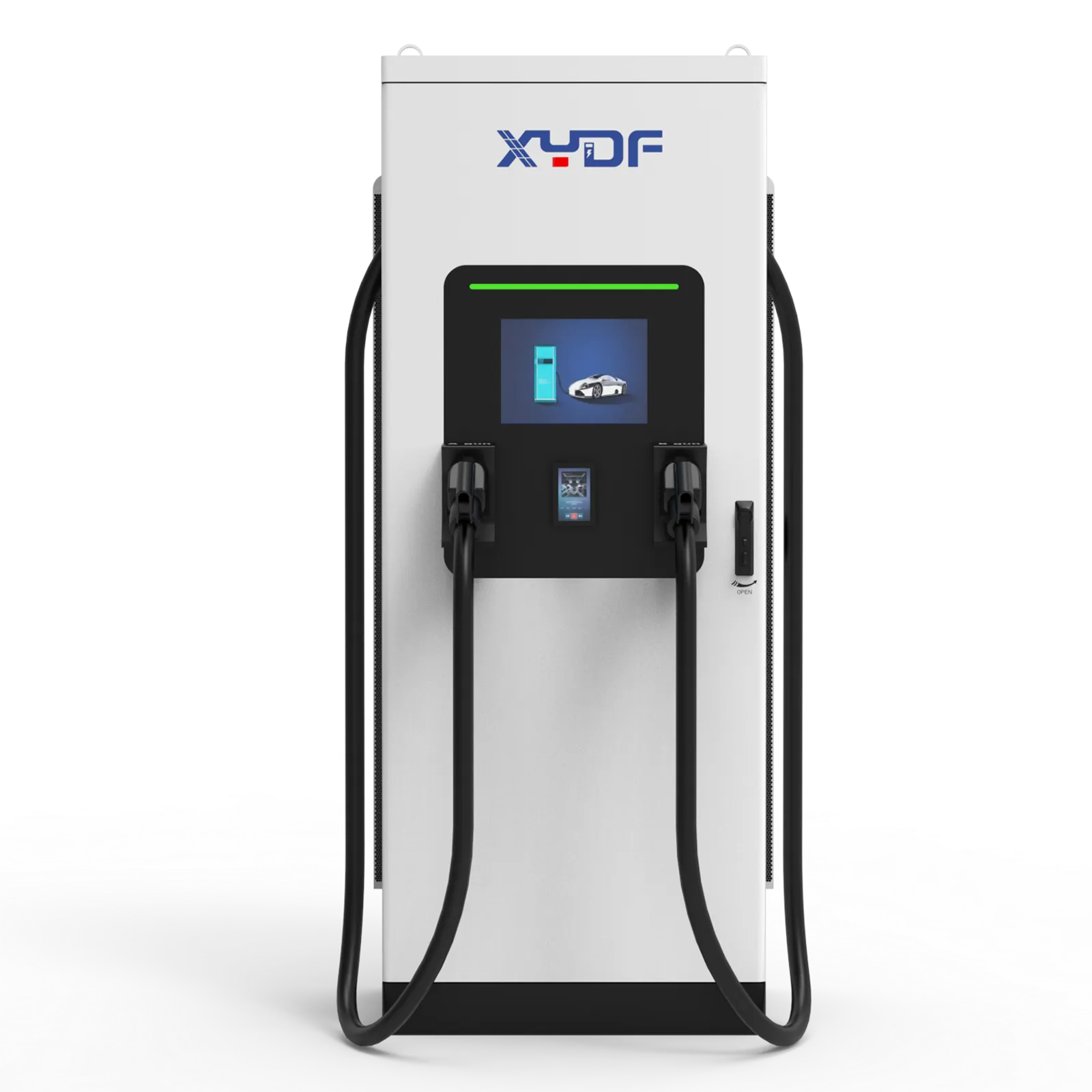
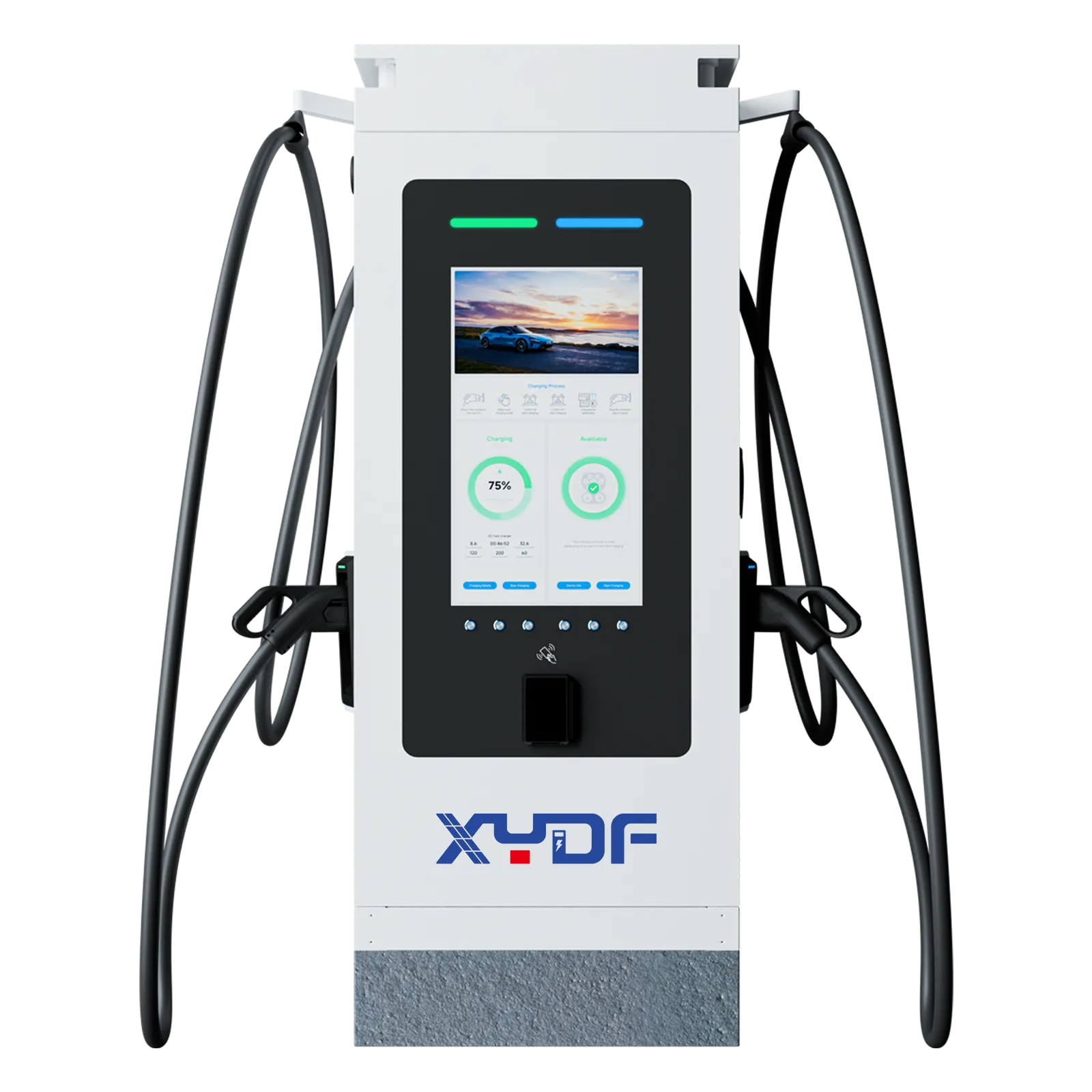
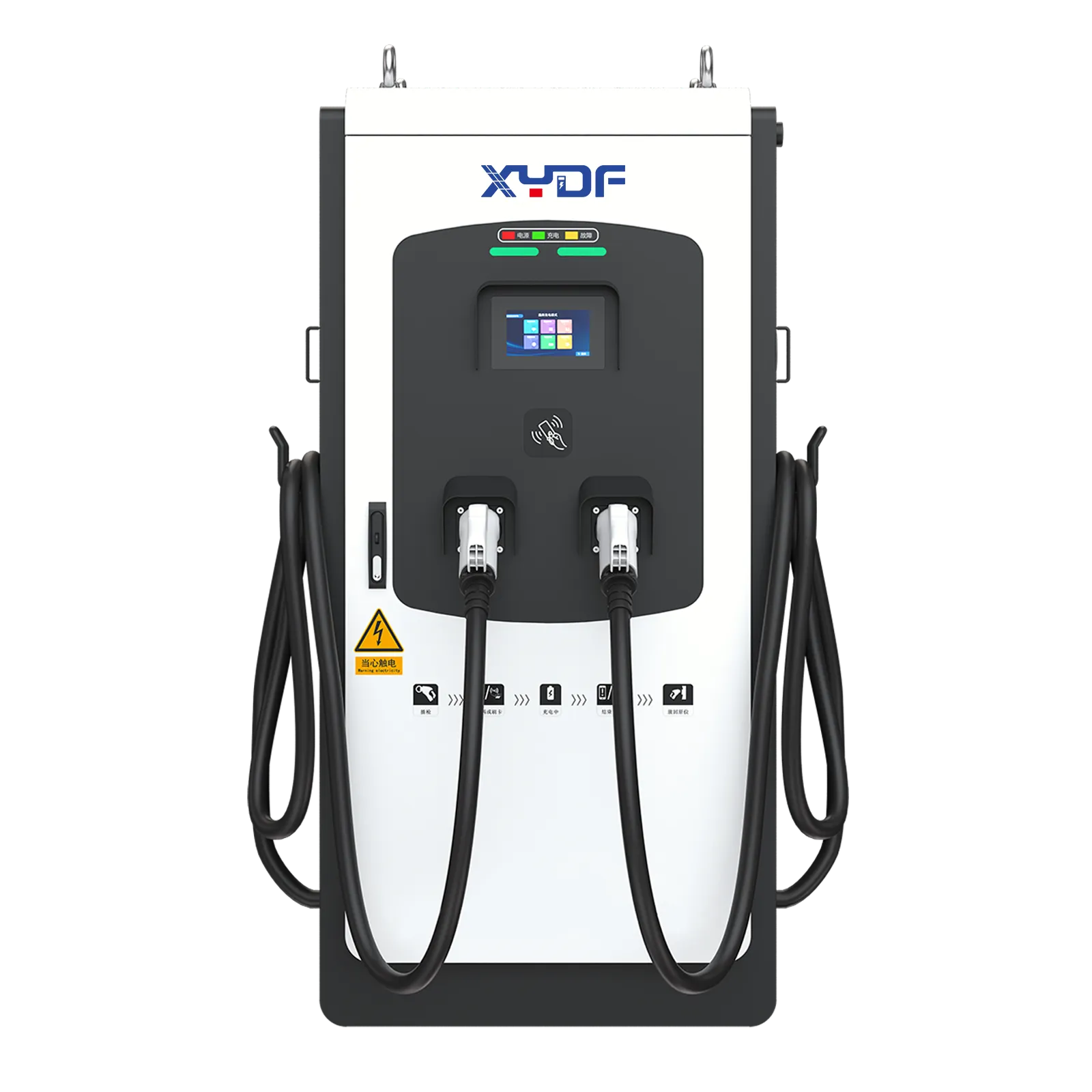
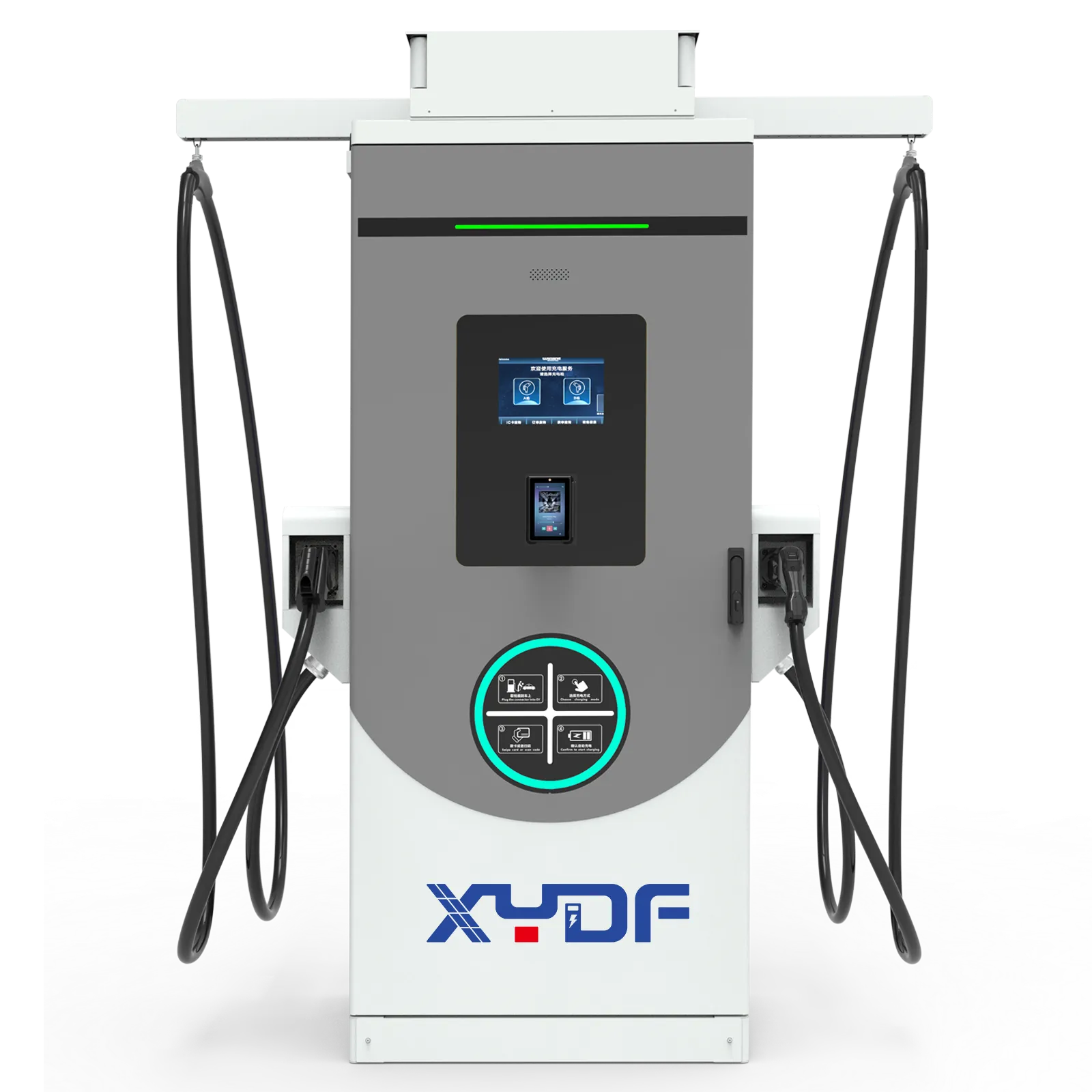
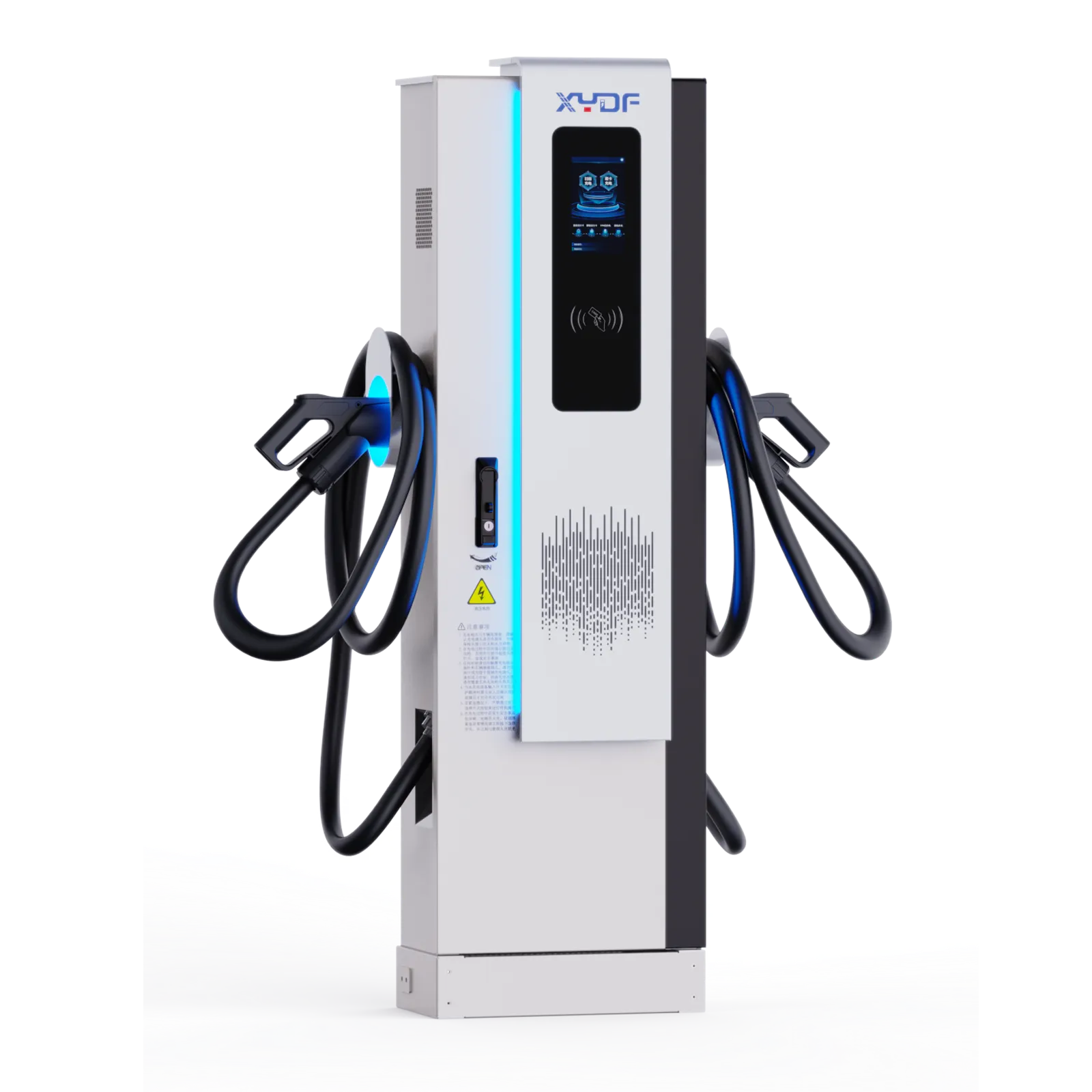
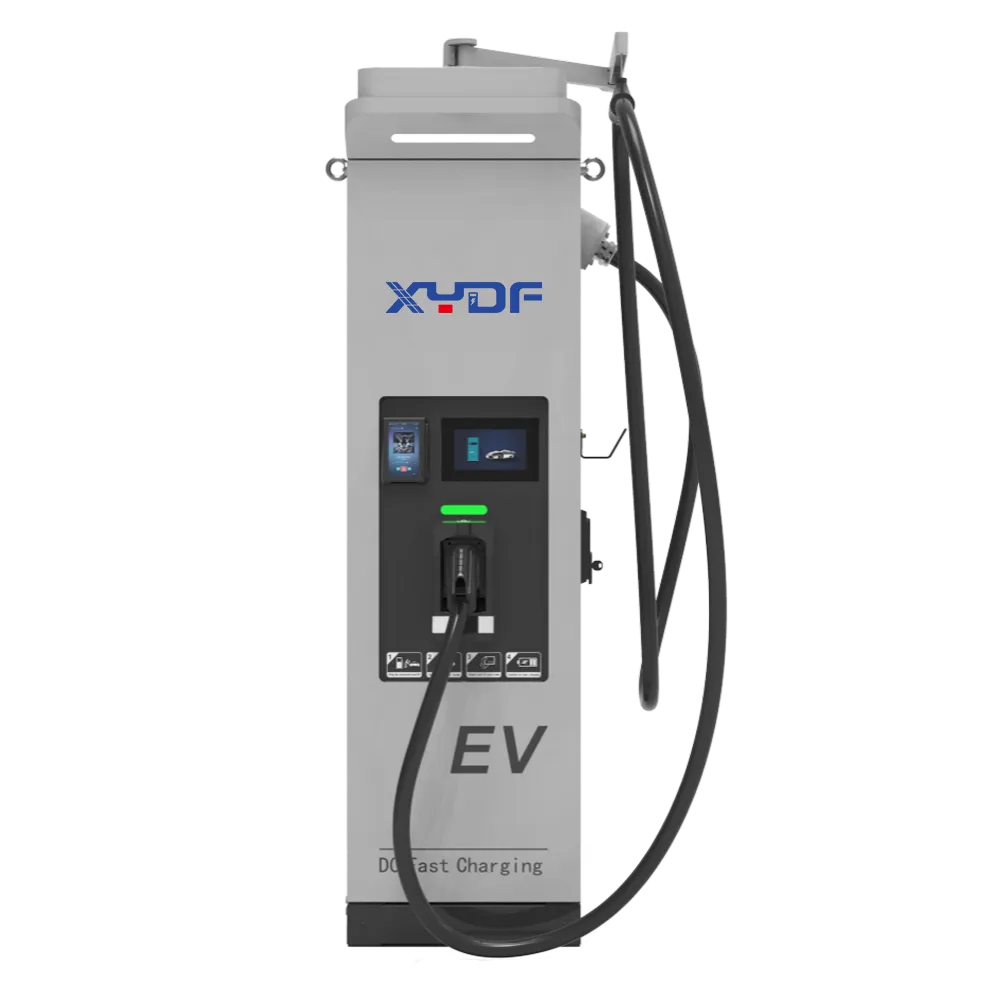
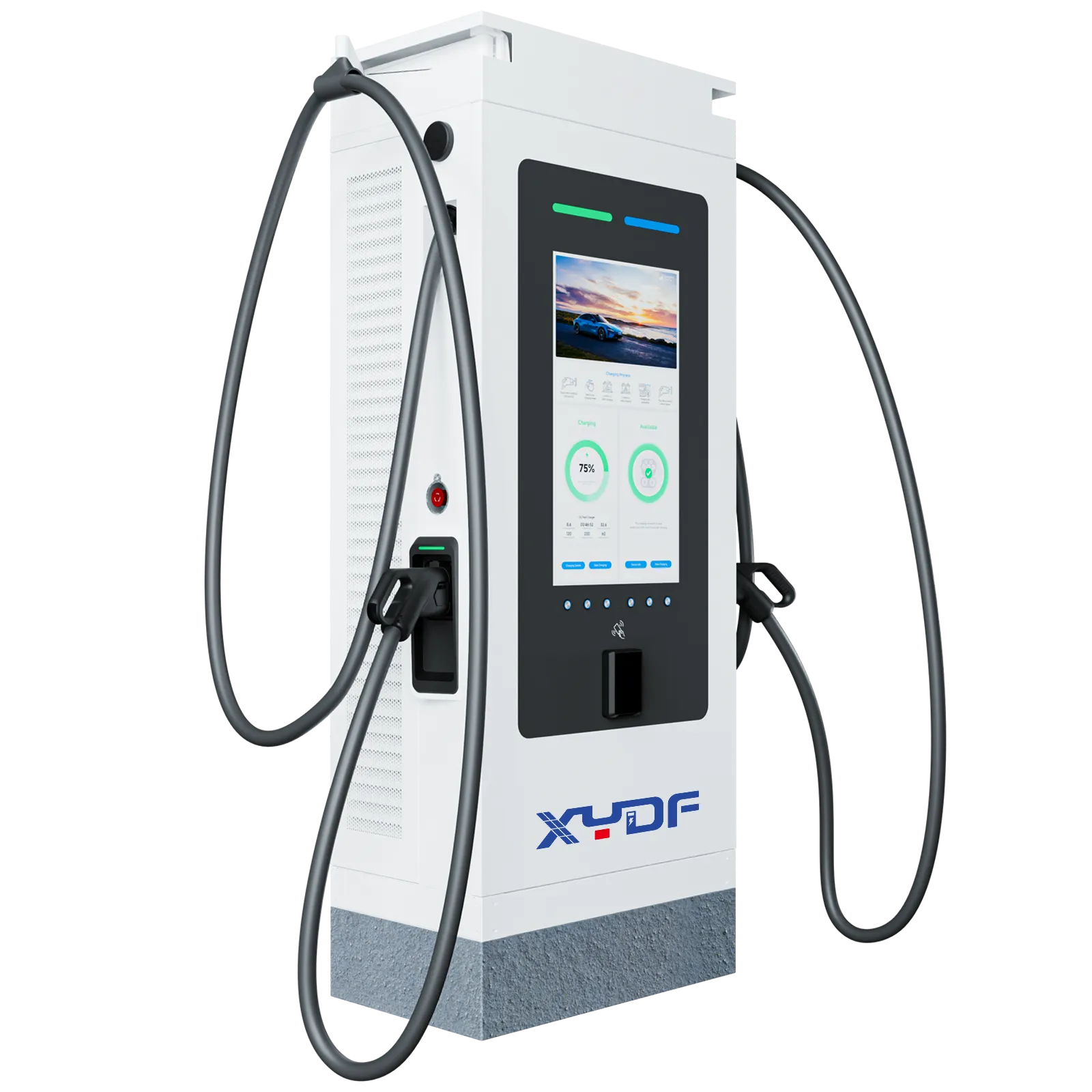
Compatibility is complete only when the vehicle, connector, power electronics, approved adapter, communications, payment path, and installation can complete the same session. Start with a vehicle matrix, then check the AC onboard limit or DC voltage range, regional interface rules, site load, backend behavior, and acceptance evidence. Do not treat a universal label or a standard name as proof of interoperability; run representative vehicles through authorization, charging, stopping, fault recovery, metering, and simultaneous-load tests before a fleet rollout. Once the acceptance boundary is clear, compare the معدات شحن السيارات الكهربائية XYDF with the target vehicles and site design.
نستخدم ملفات تعريف الارتباط (الكوكيز) لضمان عمل هذا الموقع، وبإذنك، لقياس كيفية استخدام الزوار لموقع شحن المركبات الكهربائية الخاص بنا. انظر إلى سياسة الخصوصية للتفاصيل.
 شركة شينيا دونغفانغ لتكنولوجيا الكهرباء المحدودة.