EV Charging Station Compatibility: What Buyers Should Check
Авг 27, 2026
Блог
An EV charging station is compatible only when the vehicle, connector, power path, control software, payment route, and installation all support the same session. A plug that fits can still fail because the vehicle accepts less power, an adapter is not approved, the backend cannot authorize the driver, or the site cannot carry simultaneous demand. Buyers who compare only connector names and rated kW often discover the gap during commissioning, when changing equipment is expensive. This guide builds a vehicle-and-site compatibility check from the inlet and charging mode through electrical capacity, communications, user access, standards, and acceptance testing. It separates physical fit from a usable, supportable charging service.
The short answer is that compatibility must be checked across the vehicle inlet, AC onboard charger or DC voltage range, connector, approved adapter, communications, payment, and site electrical capacity. AFDC separates AC Level 1/2 from Быстрая зарядка постоянным током, while SAE J1772 and J3400 define North American interface families; the destination market may use other connector and installation rules. Build a vehicle matrix and run representative sessions before fleet rollout. A universal label is not a substitute for a documented acceptance test.
AC charging depends on vehicle and building capacity.
Which connector and regional plug does the vehicle use?
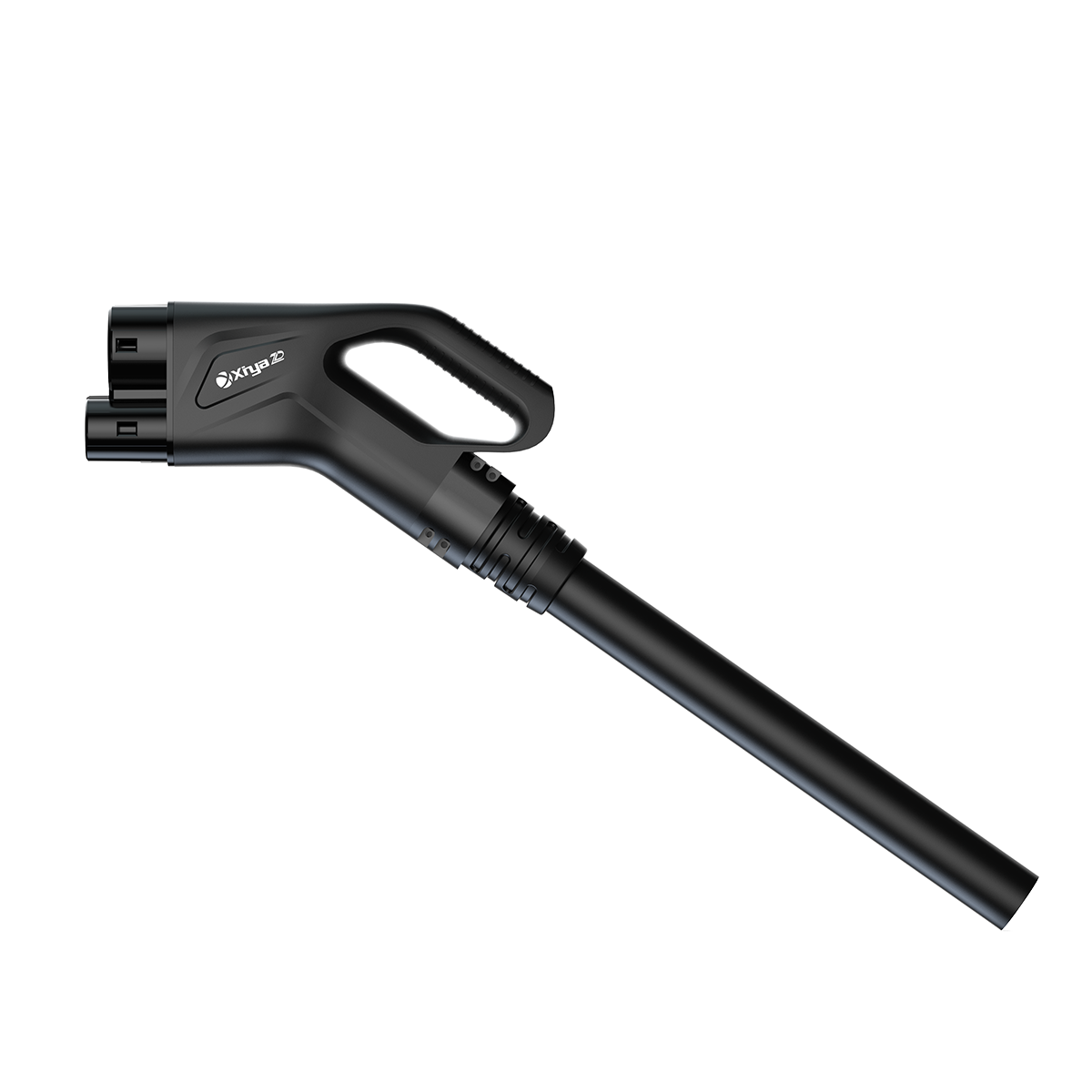
Build a vehicle-by-vehicle matrix before choosing a connector. In Canada and the United States, J1772 has long been the common AC interface, while Combined Charging System (CCS) has been widely used for DC fast charging. Tesla’s North American Charging Standard, now standardized as SAE J3400, changes the decision for fleets containing NACS-equipped vehicles or drivers expecting NACS access. A connector strategy should identify the native inlet on each vehicle, the charging modes it supports, and whether an adapter is approved by the vehicle manufacturer for the intended use.
Connector compatibility also varies by destination market. Type 2 and CCS2 are common in many European applications; a North American configuration can create an immediate mismatch. Use SAE J1772, SAE J3400, or IEC 62196 as a specification reference, then verify the vehicle and regional rules. During acceptance testing, use representative vehicles or approved test equipment to check mating, locking, pilot signalling, and session initiation.
How much AC or DC power can the vehicle accept?
An EVCS charging station’s nameplate output is not the speed every vehicle will receive. On AC, the onboard charger sets the maximum: a 7.2 kW vehicle will not draw 11 kW simply because the EVSE can supply it. On DC, the battery-management system controls requested current and voltage, with acceptance commonly tapering as state of charge rises. Use these limits to shape dwell-time planning and avoid unnecessary capacity spend.
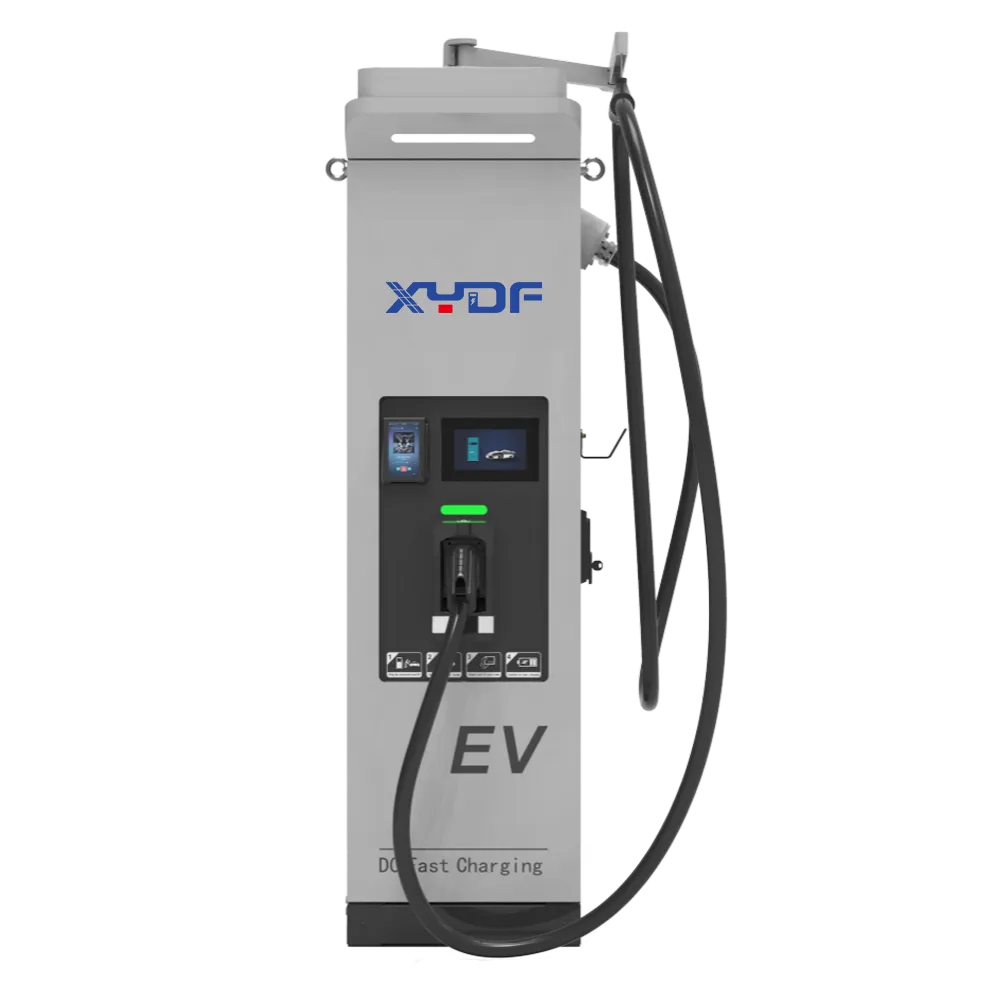
Например, 50-киловаттная постоянный ток установка может быть подходящей для автомобиля, который стоит в течение часа или более, но она не может гарантировать 50-киловаттную зарядку при любой температуре или уровне заряда батареи. Это лишь примерная информация, не является обязательством по поставке. Сравните диапазон напряжения, ток и логику распределения мощности с таблицами технических характеристик автомобиля; проверите её с помощью контролируемой зарядки и зафиксированных данных из прибора. Для более мощных станций проверьте, как работает зарядка Быстрое зарядное устройство DC мощностью 350 кВт обеспечивает подачу энергии безопасно.
Compatibility comparison for common charging choices
Измерение
AC Level 2
Быстрая зарядка постоянным током
Типичное использование
Long dwell, workplace, apartment, depot
Turnaround, corridor, high-utilization fleets
Vehicle limit
Onboard charger rating
Battery voltage, BMS request, thermal state
Connector check
J1772, NACS, or regional equivalent
CCS, NACS, or regional equivalent
Unit-cost tendency
Lower equipment and service demand
Higher equipment, service, and civil scope
TCO driver
Port count and load management
Demand profile, utilization, and downtime exposure
How do adapters, software, and payment affect compatibility?
Адаптеры могут расширить доступ, но их следует регулировать, а не считать неизменными. Проверьте, соответствует ли одобренная производителем адаптерная схема, интерфейс зарядного устройства, электрические ограничения, диапазон действия кабеля и ответственность за поврежденные адаптеры. Один адаптер не может решить проблему несовместимости авторизации или отсутствия доступного питания. Для смешанных парковочных парников более удобен локальный охват разъемов при каждой смене смены.
Совместимость сохраняется после подключения разъема. Убедитесь в наличии необходимой приложения, RFID, QR-кода, роуминга, платежного терминала и протокола баз данных. OCPP — это протокол связи, а не универсальная гарантия совместимости; укажите версию, функции API, тарифные параметры и отчеты, а затем протестируйте их с выбранной сетью. Ссылающиеся на ISO 15118 требования также требуют подтверждения со стороны как транспортного средства, так и зарядного устройства.
DC checks.
Can the site electrical design support the planned sessions?
Дома, квартиры, автосервисы и общественные места имеют разные ограничения на уровне источника. Возможно, зарядный агрегат будет соответствовать требованиям автомобиля, но при этом превысит максимальную емкость резервного блока питания, потребует модернизации системы или будет конфликтует с маршрутами электропроводки. В Торонто лицензированный электромонтажник должен провести оценку системы, резервного блока питания, распределительных устройств, защиты, заземления, расчет нагрузки и требования местных органов власти. Управление нагрузкой должно быть документировано и проверено при одновременном потреблении электроэнергии.
Проверки закупок по заявкам
Заявка
Ключевой вопрос совместимости
Полезный контроль при принятии
Дом
Могут ли сервис и панель поддерживать планируемую схему?
Лицензированный расчет нагрузки и разрешенная установка
Апартаменты
Можно ли нескольким пользователям одновременно авторизоваться и использовать ограниченные возможности?
Тестирование в режиме одновременной работы сессий и технологии RFID/аккаунтинга
Депо флота
Соответствуют ли маршруты движения транспортных средств условиям переключения с постоянным на переменный ток в течение ночи?
Матрица транспортного средства плюс полная нагрузка в течение рабочего дня
Публичное место
Подходят ли варианты оплаты и подключения для целевых водителей?
Пробное использование полного цикла платежей и зарядки
Which standards and acceptance tests should buyers require?
List the destination market before naming a connector or certificate. A procurement pack should identify the applicable interface standard, vehicle voltage and current envelope, approved adapters, backend protocol and version, payment path, installation code, and evidence required at handover. The acceptance script should include a representative vehicle, authorization, energy delivery, stop and restart, fault recovery, meter record, and simultaneous-session test. A standard defines scope; it does not by itself prove that a particular vehicle, charger, or site combination will work.
Стандарты определяют сферу применения; они не автоматически подтверждают соответствие продукта или проекта. SAE J1772 и SAE J3400 касаются интерфейсов зарядки; IEC 61851 касается проводных систем зарядки, а IEC 62196 — разъемов и входов. Национальный электротехнический кодекс и канадский электротехнический кодекс регулируют установку в своих юрисдикциях. Обязательно укажите целевой рынок, предполагаемое использование, требуемые утверждения и доказательства испытаний; необоснованные заявления или несовместимая установка могут задержать ввод в эксплуатацию.
Создайте матрицу характеристик флота: модель транспортного средства, входной клапан, одобренный адаптер, ограничение мощности на борту, диапазон напряжения постоянного тока и время пребывания транспортного средства на маршруте.
Укажите распределение соединителей и политику управления адаптерами, включая вопросы собственности и проверки.
Напишите требования к серверной части: аутентификация пользователей, оплата, область применения OCPP/API, собственность на данные и система эскалации проблем.
Получите электрический проект и расчет нагрузки, а затем проведите испытания на одновременную работу перед передачей оборудования в эксплуатацию.
Questions buyers ask about EV charger compatibility
Как узнать, совместим ли зарядное устройство с моим автомобилем?
Проверьте тип входного разъема на автомобиле, максимальную мощность зарядного устройства переменного тока и поддерживаемую разъемную систему для подключения постоянного тока, а также диапазон напряжения. Затем убедитесь в том, что разъём зарядного устройства и любой одобренный адаптер соответствуют требованиям производителя автомобиля, а также проведите испытание на нескольких автомобилях перед масштабным внедрением системы в цепи поставок.
Are all EV chargers compatible?
No. Connector families, regional configurations, vehicle power limits, and network authorization can differ. A charger may be physically connectable but still fail to meet the vehicle’s DC interface, the site’s electrical design, or the driver’s access method.
Are all EV charging stations universal?
No; “universal” is usually a marketing shorthand, not a complete procurement requirement. Confirm native connector coverage, adapter rules, payment and RFID behavior, and whether the intended vehicles can use the available power level.
How do I know if a charger is compatible?
Compare the charger’s connector, voltage/current envelope, protocol support, and installation requirements with the vehicle and site specification. Include a commissioning script that checks authentication, meter records, fault recovery, and simultaneous sessions; uptime monitoring can help identify issues after handover.
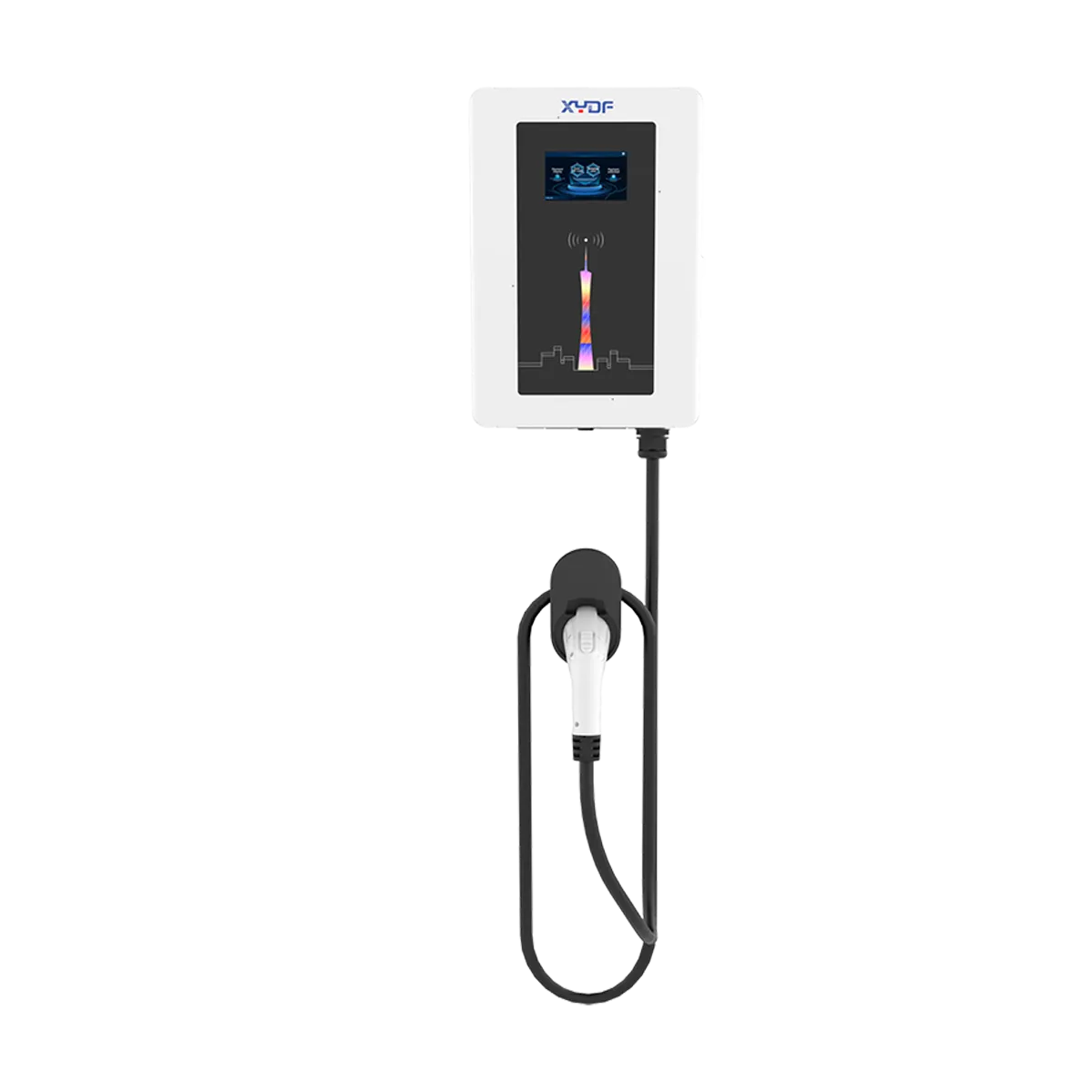
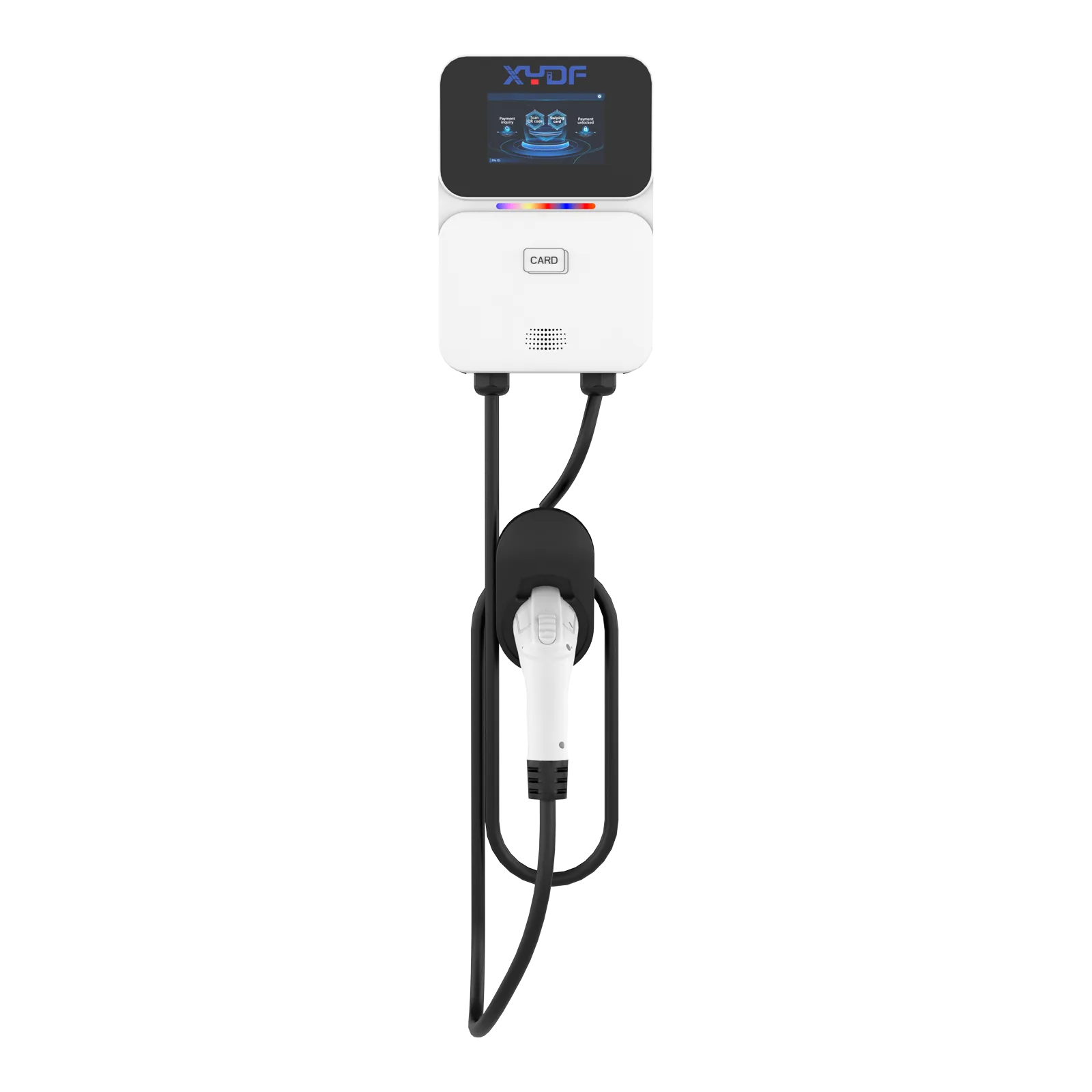
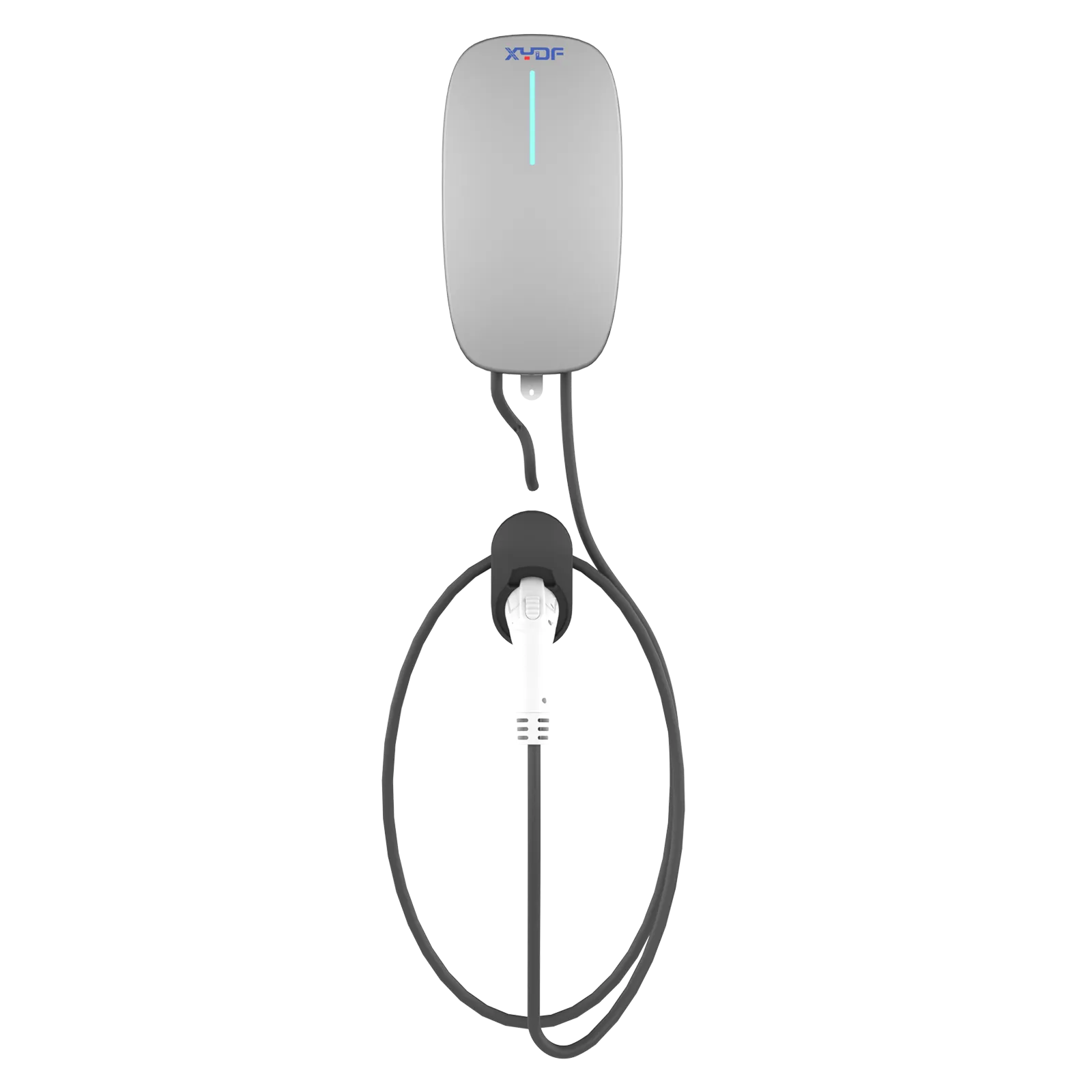
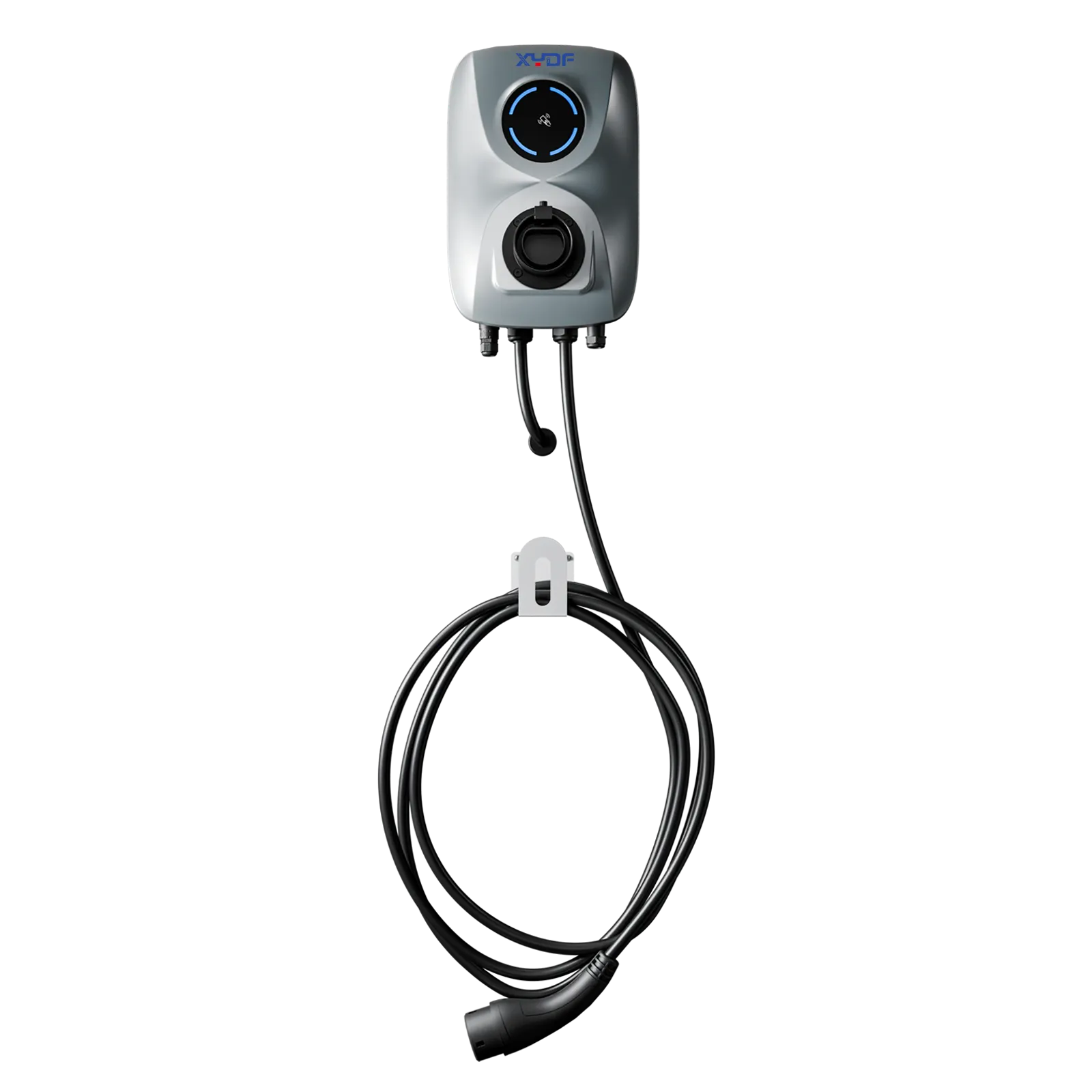
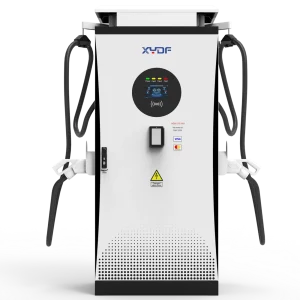
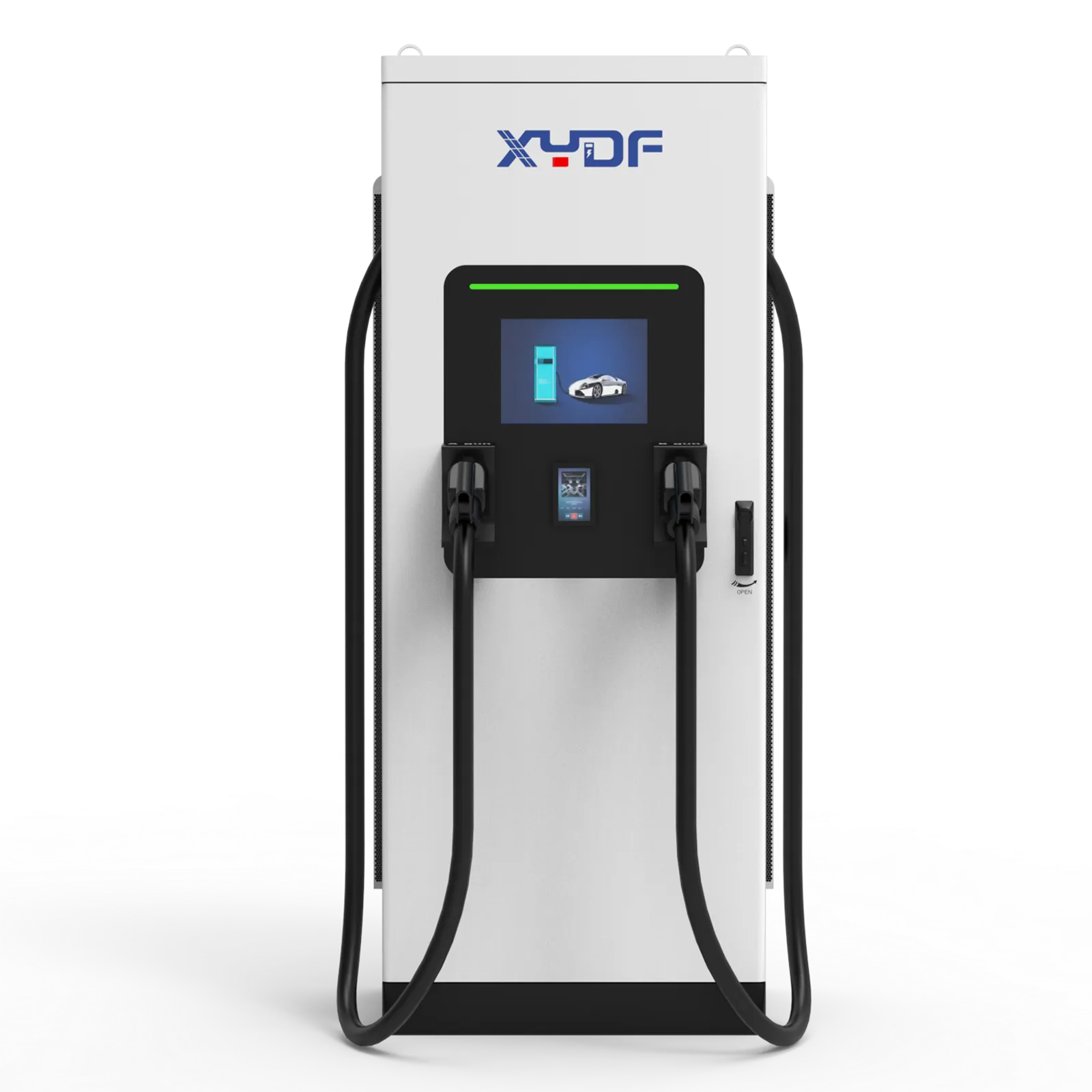
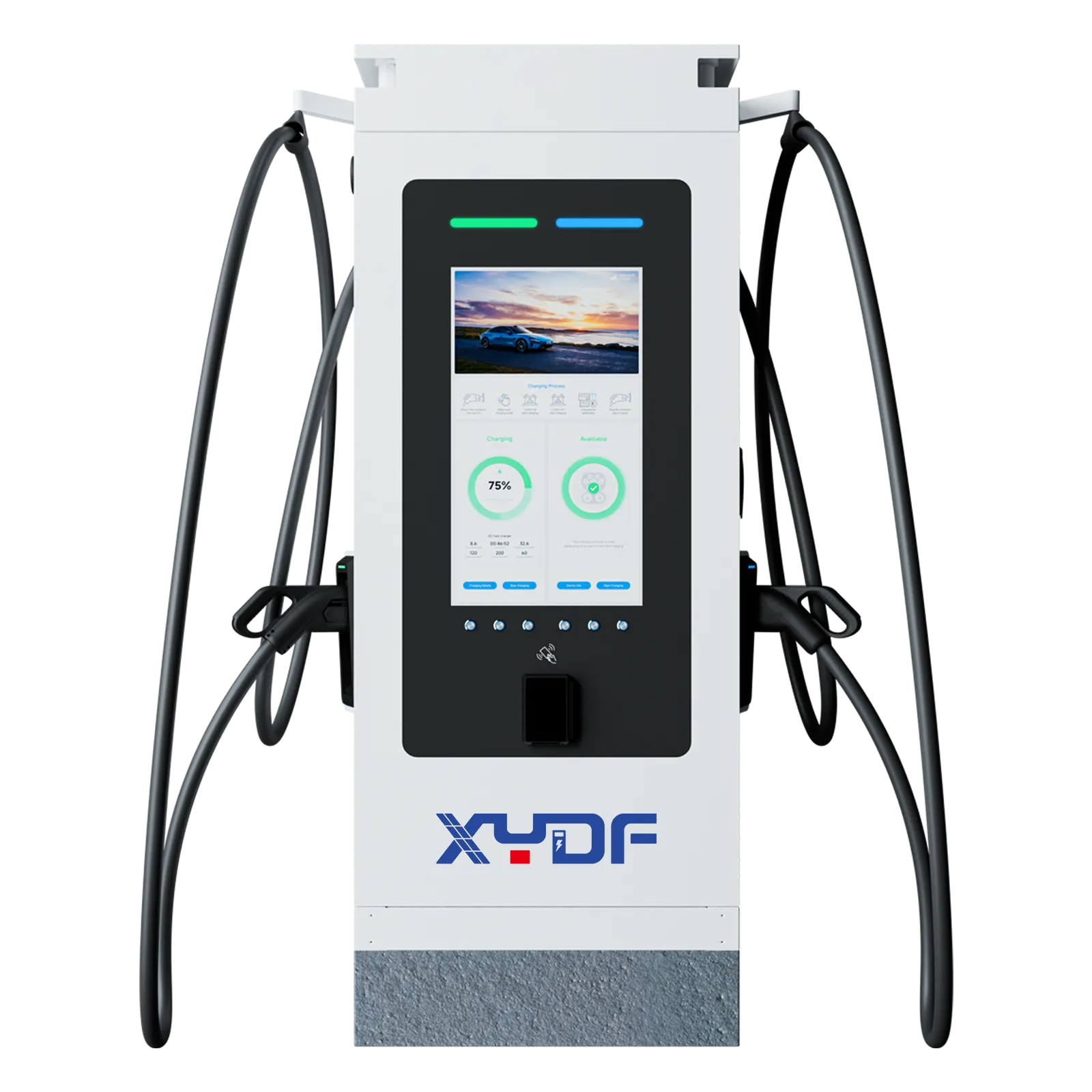
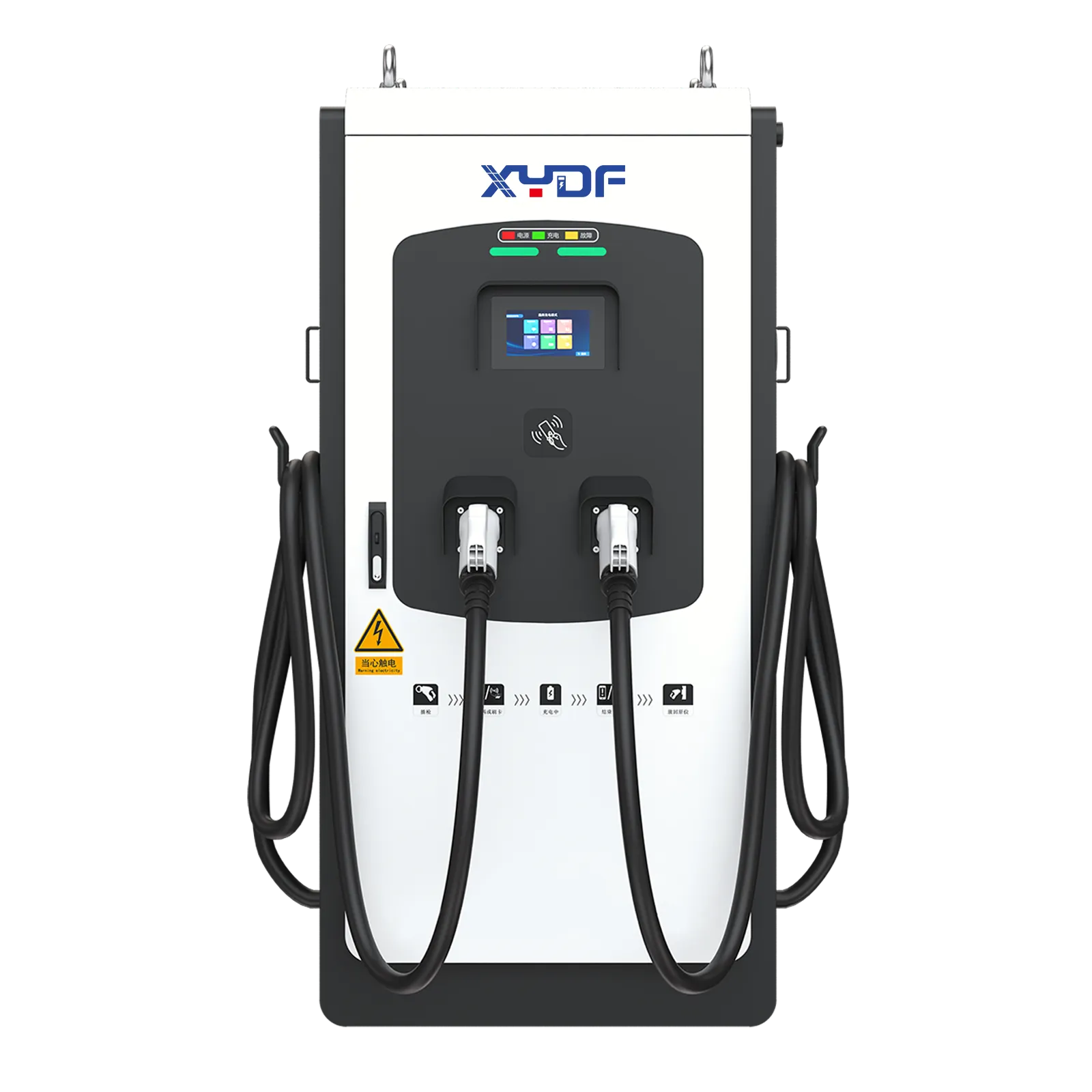
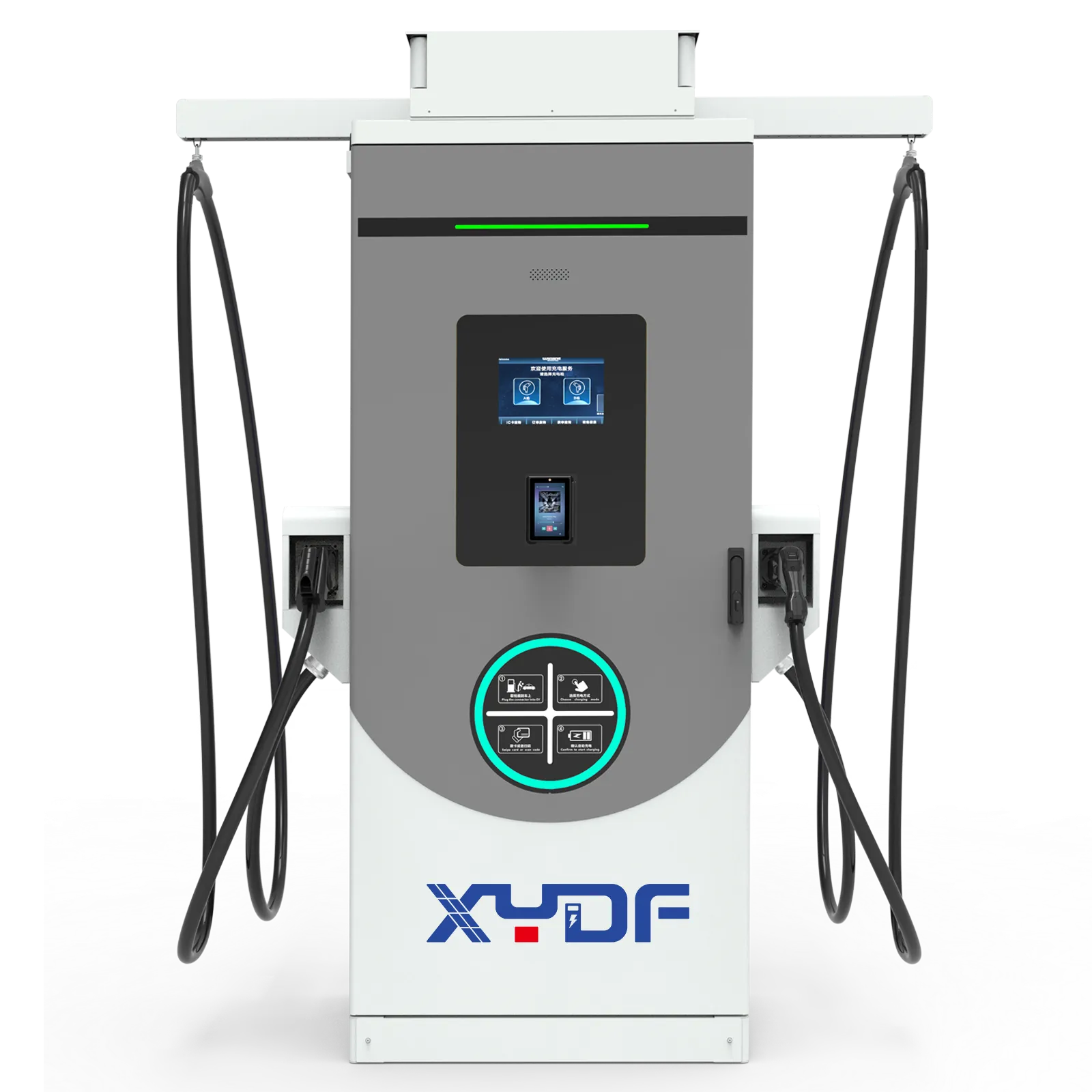
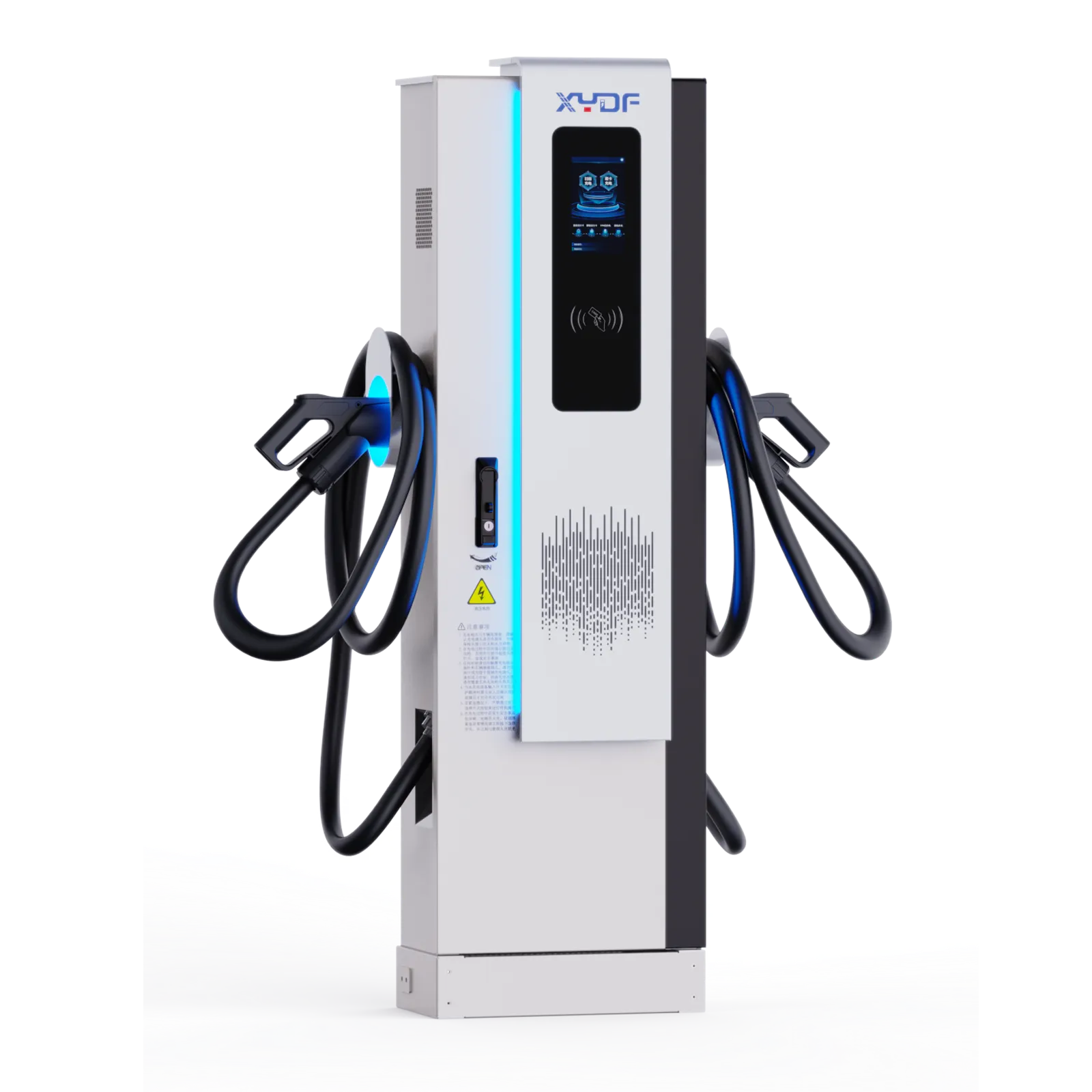
Compatibility is complete only when the vehicle, connector, power electronics, approved adapter, communications, payment path, and installation can complete the same session. Start with a vehicle matrix, then check the AC onboard limit or DC voltage range, regional interface rules, site load, backend behavior, and acceptance evidence. Do not treat a universal label or a standard name as proof of interoperability; run representative vehicles through authorization, charging, stopping, fault recovery, metering, and simultaneous-load tests before a fleet rollout. Once the acceptance boundary is clear, compare the Линейка зарядного оборудования для электромобилей XYDF with the target vehicles and site design.
Штаб-квартира и фабрика в Чжэцзяне:
№ 2, улица Чанцзян, промышленный парк Вэньчжоу Бридж, город Бейбайсян, город Юэцин, город Вэньчжоу, провинция Чжэцзян
Шэньчжэньский филиал:
1-й этаж, здание А, промышленный парк Шэнькай, сообщество Тантоу, район Шиянь, район Баоань, Шэньчжэнь
Мы используем файлы cookie для обеспечения работы этого веб-сайта и, с вашего разрешения, для измерения того, как посетители используют наш сайт зарядки электромобилей. См. наши Политика конфиденциальности для получения подробной информации.
 Синьцзя Дунфан Электрик Технолоджи Ко., Лтд.