EV Charging Station Compatibility: What Buyers Should Check
Aug 27,2026
Blog
An EV charging station is compatible only when the vehicle, connector, power path, control software, payment route, and installation all support the same session. A plug that fits can still fail because the vehicle accepts less power, an adapter is not approved, the backend cannot authorize the driver, or the site cannot carry simultaneous demand. Buyers who compare only connector names and rated kW often discover the gap during commissioning, when changing equipment is expensive. This guide builds a vehicle-and-site compatibility check from the inlet and charging mode through electrical capacity, communications, user access, standards, and acceptance testing. It separates physical fit from a usable, supportable charging service.
The short answer is that compatibility must be checked across the vehicle inlet, AC onboard charger or DC voltage range, connector, approved adapter, communications, payment, and site electrical capacity. AFDC separates AC Level 1/2 from DC fast charging, while SAE J1772 and J3400 define North American interface families; the destination market may use other connector and installation rules. Build a vehicle matrix and run representative sessions before fleet rollout. A universal label is not a substitute for a documented acceptance test.
AC charging depends on vehicle and building capacity.
Which connector and regional plug does the vehicle use?
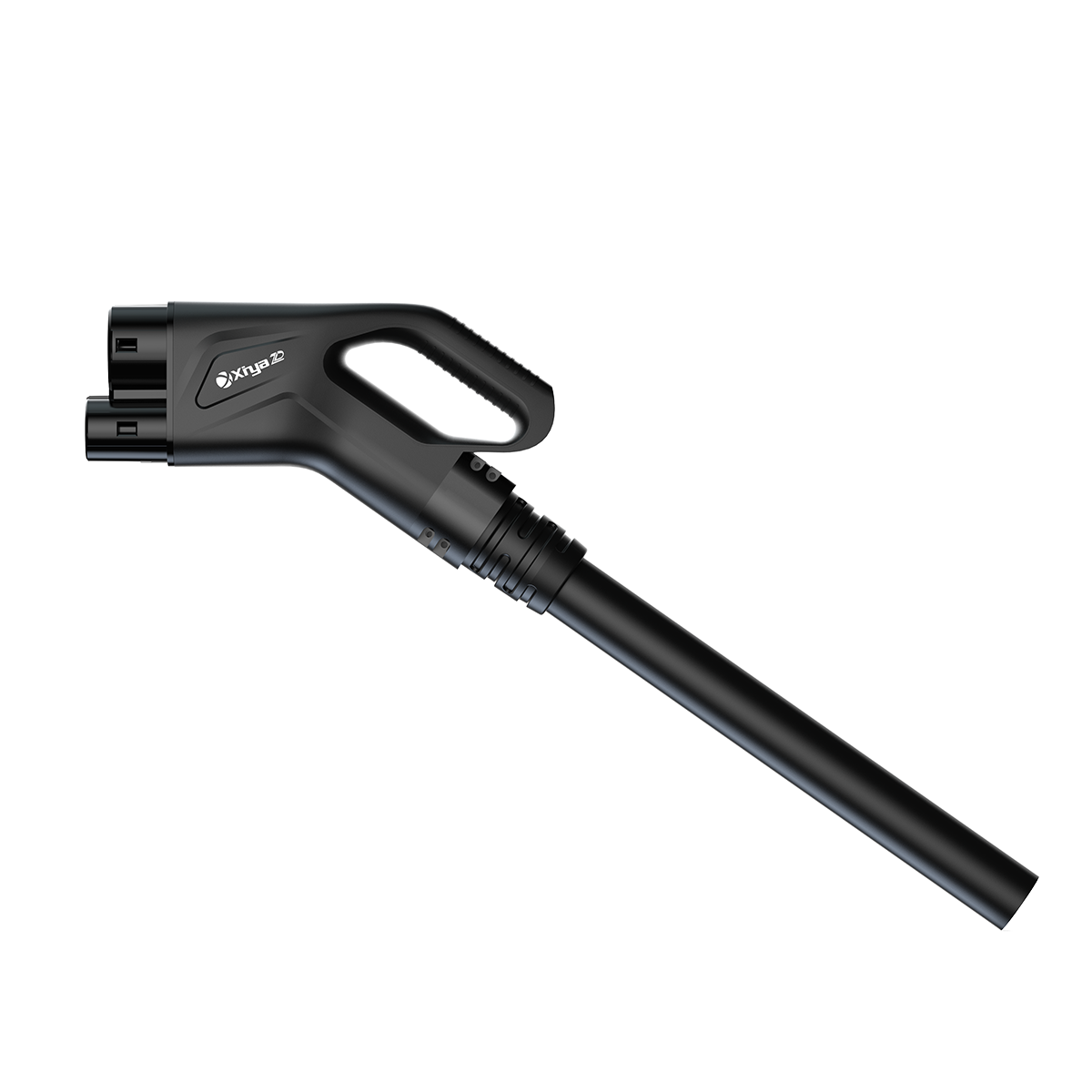
Build a vehicle-by-vehicle matrix before choosing a connector. In Canada and the United States, J1772 has long been the common AC interface, while Combined Charging System (CCS) has been widely used for DC fast charging. Tesla’s North American Charging Standard, now standardized as SAE J3400, changes the decision for fleets containing NACS-equipped vehicles or drivers expecting NACS access. A connector strategy should identify the native inlet on each vehicle, the charging modes it supports, and whether an adapter is approved by the vehicle manufacturer for the intended use.
Connector compatibility also varies by destination market. Type 2 and CCS2 are common in many European applications; a North American configuration can create an immediate mismatch. Use SAE J1772, SAE J3400, or IEC 62196 as a specification reference, then verify the vehicle and regional rules. During acceptance testing, use representative vehicles or approved test equipment to check mating, locking, pilot signalling, and session initiation.
How much AC or DC power can the vehicle accept?
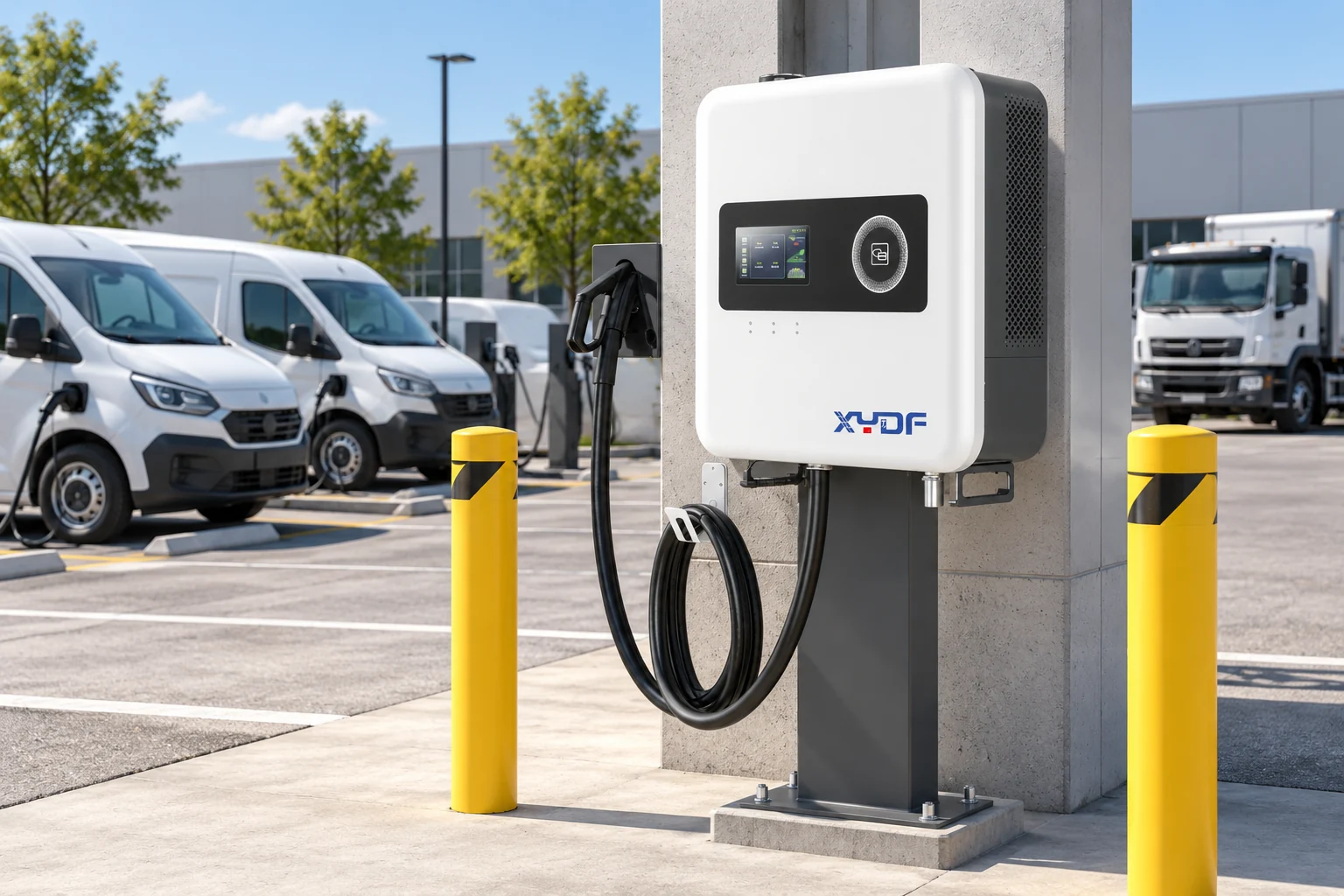
An EVCS charging station’s nameplate output is not the speed every vehicle will receive. On AC, the onboard charger sets the maximum: a 7.2 kW vehicle will not draw 11 kW simply because the EVSE can supply it. On DC, the battery-management system controls requested current and voltage, with acceptance commonly tapering as state of charge rises. Use these limits to shape dwell-time planning and avoid unnecessary capacity spend.
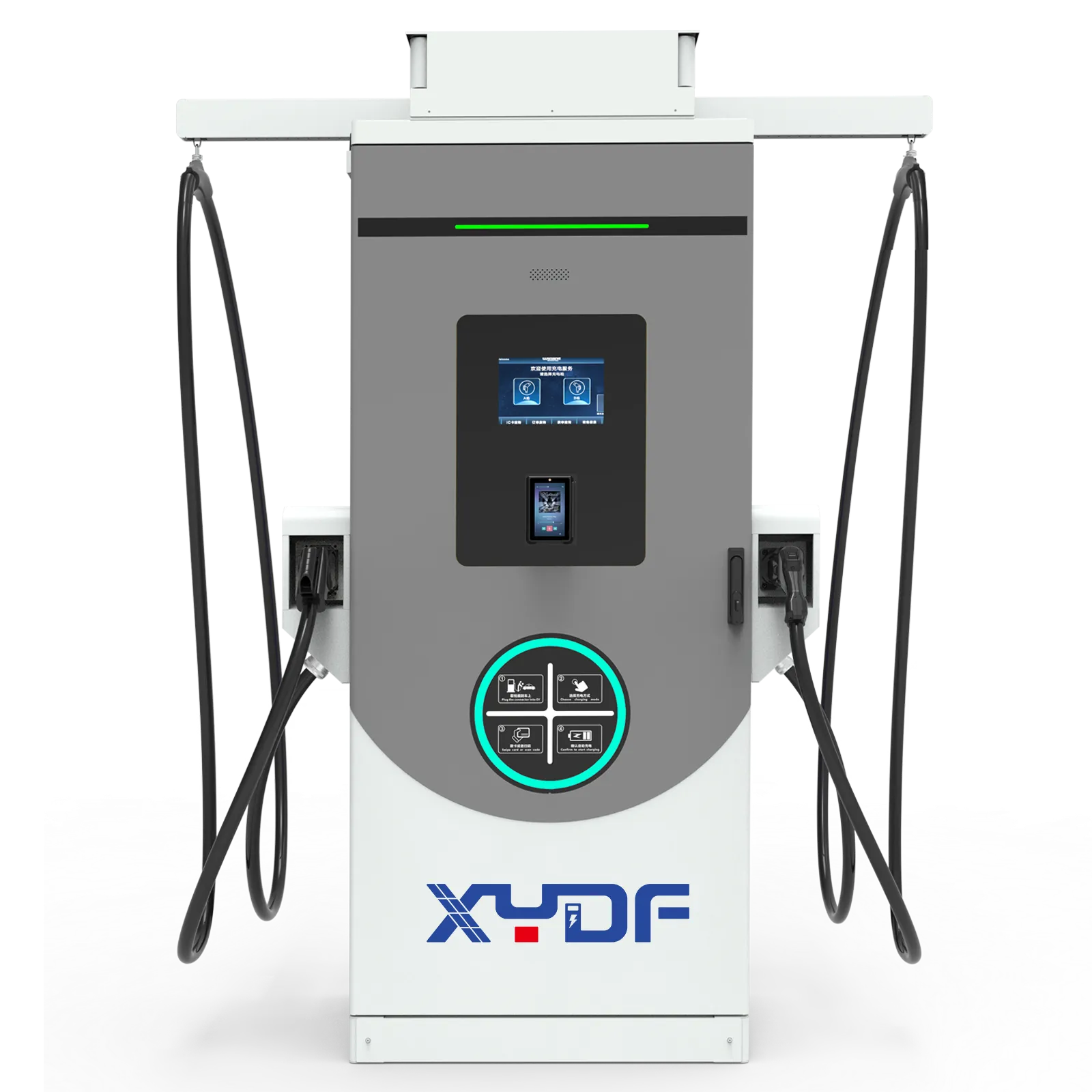
For example, a 50 kW DC unit may suit a vehicle parked for an hour or more, but it cannot guarantee a 50 kW session at every battery temperature or state of charge. This is illustrative, not a delivery promise. Compare voltage range, current, and power-sharing logic with vehicle data sheets; validate with a controlled session and logged meter data. For higher-power sites, review how a 350 kW DC fast charger delivers power safely.
Compatibility comparison for common charging choices
Dimension
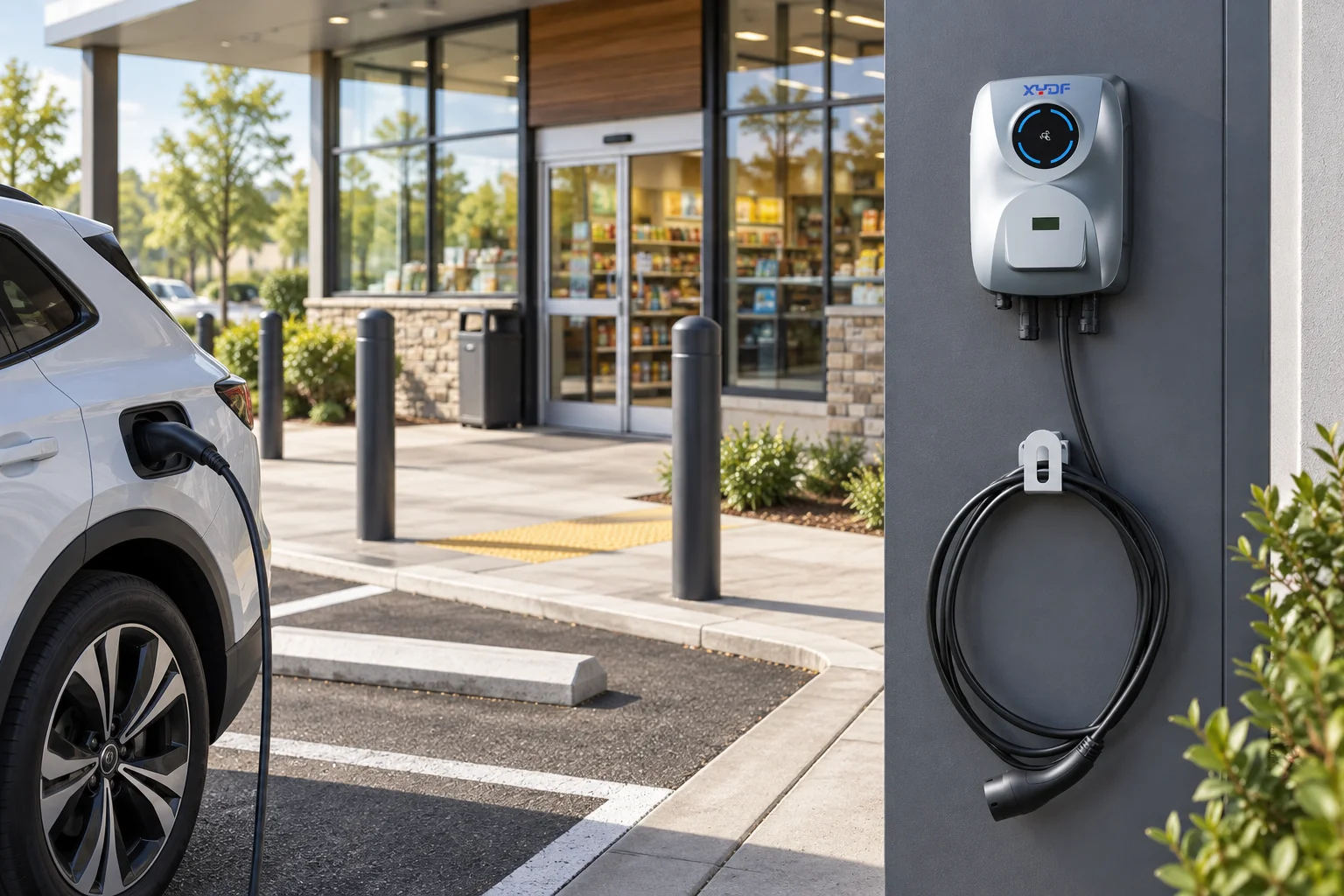
AC Level 2
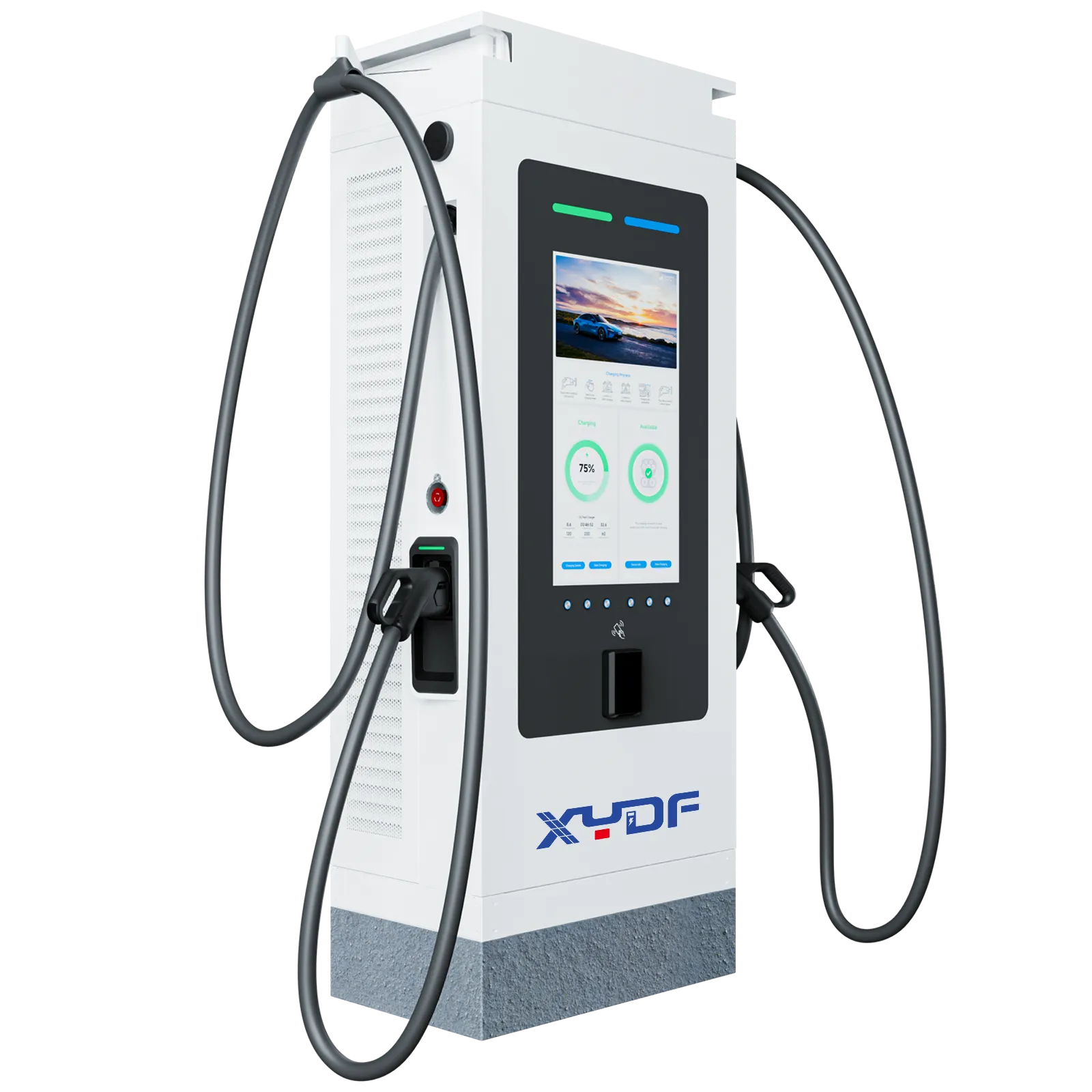
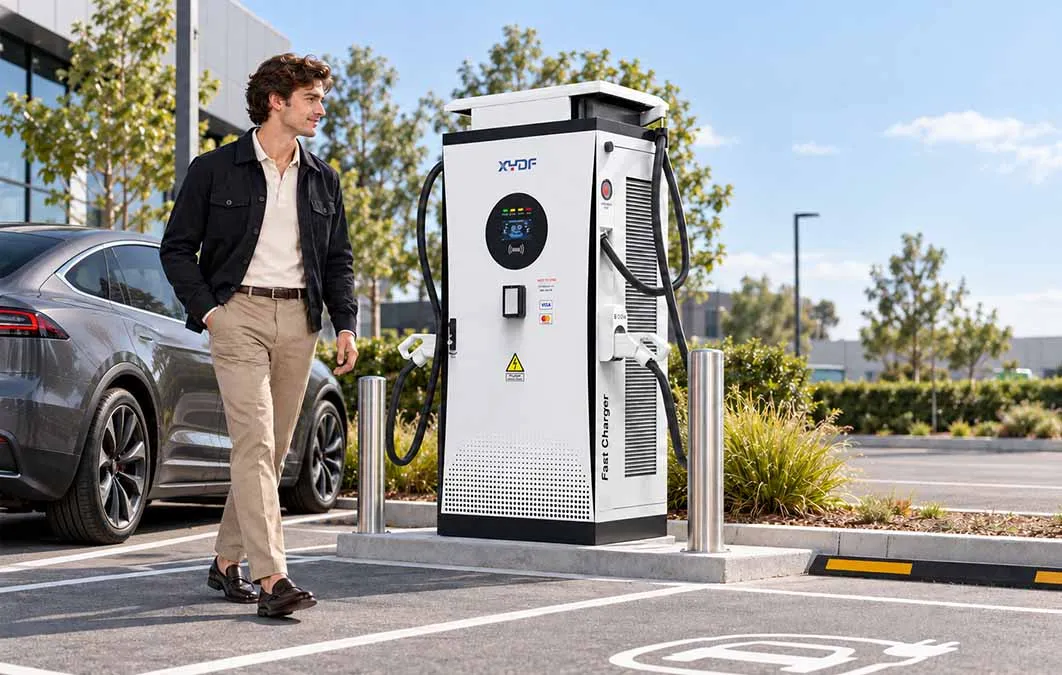
DC fast charging
Typical use
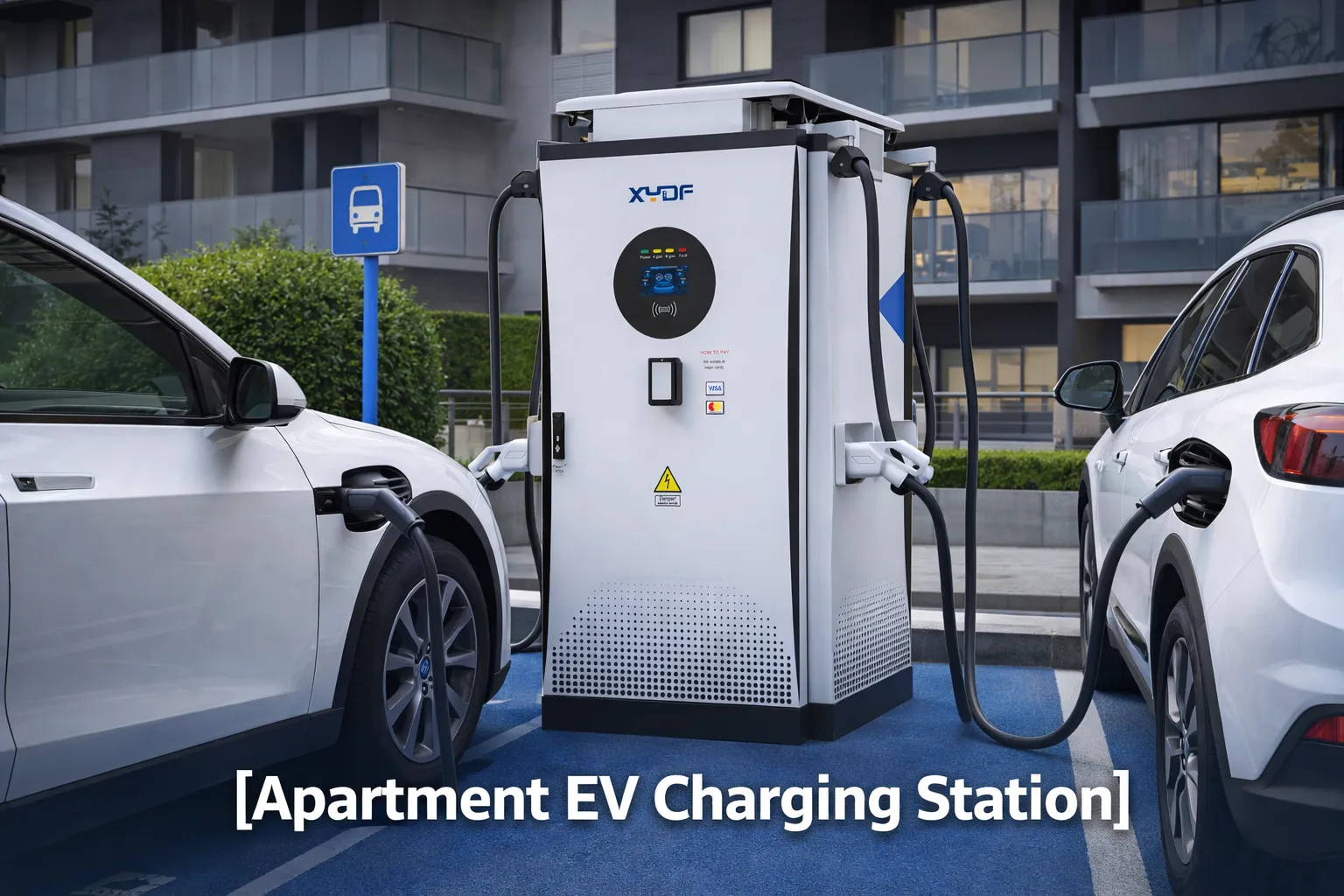
Long dwell, workplace, apartment, depot
Turnaround, corridor, high-utilization fleets
Vehicle limit
Onboard charger rating
Battery voltage, BMS request, thermal state
Connector check
J1772, NACS, or regional equivalent
CCS, NACS, or regional equivalent
Unit-cost tendency
Lower equipment and service demand
Higher equipment, service, and civil scope
TCO driver
Port count and load management
Demand profile, utilization, and downtime exposure
How do adapters, software, and payment affect compatibility?
Adapters can broaden access, but they should be governed, not assumed. Verify the vehicle maker’s approved adapter path, charger interface, electrical limits, cable reach, and responsibility for damaged adapters. An adapter cannot solve incompatible authorization or unavailable power. For mixed fleets, native connector coverage is easier to operate than untracked adapters at every shift change.
Compatibility continues after the plug connects. Confirm the required app, RFID, QR flow, roaming, payment terminal, and backend protocol. OCPP is a communications protocol, not a universal interoperability guarantee; specify the version, API functions, tariff controls, and reports, then test them with the selected network. ISO 15118 features likewise require confirmation from both vehicle and charging-system parties.
DC checks.
Can the site electrical design support the planned sessions?
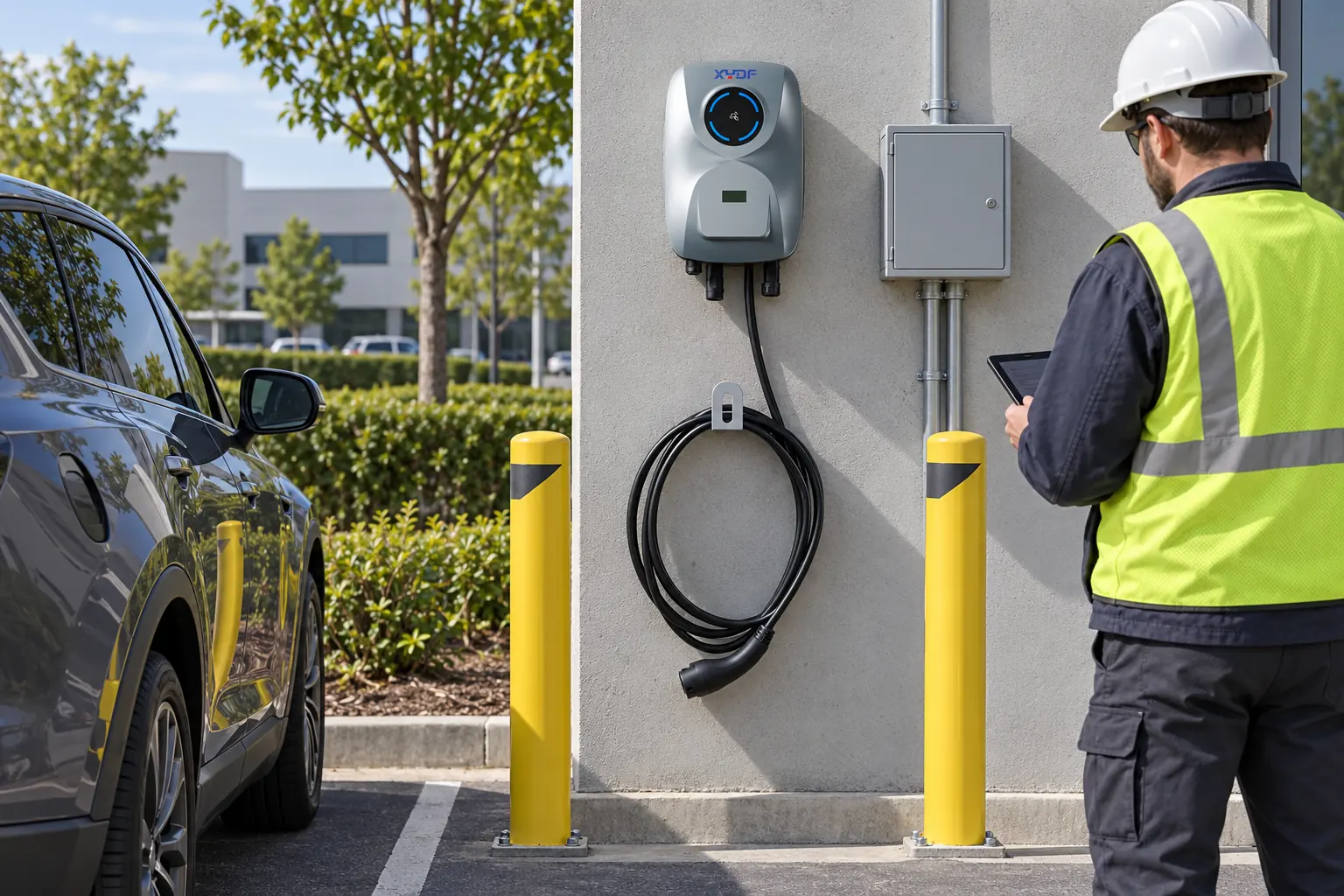
Home, apartment, depot, and public sites each have different upstream constraints. A charger may fit the vehicle yet exceed spare panel capacity, require a service upgrade, or conflict with conduit routes. In Toronto, a licensed electrical contractor should assess service, panel, feeder, protection, grounding, load calculation, and local authority requirements. Load management must be documented and tested under simultaneous demand.
Procurement checks by application
Application
Key compatibility question
Useful acceptance check
Home
Can the service and panel support the planned circuit?
Licensed load calculation and permitted installation
Apartment
Can multiple users authenticate and share constrained capacity?
Concurrent-session and RFID/account test
Fleet depot
Do vehicle routes match overnight AC or DC turnaround?
Vehicle matrix plus full-shift load profile
Public site
Do payment and connector choices serve target drivers?
End-to-end payment and charging trial
Which standards and acceptance tests should buyers require?
List the destination market before naming a connector or certificate. A procurement pack should identify the applicable interface standard, vehicle voltage and current envelope, approved adapters, backend protocol and version, payment path, installation code, and evidence required at handover. The acceptance script should include a representative vehicle, authorization, energy delivery, stop and restart, fault recovery, meter record, and simultaneous-session test. A standard defines scope; it does not by itself prove that a particular vehicle, charger, or site combination will work.
Standards define scope; they do not automatically certify a product or prove project compliance. SAE J1772 and SAE J3400 address charging interfaces; IEC 61851 addresses conductive charging systems, and IEC 62196 covers plugs and inlets. The National Electrical Code and Canadian Electrical Code govern installation in their jurisdictions. State the destination market, intended use, required approvals, and test evidence; unsupported claims or a mismatched installation can delay commissioning.
Create a fleet matrix: vehicle model, inlet, approved adapter, onboard AC limit, DC voltage range, and route dwell time.
Specify connector allocation and a controlled adapter policy, including ownership and inspection.
Write the backend requirement: user authentication, payment, OCPP/API scope, data ownership, and support escalation.
Obtain an electrical design and load calculation, then test simultaneous sessions before operational handover.
Questions buyers ask about EV charger compatibility
How do I know if a charging station is compatible with my car?
Check the vehicle’s inlet type, its maximum AC onboard-charger rating, and its supported DC charging interface and voltage range. Then confirm the charger connector and any approved adapter with the vehicle manufacturer, and test a session before a fleet-wide rollout.
Are all EV chargers compatible?
No. Connector families, regional configurations, vehicle power limits, and network authorization can differ. A charger may be physically connectable but still fail to meet the vehicle’s DC interface, the site’s electrical design, or the driver’s access method.
Are all EV charging stations universal?
No; “universal” is usually a marketing shorthand, not a complete procurement requirement. Confirm native connector coverage, adapter rules, payment and RFID behavior, and whether the intended vehicles can use the available power level.
How do I know if a charger is compatible?
Compare the charger’s connector, voltage/current envelope, protocol support, and installation requirements with the vehicle and site specification. Include a commissioning script that checks authentication, meter records, fault recovery, and simultaneous sessions; uptime monitoring can help identify issues after handover.
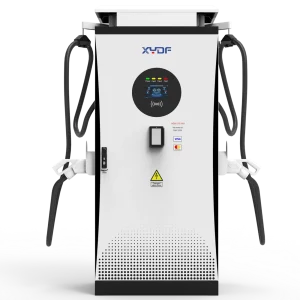
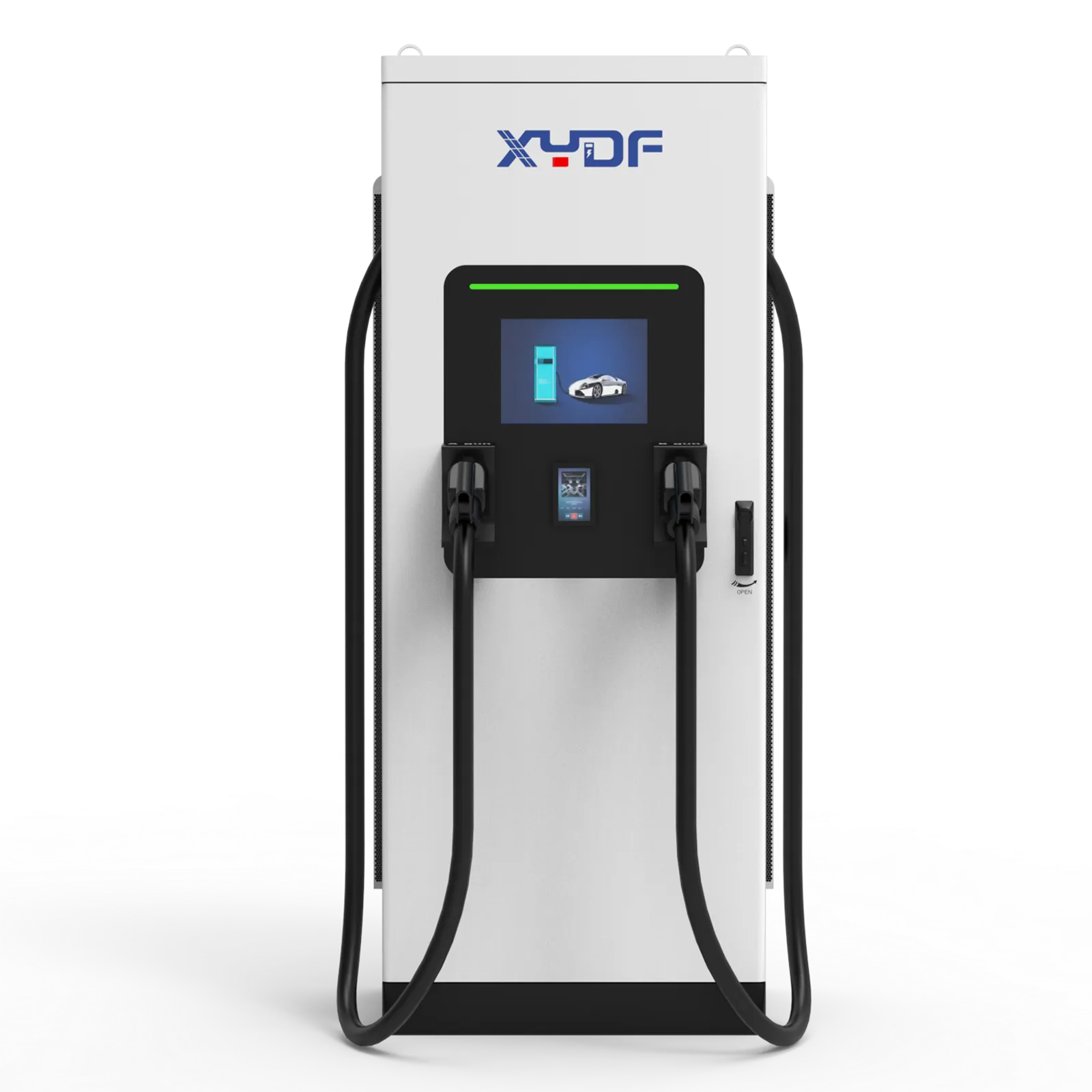
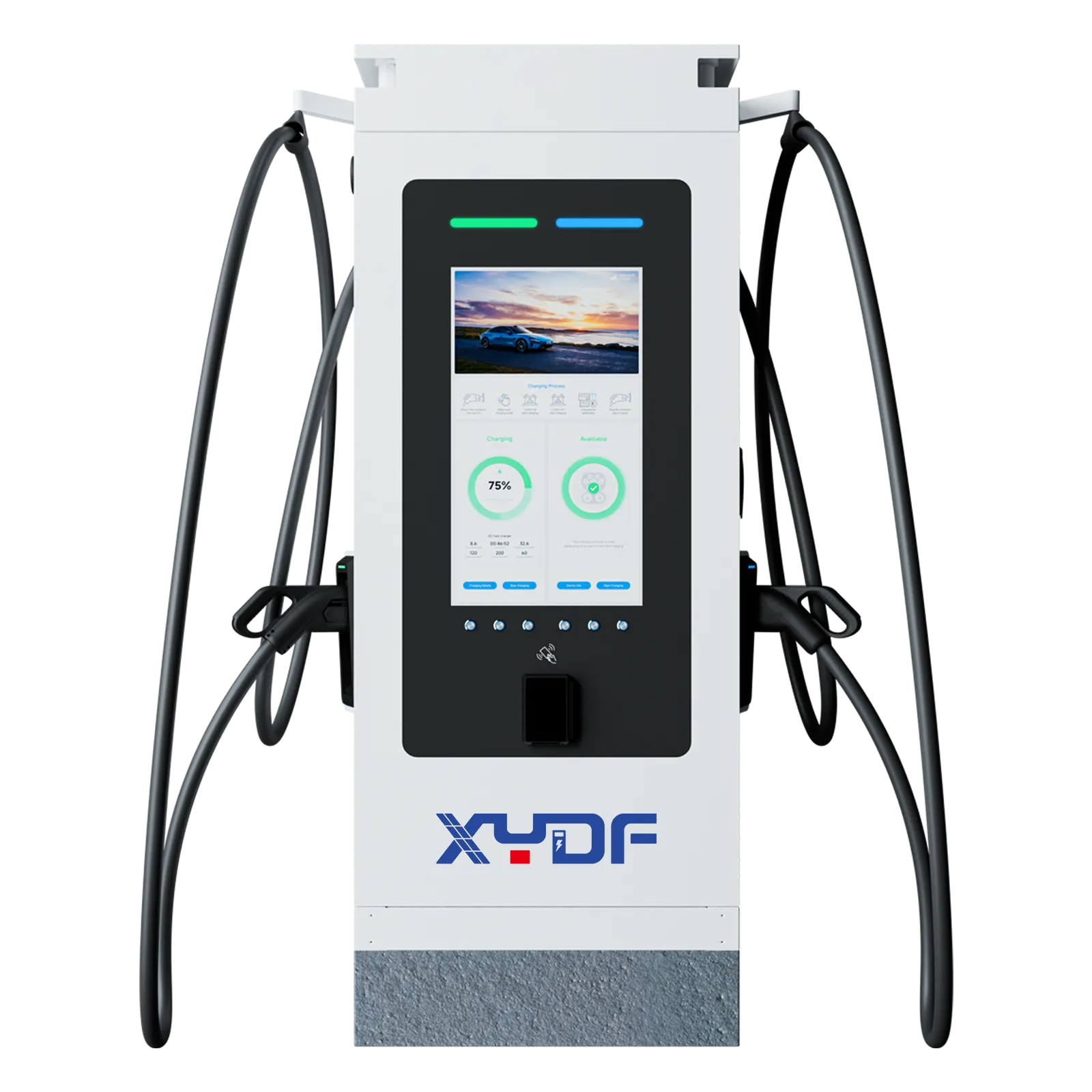
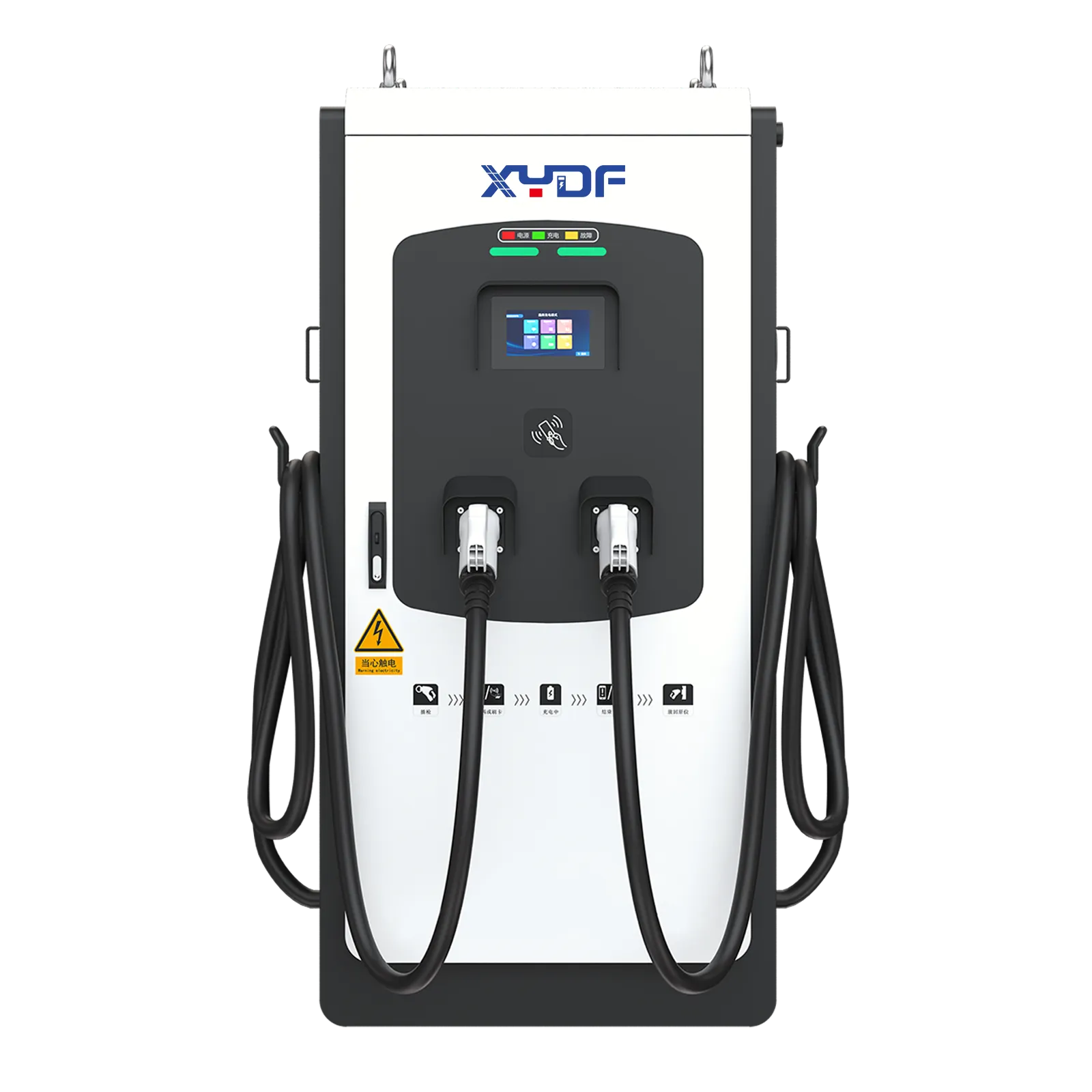
Compatibility is complete only when the vehicle, connector, power electronics, approved adapter, communications, payment path, and installation can complete the same session. Start with a vehicle matrix, then check the AC onboard limit or DC voltage range, regional interface rules, site load, backend behavior, and acceptance evidence. Do not treat a universal label or a standard name as proof of interoperability; run representative vehicles through authorization, charging, stopping, fault recovery, metering, and simultaneous-load tests before a fleet rollout. Once the acceptance boundary is clear, compare the XYDF EV charging equipment range with the target vehicles and site design.
We use cookies to keep this website working and, with your permission, to measure how visitors use our EV charging site. See our Privacy Policy for details.
 Xinya Dongfang Electricity Technology Co., Ltd.