ما الأسئلة التي يجب على المشترين طرحها عند الاختيار بين برامج شواحن السيارات الكهربائية من نوع OEM و ODM؟
18 يوليو 2026
مدونة
Before selecting an oem ev charger or ODM route, buyers should ask who holds design ownership, certification, firmware, branding, factory evidence, and service scope — then map those answers to RFQ fields and audit steps before volume orders.
الجزء الأول. ما الفرق بين برامج شاحن المركبات الكهربائية OEM و ODM؟
إن مراجعة الموردين أكثر فائدة عندما ترتبط كل بيان من المصنع بوثيقة أو عملية مراقبة شهادة. تتبع تكوين المنتج من التفتيش الوارد والترقية البرمجية أو تحديث الأجهزة عبر عمليات التفتيش، والاختبار النهائي، ومعالجة عدم المطابقة، والتحقق من الاستيفاء، ومراقبة التغيير، وإطلاق الشحنة. هذا يخلق مسار شراء جاهز للإدلاء بالشهادات دون افتراض أن زيارة المصنع وحدها تكفي لإثبات أداء الموقع الميداني. للاطلاع على السياق التخطيطي العام، انظر متطلبات نظام الشحن السلكي IEC 61851-1; لا يزال سجل القبول المخصص للموقع يحدد القرار النهائي.
أن شاحن سيارة كهربائية من الشركة المصنعة للمعدات الأصلية program usually starts from a supplier’s existing platform and applies buyer branding, packaging, manuals, and selected firmware or UI options. An ODM EV charger program goes further: the buyer or supplier may co-own enclosure, electrical, firmware, or certification scope depending on contract structure.
كلا المسارين يمكنهما دعم الإطلاق التجاري، لكنهما يخصصان مسؤوليات مختلفة لتغييرات التصميم، أدلة الاختبار، والدعم الميداني.
نوع البرنامج
المشتري يتحكم عادة
يحتفظ المورد عادةً
مصنع المعدات الأصلية
العلامة التجارية، الدلائل، خيارات واجهة المستخدم/الدفع المختارة
تصميم المنصة الأساسية ومسار الشهادة الأساسي
ODM (خفيف)
العلامة التجارية بالإضافة إلى تغييرات ميكانيكية أو واجهة مستخدم محددة
رئيس هندسة بنية الطاقة الأساسية وإصدار الشهادات
ODM (عميق)
تعريف المنتج مع الهندسة المشتركة
حوكمة التصنيع والاختبار والمراجعة بموجب العقد
عامل عبارات التسويق “OEM/ODM متاح” على أنها غير مكتملة حتى يتم توثيق ملكية الشهادات، البرامج الثابتة، والتحكم في المراجعات في استجابة طلب عروض الأسعار (RFQ).نظرة عامة على IEC 61851)
من المفيد OEM vs ODM EV charger decision is not a label exercise; it is a transfer-of-risk exercise. The buyer should assign each deliverable to an owner, define the evidence required at the design-freeze gate, and price the cost of a change after that gate. This framework is a practical synthesis for CPOs, fleet operators, distributors, and EPC teams that already have a shortlist.
الجزء 2. ما هي أسئلة ملكية التصميم التي يجب على المشترين طرحها أولاً؟
غالباً ما تكتشف فرق المشتريات في وقت متأخر جدًا أن “العلامة التجارية المخصصة” لم تشمل قوالب التغليف، أو متغيرات تسخير الكابلات، أو حقوق تغيير البرامج الثابتة.
مسألة
لماذا هذا مهم
إجابة ضعيفة
من يملك المراجعات الهيكلية والخاصة بالحاوية؟
يؤثر على تكلفة الأدوات وإعادة التصديق
“يمكننا طلاء أي لون بدون تحكم في الرسم
من يوافق على بدائل قائمة المواد؟
فشل الحقول يعود إلى تبديل مكونات صامت
المرونة اللفظية بدون سجلات لتغيير الضوابط
من يقوم بصيانة تجهيزات الاختبار للمباني المخصصة؟
تحتاج البرامج المخصصة إلى أدلة اختبار قابلة للتكرار
مقعد تجريبي لمرة واحدة فقط
من يدعم التحديثات الميدانية وقطع الغيار؟
تعتمد تكلفة الخدمة على حوكمة المراجعة
قائمة الأسعار بدون مصفوفة المراجعة
يسأل الموزعون كثيرًا عما إذا كانت الوحدة “تصميمهم حقًا” - يطلبون مستويات إصدار الرسم وسجل المراجعات، وليس فقط نماذج العلامات التجارية الخارجية.
Decision matrix: which route matches the risk you can carry?
عامل القرار
OEM is usually the better fit when…
ODM is justified when…
أدلة للطلب
Design ownership
A proven enclosure and electrical platform meets the use case.
A mechanical, electrical, or user-experience requirement is not available off the shelf.
select OEM when speed and a stable platform have more value than differentiation; select ODM only when the buyer can govern requirements, verification, and lifecycle changes. The honest answer is conditional—the same supplier may be suitable for OEM on one SKU and unsuitable for ODM on another.
Due-diligence questions before design freeze
Which legal entity is the manufacturer of record, and which entity will appear on the declaration, label, warranty, and shipment documents?
Can the supplier provide a controlled bill of materials with approved alternates, lot traceability, and a written rule for substitutions?
What exact configuration was tested—power rating, connector, cable length, enclosure revision, firmware release, and optional meter or payment hardware?
What event triggers a safety, EMC, or grid-code review, and who pays when a change crosses that trigger?
How are vulnerabilities disclosed, patched, and rolled back; and can the operator export charging-session data if the backend relationship ends?
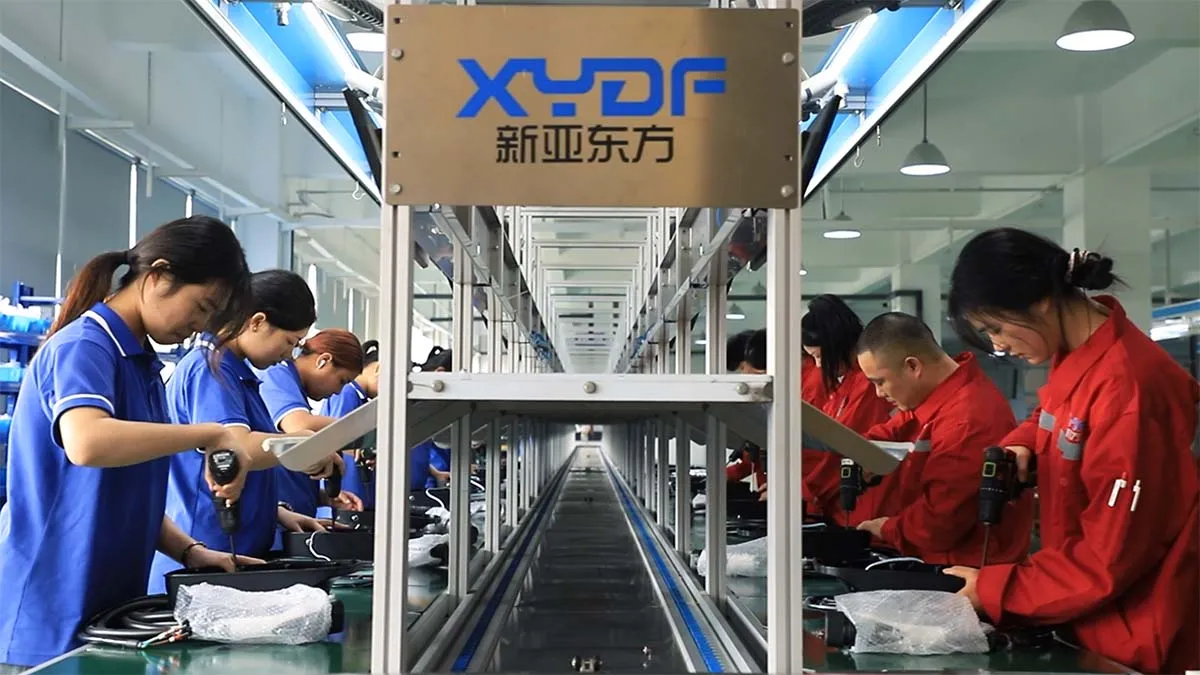
What acceptance test is run on every production unit, what records are retained, and for how long can the buyer audit them?
What is the service boundary: remote triage, swap stock, on-site response, firmware support, and end-of-life notice?
A supplier that answers with a document reference, revision, and accountable owner is reducing OEM vs ODM EV charger risk; a supplier that answers only with “customizable” is describing marketing scope, not engineering scope. The قائمة مراجعة المصنع can be used to sample these claims against production records.
Attach the design baseline, firmware repository or escrow rule, certification owner, approved-change workflow, serial traceability and acceptance evidence to the contract instead of relying on an informal customization promise.
الجزء 3. كيف يجب على المشترين مقارنة مسؤوليات الشهادات والامتثال؟
تعد مسؤولية الشهادة إحدى أعلى نقاط الضعف خطورة بين مسارات الشركة المصنعة للمعدات الأصلية (OEM) ومصنعي الأجهزة الأصلية (ODM). يجب أن تتطابق الشهادة مع الطراز المحدد، ونطاق الطاقة، وتكوين الموصل، وإصدار البرنامج الثابت الذي تخطط لنشره.
وثيقة
استفسار من المشتري
فجوة شائعة
تقارير CB / CE / TÜV
هل يسمي التقرير رقم SKU وتخطيط المنفذ بالضبط؟
شهادة للأخت النموذج
قم بتسمية العمل الفني
من يوافق على التحذيرات واللغة الخاصة بالسوق؟
قالب المورد معاد استخدامه عبر المناطق
EMC والسلامة دلتا
من يمتلك إعادة الاختبار إذا تغير البرنامج الثابت أو المسرج؟
مُحفِّز إعادة اعتماد غير مُعَرَّف
اتساق الإنتاج
هل قائمة المواد المعتمدة (BOM) مقيدة بعينة شهادة؟
استبدال صامت بعد الموافقة
تنشر XYDF أدلة التأهيل على مؤهل وفي سياق التصنيع على حول XYDF. قارن تلك المسارات المنشورة بسوقك المستهدف قبل اعتماد موافقة OEM أو ODM.
قائمة التحقق لطلبات عروض الأسعار من الشركة المصنعة للمعدات الأصلية / الشركة المصنعة للتصميم الأصلي
حقل طلب عرض أسعار
لماذا يحتاج الموردون إليه
نوع البرنامج (OEM مقابل ODM العمق)
تحديد حدود ملكية التصميم
النماذج المستهدفة ونطاق الطاقة
منصة الخرائط ونطاق الاختبار
معيار الموصل وطول الكابل
يؤثر على الشهادات وقائمة مواد الحزام
لغة واجهة المستخدم وخيارات الدفع
برامج تشغيل وبرمجة الملصقات
إصدار OCPP والهدف الخلفي
اختبار قابلية التشغيل البيني
نطاق العلامة التجارية والتعبئة والتغليف
تحديد الأدوات والأعمال اليدوية
حجم سنوي ونافذة زمن الطلب
يتحقق من تخصيص السعة
قطع الغيار وشروط الضمان
تحديد توقعات حول تكلفة الخدمة
Standards map: test method, protocol, and market law are different things
Market-law obligations for electromagnetic compatibility in the European Union.
CE marking is a conformity declaration; it is not a universal performance certification and does not replace local installation rules.
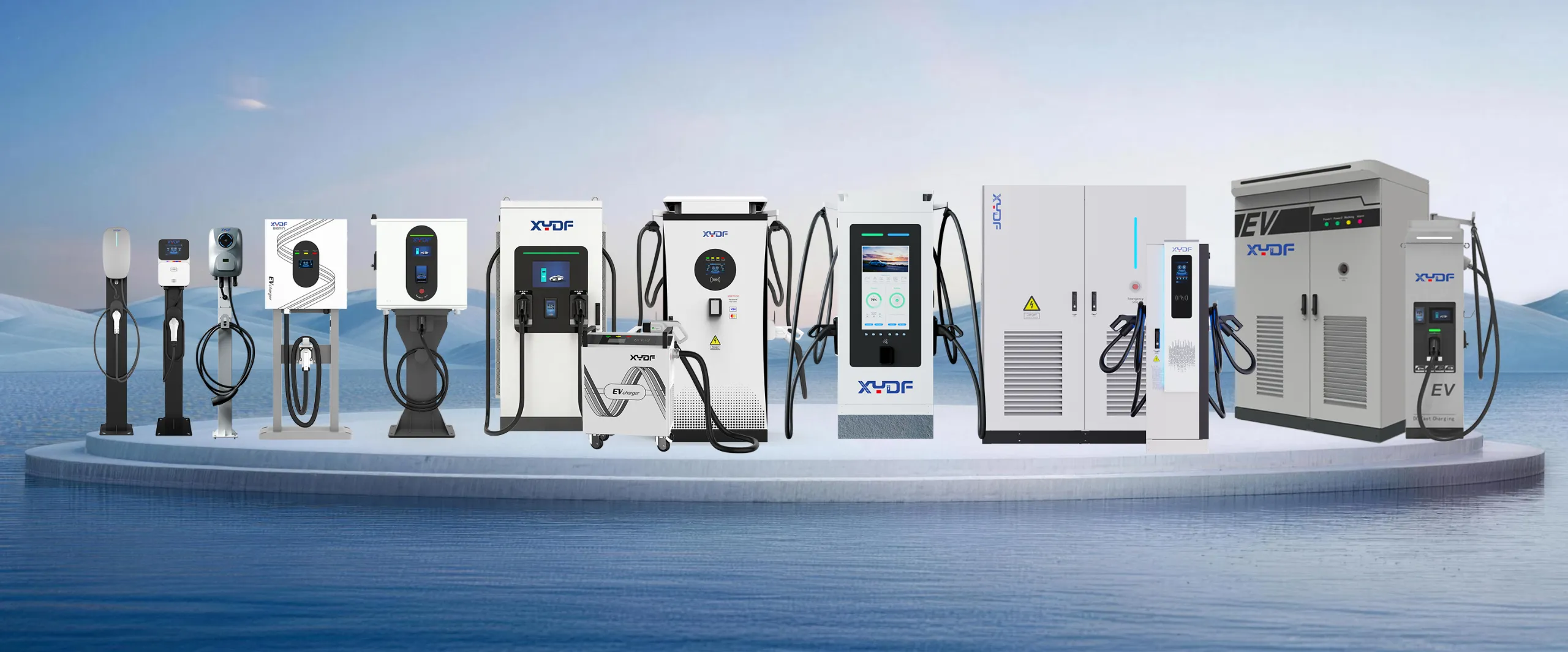
Destination market, intended installation, and claims determine the applicable rule set. A buyer should ask the supplier to list the standards edition, national deviations, and evidence owner in the compliance matrix; the XYDF company profile and published مجموعة المنتجات are starting points, not substitutes for a project-specific review.
الجزء 4. ما هي أسئلة البرامج الثابتة، و OCPP، والواجهة الخلفية التي تقلل من مخاطر التكامل؟
ينفصل نطاق البرامج الثابتة والواجهات الخلفية لبرنامج الأجهزة ذات العلامات التجارية عن شبكة شحن قابلة للتشغيل. اطرح هذه الأسئلة قبل الانتهاء من عقود الشركة المصنعة للمعدات الأصلية مقابل الشركة المصنعة للتصميم الأصلي.
موضوع
استفسار من المشتري
خطر إذا كان غير واضح
إصدار OCPP
أي إصدار تم التحقق منه في بناء طلب تقديم عروض؟
تأخيرات التكامل الخلفي
مسار الدفع
من يصادق على تدفقات RFID أو نقاط البيع أو التطبيقات؟
تم حظر تنشيط الإيرادات
إدارة الحمل
هل يمكن للوحدة احترام حدود كيلوواط للموقع من CSMS؟
محول أو مرحل حمل زائد
التشخيص عن بعد
من يمتلك رموز الأعطال وحوكمة التحديثات عبر الهواء؟
استجابة المجال البطيئة
إقامة البيانات
أين يتم تخزين سجلات الجلسة وتصديرها؟
مشكلات الامتثال للمشغل
طلب عرض توضيحي لجلسة OCPP على بنية البرنامج الثابت الدقيقة وتكوين الدفع في طلب عرض الأسعار الخاص بك، وليس على وحدة عرض توضيحية عامة.دليل شاحن المركبات الكهربائية OCPP)
الجزء 5. ما هي أسئلة العلامة التجارية والتعبئة والتغليف ودليل المستخدم التي تحدد نطاق OEM؟
نطاق مصنّع المعدات الأصلية (OEM) يتجاوز مجرد شعار على الغلاف. يجب على المشترين تأكيد الأصول المضمنة في الإنتاج التسلسلي.
أصل
توضيح في طلب عروض أسعار
تضمين OEM نموذجي
شاشة طباعة enclosures
شعار، اسم الموديل، ملصق التقييم
ضمن العادة
واجهة الشاشة
اللغة، الشعار، تدفق الدفع
مضمن مع نطاق البرنامج الثابت
الأدلة وأدلة التشغيل السريعة
لغة السوق وشروط الضمان
غالباً ما يتم تضمين
علامات الكرتون والبالتات
متطلبات التعبئة والتغليف للتصدير
أحيانًا أدوات إضافية
الواجهة الخلفية للعلامة البيضاء
تسمية بوابة المشغل
عادة عقد منفصل
وثّق العناصر المستبعدة بشكل صريح. يعد فقدان التغليف أو الدليل نطاقًا مصدرًا شائعًا لتأخيرات الإطلاق لطرحات يقودها الموزعون.
Part 7. When Is Neither an OEM nor an ODM Program the Right Route?
This guide supports OEM and ODM program selection for commercial and industrial EV charging. It does not replace:
تصميم كهربائي في الموقع أو دراسات سعة الشبكة
شهادة الامتثال لقواعد الأسلاك المحلية لكل بلد
موافقات شبكة الدفع أو تصاريح الربط بالمنفعة
عقود الإنشاءات، أو الأعمال المدنية، أو التشغيل التجريبي فقط
قرارات مصادر السعر فقط بدون نطاق الخدمة
إذا لم يتمكن المورد من تحديد ملكية الشهادة، أو التحكم في إصدار البرامج الثابتة، أو دليل المصنع لتكوين طلب عرض السعر (RFQ)، فاعتبر موافقة الشركة المصنعة للمعدات الأصلية/مصنع التصميم الأصلي مشروطة - وليست كاملة.
Neither OEM nor ODM is the right answer when the buyer has no accountable product owner, cannot fund validation, or needs a site-specific electrical and regulatory design that a hardware program cannot provide. It is also a poor fit when the expected volume cannot recover tooling and support costs, when the backend requires unsupported cybersecurity controls, or when the destination authority requires a local approval holder that the proposed contract does not name.
Use a standard catalogue purchase plus an EPC engineering package when the requirement is mainly installation and commissioning.
Use a multi-supplier pilot when interoperability, utilization, or maintenance assumptions are still unproven; set a written exit test before scaling.
Pause sourcing when ownership, certificate scope, or change-control answers remain conditional after the technical clarification round.
For a project-ready quotation, send the completed matrix, target market, connector and power requirements, backend choice, and service boundary through اتصل بـ XYDF. A documented OEM vs ODM EV charger decision protects the buyer long after the first branded shipment.
أسئلة متكررة
ما الفرق بين برامج شواحن المركبات الكهربائية OEM و ODM؟
تطبق برامج OEM عادةً علامة المشتري التجارية والخيارات المحددة على منصة موجودة. قد تشارك برامج ODM أو تنقل المزيد من مسؤوليات التصميم والبرامج الثابتة والشهادات اعتمادًا على عمق العقد.
من يملك الشهادة في برنامج ODM؟
يجب أن يكون الملكية واضحة في العقد واستجابة طلب عرض الأسعار. اسأل من يقدم عينات الاختبار، ومن يحتفظ بالشهادة، ومن يدفع لإعادة التصديق عند تغيير قائمة المواد أو البرامج الثابتة.
ما هي عناصر التصميم التي يمكن للمشترين تخصيصها في مسارات OEM؟
التصميم والعلامات التجارية، والأدلة، وتدفقات واجهة المستخدم المختارة، والتعبئة والتغليف، وبعض تكوينات الملحقات شائعة. تحتاج أدوات الغلاف، ومتغيرات الأسلاك، وميزات البرامج الثابتة إلى تضمين صريح في النطاق.
كيف ينبغي تقسيم مسؤوليات البرامج الثابتة (firmware) و OCPP؟
من يقوم بالتحقق من إصدارات OCPP، ومسارات الدفع، والتشخيص عن بعد، وتحديثات OTA. طلب عرض توضيحي للجلسة حول كيفية بناء طلب تقديم عروض قبل الالتزام بالحجم.
ما هي حقول طلب عرض الأسعار التي تقلل مخاطر تحديد المصادر للشركة المصنعة الأصلية/الشركة المصنعة للمعدات الأصلية؟
يجب توثيق نوع البرنامج، نطاق الموديل، مواصفات الموصل والكابل، نطاق واجهة المستخدم والدفع، هدف OCPP/الخلفية، أصول العلامة التجارية، الحجم، وقت التسليم، الضمان، وشروط قطع الغيار.
متى يجب على المشترين طلب تدقيق المصنع؟
قبل طلبات الحجم الأول وقبل توسيع نطاق البرامج ذات العلامات التجارية، قم بإجراء تدقيق مصنع منظم يغطي نطاق الإنتاج، وإمكانية التتبع، وأدلة الاختبار، وجاهزية الخدمة.
هل يمكن لمورد واحد دعم برامج OEM و ODM على حد سواء؟
يقدم العديد من المصنعين كلاهما ، ولكن النطاق والمسؤولية يختلفان حسب المسار. قارن شروط الملكية والشهادات والدعم بشكل منفصل بدلاً من افتراض أن عقدًا واحدًا يغطي كليهما.
What is the most important OEM/ODM contract clause?
The most important clause is the change-control and evidence clause: it should define who approves a BOM, enclosure, or firmware change; what retesting is required; and who pays. Without that clause, ownership language can become unenforceable when a component is discontinued.
Does an OCPP claim prove backend interoperability?
No. OCPP is a protocol specification; interoperability depends on the implemented profile, firmware release, security settings, and the chosen CSMS. Require a recorded test on the exact build and document unsupported messages before acceptance.
Can a CE mark replace a local installation approval?
No. CE marking addresses applicable EU conformity obligations, while wiring rules, permits, grid connection, and site inspection remain jurisdiction- and project-specific. Confirm the destination authority’s requirements before treating a declaration as deployment clearance.
the best charger program is the one whose evidence still makes sense when the first field failure, firmware update, or market audit arrives.
كيف يمكن للمشتري ربط الأدلة المصنفة بالقبول الميداني؟
ربط كل عنصر من عناصر التحكم في المصنع بمتطلبات حقل معيّن: تحديد النموذج والتصنيف التجريبي، وتحديد طريقة الاختبار ومعاييره، والحفاظ على سجلات المعايرة وعمليات العيوب، وإعادة إجراء عمليات التدقيق الحرجة أثناء قبول الموقع مع التكوين المقدم. السياحة أو الشهادة هي إطار مفيد، لكن السلسلة القابلة للتحقق منها هي التكوين والأدلة والنتائج التي يشهدها الطرف الثالث.
نستخدم ملفات تعريف الارتباط (الكوكيز) لضمان عمل هذا الموقع، وبإذنك، لقياس كيفية استخدام الزوار لموقع شحن المركبات الكهربائية الخاص بنا. انظر إلى سياسة الخصوصية للتفاصيل.
 شركة شينيا دونغفانغ لتكنولوجيا الكهرباء المحدودة.