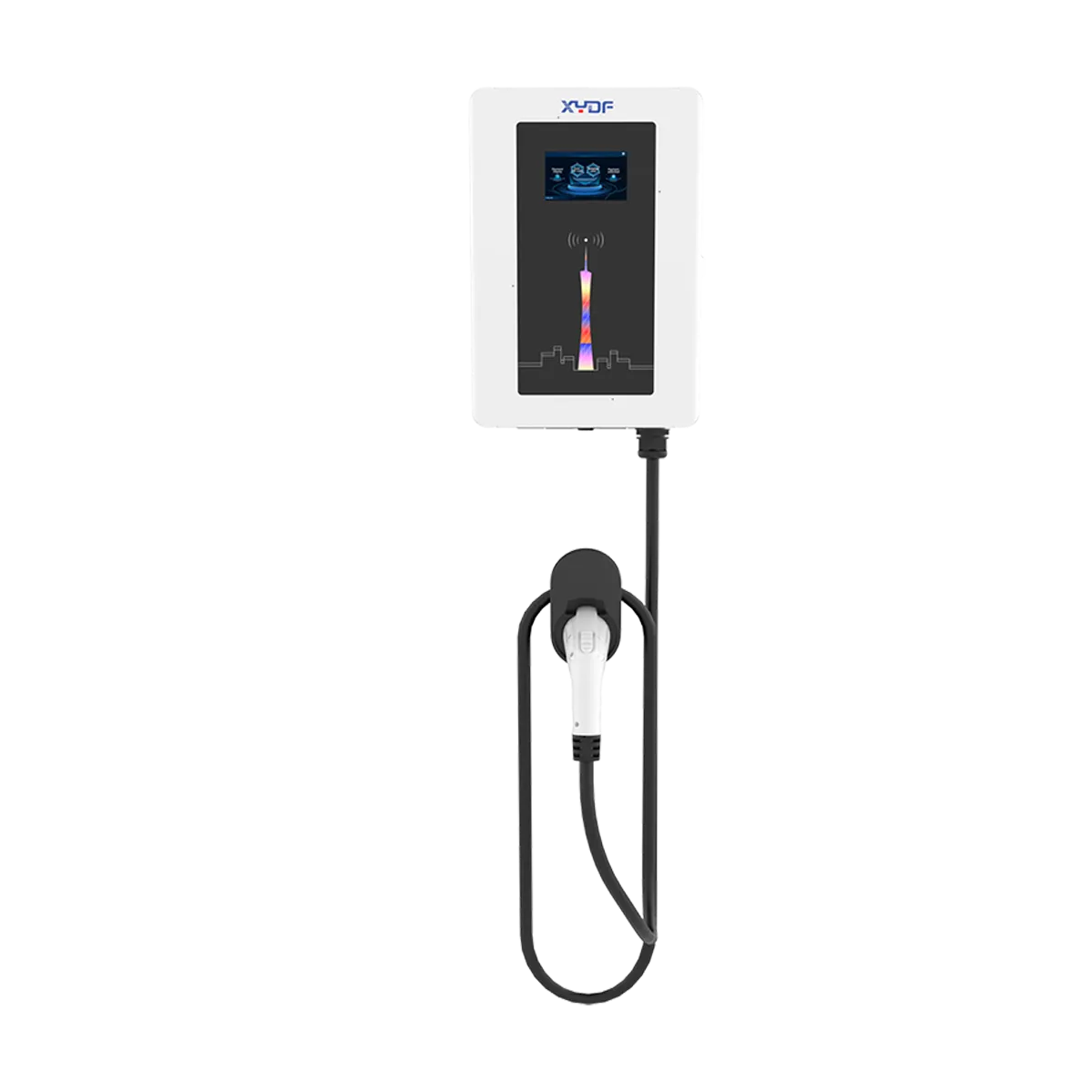
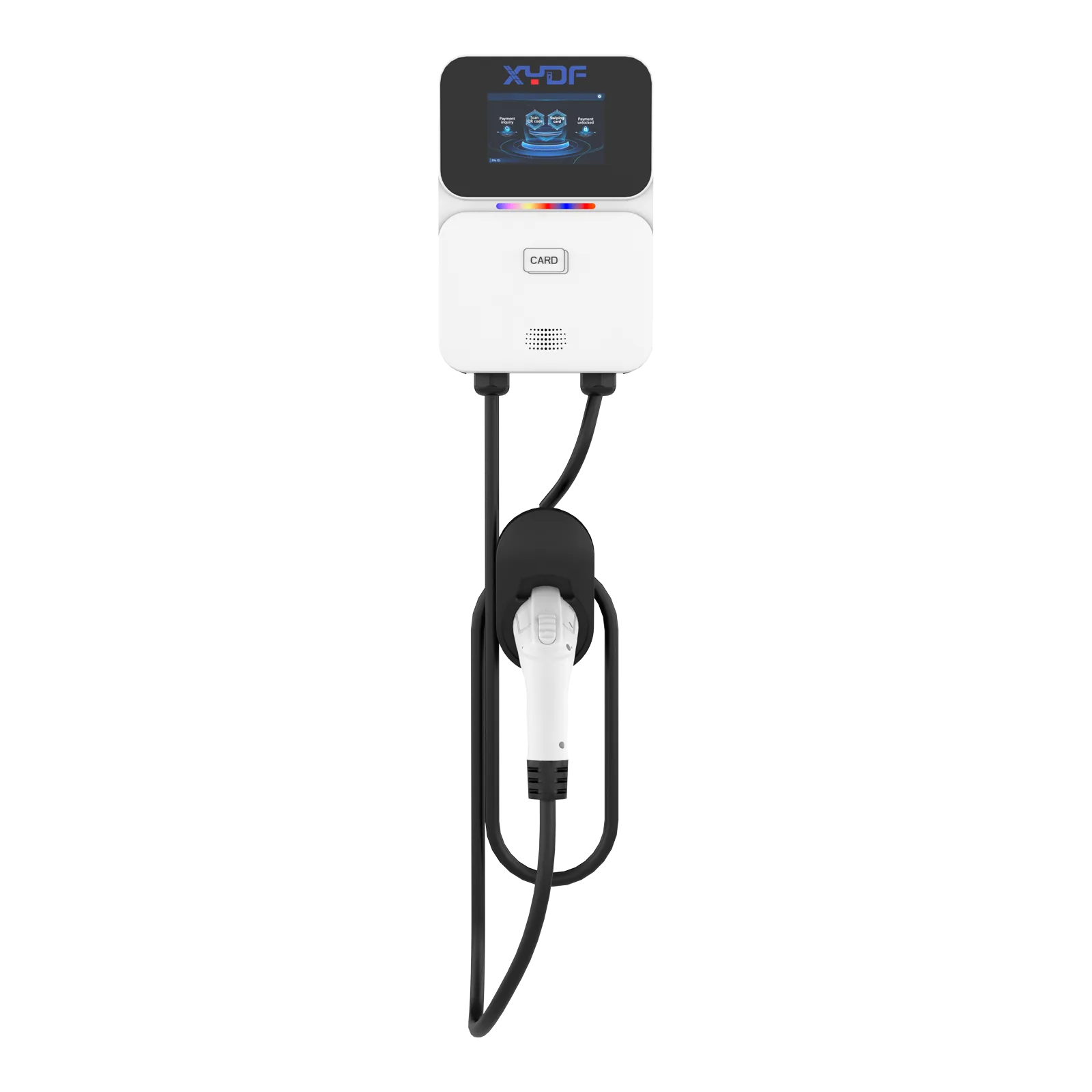
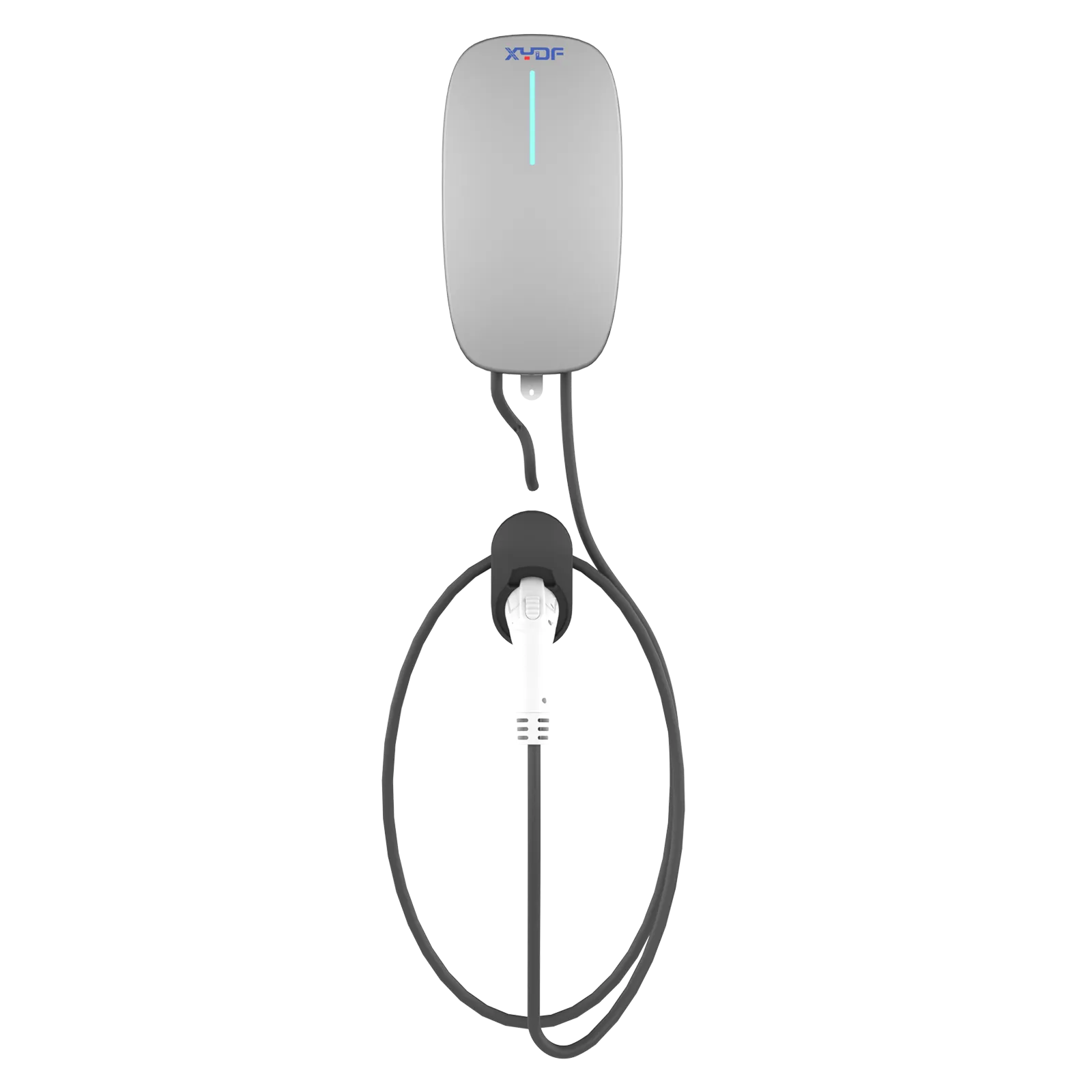
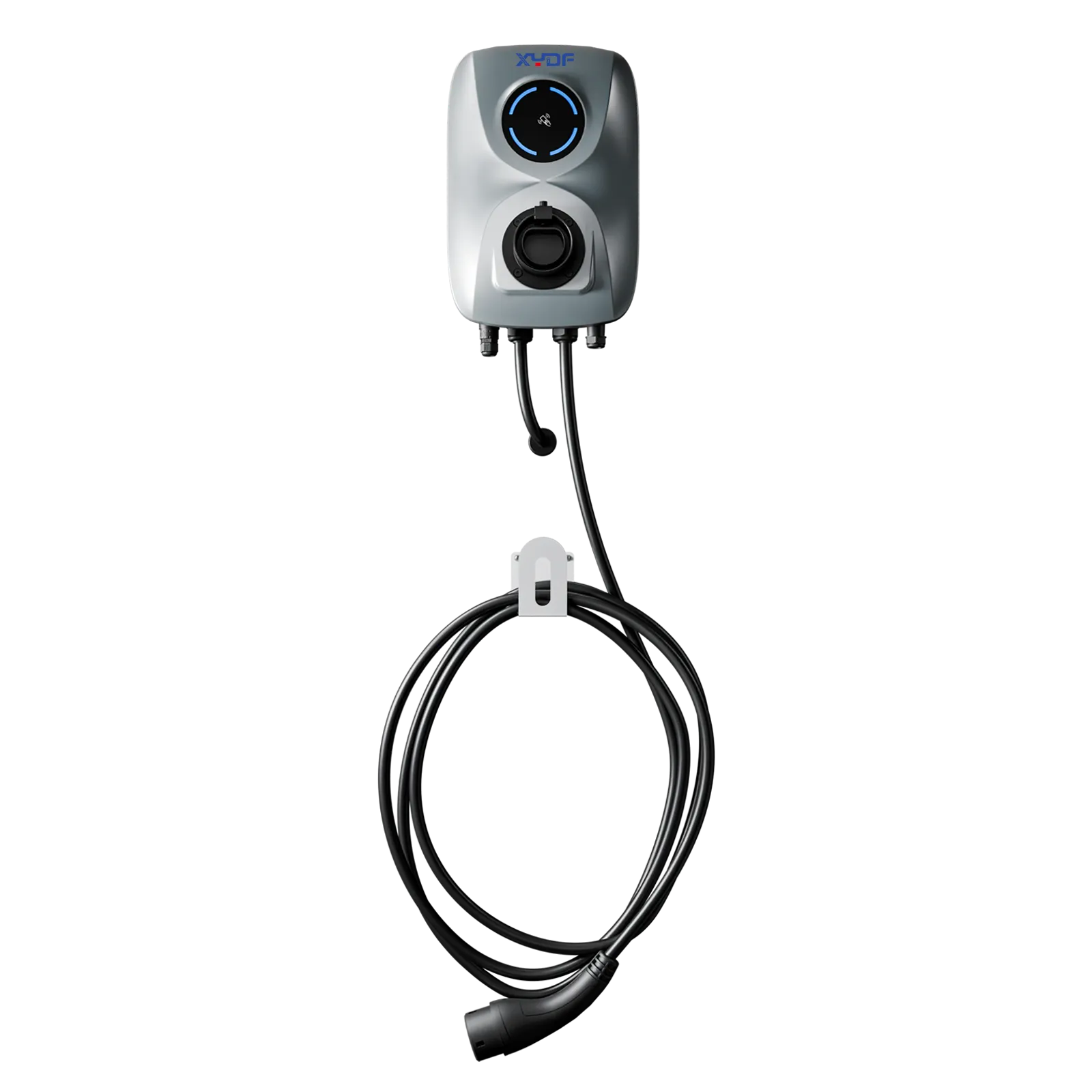
Quelles questions les acheteurs doivent-ils se poser lorsqu'ils doivent choisir entre des programmes de chargeurs pour véhicules électriques de type OEM et ODM ?
18 juil. 2026
Blog
Before selecting an oem ev charger or ODM route, buyers should ask who holds design ownership, certification, firmware, branding, factory evidence, and service scope — then map those answers to RFQ fields and audit steps before volume orders.
Partie 1. Quelle est la différence entre les programmes de chargeurs de VE OEM et ODM ?
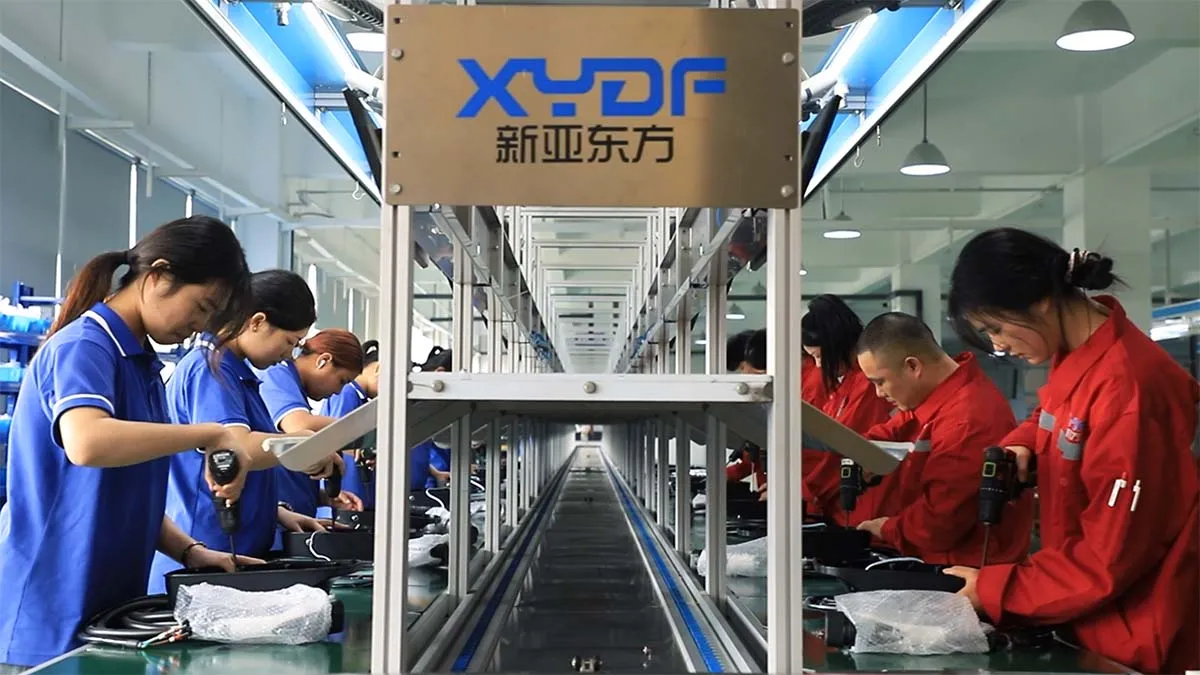
Un audit fournisseur est plus utile lorsque chaque déclaration de l’usine est liée à un document ou à un contrôle témoin. Traquez la configuration du produit depuis l’inspection initiale jusqu’à la mise à jour du firmware ou de l’équipement, en passant par les contrôles de processus, les tests finals, le traitement des non-conformités, la calibration, le contrôle des changements et la libération des envois. Cela crée un parcours d’approvisionnement prêt à être cité sans supposer que la seule visite dans l’usine prouve les performances sur le terrain. Pour le contexte de planification publique, voir Exigences du système de charge conductif IEC 61851-1; Le dossier d’acceptation site-spécifique reste le facteur déterminant de la décision finale.
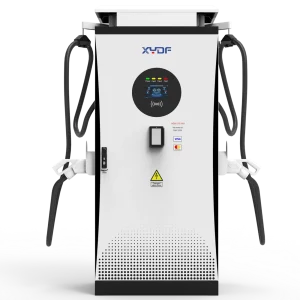
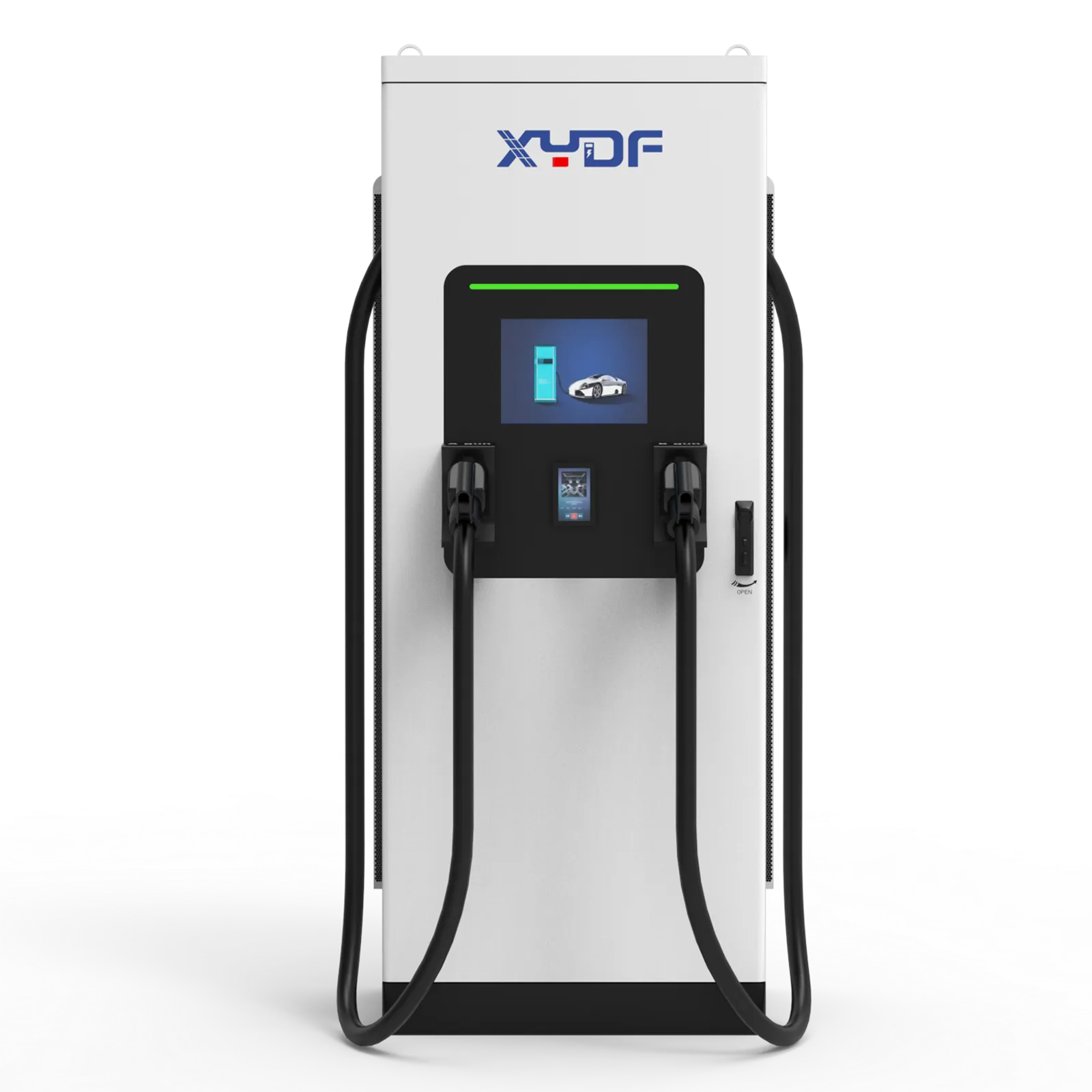
Un Chargeur EV OEM program usually starts from a supplier’s existing platform and applies buyer branding, packaging, manuals, and selected firmware or UI options. An ODM EV charger program goes further: the buyer or supplier may co-own enclosure, electrical, firmware, or certification scope depending on contract structure.
Les deux itinéraires peuvent prendre en charge le déploiement commercial, mais ils attribuent différentes responsabilités pour les modifications de conception, les preuves de test et le support sur le terrain.
Conception de la plateforme de base et parcours de certification principal
ODM (léger)
Image de marque plus définie, changements mécaniques ou d'interface utilisateur
Responsable de l'architecture et de la certification des systèmes d'alimentation de base
ODM (en profondeur)
Définition de produit avec ingénierie partagée
Gouvernance de fabrication, de test et de révision par contrat
Traiter les déclarations marketing “ OEM/ODM disponible ” comme incomplètes jusqu'à ce que la propriété de la certification, du micrologiciel et du contrôle de version soit documentée dans la réponse à la demande de prix.Aperçu de la norme CEI 61851)
Un outil utile OEM vs ODM EV charger decision is not a label exercise; it is a transfer-of-risk exercise. The buyer should assign each deliverable to an owner, define the evidence required at the design-freeze gate, and price the cost of a change after that gate. This framework is a practical synthesis for CPOs, fleet operators, distributors, and EPC teams that already have a shortlist.
Partie 2. Quelles questions de conception et de propriété les acheteurs devraient-ils poser en premier ?
Les équipes d'approvisionnement découvrent souvent trop tard que la “ personnalisation de la marque ” n'incluait pas l'outillage des boîtiers, les variantes de faisceaux de câbles ou les droits de modification du firmware.
Question
Pourquoi c'est important
Réponse faible
Qui possède les révisions d'enceinte et de structure ?
Affecte le coût des outils et la recertification
“Nous pouvons peindre n'importe quelle couleur sans contrôle du dessin
Qui approuve les substitutions de nomenclature ?
Les défaillances sur le terrain remontent à des remplacements de composants silencieux
Flexibilité verbale sans enregistrements de gestion des modifications
Qui maintient les fixtures de test pour les builds personnalisés ?
Les programmes personnalisés ont besoin de preuves de test répétables
Banc de démonstration unique seulement
Qui prend en charge les mises à niveau sur site et les pièces de rechange ?
Le coût du service dépend de la gouvernance des révisions
Liste de prix sans matrice de révision
Les distributeurs demandent fréquemment si une unité est “ vraiment de leur conception ” — demandez les niveaux d'émission des dessins et l'historique des révisions, pas seulement des maquettes d'image de marque extérieure.
Decision matrix: which route matches the risk you can carry?
Facteur décisionnel
OEM is usually the better fit when…
ODM is justified when…
Éléments de preuve à demander
Design ownership
A proven enclosure and electrical platform meets the use case.
A mechanical, electrical, or user-experience requirement is not available off the shelf.
select OEM when speed and a stable platform have more value than differentiation; select ODM only when the buyer can govern requirements, verification, and lifecycle changes. The honest answer is conditional—the same supplier may be suitable for OEM on one SKU and unsuitable for ODM on another.
Due-diligence questions before design freeze
Which legal entity is the manufacturer of record, and which entity will appear on the declaration, label, warranty, and shipment documents?
Can the supplier provide a controlled bill of materials with approved alternates, lot traceability, and a written rule for substitutions?
What exact configuration was tested—power rating, connector, cable length, enclosure revision, firmware release, and optional meter or payment hardware?
What event triggers a safety, EMC, or grid-code review, and who pays when a change crosses that trigger?
How are vulnerabilities disclosed, patched, and rolled back; and can the operator export charging-session data if the backend relationship ends?
What acceptance test is run on every production unit, what records are retained, and for how long can the buyer audit them?
What is the service boundary: remote triage, swap stock, on-site response, firmware support, and end-of-life notice?
A supplier that answers with a document reference, revision, and accountable owner is reducing OEM vs ODM EV charger risk; a supplier that answers only with “customizable” is describing marketing scope, not engineering scope. The Liste de contrôle de l’audit de l’usine can be used to sample these claims against production records.
Attach the design baseline, firmware repository or escrow rule, certification owner, approved-change workflow, serial traceability and acceptance evidence to the contract instead of relying on an informal customization promise.
Partie 3. Comment les acheteurs doivent-ils comparer la responsabilité en matière de certification et de conformité ?
La responsabilité de la certification est l'un des points de défaillance à plus haut risque entre les voies OEM et ODM. Le certificat doit correspondre au modèle exact, à la plage de puissance, à la configuration du connecteur et à la version du micrologiciel que vous prévoyez de déployer.
Document
Question de l'acheteur
Écart courant
Rapports CB / CE / TÜV
Le rapport nomme-t-il le SKU exact et la disposition des ports ?
Certificat pour une sœur modèle
Étiqueter l'œuvre d'art
Qui approuve les avertissements et les libellés spécifiques au marché ?
Modèle de fournisseur réutilisé dans toutes les régions
EMC et delta de sécurité
Qui est propriétaire de la re-test si le firmware ou le faisceau change ?
Déclencheur de recertification indéfini
Cohérence de production
Le BOM approuvé est-il verrouillé à l'échantillon du certificat ?
Substitution silencieuse après approbation
XYDF publie des preuves de qualification sur Qualification et contexte de fabrication sur À propos de XYDF. Comparez ces itinéraires publiés avec votre marché cible avant de valider l'approbation OEM ou ODM.
Liste de contrôle RFQ OEM / ODM
Champ AMF
Pourquoi les fournisseurs en ont-ils besoin
Types de programmes (profondeur OEM vs ODM)
Définir les limites de propriété du jeu
Modèles cibles et plage de puissance
Plateforme de cartes et périmètre de test
Connecteur standard et longueur de câble
Affecte la certification et la nomenclature du faisceau
Langue de l'interface utilisateur et options de paiement
Firmware et étiquetage des disques
Version OCPP et cible backend
Définit les tests d'interopérabilité
Portée de la marque et emballage
Détermine l'outillage et le travail manuel
Volume annuel et fenêtre de délai
Valide l'allocation de capacité
Pièces de rechange et conditions de garantie
Définit les attentes en matière de coût des services
Standards map: test method, protocol, and market law are different things
Market-law obligations for electromagnetic compatibility in the European Union.
CE marking is a conformity declaration; it is not a universal performance certification and does not replace local installation rules.
Destination market, intended installation, and claims determine the applicable rule set. A buyer should ask the supplier to list the standards edition, national deviations, and evidence owner in the compliance matrix; the XYDF company profile and published gamme de produits are starting points, not substitutes for a project-specific review.
Partie 4. Quelles questions relatives au firmware, à l'OCPP et au backend réduisent le risque d'intégration ?
Le firmware et la portée du backend séparent un programme de matériel de marque d'un réseau de recharge opérationnel. Posez ces questions avant de finaliser les contrats OEM ou ODM.
Sujet
Question de l'acheteur
Risque si peu clair
Version OCPP
Quelle version est validée sur la construction RFQ ?
Retards d'intégration backend
Trajet de paiement
Qui certifie les flux RFID, POS ou d'application ?
Activation des revenus bloquée
Gestion de la charge
L'unité peut-elle respecter les limites de kW du site à partir du CSMS ?
Surcharge du transformateur ou de l'alimentation
Diagnostic à distance
Qui possède les codes d'erreur et la gouvernance des mises à jour OTA (Over-The-Air) ?
Réponse lente du champ
Résidence des données
Où sont stockés et exportés les journaux de session ?
Problèmes de conformité des opérateurs
Demander une démonstration de session OCPP sur la version exacte du firmware et la configuration de paiement spécifiées dans votre demande de devis, et non sur une unité de démonstration générique.Guide des bornes de recharge pour VE OCPP)
5e partie. Quelles questions relatives à la marque, à l'emballage et au manuel définissent la portée de l'OEM ?
La portée de l'OEM est plus qu'un logo sur le boîtier. Les acheteurs doivent confirmer quels actifs sont inclus dans la production en série.
Actif
Clarifier dans l'appel d'offres
Inclusion typique de l'équipementier d'origine
Sérigraphie du boîtier
Logo, nom du modèle, étiquette de notation
Généralement inclus
Interface utilisateur de l'écran
Langue, logo, flux de paiement
Inclus avec la portée du micrologiciel
Manuels et guides de démarrage rapide
Langage du marché et conditions de garantie
Souvent inclus
Marquage des cartons et des palettes
Exigences d'emballage pour l'exportation
Parfois, des outils supplémentaires
Backend en marque blanche
Nommage du portail opérateur
Contrat distinct
Documenter explicitement les articles exclus. L'absence d'emballage ou de manuel est une source fréquente de retards de lancement pour les déploiements gérés par les distributeurs.
Partie 6. Quelles plateformes XYDF correspondent aux voies typiques des fabricants d'équipement d'origine (OEM) et des fabricants de conception d'origine (ODM) ?
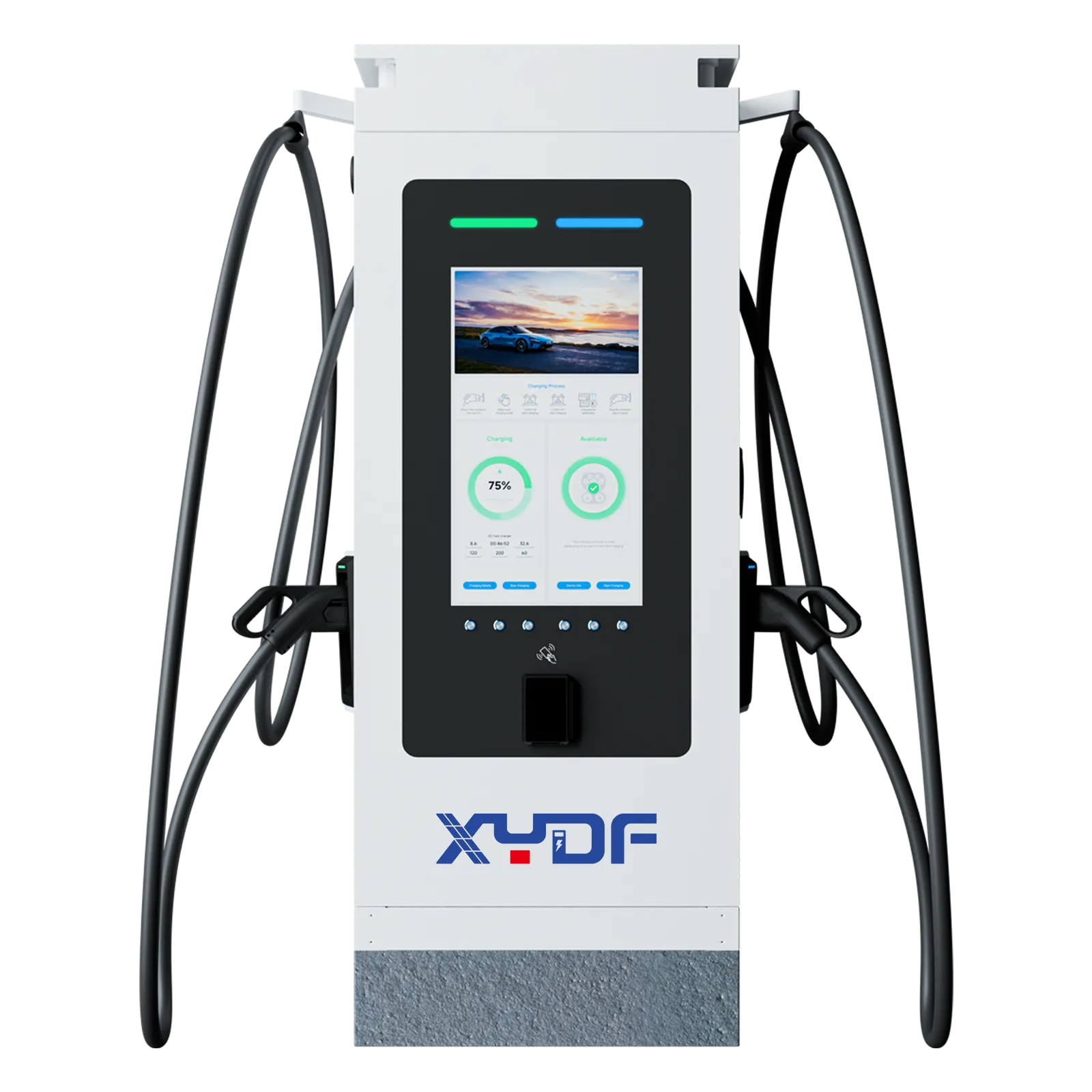
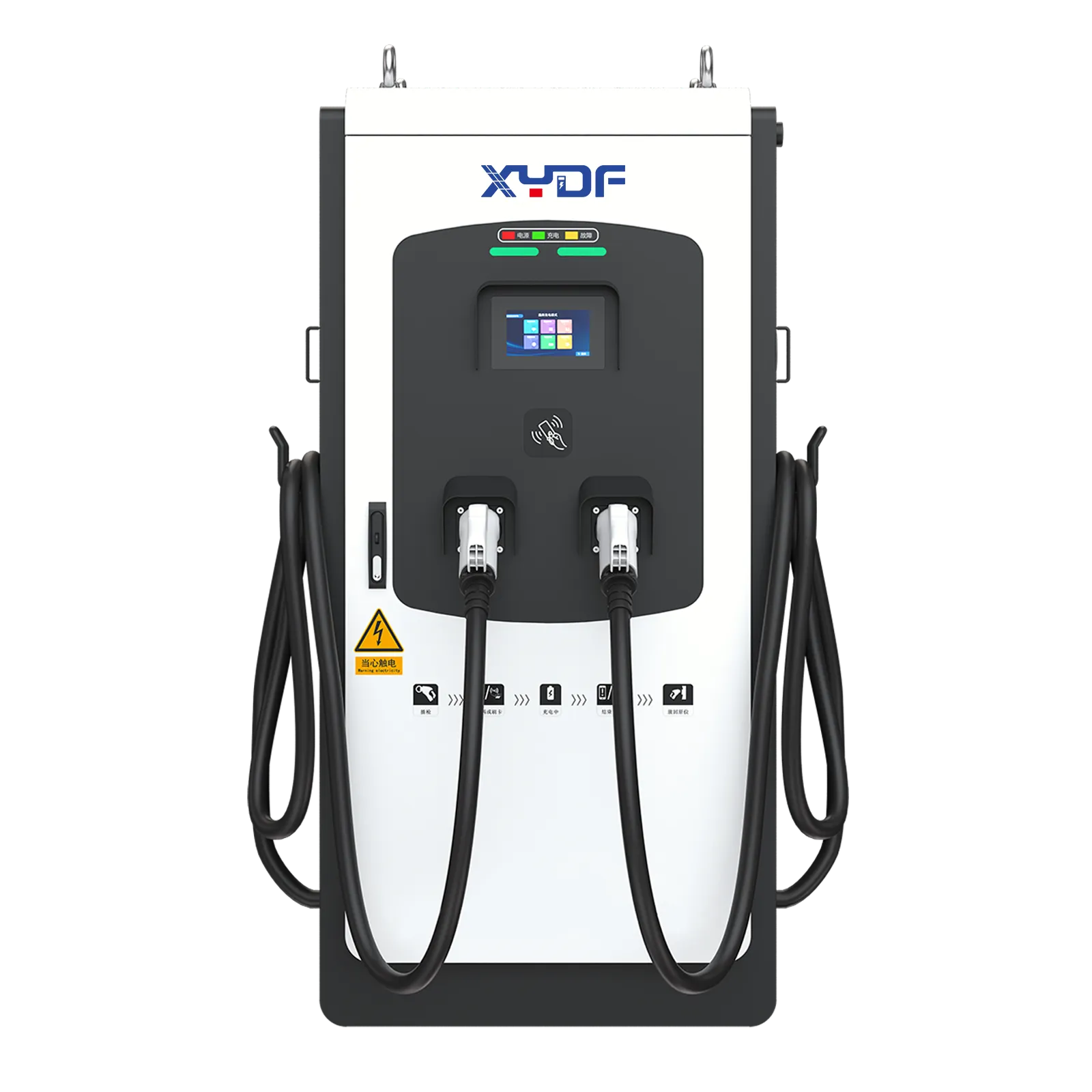
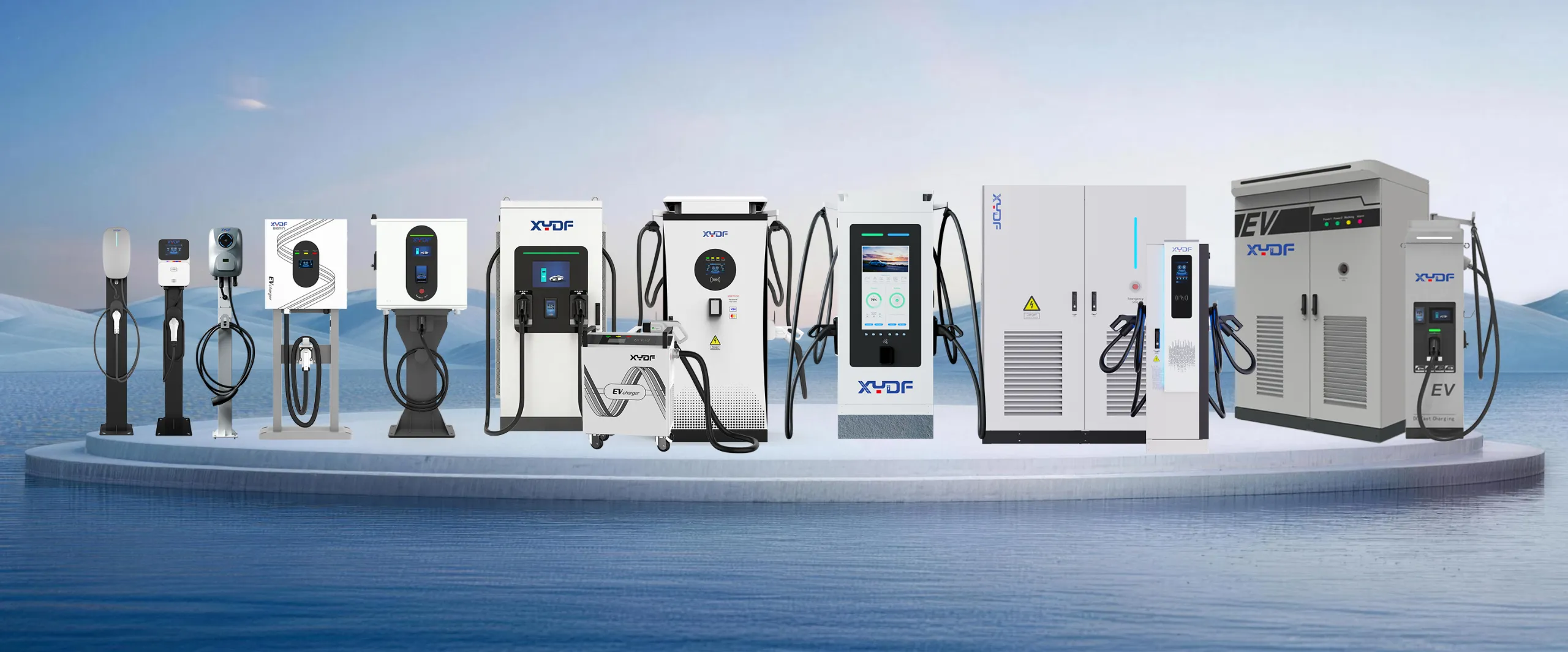
XYDF publie des plateformes AC et DC commerciales sous Produits avec prise en charge OEM/ODM décrite sur À propos de XYDF. Utilisez les ensembles de questions ci-dessus avant de présélectionner une plateforme.
Itinéraire de l'acheteur
Point de départ XYDF
Accent sur le programme
Climatisation d'entreprise personnalisée
Série EC7 / EC22 / E22 activée /produits/
Langage de l'interface utilisateur, gestion du chargement, OCPP
Trafic mixte de destination
Unités AC/DC plus compactes
Marque plus sélective débit CC
GC public à haut débit
Plateforme EC Série 80-240kW
Mise sous tension simultanée, accès aux services, tests backend
Part 7. When Is Neither an OEM nor an ODM Program the Right Route?
This guide supports OEM and ODM program selection for commercial and industrial EV charging. It does not replace:
Conception électrique sur site ou études de capacité du réseau
Certification de conformité aux règles de câblage locales pour chaque pays
Approbations de réseau de paiement ou permis d'interconnexion de services publics
Contrats de construction, de travaux de génie civil ou de mise en service uniquement
Décisions d'approvisionnement basées uniquement sur le prix sans portée de service
Si un fournisseur ne peut pas définir la propriété de la certification, le contrôle des révisions du micrologiciel ou les preuves d'usine pour la configuration RFQ, considérez l'approbation OEM/ODM comme conditionnelle et non comme complète.
Neither OEM nor ODM is the right answer when the buyer has no accountable product owner, cannot fund validation, or needs a site-specific electrical and regulatory design that a hardware program cannot provide. It is also a poor fit when the expected volume cannot recover tooling and support costs, when the backend requires unsupported cybersecurity controls, or when the destination authority requires a local approval holder that the proposed contract does not name.
Use a standard catalogue purchase plus an EPC engineering package when the requirement is mainly installation and commissioning.
Use a multi-supplier pilot when interoperability, utilization, or maintenance assumptions are still unproven; set a written exit test before scaling.
Pause sourcing when ownership, certificate scope, or change-control answers remain conditional after the technical clarification round.
For a project-ready quotation, send the completed matrix, target market, connector and power requirements, backend choice, and service boundary through Contact XYDF. A documented OEM vs ODM EV charger decision protects the buyer long after the first branded shipment.
FAQ
Quelle est la différence entre les programmes de chargeurs de VE OEM et ODM ?
Les programmes OEM appliquent généralement la marque de l'acheteur et des options sélectionnées à une plateforme existante. Les programmes ODM peuvent partager ou transférer davantage de responsabilités de conception, de micrologiciel et de certification en fonction de la profondeur du contrat.
Qui détient la certification dans un programme ODM ?
La propriété doit être explicite dans le contrat et la réponse à la demande de proposition (RFQ). Demandez qui soumet les échantillons de test, qui détient le certificat et qui paie pour la recertification en cas de modification de la nomenclature (BOM) ou du firmware.
Quels éléments de conception les acheteurs peuvent-ils personnaliser dans les parcours OEM ?
La création de marque, les manuels, certains flux d'interface utilisateur sélectionnés, l'emballage et quelques configurations d'accessoires sont courants. Les outillages de boîtiers, les variantes de faisceaux et les fonctionnalités du firmware doivent être inclus explicitement dans la portée.
Comment répartir les responsabilités entre le firmware et l'OCPP ?
Qui valide les versions OCPP, les parcours de paiement, le diagnostic à distance et les mises à jour OTA ? Demander une démonstration de session sur la construction du RFQ avant l'engagement de volume.
Quels champs de RFQ réduisent le risque d'approvisionnement des OEM/ODM?
Le type de programme, la gamme de modèles, les spécifications du connecteur et du câble, la portée de l'interface utilisateur et du paiement, la cible OCPP/backend, les éléments de marque, le volume, le délai de livraison, la garantie et les conditions de pièces de rechange doivent tous être documentés.
Les acheteurs devraient-ils exiger un audit d'usine ?
Avant les premières commandes de volume et avant de déployer des programmes de marque, effectuez un audit d'usine structuré couvrant la portée de la production, la traçabilité, les preuves de test et la préparation du service.
Un seul fournisseur peut-il supporter à la fois les programmes OEM et ODM ?
De nombreux fabricants proposent les deux, mais la portée et les responsabilités diffèrent selon les voies. Comparez séparément les conditions de possession, de certification et de support plutôt que de supposer qu'un seul contrat couvre les deux.
What is the most important OEM/ODM contract clause?
The most important clause is the change-control and evidence clause: it should define who approves a BOM, enclosure, or firmware change; what retesting is required; and who pays. Without that clause, ownership language can become unenforceable when a component is discontinued.
Does an OCPP claim prove backend interoperability?
No. OCPP is a protocol specification; interoperability depends on the implemented profile, firmware release, security settings, and the chosen CSMS. Require a recorded test on the exact build and document unsupported messages before acceptance.
Can a CE mark replace a local installation approval?
No. CE marking addresses applicable EU conformity obligations, while wiring rules, permits, grid connection, and site inspection remain jurisdiction- and project-specific. Confirm the destination authority’s requirements before treating a declaration as deployment clearance.
the best charger program is the one whose evidence still makes sense when the first field failure, firmware update, or market audit arrives.
Comment un acheteur peut-il associer les preuves de l’usine à l’acceptation sur le terrain ?
Lier chaque contrôle de la chaîne d’approvisionnement à une exigence de terrain : identifier le modèle et la version testés, définir la méthode d’essai et les critères de réussite, conserver les données d’étalonnage et les registres de défaillance, et répéter les contrôles critiques lors de l’acceptation du site avec la configuration livrée. Une visite guidée ou un certificat sont des éléments utiles, mais la chaîne vérifiable est constituée par la configuration, les preuves et les résultats constatés.
Usine du siège social du Zhejiang :
N° 2, route de Changjiang, parc industriel du pont de Wenzhou, ville de beibaixiang, ville de Yueqing, ville de Wenzhou, province du Zhejiang
Bureau de Shenzhen :
1er étage, Bâtiment A, Parc Industriel Shenkai, Communauté Tangtou, Sous-district de Shiyan, District de Bao'an, Shenzhen
Nous utilisons des cookies pour assurer le bon fonctionnement de ce site Web et, avec votre autorisation, pour mesurer la manière dont les visiteurs utilisent notre site de recharge pour VE. Voir notre Politique de confidentialité pour plus de détails.
 Xinya Dongfang Electricity Technology Co., Ltd.