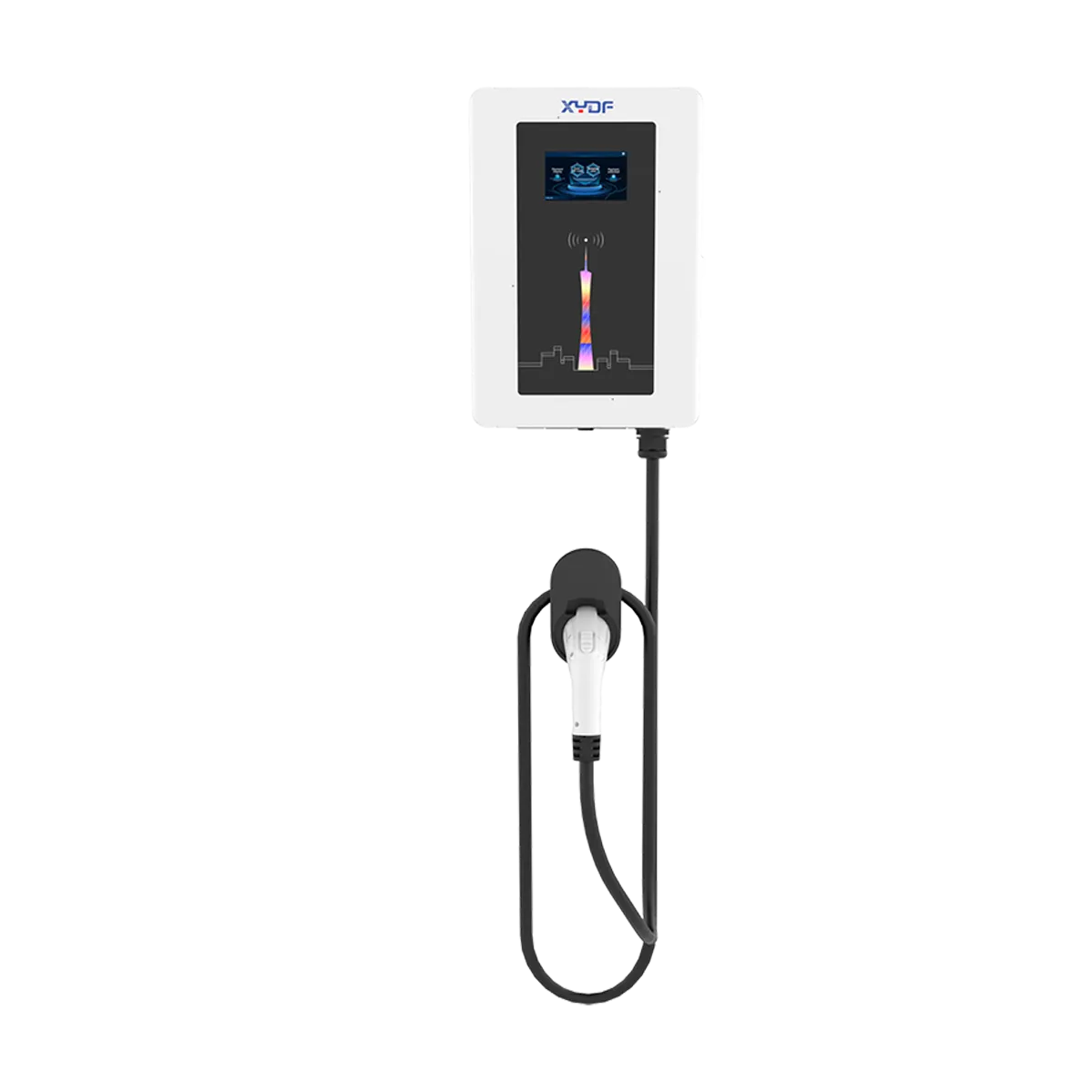
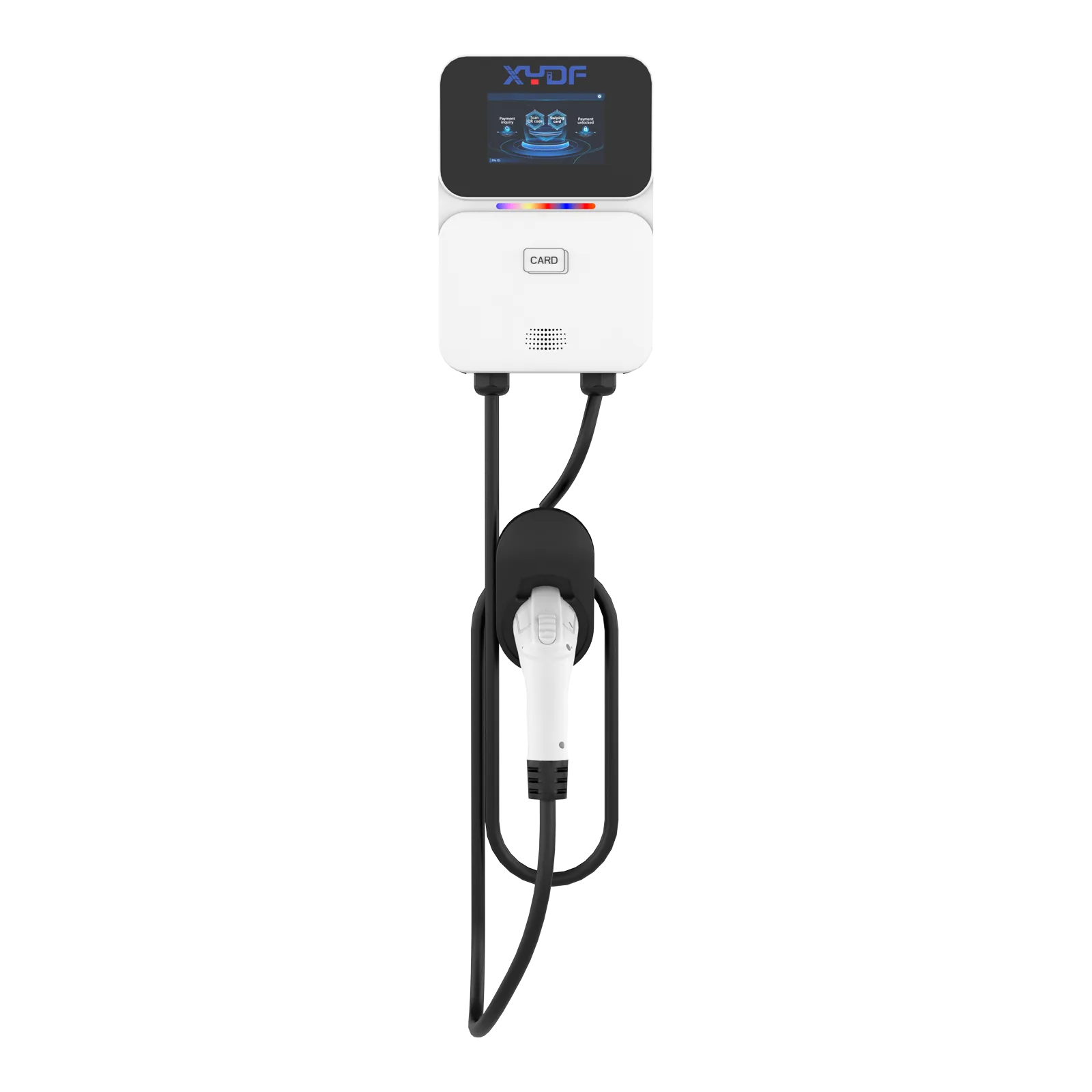
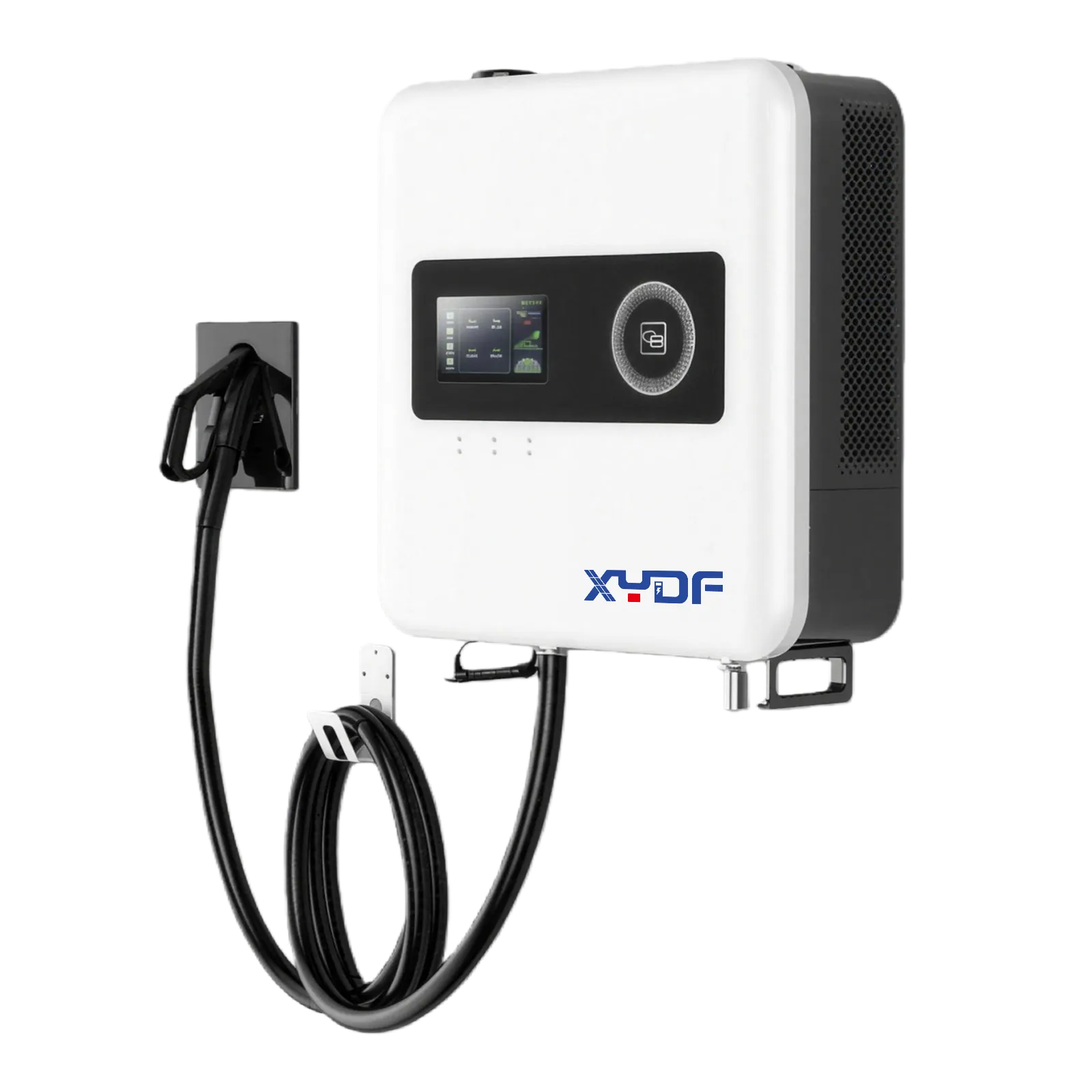
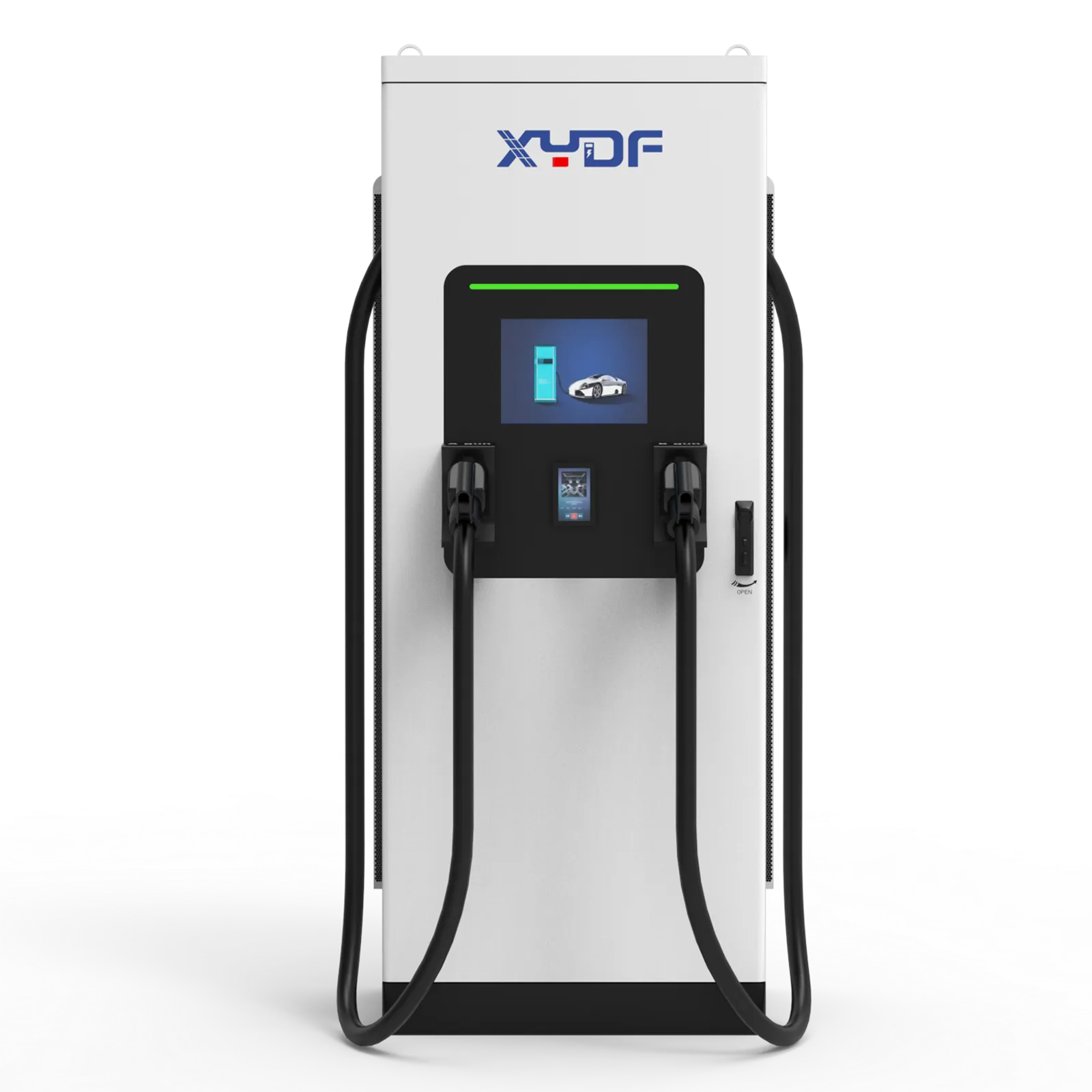
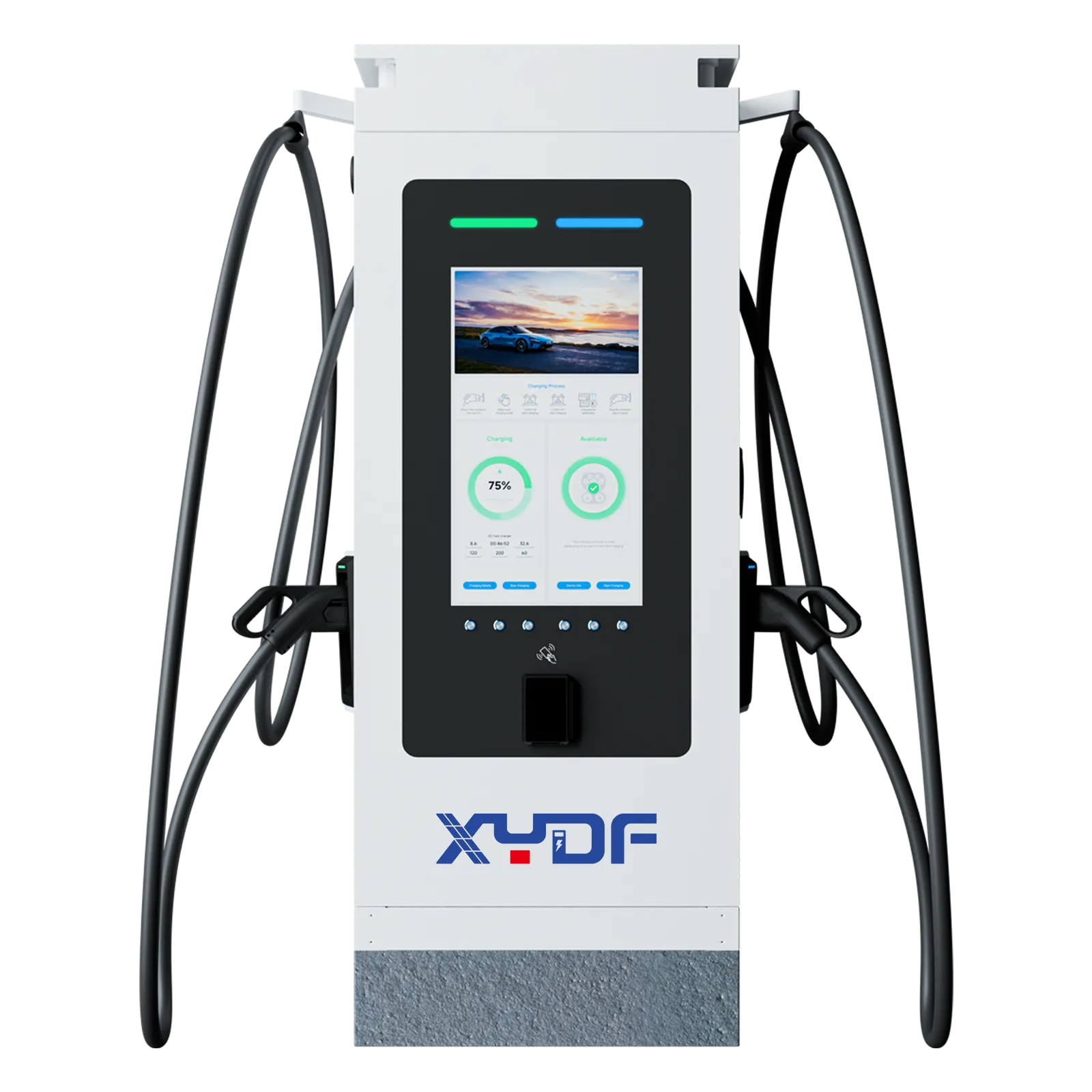
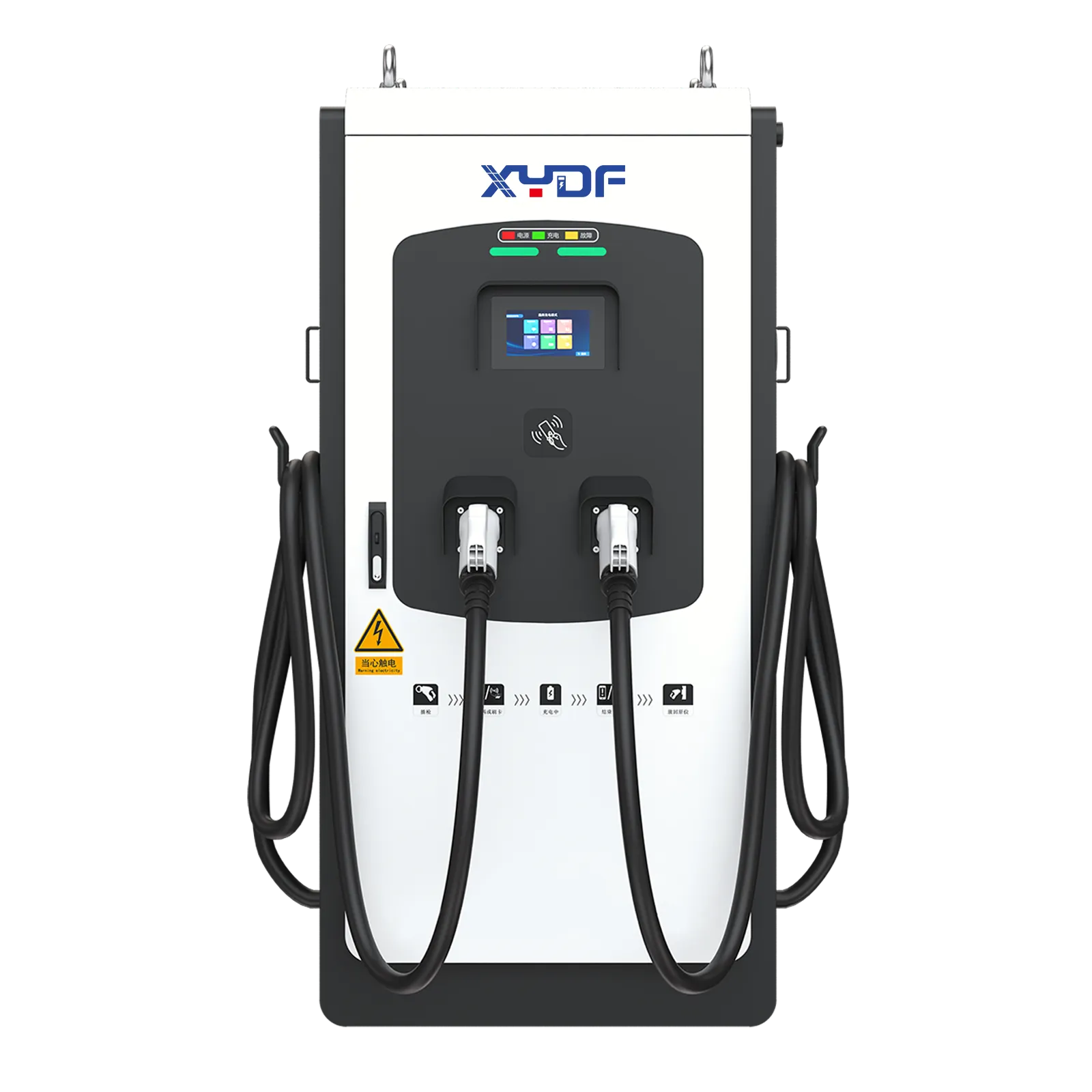
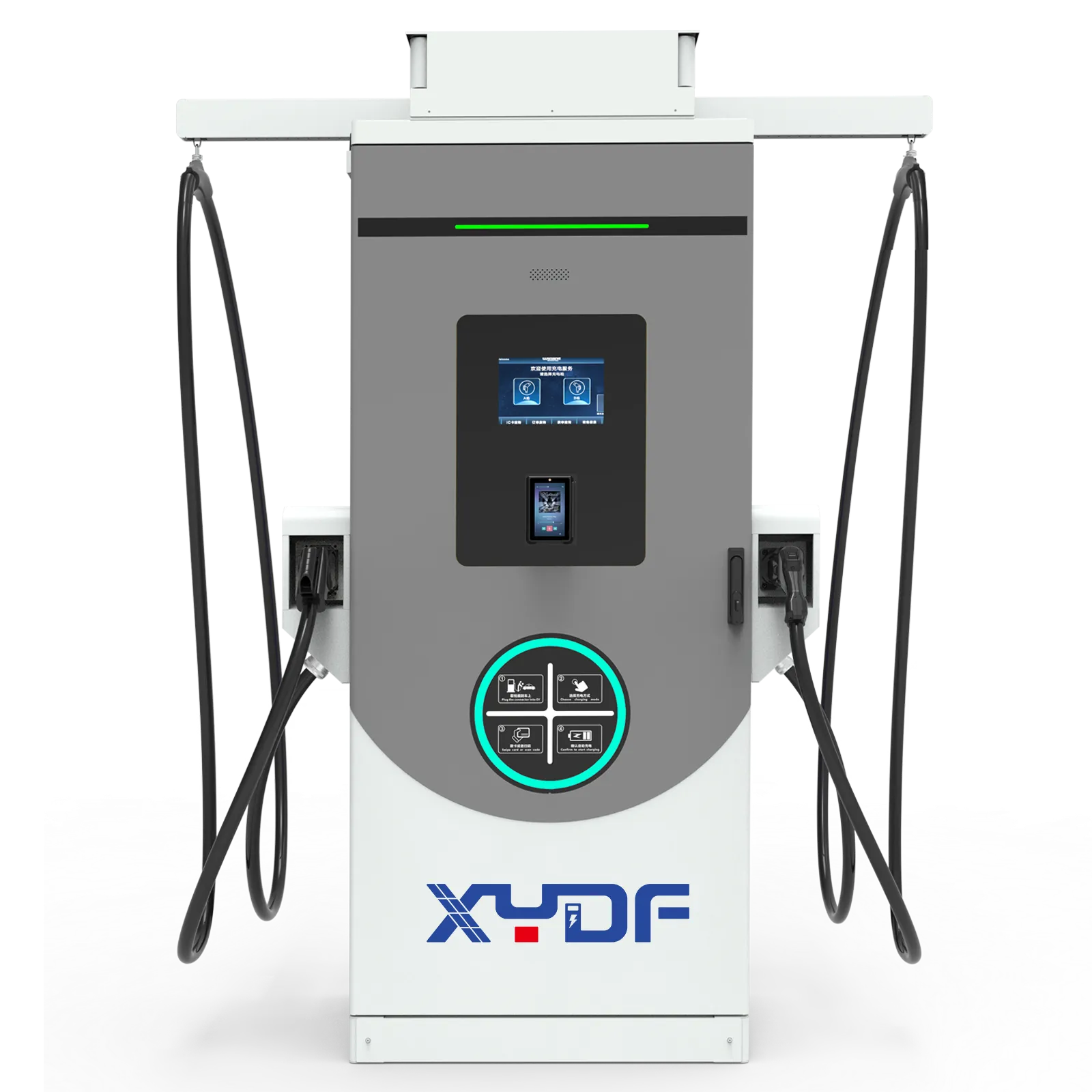
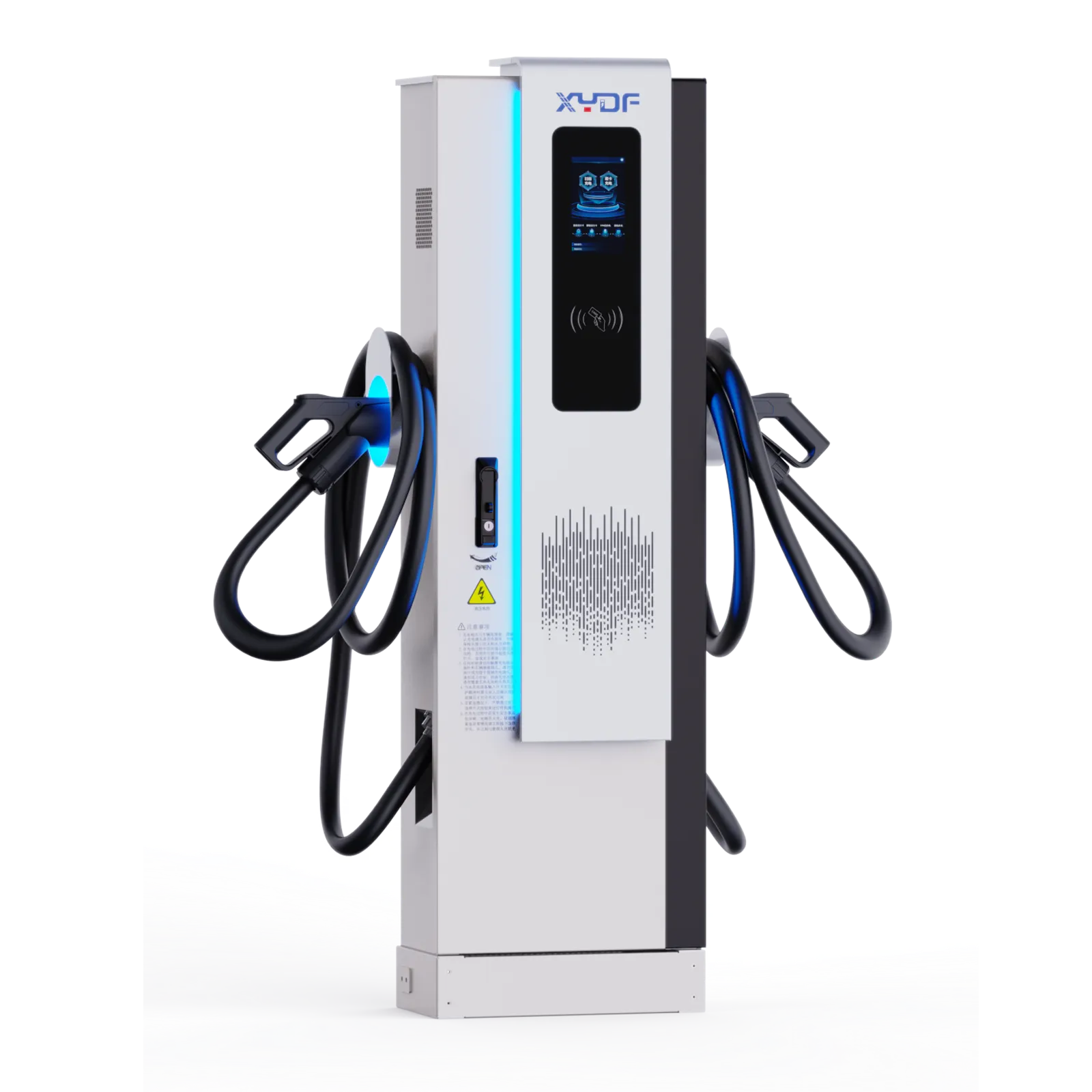
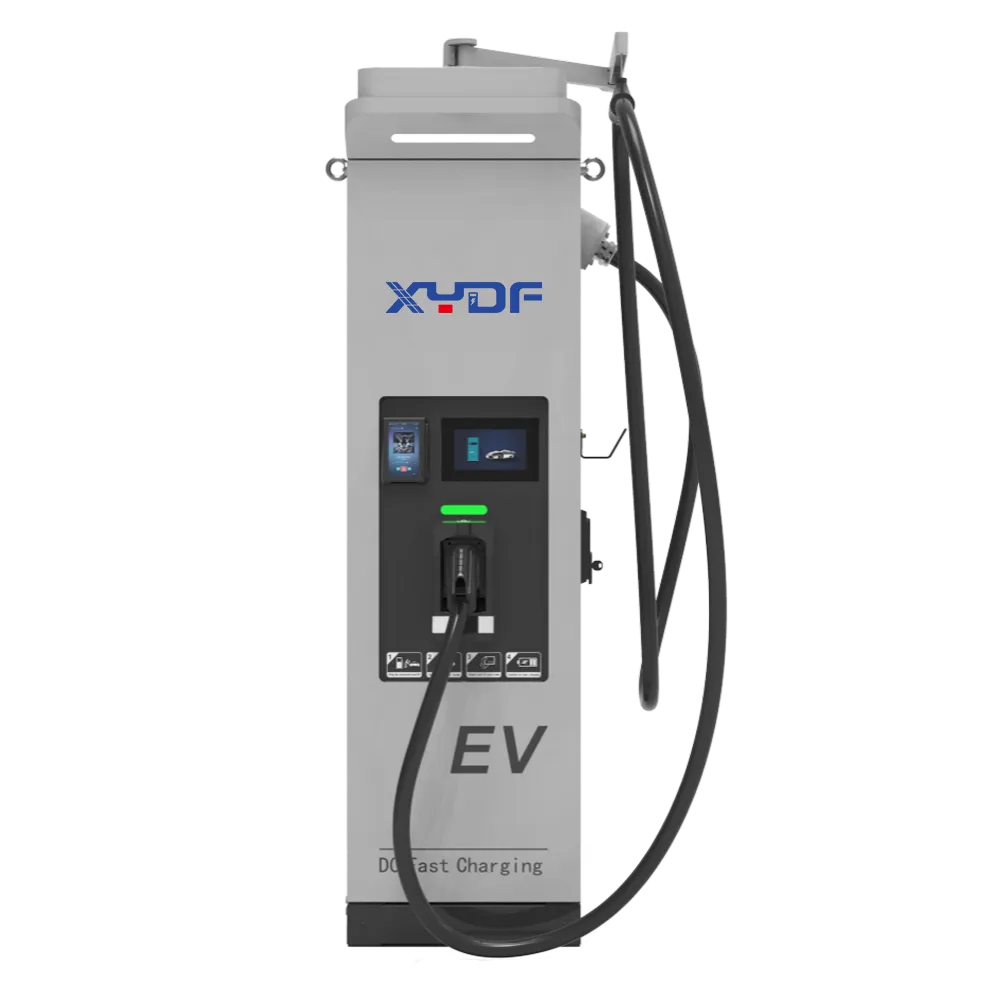
As electric vehicle (EV) sales rise, so does the demand for a robust EV charging infrastructure. Renters face more obstacles than owners when considering the installation and utilization of an apartment EV charging station in comparison to homeowners with their own garages. In this article, we’ll cover what an apartment EV charging station entails, the various issues potential renters/landlords might encounter when trying to install an EV charging station at an apartment complex, and offer simple solutions to these problems so that both renters and landlords alike will have all the information they need regarding EV charging solutions for apartments. In order for sustainable living to move forward, whether you be a renter or landlord, it’s imperative that you understand and implement the best EV charging solution possible.
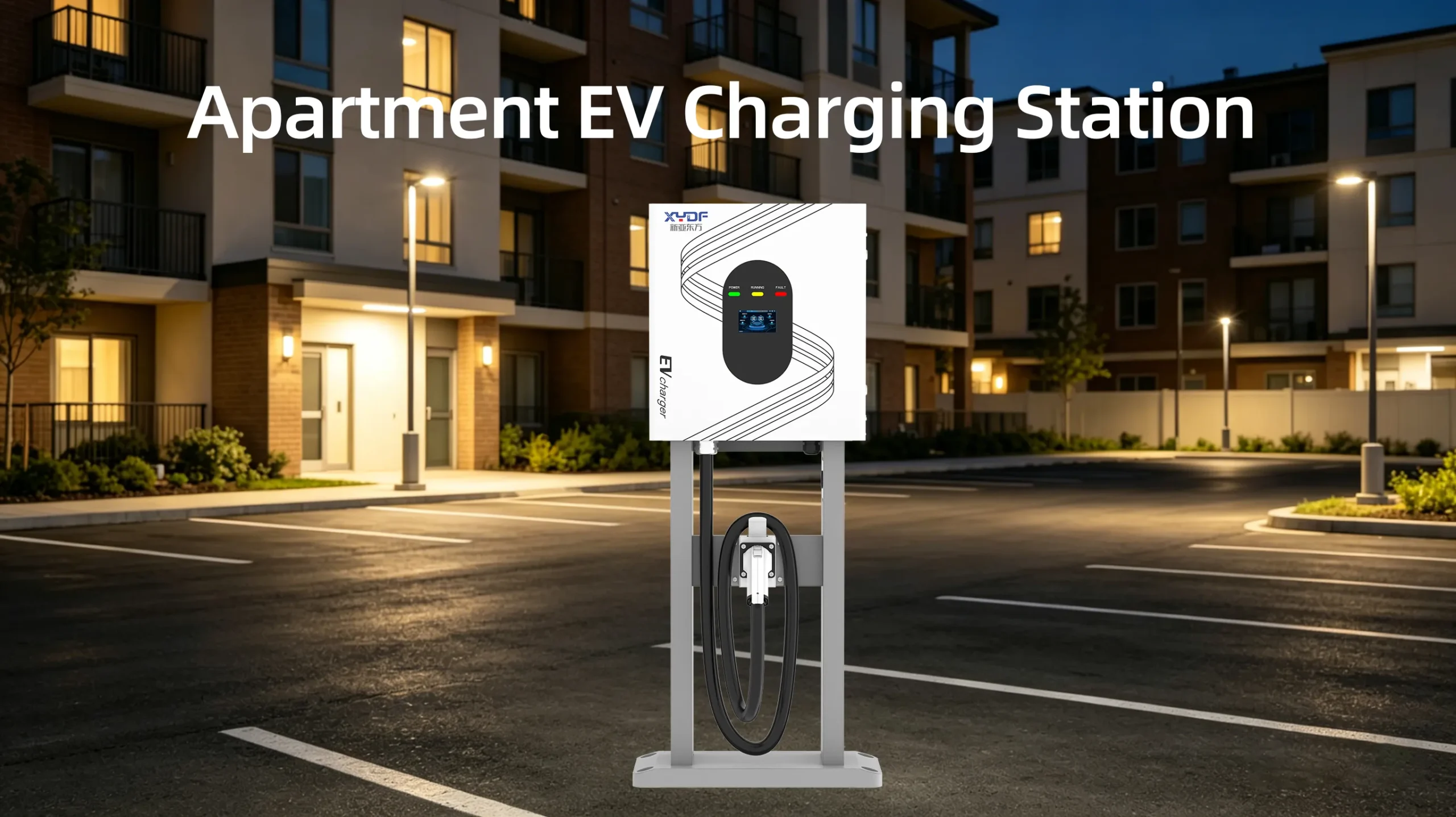
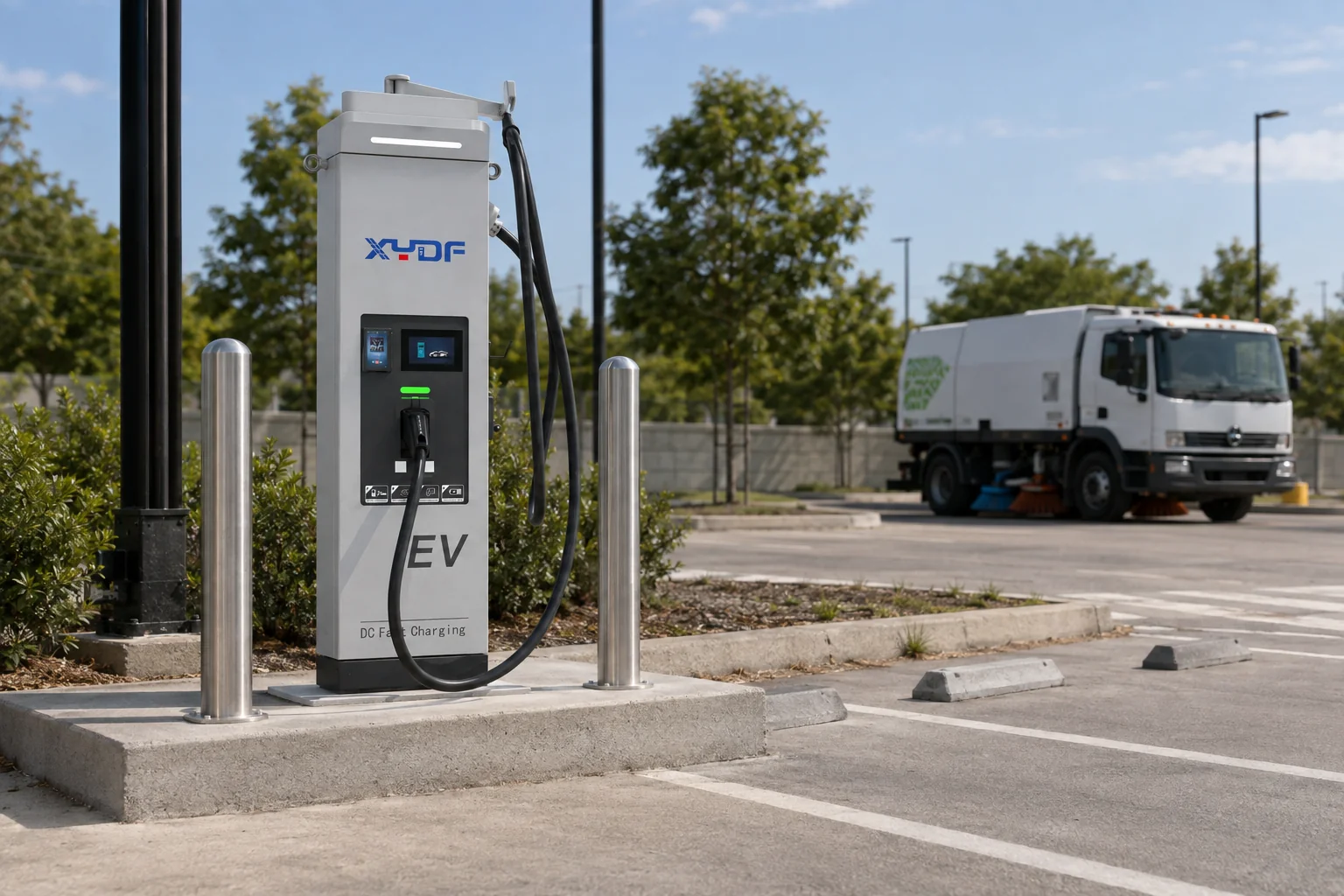
The world is trending toward cleaner forms of transportation, and thus the number of drivers using an electric vehicle is steadily increasing. The majority of the population in urban environments lives in apartment complexes, and due to the fact that there is often no dedicated parking for EVs, installing an apartment EV charging station can be hindered by that lack of available space. Apartment complexes that do have EV charging stations available will benefit from attracting environmentally conscious tenants as well as increasing the overall value of the property long-term. Installing EV charging stations has now shifted into the category of “essential” amenity rather than just a “preferred,” or “want” type amenity offered at most modern-day places of residence.
When considering installing EV charging solutions at an apartment complex, it is not as simple as one might think. The most frequently encountered issues related to installing EV charging in apartment complexes are detailed below:
Most apartment complexes do not have the necessary physical space (i.e., parking spaces) or infrastructure (i.e., electrical systems) in order to accommodate the installation of an apartment EV charging station. This will often result in the need to perform extensive modifications (e.g., updates to building electrical systems) if one wishes to retroactively install an EV charging station.
For a tenant who wants to put in an EV charger, it is often very difficult to get the approval or assistance of a landlord/property manager. This difficulty lies in the fact that most landlords are unwilling to make the investment needed to put in EV chargers because they don’t see a strong return on investment right away. Therefore, it is important that landlords and their tenants find mutually beneficial EV charging solutions that are either provided by the landlord/property manager or can be operated independently by the tenant.
In order to install an apartment EV charging station, the owner is required to pay for many upfront expenses, such as the cost of the actual chargers, the cost to upgrade the electrical grid if necessary, and the cost of obtaining any permits needed. The ongoing cost of maintenance of the chargers will add significant expenses as well. For landlords to consider making the investment for EV stations, it is very important that they understand the long-term financial benefits as well as the incentives offered by various governments.
When charging EVs in a communal parking area, the landlord must find ways to ensure that all users can gain access to an EV charger while creating fair billing systems for electricity used by each user. Typically, a building will have to implement very complex systems to manage charger reservations and billing.
There is a growing body of case studies that demonstrate how property owners and their tenants can successfully collaborate to create viable means to meet the EV charging needs of the apartment tenants and property owners by utilizing the following suggestions:
Collaborate with Property Owners or Managers
Tenants seeking to install EV charging equipment at the apartment building should prepare a comprehensive proposal outlining the benefits of installing EV charging stations. The proposal should demonstrate to the landlord/property manager how adding EV charging stations will lead to an increase in property value, potentially offer tax credits, and ensure future compliance with upcoming industry trends.
Select Scalable Charging Solutions
One way for apartment owners to implement smart EV charging solutions is by selecting scalable systems. Scalable solutions allow for the ability to expand easily when demand increases. By having the initial few charging stations with future expansion possibilities, investing in electric vehicle chargers will reduce initial costs while still meeting tenant demands.
Implement Smart Charging Technology
Incorporating smart charging technology will give end-users the ability to book time slots for charging, track their energy usage, and pay for their energy consumption in an efficient manner. The management aspect of smart charging technology will also help property managers to allocate and keep track of who has access to which charging stations and the associated costs.
Utilize Financial Incentives
Many government agencies and electric utilities provide great financial incentives for the purchase of apartment EV charging stations through the use of rebates or grant programs. Therefore, property owners must take advantage of these programs to considerably reduce their upfront costs.
Provide Portable EV Chargers as Temporary Solution
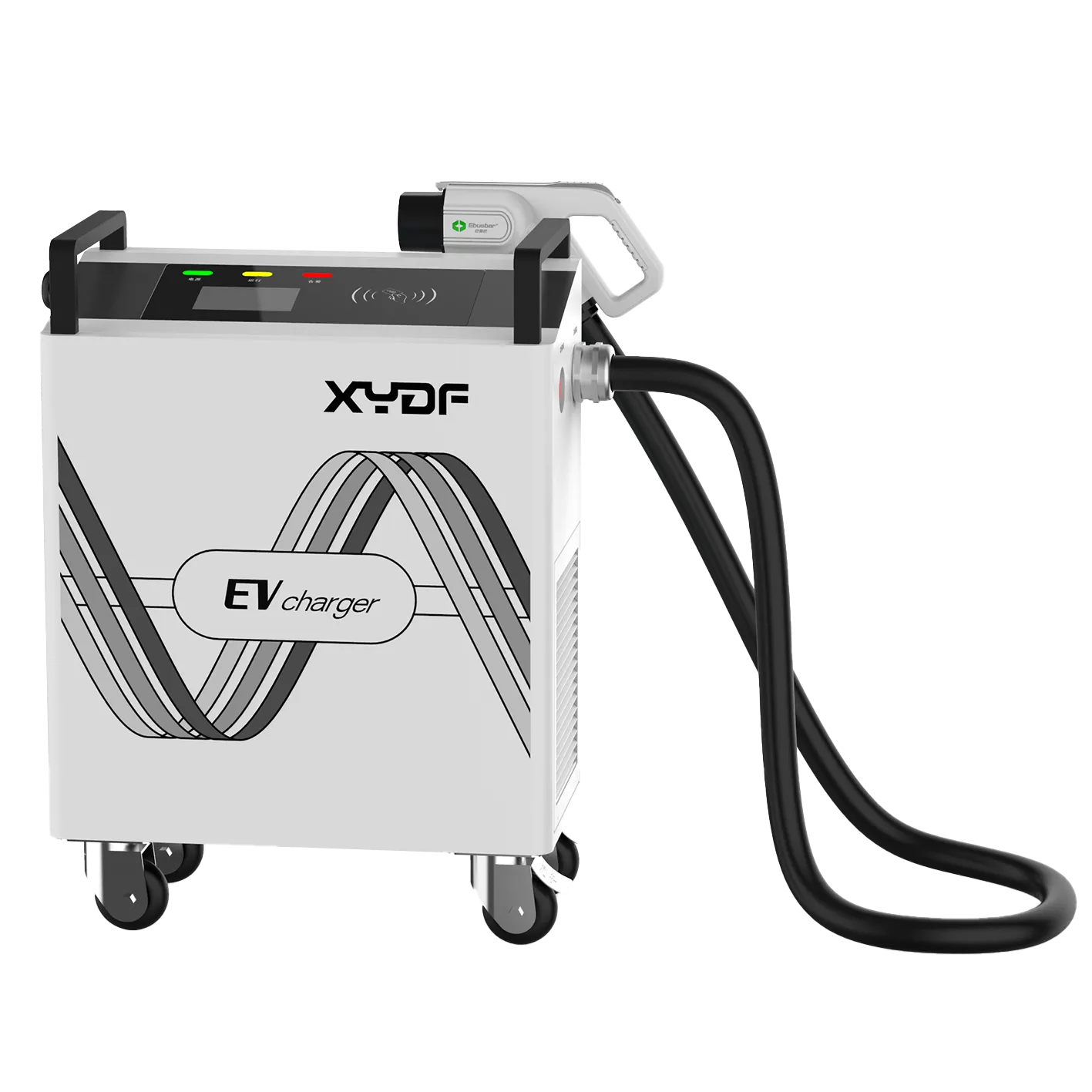
If property owners cannot finance the installation of dedicated EV charging stations due to financial constraints or lack of space, they have the option of providing tenants access to portable EV chargers. This solution is not as powerful as dedicated EV chargers but serves as a temporary alternative to those tenants who are wanting to charge their EVs.
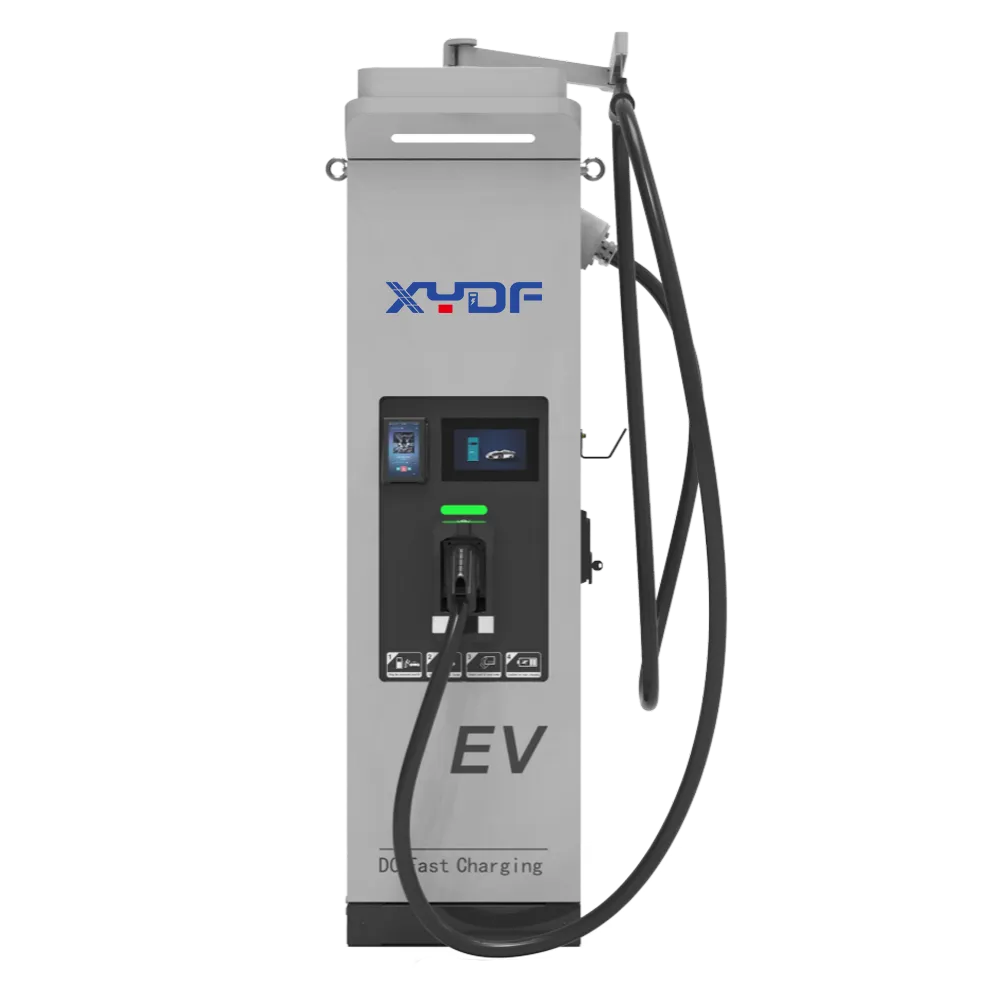
As the apartment real estate market continues to evolve due to new technologies for electric vehicles, there are also a number of emerging trends within the market:
1. Wireless Charging: New wireless chargers for electric vehicles are being introduced to the market, making it more convenient to install charging infrastructure by eliminating the need for cords or bulky chargers.
2. Solar Power Integration: Many complexes are now installing EV charging stations with solar-powered systems to enhance sustainability and be more cost-efficient over the long term.
3. Third-Party Services: A growing number of companies are providing EV charging solutions through the EV Charging-as-a-Service (CaaS) program, which allows property owners to lease EV charging equipment instead of purchasing it outright. As part of this program, property managers can focus on running their properties rather than managing and maintaining EV charging systems.
Yes, however, prior permission must be obtained from property owners. Owners typically require assurance that they will be financially responsible for the installation and operation of the EV charging stations.
The best EV charging solution for landlords will depend on the needs of each property. Scalable systems, smart charger integrations, and leveraging government subsidies are ideal options for landlords looking to provide EV infrastructure.
EV charging stations are installed by performing a site assessment, installing electrical upgrades as needed, obtaining local building permits, and using a licensed electrician to complete the installation. Tenants, property management, and contractors must all work together to accomplish this process.
Level 2 apartment EV charging stations can typically range in cost from $1,000 to $5,000, depending on the degree of complexity of the project. The expense of installation is often absorbed through government incentives or collaborative financing between tenants and owners.
Due to increasing electric vehicle usage, apartment communities now require EV charging stations. Collaborations between property owners, identifying the best solution for this type of infrastructure, and using sustainable and scalable resources will be necessary to address the challenges that arise with bringing EVs into apartments. As a result of thorough planning and resource allocation, tenants and owners will receive significant advantages from being able to incorporate electric mobility into apartment living, which can result in providing a cleaner world for society to live in.


 Xinya Dongfang Electricity Technology Co., Ltd.