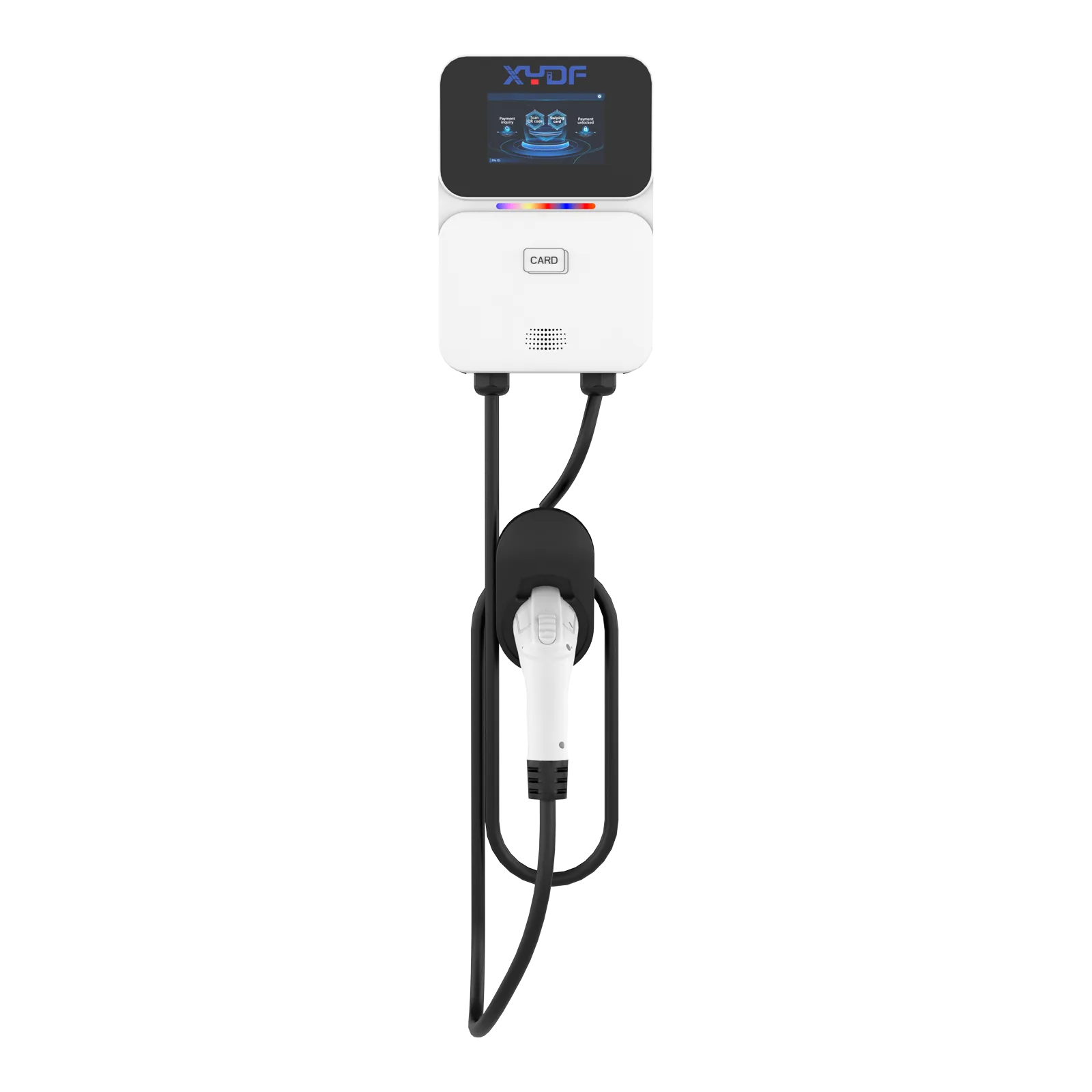
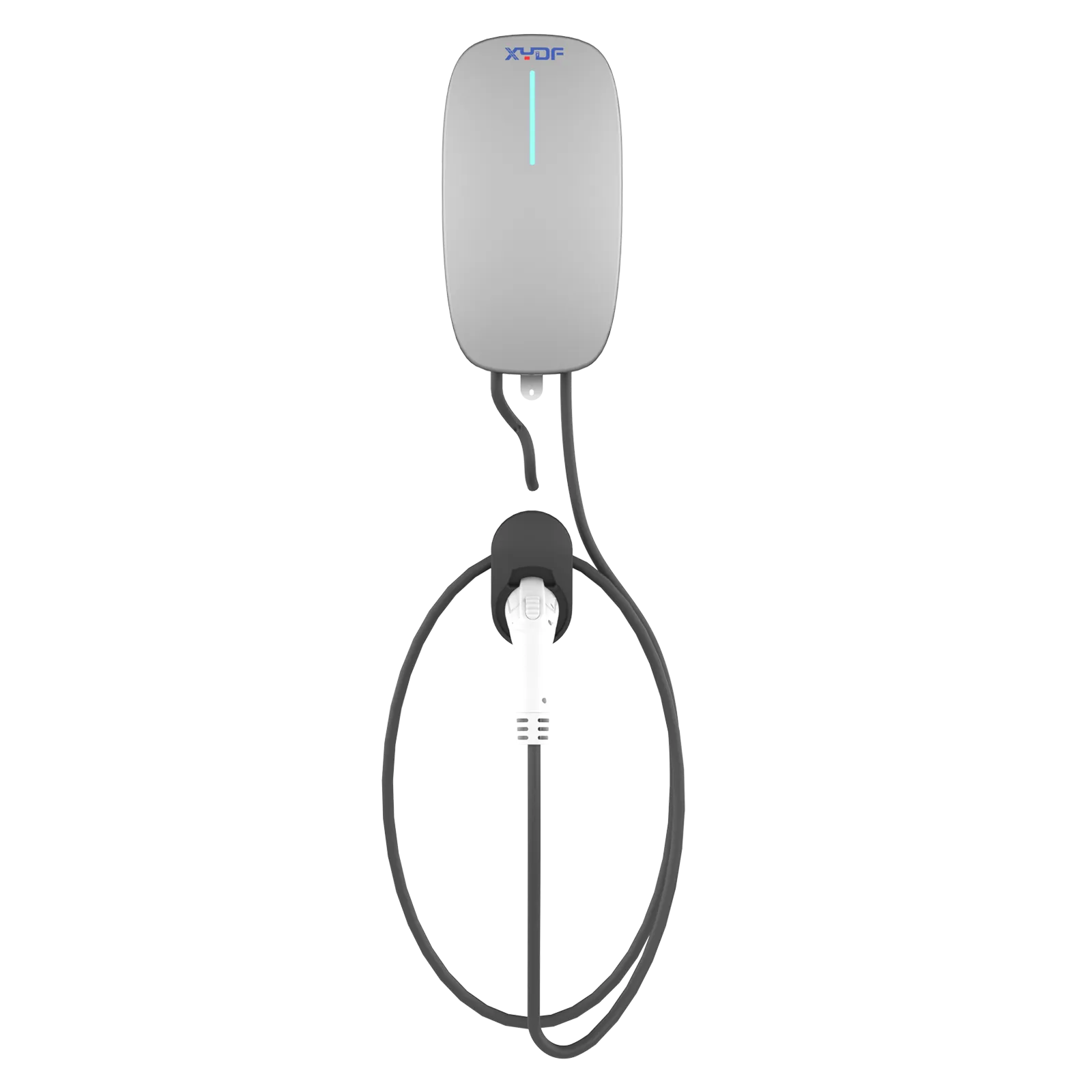
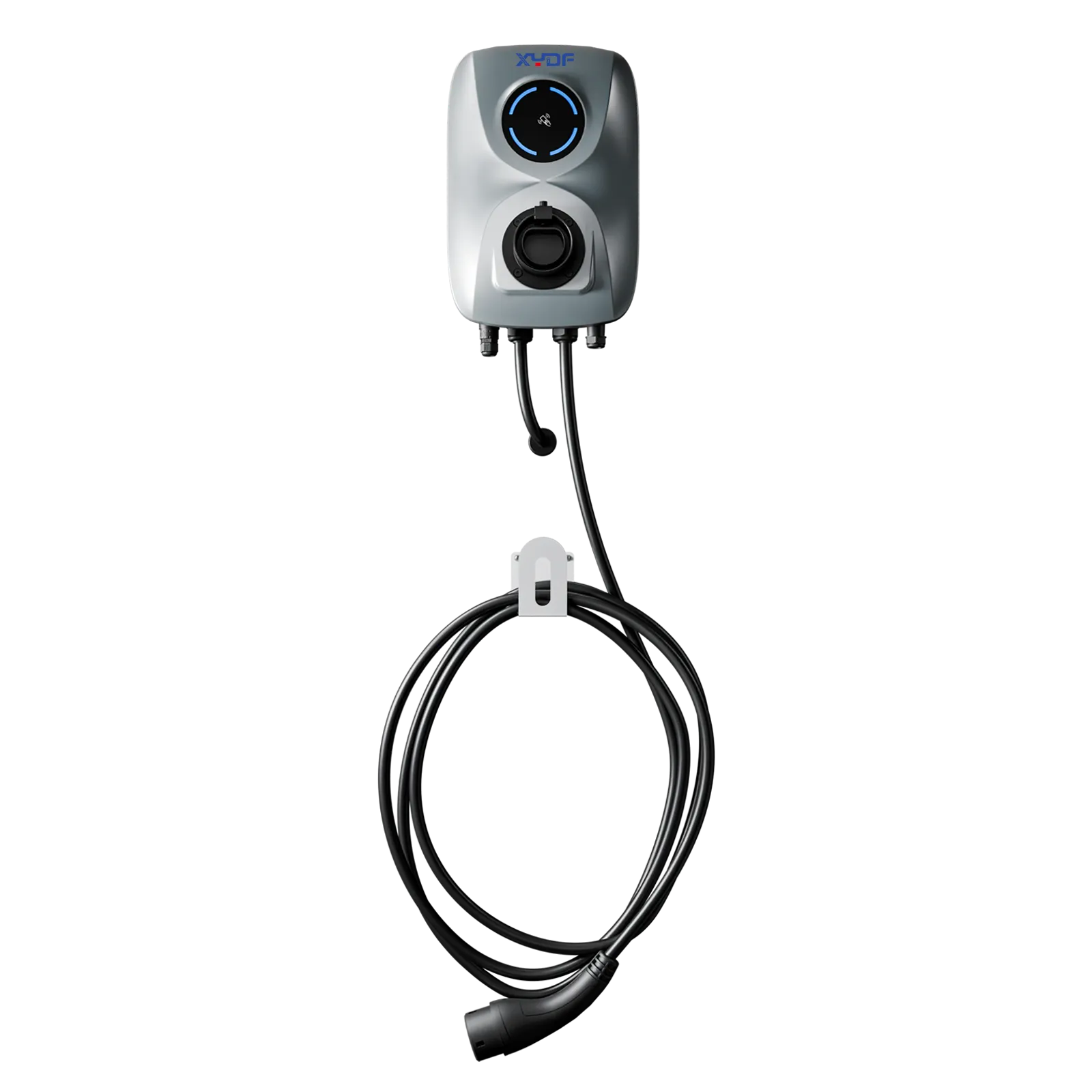
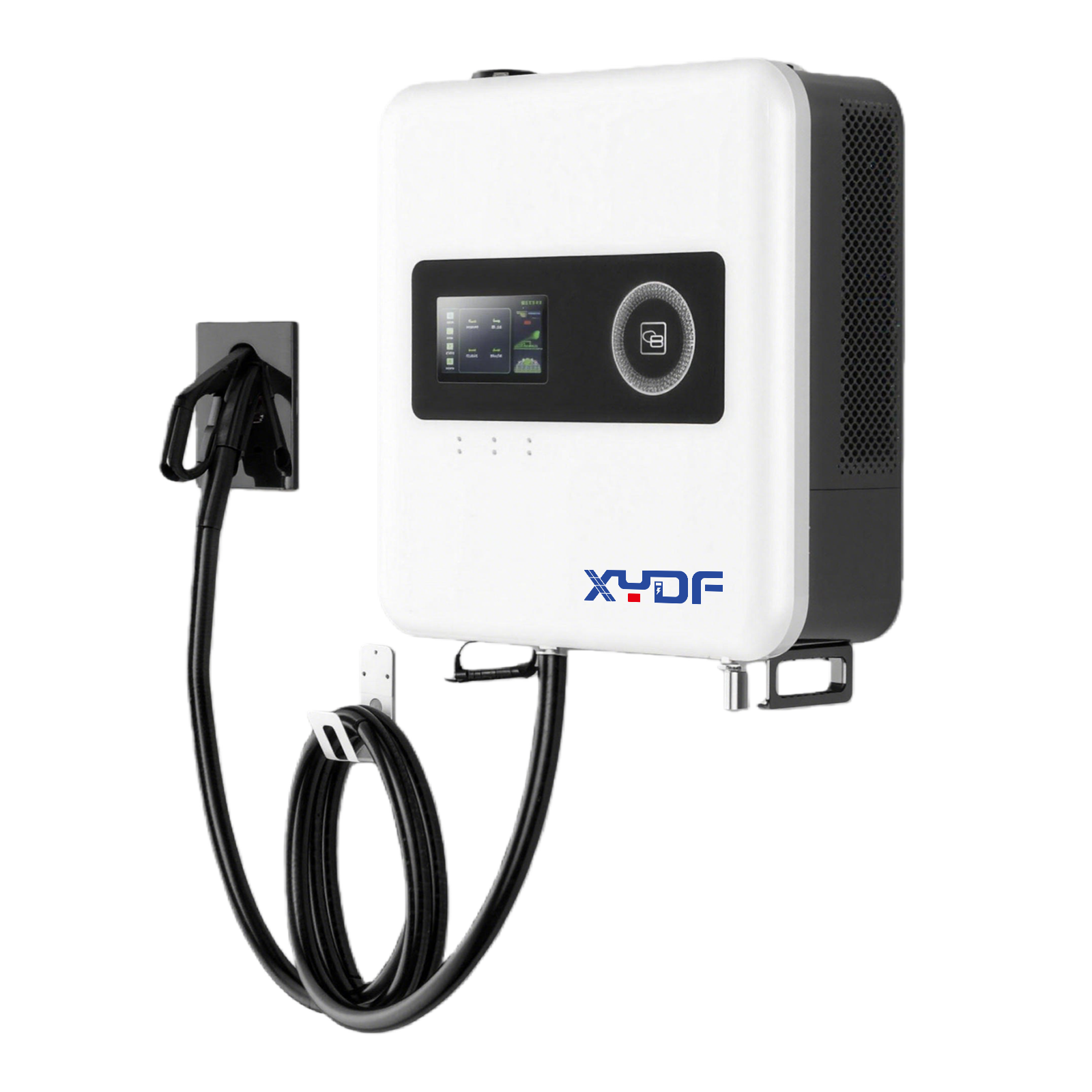
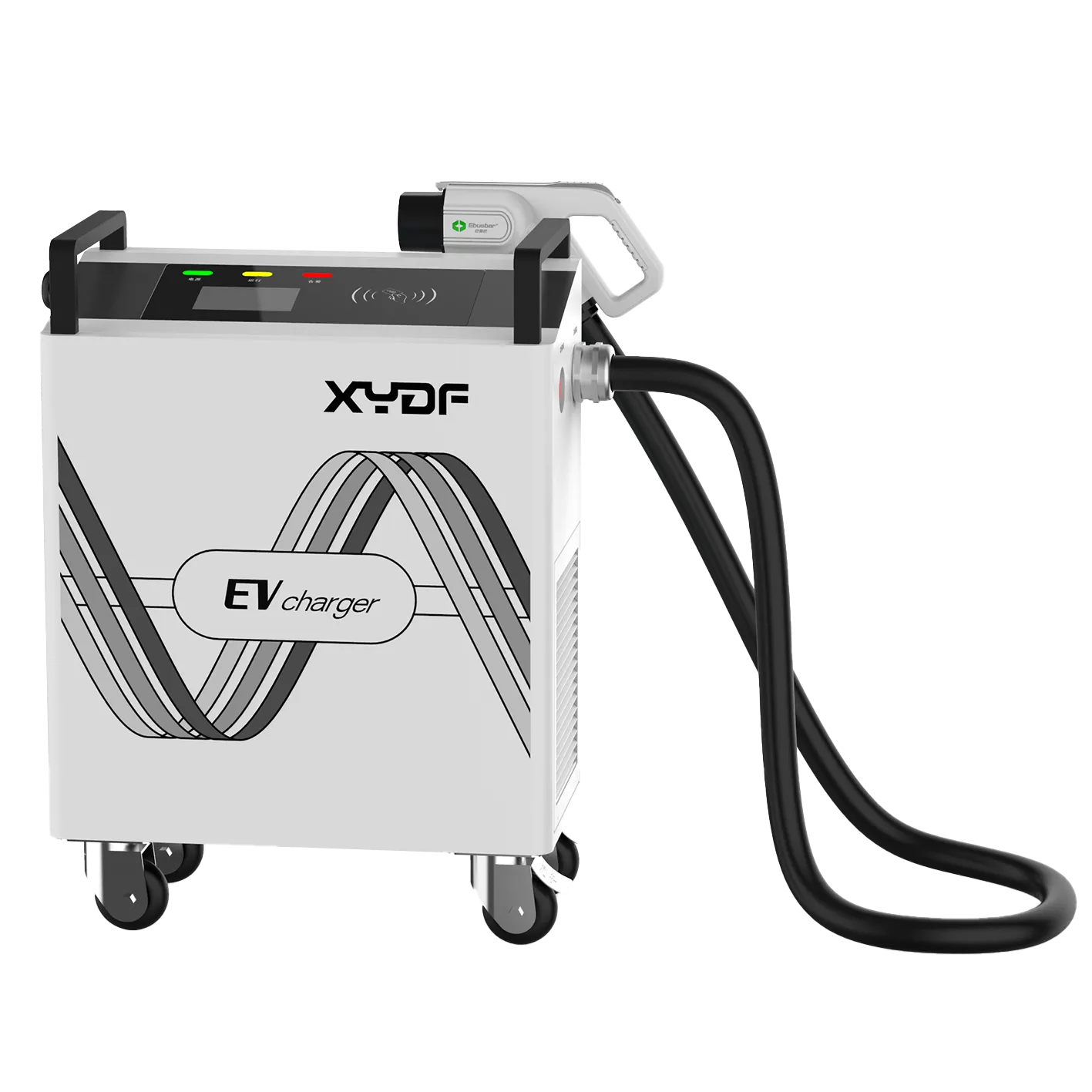
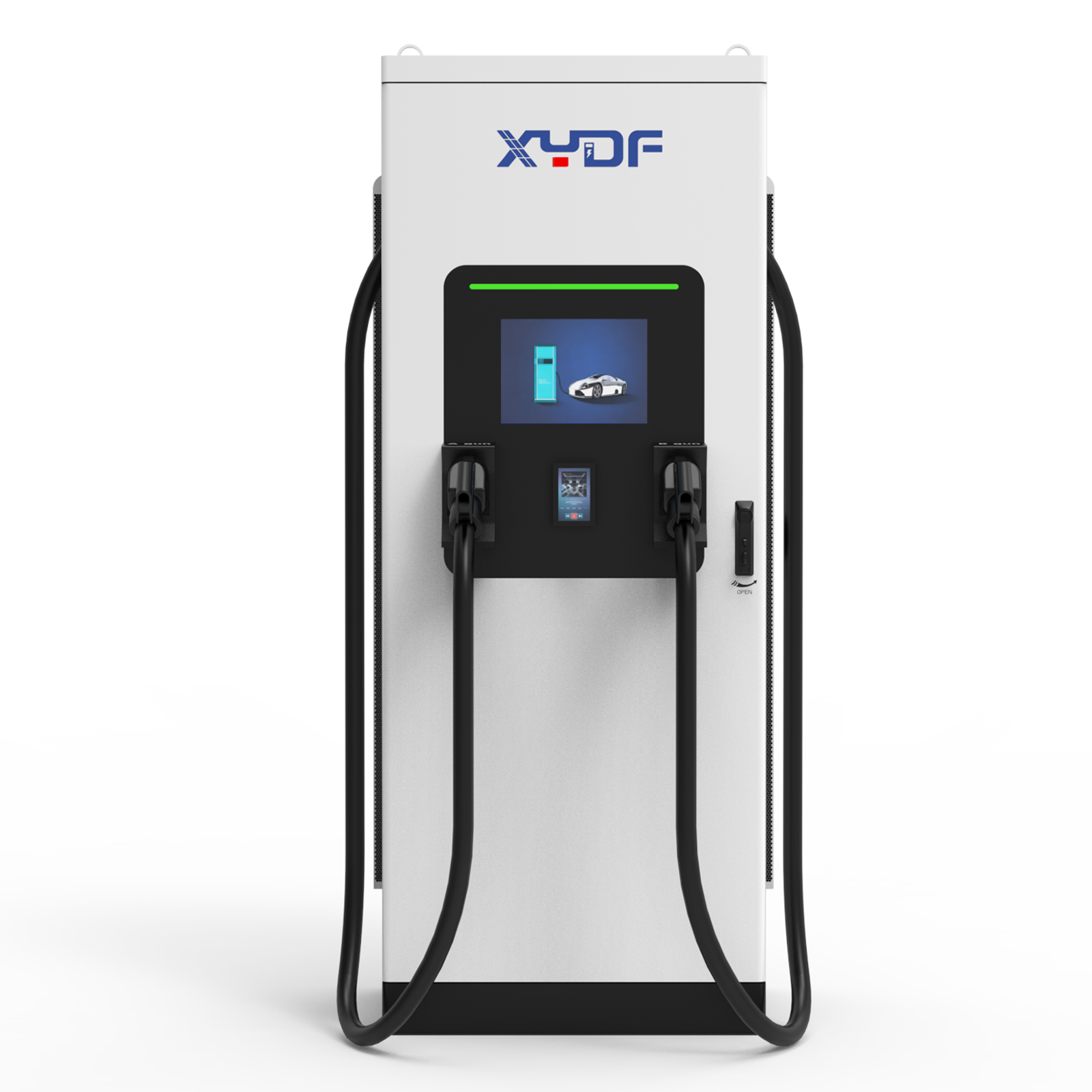
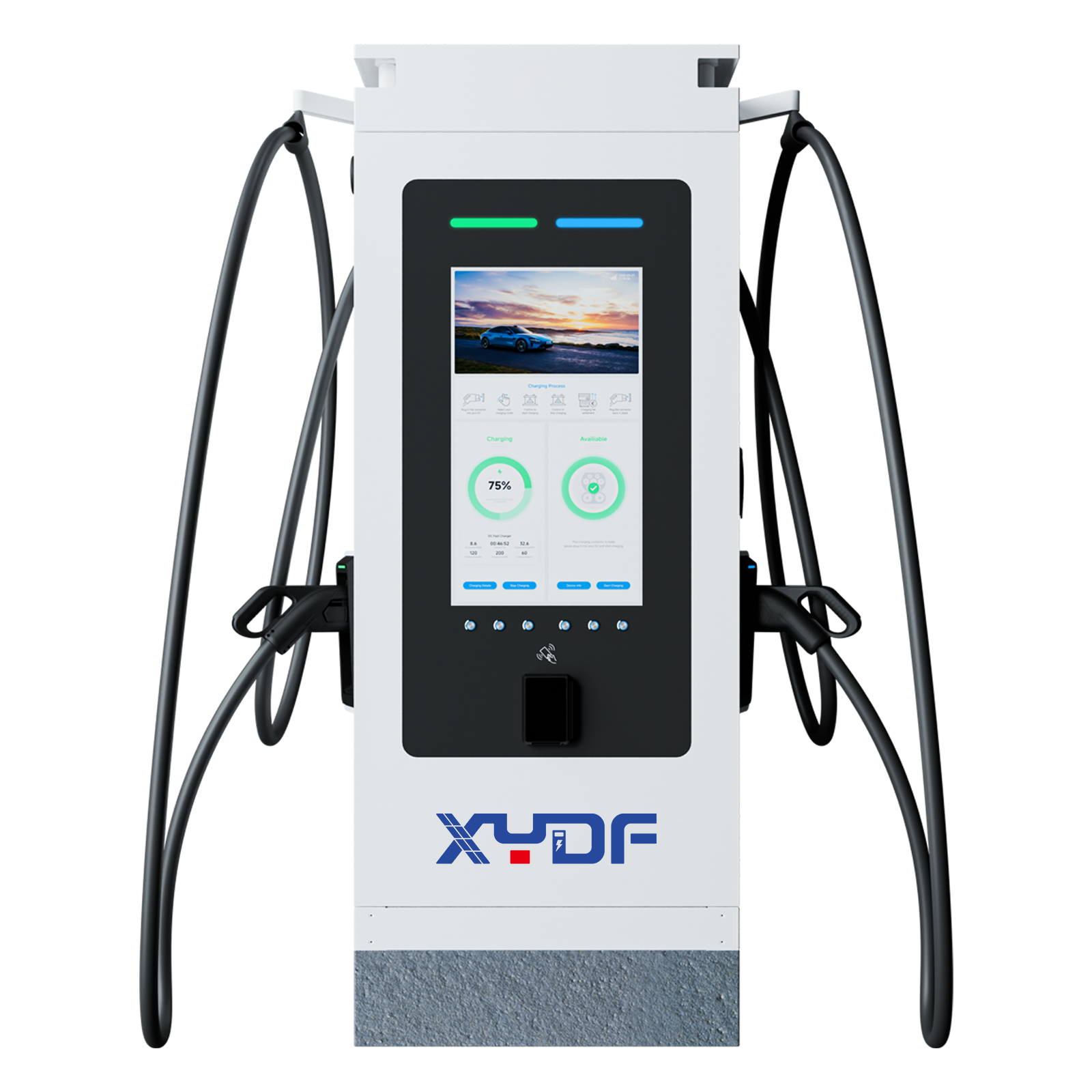
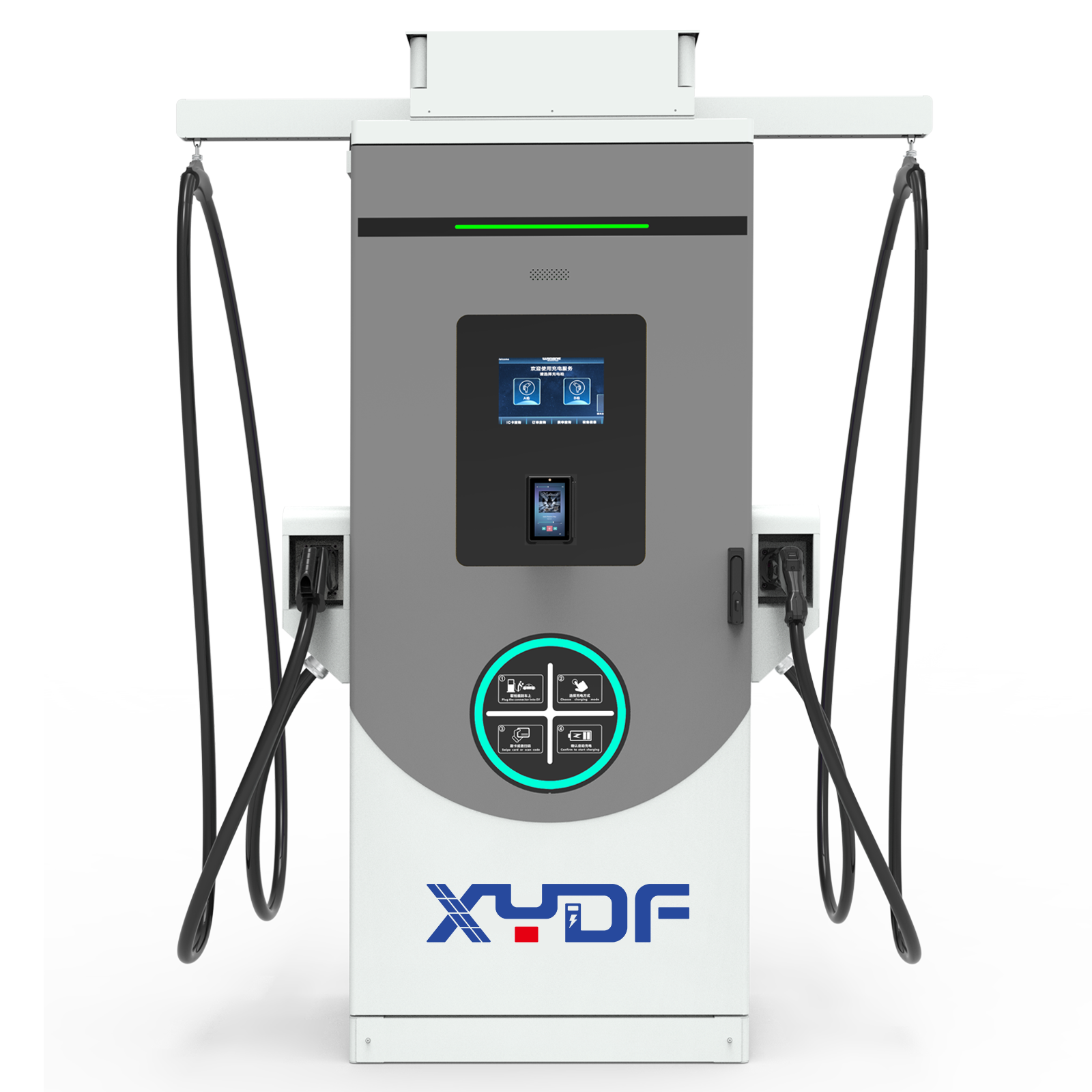
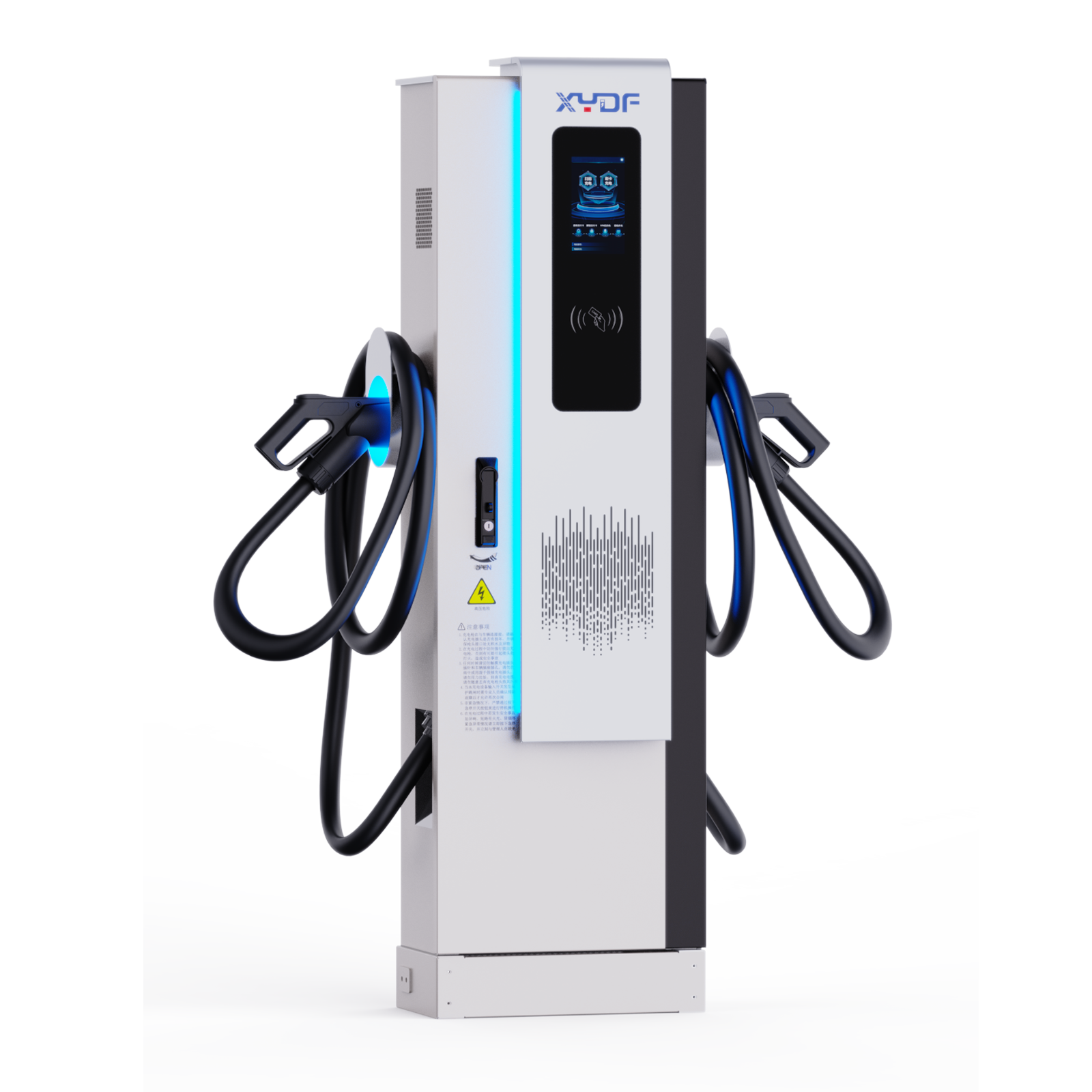
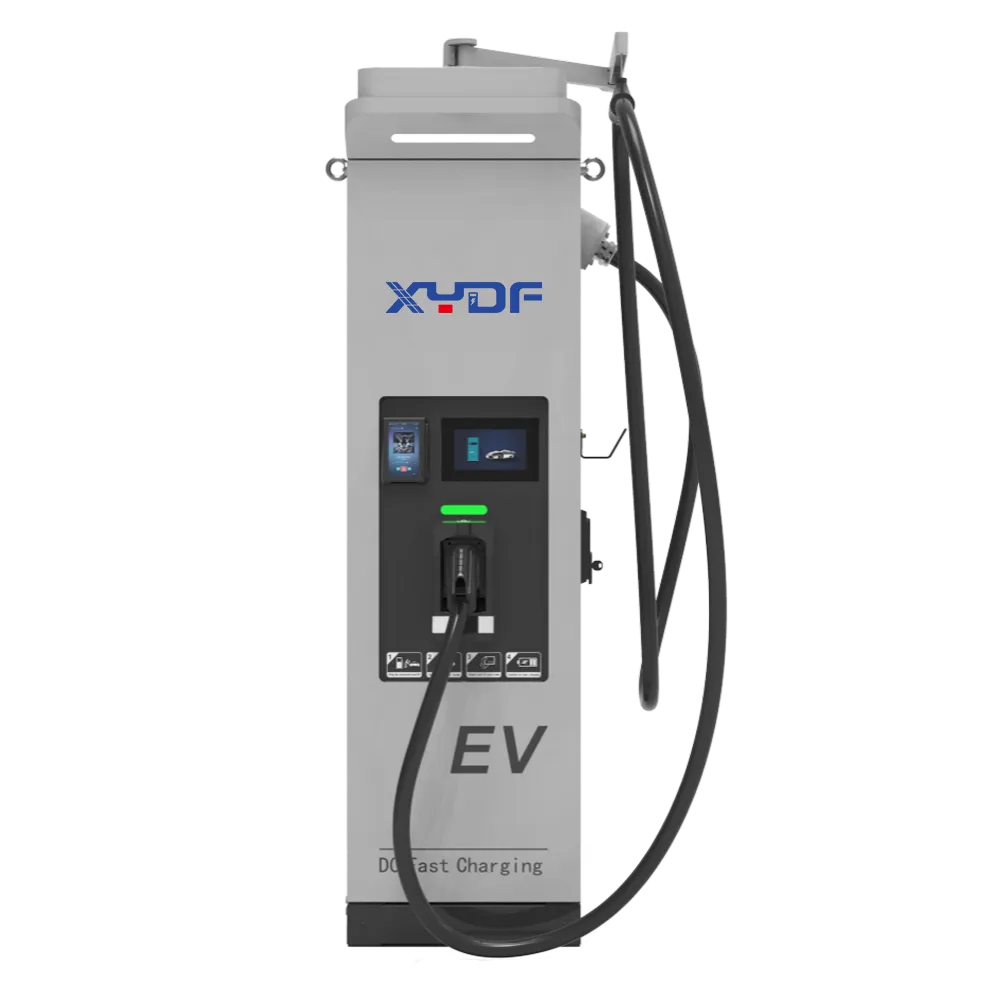
By the end of Q1 2026, BVE sales in the European market had surpassed 220,000 units. Serving as the universal interface standard for AC charging across Europe, the Type 2 charger plays a crucial role. This article will provide you with a comprehensive overview of Type 2 EV chargers.
Type 2 connector(IEC 62196-2) was proposed by Mennekes company , introduced by the VDA and established by the EU Directive as the AC charging standard.
It has a 7‑pin design and supports three‑phase power.The output power of a Type 2 EV Charger is usually 7-22kW.
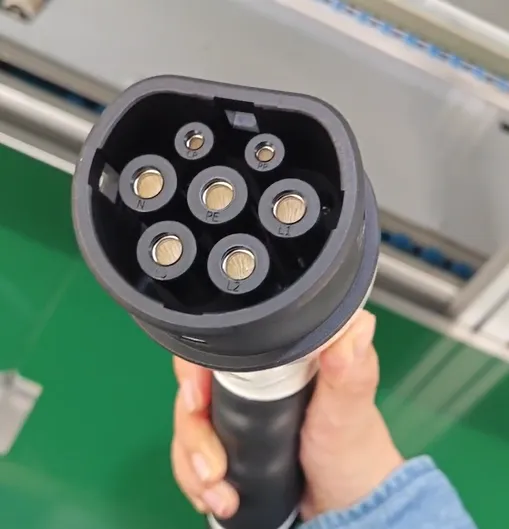
Baseline charging time is determined by the charger’s output power and the limit of your vehicle’s Onboard Charger (OBC).
Using a car 60 kWh battery as an example:
7 kW charger: Full charge in 8–9 hours, adding 35–45 km of range per hour.
11 kW charger: Full charge in 4–5 hours, adding 60–90 km of range per hour.
22 kW charger: If your vehicle supports 22 kW AC fast charging, a full charge takes about 3 hours, adding roughly 100–120 km of range per hour.
The best EV charger is the one that best fits your vehicle and setup. We recommend considering these key factors before purchasing:
Check your vehicle’s OBC power limit. If your car only supports 11 kW, a 22 kW Type 2 car charger will only output 11 kW.
Cable length: Most Type 2 chargers come with 4–5 m cables; models with cable holders are ideal.
Check if your home’s electrical grid has sufficient capacity. We advise consulting a qualified installation engineer for an assessment.
CE certification is mandatory in the EU.
Prioritize smart chargers. The EU’s AFIR Regulation (Article 2) provides a clear legal definition for smart charging infrastructure, and compliance may even affect your eligibility for government subsidies.
Virtually all European countries prohibit self‑installation of Type 2 EV charger. Installation must be performed by a certified electrician or an authorized government‑approved installer.
The only exception for “self‑installation” applies to specific plug‑and‑play products (such as the Juice Booster) connected to dedicated industrial sockets – however, fitting the industrial socket itself still requires a certified electrician.
United Kingdom: Starting April 2026, the maximum subsidy for new installations at designated sites will officially increase from £350 to £500. This grant covers up to 75% of the total purchase and installation costs. (OZEV Grant)
Germany: A new grant launched in March 2026, provides up to for €1,500 – €2,000 per parking spot for Multi-family buildings.
France: Starting April 2026, the Advenir program has expanded its subsidies to include collective housing, outdoor parking lots, and heavy-duty vehicles.
What’s the different between Type 2 and Type 1?
Type 2 is European standard, support both single-phase and three phase; Type 1 is North American standard,support only single-phase power
Why does my 22 kW Type 2 charger only charge at 7 kW?
This is almost always due to your vehicle’s OBC limitation. Most plug‑in hybrid electric vehicles (PHEVs) and some battery electric vehicles (BEVs) only support single‑phase 7 kW or 11 kW charging.
Can a Type 2 electrci vehicle charger be installed outside?
Yes, provided the unit has an IP rating of IP54 or higher and is installed with compliant wiring and construction.
A thorough understanding of Type 2 EV chargers can save you both time and money. We hope this article provides valuable insights for your charging station usage or investment.

 Xinya Dongfang Electricity Technology Co., Ltd.