 Xinya Dongfang Electricity Technology Co., Ltd.


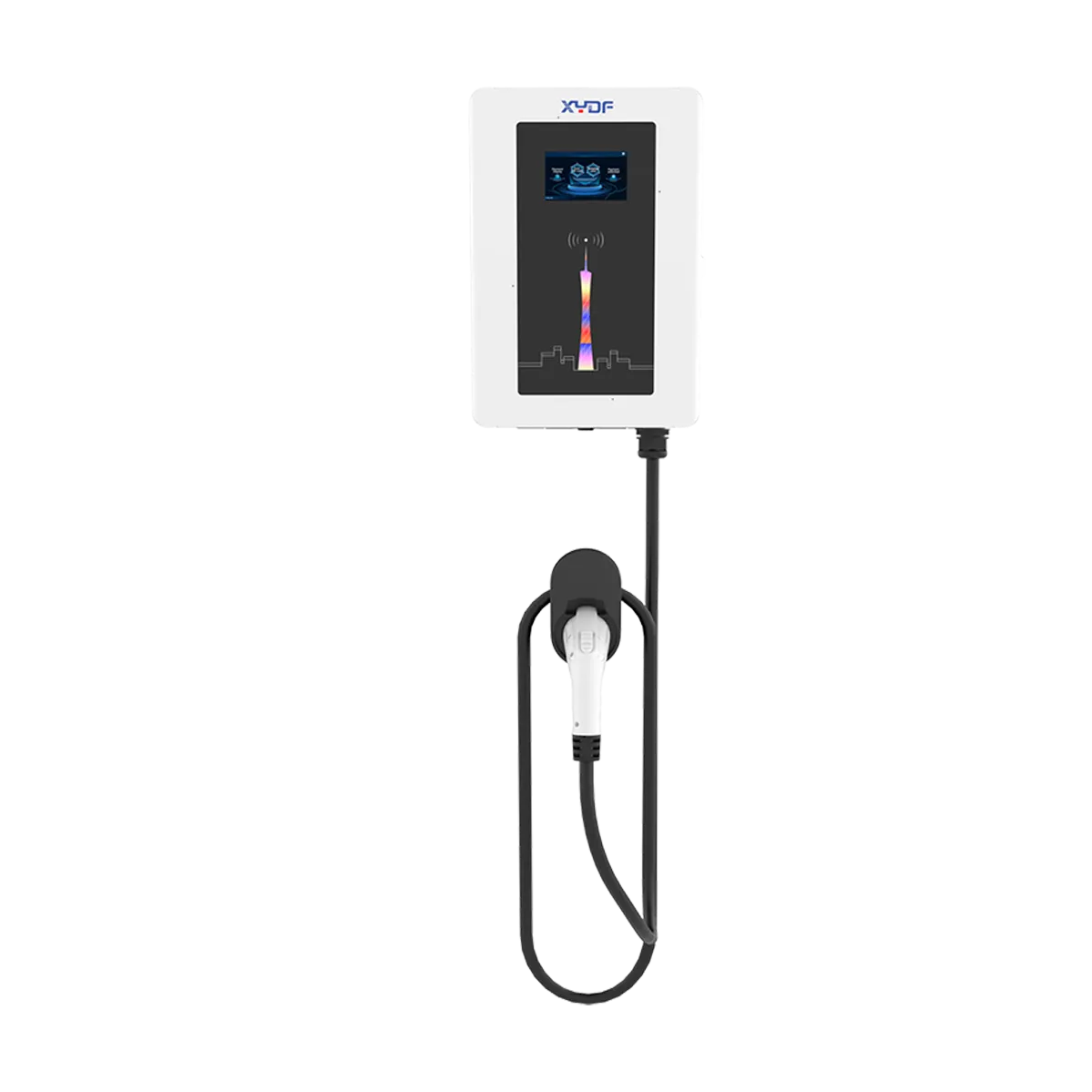
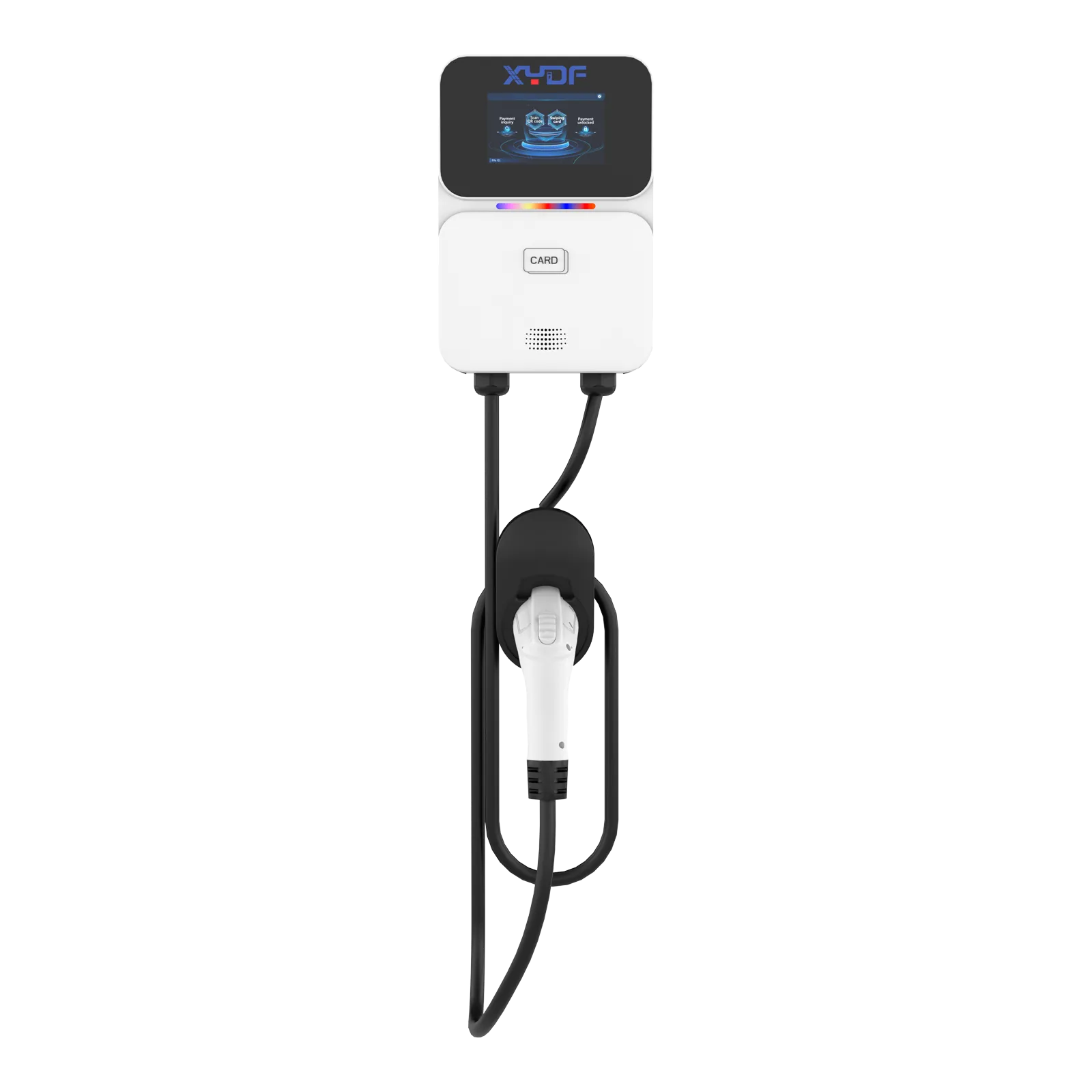
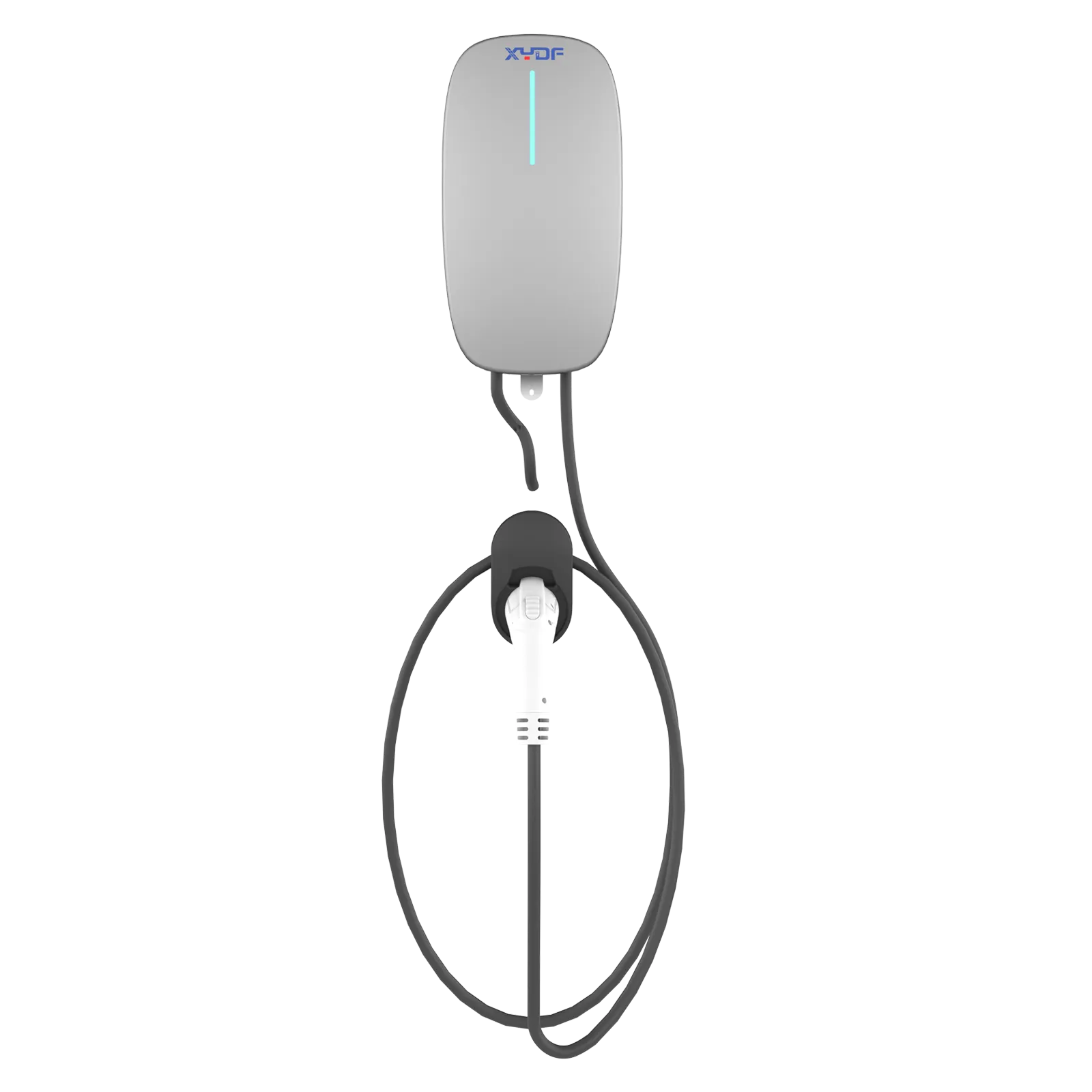
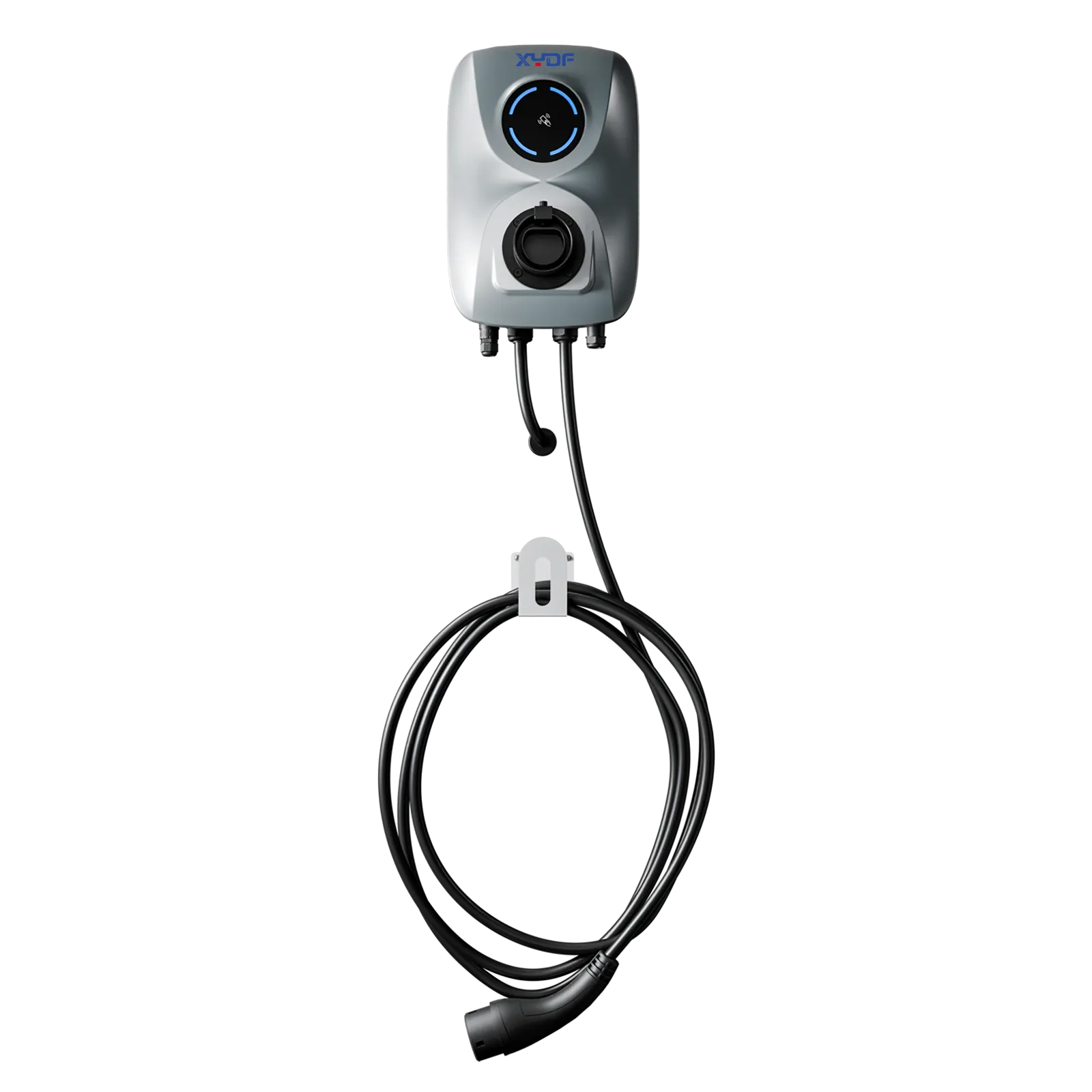
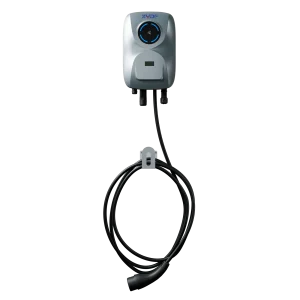
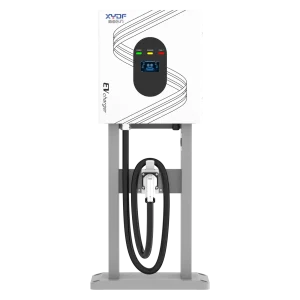

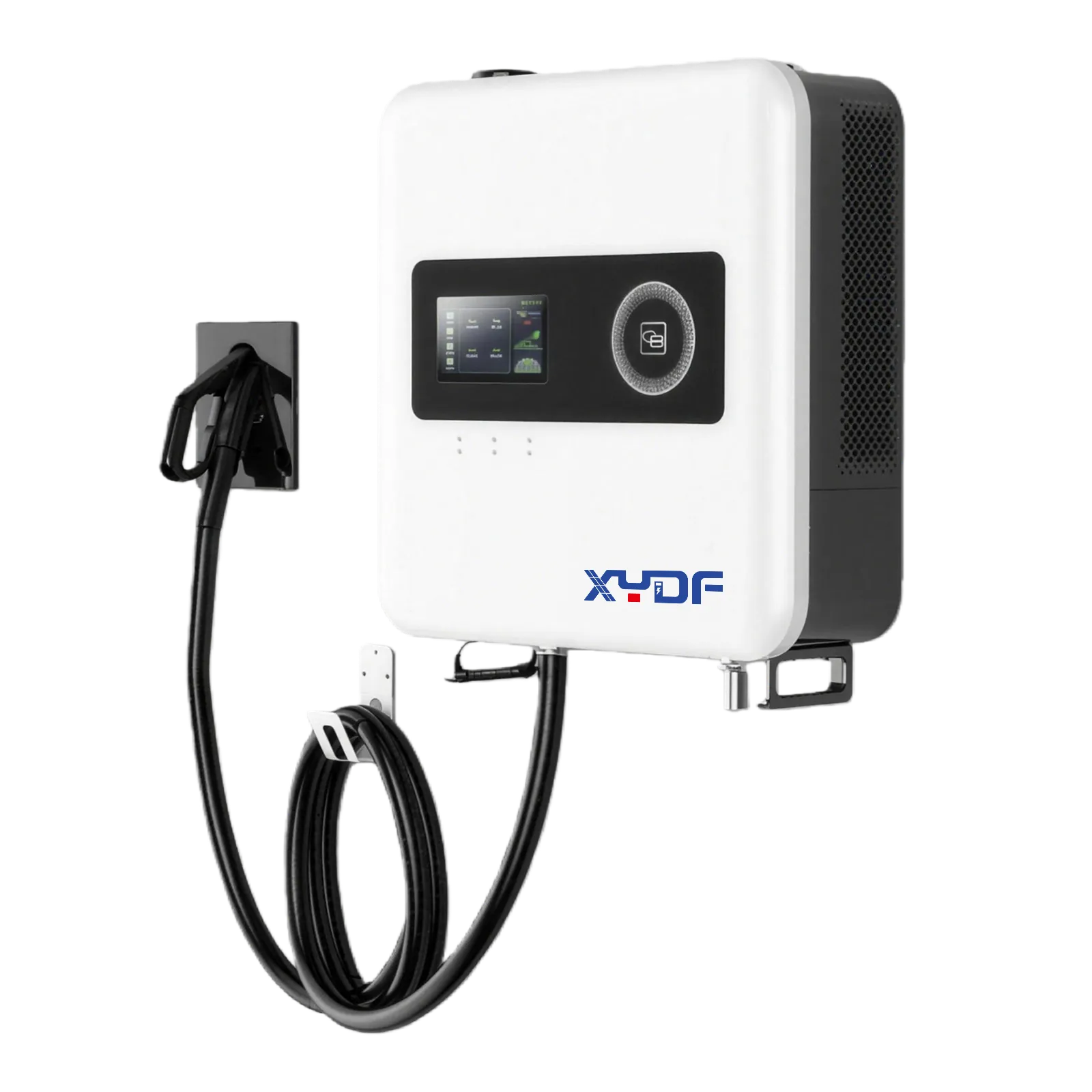
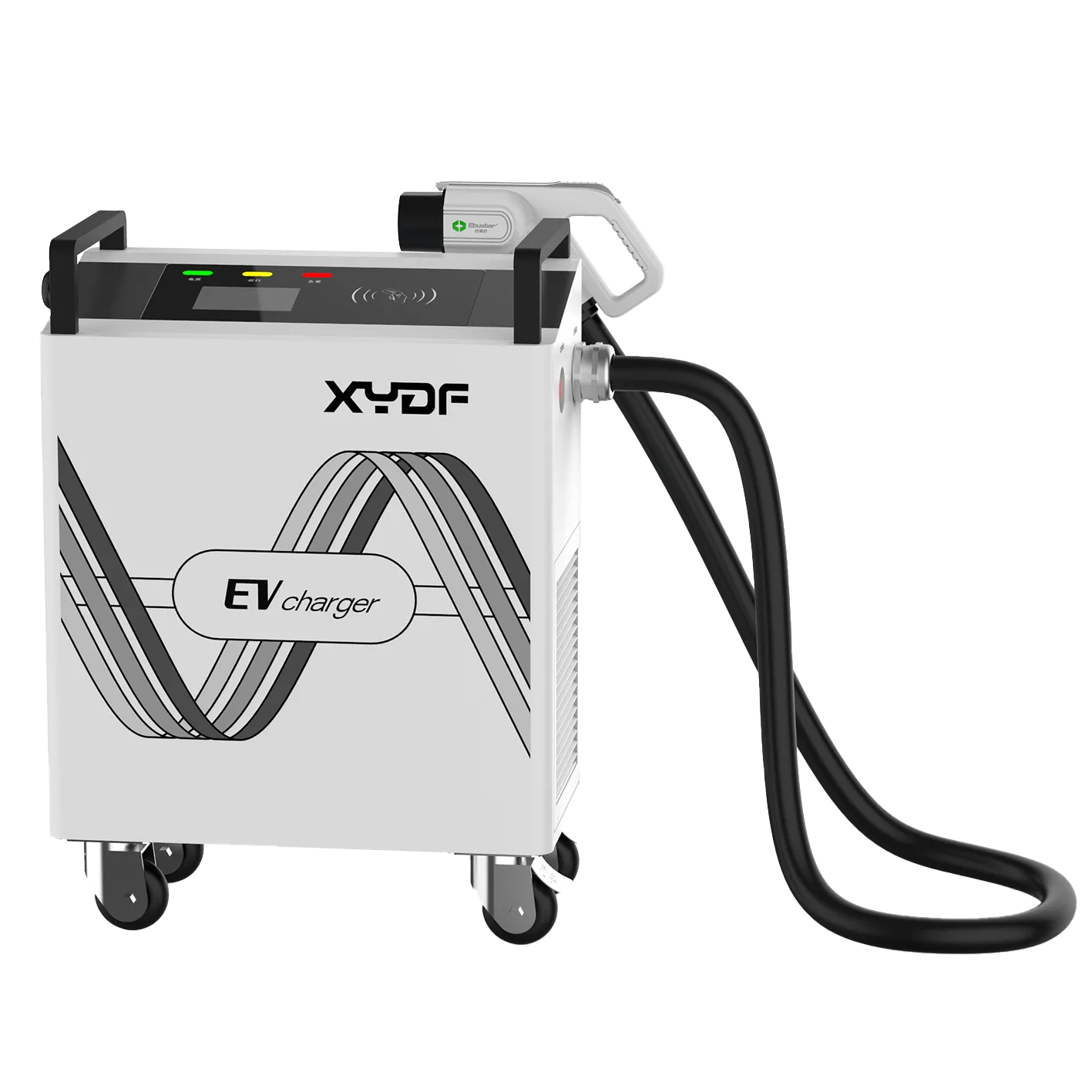
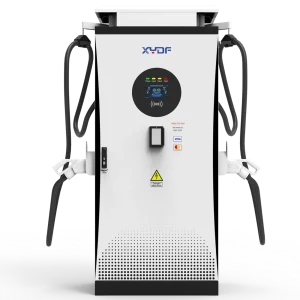
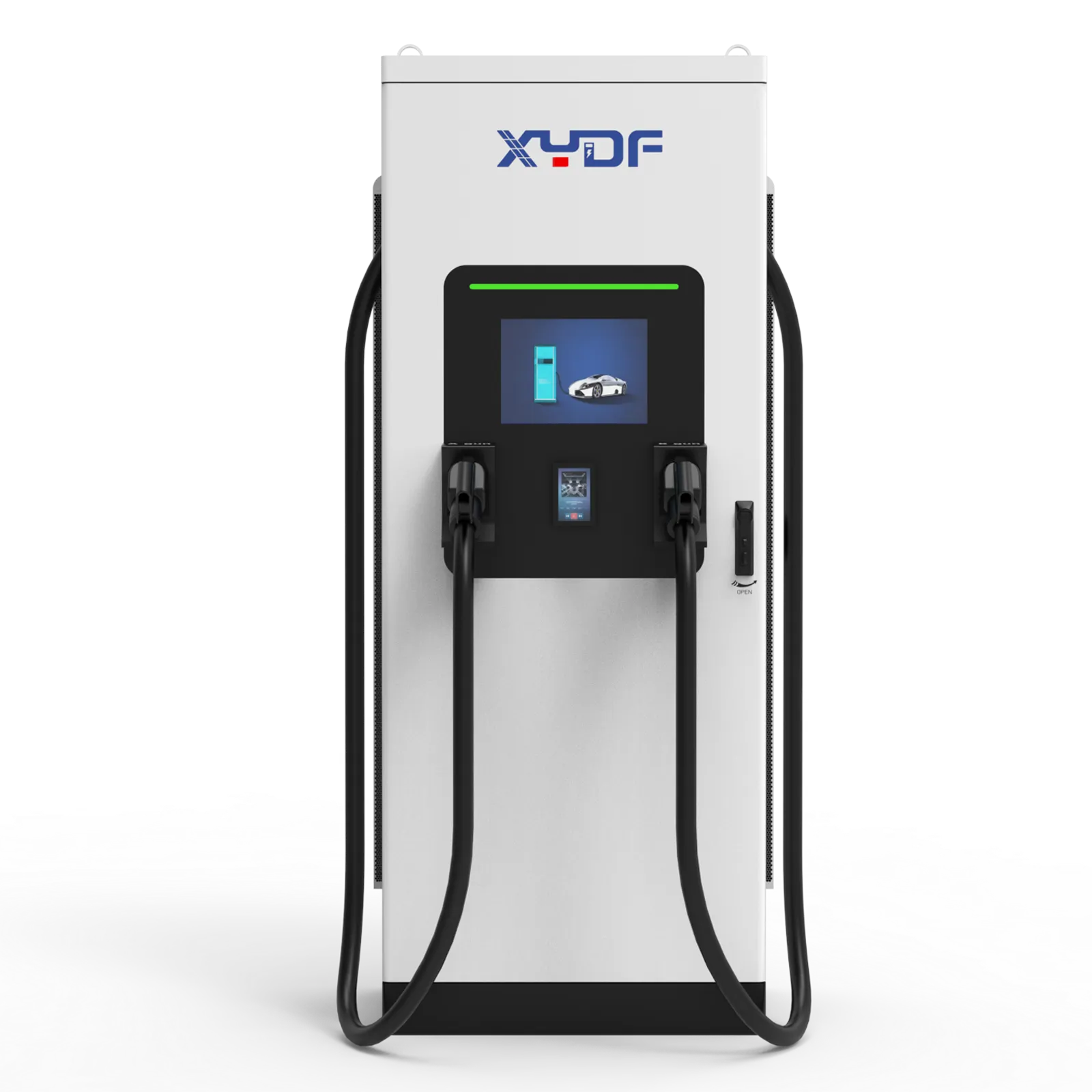
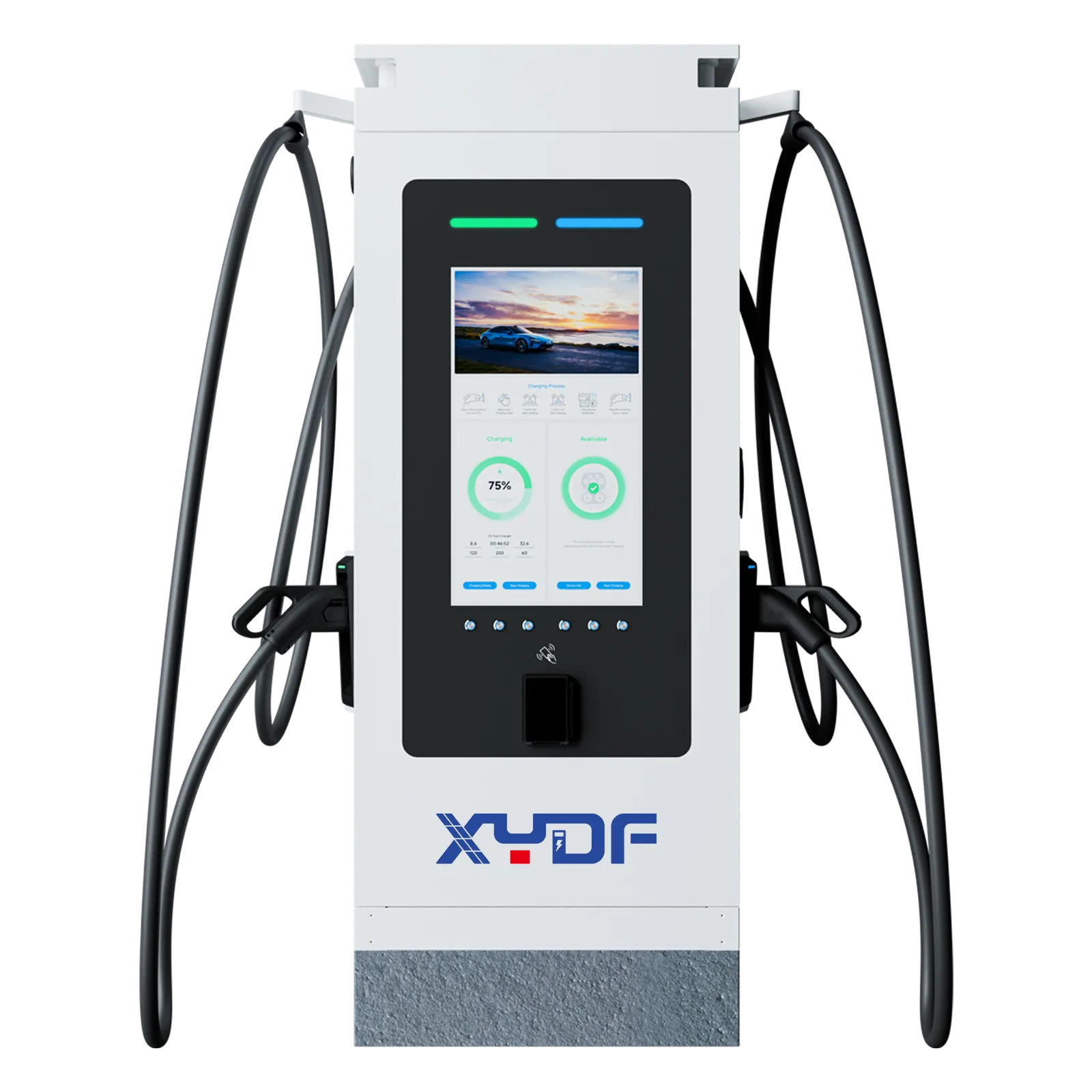
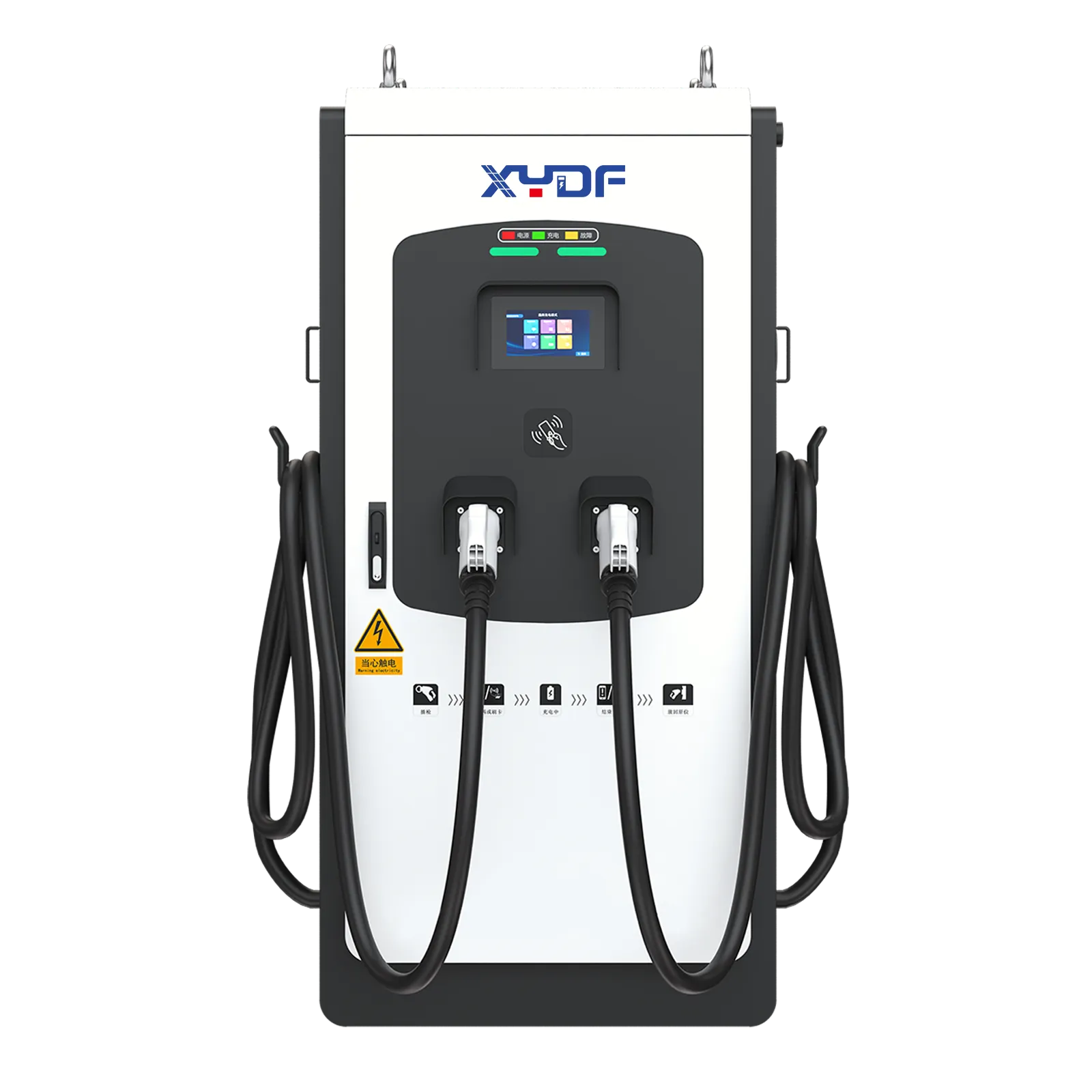
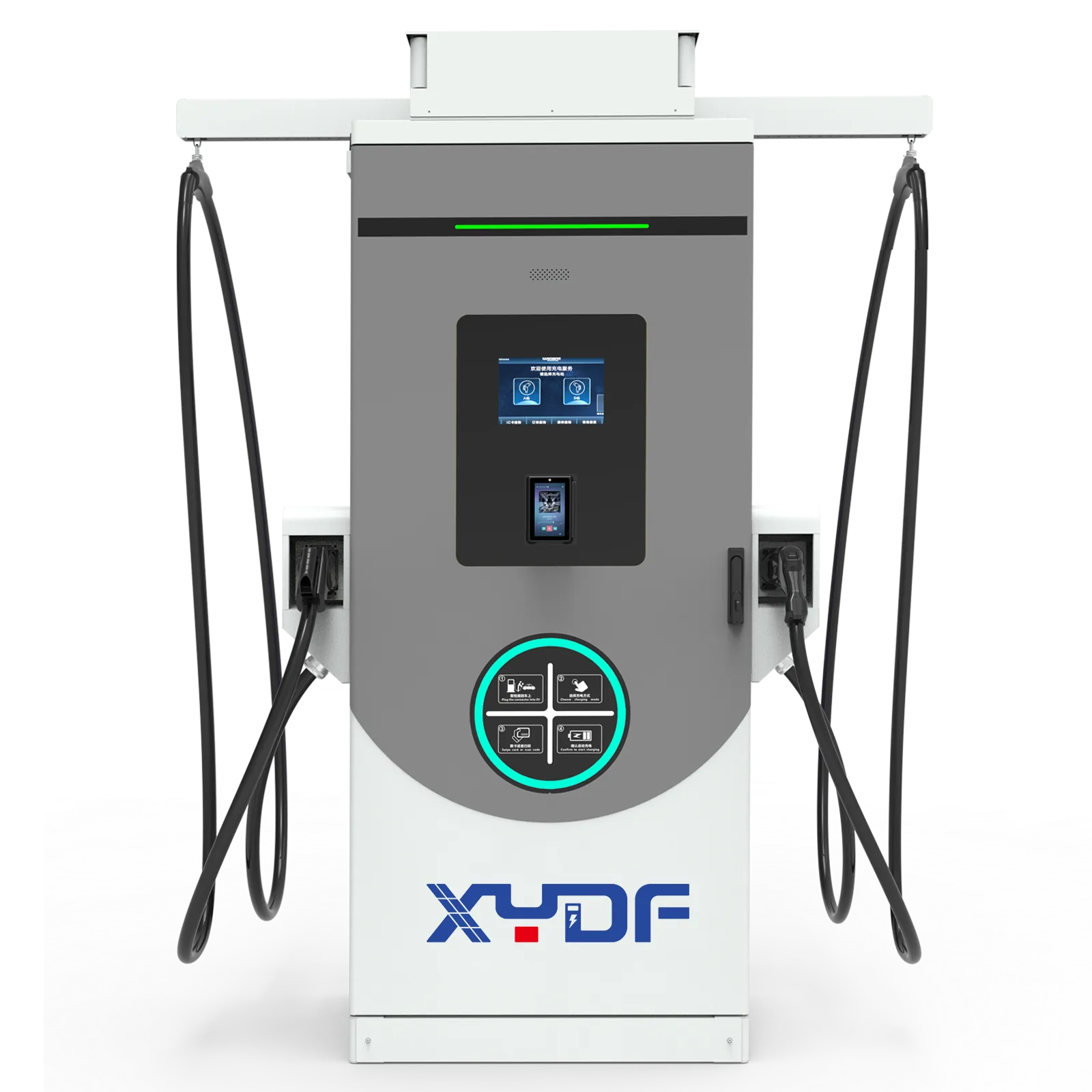
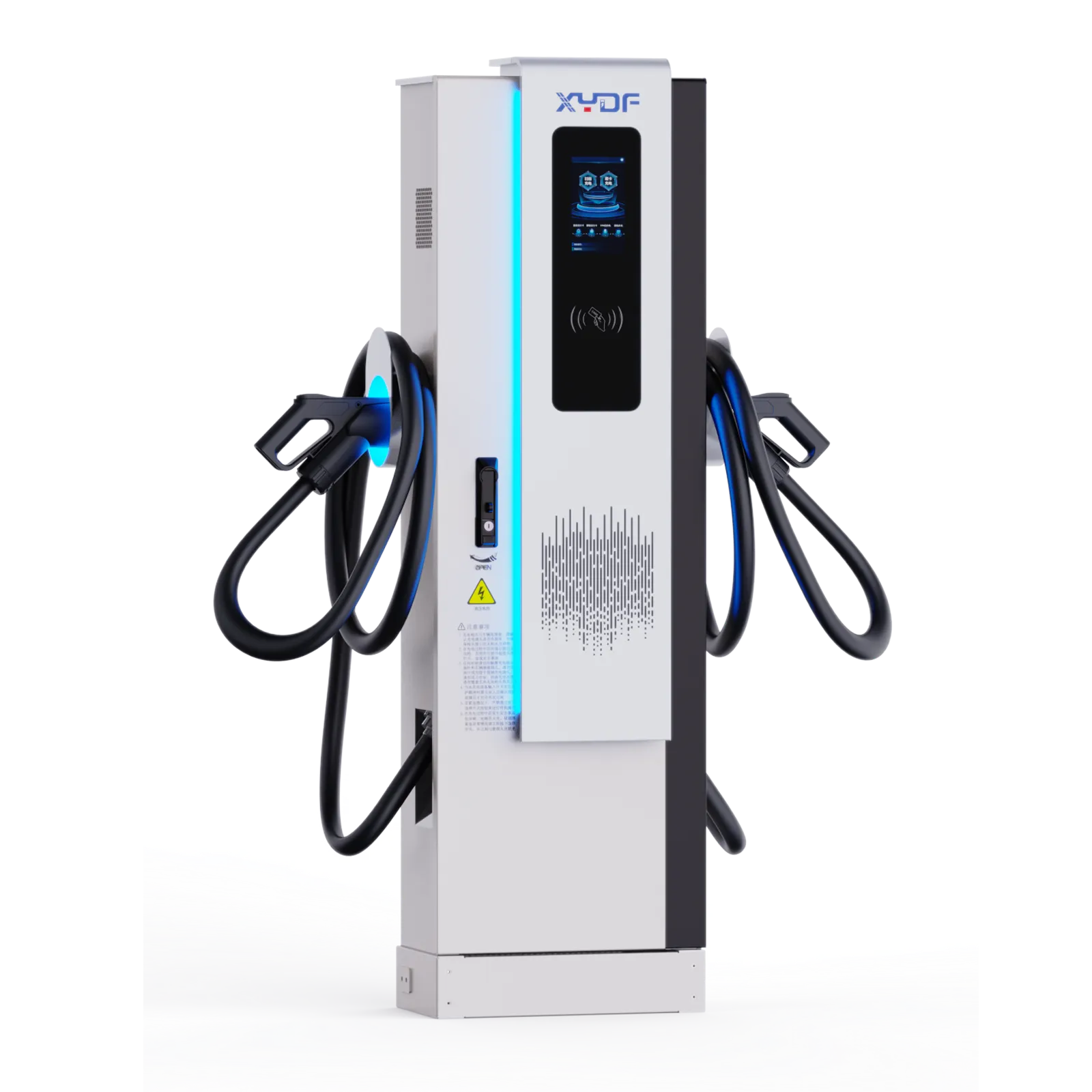
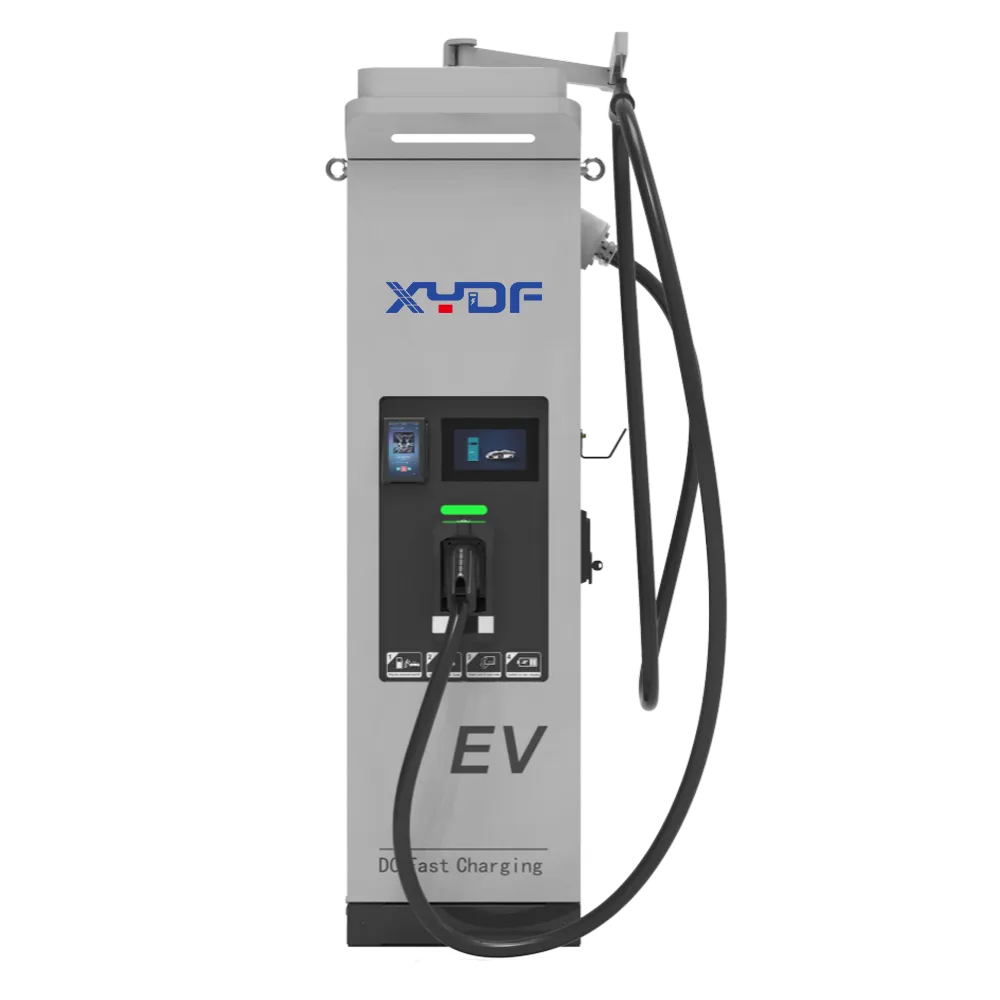

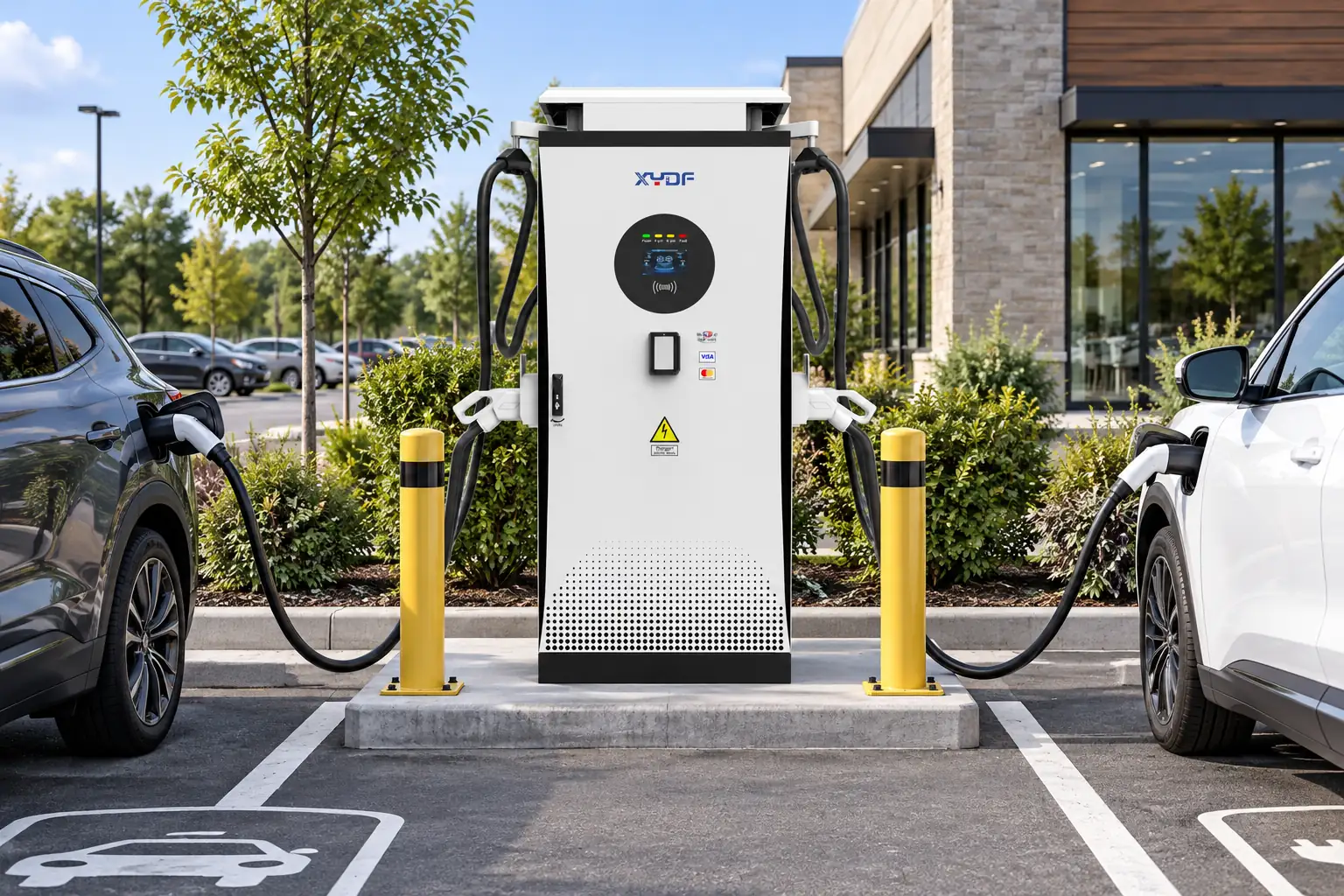
A 22kW dual EV charger label can describe very different installations: two outlets sharing a 22kW total allowance, or two outlets each capable of 22kW when the supply permits it. Without that distinction, a buyer may expect simultaneous full power that the unit or site cannot deliver. The vehicles’ onboard AC limits can reduce the benefit further. Confirm total input, per-port limits and allocation behavior before comparing equipment or prices.
The short answer is that dual-port AC charging can serve two vehicles, but it does not guarantee 22kW to both at once. Establish whether 22kW applies to the station or each port, whether the supply supports the simultaneous load and whether each vehicle accepts three-phase AC at the intended rate. A shared 22kW budget could allocate 11kW to each car in an illustrative equal-share case, but real allocation follows the model and configured policy. This is a selection framework, not a specification for every product called dual.
Is 22kW the station rating or the per-port output?
| Illustrative configuration | Total power condition | What the buyer must confirm |
|---|---|---|
| Two ports share 22kW | Total allocation cannot exceed the station or site limit | Per-port ceiling and allocation under one and two sessions |
| Two ports each support up to 22kW | Up to 44kW combined only if the equipment and installation permit it | Input rating, simultaneous duty and any managed-load cap |
| Two 22kW-capable ports with a lower site limit | The approved site limit controls simultaneous output | Controller behavior, priority and safe fallback |
These examples explain labels, not a promise that a particular model supports those modes. Request the released electrical diagram, total input, per-port current and simultaneous-use test. A drawing of two outlets is not evidence that both can run at their maximum ratings.
What supply and vehicle conditions are needed for 22kW AC charging?
A common 22kW AC configuration uses a suitable three-phase supply and a vehicle capable of accepting that AC rate. For illustration, a balanced 400V line-to-line three-phase supply at 32A per phase gives approximately 22.2kW at unity power factor, before losses. That calculation is not a wiring or protection specification.
An EV with a lower onboard AC limit draws less even from a 22kW-capable port. Confirm inlet, supported phases, onboard limit and parking time in the vehicle documentation. Do not transfer a DC fast-charging peak to AC acceptance. The Guía de carga doméstica de la DOE explains why electrical capacity and vehicle needs have to be checked before installation.

How does power sharing affect two vehicles?
The controller may share power equally, prioritize a vehicle, allocate by demand or apply an external site limit; none of these behaviors follows automatically from the word dual. Ask what happens when one vehicle pauses, the second connects, demand changes or communications are lost. Test the exact firmware and controls against the approved policy.
| Acceptance case | Question to answer |
|---|---|
| One vehicle connected | Can it use the documented port allowance? |
| Second vehicle connects | Does allocation change without violating the approved total limit? |
| One vehicle has a lower AC limit | Is unused allowance handled according to the specified policy? |
| Site demand rises | Does the controller respect the site cap and phase conditions? |
| Control communications fail | Is the documented fallback behavior acceptable? |
Power sharing manages available capacity; it does not prove lower energy consumption or the fastest possible charge for both vehicles. Energy still depends on their needs and losses.
Where is dual-port charging useful?
Workplaces, hotels, residential parking or fleets may value two accessible outlets during long parking windows. Compare simultaneous energy demand with the available hours rather than assuming that two ports halve all charging times. For a constrained home supply or low AC-acceptance vehicles, multiple managed lower-power sessions may already meet the duty.
Check inlet positions, cable reach, access routes, mounting, drainage, impact protection and who may use each port. Dual-port status does not prove suitability for every domestic or commercial location. Set environmental and electrical requirements for the exact model and installation.
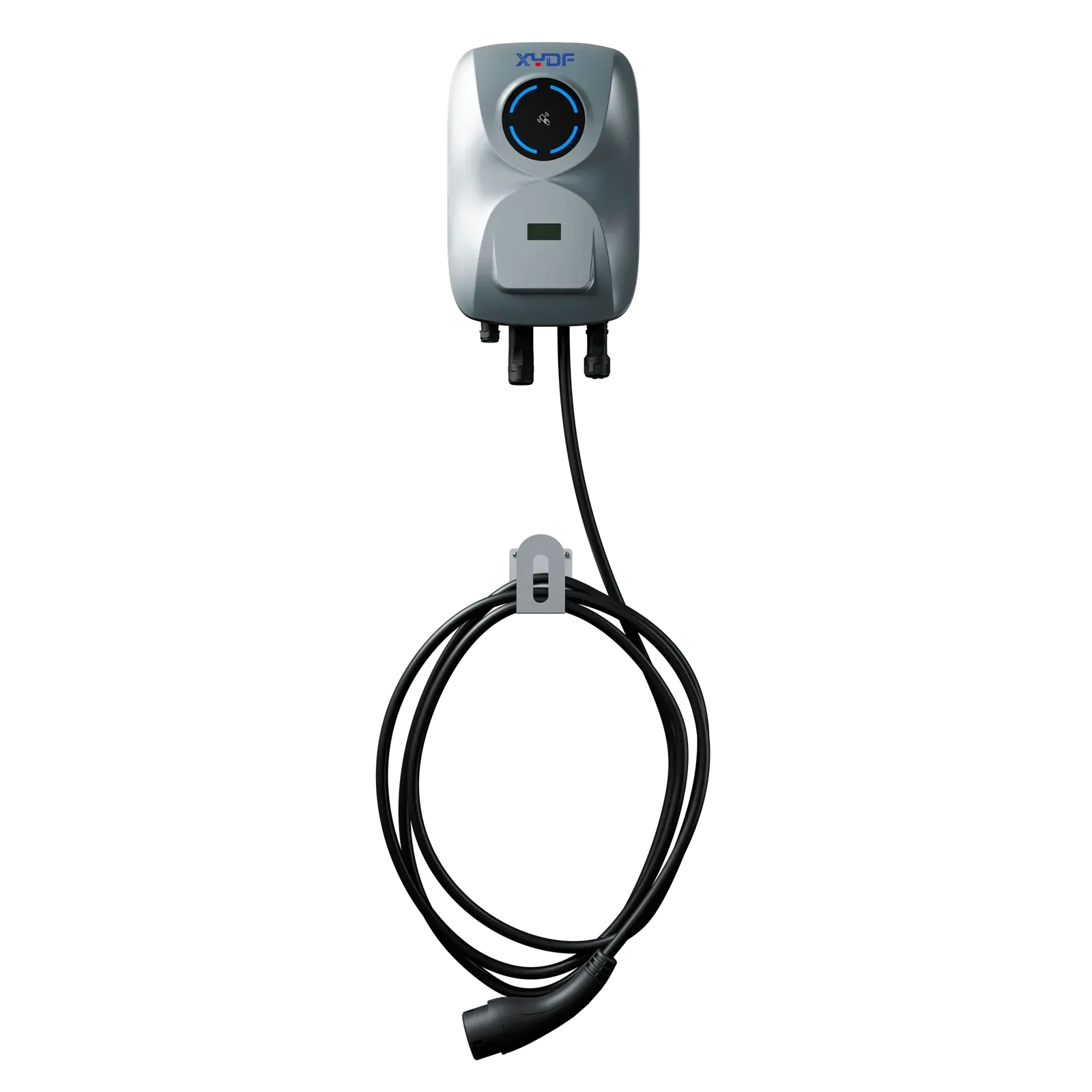
What determines a 22kW dual charger price?
Obtain a quote for total and per-port power, connector and cable arrangement, mounting, metering, access control, networking, load management, market documentation, quantities and delivery terms. Installation adds wiring routes, protective arrangements, capacity work, commissioning and any recurring platform costs. A fixed online price for a single-port model is not the installed price of a dual-port project.
Utiliza un procurement checklist to separate supplied equipment, integration and site responsibilities. Compare the commercial charging costs on the same usable-port and simultaneous-load basis. Do not assume a grant or rebate until eligibility and approval are confirmed.
Does dual-port charging imply solar integration or V2G?
No. Solar integration requires the specified site controls and electrical arrangement. Bidirectional operation requires an appropriate charger, vehicle, controls and grid or market approval. Neither feature is established by two outlets, a 22kW label or a networking protocol. Do not quote energy savings, resale value or future compatibility without evidence for the complete system.
For an XYDF quotation, start with the 22kW AC charger model documentation and explicitly request any dual-port requirements. This linked product’s AC rating is not evidence that every configuration offers two outlets or the same shared-power policy. Verify the offered model, released specification and simultaneous-operation evidence before ordering.
Preguntas frecuentes
Can both ports deliver 22kW at the same time?
Only if the exact charger and installation support that simultaneous output. A station with a shared 22kW total budget cannot provide 22kW to both ports at once.
Will every car charge at 22kW?
No. The vehicle’s onboard AC limit and supported phase arrangement may be lower. Confirm the exact vehicle and supply conditions.
Can a dual 22kW charger be used at home?
Possibly, but first assess supply capacity, simultaneous demand, vehicle acceptance and installation requirements. More vehicles do not by themselves justify 22kW per port.
What maintenance does a dual charger require?
Follow the exact model instructions, duty and site conditions. Keep ports, cables and connector records distinct; no universal annual interval or maintenance-free claim is assumed.
Does a dual charger automatically support V2G?
No. Bidirectional capability needs separate evidence for the charger, vehicle, controls and applicable grid arrangement. Two ports do not establish it.
Referencias
- IEC 61851-1:2017 — Requisitos generales para la carga conductiva
- U.S. DOE AFDC: infrastructure procurement and installation
- U.S. DOE AFDC: vehicle needs and home electrical capacity
- Open Charge Alliance: management-system protocol scope
Conclusión
Resolve the power label before choosing a dual-port charger. Confirm whether 22kW is total or per port, verify the three-phase supply and each vehicle’s AC limit, then test simultaneous allocation against the site cap. Compare the energy each vehicle needs during its parking window rather than treating two connectors as a guarantee of twice the service. Price the offered configuration, installation and recurring controls separately, and require independent evidence for solar integration or bidirectional claims. XYDF can respond to a defined AC charging requirement; request a configuration quote with the number of ports, total and per-port power, vehicle mix and electrical supply so the proposal can be checked without assuming unverified dual-port capabilities.