 Xinya Dongfang Electricity Technology Co., Ltd.



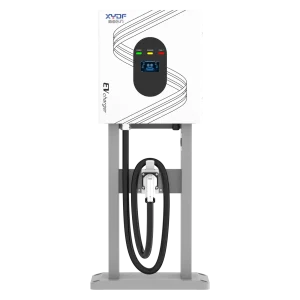

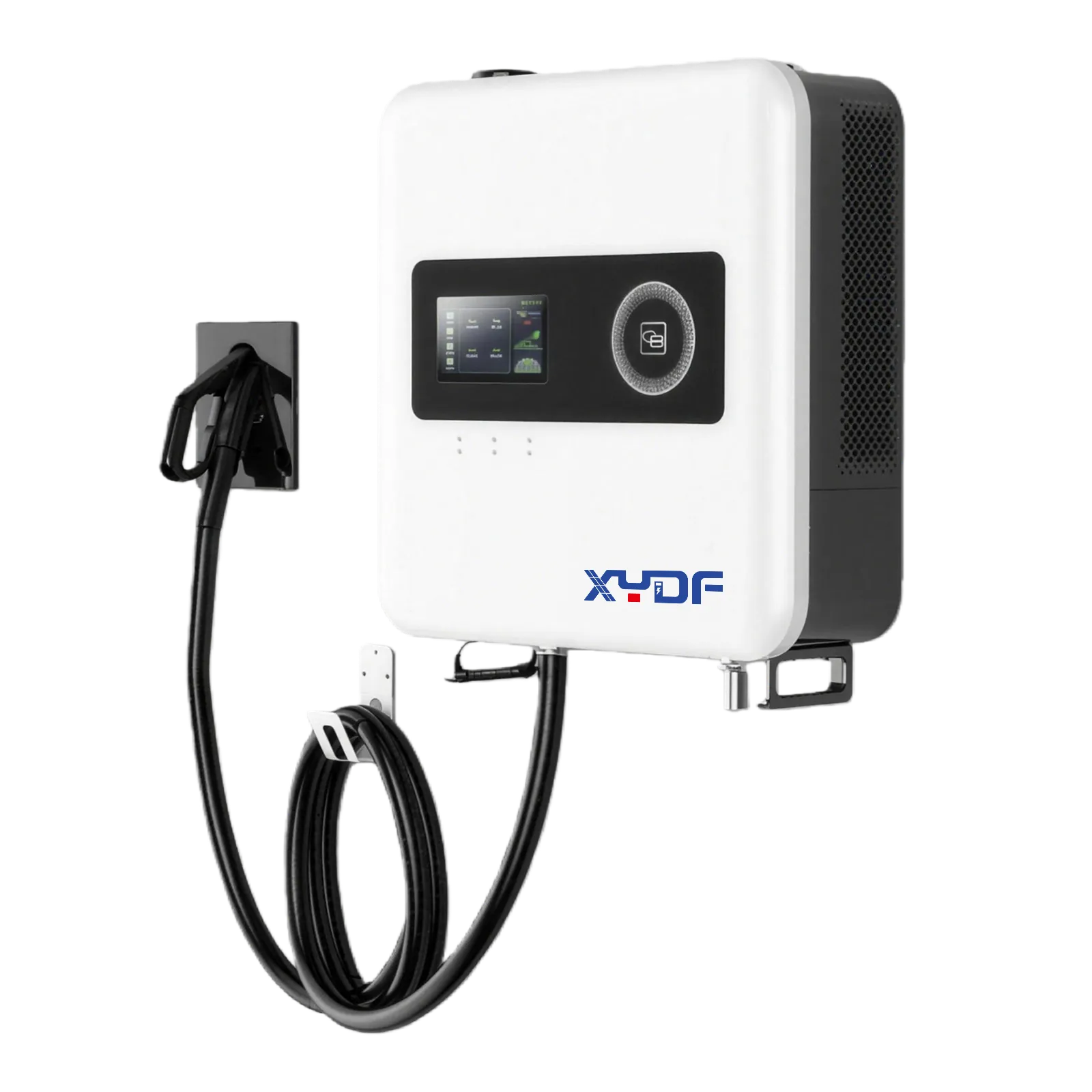
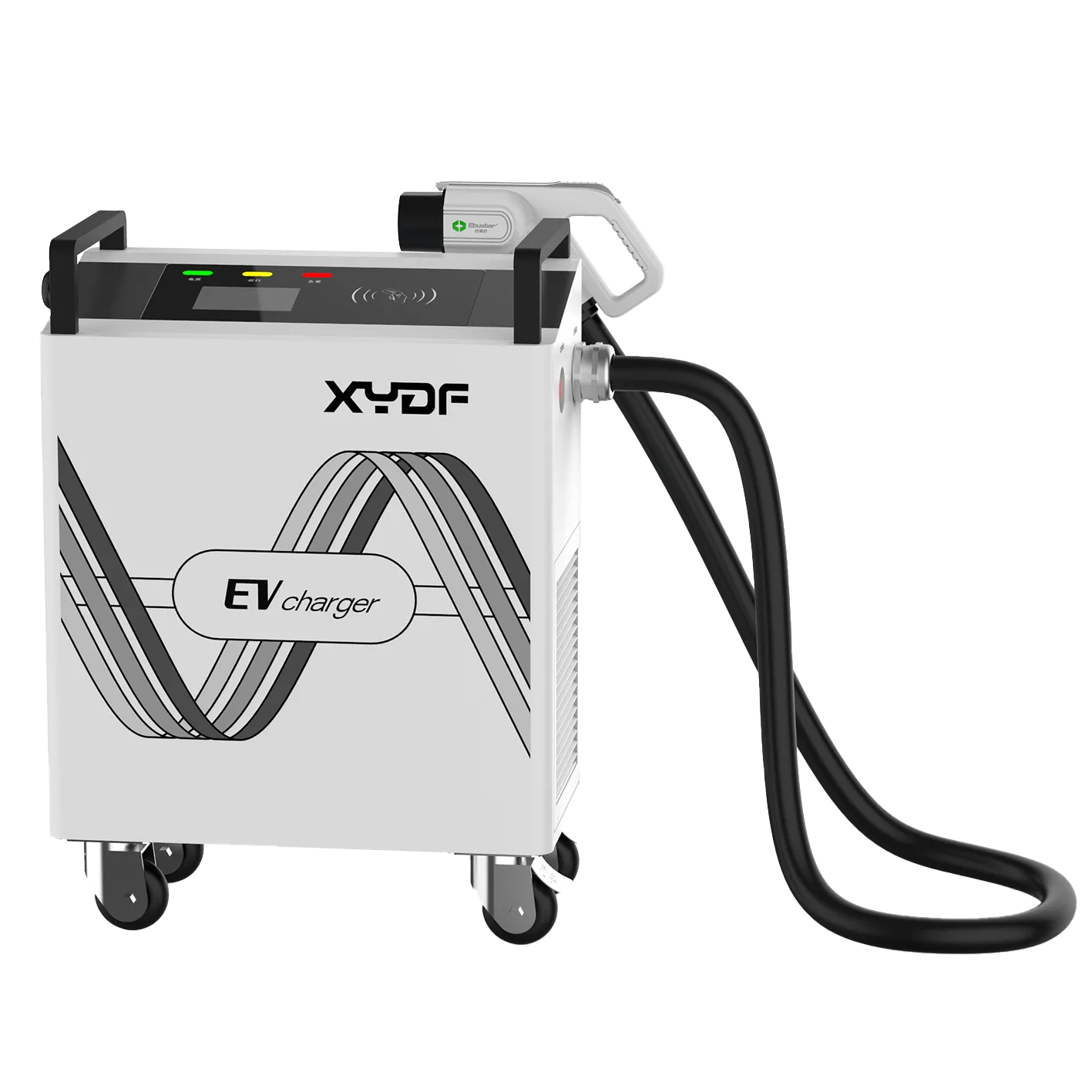
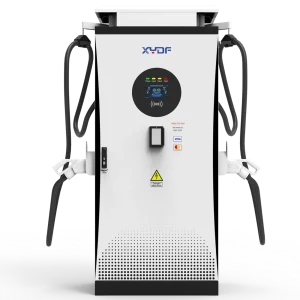
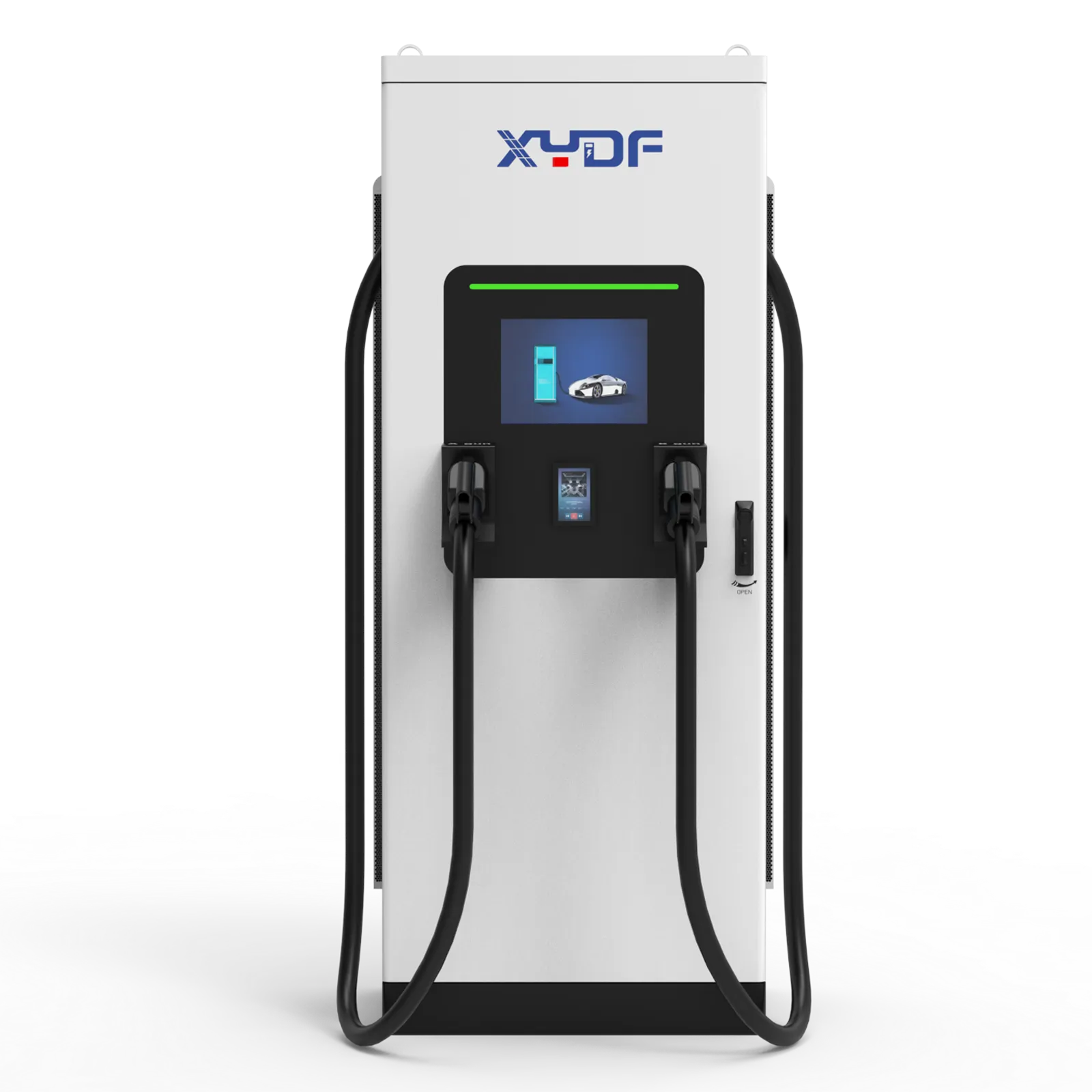
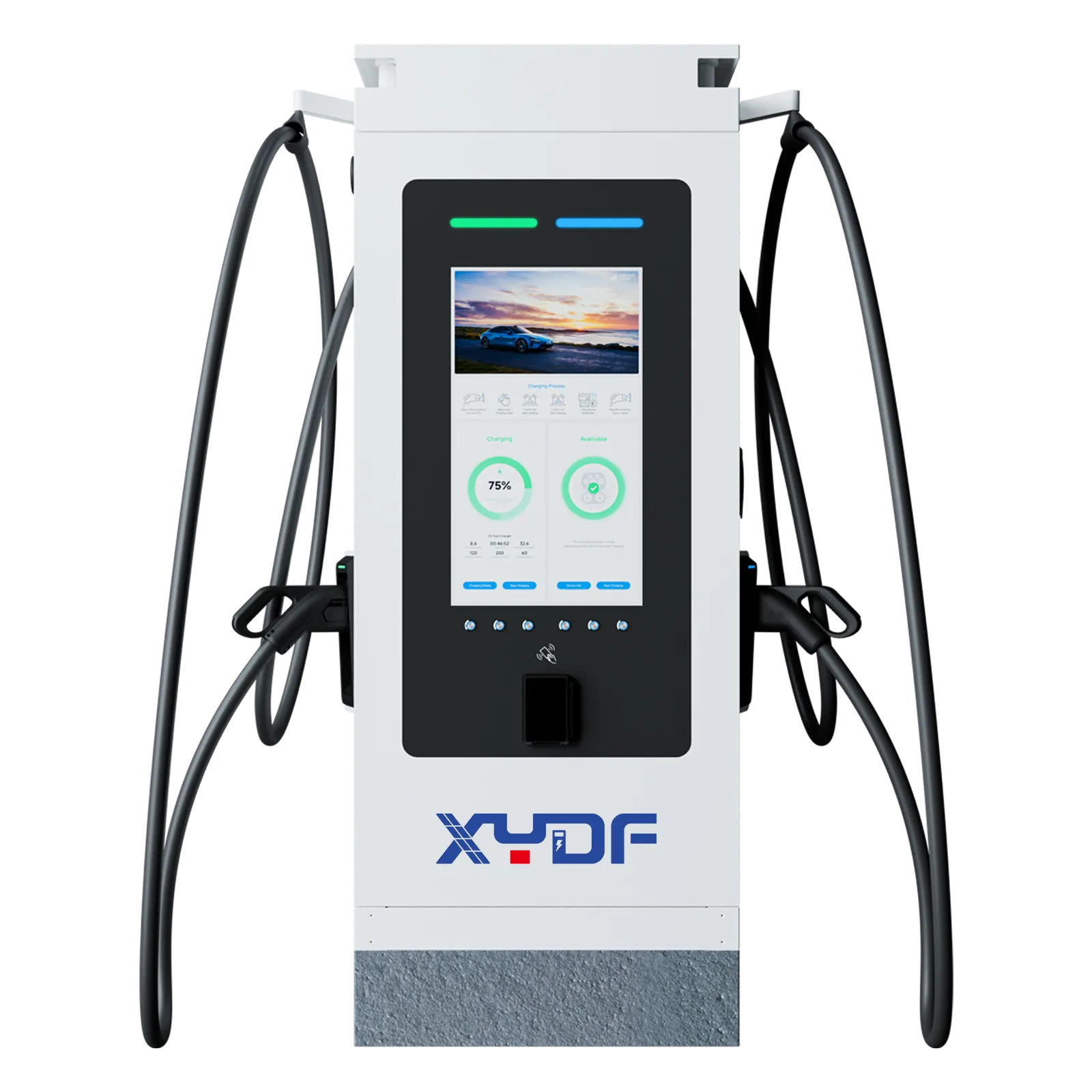
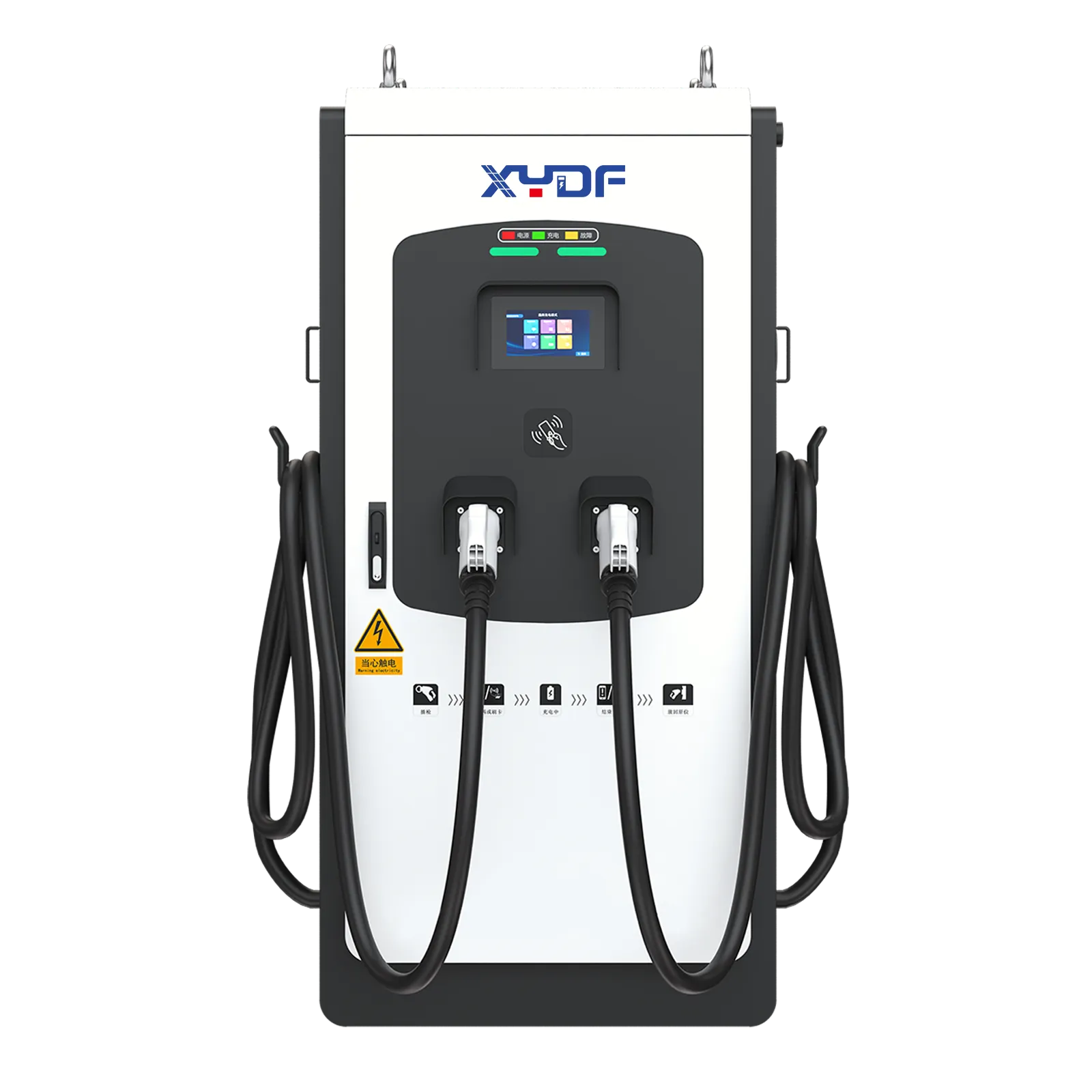
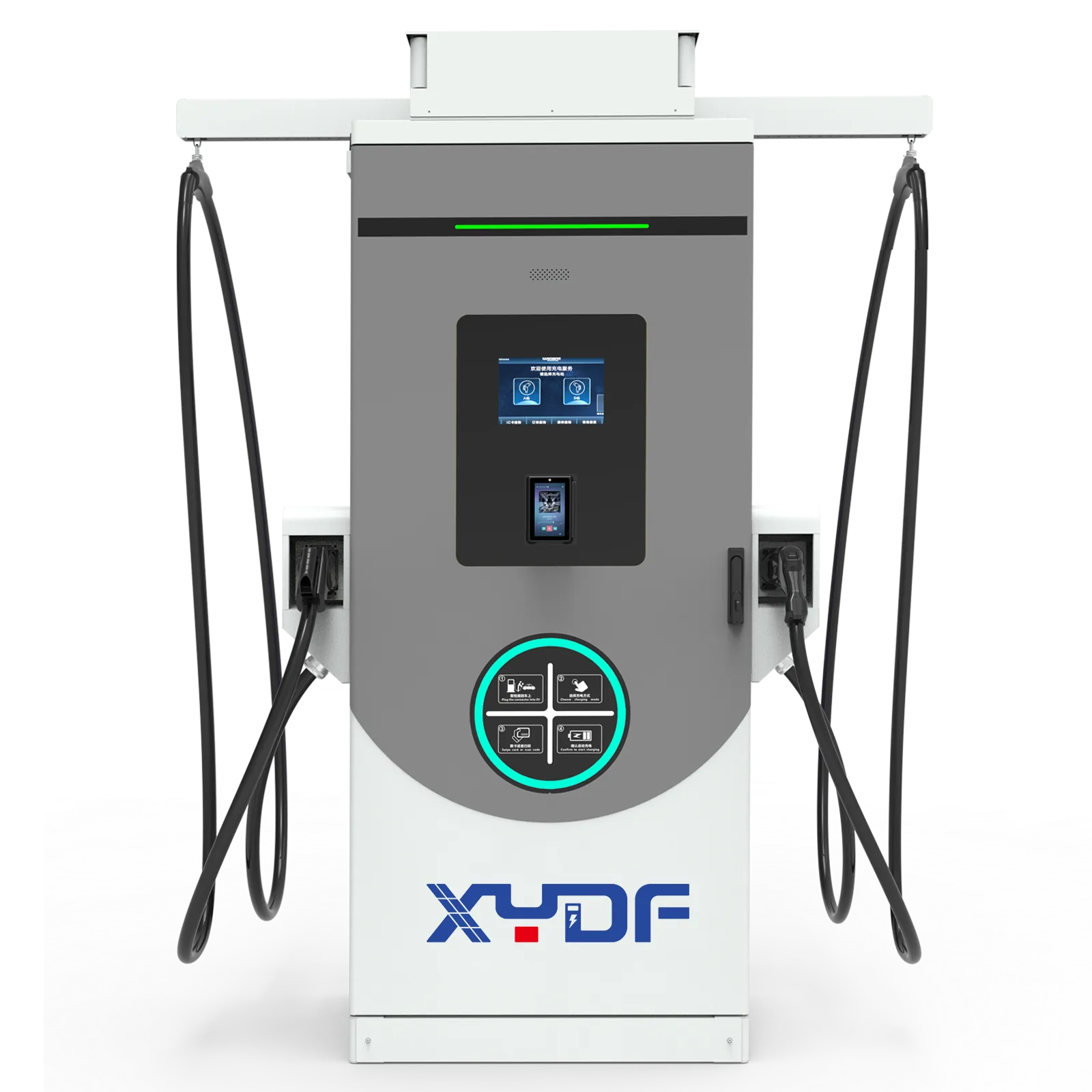
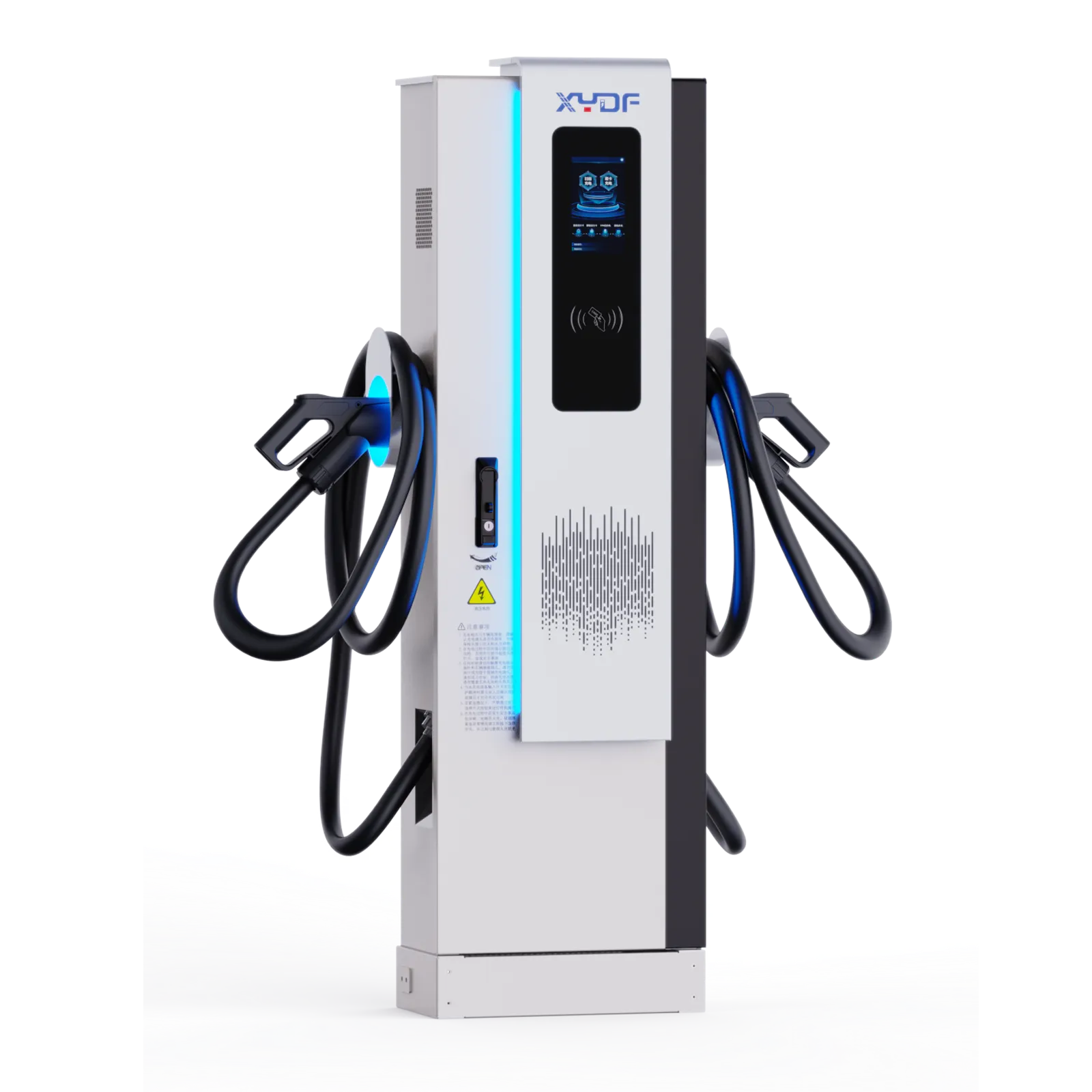
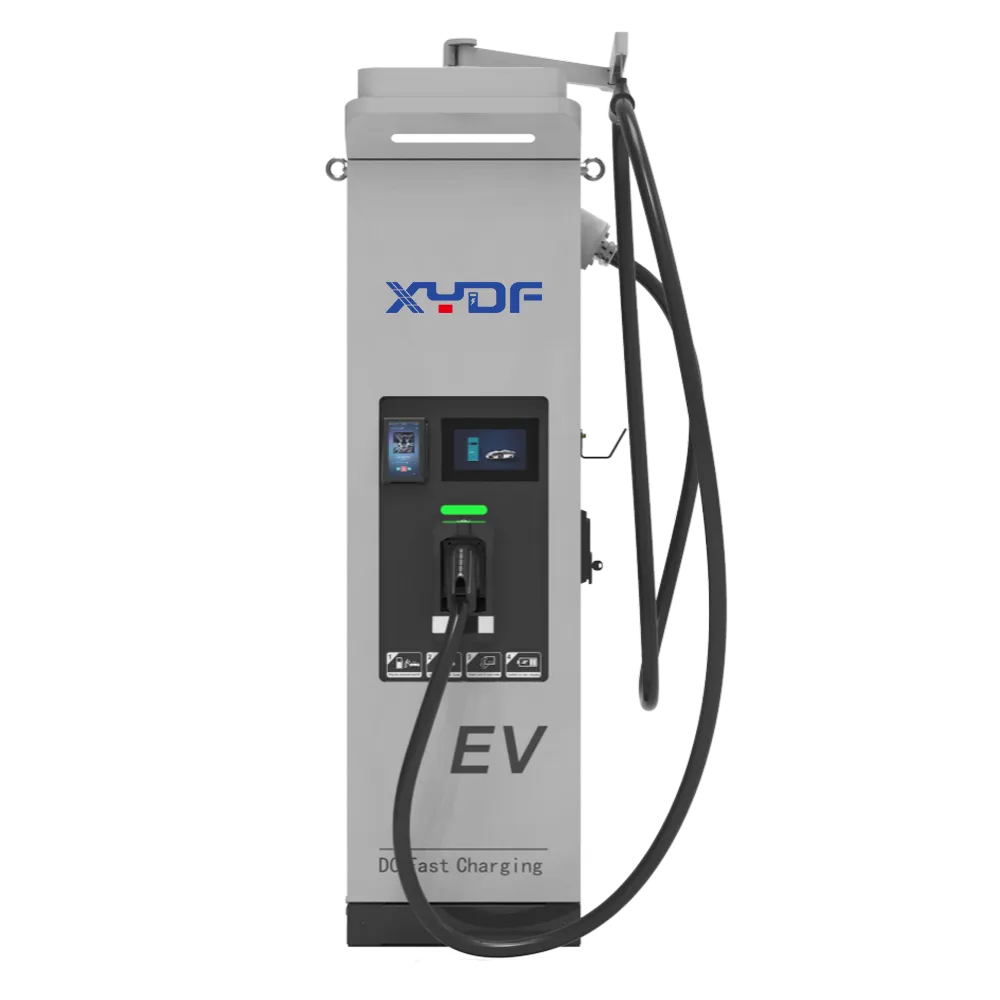
EVSE technician training should match the work a technician will actually perform: installing a circuit, commissioning an EV charger, diagnosing a network fault or replacing an electrical component. A course certificate alone does not establish permission or competence to do all four. Commercial operators need the appropriate local electrical qualifications, task-specific safety training and practical instruction for the equipment being serviced.
Start by separating three questions: is the person legally permitted to perform the work, can they manage its electrical hazards, and can they demonstrate the procedure on the relevant charger? The answers determine who may install, inspect, configure and repair the station.
Which qualifications are required before EV charger training begins?
Local licensing rules come first. An electrician’s license, contractor registration or other authorization may be required for fixed wiring and electrical installation. Requirements differ by jurisdiction, so an EV charging course should not be treated as a substitute for the qualifications that the project authority requires.
EV charger installer certification provides additional evidence of charger-specific learning. Its value depends on the syllabus, assessment and recognition by the customer, funding program or local authority. Buyers should check whether the credential covers AC installation, DC fast charger work, inspection, commissioning or only introductory theory.
For example, the US requirements in 23 CFR 680.106(j) specify workforce qualifications for charging infrastructure covered by that rule. These include an EVITP pathway and a qualifying registered apprenticeship pathway. They should not be presented as a universal licensing rule for every EV charging project worldwide. Read the applicable funding conditions alongside the licensing requirements.
What electrical safety skills must an EVSE technician learn?
Eficiente EV charger safety training covers shock hazards, stored energy, safe isolation, appropriate protective equipment and when to stop work. DC fast chargers can contain energy-storage components and more than one relevant supply or control source. An emergency-stop button, dark screen or remote stop command does not by itself prove that equipment is electrically isolated.
US 29 CFR 1910.332 ties electrical safety training to the employee’s job assignments and risk. It identifies additional knowledge needed by qualified persons, including recognizing exposed live parts and understanding relevant voltages and clearances. This is a useful distinction between basic site awareness and qualification for electrical tasks.
The practical course must also address the equipment-specific isolation procedure, verification of de-energization and stored-energy precautions. 29 CFR 1910.333 addresses electrical work practices, including de-energizing, locking or tagging, verification and re-energizing. Other hazardous-energy rules may apply to the task. None of these procedures should be improvised from a generic blog checklist.
Arc-flash instruction should explain the site’s assessment, work controls and task-specific protective measures. A short awareness session does not authorize energized work. The employer must determine qualification and authorization for the actual assignment, using the applicable regulations and safety program.
Which practical skills should a technician demonstrate?
Classroom learning is necessary, but a commercial operator also needs observed performance. A practical assessment should use the intended model or a suitable supervised training arrangement, with an assessor recording what the technician can complete independently and what still requires supervision.
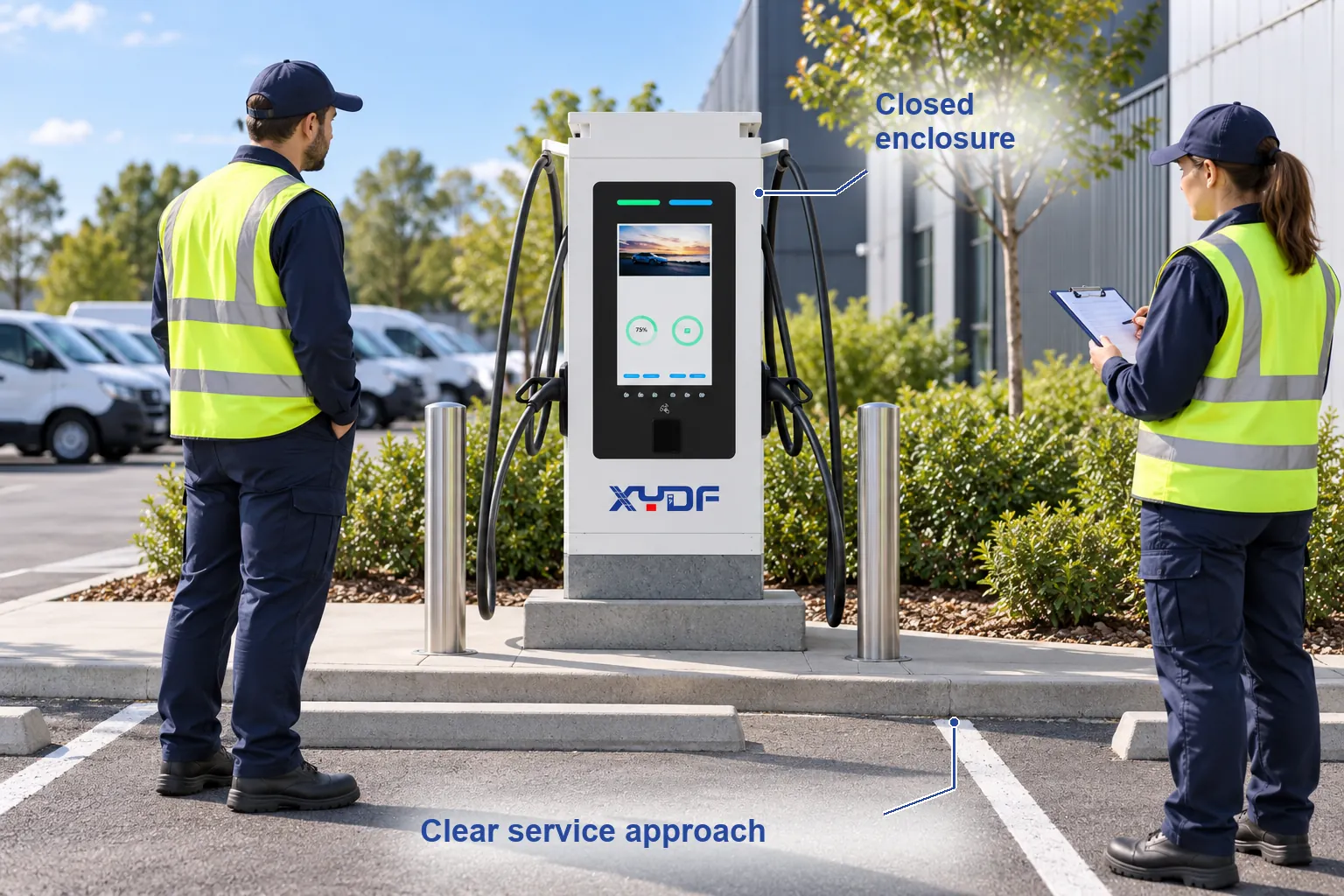
For installation work, the technician should interpret the approved drawings, recognize equipment ratings, follow the manufacturer’s connection and tightening instructions, and understand the required local inspection and testing. Exterior checks should include the enclosure, connector housing, cable condition, mounting and access around the equipment.
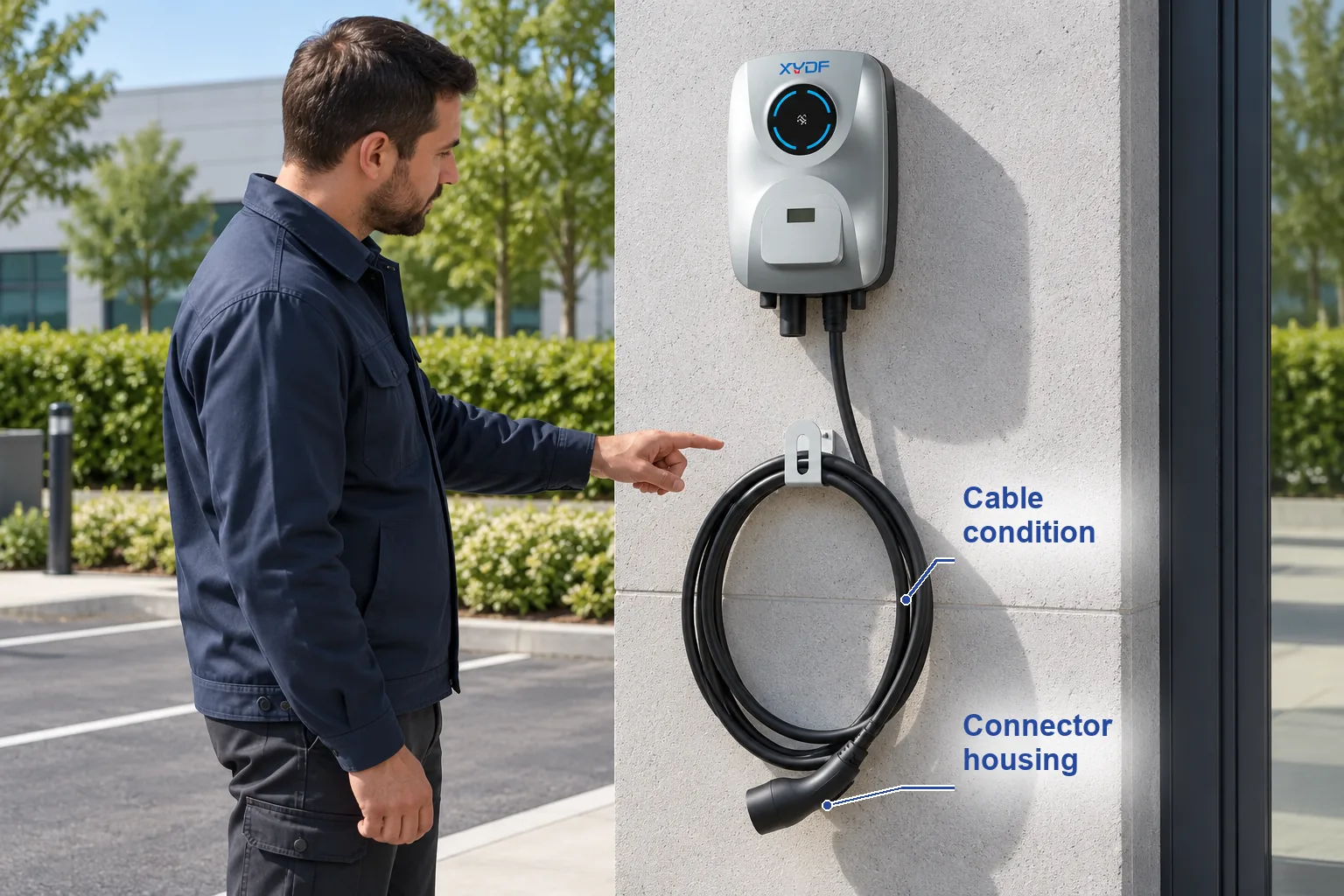
For commissioning, assessment should cover the documented start-up sequence, permitted configuration changes, charging-session verification and recording of test results. Where payment, authorization or load management is included, the technician must verify those functions within the contracted scope rather than declare the station ready after checking only that its screen turns on.
EV charging technician training should include a realistic handover. The assessor should ask the technician to explain a fault, identify the supporting evidence, state whether electrical intervention is authorized and record the next action. That exercise reveals gaps that a multiple-choice test may miss.
| Work assignment | Competence to demonstrate | Evidencia para conservar |
|---|---|---|
| Exterior inspection | Recognize visible damage and report it without opening equipment | Inspection record and escalation decision |
| Instalación eléctrica | Interpret drawings and complete authorized installation and verification | License checks, applicable inspection and test records |
| Commissioning | Follow the approved start-up procedure and verify specified functions | Model-specific commissioning report |
| Diagnóstico remoto | Review connectivity, session logs and permitted settings | Fault evidence, change record and outcome |
| Component replacement | Perform an authorized repair using the relevant service procedure | Competency sign-off, part traceability and post-repair checks |
What must be checked before commissioning and servicing?
A technician qualified for general electrical installation may still need model-specific instruction before servicing a DC fast charger. Service access, discharge precautions, diagnostic tools, replacement parts and firmware procedures can differ between product families. The training scope must identify the models and tasks covered.
Use the correct manual revision and confirm who can authorize the work. Separate an external inspection from opening an enclosure, and separate a permitted remote reset from repeated attempts to restart equipment with an unresolved electrical alarm. Warranty conditions and service authorization should be established before a repair begins.
Network configuration also needs controlled access. Technicians should understand the site’s connectivity method, charger identity, authorized backend endpoint and the OCPP version and features actually supported. They should be able to distinguish a communications failure from a charging or electrical fault, preserve relevant logs and escalate issues outside their role. Protocol familiarity alone does not qualify someone to repair a power stage.
Routine work should connect to the operator’s maintenance checks, so inspection findings, fault history and completed repairs remain available to the next technician.
How should operators compare training and keep competency records?
Compare courses against the tasks in the service contract. Ask about entry requirements, supervised practical work, assessment criteria, model coverage and the limits of the qualification. A course that covers installation may offer little preparation for backend configuration or replacement of DC power components.
| Training or authorization | Qué verificar | What it does not establish by itself |
|---|---|---|
| Electrical license or registration | Jurisdiction, validity and permitted work | Competence on every EV charger model |
| EVSE installation course | Relevant installation syllabus and practical assessment | Permission for all internal repairs |
| Electrical safety training | Coverage of assigned hazards and work practices | Unlimited authorization for energized work |
| Manufacturer service training | Equipment family, procedures and assessed tasks | Replacement of required local qualifications |
| Network and backend training | Supported functions and controlled access | Electrical servicing qualification |
Keep a competency record for each person: license or credential details, relevant course and manual versions, practical assessment, authorized tasks, supervisor and renewal requirements. The term EVSE certification is often used loosely, so record whether a document certifies the technician, a course or the equipment itself.
There is no single worldwide renewal interval. Follow the credential issuer’s rules and applicable safety requirements, and reassess competence when equipment, procedures or assignments change. A long gap in practice, an incident or an observed procedural error can also justify refresher training before the person resumes that task.
When discussing XYDF Cargadores EV AC o Cargadores rápidos DC, include documentation, commissioning responsibilities and the proposed service scope in the equipment discussion. The qualification requirements should follow the actual installation and maintenance work, not just the name of a course.
Frequently asked questions about EVSE technician training
What training does an EVSE technician need?
The technician needs electrical and safety training appropriate to the assigned work, plus practical instruction for the relevant EV charger and its network functions. Local licensing, project requirements and manufacturer procedures determine the required combination.
Which certifications are useful for EV charger installation?
A valid local electrical qualification is the starting point where required. A recognized charger-specific credential, such as an applicable EVITP or qualifying apprenticeship pathway for projects covered by US funding rules, can add relevant evidence. Confirm acceptance with the project authority.
Does EVSE training cover electrical safety and lockout procedures?
It should cover the hazards and isolation procedures relevant to the course’s work scope. Check for practical assessment of safe work preparation and verification, rather than assuming a generic certificate includes those skills.
What practical skills should a commercial charger technician demonstrate?
The technician should demonstrate the installation, inspection, commissioning or diagnostic tasks assigned to them, while recognizing when to stop and escalate. The assessment should also cover accurate records and controlled return to service.
Who can commission and service DC fast chargers?
Personnel must have the qualifications, task competence and authorization required by the jurisdiction, employer and equipment supplier. Installation experience alone does not establish competence for internal DC fast charger repairs.
How often should EV charging technicians renew training or certification?
Follow the applicable credential and regulatory requirements. Refresh training and reassess competence when equipment, hazards or procedures change, or when observed performance shows a gap. There is no universal renewal period for all EVSE work.
Referencias
- 29 CFR 1910.332: electrical safety training requirements.
- 29 CFR 1910.333: selection and use of electrical work practices.
- 23 CFR 680.106: qualified technicians and covered EV charging infrastructure.
Match training to the work that needs to be done
A reliable training plan connects local qualifications, electrical safety, model-specific procedures and observed practical performance. It also states the limits of each person’s role. That combination gives an operator a stronger basis for assigning installation, commissioning and repair work than a certificate title alone.
For an XYDF charging project, discuss the installation and service requirements with the team, including the intended equipment, local contractor responsibilities and documentation needed for handover.