Comment cadrer les questions de cybersécurité pour un appel d'offres de bornes de recharge pour VE commerciaux
15 août 2026
Blog
Appel d'offres pour la cybersécurité des chargeurs de VE commerciaux Le langage doit définir la frontière d'un projet, et non promettre un résultat de sécurité. Nommez les actifs de recharge, les rôles d'accès, la frontière réseau, la responsabilité des mises à jour, les registres d'événements disponibles et le canal de contact en cas d'incident afin que les équipes chargées des équipements, du réseau et des opérations puissent examiner le même périmètre.
Les questions de cybersécurité commencent par un inventaire précis des actifs du projet.
Partie 1. Qu'est-ce qu'un appel d'offres (RFQ) sur la cybersécurité des chargeurs de VE commerciaux doit accomplir ?
Une demande de prix utile rend la conversation sur la sécurité suffisamment précise pour être examinée. Elle identifie ce qui sera connectÉ, qui l'utilisera ou l'administrera, où les responsabilités commencent et se terminent, et quelles preuves sont attendues si un événement doit faire l'objet d'une enquête.
La Cadre de cybersécurité du NIST organise les résultats de cybersécurité selon la gouvernance, l'identification, la protection, la détection, la réponse et la reprise. Pour un achat de bornes de recharge, c'est un moyen pratique d'éviter une demande vague de “ bornes sécurisées ” ; cela ne certifie ni un fournisseur, ni un réseau, ni une configuration.
N'acceptez pas une déclaration de sécurité générique comme preuve de conformité du projet. Demandez la portée réelle, la partie responsable, la dépendance de configuration et l'enregistrement qui étayeraient cette affirmation. profil NIST IR 8473 est une référence en matière de gestion des risques pour l'infrastructure de recharge ultra-rapide des véhicules électriques, et non une certification d'un fournisseur ou d'une installation.
Partie 2. Quels actifs et rôles d'accès l'acheteur doit-il nommer ?
Commencez par un inventaire pertinent pour le projet : l'équipement de recharge, le raccordement au site, l'environnement de gestion, les méthodes d'accès des utilisateurs et les personnes susceptibles d'administrer ou de prendre en charge l'installation. L'inventaire n'est pas une conception technique ; il établit ce qui nécessite un responsable.
Élément de périmètre
Question de l'acheteur
Pourquoi il doit figurer dans la demande de prix
Équipement de charge
Quels appareils et connecteurs sont concernés ?
Empêche une réponse de ne couvrir qu'une partie du déploiement.
Utilisateurs opérationnels
Qui peut démarrer, arrêter ou assister à une session ?
Clarifie le modèle d'accès.
Administrateurs
Qui peut modifier la configuration ou récupérer des enregistrements ?
Rend visible l'attribution des rôles.
Propriétaire du réseau de sites
Qui approuve les modifications de connectivité ?
Relie la portée du chargeur à la gouvernance du site.
Contacts des services
Qui reçoit un incident ou une demande de service ?
Crée une voie d'escalade pratique.
Les recherches sur les forums montrent que les utilisateurs discutent à la fois de la sécurité des comptes et de la connectivité des chargeurs. Ces questions aident à formuler le langage d'un acheteur, mais elles ne déterminent pas ce qu'un produit de recharge offre.
Partie 3. Comment faut-il aborder la frontière du réseau ?
Discutez de la frontière du réseau comme d'une question de conception, et non comme d'une topologie universelle. Un acheteur doit préciser quelle partie possède le réseau du site, quels services externes sont prévus, quel accès à distance est attendu et qui approuve les modifications. Les ressources de la CISA pour les systèmes de contrôle industriel fournissent un contexte utile pour traiter les actifs opérationnels connectés comme un périmètre défini.
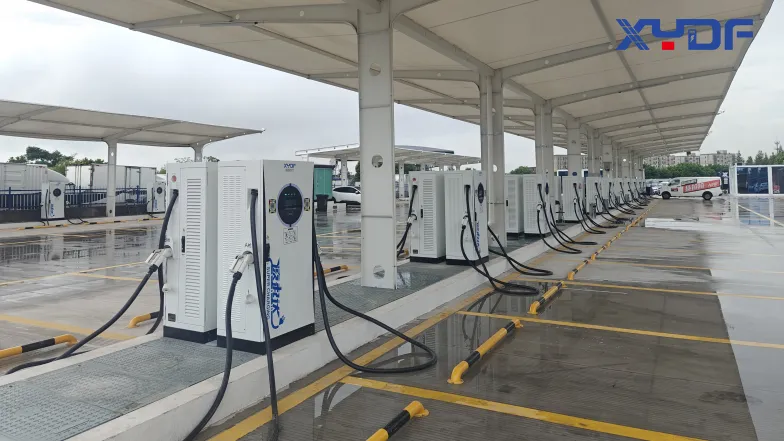
Les questions relatives à l'architecture du site doivent être examinées conjointement avec l'agencement des bornes de recharge commerciale.
La séparation des réseaux peut être appropriée lorsque l'architecture du site et le modèle opérationnel l'exigent, mais la conception spécifique nécessite un examen au niveau du site. Un appel d'offres peut demander au fournisseur de décrire les dépendances et les responsabilités sans supposer une méthode de connexion ou une fonctionnalité particulière.
Partie 4. Qui est responsable des décisions de mise à jour et de configuration ?
La responsabilité en matière de cybersécurité s'affaiblit lorsque les modifications n'ont pas de responsable désigné. Demandez qui propose, approuve, applique et documente une modification de configuration ou de mise à jour, et ce que le site doit fournir avant que ce travail ne puisse être effectué.
La réponse doit distinguer la responsabilité des équipements de la responsabilité du réseau et du processus d'approbation de l'opérateur. Un examenable plan de gestion des correctifs doit indiquer comment un correctif est découvert, testé, approuvé et déployé, en suivant la séquence des clauses d'acquisition décrite par le Pacific Northwest National Laboratory. La réponse du fournisseur doit également préciser les versions de logiciels et de micrologiciels prises en charge, la période de support, la manière dont l'authenticité et l'intégrité des mises à jour sont vérifiées, et qui est responsable de la récupération en cas d'échec d'une mise à jour. C'est plus utile qu'une promesse sans réserve selon laquelle les mises à jour seront toujours automatiques ou sans risque.
Partie 5. Quels éléments de preuve d'incident et quel chemin de contact doivent être définis ?
Un chemin d'incident doit répondre à deux questions opérationnelles : quelles preuves l'équipe de projet peut-elle préserver et qui reçoit la première notification. Les enregistrements exacts dépendent de l'architecture finale, mais l'appel d'offres doit demander les identifiants disponibles, les horodatages, les descriptions d'événements, l'accès aux exportations et les contacts d'escalade. Il doit également définir un notification de vulnérabilité canal et les versions concernées par chaque avis. Un avis de la CISA de mai 2026 concernant des versions spécifiques d'ABB Terra AC illustre pourquoi les enregistrements de modèles et de versions ont de l'importance ; cela n'implique pas que l'équipement XYDF ou que chaque chargeur commercial présente la même vulnérabilité.
Besoin de révision d'événement
Définir avant l'achat
Avantage acheteur
Identifier l'actif concerné
Référence d'actif et d'emplacement
Évite les demandes d'assistance ambiguës.
Comprendre le timing
Base de l'horodatage et disponibilité des enregistrements
Prend en charge une chronologie cohérente.
Conserver le contexte
Enregistrements d'événements ou de modifications disponibles
Donne aux spécialistes un point de départ factuel.
Transférer
Contacts désignés et limite de responsabilité
Réduit l'incertitude liée au transfert.
Ne transformez pas ce tableau en l'affirmation que chaque chargeur ou fournisseur divulgue ces enregistrements. L'appel d'offres est l'endroit idéal pour obtenir une réponse spécifique au projet.
Partie 6. Quelles réponses de fournisseurs rendent une consultation (RFQ) révisable ?
Demandez des réponses qui précisent la portée et les preuves, plutôt que des étiquettes marketing. Le tableau ci-dessous offre aux acheteurs un moyen concis de comparer les réponses sans assimiler aucune réponse à une certification.
Au minimum, demandez un inventaire actuel des microgiciels et des logiciels, une date de fin de support de sécurité, un flux de travail de test et d'approbation des correctifs, une méthode de vérification des mises à jour, un canal de notification des vulnérabilités et un réponse à incident contact avec un délai de notification défini. Lorsqu'un service s'appuie sur des sous-traitants, la réponse doit expliquer comment ces mêmes exigences sont répercutées sur ces parties plutôt que de s'arrêter au fournisseur principal.
L'acheteur doit fournir
Demandez au fournisseur de s'expliquer
Pièce justificative ou limite à demander
Liste des actifs et architecture du site
Quelle partie du projet la réponse couvre
Appareils, services et dépendances concernés.
Modèle de rôle d'accès
Qui peut effectuer chaque action opérationnelle
Description du rôle et partie qui approuve l'accès.
Attentes en matière de connectivité
Quelles sont les connexions réseau requises
Responsabilités du site et dépendances de configuration.
Processus de gestion du changement
Qui est responsable des mises à jour et des modifications de configuration ?
Approche par approbation, notification et enregistrement.
Modèle opérationnel des incidents
Comment un problème est signalé et pris en charge
Chemin de contact et preuves d'événement disponibles.
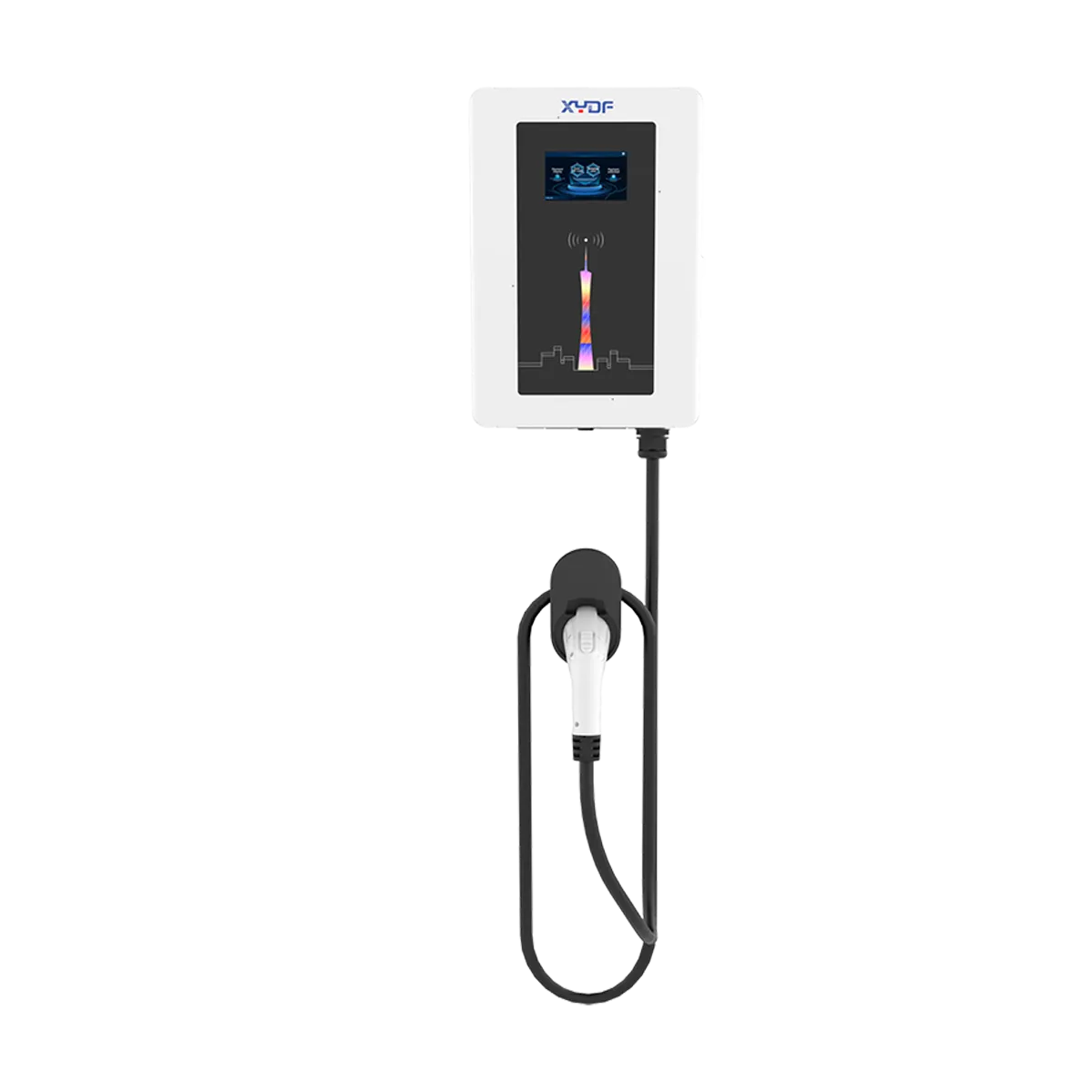
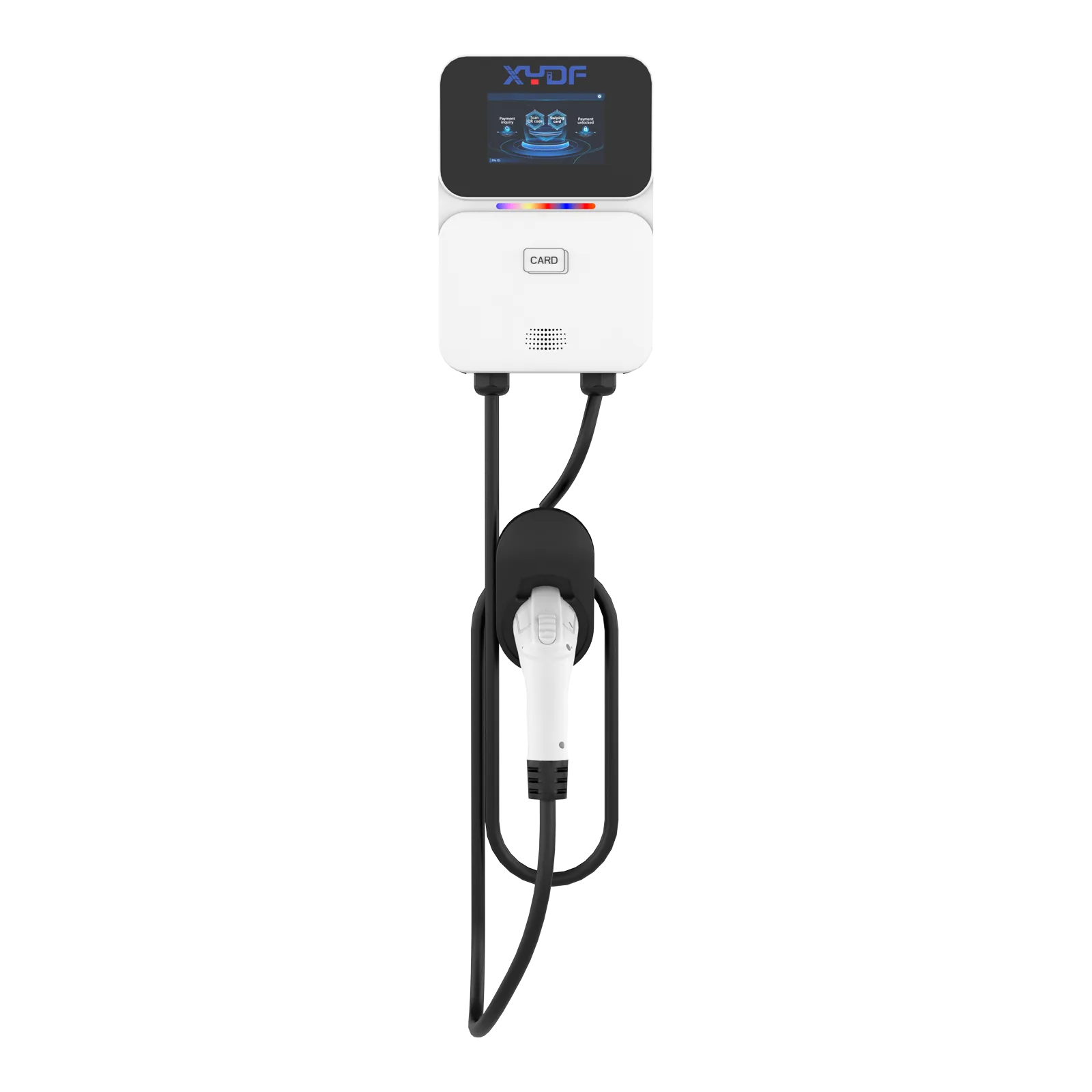
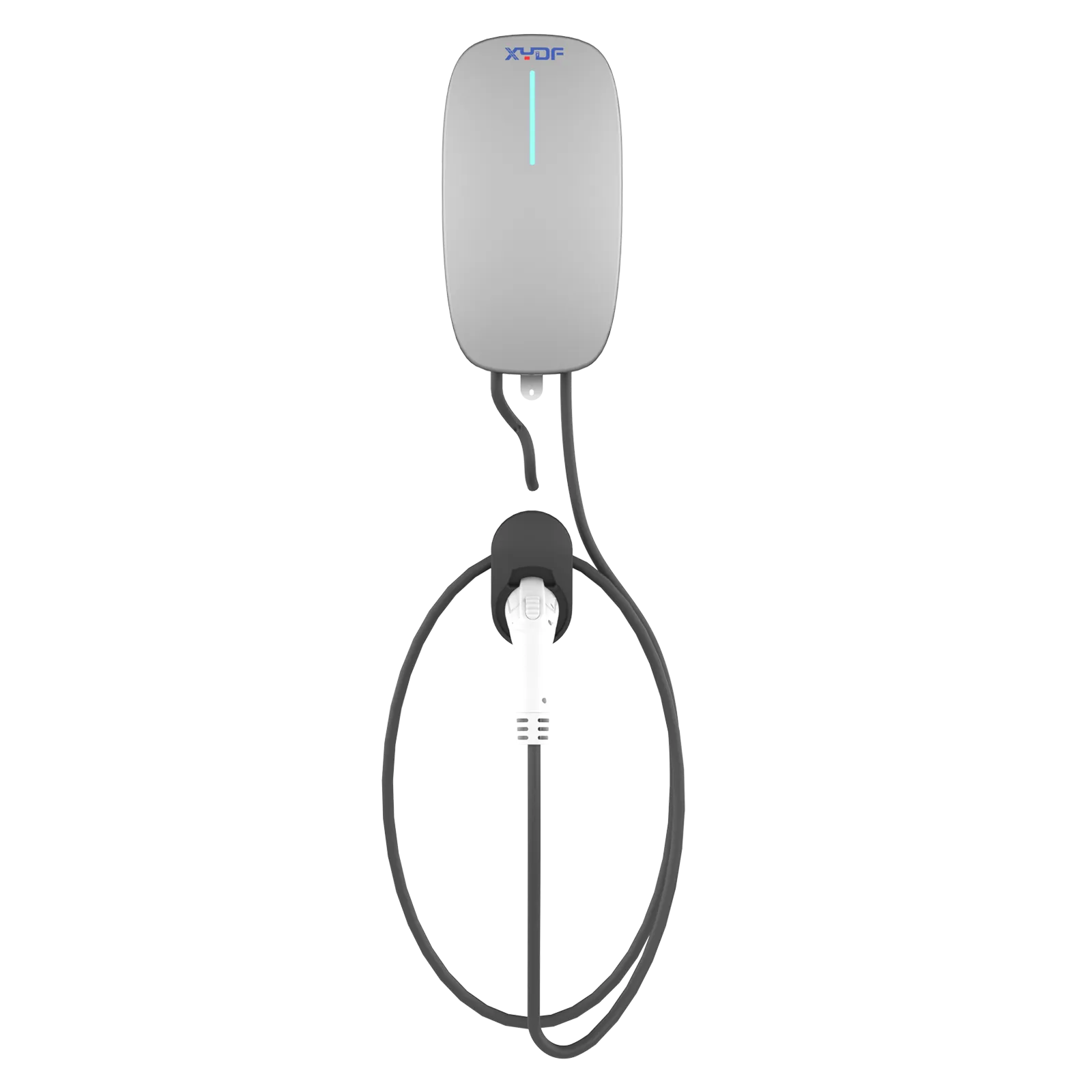
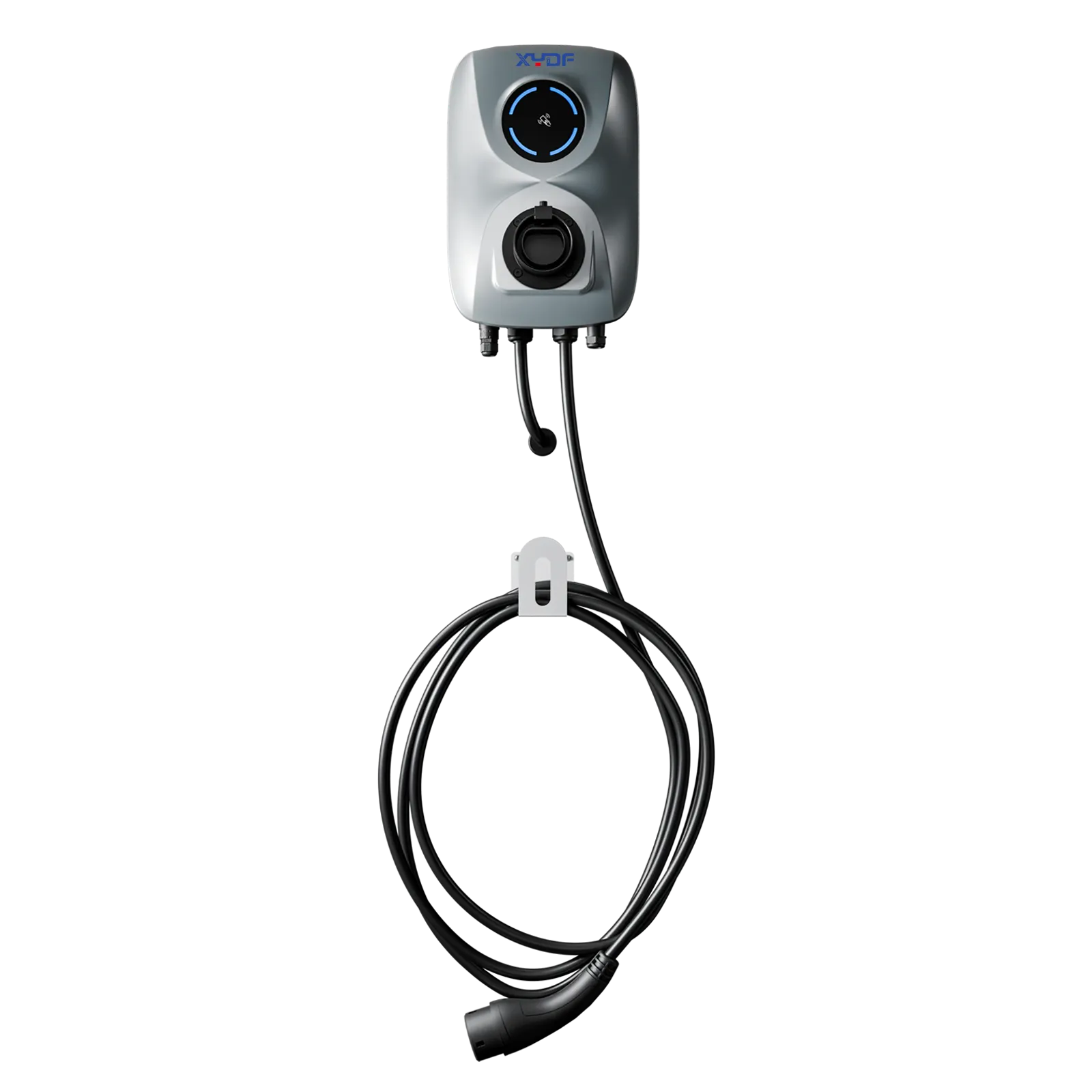
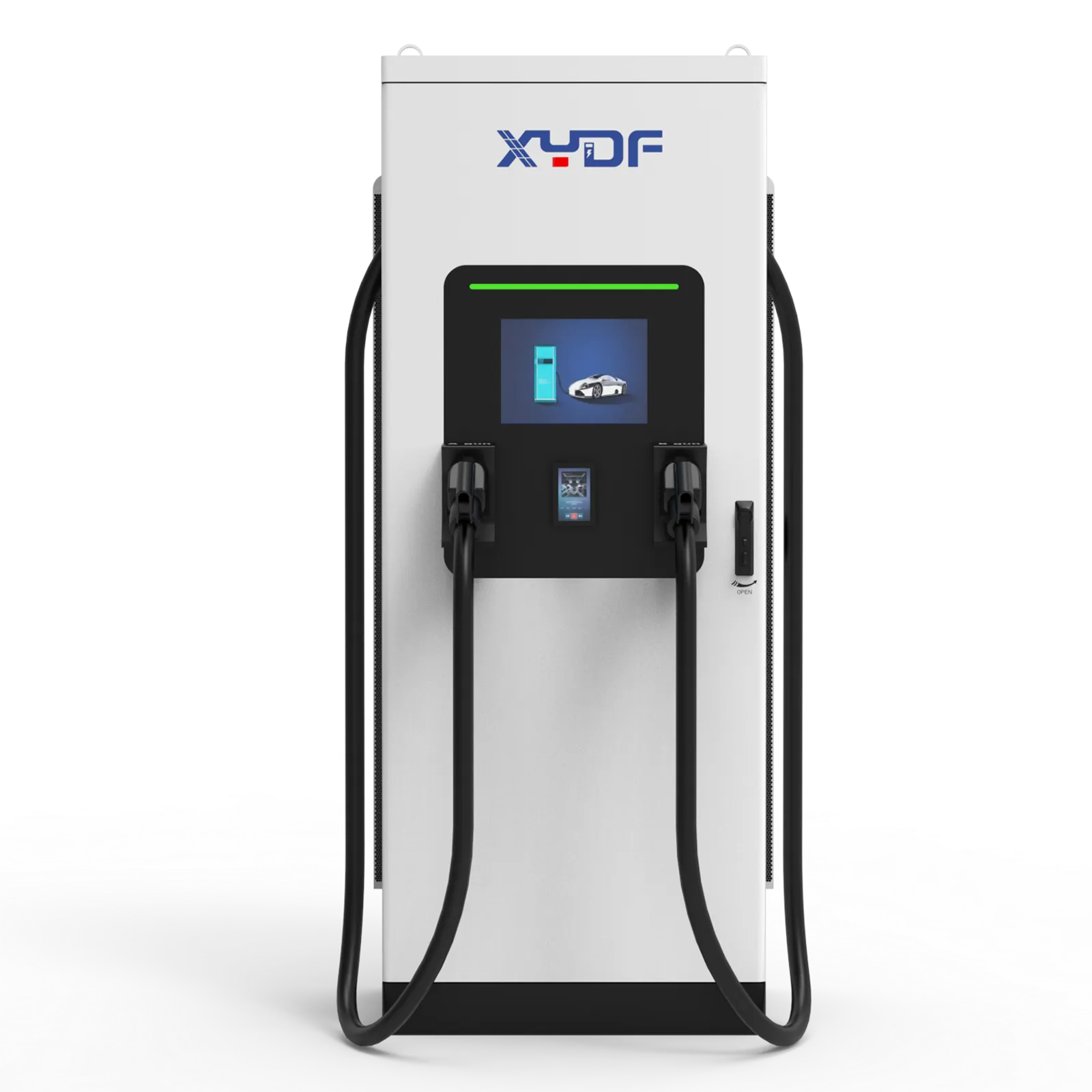
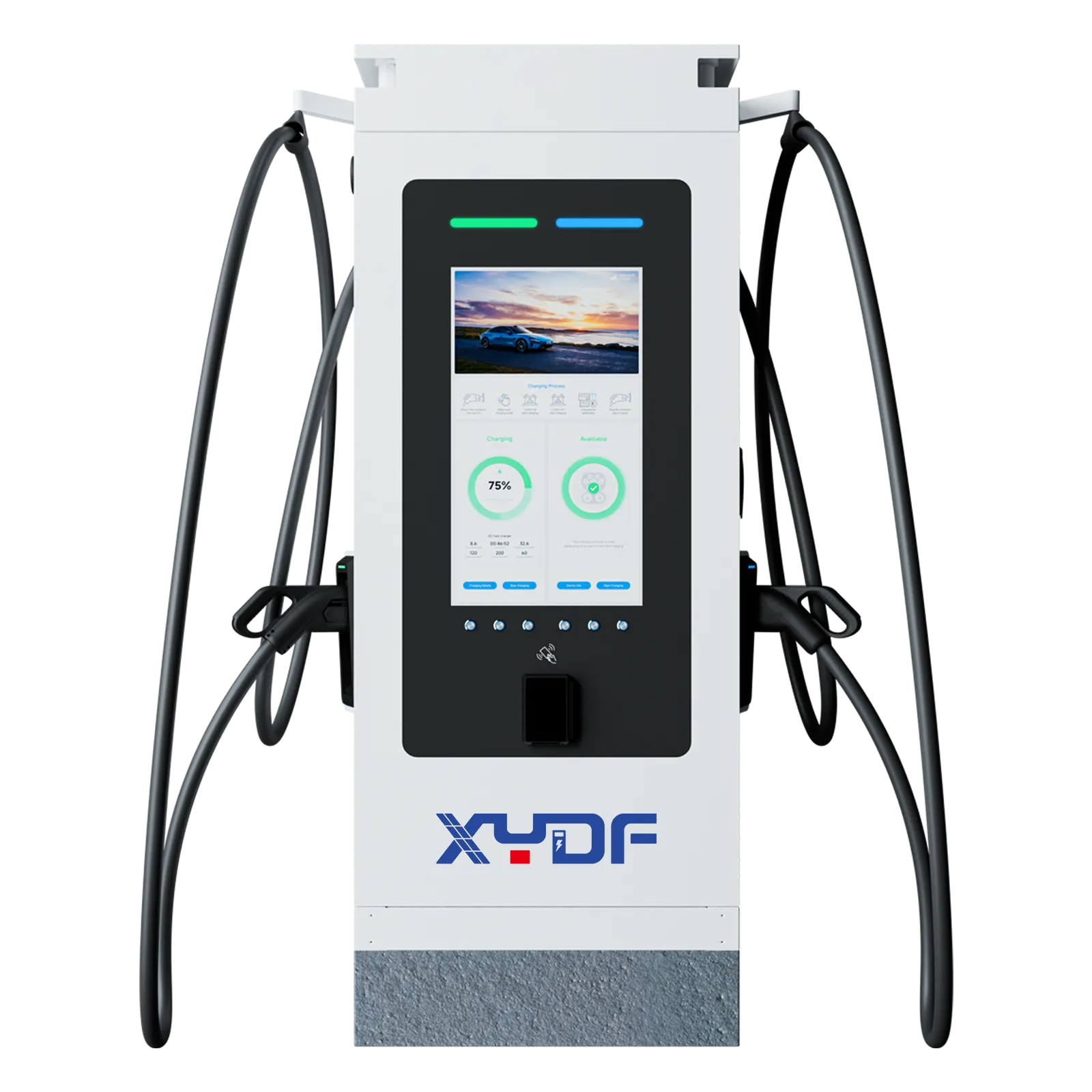
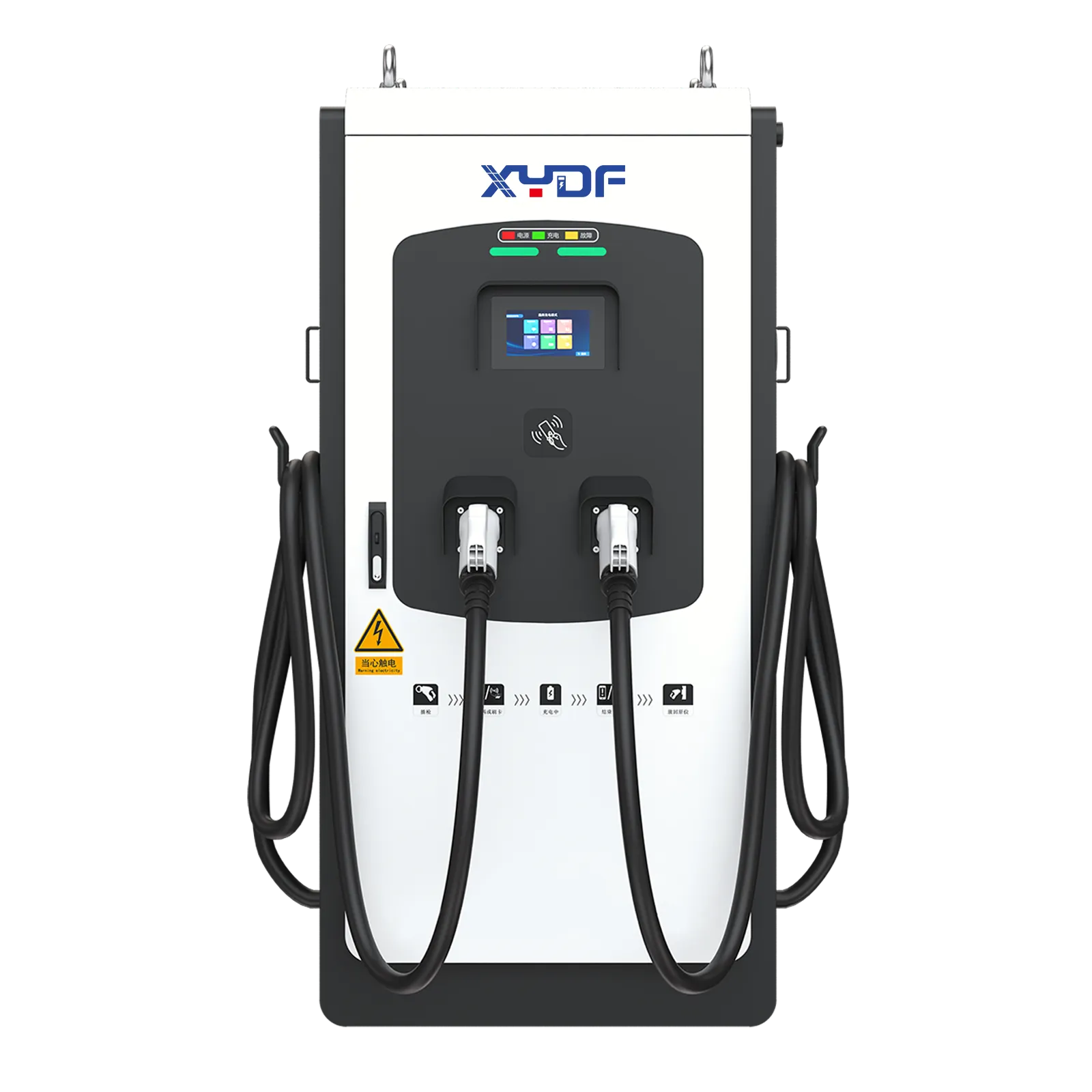
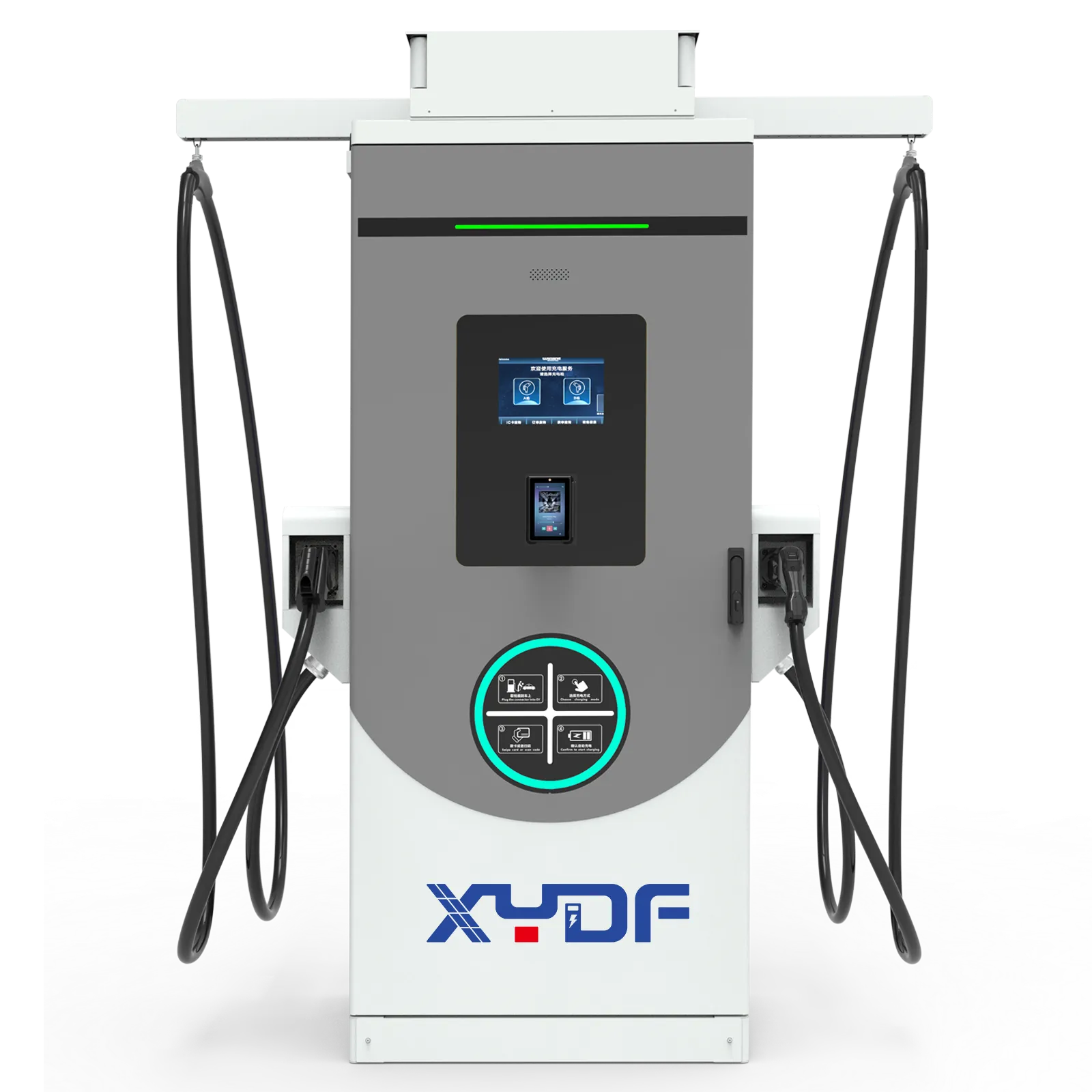
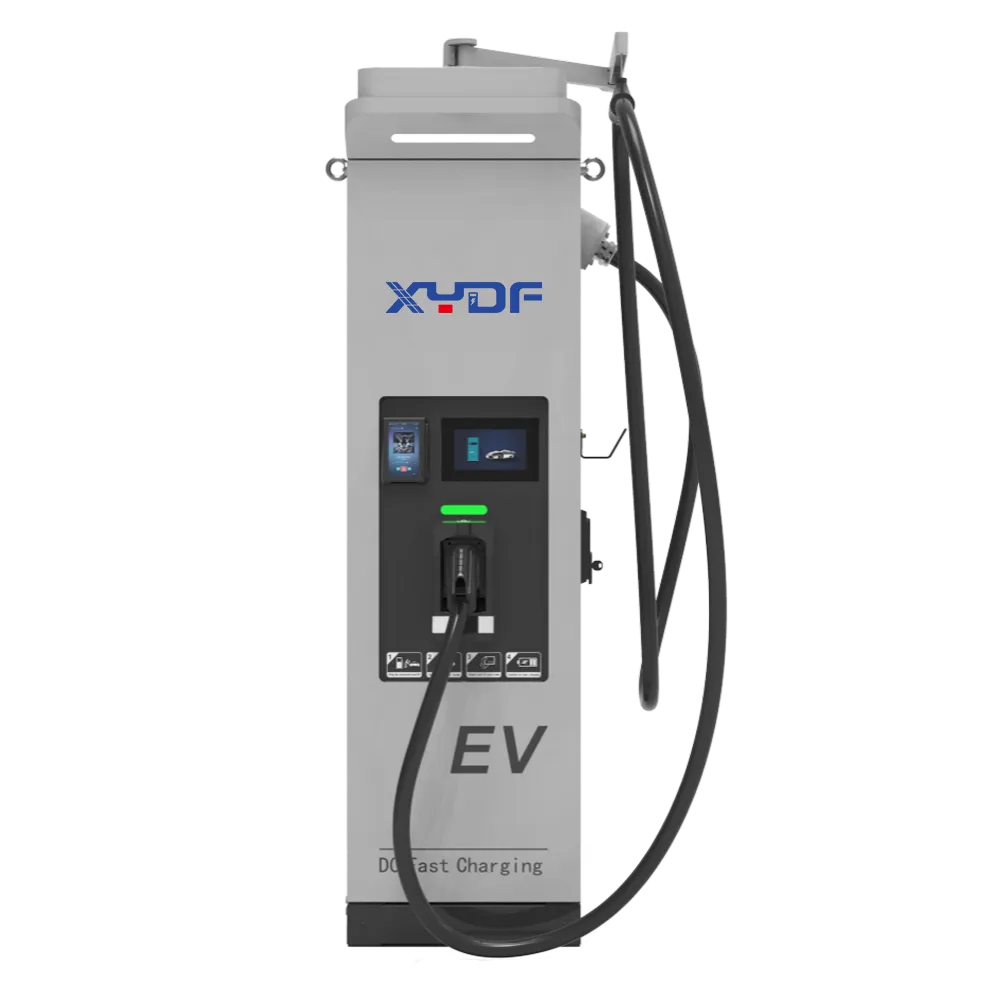
Pour les discussions sur les équipements, voir la Gamme de chargeurs rapides CC commerciaux et partagez l'architecture du projet avec l'équipe. La page produit publique ne confirme pas les fonctions de cybersécurité ou de réseau, ces éléments restent donc des points de validation dans le cadre de l'appel d'offres.
Partie 7. Qu'est-ce qu'un nom de protocole prouve, et qu'est-ce qu'il ne prouve pas ?
La Alliance de recharge ouverte est associé à l'OCPP, un protocole de communication ouvert pour l'infrastructure de recharge des VE. Le nom d'un protocole peut aider un acheteur à poser des questions précises sur l'interopérabilité, mais il ne prouve pas en soi le chiffrement, le contrôle d'accès, le processus de mise à jour, la gestion des incidents ou l'adéquation en matière de sécurité pour un projet spécifique.
Ce guide est utile lorsqu'un acheteur commercial doit réunir les parties prenantes des équipements, du réseau et des opérations dans le cadre d'une conversation délimitée. Il ne remplace pas une évaluation de la sécurité spécifique au site, un examen de la réglementation locale ou la confirmation d'une quelconque capacité de produit. Du côté opérationnel, priorités des alarmes du chargeur propose une discussion connexe sur la gestion des dossiers.
La portée des équipements doit être validée par rapport à la propre architecture et aux exigences opérationnelles du projet.
FAQ
Que doit contenir une demande de prix (RFQ) en matière de cybersécurité pour les chargeurs de véhicules électriques commerciaux ?
Incluez la liste des actifs, les rôles d'accès, la frontière réseau, la propriété des mises à jour et de la configuration, les enregistrements disponibles, les contacts en cas d'incident et les preuves attendues de chaque fournisseur.
Pourquoi lister les actifs de recharge avant de poser des questions de sécurité ?
Une liste des actifs établit ce que le périmètre demandé inclut, empêchant qu'une réponse ne couvre qu'un seul appareil tout en omettant les services connectés ou les responsabilités du site.
Les chargeurs commerciaux doivent-ils utiliser un réseau séparé ?
Cette décision dépend de l'architecture du site, du modèle opérationnel et des parties responsables. Demandez les hypothèses de conception et obtenez une étude spécifique au site plutôt que d'utiliser une règle universelle.
Qui devrait être responsable des mises à jour des chargeurs ?
Le projet doit désigner qui propose, approuve, applique et enregistre chaque modification, tout en distinguant les responsabilités relatives aux équipements, au réseau et à l'opérateur.
Que doit inclure un parcours de contact en cas d'incident ?
Définir les premiers contacts, la référence de l'actif concerné, les horodatages ou enregistrements disponibles et la limite de transfert entre les parties impliquées.
Est-ce que l'OCPP à lui seul prouve qu'un chargeur de VE commercial est sécurisé ?
Non. L'OCPP est un protocole de communication ouvert ; un acheteur a toujours besoin d'éléments de preuve spécifiques au projet concernant la configuration prévue et les responsabilités d'exploitation.
Ce guide confirme-t-il une fonction de cybersécurité pour un chargeur XYDF ?
Non. Il s'agit d'un guide de cadrage des RFQ. Toute capacité de protocole, d'accès, de mise à jour, de surveillance ou de sécurité doit être confirmée pour la configuration du projet proposé.
Usine du siège social du Zhejiang :
N° 2, route de Changjiang, parc industriel du pont de Wenzhou, ville de beibaixiang, ville de Yueqing, ville de Wenzhou, province du Zhejiang
Bureau de Shenzhen :
1er étage, Bâtiment A, Parc Industriel Shenkai, Communauté Tangtou, Sous-district de Shiyan, District de Bao'an, Shenzhen
Nous utilisons des cookies pour assurer le bon fonctionnement de ce site Web et, avec votre autorisation, pour mesurer la manière dont les visiteurs utilisent notre site de recharge pour VE. Voir notre Politique de confidentialité pour plus de détails.
 Xinya Dongfang Electricity Technology Co., Ltd.