How Much Power Does Your DC Fast Charger Need for a Charging Station?
Sep 22,2026
Blog
For commercial charging station operators, fleet operators, and EV charging infrastructure developers, one key question when selecting a Chargeur rapide CC is: how much charging power does the station actually need? 40kW, 120kW, or 360kW? Higher power does not always mean a better solution. The right charger rating depends on several factors, including the vehicle’s maximum charging power, the amount of energy it needs, dwell time, the number of vehicles charging simultaneously, and the site’s available electrical capacity.
Table des matières
1. What Determines the Power Your DC Fast Charger Needs?
A charging station’s power requirements depend mainly on the following factors:
Factor
Impact on Power Selection
Capacité de la batterie
Determines how much energy a vehicle may need to replenish
Vehicle maximum charging power
Determines how much charger power the vehicle can actually use
Temps de résidence
Shorter dwell times generally require higher charging power
Nombre de véhicules en charge simultanément
Determines the site’s concurrent charging demand
Peak traffic
Affects peak load and charger utilization
Available grid capacity
Determines how much charging load the site can support
Future expansion
Influences initial charger and electrical infrastructure planning
It is important to note that a charger’s rated power does not mean the vehicle will charge at that power throughout the entire session. The vehicle’s SOC, battery temperature, charging curve, and maximum charging acceptance rate can all affect actual charging power.
Therefore, when selecting a charger, start by determining how much energy the vehicle needs and how much time is available for charging.
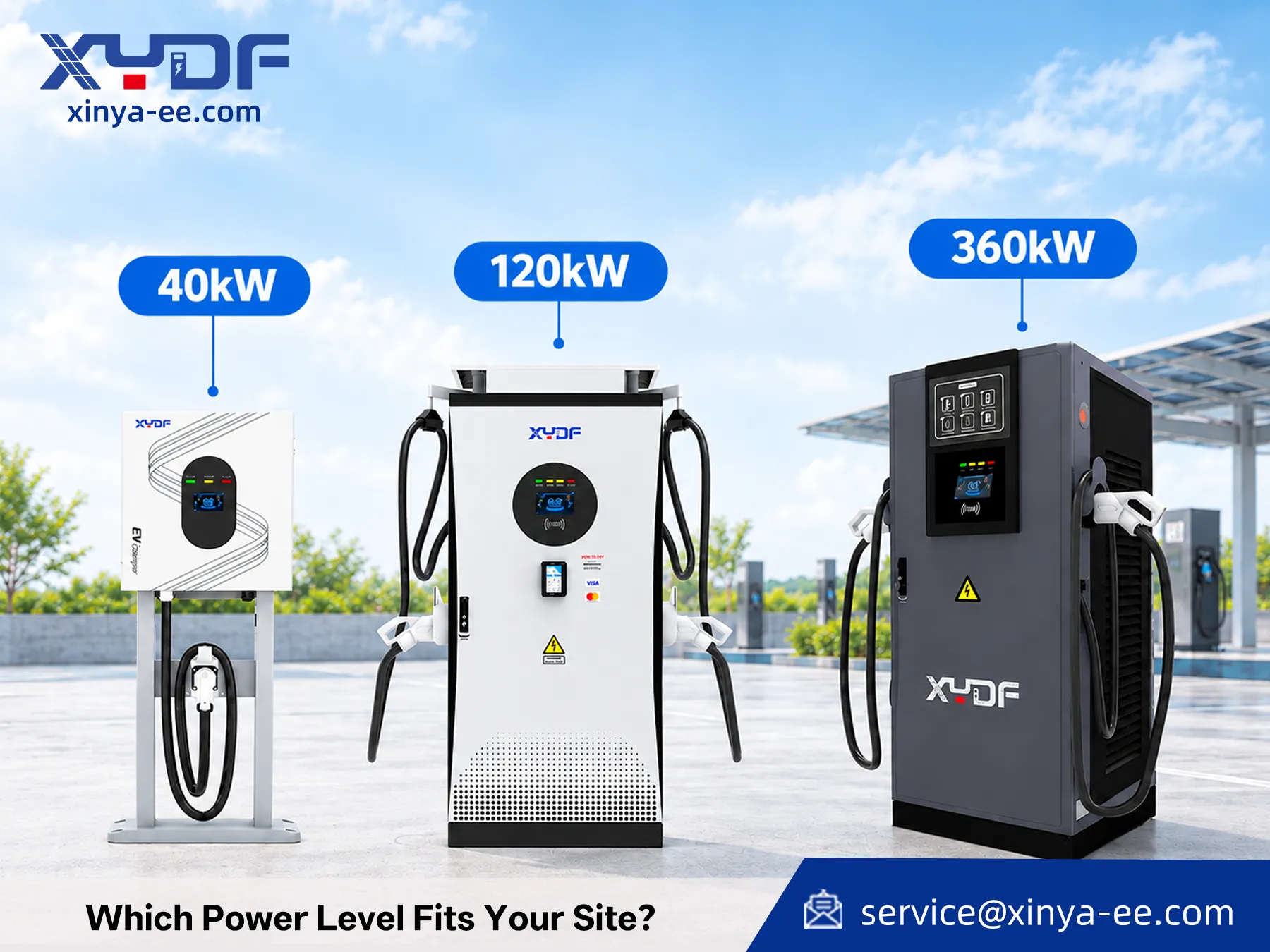
2. 40kW, 120kW, or 360kW: Which Power Level Fits Your Site?
Different power levels suit different operating scenarios.
Power Level
Applications typiques
Dwell Time
Site Characteristics
40kW DC Charger
Workplaces, small commercial sites, some fleets
Longer
Low to medium turnover
120kW DC Charger
Public fast charging, commercial complexes, urban fleets
Moyen
Medium to high turnover
360kW DC Charger
Highway service areas, large charging hubs, high-traffic public sites, heavy-duty trucks
Shorter
High turnover and higher peak demand
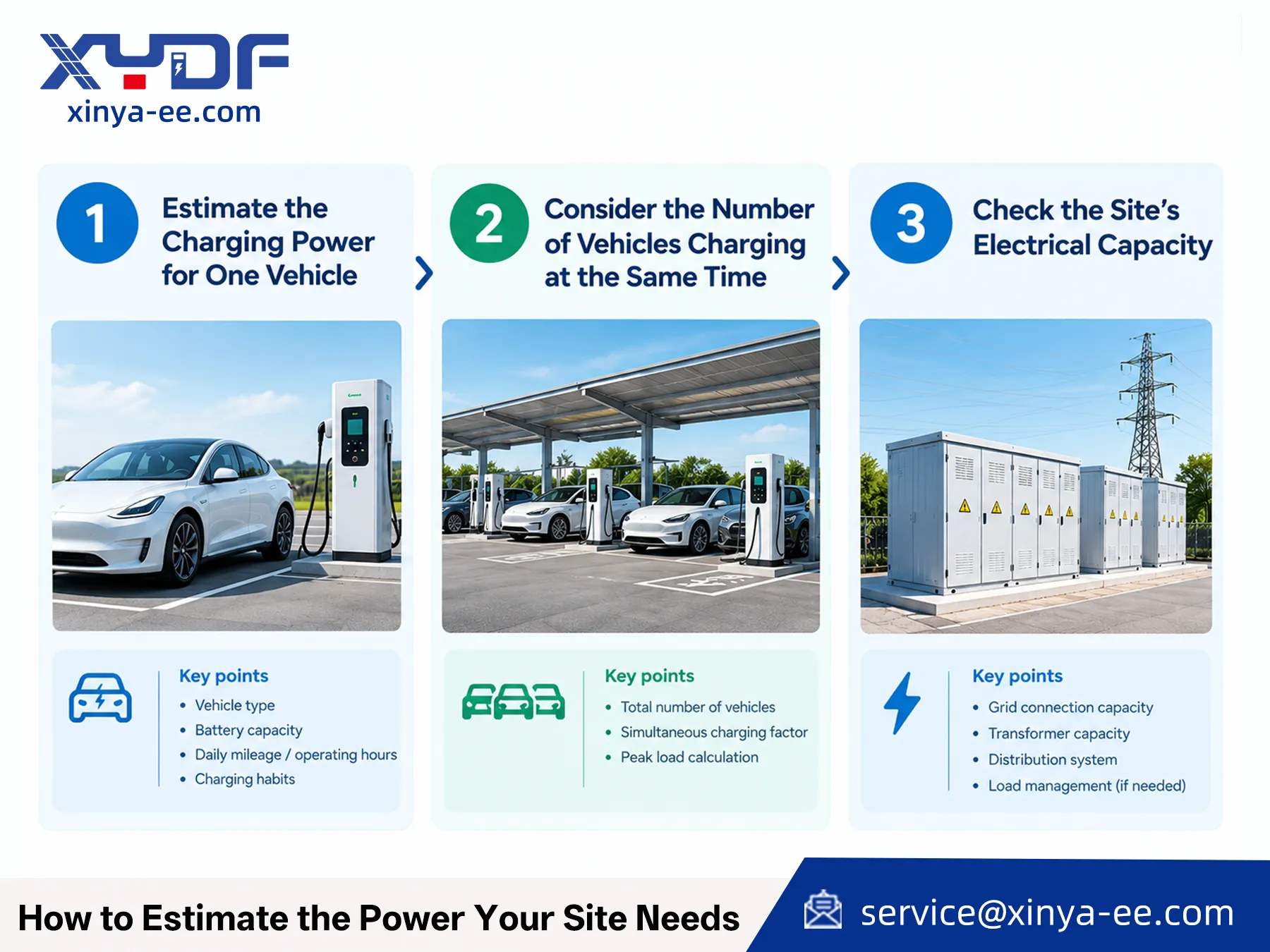
3. How to Estimate the DC Fast Charging Power Your Site Needs?
A simple three-step approach can be used for an initial estimate:
Individual vehicle demand → Simultaneous vehicles → Site electrical capacity
Step 1: Estimate the Charging Power for One Vehicle
Start with two questions:
How much energy does the vehicle need to add?
How long can the vehicle stay at the site?
A simple calculation is: Average charging power ≈ Energy required ÷ Charging time
For example, if a vehicle needs to add 100kWh and the target charging time is about one hour, the average power requirement is approximately 100kW. Actual charging power will also depend on the vehicle’s maximum charging power, SOC, and charging curve, so this calculation is mainly useful for initial planning.
Step 2: Consider the Number of Vehicles Charging at the Same Time
If multiple vehicles charge simultaneously during peak periods, the concurrent demand must also be considered. For example: 4 vehicles × 100kW ≈ 400kW. This means the site may need to accommodate approximately 400kW of charging load under this charging scenario, rather than simply looking at the power rating of one charger.
Step 3: Check the Site’s Electrical Capacity
Finally, compare the estimated charging load with the site’s electrical conditions, including:
Capacité du transformateur
Distribution system capacity
Other site loads
Peak electricity demand
Planned additional chargers
If the charging demand exceeds the available electrical capacity, the project may need to evaluate grid expansion, power management, energy storage, or other solutions. Therefore, DC Fast Charger power selection should be planned together with the site’s electrical infrastructure.
4. How to Plan DC Fast Charger Capacity for Future Expansion
A charging station should not be designed only around today’s requirements. If the number of vehicles is expected to increase or the site may serve more vehicle types in the future, it is worth reserving capacity for expansion during the initial planning stage.
Key factors include:
Number of vehicles during peak periods
Nombre de véhicules en charge simultanément
Average charging power per vehicle
Peak charging demand
Expected vehicle growth
Future transformer and distribution capacity
Higher charging power can provide faster energy replenishment, but it also generally requires greater charging equipment and electrical infrastructure capacity. Power planning therefore needs to balance charging speed, vehicle demand, utilization, grid capacity, infrastructure investment, and future expansion.
5. How XYDF Supports Different DC Fast Charging Requirements
Different charging projects have different vehicle types, operating models, and electrical conditions, so power selection should be evaluated on a project-by-project basis.
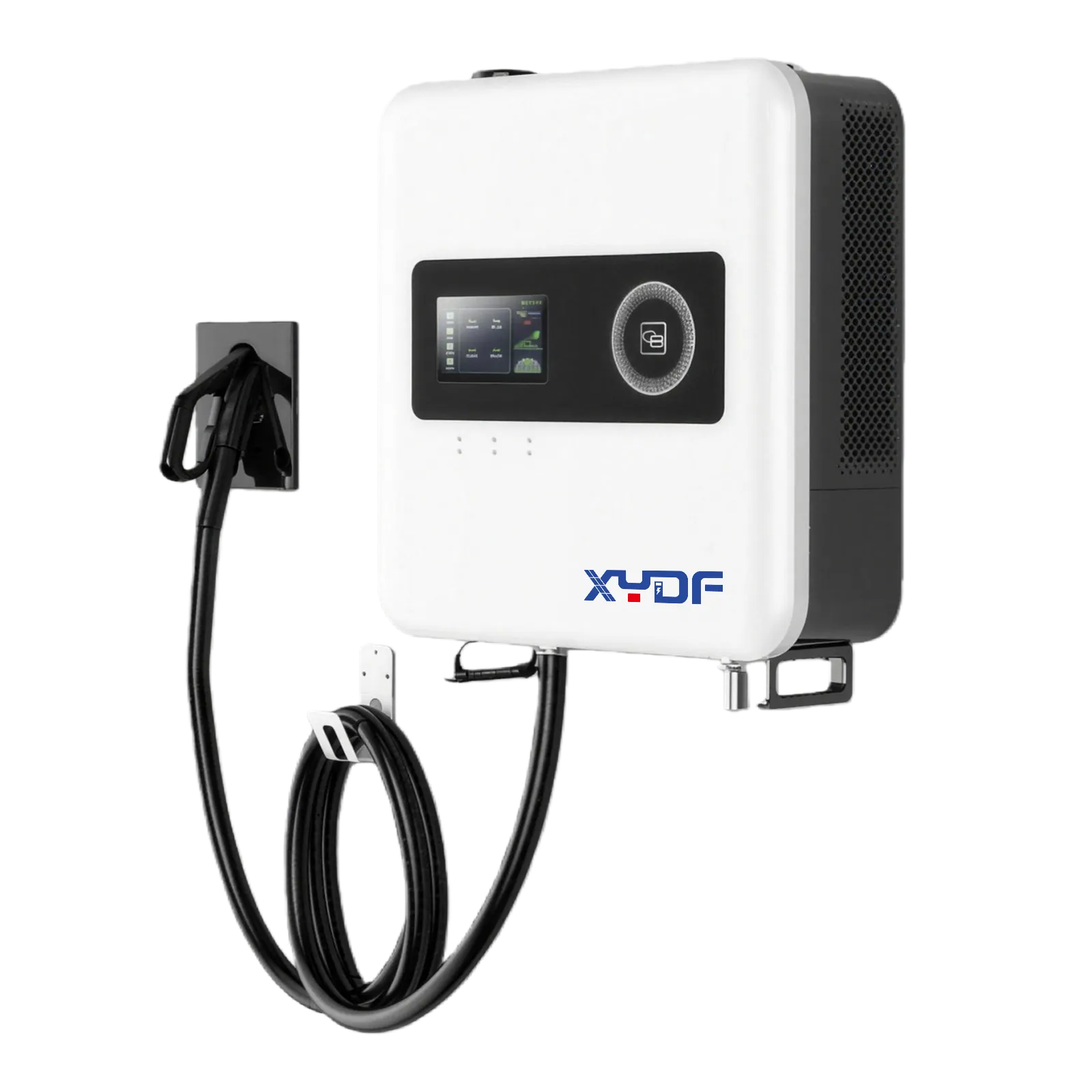
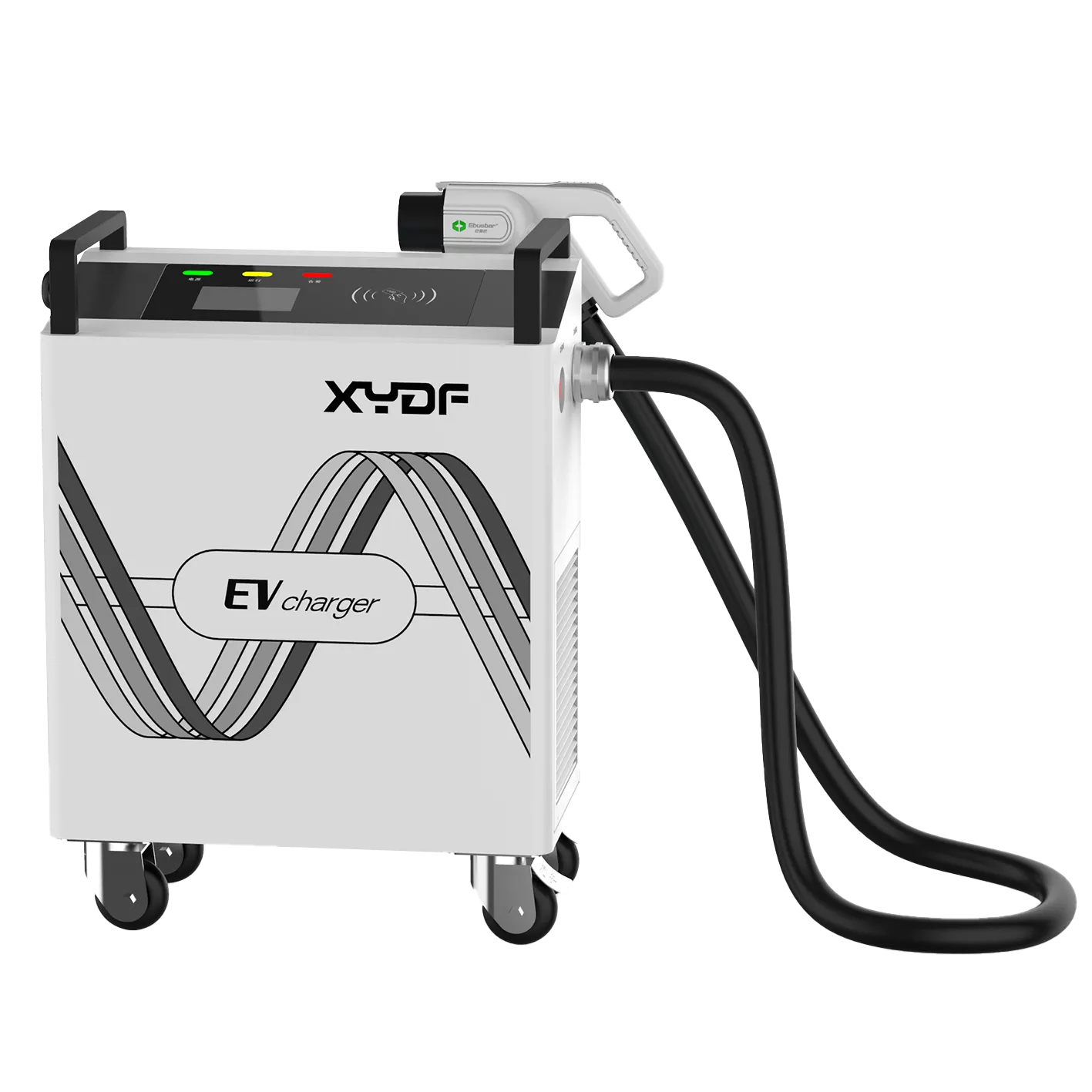
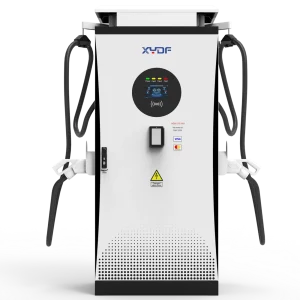
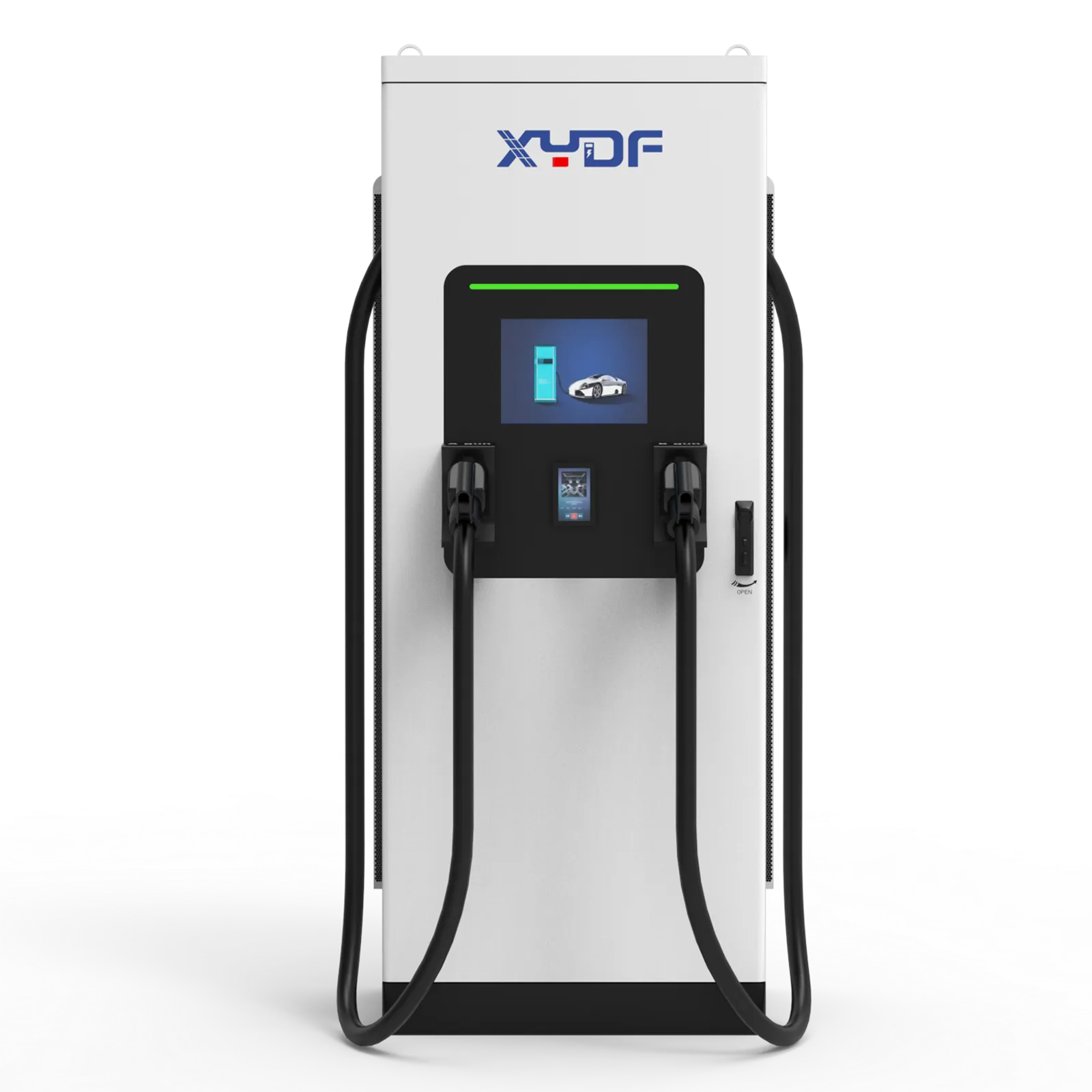
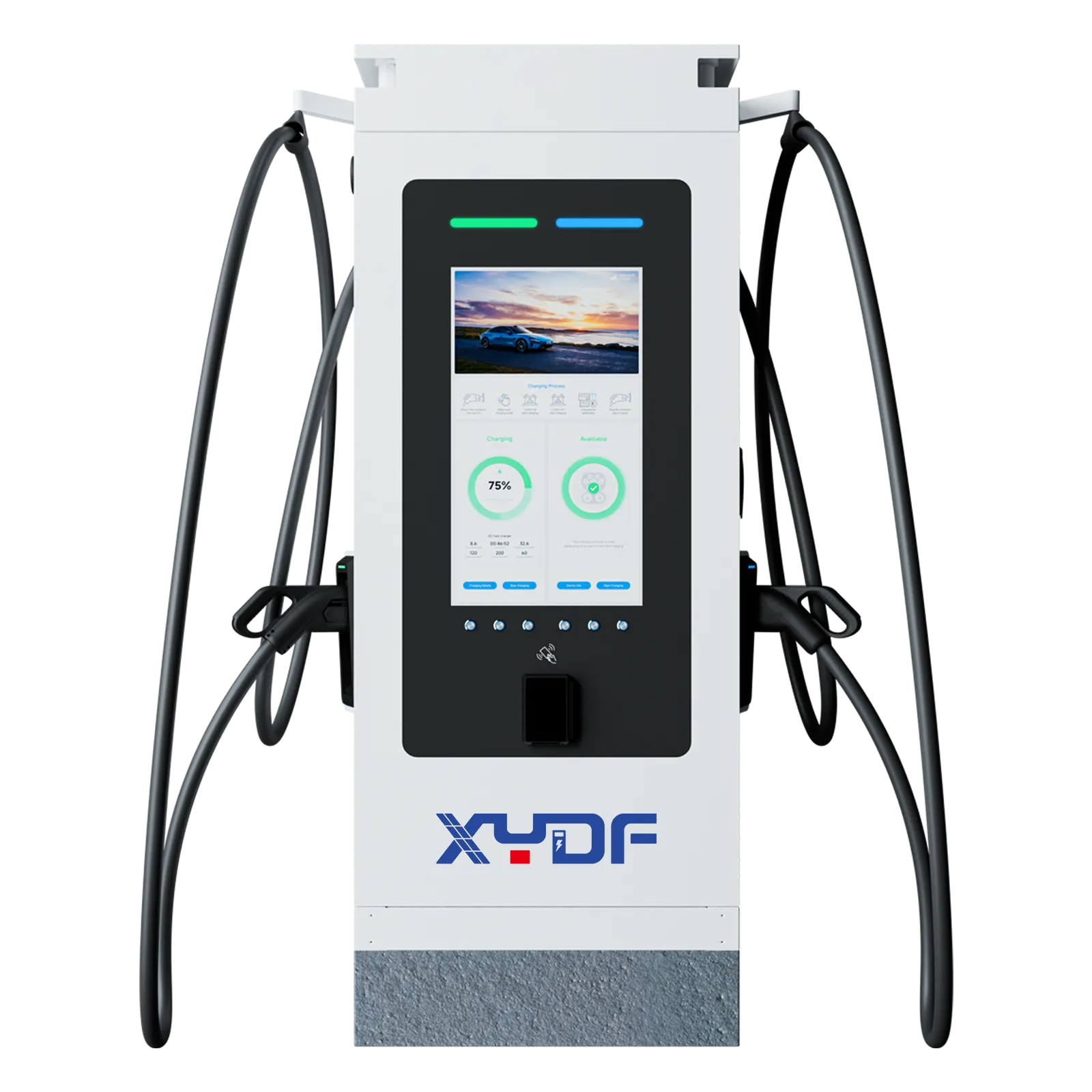
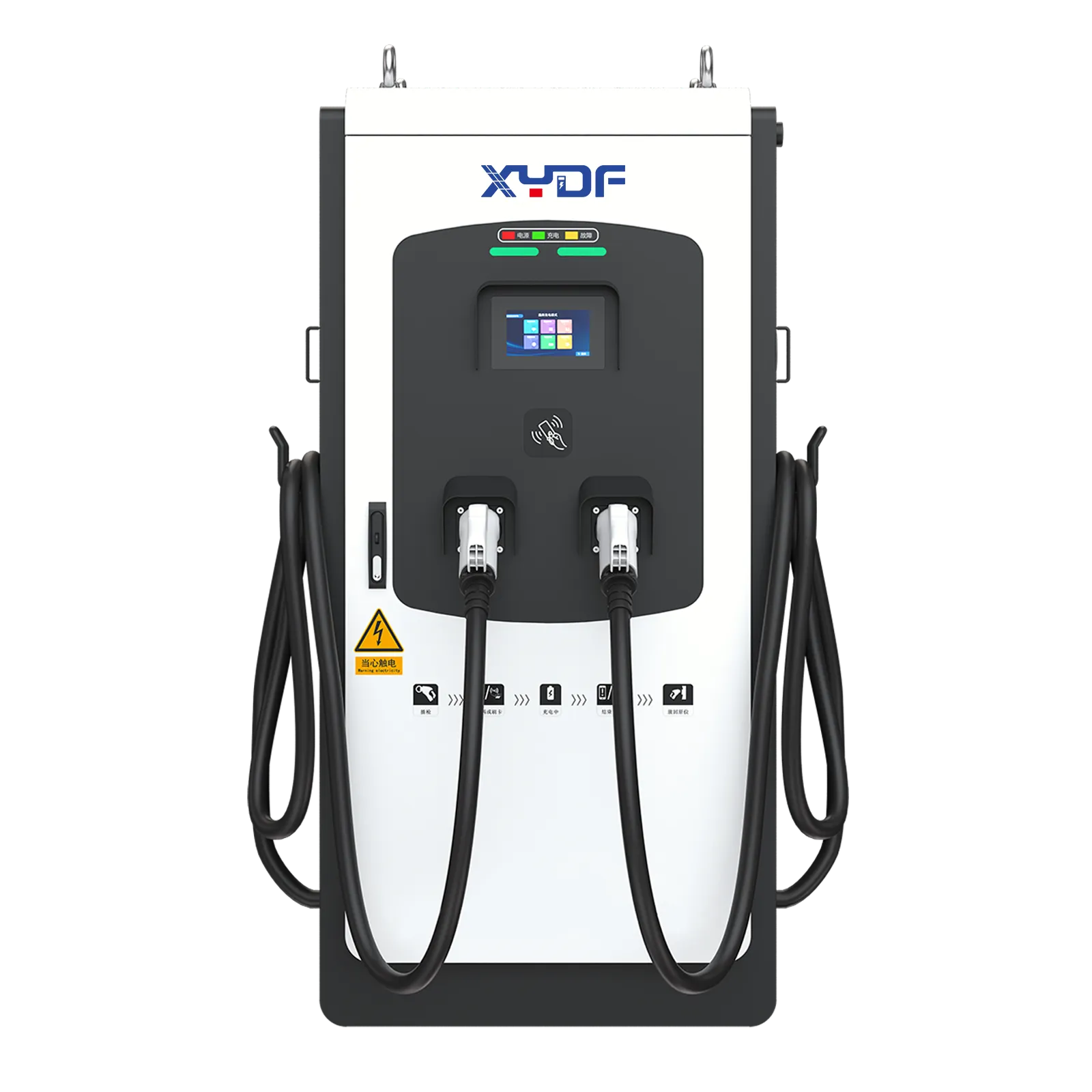
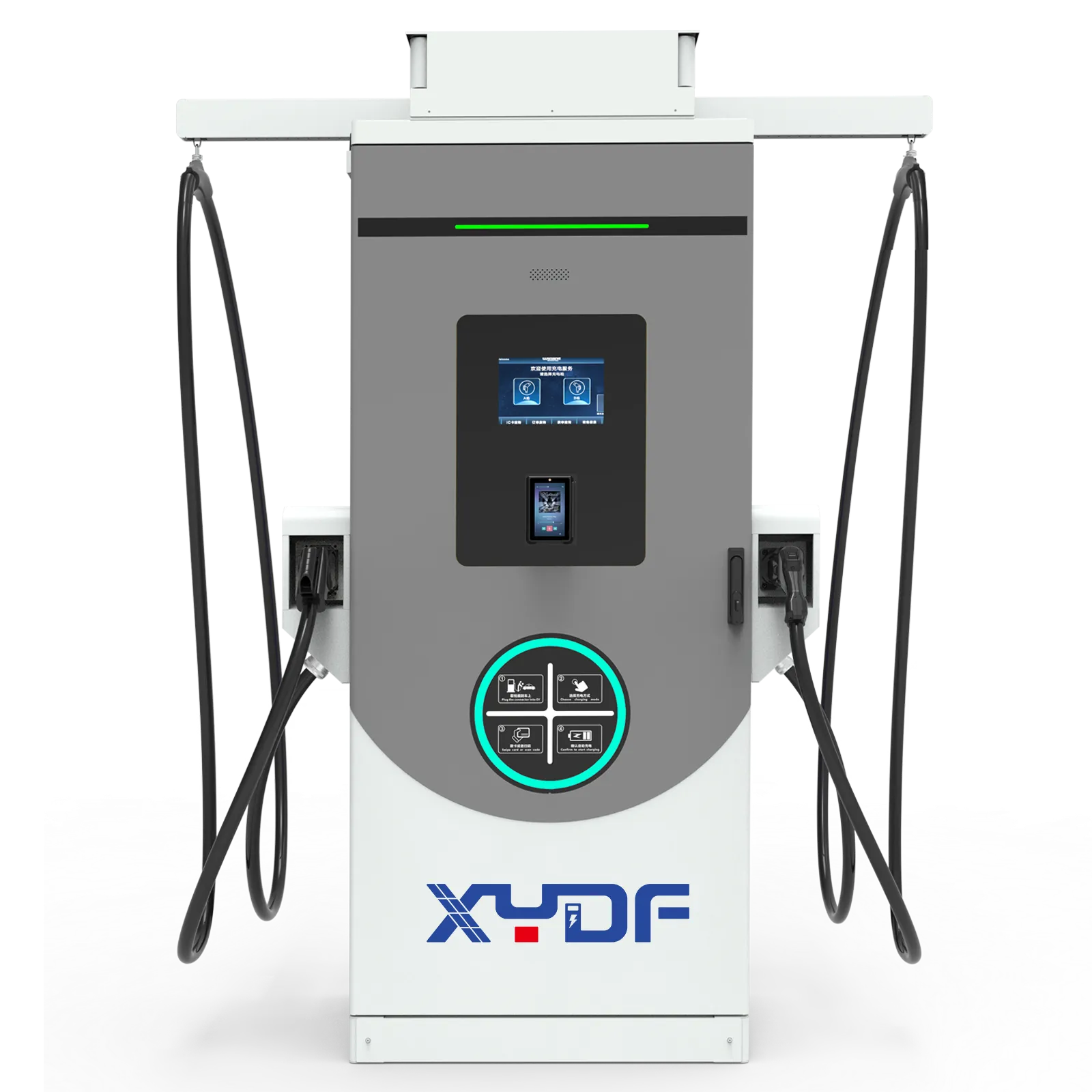
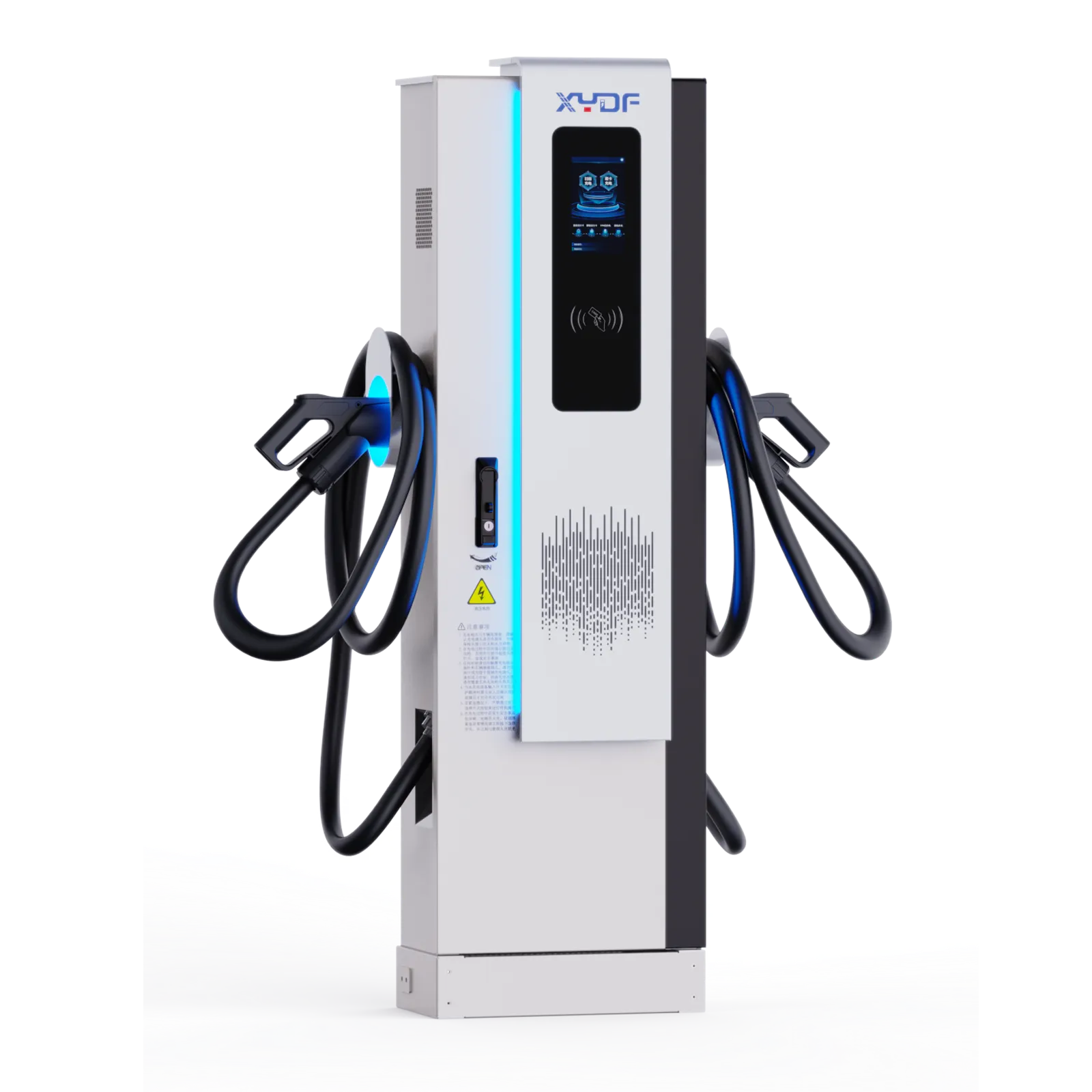
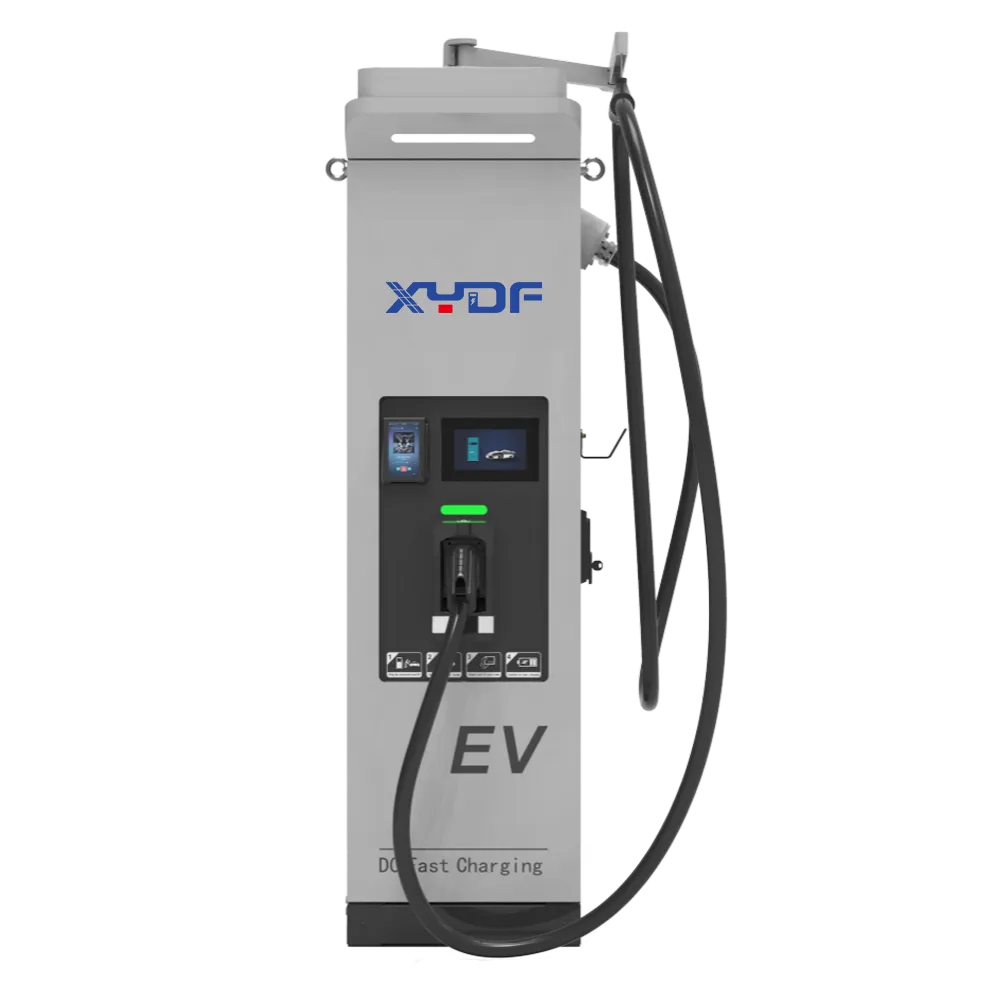
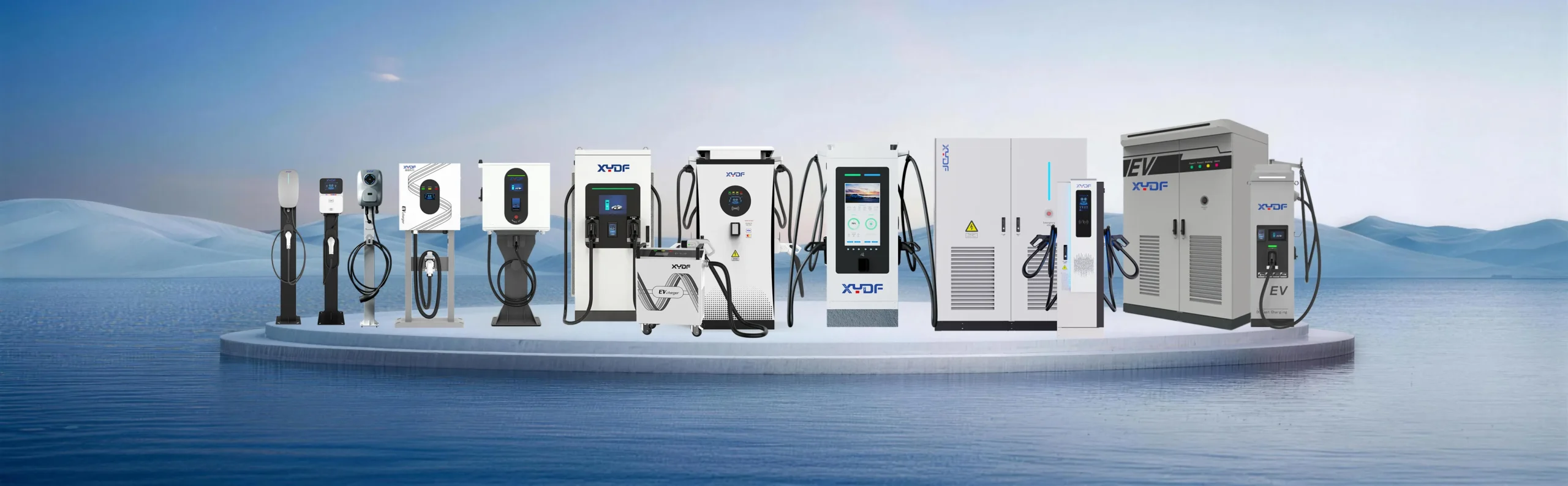
XYDF provides DC charging solutions across different power levels, including 40kW, 120kW, and 360kW, and can match the configuration to vehicle requirements, site scale, and available electrical infrastructure.
Foire aux questions
Q: Is a 360kW DC Fast Charger always better than a 120kW charger?
A: Not necessarily. A 360kW charger is better suited to high-traffic, high-turnover sites and applications where short charging times are important. If vehicles cannot fully utilize 360kW, or if they have longer dwell times, 120kW or even 40kW may already be sufficient.
Q: Is a 40kW DC Charger enough for a commercial charging station?
A: It can be. If vehicles have relatively long dwell times, traffic is limited, and rapid turnover is not a major requirement, 40kW may be sufficient.
Q: How much power does a heavy-duty truck charging station need?
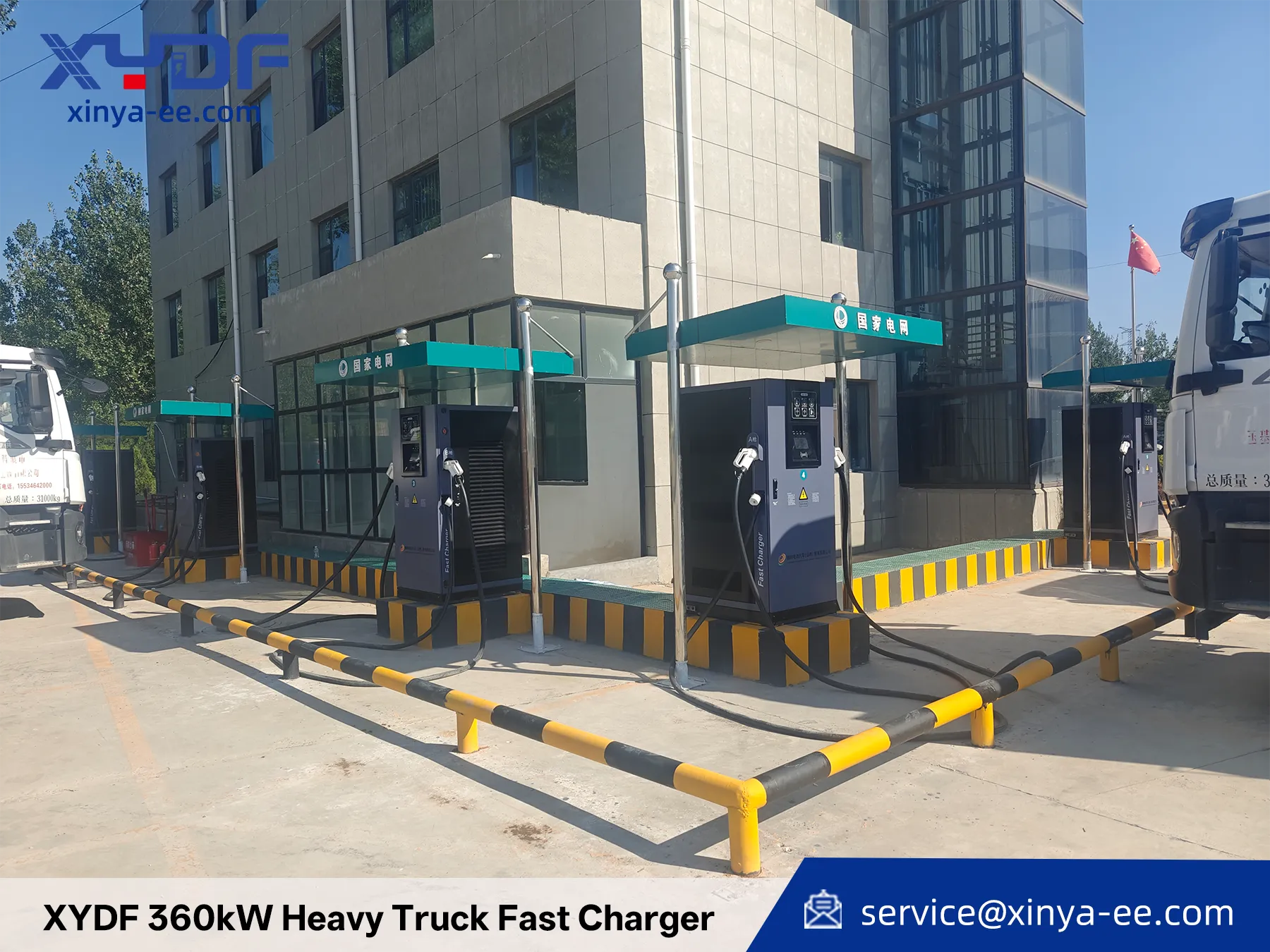
A: The required power depends on the vehicle’s battery capacity, operating route, dwell time, daily mileage, and maximum charging acceptance rate. For heavy-duty truck projects that require fast opportunity charging, power levels of 300–400kW or higher are worth evaluating. More demanding long-haul applications may require even higher-power solutions.
Réflexions finales
If you are planning a new DC charging station, start by evaluating the project location, number of chargers, vehicle types, average dwell time, daily and peak vehicle volume, available grid capacity, and future expansion plans.
These factors can help determine whether a 40kW, 120kW, 360kW, or another power level is appropriate for your CC fast charger deployment, while ensuring that the charging equipment is properly matched to the site’s electrical infrastructure.
Usine du siège social du Zhejiang :
N° 2, route de Changjiang, parc industriel du pont de Wenzhou, ville de beibaixiang, ville de Yueqing, ville de Wenzhou, province du Zhejiang
Bureau de Shenzhen :
1er étage, Bâtiment A, Parc Industriel Shenkai, Communauté Tangtou, Sous-district de Shiyan, District de Bao'an, Shenzhen
We use cookies to keep this website working and, with your permission, to measure how visitors use our EV charging site. See our Privacy Policy for details.
 Xinya Dongfang Electricity Technology Co., Ltd.