 Синьцзя Дунфан Электрик Технолоджи Ко., Лтд.


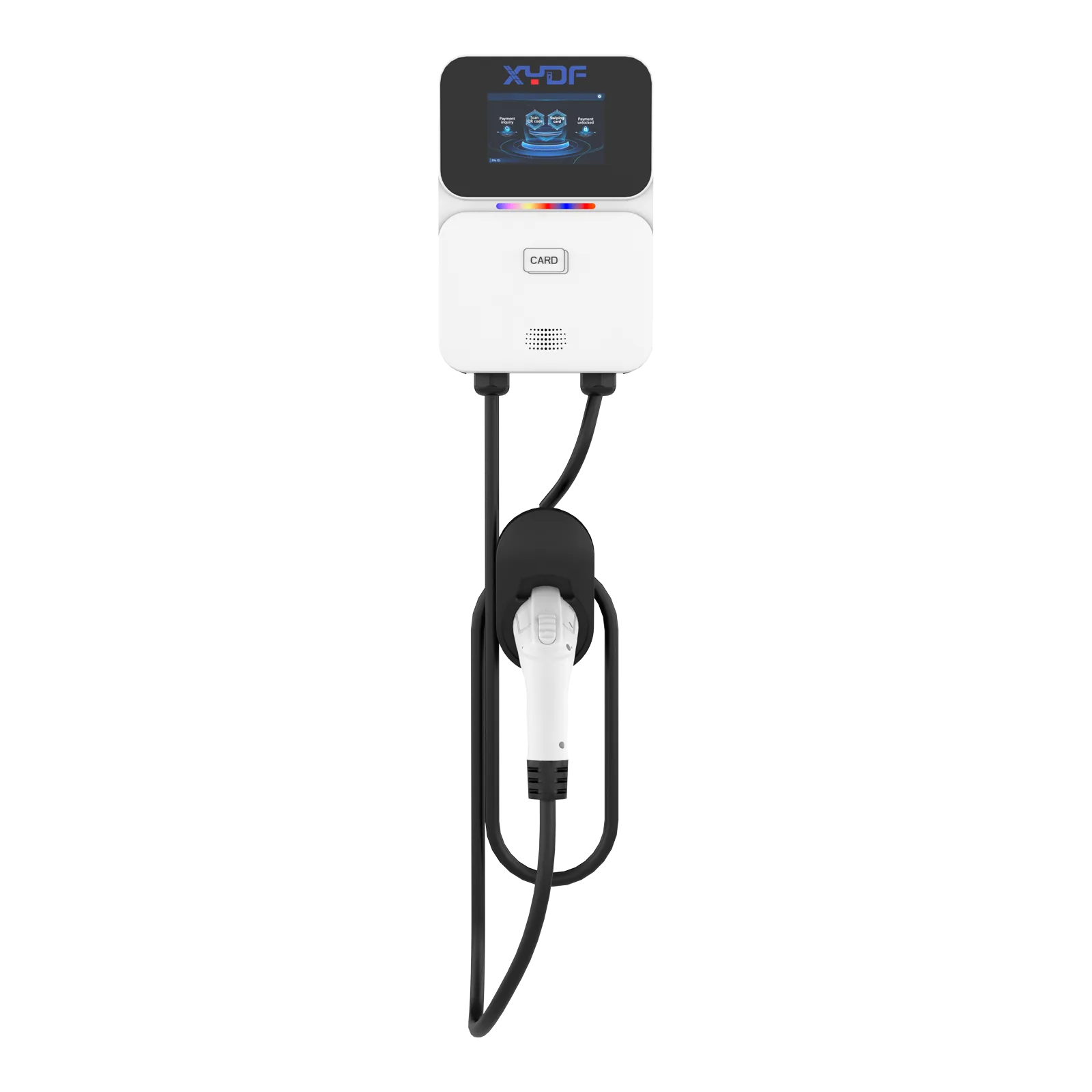
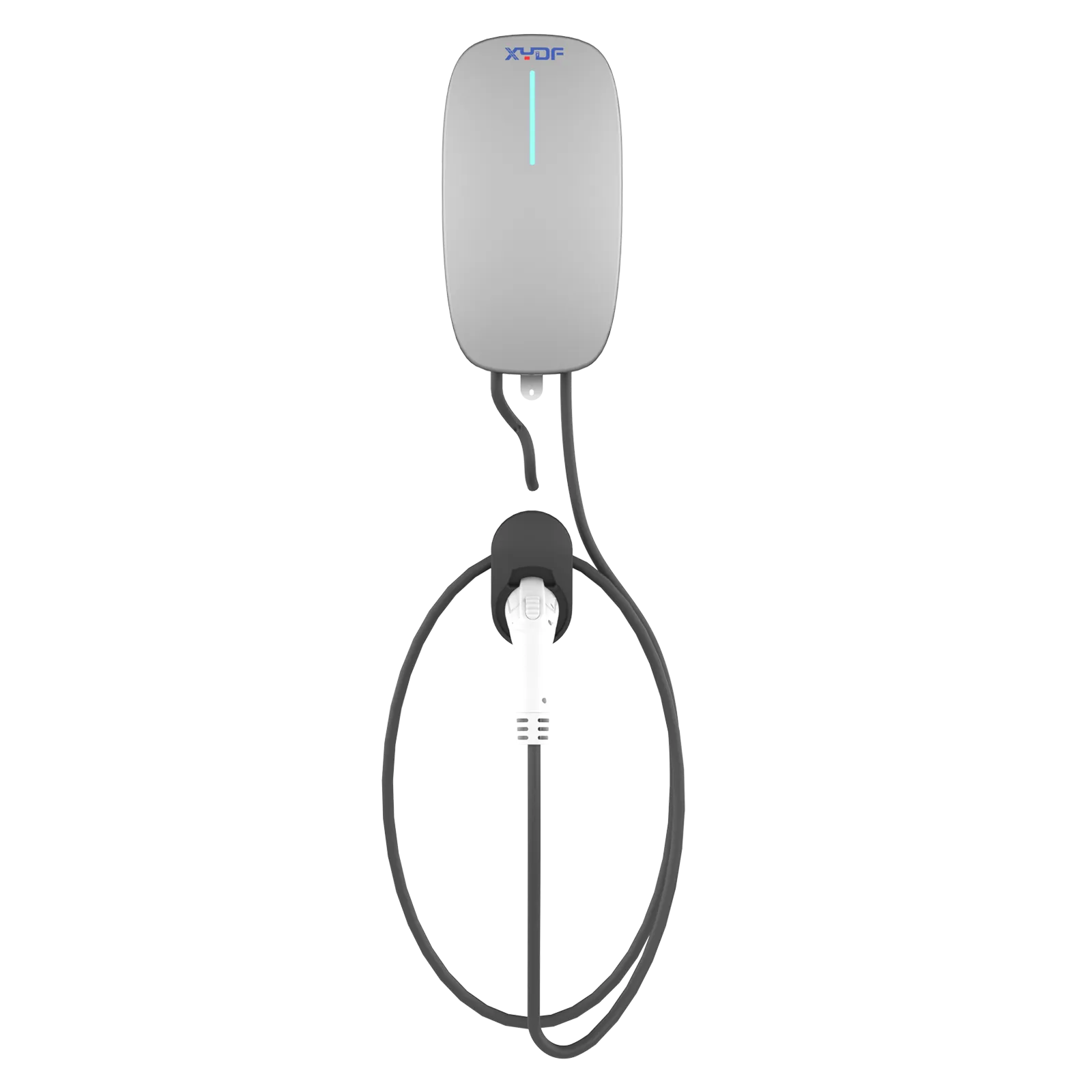
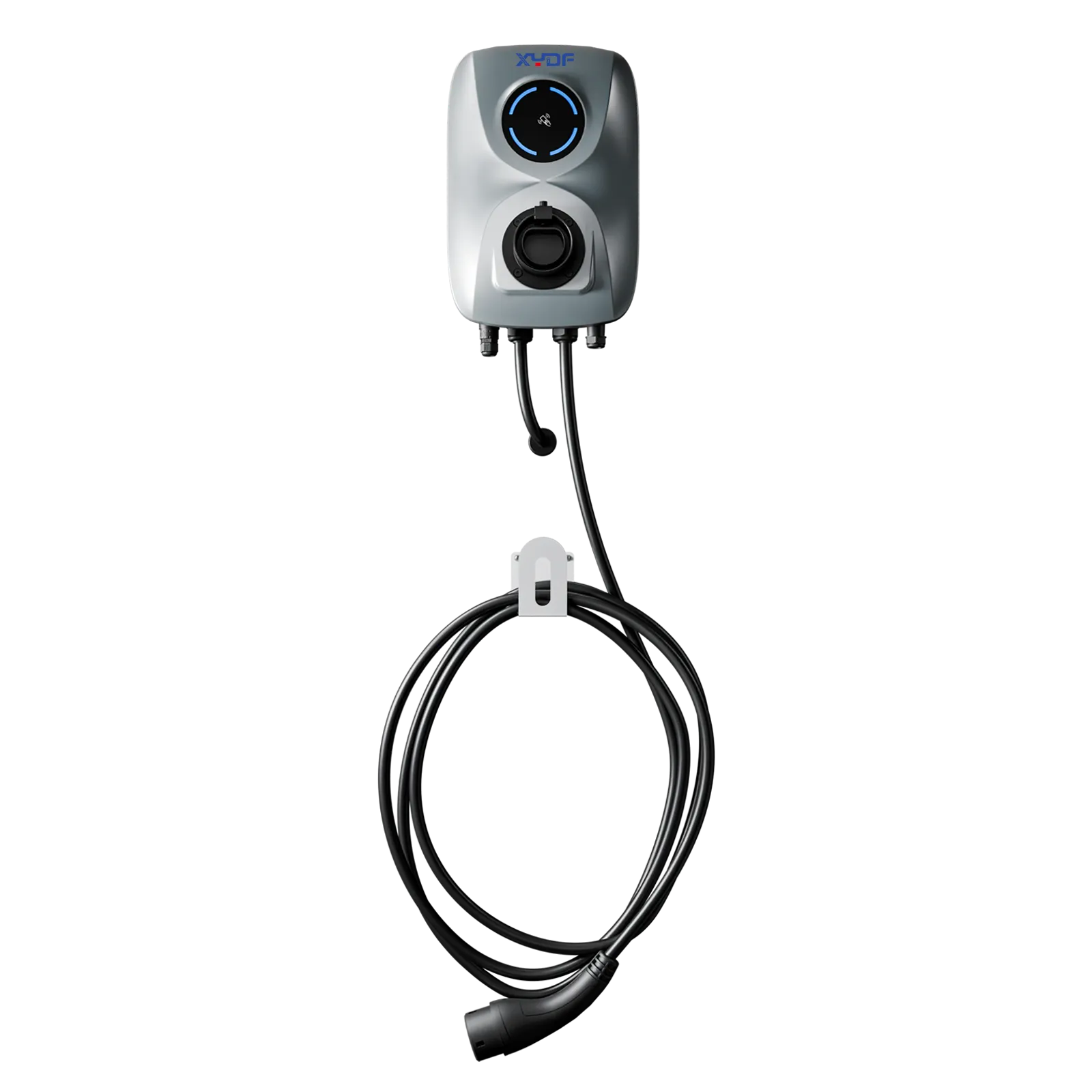
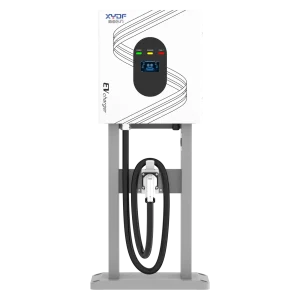

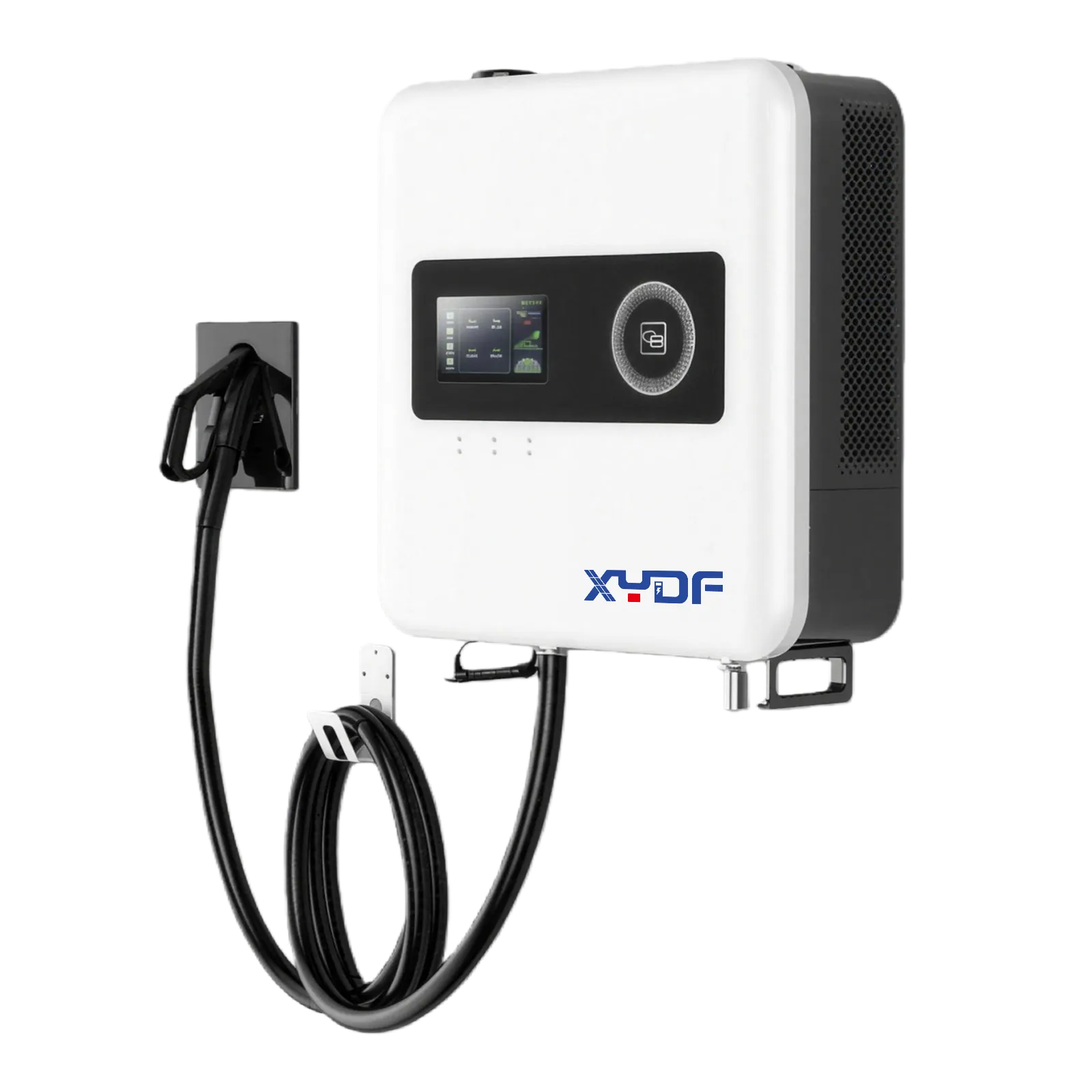
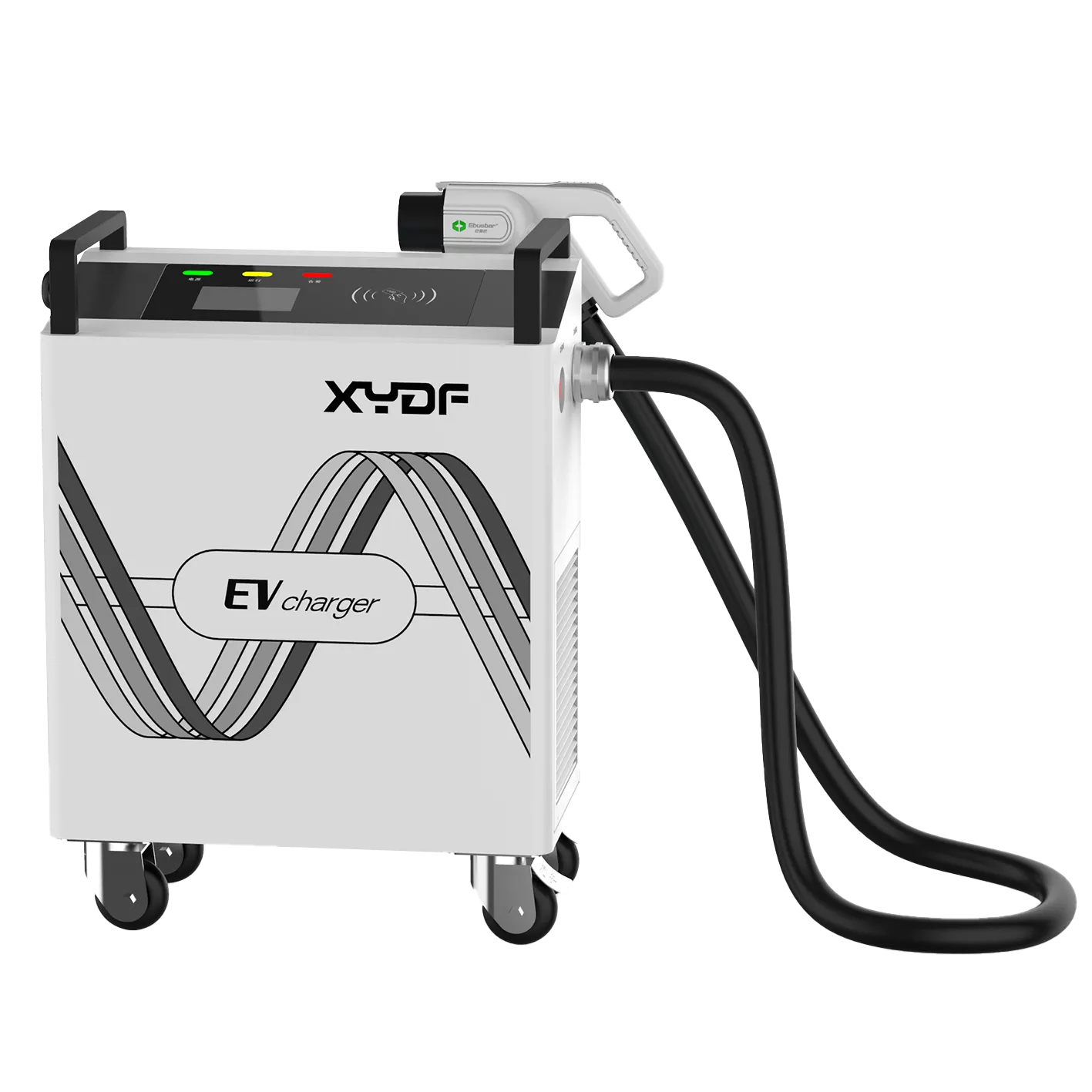
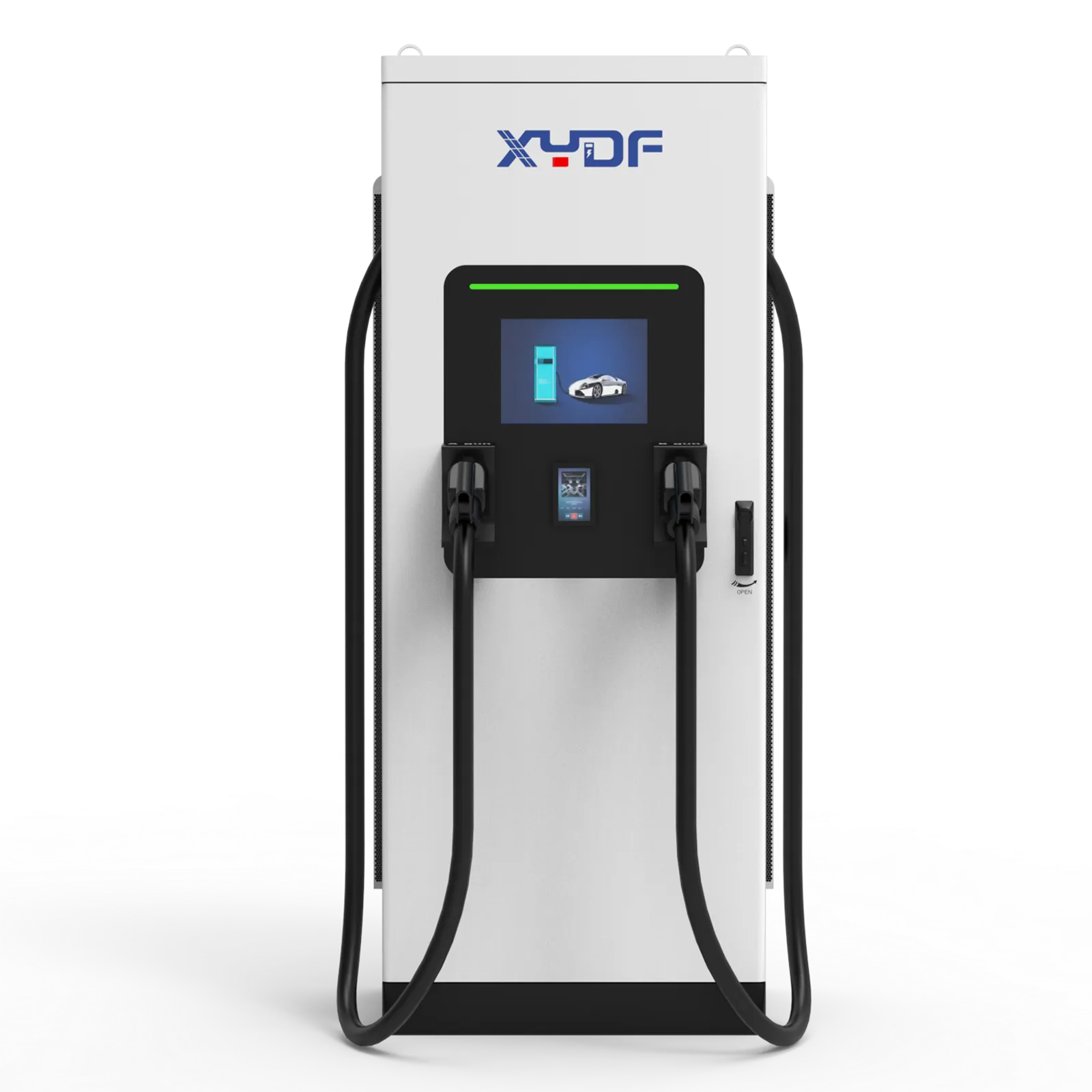
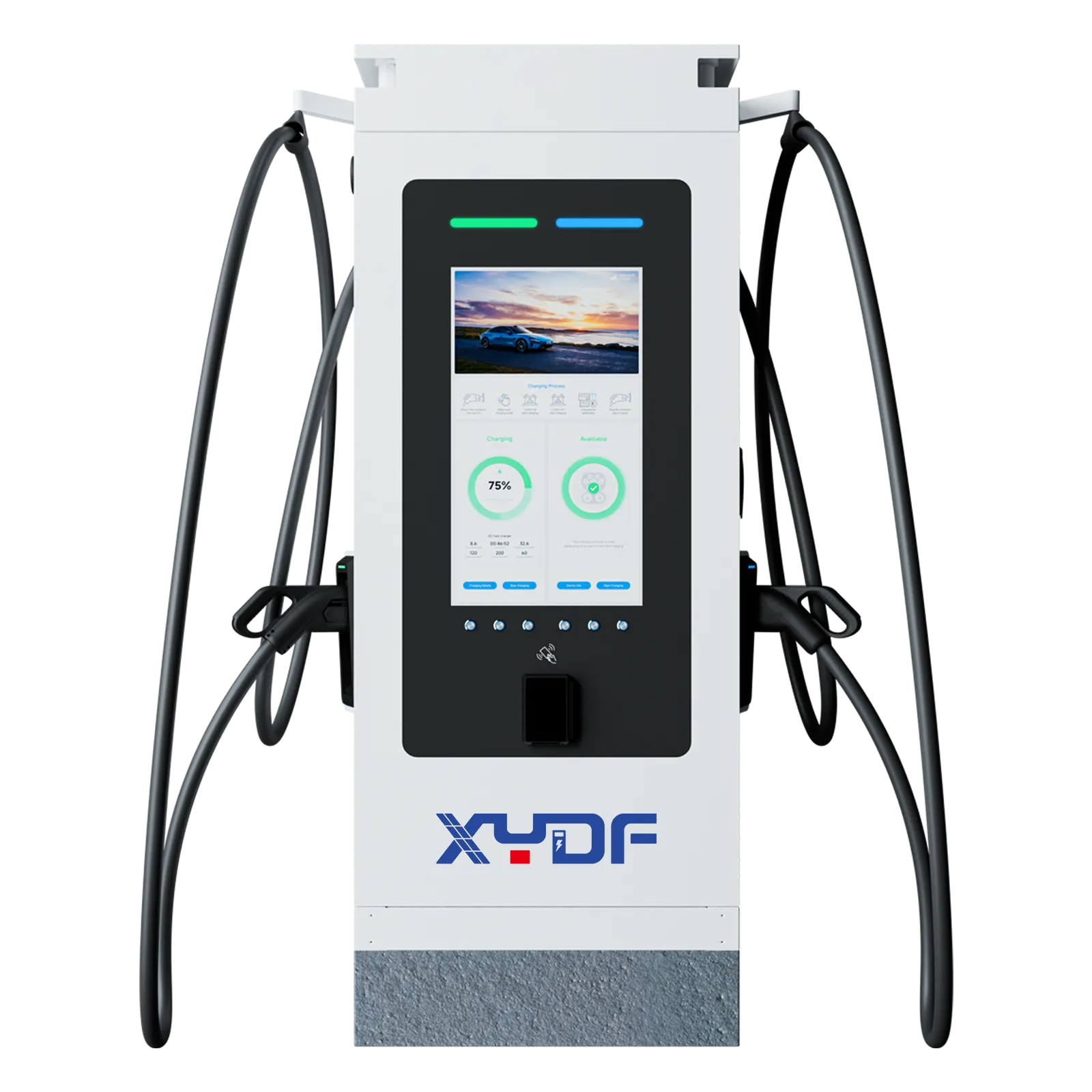
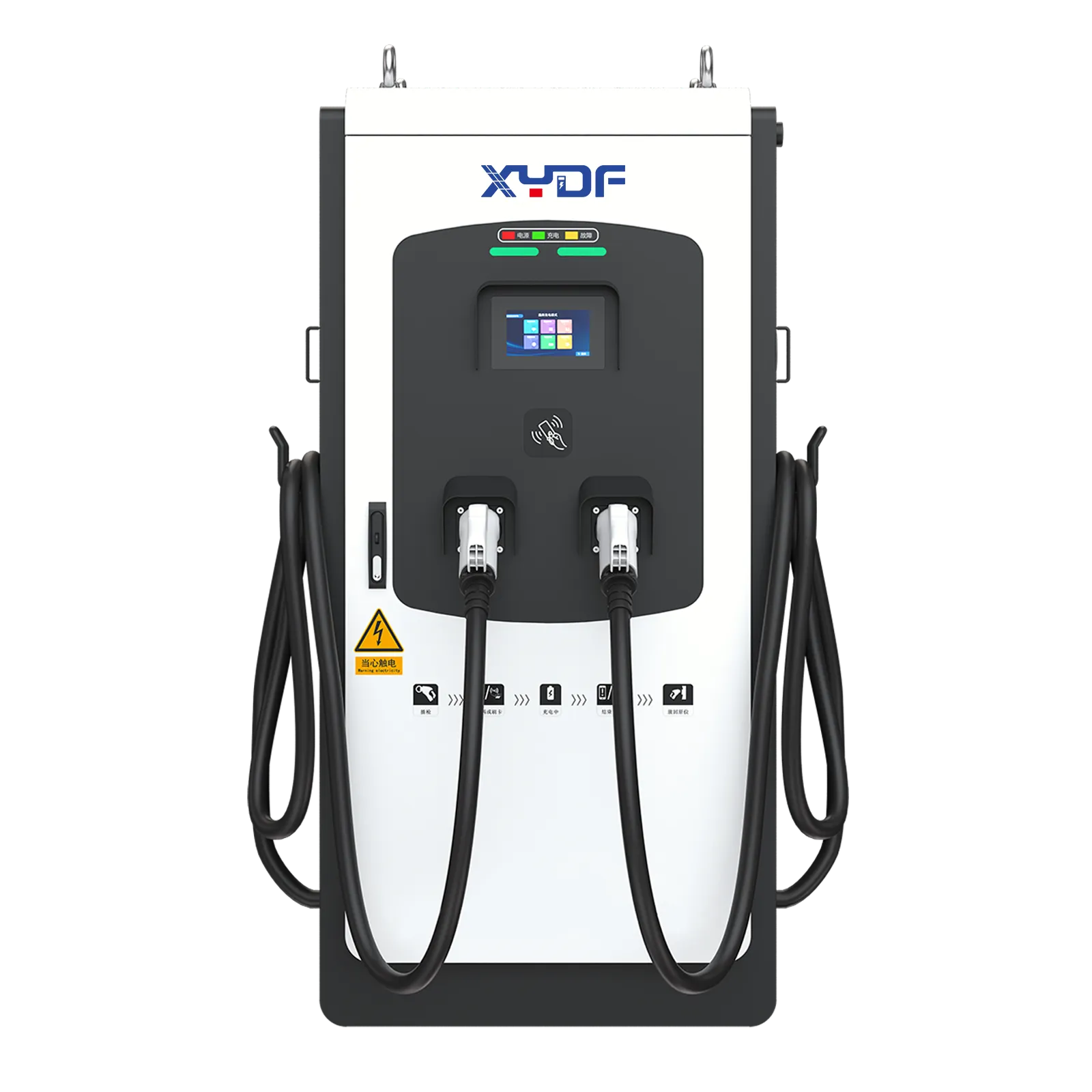
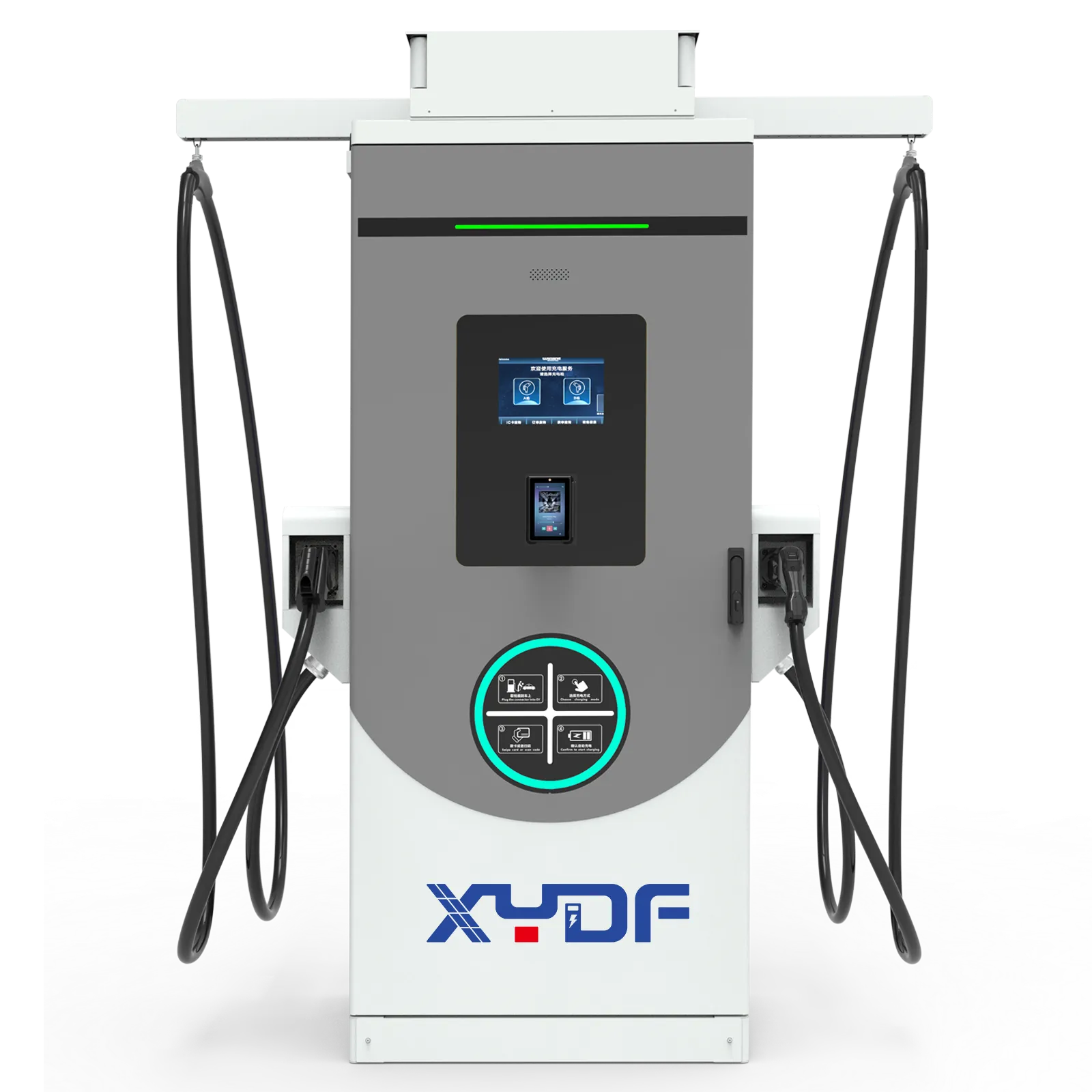
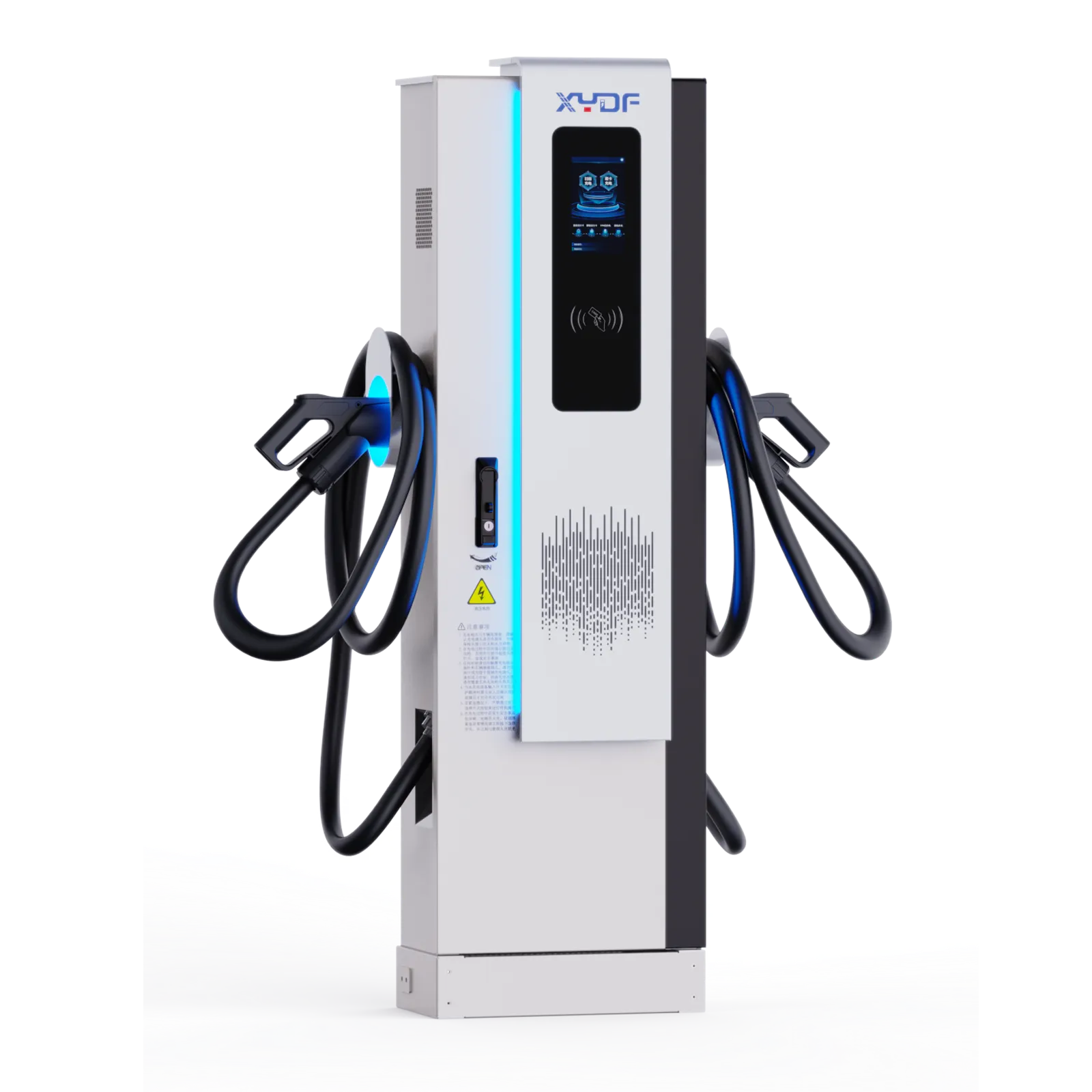
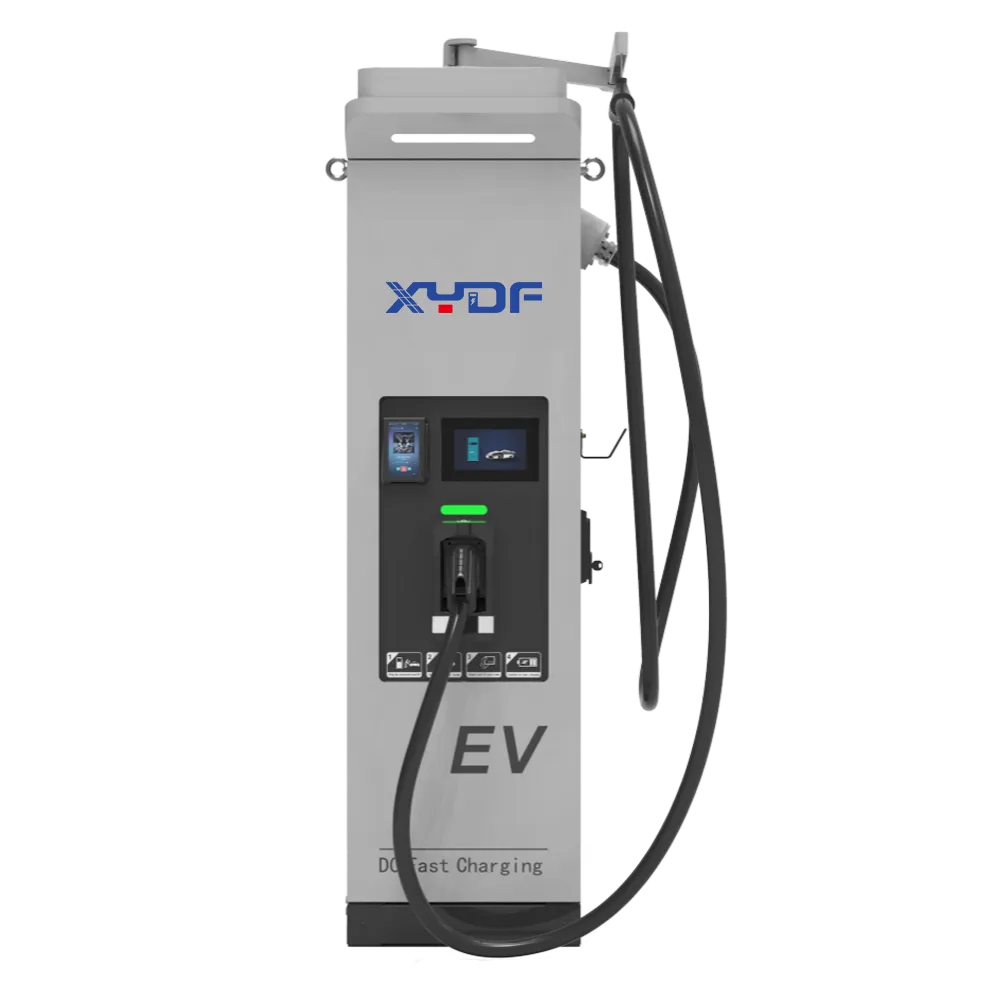
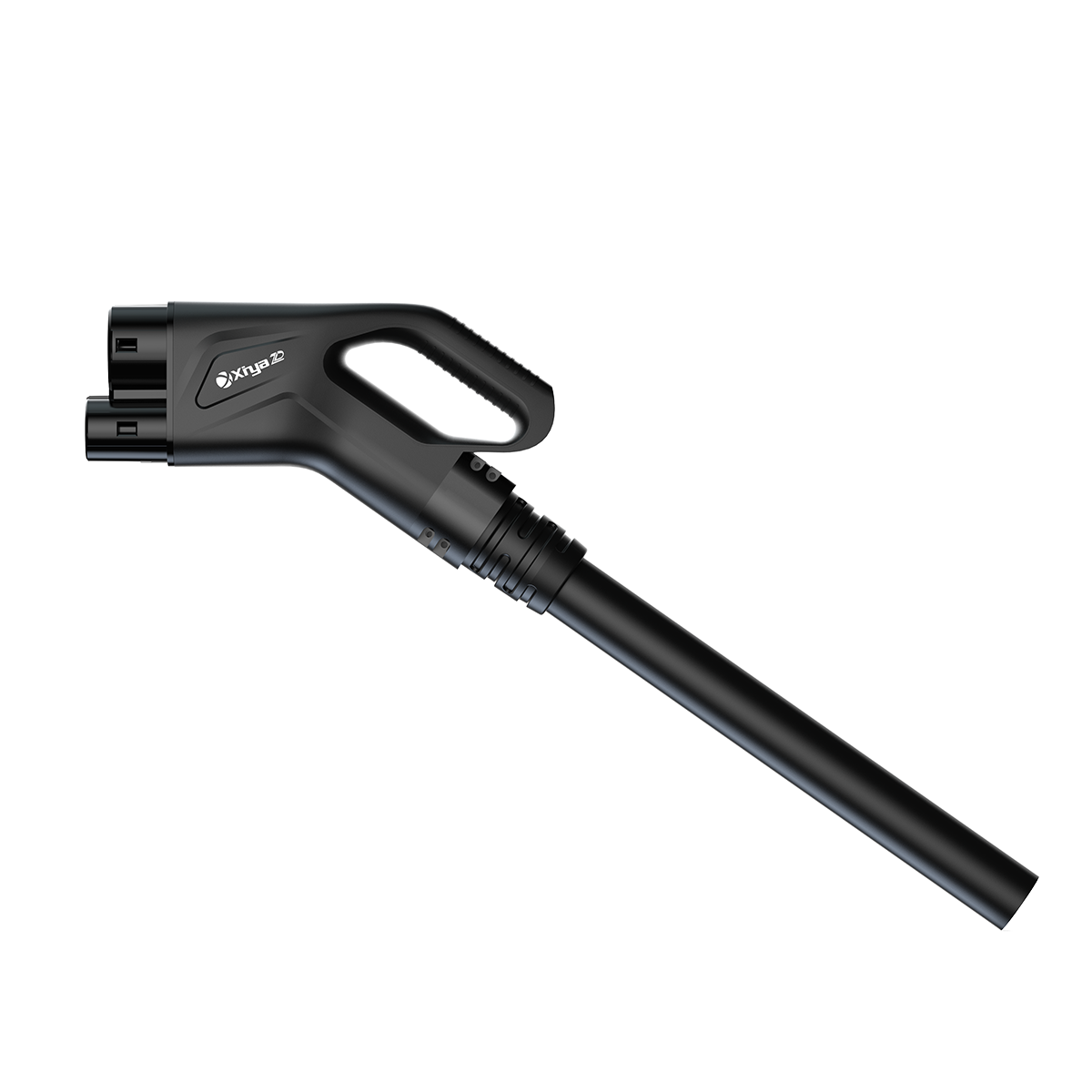
Mixed-fleet EV charging should begin with a vehicle-by-vehicle input record, not a generic connector label. Capture the verified inlet or connector information, charging-port position, operating window, parking context, and planned fleet changes before a supplier or project team is asked to judge equipment fit.
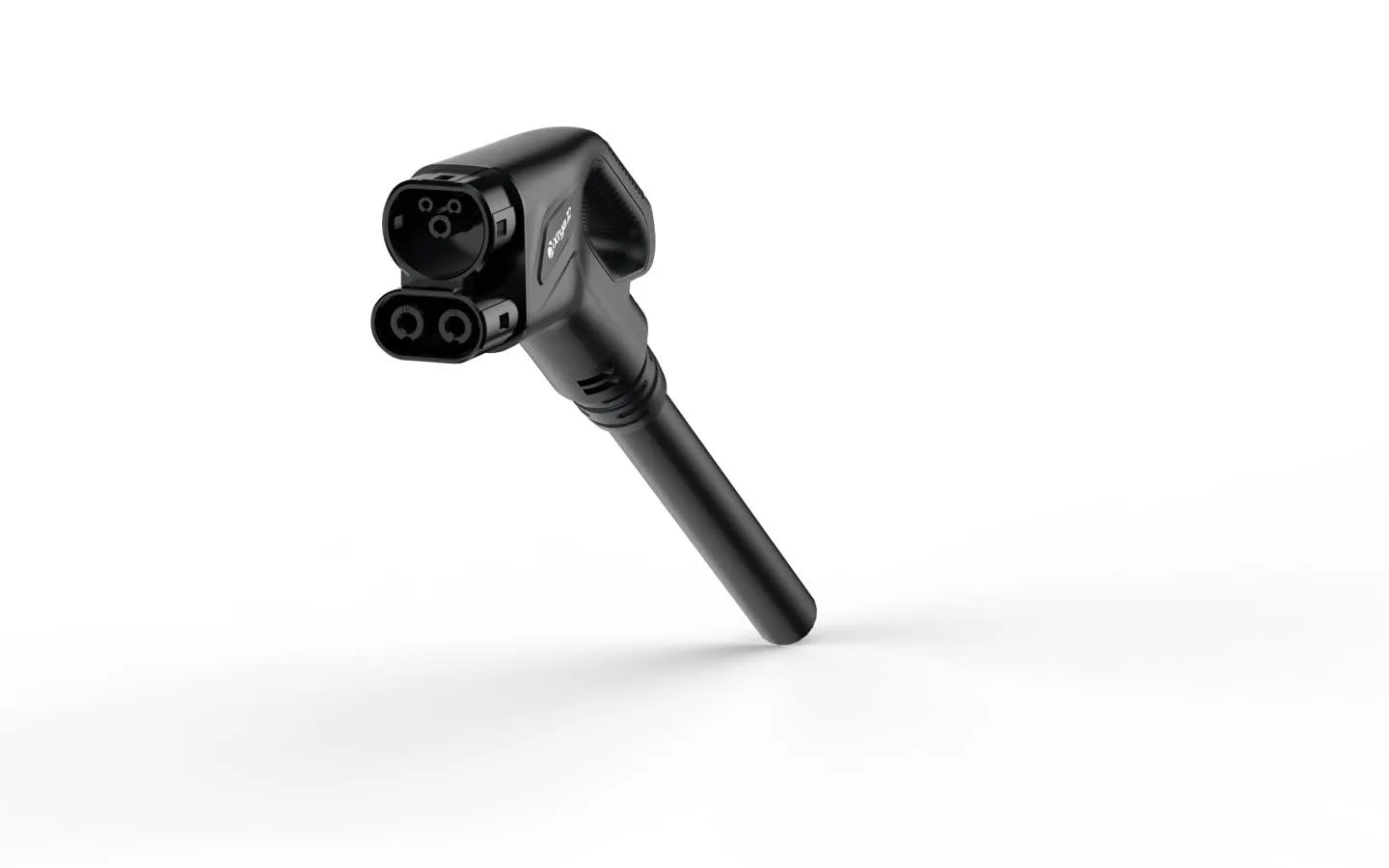
Part 1. Why does a mixed fleet need a vehicle-by-vehicle input list?
Vehicle fleets can differ in inlet type, charging-port position, duty cycle, parking behavior, and next-day readiness need. A label such as “fleet EV” or even a connector family is not enough to describe the practical charging requirement.
Use a record that links each vehicle group to its verified information and planned operating role. This creates a useful basis for a compatibility review while avoiding a premature assumption that one connector, charger, or adapter will solve every case.
Part 2. Which vehicle and connector fields belong in the record?
Collect the data from verified vehicle documentation or a responsible fleet source. A photo can be helpful, but it should support rather than replace the information needed for a project review.
| Vehicle record field | Почему это важно | Question to confirm |
|---|---|---|
| Vehicle identity | Keeps the request tied to the actual fleet | Which make, model, and variant are in scope? |
| Inlet or connector information | Establishes the interface to be reviewed | What information is verified for each vehicle? |
| Charging-port position | Affects parking and cable access | Which side and location must be reached? |
| AC/DC operating need | Links the request to duty-cycle expectations | What charging use is planned? |
| Return and departure window | Defines the available charging time | When must the vehicle be ready again? |
| Vehicle additions | Keeps the record current | Which future vehicles are planned? |
CharIN’s CCS information is useful background on a charging-interface ecosystem. It does not confirm the compatibility of a specific vehicle, charger, cable, or adapter in a buyer’s project.
Part 3. How do operating windows affect connector planning?
For procurement, keep the record versioned and mark each field as verified, supplied by the fleet owner, or still open. That simple status prevents a connector photo or a tentative vehicle plan from being treated as a final compatibility decision.
Connector information is only one part of the requirement. A vehicle that stays at the depot overnight creates a different planning question from one that returns briefly between routes. Record the duty cycle and return-to-departure window beside the vehicle data.
That operating record also helps a team separate a connector question from a power, access, or capacity question. The fleet depot charging schedules guide explains how timing assumptions should be captured before a site treats every vehicle as equally urgent.

Part 4. Why should compatibility be verified instead of assumed?
Compatibility has several layers: the vehicle interface, equipment configuration, cable or adapter question, electrical project scope, target-market requirements, and the operating arrangement. A match at one layer does not establish a match at all the others.
IAEI’s charging-infrastructure planning article frames charging as infrastructure planning rather than a connector purchase alone. Buyers should therefore provide the full record to the responsible project team and request a scoped response.
Do not buy adapters or declare a charger compatible from a connector photo alone. Vehicle documentation, project requirements, equipment configuration, electrical scope, and applicable local requirements must be checked by the responsible parties. Network Rail guidance provides the coordinated-infrastructure context.
Тот DC charger compatibility guide is related reading for a broad compatibility discussion. It does not replace a verified mixed-fleet input record.
Part 5. How should future vehicle additions be handled?
Add a dated future-vehicle section to the record. Identify what is confirmed, what is only under consideration, and when the project team should review the assumptions again. A future vehicle can alter interface, dwell-time, parking, capacity, and operational-priority assumptions.
Do not use an unconfirmed growth plan to claim present compatibility. Treat it as an input for a staged project discussion and update the record when the vehicle information becomes verified.
Part 6. Who should review the fleet input record?
Fleet operations owns much of the vehicle and duty-cycle information, while the project and electrical teams need it to establish the site boundary. Procurement can keep the RFQ consistent, and the supplier can respond to the documented requirement within the evidence available for the proposed equipment.
Give the record a named owner and version date. This makes it easier to identify when a vehicle addition, route change, or connector update requires a renewed compatibility review.
Part 7. What should a mixed-fleet charging RFQ include?
The RFQ should make the mixed-fleet condition visible without asking a supplier to infer compatibility from a product category. Provide enough information for a responsible technical and commercial review.
| Покупатель должен предоставить | Why the supplier and project team need it |
|---|---|
| Verified vehicle identity and quantity | Defines the real fleet in scope |
| Inlet or connector information and port position | Supports the interface and access review |
| AC/DC use and return/departure window | Connects interfaces to operating demand |
| Parking and cable-access context | Identifies physical-use questions |
| Confirmed and possible future vehicles | Supports staged planning without assumptions |
| Site electrical and environmental information | Defines the project boundary |
| Target-market and local-process requirements | Prevents unsupported standards or approval claims |
When the record is complete, buyers can review the EV charging cable range with the project team. Use the contact page to share the vehicle record and site requirements. This guide does not claim that an XYDF cable, charger, or adapter fits a particular fleet without project-specific verification.
Часто задаваемые вопросы
What connector information should a fleet collect?
Collect verified vehicle identity, inlet or connector information, charging-port position, intended AC/DC use, duty cycle, return/departure window, parking context, and planned fleet additions. Record the source and date of each item.
Can one charger support every fleet vehicle?
It cannot be assumed. Compatibility must be reviewed against each vehicle’s verified interface and the proposed equipment, cable, site, electrical, operating, and project requirements.
Should a fleet buy adapters first?
No. First document the vehicles and project requirement, then have the responsible parties verify whether an adapter is relevant, permitted, and suitable within the actual equipment and site scope.
How do AC and DC needs affect the RFQ?
They describe different operating and equipment questions. Pair the intended charging use with each vehicle’s duty cycle, dwell time, site context, and verified interface rather than treating AC or DC as a universal fleet label.
What happens when new vehicles are added?
Update the dated vehicle record and review the changed assumptions. New vehicles can affect interfaces, parking, energy need, charging window, capacity, and project scope.
Is a connector photo enough?
No. A photo can assist identification, but the project record needs verified vehicle information, port position, operating need, site conditions, and target-market requirements for a responsible review.
Who validates compatibility?
The responsible project parties should review the documented vehicle and site inputs against the proposed equipment scope. A generic article or supplier category cannot replace project-specific verification and applicable local requirements.