Выбор подходящего зарядного устройства для электромобилей с постоянным током для ночного заряда
Авг 20,2026
Блог
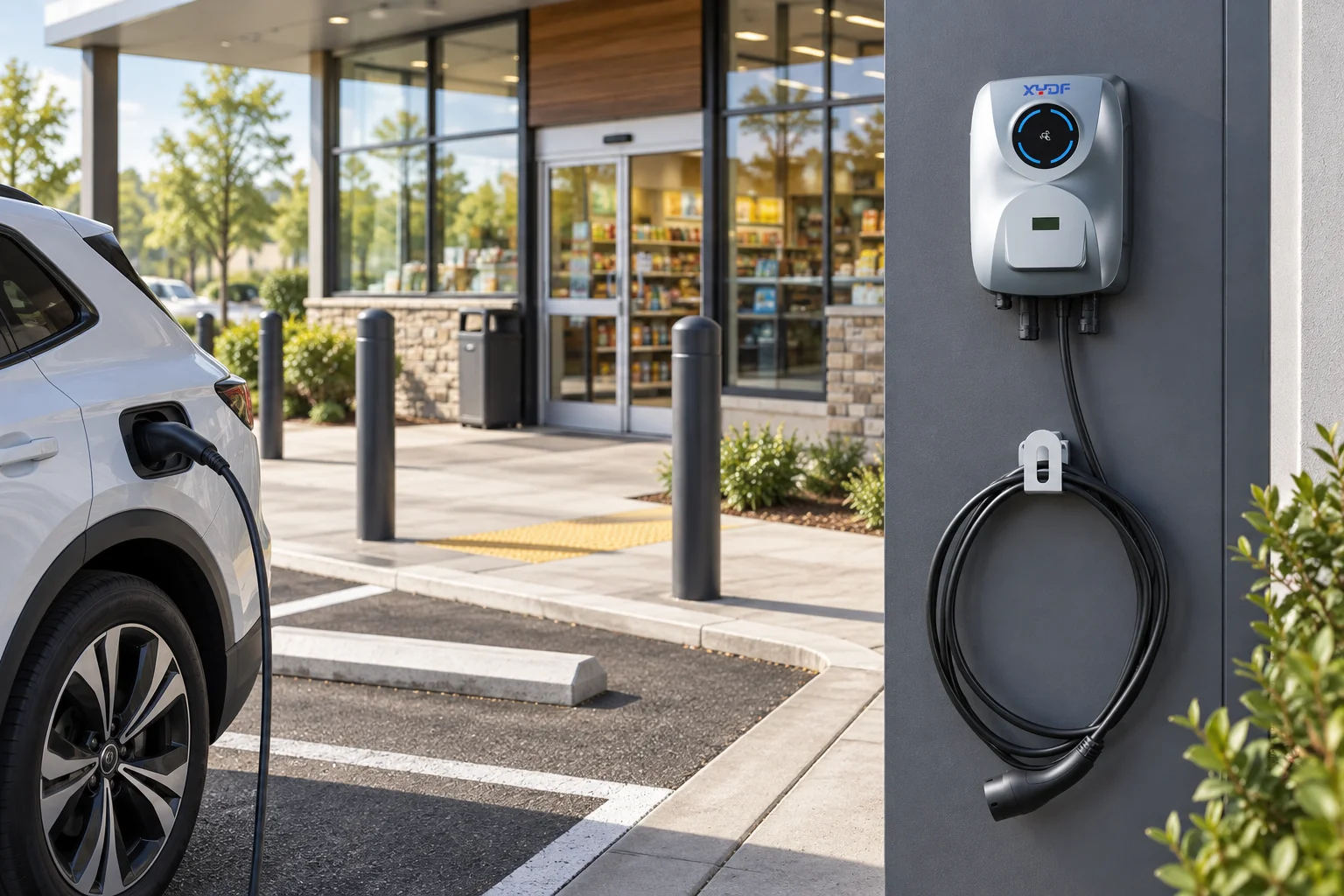
В 7:30 утра управляющий жилым комплексом прогуливается по парковке и видит шесть подключенных автомобилей. Жильцы нуждаются в полной зарядке для поездок, в то время как оператор здания нуждается в предсказуемой загрузке и простом плане технического обслуживания. Правильный ответ Зарядное устройство для электромобилей AC это превращает этот временной период в сутки в надежный сервис вместо источника жалоб.
Выберите зарядное устройство для электромобилей с учетом соответствия бортовой зарядной станции автомобиля, доступной мощности электросети, стратегии управления нагрузкой, стандарта разъема и ожидаемого времени пребывания устройства в режиме ожидания. Устройство мощностью 7 кВт подходит для большинства домов, в то время как оборудование мощностью от 11 до 22 кВт лучше подходит для рабочих помещений, гостиниц и автопарков с трехфазным питанием. С помощью подключенной зарядной станции переменного тока можно распределить нагрузку, отслеживать потребление энергии и защитить здание от неожиданных нагрузок в пиковые часы.
1. Начните с сценария зарядки
Начало рекомендаций по зарядке для жилых помещений и транспортных средств должно основываться на времени парковки пользователя, наличии электроснабжения, принятии автомобиля, разъеме, маршруте установки и желаемой энергии выезда. Объясните, что является универсальным и что зависит от конкретного автомобиля или местной нормы. Это позволит избежать того, чтобы эти рекомендации превращали этикетку зарядного устройства, класс напряжения или тип разъема в обещание для каждого дома или транспортного средства. По вопросам планирования в общественном контексте см. Руководство по использованию электроэнергии от альтернативных источников энергии Центра данных Министерства энергетики США; окончательное решение по-прежнему принимается на основании индивидуального протокола о принятии.
Центр данных по альтернативным топливам Министерства энергетики США отмечает, что большинство водителей заряжают электромобиль ночью дома, в то время как уровень 2 полезен, когда водитель имеет более длительный путь в пути, более мощную батарею или более непредсказуемое время пребывания в машине. Это делает первым критерием при выборе мощности потребляемой энергии именно время отъезда — а не максимальную номинальную мощность.
Разные типы зарядных устройств решают разные операционные задачи. В бытовом контексте предпочтение отдается тихую работу, компактный корпус и плановое зарядка. На рабочих местах необходимы множество портов, которые могут использовать ограниченную электроэнергию. В гостиницах или торговых центрах предпочтительнее установка зарядной станции для электромобилей, которая поддерживает аутентификацию гостей, оплату и удалённую диагностику. Перед выбором оборудования необходимо учитывать продолжительность пребывания транспортного средства, ежедневный расход энергии, количество парковочных мест и наличие однофазного или трёхфазного питания на объекте.
2. Технические сбои: что происходит во время сессии AC
Автомобиль встроенный зарядник в AC-сессии это остается практической лимитной величиной. Перед выбором зарядного устройства необходимо подтвердить максимальный входной ток, а затем проверить качество питания, защитные устройства и способ установки для предполагаемой постоянной нагрузки.
При зарядке с помощью переменного тока сеть подает переменный ток в зарядное устройство для электромобиля. На бортовой зарядной станции автомобиля он преобразуется в постоянный ток для аккумулятора. Это означает, что автомобиль — а не только стенд для зарядки — устанавливает практическую скорость зарядки. 22-киловаттный переменный зарядный блок для электромобиля не может выдавать 22 кВт, если автомобиль принимает только 11 кВт. Однако зарядное устройство по-прежнему обеспечивает критическую защиту: систему обнаружения остаточного тока, контроль контакторов, контроль температуры, блокировку кабелей и управляющий пилотный сигнал.
Для сетевых сайтов, ночная зарядка Он может быть запланирован в пределах тарифных диапазонов и целевых дат вылета, но график должен иметь локальный лимит в случае отсутствия доступности сервера-базового программного обеспечения. Коммуникация OCPP позволяет оператору авторизовывать пользователей, устанавливать графики работы, обновлять флеш-пакет и экспортировать данные об использовании. Динамическое распределение нагрузки измеряет нагрузку на здание и распределяет доступное количество энергии между устройствами. Зарядные станции для электромобилей. Контроль, учитывающий солнечную энергию, позволяет повышать или понижать мощность зарядки для использования избыточного количества энергии от солнечных панелей без превышения лимита сервисного обслуживания.
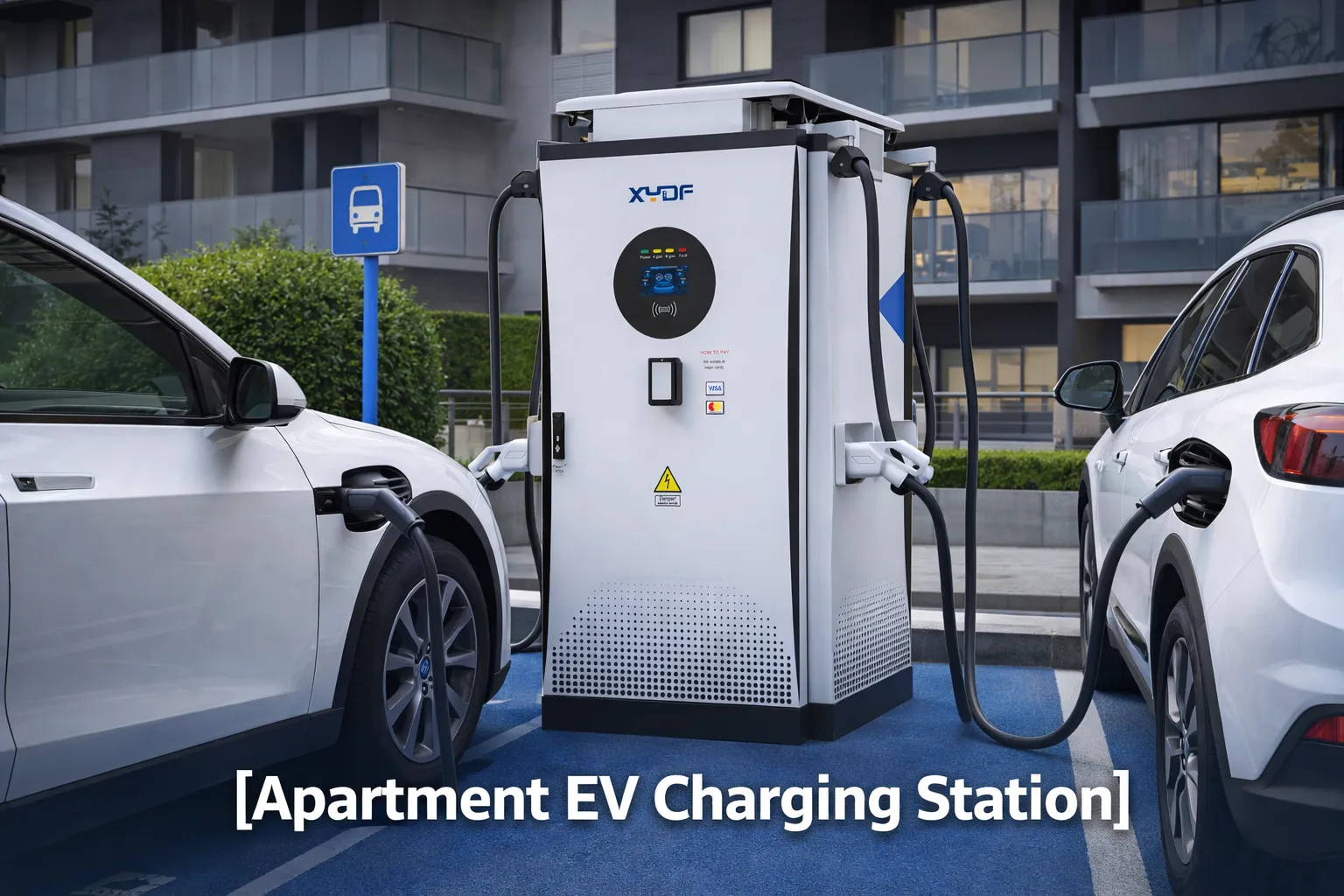
Парковка в квартирах иллюстрирует, почему время пребывания в квартире на ночь и совместное использование места для парковки имеют значение.
3. Сравнение вариантов зарядки с использованием переменного тока
Вариант
Типичный входный сигнал
Лучший вариант
Назначение для планирования
Портативный режим 2
1,8–3,6 кВт
Непрерывное или случайное домашнее использование
Медленный; избегайте постоянного размещения на открытом воздухе
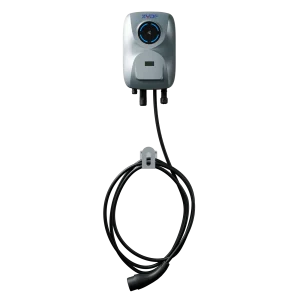
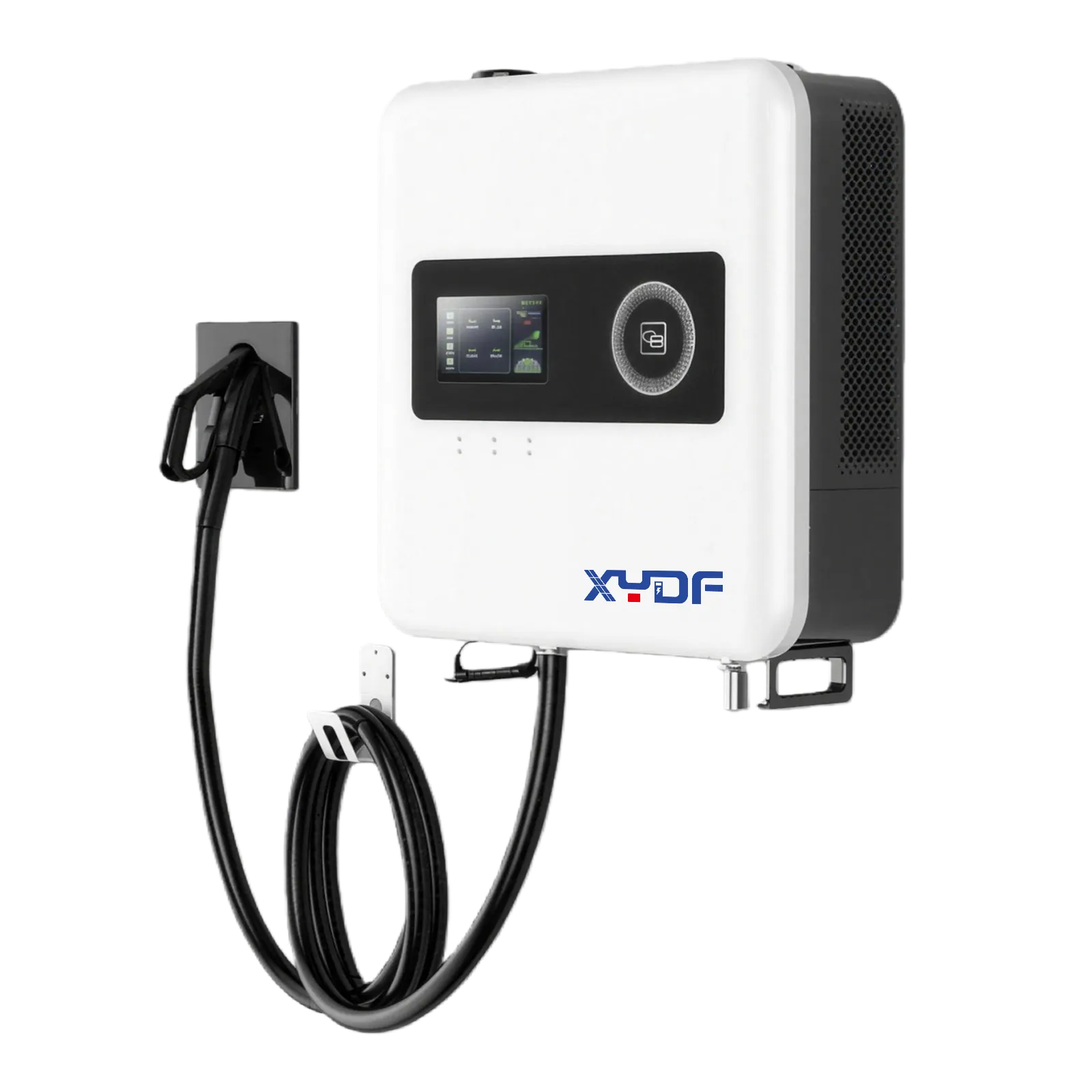
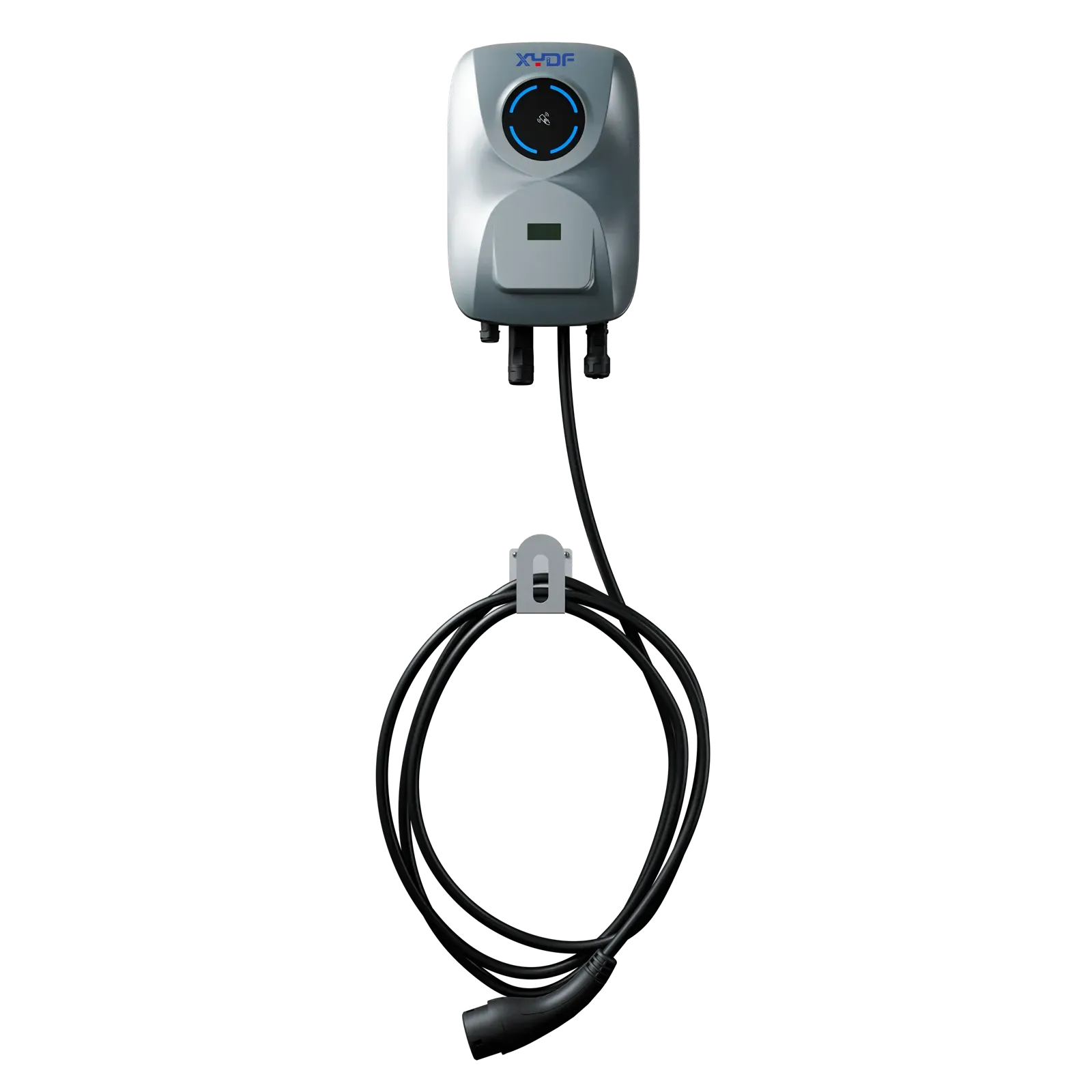
Стенная зарядка мощностью 7 кВт
Однофазный 230 В
Дома и квартиры
Простая установка и восстановление за одну ночь
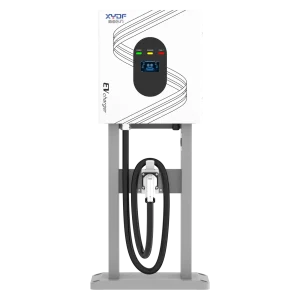
Стендная зарядка мощностью 11 кВт
400 В трехфазный
Рабочие места и гостиницы
Хороший баланс между скоростью и затратами на инфраструктуру
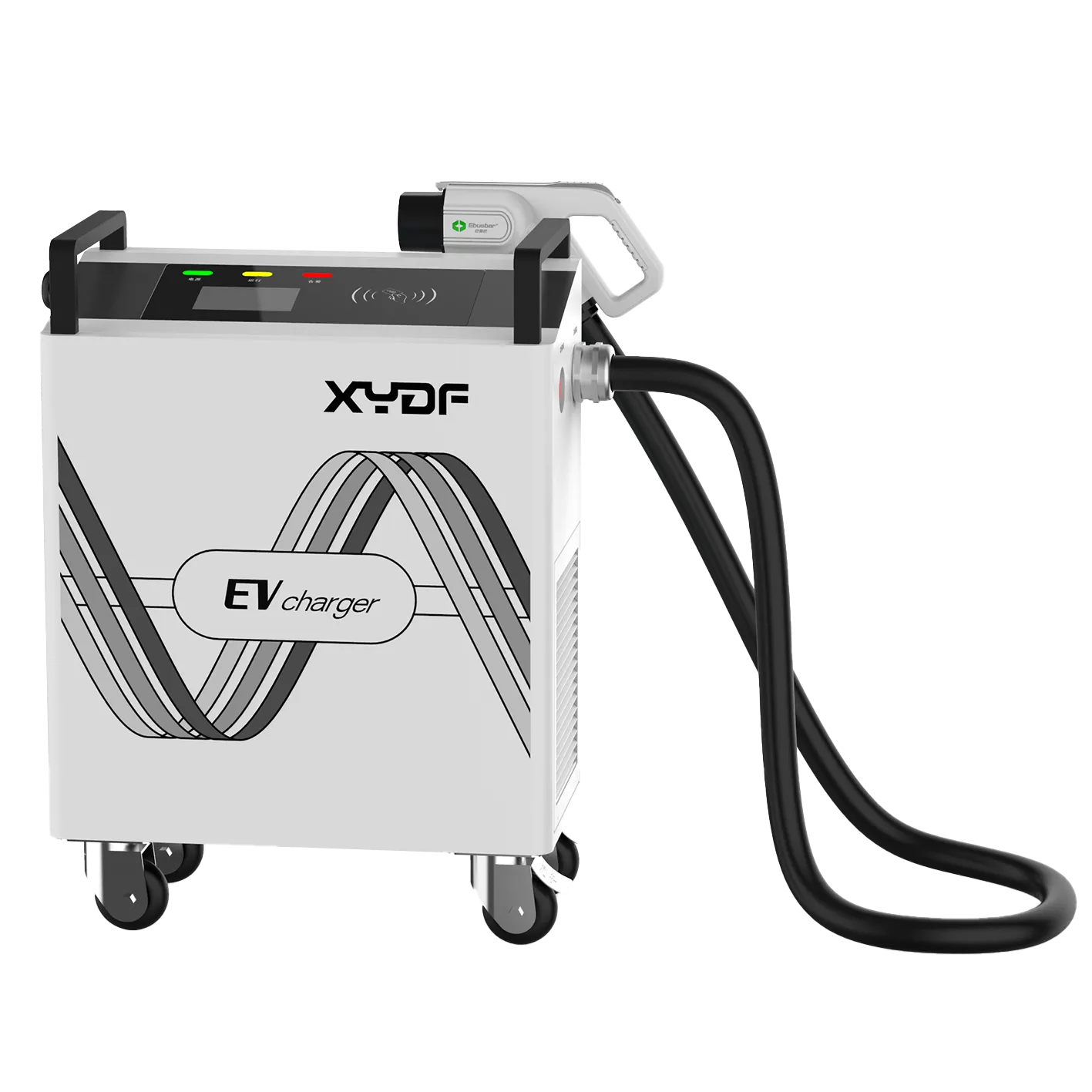
Сетевая установка мощностью 22 кВт
400 В трехфазный
Коммерческая парковка и автопарки
Требует подходящих транспортных средств, защиты и управления нагрузкой
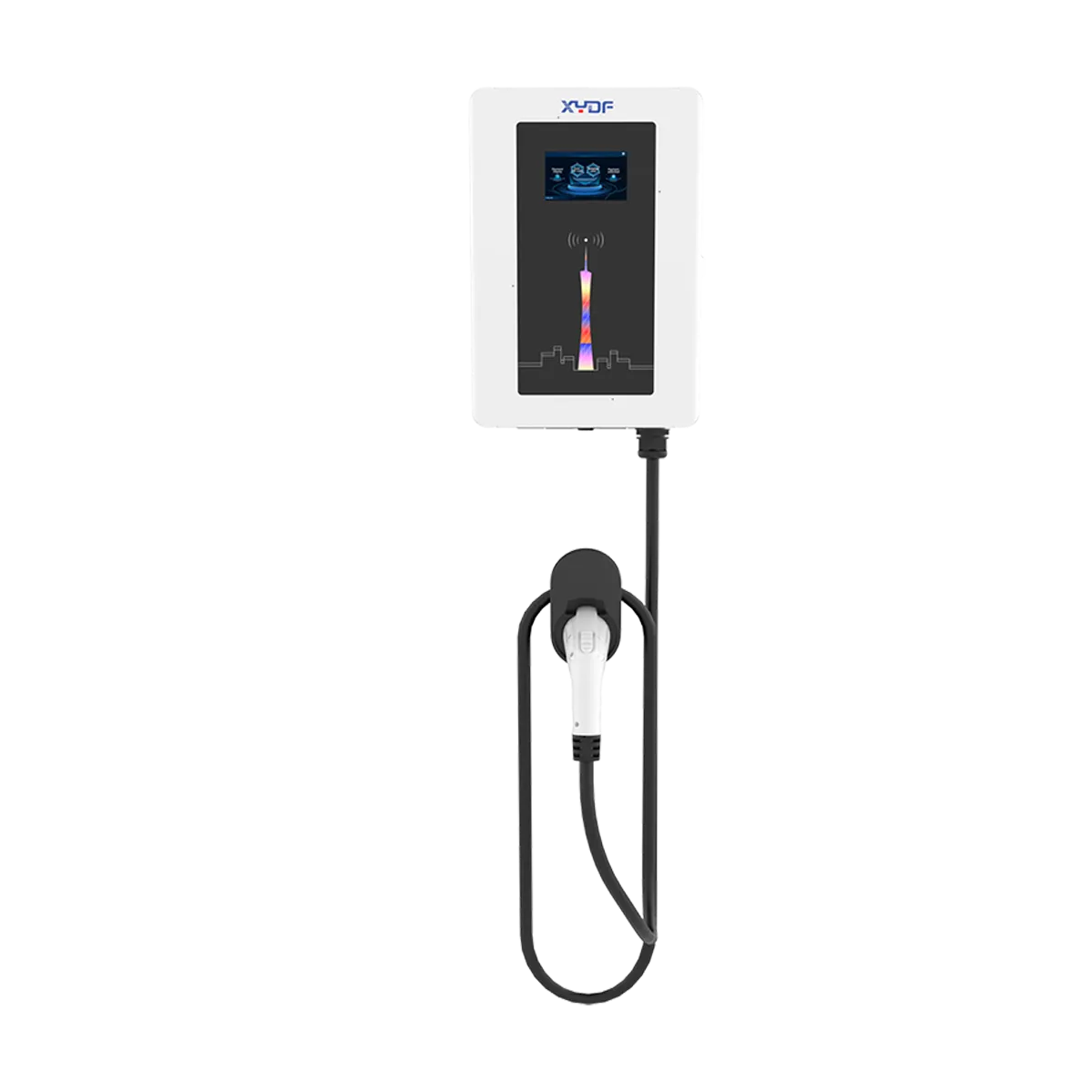
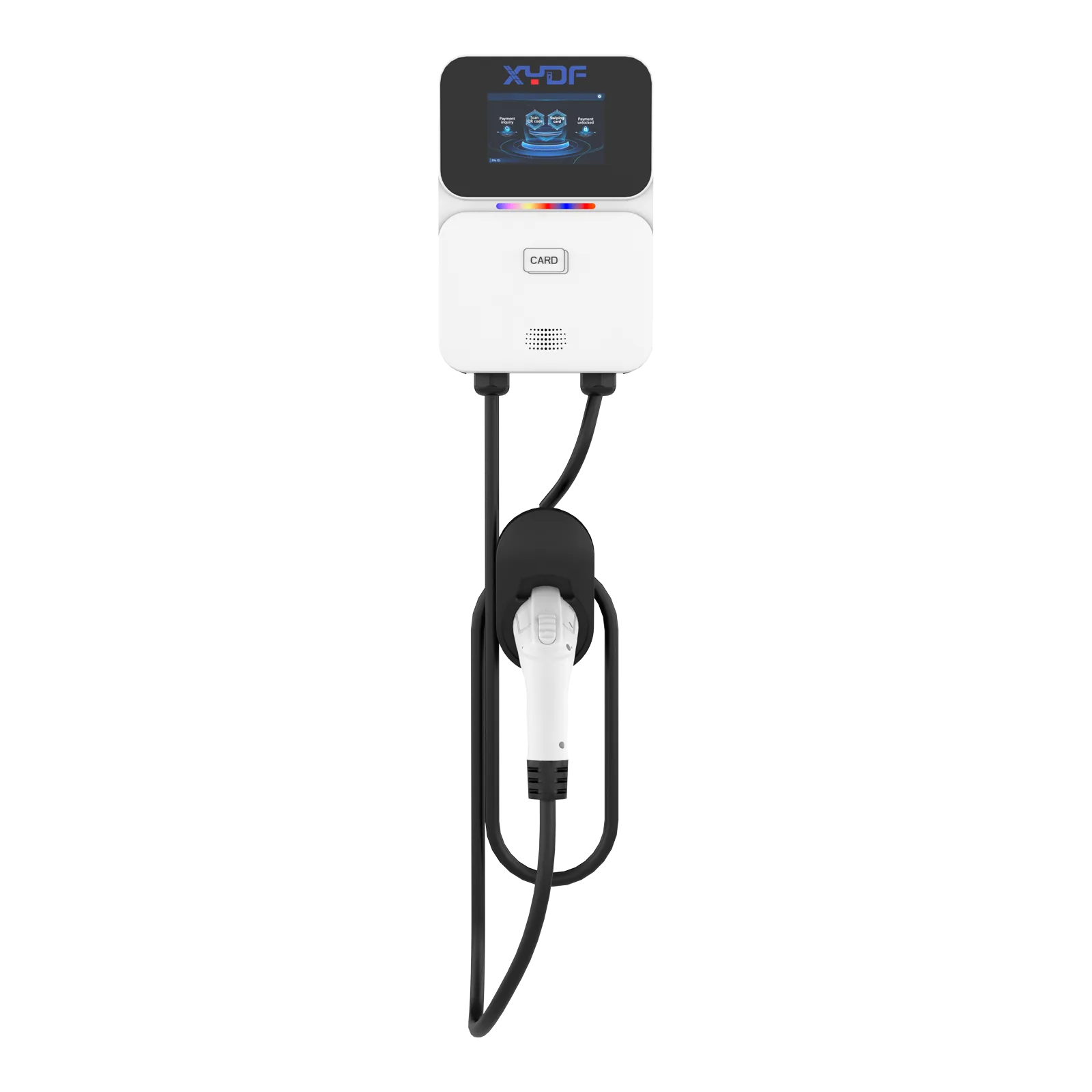
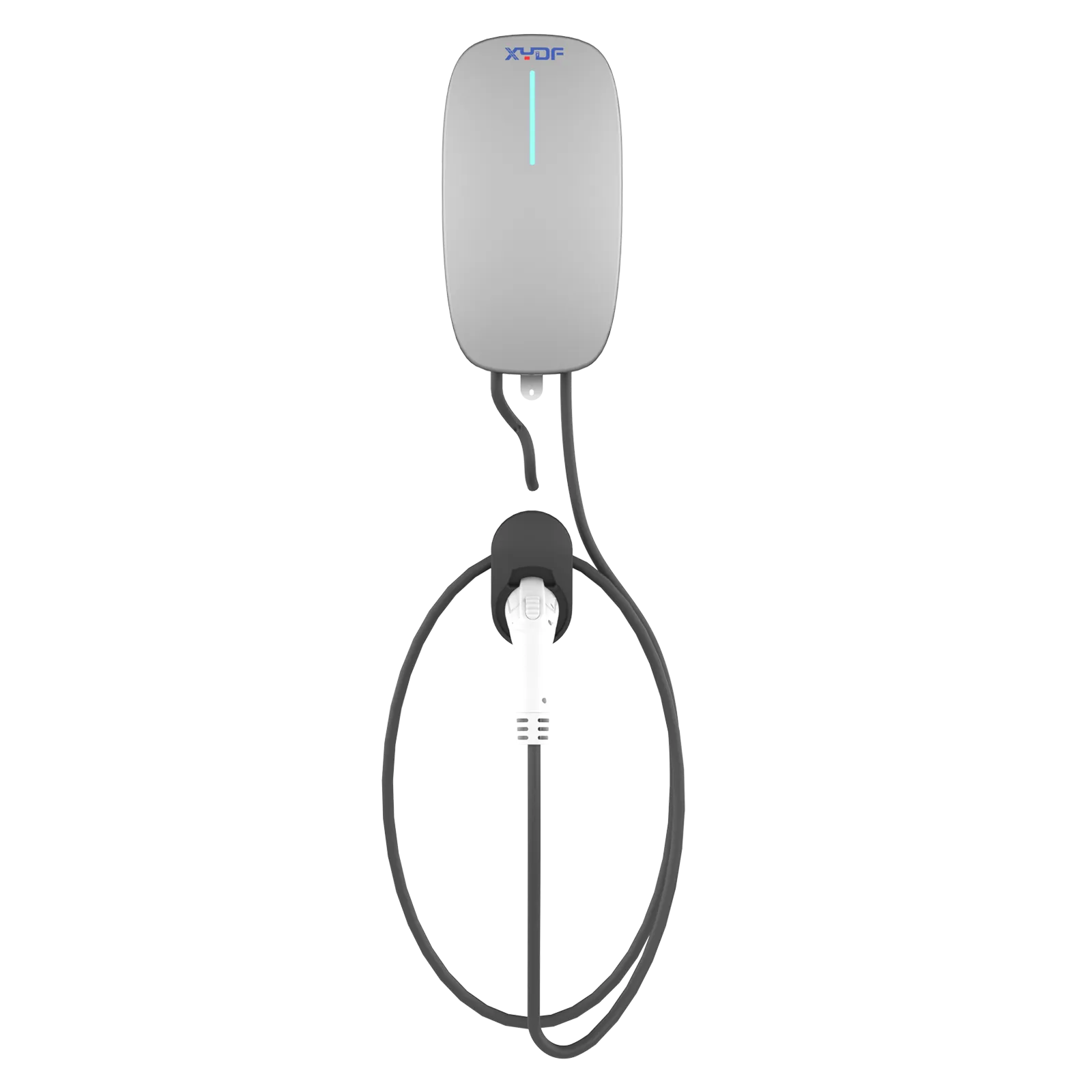
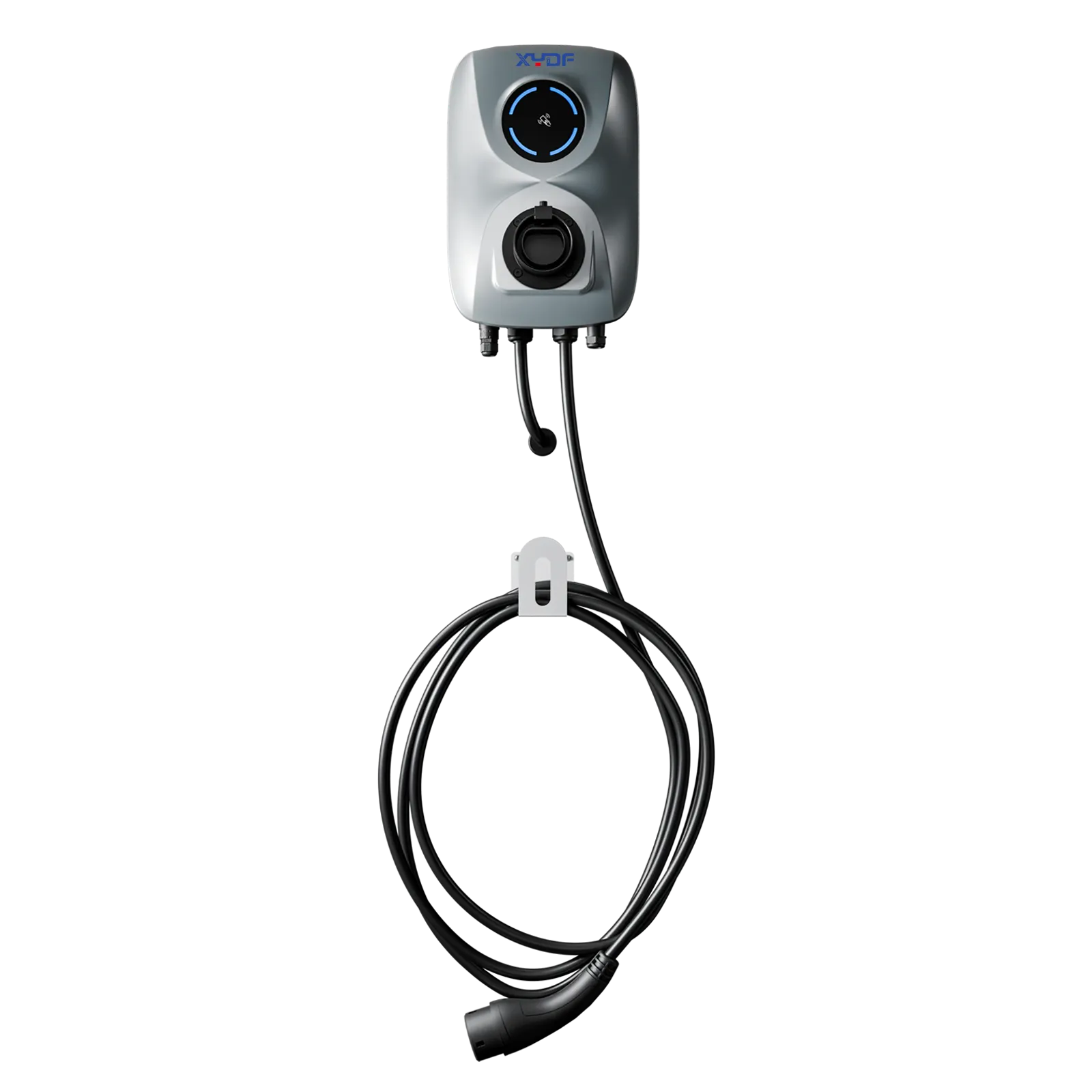
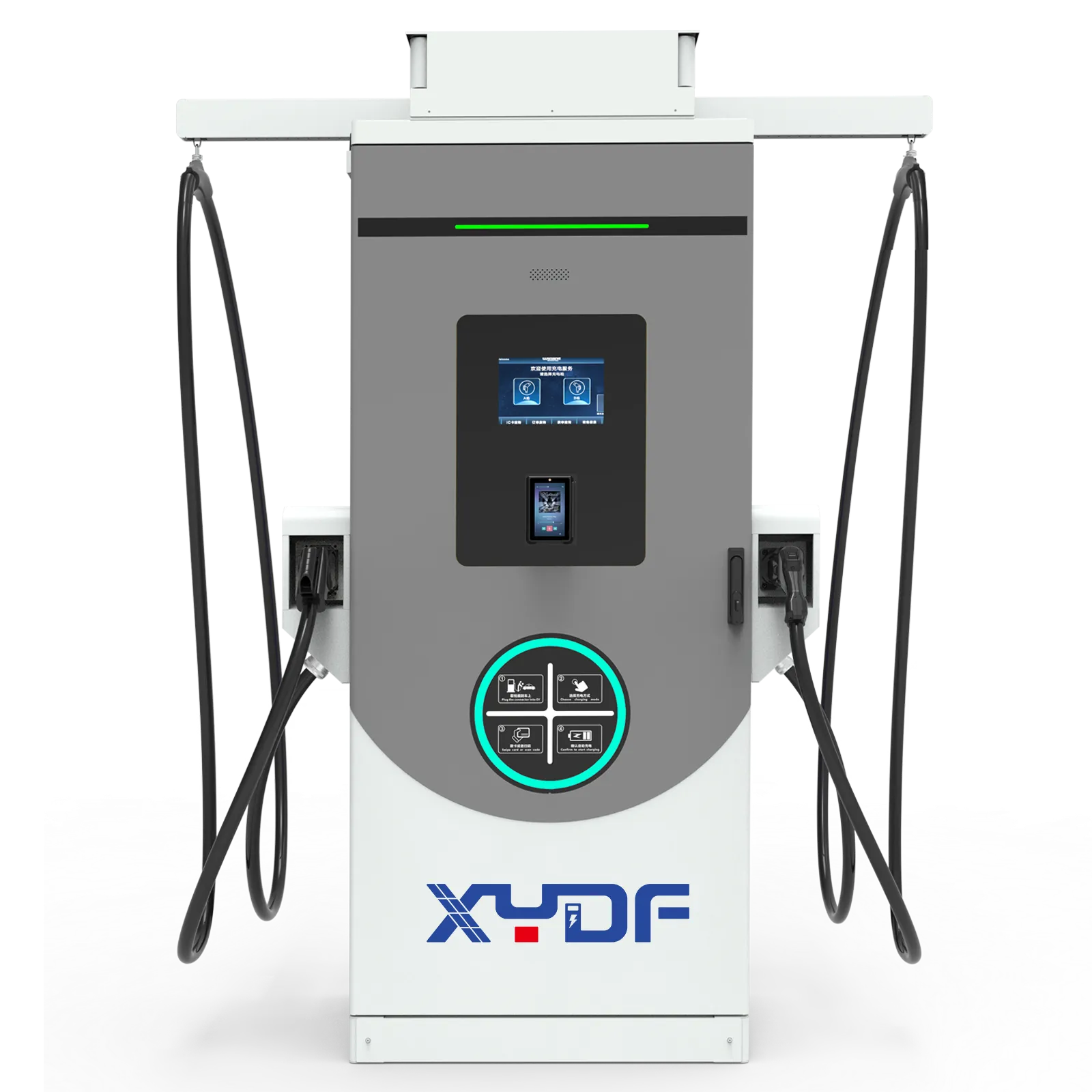
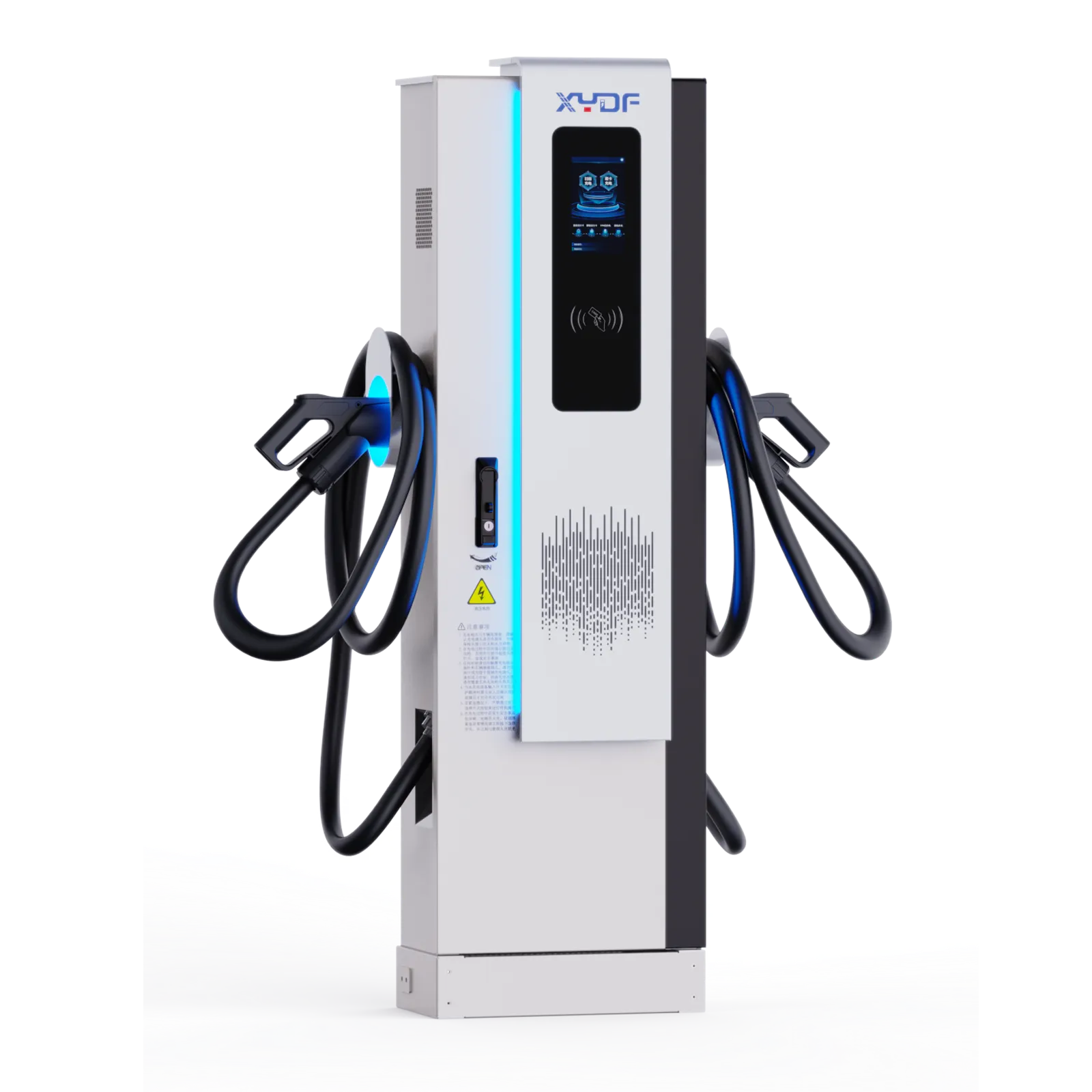
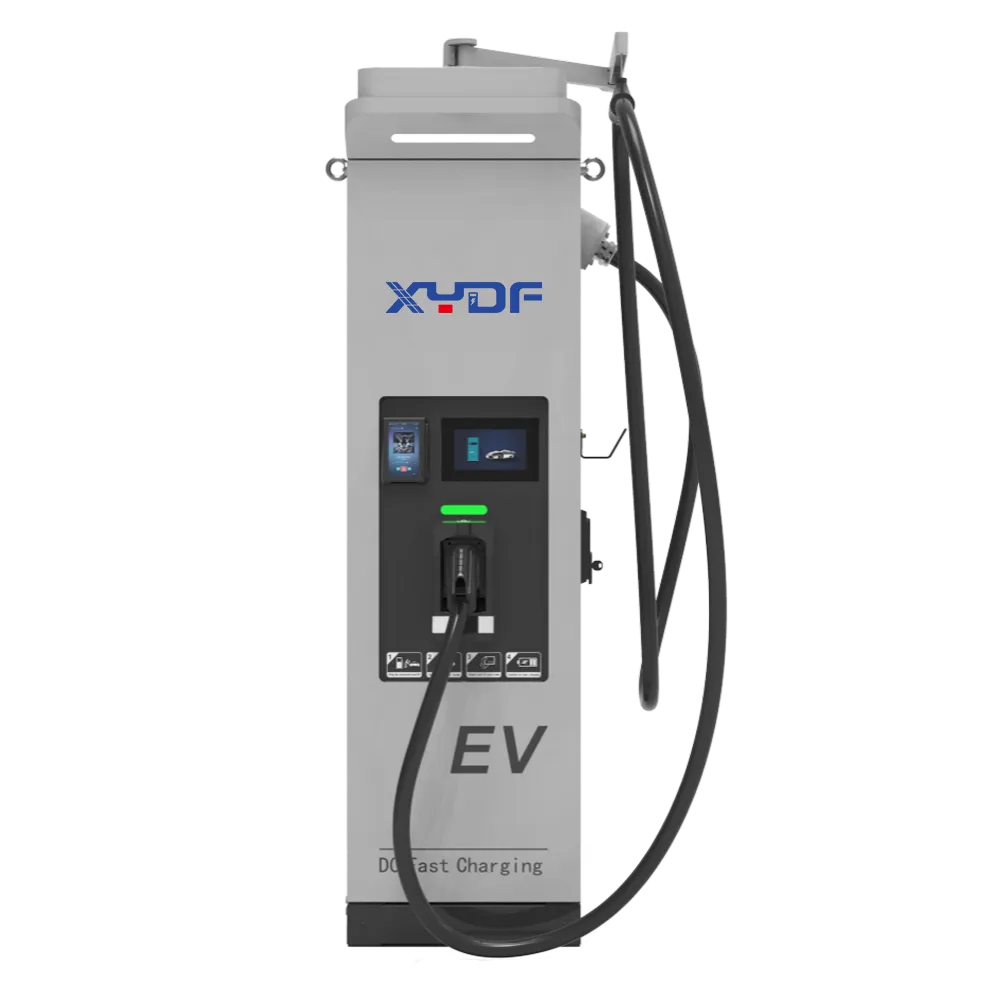
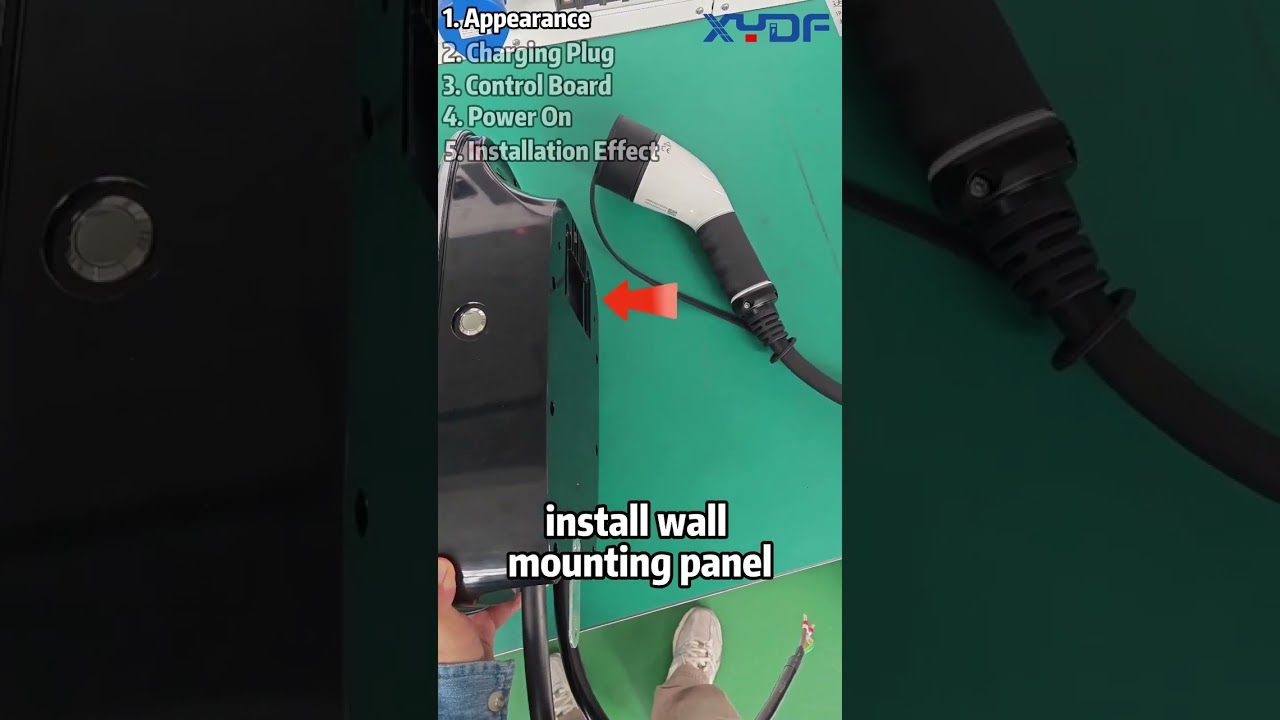
Видео: Посмотрите, как зарядные устройства XYDF с мощностью 7, 11 и 22 кВт соответствуют различным требованиям к зарядке переменного тока.
4. Стоимость, производительность и будущие тенденции
Стоимость оборудования — лишь одна из составляющих совокупных расходов. В нее входят новый блок управления, защитные устройства, прокладка траншеи, столбы безопасности, создание сети, пусконаладочные работы, программное обеспечение и техническое обслуживание. Инсталяция мощностью 7 кВт может быть наиболее выгодным вариантом, но система мощностью 22 кВт может обеспечить более высокую производительность при парковке автомобилей в течение всего лишь четырех-шести часов. Для парков с несколькими воротами интеллектуальное планирование часто приводит к задержкам при дорогостоящем обновлении системы.
К текущим тенденциям относятся архитектуры, готовые к стандарту ISO 15118, авторизация мобильных приложений, интеграция с системой расчётов и пилотные проекты двусторонней оплаты. Выберите платформу, которая предоставляет открытый API и поддерживает обновления флеш-программного обеспечения для ожидаемой продолжительности службы. Проверьте Диапазон зарядных устройств AC и Коммерческие зарядные устройства для электромобилей при сравнении вариантов корпусов, кабелей и сетей.
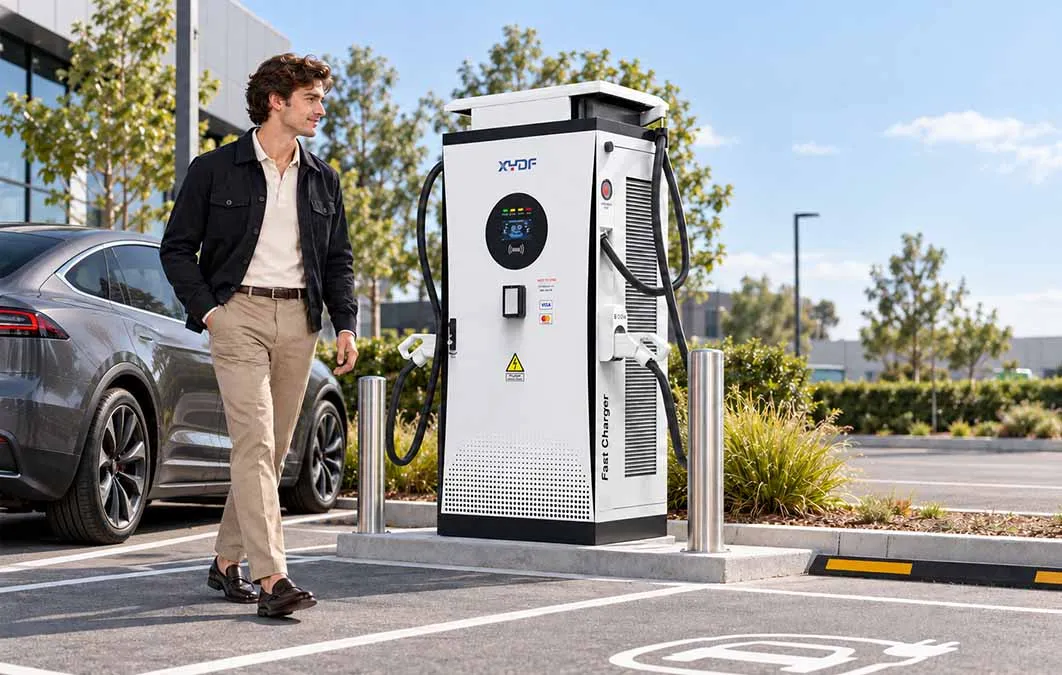
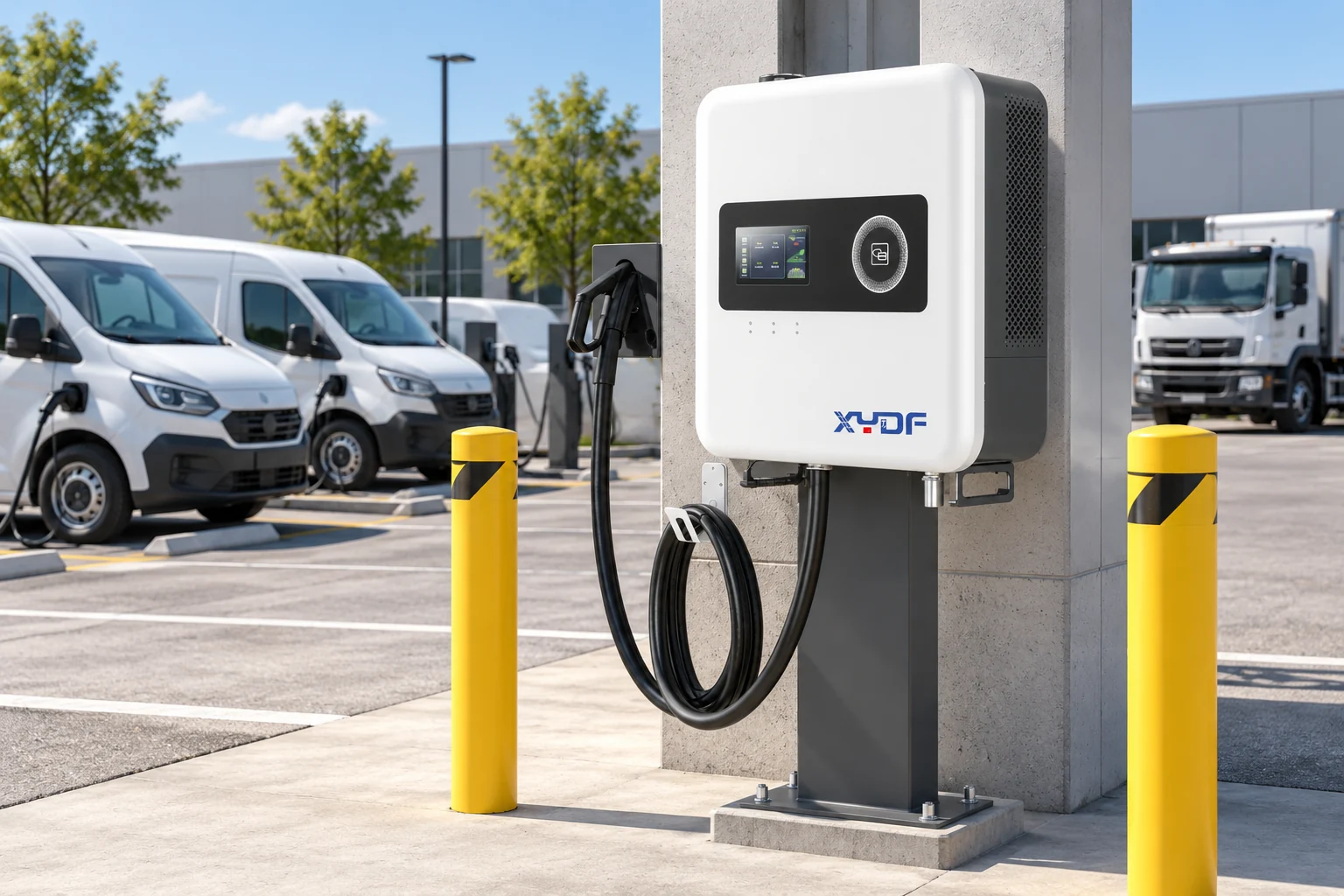
Формат 22 кВт может использоваться для коммерческой парковки при наличии трехфазного электропитания.
5. Стандарты и соблюдение требований
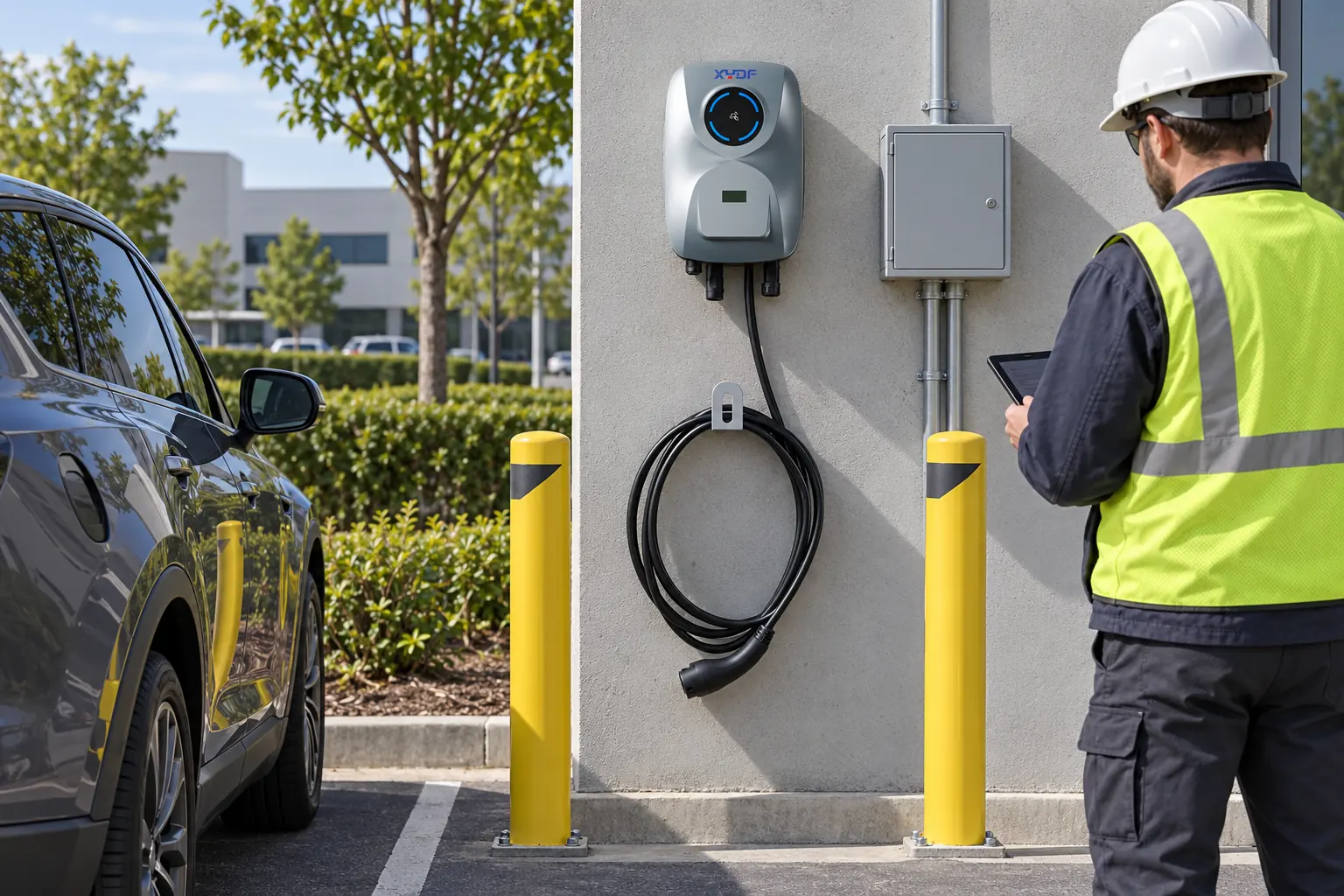
Руководство Министерства энергетики также напоминает монтажникам, что зарядка электромобилей рассматривается как непрерывный расход энергии в соответствии со статьёй 625 Правил электроснабжения (NEC) при реализации проектов в США. Ограничения по местному законодательству и разрешительным документам по-прежнему остаются в силе; для проверки используйте квалифицированного электрика планирование непрерывного нагрузки и не основываясь на общем расчете мощности в 7, 11 или 22 кВт.
Укажите соединитель, используемый на целевом рынке, электрозащиту, требуемую местным законодательством, показатели ударопрочности и устойчивости к воздействию, а также требования по доступности. IEC 61851 определяет принципы управления проводным зарядом, в то время как IEC 60364-7-722 касается электропитания для зарядных станций для электромобилей. Для совместимого программного обеспечения запросите поддержку OCPP и документированную процедуру кибербезопасности. Каждый проект должен включать испытания по пусконаладке, проверку защитных устройств, проверки заземления и четкие процедуры отключения в случае аварийной ситуации.
6. Избегайте распространенных ошибок при выборе
Покупка при номинальной мощности в киловаттах без проверки на бортовой зарядной станции автомобиля.
Установка нескольких портов без расчета нагрузки.
Не учитывая длину кабеля, геометрию парковки, дренаж, теплоту или зимние условия.
Выбор закрытой сети, которая не может экспортировать данные сессии или принимать пользователей, находящихся в режиме роуминга.
Не оставляя никаких резервных мощностей для второго этапа создания зарядных станций для электромобилей.
7. Часто задаваемые вопросы
Знаете ли вы, имеет ли ваш дом однофазную или трехфазную электроэнергию?
Проверьте документацию к прибору или попросите квалифицированного электрика проверить входящий ток. Это поможет определить, целесообразно ли использовать 7, 11 или 22 кВт.
Установлены ли солнечные панели?
Если да, выберите зарядное устройство с возможностью управления нагрузкой в зависимости от солнечной энергии или динамическим управлением нагрузкой, чтобы зарядка соответствовала избыточному производству электроэнергии.
Необходимо ли заряжать электромобиль в течение ночи?
Ночная зарядка обычно удобна и щадящая, поскольку автомобиль может использовать более низкий и постоянный ток в течение нескольких часов.
Мне следует заряжать свой электромобиль с помощью переменного или постоянного тока?
Для повседневного зарядки дома, на работе и в гостиницах используйте переменный ток; для длительных поездок и коротких остановок используйте постоянный ток.
Какое зарядное устройство для электромобилей с переменным током (AC) является самым быстрым?
22 кВт — это стандартный верхний предел мощности для электромобилей на многих рынках, но только автомобили с бортовой зарядной системой мощностью 22 кВт могут использовать весь его потенциал.
Что должен проверить водитель перед выбором зарядного устройства для электромобиля, соответствующего конкретному дому или автомобилю?
Проверьте соединительные устройства и приемлемую мощность электроприводов, маршрут прокладки кабеля, имеющийся электрооборудование, защитные устройства, местные правила установки, ожидаемое время работы и потребляемую энергию при выходе из строя. Правильный выбор зависит от типа транспортного средства и условий его установки; более высокая заявленная мощность может не сократить реальный срок службы.
Штаб-квартира и фабрика в Чжэцзяне:
№ 2, улица Чанцзян, промышленный парк Вэньчжоу Бридж, город Бейбайсян, город Юэцин, город Вэньчжоу, провинция Чжэцзян
Шэньчжэньский филиал:
1-й этаж, здание А, промышленный парк Шэнькай, сообщество Тантоу, район Шиянь, район Баоань, Шэньчжэнь
Мы используем файлы cookie для обеспечения работы этого веб-сайта и, с вашего разрешения, для измерения того, как посетители используют наш сайт зарядки электромобилей. См. наши Политика конфиденциальности для получения подробной информации.
 Синьцзя Дунфан Электрик Технолоджи Ко., Лтд.