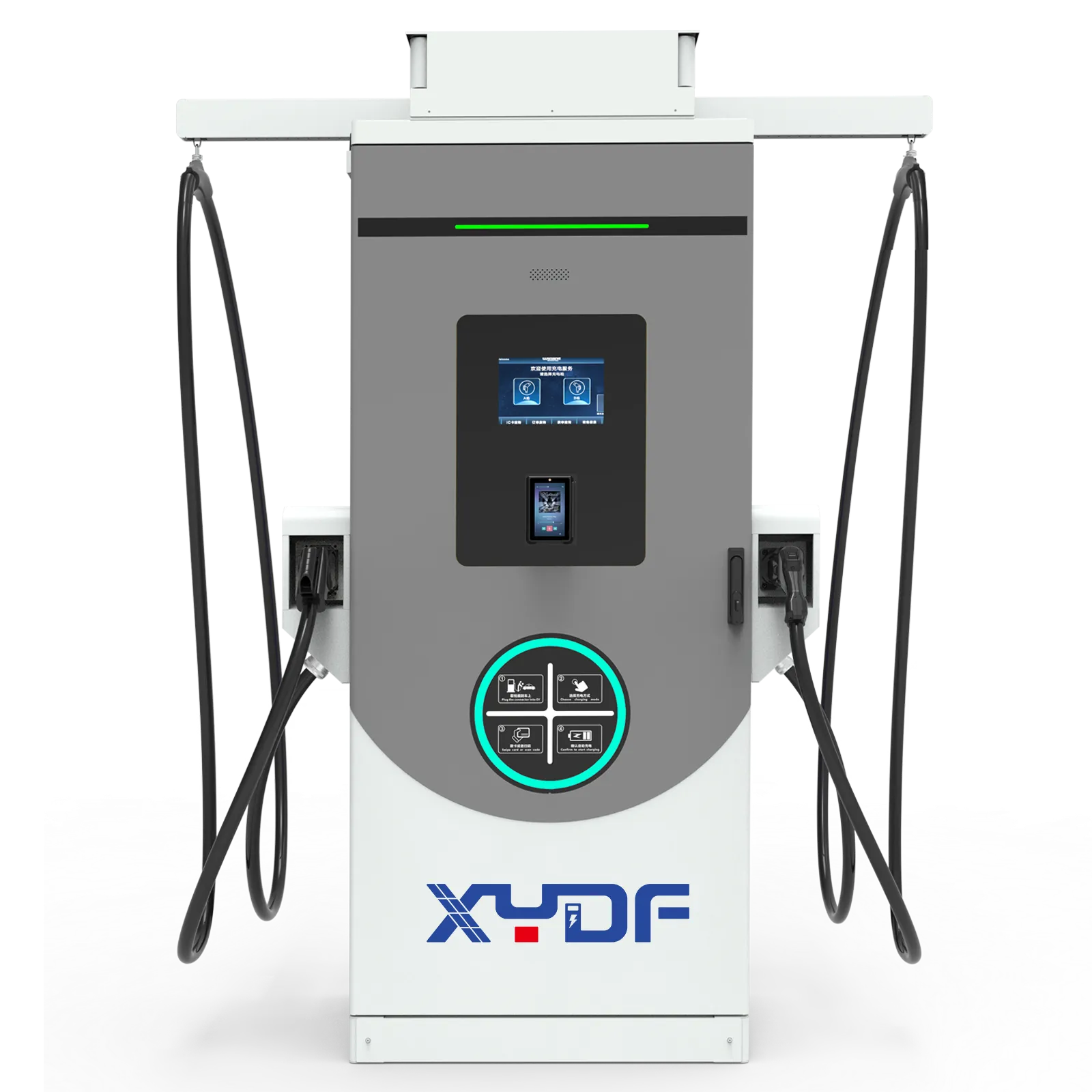
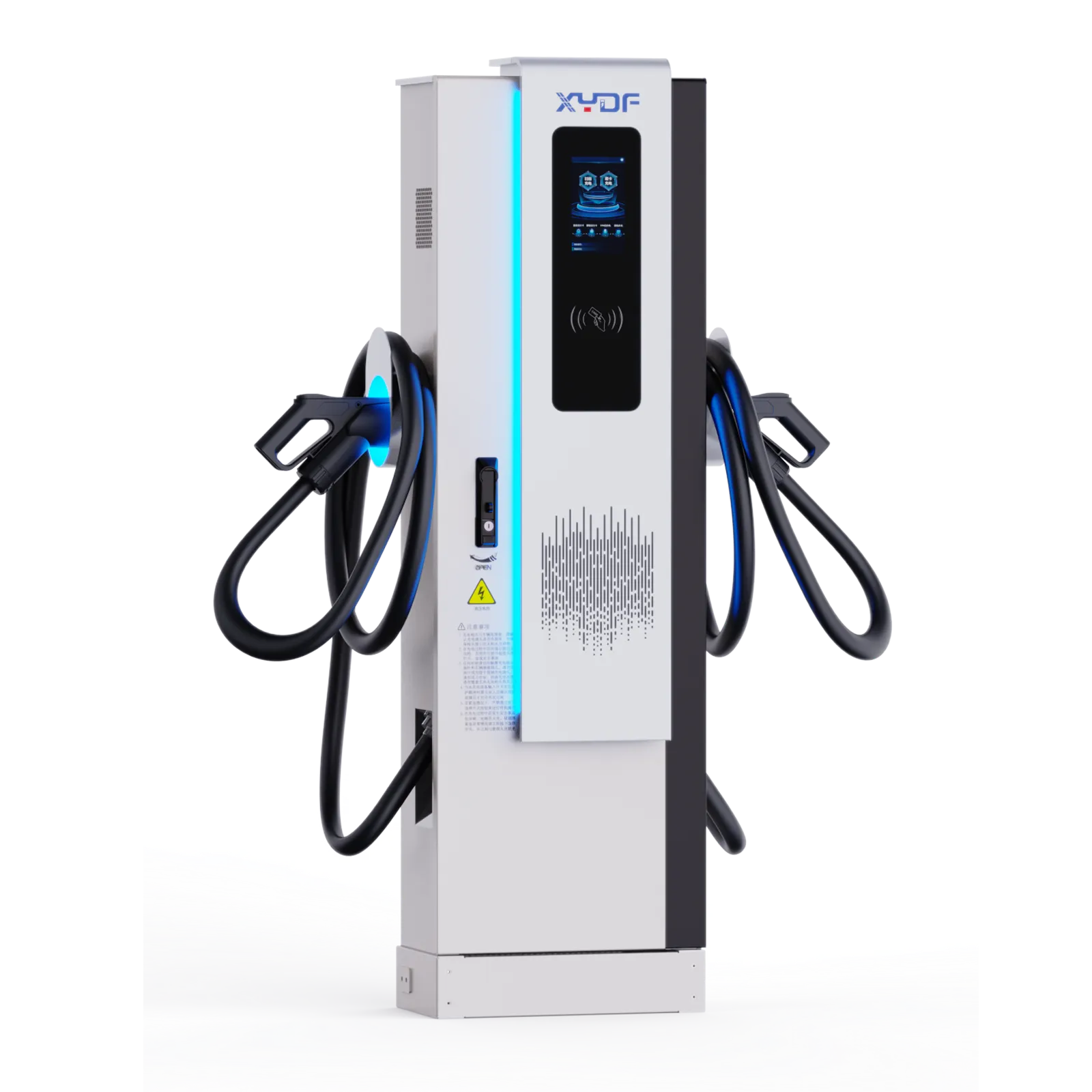
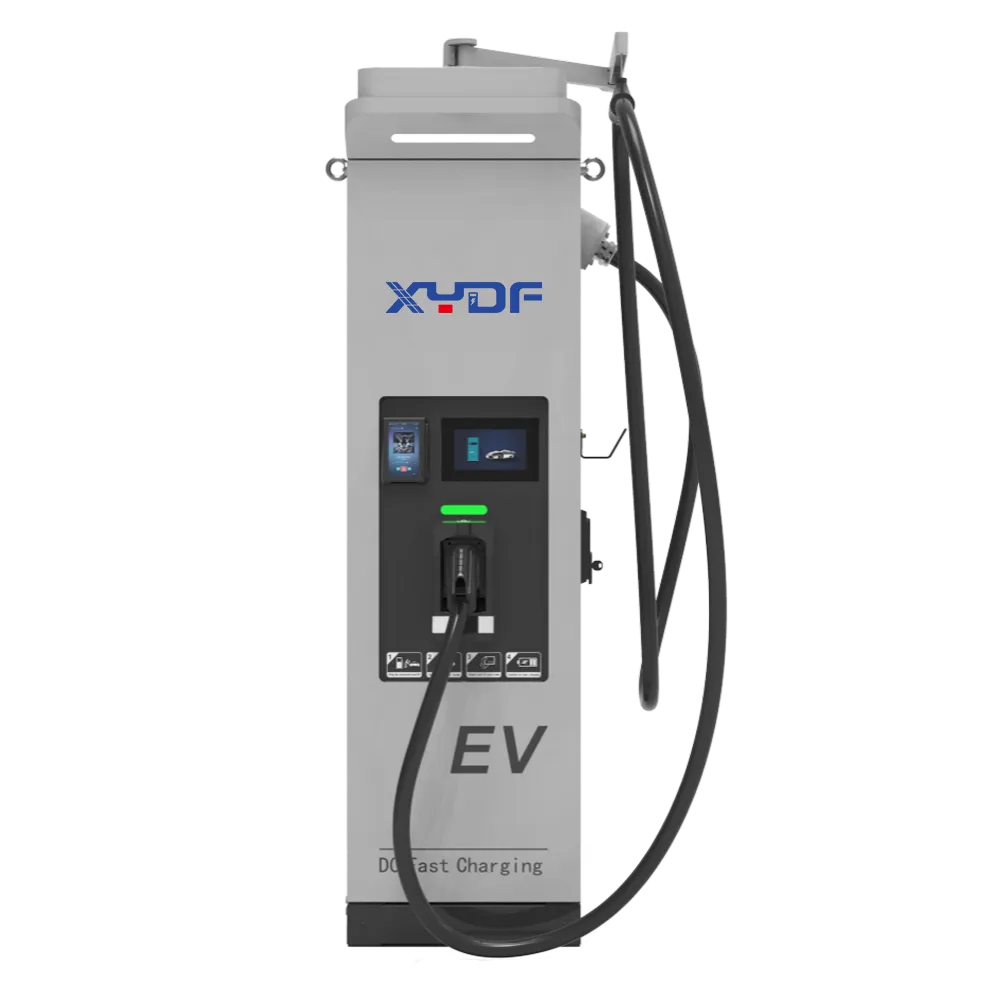
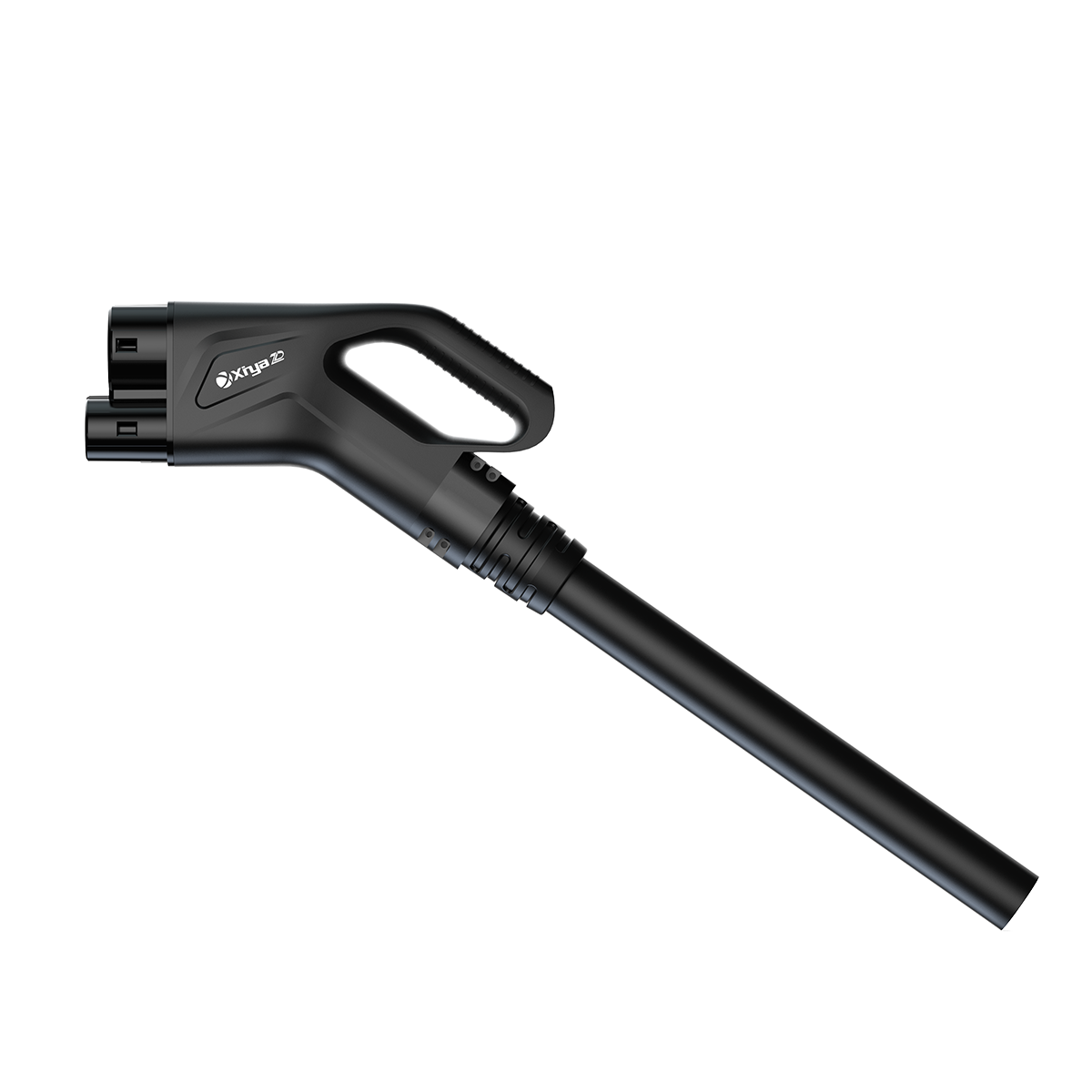
Как проектным группам следует планировать мощность трансформаторов для станций быстрой зарядки постоянным током?
18 июля 2026 г.
Блог
Перед добавлением мощности зарядных устройств постоянного тока, проектные группы должны рассчитать запас мощности трансформатора исходя из одновременной мощности в кВт, коэффициента разнообразия, допустимой гармоники, ограничений энергопоставляющей компании и поэтапного развертывания, а не из простого суммирования паспортных данных зарядных устройств.
Часть 1. Почему мощность трансформатора важна для мест быстрой зарядки постоянным током?
Для обоснованного решения о коммерческой оплате услуг необходимо отделить вопрос мощности оборудования от вопроса о полезной пропускной способности. Записывайте рабочие циклы использования транспортных средств, часы прибытия и отбытия, одновременные сессии, предельные значения нагрузки на площадку и ограничения, связанные с эксплуатацией, а также операционные расходы в случае невыполнения заданных сроков — все это необходимо учитывать перед сравнением моделей зарядных устройств. Руководство по публичному планированию может помочь в определении этих переменных, но окончательное утверждение мощности должно проверяться на основе собственных данных интервалов использования на площадке. В контексте публичного планирования см. NREL разработало руководство по зарядке электромобилей; окончательное решение по-прежнему принимается на основании индивидуального протокола о принятии.
Сайт с быстрой зарядкой DC может не приносить прибыль ни коммерчески, ни с точки зрения электробезопасности, если мощность трансформатора рассчитывается только на основе номинальной мощности. Трансформаторы должны обеспечивать одновременное удовлетворение потребностей, сдерживание перегрузок и гармонических помех, а также соответствовать правилам управления нагрузкой со стороны оператора и требованиям государственных регулирующих органов.
Неправильный подбор размеров ведет к ложным срабатываниям и длительным задержкам со стороны энергокомпании. Избыточные размеры повышают капитальные затраты без соответствующего использования.
Ошибка планирования
Симптом поля
Лучшая отправная точка
Стек табличек
Отказ от коммунальных услуг или повторные поездки
Одновременный профиль кВт
Игнорирование разнообразия
Стоимость негабаритного трансформатора и фидера
Фактор разнообразия на основе вариантов использования
Игнорируя гармоники
Повышенные убытки и жалобы на качество
Обзор EPC с данными о нагрузке
Без плана постановки
Незадействованные мощности или заблокированное расширение
Этапные порты и мониторинг
Размеры преобразователей способствуют внедрению зарядных устройств; они не заменяют официальные стандарты. одобрение подключения к системе коммунальных услуг.
Трейт Мощность преобразователей быстрой зарядки DC как документальный элемент проектирования, а не как способ ускорить покупку зарядного устройства. Простой алгоритм выглядит так: определить максимальный расход в течение 15 минут, добавить вспомогательную нагрузку, преобразовать кВт в кВА с учётом коэффициента мощности, проверить температурные и гармонические ограничения, а затем предусмотреть определённый шаг расширения. Ниже приведён пример из реальной практики: окончательный рейтинг должен быть утверждён специалистом по электротехнике и ответственным руководителем.
Часть 2. Какие входные данные необходимы перед выбором размера трансформатора?
Точное планирование трансформаторов начинается с вариантов использования объекта, а не с каталожной мощности в кВт.
Входной блок
Примеры
Почему меняются результаты трансформатора
Группа пользователей
Общественная площадь, склад флота, розничная торговля, рабочий корпус
Кривая прибытия и одновременность
Количество и мощность зарядных устройств
2×120 кВт, 4×80 кВт, смешанные порты
Сценарии пиковой мощности
Управление загрузкой
Потолок кВт на площадке в CSMS
Снижает одновременный спрос
Существующая услуга
Трансформатор тока кВА, запасное место для автоматического выключателя
Определить путь обновления
Требования к коммунальным услугам
Ограничения спроса, правила коэффициента мощности
Может присоединить дизайн перед зарядными устройствами
Горизонт роста
Порты фазы 2 через 18-24 месяца
Избегает одноразового тупикового размера
EPC-команды часто слышат, что “энергетическая компания не позволит использовать четыре установки по 120 кВт одновременно” — до совещания по подключению задокументируйте одновременные факторы и правила управления.
1) Проверьте электрические и эксплуатационные характеристики перед выбором класса напряжения
Записывайте рабочее напряжение и фазу, доступный ток утечки, имеющуюся табличку с характеристиками трансформатора и измеренную максимальную мощность, выходное напряжение зарядного устройства (не только номинальное значение шкалы), вспомогательные нагрузки, условия окружающей среды и установки, а также интервал потребления электроэнергии со стороны коммунального предприятия. IEC 60076-1 определяет характеристики трансформатора и рабочие условия; IEC 61851-1/-23 описывают проводную систему зарядки и интерфейсы оборудования для DC-питания электромобилей. Ни один из этих стандартов не разрешает подключение к электросети — правила подключения и исследование местной коммунальной службы по-прежнему действуют.
Отделить неопланированный корпус от планового корпуса, который должен быть предоставлен системой управления зарядкой (CSMS).
Укажите, является ли пик кратковременным перебоем в подаче электроэнергии или интервалом в расчетах коммунальных услуг; при расчете теплового потребления следует использовать интервал, который действительно сохраняется.
Напишите условие для фазы 2 (порты, дата или порог использования), чтобы резерв для расширения был поддающимся проверке, а не произвольным процентом.
Часть 3. Как командам оценивать одновременную нагрузку по постоянному току и диверсификацию?
Создайте на основе профиля нагрузки из руководство по профилированию нагрузки коммерческих зарядных устройств для электромобилей. Расчет мощности трансформатора должен базироваться на пиковой часовой мощности киловатт, которая сохраняется достаточно долго, чтобы оказать тепловое воздействие, а не на каждом кратковременном событии установления соединения.
Шаг
Действие
Вывод
1
Определите порты, уровни мощности и варианты использования
Установленная таблица кВт
2
Применить одновременность по группе пользователей
Пик одновременной мощности (кВт)
3
Применить CSMS/ограничение сайта, если запланировано
Пиковая мощность кВт
4
Добавить инженерный запас согласно правилу коммунальных услуг/EPC
Входные данные для подбора размера трансформатора
5
Проверить резервную мощность питателя и прерывателя
Список улучшений
Пример одновременной позы:
Тип сайта
Одновременная тенденция заряда
Поза для определения размера
Общественная площадь в центре города
Высокая вершина, короткое время пребывания
Консервативный, если нет сильной предельной нагрузки
Торговля/гостеприимство
Взрывные пики
Умеренное разнообразие с правилами очереди
Депо флота
Высокое перекрытие окна возврата
Консервативный коэффициент разнообразия
Рабочее место ДК крыло
Снизить пик, если кондиционер несет основную нагрузку
Селективная DC с управлением конденсатором
2) Измерьте разную мощность в киловаттах, затем преобразовайте в киловатт-часы
Полезный рабочий лист с данными о мощности преобразователя для быстрой зарядки постоянного тока сохраняет подключенную нагрузку, разнообразие входных токов, КПД и резервную мощность в отдельных полях, что позволяет ЭПС проверить одно из предположений без необходимости восстановления модели.
Для каждого рабочего сценария умножьте выходную мощность подключенного зарядного устройства на документально подтвержденный коэффициент синхронизации, добавьте вспомогательные устройства на объекте и примените любой действующий предел по CSMS. Полученную разную в ватах мощность необходимо преобразовать с помощью кВА = кВт / коэффициент мощности; использовать величину PF, измеренную или гарантированную для группы зарядных устройств, а не стандартное предположение о единице.
Иллюстративная предпосылка
Расчет
Результат
Четыре устройства с мощностью 150 кВт; одновременно выдается 70% тонн продукции
4 × 150 × 0.70
Разнообращенная нагрузка зарядного устройства мощностью 420 кВт
Электрооборудование, осветительные приборы и вспомогательные системы охлаждения
420 + 20
Максимальный уровень мощности на площадке 440 кВт
Исследование PF — 0,95
440 ÷ 0.95
≈463 кВА при резерве
Зарегистрировано 20% случаев предоставления надбавки на расширение семейного состава
463 × 1.20
≈556 кВА; класс мощностью 630 кВА может стать следующей точкой рассмотрения
Почему это не является рекомендацией к покупке: факторы 70%, 0,95 PF и 20% резерв — это предположения, выбранные для демонстрации метода. Замените их измерениями на месте, гарантиями производителя и критериями эксплуатационной эффективности/EPC. Более высокая номинальная мощность может всё же не сработать, если окружающая среда помещения, высота, охлаждение, гармонический ток или настройки защиты превышают пределы, установленные производителем.
Часть 4. Как гармоники и коэффициент мощности влияют на выбор трансформатора?
Бытовые зарядные устройства DC могут проявлять нелинейное нагружение. Необходимо проверить трансформатор и оборудование в верхней части цепи. гармонический контент а также коэффициент мощности, особенно когда несколько высокомощных устройств используют один сервис.
Обзор товара
Почему это важно
Типичное действие
Гармонический спектр
Нагрев и PQ трансформатора
EPC-фильтр или проверка распределения
Коэффициент мощности
Пороговые значения штрафов за коммунальные услуги
Исправленная цель ПФ в исследовании
Нейтральная загрузка
На некоторых конфигурациях сервиса
Подтверждаю однострочным обзором
План мониторинга
Проверяет предположения после запуска
Учетные точки в Фазе 1
Отправьте профиль нагрузки, список зарядных устройств и запланированную мощность управления нагрузкой EPC перед запросом рекомендации по трансформатору.Обзор IEC 61851)
3) Проверка напряжения, температурного снижения и защиты в качестве единой системы
Для закупок следует также учитывать значения мощности преобразователей для быстрой зарядки DC в зависимости от напряжения, тока, КПД, гармоник и коротких замыканий.
Для трехфазного обслуживания приблизительный ток по линии с I = kVA × 1,000 ÷ (√3 × напряжение линии). Пример с мощностью 630 кВА составляет около 909 А при напряжении 400 В или 758 А при напряжении 480 В; этот разрыв влияет на выбор проводника, выключателя и распределительного щита. Убедитесь в точности импеданса трансформатора, устойчивости к перегрузкам, способности выдерживать короткое замыкание, повышении температуры и любых изменениях характеристик при изменении высоты или атмосферного давления в соответствии с таблицей данных IEC 60076 и исследованием уровня аварийных ситуаций в коммунальной службе.
Перенапрямители переменного тока являются нелинейными нагрузками. Запросите спектр гармоник или ограничение искажения общей мощности, определите целевой показатель коэффициента мощности и попросите инженера провести проверку согласованности защиты с учетом фактических длины подстанции и кривых выключателей. Сетломер на вторичной стороне трансформатора — регистрирующий значения в киловатт, киловатт-часах, коэффициент мощности, напряжение и показатели гармоник — вносит ясность в данные о пусконаладочных испытаниях.
Часть 5. Когда следует проводить модернизацию трансформаторов поэтапно с развертыванием зарядных устройств?
При неопределенности прогнозов внедрения или мощности коммунальных сетей поэтапное развертывание сокращает объем "застрявших" инвестиций в трансформаторы, сохраняя при этом пути для расширения.
Триггер
Этапный подход
Трансформаторное следствие
Неопределенное использование
Этап 1: меньше портов плюс мониторинг
Размер для пика фазы 1 с задокументированным путем фазы 2
Прочная крышка для инструмента
Программная нагрузка с повышенной селективностью постоянного тока
Трансформатор привязан к управляемым кВт, а не к номинальной мощности
Градостроительные/строительные ограничения
Установите кабелепровод и прокладку для будущих блоков.
Документировать мощность резервного питателя
Тарифная экспозиция
Переключение энергии по правилам времени использования
Пиковая мощность кВт может отличаться от номинальной мощности установки
4) Используйте инструмент исследования для принятия коммерческого решения
Порталы коммунальных услуг обычно требуют представления схемы с одним рядом элементов, подробной информации о предоставляемых услугах, графика работы зарядных устройств, максимальной мощности прибора, данных о защите и описания управления нагрузкой, прежде чем предоставлять предложение по модернизации. Центр данных по альтернативным топливам Министерства энергетики США отмечает, что требования к разрешительной документации, взаимосвязи и коммунальным услугам варьируются в зависимости от юрисдикции; аналогичные рекомендации Национальной сети электропередачи (National Grid) также призывают заявителей начать с оценки потенциала объекта и предварительного обсуждения с коммунальными службами. Это лишь примеры процедур, а не универсальные правила проектирования — в проектной документации необходимо указать письменные ограничения и тарифный интервал у поставщика коммунальных услуг.
Перед заказом оборудования попросите EPC и управляющую компанию подтвердить соответствие однофазных расчетов по мощности, гармонических и коэффициентов мощности, плана поэтапного преобразования, изменений в защитных схемах и контрольных этапов утверждения.
Часть 6. Какие платформы XYDF DC соответствуют общим результатам по мощностям?
5) Превратить исследование нагрузки в требования к закупкам
Эта документация является практическим средством связи между оценкой мощности трансформатора для быстрой зарядки от сети DC и ценой, которая может быть принята в расчет при проверке со стороны коммунальных служб.
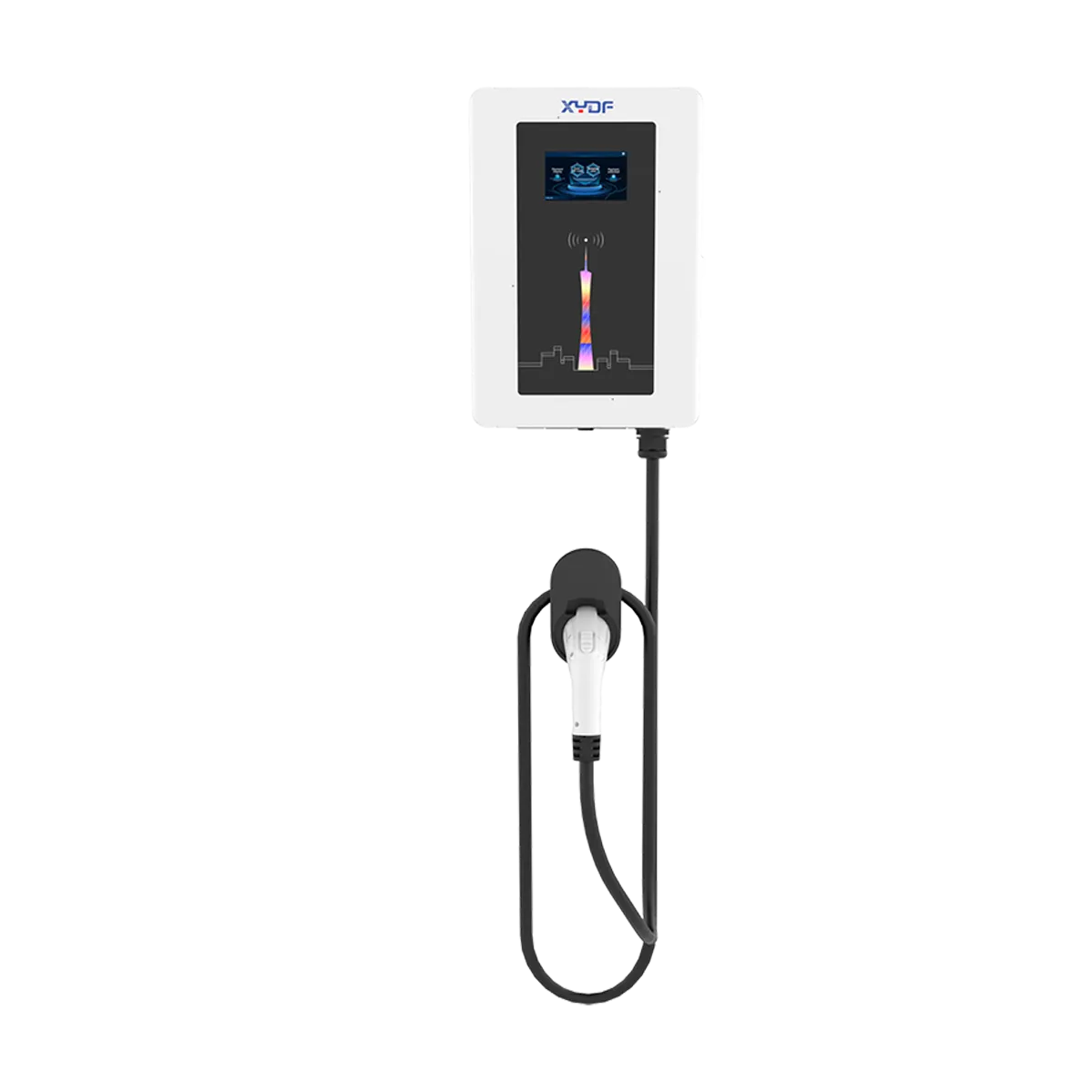
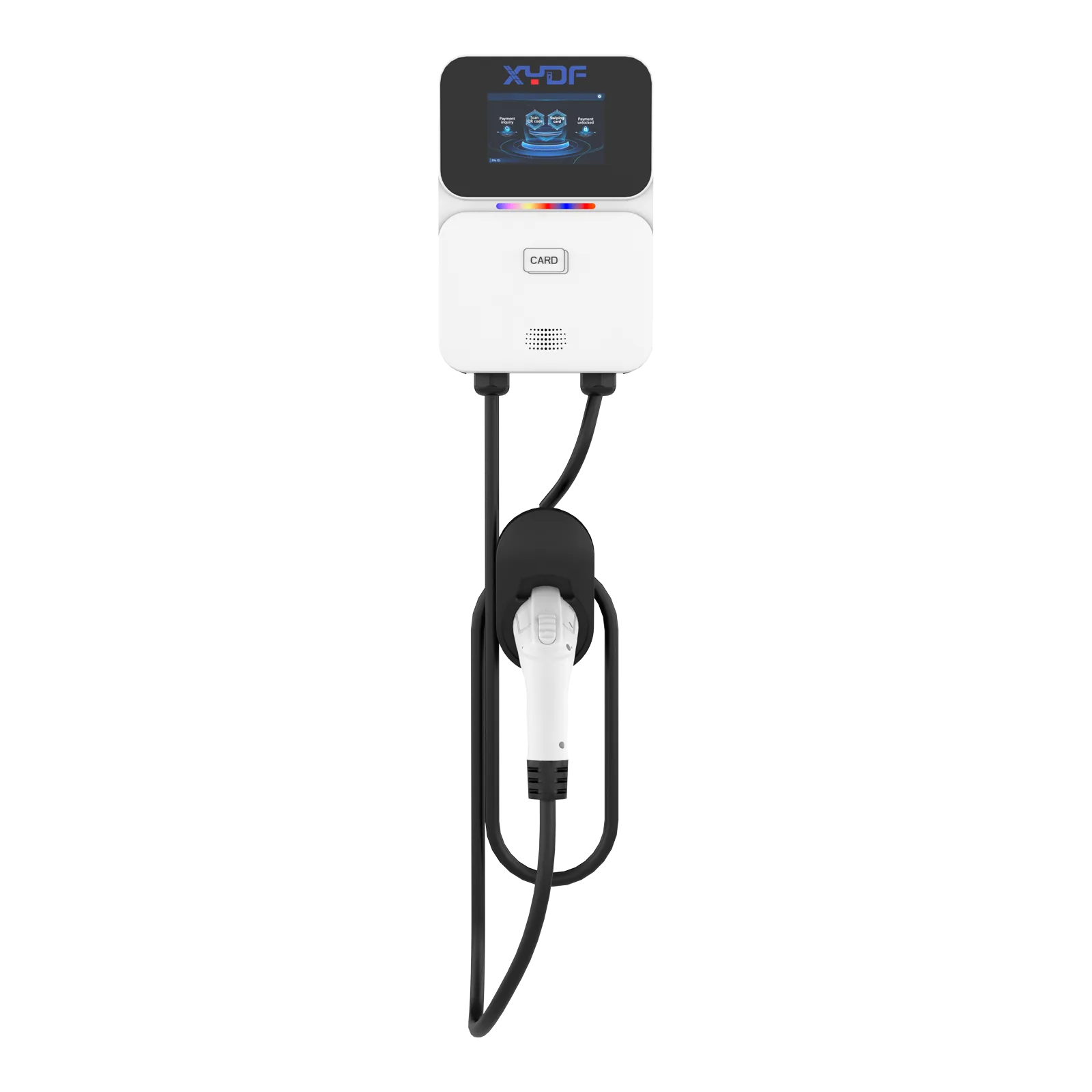
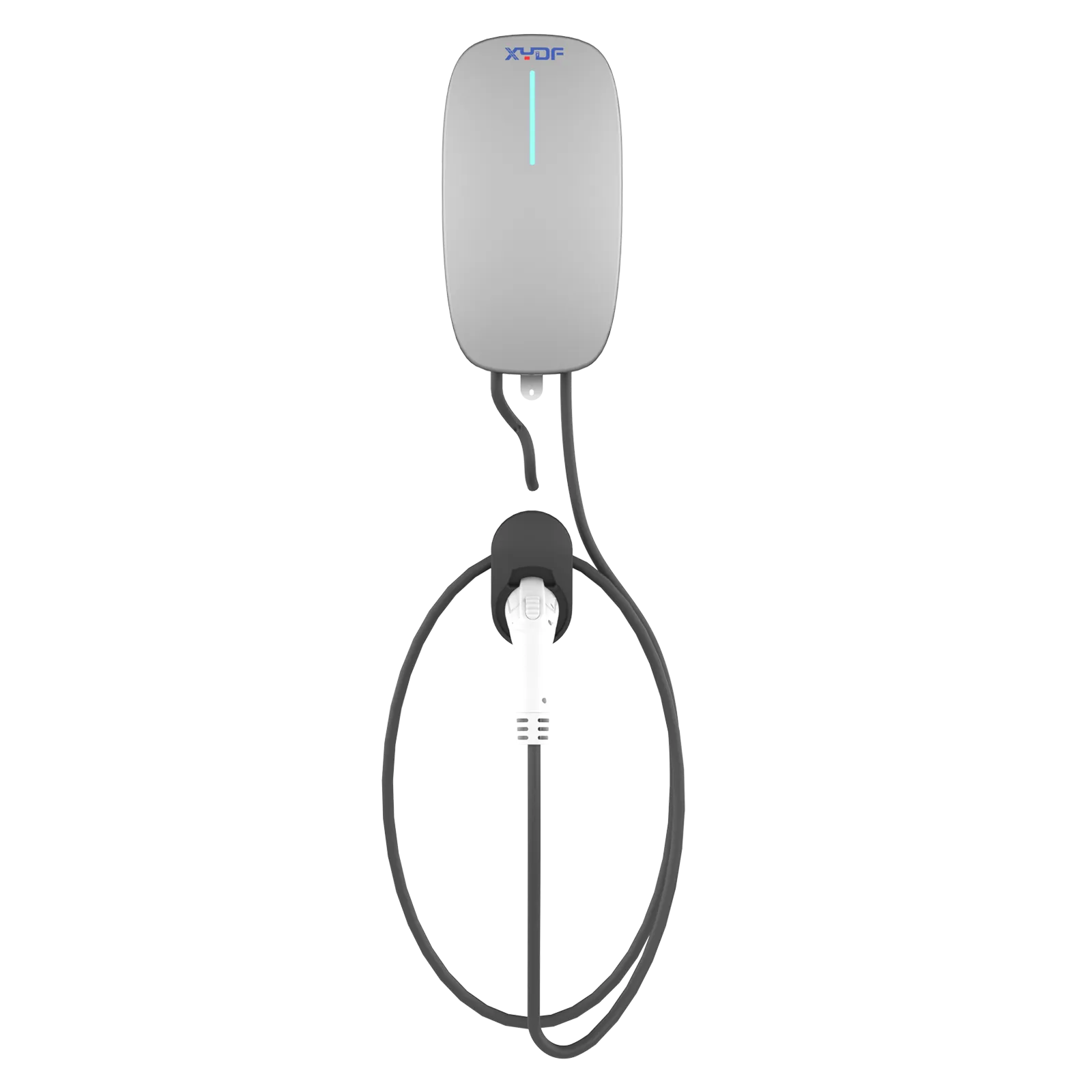
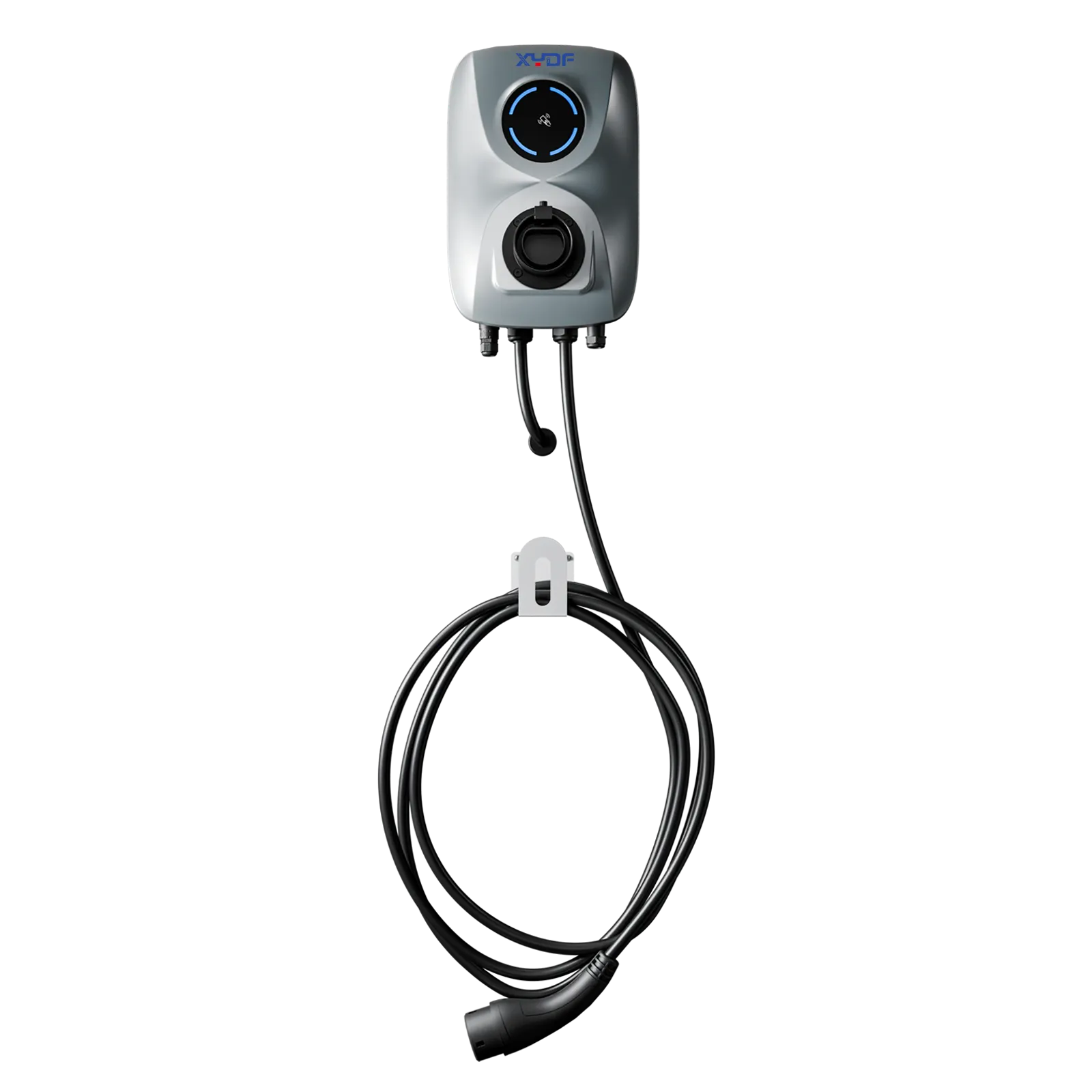
Предоставьте поставщику зарядного устройства утвержденный график нагрузки, напряжение, требования к разъему, сертификат CSMS, ограничения по гармоническому спектру и коэффициенту мощности, а также механизм запуска расширения. Спектр зарядных устройств DC и портфель продукции Затем можно сравнить эти параметры с этими ограничениями; инженерная документация — а не название каталога — должна определять выбранную конфигурацию. Для предложения отправьте те же данные через дорога связи с поставщиком.
Эта структура является инструментом планирования. Она не заменяет точные чертежи, согласование подключения к системе электроснабжения, координацию защиты, анализ рисков вспышек искр, соответствие местным нормам, а также испытания по пусконаладочным процедурам.
Часть 7. Когда требуется провести технико-экономическое обоснование (ТЭО) перед выбором трансформатора?
Этот справочник содержит данные для планирования трансформаторов и сервисов для станций быстрой зарядки DC. Он не является заменой для:
Исследования по подключению к сети или формальные проверки влияния на сеть
Координация защиты, выбор сечения кабеля или строительные чертежи
Сертификация платежной системы или тарифные переговоры
Инженерия транспортных потоков или проектирование циркуляции парковочных мест
Моделирование маршрутов и энергопотребления автопарка для тяжелых условий эксплуатации
Если одновременность, гармоническое воздействие или ограничения полезности неизвестны, опубликуйте поэтапный проект с мониторингом вместо установки максимальной мощности трансформатора и зарядного устройства с первого дня.
ЧАВО
Почему мощность трансформатора важна для станций быстрой зарядки постоянным током?
Трансформаторы должны поддерживать пиковую одновременную нагрузку, которая сохраняется на сервисе, плюс инженерные запасы и эффекты качества электроэнергии, а не сумму всех номинальных значений зарядных устройств.
Какие входные данные необходимы перед определением размеров трансформатора?
Соберите варианты использования, количество портов и мощность, предел управления нагрузкой, существующую мощность обслуживания, правила коммунальных служб и горизонт роста перед запросом кВА трансформатора.
Как оценивается одновременная нагрузка постоянного тока?
Начиная с профиля нагрузки объекта, примените одновременность по группе пользователей, затем примените любые правила ограничения кВт для CSMS/объекта и поля EPC.
Увеличивают ли быстрые зарядные устройства постоянного тока гармоническую нагрузку?
Они могут вносить нелинейную нагрузку. Проанализируйте гармонические составляющие и коэффициент мощности совместно с EPC или энергетической компанией, а не предполагайте резистивную нагрузку.
Когда следует модернизировать трансформаторную мощность?
Модернизация при превышении установленного пикового потребления кВт, обзора гармоник или пределов коммунальных служб существующим резервом мощности, или при утверждении портов второй фазы с документально подтвержденным спросом.
Как управление нагрузкой меняет требования к трансформаторам?
Документированная предельная мощность кВт может снизить одновременный спрос, используемый для подбора трансформатора, если система управления указана и введена в эксплуатацию.
Могут ли зарядные устройства постоянного тока развертываться поэтапно?
Да. Порты сцены, мониторинг и пропускная способность фидеров, чтобы размер трансформатора Фазы 1 соответствовал подтвержденному спросу, сохраняя при этом путь для расширения.
Какой трансформатор мощностью 600 кВт необходим для установки быстрой зарядки постоянного тока мощностью 600 кВт?
Нет универсального ответа на один номер. Измерьте разную мощность оборудования, добавьте вспомогательные устройства, делитесь полученным результатом по формуле PF, а затем применяйте документированные тепловые и расширительные критерии; номинальная мощность 600 кВт может требовать значительно меньше — или больше — 600 кВА в зависимости от синхронности, PF, гармоник, напряжения и правил электроснабжения.
Что проверяет исследование по установке электрораспределительного трансформатора?
Он проверяет доступный уровень мощности, снижение напряжения, режим работы при неисправностях, настройки защиты, качество электроэнергии и возможности модернизации системы для предложенного варианта эксплуатации. Письменные ограничения исследования должны стать критериями приемлемости для системы управления электроэнергией, плана измерения и отчета о пусковом испытании.
Спецификация мощности не является случайным числом; она представляет собой последовательную цепочку от интервала потребления до утвержденных параметров защиты. Команды, которые сохраняют эту последовательность, могут с уверенностью выбирать зарядные устройства и обращаться к поставщику с необходимыми документами в нужное время.
Какие данные должны содержаться в модели коммерческого зарядного устройства для электромобилей?
Полезная модель мощности объединяет энергопотребление транспортного средства с учетом режима работы, времени прибытия и отъезда, одновременного зарядки, распределения мощности зарядных устройств, предельных значений мощности электросети, интервалов тарифных периодов и резерва для случаев позднего или неудачного заряда. Модель должна отображать предположения и точку измерения приемлемости, чтобы покупатели могли сравнивать предложения без привязки номинальной мощности к гарантированному показателю мощности.
Штаб-квартира и фабрика в Чжэцзяне:
№ 2, улица Чанцзян, промышленный парк Вэньчжоу Бридж, город Бейбайсян, город Юэцин, город Вэньчжоу, провинция Чжэцзян
Шэньчжэньский филиал:
1-й этаж, здание А, промышленный парк Шэнькай, сообщество Тантоу, район Шиянь, район Баоань, Шэньчжэнь
Мы используем файлы cookie для обеспечения работы этого веб-сайта и, с вашего разрешения, для измерения того, как посетители используют наш сайт зарядки электромобилей. См. наши Политика конфиденциальности для получения подробной информации.
 Синьцзя Дунфан Электрик Технолоджи Ко., Лтд.