How Should Project Teams Plan Transformer Capacity for DC Fast Charging Sites?
Jul 18,2026
Blog
Before adding DC fast charger capacity, project teams should size transformer headroom from simultaneous kW, diversity, harmonic allowance, utility limits, and phased deployment — not from a simple sum of charger nameplates.
Part 1. Why does transformer capacity matter for DC fast charging sites?
For a defensible commercial charging decision, separate the question of equipment power from the question of usable service capacity. Record vehicle duty cycles, arrival and departure windows, simultaneous sessions, site demand limits, utility constraints, and the operational cost of a missed session before comparing charger models. Public planning guidance can frame the variables, but the final capacity claim must be tested against the site’s own interval data. For the public planning context, see NREL managed electric vehicle charging guidance; the site-specific acceptance record still controls the final decision.
A DC fast charger site can fail commercially and electrically when transformer capacity is sized from installed nameplate alone. Transformers must cover simultaneous demand, inrush and harmonic effects, operator load-management rules, and utility review thresholds.
Under-sizing creates nuisance trips and long utility delays. Over-sizing raises capex without matching utilization.
Planning mistake
Field symptom
Better starting point
Nameplate stack
Utility rejection or repeated trips
Simultaneous kW profile
Ignoring diversity
Oversized transformer and feeder cost
Use-case-based diversity factor
Ignoring harmonics
Elevated losses and PQ complaints
EPC review with load data
No staging plan
Stranded capacity or blocked expansion
Phased ports and monitoring
Transformer sizing supports charger deployment; it does not replace formal utility interconnection approval.
Treat DC fast charging transformer capacity as a documented design input, not a charger-shopping shortcut. A defensible sequence is: establish the diversified 15-minute peak, add auxiliary load, convert kW to kVA at the study power factor, test thermal and harmonic limits, then reserve a defined expansion step. The worked example below is illustrative only; the utility and responsible electrical engineer must approve the final rating.
Part 2. Which inputs are needed before transformer sizing?
Accurate transformer planning starts with site use case, not catalog kW.
Input block
Examples
Why it changes transformer results
User group
Public plaza, fleet depot, retail, workplace wing
Arrival curve and simultaneity
Charger count and power
2×120 kW, 4×80 kW, mixed ports
Peak kW scenarios
Load management cap
Site kW ceiling in CSMS
Reduces simultaneous demand
Existing service
Current transformer kVA, spare breaker space
Determines upgrade path
Utility requirements
Demand limits, power factor rules
May bind design before chargers
Growth horizon
Phase 2 ports in 18-24 months
Avoids one-time dead-end sizing
EPC teams often hear that “the utility will not allow four 120 kW units at once” — document simultaneous factors and management rules before the interconnection meeting.
1) Confirm the Electrical and Operating Inputs Before Selecting a Rating
Record the service voltage and phase, available fault current, existing transformer nameplate and measured peak, charger DC output (not just cabinet rating), auxiliary loads, ambient/installation conditions, and the utility’s demand interval. IEC 60076-1 provides the transformer rating and service-condition framework; IEC 61851-1/-23 describe the conductive charging system and DC EV supply equipment interfaces. Neither standard grants permission to connect a site—interconnection rules and the local utility study still control.
Separate an unmanaged nameplate case from the managed case promised by the charging management system (CSMS).
State whether the peak is a short control transient or a utility billing interval; thermal loading should use the interval that actually persists.
Write the Phase 2 trigger (ports, date, or utilization threshold) so expansion reserve is auditable rather than an arbitrary percentage.
Part 3. How should teams estimate simultaneous DC load and diversity?
Build on the load profile from the commercial EV charging load profiling guide. Transformer sizing should use the hourly peak kW that persists long enough to matter thermally, not every short handshake event.
Step
Action
Output
1
Define ports, power levels, and use case
Installed kW table
2
Apply simultaneity by user group
Peak simultaneous kW
3
Apply CSMS/site cap if planned
Managed peak kW
4
Add engineering margin per utility/EPC rule
Transformer sizing input
5
Cross-check feeder and breaker spare capacity
Upgrade scope list
Example simultaneity posture:
Site type
Simultaneous charging tendency
Sizing posture
Public DC plaza
High peak, short dwell
Conservative unless strong load cap
Retail/hospitality
Bursty peaks
Moderate diversity with queue rules
Fleet depot
High return-window overlap
Conservative diversity factor
Workplace DC wing
Lower peak if AC carries base load
Selective DC with cap control
2) Calculate diversified kW, then convert to kVA
A useful DC fast charging transformer capacity worksheet keeps connected load, diversity, PF and reserve as separate fields so an EPC can challenge one assumption without rebuilding the model.
For each operating scenario, multiply connected charger output by a documented simultaneity factor, add site auxiliaries, and apply any enforceable CSMS cap. The resulting diversified kW is converted using kVA = kW / power factor; use the PF measured or guaranteed for the charger population, not a default unity assumption.
Illustrative assumption
Calculation
Result
Four 150 kW dispensers; 70% simultaneous output
4 × 150 × 0.70
420 kW diversified charger load
Switchgear, lighting and cooling auxiliaries
420 + 20
440 kW site peak
Study PF of 0.95
440 ÷ 0.95
≈463 kVA before reserve
Documented 20% expansion allowance
463 × 1.20
≈556 kVA; a 630 kVA class may be the next review point
Why this is not a purchase recommendation: the 70% factor, 0.95 PF and 20% reserve are assumptions chosen to show the method. Replace each with site measurements, charger guarantees and utility/EPC criteria. A larger nominal kVA can still fail if the enclosure ambient, altitude, cooling, harmonic current or protection settings exceed the manufacturer’s limits.
Part 4. How do harmonics and power factor affect transformer selection?
DC fast chargers can present nonlinear loading. Transformer and upstream equipment should be reviewed for harmonic content and power factor, especially when multiple high-power units share one service.
Review item
Why it matters
Typical action
Harmonic spectrum
Transformer heating and PQ
EPC filter or allocation review
Power factor
Utility penalty thresholds
Corrected PF target in study
Neutral loading
On some service configurations
Confirm with single-line review
Monitoring plan
Validates assumptions after go-live
Metering points in Phase 1
Send load profile, charger list, and planned load-management cap to the EPC before requesting a transformer recommendation. (IEC 61851 overview)
3) Check voltage, thermal derating and protection as one system
For procurement, the DC fast charging transformer capacity figure should therefore be accompanied by voltage, current, PF, harmonic and short-circuit assumptions.
For a three-phase service, approximate line current with I = kVA × 1,000 ÷ (√3 × line voltage). The 630 kVA example is about 909 A at 400 V or 758 A at 480 V; that difference changes conductor, breaker and switchboard selection. Confirm transformer impedance, inrush withstand, short-circuit duty, temperature rise and any altitude/ambient derating against the IEC 60076 data sheet and the utility fault-level study.
DC power converters are nonlinear loads. Request a harmonic spectrum or total-demand-distortion limit, define the power-factor target, and have the engineer run a protection-coordination check for the actual feeder lengths and breaker curves. A site meter at the transformer secondary—recording kW, kVA, PF, voltage and harmonic indicators at the utility interval—turns assumptions into commissioning evidence.
Part 5. When should transformer upgrades be staged with charger deployment?
When adoption forecasts or utility capacity are uncertain, staged deployment reduces stranded transformer investment while preserving expansion paths.
Trigger
Staging approach
Transformer implication
Uncertain utilization
Phase 1 fewer ports plus monitoring
Size for Phase 1 peak with documented Phase 2 path
4) Use the utility study to set the commercial decision
Utility portals commonly require a single-line diagram, service details, charger schedule, maximum import power, protection data and load-management description before they quote an upgrade. The U.S. Department of Energy’s Alternative Fuels Data Center notes that permitting, interconnection and utility requirements vary by jurisdiction; National Grid’s EV infrastructure guidance likewise directs applicants to begin with a site capacity assessment and an early network conversation. These are process references, not universal design rules—document the destination utility’s written limits and tariff interval in the project file.
Ask the EPC and utility to sign off the simultaneous kW case, harmonic and power-factor assumptions, staged transformer plan, protection changes and approval milestones before ordering equipment.
Part 6. Which XYDF DC platforms match common capacity outcomes?
Submit the simultaneous kW profile, load-management cap, connector standards, and target tariff windows when requesting a proposal through Contact EV Charger Supplier.
5) Turn the load study into procurement requirements
That evidence pack is the practical bridge between a DC fast charging transformer capacity estimate and a quote that can survive utility review.
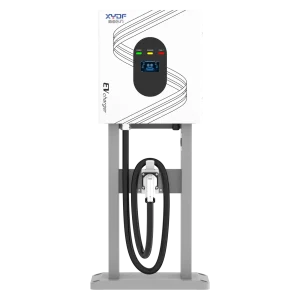
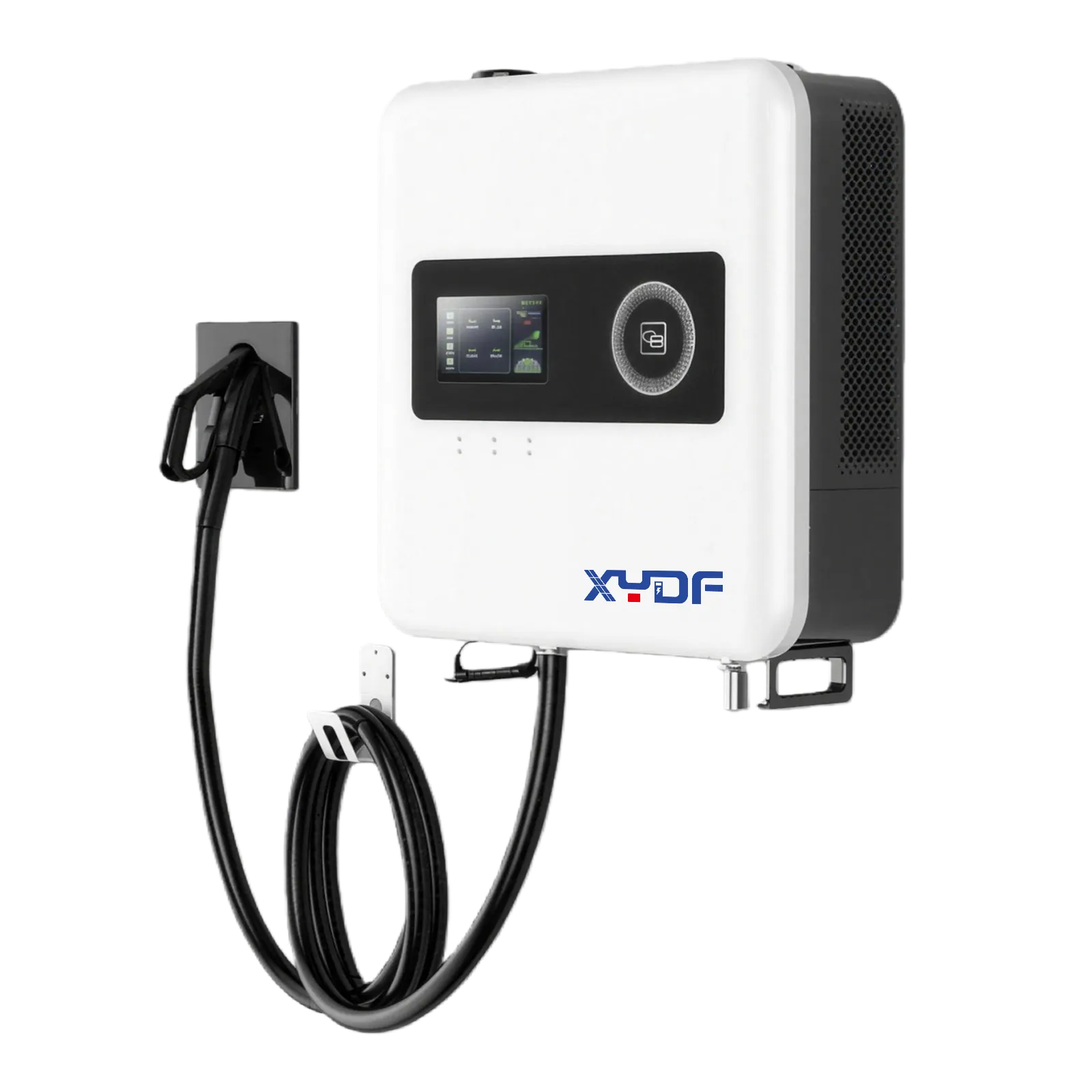
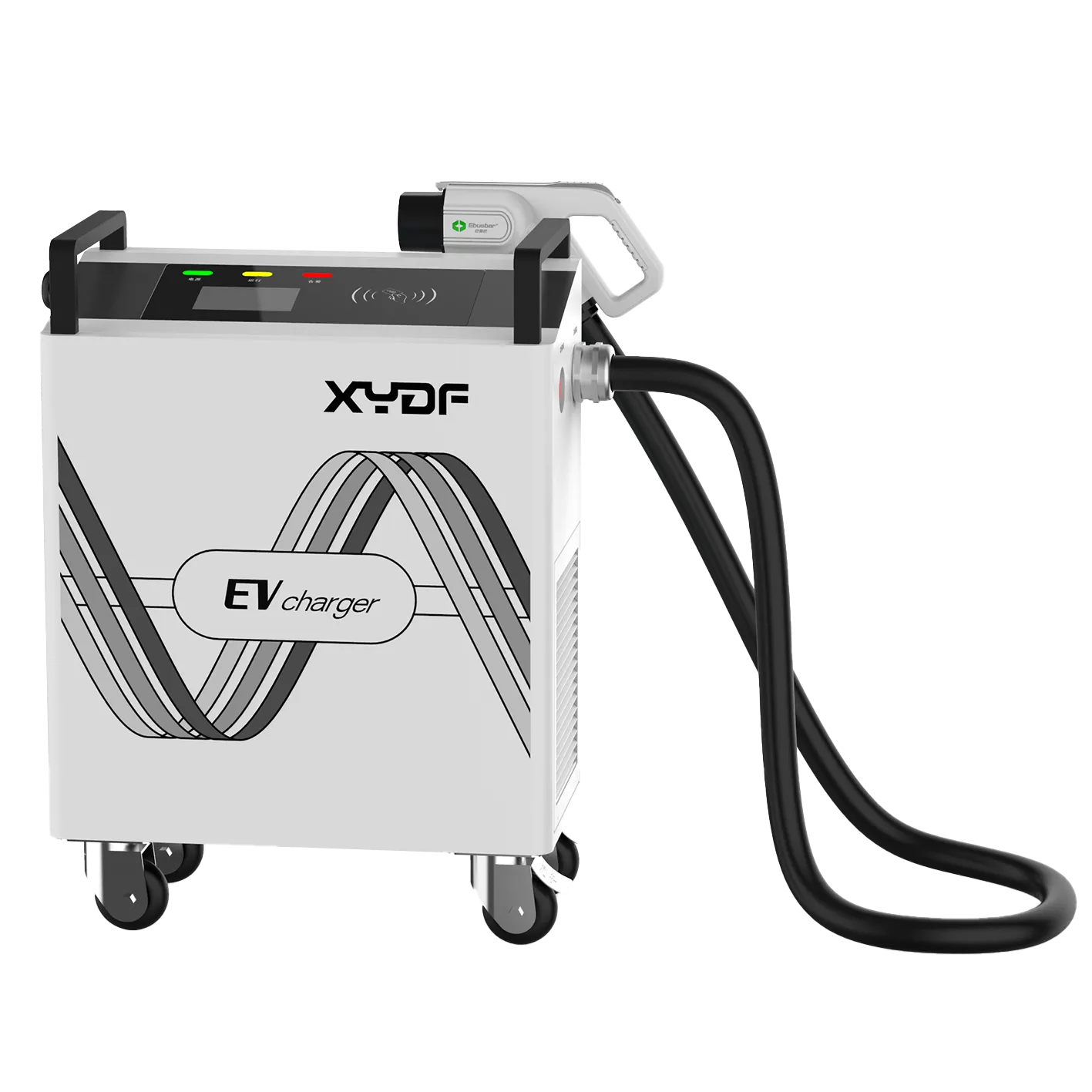
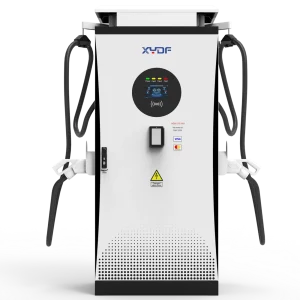
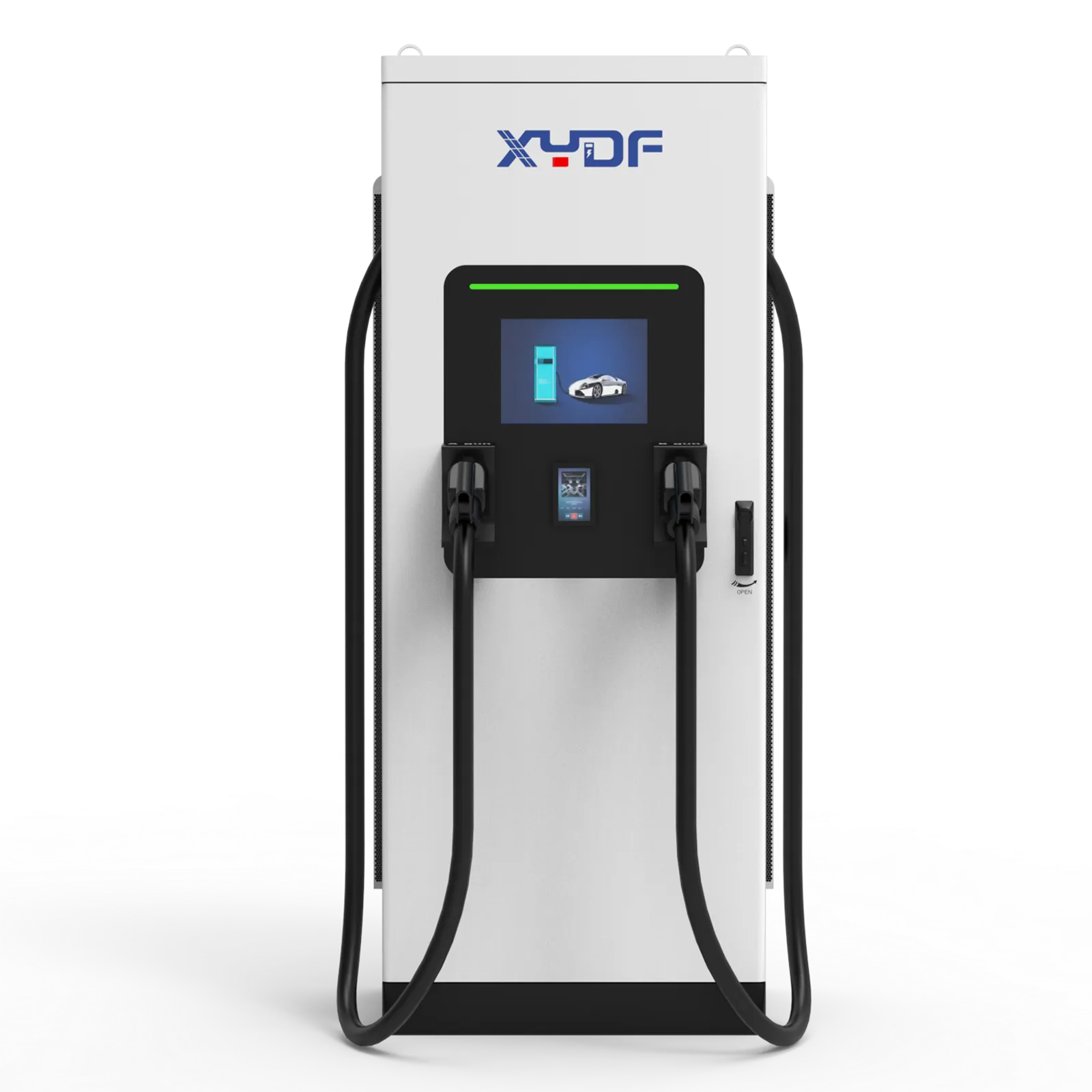
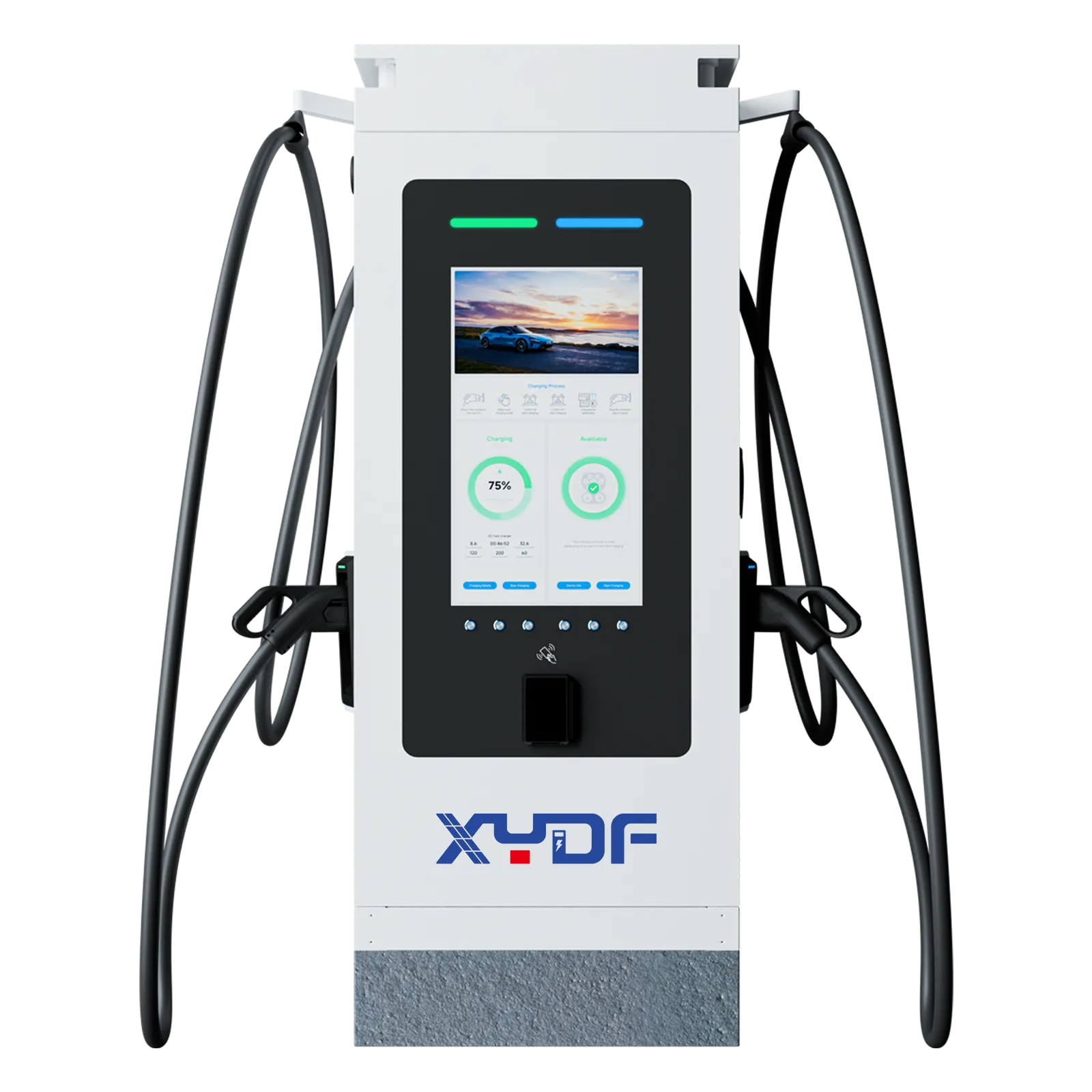
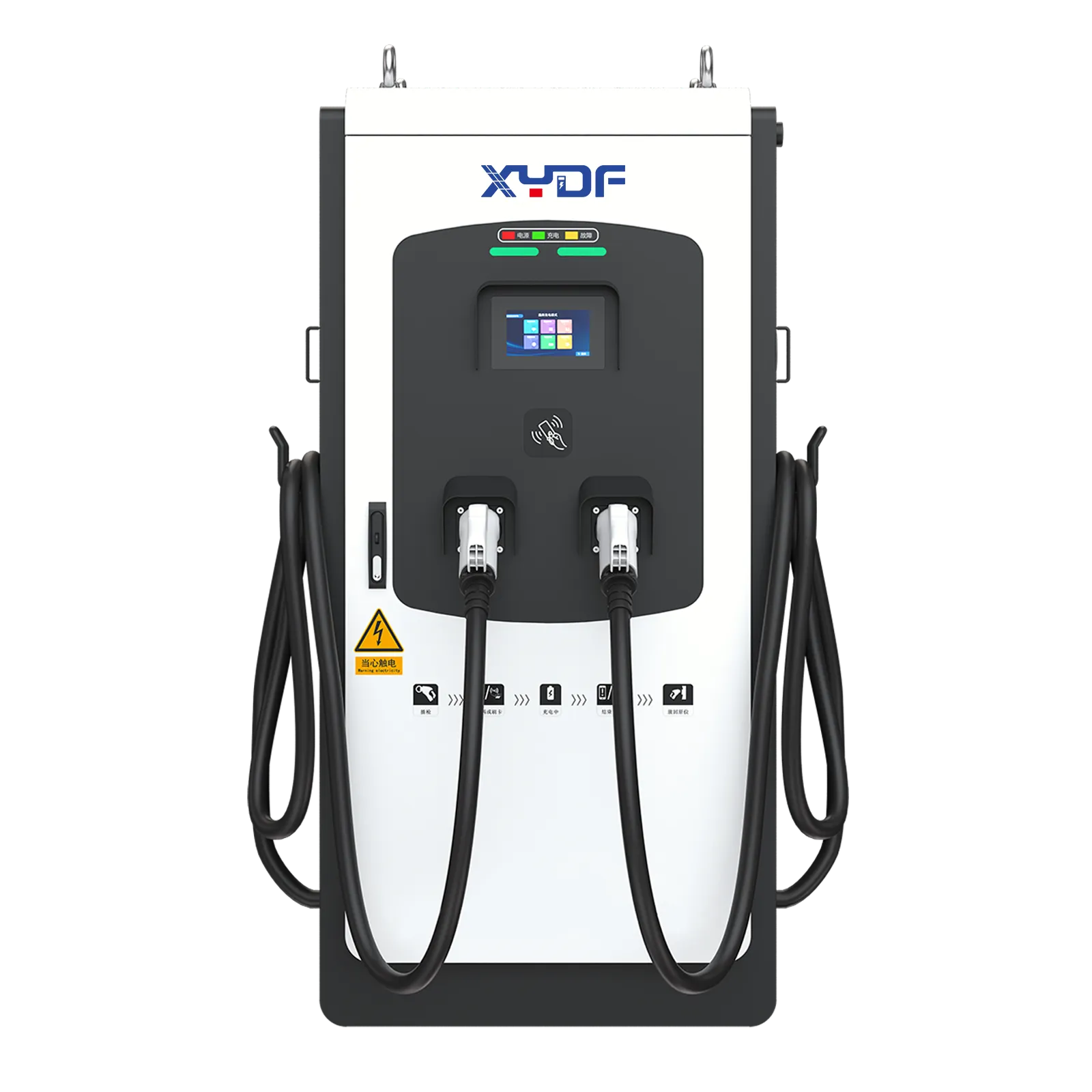
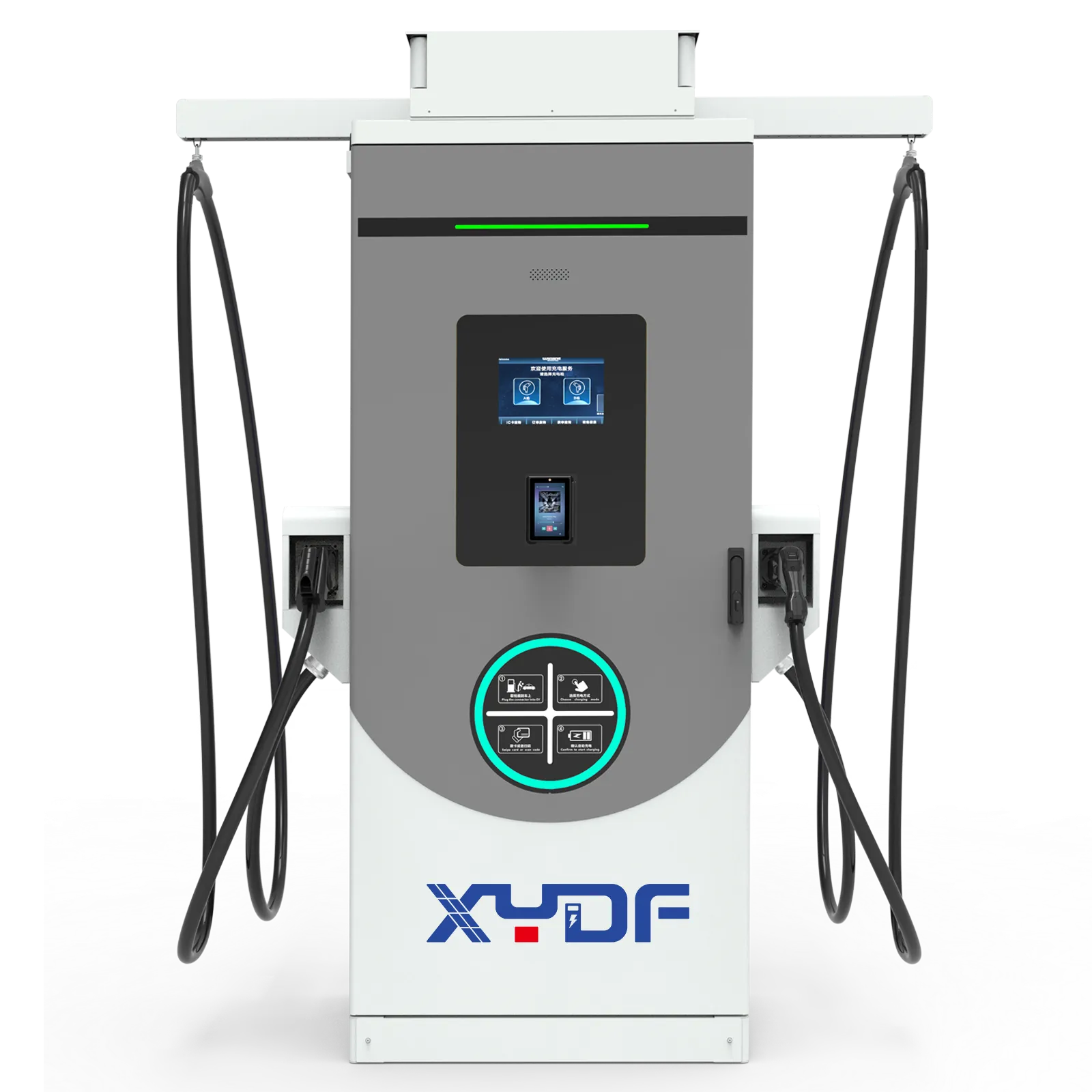
Give the charger supplier an approved load schedule, voltage, connector requirement, CSMS cap, harmonic/PF limits and expansion trigger. XYDF’s DC fast charger range and product portfolio can then be evaluated against those constraints; the engineering file—not a catalog headline—should determine the selected configuration. For a proposal, send the same evidence through the supplier contact route.
This framework is a planning aid. It does not replace stamped drawings, utility interconnection approval, protection coordination, arc-flash analysis, local code compliance, or commissioning tests.
Part 7. When Is a Utility or EPC Study Required Before Transformer Selection?
This guide supports transformer and service planning inputs for DC fast charging sites. It does not replace:
Utility interconnection studies or formal grid impact reviews
Protection coordination, cable sizing, or construction drawings
Payment network certification or tariff negotiations
Traffic engineering or parking circulation design
Fleet route-energy modeling for heavy-duty duty cycles
If simultaneity, harmonic allowance, or utility limits are unknown, publish a staged design with monitoring rather than locking maximum transformer and charger power on day one.
FAQ
Why does transformer capacity matter for DC fast charging sites?
Transformers must support the peak simultaneous demand that persists on the service, plus engineering margins and power-quality effects — not the sum of all charger nameplates.
Which inputs are needed before transformer sizing?
Collect use case, port count and power, load-management cap, existing service capacity, utility rules, and growth horizon before requesting transformer kVA.
How is simultaneous DC load estimated?
Start from a site load profile, apply simultaneity by user group, then apply any CSMS/site kW cap and EPC margin rules.
Do DC fast chargers increase harmonic loading?
They can contribute nonlinear loading. Review harmonic and power-factor effects with the EPC or utility study rather than assuming resistive load.
When should transformer capacity be upgraded?
Upgrade when managed peak kW, harmonic review, or utility limits exceed existing service headroom, or when Phase 2 ports are approved with documented demand.
How does load management change transformer requirements?
A documented site kW cap can reduce the simultaneous demand used for transformer sizing if the control system is specified and commissioned.
Can DC chargers be deployed in phases?
Yes. Stage ports, monitoring, and feeder capacity so Phase 1 transformer size matches proven demand while preserving an expansion path.
What transformer kVA is needed for a 600 kW DC fast-charging site?
There is no universal one-number answer. Calculate diversified site kW, add auxiliaries, divide by the study PF, then apply documented thermal and expansion criteria; a 600 kW nameplate can require materially less—or more—than 600 kVA depending on simultaneity, PF, harmonics, voltage and utility rules.
What does a utility transformer study verify?
It verifies available capacity, voltage drop, fault duty, protection settings, power quality and the service upgrade scope for the proposed operating case. The study’s written limits should become the acceptance criteria for the CSMS cap, metering plan and commissioning record.
Capacity is not a guess; it is a traceable chain from demand interval to approved protection settings. Teams that preserve that chain can phase chargers with confidence and ask a supplier for the right evidence at the right time.
What data should a commercial EV charging capacity model include?
A useful capacity model combines vehicle energy by duty cycle, arrival and departure windows, simultaneous charging, charger power-sharing behaviour, site electrical limits, tariff intervals, and a reserve for late or failed sessions. The model should show the assumptions and the acceptance measurement point so buyers can compare proposals without treating a nameplate kW value as guaranteed service capacity.
We use cookies to keep this website working and, with your permission, to measure how visitors use our EV charging site. See our Privacy Policy for details.
 Xinya Dongfang Electricity Technology Co., Ltd.