 Синьцзя Дунфан Электрик Технолоджи Ко., Лтд.


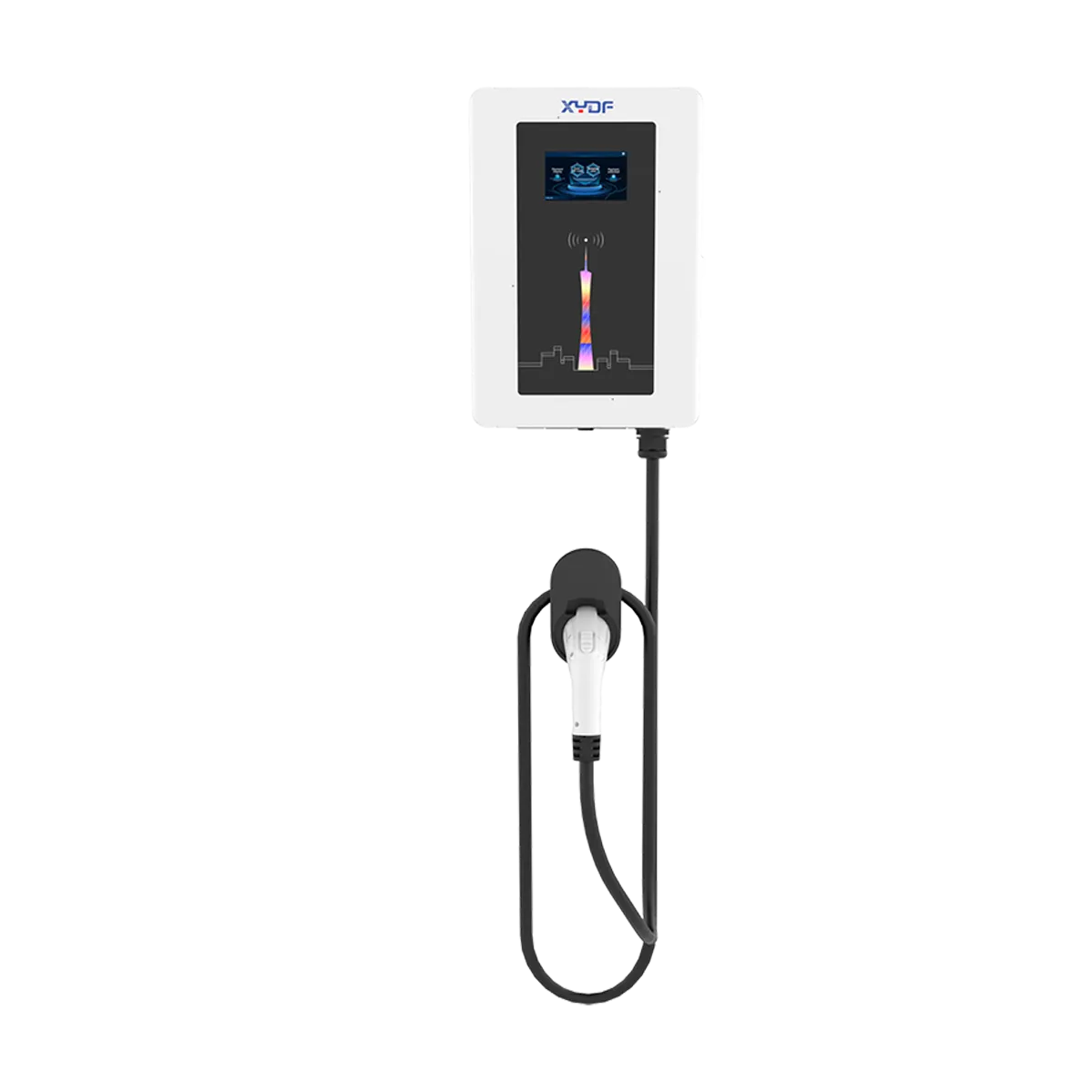
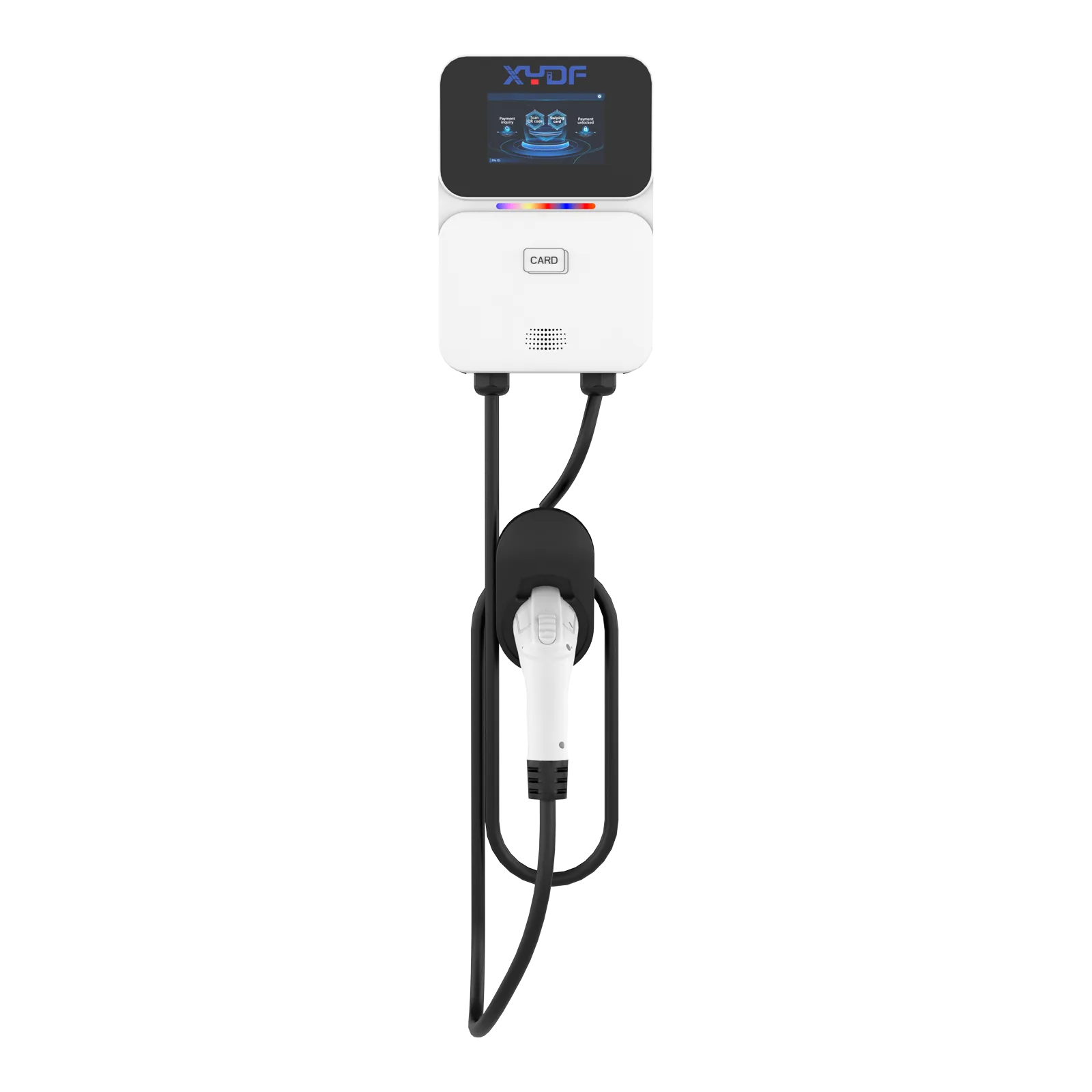
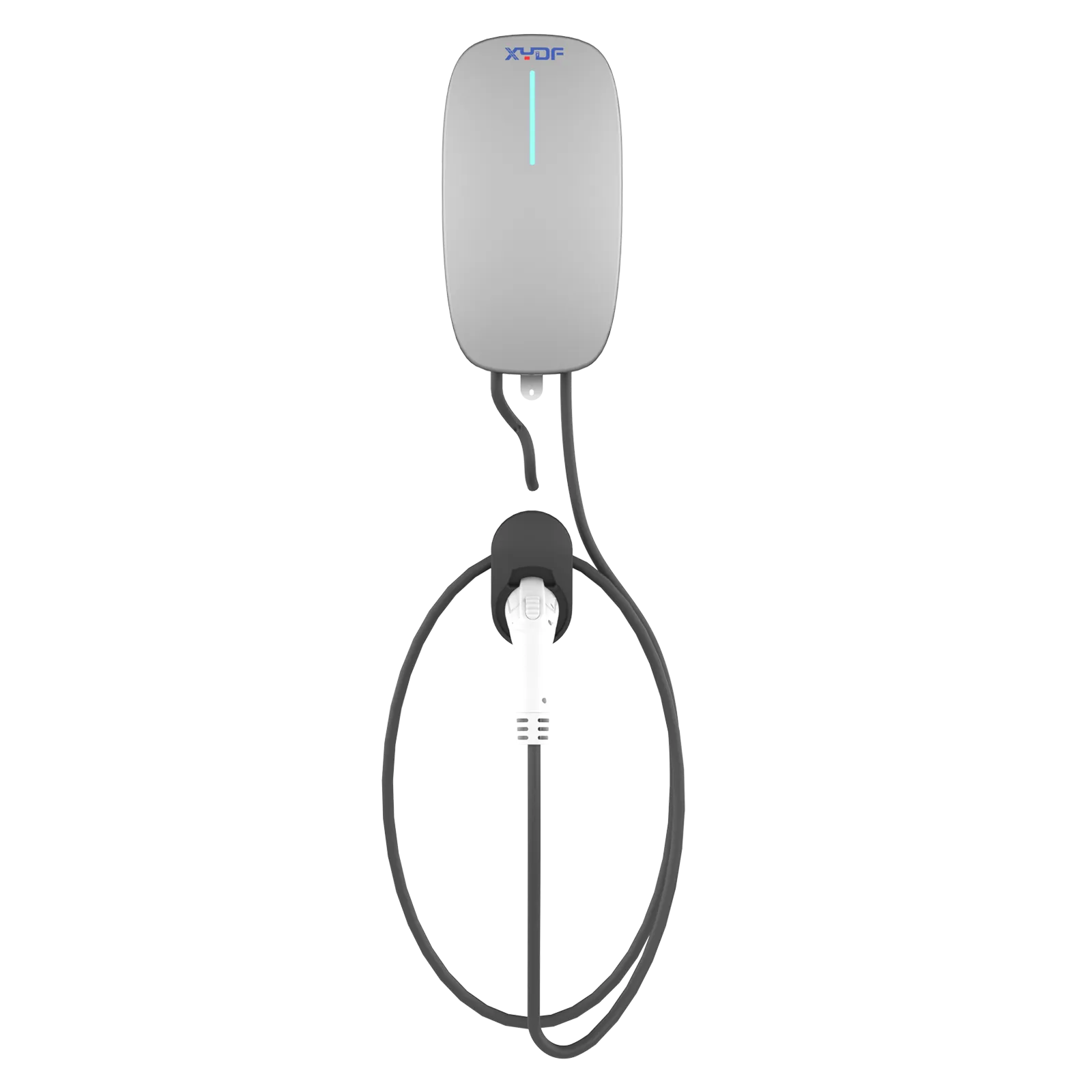


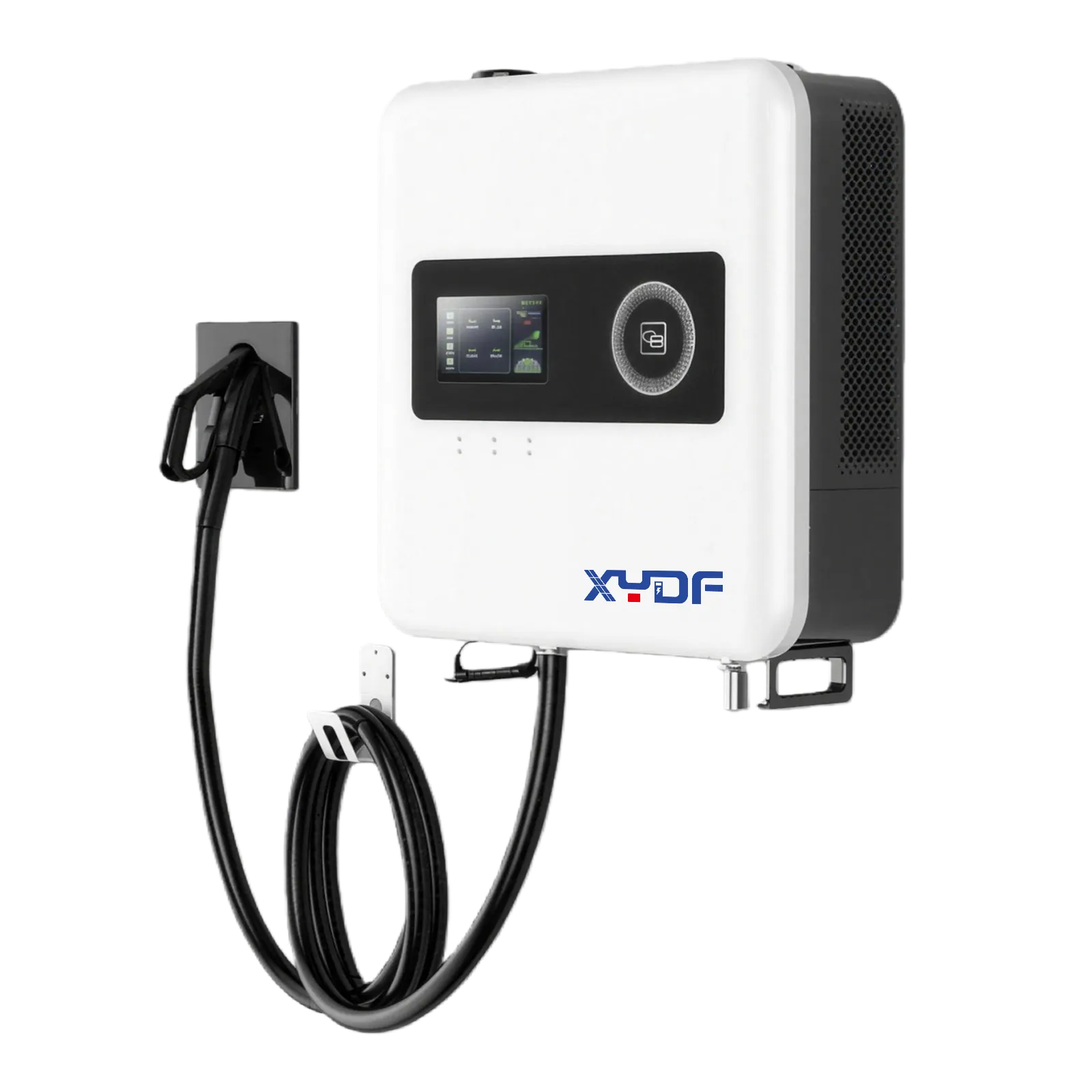
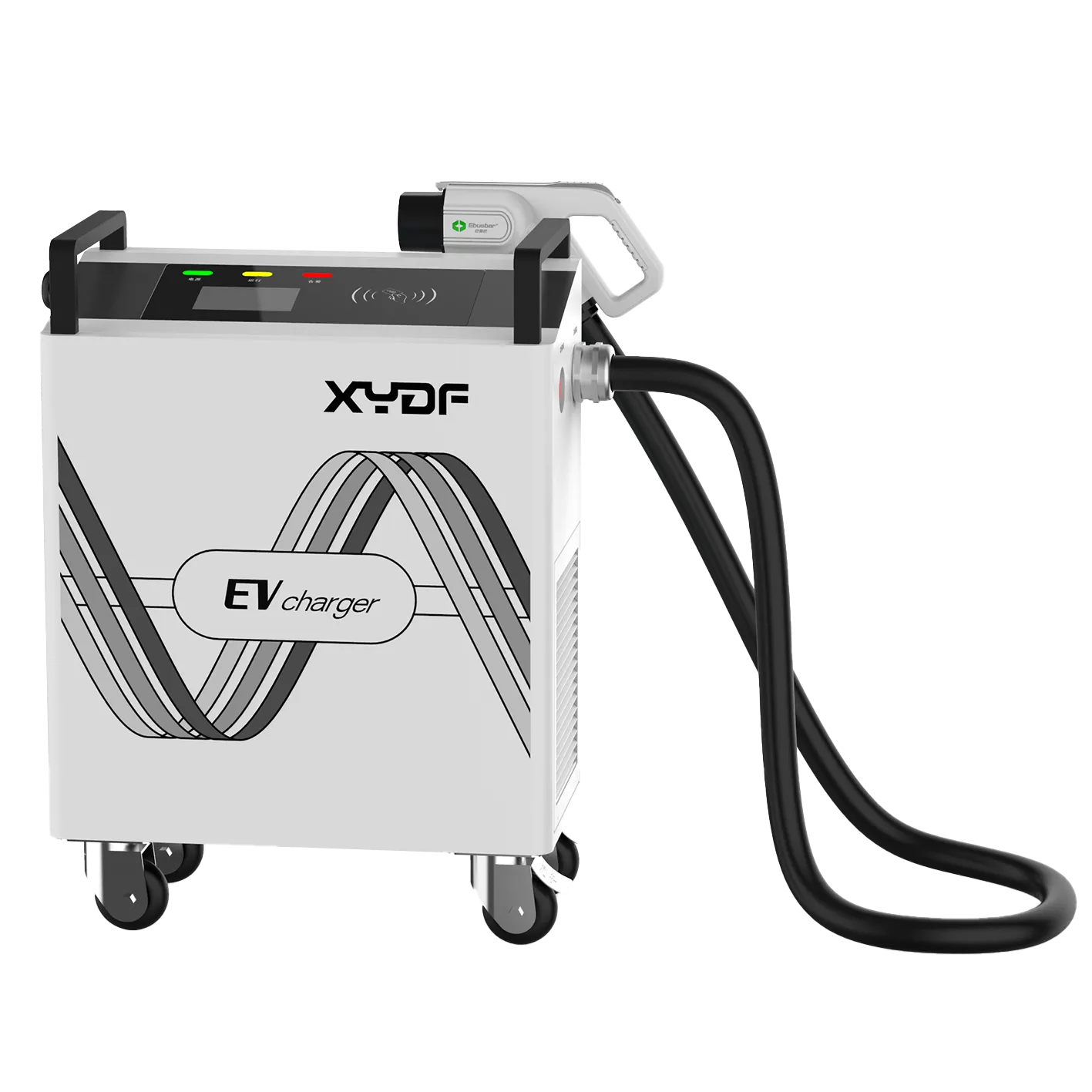
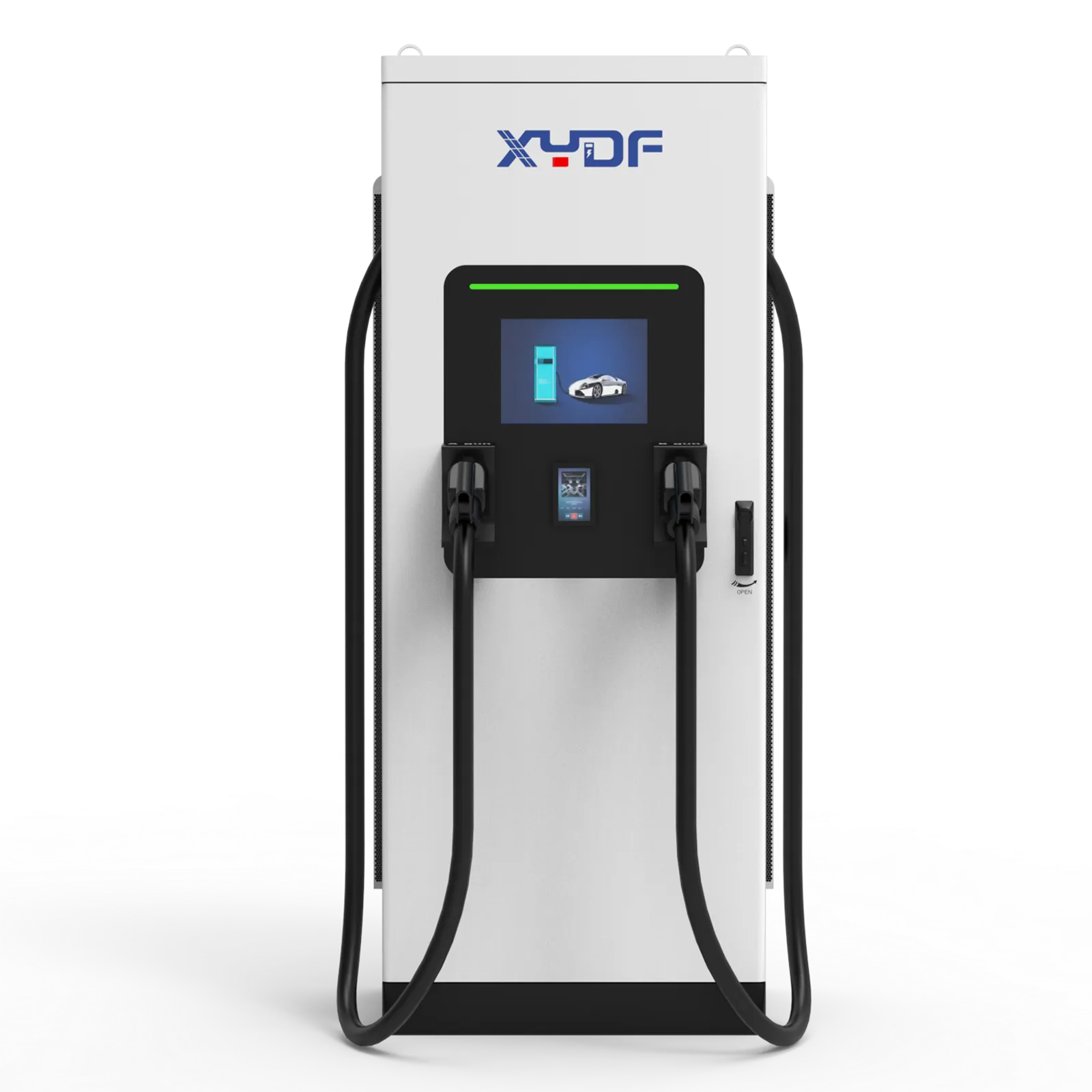
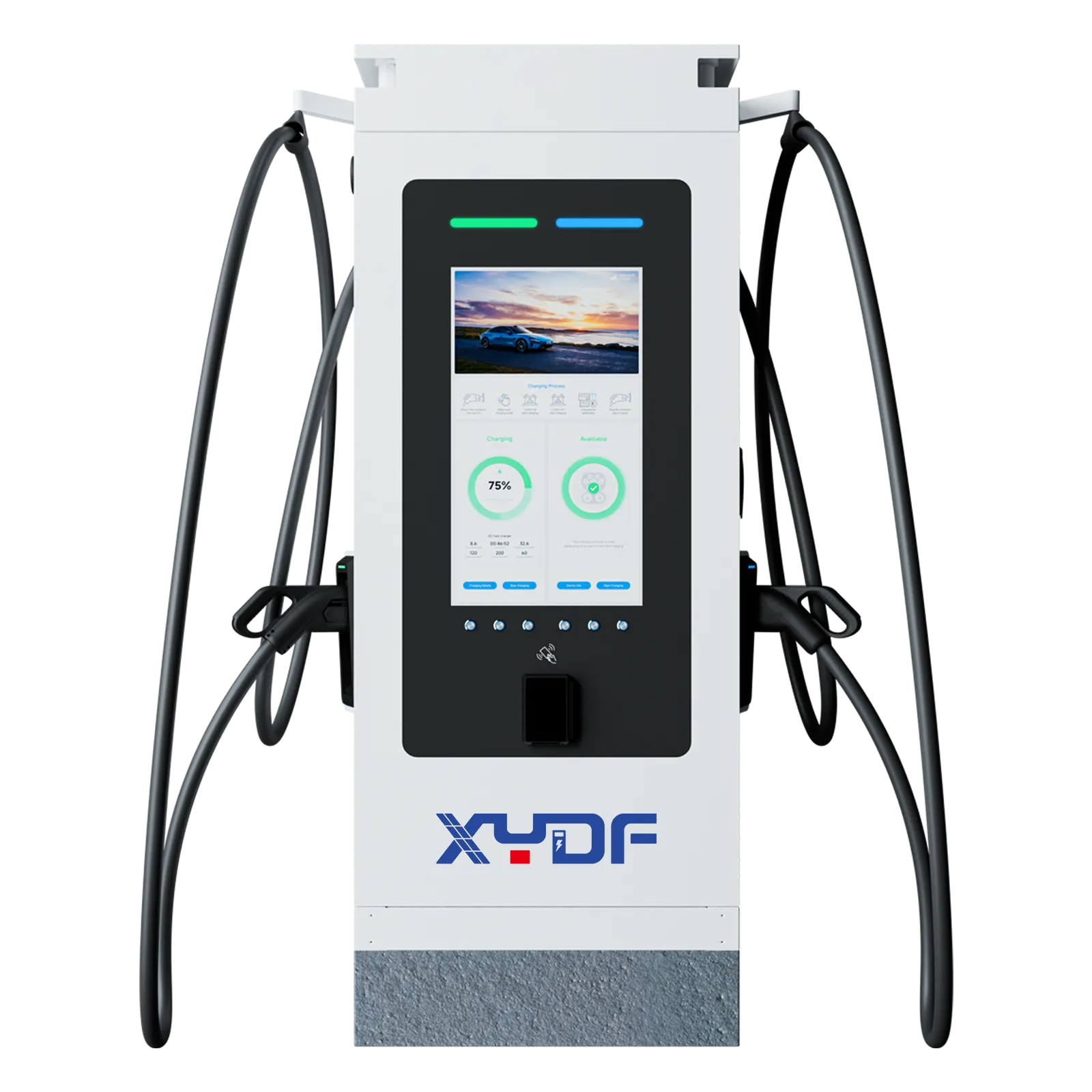
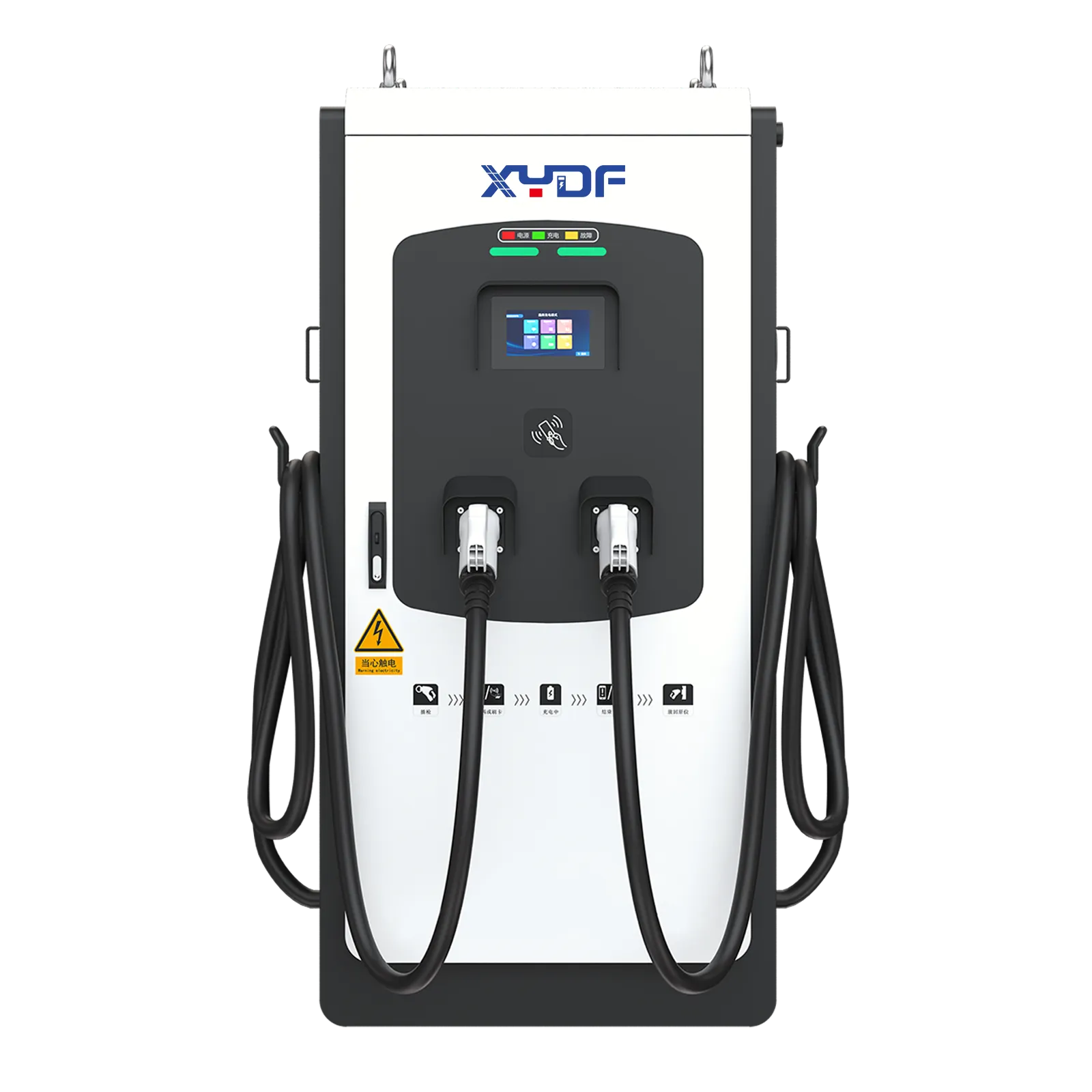
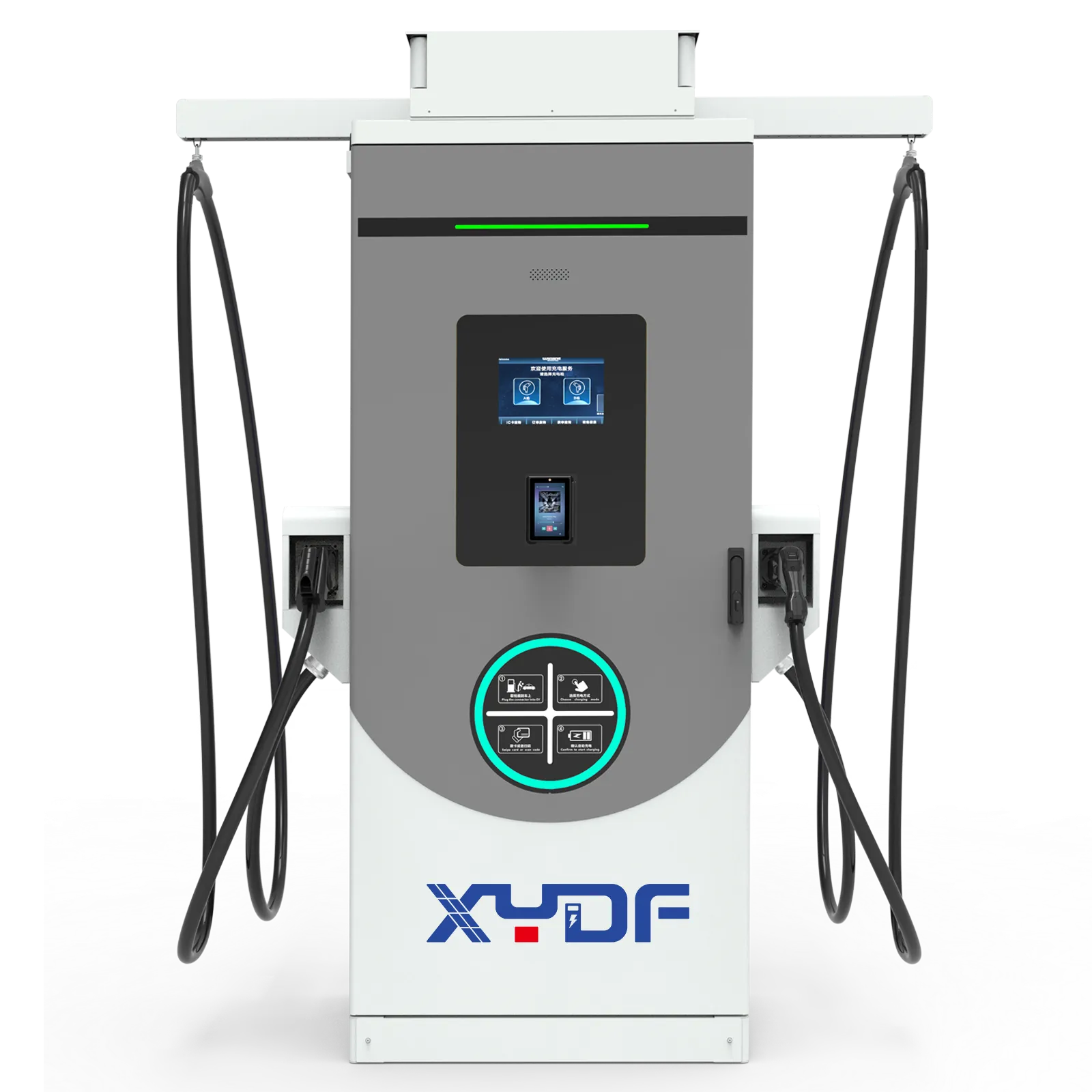
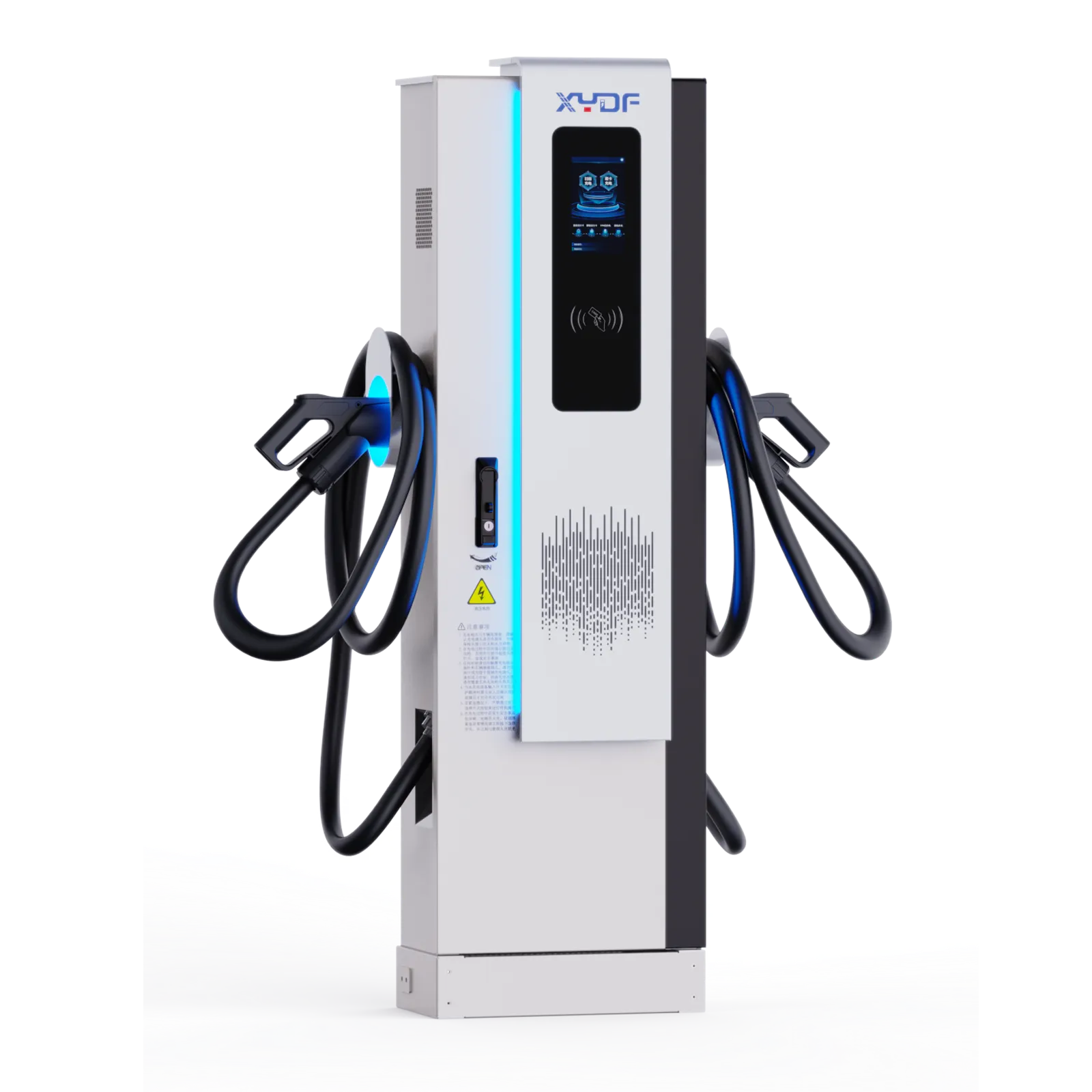
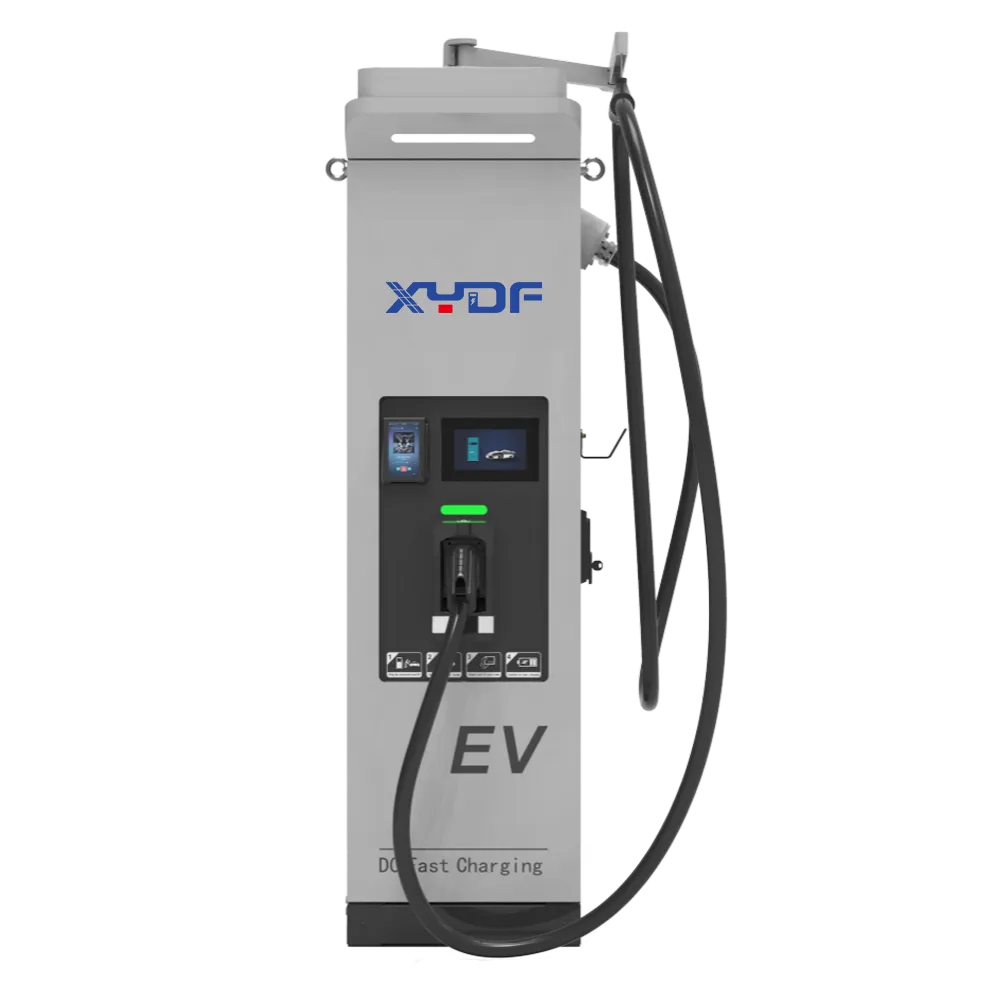
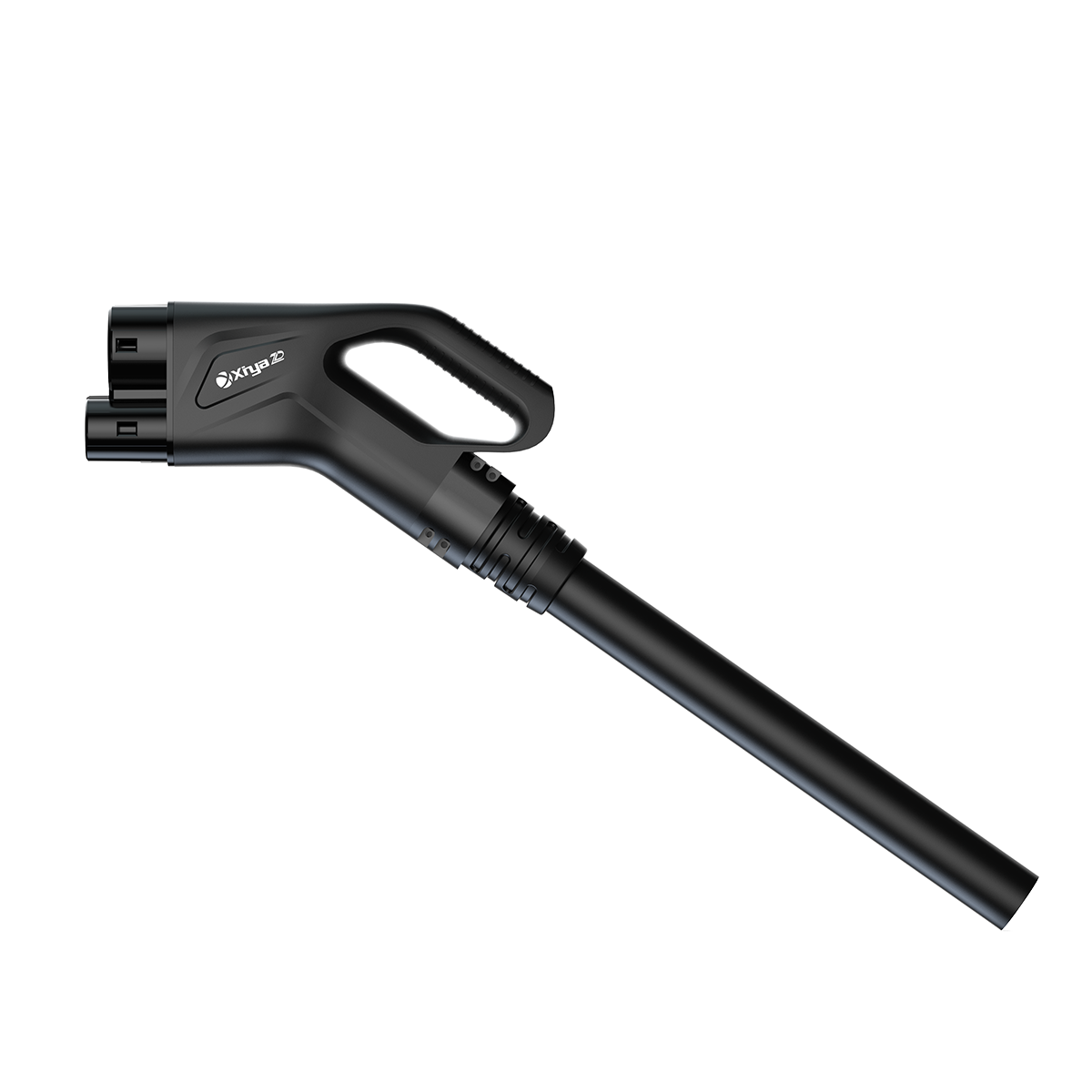
Plug-in hybrid electric vehicles (PHEVs) combine electric driving with a gasoline fallback, which makes convenient charging useful at homes, workplaces, hotels, shopping centers, airports, fleet depots, and public parking facilities. For drivers, regular charging can extend electric-only use and reduce fuel consumption. For commercial sites, reliable PHEV and EV charging can support drivers, add location value, contribute to sustainability goals, and prepare the property for changing mobility demand.
plug-in hybrid charging station planning starts with the vehicle, not the charger nameplate. Confirm that the vehicle is a PHEV rather than a conventional hybrid, identify its connector and onboard AC acceptance, calculate the energy required during the available dwell time, and verify the site’s electrical capacity, controls, and market requirements. Most PHEVs use Level 1 or Level 2 AC charging; many cannot use DC fast charging.
Users increasingly expect Level 2 charging, load management, RFID access, mobile-app or terminal payments, energy tracking, and compatibility with the connector mix at the site. Mixed PHEV and battery-electric vehicle (BEV) operations therefore need a safe, efficient charging policy. Before purchase, buyers should resolve compatibility, installation cost, charging speed, electrical capacity, safety evidence, maintenance, payment access, and whether public charging is operationally necessary.
What Is a Hybrid Charging Station?
The term hybrid charging station typically describes a charging location that can be utilized by plug-in hybrids as well as electric vehicles. In most practical situations, this charging station is in actuality an EV charger that works for appropriate PHEV.
The term hybrid can become quite ambiguous. Conventional hybrid vehicles do not require charging since only plug-in hybrid vehicles are capable of being connected to a charger. Thus, when people are looking for hybrid charging stations, they are most likely looking for a charger for a plug-in hybrid vehicle, not a regular hybrid one.
The term “hybrid charging station” can also refer to a charging facility that integrates different energy systems, such as grid power, solar energy, battery storage, and intelligent load balancing in the charging infrastructure market.
In this paper, the term “hybrid charging station” refers to a charging station for hybrid-electric vehicle applications.
Can All Hybrid Cars Use a Charging Station?
No. Not all hybrid cars can use a charging station.
A conventional hybrid vehicle, or hybrid electric vehicle (HEV), does not come equipped with a charging port like PHEVs. A HEV combines the use of an electric motor and battery with an internal combustion unit which creates its own electricity without the option to recharge. A PHEV, however, uses a more powerful battery and can easily be connected to an electric outlet for charging purposes.
| Тип транспортного средства | Full Name | Can Use Charging Station? | Main Energy Source |
|---|---|---|---|
| HEV | Hybrid Electric Vehicle | Нет | Gasoline + regenerative braking |
| PHEV | Plug-In Hybrid Electric Vehicle | Да | Electricity + gasoline |
| BEV / EV | Battery Electric Vehicle | Да | Electricity only |
Thus, a standard hybrid car will not require the use of a charging station. However, one should keep in mind that frequent charging of a plug-in hybrid car can improve its electric-only performance and cut fuel costs. That is why most charging stations for plug-in hybrids are built for hybrid cars (PHEVs) and not mere hybrids.
HEV:A Hybrid Electric Vehicle that uses a gasoline engine and regenerative braking to charge its battery, but cannot be plugged into an external charger.
How Does Plug-In Hybrid Charging Work?
A plug-in hybrid vehicle consists of a battery pack, electric motor, gasoline engine, and an onboard charging device. When plugged into a charging station, the onboard charger converts the charger’s AC power into DC power suitable for the battery.
In comparison to Fully Electric Vehicles (FEV), most Plug-in Hybrid Electric Vehicles (PHEV) come with smaller batteries. Therefore, the charging taken by PHEV would mostly take less total hours when compared to FEV, but the charging power may not be very high in this case. Most PHEV are designed to work with either Level 1 or Level 2 AC charging only and not with ultra-fast DC charging.
When the battery runs out, the vehicle can keep moving thanks to its gasoline combustion engine. This is one of the most significant benefits of the PHEV car: it alleviates range anxiety, while still providing electric power for everyday travel.
Why does onboard AC acceptance matter more than the charger nameplate?
An AC electric vehicle supply equipment (EVSE) nameplate shows the maximum current and power the equipment can provide; the vehicle’s onboard charger controls how much AC power is converted for the battery. If a PHEV accepts 3.6 kW but is connected to a 7.4 kW or 22 kW AC unit, it still draws only what its onboard system permits.
The U.S. Department of Energy Alternative Fuels Data Center (AFDC) describes Level 2 equipment as commonly operating on 208 V or 240 V service, with equipment output from 2.9 to 19.2 kW in the United States. Those are infrastructure capabilities, not a promise that every PHEV will charge at that rate. Before selecting ports, record each model’s onboard AC acceptance in kW, usable battery energy in kWh, minimum planned state of charge, phase, voltage, connector, and any temperature- or software-based charging limit. Treat DC fast charging separately; many PHEVs have no DC inlet.
Types of Chargers for Plug-In Hybrid Vehicles
Plug-in hybrid automobiles can generally be charged utilizing either Level 1 or Level 2 chargers. While a handful of models allow for DC fast charging, the majority of models do not have that option. The charging level classification guidelines from the United States Department of Energy’s Alternative Fuels Data Centre categorize charging levels by their power output and by the case of use. Levels 1 and 2 AC charging are the most typical at home, at the workplace, and at destination points.
| Тип зарядного устройства | Типичная мощность | Лучшее для | PHEV Suitability |
|---|---|---|---|
| Зарядка переменным током уровня 1 | 1–2 kW | Home outlet, overnight charging | Good for small PHEV batteries |
| Зарядка переменным током уровня 2 | 3.3–22 kW | Home wallbox, workplace, public stations | Most recommended |
| Быстрая зарядка постоянным током | 50 кВт+ | Long-distance EV charging | Limited PHEV compatibility |
The best choice of charging for most plug-in hybrid operators is Level 2 charging. It has reasonable charging speeds, makes it cost-effective, and has the right battery compatibility. Since many of the PHEVs have limited charging capacity, there is little benefit in using high charging speeds.
How to Charge Your PHEV at a Public Hybrid Charging Station
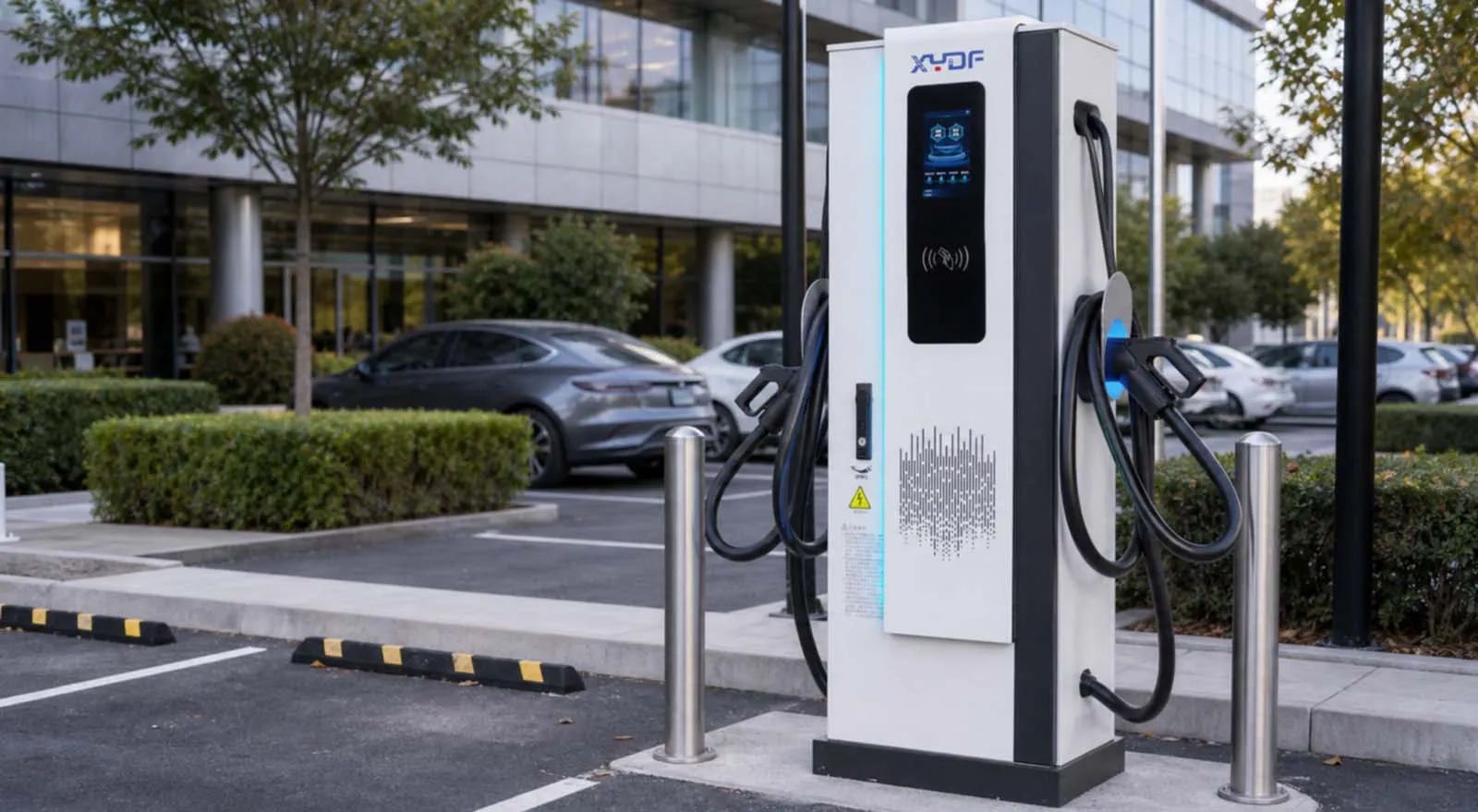
Charging a PHEV at a public hybrid car charging station is generally straightforward. However, the various processes may differ based on the model of vehicle and the charging network or facility used.
First, position your vehicle nearby the charging station so that the cable can reach the car’s charging port. Verify the type of the connector you need to use and make sure that it matches your vehicle’s connector. Open your car’s charging port, plug the connector in firmly, and begin charging using a smartphone application for the charging station, access through RFID, QR code, or payment terminal. RFID access implies that the user can operate the charging system using their RFID card or key fob in offices, hotels, fleet parking spaces, and commercial charging networks.
While charging, one can often find battery percentage, amount of time left, and charging status on the vehicle dashboard or on the app. When through with charging, the charging session should be stopped, the connector unplugged, the cable returned and the vehicle moved out of the charging space.
RFID Access: A user authentication method that allows drivers to start charging with an RFID card or key fob.
Key steps:
- Park at a compatible charging bay.
- Check the connector and charging power.
- Plug in the charging cable securely.
- Activate the charger through app, RFID card, QR code, or payment terminal.
- Monitor charging progress.
- Stop charging and unplug safely.
Common Charging Connectors for PHEVs
When charging a plug-in hybrid vehicle, one vital factor is the connector used. The connector type varies from one region to another, depending on the available charging standard and the vehicle manufacturer.
A lot of PHEVs in North America charge using the SAE J1772 connector for AC charging whereas in Europe, the Type 2 connector is the preferred powering option. Moreover, some new vehicles in North America may be evolving to the NACS standard due to the increasing number of charging facilities.
Common connector types include:
- SAE J1772: Common AC connector in North America.
- Type 2 / Mennekes: Common AC connector in Europe and many international markets.
- CCS: Used for DC fast charging on compatible vehicles.
- CHAdeMO: This charging method is utilized by specific older EVs and few PHEV models but is currently being phased out as CCS and NACS grow in popularity.
- NACS: Increasingly important in North America.
Connector choice follows the vehicles and destination market. SAE J1772 defines the North American conductive coupler and related communication requirements for EVs and PHEVs, while IEC 62196-1 covers plugs, socket-outlets, vehicle connectors, and vehicle inlets. The physical connector is different from the EVSE port, which is the power-delivery channel. AFDC notes that one port may offer multiple connector types but can charge only one vehicle at a time.
For a mixed customer base, create a matrix by country, vehicle model, charging mode, connector, and network-access method. Confirm whether the project needs Type 2, J1772, NACS/J3400, CCS, or another regional interface, and document adapters only when the vehicle maker permits them. The mixed-fleet connector RFQ checklist provides a procurement format. Avoid calling a station “universal” unless its supplied hardware, software, and local approvals support that claim.
Check the charger and connector before relying on a public station. A station can be present yet incompatible with a particular PHEV; for example, a CHAdeMO DC connector is not useful to a vehicle designed to accept only AC power through a J1772 inlet.
How Long Does It Take to Charge a Plug-In Hybrid?
Charging period is determined by three factors: battery size, charger capacity, and limitations of the vehicle’s onboard charger.
A plug-in hybrid electric vehicle with a relatively small battery may recharge overnight using a conventional outlet. In the case of many PHEVs, they may take only a few hours to charge to full capacity when using a Level 2 charging station. Nevertheless, it should be noted that the charging speed depends not only on the charging station being used. In fact, if the onboard charger is capable of handling either 3.3 kW or 7.2 kW of power during charging, even an advanced charging station will not be of use.
As an illustration, in a case where your plug-in hybrid electric vehicle has a maximum allowed charging capacity of 3.3 kW, plugging it into a public charging station rated at 22 kW will yield charging at the maximum speed as supported by the vehicle.
In general:
- Level 1 charging is slower but convenient for overnight home use.
- Level 2 charging is faster and ideal for daily PHEV charging.
- DC fast charging is only useful if the PHEV model supports it.
How can dwell time be converted into a defensible power requirement?
Start with energy rather than a headline charging level. Required average power in kW equals the energy to replenish in kWh divided by the available PHEV dwell time in hours. Apply a separately documented allowance for conversion and distribution losses, then confirm that the vehicle can accept the resulting power. This prevents a short parking window from being “solved” with an oversized charger the PHEV cannot use.
For example, assume a PHEV needs 9 kWh before its next shift and remains parked for 3 hours. The required average at the vehicle is 9 ÷ 3 = 3 kW. With a 10% design allowance for losses, the site should plan about 3.3 kW from the EVSE. A 7.4 kW AC port could meet that target, but it would not make the vehicle accept 7.4 kW. If the same vehicle has only a 90-minute dwell window, the required average becomes 6 kW, which may call for a second session, another vehicle, or a verified higher-acceptance model.
Before approving a workplace or depot design, measure arrival and departure times by vehicle group; energy required per shift, route, or parking event; onboard AC acceptance and connector for every PHEV and BEV; transformer, panel, and feeder headroom; demand charges, phases, and protection settings; and the operational priority for departure energy, employee access, or public turnover. Use the commercial EV charging load-profiling guide to turn those inputs into a time-based load profile rather than a simple bay count.
How Much Does It Cost to Charge a Plug-In Hybrid?
The price of charging a PHEV will vary according to electricity costs in your area, size of battery to be charged, location of charging, and pricing model. Generally, charging at home is less expensive than charging on the go, particularly since off-peak electricity costs are often cheaper.
There is a possibility that public charging centres will charge you according to the quantity of energy you used, the length of time you were connected, how much the charging session costs or the time you spent parked charging your vehicle. Thus public charging may sometimes turn out to cost more than it was supposed to, especially if your car was charging slowly or remained connected after charging.
The majority of plug-in electric hybrid vehicle users should charge their vehicles at home during the night, and only use public charging stations when it would be affordable, accessible, or included in charging service at the place of work, hotel or shopping center.
Charging a PHEV is usually cheaper than using gasoline for short daily trips. The actual savings, however, depend on the price of electricity, fuel prices, driving patterns, and charging frequency.
Home Charging vs Public Hybrid Charging Station: Which Is Better?
For the majority of individuals that own plug-in hybrids, charging at home is the most convenient and affordable way of charging the vehicle. Most PHEVs offer sufficient electric power to cover daily driving needs, which enables owners to recharge their vehicle each night in preparation for the next day’s drive.
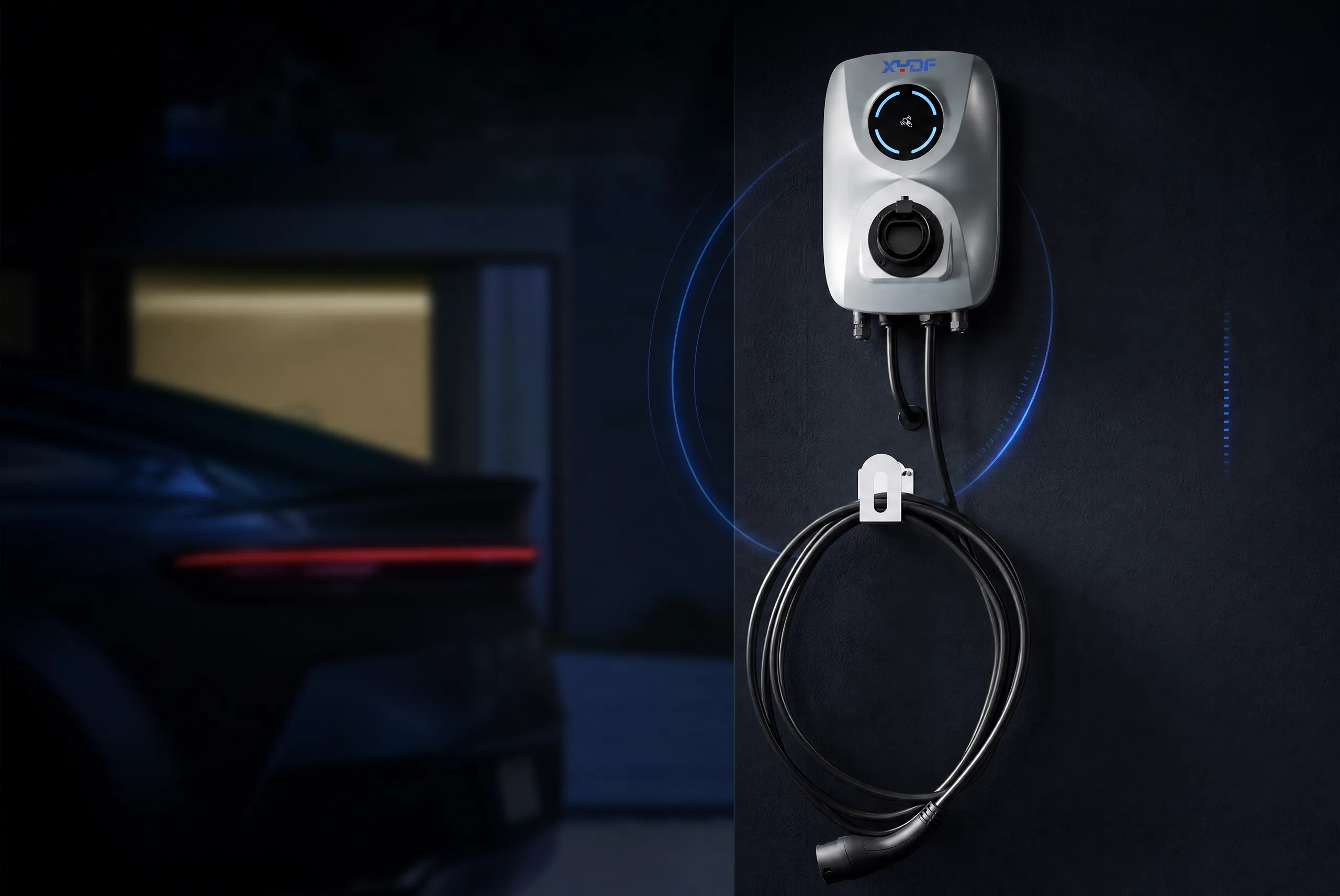
A hybrid car home charging station, typically a Level 2 AC charger, provides drivers with a much quicker and more efficient way to charge their vehicle as compared to a standard household outlet. It is a very effective option for those who wish to leave for work every day with a fully charged battery and lessen their gas consumption during their normal driving routines.
Charging in public places comes with certain advantages in some situations like that of office parking, malls, hotels, airports, grocery stores, or certain city parking spaces. This process is called destination charging since the car can get charged while the driver is involved in another activity.
The most important thing for installing a charger at a business location is not just that there has to be the charger but also that the charging solution is reliable, with effective distribution of power, controls for the users, safety measures and long-term maintenance. Companies that provide solutions such as XYDF make it possible for businesses to establish ideal conditions for chargers.
Home charging is better for daily use. Public charging is better as a supplement.
In case you stay in an apartment or do not have your own parking, public chargers, workplace chargers, and community chargers are helpful. Hence, picking reliable charging applications and learning about stations you can use nearby can enhance the ownership experience significantly.
Safety Tips for Home Outlet Charging
One can charge several PHEVs from a regular home socket by utilizing a charging cable that is usually portable. However, it is important to take into account the condition of the outlet, particularly when it comes to its age, presence of loose connections, overload, and the absence of proper grounding.
Do not use substandard extension cords. If the use of an extension cord is unavoidable, it must be rated for sustained heavy electrical load and outdoor use if relevant. A safer solution is to use a dedicated outlet, or hire a licensed electrician to install a certified Level 2 home charger.
Charging devices must also comply with recognized electrical and safety standards. For instance, global EV charging devices are often manufactured in accordance with regulations like IEC 61851 for electric car charging systems. Meanwhile, local markets may have additional certification criteria such as CE, UL, ETL, UKCA, or TÜV based on the installation location and product type.
Important safety points:
- Do not use damaged charging cables.
- Avoid loose or overheating outlets.
- Do not rely on cheap household extension cords.
- Check waterproof ratings for outdoor charging.
- Make sure the circuit can handle continuous charging load.
- Use manufacturer-approved or certified charging equipment.
A proper charging setup improves safety, charging efficiency, and long-term reliability.
IEC 61851-1 addresses general requirements for conductive EV supply equipment and system functions; it is a technical standard, not a blanket market approval or safety listing. IEC 62196 covers the connector and inlet framework, while SAE J1772 addresses the North American conductive coupler and related communication. Local electrical codes, grid rules, product-safety listings, and applicable editions still depend on the destination and installation.
Ask the supplier for the exact report or certificate scope, issuing body, model number, and validity; do not treat a logo or test-method reference as proof of certification. For project handover, assign an owner and acceptance test to connector fit, pilot communication, maximum current, residual-current protection, network recovery, meter accuracy, and emergency-stop behavior.
Should You Charge a Plug-In Hybrid Every Day?
Typically, charging a plug-in hybrid is useful if you want to get the most out of the electric driving experience. Regular charging permits the hybrid vehicle to utilize more battery power while using less gasoline, particularly for short trips and urban commuting.
To safeguard from overcharging, overheating, and excessive discharging, cutting-edge PHEVs are outfitted with a battery management system (BMS). Plugging the device in overnight has become commonplace for several PHEVs.
In addition, don’t forget to adhere to the instructions provided by the maker of your vehicle. A number of cars support time-based charging, charging prior to departure, or conditioning of the battery. These options may enhance performance, particularly in extreme temperatures.
When you don’t charge your Plug-in Hybrid Electric Vehicle (PHEV) regularly, it remains functional as a gasoline hybrid option, however, you will miss out on almost all the fuel-saving benefits of the device.
Can a Plug-In Hybrid Use Any EV Charging Station?
A plug-in hybrid is unable to use all electric vehicle charging stations as it depends on various factors such as connector type, charging level, infrastructure access, and vehicle charging abilities.
The majority of PHEVs are able to make use of public AC charging stations, provided that the correct type of connector is available. However, there are many PHEVs that cannot utilize DC fast chargers due to either a lack of the adequate hardware or charging inlet. Furthermore, even when one of these stations appears accessible on a map, it may not be suitable for charging PHEVs.
Before driving to a station, check:
- Тип разъема
- AC or DC charging type
- Charging network access
- Payment method
- Station availability
- User reviews or recent check-ins
- Parking restrictions
Applications like PlugShare, ChargePoint, EVgo, Electrify America, and other regional network applications can assist in finding stations that are compatible.
PHEV Charging Strategy for Different Driving Scenarios
The best PHEV charging strategy depends on how and where you drive.
When it comes to daily commuting, the best option is usually to charge at home each night. If your daily commute falls within the electric-only range, you might not need to use any gasoline during the week.
Charging can be beneficial on long journeys but is not always needed. A PHEV can drive long distances on gas, even when the battery is empty. When traveling, it may be more economical to charge at hotels or pit stops rather than waiting in line for a fast charger.
In urban driving environments, regular short-distance trips make plug-in hybrid electric vehicles highly efficient given that their low range trip typically uses A battery-powered engine. For residents living in apartments, as long as workplace charging or public Level 2 chargers are available and affordable, it can take the place of home charging.
In unfortunate weather conditions, electric range is likely to drop and charging is likely to take longer time. In tropical regions, shaded parking as well as avoiding excessive heat are helpful in preserving battery efficiency.
How can load management protect a mixed PHEV and BEV fleet?
Unmanaged charging adds each port’s instantaneous demand even when the vehicles do not need full power. A managed system can allocate power by departure deadline, energy shortfall, vehicle priority, and feeder limit. Long-dwell PHEVs can receive a lower scheduled setpoint while a BEV leaving in one hour receives priority. The control policy should also define communications-failure fallback, minimum current limits, user overrides, metering, and billing or reimbursement records.
Model at least three cases: normal arrivals, simultaneous peak arrivals, and an outlier day with late departures. Compare coincident demand with the utility-approved service capacity. If reinforcement is necessary, stage conduits and switchgear for future ports while matching the initial number of energized ports to measured demand. Evaluate the AC charger range only after documenting these vehicle and electrical constraints.
A practical strategy is simple: charge when it is convenient and economical, but do not treat a PHEV exactly like a full EV. The gasoline engine gives flexibility, while regular charging gives efficiency.
What Should a PHEV Charging Procurement Package Require?
| Decision area | Evidence to request | Why it matters for PHEV projects |
|---|---|---|
| Vehicle fit | Model-by-model AC acceptance, inlet, and connector matrix | Prevents paying for power a PHEV cannot use |
| Energy service | Dwell windows, kWh target, loss assumption, and departure-energy rule | Links charger scheduling to operational outcomes |
| Electrical capacity | Single-line diagram, available kVA, protection, and demand-charge data | Sets a safe site limit and identifies upgrade risk |
| Controls | Load-management logic, communications protocol, offline behavior, and exportable records | Supports mixed PHEV and BEV allocation and accountability |
| Соответствие | Applicable test reports, national listings, and installation instructions | Separates verified evidence from marketing language |
| Сервис | Spare-parts list, response targets, firmware policy, and warranty exclusions | Forecasts downtime and lifecycle cost |
Use the overnight AC charger selection guide to compare operating assumptions, then ask shortlisted suppliers to return the same data fields. A procurement-ready PHEV charging brief should state the vehicles, connectors, duty cycle, site limit, controls, documentation, and acceptance tests in one controlled document.
What is the practical decision path for a distributor or site operator?
- List every vehicle class and verify onboard AC acceptance, inlet, and connector by destination market.
- Convert routes and parking records into kWh targets and the shortest credible dwell windows.
- Measure the site’s interval load and reserve a documented ceiling for coincident EV demand.
- Define priority rules for PHEVs, BEVs, visitors, and critical fleet departures, including offline fallback.
- Issue a comparable RFQ covering evidence, standards scope, commissioning tests, service, and expansion provisions.
XYDF can discuss configurable AC and DC options after the duty cycle and compliance evidence are clear; equipment choice should follow the operating brief, not replace it. For a site-specific review, contact the Xinya EE team with the vehicle list, connector markets, and one representative load profile.
Часто задаваемые вопросы
Can hybrid cars be charged at charging stations?
Only plug-in hybrid cars, also called PHEVs, can be charged at charging stations. A regular hybrid car, or HEV, cannot be plugged in because it does not have an external charging port. HEVs charge their small battery through the gasoline engine and regenerative braking. If your car is a plug-in hybrid, you can usually charge it at home, at work, or at a compatible public charging station.
Is it worth getting an EV charger for a hybrid car?
Yes, it can be worth getting an EV charger if your hybrid car is a plug-in hybrid. A home EV charger, especially a Level 2 charger, can make daily charging faster, safer, and more convenient than using a standard wall outlet. It is especially useful if you drive regularly, want to use more electric power and less gasoline, and can charge during cheaper off-peak electricity hours. For a regular non-plug-in hybrid, an EV charger is not needed.
How much does it cost to charge a hybrid car at a public charging station?
The cost depends on the charging network, electricity price, location, charging speed, and pricing method. Public charging stations may charge by kWh, by time, by session, or include parking fees. Because plug-in hybrids usually have smaller batteries than full electric vehicles, a full charge often costs less than charging a BEV. However, public charging can sometimes be more expensive than home charging, especially if the station charges by time and your PHEV charges slowly. In most cases, home charging is the cheapest option, while public charging is best used when it is convenient, free, or included at workplaces, hotels, shopping centers, or parking facilities.
What is hybrid charging?
Hybrid charging usually means charging a plug-in hybrid electric vehicle, or PHEV, through an external power source such as a home outlet, Level 2 charger, or public charging station. In some charging infrastructure contexts, “hybrid charging” can also refer to a charging system that combines different energy sources, such as grid power, solar power, and battery energy storage. For car owners, the most common meaning is simply charging a plug-in hybrid’s battery so the vehicle can drive using electric power before switching to gasoline when needed.
How long does it take to charge a hybrid at a charging station?
Charging time depends on the plug-in hybrid’s battery size, the charger power, and the vehicle’s onboard charging limit. Level 1 charging from a standard outlet may take several hours or overnight, while Level 2 charging at home or public stations often charges many PHEVs in a few hours. DC fast charging is only available on limited PHEV models. Most plug-in hybrids have smaller batteries than full EVs, so they usually do not take as long to fully charge. However, many PHEVs cannot accept very high charging power, so a faster public charger may not always reduce charging time significantly.
Do you need a charging station at home for a hybrid car?
You do not need a charging station at home for a regular hybrid car because it cannot be plugged in. For a plug-in hybrid, a home charging station is not always required, but it is often very useful. Many PHEVs can charge from a standard household outlet, but a dedicated Level 2 home charger can provide faster charging, better convenience, safer long-term use, and more reliable overnight charging. If you drive your PHEV daily and want to maximize electric-only driving, a home charging station is a good investment.
What type of charger do you need for a plug-in hybrid?
Most plug-in hybrids need a Level 1 or Level 2 AC charger. A Level 1 charger uses a standard household outlet and is suitable for overnight charging or small PHEV batteries. A Level 2 charger is faster and is usually the best option for home, workplace, and public destination charging. Many PHEVs do not support DC fast charging, so it is important to check your vehicle’s charging specifications before choosing or using a charging station.
Can I charge my hybrid car at home?
Yes, you can charge your hybrid car at home if it is a plug-in hybrid. Most PHEVs can be charged with a portable Level 1 charger plugged into a standard household outlet, and many owners choose to install a Level 2 home charger for faster and more convenient charging. A regular hybrid car cannot be charged at home because it has no plug-in charging port.
Can a 22 kW AC charger make a PHEV charge at 22 kW?
No. The vehicle’s onboard charger sets the maximum AC acceptance, so a 22 kW EVSE may be intentionally underused by a PHEV. Verify the vehicle limit and size the port for the required energy within the available dwell window.
Should a depot reserve equal power for PHEVs and BEVs?
Not automatically. Allocate power using departure deadlines, energy shortfall, and route criticality, then test the policy against simultaneous arrivals. Long-dwell PHEVs can often be scheduled around short-dwell BEVs, subject to verified vehicle limits and site capacity.
Is connector compatibility the same as charging-network access?
No. A compatible plug does not guarantee authorization, payment, roaming, firmware support, or an available port. Include connector, protocol, account, and parking restrictions in the site acceptance checklist.
What evidence should a supplier provide for a compliance claim?
Request the report or certificate number, issuing body, covered model and market, test scope, and validity date. Standards such as IEC 61851 or SAE J1772 describe technical requirements; local authorities or recognized laboratories may require additional approvals before installation.
Ссылки
- U.S. Department of Energy, Alternative Fuels Data Center — Electric Vehicle Charging Stations
- U.S. Department of Energy, Alternative Fuels Data Center — Electric Vehicle Charging Infrastructure
- International Electrotechnical Commission — IEC 61851 Electric Vehicle Conductive Charging System
- IEC 61851-1:2017 — Electric Vehicle Conductive Charging System, General Requirements
- IEC 62196-1:2022 — Plugs, Socket-Outlets, Vehicle Connectors and Vehicle Inlets
- SAE J1772 — Electric Vehicle and Plug-in Hybrid Electric Vehicle Conductive Charge Coupler
- CharIN — Combined Charging System and Charging Interface Information
A charging station for hybrid cars is most useful for plug-in hybrid vehicles, not conventional hybrids. Correct PHEV charging depends on charger type, connector compatibility, cost, safety requirements, and driving habits. For most owners, the practical approach is regular home charging, public Level 2 charging when convenient, and gasoline for longer trips when charging is not practical.
For residential, commercial, or public plug-in hybrid charging projects, contact XYDF to discuss an appropriate charging-station solution for the intended PHEV and EV users.